1/8
Embracing Pacific Northwest coastal style where 'winter storms double as art'
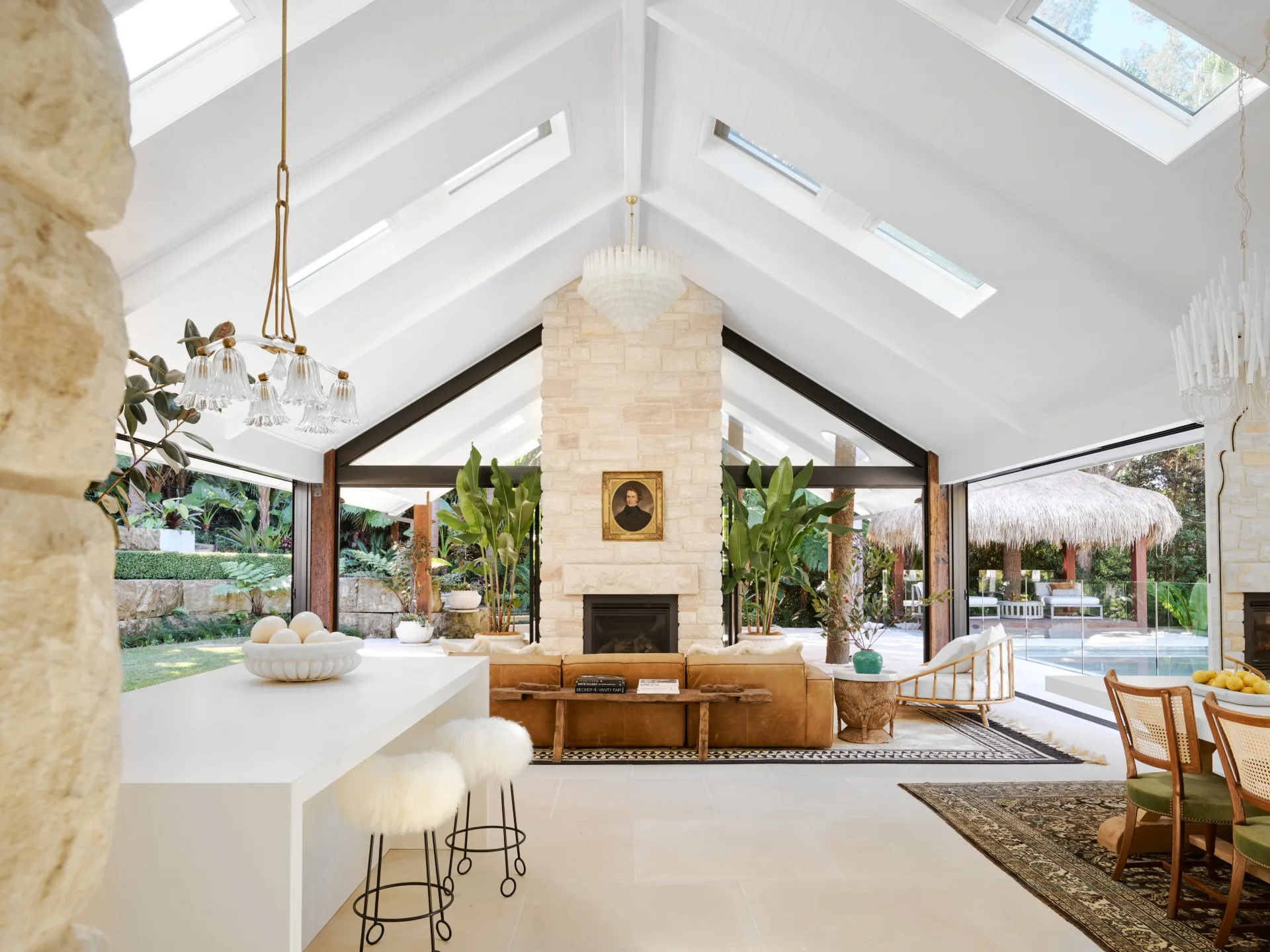
The article explores the contemporary coastal style prevalent in the Pacific Northwest, drawing insights from Paige Gray, lead designer and partner at B.C.-based Parker & Harlow Interior Design. This design philosophy is deeply influenced by the region's distinct way of life, characterized by factors such as frequent outdoor activities, unpredictable weather conditions leading to power outages, and the logistical challenges of furnishing remote island homes with limited resources. These environmental and lifestyle considerations directly shape material selections, technological integrations, and storage solutions, necessitating designs that are not only aesthetically pleasing but also highly functional and resilient.
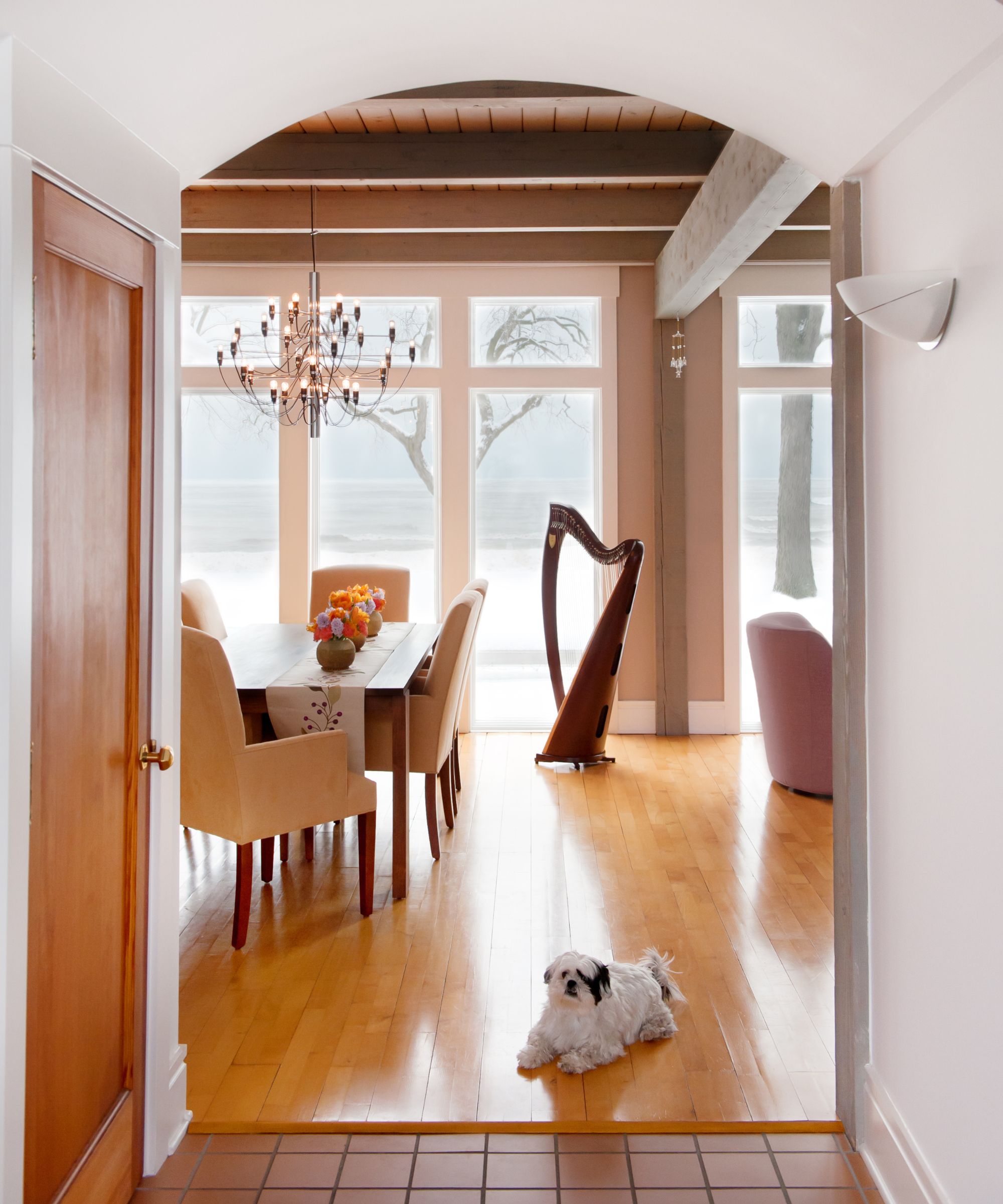
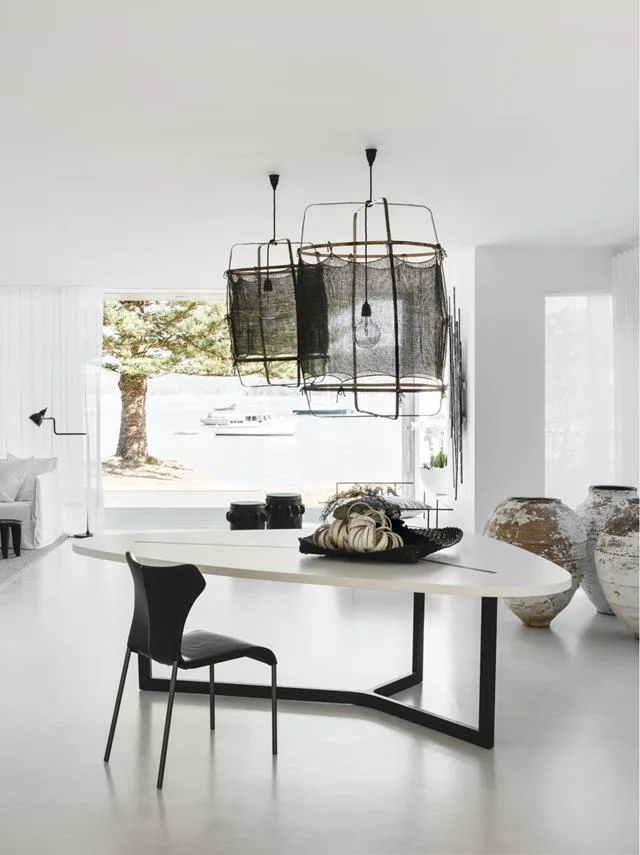
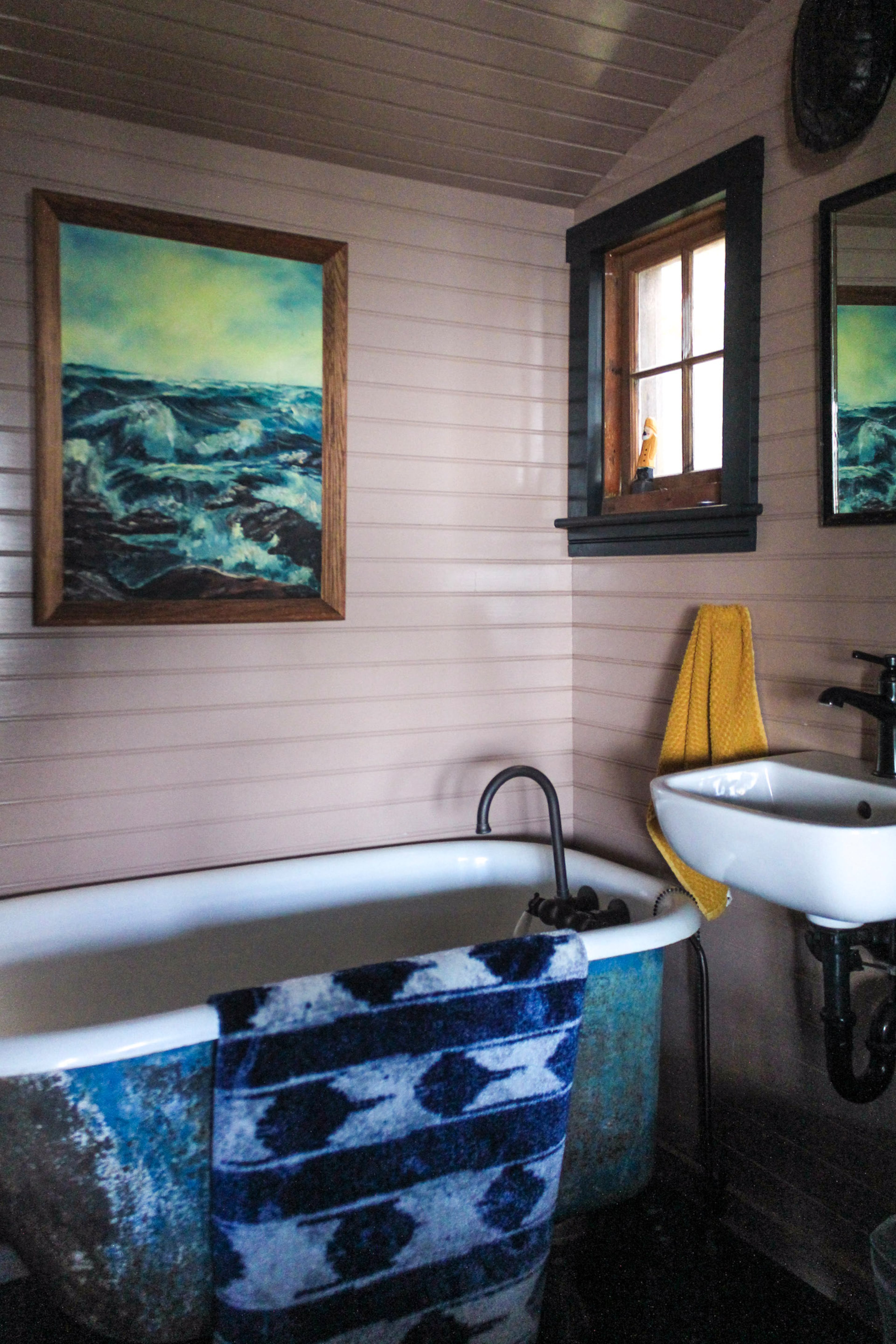
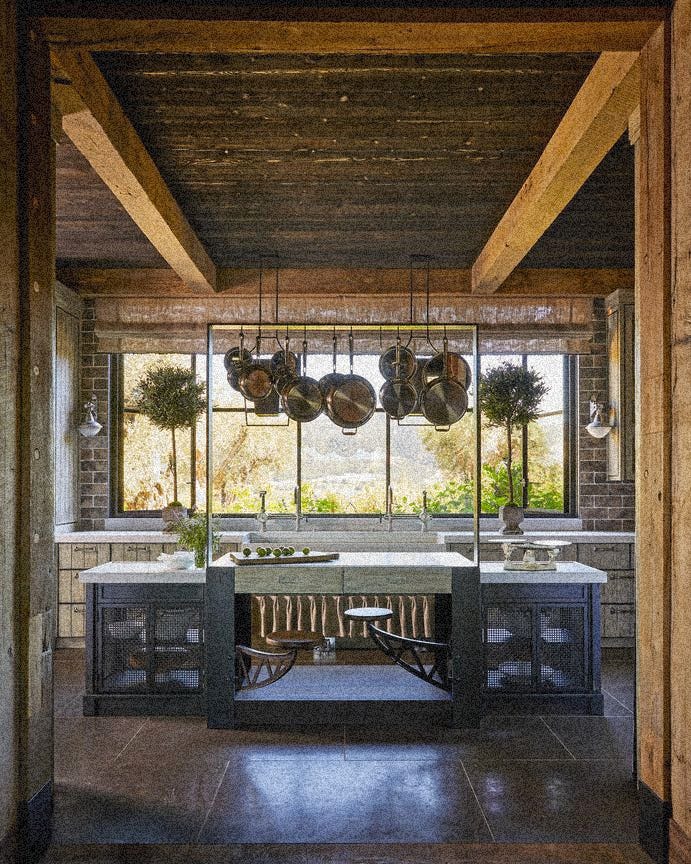
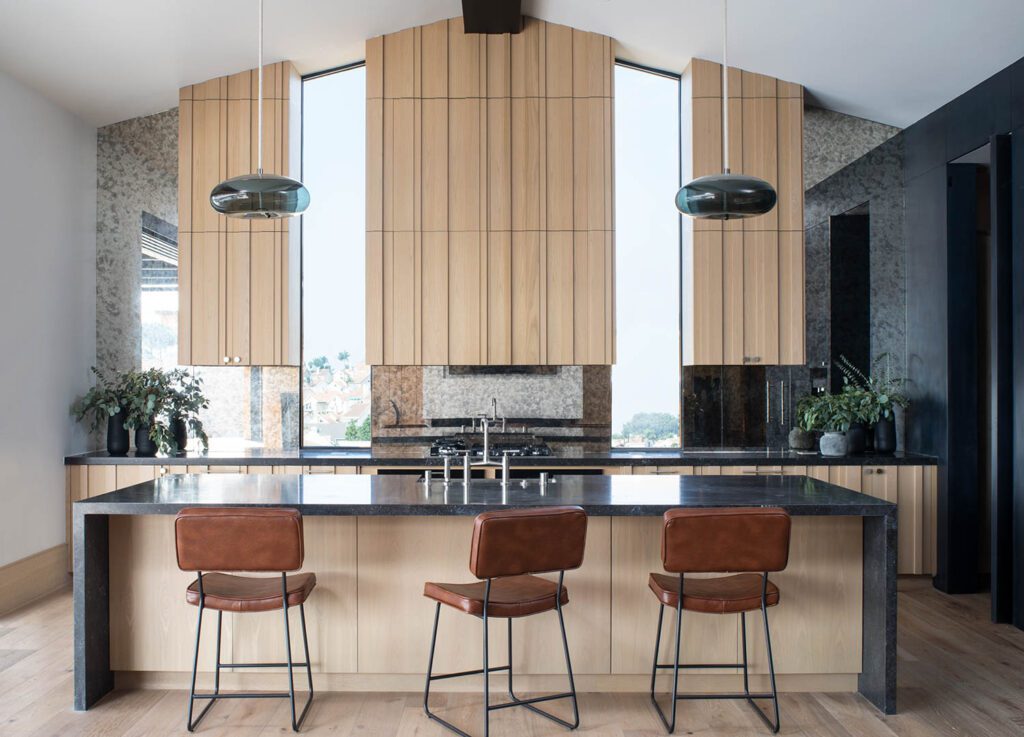
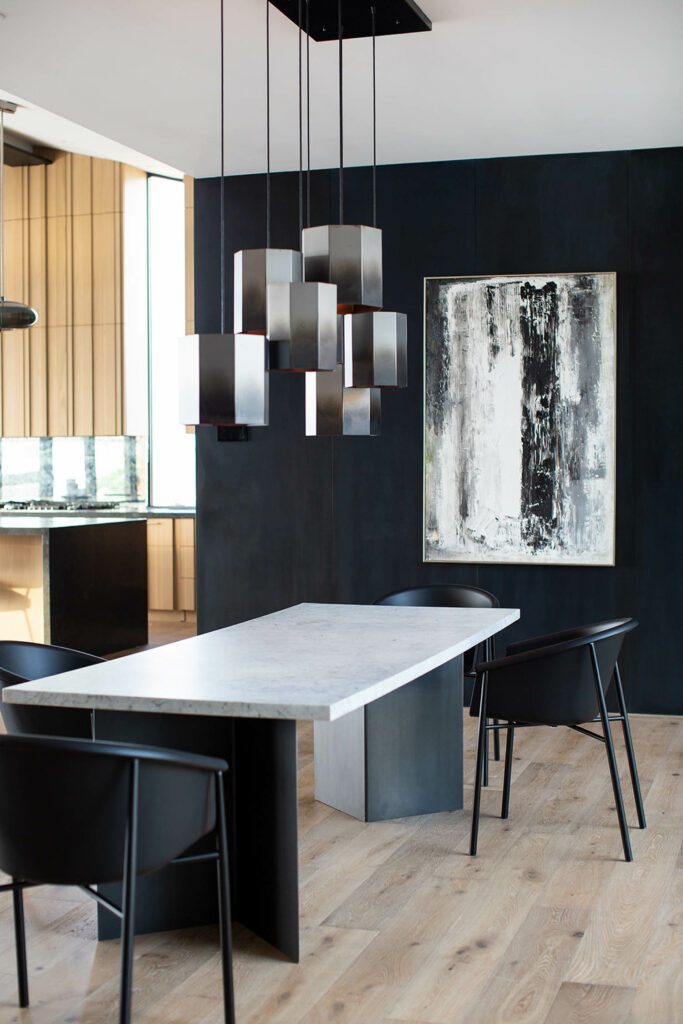
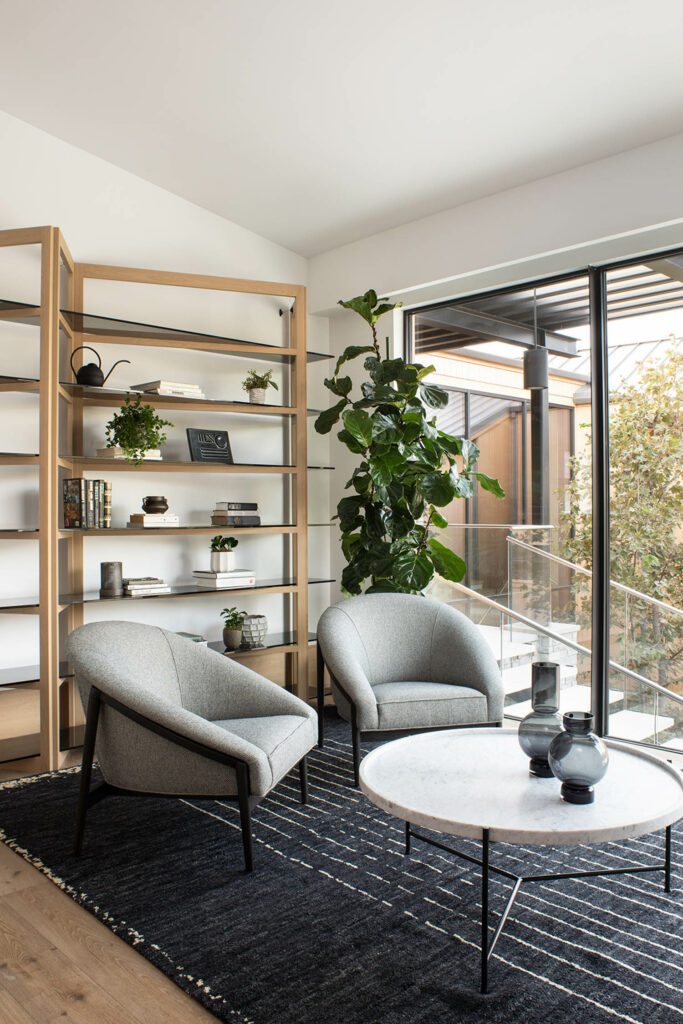
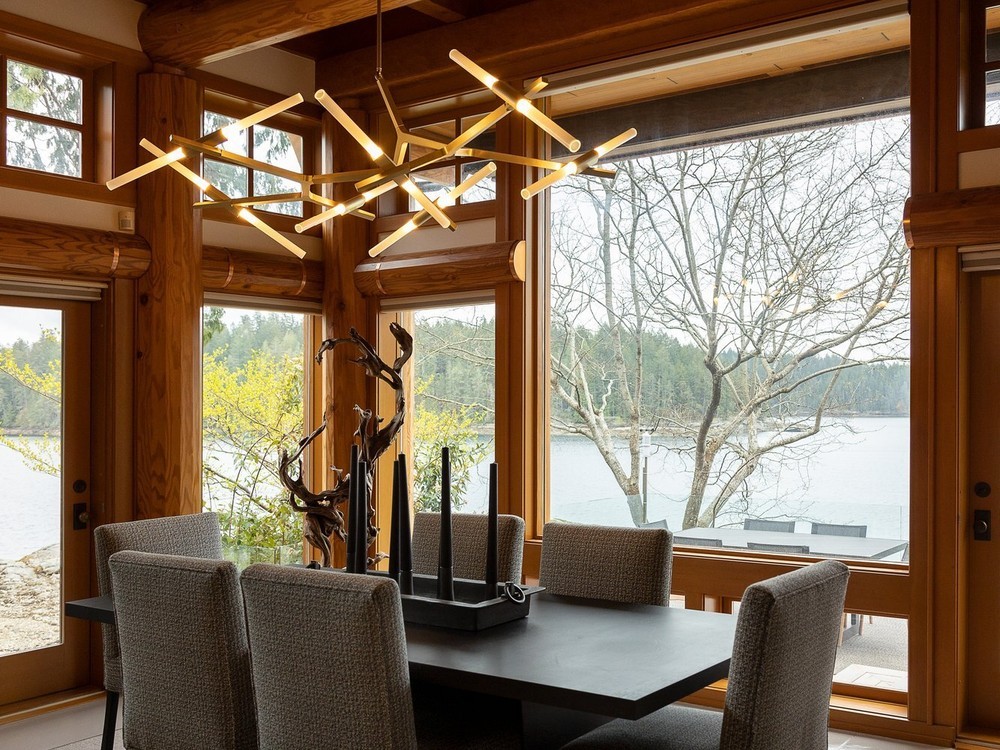
Gray emphasizes that Pacific Northwest coastal style is fundamentally built on a foundation of contrasts. This includes combining smooth, serene natural stones with rustic, textured wool fabrics, or pairing a robust wooden table with a light, ethereal chandelier. These juxtapositions are central to Parker & Harlow’s design process, anchoring their aesthetic in the unique character of the Pacific Northwest. An illustrative example of this approach is a recent renovation project on a waterfront home on Cortes Island within the Discovery Islands archipelago. For this project, Gray and her team focused on the dining room, a space frequently used for social gatherings. The design intentionally features grand columns, beams, and expansive glass windows that frame the surrounding bay, creating a minimal yet captivating environment. The goal was to direct attention outward to the spectacular coastal vistas, allowing the natural beauty of steely greys, dark blues, and deep greens to become an integral part of the interior experience.
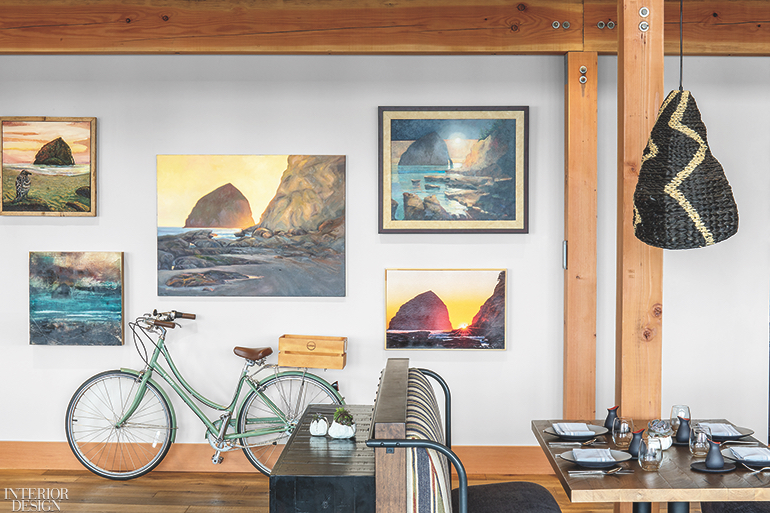
In this Cortes Island dining room, the design ensures that cozy dining chairs and a solid black oak table are kept low in the sightline. This strategic placement maximizes the unobstructed views from the large windows, allowing the dramatic winter storms to be perceived as dynamic works of art. The philosophy behind this space is to foster a direct connection between the occupants and the ocean, asserting that the natural surroundings are the primary element of beauty and requiring nothing more to enhance the experience. To replicate this distinctive style in one's own home, Gray advises starting with organization and then seeking inspiration directly from the outdoors. The process involves paring back unnecessary elements to create spaces that promote breathing room and relaxation, aligning with the serene and uncluttered aesthetic of the Pacific Northwest.
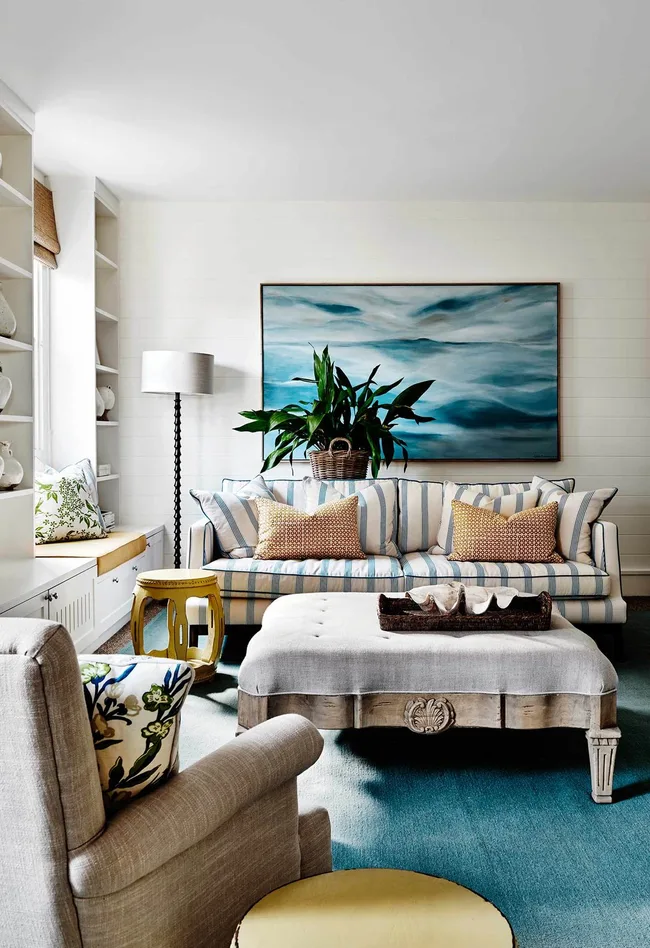
Gray suggests moving beyond conventional 'beachy' aesthetics and instead immersing oneself in the rugged natural environment. A walk through a rainy, rugged trail reveals a rich palette of colors and textures that can inform interior choices. For instance, the smooth sheen of rain on granite can inspire the finish of refined stone counters, while the deep, earthy hues of moss can influence tonal textures and weaves in textiles. This approach emphasizes deriving design elements directly from the natural landscape, promoting an authentic connection between the interior living space and its rugged, coastal environment. The article concludes by offering six practical ways to achieve a breezy, coastal calm look, providing tangible ideas for homeowners to incorporate this unique style into their own living spaces.
#PacificNorthwestStyle #CoastalDesign #InteriorDesign #HomeDecor #ParkerAndHarlow #CortesIsland #ArchitecturalInfluence #NatureInspiredDesign #PacificNorthwestStyle #CoastalDesign #InteriorDesign #HomeDecor #ParkerAndHarlow #CortesIsland #ArchitecturalInfluence #NatureInspiredDesign
共0条评论
 暂无评论
暂无评论你可能还喜欢
'It's where heritage tradition meets the barefoot ease of living near the water' – this is how to nail the 'Eastcoastal' aesthetic, according to a designer who lives it year-round

10 different coastal-style looks for the home

'Coastal Scandifornia' Is The New Design Trend That Combines The Best Of Two Aesthetics
23 Coastal Décor Ideas to Give Your Home a Beachy Vibe—No Matter Where You Live

7 coastal entryway ideas to create an airy and inviting welcome to your home
At Headlands Coastal Lodge & Spa, EDG and Scott Edwards Embrace Oregon’s Essence

5 Things To Consider When Building A Coastal Home

Loving the Coastal Cowgirl Trend? Here’s How to Add the Aesthetic to Your Decor
We're Seeing the "Coastal Christmas" Decor Trend EVERYWHERE—Get the Look Starting at $18

Going coastal: Melbourne shop delivers ocean-inspired decor
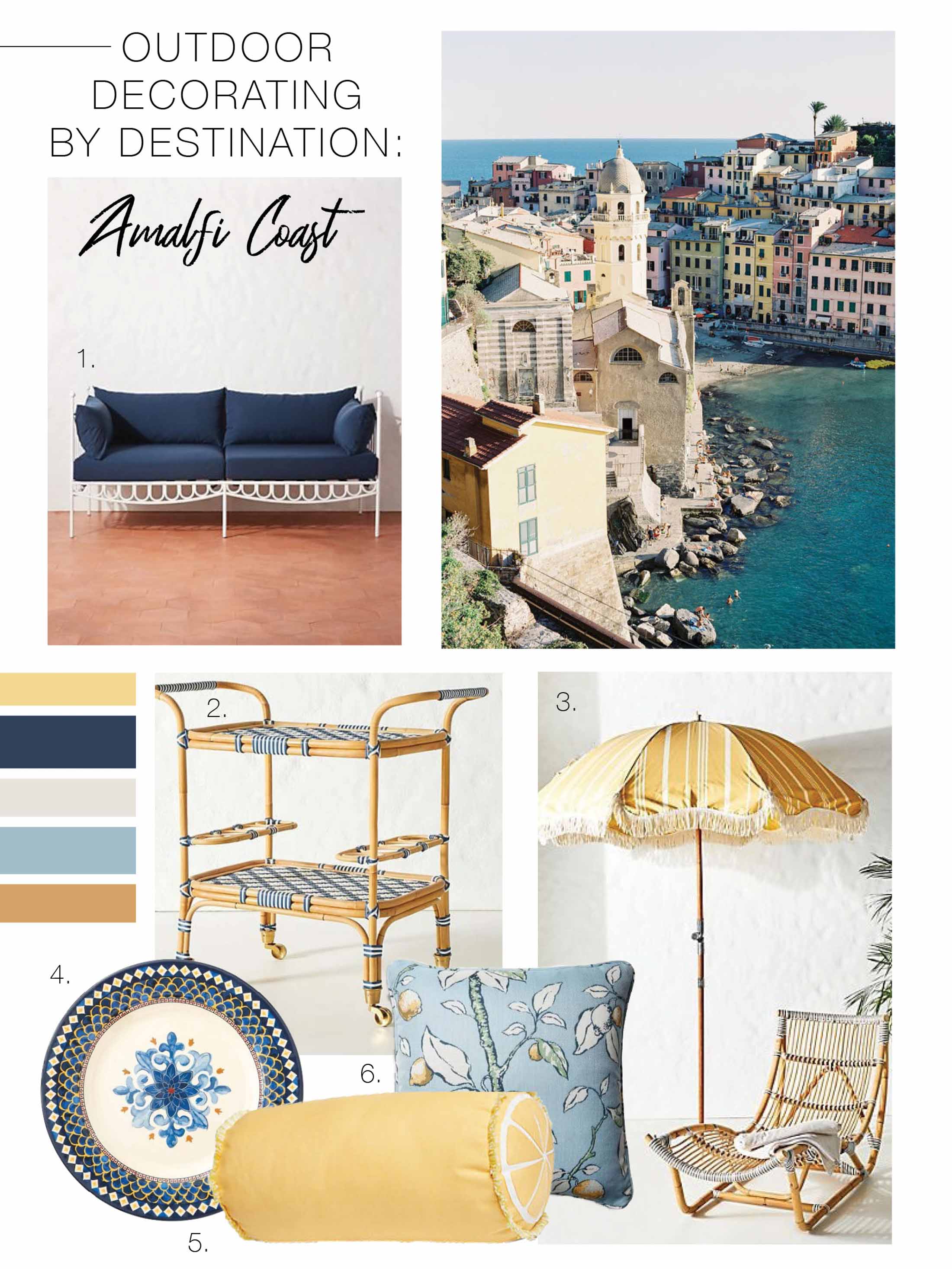
Outdoor Decorating by Destination

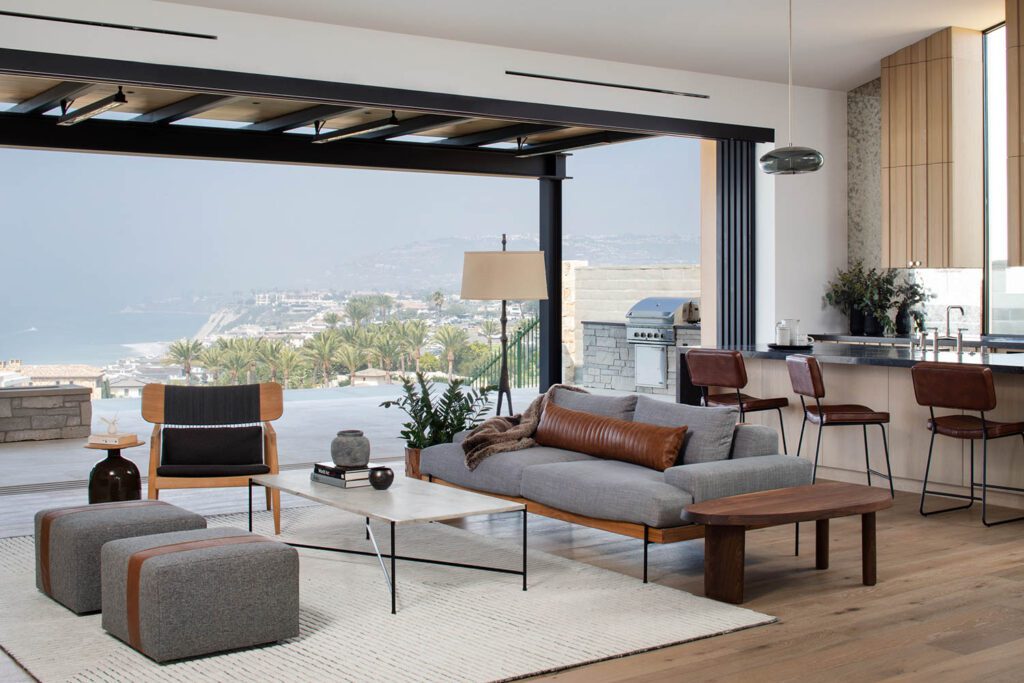
Hawk & Co. Outfits This Indoor-Outdoor Oasis Along the California Coast With Striking Interiors
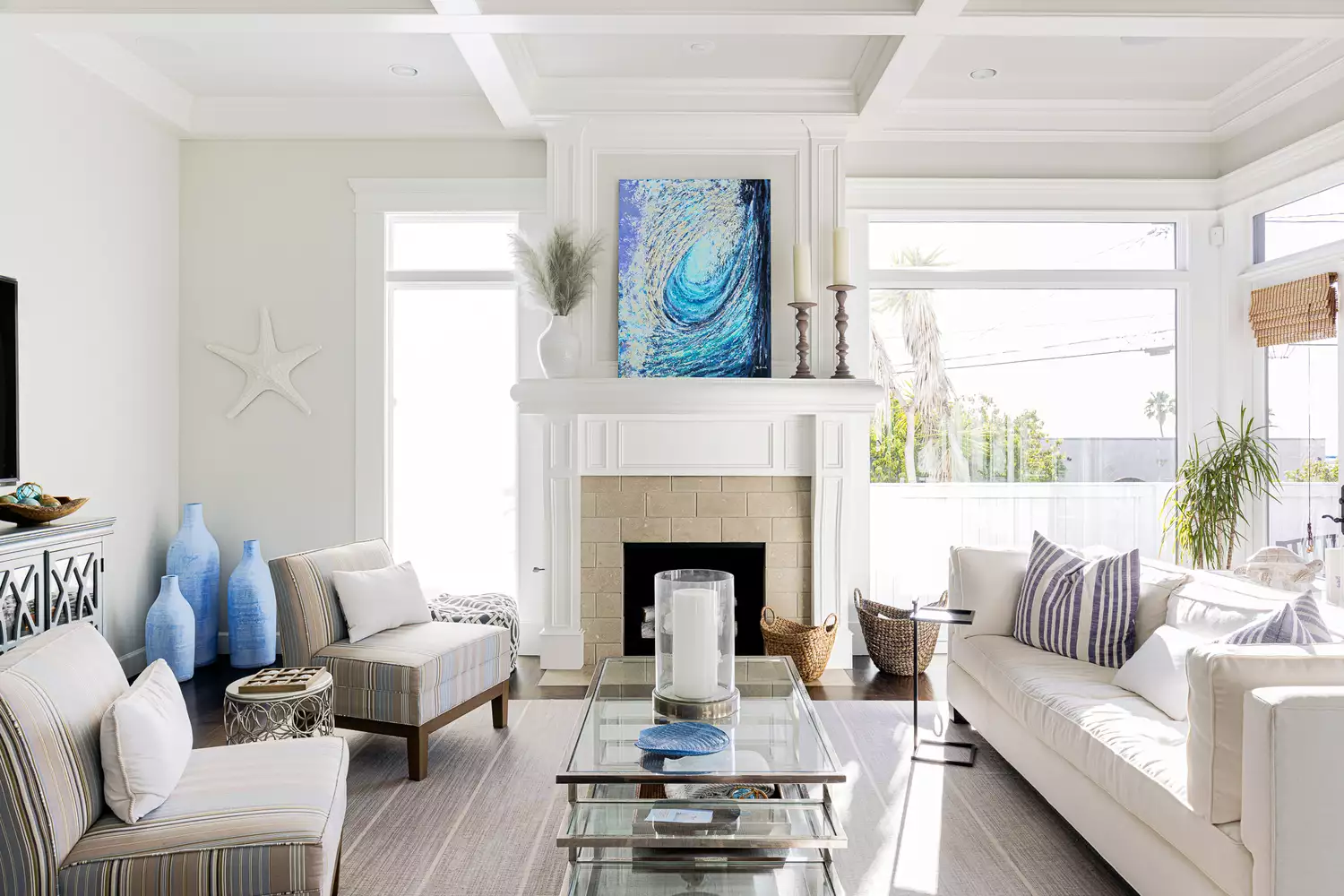
Getting To Know Coastal Style Decorating

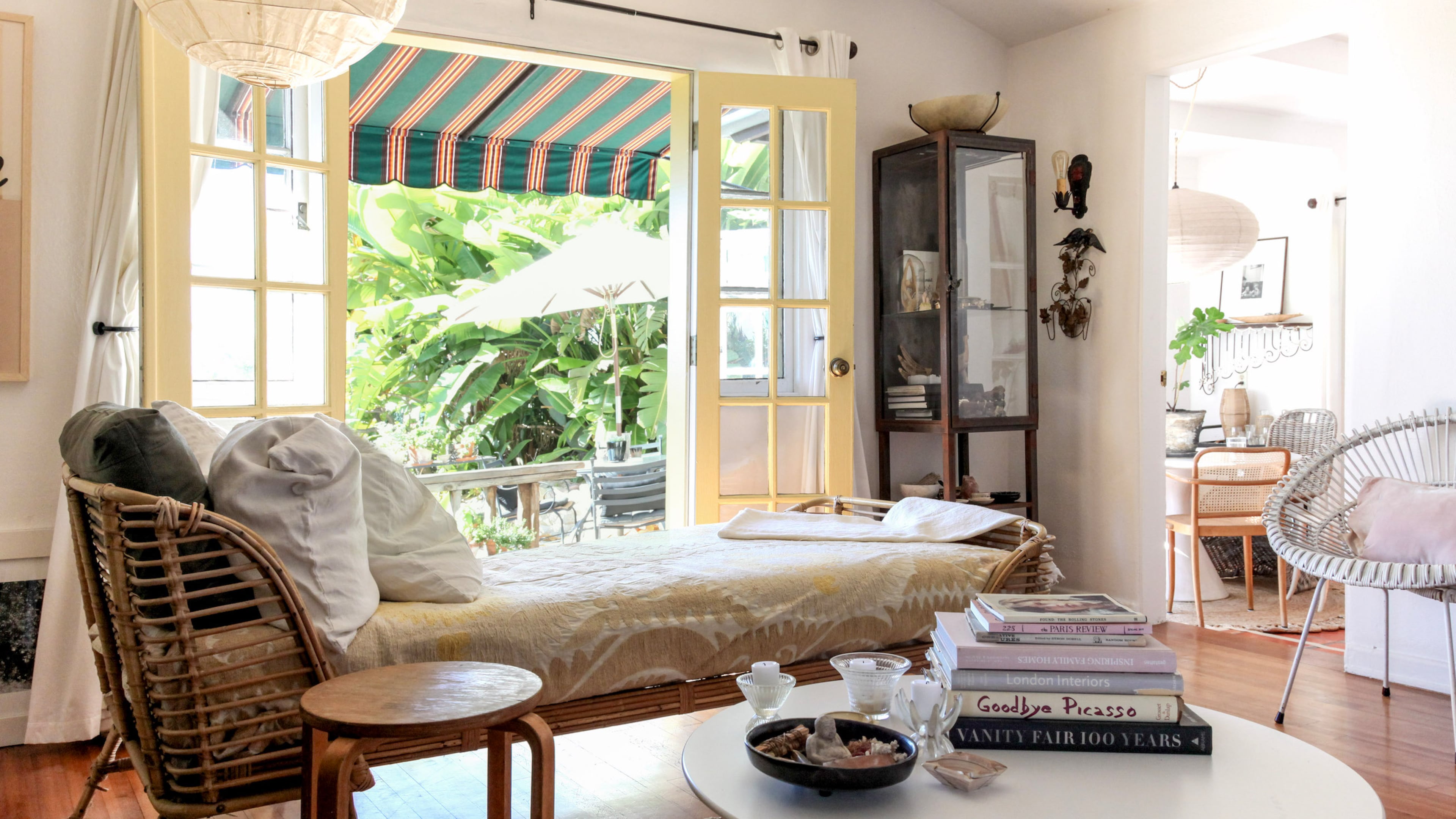
11 tips for bringing a modern coastal look to your home
Serena and Lily on How to Bring California Coastal Design to Your Home

How to style the coastal charm trend in a home to give it timeless appeal, according to a stylist
Palm trees grow from within this nature-filled Northern Beaches sanctuary
The Coastal Cowgirl Trend Is Blowing Up TikTok
Steal This Designer's Tricks to Master the Modern Coastal Aesthetic
A Little House in the Big Woods