Don't Make These 9 Mistakes When Remodeling Your Bathroom, Pros Warn
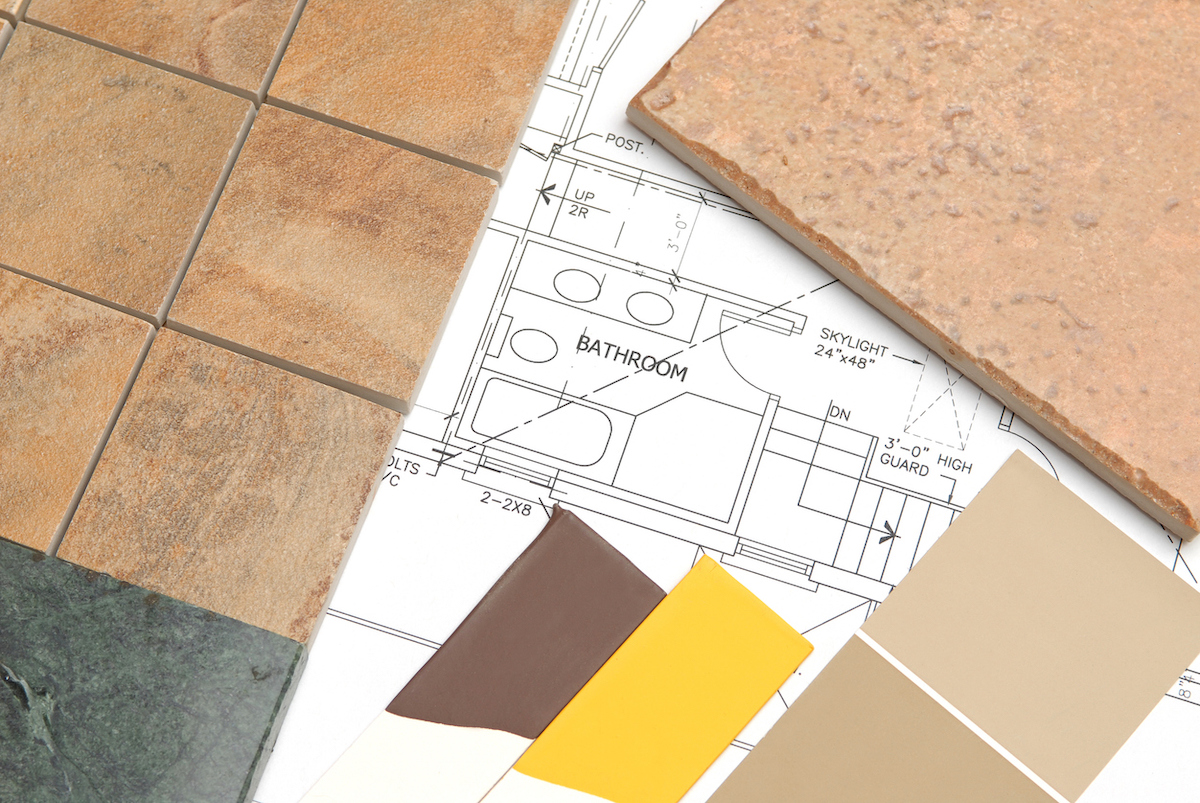
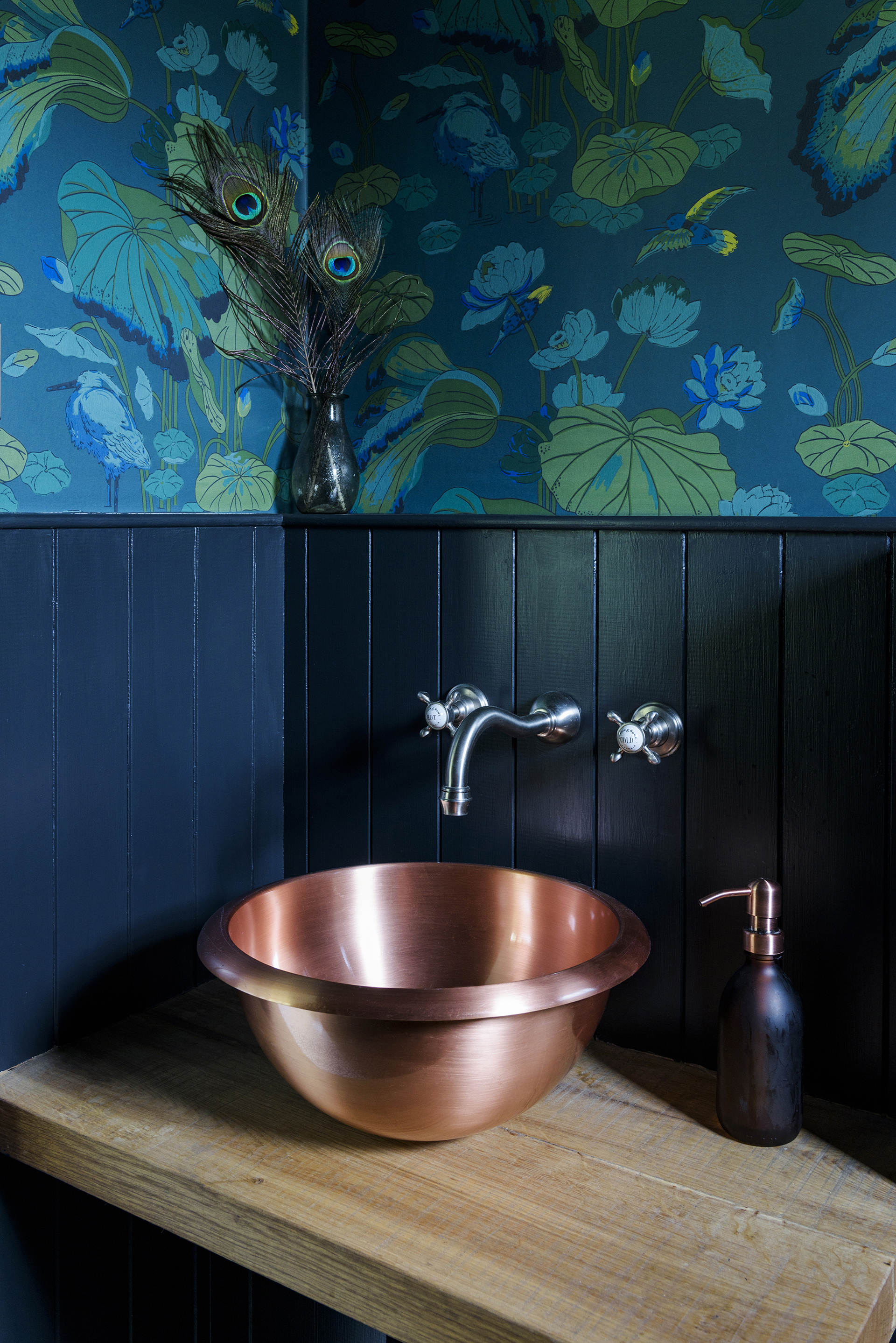
Undertaking a bathroom renovation is a significant project that requires thorough preparation to ensure satisfactory results. Avoiding common mistakes is crucial for a successful outcome. One key error is neglecting to review design selections in real life. Renderings of paint colors, materials, and finishes often differ from their appearance in person. Interior designers recommend examining physical samples to accurately assess colors, textures, and scale, as digital or printed representations can be misleading. Obtaining samples beforehand can prevent costly disappointments later in the project.
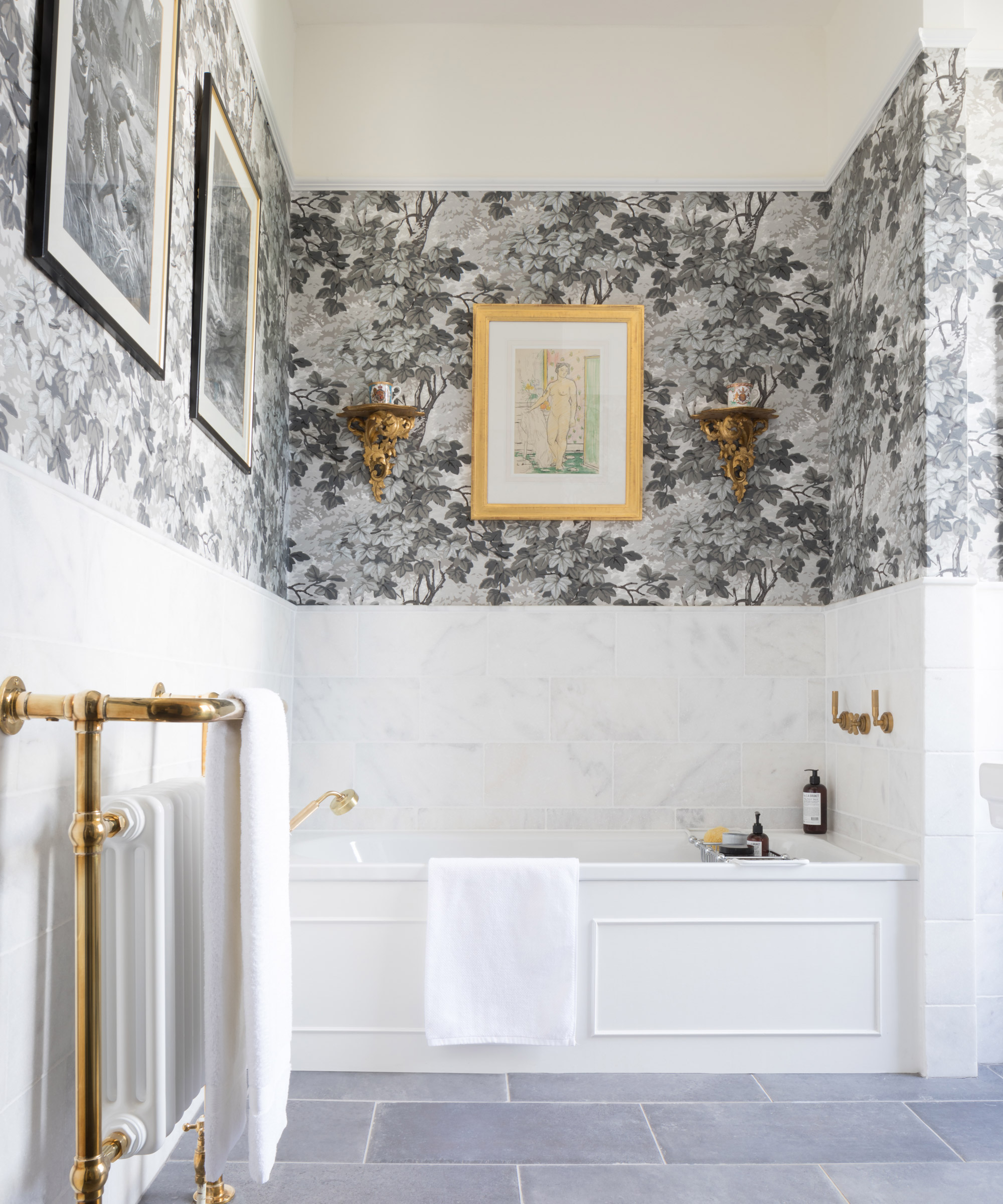
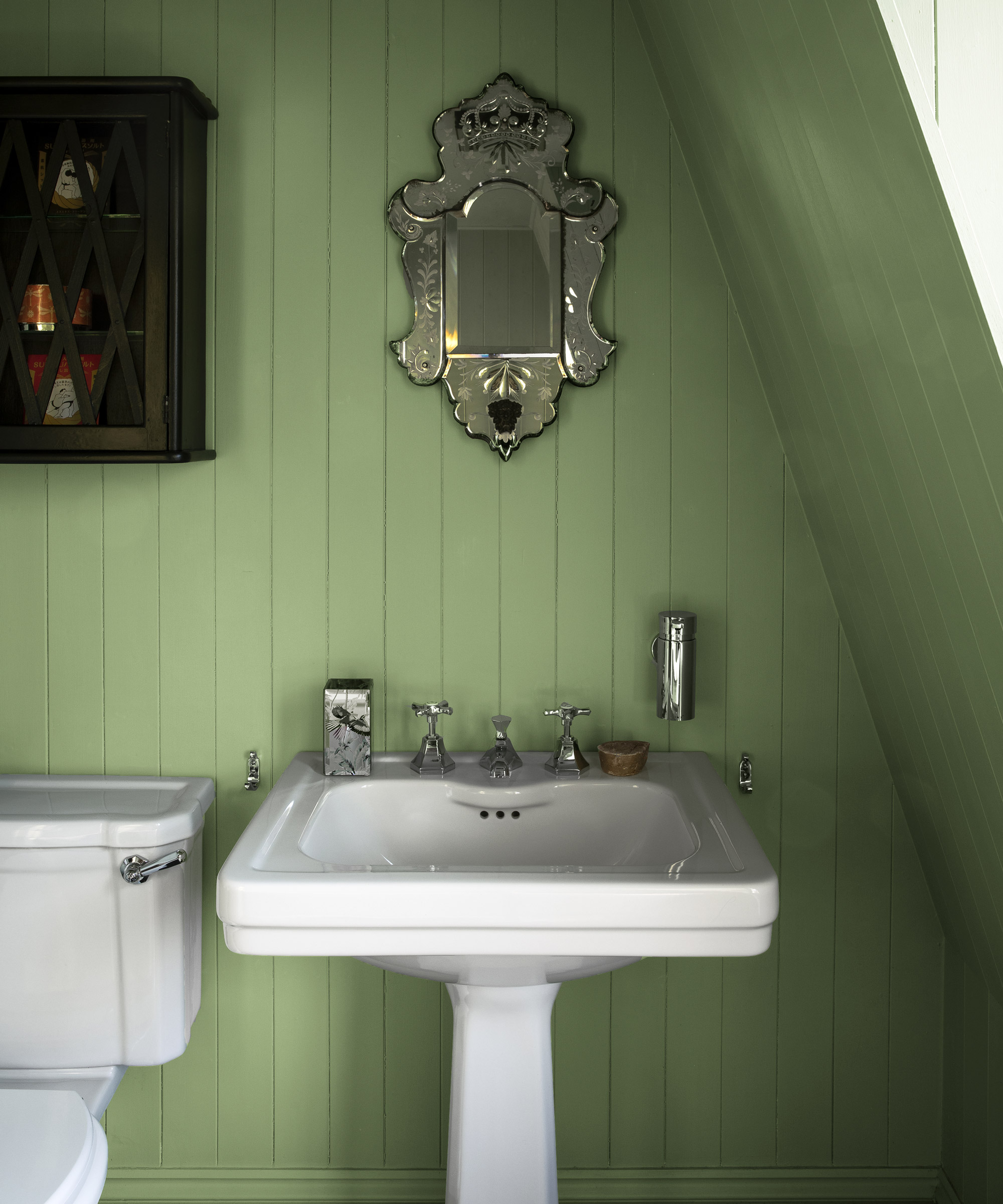
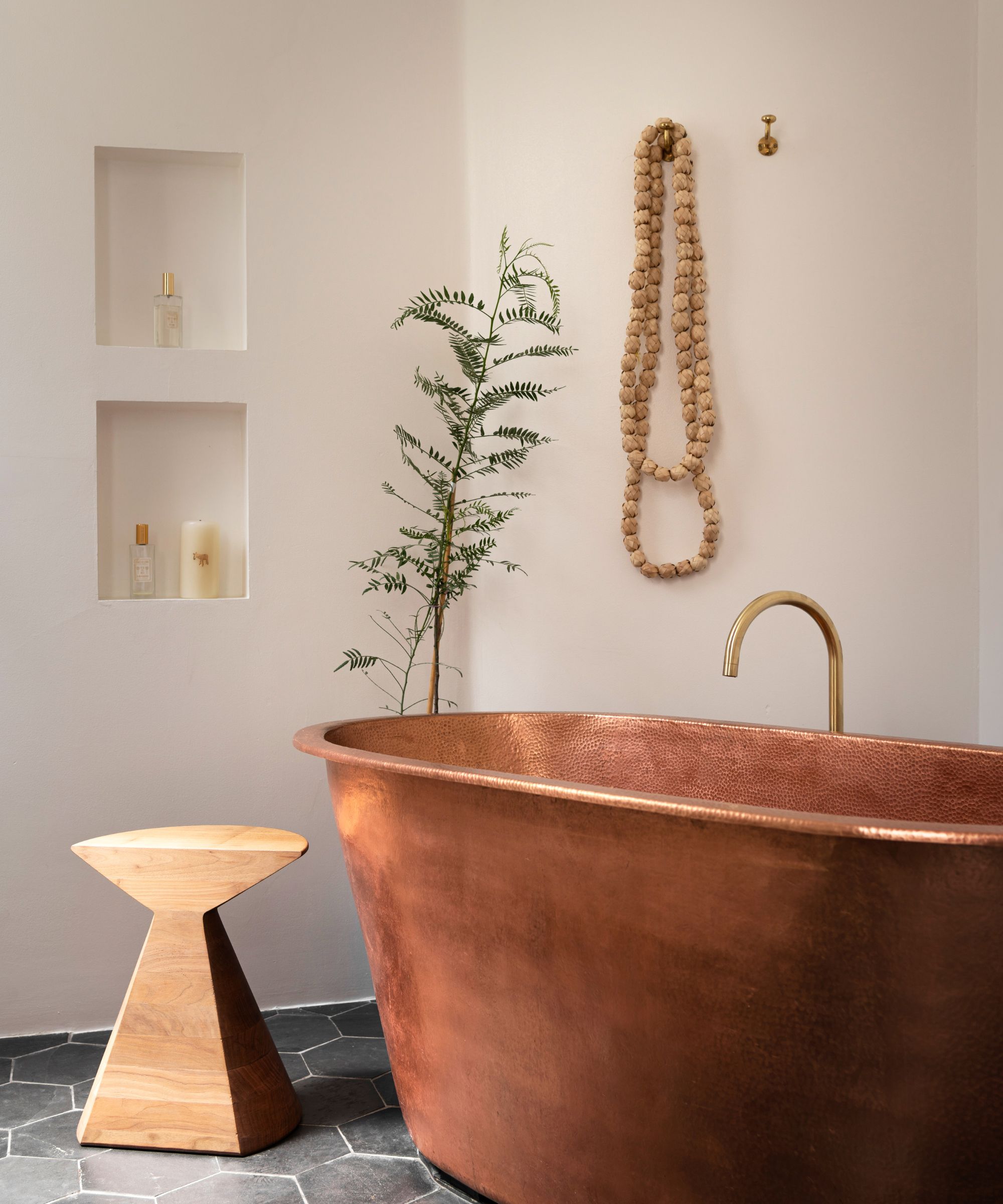
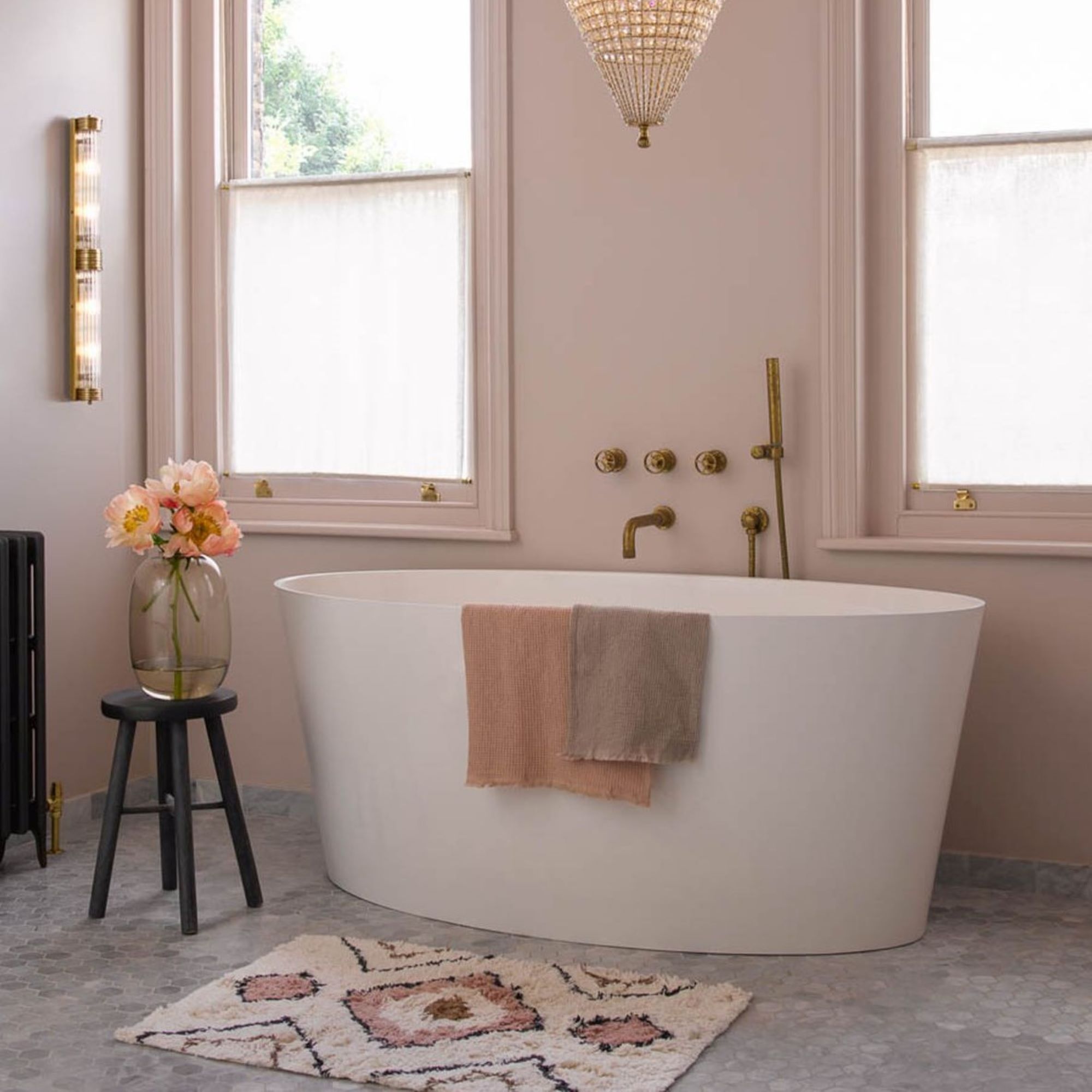
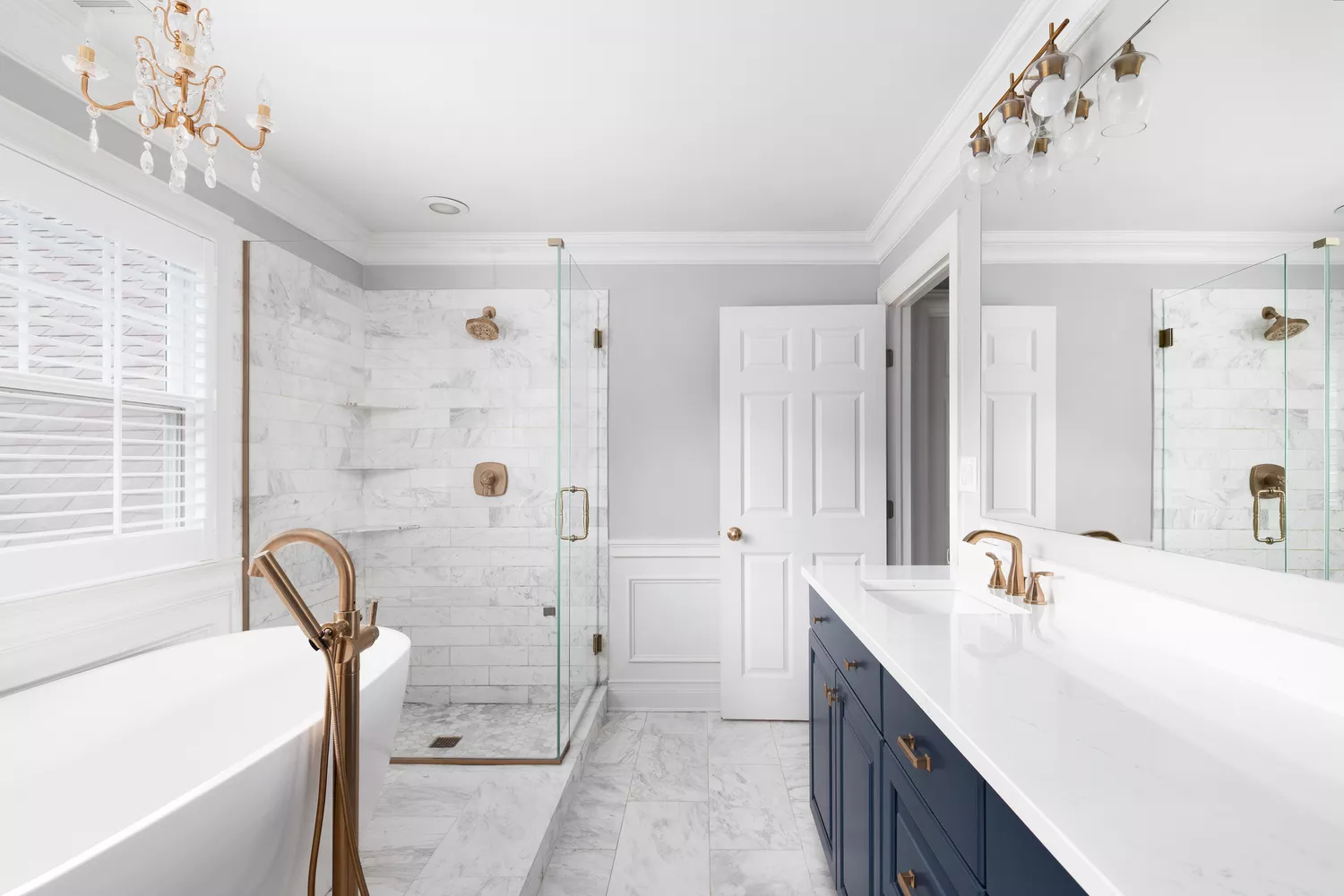
Another pitfall is selecting a design that is overly trendy. While contemporary styles can be appealing, a bathroom design should have lasting appeal. Instead of strictly following current trends, focusing on the desired mood and ambiance of the space is advisable. Elements such as textures, scale, colors, and lighting can profoundly influence the feel of a bathroom, allowing for a timeless aesthetic that continues to satisfy over time.
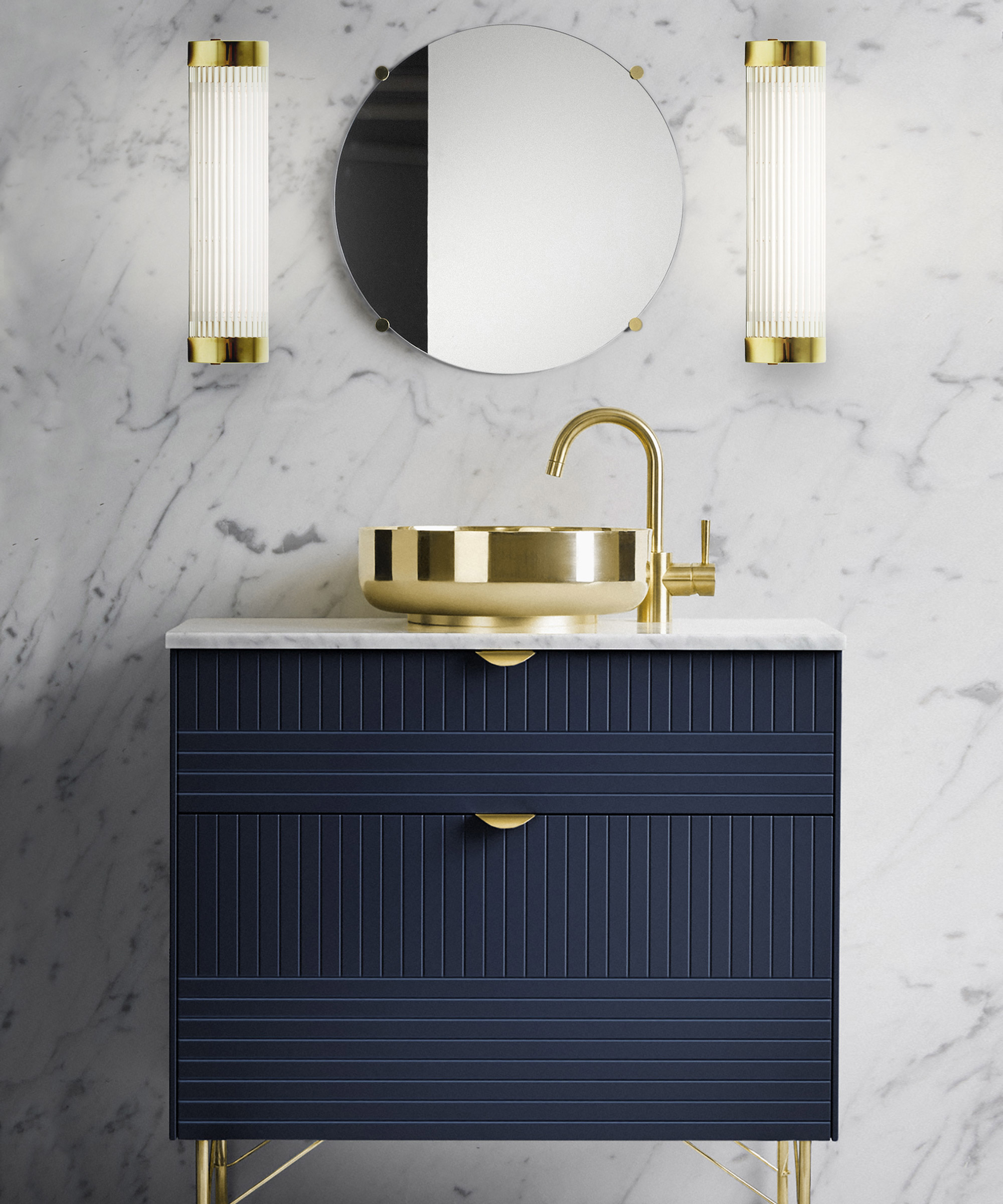
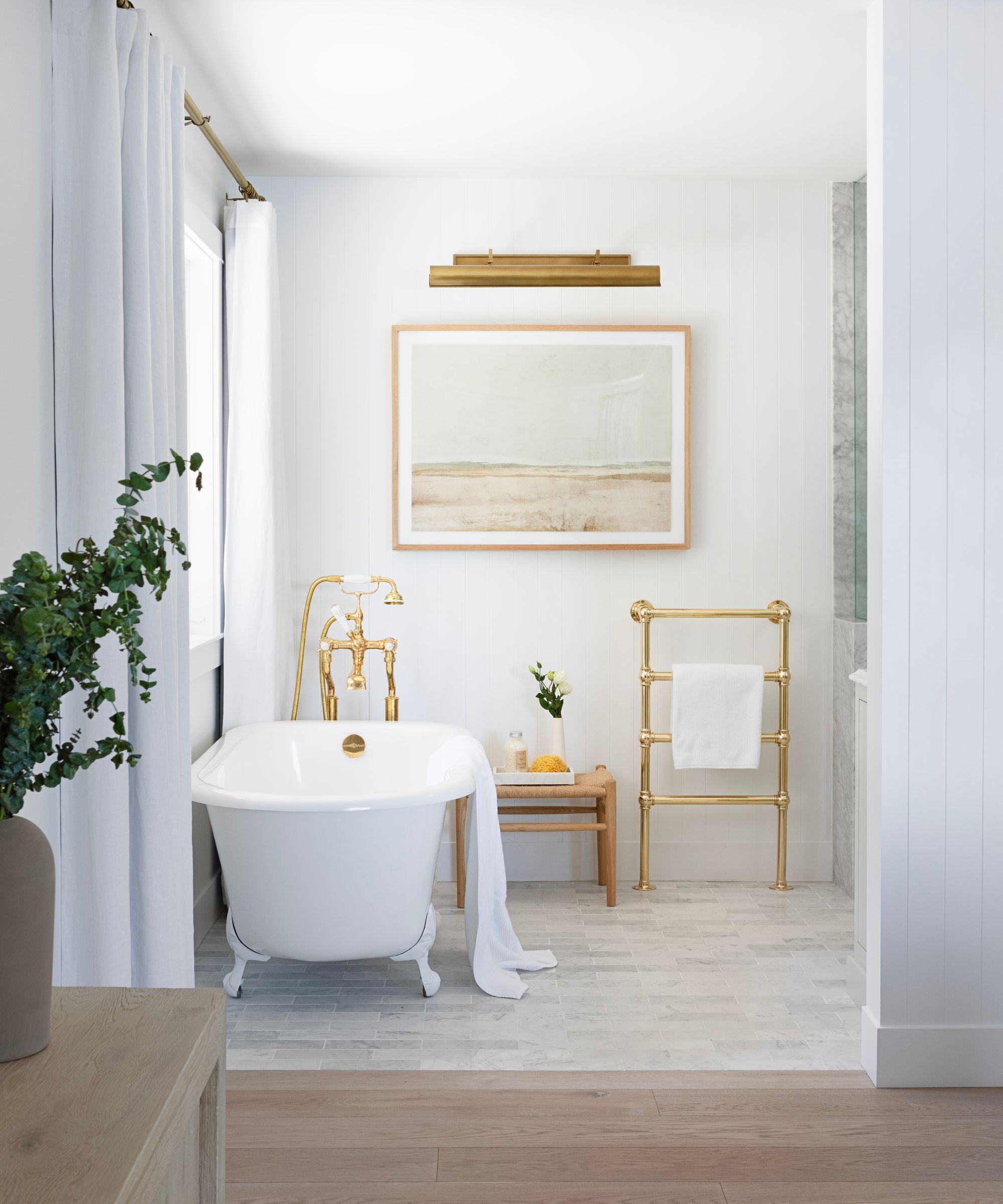
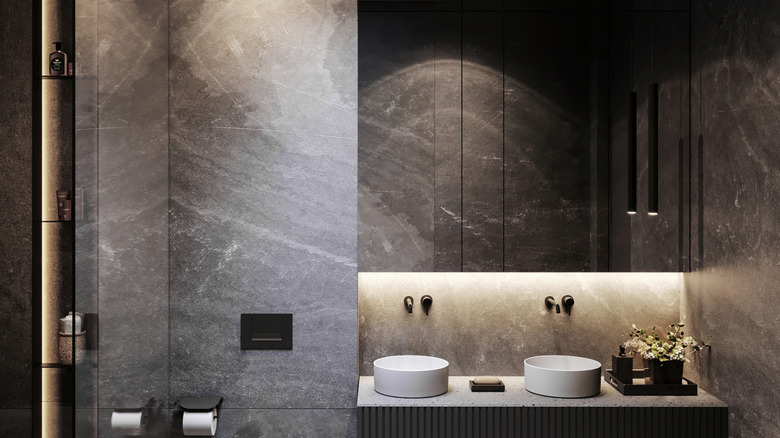
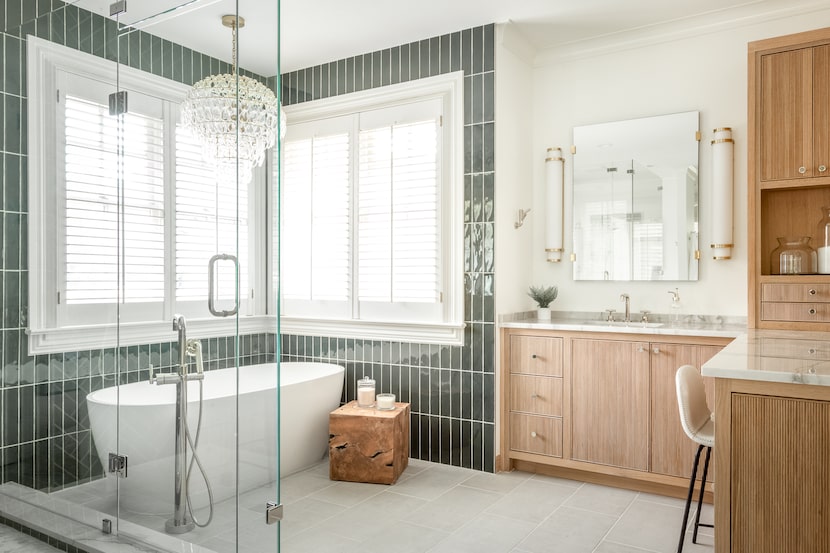
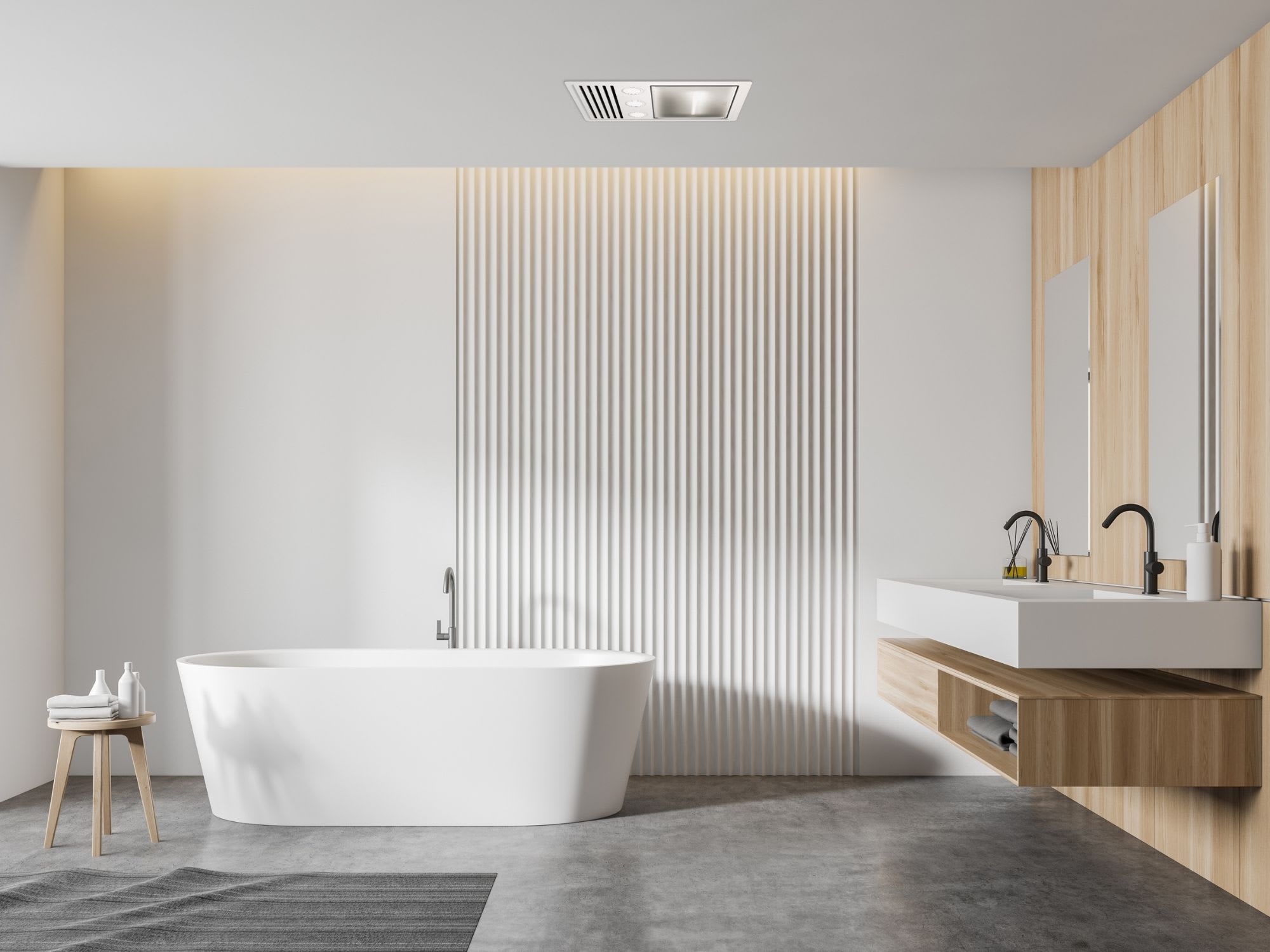
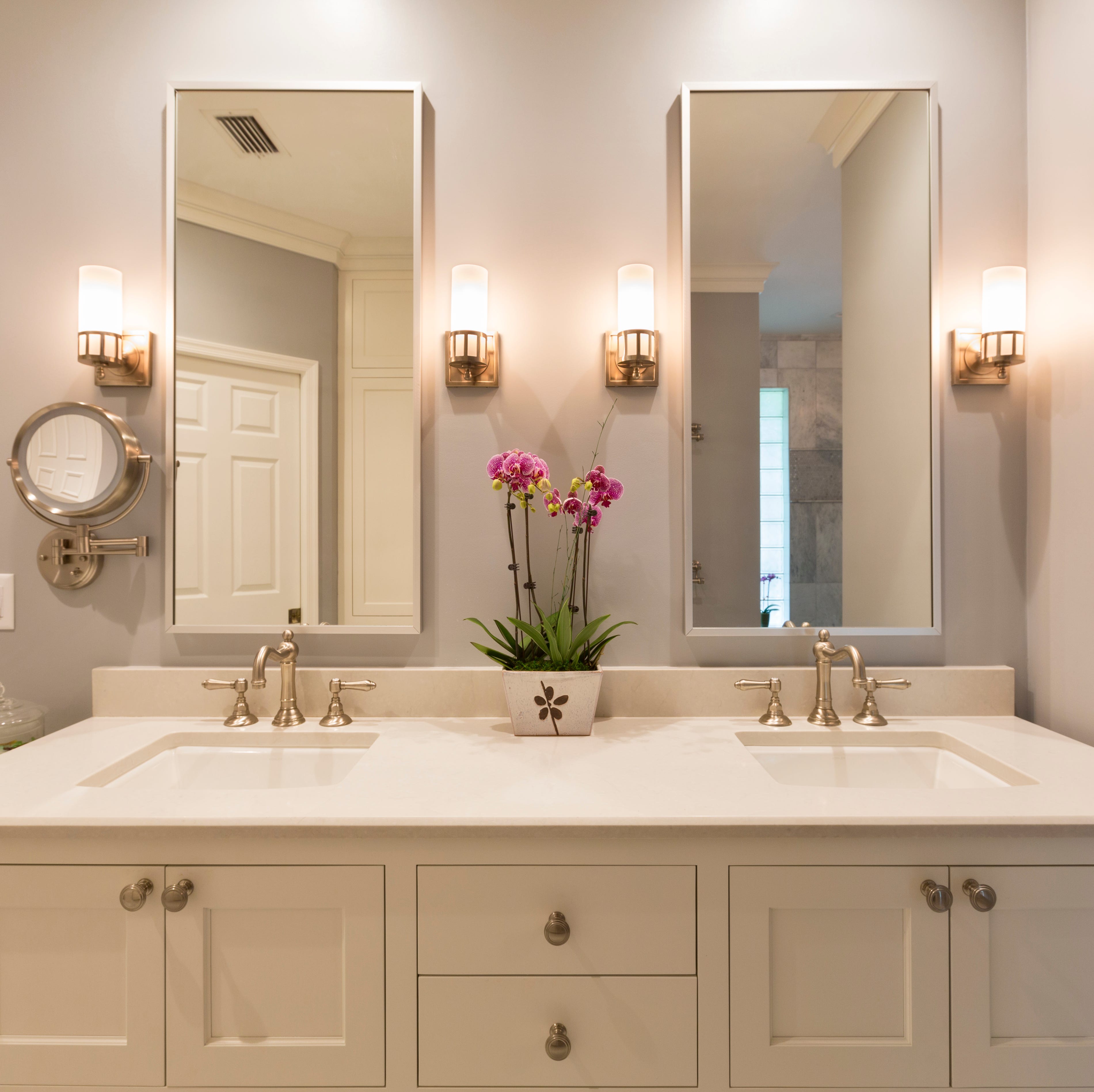
Adequate lighting is essential for a functional and aesthetically pleasing bathroom, especially when aiming for a spa-like atmosphere. Insufficient attention to lighting needs can compromise the overall experience. Incorporating dimmer switches, accent lighting separate from overhead cans, and soft, indirect lighting can create a soothing mood and prevent harsh glares. Opting for light fixtures with frosted or glass shades helps diffuse light and protect eyes from direct bulb exposure, enhancing comfort during daily routines.
Forgetting to install sufficient electrical outlets can significantly hinder a bathroom's functionality. Many modern bathrooms require numerous power sources for hair tools, electric toothbrushes, and other appliances. A common oversight is neglecting to include outlets inside drawers, which are ideal for discreetly storing and charging these items. Planning for ample and conveniently located electrical outlets from the outset ensures the bathroom remains practical and clutter-free.
Considering long-term needs, particularly for aging in place, is another critical aspect often overlooked. If the intention is to remain in the home for an extended period, designing the bathroom with accessibility in mind becomes paramount. Incorporating features such as grab bars, non-slip flooring, and walk-in showers can enhance safety and usability as mobility changes, making the bathroom adaptable for future needs.
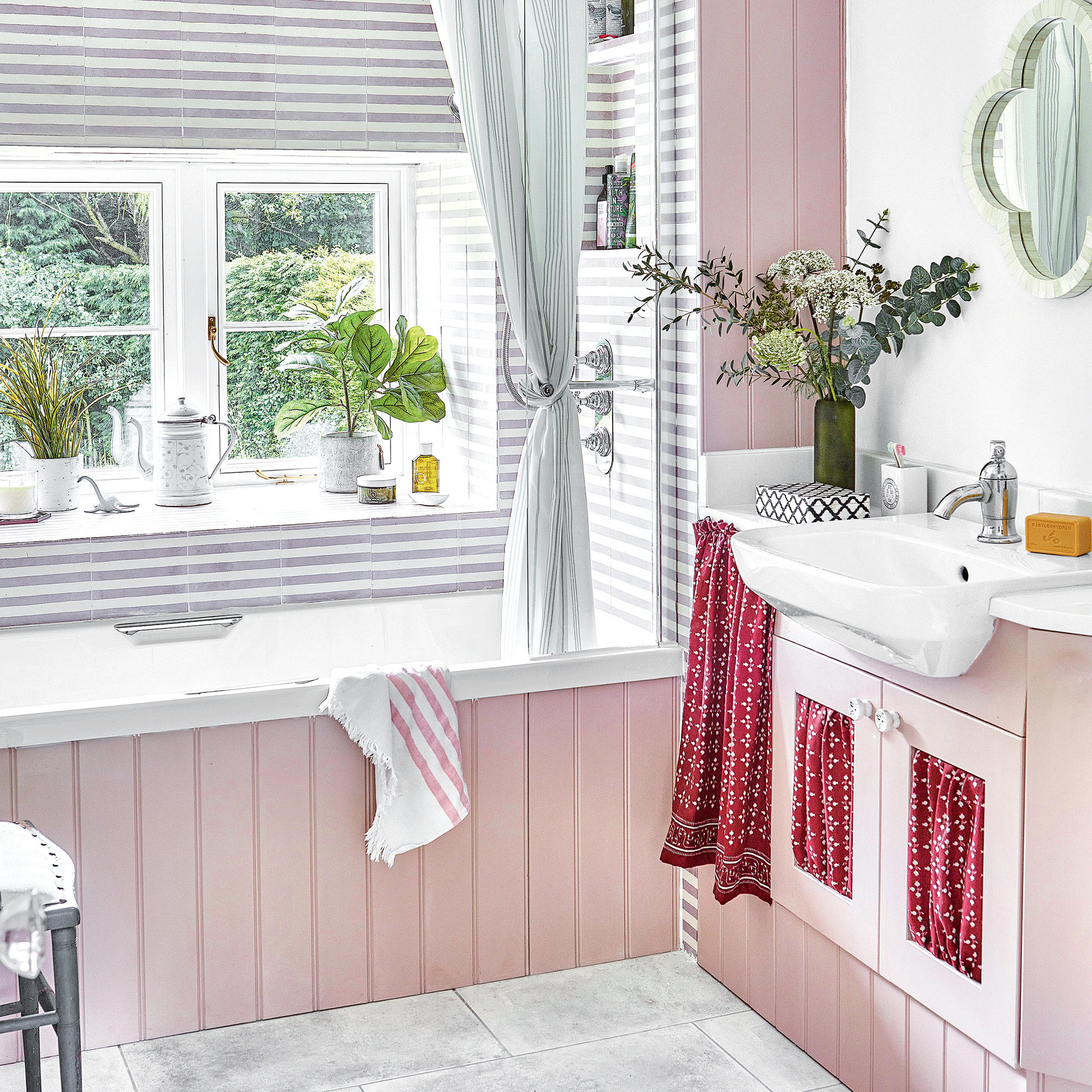
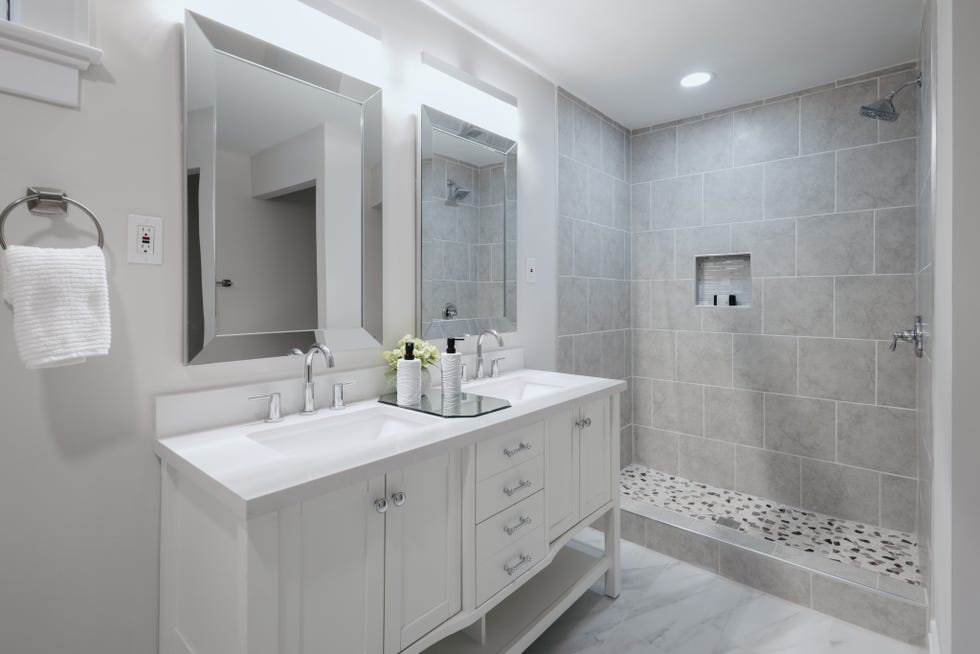
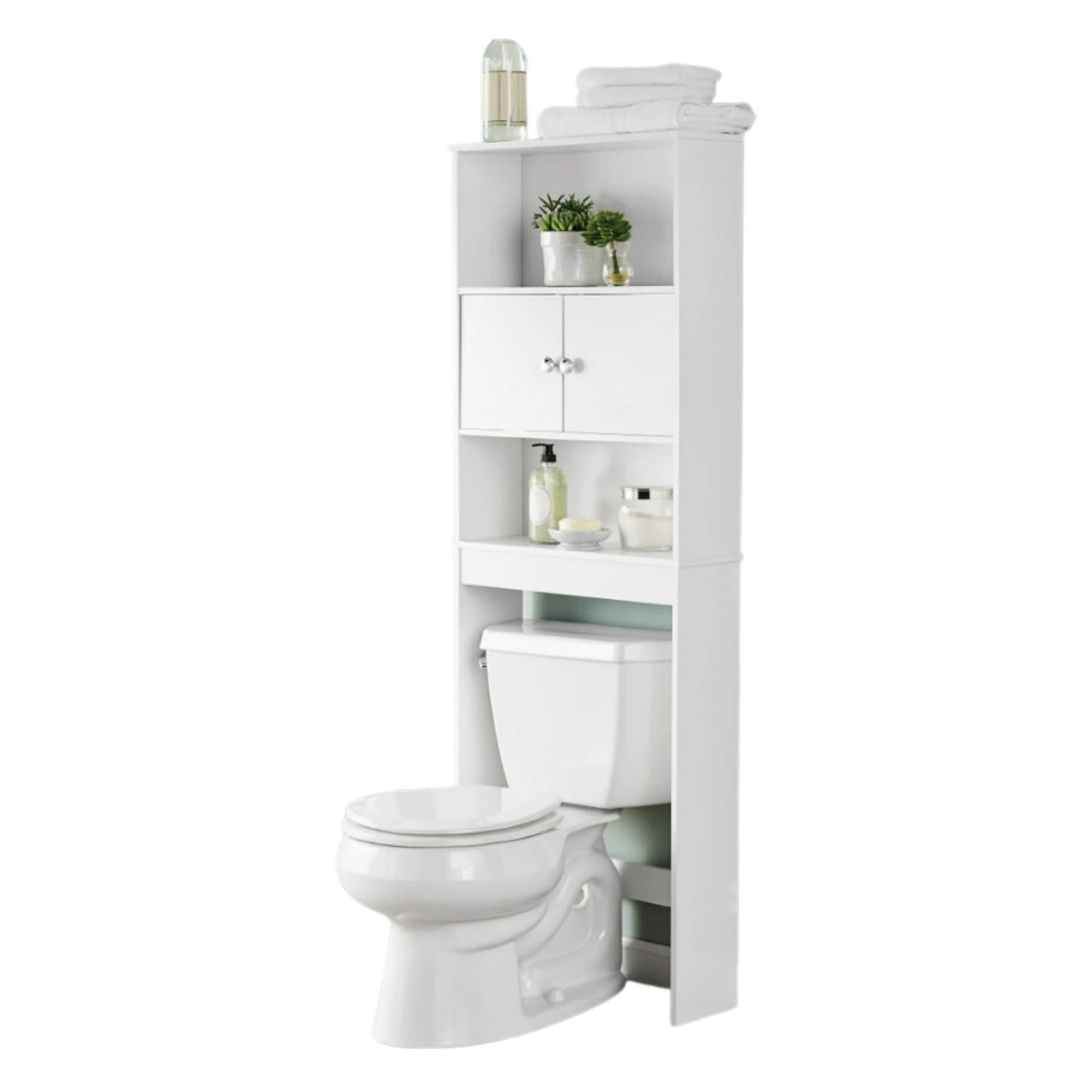
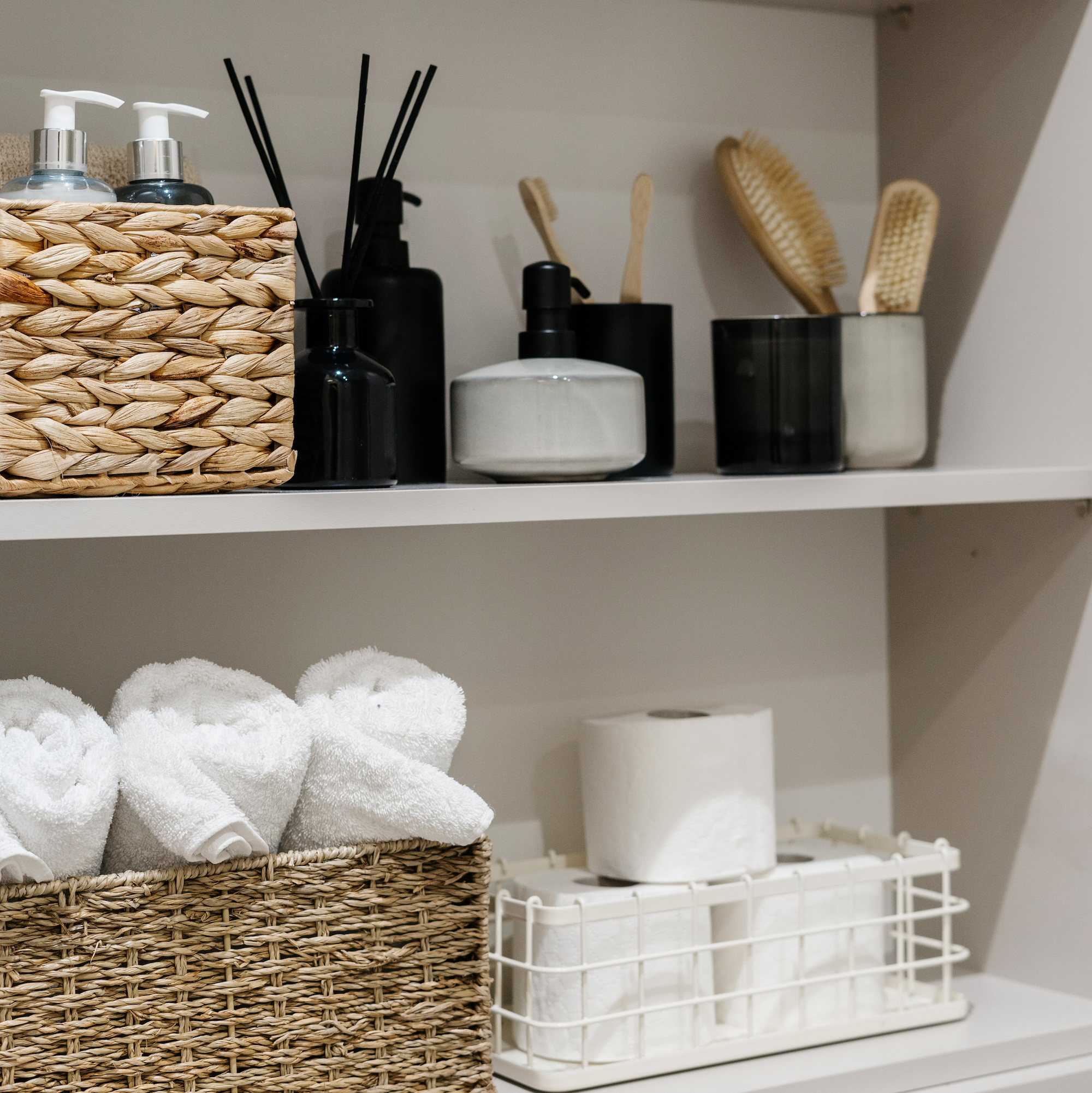
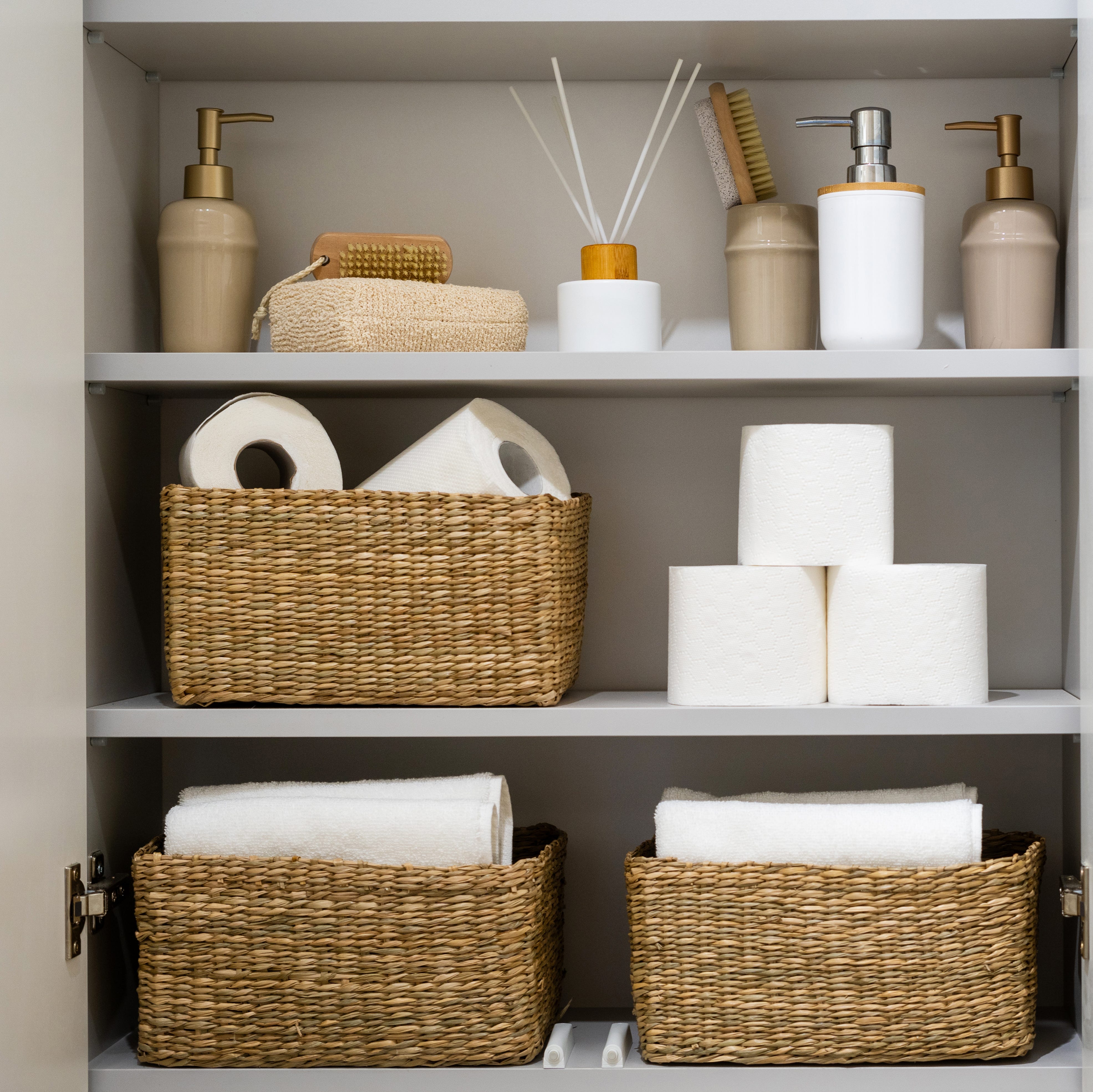
Insufficient storage space is a frequent complaint after bathroom renovations. Bathrooms accumulate a wide array of toiletries, beauty products, and hair appliances, necessitating ample storage solutions. A lack of proper storage can lead to disorganization and a cluttered appearance, undermining the clean and serene environment typically desired in a bathroom. Integrating well-planned storage cabinets and shelving helps maintain order and functionality.
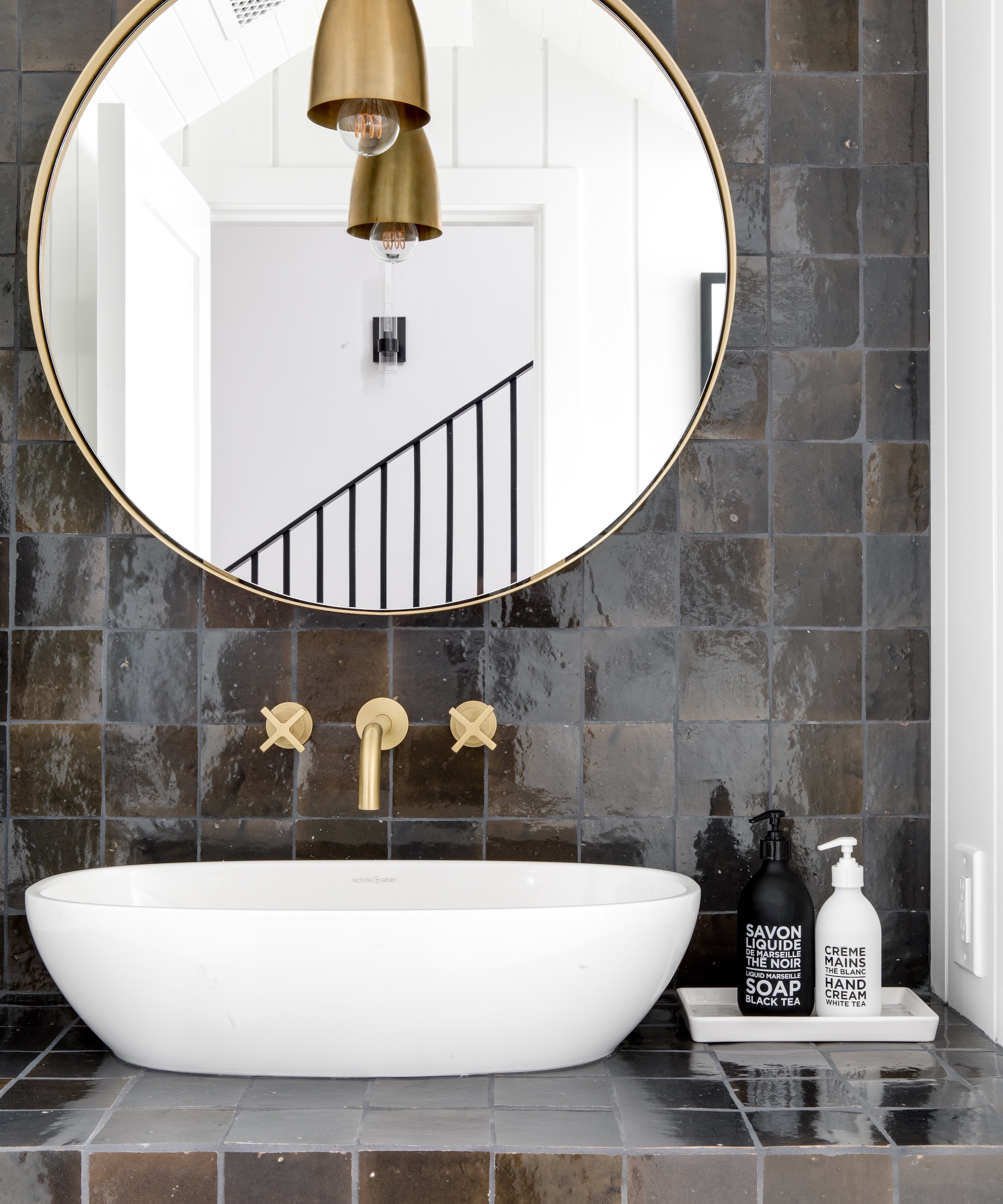
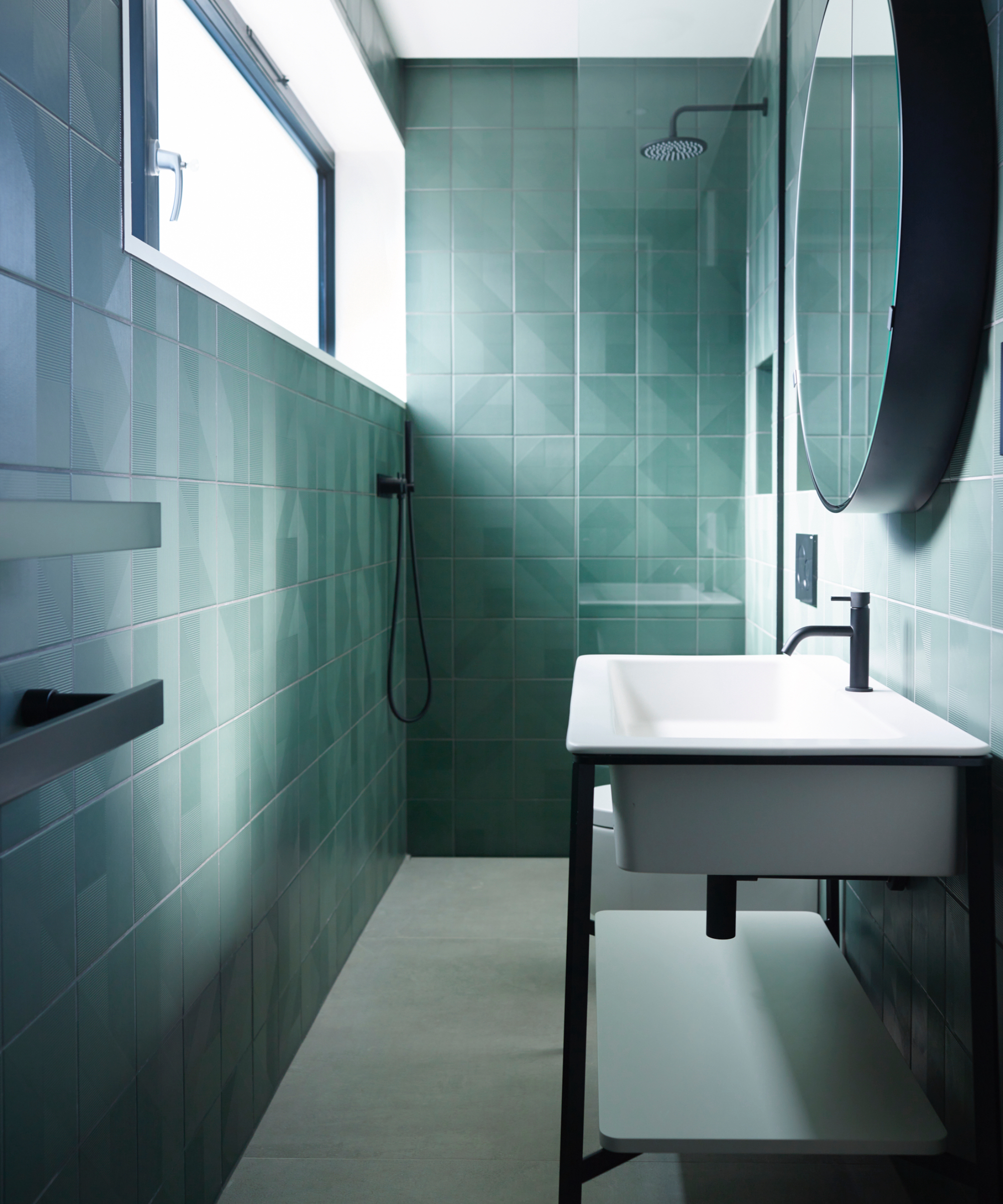
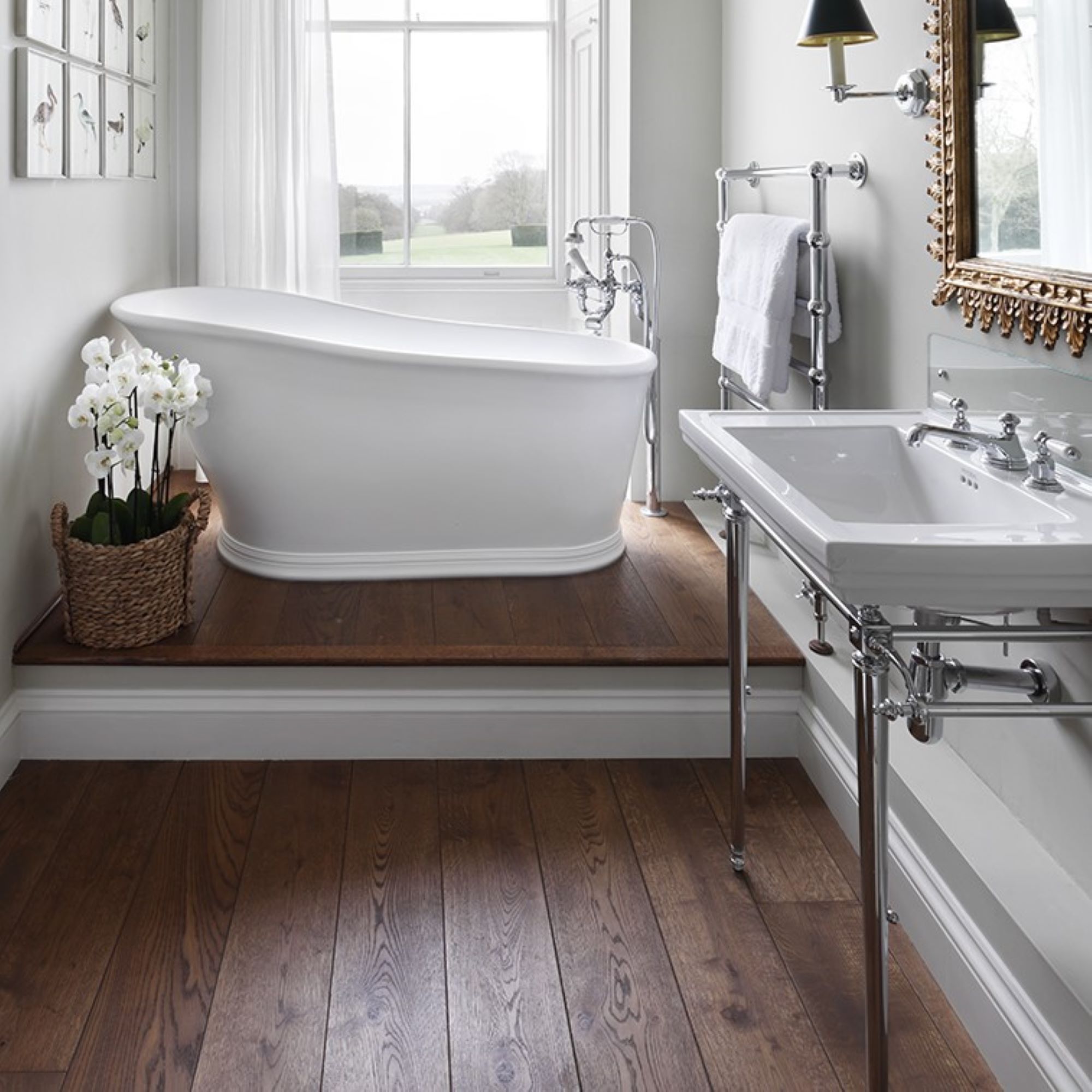
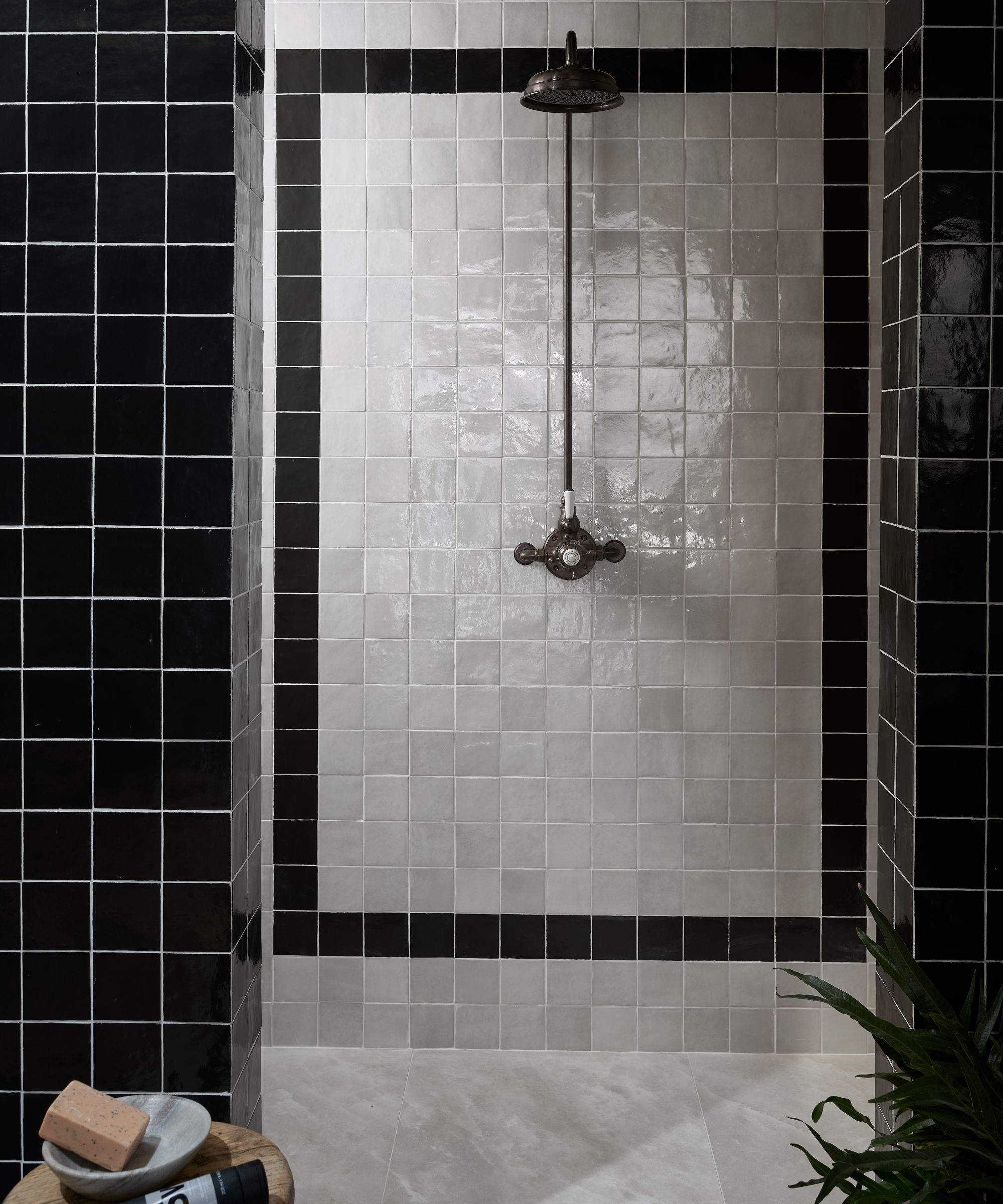
Choosing the wrong type of floor tile can create safety hazards in a bathroom. Given the frequent presence of water, glossy or overly smooth tiles are not suitable as they become slippery when wet, even if they are easier to clean. Selecting tiles with a matte or slightly textured finish is crucial to ensure slip resistance, particularly for areas like shower exits where feet are likely to be wet. This choice prioritizes safety without compromising aesthetics.
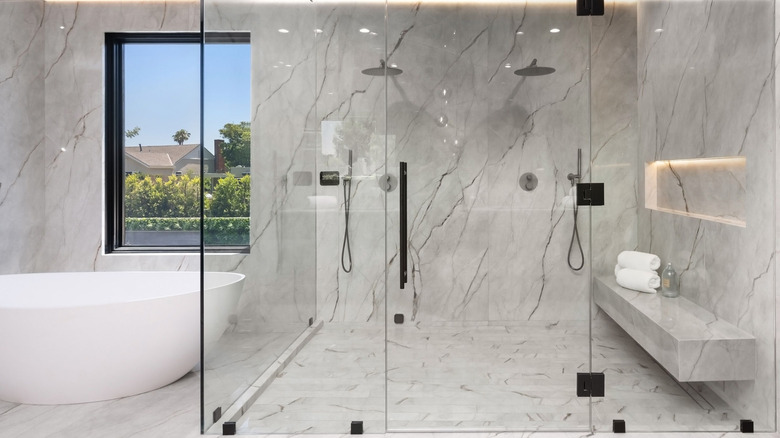
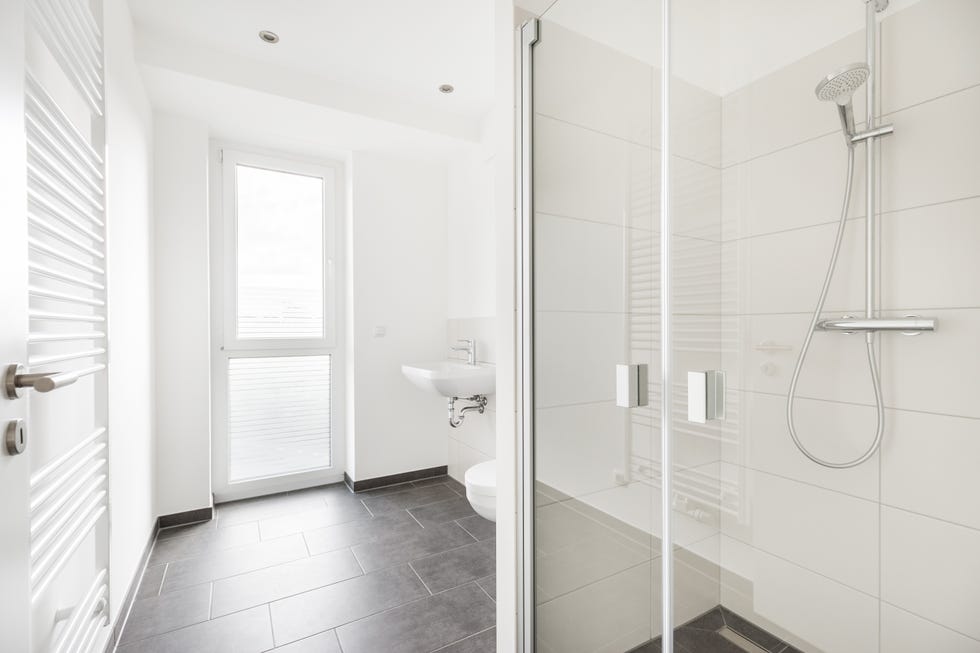
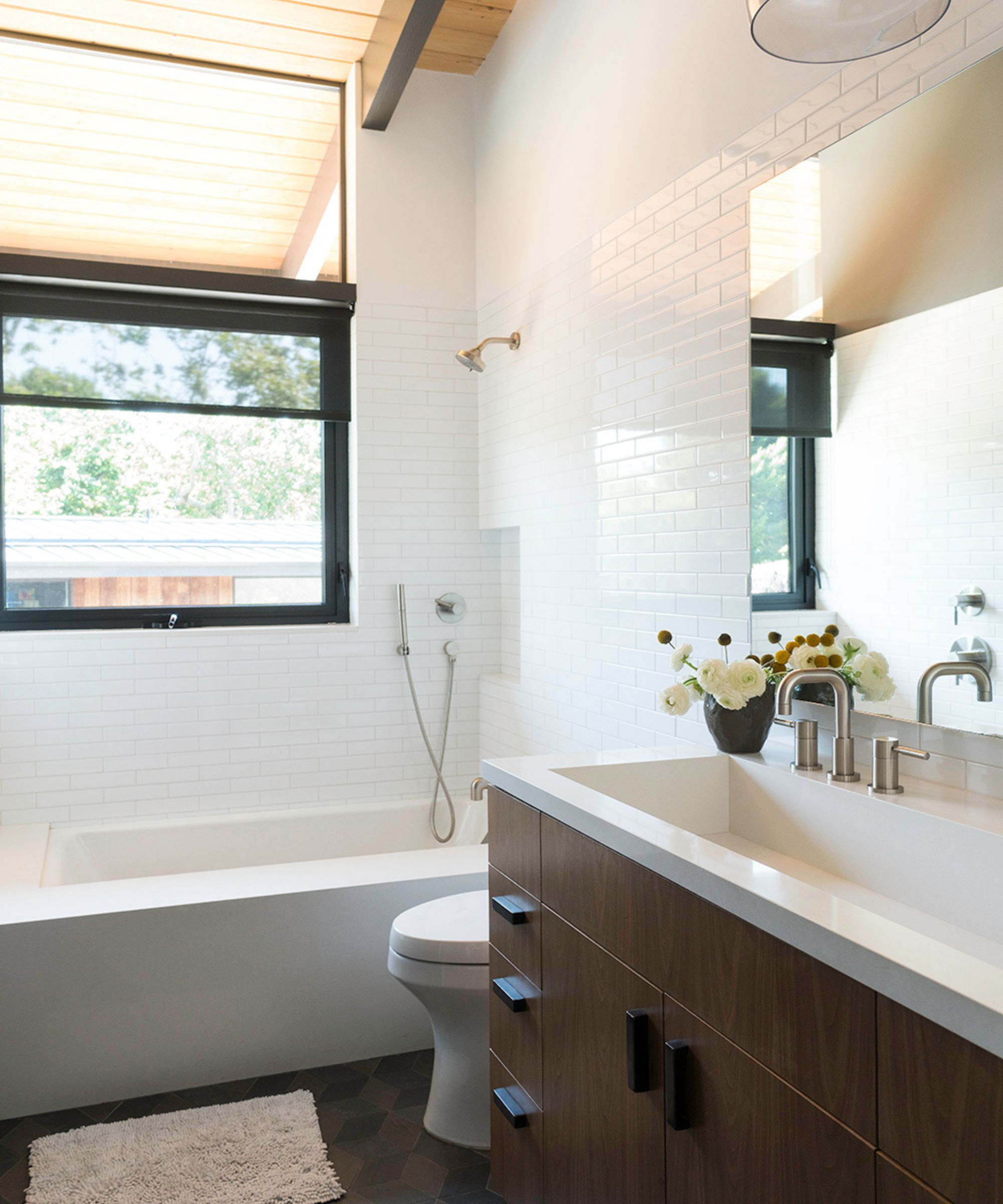
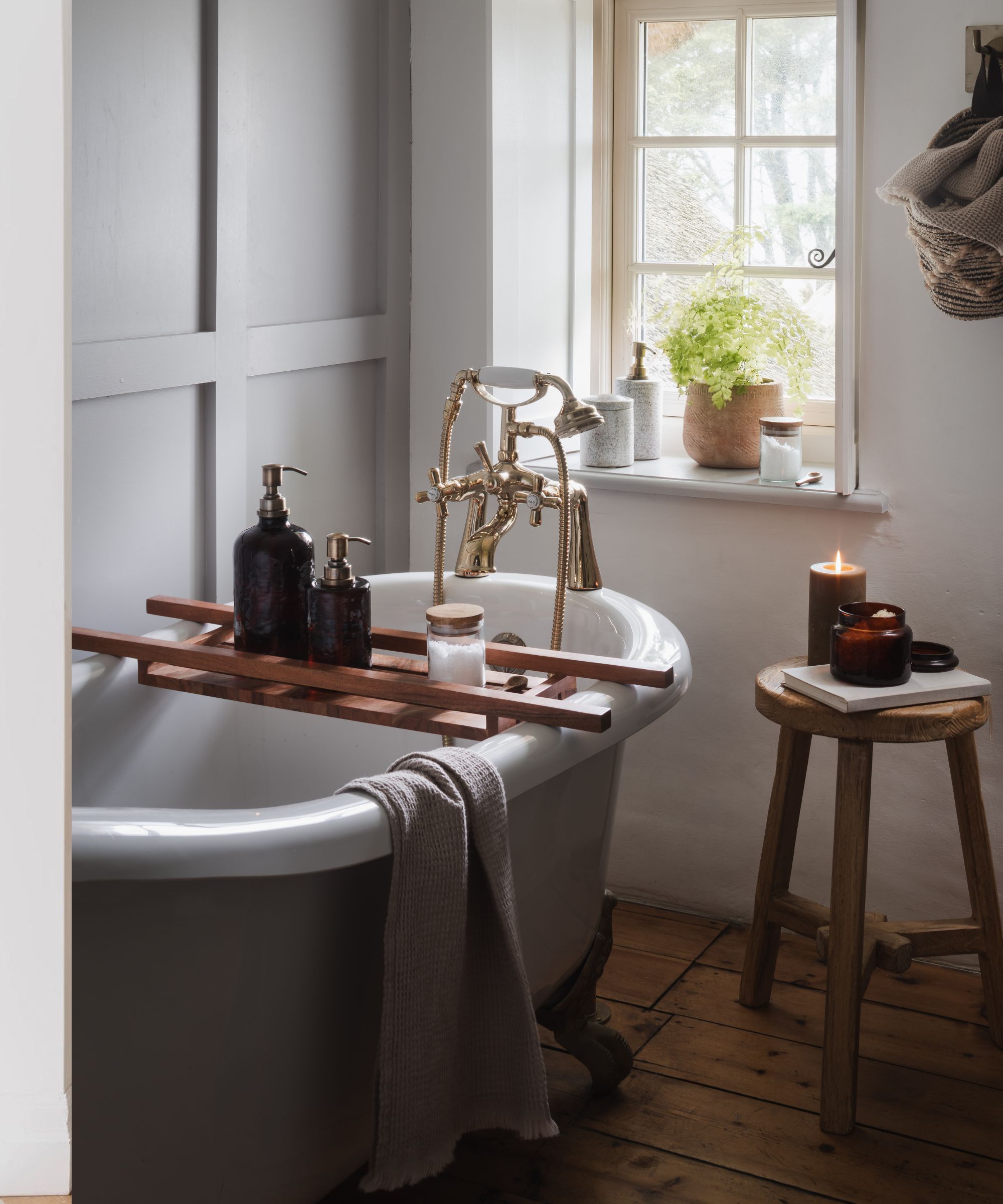
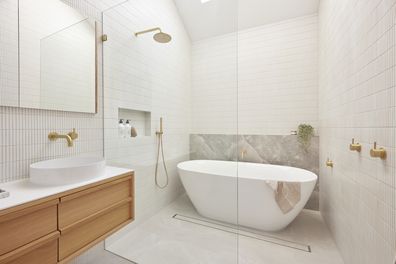
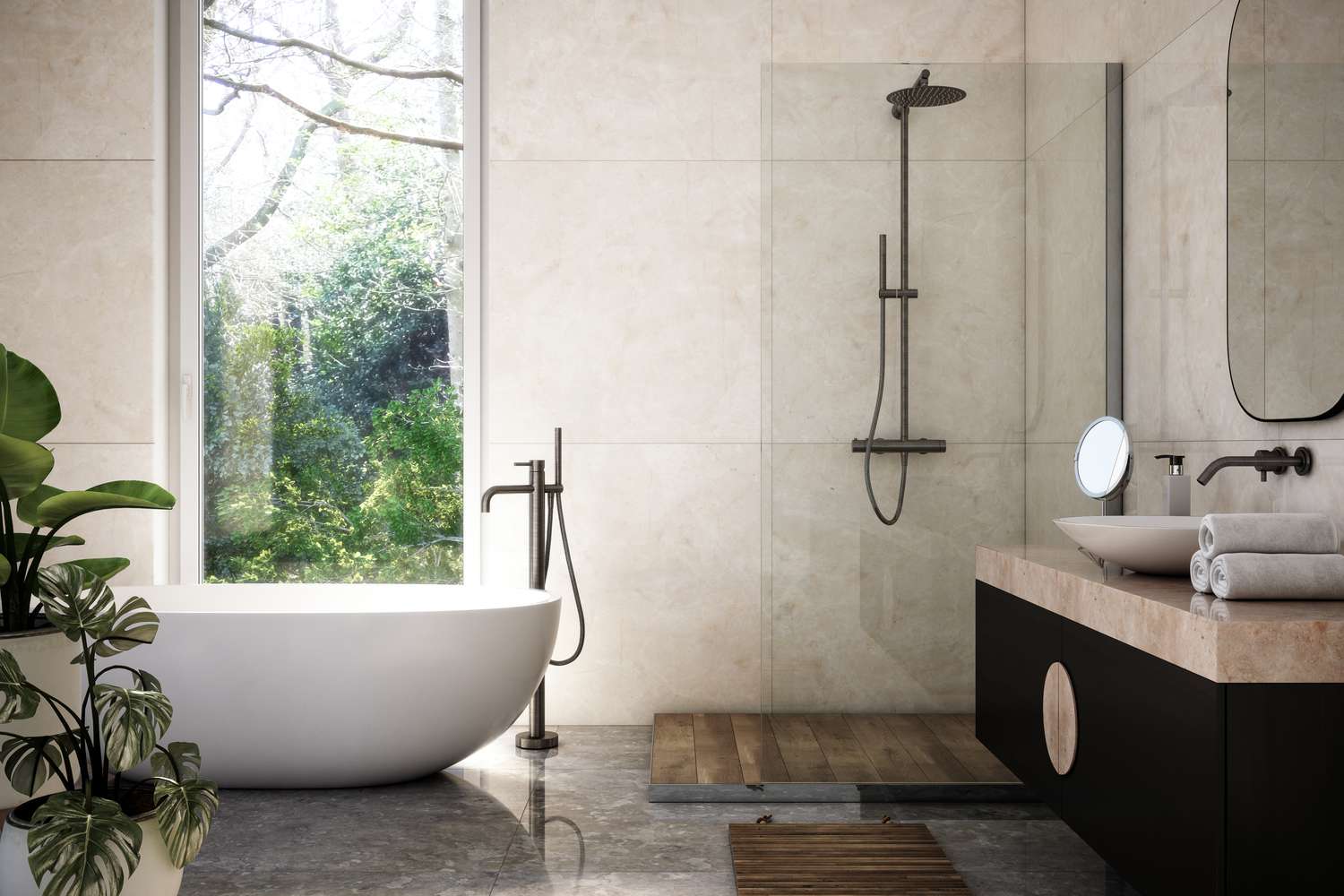
Omitting a full shower system during renovation can lead to regret later. While budget constraints might influence decisions, installing a comprehensive shower system, especially one with a handheld component, is highly recommended for primary bathrooms. A handheld showerhead offers enhanced flexibility and convenience for cleaning and personal care, significantly improving the overall showering experience.
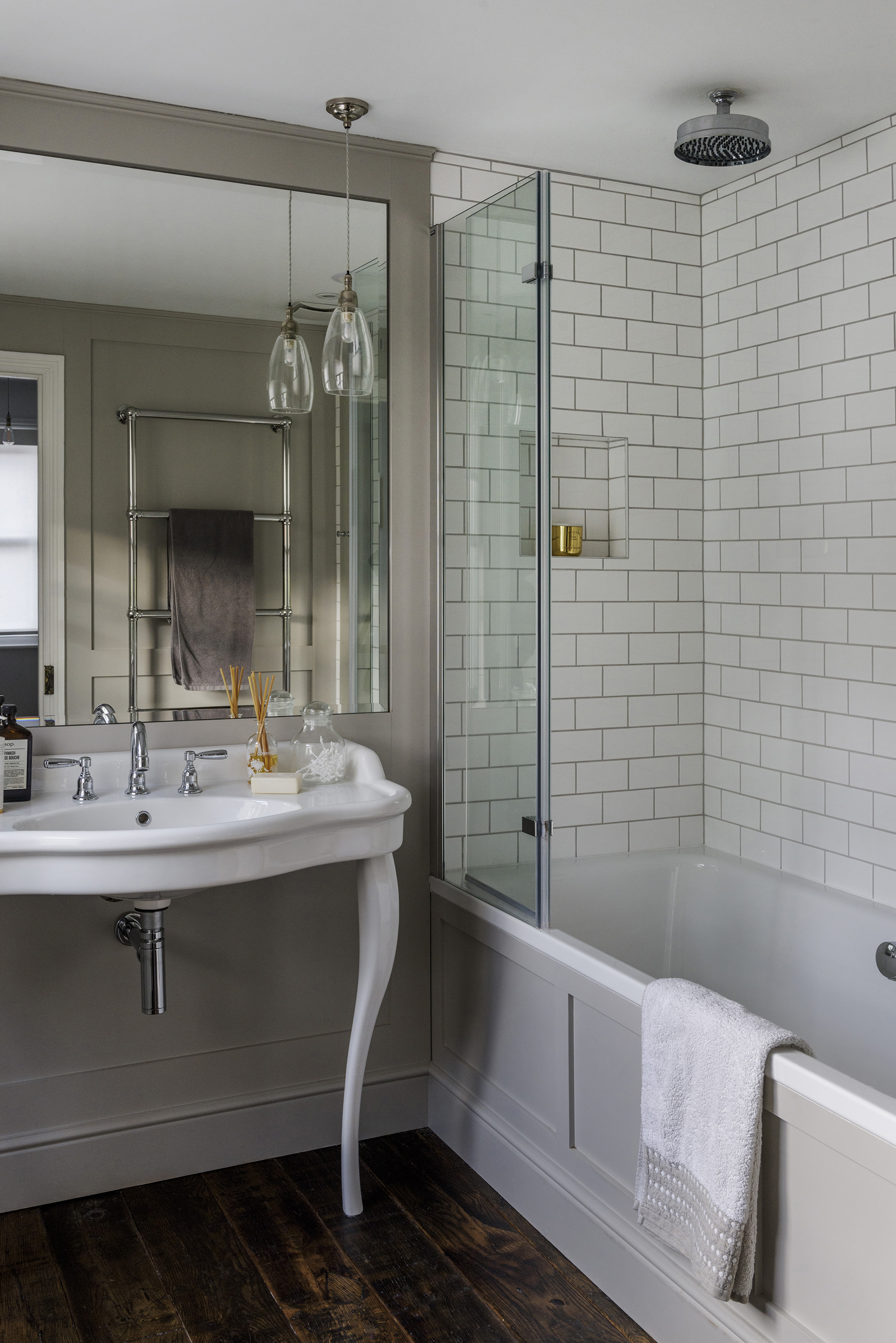
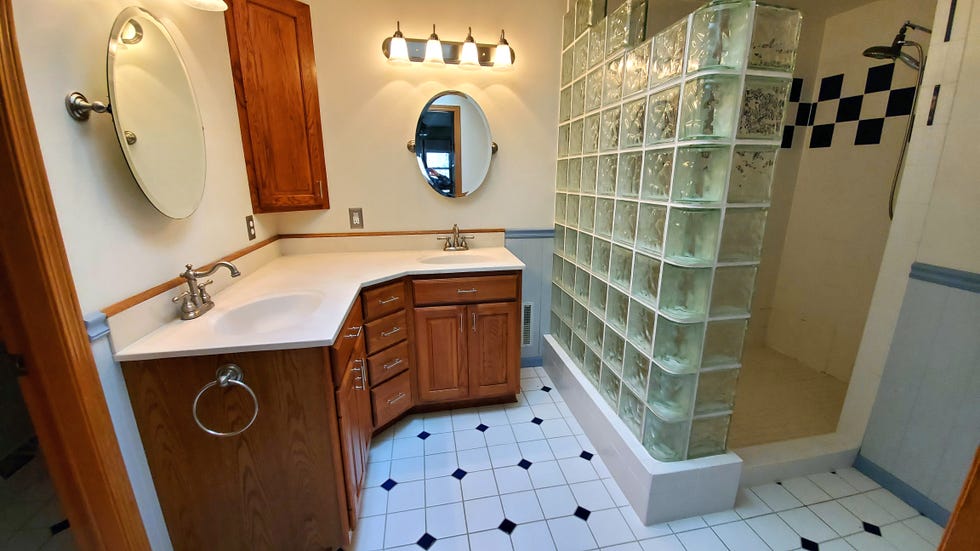
Finally, neglecting to update the height of plumbing and electrical fixtures during a renovation is a missed opportunity. Since full bathroom renovations are infrequent, it is the ideal time to correct outdated fixture placements. Many bathrooms from the 1980s and 1990s feature fixtures installed at lower heights. Adjusting elements such as showerheads, light fixtures, and vanity mirrors to contemporary, ergonomic levels maximizes comfort and modernizes the space. Ensuring that tile edges in shower niches and corners are properly finished and not exposed also contributes to a polished and durable result.
#BathroomRemodel #HomeRenovation #DesignMistakes #InteriorDesign #LightingDesign #StorageSolutions #AccessibilityDesign #TileSelection #PlumbingFixtures #BathroomRemodel #HomeRenovation #DesignMistakes #InteriorDesign #LightingDesign #StorageSolutions #AccessibilityDesign #TileSelection #PlumbingFixtures
共0条评论
 暂无评论
暂无评论你可能还喜欢

7 Mistakes to Avoid When Remodeling Your Bathroom


14 Bathroom Design Mistakes To Avoid At All Costs, According To The Property Brothers
You should try to avoid these 10 common home remodeling mistakes, urge experts
4 Things to Remember When Renovating Your Bathroom
Bathroom remodel mistakes – and how to avoid them

Experts warn against these 6 bathroom flooring mistakes - what to do instead
12 bathroom remodeling mistakes to avoid when planning your design

Small bathroom design mistakes that are red-flag worthy, according to the pros
13 bathroom design mistakes to avoid at all costs, according to experts
The #1 Bathroom Renovation Mistake Experts Always See (and How to Avoid It)

7 small bathroom layout mistakes — designers say to swerve these to "maximize potential"
Shower room design mistakes – 6 problems that our bathroom experts see all too often
Interior designers share the 9 biggest mistakes people make when decorating and designing a bathroom
8 Bathroom Reno Mistakes That INSTANTLY Cheapen the Look of Your Home, According to Experts

6 bathroom design myths experts say you shouldn't believe
18 WORST Bathroom Design Mistakes You're Probably Making

7 things construction pros spot in bad bathroom remodels
9 common home renovation mistakes to avoid

Design pros share their best tips for renovating and styling your bathroom

9 Beautiful Bathroom Ideas to Inspire Your Next Remodel, According to Designers