You Should Probably Stop Watching Home Improvement Shows
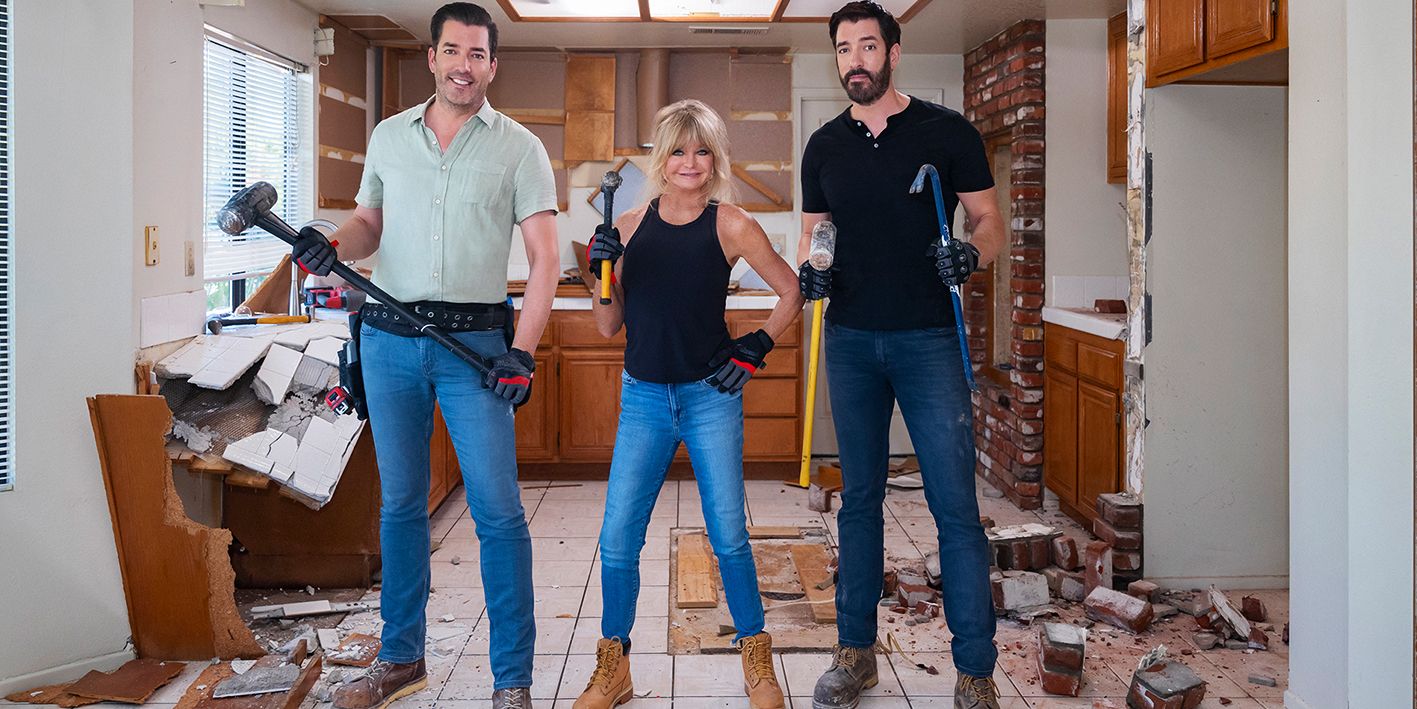
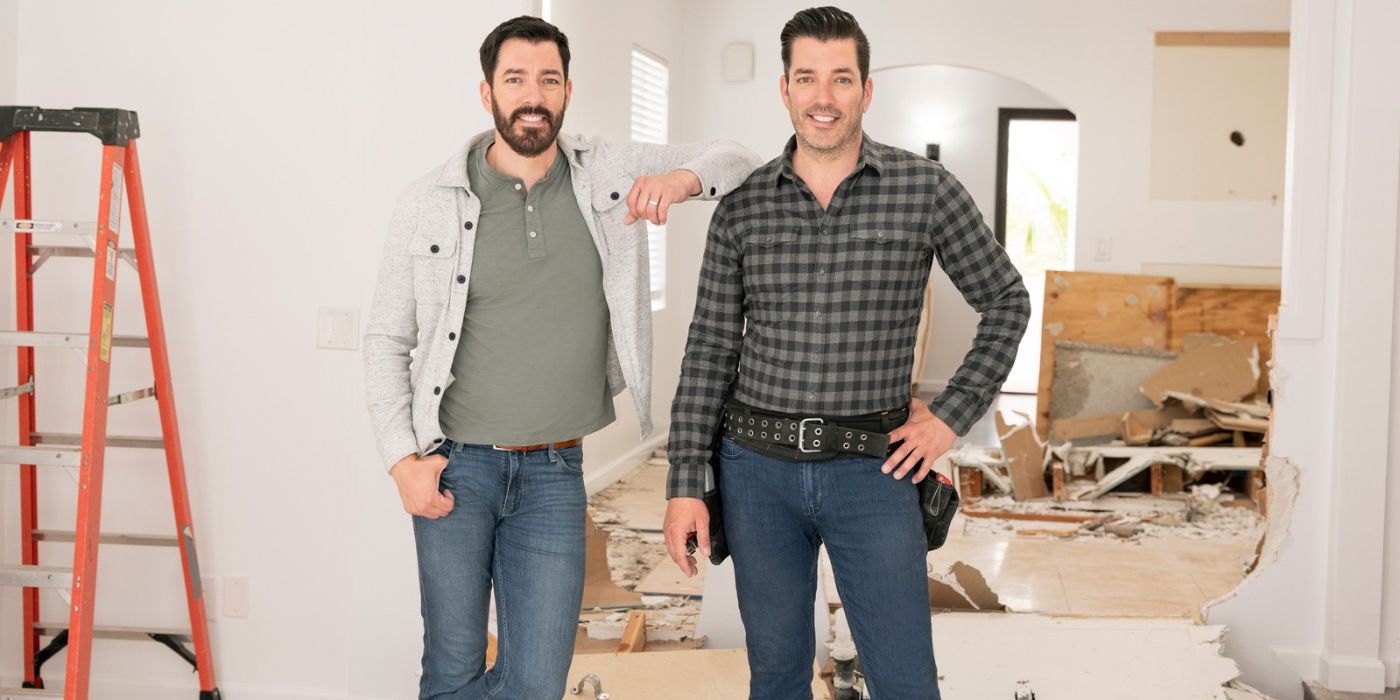
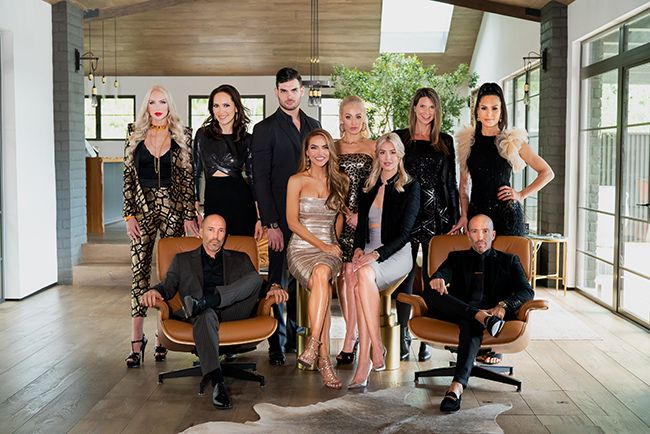
Home renovation and real estate reality shows, while widely popular for their entertainment value, often present an unrealistic and potentially detrimental view of home improvement. These shows, such as "House Hunters" or "Property Brothers," follow a rigid formula that offers predictable entertainment but frequently misrepresents the realities of the real estate and renovation process. They tend to create a disconnect between viewer expectations and actual costs, timelines, and effort required for home projects.
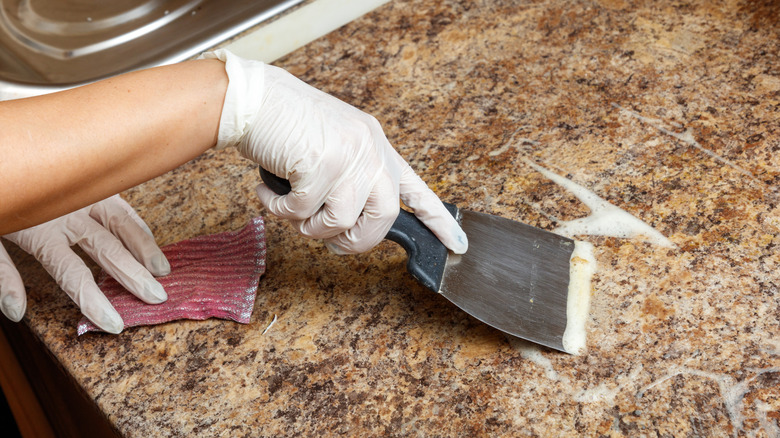
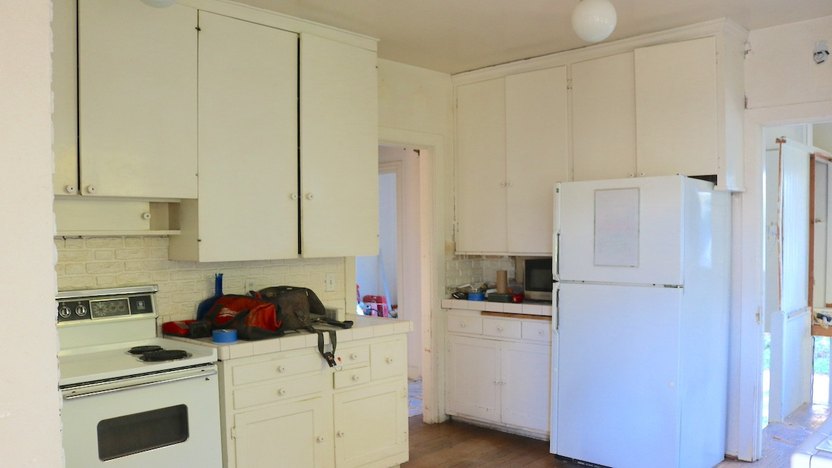
A significant issue with these programs is their unrealistic portrayal of budgets and project timelines. The budgets discussed on screen are often supplemented by special deals from suppliers seeking product placement, making them unattainable for the average homeowner. Additionally, the shows compress renovation timelines, making complex projects appear quick and effortless, despite unforeseen complications like mold or structural issues. The work itself, often depicted as managed by one or two charming hosts, is typically carried out by a much larger team behind the scenes. Furthermore, the upgrades showcased can be superficial, sometimes involving low-quality materials and workmanship, leading to long-term issues and financial burdens for homeowners who attempt to replicate these renovations based on television portrayals.
Beyond the practical inaccuracies, these shows can negatively impact viewers' happiness and perceptions of their own homes. Constant exposure to seemingly perfect, television-ready homes can induce anxiety and dissatisfaction with one's current living space. The pressure to maintain or achieve a certain aesthetic, often driven by concerns about resale value, can overshadow the enjoyment and comfort of one's own home. Moreover, the practice of "hate-watching," where viewers derive pleasure from criticizing the choices of participants on these shows, contributes to negative emotions rather than fostering a positive outlook.
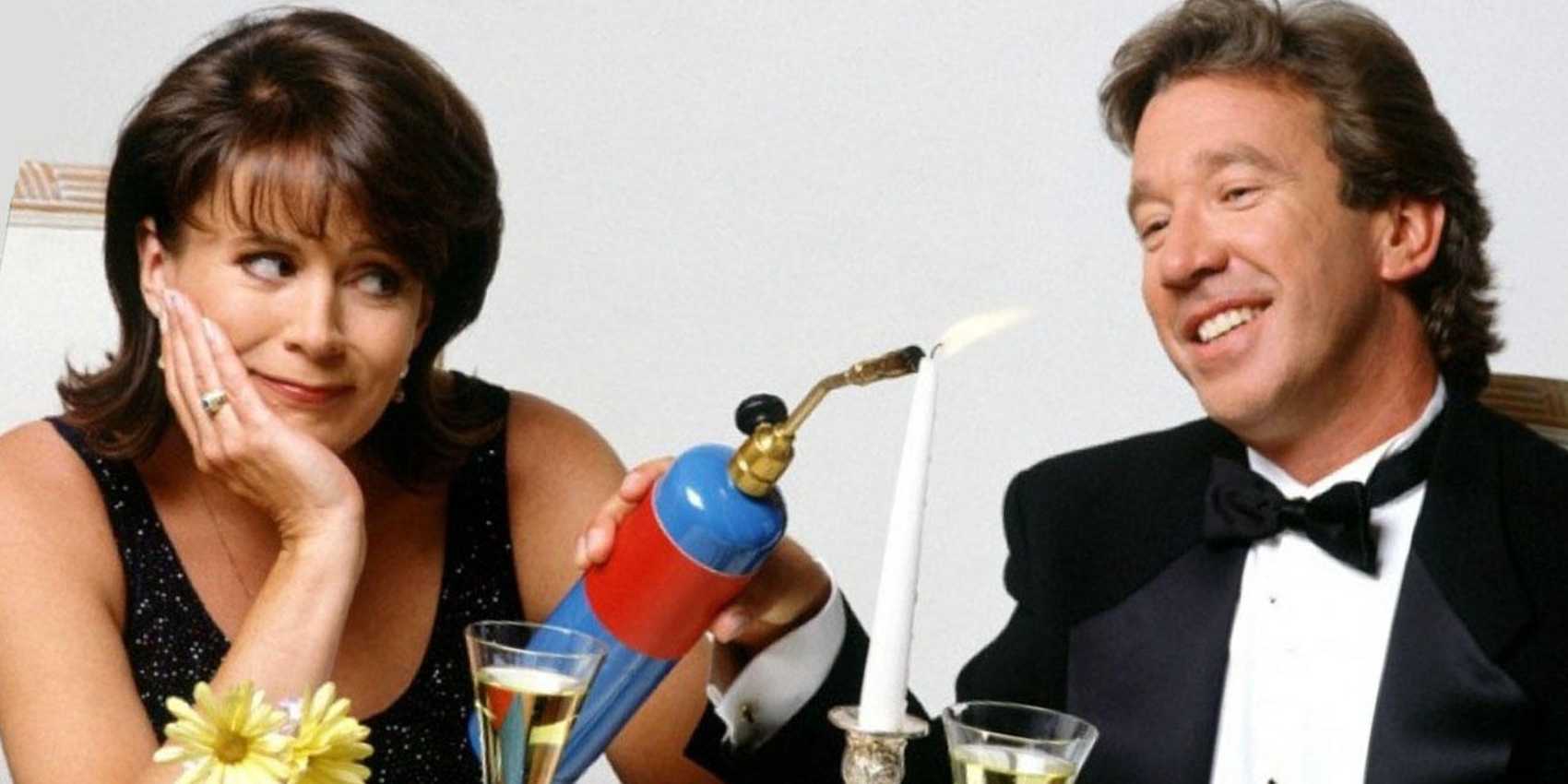
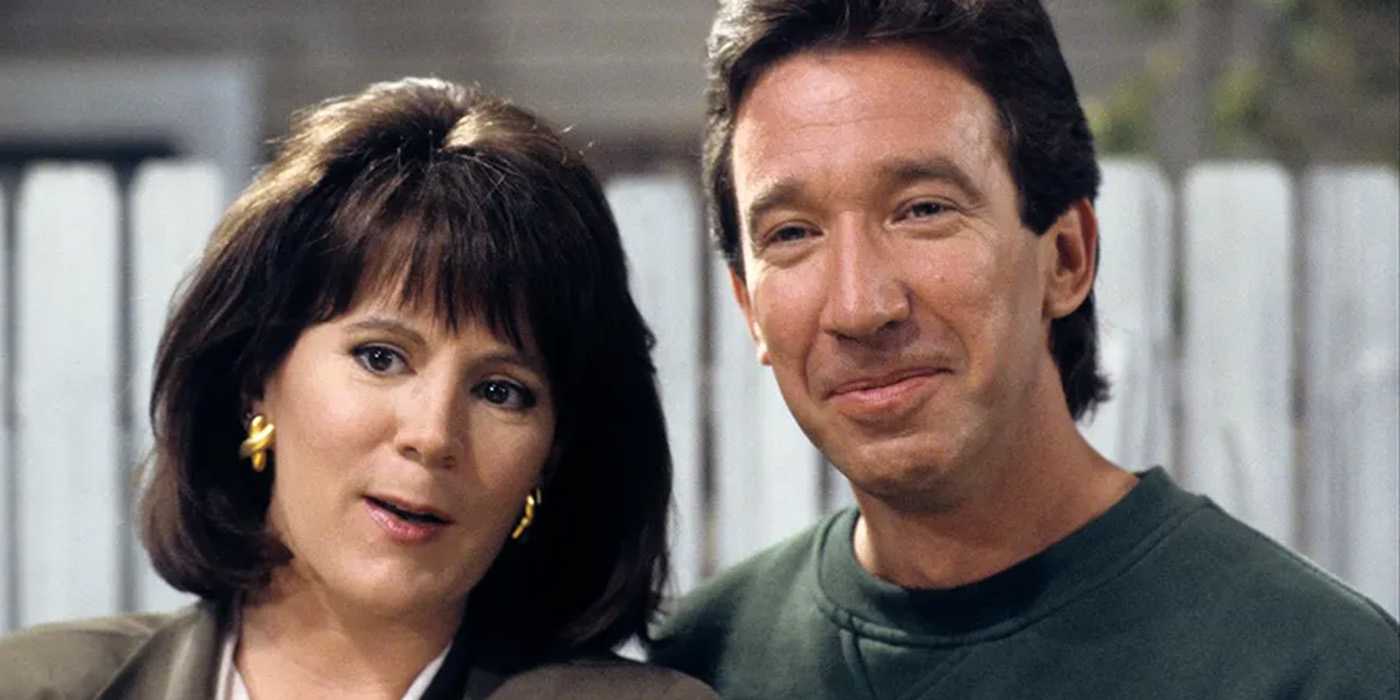
From a social and relational perspective, home improvement shows frequently reinforce outdated and conservative gender roles and relationship dynamics. Episodes often feature clichés, such as a budget-conscious man and a woman focused on closet space, engaging in petty arguments. Renovation shows often portray a 'goofy' male contractor and an 'eye-rolling' female designer, perpetuating stereotypes rather than presenting diverse and realistic interactions. This reinforces a bland and predictable vision of modern life, devoid of authentic and varied human experiences.
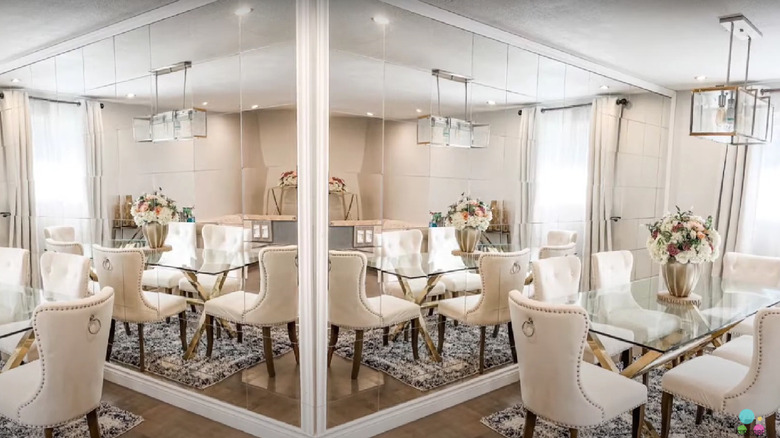
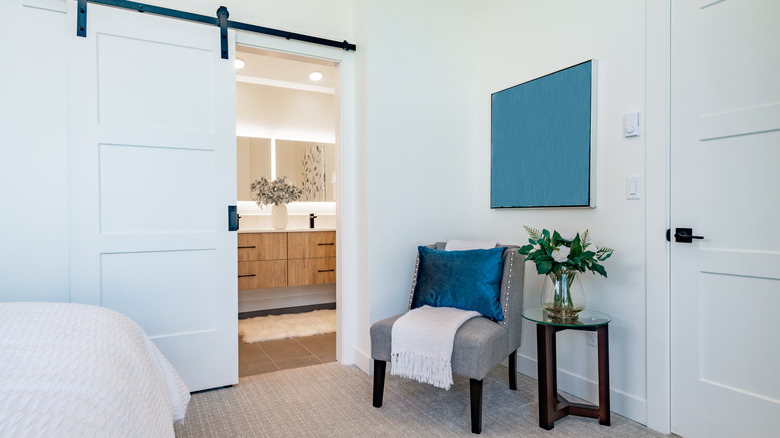
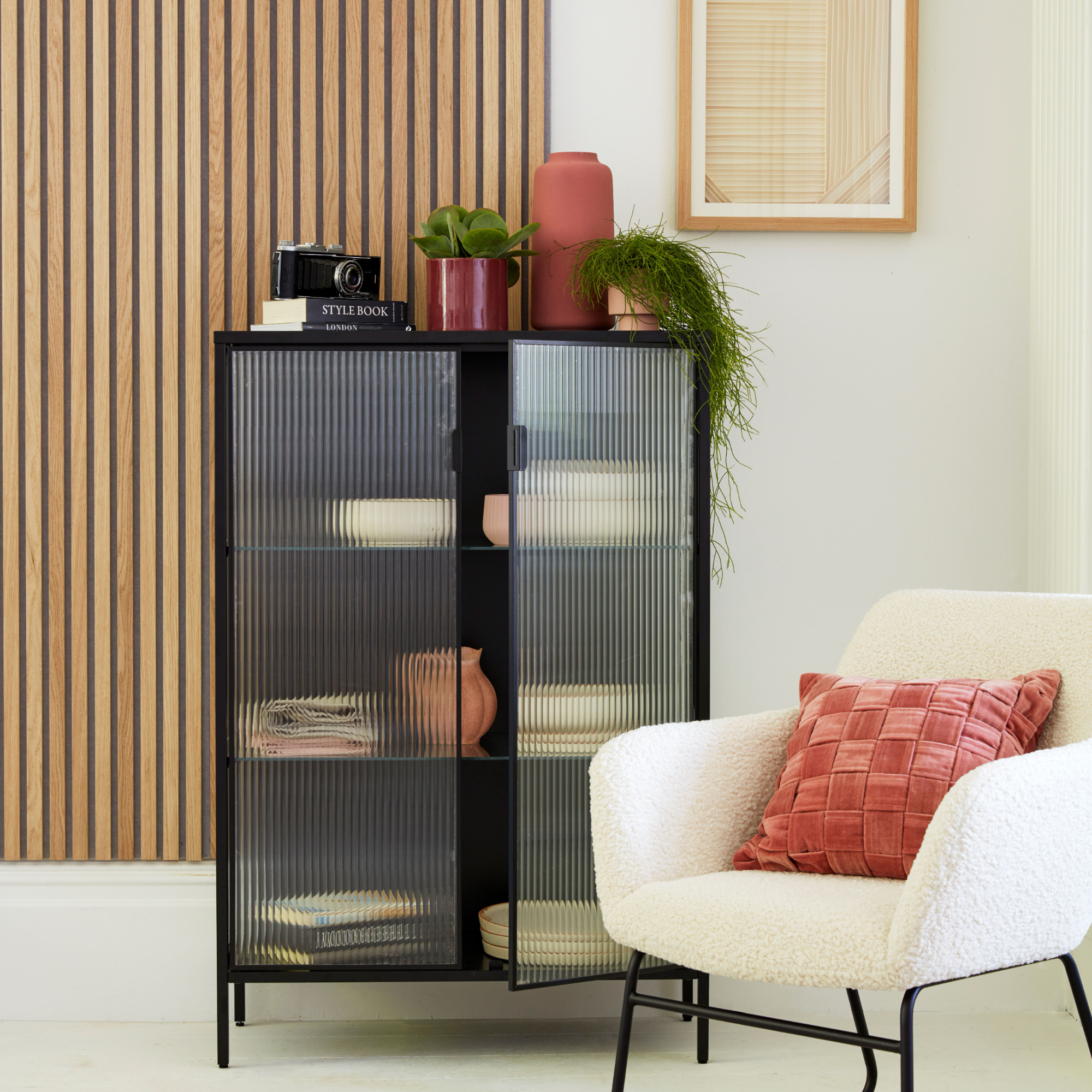
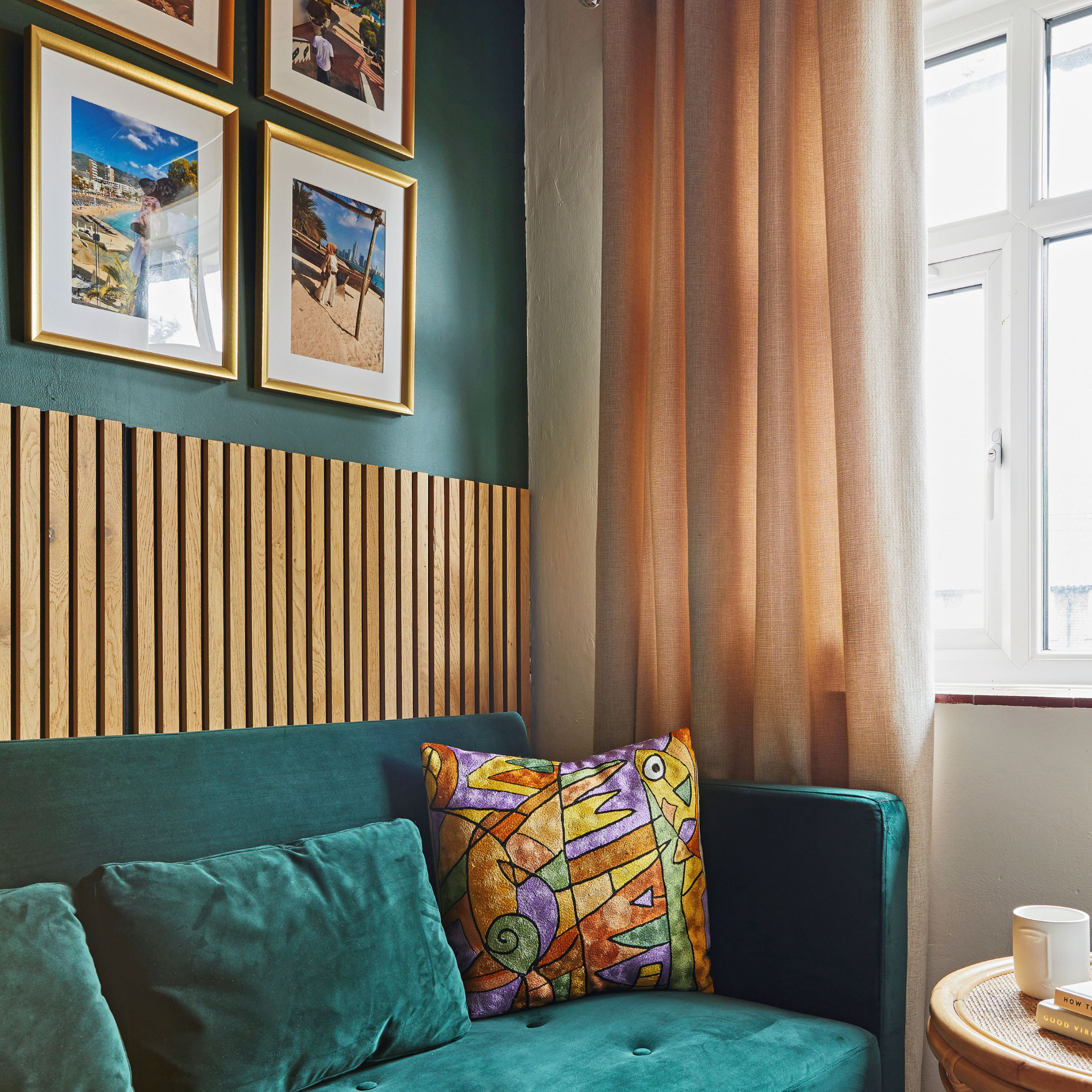
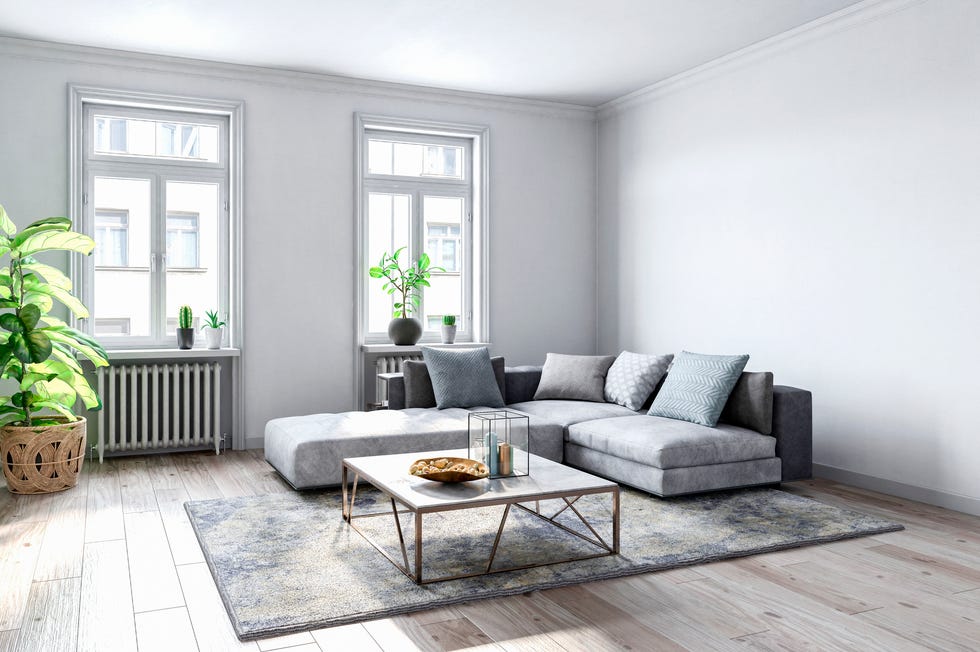
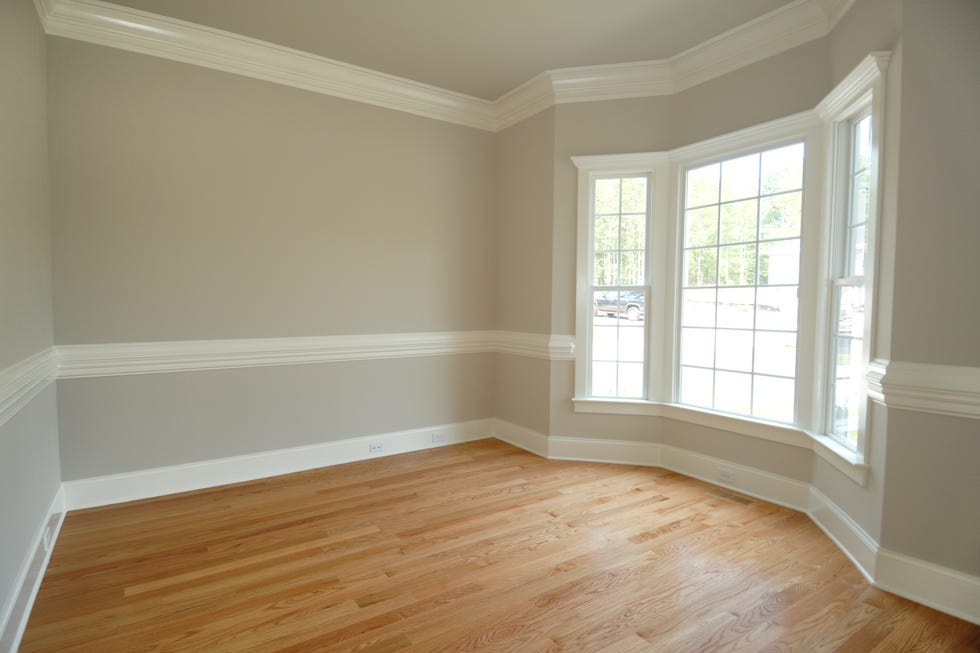
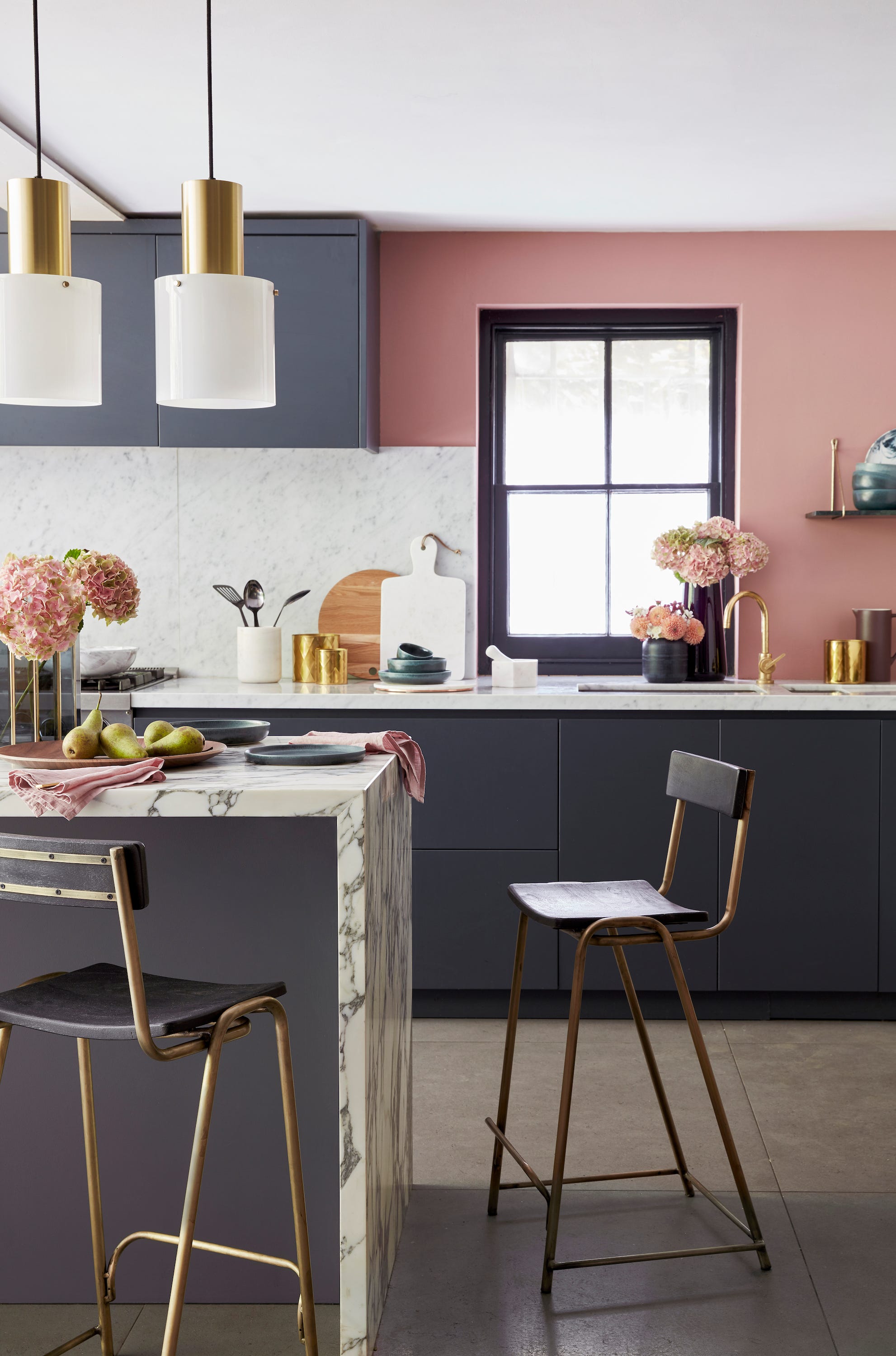
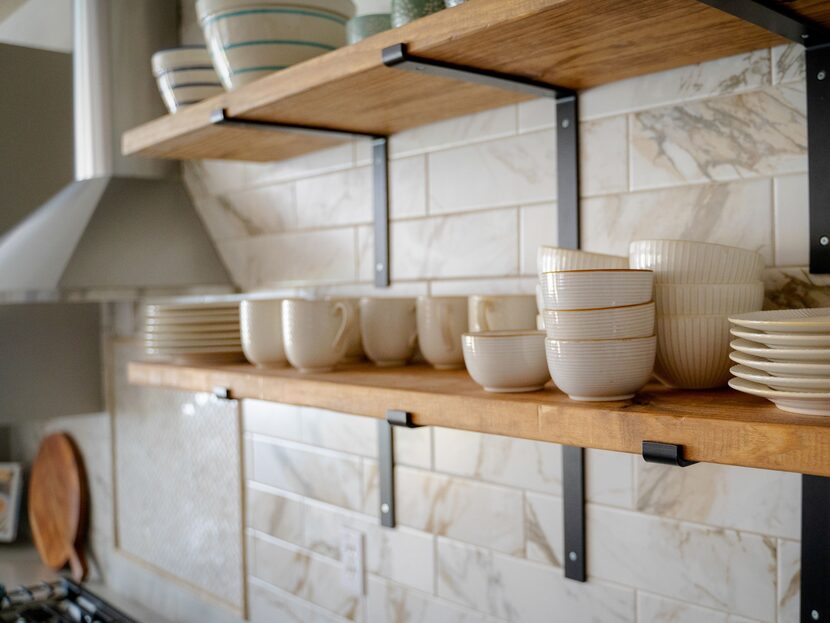
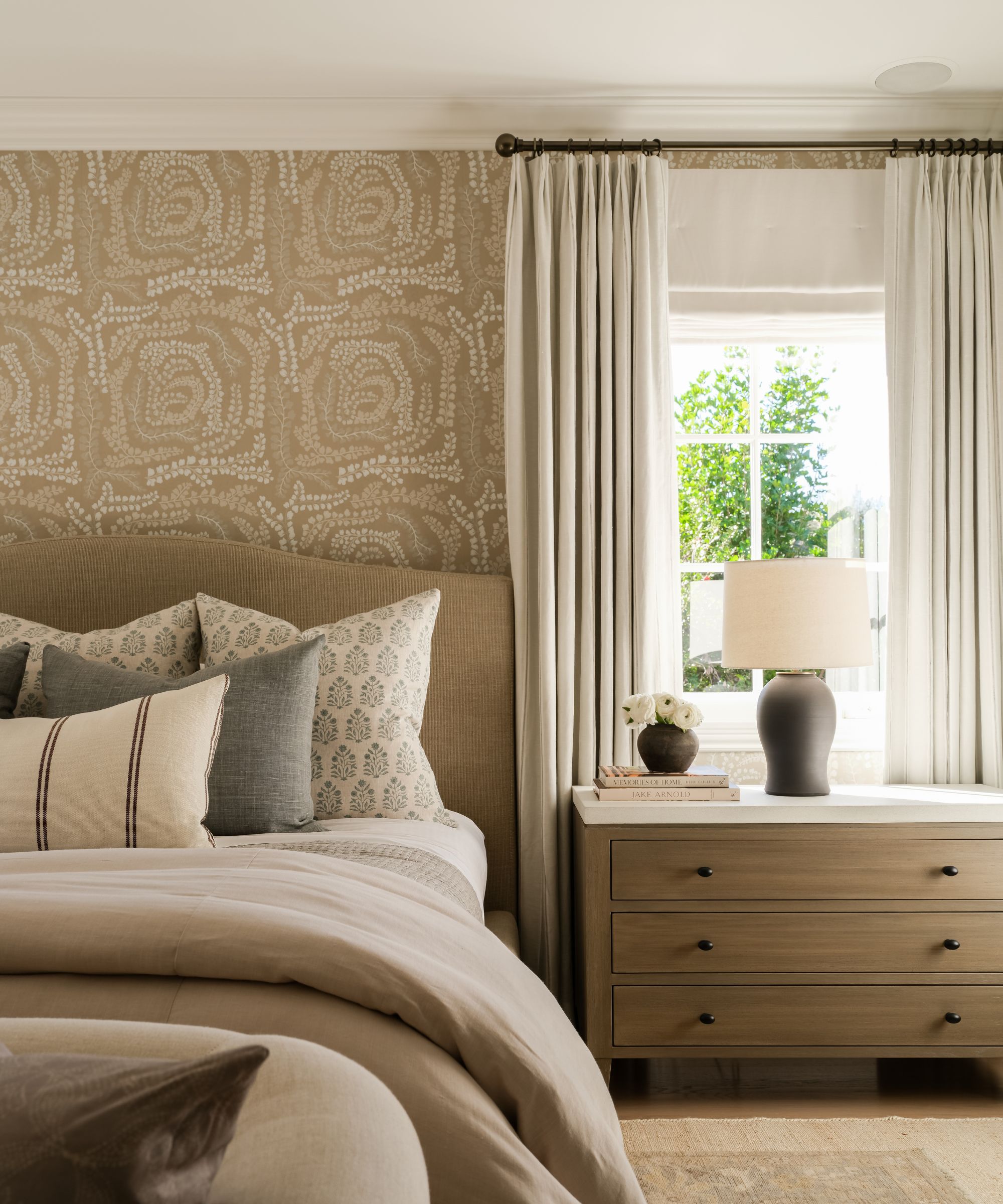
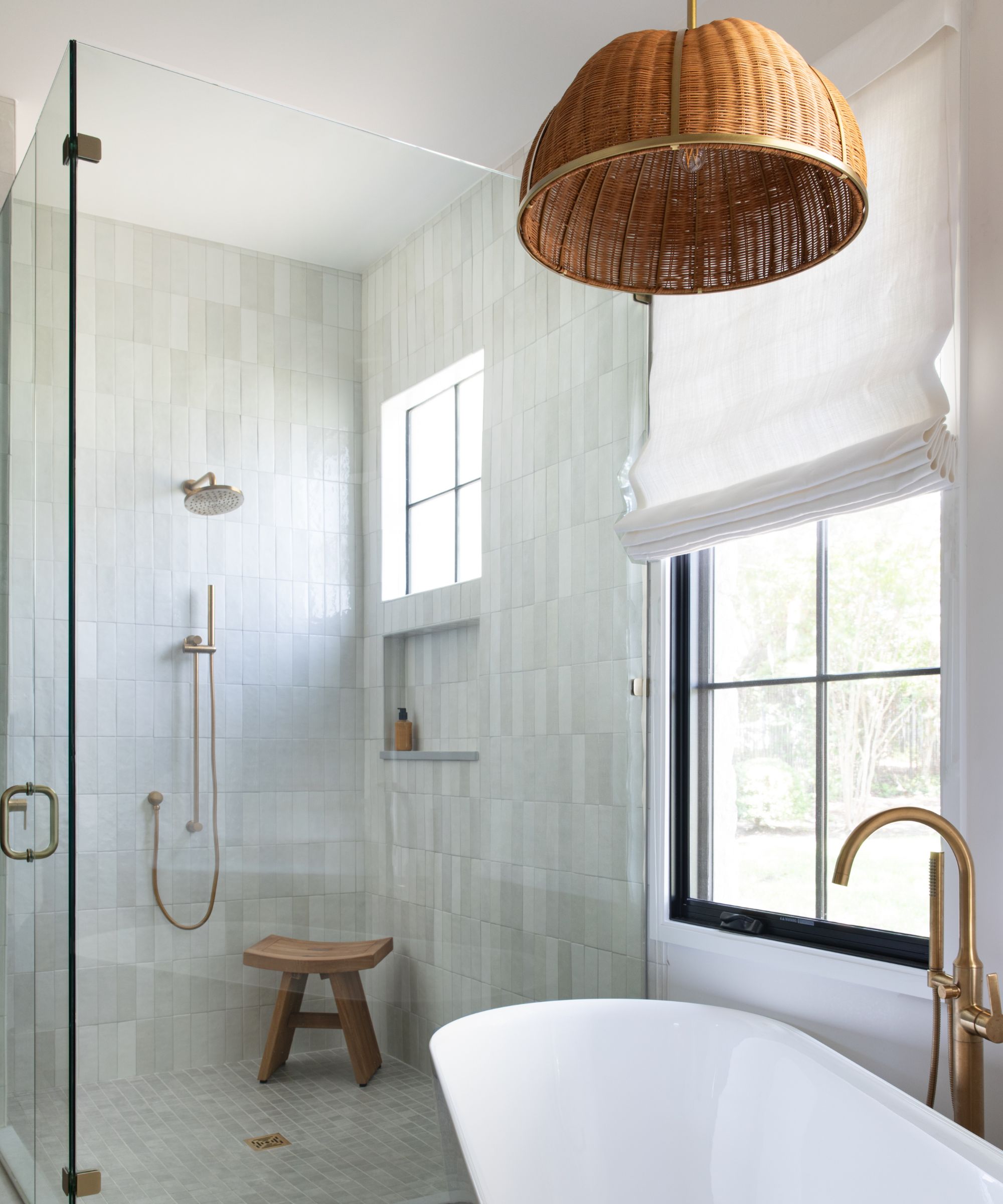
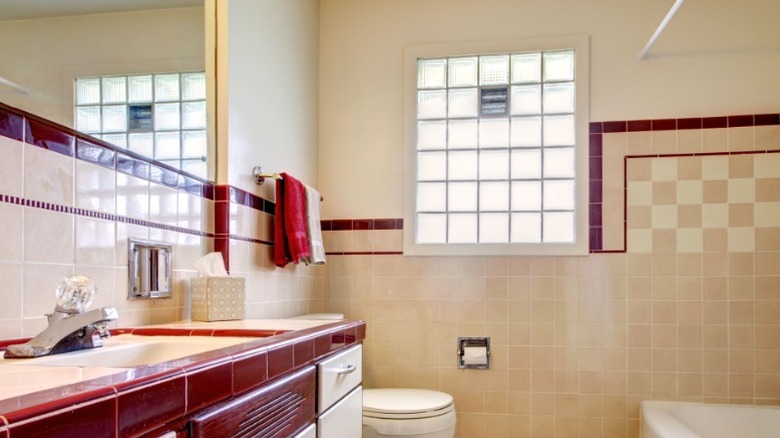
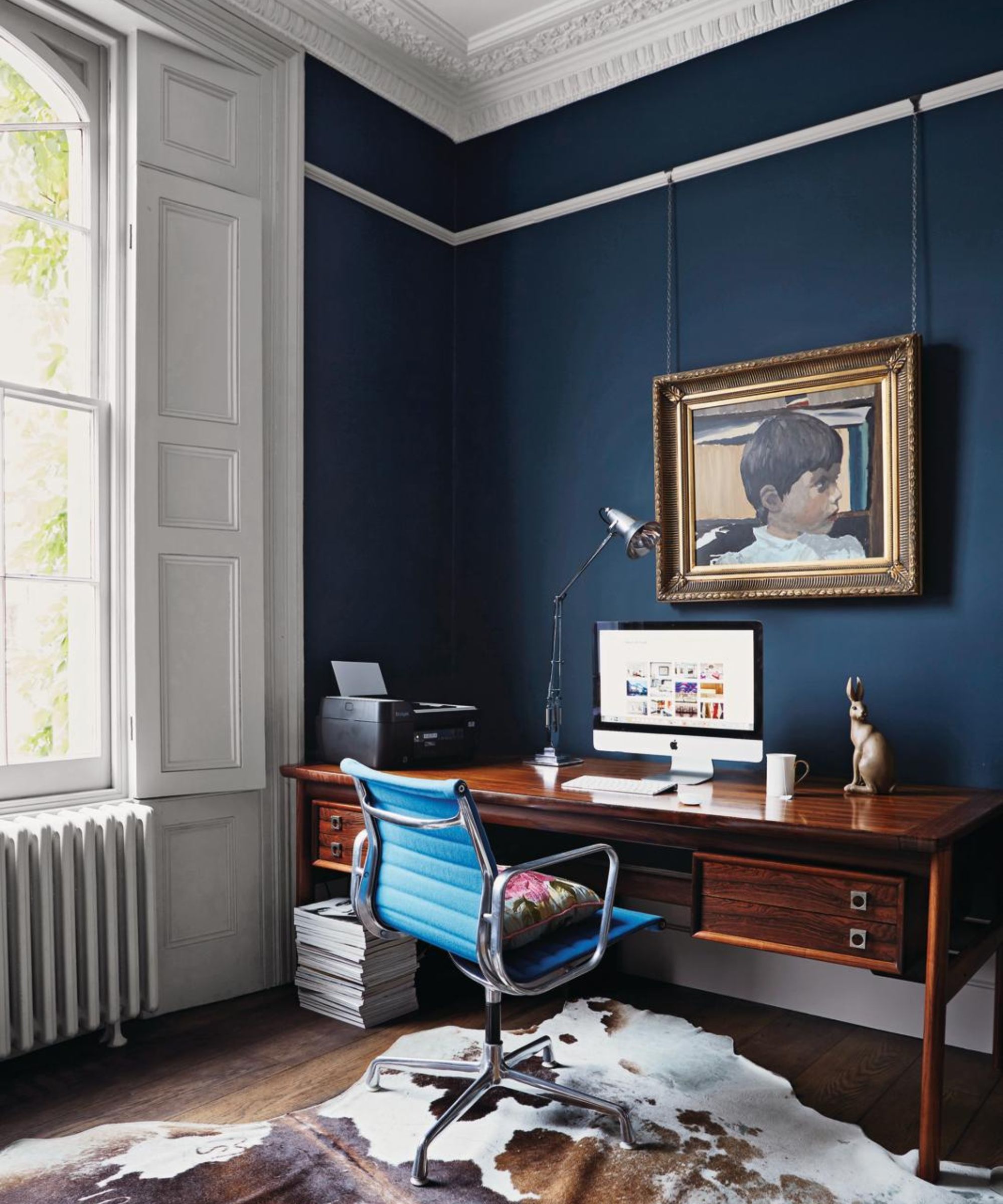
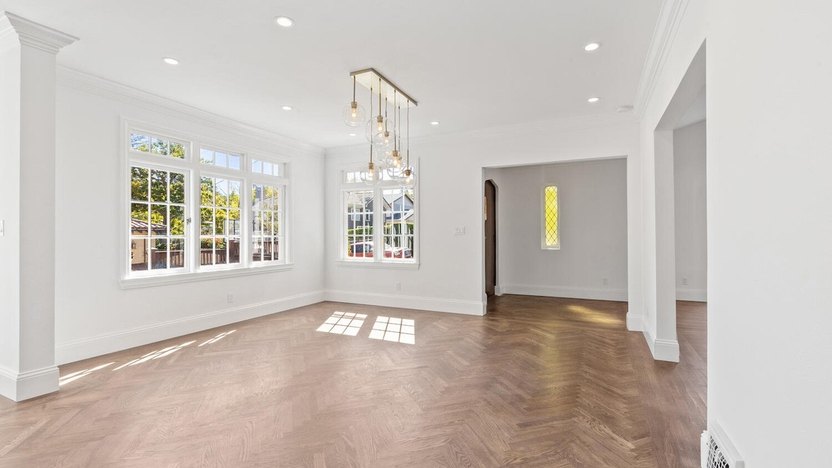
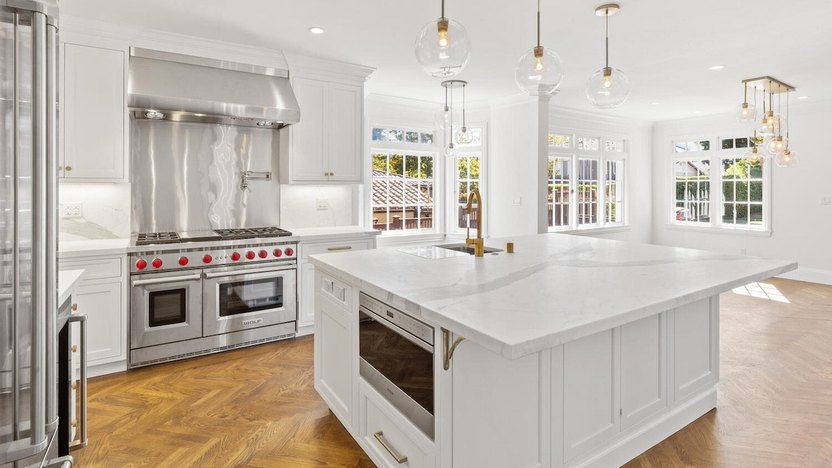
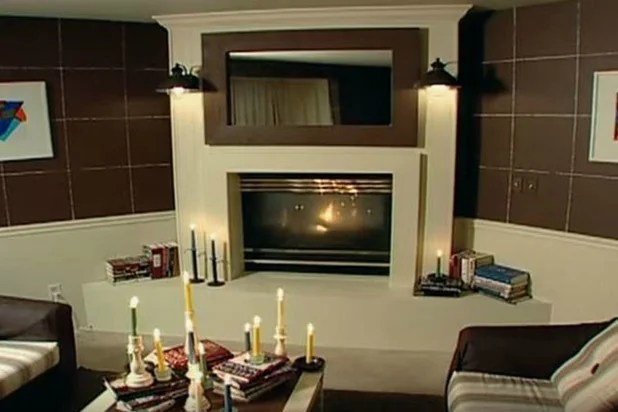
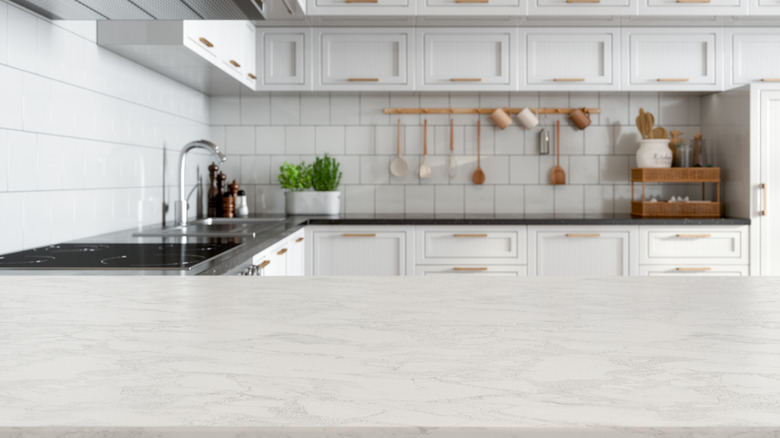
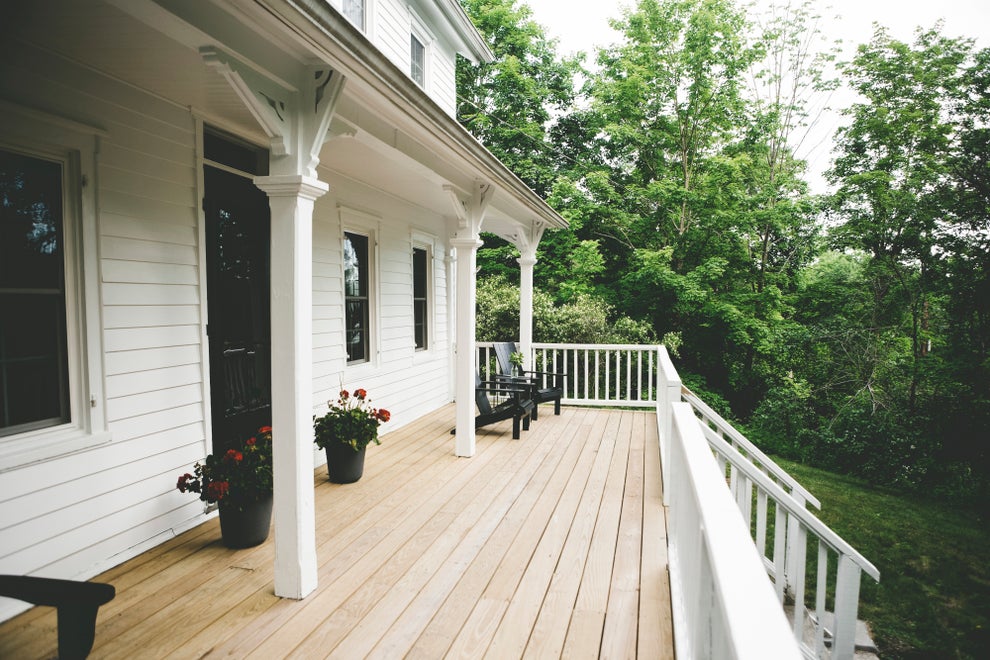
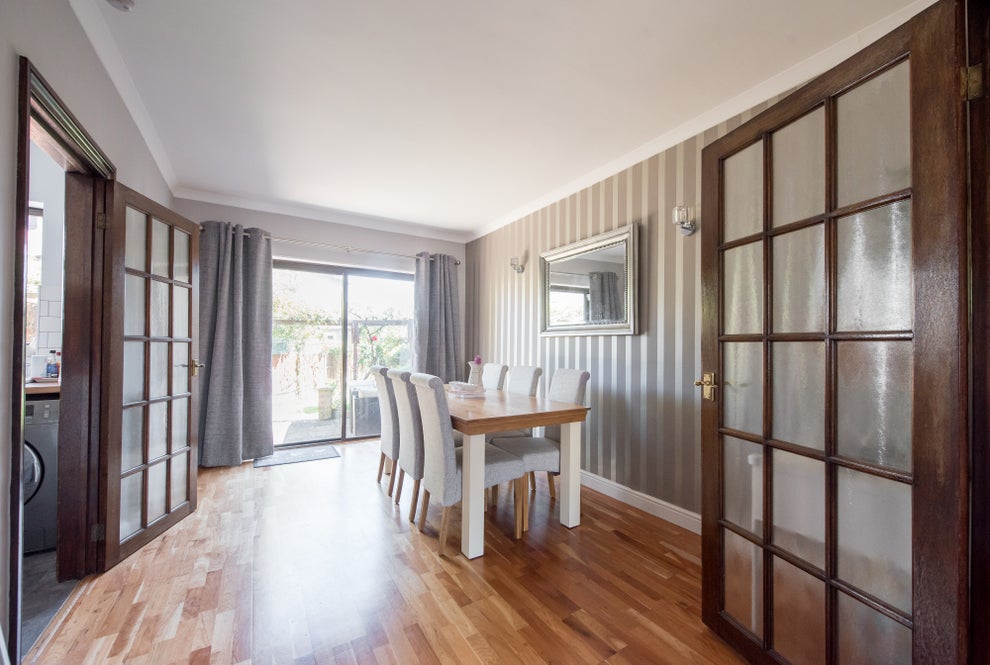
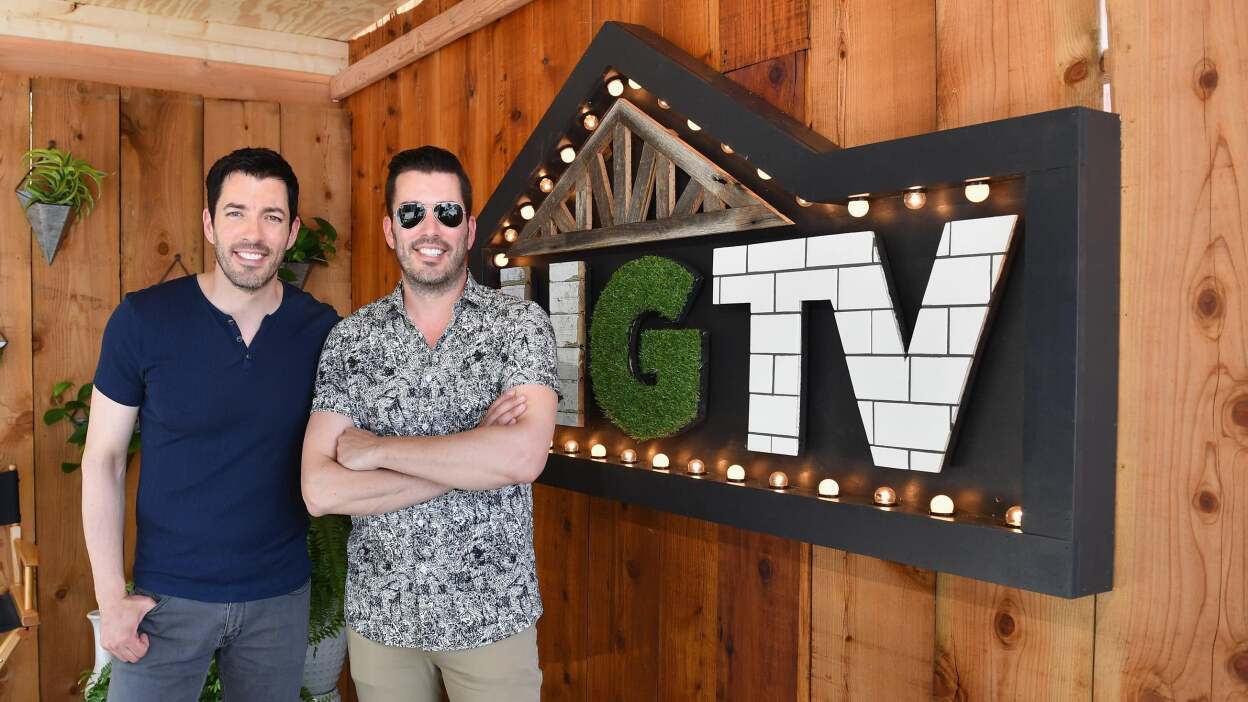
Lastly, these programs contribute to a homogenization of interior design. HGTV and similar networks often promote a specific aesthetic, characterized by open concepts, shiplap, and grey color palettes. This consistent visual messaging trains audiences to view this particular style as desirable, leading many homeowners to replicate it. The result is a proliferation of homes that look eerily similar, lacking individuality and personal expression. This trend can leave homeowners feeling like they are living in a generic space, potentially leading to dissatisfaction. While home renovation can be an investment, prioritizing a 'magazine-ready' look over personal comfort and genuine enjoyment of one's living space is an unusual approach to life. Therefore, while home improvement shows can be entertaining in moderation, it is crucial to recognize their potential negative influences on personal well-being, financial expectations, and design choices.
#HomeImprovement #RealityTV #HomeRenovation #InteriorDesign #FinancialExpectations #PsychologicalImpact #MediaLiteracy #ConsumerAdvice #HomeImprovement #RealityTV #HomeRenovation #InteriorDesign #FinancialExpectations #PsychologicalImpact #MediaLiteracy #ConsumerAdvice
Toplam 0 yorum
 Henüz yorum yok
Bu da beğenebilirsiniz

Outdated Trends That HGTV's Property Brothers Swear Are Ruining Your Home's Vibe

After More Than 500 Home Makeovers, the Property Brothers Warn Against This Feature They "Hate, Hate, Hate"

Experts warn these 7 DIY home improvements will devalue it – plus what to do instead

'Extreme Makeover: Home Edition' Was Less Wholesome and Way More Controversial Than You Remember

‘Home Improvement’ Wasn’t Cancelled For The Reasons You Think
Money-wasting home improvements to avoid


HGTV's Drew Scott Says To Ditch This Home Feature ASAP (You Could Get Cash For It)


Kitchen Renovation Tips HGTV's Hilary Farr Swears By
'Potential buyers may see it as a DIY job gone wrong' – this popular interior trend may be devaluing your home

10 TV Shows to Watch If You Love 'Flip or Flop'
7 things you should repair instead of replace in your home
"It's Like I'm On An HGTV Acid Trip": People Are Denouncing The Worst Home Design Features

HGTV's Hilary Farr Doesn't Want Homeowners To Focus On This 'Distracting' Kitchen Feature

Move That Bus! — See the Original 'Extreme Makeover: Home Edition' Cast Today

Joanna Gaines, Christina Haack, and More TV Expert Advice I Followed to Renovate and Decorate My Home
Interior Design Masters and 7 more shows to watch for homes inspiration

The #1 Home Trend You Should Avoid, According to Designers

7 home design trends to skip (and what to do instead)

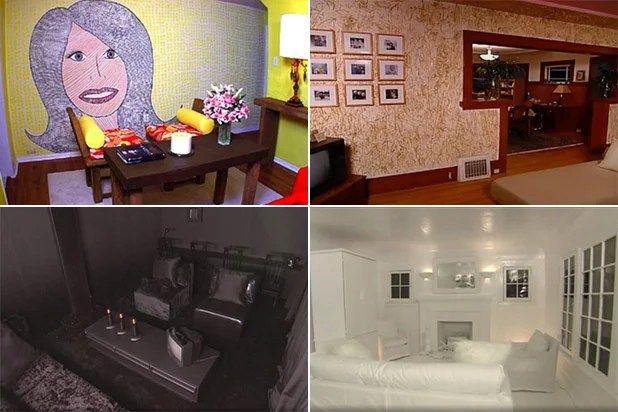
13 Worst ‘Trading Spaces’ Designs, From the Sob-Inducing Fireplace to Straw-Covered Walls (Photos)

"I Regretted It After Two Weeks": Homeowners Are Revealing The Popular Home Fads That Aren't Worth Trying Out