1/3
You Might Be Able to Install a Heat Pump Yourself. You Probably Shouldn't
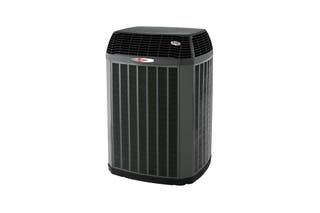
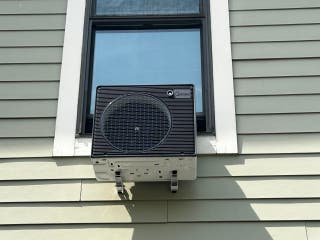
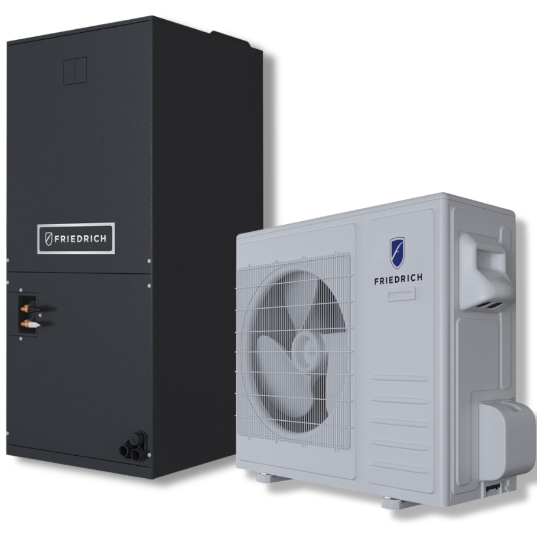
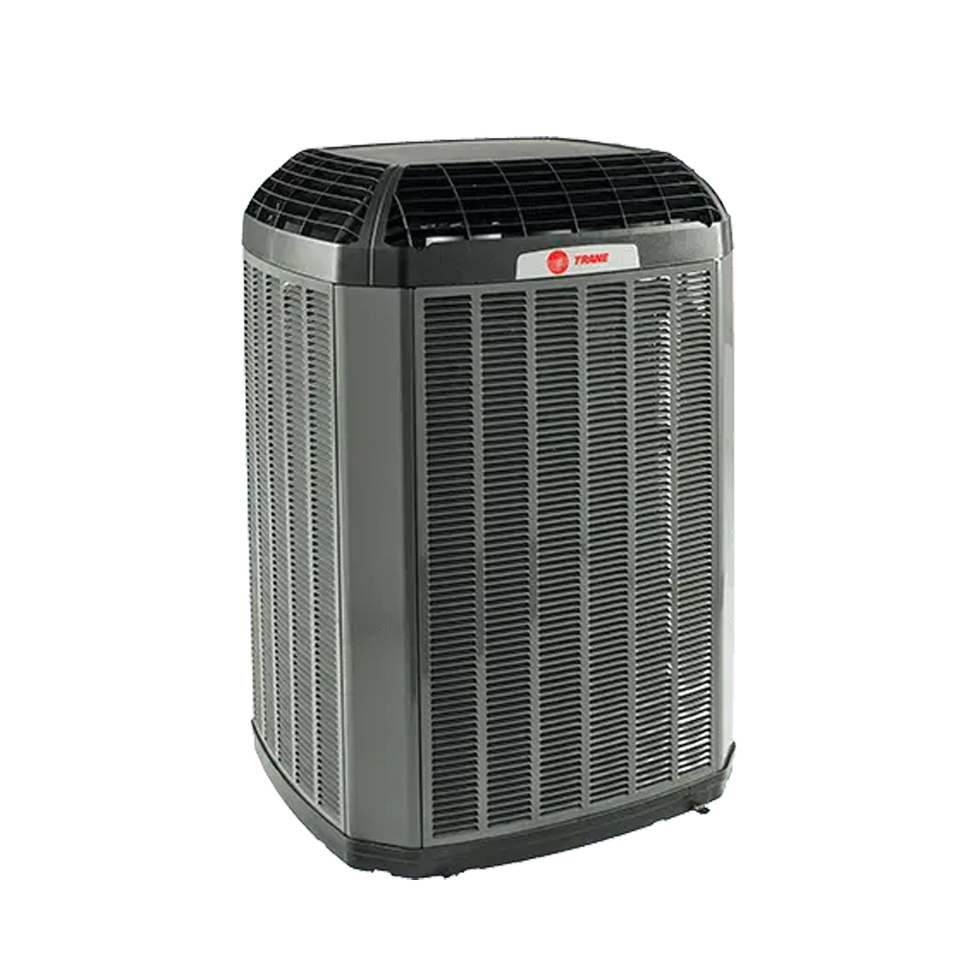
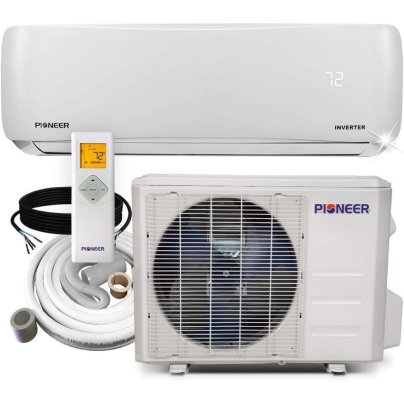
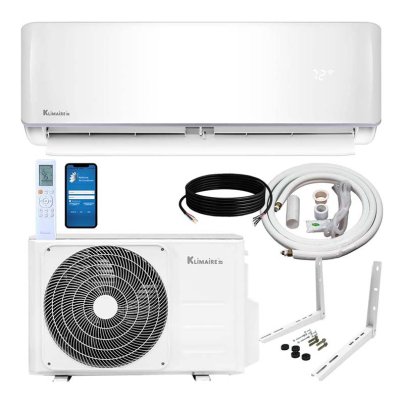
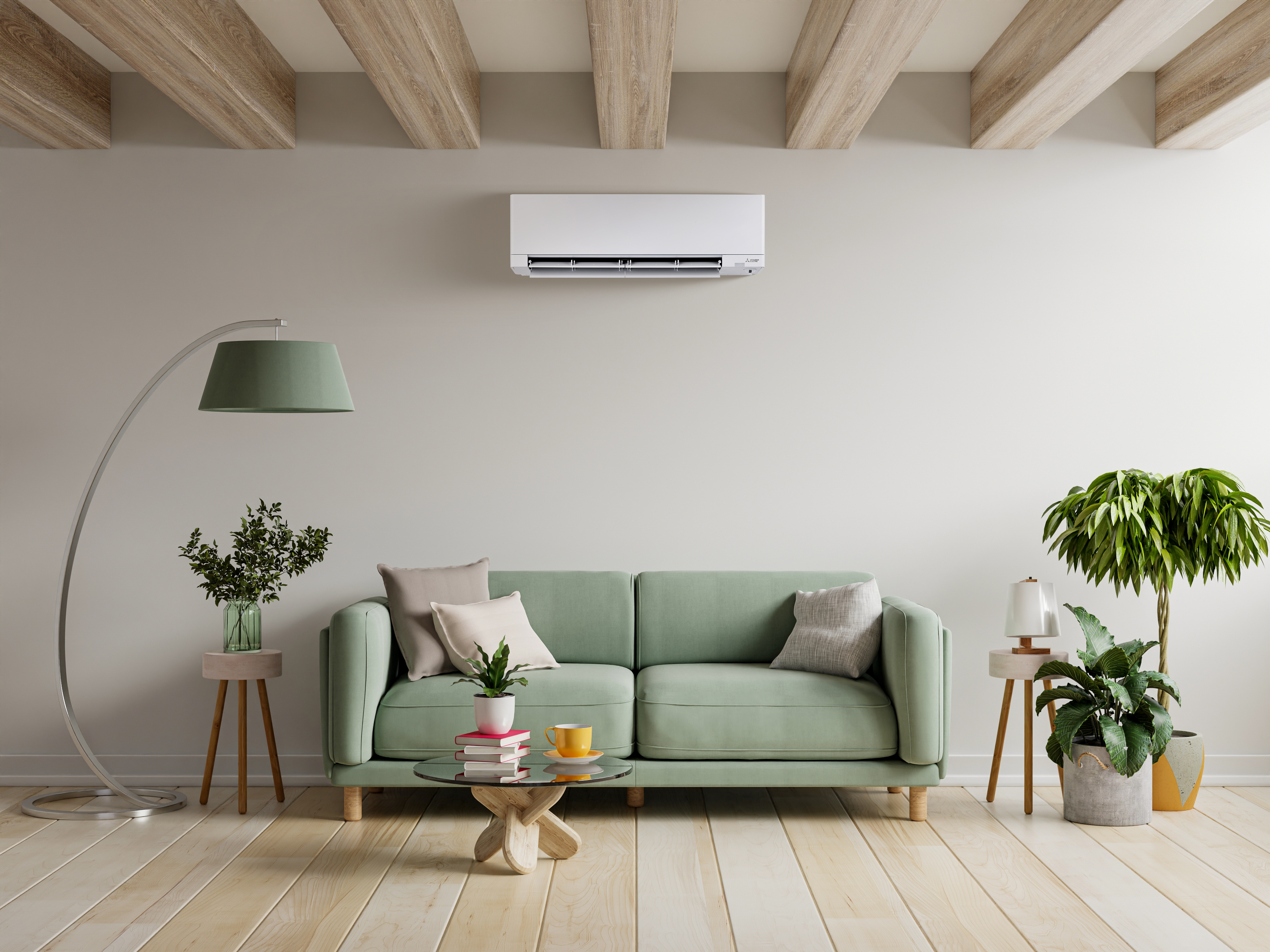
Heat pumps are gaining popularity as an HVAC solution, with sales surpassing gas furnaces in 2022. Their appeal stems from ultra-efficient design, enhanced home comfort, and significant government subsidies. As their popularity grows, so do DIY installation options, notably from companies like MRCOOL that offer installation kits. However, the feasibility of DIY heat pump installation is nuanced and depends largely on an individual's home improvement skills.
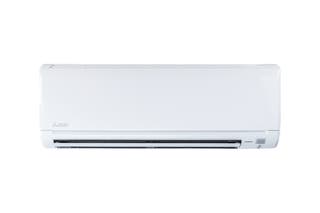
Installing a heat pump requires a considerable level of handiwork. While a ductless mini-split system is generally considered easier for DIY enthusiasts compared to more complex ducted systems, which are rarely suitable for self-installation, there are still inherent risks. Incorrect installation can lead to inefficient operation, potential home damage (such as from a leaking condensate pipe), and may even void the manufacturer's warranty, especially if the equipment was not specifically designed for DIY use. Furthermore, many HVAC contractors are reluctant to service or guarantee repairs on systems they did not install, leaving DIYers without ongoing maintenance support.
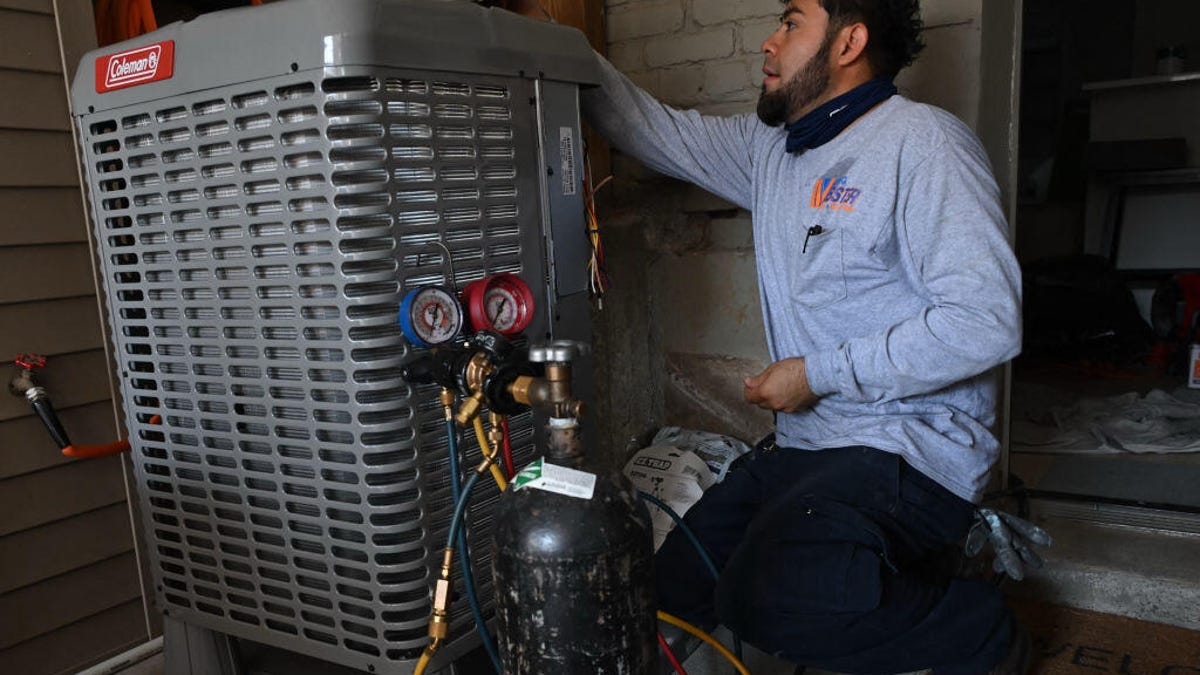
Conversely, professional installation ensures the system is correctly set up and provides access to maintenance and repair services down the line. This ongoing support is crucial for the longevity and optimal performance of the system. Although professional installation incurs higher costs, often equivalent to or exceeding the equipment cost, it can be a worthwhile investment for long-term efficiency and peace of mind. Labor costs for professional installation can range from $500 to several thousand dollars, with hourly rates typically between $75 and $125 per worker. Additionally, permits are usually required for installation, regardless of whether it's a DIY or professional job, adding a few hundred dollars to the overall cost.
For most homeowners, especially those installing a heat pump for the first time or replacing a different heating system, professional assistance is highly recommended. Even those undertaking partial DIY work might still need professional help for specialized tasks like electrical connections. When selecting an HVAC installer, it is advisable to research online reviews, seek referrals, and verify that the company possesses the necessary certifications and insurance. Prioritizing contractors known for reliable ongoing maintenance and support is also important, as proper setup and future servicing are equally critical for the system's performance and the homeowner's utility savings.
#HeatPump #DIYInstallation #HVACSystems #HomeImprovement #EnergyEfficiency #ProfessionalInstallation #HomeEnergy #GovernmentSubsidies #HeatPump #DIYInstallation #HVACSystems #HomeImprovement #EnergyEfficiency #ProfessionalInstallation #HomeEnergy #GovernmentSubsidies
Toplam 0 yorum
 Henüz yorum yok
Bu da beğenebilirsiniz

A Heat Pump Might Be Right for Your Home—Here’s What to Know | Reviews by Wirecutter


Experts Urge Homeowners to Avoid This Radiator Mistake That 'Exaggerates' How Well It Will Heat Your Home

Is a Heat Pump Right for Your Home? Here's What You Need to Know.

Should You Install a Water Heater Yourself? We Asked the Experts
The Best Heat Pumps for Cold Climates

Ask the Builder: Radiant heating systems deserve to be hyped
Hydronic Baseboard Heater Buyers Guide: How to Choose, Costs and Installation, Safety Considerations

Baffled homeowner seeks genuine advice after HVAC contractor makes questionable heating recommendation: 'There's no reason why it can't work'


How to hide a heat pump - 4 ways to conceal your exterior unit without compromising on efficiency or functionality