1/4
The 2021 Kitchen Design Trends Transforming the Home
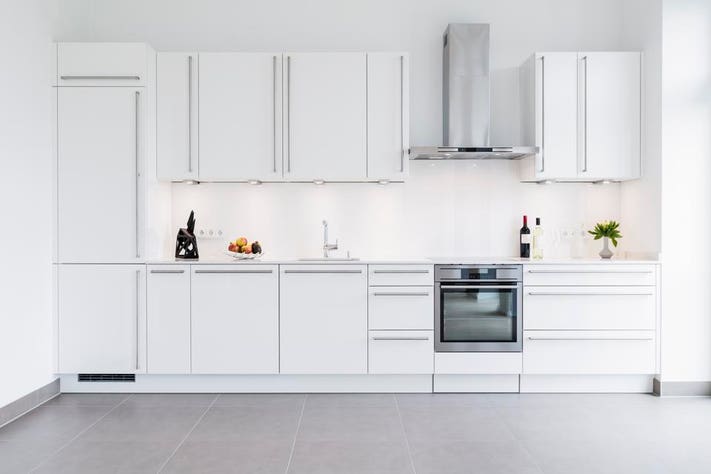
The COVID-19 pandemic has profoundly impacted how individuals interact with their homes, leading to a noticeable shift in kitchen layouts, materials, and styles. Homeowners are increasingly spending more time at home, necessitating adaptations to their living spaces. The National Kitchen & Bath Association (NKBA) anticipates a greater desire among homeowners to invest in their homes in the coming years, focusing on multi-purpose kitchen spaces, integrated whole-home technology, minimalistic aesthetics, the use of organic and natural materials, and enhanced outdoor living areas.
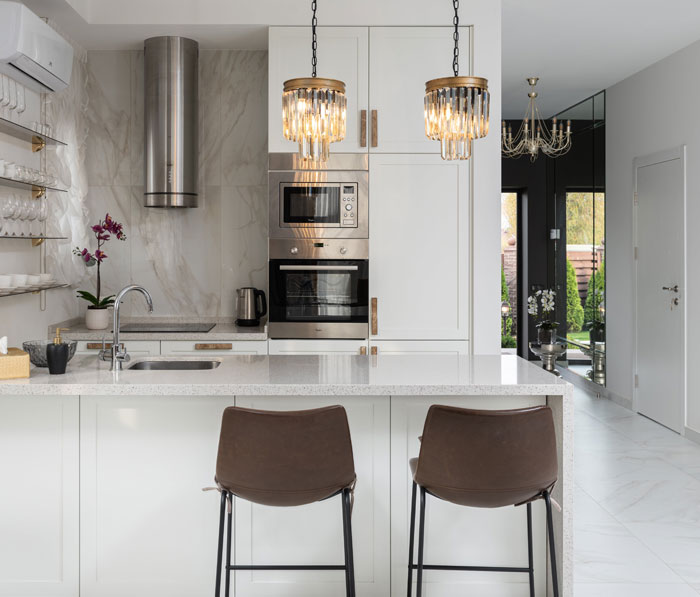
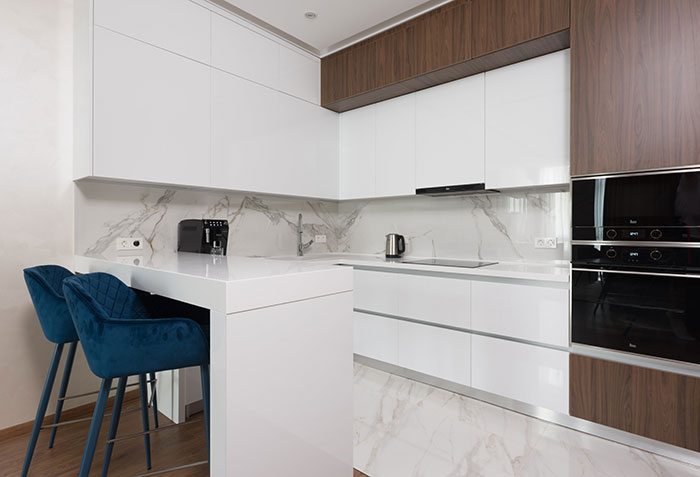
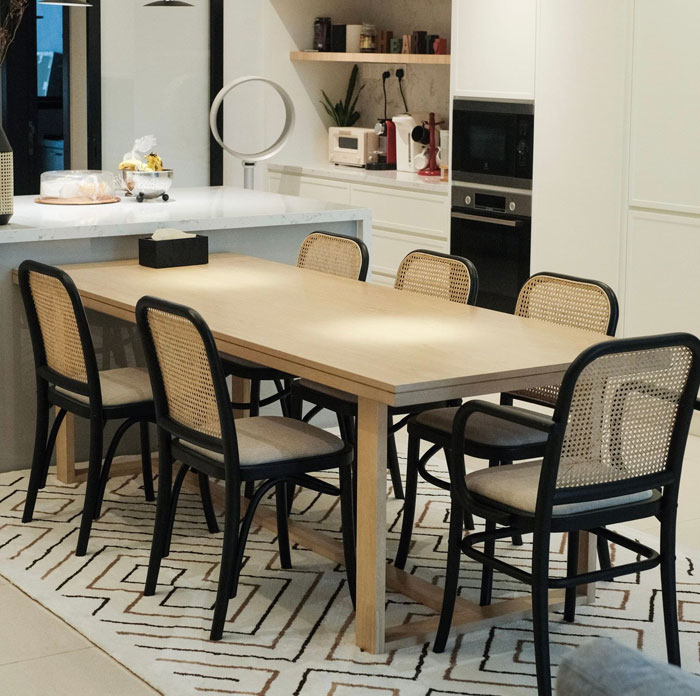
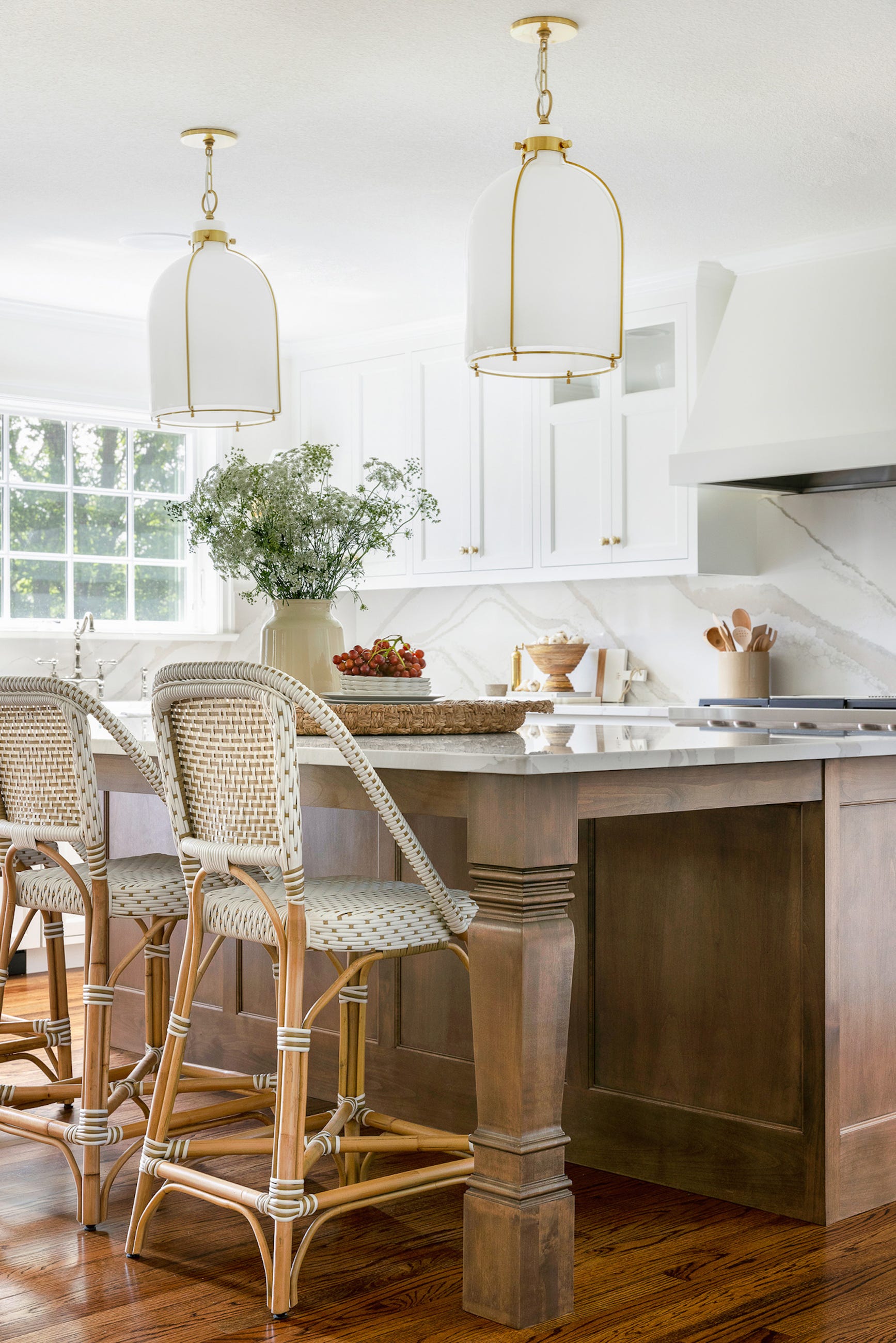
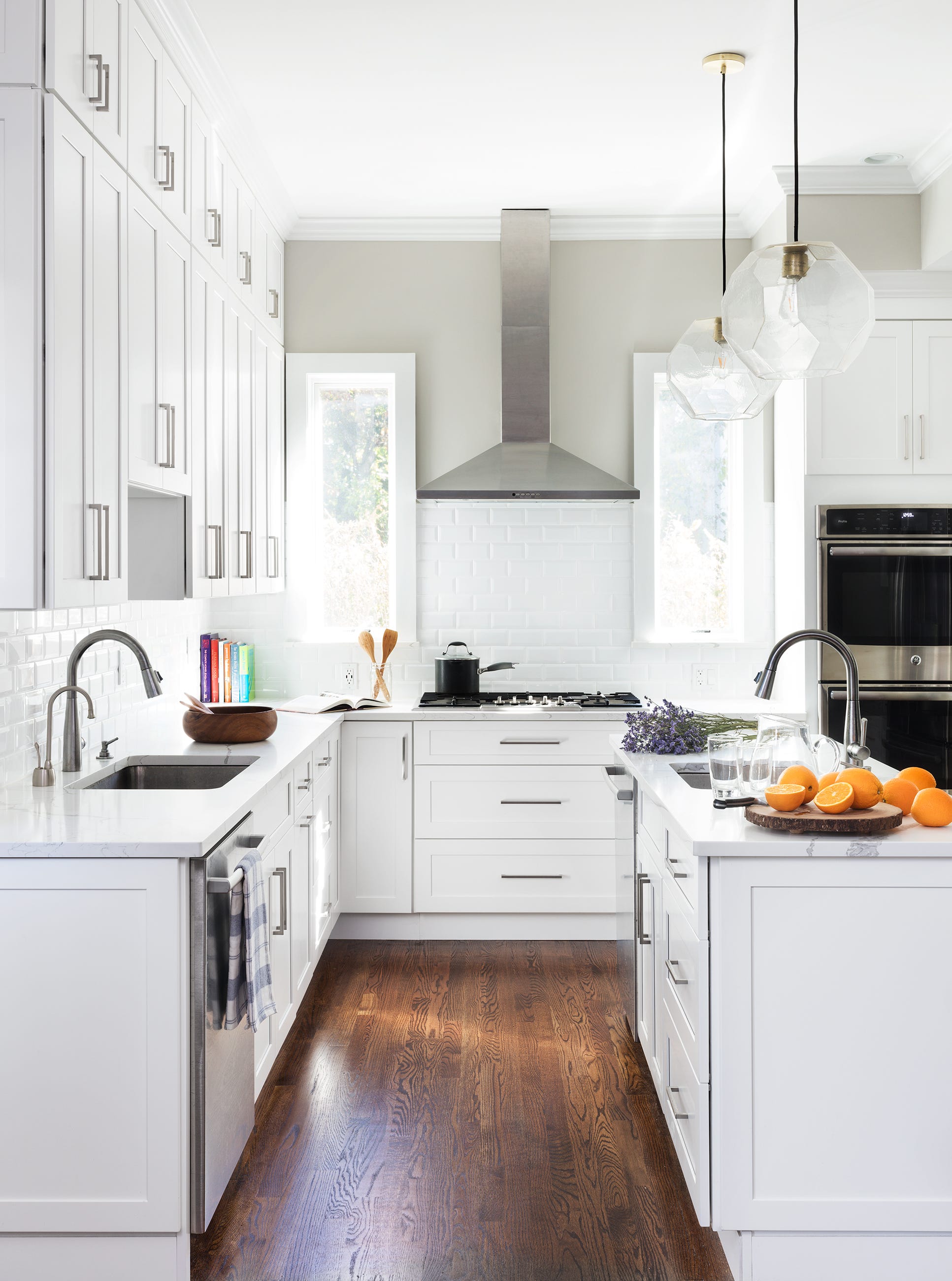
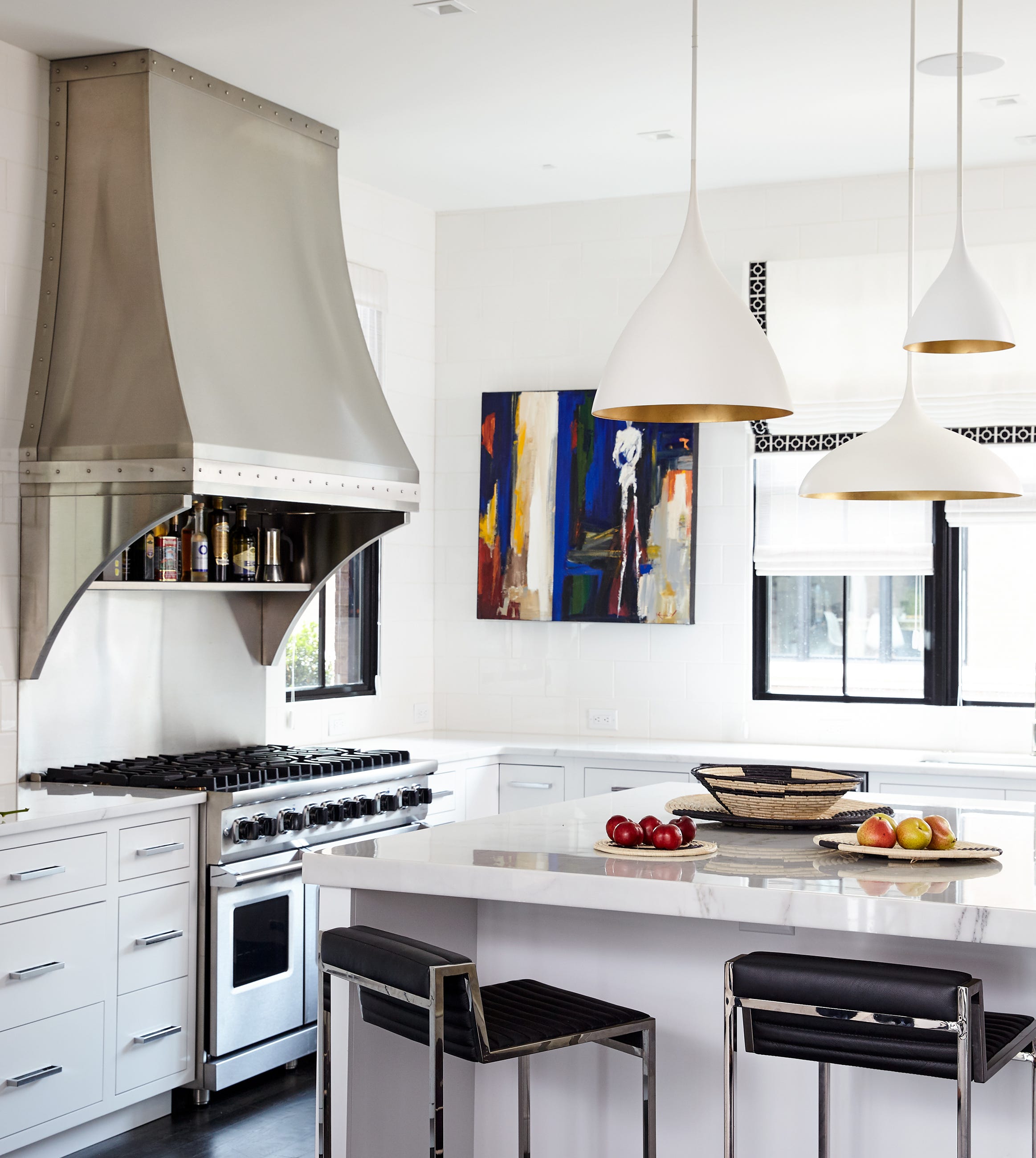
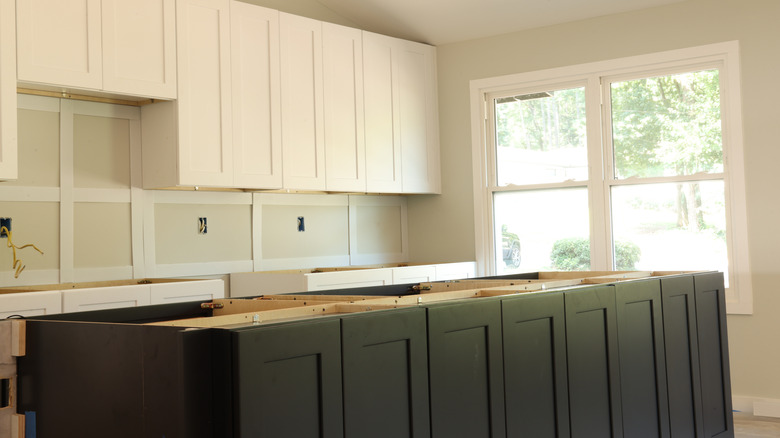
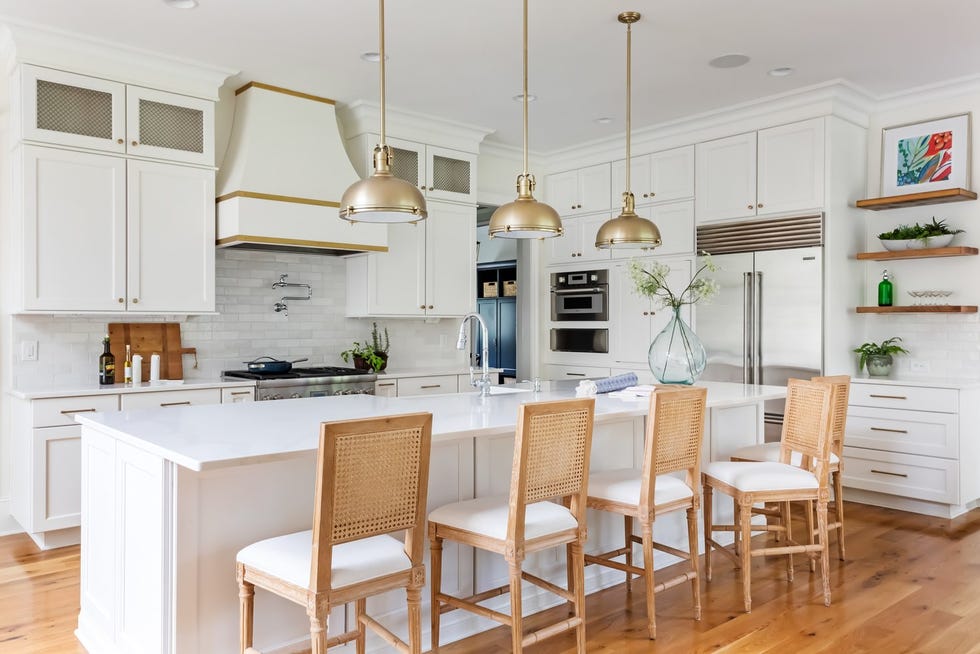
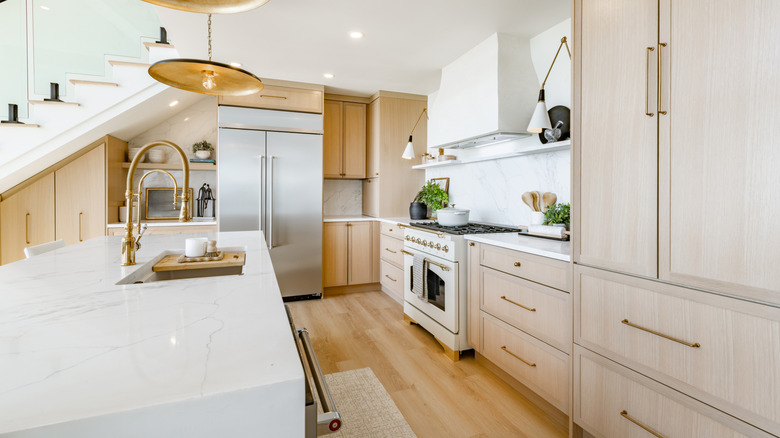
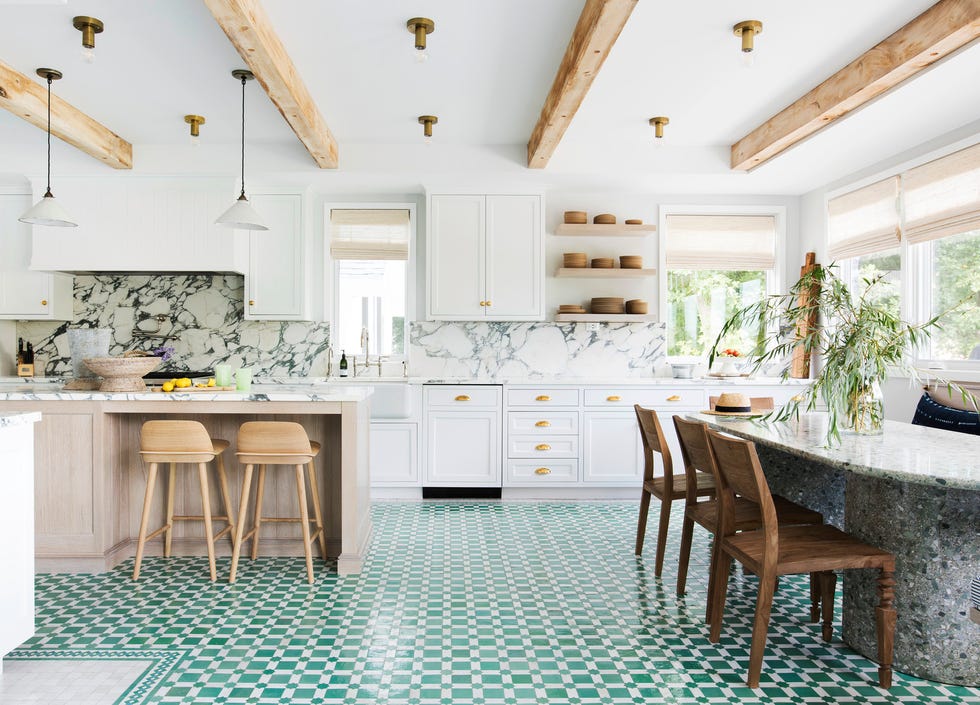
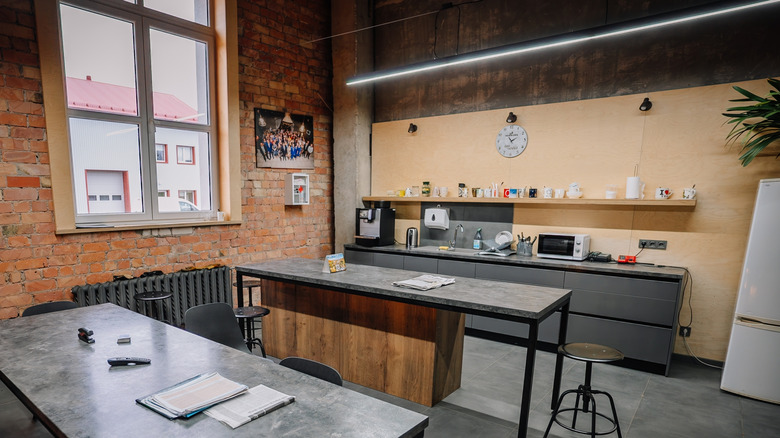
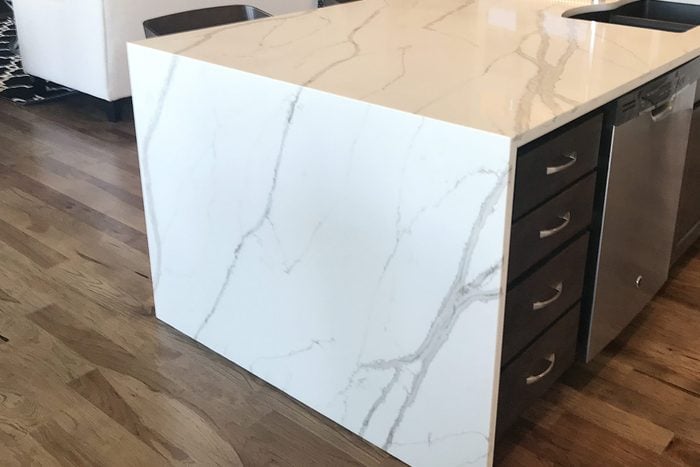
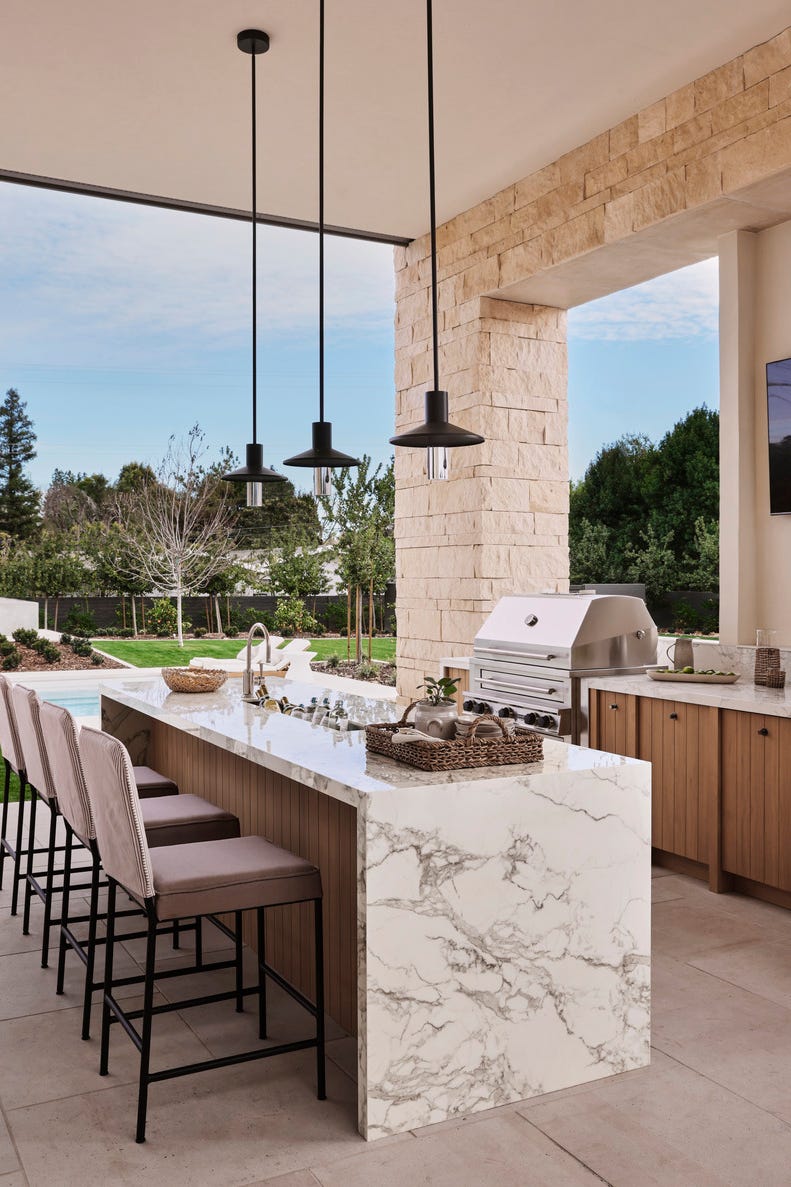
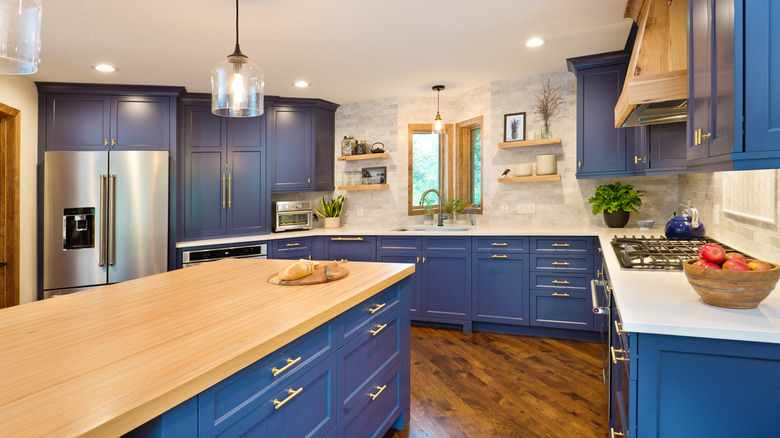
One significant trend is the rise of the L-shaped kitchen island. Historically, the kitchen has served as the heart of the home, a central gathering point for meals. With the increase in remote work and homeschooling, there's a growing need to enlarge kitchen footprints, often involving the removal of walls to create more expansive and open layouts. L-shaped islands are gaining popularity because they maximize counter space and facilitate an open design. These islands have evolved into multi-functional hubs, accommodating work, homeschooling, dining, meal preparation, and providing additional, often concealed, storage. Lori Gilder, an NKBA member and founder of Interior Makeovers Inc., notes that the L-shaped kitchen plan supports diverse activities throughout the day, particularly with increased household traffic. She highlights client satisfaction with these layouts, functionality, and material choices, especially with college-aged children returning home.
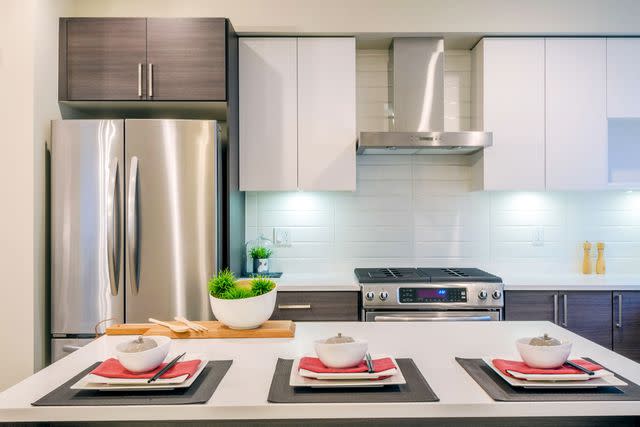
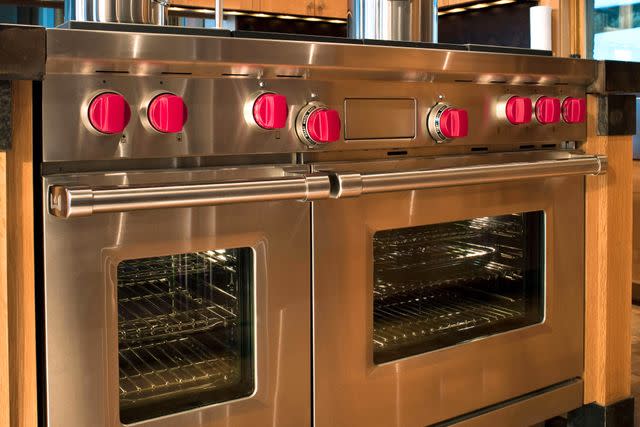
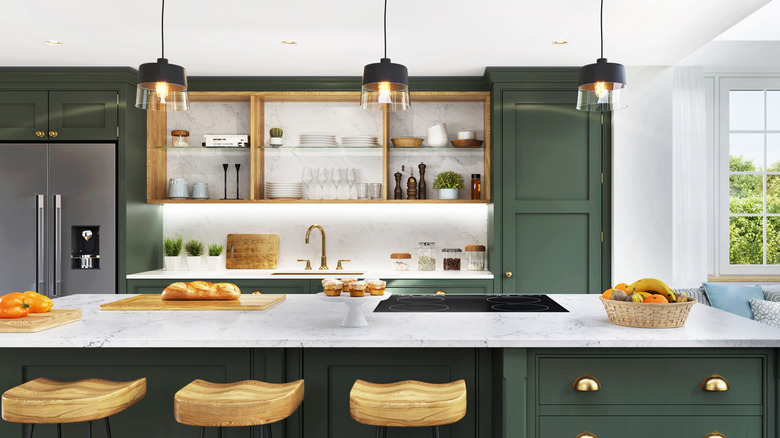
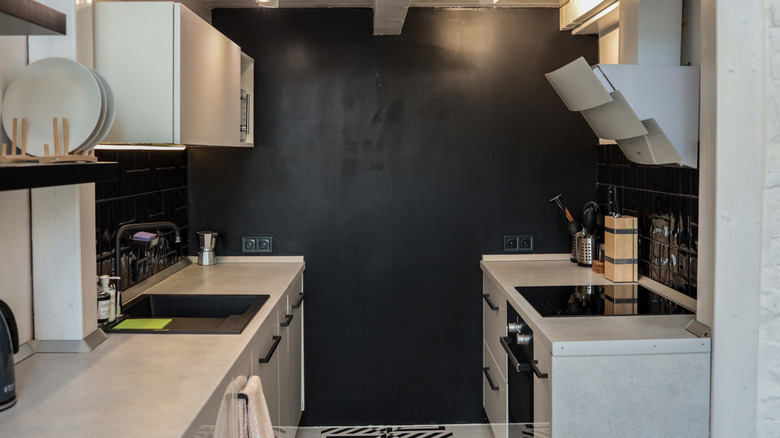
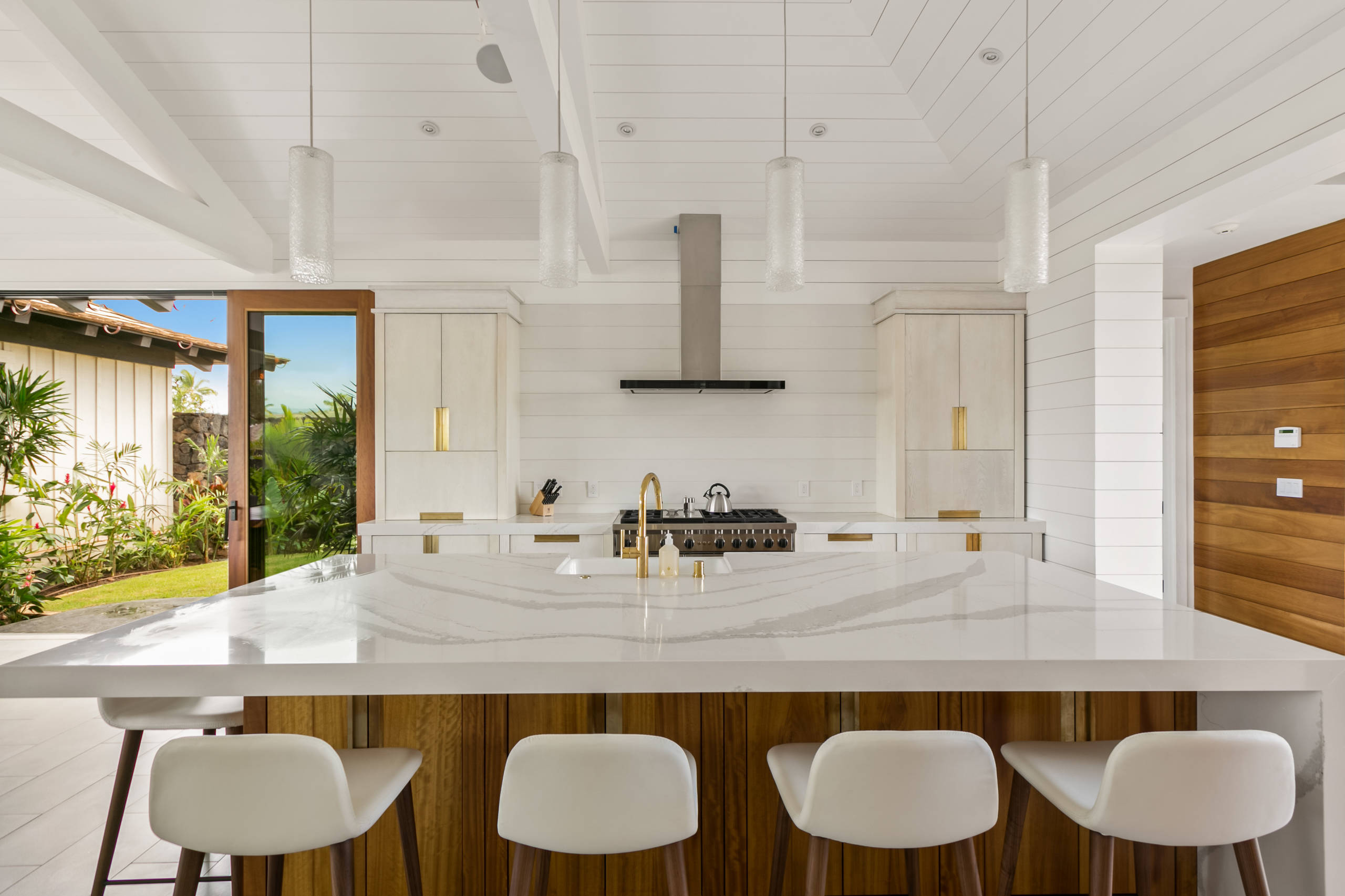
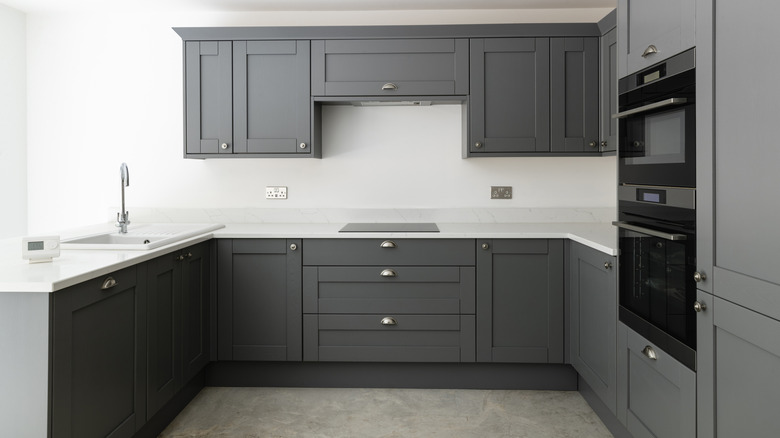
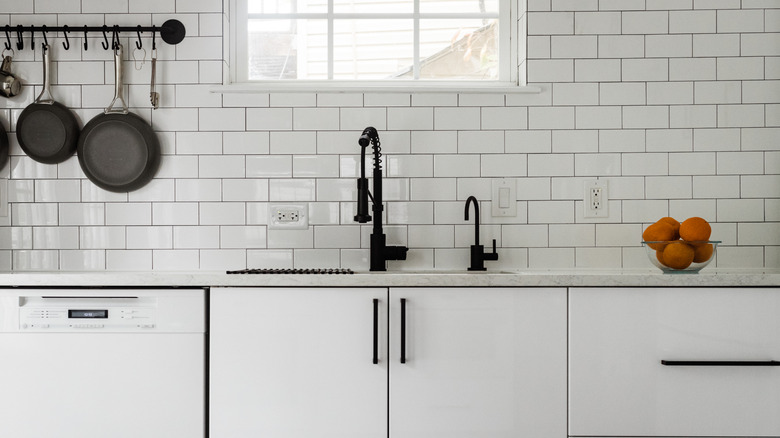
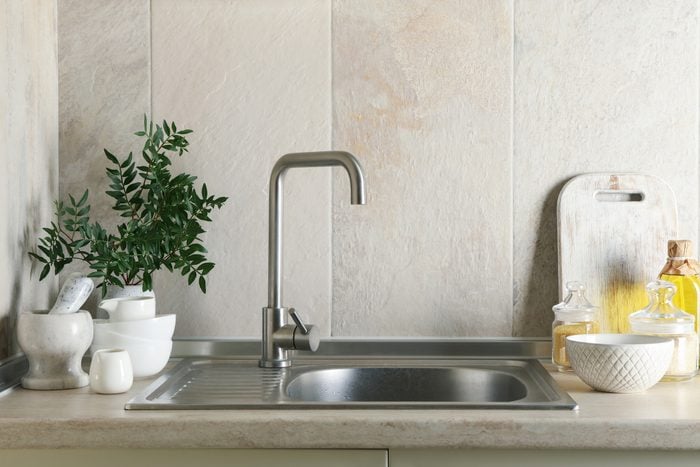
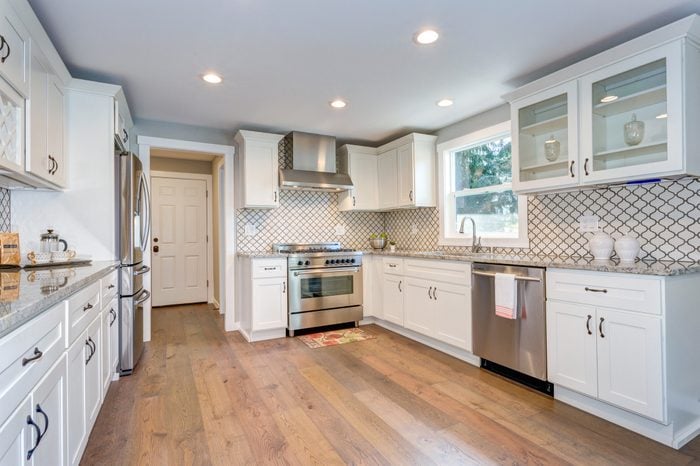
As kitchen footprints expand, the demand for easy-to-clean surfaces has become a primary concern for homeowners. Quartz countertops remain a leading material due to their ease of cleaning, often appearing in lighter colors with slab or long subway backsplashes. Induction cooktops are also gaining traction over gas cooktops for their superior cleanability.
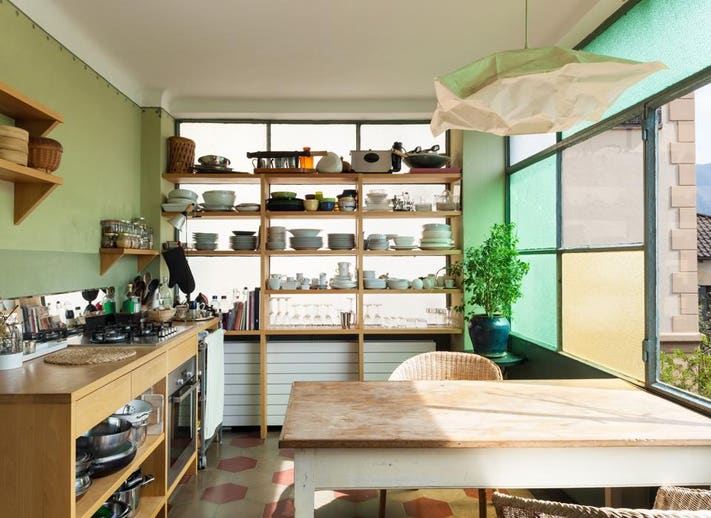
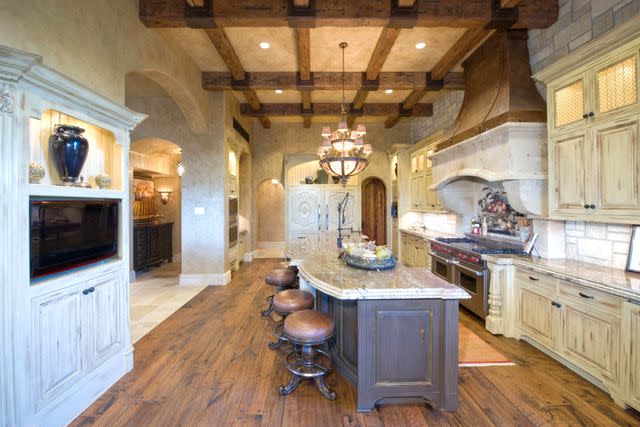
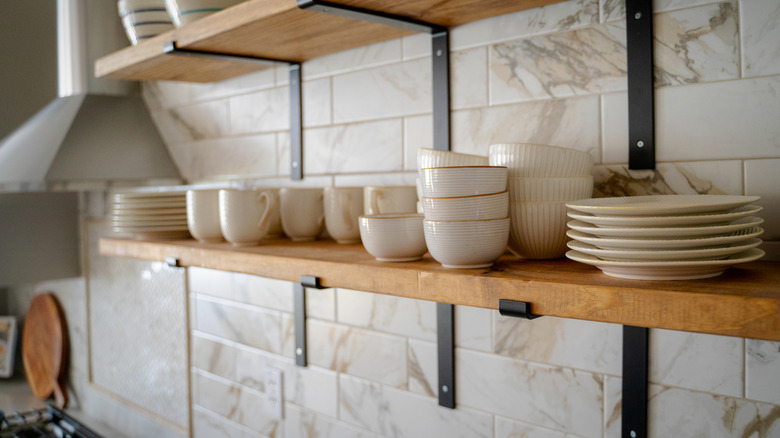
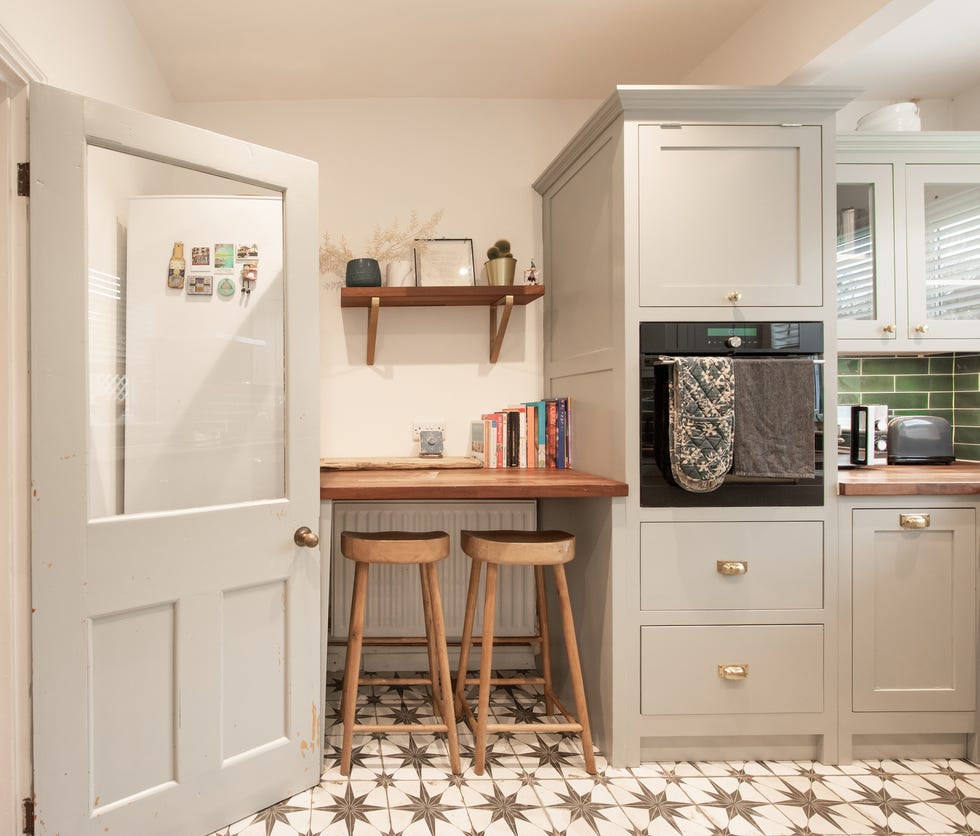
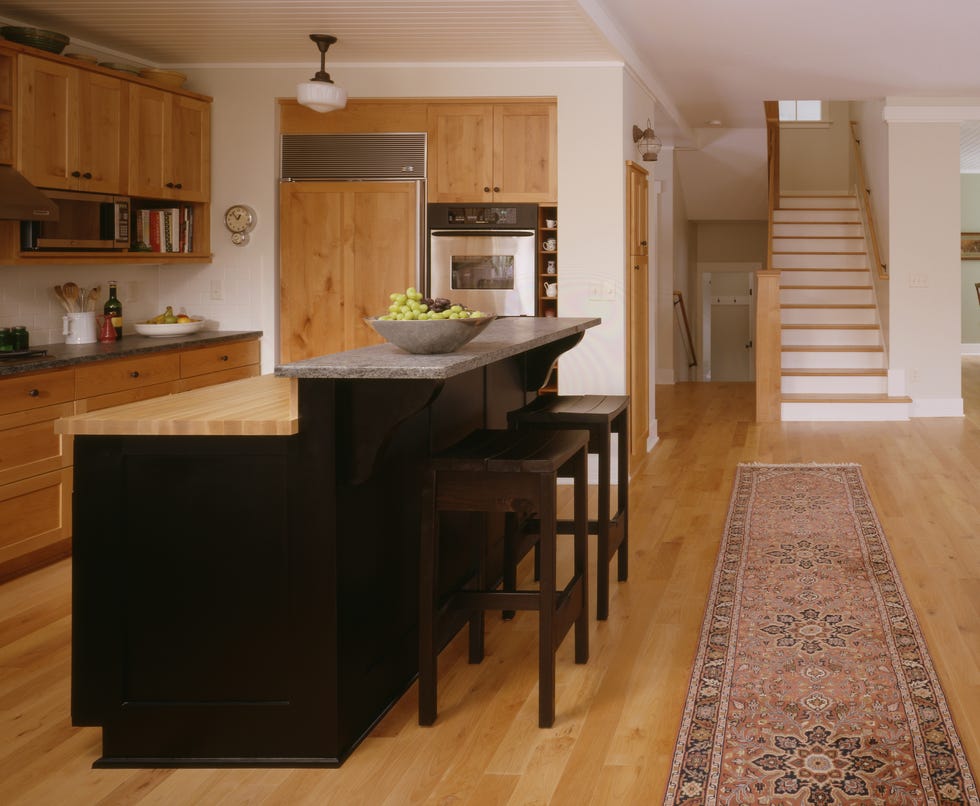
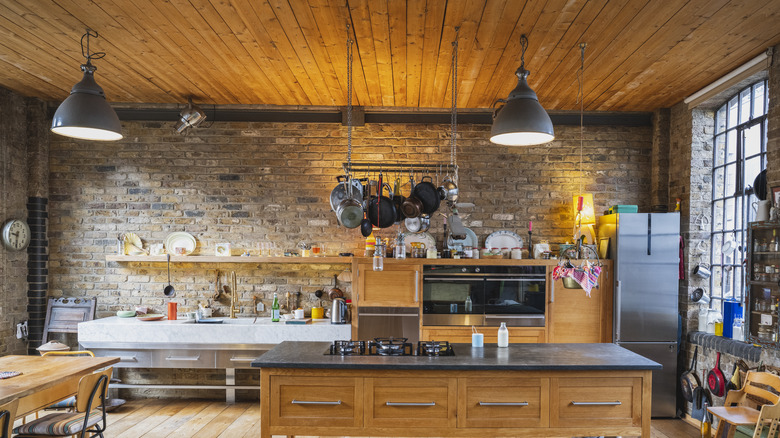
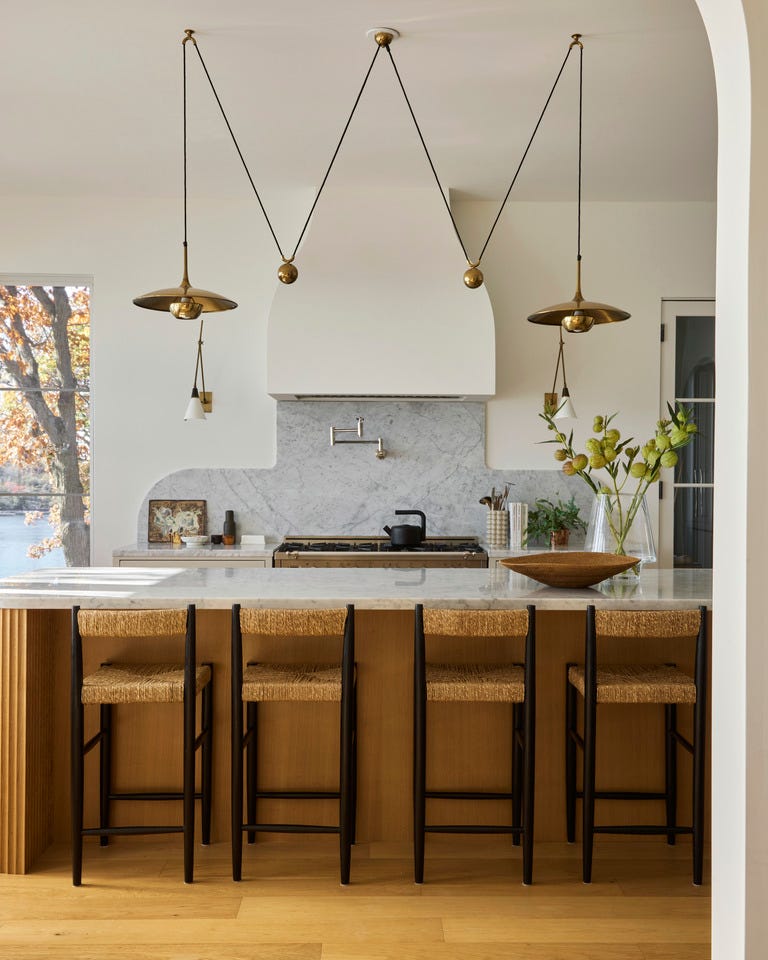
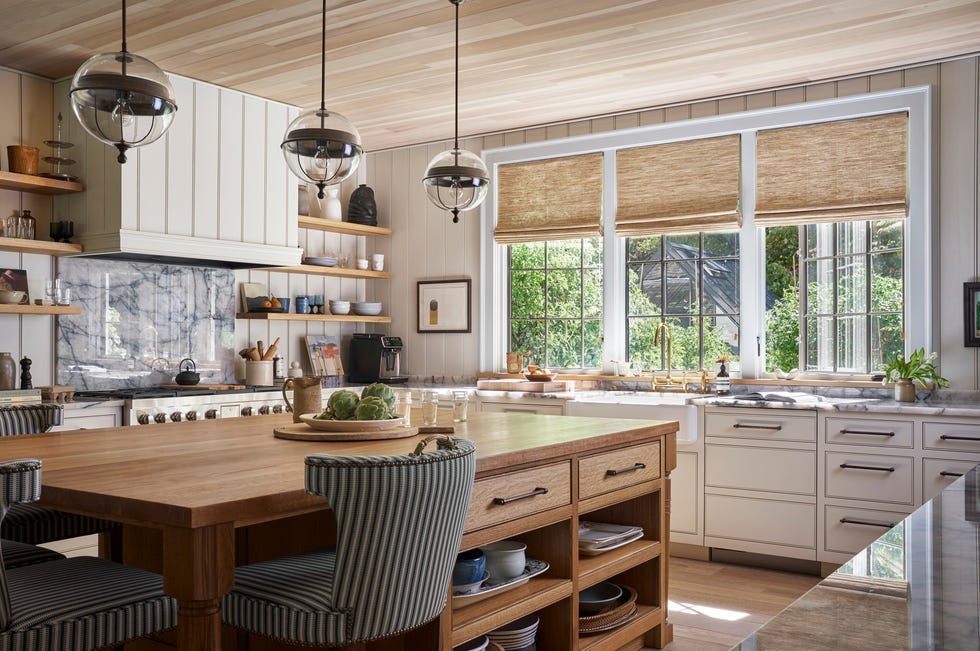
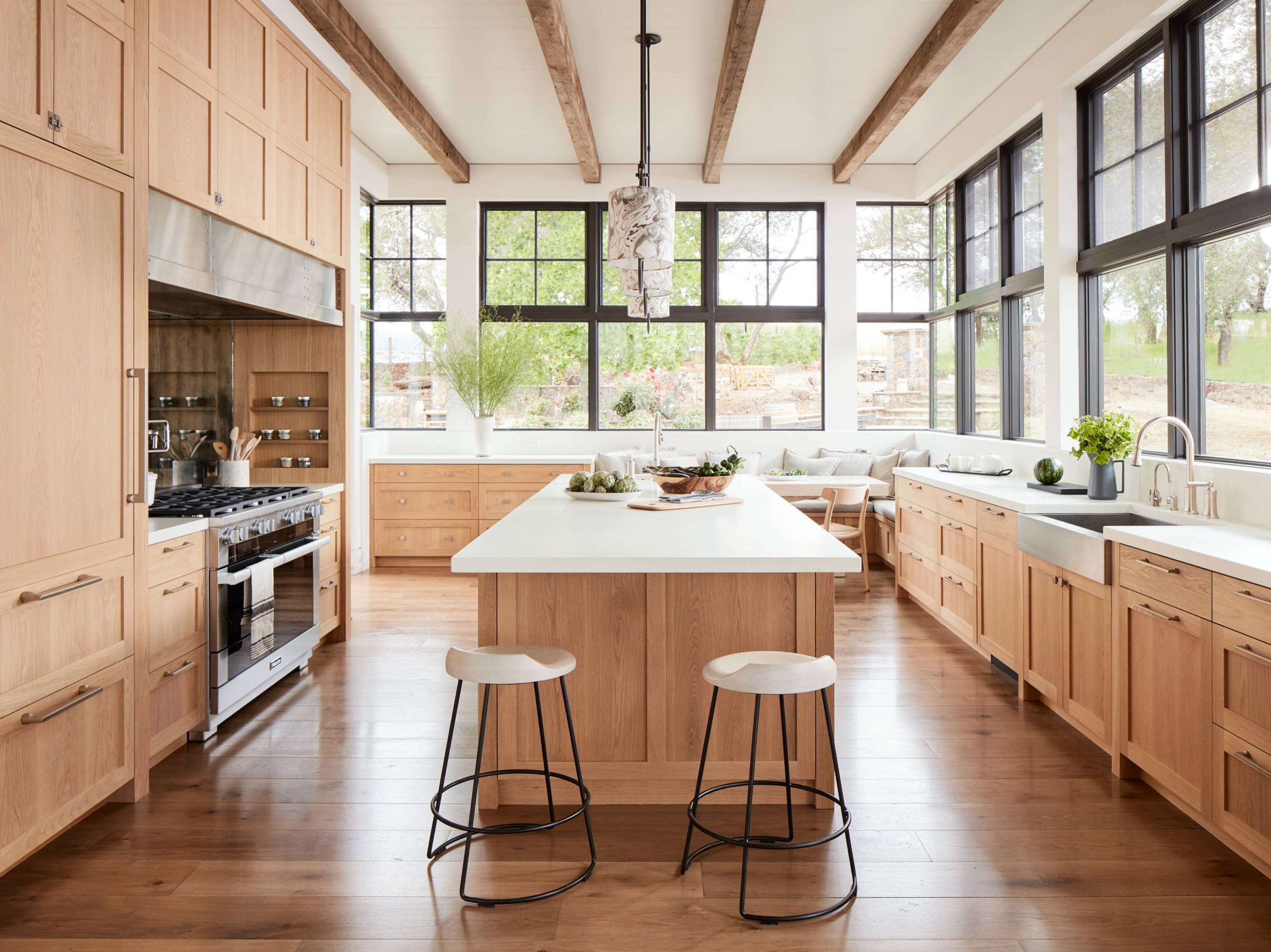
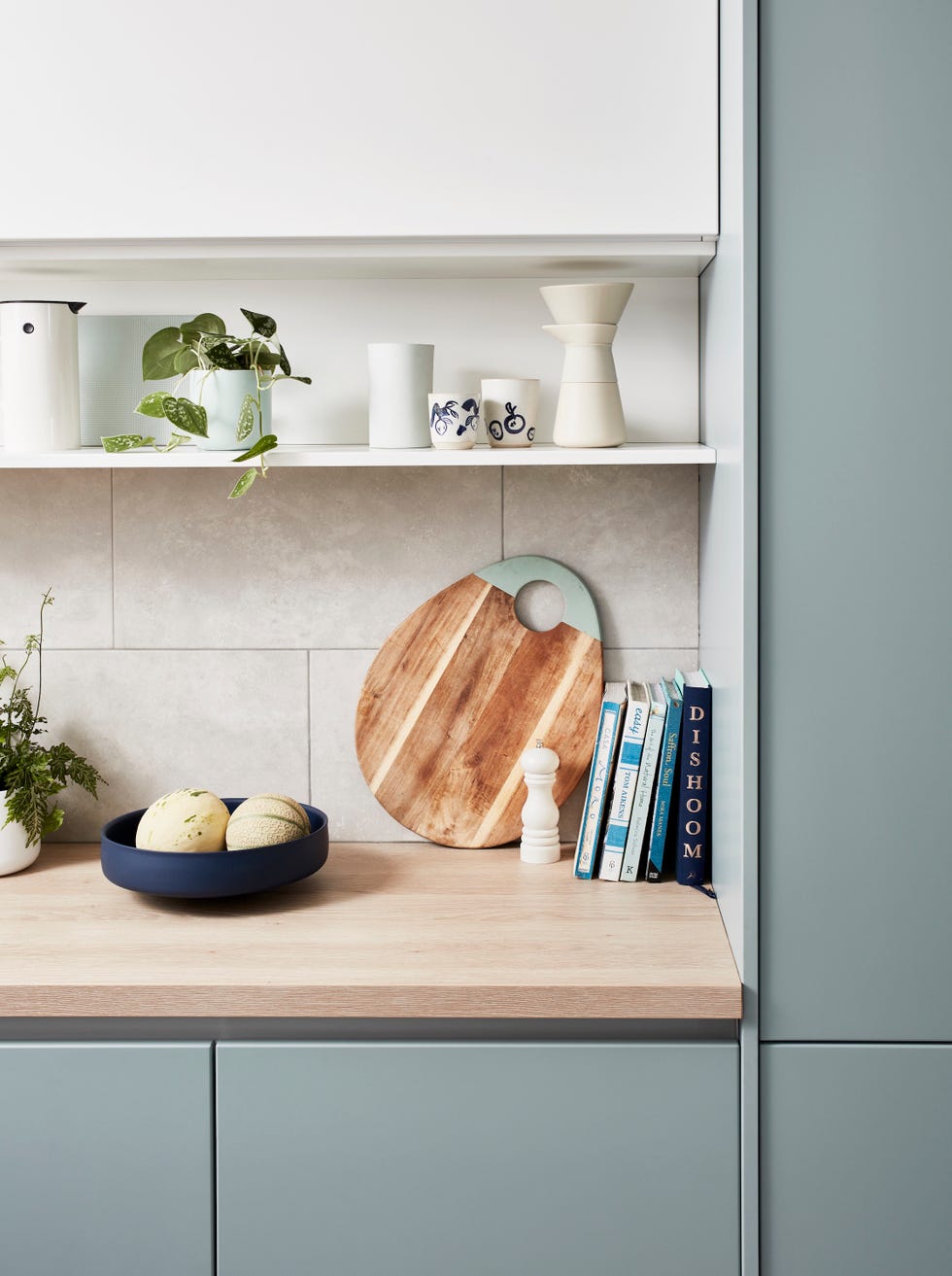
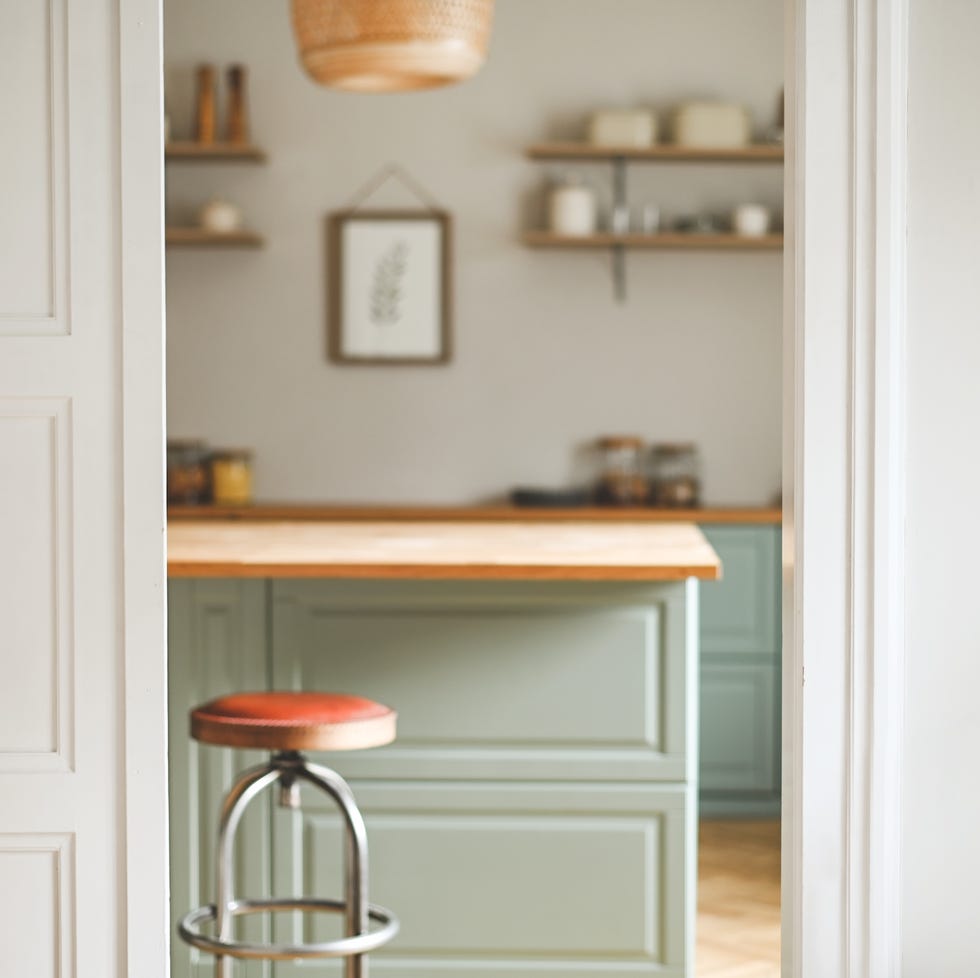
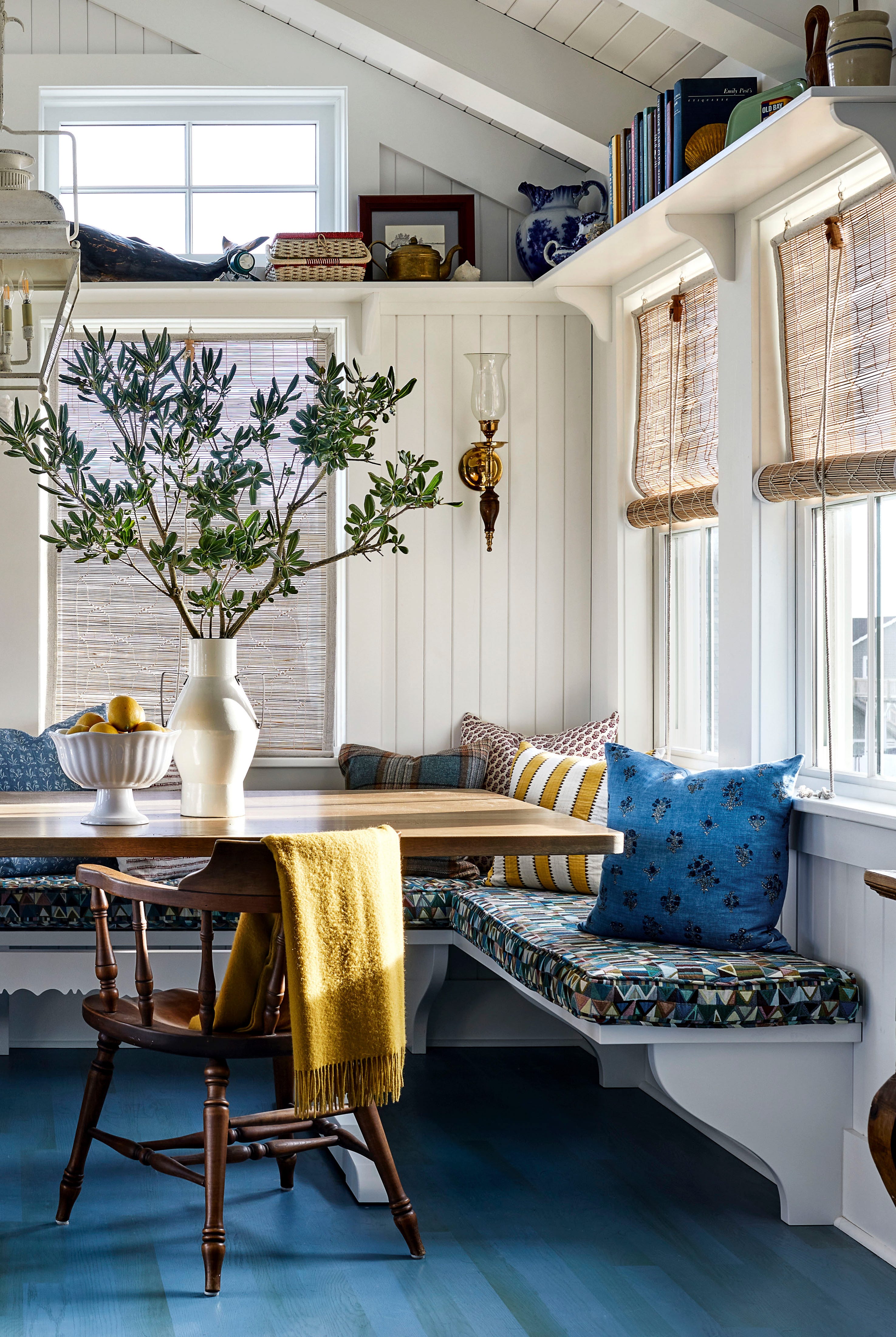
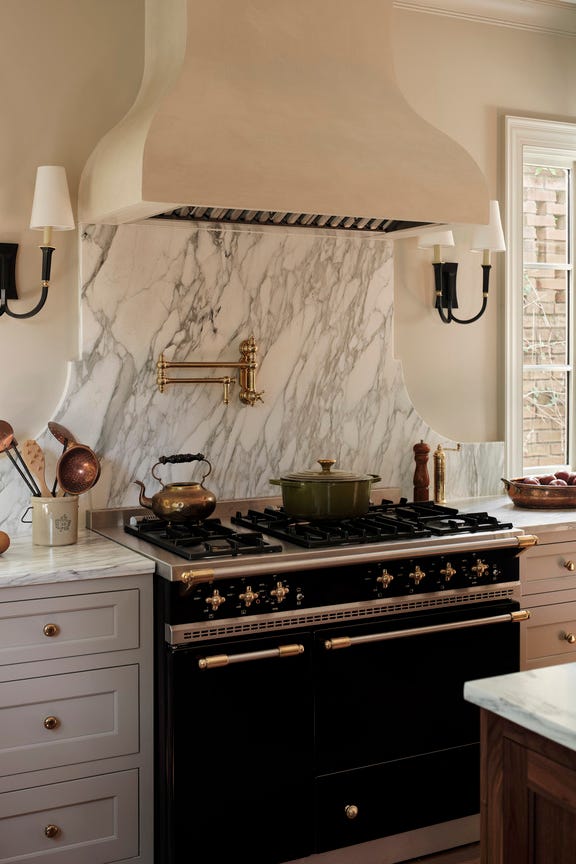
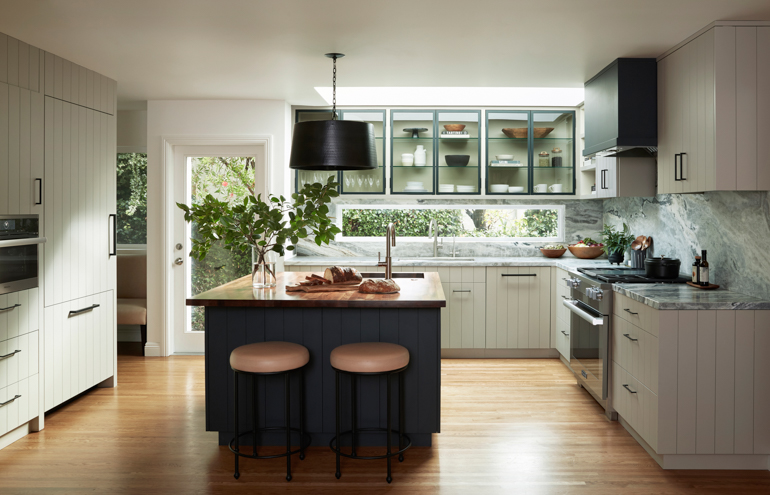
Another emerging style trend incorporates natural and organic materials, introducing a sense of calmness, well-being, and simplicity into kitchens during a turbulent period. While contemporary and transitional styles are expected to remain in high demand, this new aesthetic emphasizes a connection to nature. Designers observe a growing preference for full painted wood and full wood grain cabinetry, warm and natural finishes, and larger windows to seamlessly integrate the outdoors. Elma Gardner, an NKBA member and Certified Master Kitchen & Bath Designer, explains that her clients prioritize integrated indoor/outdoor living spaces. She notes a strong trend towards nature-rooted color palettes and the use of organic materials that flow effortlessly between spaces.
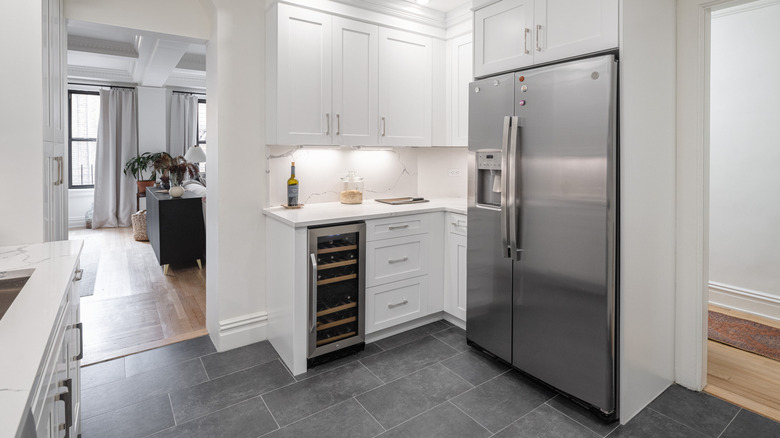
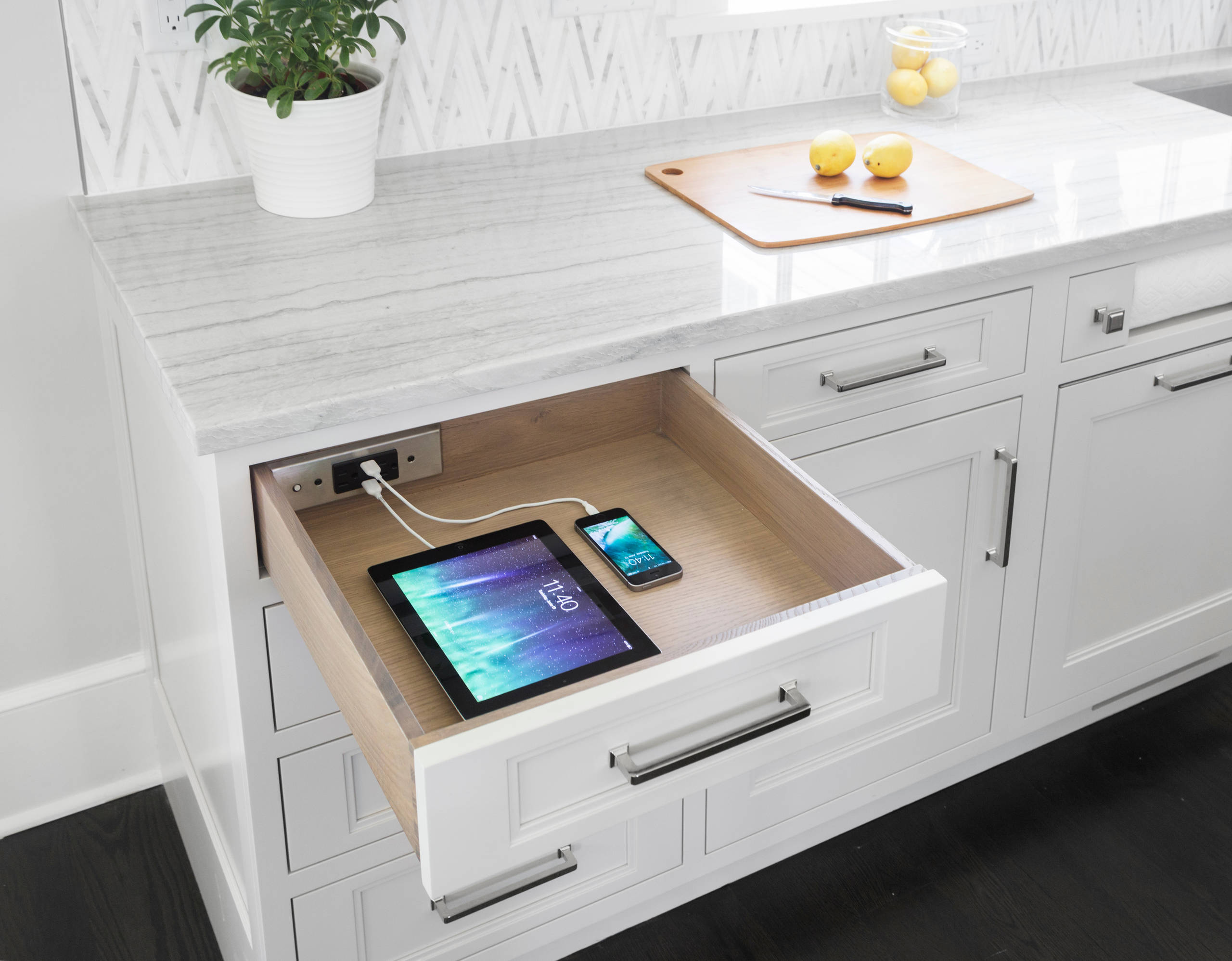
Technology in the kitchen is also reaching new heights, with whole-home connectivity being a top priority. According to the NKBA, key technological features include dedicated device charging and viewing stations, seamless video communication capabilities, emergency power for refrigerators, leak detection systems, voice-activated lighting controls, and touch-free faucets. These advancements aim to enhance efficiency, convenience, and safety for homeowners. Scott Koehler, an NKBA member and founding president of Dream Kitchen Builders, emphasizes the growing influence of the "Internet of Things," where devices communicate autonomously. He points out that manufacturers are leveraging artificial intelligence software to replace traditional hardware control panels in appliances, streamlining kitchen operations and integrating smart solutions into daily life.
#kitchenDesign #homeTrends #LShapedIsland #organicMaterials #smartKitchen #interiorDesign #homeRenovation #postPandemicDesign #kitchenDesign #homeTrends #LShapedIsland #organicMaterials #smartKitchen #interiorDesign #homeRenovation #postPandemicDesign
Toplam 0 yorum
 Henüz yorum yok
Bu da beğenebilirsiniz
Current Kitchen Interior Design Trends

12 "Outdated" Kitchen Trends You Should Ditch In 2025 (But You Probably Have)

13 Outdated Kitchen Trends You Can Leave In The Past
Here are kitchen cabinet trends for 2021

Kitchen Trends 2024: Revamp Your Kitchen In Style

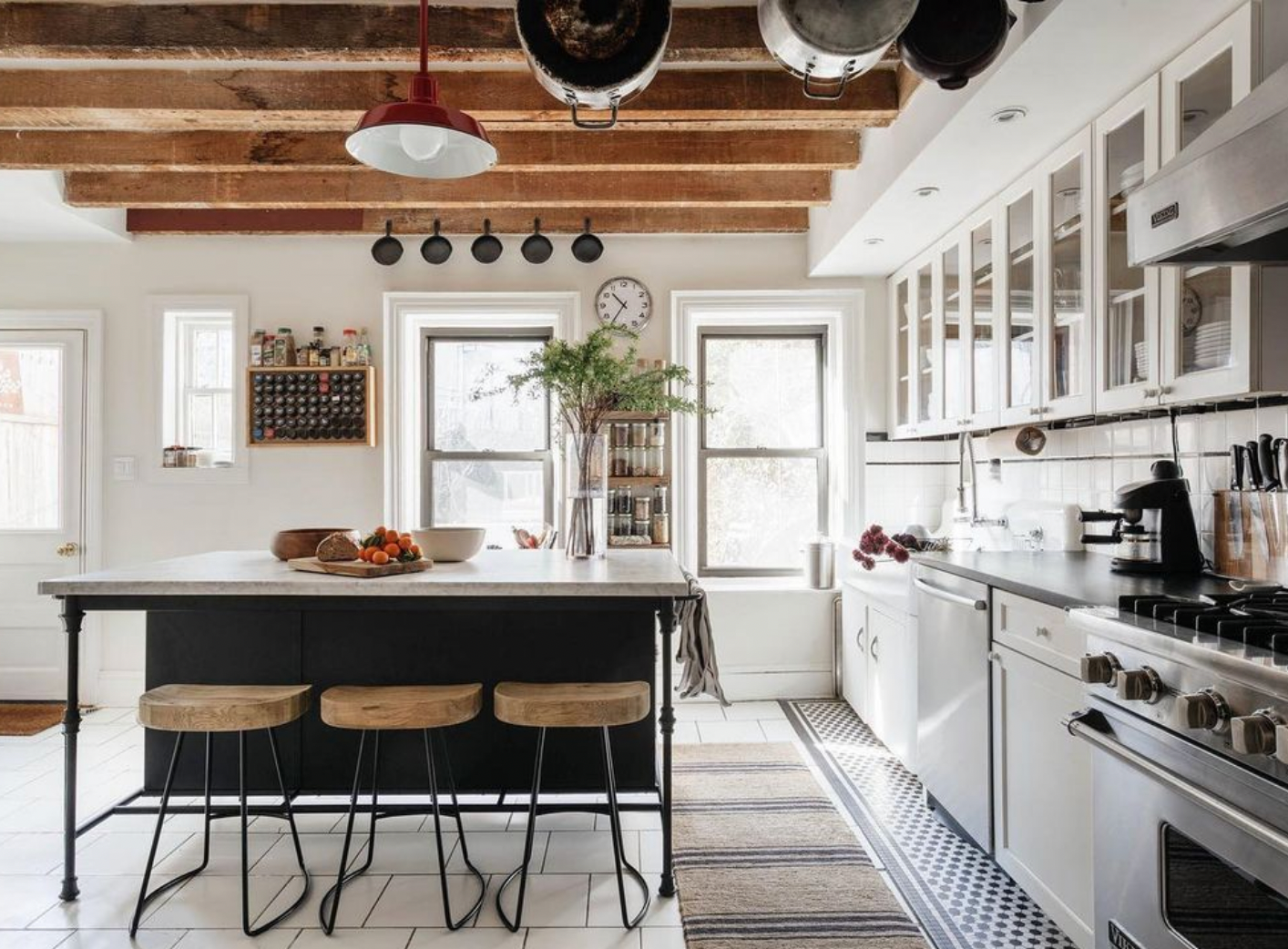
21 of the Biggest Kitchen Trends Design Pros Love Right Now

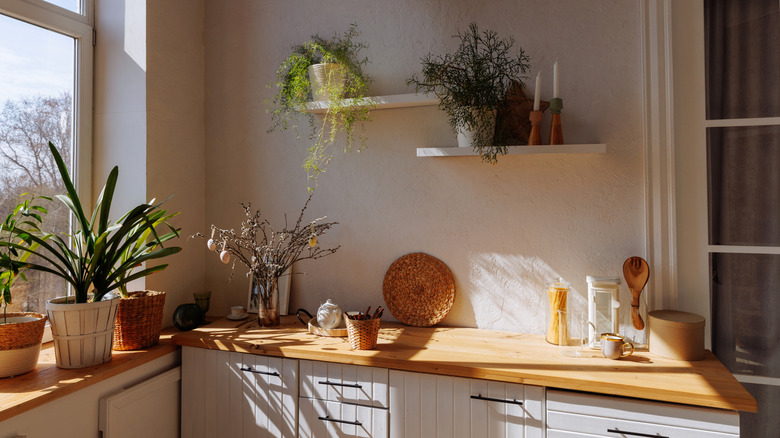
The Popular Kitchen Style You'll See Everywhere In 2026
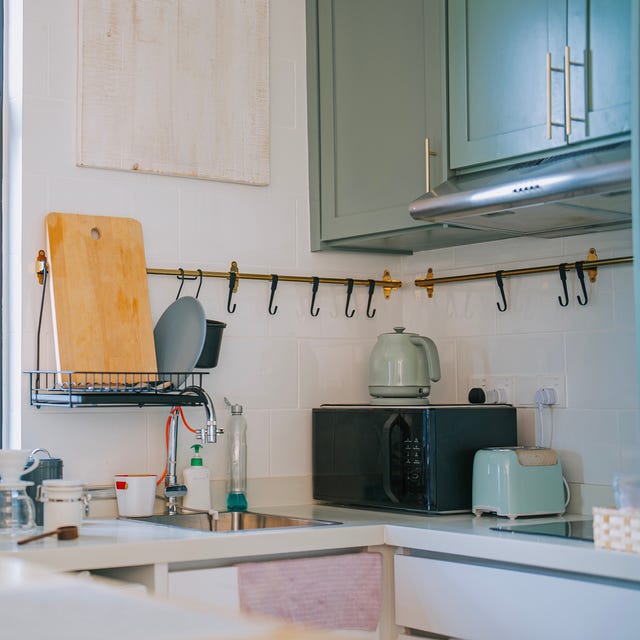
15 Outdated Things You Should Avoid In Your Kitchen, According To Designers

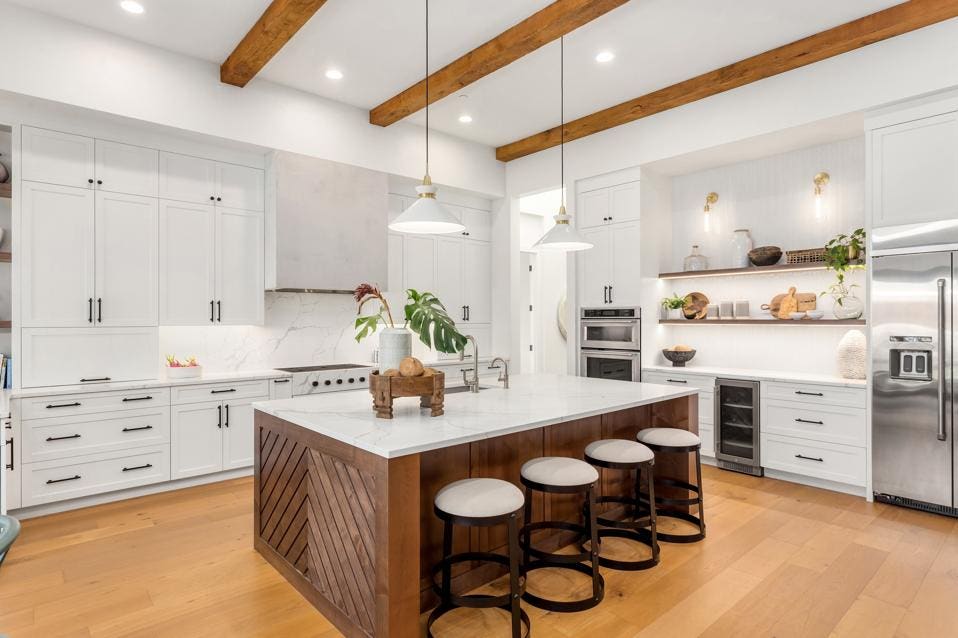
10 Kitchen Design Trends Going Out Of Style In 2025

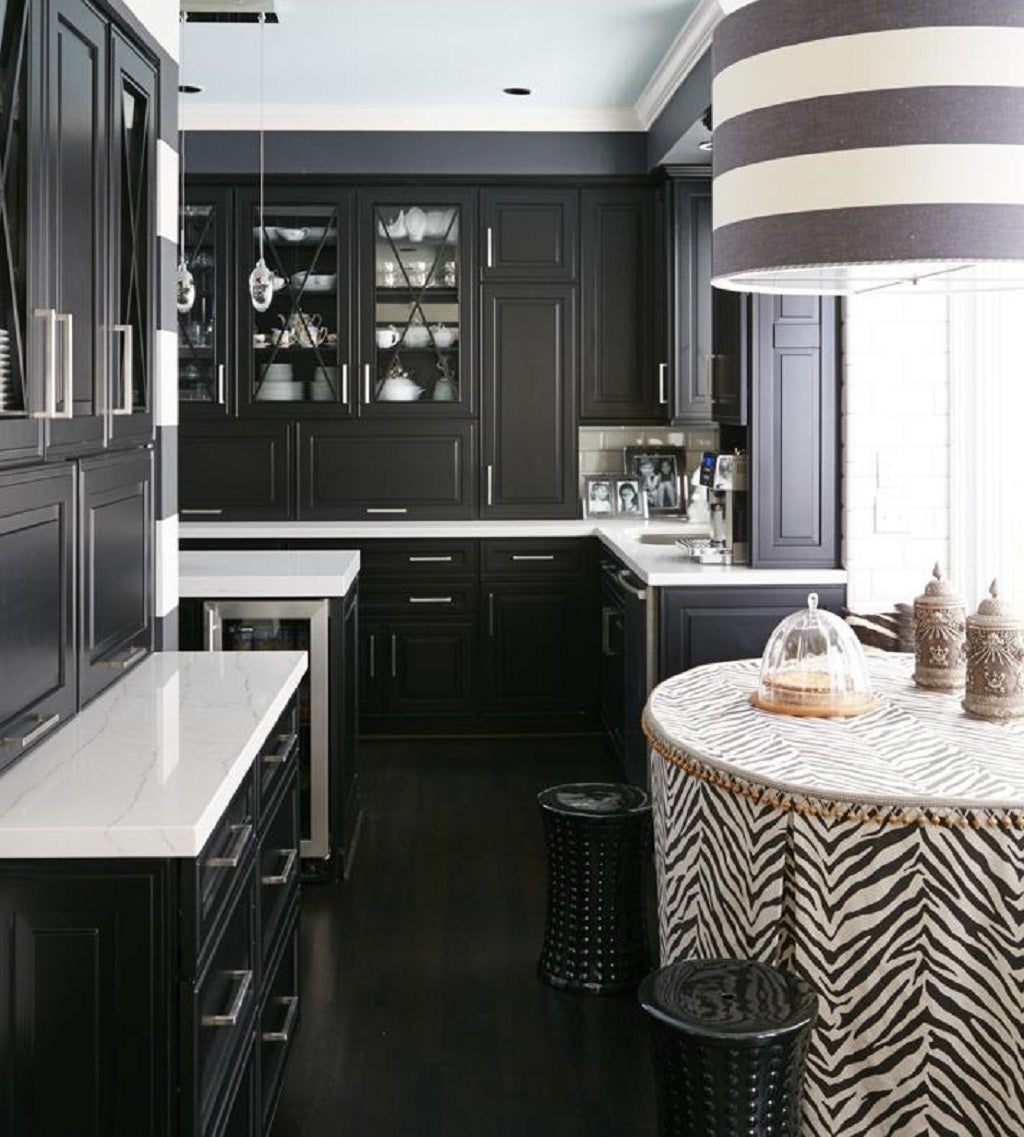
See the latest trends in kitchen design

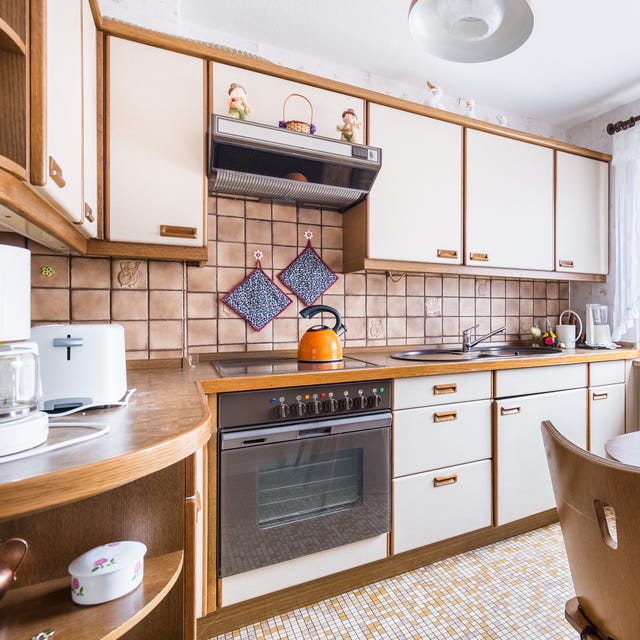
22 Outdated Things You Should Avoid in Your Kitchen, According to Designers
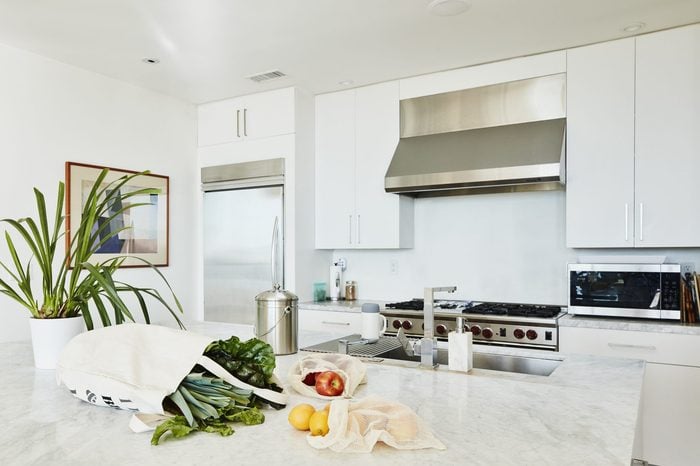
9 Outdated Kitchen Trends to Watch Out For

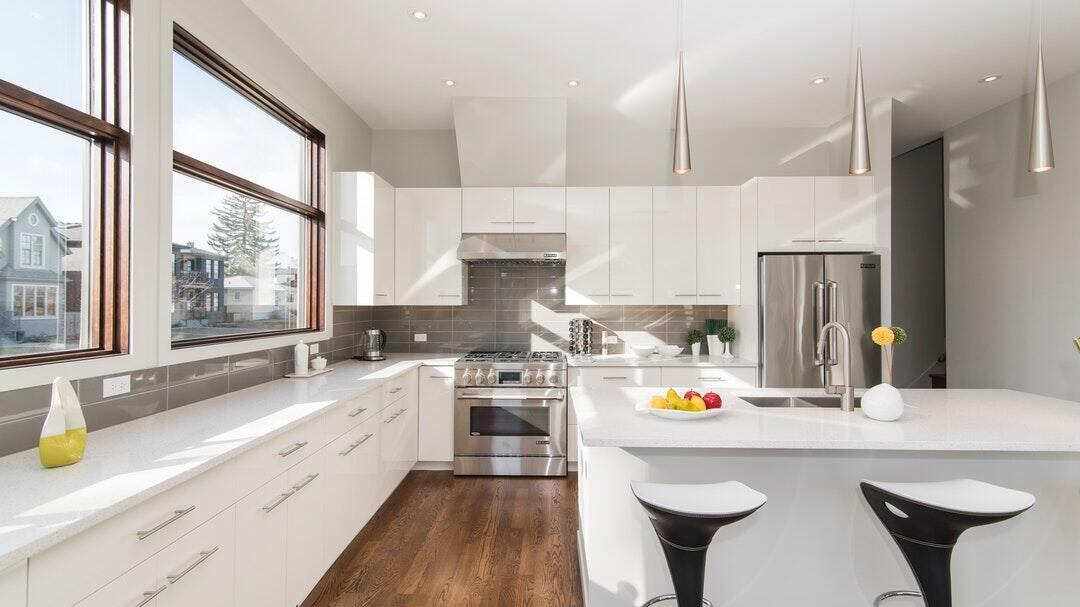
Kitchen remodeling trends taking home design by storm
16 Outdated Kitchen Features That Are Unexpectedly Coming Back In Style
7 Kitchen Renovation Trends to Watch
20 Kitchen Design Trends You’ll See Everywhere in 2025, According to Experts
The Top 25 Kitchen Design Trends That Defined the Past 25 Years

Wait, Jessica Alba's Kitchen Makes No Sense

Kitchen Trends That Are Being Left Behind In 2025 And Beyond
Kitchen Design Advice You Need To Hear Before You're Left With Feelings Of Regret