1/4
Guastavino’s Boston Library: Building A New Democratic Architecture
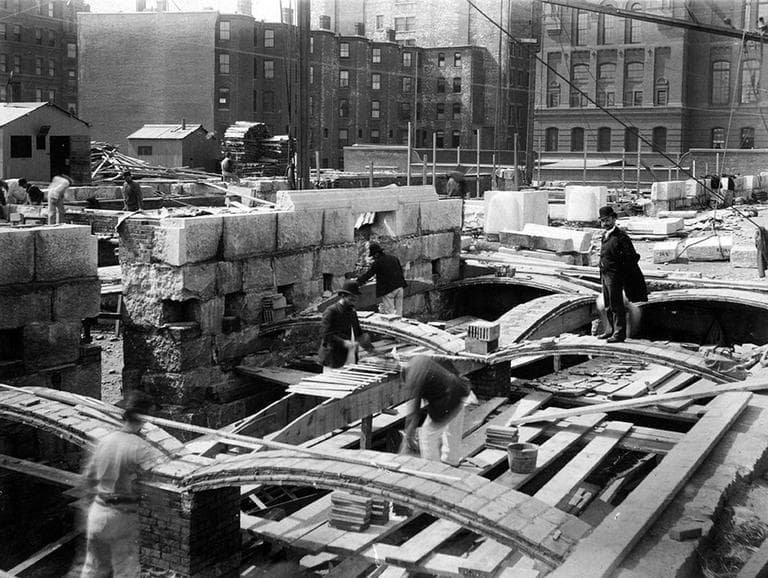
The McKim Building, part of the Boston Public Library’s Copley Square Branch, constructed in 1895, stands as a notable example of late 19th-century architecture, built during a transitional period in construction where steel was beginning to supplant traditional methods. While steel allowed for lighter, more expansive structures, the McKim Building embraced historical European design, particularly in its distinctive ceramic tile vaulting found throughout the first floor. This architectural choice is central to an exhibition titled “Palaces for the People: Guastavino and America's Great Public Spaces,” curated by John Ochsendorf, an MIT professor of architecture and engineering, hosted at the Boston Public Library. This exhibition highlights the work of Rafael Guastavino Sr., a Spanish builder whose initial significant American commission was the McKim Building.
Guastavino, who emigrated from Barcelona to New York in 1881, brought with him expertise in traditional Mediterranean-style thin ceramic tile vaulting. This technique, characterized by self-supporting arches and vaults made from interlocking terracotta tiles bonded with mortar, has historical roots in medieval Gothic cathedrals and ancient Roman temples. Guastavino effectively modernized this ancient method by emphasizing its affordability, light weight, strength, and fire-resistant qualities as key selling points. His work on the McKim Building, named after its architect Charles Follen McKim, infused the entrance lobby with dramatic, sweeping rows of vaults adorned with vine patterns, seamlessly integrating with McKim’s broader Renaissance Revival aesthetic. This grand design reinforced the library’s mission as a “palace for the people,” underscoring its status as the first large free municipal library in the United States.
Beyond the main entrance, Guastavino’s vaulting is also present in other areas of the McKim building, including what is now the Map Room Café, the popular reading room, and the arcade encircling the Italian Renaissance-style courtyard. The exhibition features Guastavino’s original planning drawings for the Boston library, showcasing proposed ceiling designs for these areas. Following the success of the Boston Public Library project, which is now a National Historic Landmark, Guastavino’s firm, later managed by his son, expanded its operations from Boston and New York to undertake over 600 projects across 36 states. These projects encompassed a diverse range of structures, including train stations, churches, and prominent government buildings like the Nebraska State Capitol. In the greater Boston area alone, the firm completed approximately 60 projects, including vaulting installations at the Massachusetts State House, Massachusetts General Hospital, and the Christian Science Church. The firm’s patented technique helped to minimize direct competition.
The exhibition further enriches the understanding of Guastavino’s legacy by presenting new photographic documentation of his vaulting work in various notable locations. These include the Central Congregational Church in Providence, which features one of the firm’s early dramatic domes; the Registry Hall at Ellis Island in New York; the Oyster Bar within New York’s Grand Central Terminal; and the City Hall subway station in New York. The firm also contributed to significant institutions such as the Bronx Zoo and the Smithsonian’s Museum of Natural History in Washington, D.C., where they engineered a dome supported by hidden flying buttresses, a medieval construction technique. Despite the emergence of steel-framed skyscrapers that began to dominate architectural innovation, Guastavino’s Old World methods continued to impart a sense of mass and gravitas. His vaulted structures provided a stately and significant presence to modern American civic architecture, symbolizing the importance and endurance of the democratic processes housed within these buildings.
#ArchitecturalHistory #RafaelGuastavino #BostonPublicLibrary #McKimBuilding #TileVaulting #HistoricArchitecture #ArchitecturalExhibition #PublicSpaces #AmericanArchitecture #ArchitecturalHistory #RafaelGuastavino #BostonPublicLibrary #McKimBuilding #TileVaulting #HistoricArchitecture #ArchitecturalExhibition #PublicSpaces #AmericanArchitecture
Toplam 0 yorum
 Henüz yorum yok
Bu da beğenebilirsiniz
To Some, Boston City Hall Is An Eyesore. To These Artists, It's Inspiration
Inside the City of Books at José Vasconcelos Library, Mexico City

Want a Better Society? Try Better Buildings. (Published 2024)

7 Awe-Inspiring Modern Libraries That Bend the Genre

Mexican Interiors: 18 Spaces That Use Books as a Design Element


“Your community living room:” public libraries deserve a renaissance

How 1940s-era bungalows of the Mar Vista Tract are nurturing the community
Trump’s architectural vision for Washington, D.C. looks like Ancient Rome

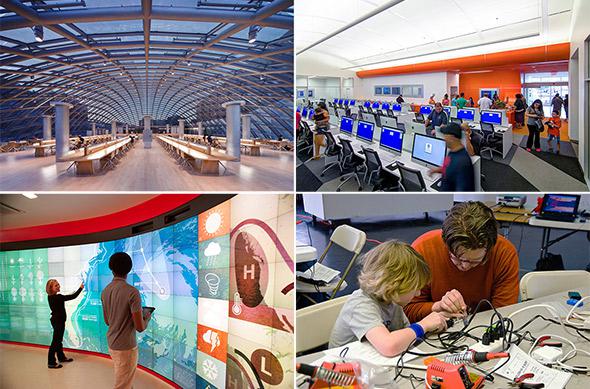
Will Libraries Exist in the Future? If So, They’ll Be Very Different.
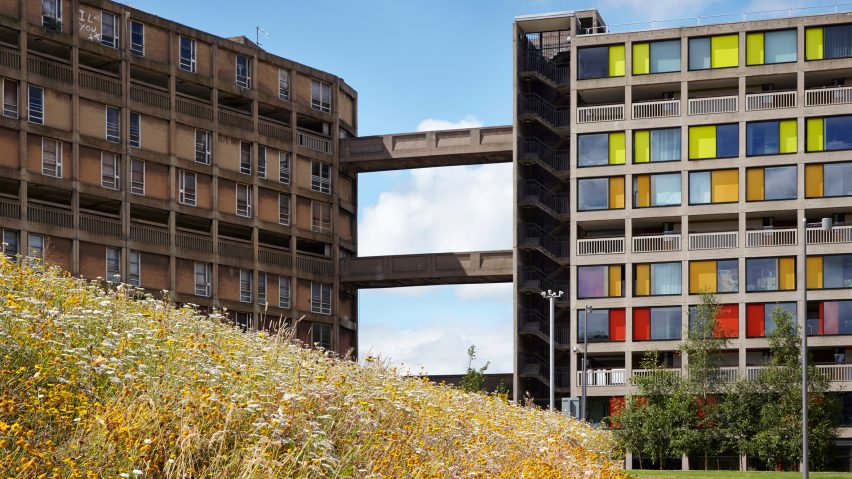
"'Housing for dirty people' is back and I welcome it"

Meet the Architect: Q&A with Thomas E. Austin

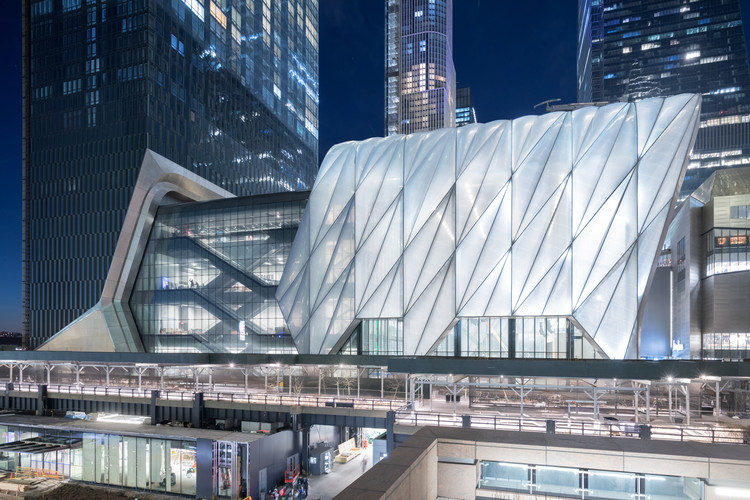
The Shed, a Center for the Arts / Diller Scofidio + Renfro

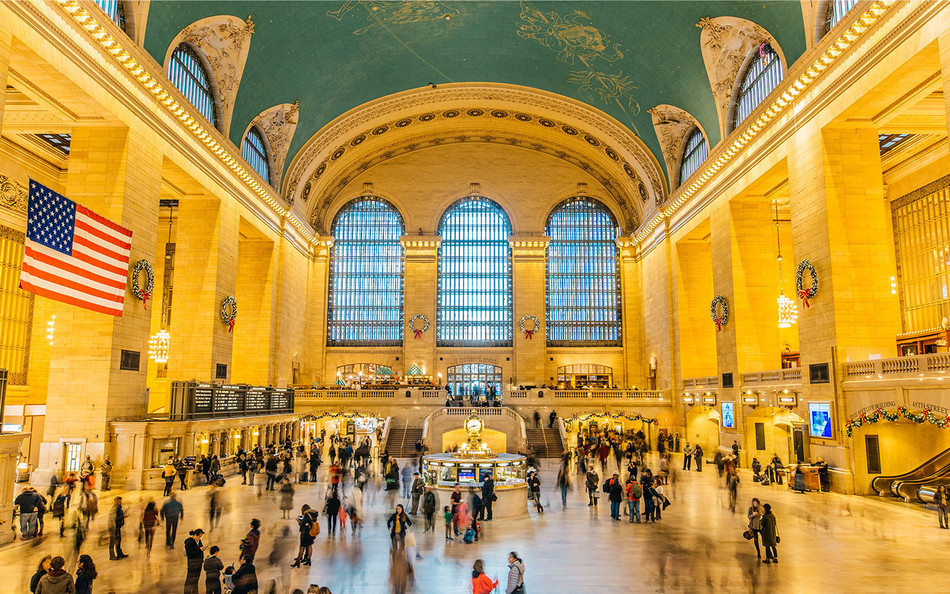
10 Iconic Buildings and Spaces Designed by Columbia Architects