1/6
Europe's secret dyeing formula
The practice of indigo blueprinting, known as Blaudruck in Austria and Germany, and Kékfestés, Modrotlač, and Modrotisk in Hungary, Slovakia, and the Czech Republic respectively, is a rare, centuries-old textile dyeing technique experiencing a resurgence. This tradition, which has significantly influenced the language, dress, and culture of several Central European nations, involves applying a dye-resist paste called Papp to cloth before dyeing it with indigo. Indigo, a powerful natural dye, has been used globally for millennia, with its application in textiles dating back at least 6,000 years. In Central Europe, the tradition evolved from using woad in the Bronze Age to indigo following its import by the Dutch East India Company in the 17th century. Indigo's cold-water dyeing process produced a deeper, more durable color than woad, leading to its widespread adoption for traditional costumes, or _tracht_.
Blaudruck workshops, such as Original Blaudruck Koó in Austria's Burgenland state, run by third-generation craftsman Josef Koó and his wife Miriam, and Blaudruckerei Wagner in Upper Austria, which has been in business since 1878, are dedicated to preserving this intricate craft. The process is labor-intensive and takes weeks, beginning with the application of the Papp paste onto fabric using hand-crafted wooden blocks called _Modeln_. These blocks feature fine brass pins hammered into desired patterns, with only a few people in Europe still possessing the expertise to produce them. The exact recipe for Papp is a closely guarded secret, passed down orally, though gum arabic and clay are known ingredients. After patterns are transferred, the fabric air-dries for at least four weeks to allow the paste to set and harden.
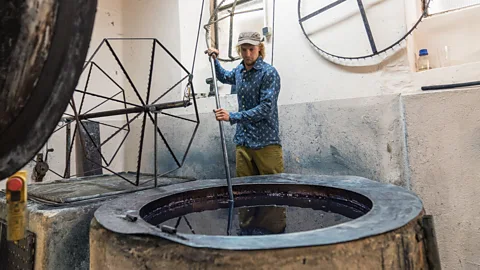
The dyeing stage involves dipping the fabric, stretched on a frame called a _Stern_, into a vat containing cold water, indigo, and lime. The oxidation process during dyeing causes the fabric to change from yellow to green and finally to the characteristic indigo blue, a phenomenon that has inspired the German idiom "_Du wirst Dein blaues Wunder erleben_" (you will experience your blue miracle), signifying a surprising event. The dyed linen is then washed in hot water to remove the resist paste, revealing a striking dye-free pattern. Blaudruck textiles were highly prized for their durability, with patterns that never rubbed off. They were also practical, as seen in reversible aprons (_Doppeldrucke_) that served different purposes, reducing laundry needs and making them a popular choice for dirndl dresses.
The craft's influence extends to the German language, with phrases like "_Blaumachen_" (to make blue) and "_blauer Montag_" (blue Monday) originating from the artisans' practice of having idle time on Mondays during the multi-stage dyeing process, which they sometimes spent at pubs. "_Jemanden in die Mangel nehmen_" (take someone through the mangle), meaning to pressure someone, refers to the final step of smoothing the dried cloth with a 12-ton granite mangle. Despite its near extinction by the 1980s due to mass-produced alternatives, Blaudruck was added to Unesco's Representative List of the Intangible Cultural Heritage of Humanity in 2018. This recognition, along with the efforts of a small community of artisans, has led to a revival. Blaudruck products, once a cheap fabric for common people, are now considered a luxury, adorning home decor items like walls, pillowcases, and tablecloths in inns and hotels, and featured in specialized stores and museums. The annual International Dyers' Market in Gutau and experimental workshops further promote and preserve this unique craft, ensuring its living tradition continues to thrive.
#Blaudruck #IndigoDyeing #TextileCraft #CentralEuropeanCulture #TraditionalArtistry #CulturalHeritage #HandicraftRevival #AustrianTradition #TextileDesign #Blaudruck #IndigoDyeing #TextileCraft #CentralEuropeanCulture #TraditionalArtistry #CulturalHeritage #HandicraftRevival #AustrianTradition #TextileDesign
 Henüz yorum yok
The Dye Is Cast

The colourful story behind the Danish paint giant’s state-of-the-art coatings
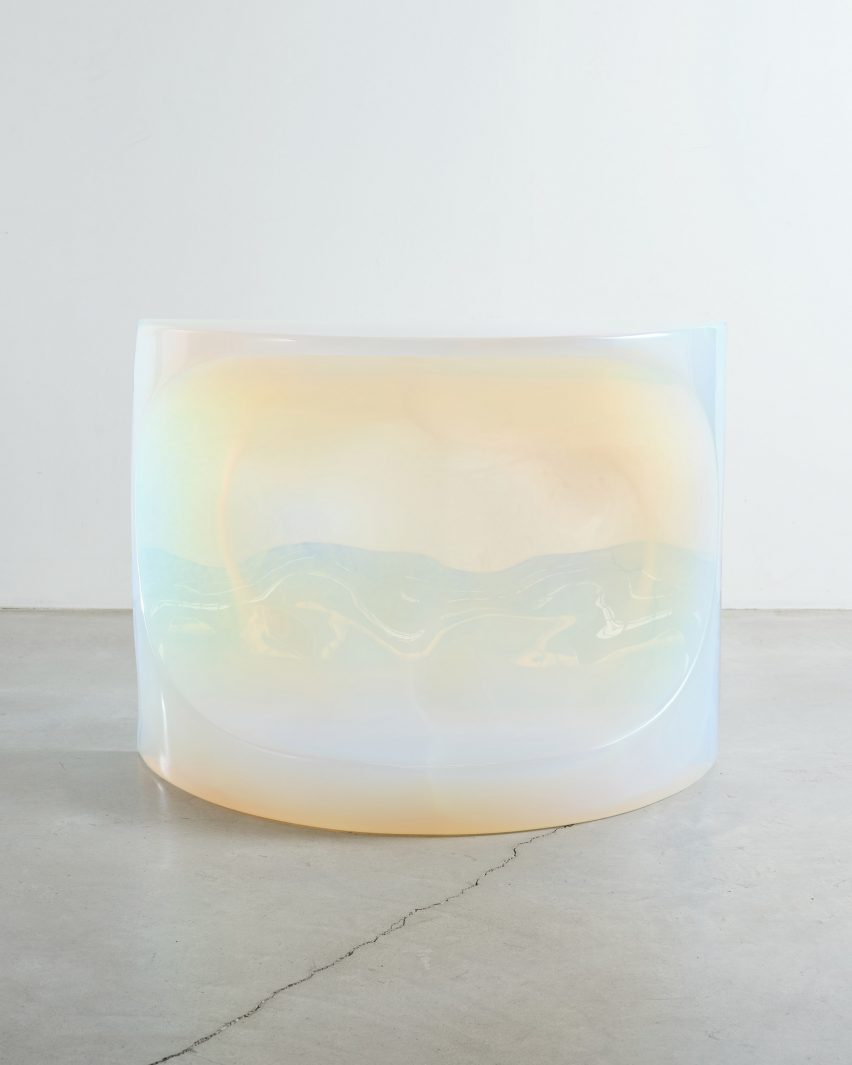
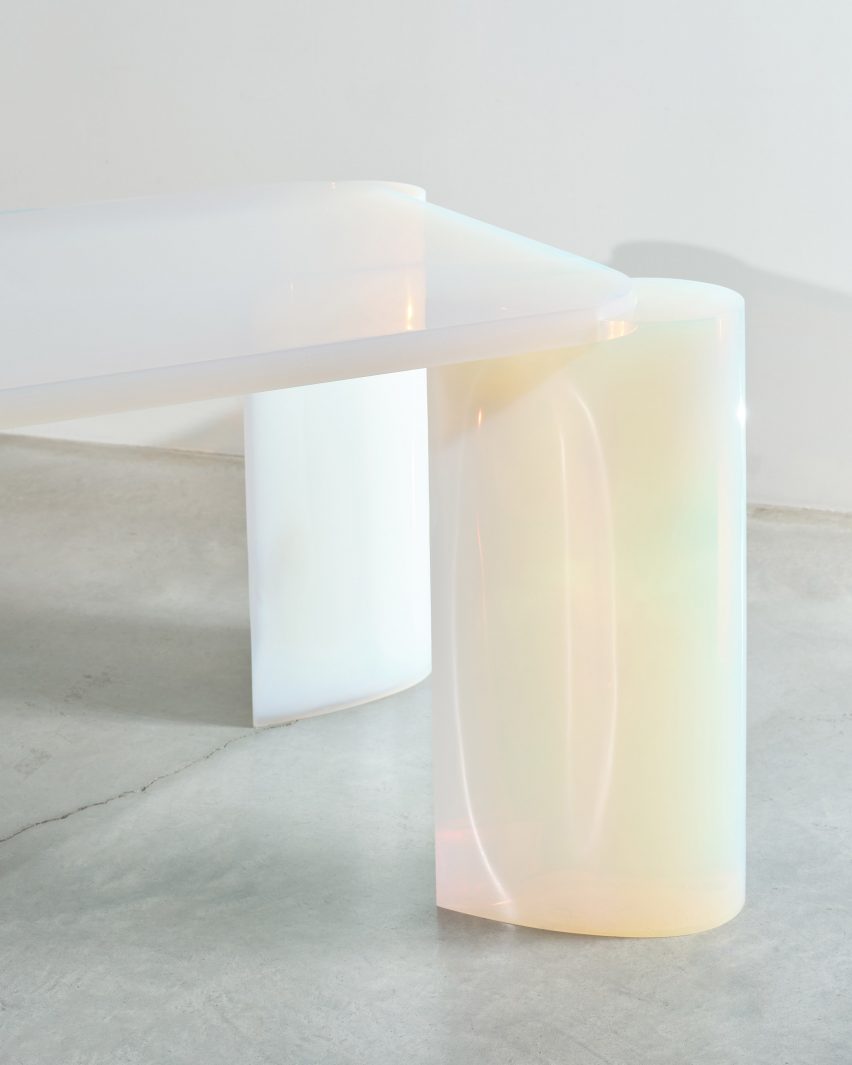
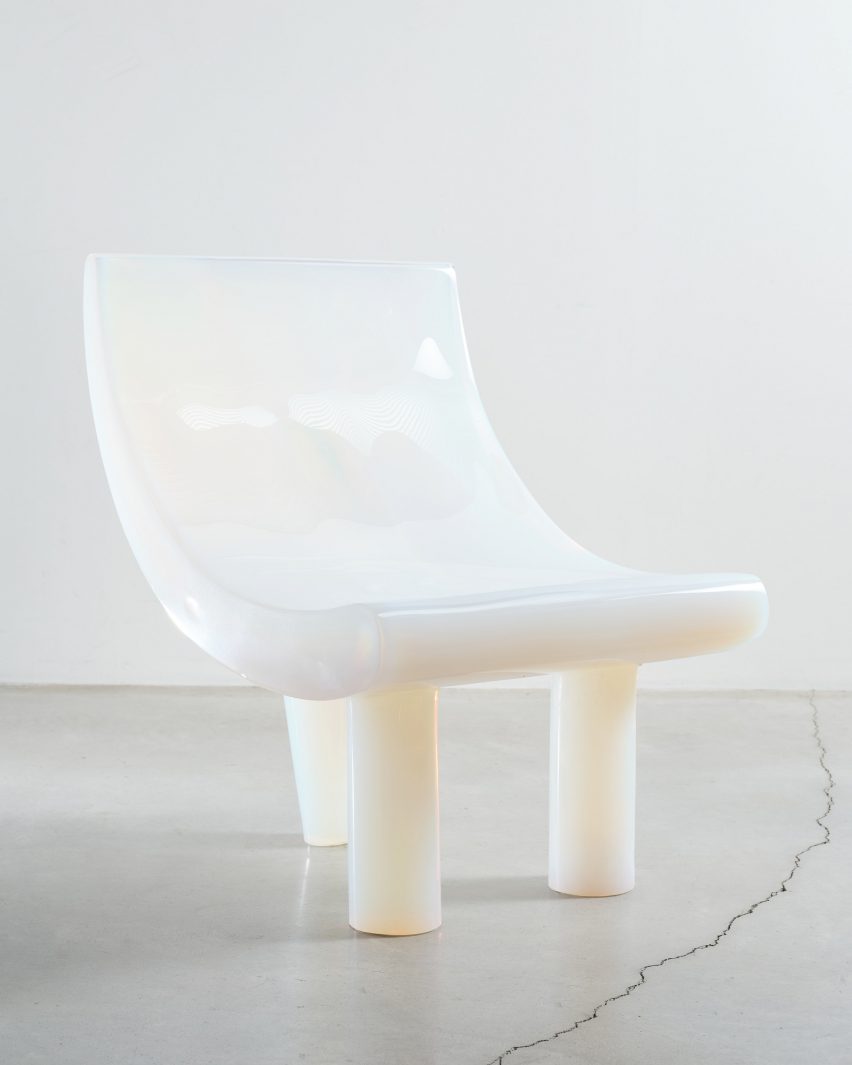
Objects of Common Interest explores "secret recipe" for iridescent resin
This Very "Controversial" Color Is About To Be Everywhere Again

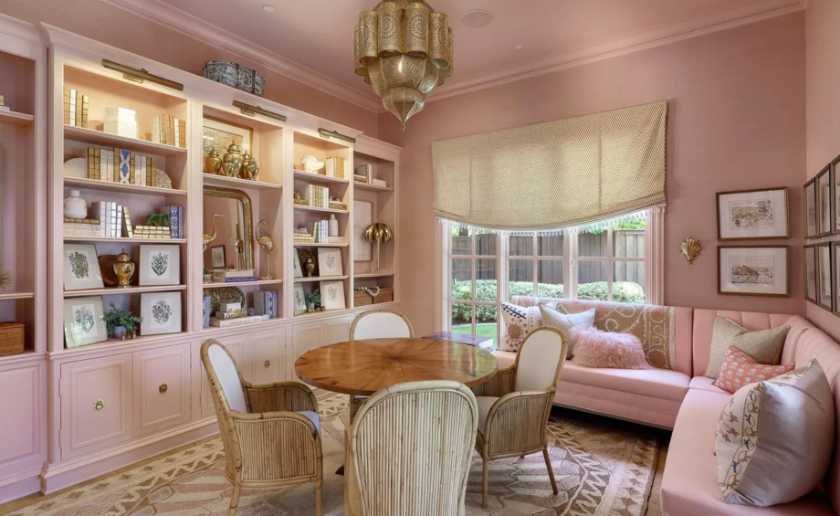
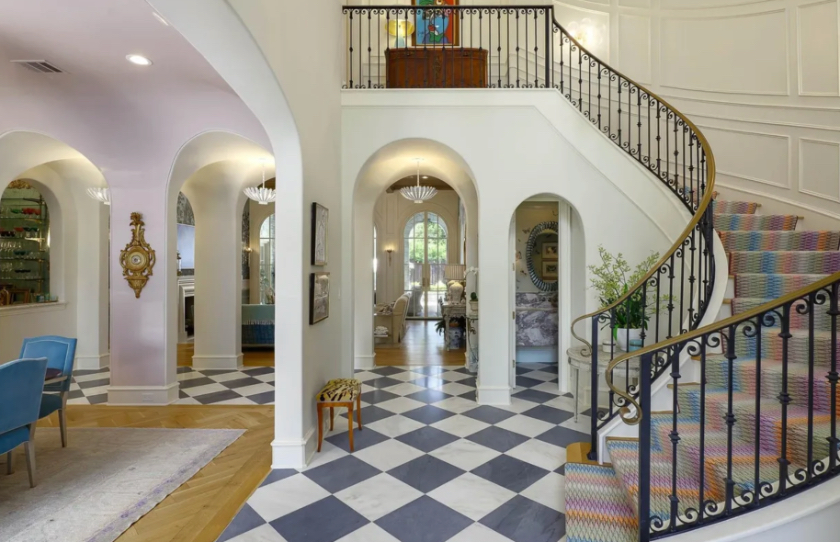
A Preston Hollow French Transitional That Packs a Color Punch

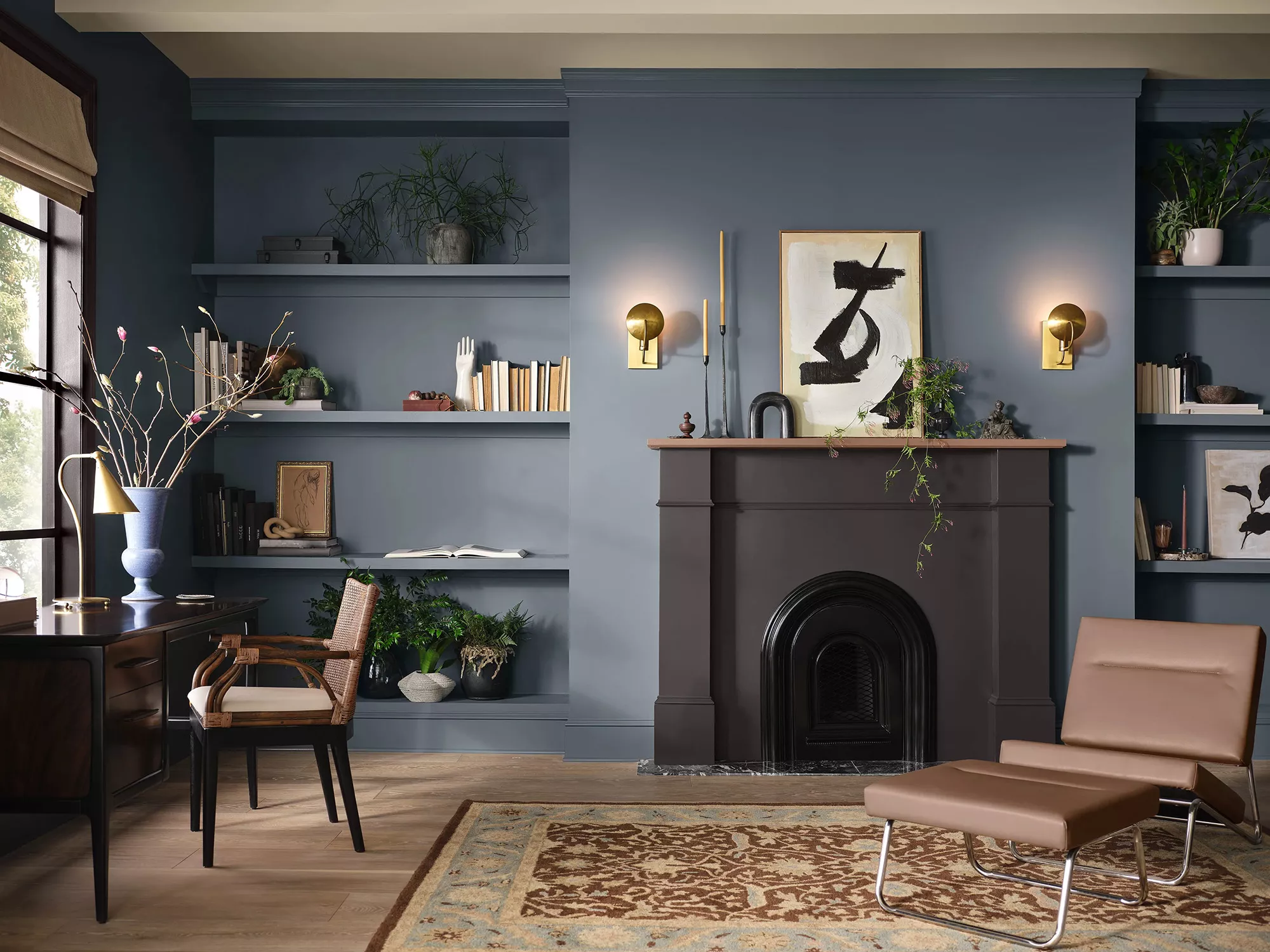
24 Blue-Gray Paint Colors the Experts Swear By

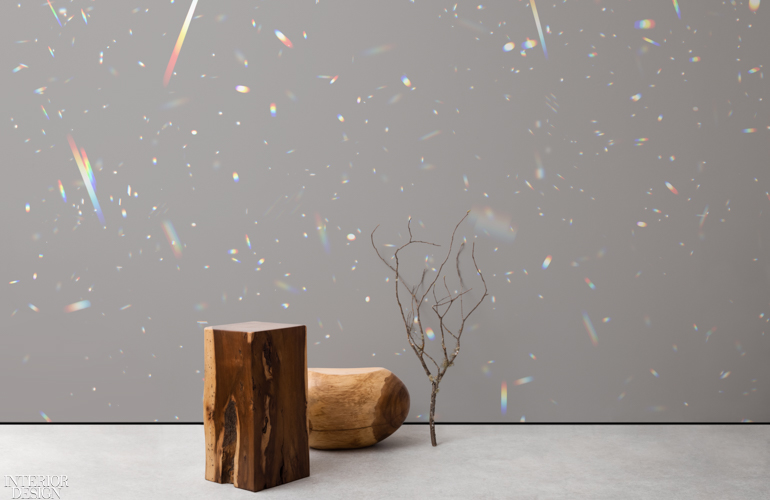
Brooklyn-Based Calico Wallpaper Makes Its European Debut
130 New Paint Colors Just Dropped, Including an Ultra-Fast-Drying Exterior Finish