European, Mexican style in the historic architecture of Roma, Texas
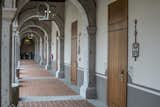
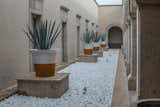
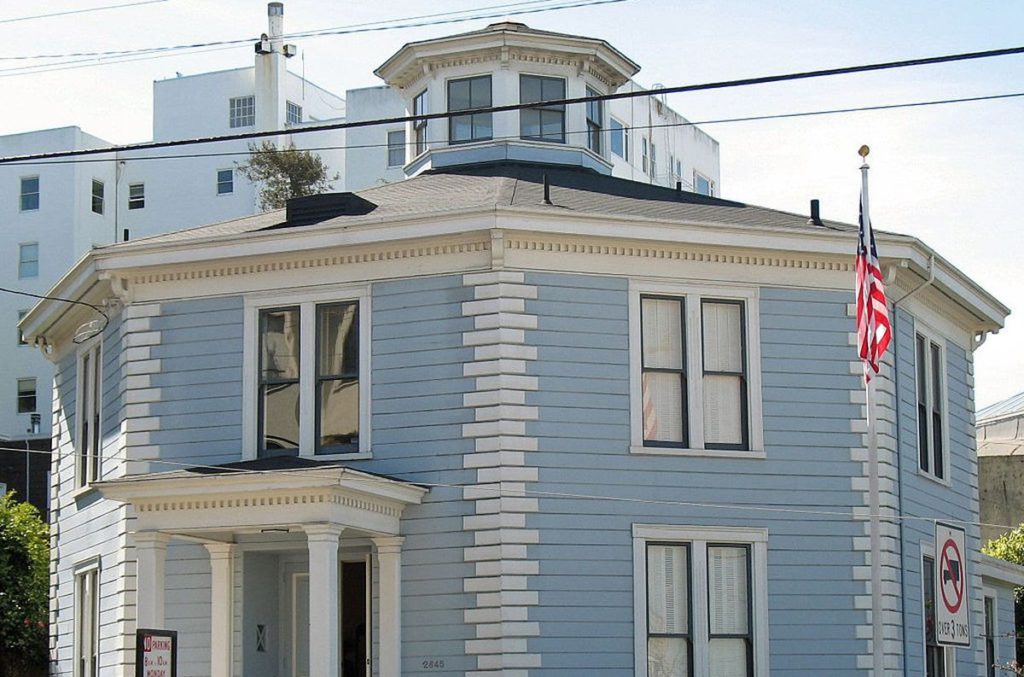
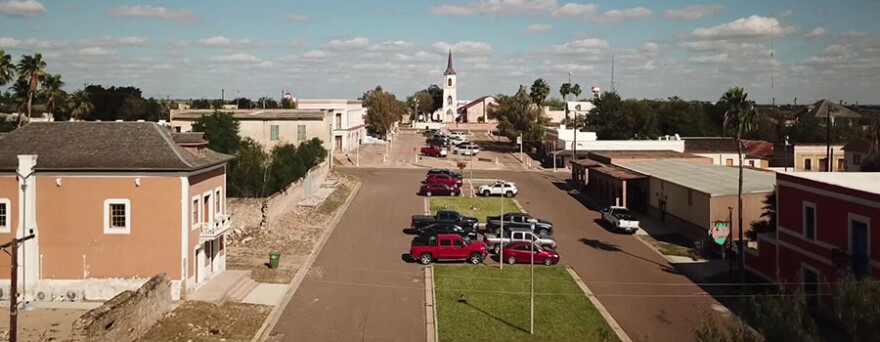
Roma, Texas, a border town established in 1765 by Spanish colonists from Mexico, showcases a unique fusion of European and Mexican architectural styles. This bicultural design heritage is preserved within a 15-block historic district, which has undergone continuous revitalization efforts, successfully rejuvenating 38 residential, commercial, and church buildings. The community’s commitment to honoring its multicultural roots attracts visitors interested in its historical, cultural, and natural sites.
The distinctive architecture of Roma was significantly shaped by Heinrich Portscheller, a German master brick mason active in the late 1800s. Portscheller's designs are characterized by their blend of European elegance with rustic aesthetics, primarily utilizing locally sourced building materials. His signature architectural elements include molded brick columns and flat roofs. A prominent example of his work is the M. Guerra store, constructed in 1884, which stands as a testament to the district's restoration efforts. Portscheller also introduced New Orleans-style wrought iron balconies, a design element that subsequently influenced other builders in Roma.
In the late 19th century, Roma thrived as a bustling port city on the Rio Grande, facilitating trade and commerce. However, the advent of the railroad diminished the importance of steamboat travel, leading to a shift in the town's economic activities. Despite this change, trade continues to flourish today through the international bridge that connects Roma with Ciudad Miguel Alamán in Mexico, reinforcing the binational ties of the region.
Beyond its architectural significance, Roma is also a destination for eco-tourism, particularly for bird-watchers. The town is part of Los Caminos del Rio, a binational corridor that encompasses a variety of natural, historical, and cultural sites along both sides of the Rio Grande. This corridor highlights the rich tapestry of the area, offering insights into the shared heritage of Texas and Mexico.
The KERA video series "The Shape of Texas" frequently explores how the built environment in Texas reflects history, diverse cultures, and future aspirations. This specific episode on Roma, Texas, contributes to understanding the architectural narratives of South Texas border towns, demonstrating how structures like those in Roma embody the complex and vibrant cultural interactions of the region.
#Architecture #HistoricPlaces #RomaTexas #TexasBorder #MexicanInfluence #EuropeanInfluence #CulturalHeritage #BuiltEnvironment #Architecture #HistoricPlaces #RomaTexas #TexasBorder #MexicanInfluence #EuropeanInfluence #CulturalHeritage #BuiltEnvironment
Toplam 0 yorum
 Henüz yorum yok
Bu da beğenebilirsiniz
Mexican decor – 9 periods in this vibrant country's rich history and the styles they inspired

The Innovative Indoor-Outdoor Fluidity of Contemporary Mexican Architecture
Be the First to Own This Mediterranean Spanish Revival in Old Preston Hollow

16 Stunning Mediterranean-Style Homes Inspired by European Country Charm

taller mexicano de arquitectura preserves casa deco's original textured stone walls in mérida
A Brick-and-Concrete Home With a Library Emphasizes Circular Motifs in Mexico

17 Breathtaking Mediterranean Homes We Want to Live In

How 1940s-era bungalows of the Mar Vista Tract are nurturing the community
This Mexico City Home Features a Garden at Every Level
Luis Barragán’s Forgotten Works, Revisited (Published 2020)

Patrón Designed a Spanish Colonial Guest House with Modern Flair

20 Old House Styles No Longer Built Today
9 Spanish Colonial Homes and Their Trademark Characteristics

Thinking about Mexican Pink, the bold color that’s here to stay
Inside a soulful Spanish Revival home in Los Angeles

5 Italian-origin architectural styles for which we ought to be thankful

Inhabiting a Layered Past: How Contemporary Design Is Transforming Colonial Houses in Mérida, Mexico

A volcanic stone house by Cadaval & Solà-Morales holds its own in Mexico

41 famous buildings you should visit before you die

An Art Deco treasure is diminished