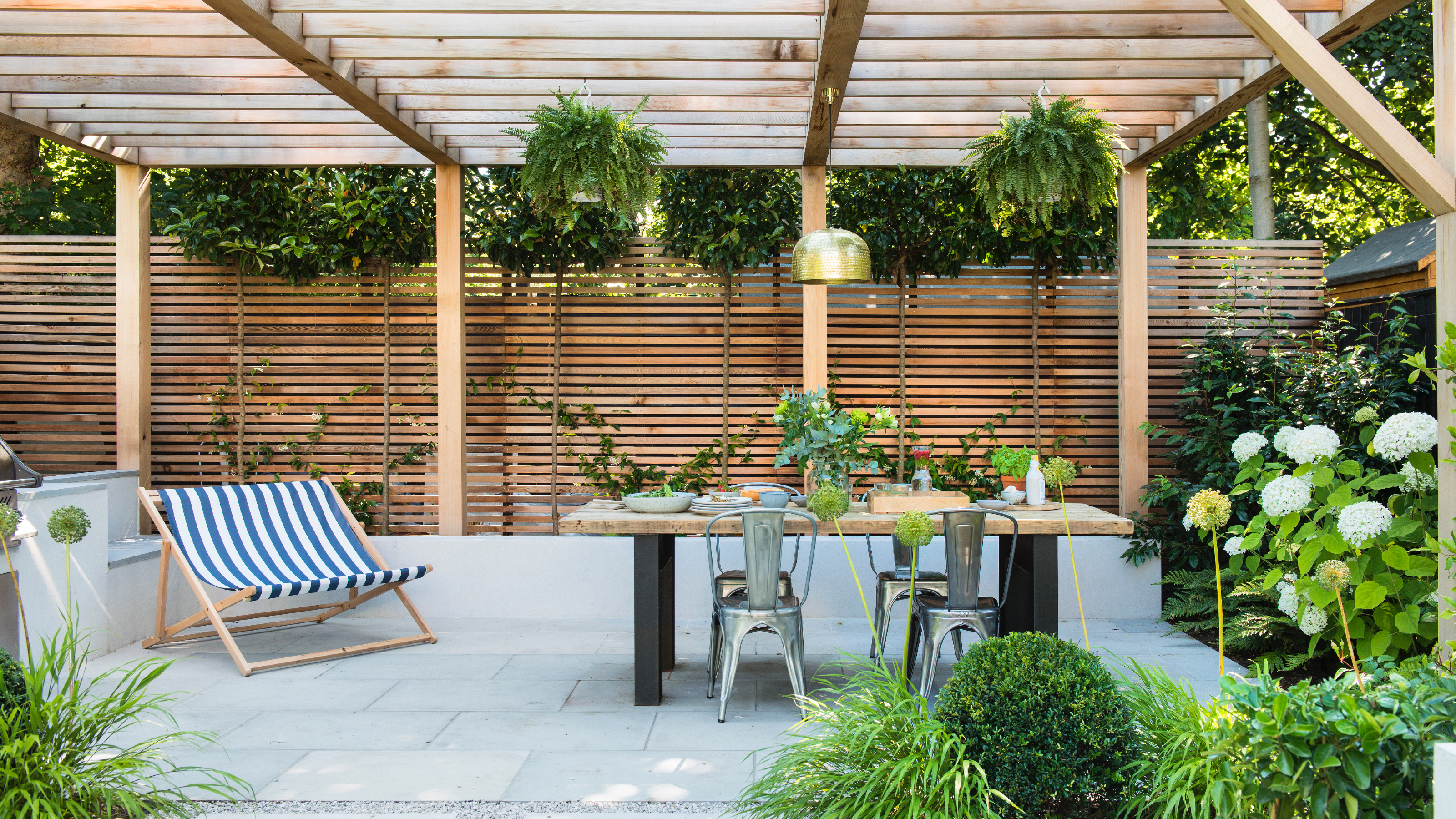
1/4
Do I need planning permission for a pergola? Experts say it all depends on these 3 things
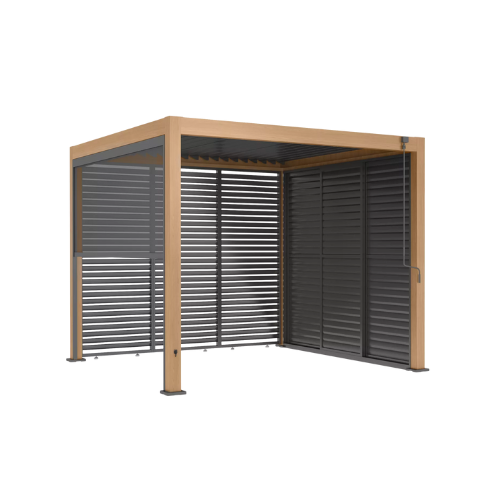
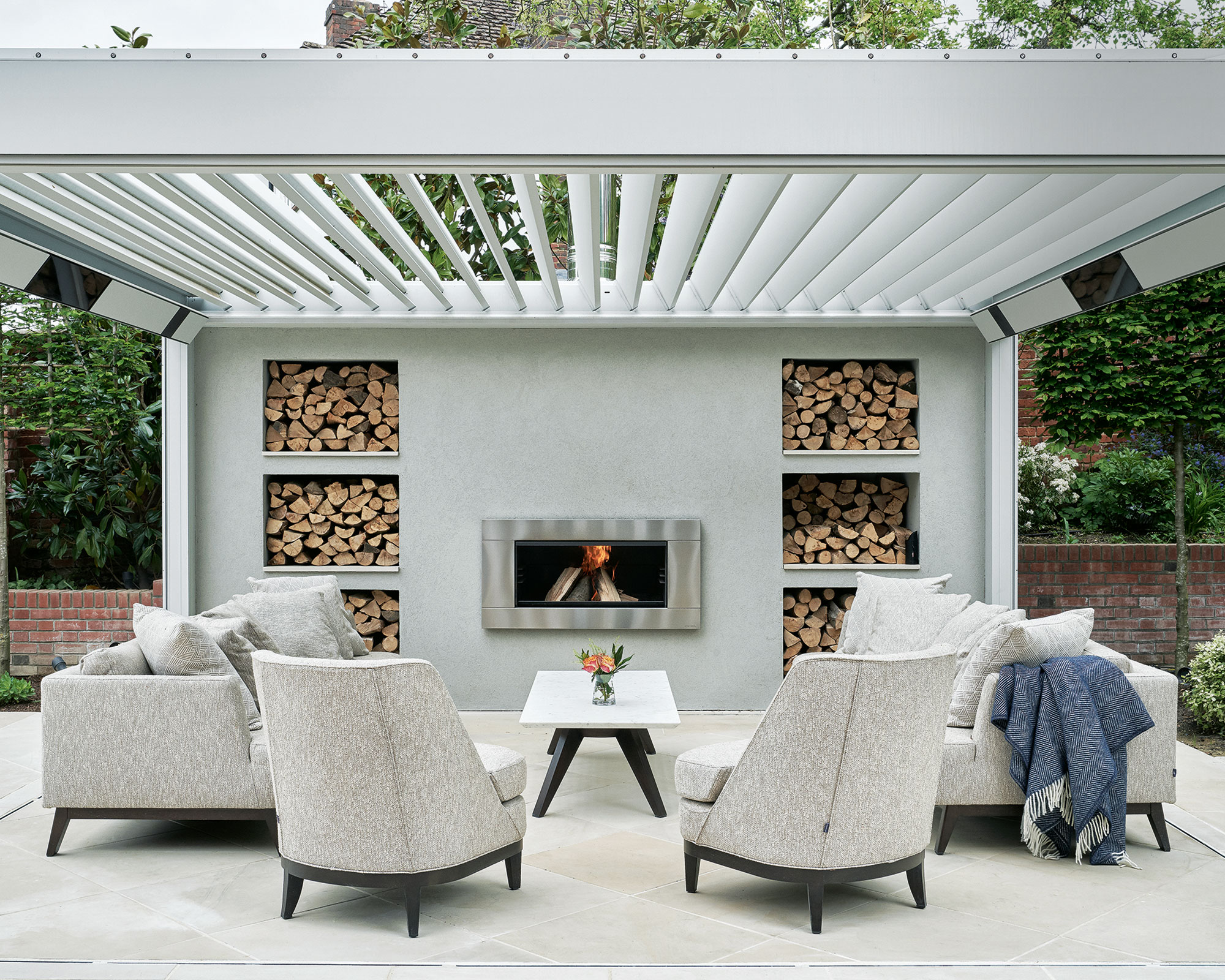
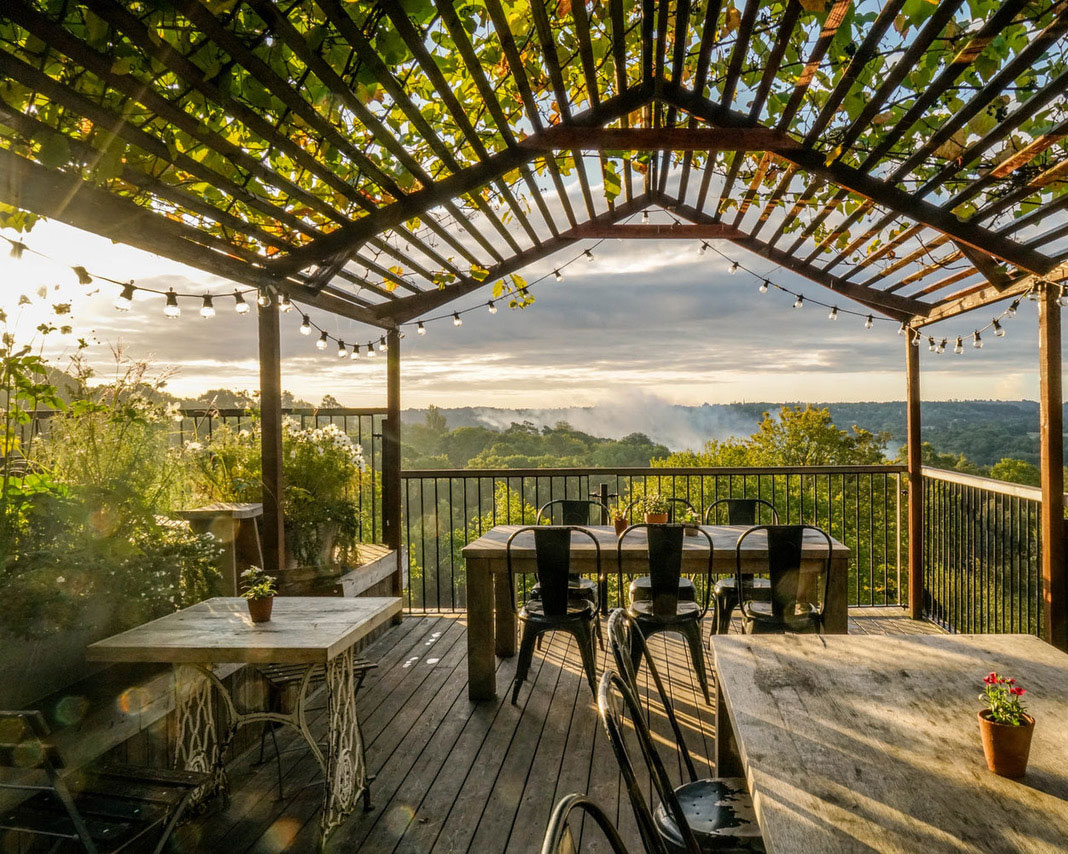
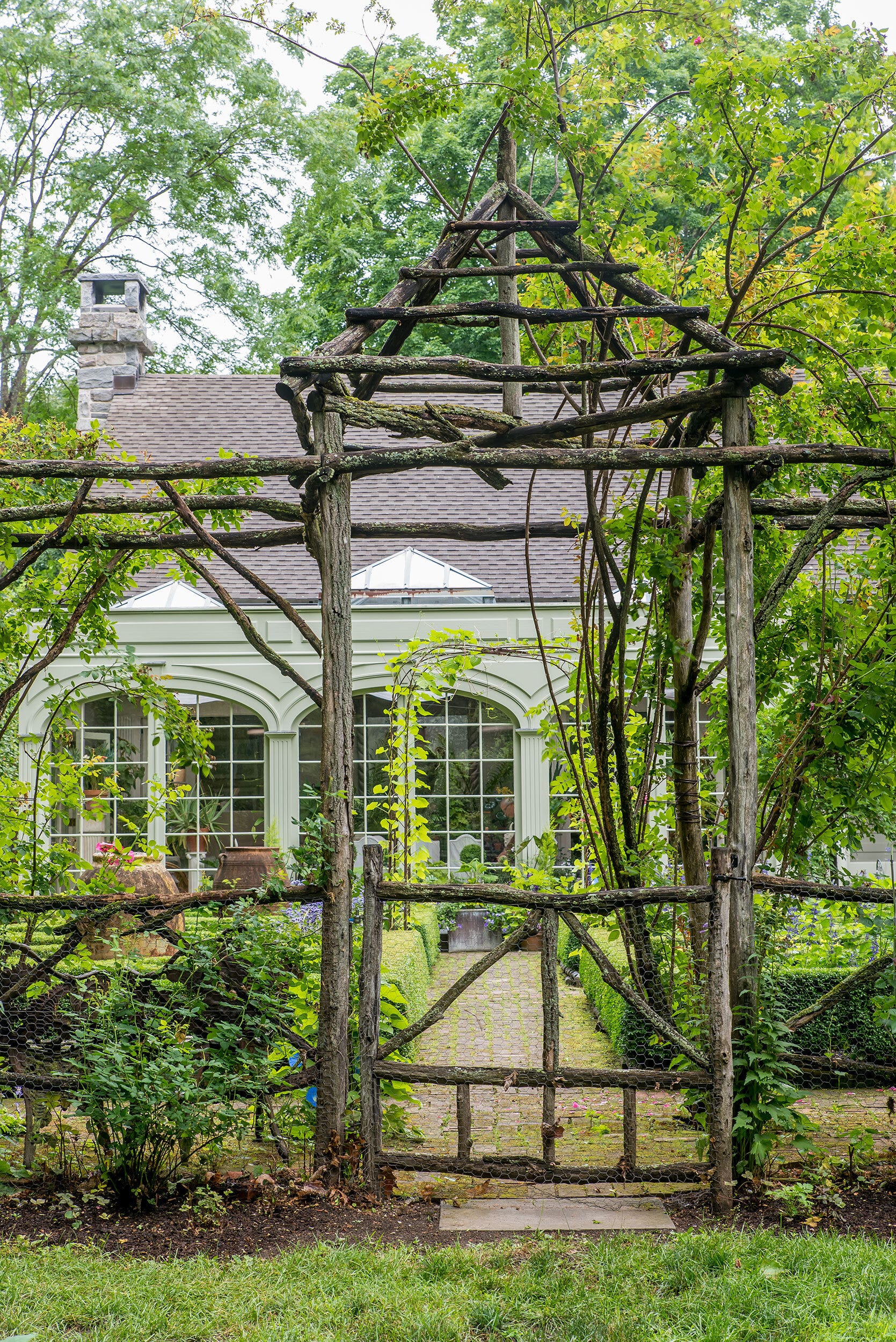
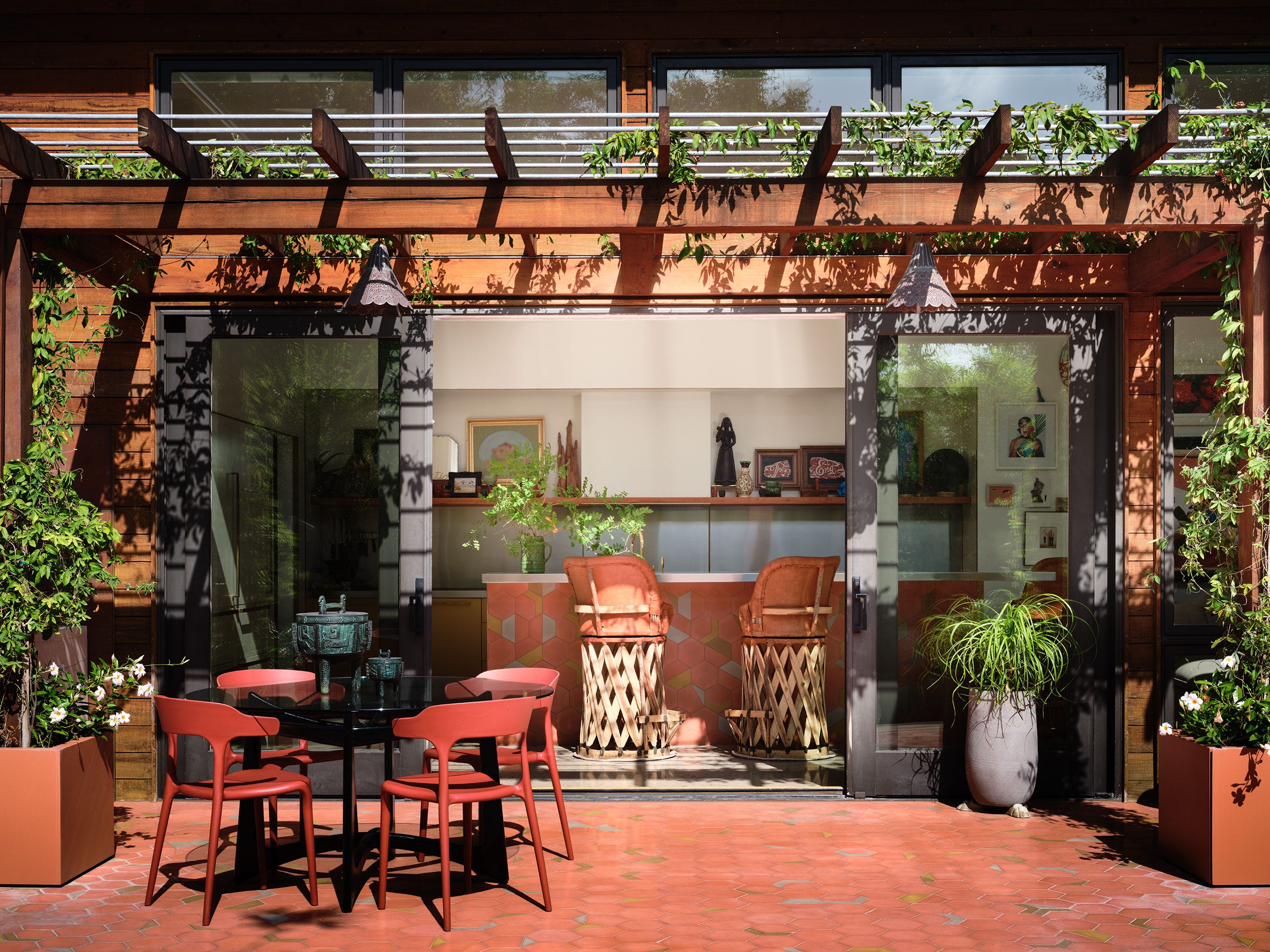
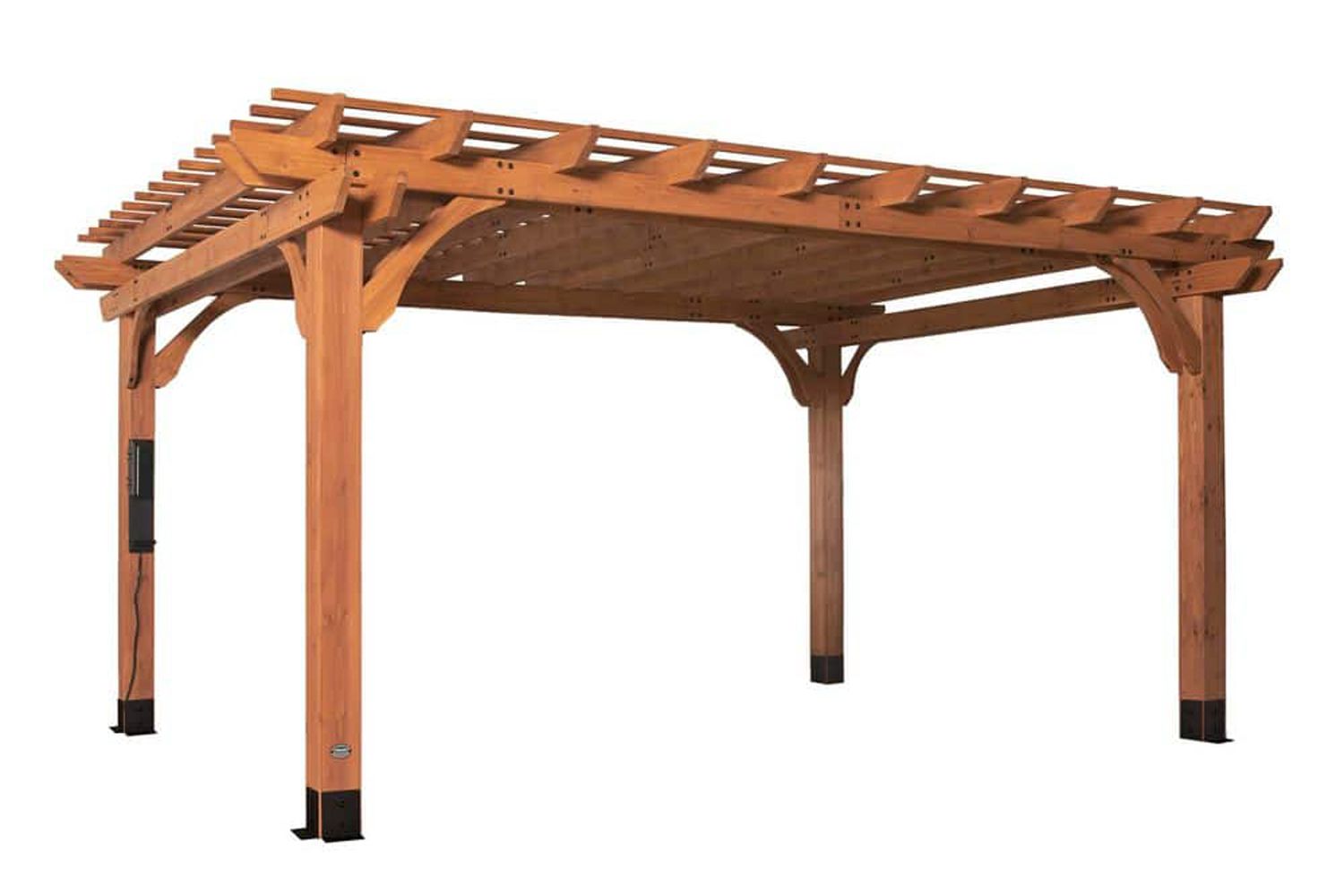
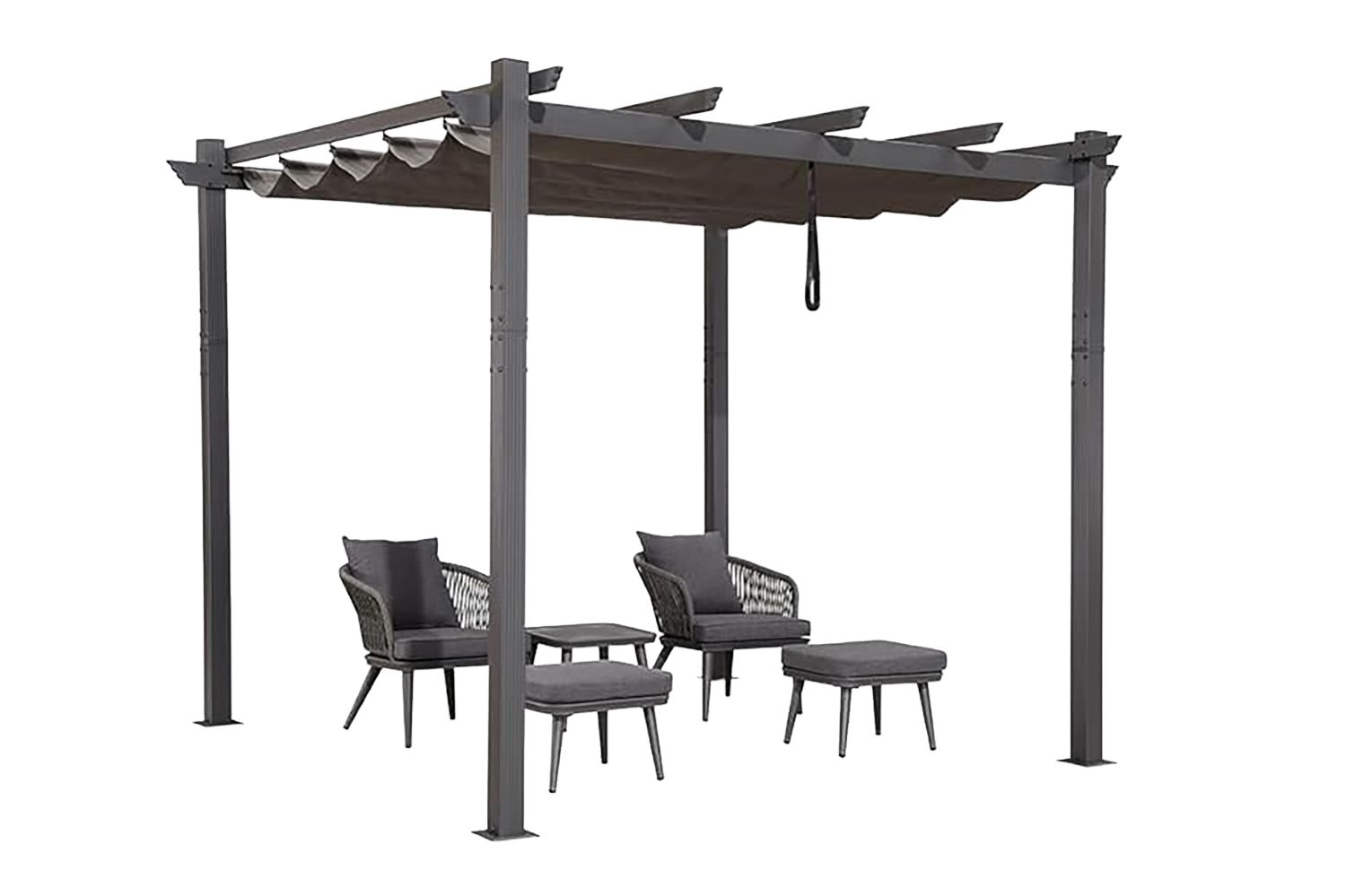
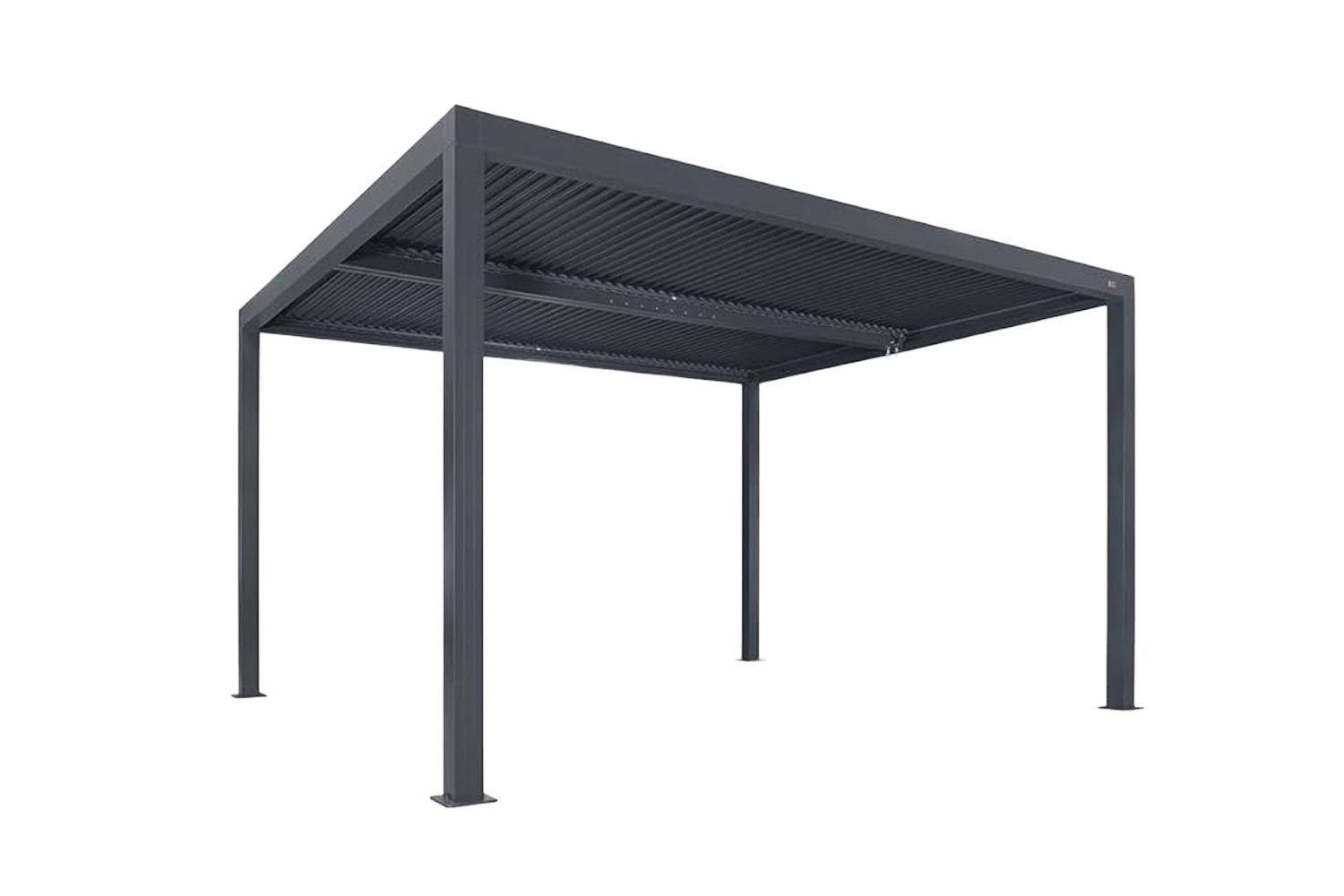
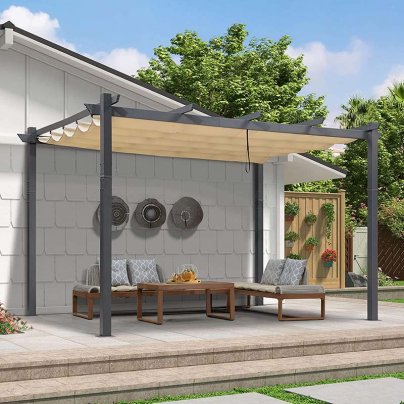
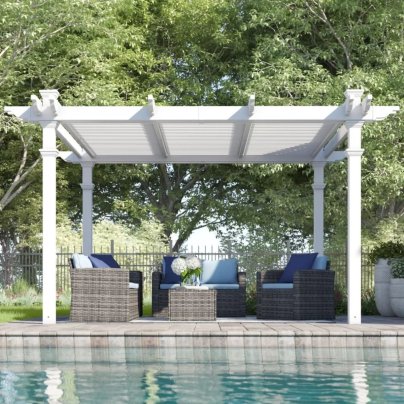
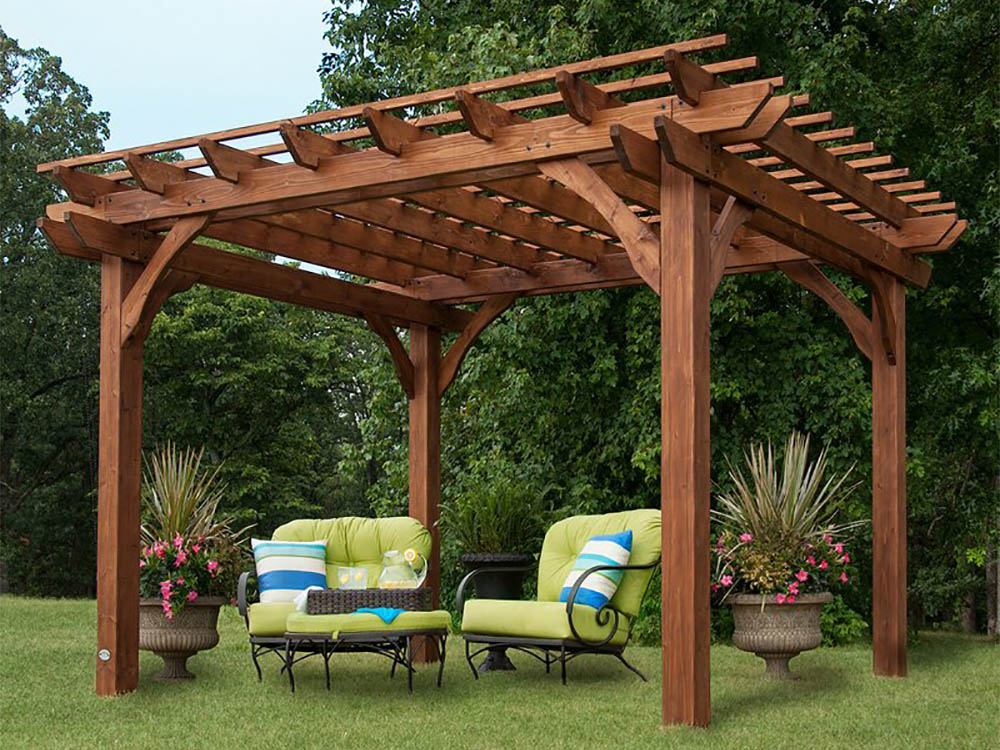
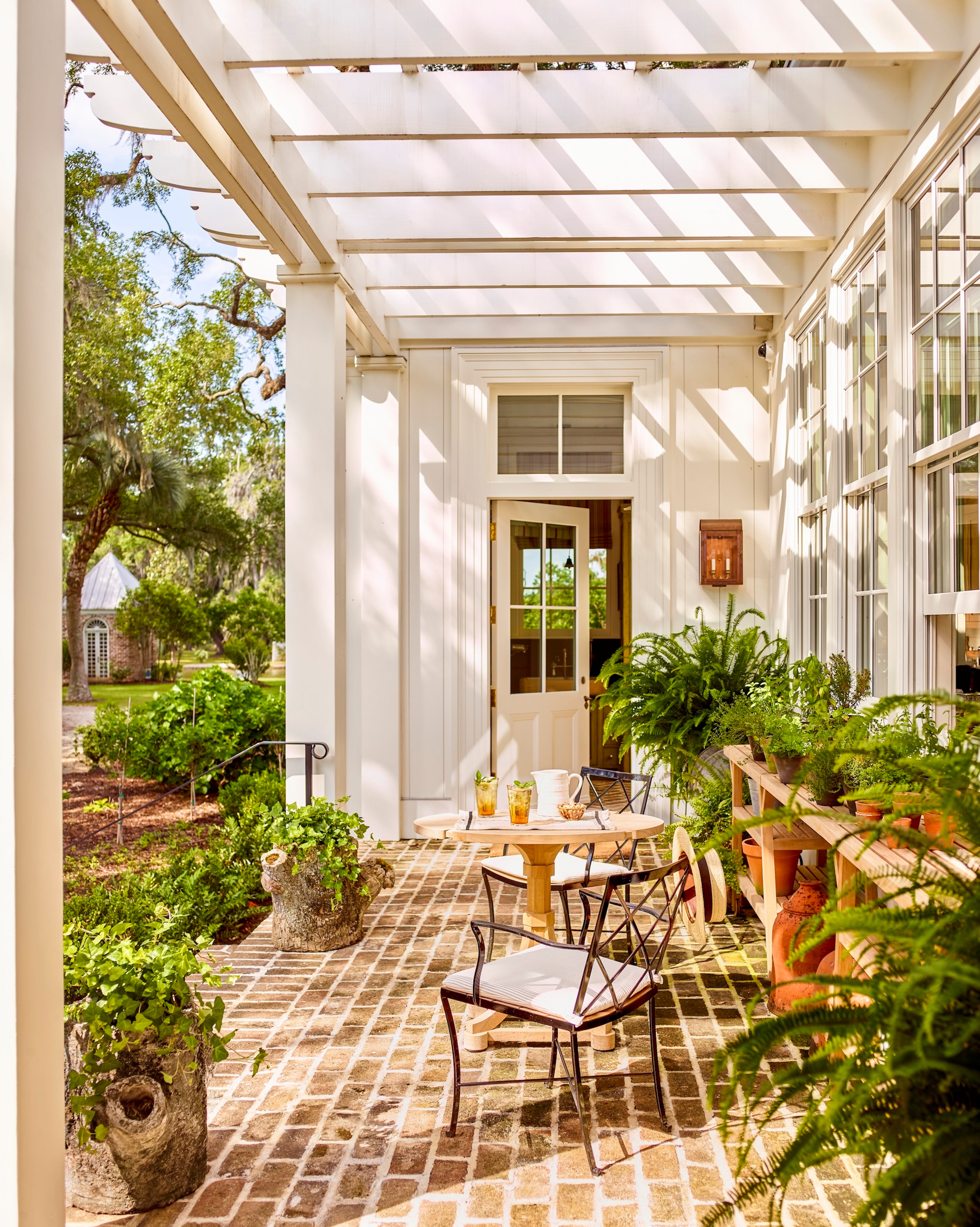
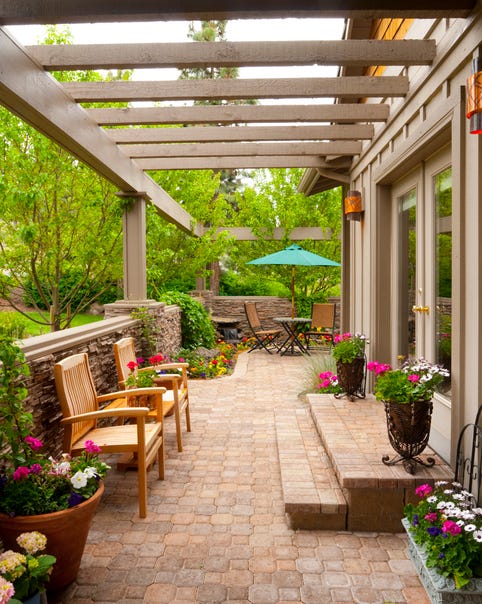
The article discusses the necessity of obtaining planning permission for pergolas, highlighting that it is not a straightforward 'yes' or 'no' answer. Most pergolas fall under 'permitted development,' but specific exceptions require local council approval. The author emphasizes three crucial factors homeowners should consider before purchasing or building a pergola: its size, location, and the property's specific conditions.
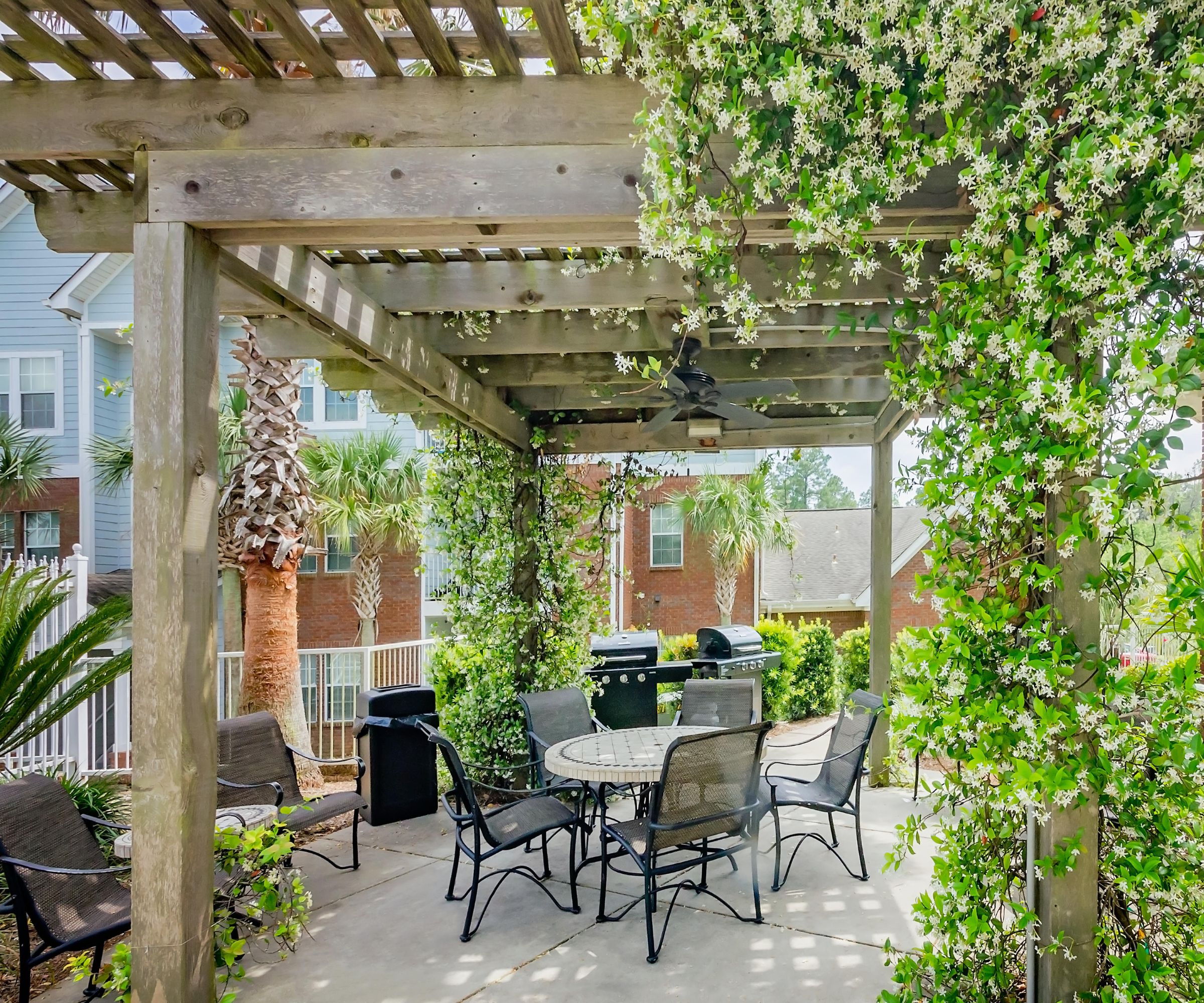
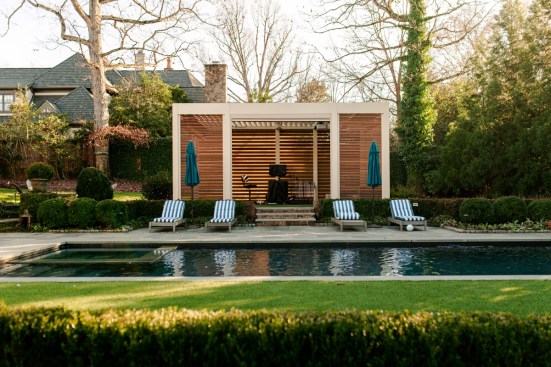
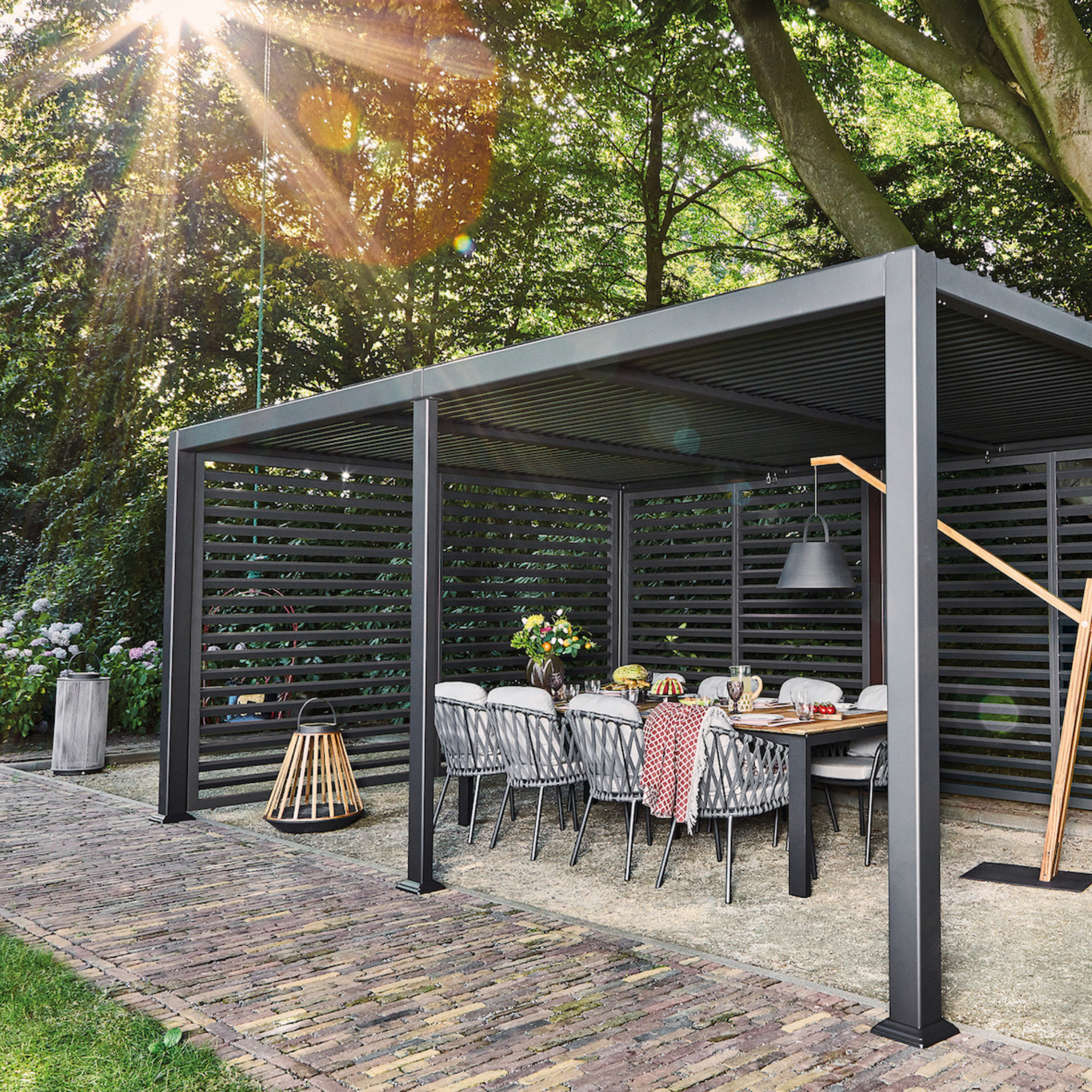
The first factor detailed is the size of the pergola. Ashley Hainsworth, Director of Cuckooland, explains that planning permission is required if the pergola occupies more than 50% of the land surrounding the existing building. This is particularly relevant for individuals with smaller gardens, as they might need to either select a smaller pergola or go through the planning permission process. The implication is that larger structures, even if considered 'permitted development' in general, can trigger the need for formal approval based on their proportion to the available garden space.
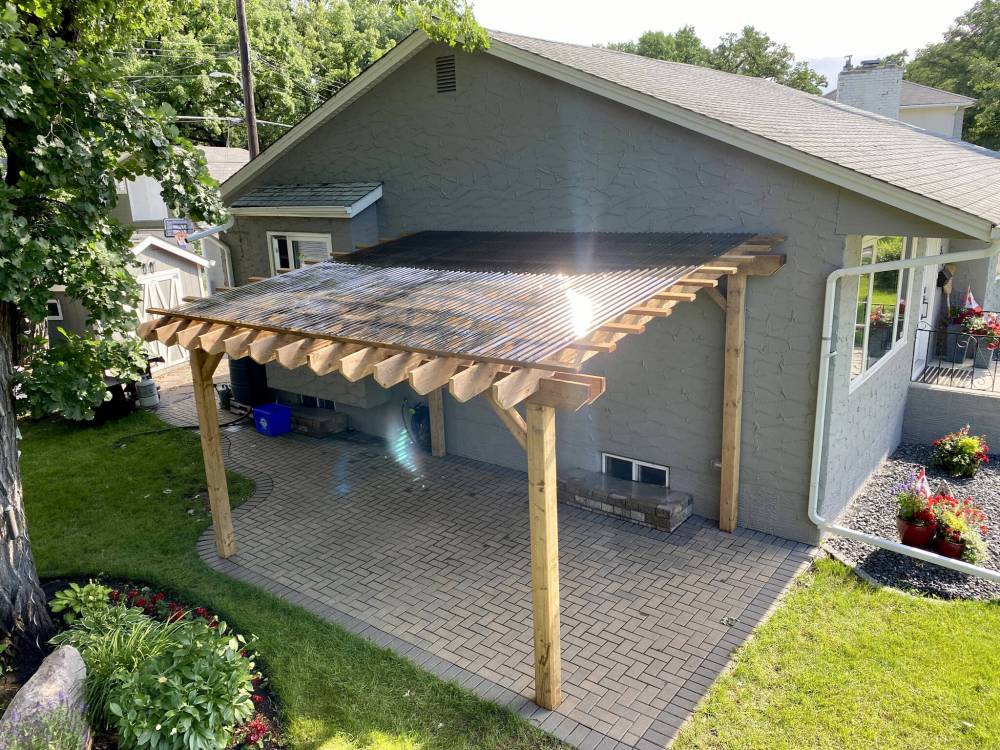
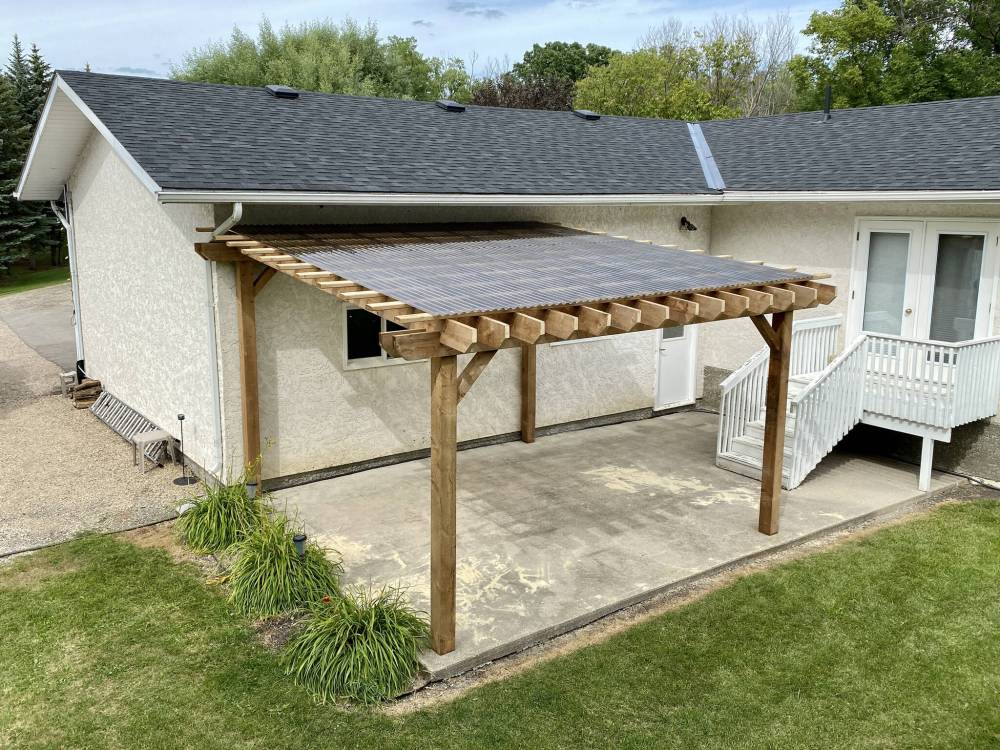
The second critical aspect is the pergola's location and height. The article states that a three-meter high pergola can typically be installed without planning permission, or four meters for a pitched roof, but only if it is positioned more than two meters away from a neighboring fence or boundary. If the pergola is built within two meters of a boundary, its height is restricted to two and a half meters. This regulation encourages placing pergolas in the center of the garden or as far from neighboring properties as possible to avoid complications. Additionally, Reilly Gray, Co-Founder at Suns Lifestyle, points out that installing a pergola at the front of the house might necessitate planning permission, as it could alter the external appearance of the home and impact the streetscape. Therefore, homeowners are advised to decide on the pergola's placement before purchasing and, if uncertain, consult with a professional or their local planning authority.
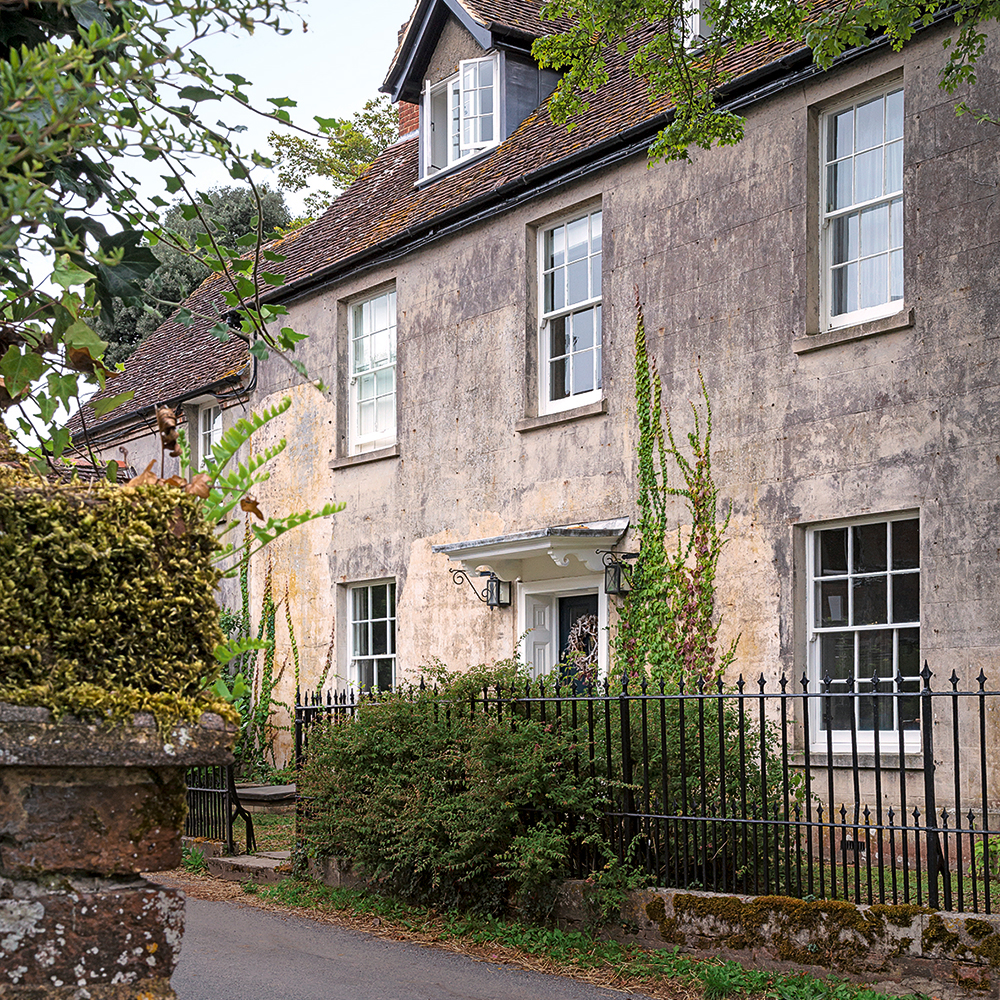
Lastly, the article addresses how the homeowner's living situation can influence the need for planning permission. Factors such as living in a conservation area or having a listed building are significant. In conservation areas, or if the pergola is planned for the side of the house between the property and the boundary, approval is often required due to strict controls over development in such locations. Similarly, any external changes to a listed building, including the addition of a pergola, demand consent to preserve its historical integrity. Homeowners are encouraged to verify these details by consulting their property deeds or the Land Registry to understand the specific rules applicable to their residence. The article concludes by reiterating the importance of checking planning permission requirements to avoid the potential hassle and cost of having to remove an unapproved structure.
#Pergola #PlanningPermission #GardenDesign #OutdoorLiving #PropertyRegulations #HomeImprovement #BuildingCodes #Pergola #PlanningPermission #GardenDesign #OutdoorLiving #PropertyRegulations #HomeImprovement #BuildingCodes
Toplam 0 yorum
 Henüz yorum yok
Bu da beğenebilirsiniz
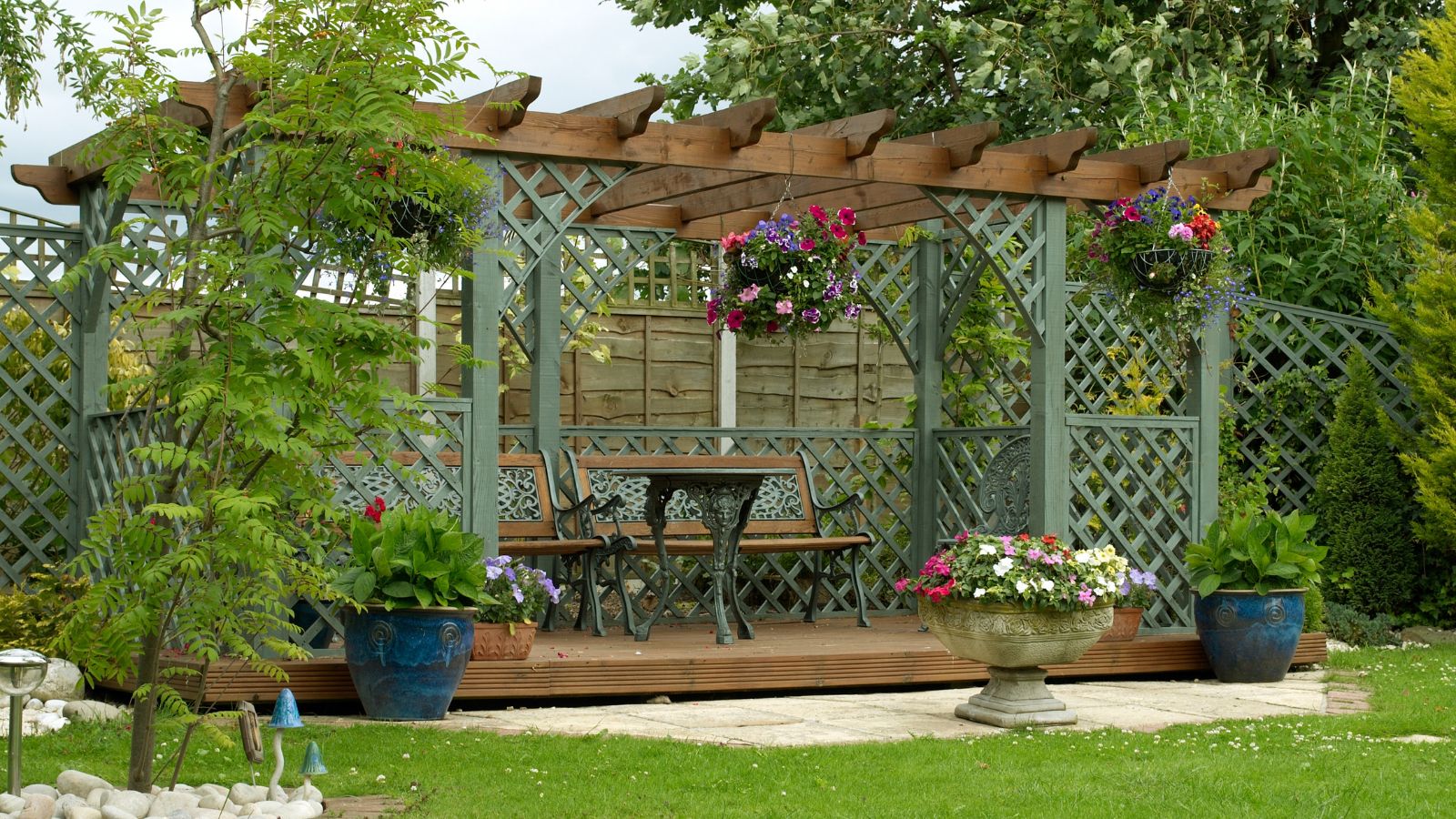
Can you build a pergola next to a neighbor's fence? 6 rules from legal experts
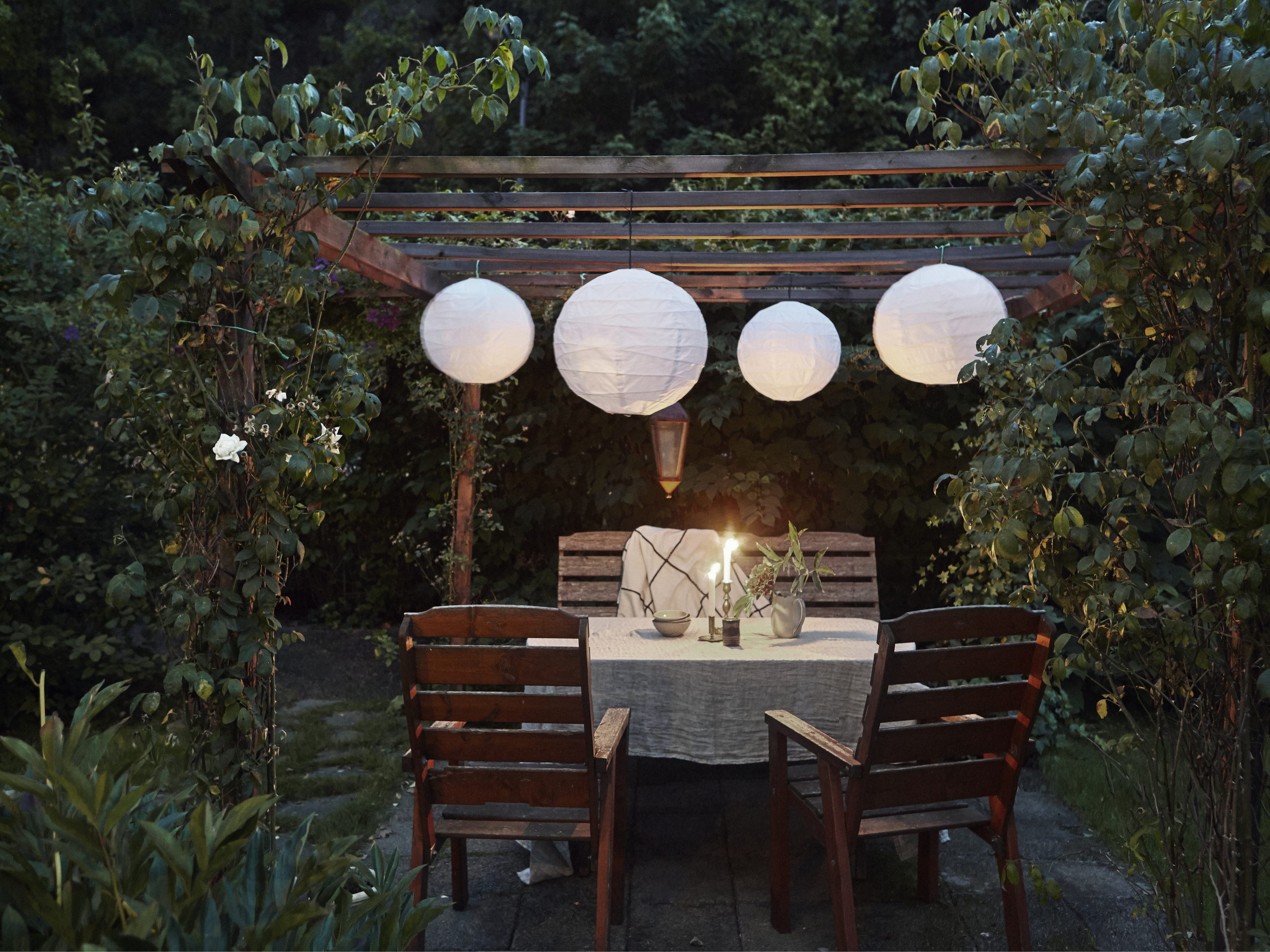
How do you build a pergola? Experts explains their methods so you can enjoy the best parts of open-air living

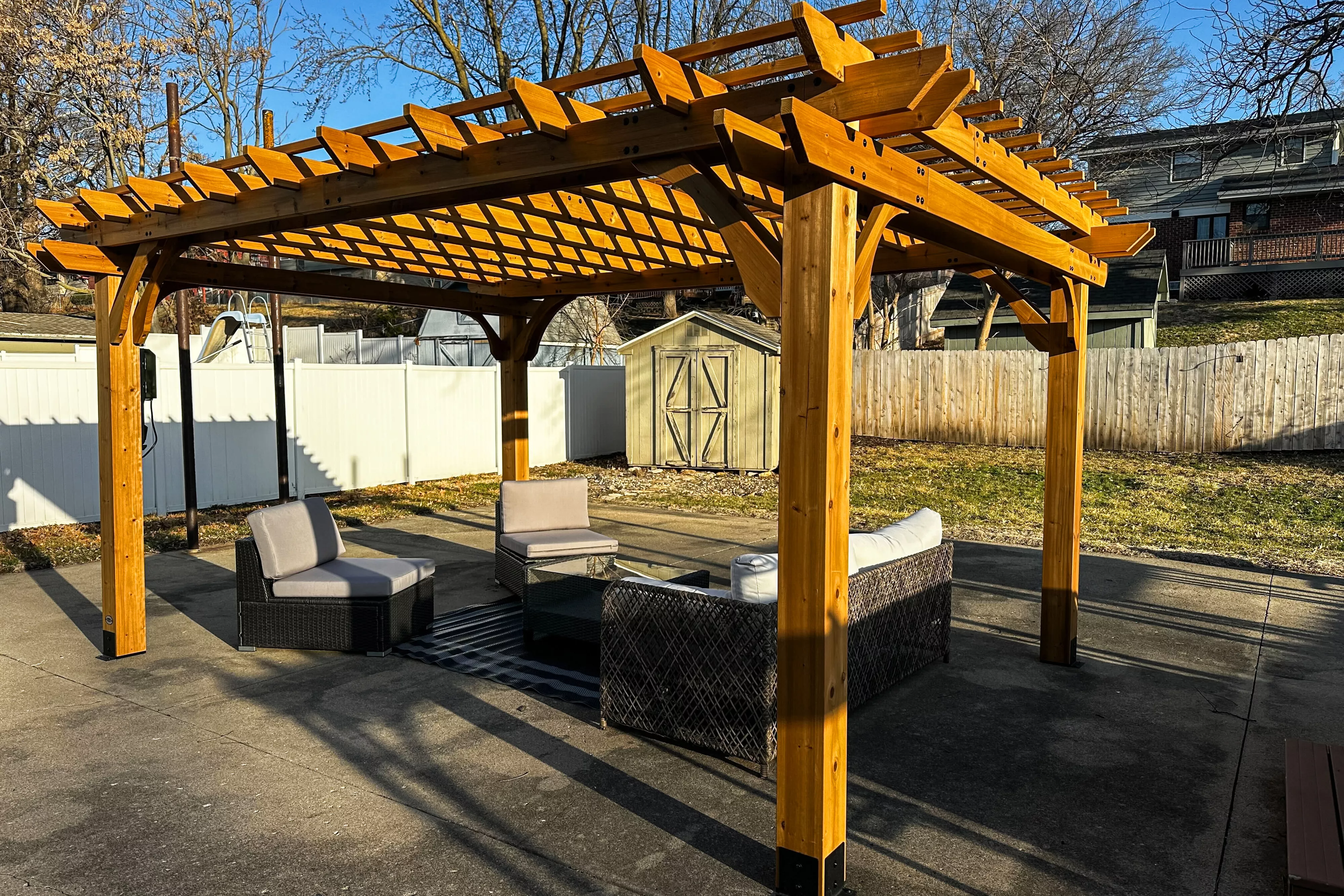
The 4 Best Pergola Kits, Tested by BHG

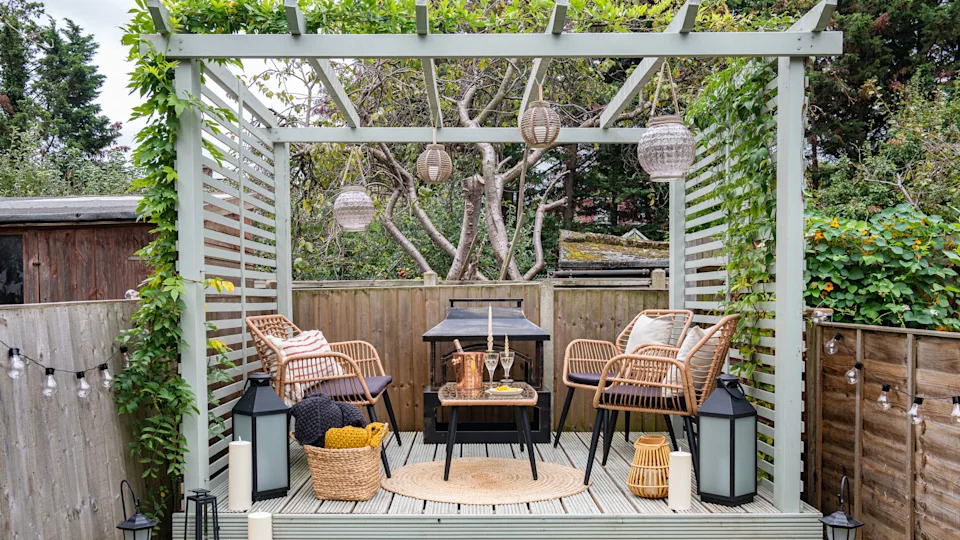
27 pergola ideas to add shade, privacy and style to your outside space

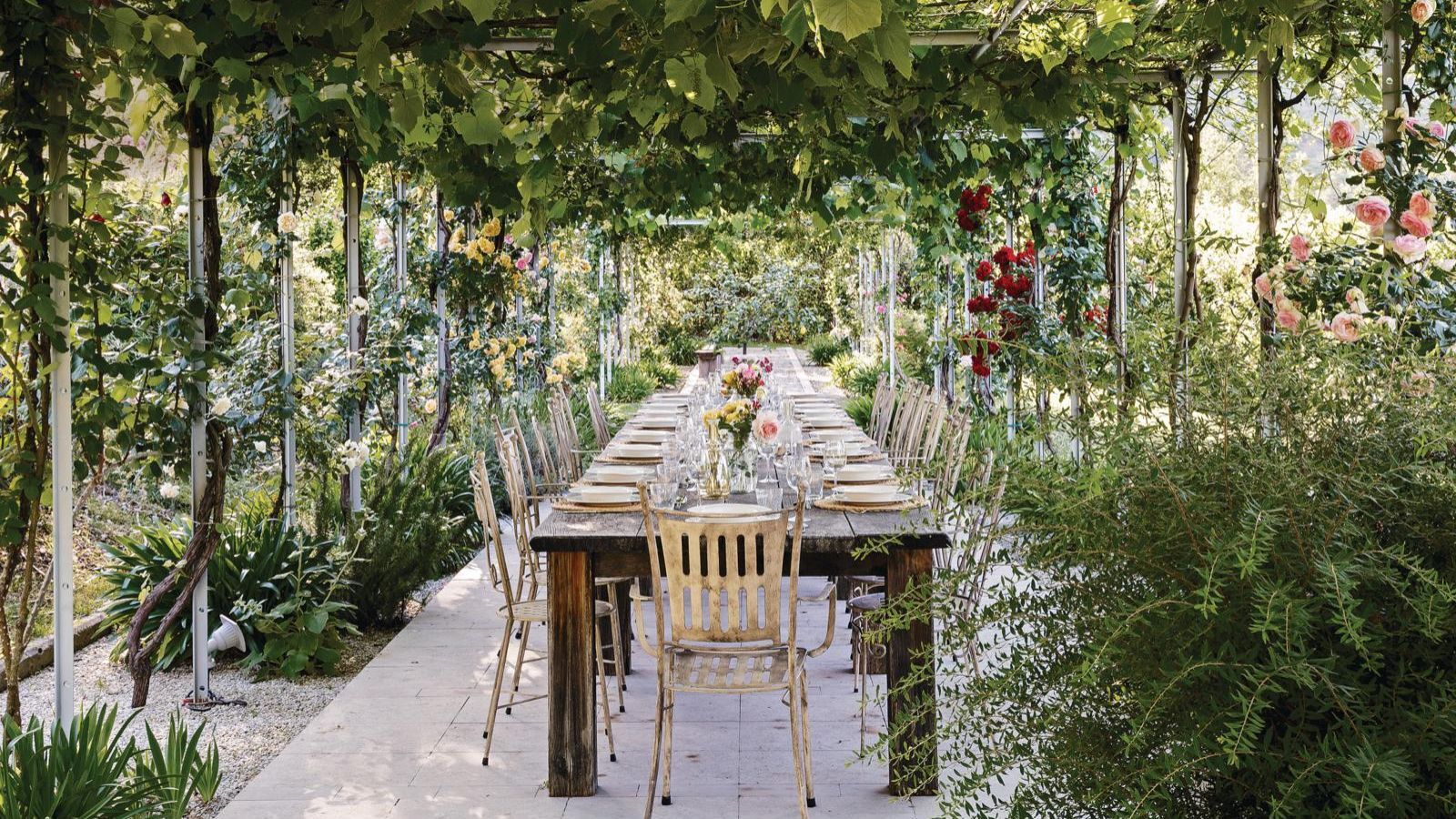
Pergola mistakes: a pro reveals 9 common pergola errors
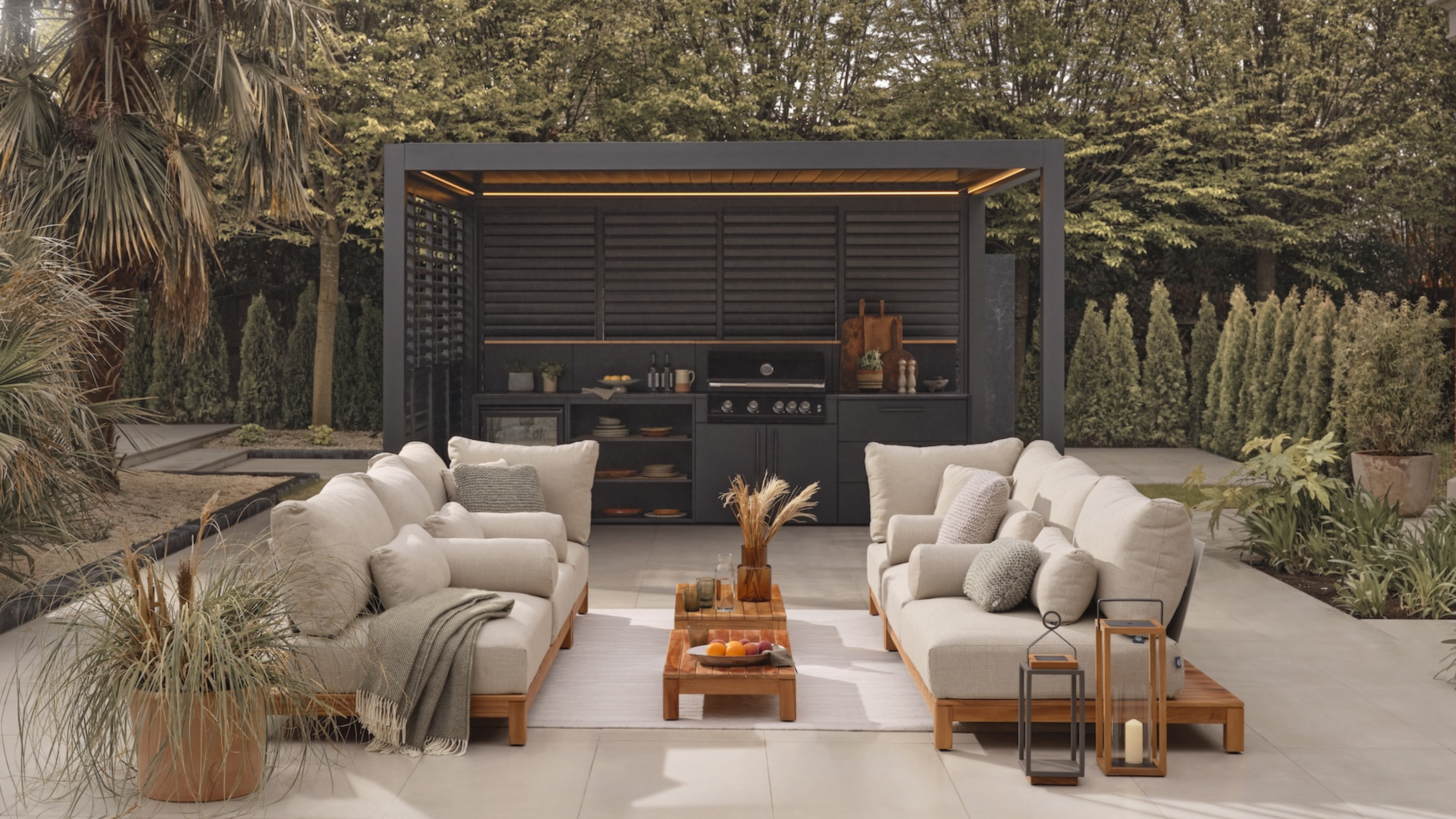
Is It Better to Buy or Build Your Own Pergola? Experts Discuss the Most Cost-Effective Way to Embrace Those Shady Summer Days
Building a Screened-in Porch, Deck, or Balcony
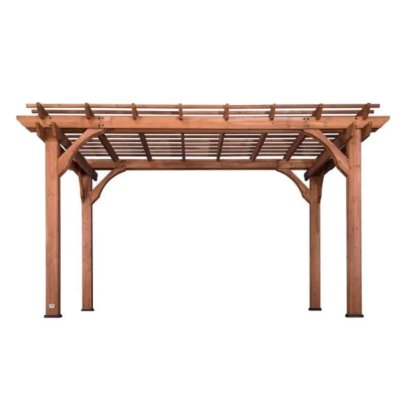
Pass Off Your DIY Skills As Those of a Pro With An Easy-To-Assemble Pergola Kit


Do you need planning permission for a garden room?
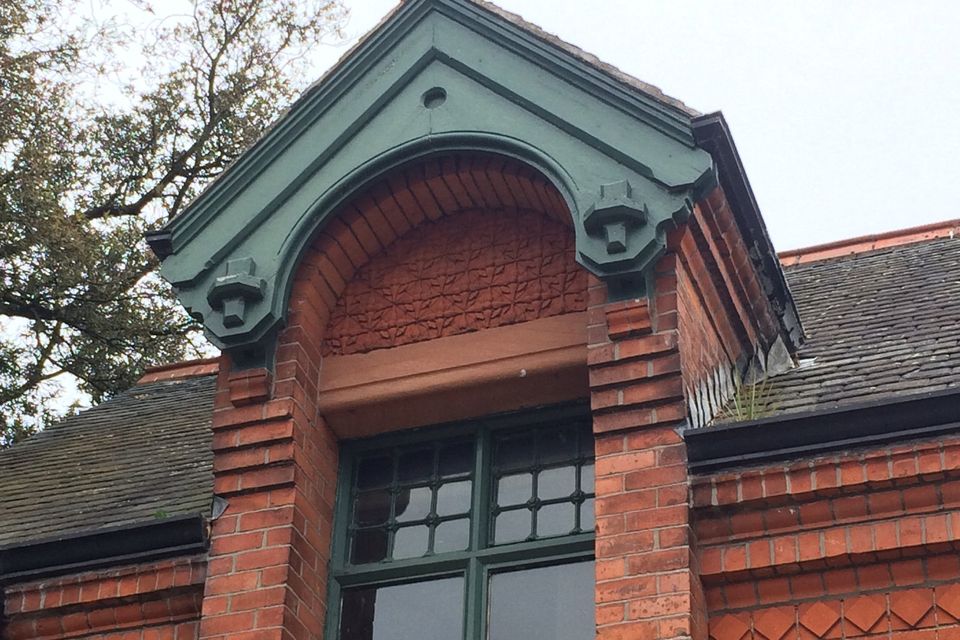
Architect's clinic: 'Does a dormer need planning permission?'
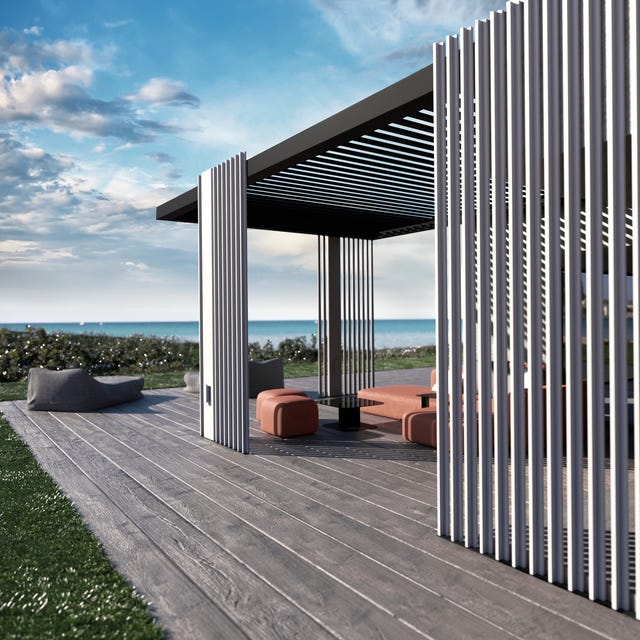
Tailor-made pergolas designed to enjoy the outdoors all year long

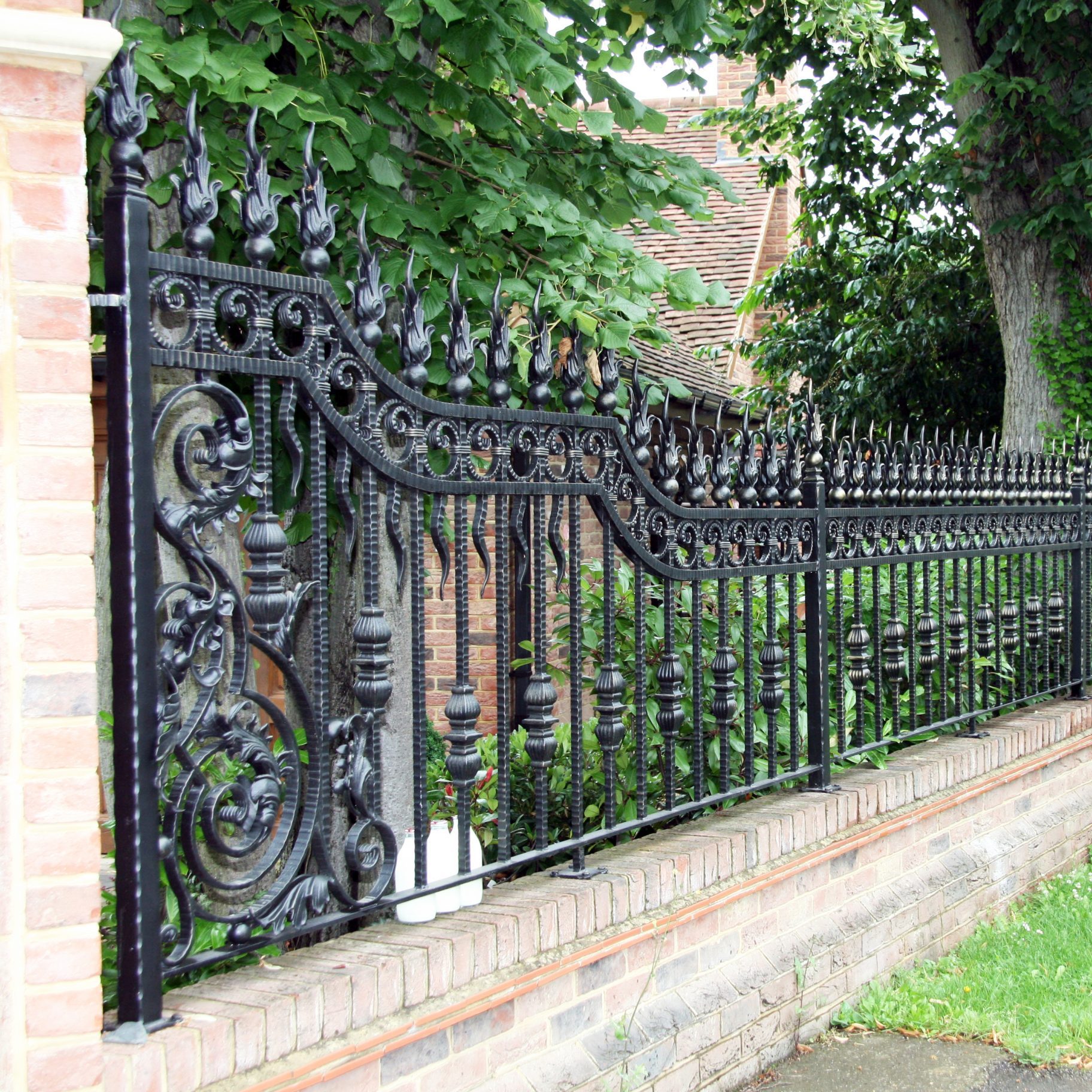
Garden railings and gates – everything you need to know, including whether you need planning permission
Porches and Decks

Pergola ideas – 19 ways a pergola can enhance your backyard design

Pergola ideas - 14 gorgeous garden structures to add style and shade

Add Shade to Your Backyard with a Pretty Pergola
Home Sale Differentiators: The Pergola
Want the Garden of Your Dreams? Check Out These 29 Enchanting Pergola Ideas
Nov 2022: The endless pergola summer

15 Pergola Ideas That'll Turn Any Outdoor Space Into a Majestic Escape