1/2
Brick Cladding: Helping keep moisture out
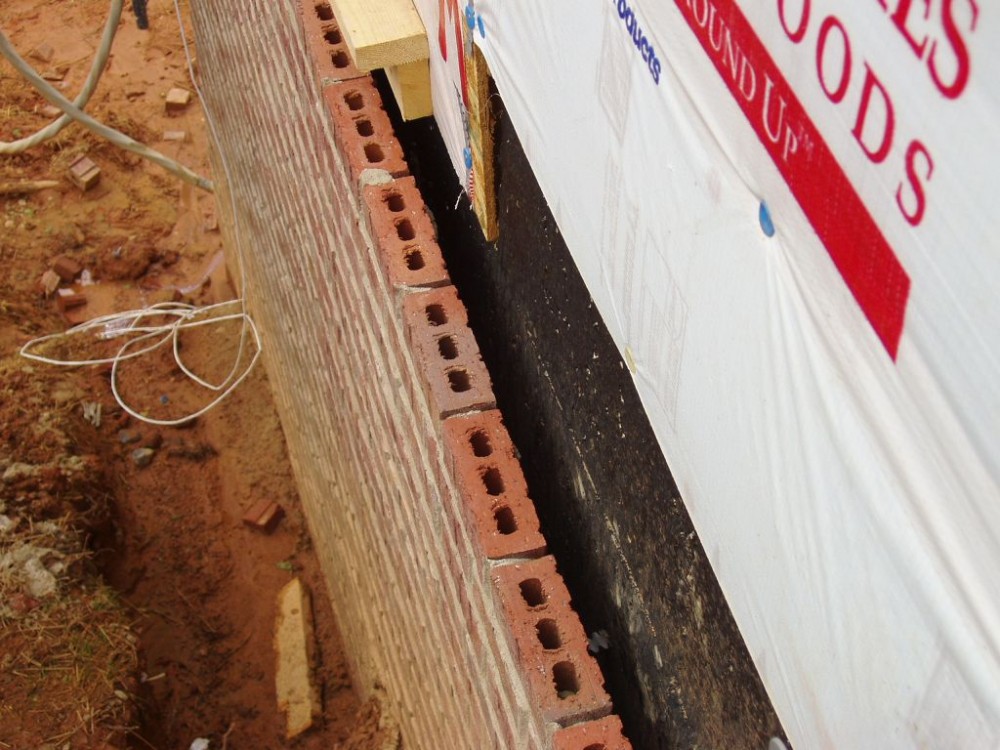
The summer solstice in the Northern Hemisphere brings a combination of humidity and dryness, with intermittent rain showers followed by periods of intense heat. These climatic variations can lead to an increase in wall moisture, potentially compromising building safety and structural integrity. Modern construction techniques, aiming for greater energy efficiency and airtightness, paradoxically reduce natural moisture movement and drying within the building envelope. If unaddressed, this trapped moisture can cause issues such as mold growth and the deterioration of building components. Maintaining a consistently dry wall assembly is crucial for inhibiting mold development and preventing damage to wood and wood products, thereby preserving structural integrity. Wall assemblies incorporating a 25-mm (1-in.) air space can facilitate rapid drying, which helps prevent bacterial growth and insect infestations.
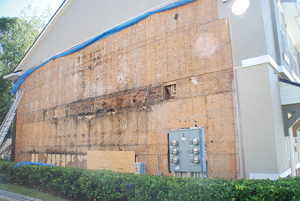
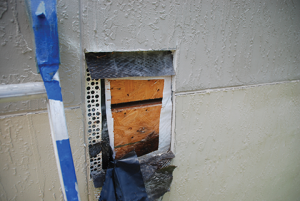
To better understand the performance of wall assemblies in mixed-humid climates, the U.S. Department of Housing and Urban Development (HUD), in collaboration with the U.S. Department of Agriculture’s (USDA) Forest Products Laboratory and the Brick Industry Association (BIA), conducted a year-long field study. This study, titled "Moisture Performance Study of Typical Residential Wall Assemblies," was prompted by an increase in moisture-related problems in new residential homes and the widespread use of absorptive claddings in moist climates. The research evaluated eight common siding types: vinyl-sided walls, stucco-clad walls with one layer of felt, stucco-clad walls with two layers of felt, stucco-clad walls with vented cladding, stucco walls with plywood sheathing, walls clad with manufactured stone, fiber-cement siding walls, and brick veneer. The primary objective was to assess how these wall assemblies performed under prolonged heat and moisture, and how design factors influenced the durability of energy-efficient walls.
Throughout the 12-month testing period, 44 sensors were strategically placed on the wood framing or sheathing of each sample to monitor moisture content, temperature, and relative humidity (RH) at various test points. Data on natural elements like precipitation and wind-driven rain, as well as outdoor and indoor temperatures and humidity, were recorded. The sensors were distributed across the sampled walls to account for temperature variations, such as cooler conditions near the ground or warmer areas near the roof. For accuracy, each sensor transmitted new readings every 30 minutes. Researchers also performed controlled water injections behind the cladding to assess drainage capabilities and utilized computer simulations to predict moisture levels in terms of magnitude and seasonal fluctuations.
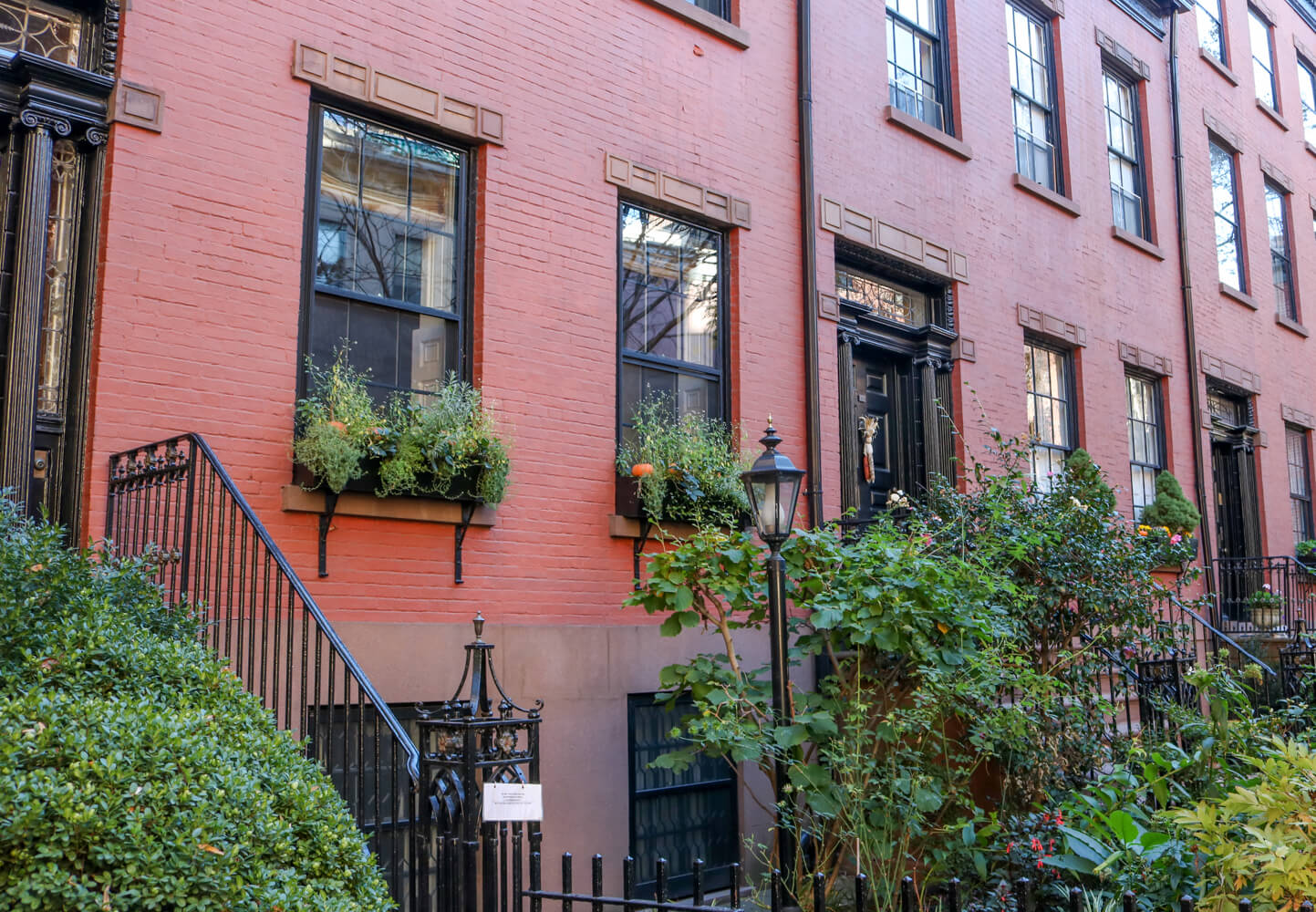
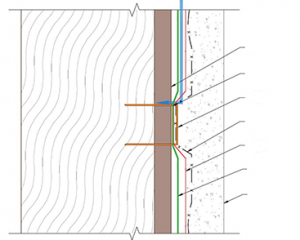
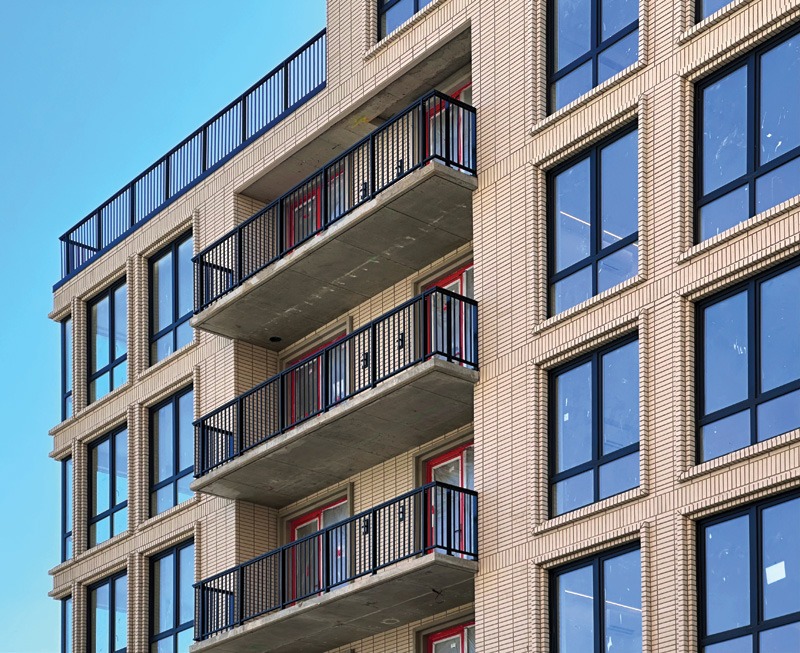
The study concluded that all tested assemblies remained below the industry-recognized 16 percent moisture content threshold. Walls with an air gap showed no sustained increase in moisture, highlighting the importance of a second layer of water-resistive barrier (WRB) for stucco when bulk water penetrates behind it. Specifically, stucco-clad walls with two WRB layers experienced virtually no increase in moisture, whereas those with a single WRB layer saw increases of up to 3.5 percent. Wall orientation and solar exposure were critical factors, with north-facing walls consistently showing higher moisture and humidity readings than south-facing walls of the same construction. Wall temperature and air circulation were identified as key factors for lower moisture content, with higher temperatures leading to drier conditions and air movement controlling drying capabilities. While wall penetrations generally did not significantly alter moisture performance, north-facing walls with manufactured stone and both north- and south-facing stucco-clad walls with plywood sheathing exhibited the poorest performance, having the highest initial moisture content and the slowest drying times. Brick veneer wall assemblies, owing to their typical construction with a nominal 25-mm air space, proved to be the most consistently dry, maintaining lower humidity in the wood stud wall cavity. The 25-mm air space facilitated rapid drying, preventing bacterial growth that damp wood might encourage. Additionally, darker claddings like brick maintained the highest wood stud wall cavity temperatures. The lower humidity achieved by brick veneer wall assemblies meets the American Society of Heating, Refrigerating, and Air-conditioning Engineers (ASHRAE) 160 criteria for minimizing mold growth. Industry experts emphasize the importance of proper ventilation for moisture control, especially in hot and humid climates where wall assemblies must resist bulk and vapor water intrusion. Factors such as cladding type, climate, geographic orientation, and wall assembly are all crucial considerations, with annual rainfall serving as a guide for determining the necessary level of moisture management. Regardless of location, brick wall assemblies effectively promote dryness, contributing to long-term structural integrity.
#BrickCladding #MoistureControl #BuildingEnvelope #WallAssemblies #ConstructionDurability #EnergyEfficiency #MoldPrevention #BuildingScience #BrickCladding #MoistureControl #BuildingEnvelope #WallAssemblies #ConstructionDurability #EnergyEfficiency #MoldPrevention #BuildingScience
Toplam 0 yorum
 Henüz yorum yok
Bu da beğenebilirsiniz
This Clay Brick Disperses Heat to Keep Buildings Cool

Dampproofing and Waterproofing for Foundation Walls


How to waterproof a basement – 5 steps from experts to safeguard this space


Role of WRB in open-joint cladding design

A Homeowner’s Guide to Maintaining and Restoring a Brick Facade


How to get rid of damp

Rainscreen walls: An updated definition for today’s construction environment
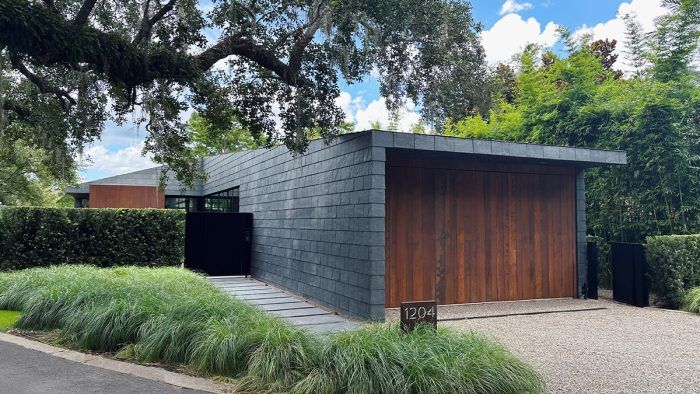
Learn How to Install Rainscreen Siding Like a Pro


Weather-resistant barriers: Advanced technologies for modern construction
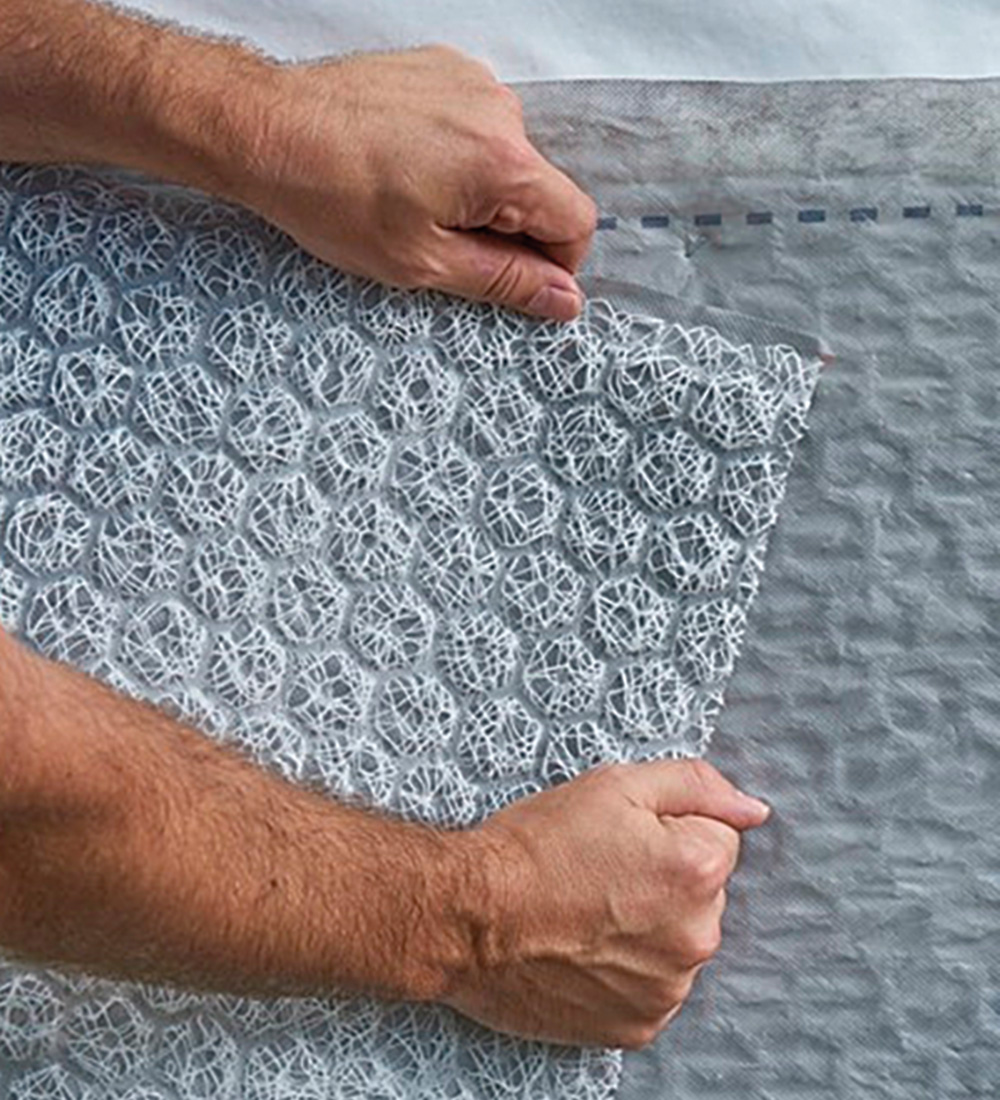
Rainscreen Systems for Stucco
Cladding

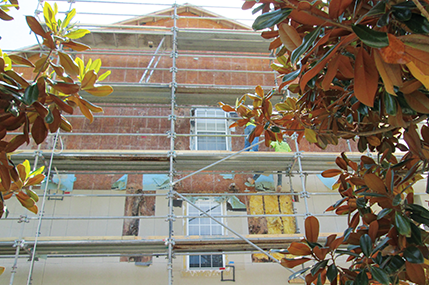
Getting Along With Stucco: Sometimes it just needs space
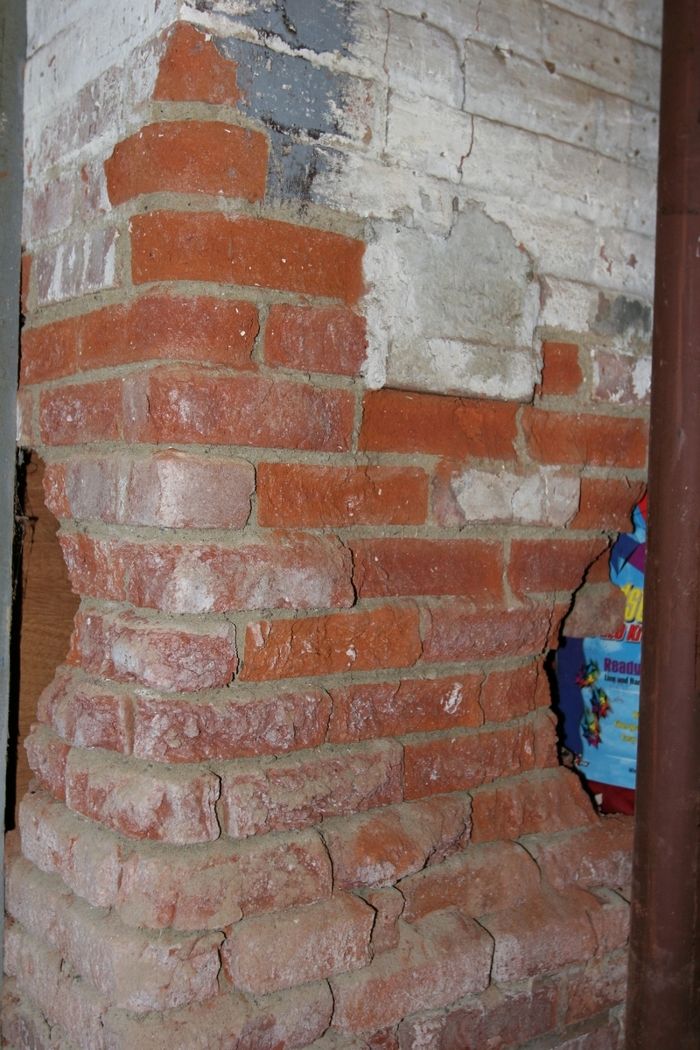
What a damp basement can do to brick
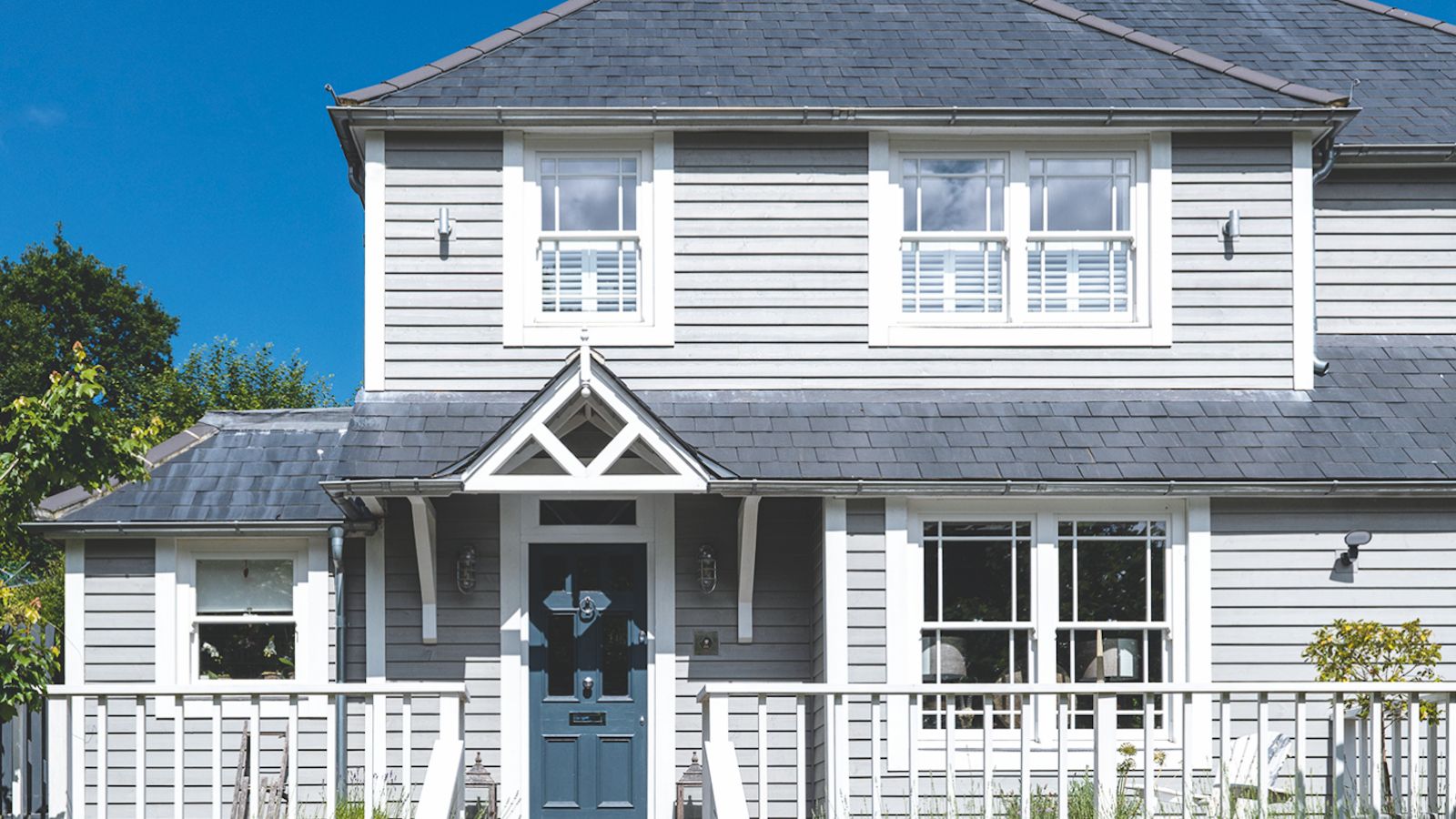
12 exterior areas of your home that are prone to leaks in rainy season – and how to prevent moisture getting inside
Acme Brick, Tile and Stone – El Paso
Masonry reinvented: One brick at a time
Vintage view: How old stone and brick walls can benefit from lime render

The 5 Best Basement Sealers to Waterproof Your Space

12 brick floors that will take your breath away

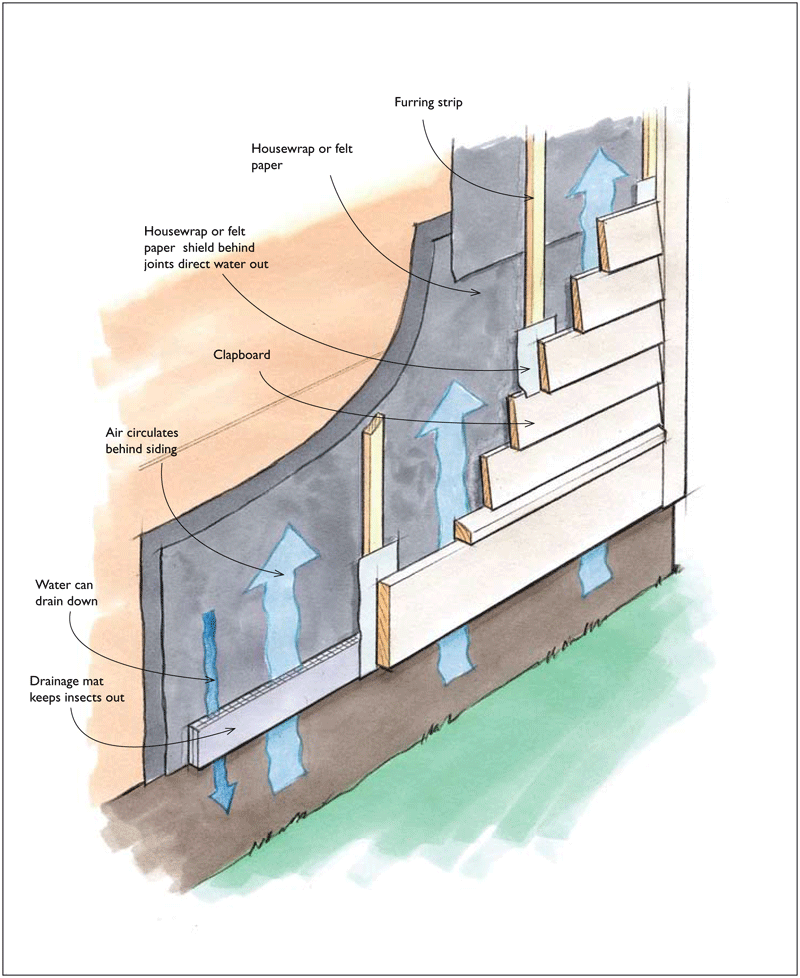
The Best Way to Ventilate Siding