Backcasting—a scenario approach in urban climate adaptation planning | npj Urban Sustainability
The impacts of climate change and urbanization necessitate innovative urban climate adaptation strategies. Scenario approaches, particularly backcasting, are valuable tools for developing such actions. This perspective paper conceptually, topically, and methodologically discusses backcasting, advocating for its application in urban climate adaptation planning, especially concerning green infrastructure, and highlighting the utility of GIS-based modeling.
Cities are significant contributors to climate change and are increasingly vulnerable to extreme weather events like heatwaves, droughts, and floods, exacerbated by ongoing urbanization. Urban climate adaptation measures, such as green infrastructure (e.g., parks, green roofs, bioswales), are vital to mitigating these vulnerabilities. Green infrastructure reduces heat stress through cooling and evaporation, manages flood risks by enhancing water infiltration and retention, and offers recreational benefits. Scenario approaches help estimate the current and future impacts of these measures by modeling interactions between climate, biodiversity, and human systems, and evaluating uncertainties of potential adaptation actions. Scenarios can be categorized into predictive (extrapolating current trends), explorative (anticipating possible changes), and normative (focusing on desired futures, such as backcasting).
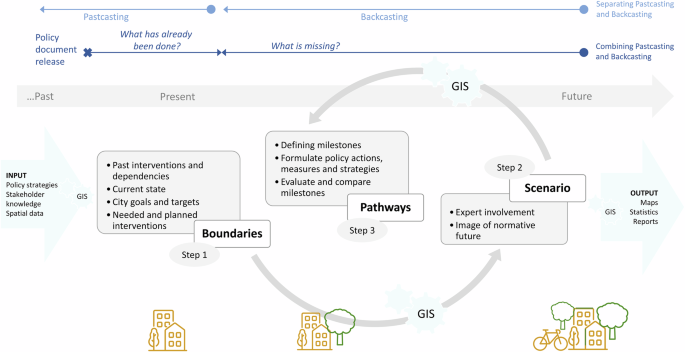
Backcasting begins with a desirable future state and works backward to identify the strategies, targets, pathways, and actions required to achieve that future. Unlike predictive or explorative scenarios that often rely on historical data and existing trends, backcasting emphasizes what *should* happen, potentially necessitating transformative changes to socio-ecological systems. While traditionally focused on future aspirations, backcasting has sometimes been conflated with "pastcasting," which analyzes past changes to the present. This paper proposes a combined approach where backcasting integrates elements of pastcasting, recognizing that future developments cannot be entirely divorced from past actions and existing urban planning frameworks.
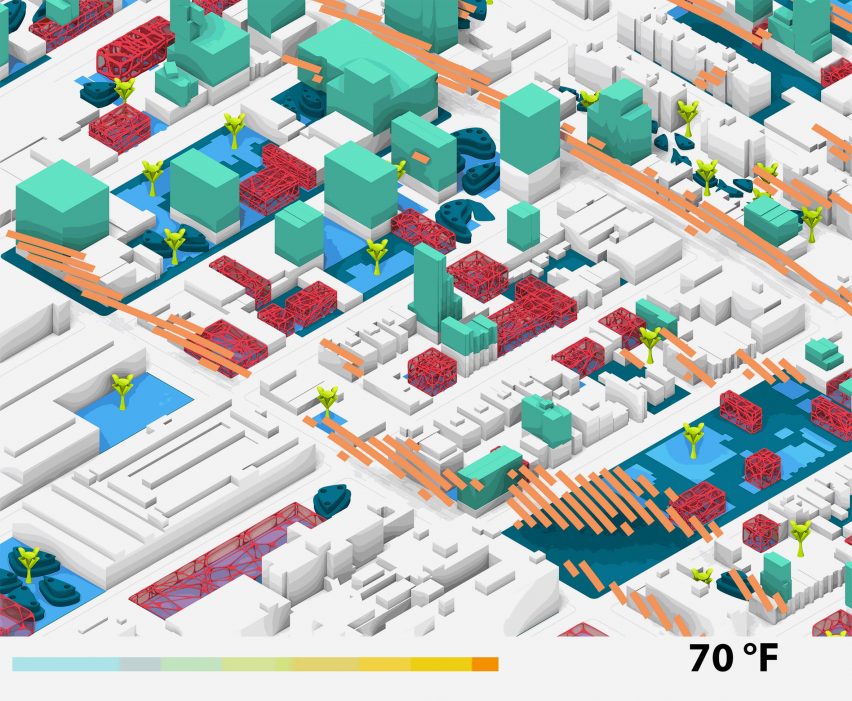
The proposed integrated backcasting approach involves three main steps. First, define the boundaries of the current state by identifying urban challenges, existing planning strategies, and targets, incorporating pastcasting to assess what goals have been set and achieved historically. Second, develop a desirable yet plausible future scenario based on these identified strategies, targets, and past actions, utilizing spatial data and engaging experts and stakeholders in co-creative, participatory processes. Third, develop pathways by formulating new urban planning strategies, policy measures, and specific development milestones. This step works backward from the future scenario to the present, outlining the intermediate actions needed to reach long-term goals. An illustrative example transforms a densely built-up street into a greener environment with green roofs and walls, and walking/cycling paths, demonstrating how existing policies and past developments inform future visioning.
Applying backcasting to urban climate adaptation planning, particularly through green infrastructure, is beneficial due to its long-term, goal-oriented focus, holistic systems approach, and potential for extensive stakeholder involvement. By prioritizing a desirable future, backcasting encourages ambitious and transformative adaptation actions, crucial for addressing long-term climate change impacts. The division into pathways and milestones allows for continuous monitoring and quantification of adaptation efforts. Furthermore, backcasting’s holistic perspective acknowledges cities as complex socio-ecological-technical systems, promoting multi-functional green infrastructure that offers co-benefits like biodiversity enhancement and improved health outcomes. Stakeholder engagement, encompassing diverse expertise from practitioners, planners, citizens, and scientists across various city departments, fosters comprehensive, collaborative scenarios and enhances the acceptance and implementation of proposed adaptation actions.
Geographic Information Systems (GIS) are recommended as a methodological tool to support this integrated backcasting approach. Although GIS has been underutilized in backcasting, its capabilities for visualizing desired future scenarios, performing spatial statistics (e.g., quantifying land cover changes, accessibility, network analyses), and accommodating the heterogeneity and systemic interactions of urban areas make it ideal. GIS-based modeling can identify vulnerable hotspots and illustrate existing conditions, urban planning strategies, and desired future states. It enables the quantification of potential impacts of green infrastructure implementations and helps evaluate the sufficiency and plausibility of designed scenarios against urban and national targets. Ultimately, GIS serves as a valuable communication tool, making complex scenarios more tangible and promoting acceptance of urban climate adaptation plans among stakeholders. Challenges include managing diverse spatial data resolutions, overcoming institutional resistance, and resource intensity, especially in cities with informal developments or those in the Global South, where data availability can be limited. However, the potential for innovative and transformative urban development outweighs these limitations.
#ClimateChangeAdaptation #UrbanPlanning #Backcasting #GreenInfrastructure #GISModeling #Sustainability #SocioEcologicalSystems #StakeholderEngagement #ClimateChangeAdaptation #UrbanPlanning #Backcasting #GreenInfrastructure #GISModeling #Sustainability #SocioEcologicalSystems #StakeholderEngagement
Toplam 0 yorum
 Henüz yorum yok
Bu da beğenebilirsiniz
Are fleeting architectural fads marring SLO?

Top 10 Examples of Most Sustainable Architecture in 2025
Living with water: four buildings that will withstand flooding

How to design for extreme temperatures
CO Adaptive Uses Low-carbon Design to Rejuvenate Old Buildings

Masdar City’s Phase 2 Master Plan Moves Forward

Madrid Nuevo Norte to reduce urban heat island effect | CreaMNN

Spare a thought for air-conditioning repair people. As the planet warms, they’re really up against it

How bio-inspired solutions have influenced the built environment design in hot and humid climates
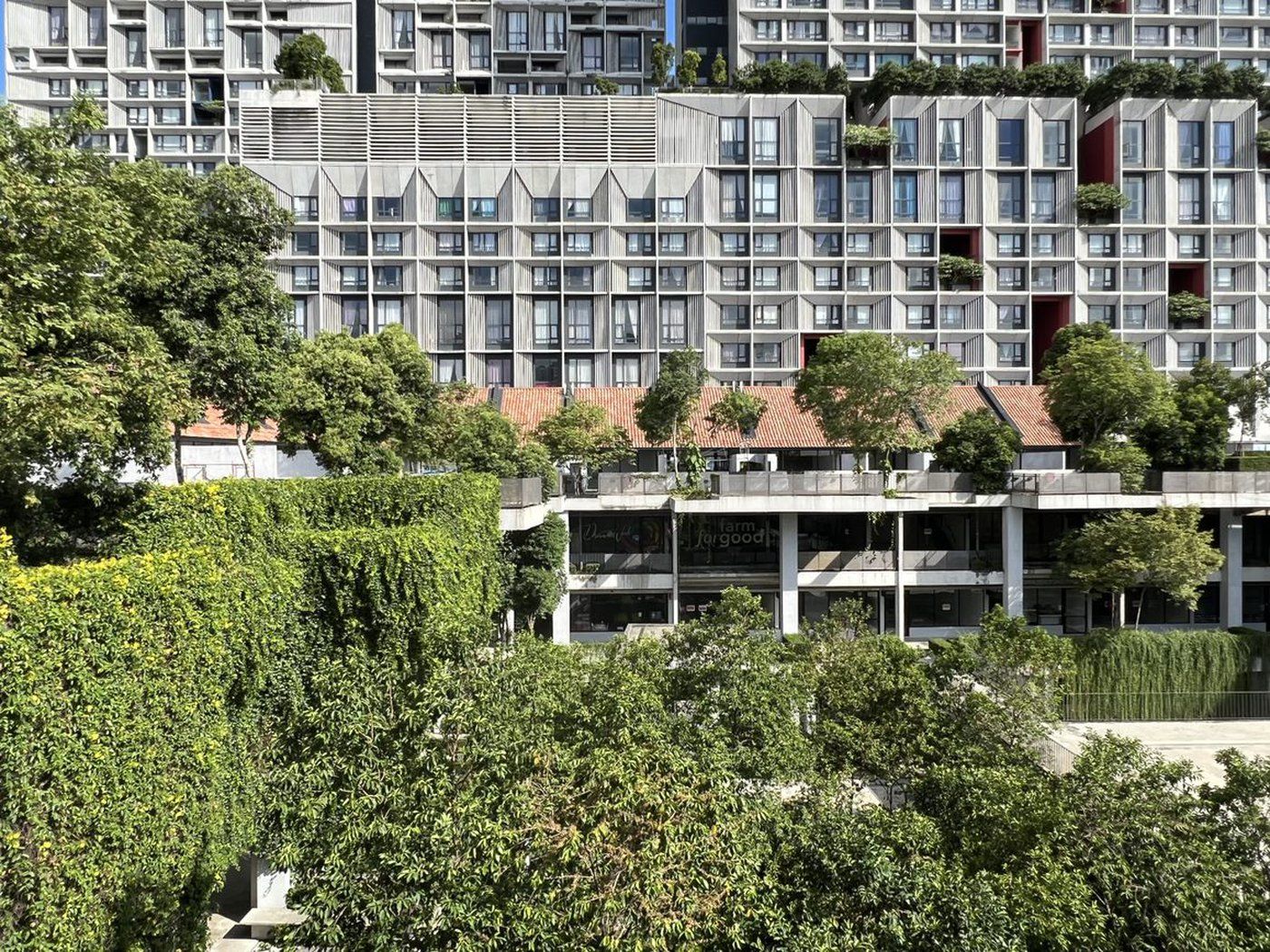
The Urban Jungle Needs More Trees
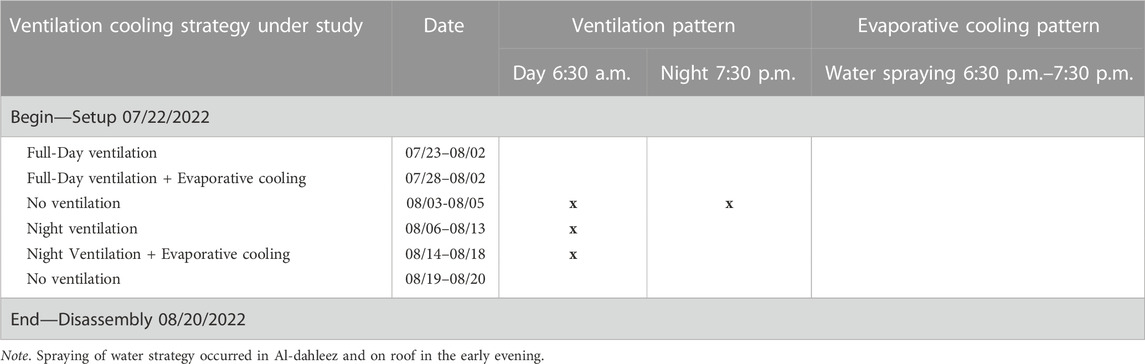
Climate responsive lessons from an architectural and ethnographic study of Hijazi traditional dwellings in Jeddah, Saudi Arabia
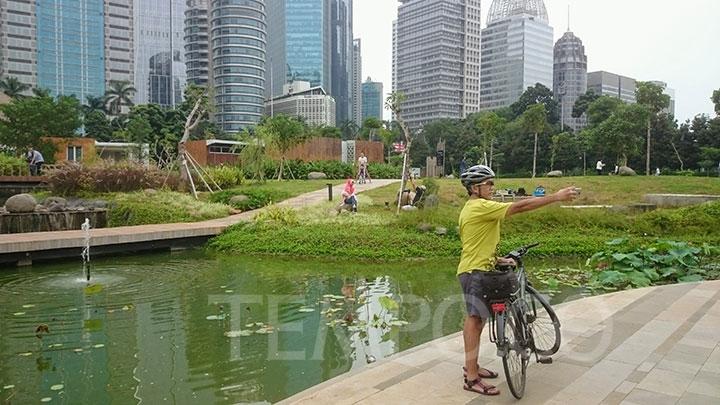
Why the Urban Jungle Needs More Trees
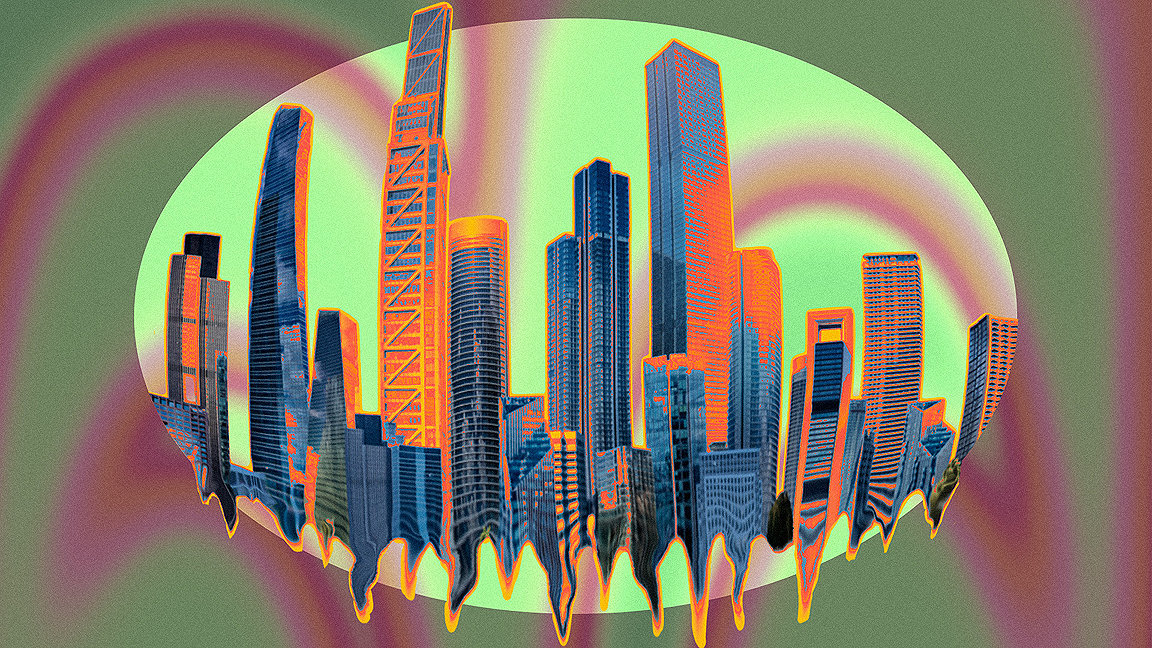
Simmer in the city: how to cool a melting metropolis
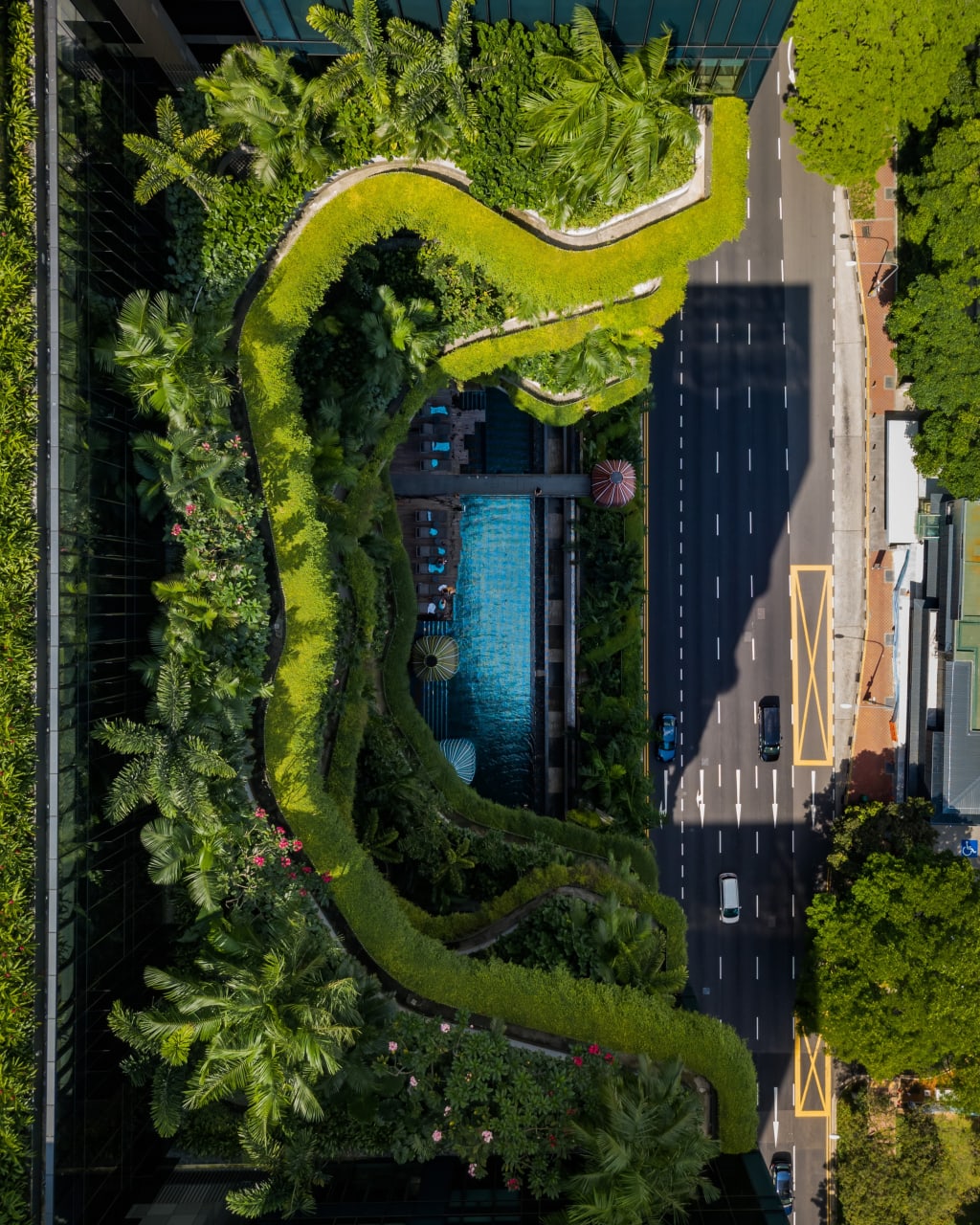
Enhancing Climate Sustainability through Biophilic Design
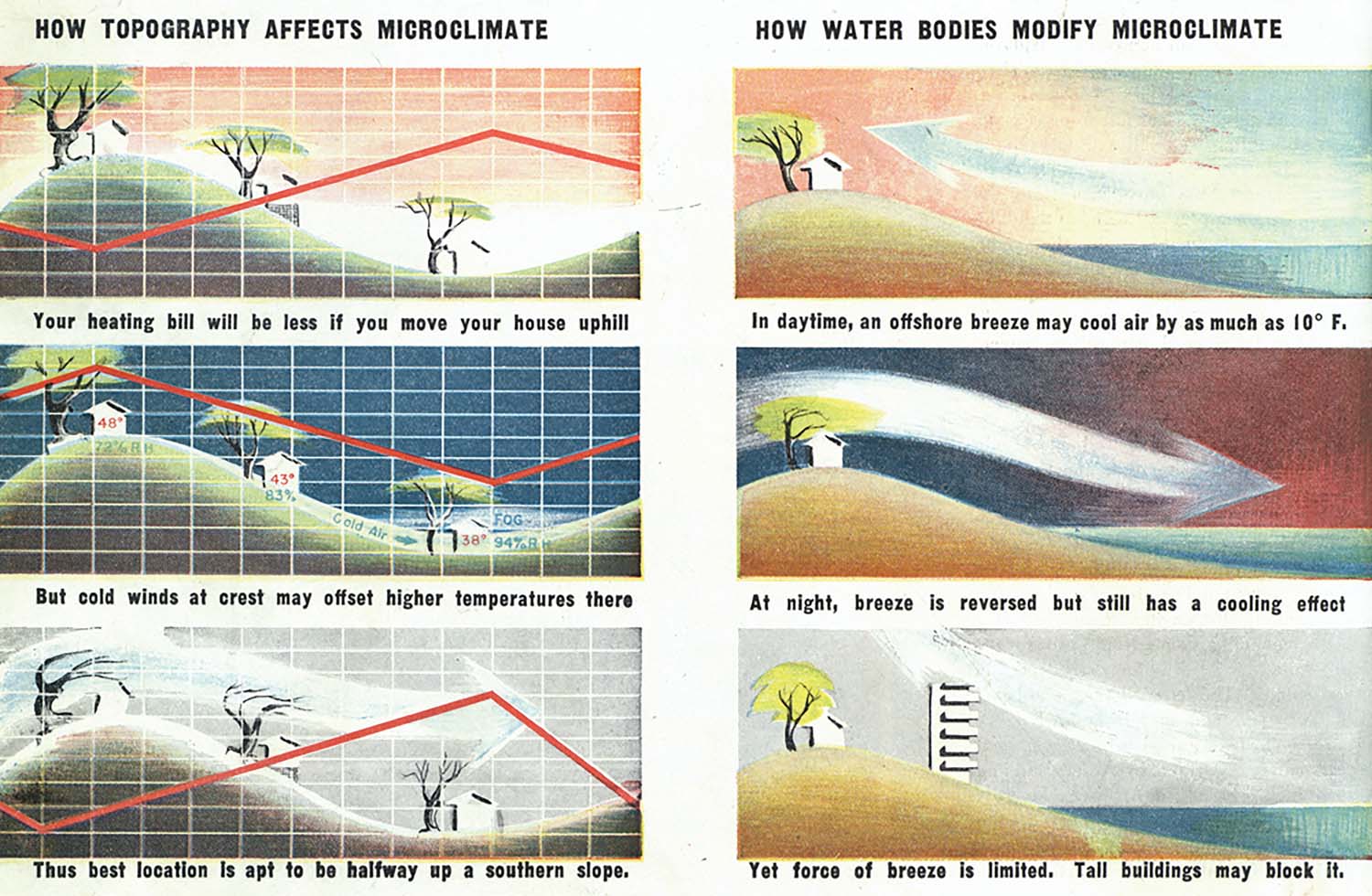
Book Review: Modern Architecture and Climate—Design before Air Conditioning

Deluge defence: smart solutions for when the rain comes
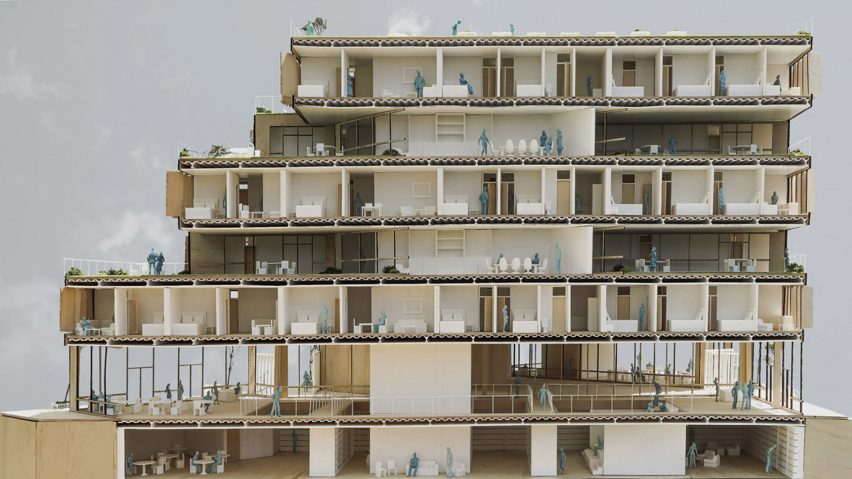
Ten architecture projects by students at the City College of New York
Building Change: World Green Infrastructure Congress 2024
Sustainable Buildings: Pioneering a Green Revolution in Urban Design

How To Reduce Your Carbon Footprint with Sustainable Housing