1/20
9 transitional style decorating rules – the ultimate checklist to channel the perfect old-meets-new look
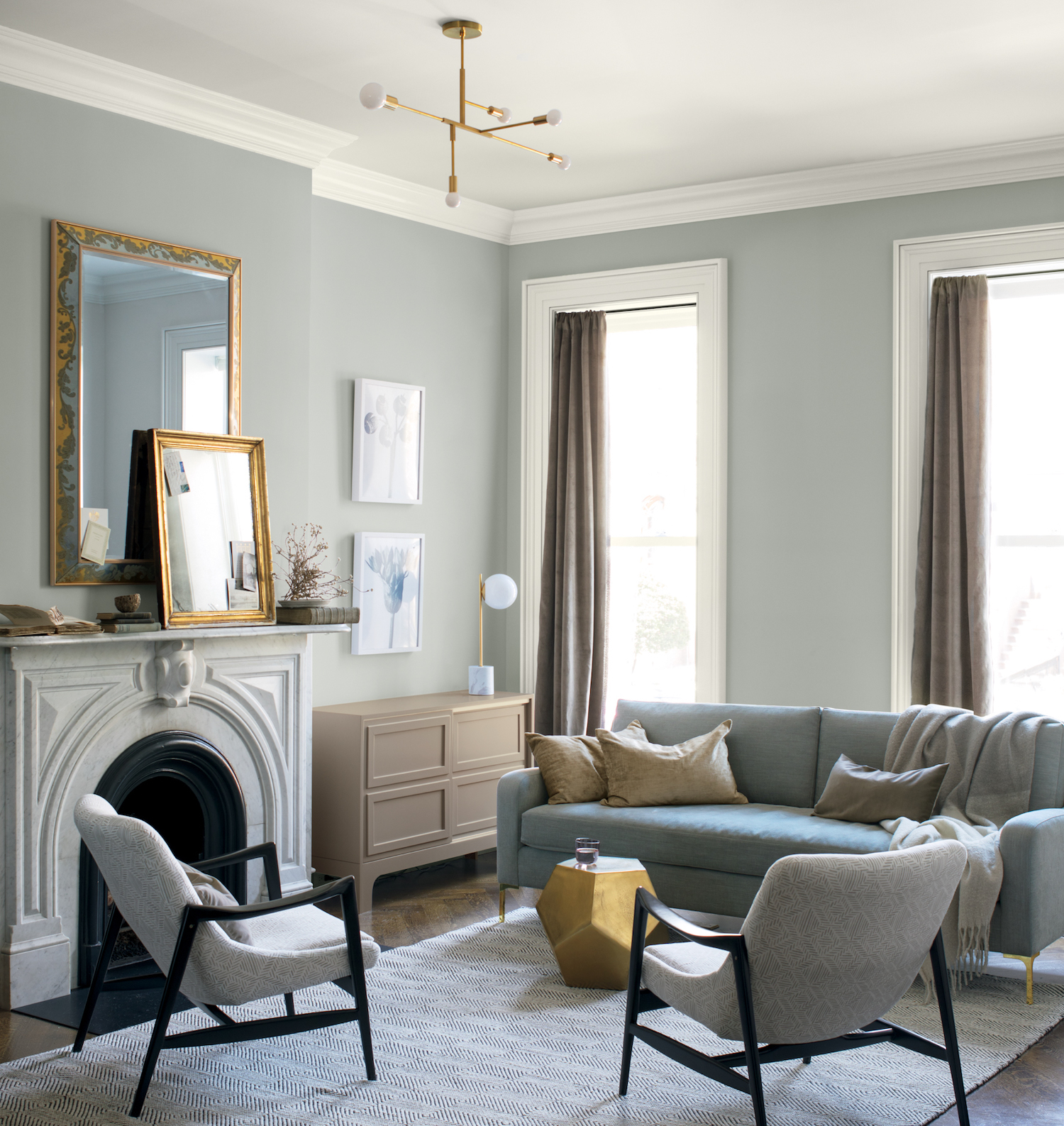
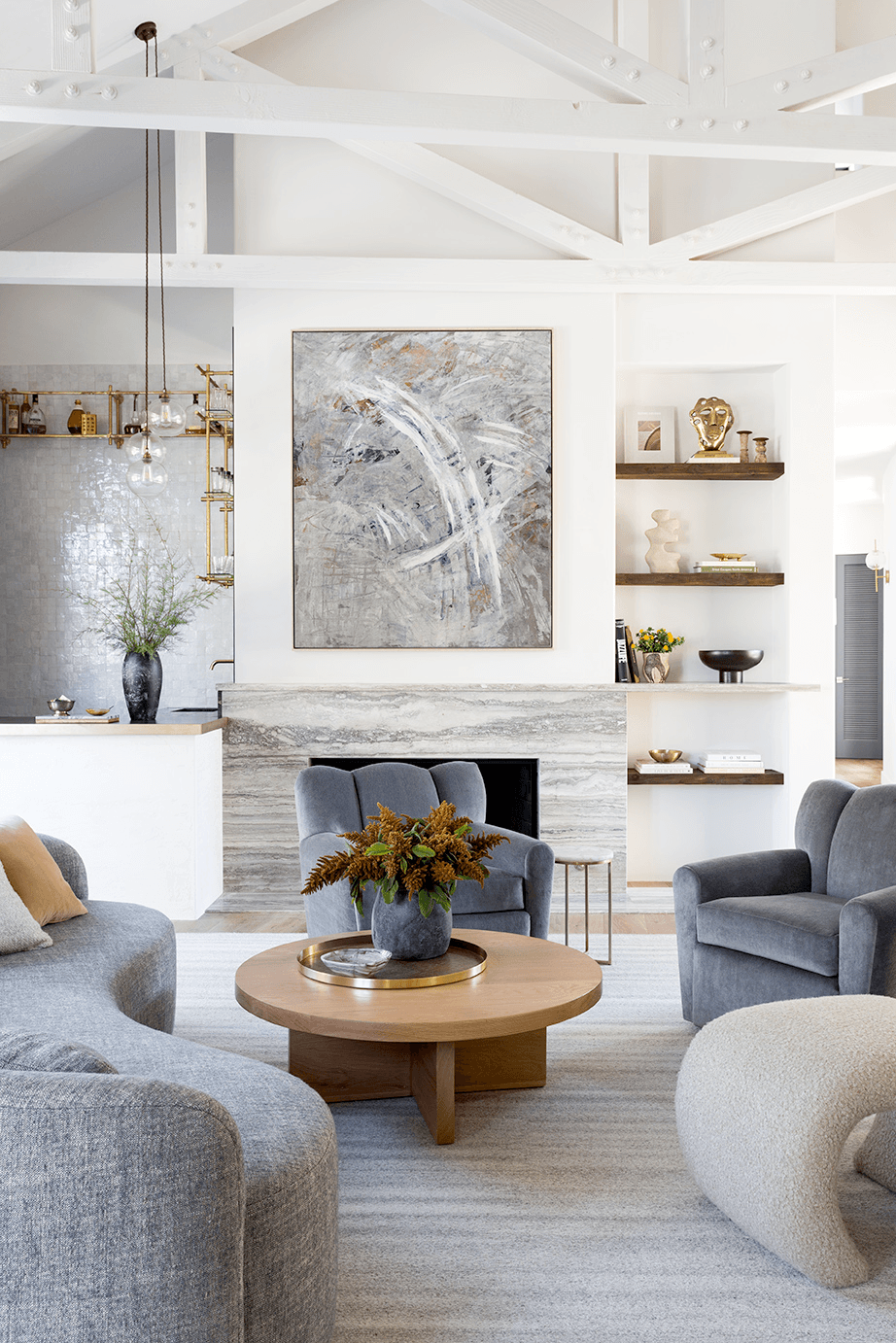
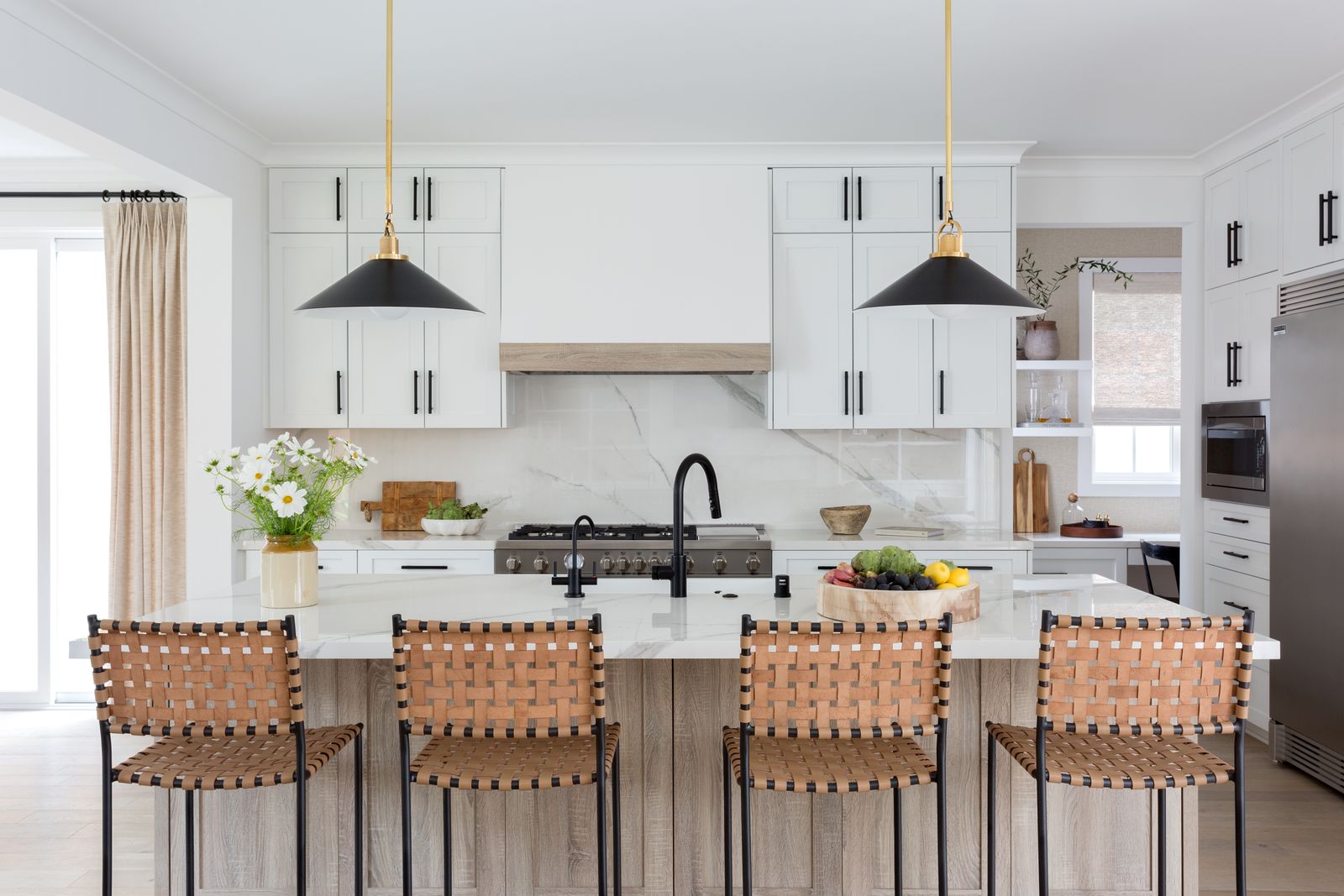
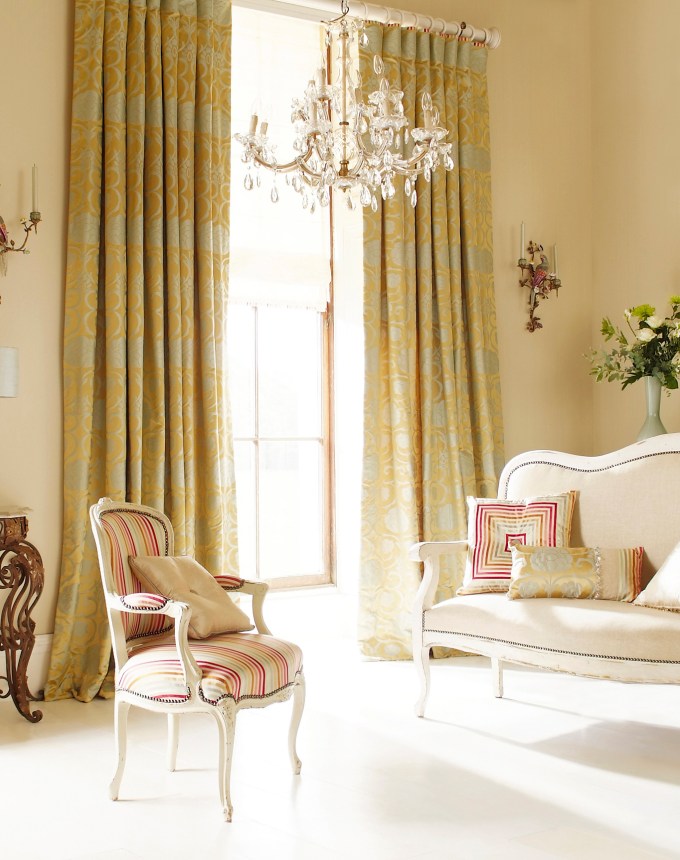
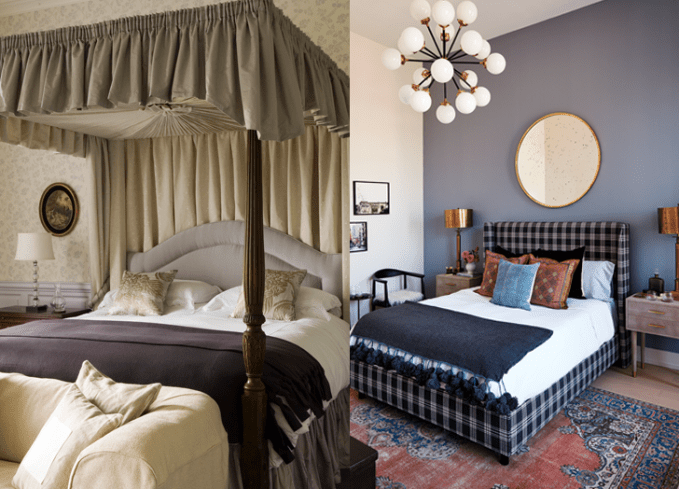
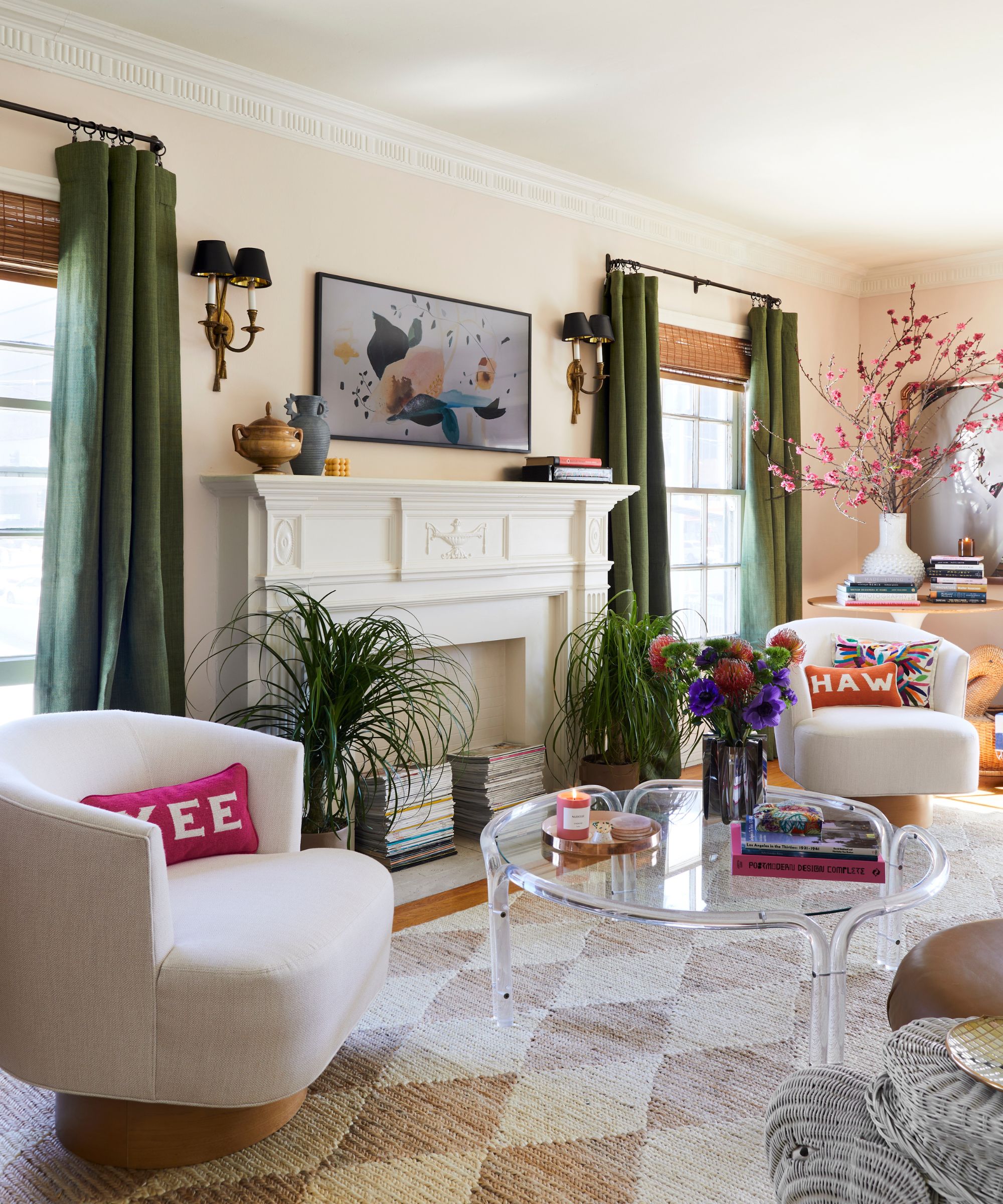
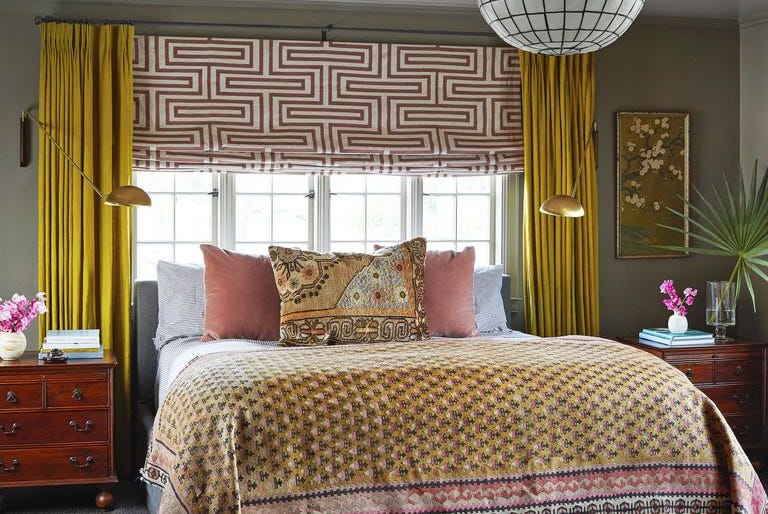

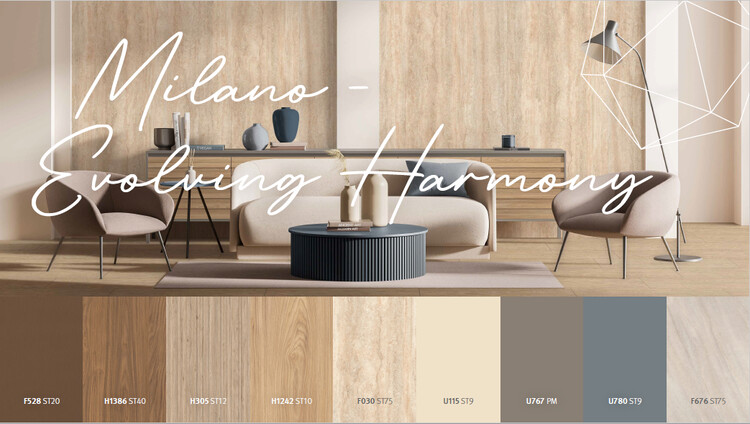
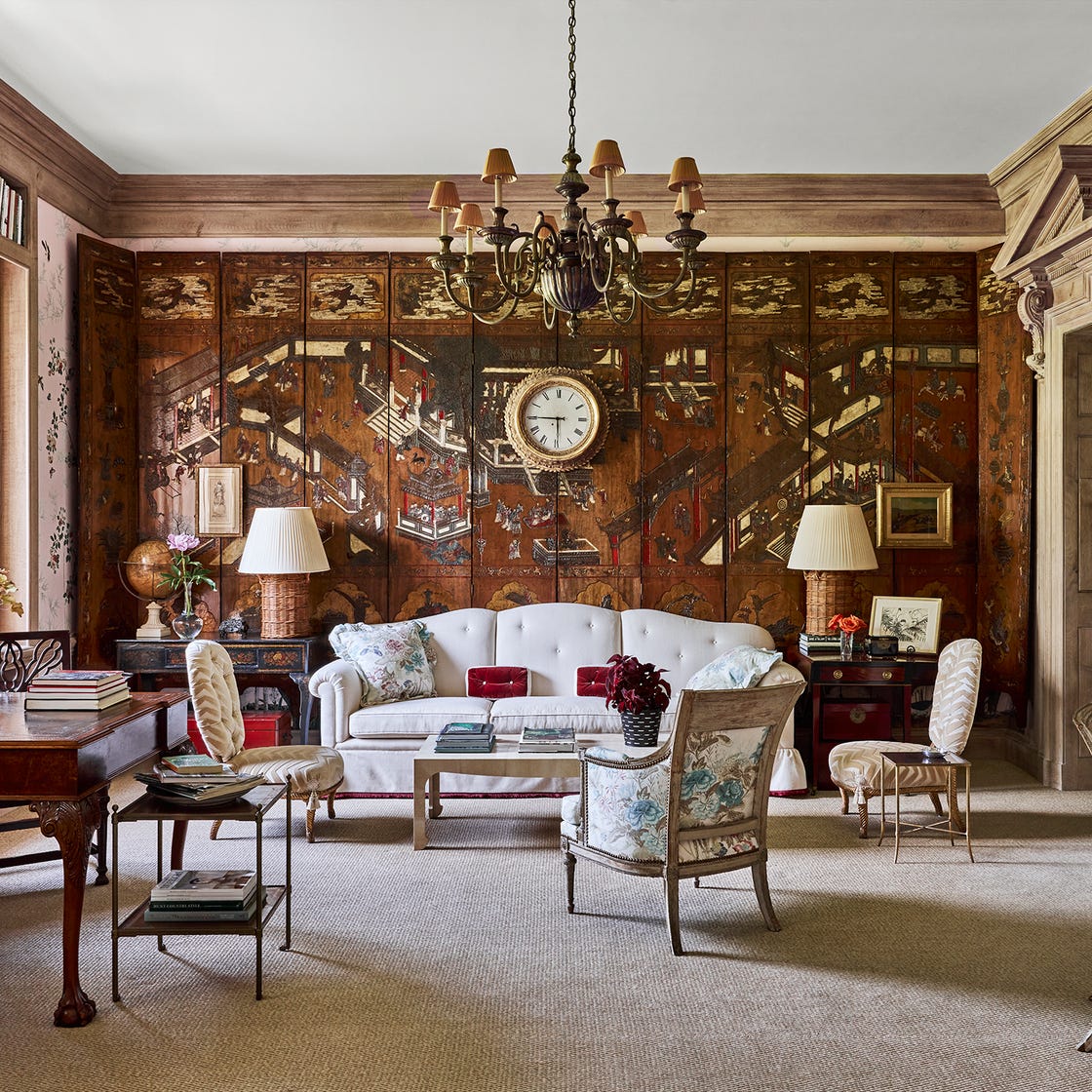
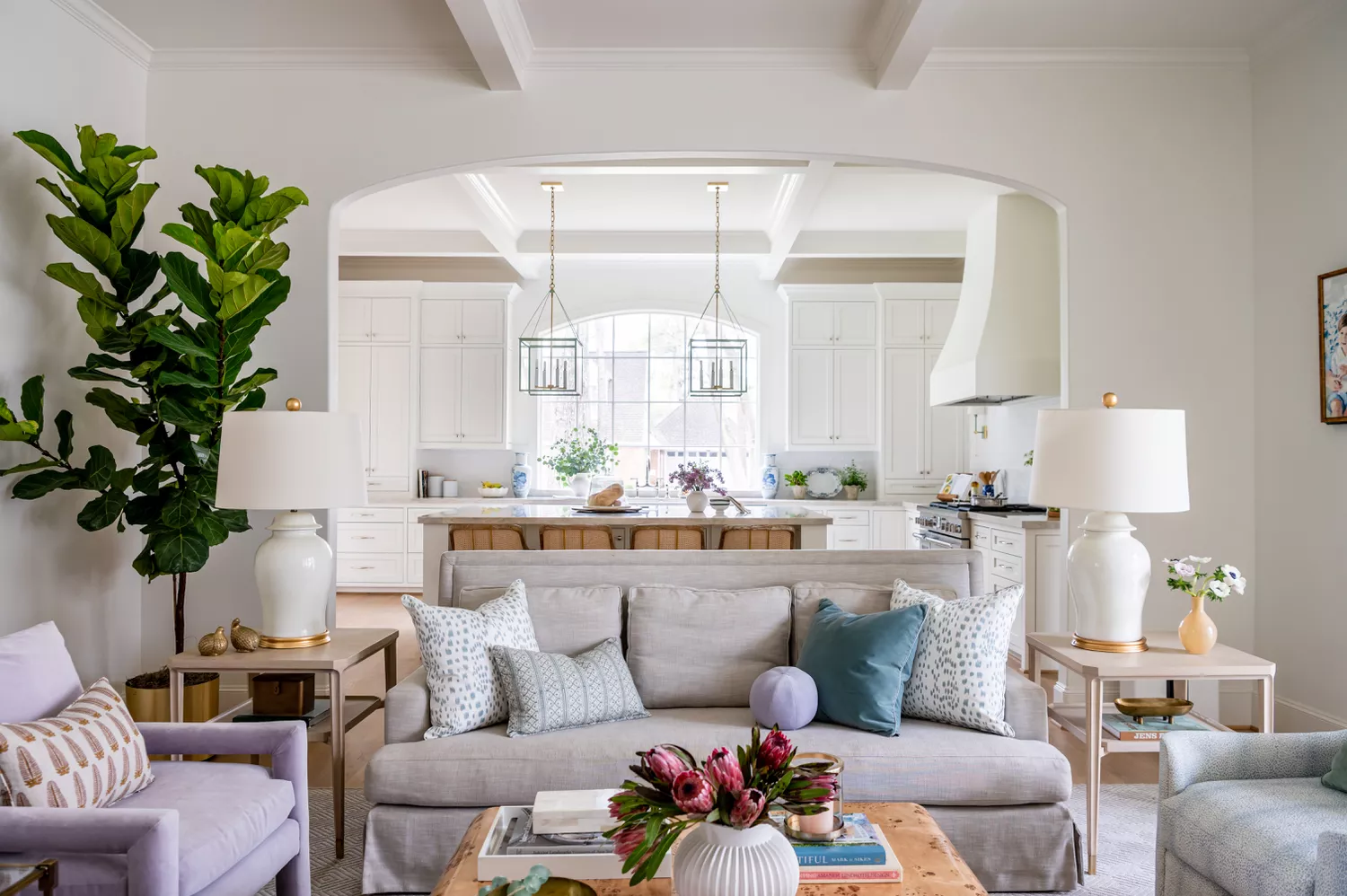
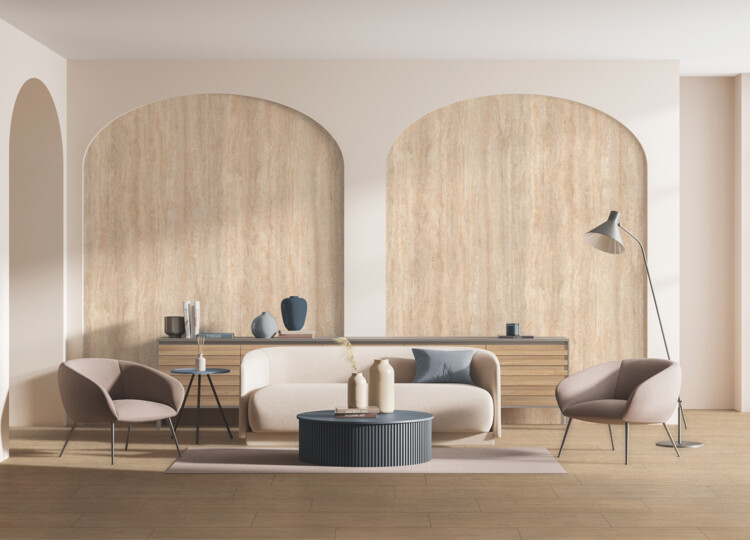
Transitional style spaces, characterized by their blend of modern elegance and traditional charm, offer a timeless and inviting aesthetic. Achieving this look requires a discerning eye, balancing a pared-back color palette with furniture from various periods. Interior designers emphasize a neutral color palette as the foundation, typically incorporating whites, grays, beiges, and browns. This neutral base serves as a canvas, allowing for small pops of color through accessories like throw pillows, art, and rugs, ensuring a fresh yet classic feel. Designers like Philip Thomas Vanderford and Becky Shea highlight that this neutral backdrop for paint and millwork creates enduring core design elements, while more expressive artwork and objects can be easily updated.
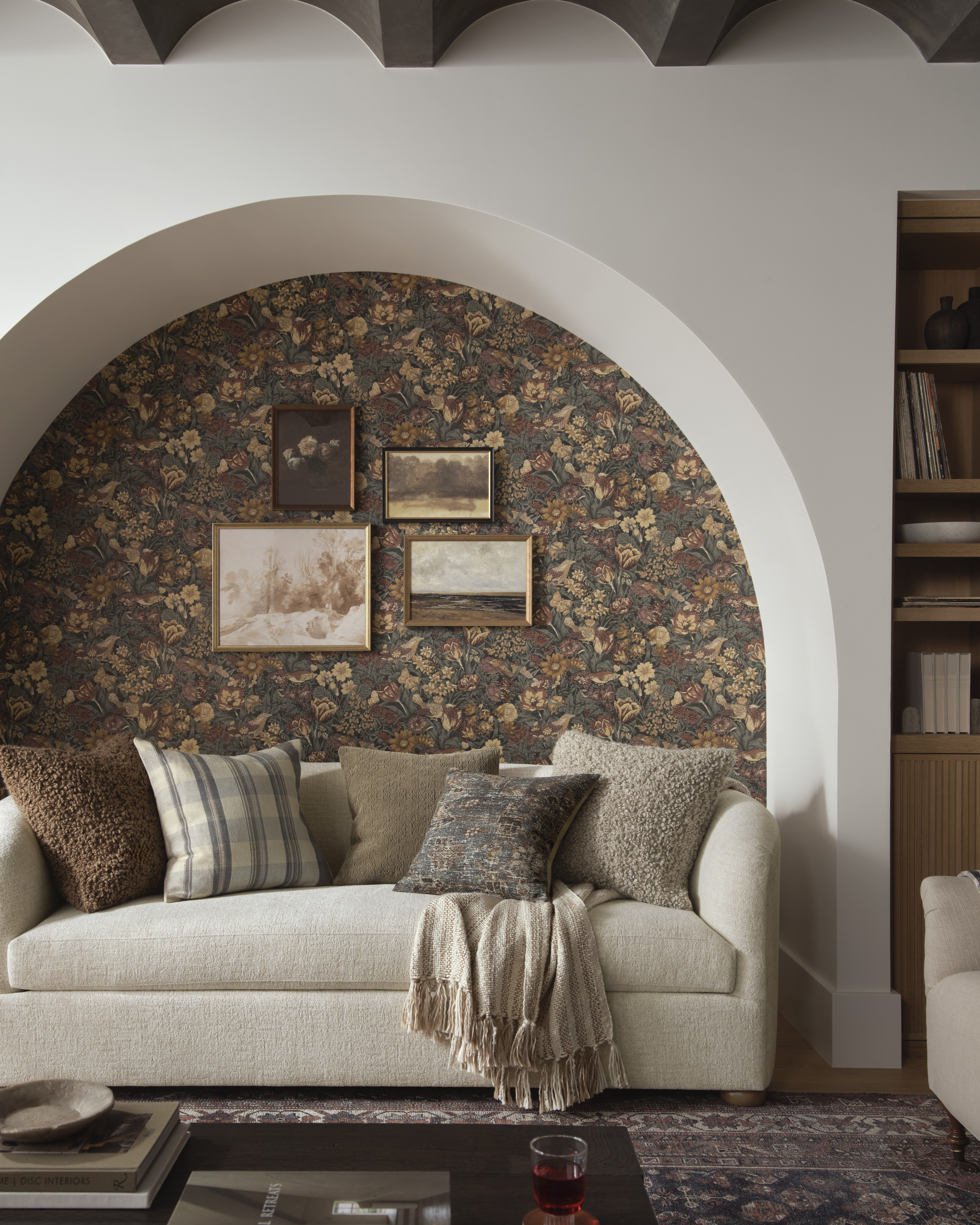
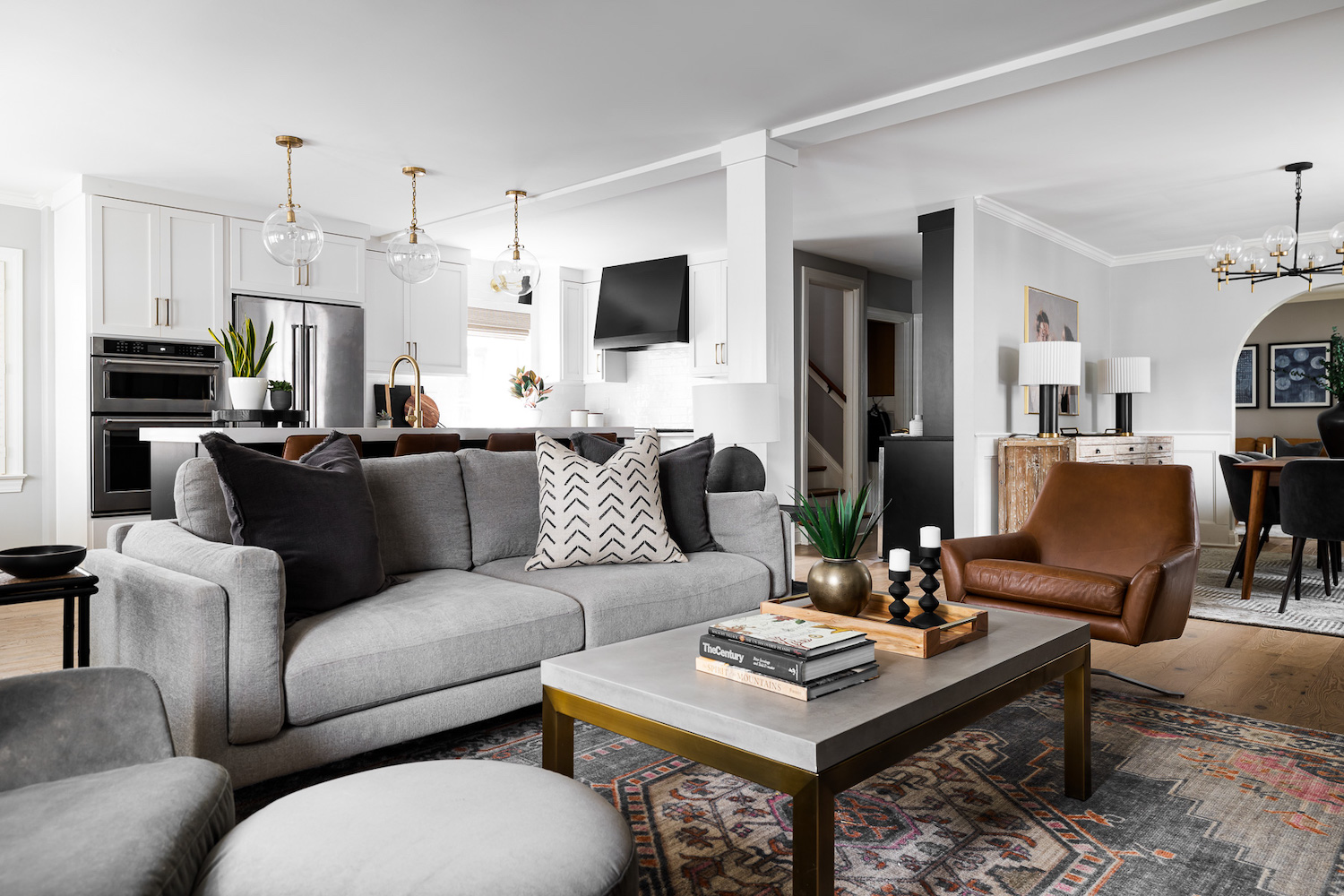
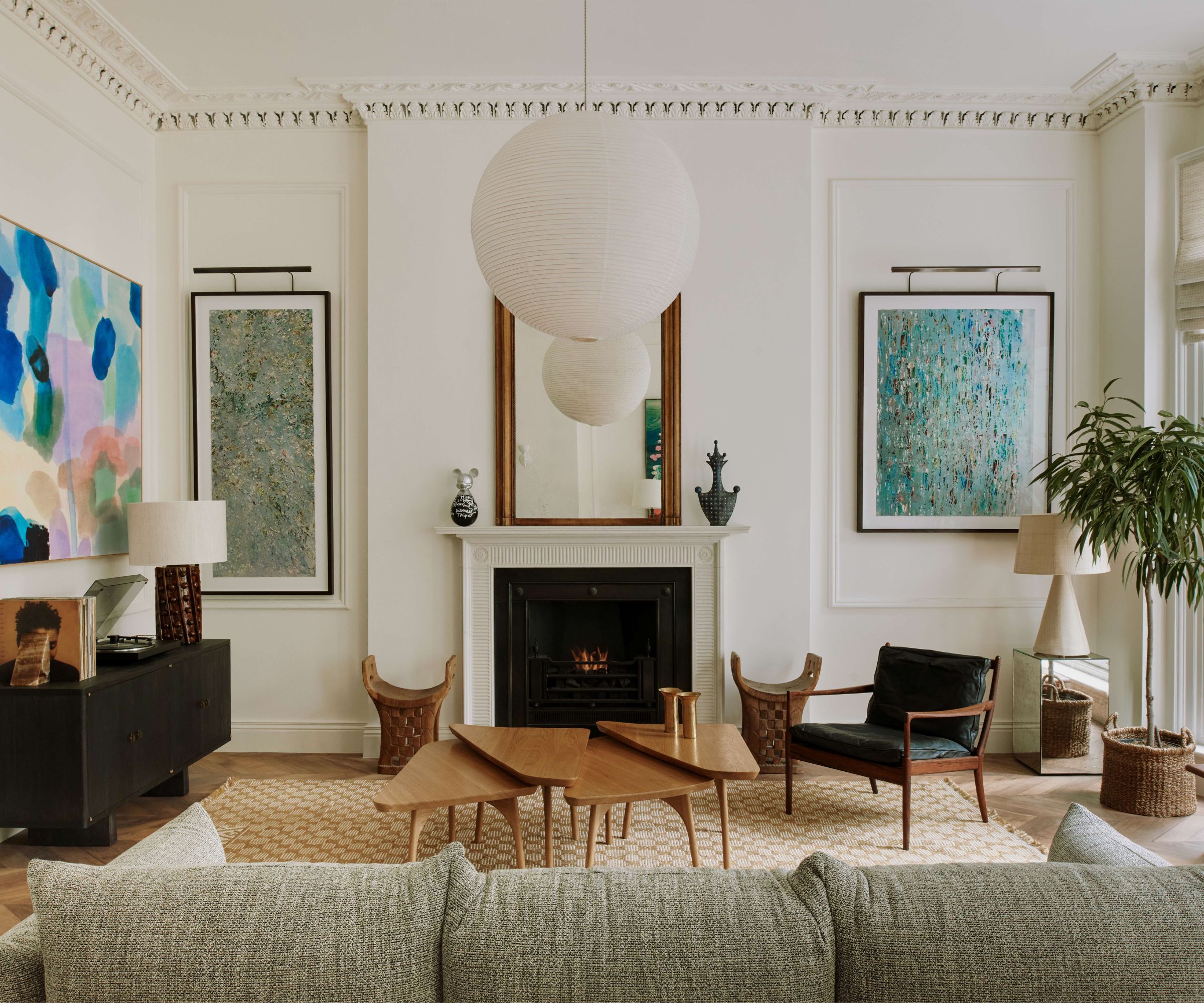
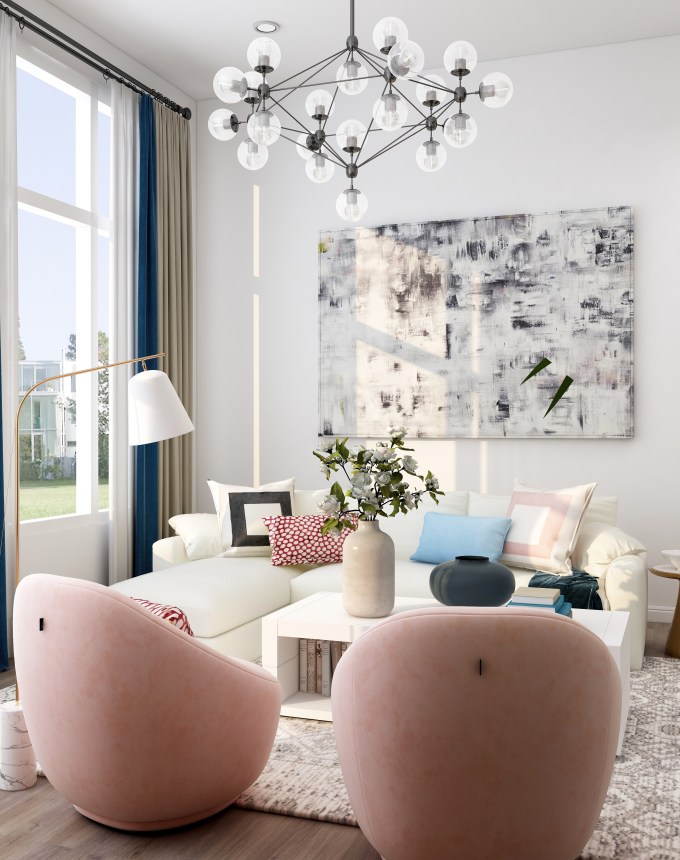
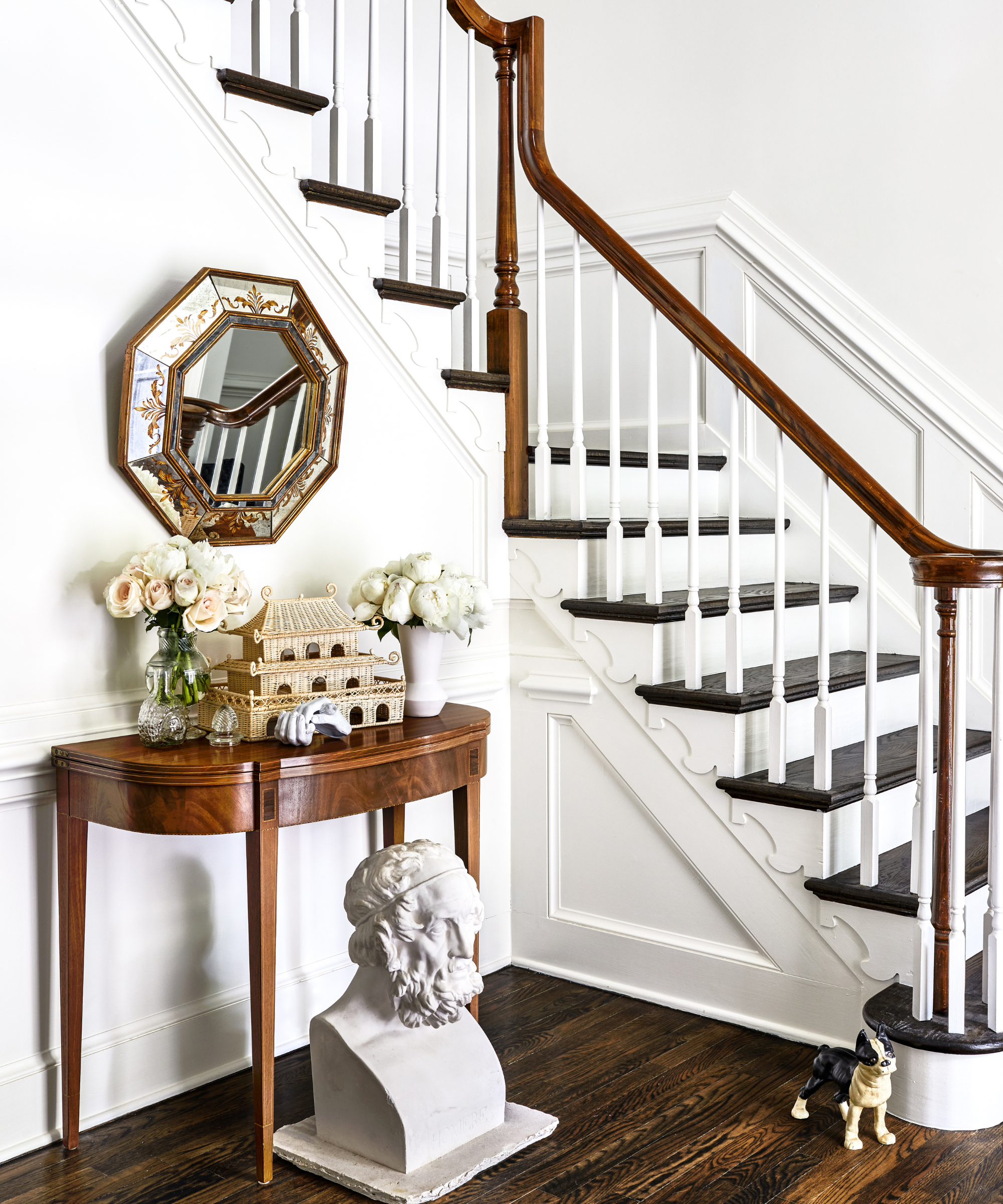
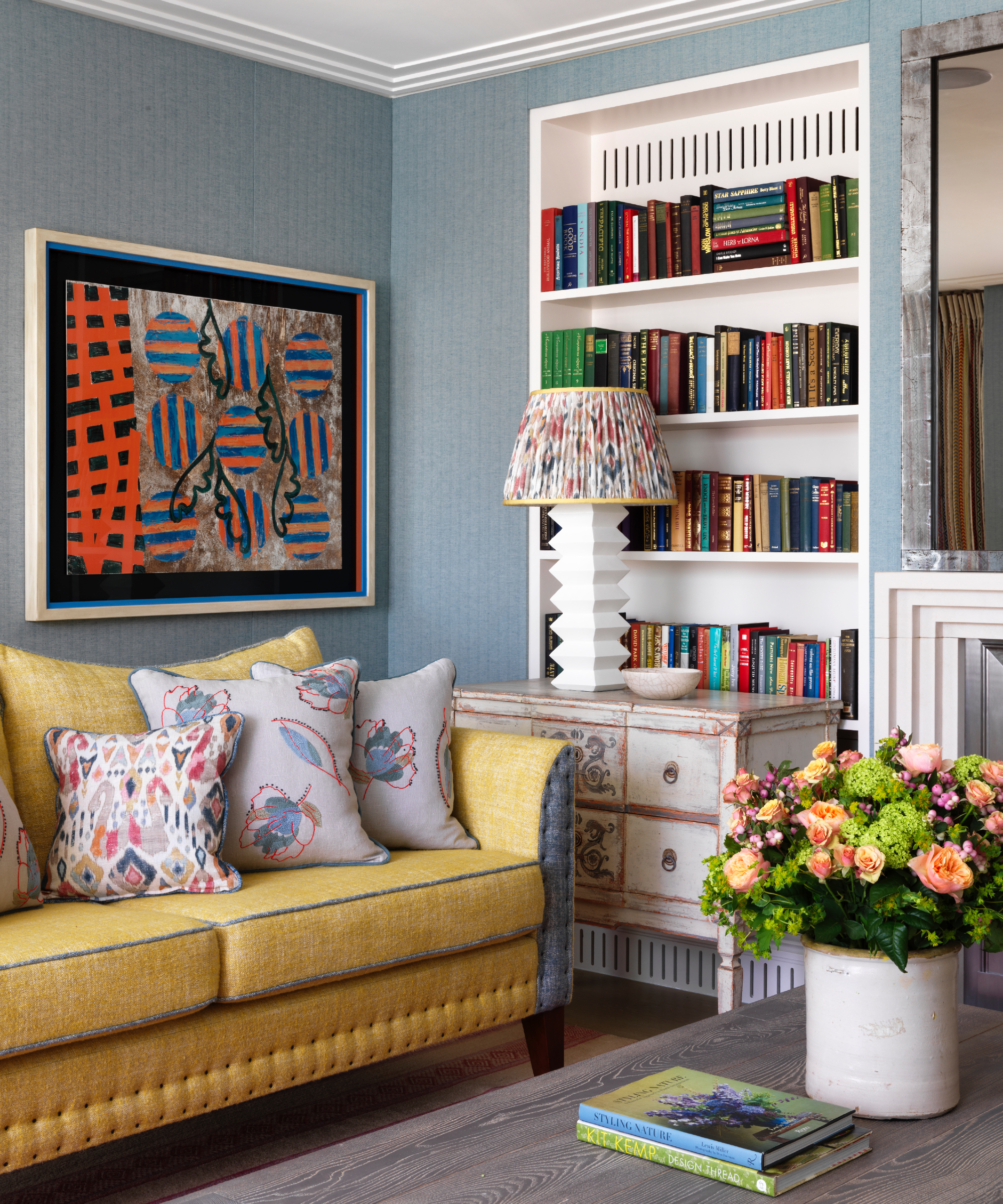
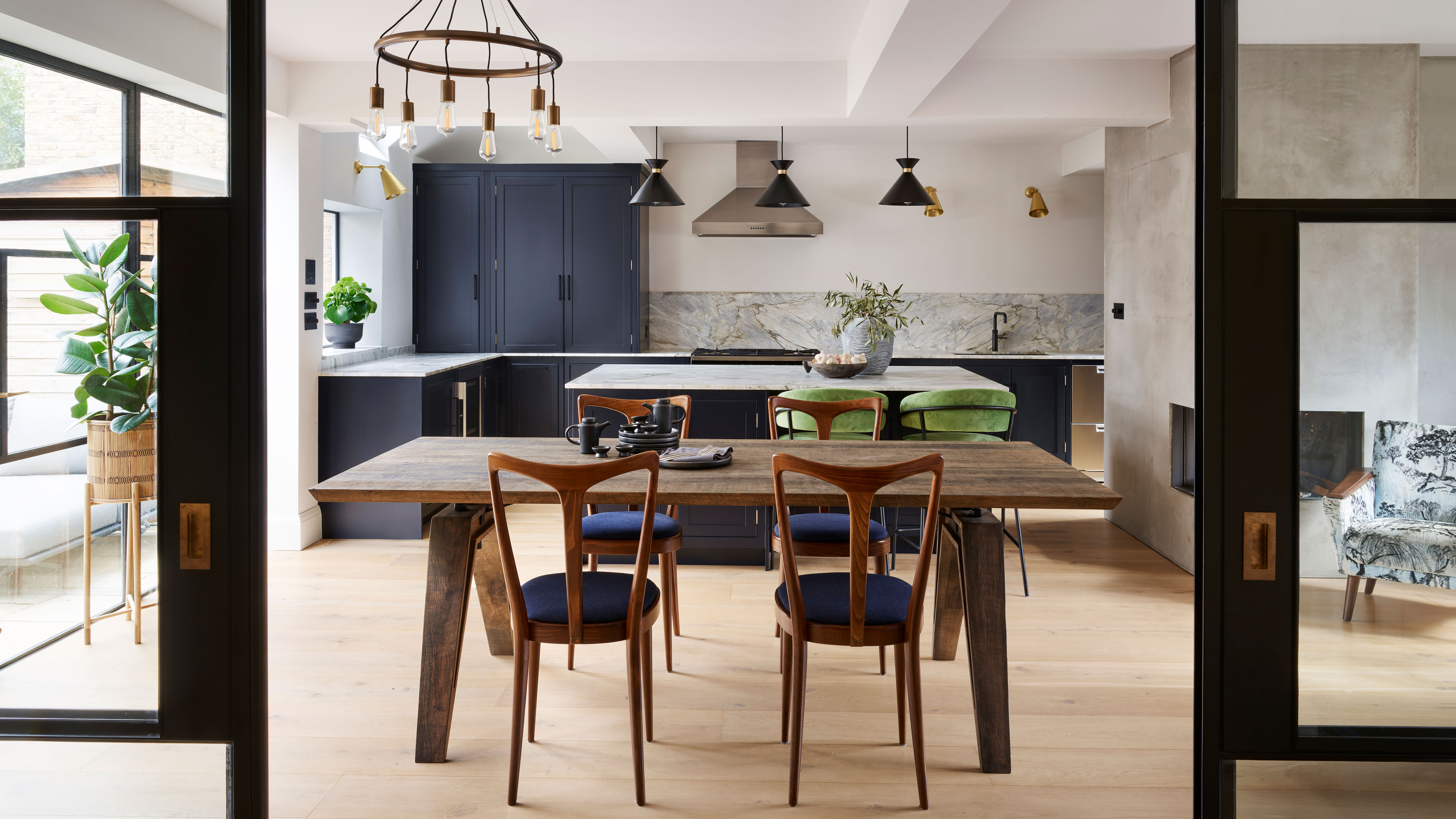
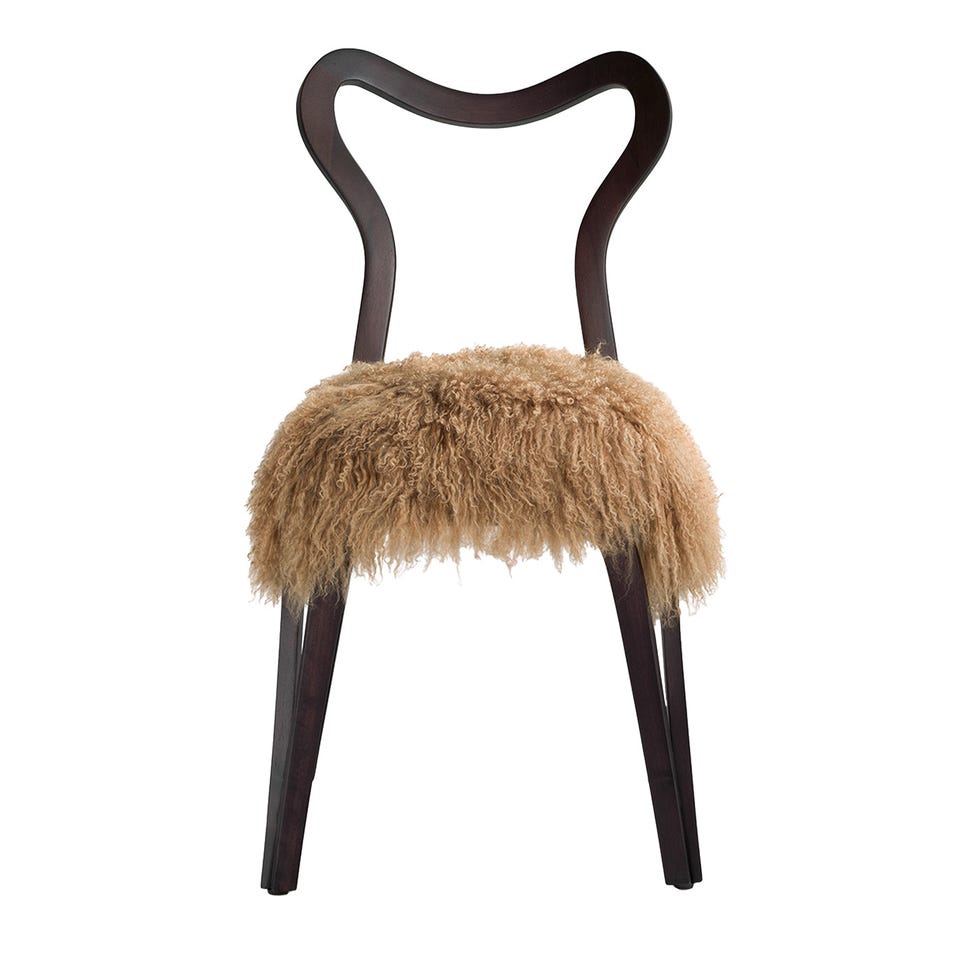
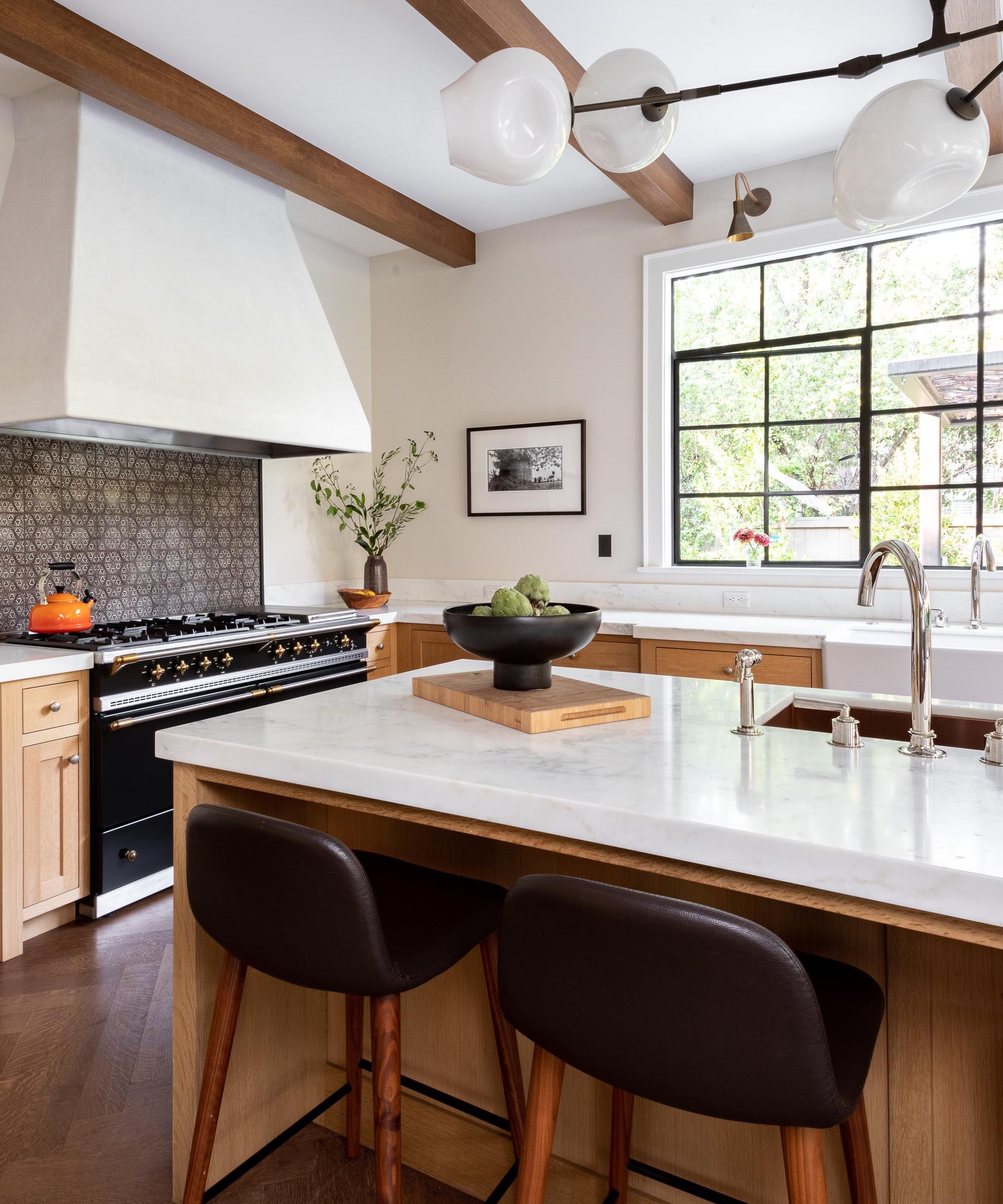
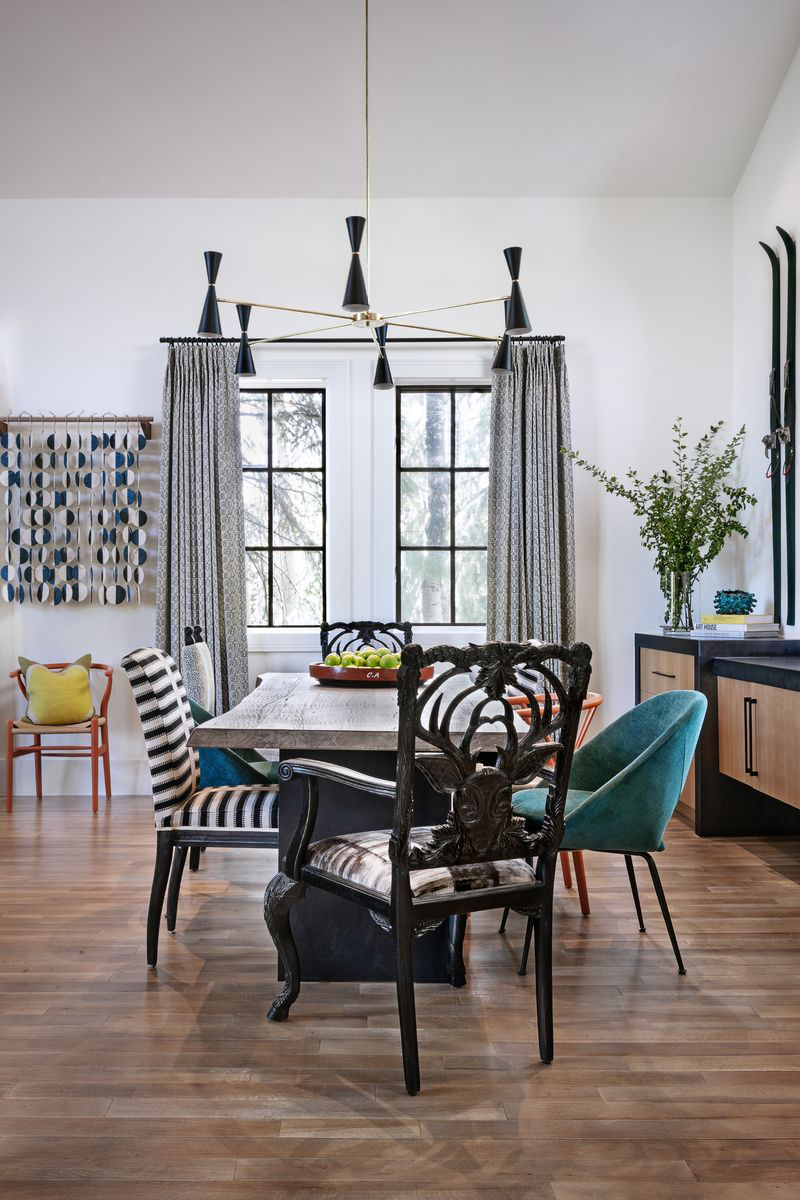
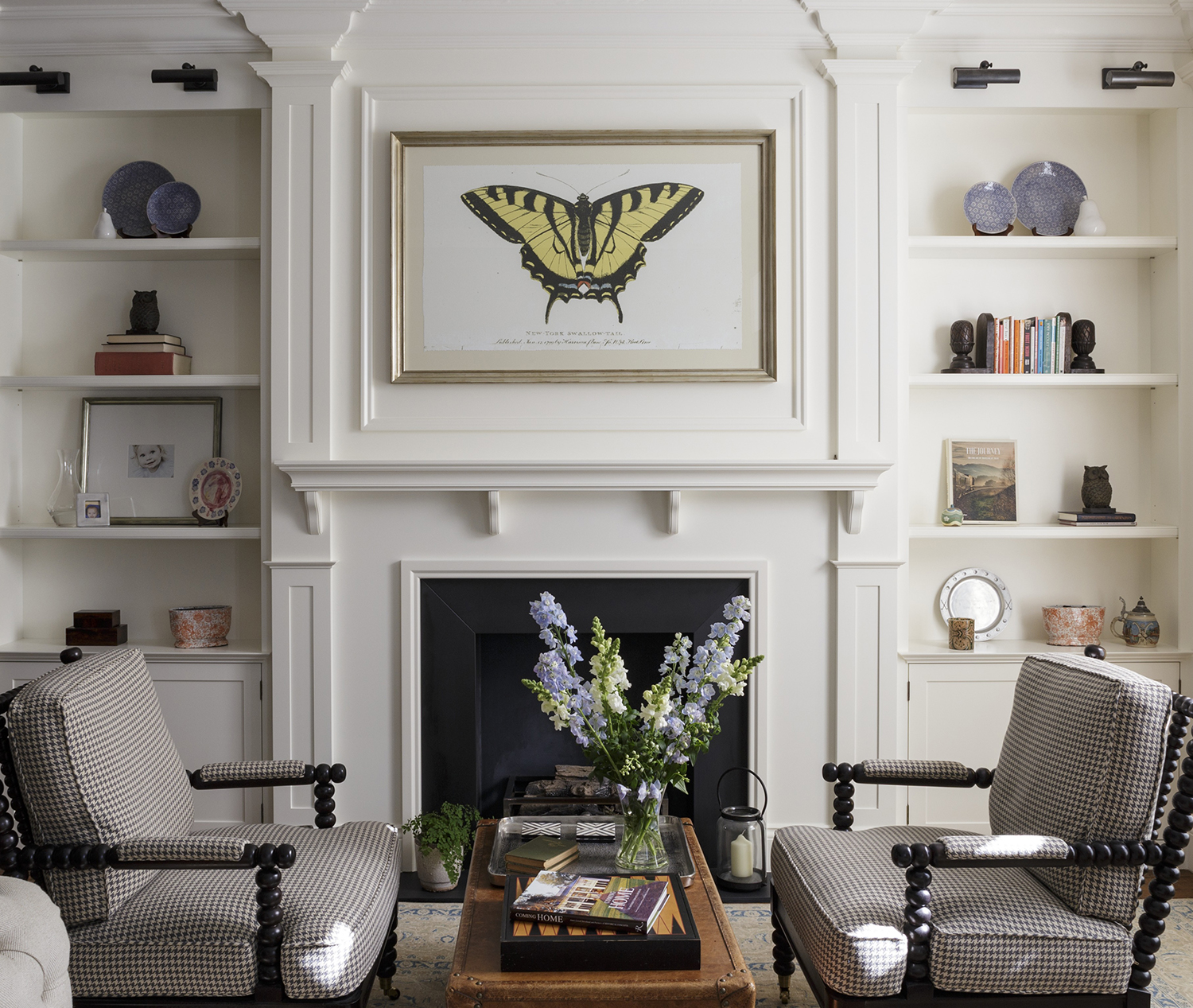
Mixing old and new furniture is crucial for transitional design, creating a harmonious balance between classic and modern elements. Paul Corrie suggests pairing modern, clean-lined upholstery with antique case pieces, emphasizing that the key is a soft, quiet marriage of styles. Cynthia Lananh notes that ornate details combined with clean lines make transitional design welcoming, exemplified by a comfortable sofa with soft lines alongside a sleek, clean-lined coffee table. This approach ensures that pieces complement rather than compete, contributing to a collected look.
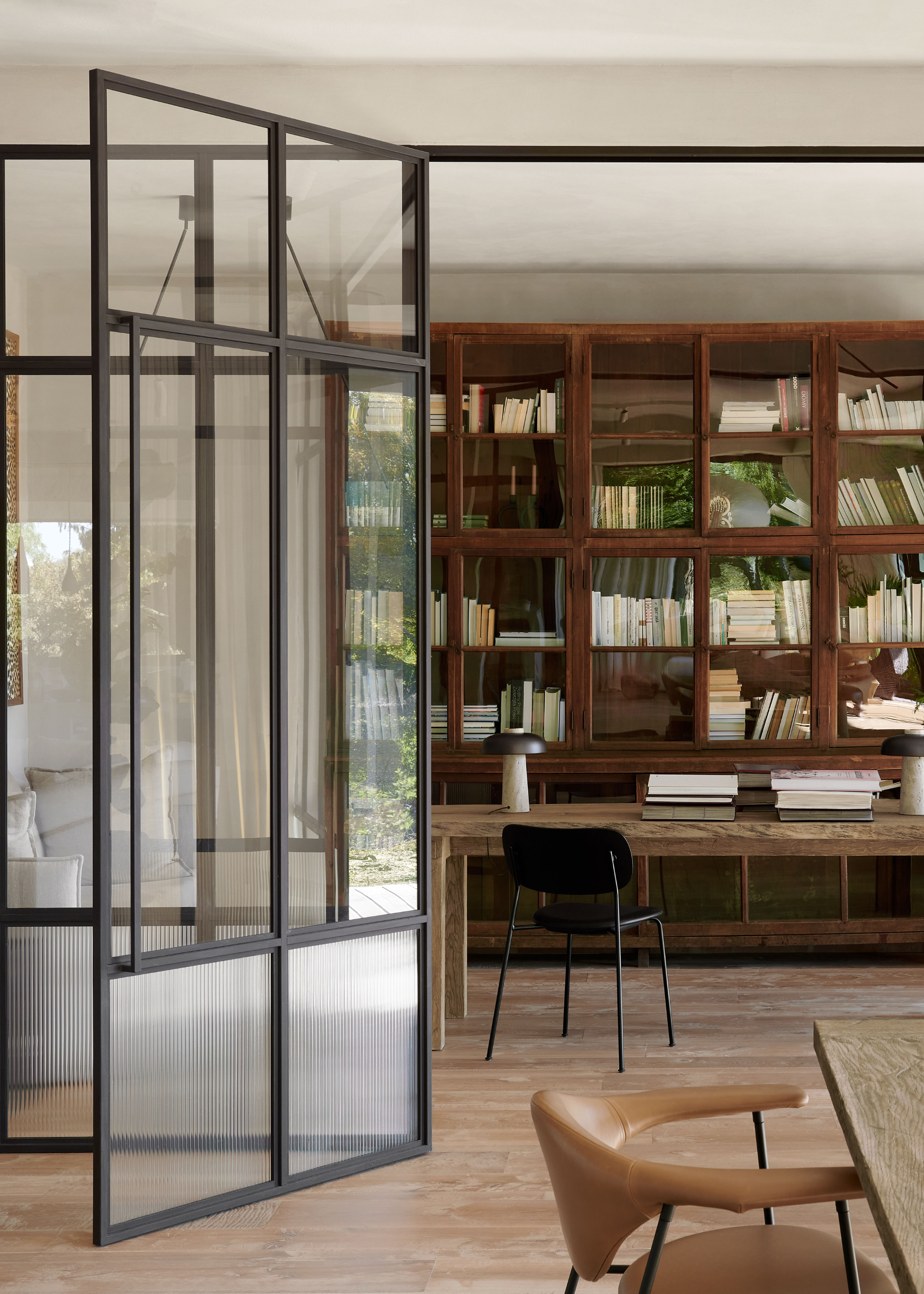
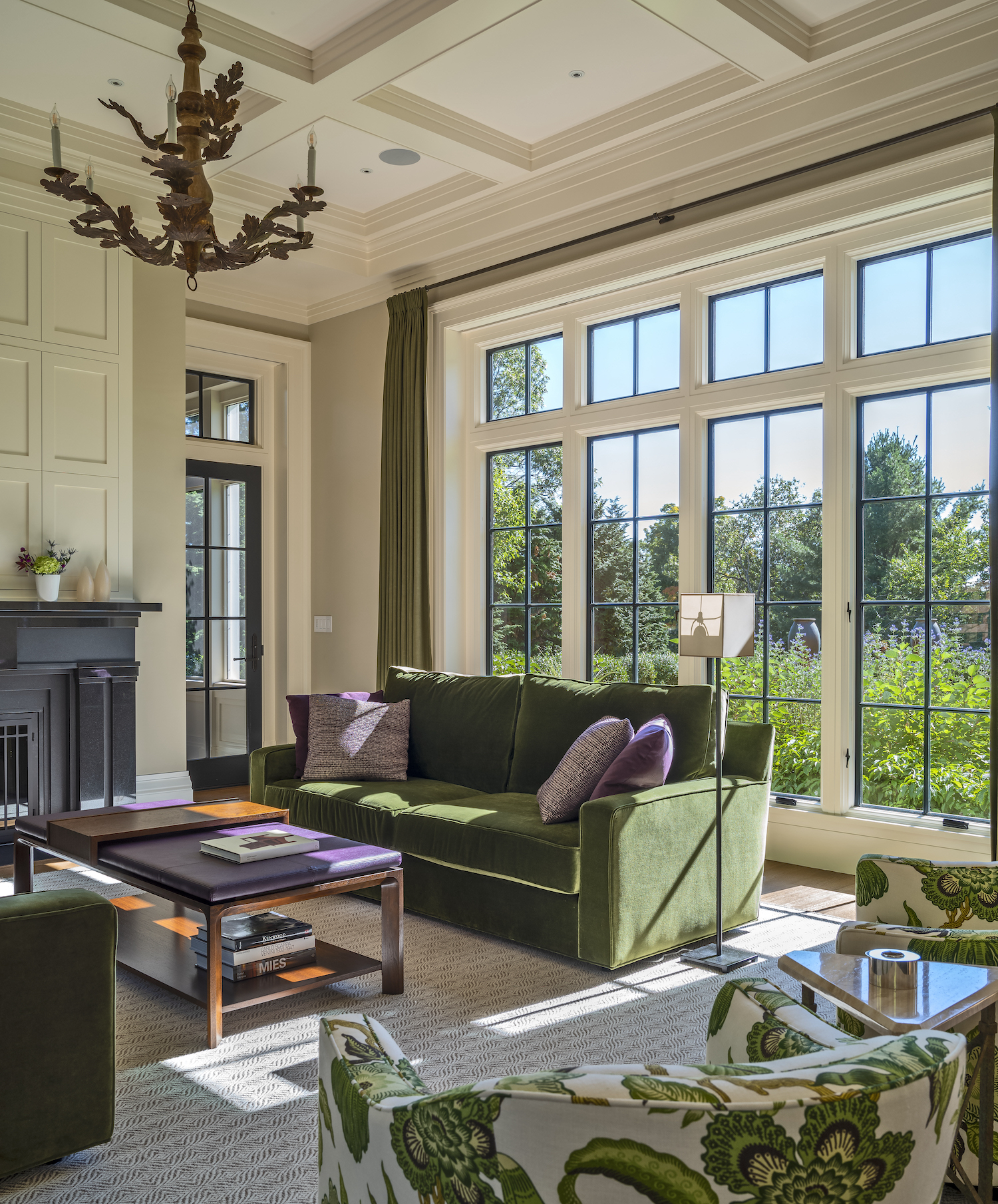
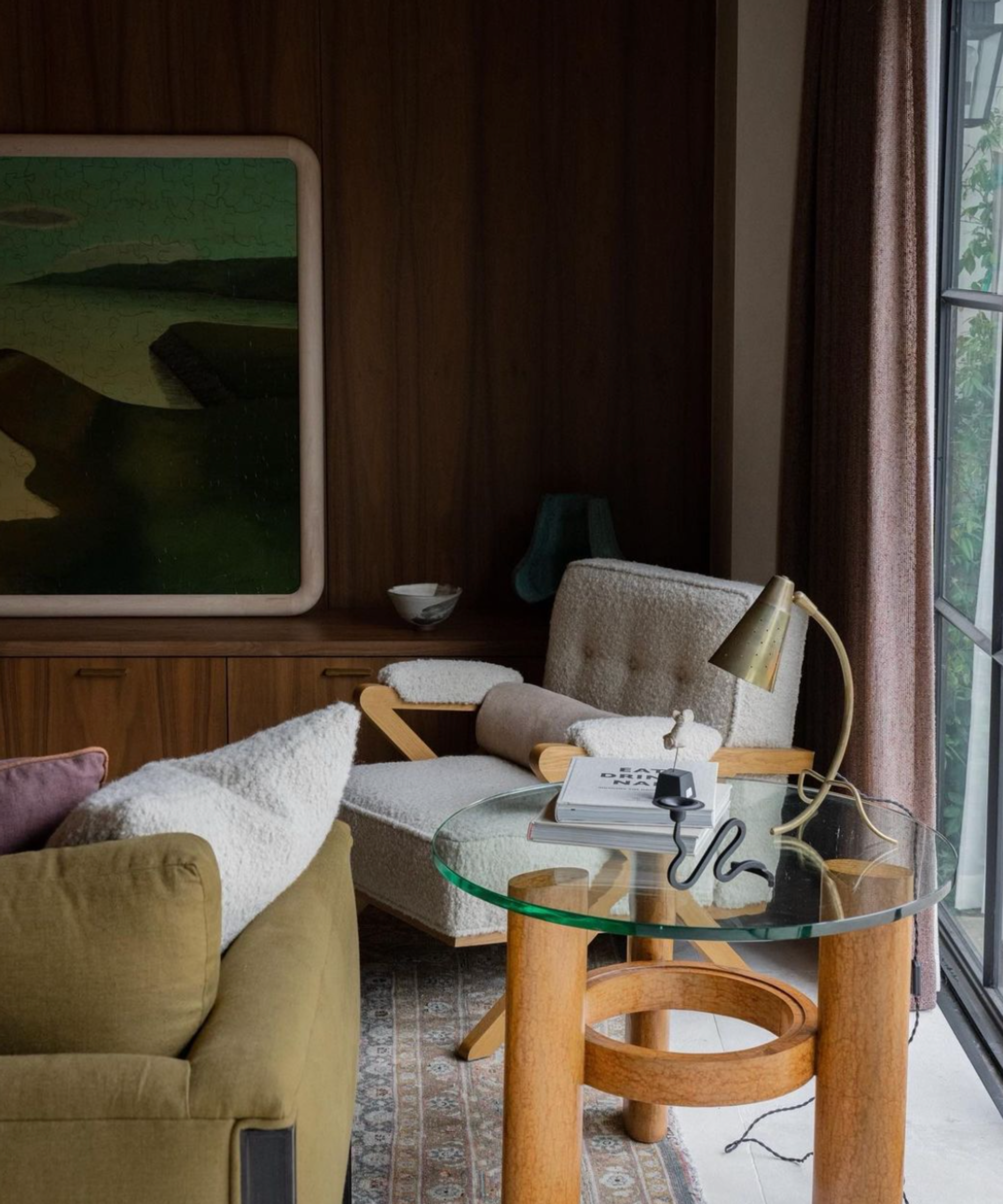
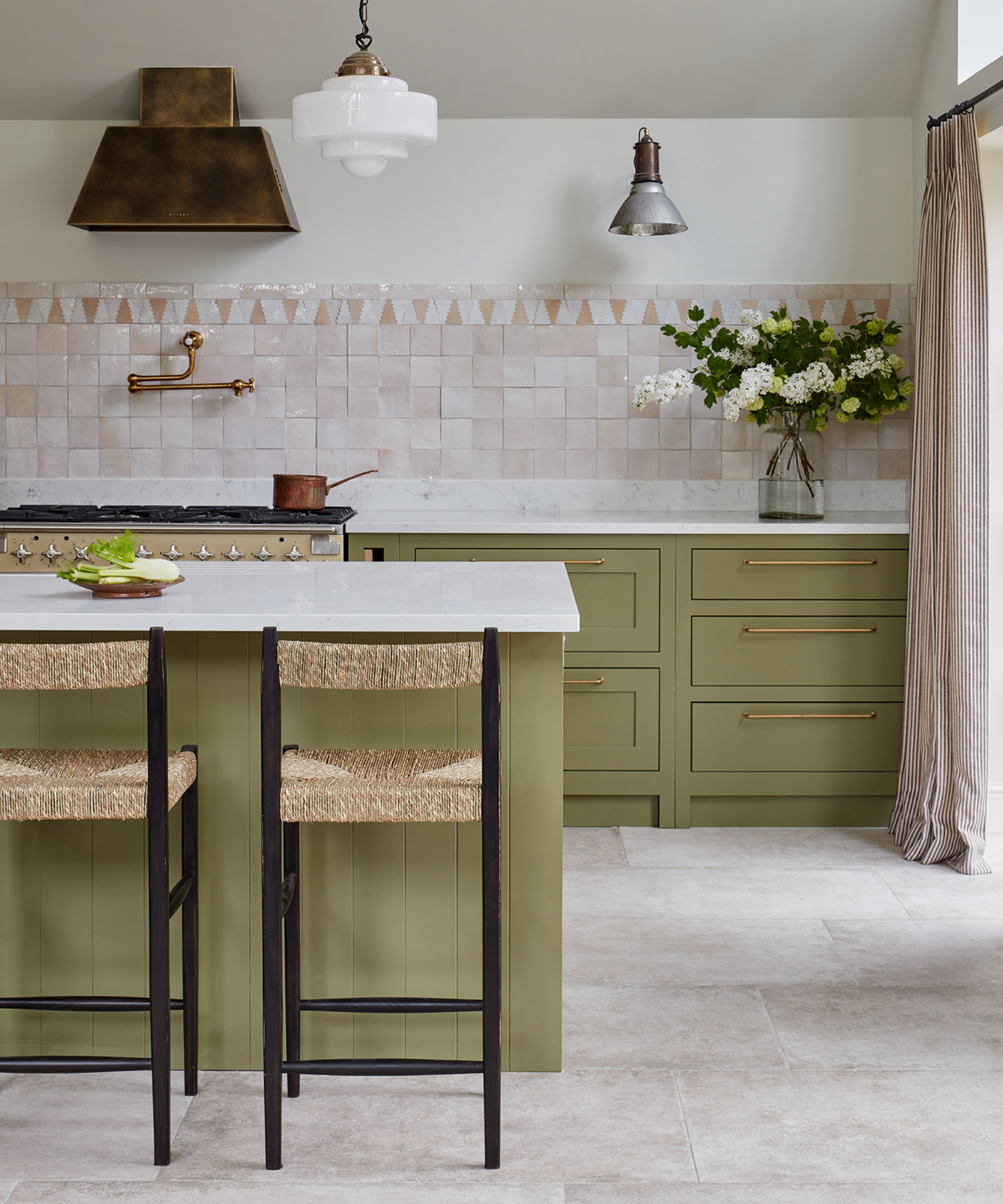
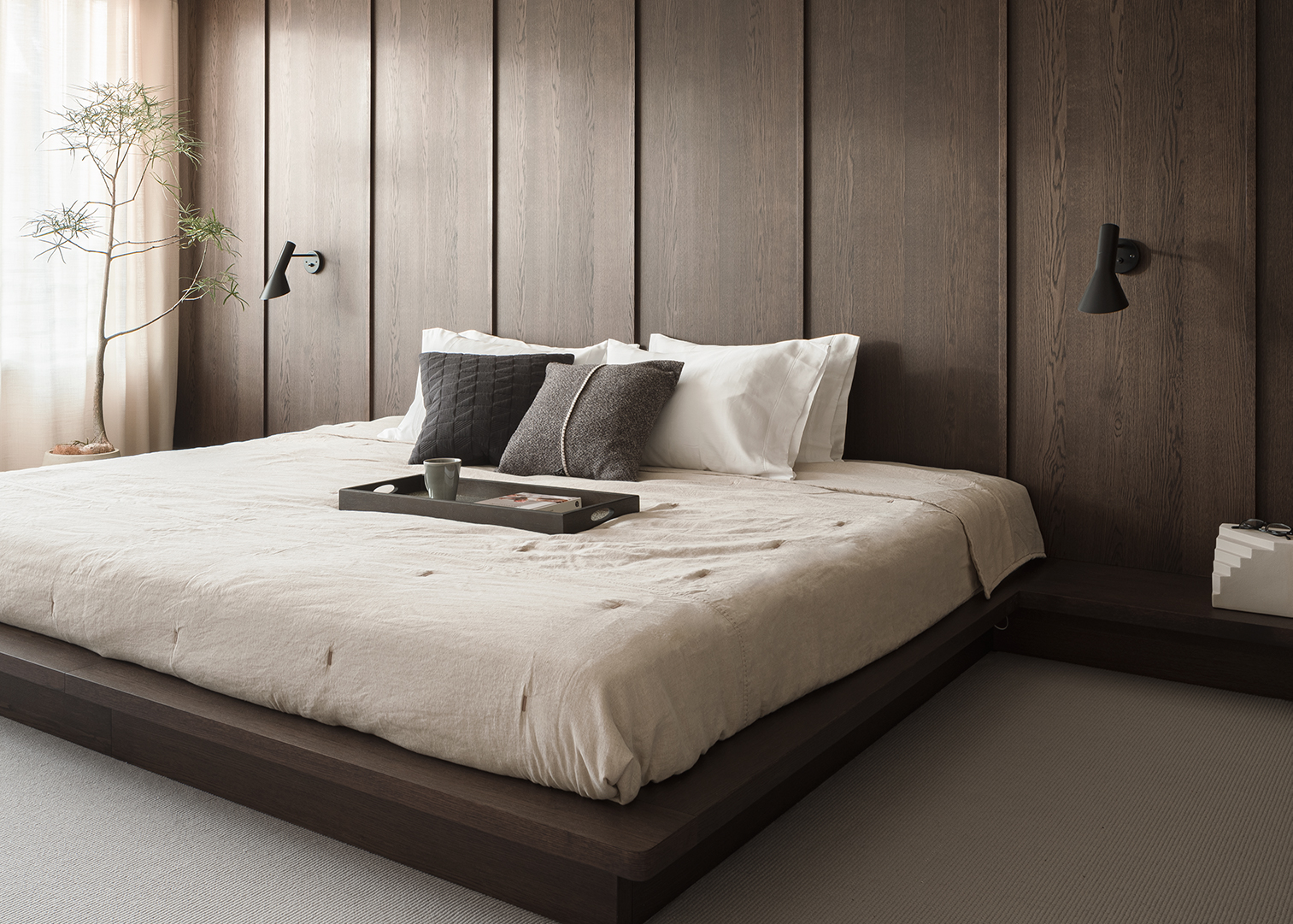
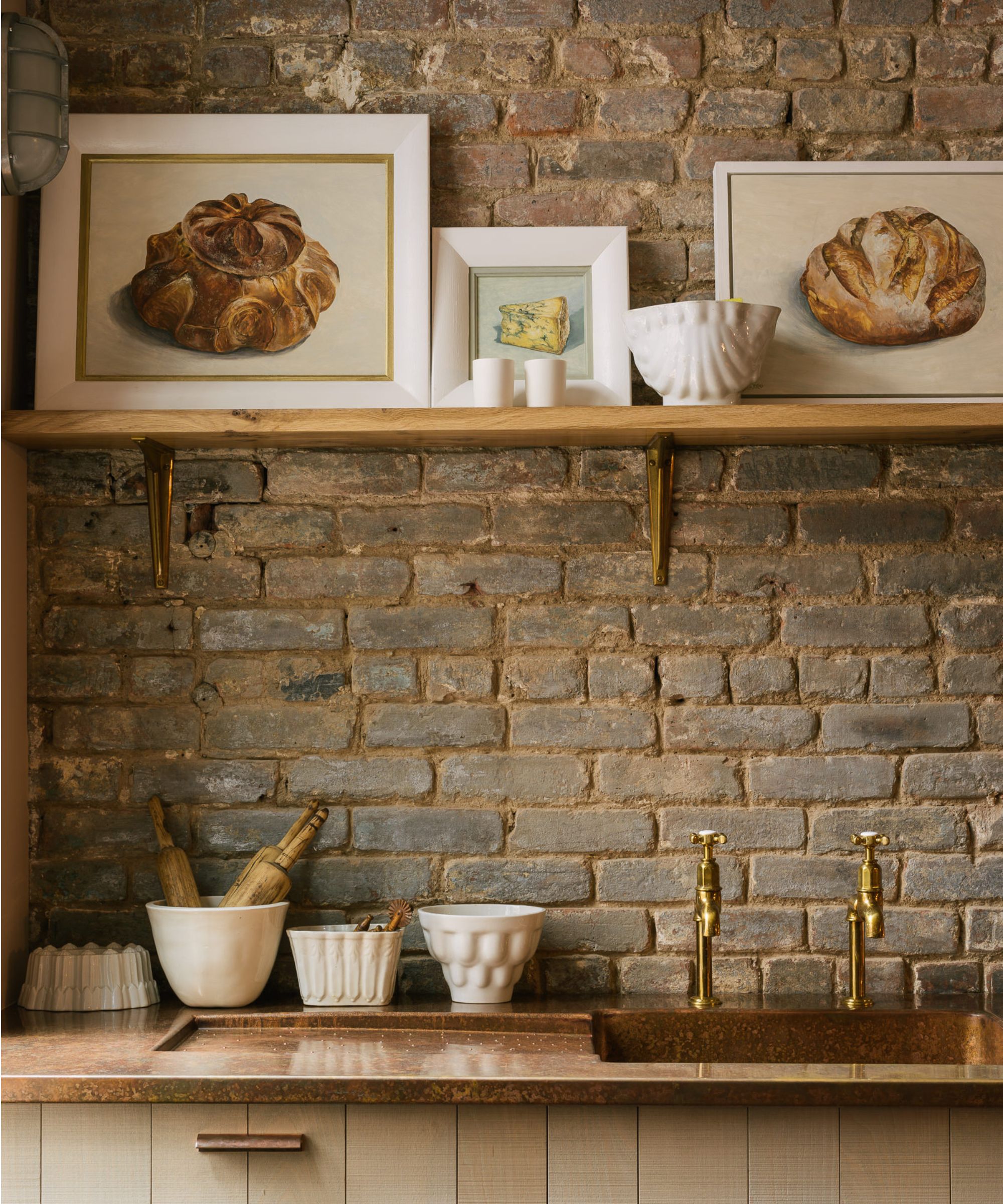

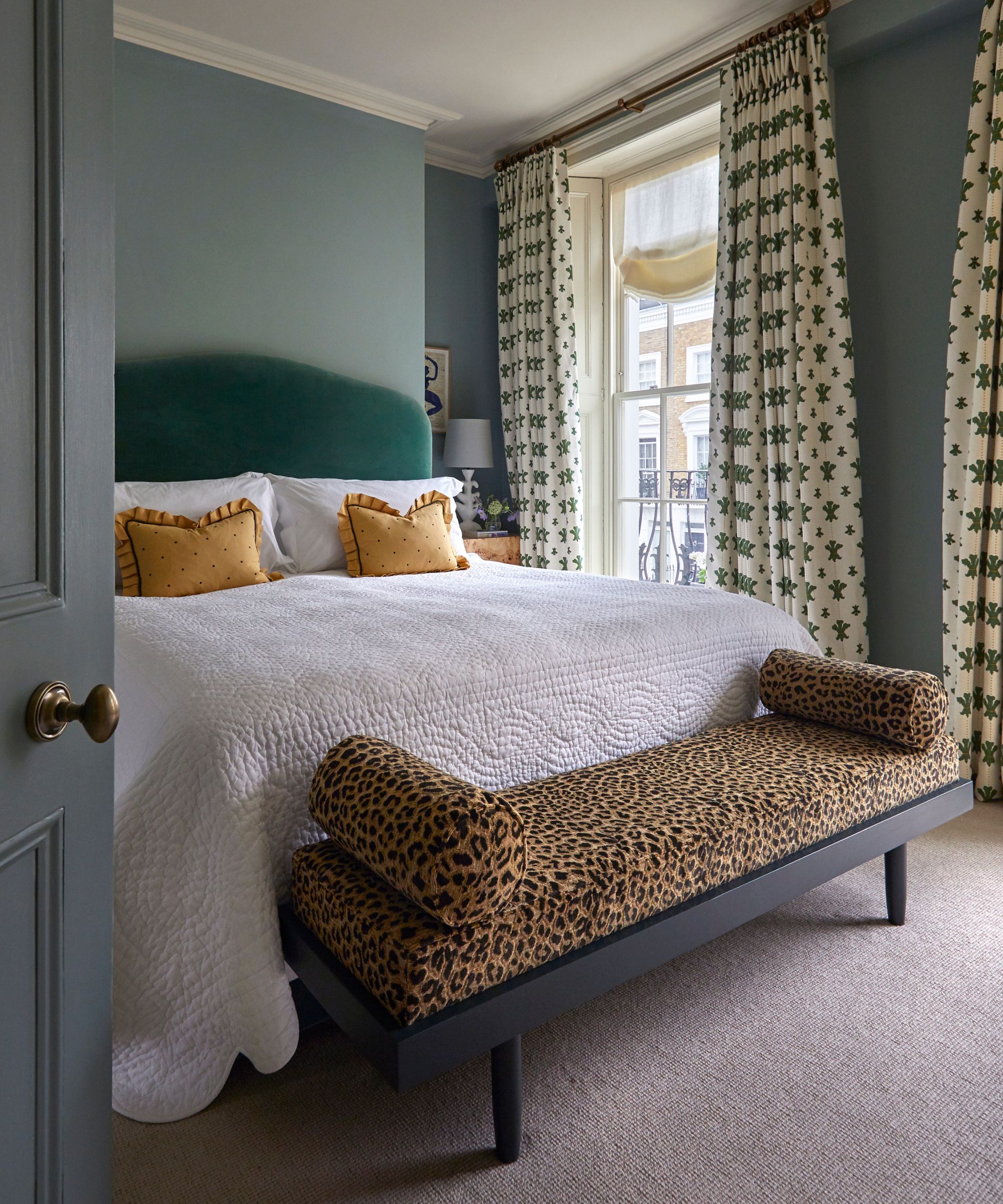
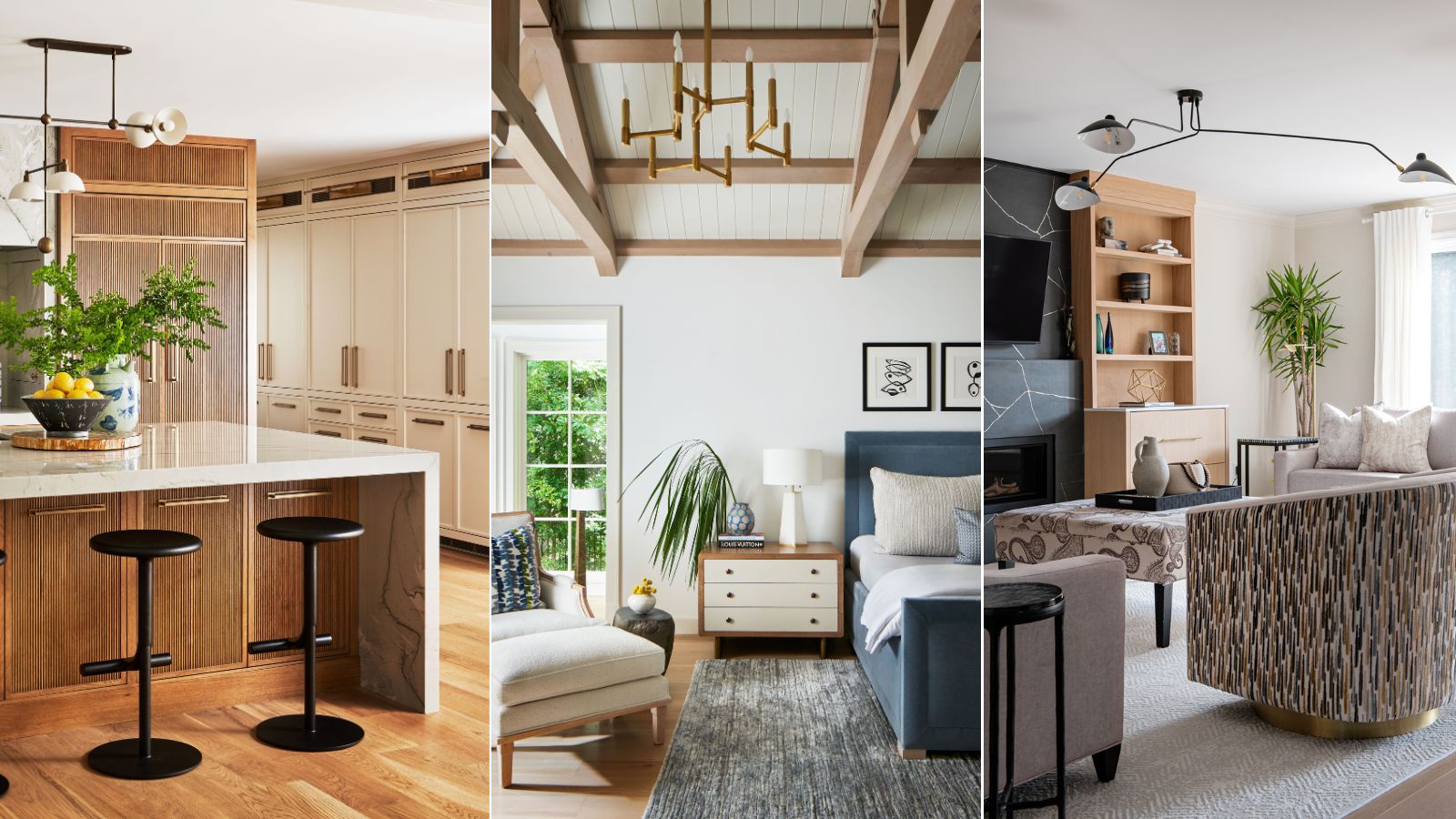
Despite the neutral color scheme, transitional interiors achieve visual interest and depth through a variety of textures and materials. Alinta Lim and Philip Thomas Vanderford recommend combining diverse textures such as wood, metal, glass, and fabrics like linen and velvet. This layering extends beyond textiles to include flooring, where a balance between traditional hardwood floors and modern area rugs with bold patterns adds contemporary flair. Architectural details like crown molding and wall moldings further contribute to the intricate, textured look, according to Aman Than.
A minimalist mindset is essential, with Becky Shea stressing that every element should be purposeful, prioritizing quality over quantity. Heather Vercellino advises decluttering to create a serene environment, removing excess accents and reintroducing them thoughtfully. Alinta Lim reinforces this by recommending furniture and decor with clean, straight lines and minimal ornamentation to maintain a streamlined appearance.
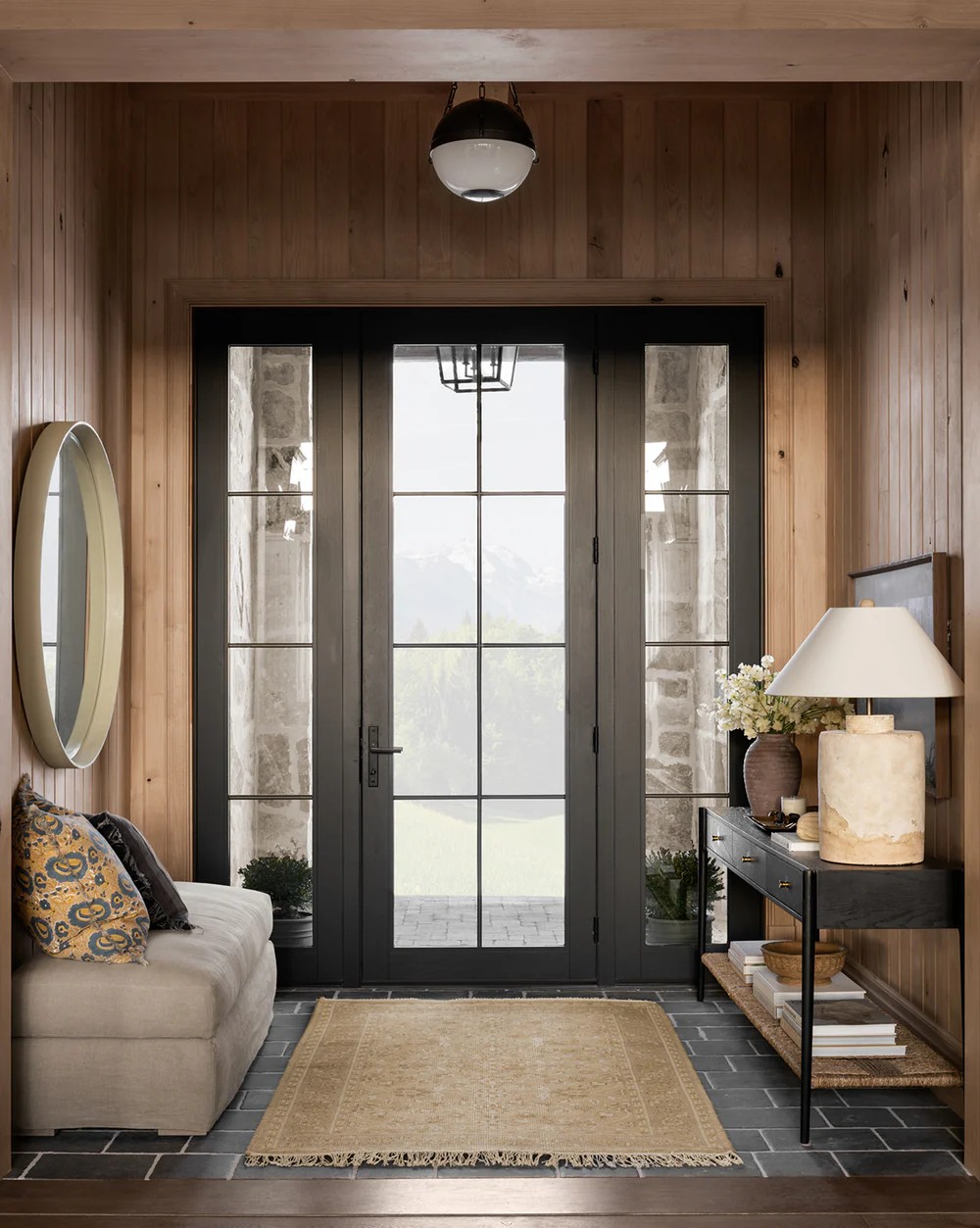
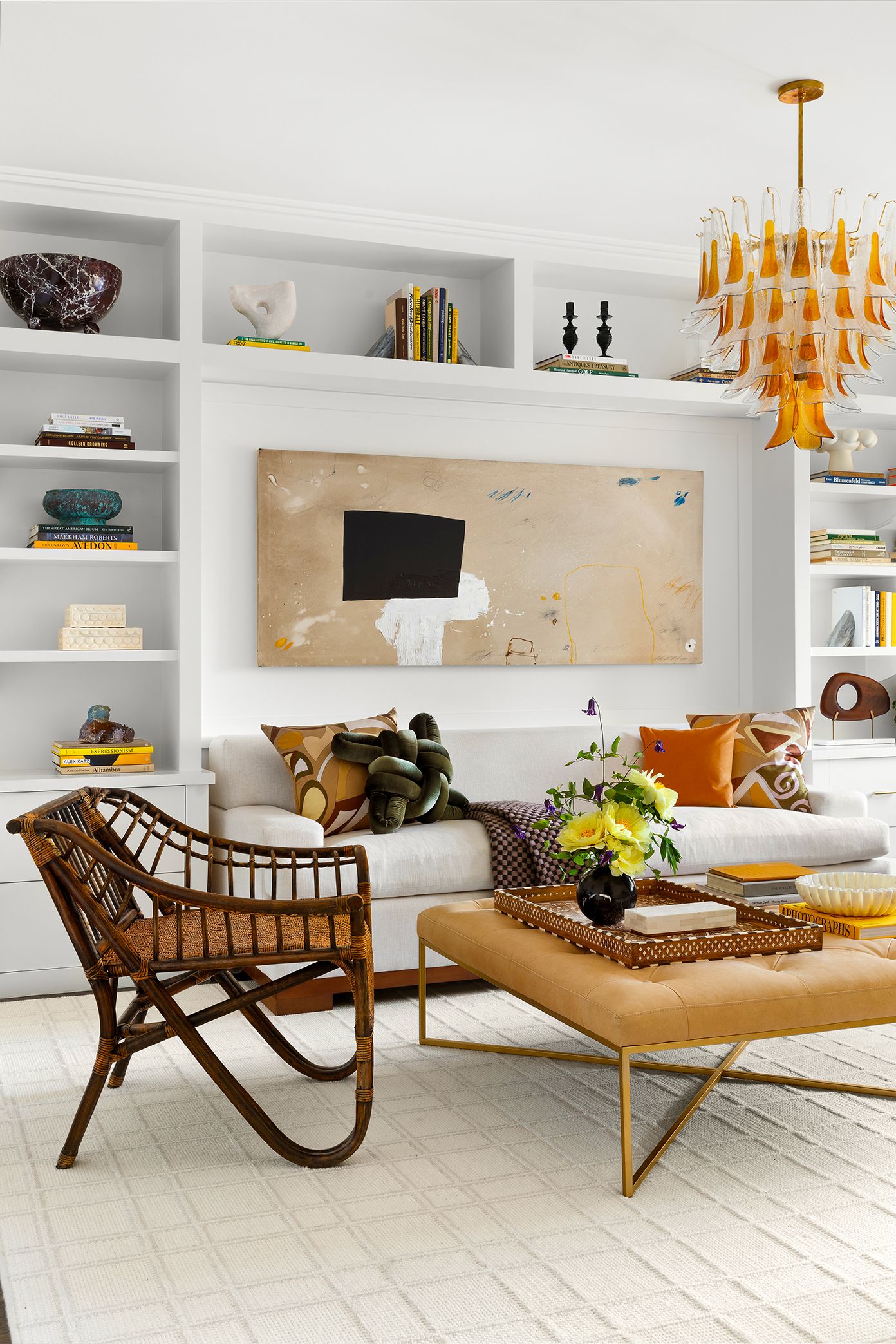
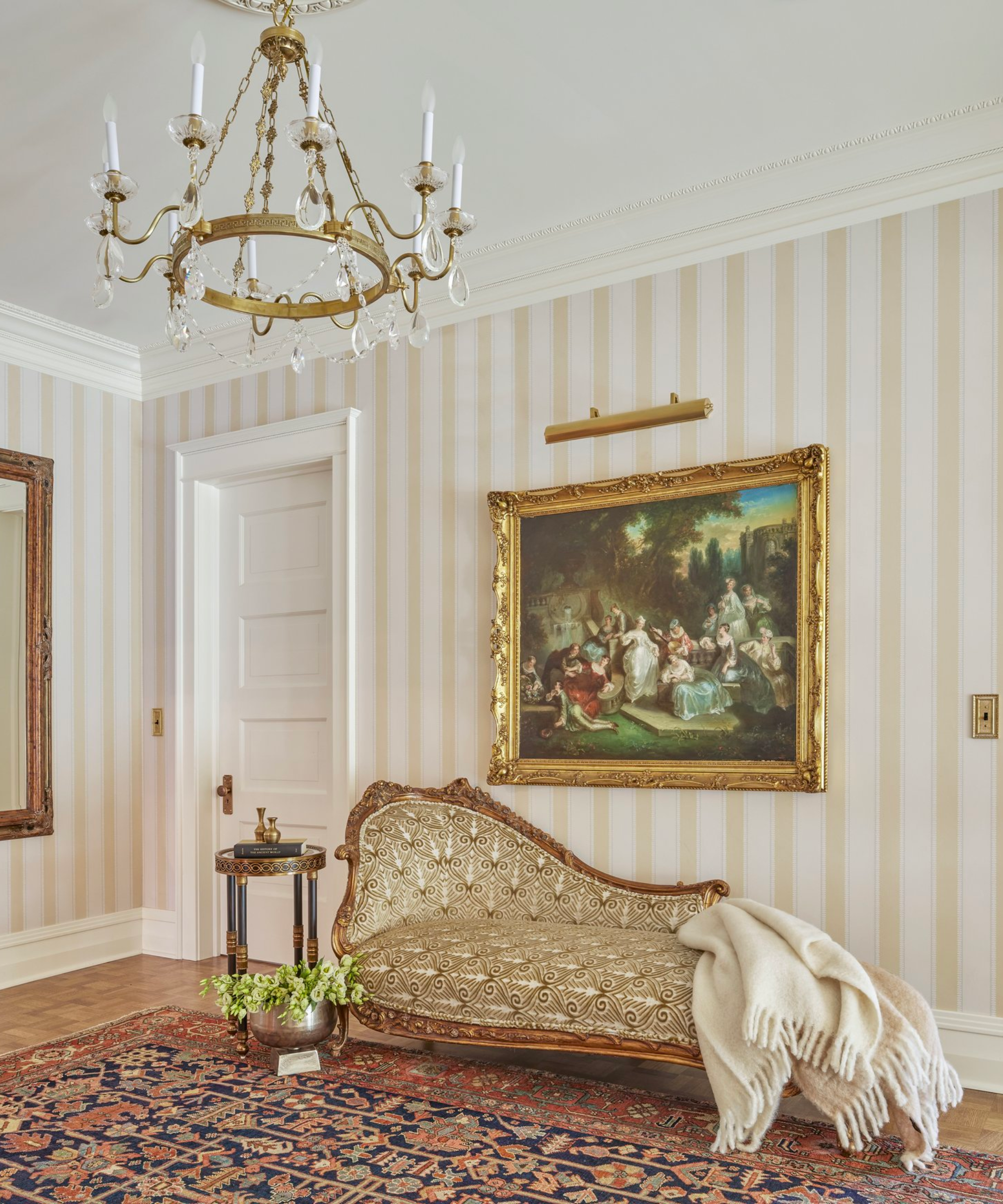
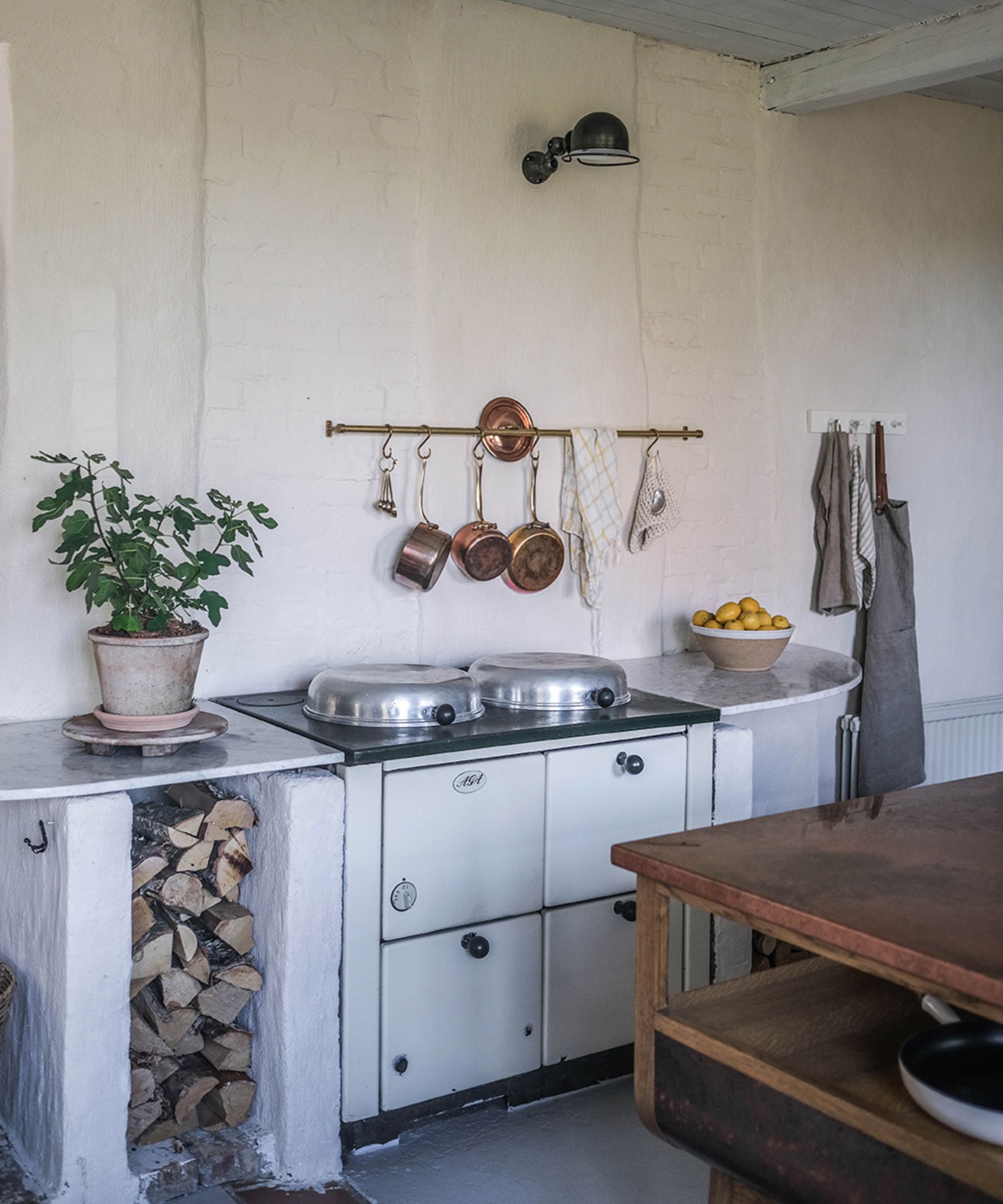
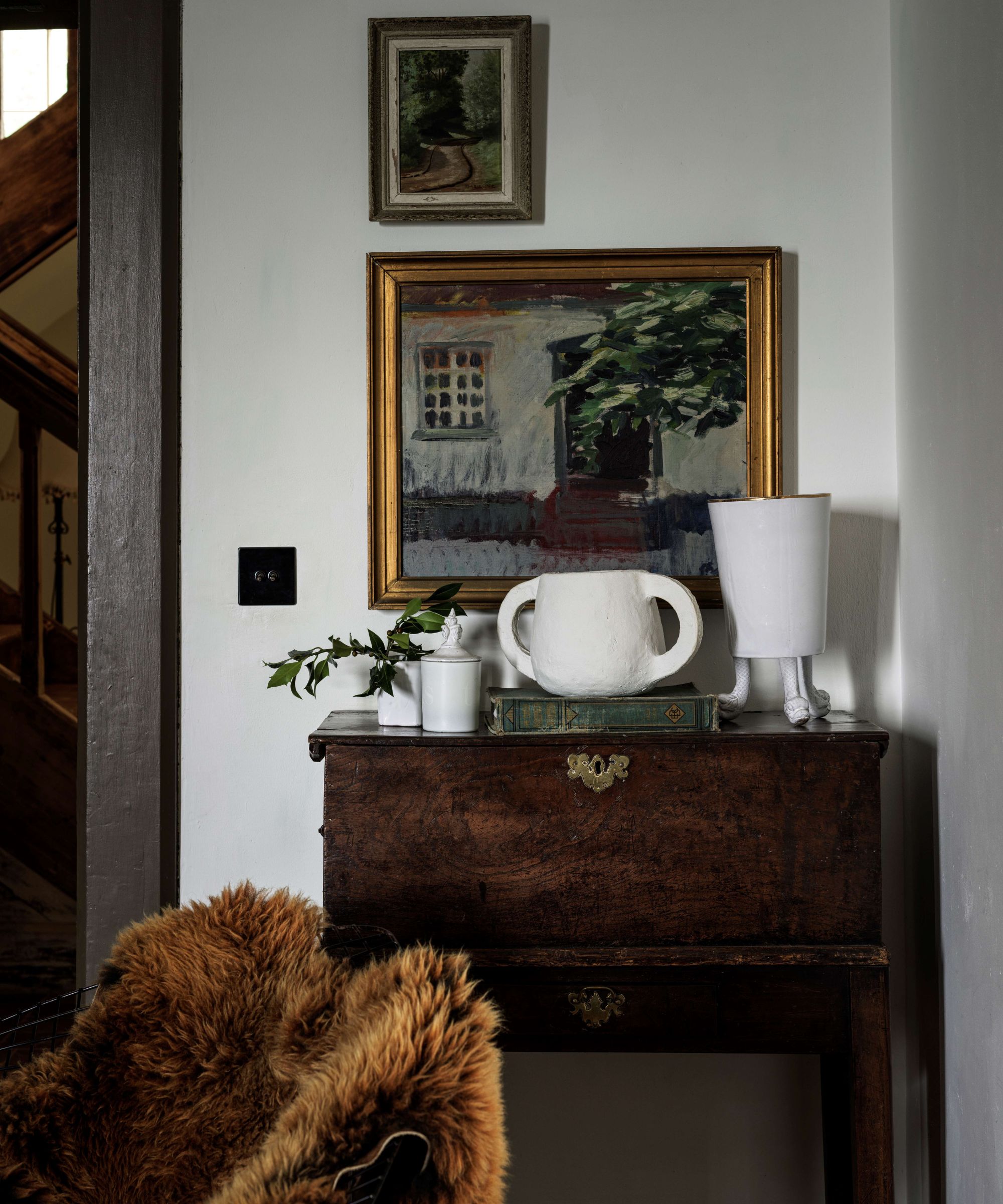
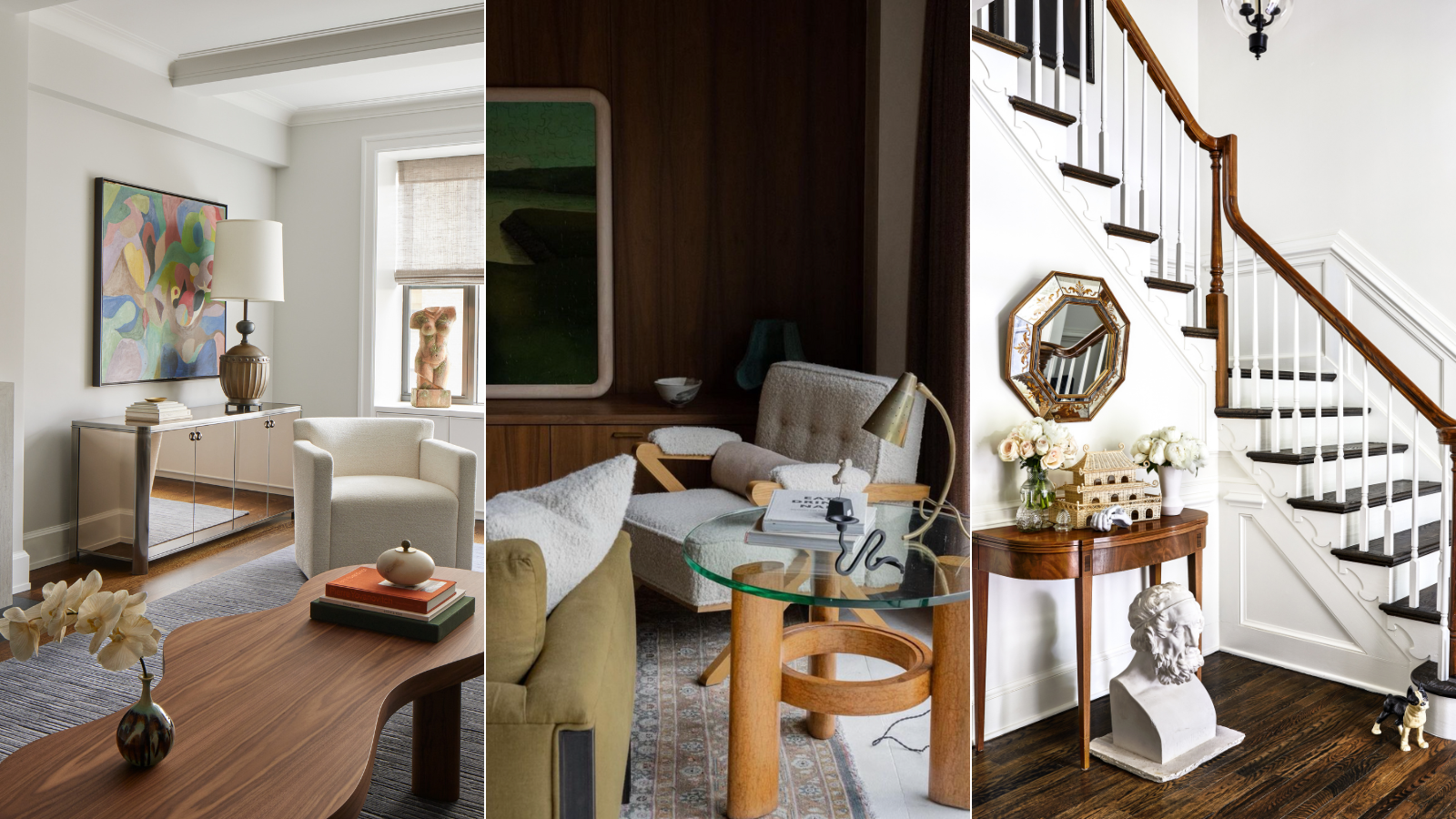
Incorporating vintage pieces is a cornerstone of transitional style, adding nostalgic charm, depth, and character. Philip suggests vintage items with a modern twist, while Lauren Kavanagh points to coffee tables, statement armchairs, and bookcases as ideal vintage additions. The art lies in pairing these vintage finds with newer, updated furniture and decor to keep the space current. Andrea West recommends styling an older piece with a newly purchased item, such as a new lamp on an antique side table, and adding layers like books and trays to soften modern spaces.
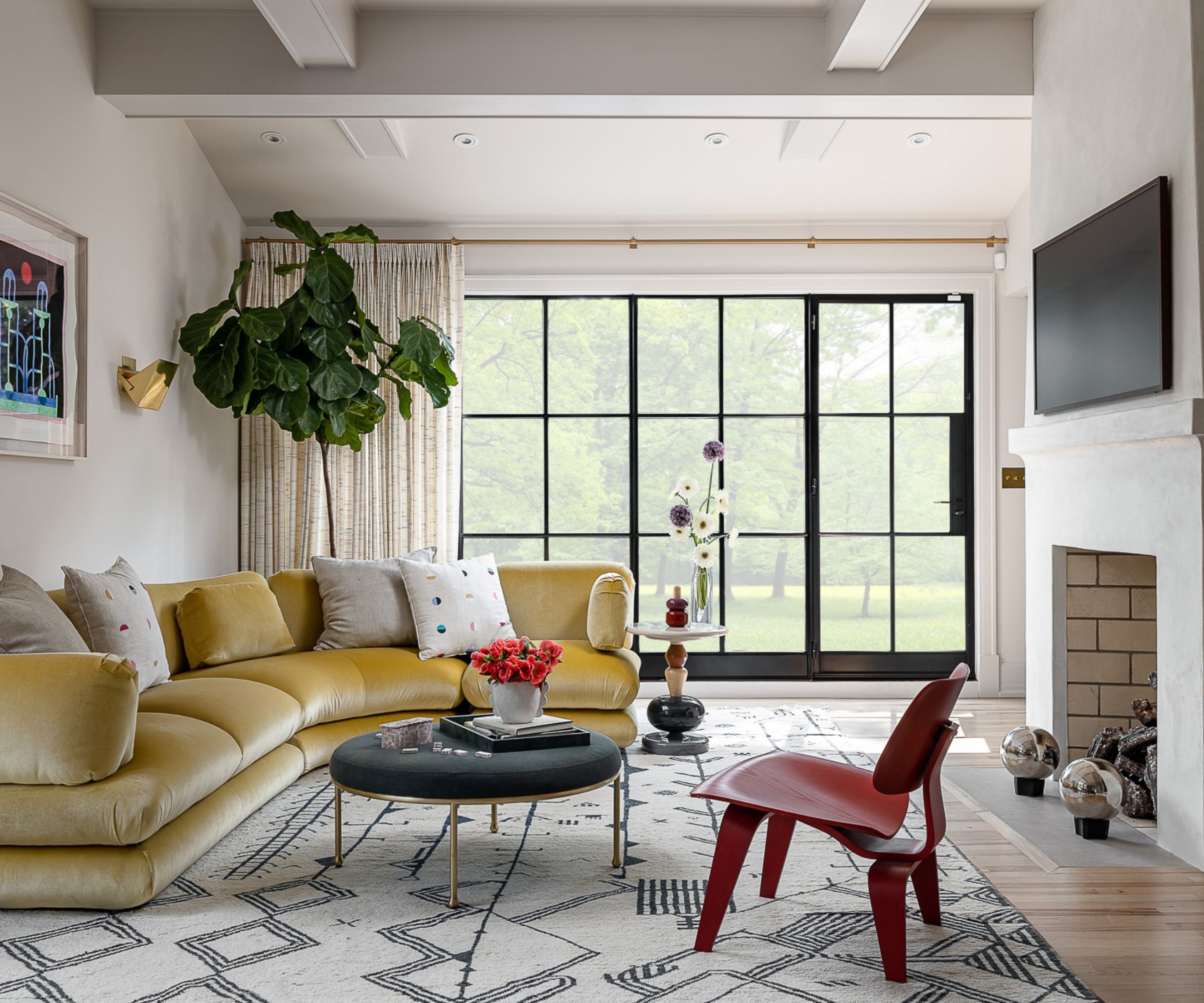

A timeless sofa is a must-have anchor piece. Brianna Untener and Philip Thomas Vanderford advocate for a neutral-colored sofa, such as off-white or gray, made from high-quality fabrics, as it allows for creative elements to be introduced elsewhere. Eugenia Triandos and Alinta Lim suggest modern sofas with clean lines and soft curves, possibly with subtle piping, and accessorizing with accent chairs that feature contemporary shapes and traditional materials. Durable, neutral upholstered furniture, especially in Crypton fabric, is recommended for longevity.
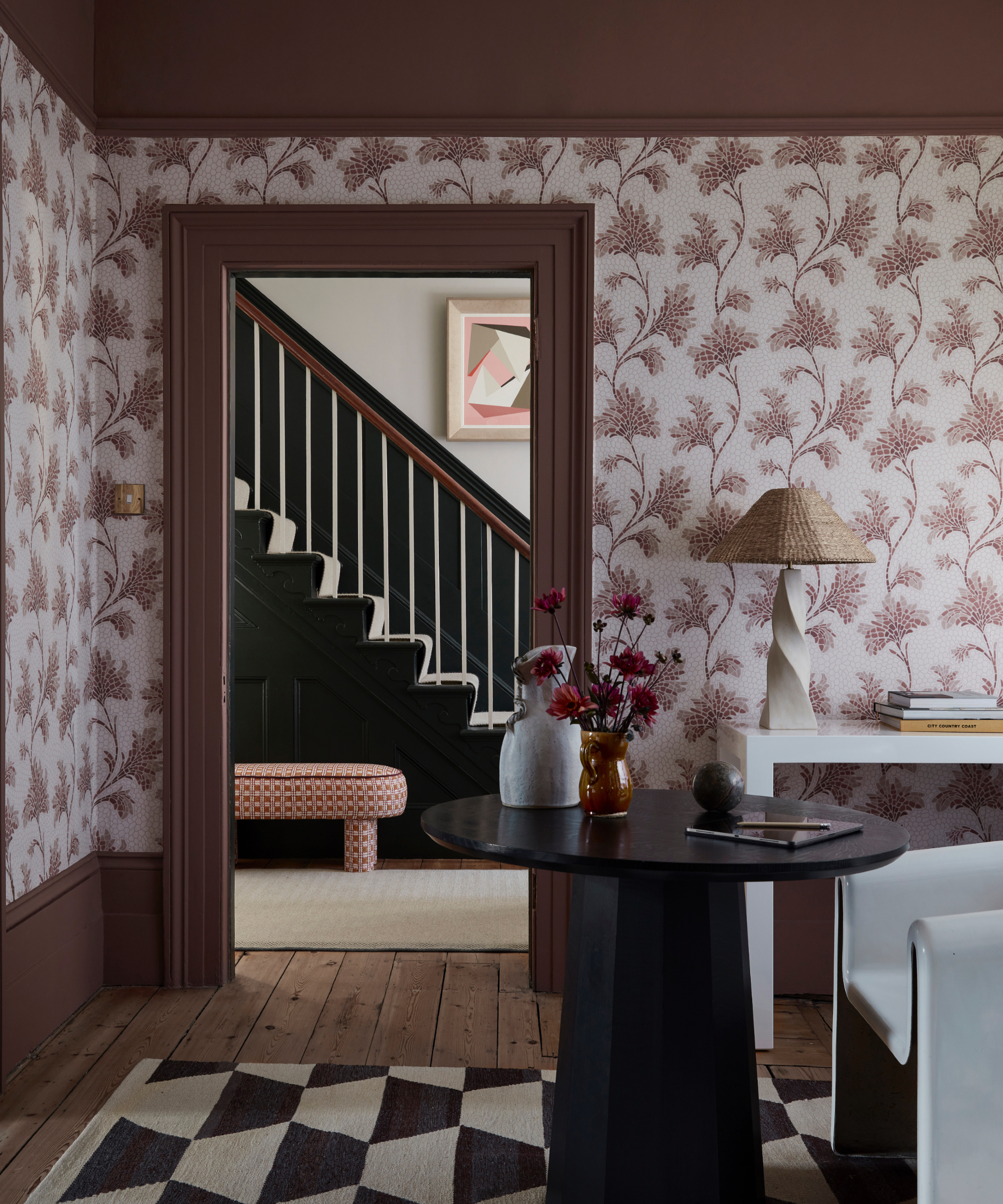
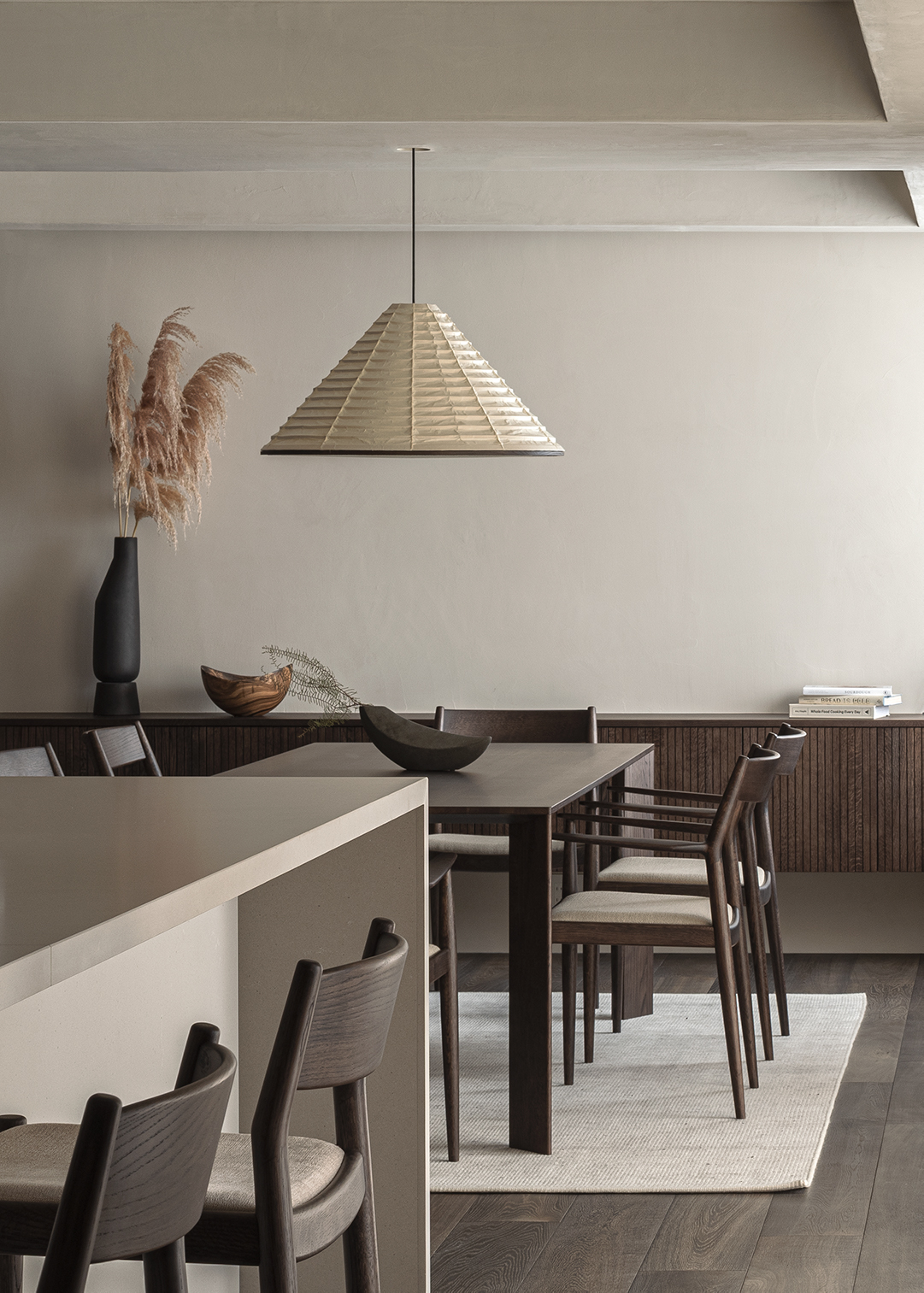
Investing in a characterful area rug grounds the space and adds warmth. Kate Winnington sees rugs as perfect for introducing texture or flair. Glenna Stone recommends large-scale rugs with minimal patterns or textures in neutral colors. Philip emphasizes selecting rugs with rich textures and subtle patterns to add dimension without overpowering the design. Eugenia Triandos notes that rugs counterbalance modernity, while Alinta Lim highlights their role in anchoring the space and complementing the color scheme.
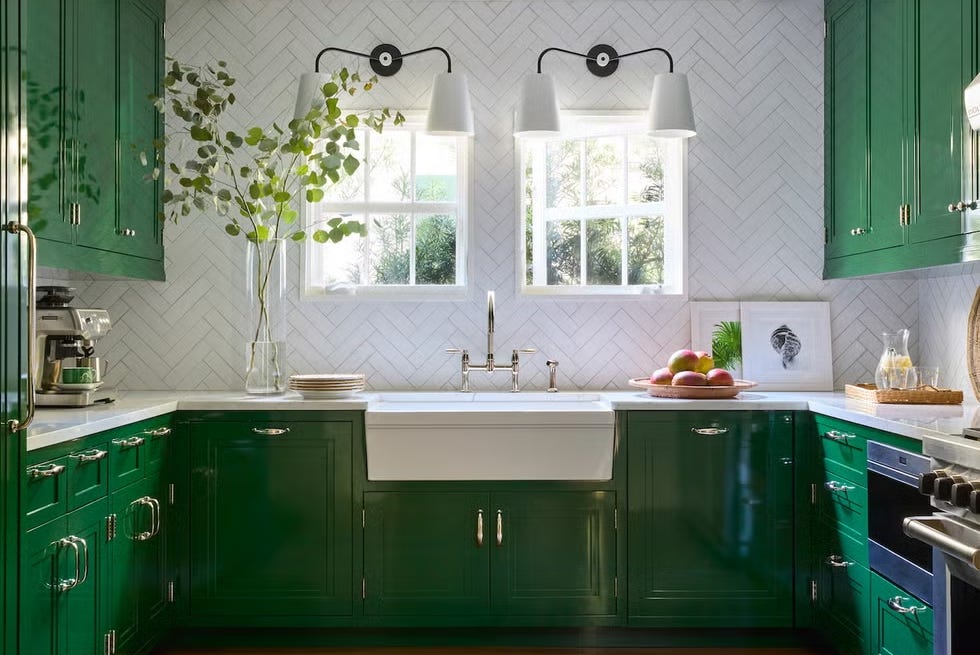
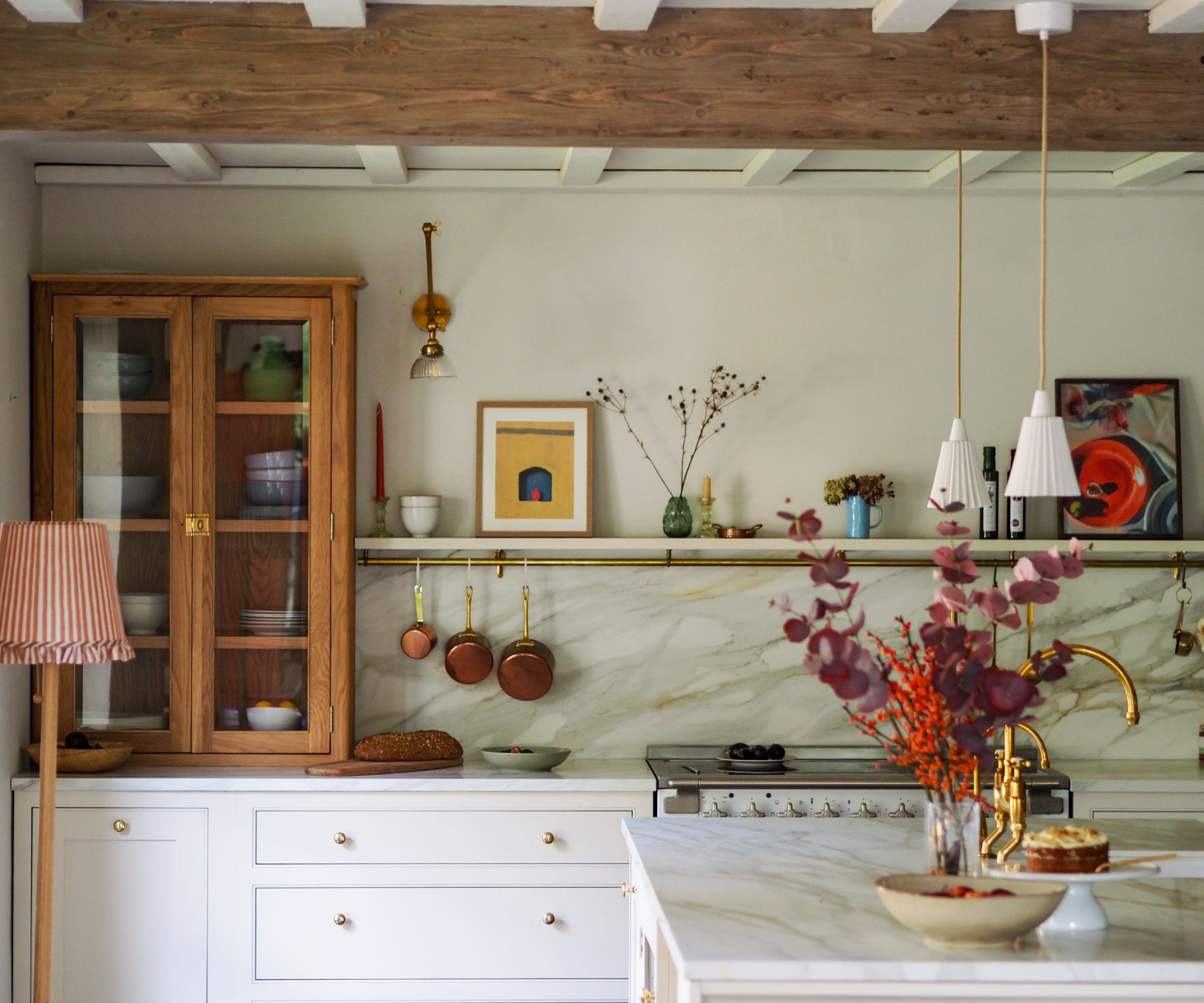
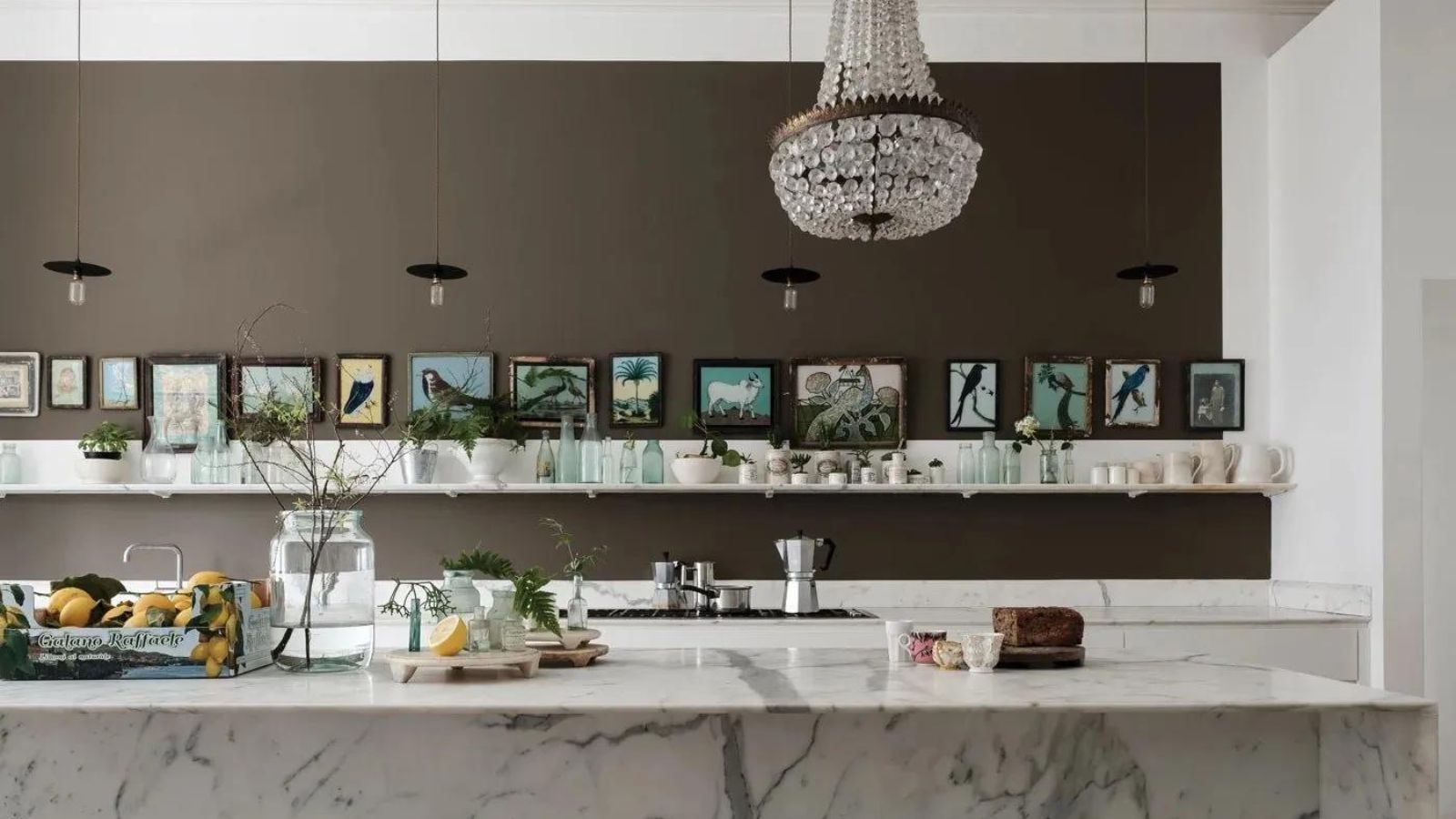
Layered lighting is crucial for both decorative and functional purposes. Diana Bastone suggests clean-lined chandeliers, pendant lights, and sconces alongside classic table and floor lamps to create a cohesive, chic landscape of light. Glenna Stone emphasizes minimalistic, modern light fixtures and advises updating window treatments to lighter fabrics or simple shades to maximize natural light. Becky Shea views decorative lighting as an opportunity to be expressive in form while maintaining functionality, injecting new textures or materials within a neutral palette and clean lines.
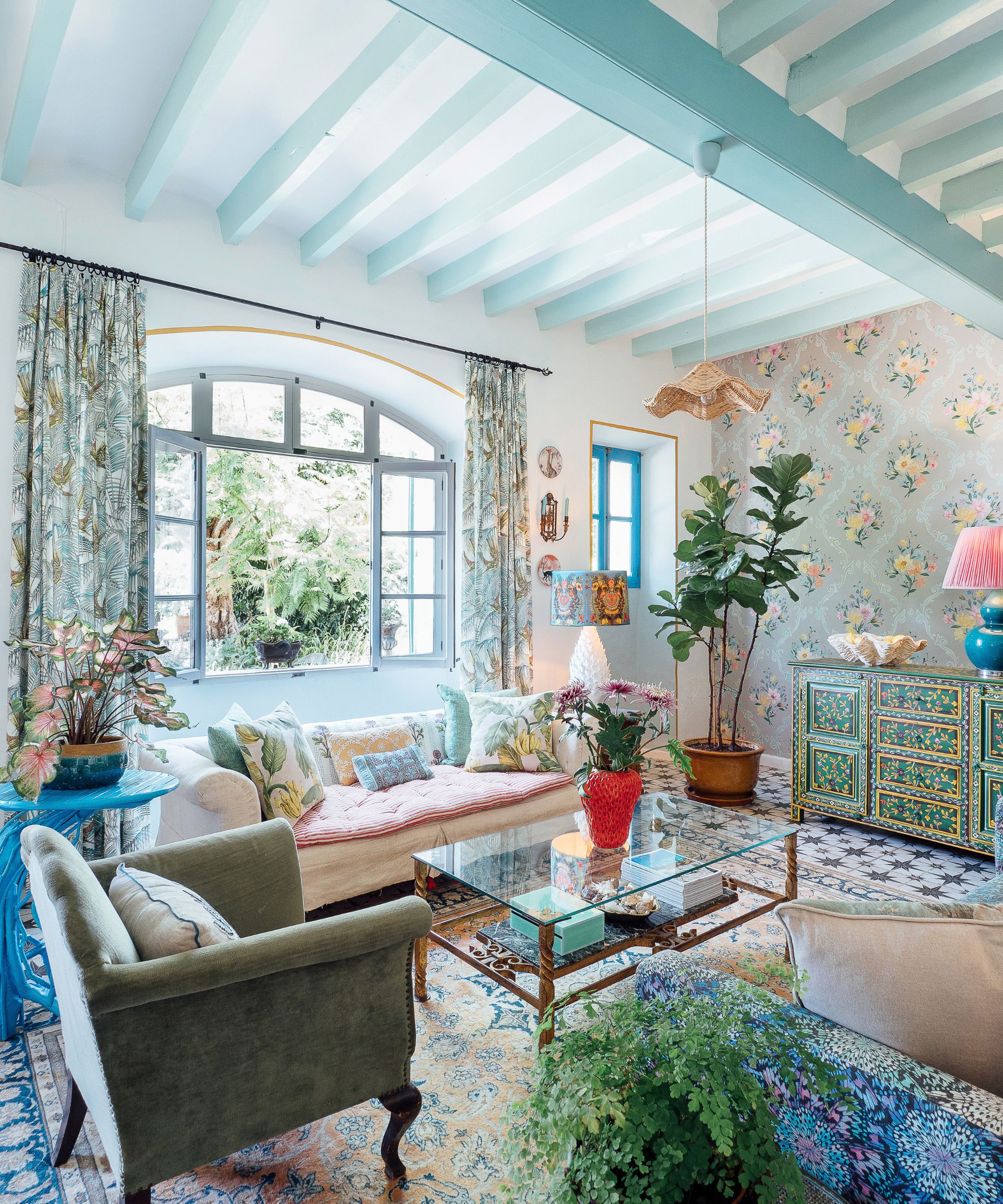
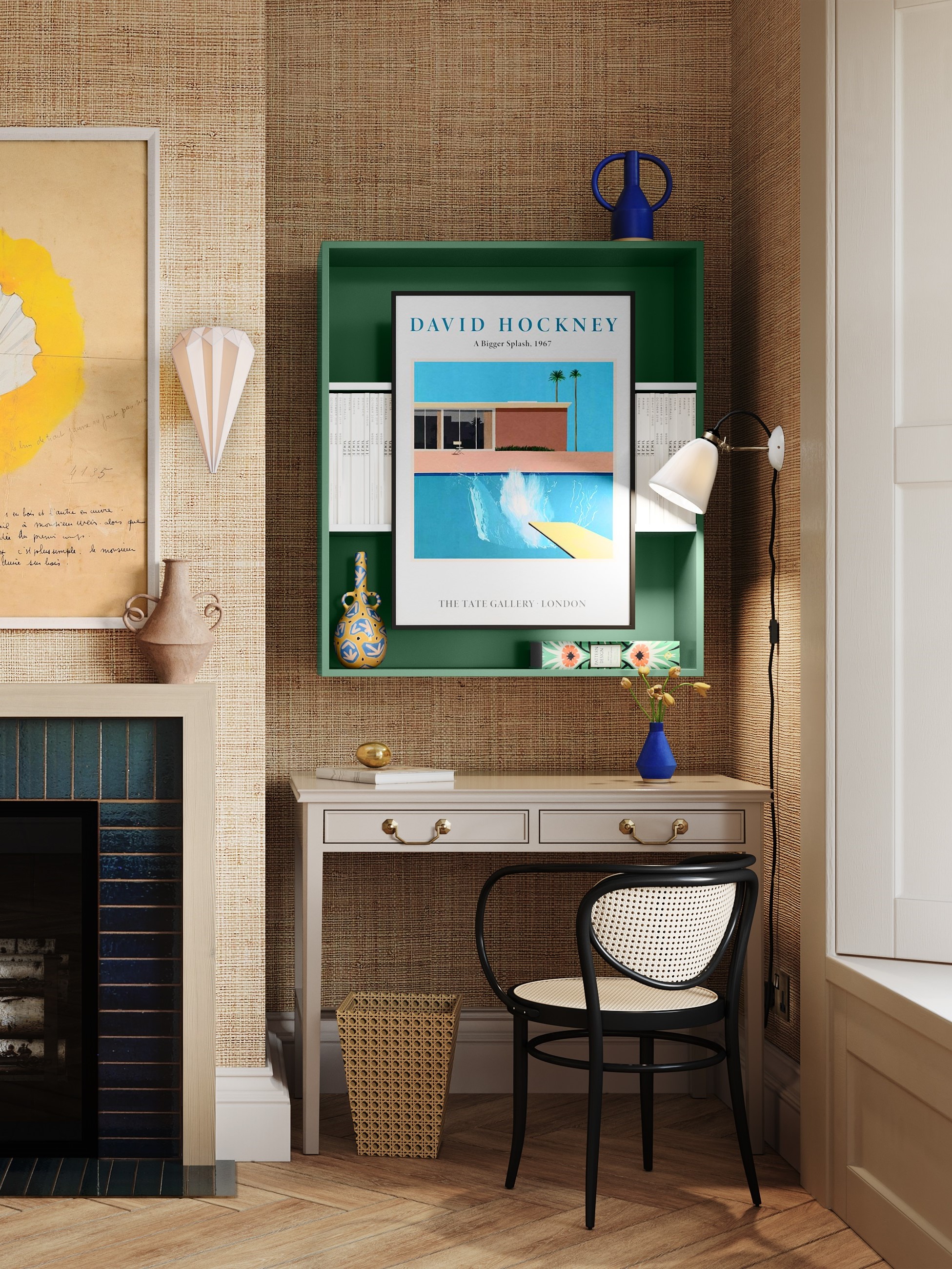
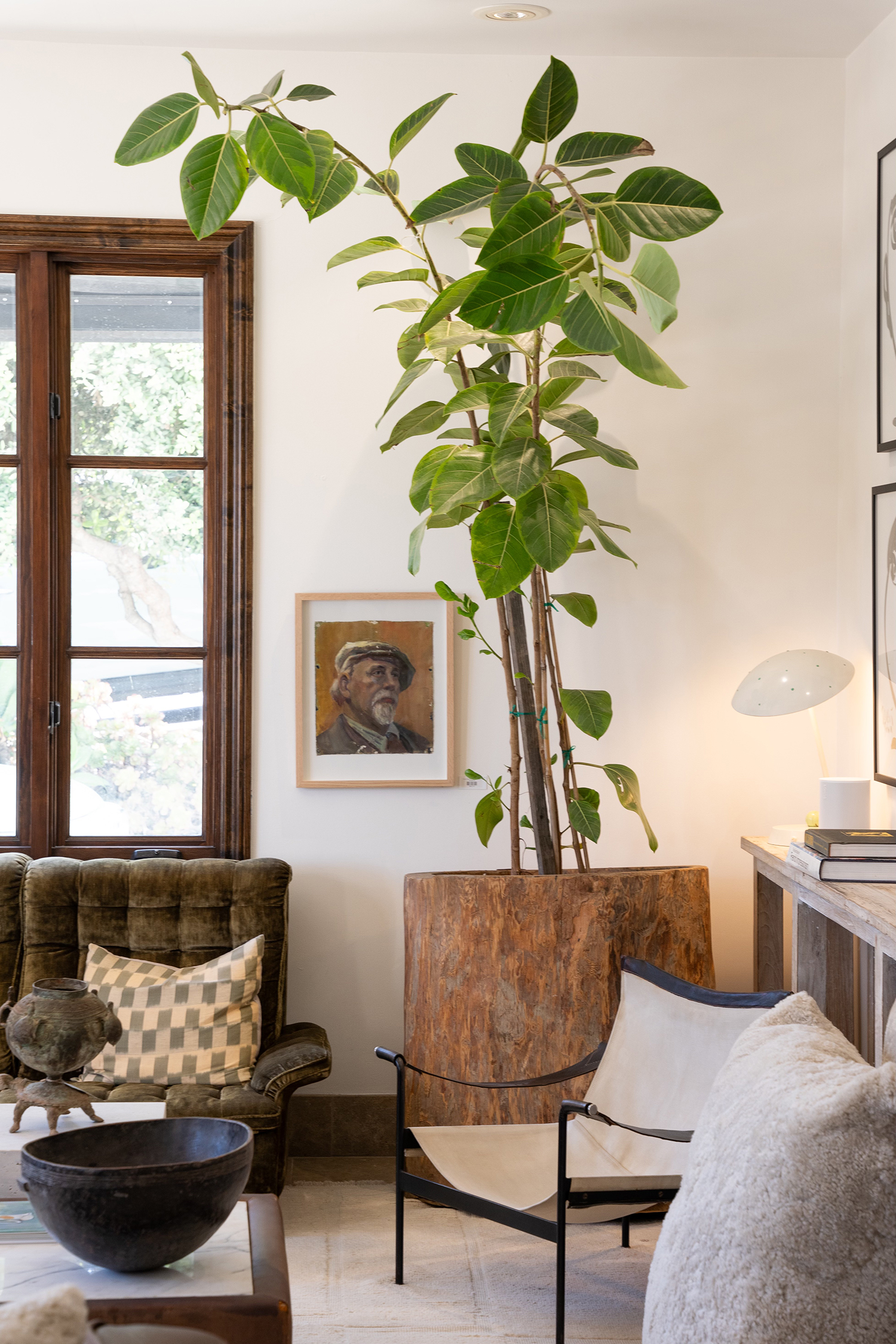
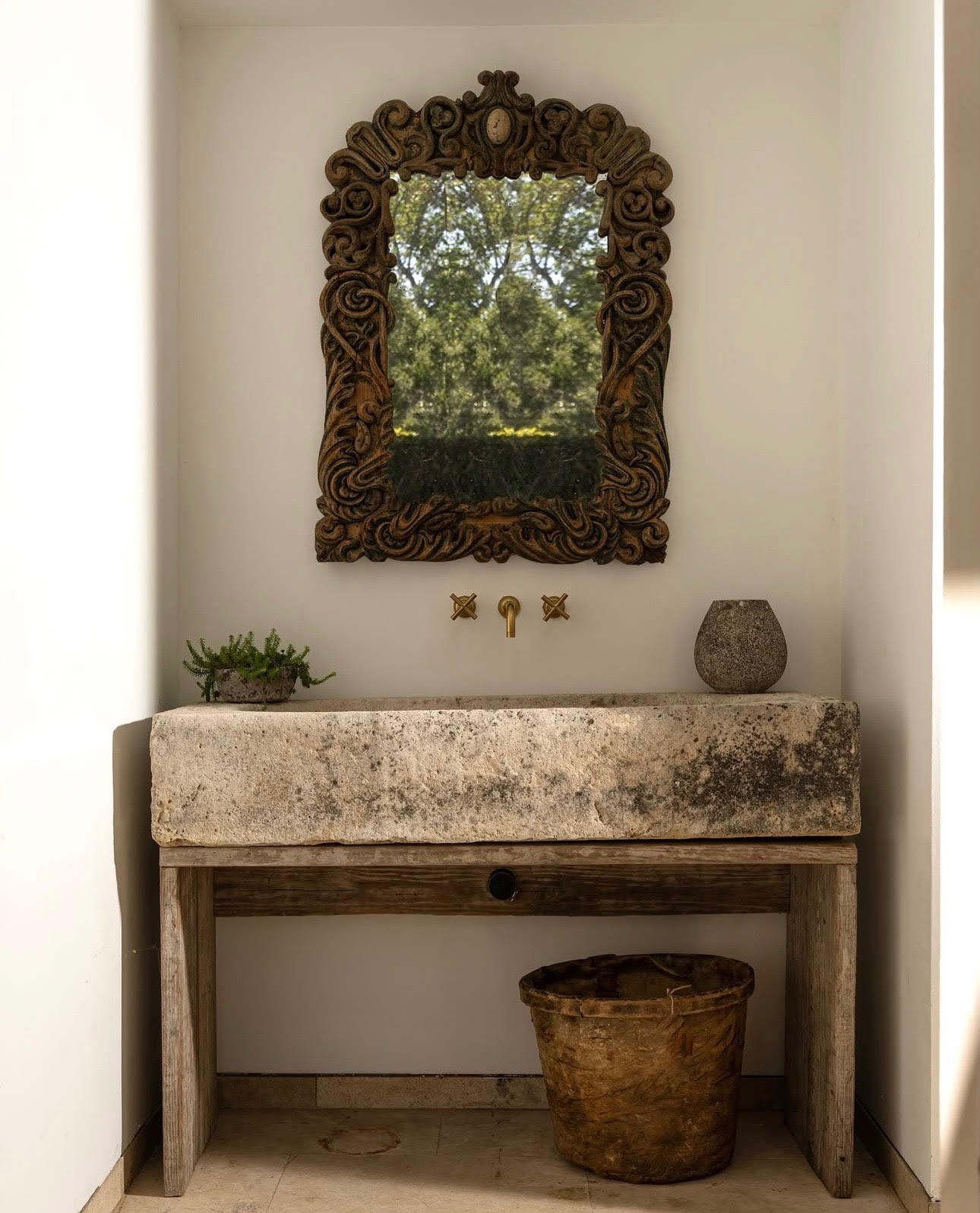
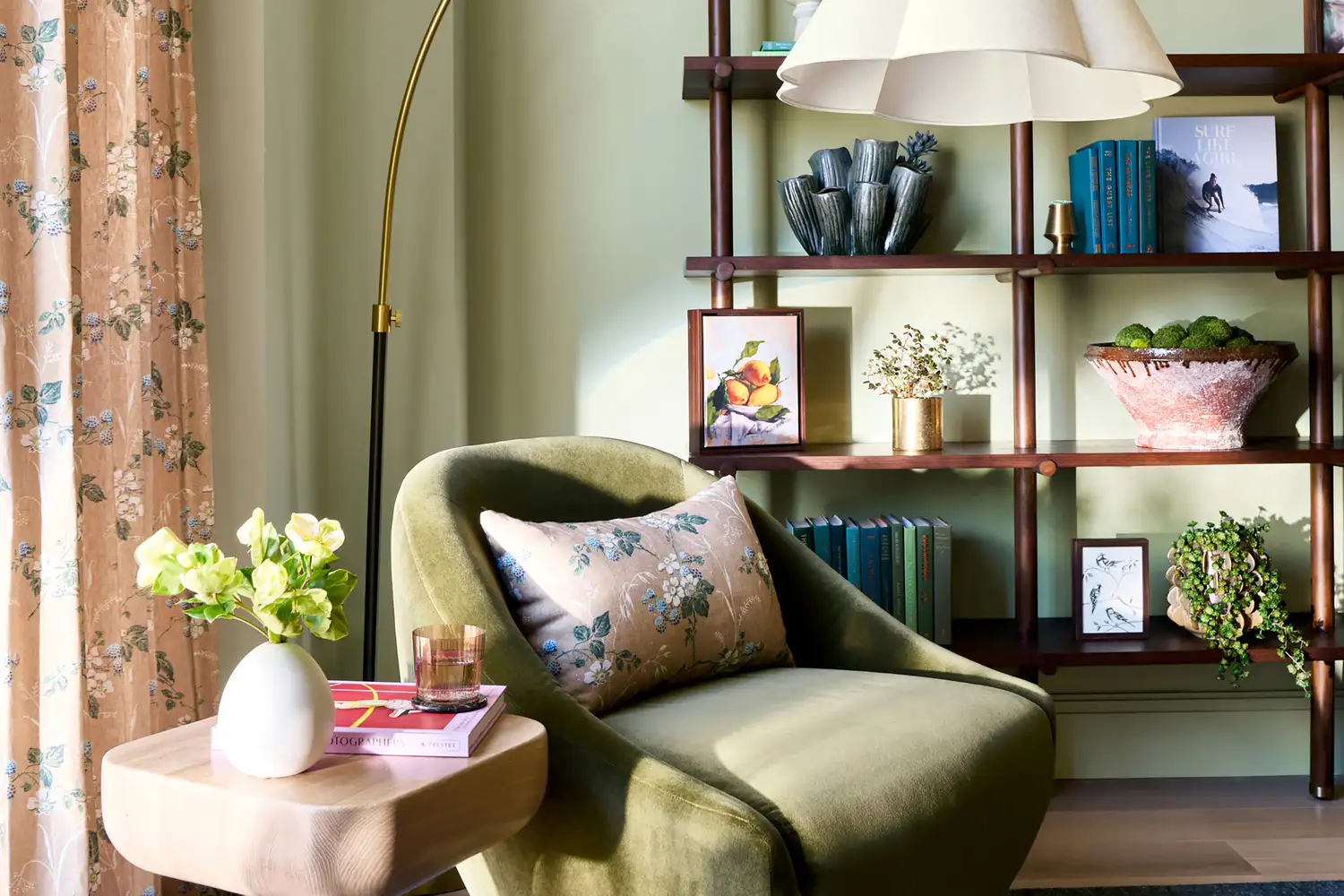
Finally, curating a unique mix of accessories is vital, especially within a neutral, minimalist scheme. Philip suggests using throw pillows, art, and rugs for tasteful pops of color. Eugenia Triandos believes unique accessories bridge traditional and contemporary styles, infusing character. Diana Bastone agrees, noting that carefully curated artwork, mirrors, and decorative pieces, often a mix of vintage and modern styles, tie the space together, creating a collected and personalized aesthetic.
#TransitionalDesign #InteriorDecorating #NeutralColorPalette #MixedFurniture #TexturalLayers #MinimalistAesthetic #VintageElements #TimelessSofa #LayeredLighting #TransitionalDesign #InteriorDecorating #NeutralColorPalette #MixedFurniture #TexturalLayers #MinimalistAesthetic #VintageElements #TimelessSofa #LayeredLighting
Toplam 0 yorum
 Henüz yorum yok
Bu da beğenebilirsiniz
How to Achieve Transitional Style — 14 Designer Tips to Capture the Trend Taking Over Interiors

Here’s What Transitional Style *Actually* Means (and 6 Tips to Nail the Look)
7 mistakes you are making with transitional style – and expert strategies for avoiding them
The 'Rule of 3' Is the Designer Trick for Styling Everything From Bookshelves to Coffee Tables—Here's How to Master It
9 perfect color palettes for transitional- style living rooms - the design trend of the moment
How to style antique furniture for a timeless, transitional space – 9 designers share their tips
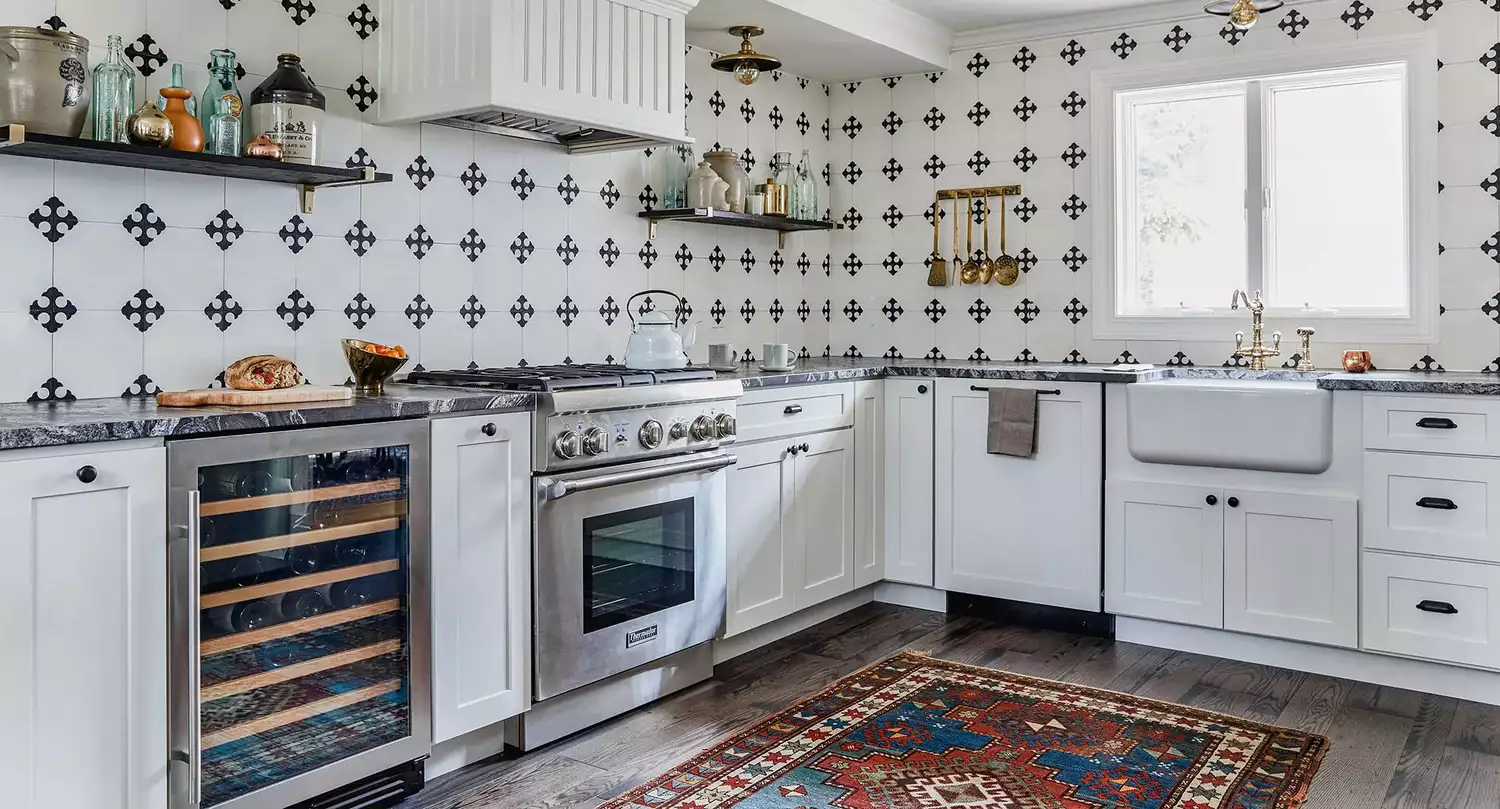
7 Golden Rules for Mixing and Matching Patterns That Designers Swear By

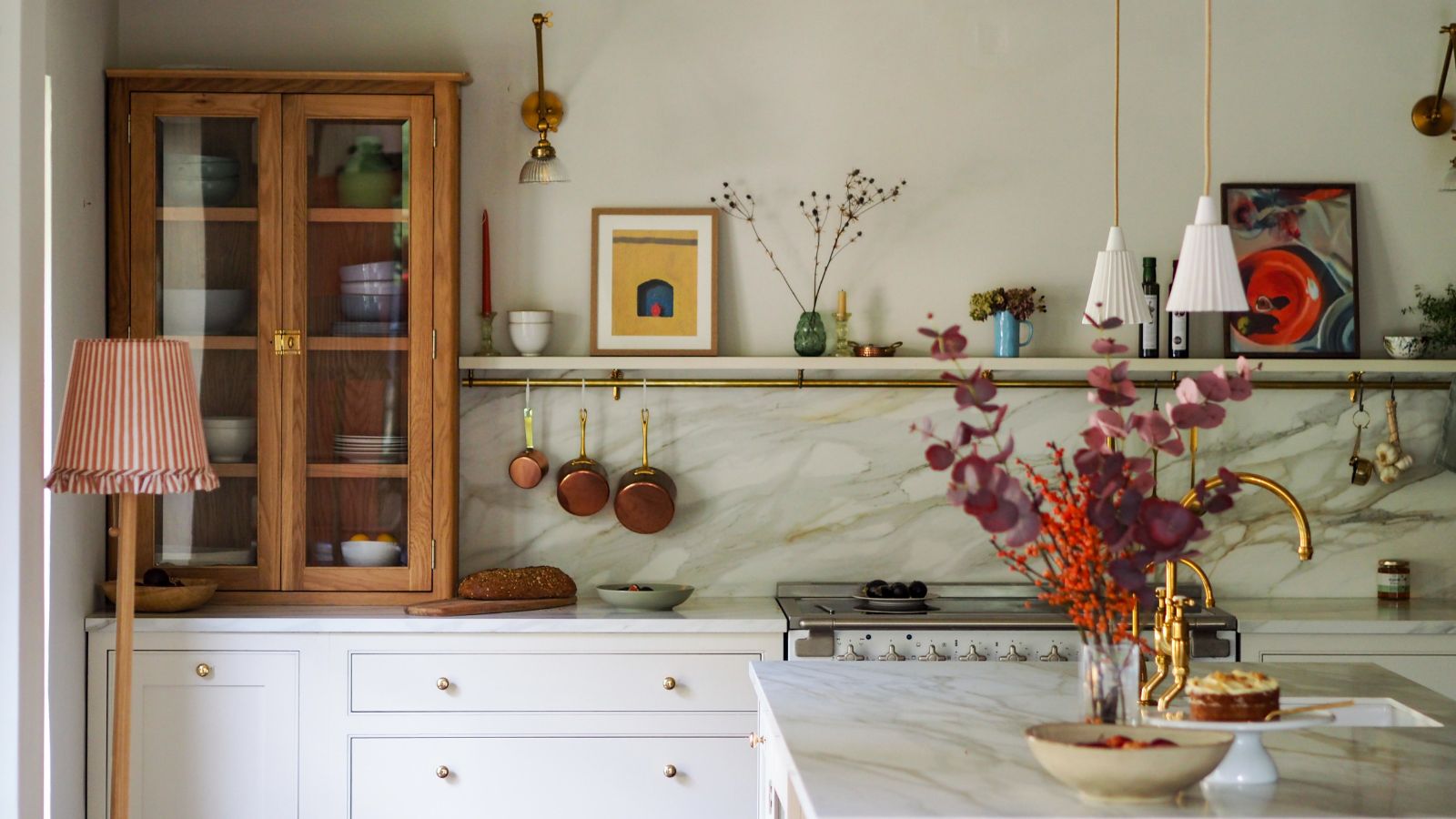
13 transitional kitchen ideas that effortlessly blend old and new
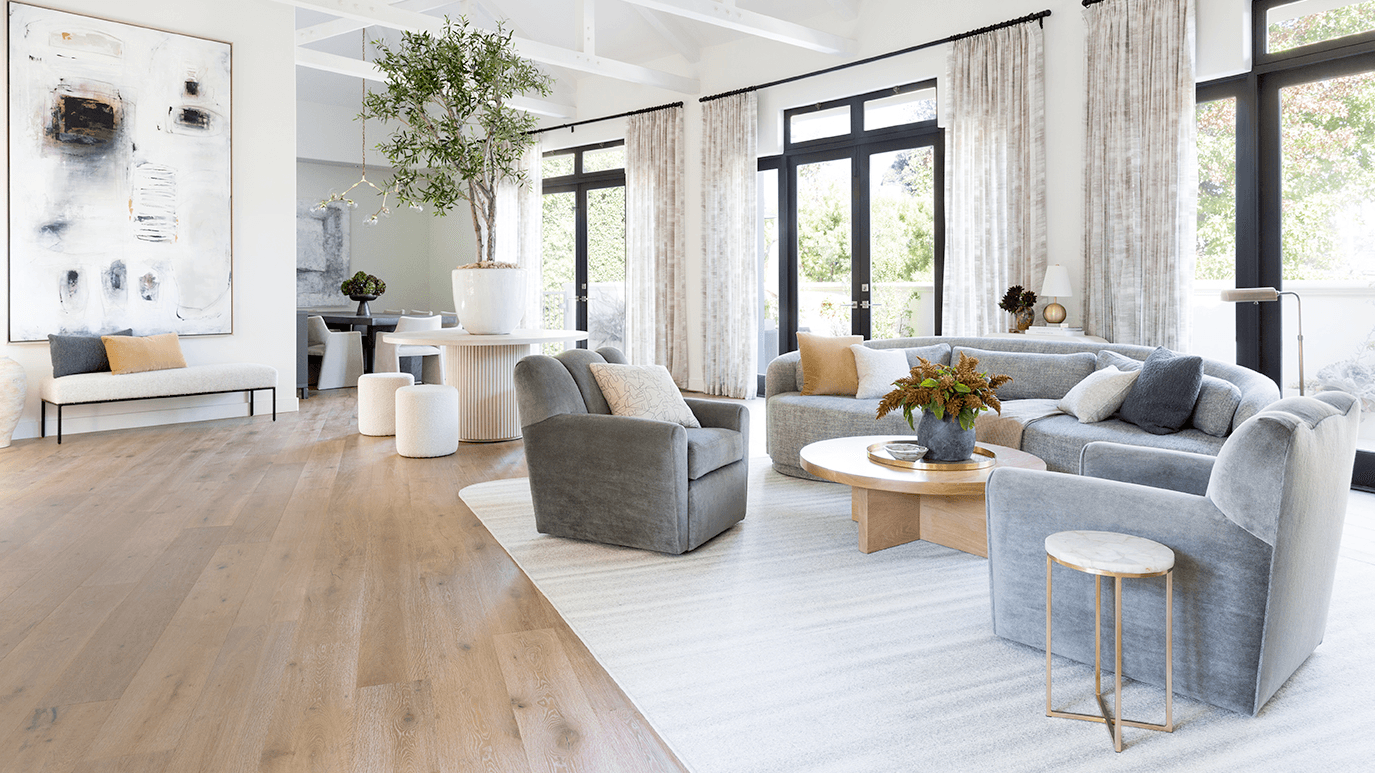
Transitional Design: Everything You Need to Know About This Traditional and Modern Style

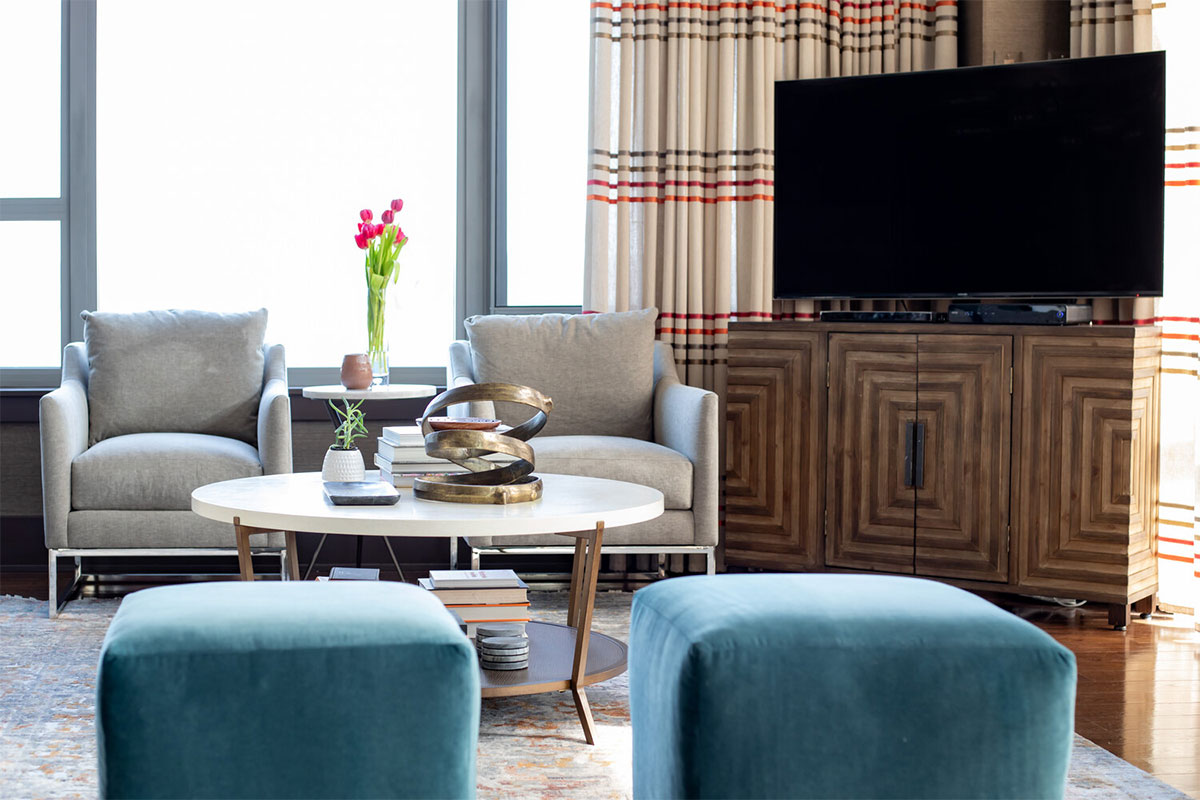
What is transitional design? Get the scoop on the trend from a local expert
9 Decorating Choices That'll Never Go Out of Style, According to Interior Designers

How to evolve your home as trends change – 7 designer secrets to having an adaptable style
What Is Transitional Style? Designers Share Why They Love It and How to Get the Look

10 beautiful transitional color schemes for every room in the house
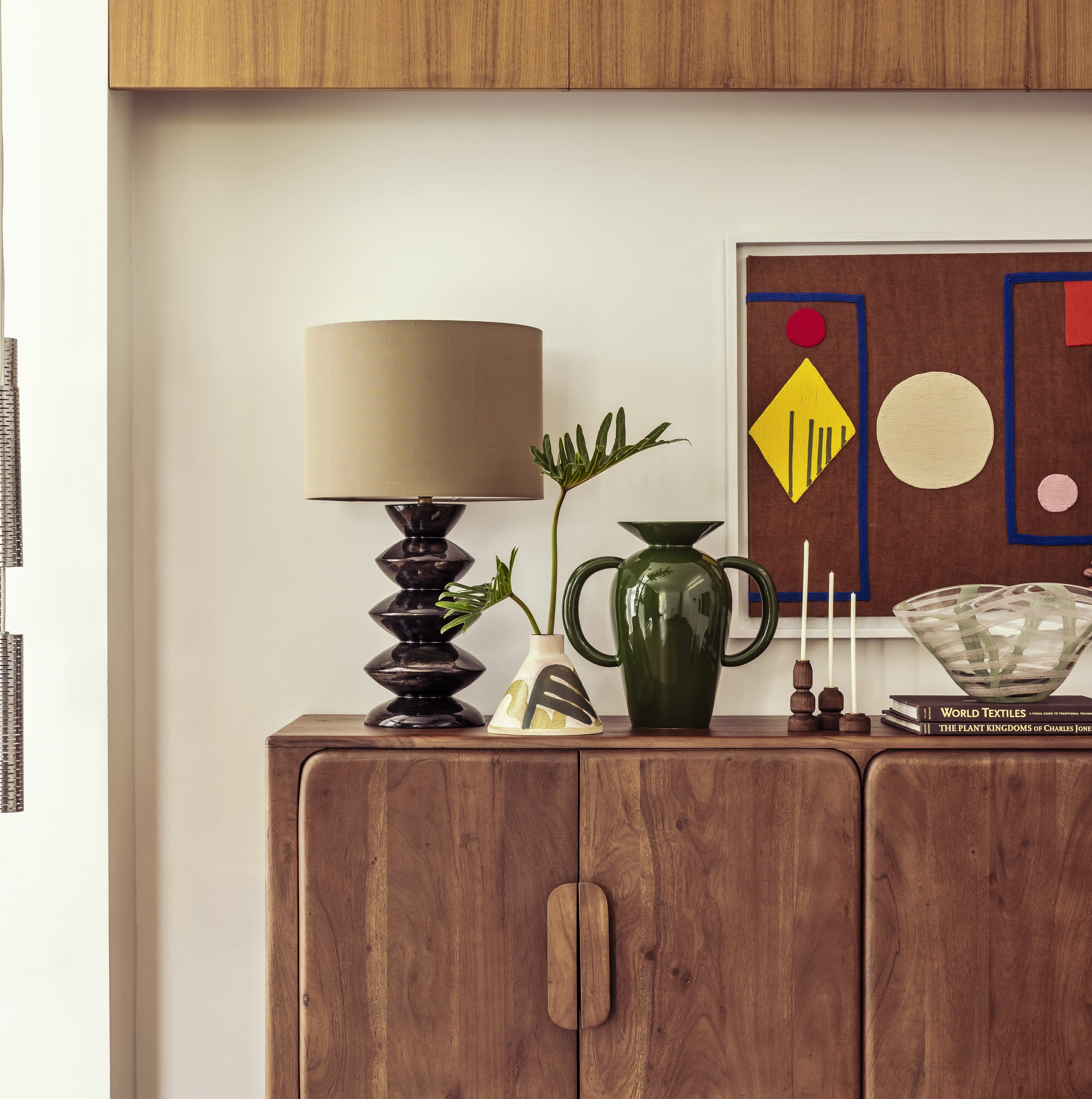
9 Decorating Tips To Master The Mid-Century Modern Look

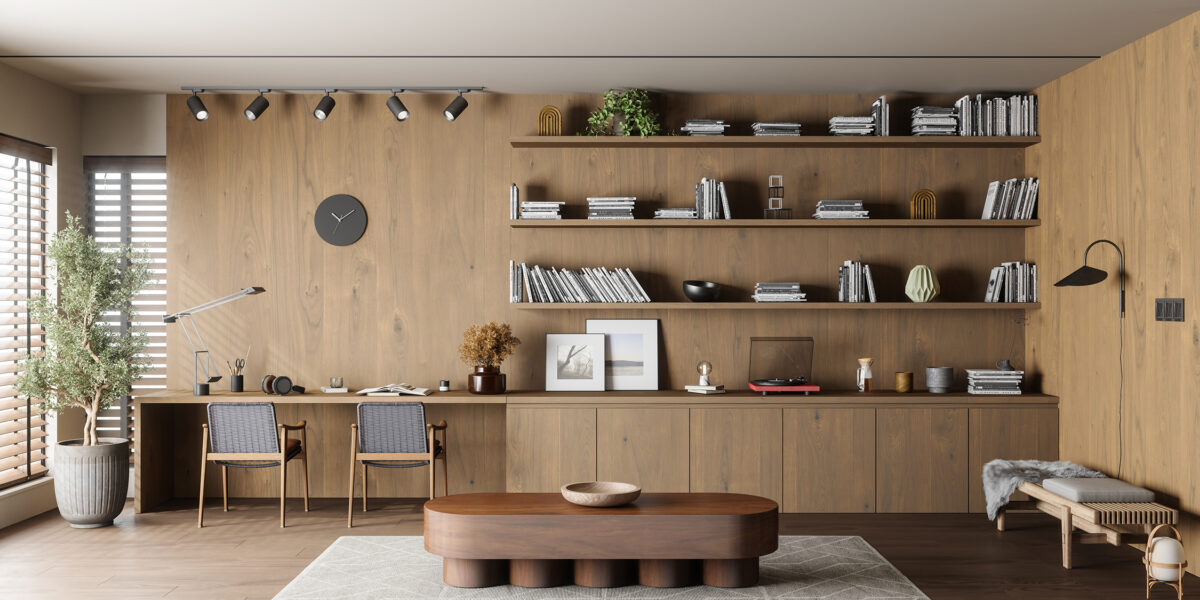
The 5 Design Rules That Are Meant to Be Broken—and What to Do Instead
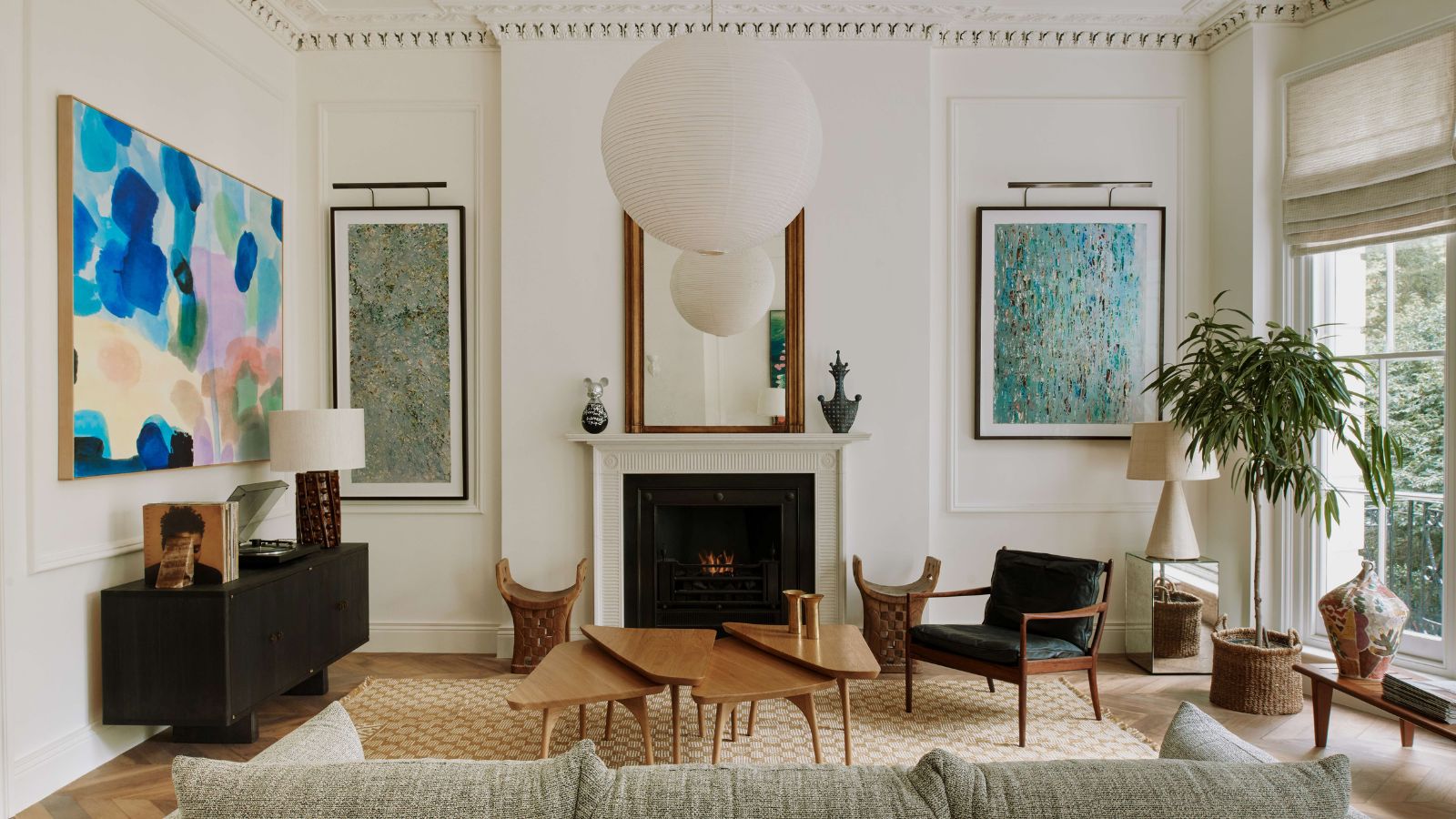
9 transitional living room ideas that nail this old-meets-new style
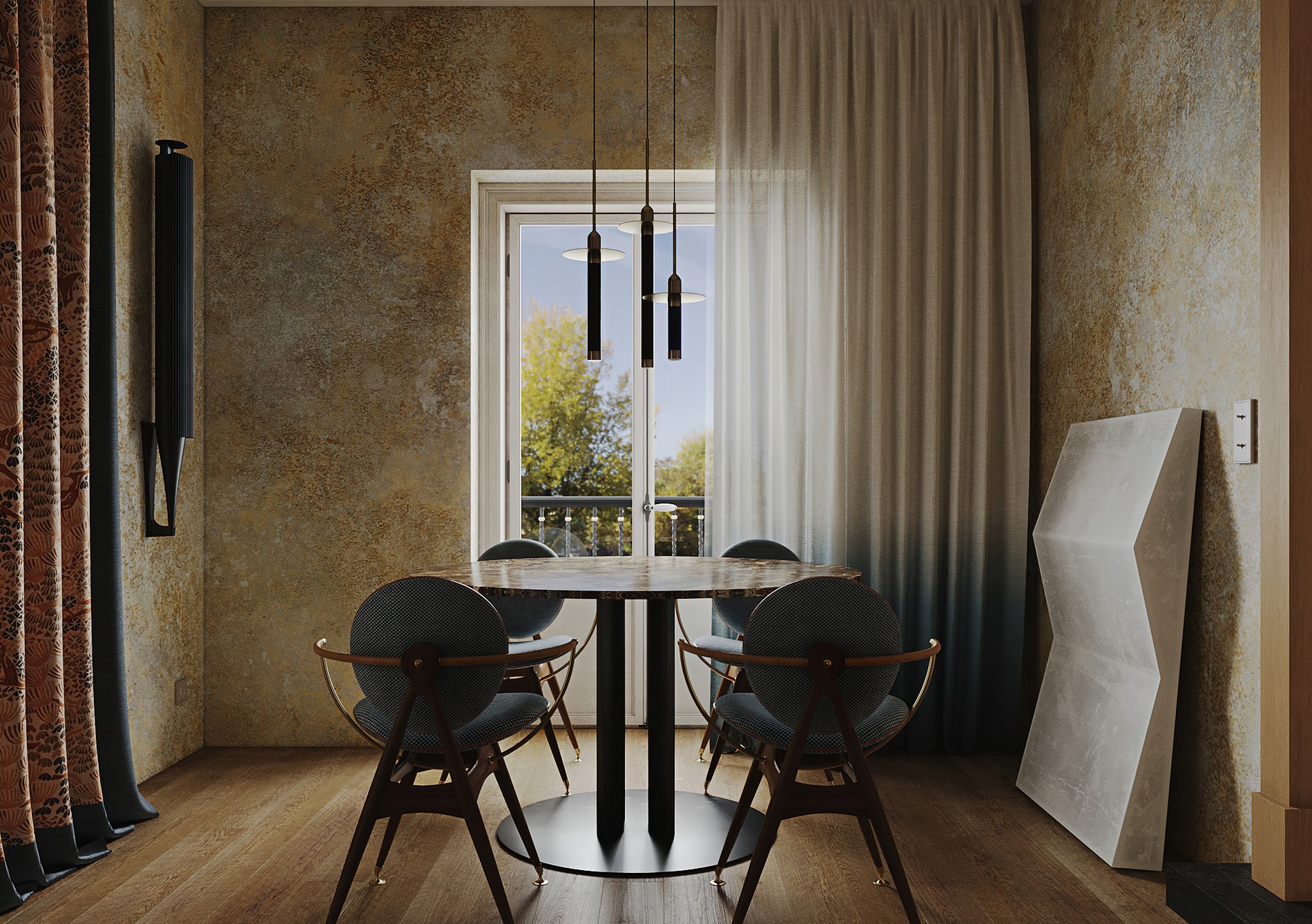
Interior Design Styles — 9 Ways to Decorate Everyone Should Know About
Room for Change: Interior Design that Adapts with Style

Transitional Style Kitchens Are Most Popular—Here's How to Ace the Look