1/10
8 Feng Shui Tips You Need To Follow At Home, Revealed By A Local Master
This article explores the integration of Feng Shui principles with modern home design, guided by local Feng Shui Consultant Master Ling. It addresses the common misconception that Feng Shui relies solely on superstitious rituals and gaudy ornaments, emphasizing instead the importance of space, environment, and energy.
The article outlines eight practical Feng Shui tips for enhancing health, career, and relationships within a home. The first tip advises prospective homeowners to meticulously examine floorplans. Homes with fully squarish or rectangular layouts are considered auspicious, as missing corners can symbolize missing energies, potentially affecting wealth and luck. Open-concept homes are favored for their association with good energy flow, and balanced proportions throughout the home are encouraged to signify harmony. Conversely, "suspended" units, located above roads or car park driveways, are to be avoided due to destabilized energy and potential noise disturbances.
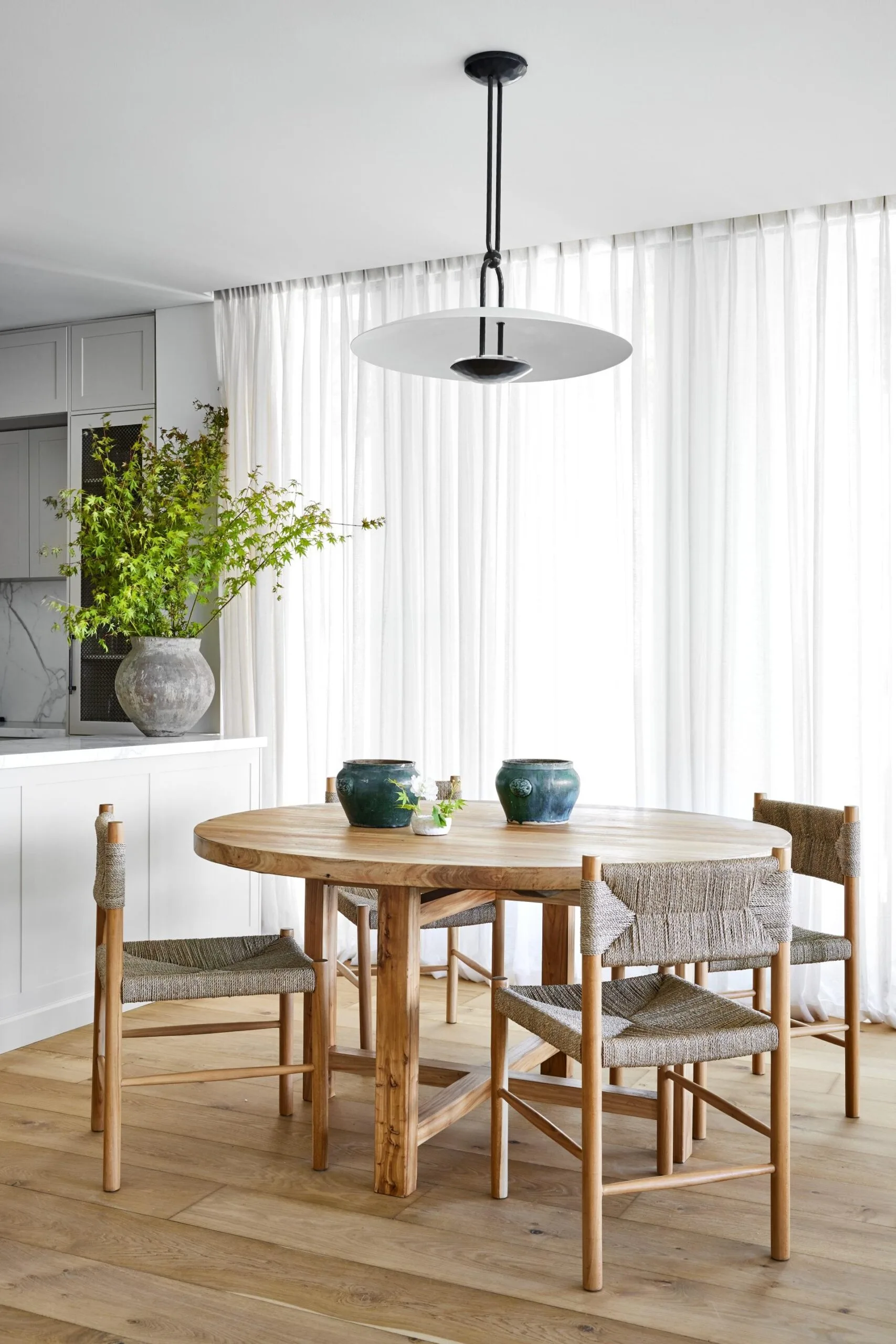
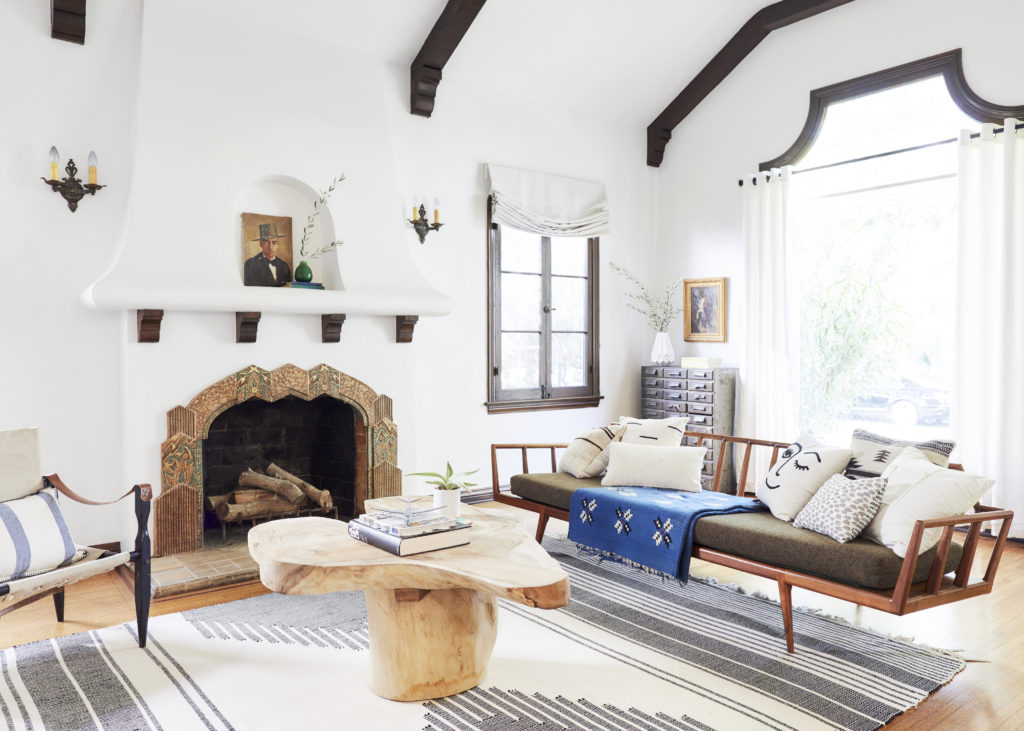
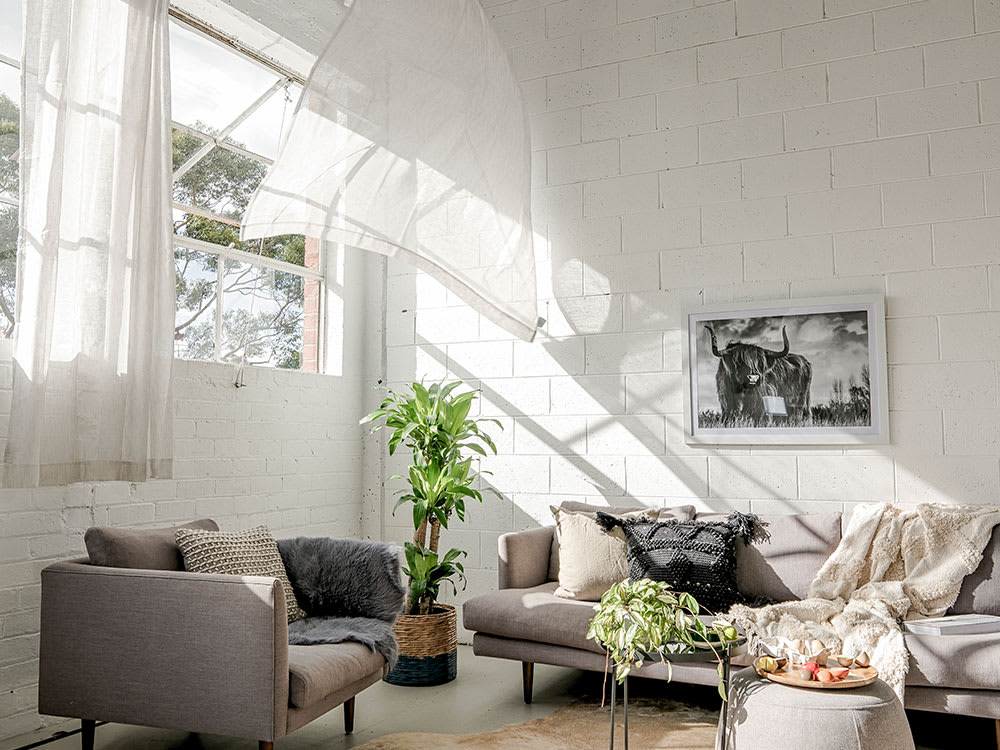
The second tip emphasizes the importance of open windows to allow natural light and wind to enter, bringing positive energy and warmth. Master Ling suggests that any sunlight is beneficial, even the west sun, dispelling concerns about excessive heat. Constant closed windows can lead to stale, damp air, contributing to sickness. For air-conditioned homes, using dehumidifiers or air purifiers is recommended to mitigate the water element linked to melancholy.
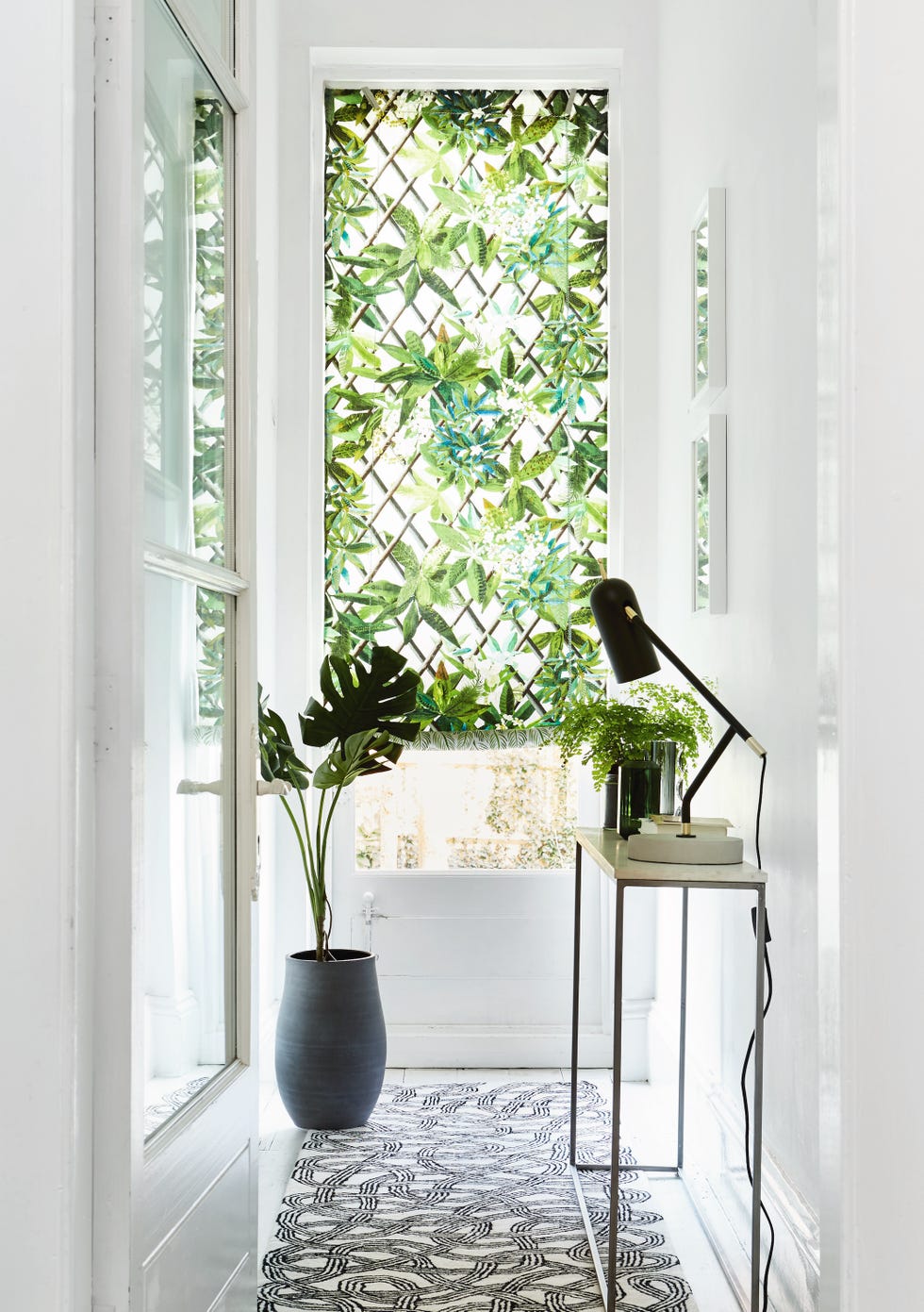
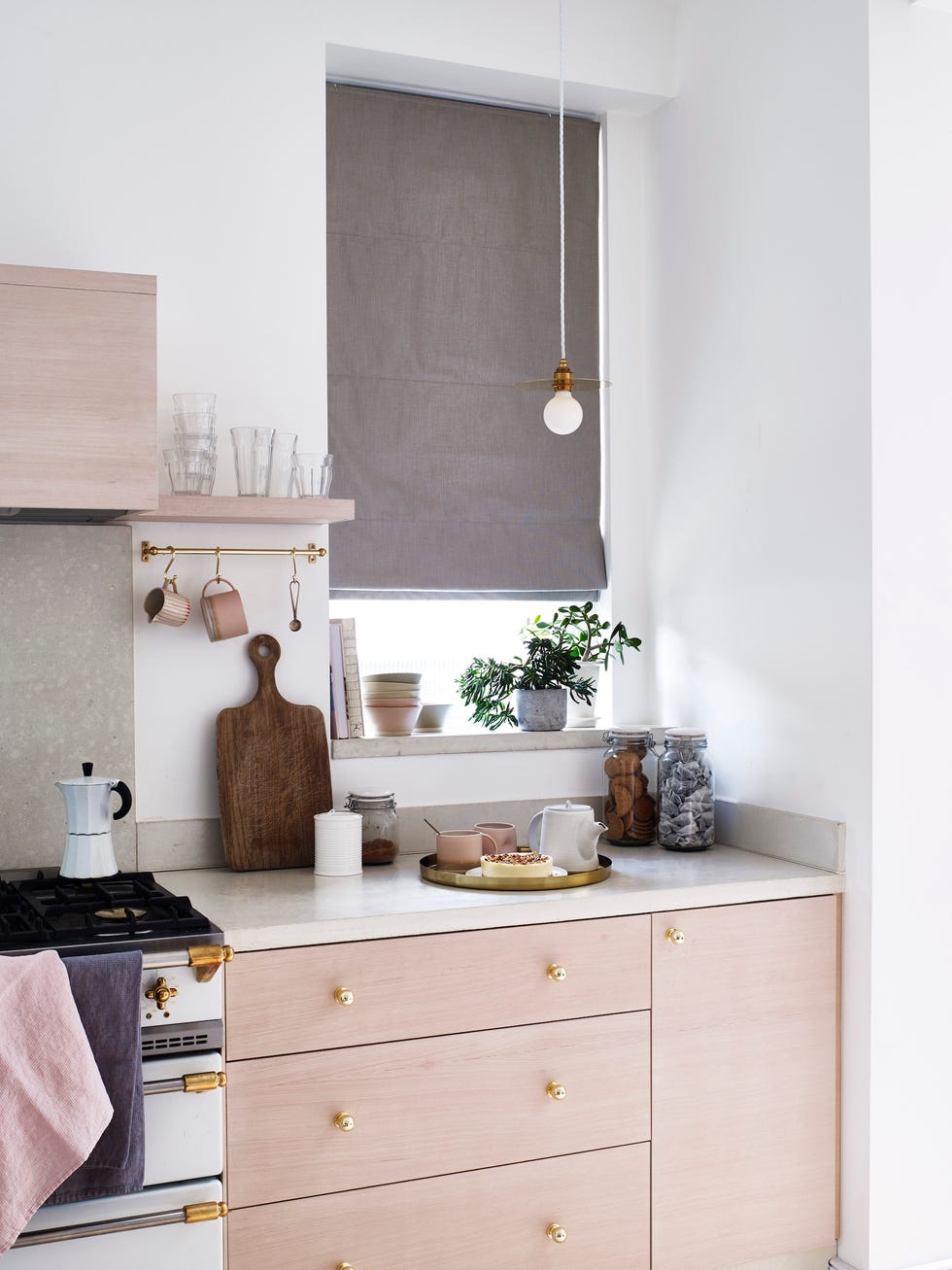
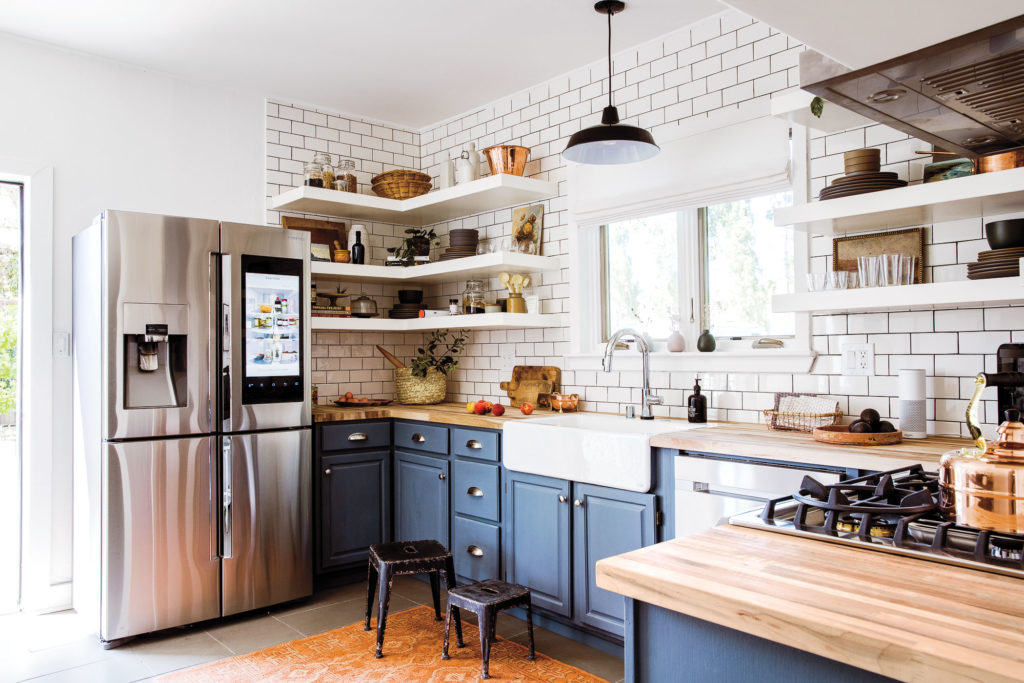
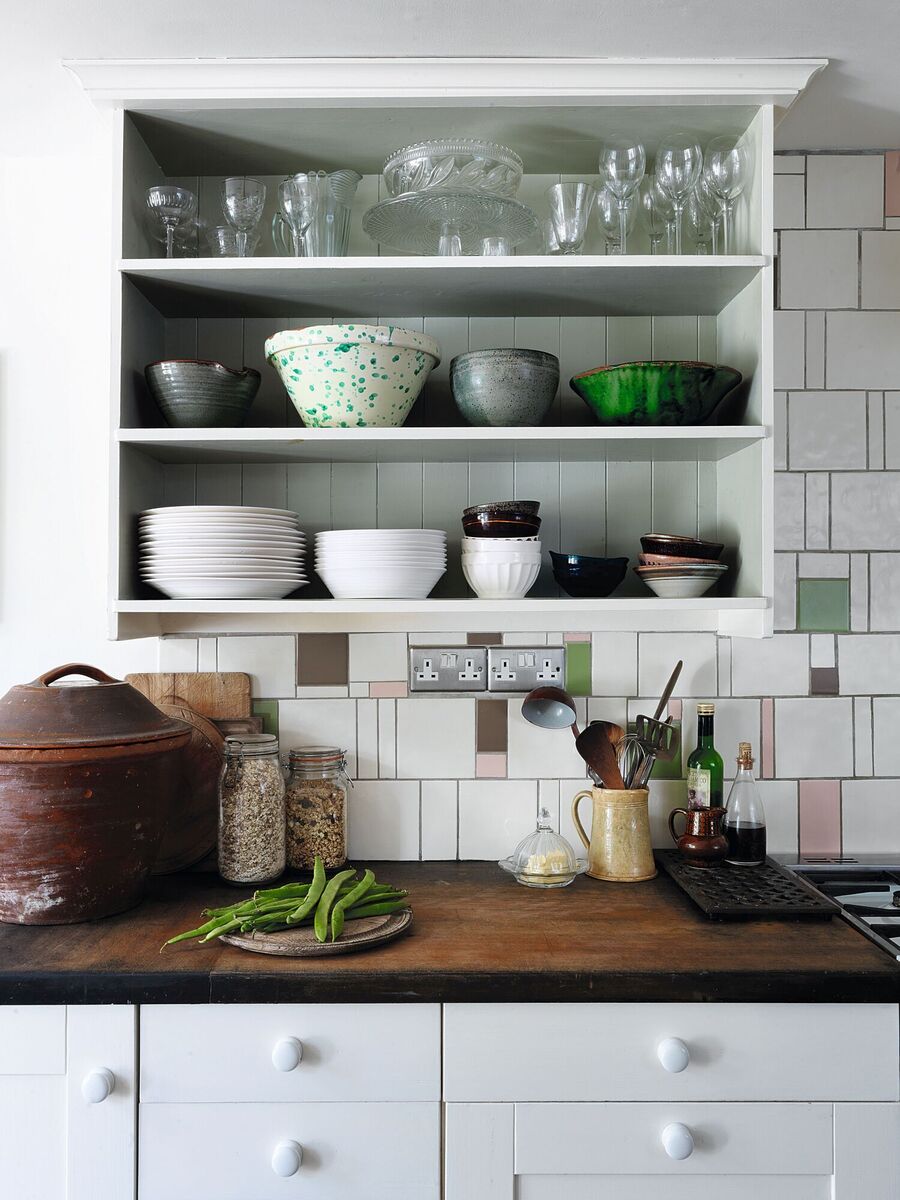
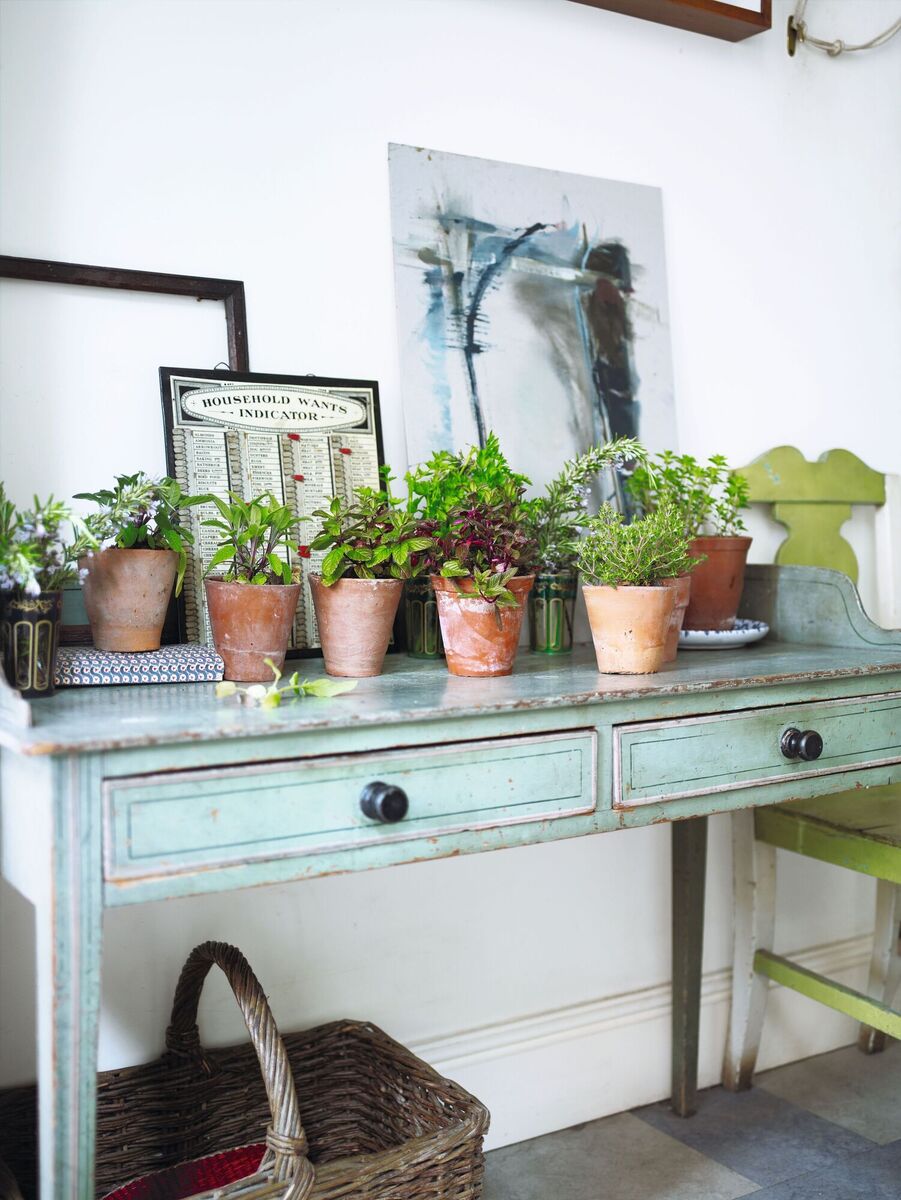
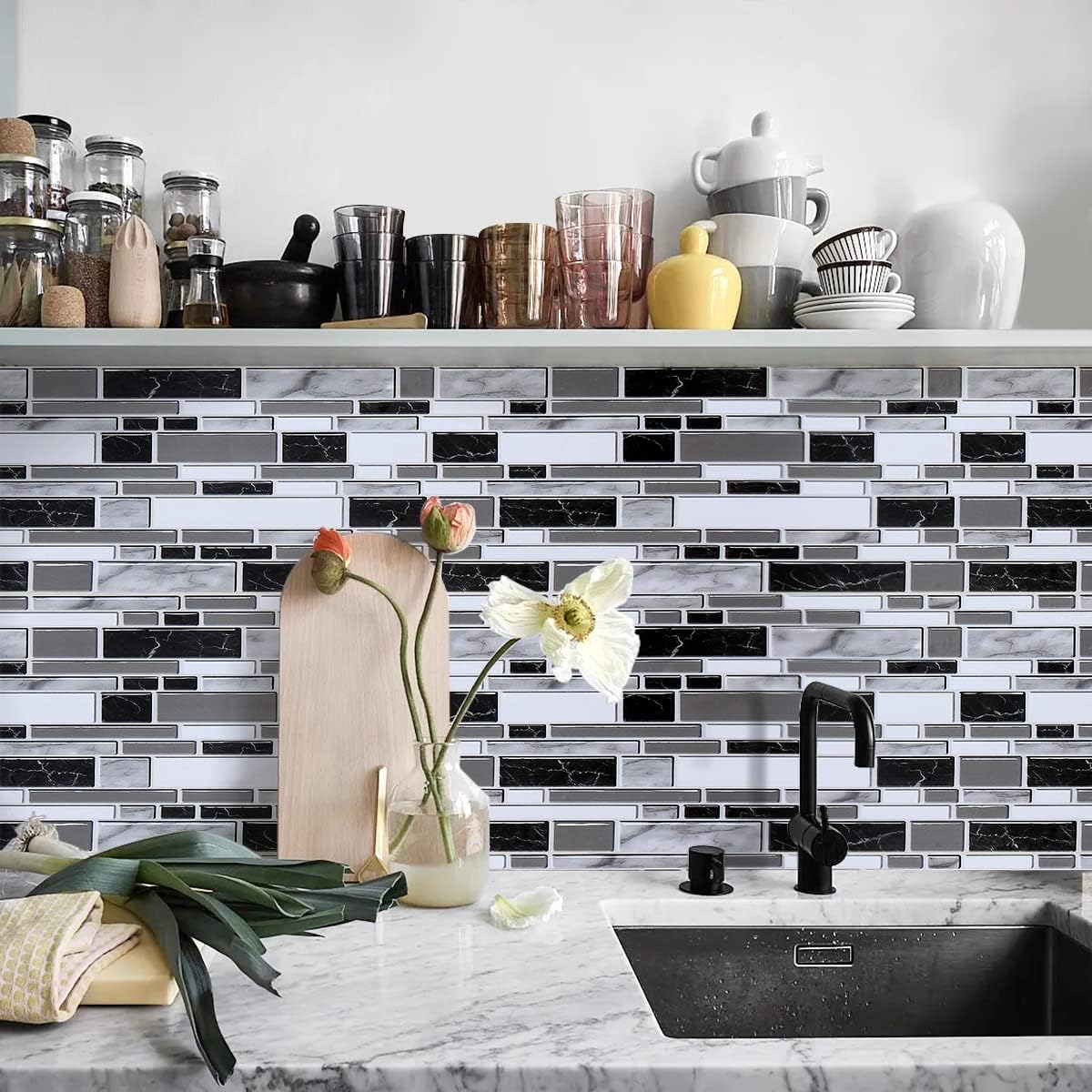
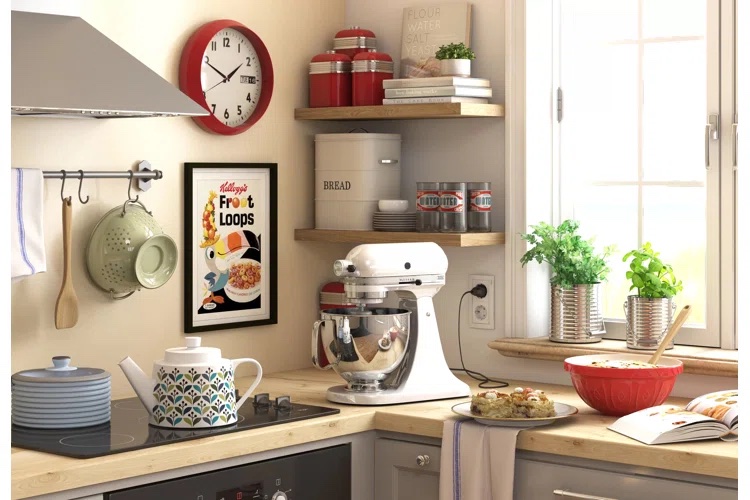
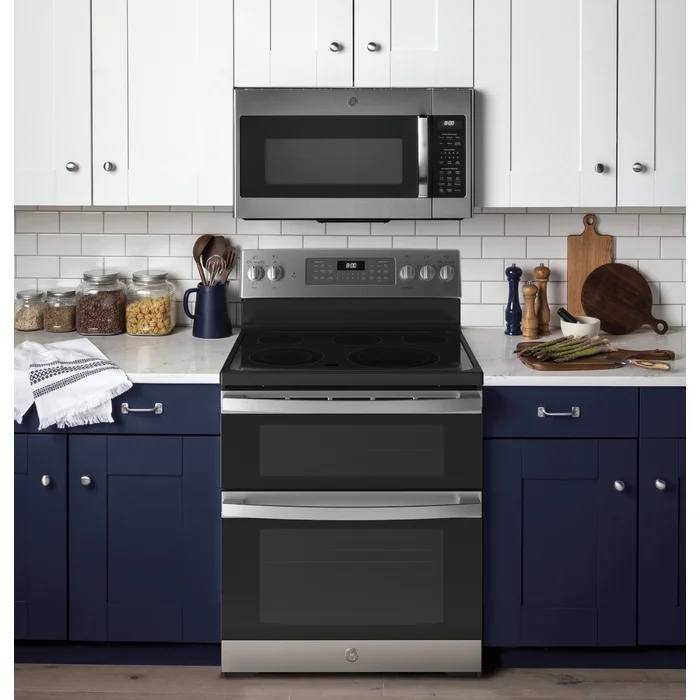
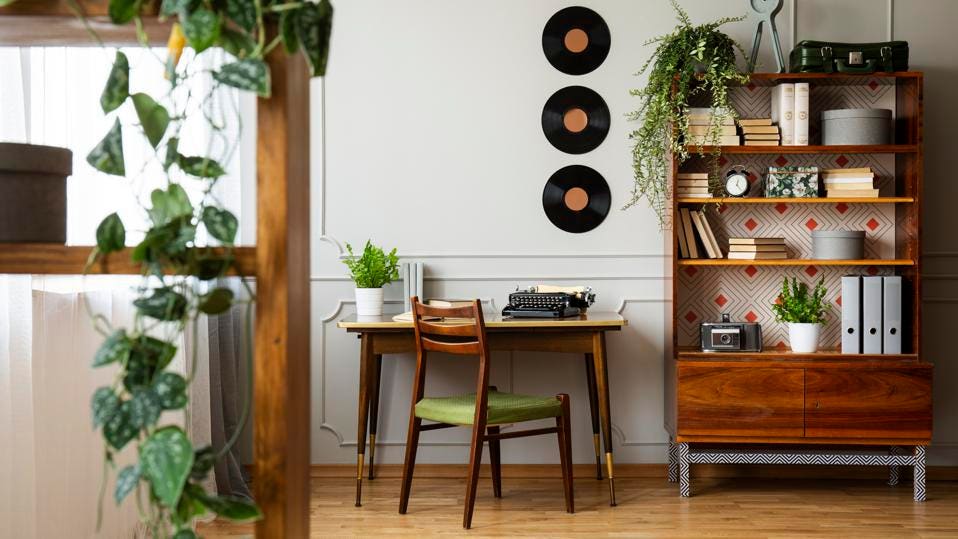
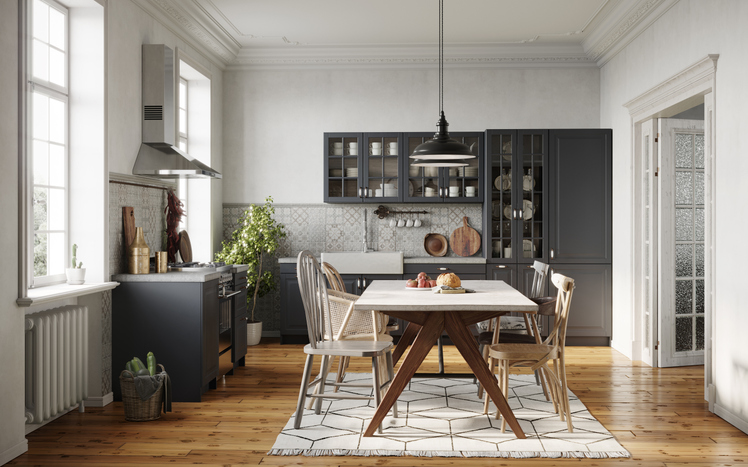
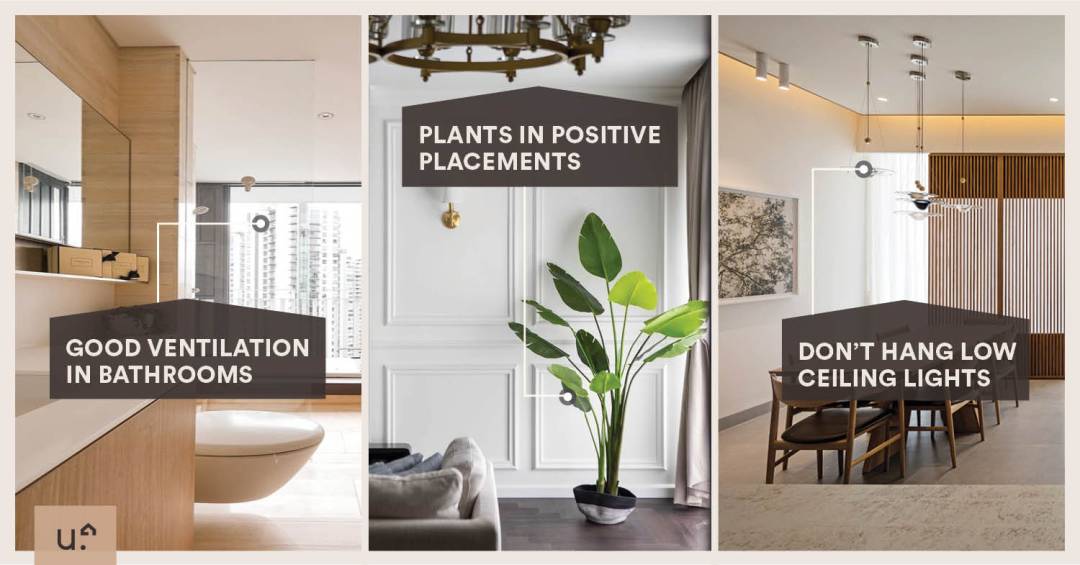
Thirdly, the article discusses the strategic placement of plants to boost or cut down specific energies. Leafy plants like Rubber plants or Money plants are preferred over dry plants such as cacti. Hydroponic plants are also favored over those in soil. The fourth tip addresses kitchen layout, advising against placing the stove, which represents fire, directly next to the sink, representing water, due to their clashing elements. A minimum distance of 60cm is recommended. Storing pots and pans under stove cabinets is suggested for enhancing fire element stability, while sharp tools like knives should be avoided. It is also advised to keep the toilet entrance away from the stove to prevent negative energy interaction.
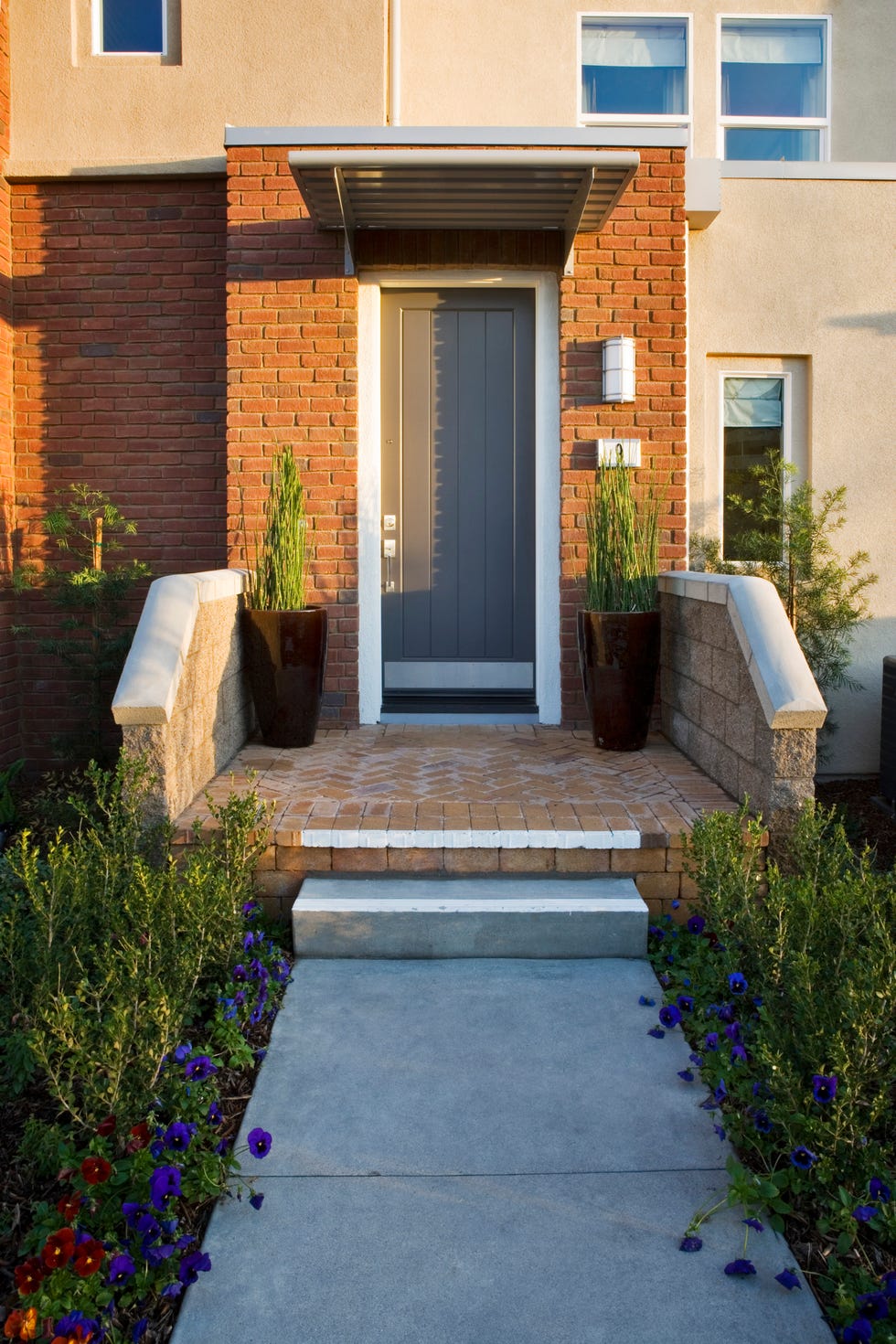
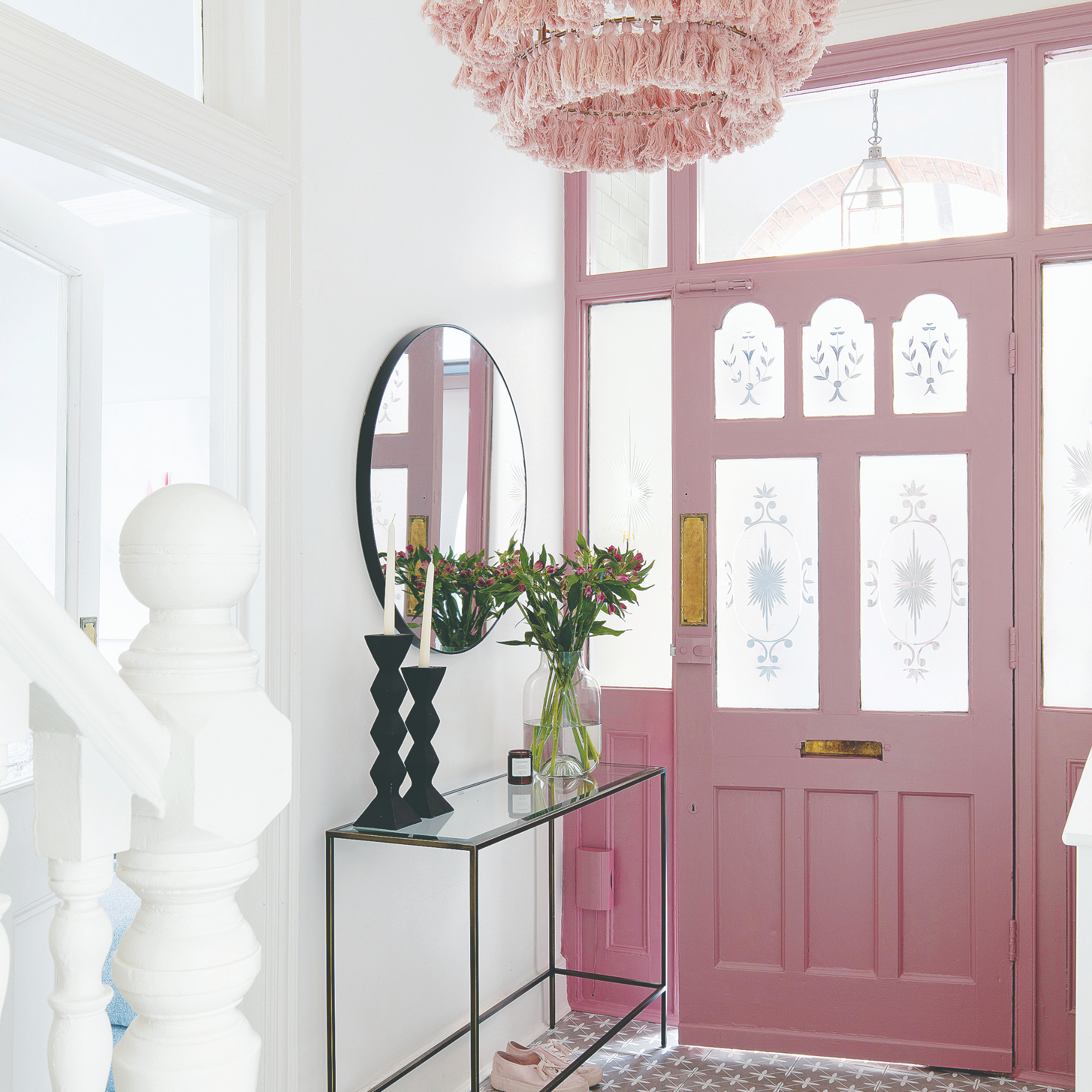
The fifth tip recommends keeping the main door area bright, possibly with a small light fixture, to attract positive energy, particularly for doors in darker, enclosed spaces. Mirrors directly opposite the entrance are discouraged as they can reflect energy and surprise visitors. Instead, welcoming items like quotes or family photographs are suggested. The sixth tip focuses on bathroom ventilation, highlighting the need for good air circulation to prevent mold and energy stagnation. For bathrooms in central locations, such as in condominiums, installing air vents, dehumidifiers, or using brighter paint colors can help elevate the space's energy.
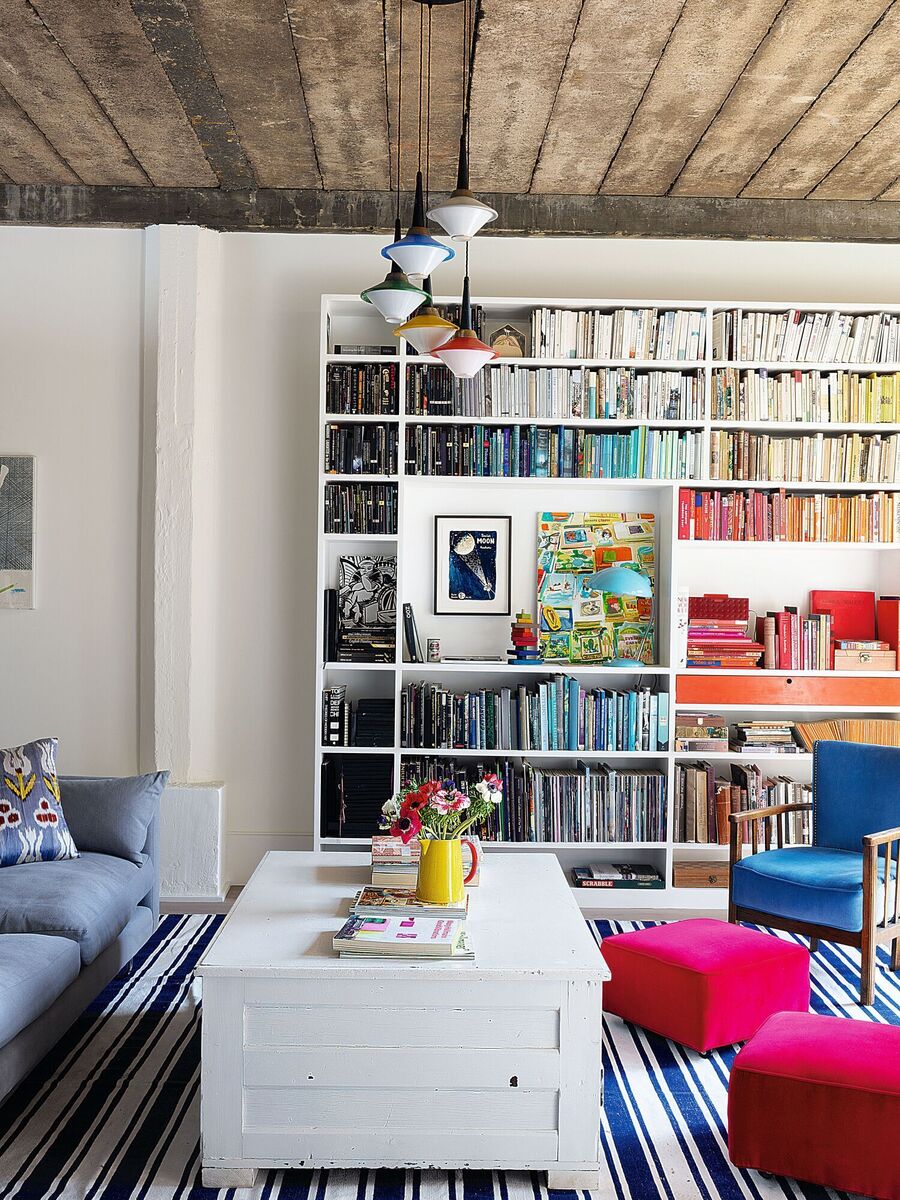
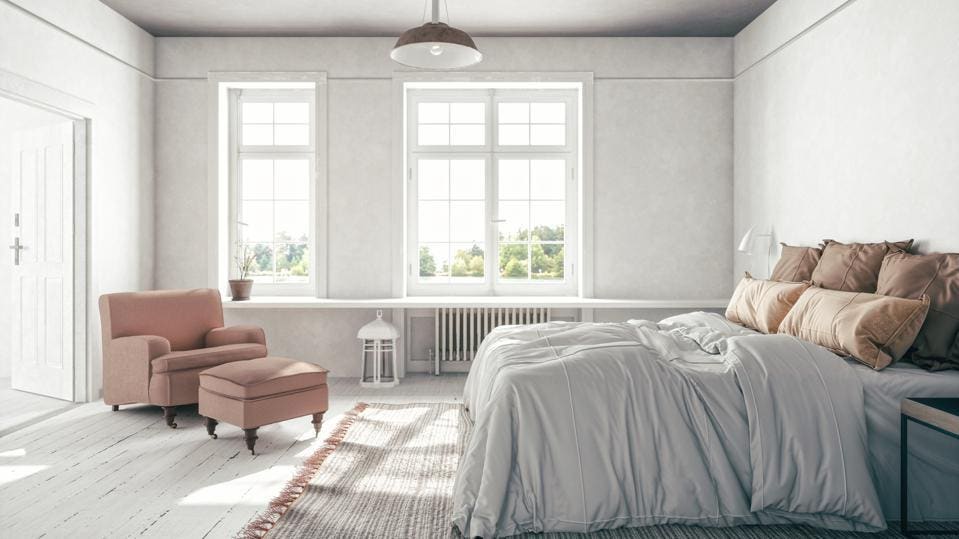
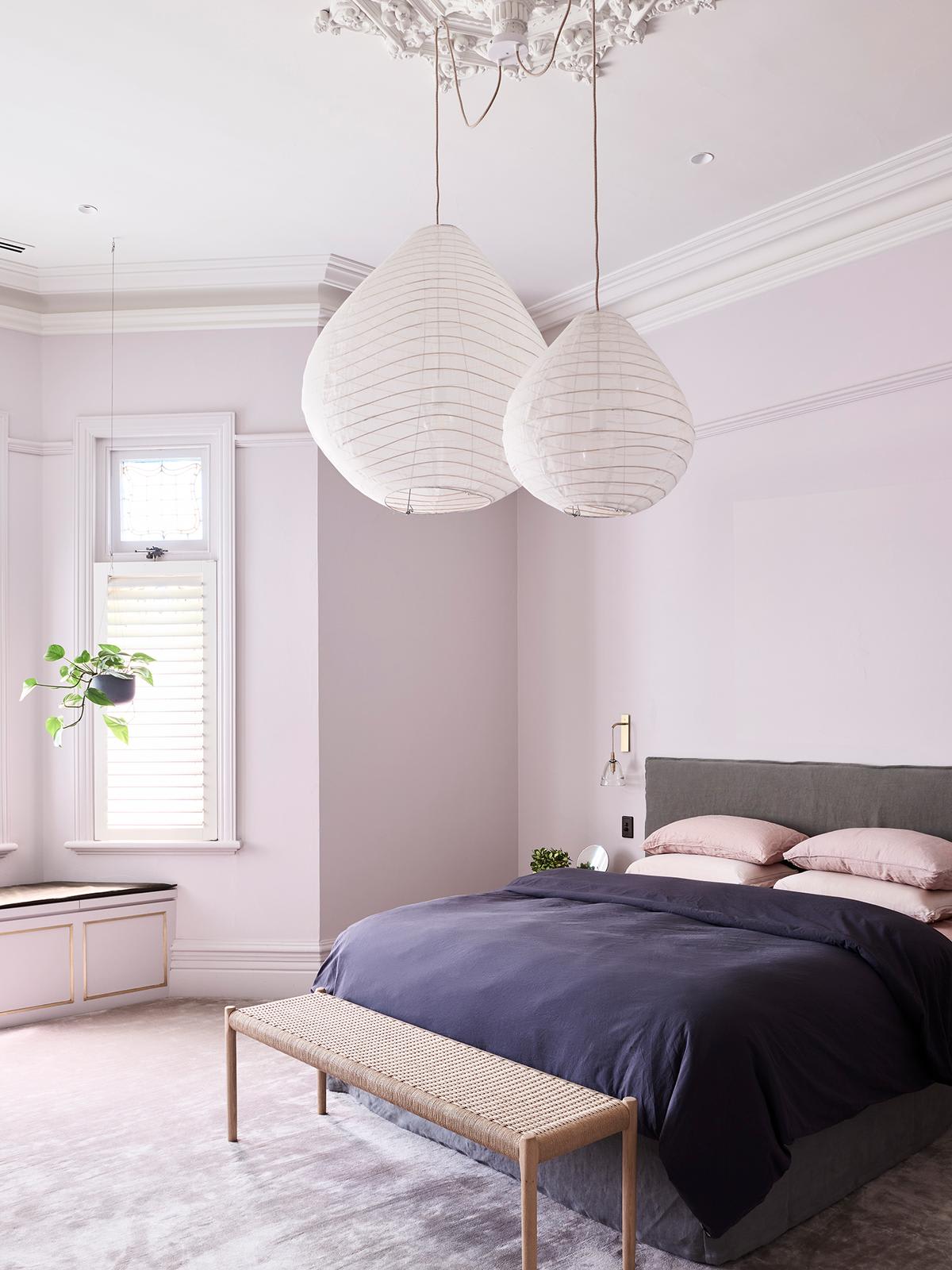
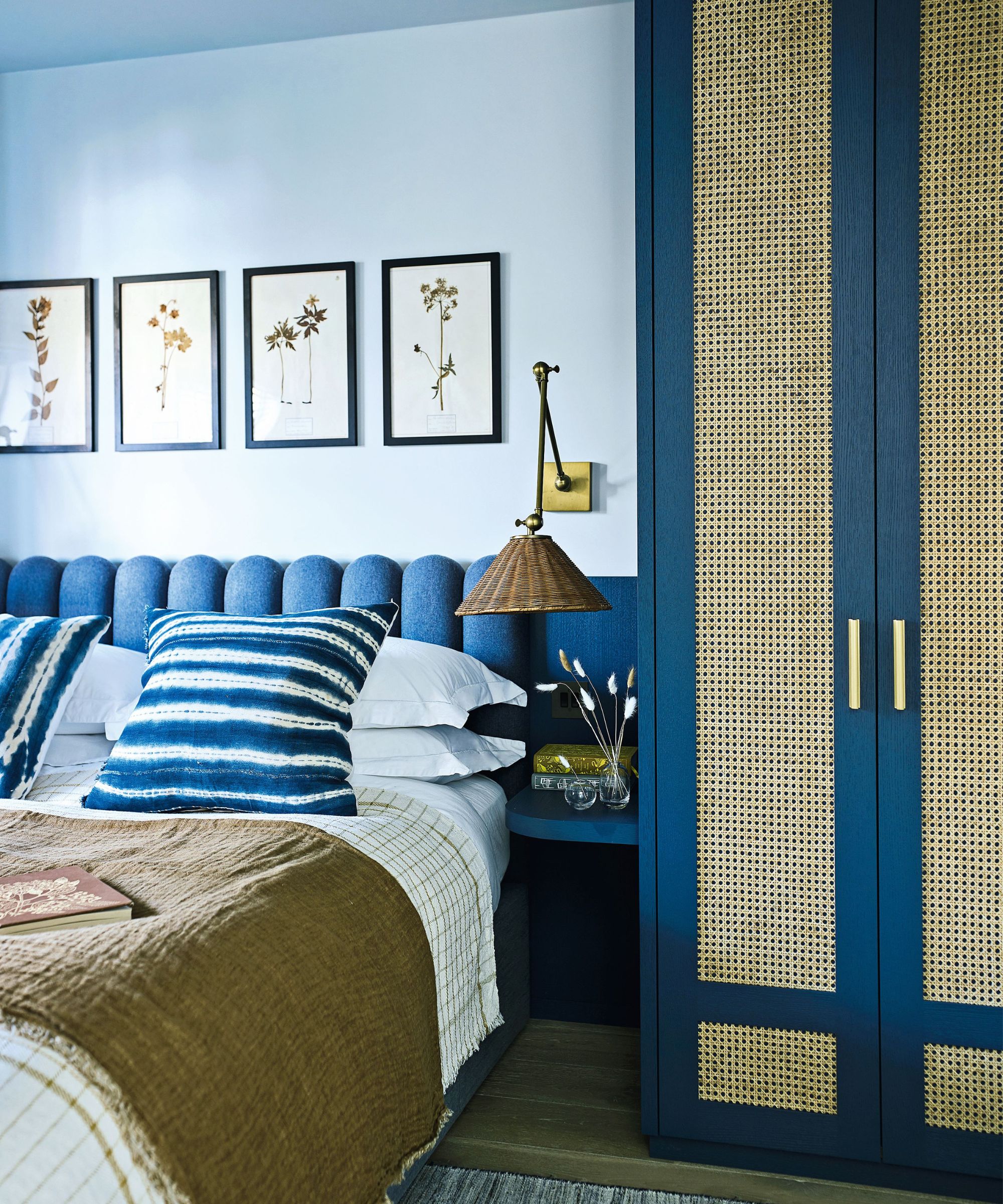
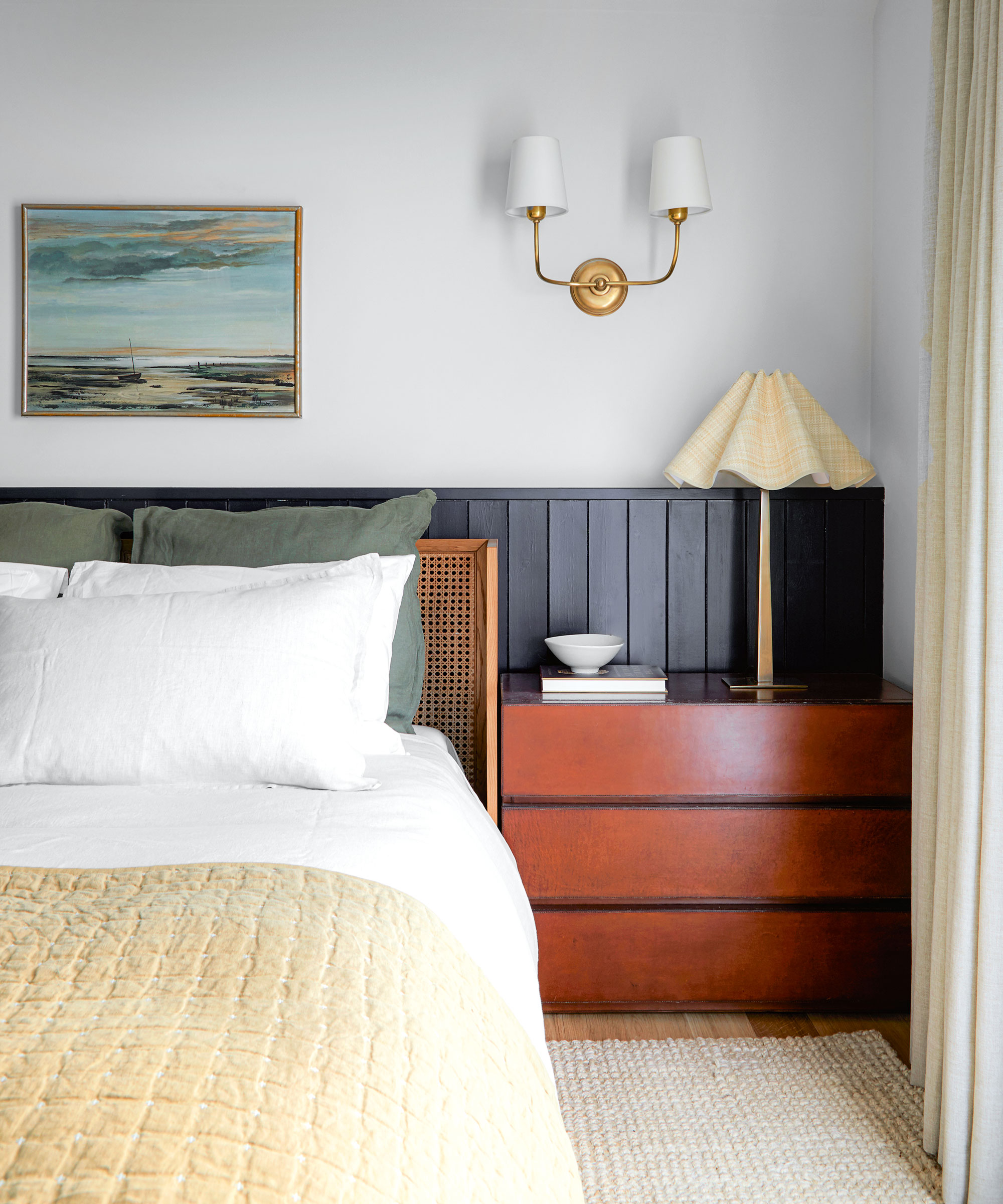
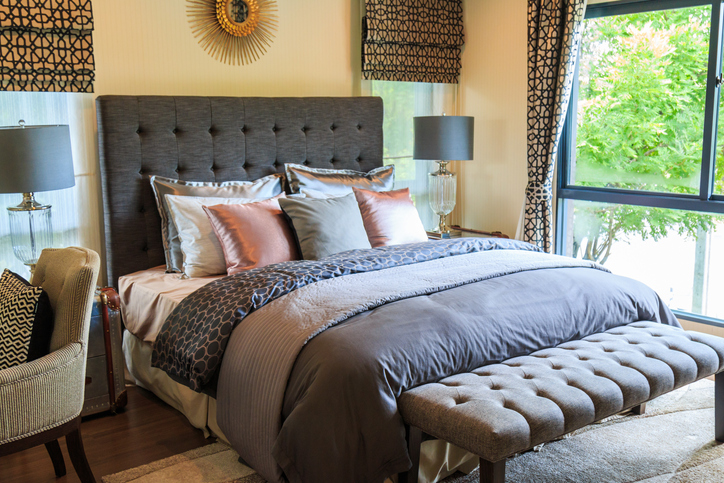
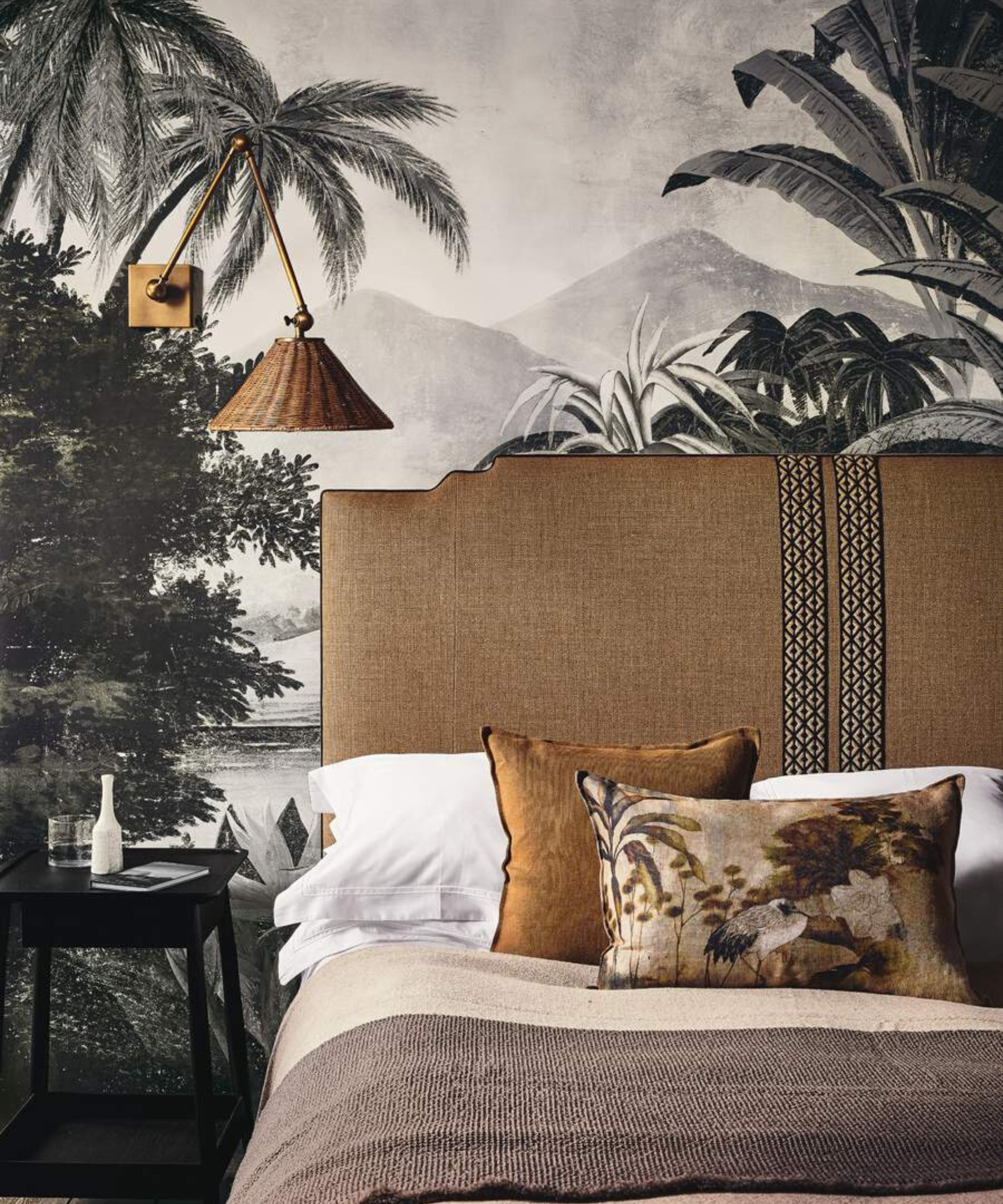
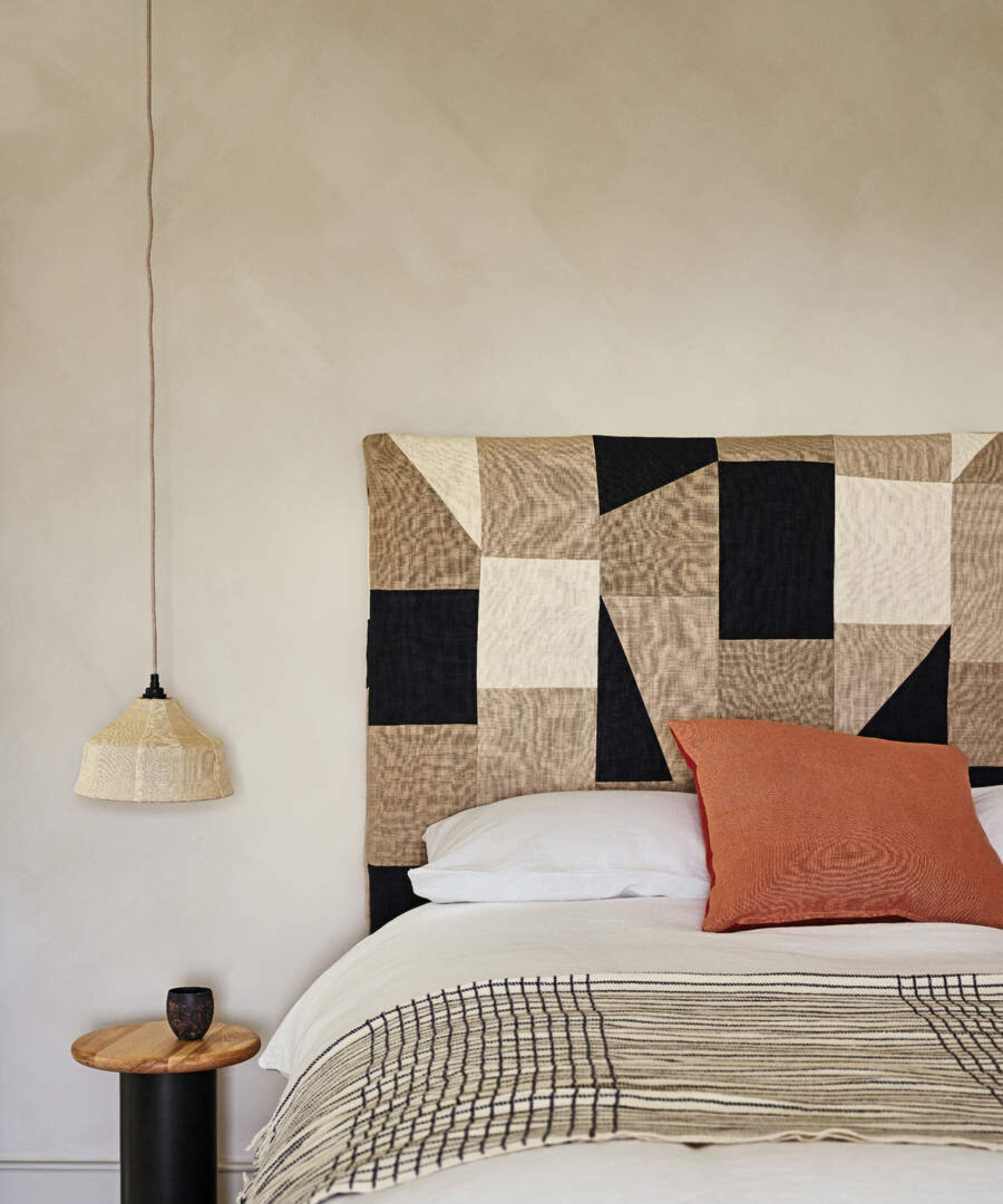
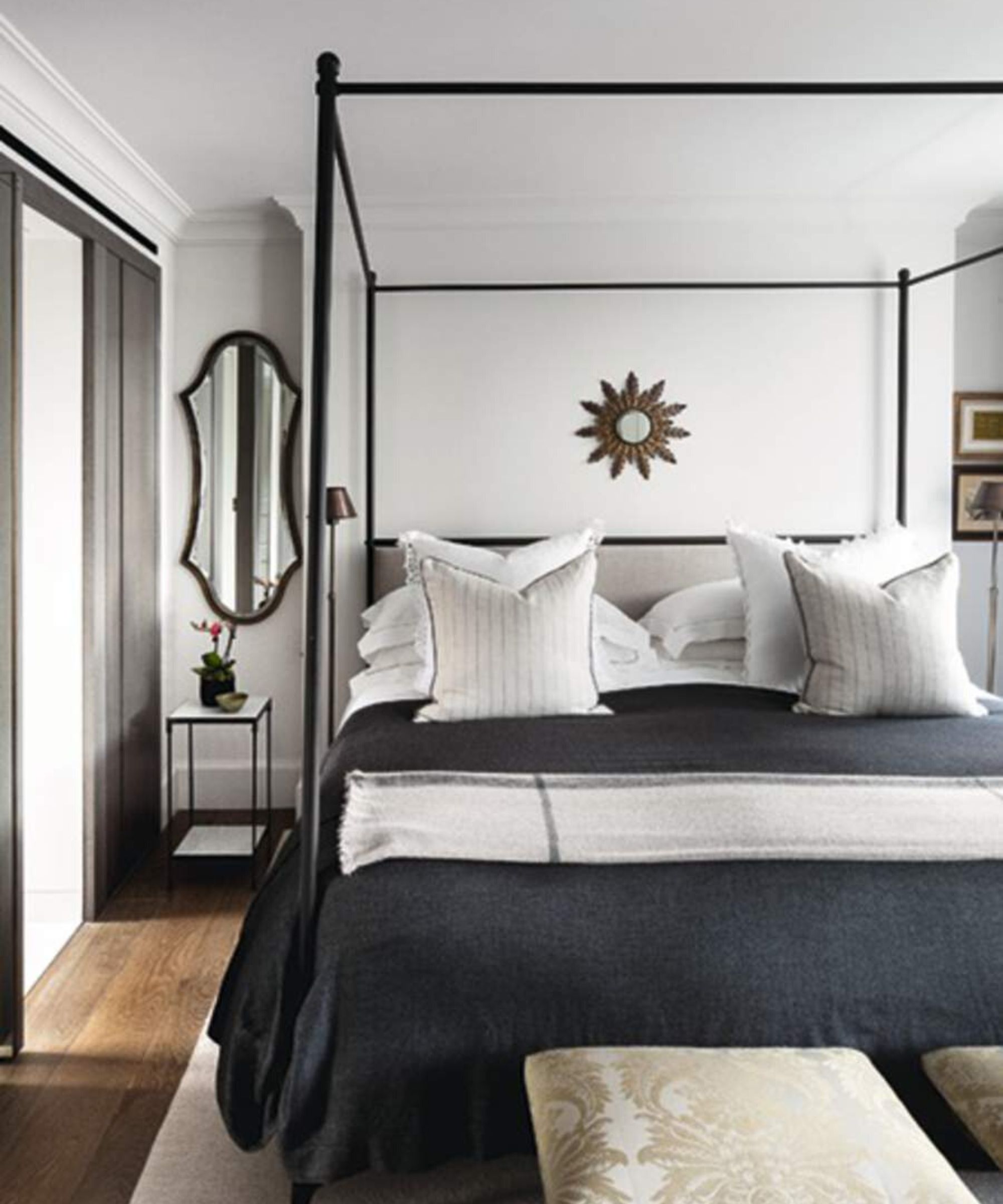
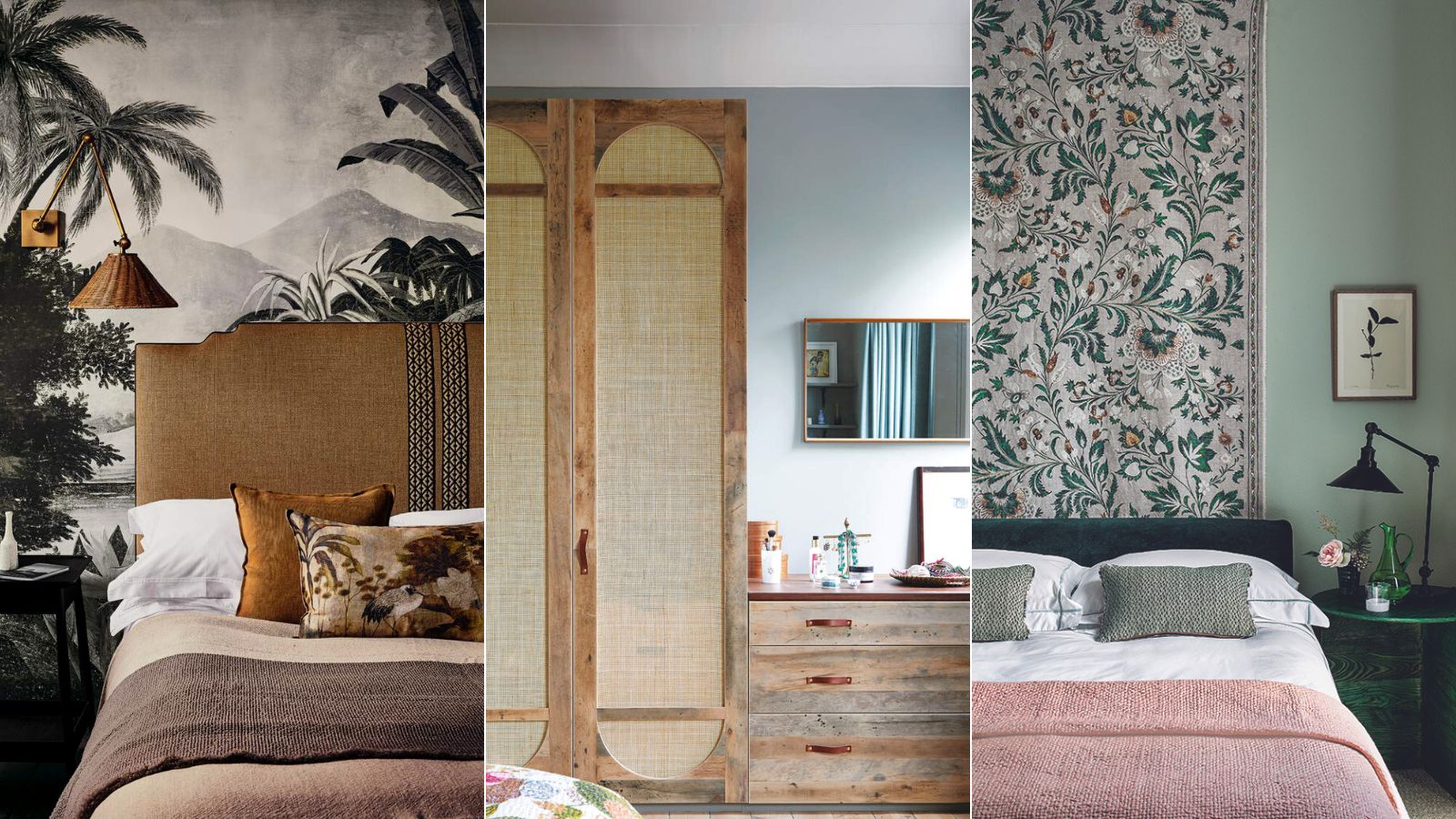
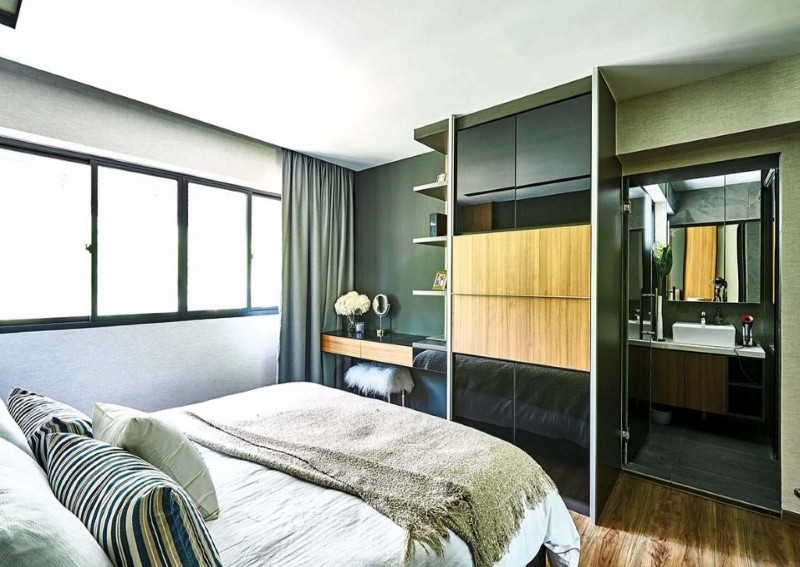
The seventh tip encourages careful color selection based on individual personality and life stage. Warm colors like yellow and pastels are suitable for children's rooms or home offices, promoting energy and vibrancy. Bedrooms, designed for rest, benefit from cool colors such as blues, greys, and earthy greens. However, balance is crucial; a dark bedroom might require brighter colors, and neon shades should be avoided due to their potentially shocking effect. The final tip advises against low ceilings or hanging beams, as they can create a sense of pressure. If such architectural features are present, adding light or a picture can help lift the space's energy.
In conclusion, the article posits that Feng Shui, despite its ancient origins, is compatible with modern home design. Master Ling emphasizes that good Feng Shui influences a home's energy, impacting residents' lives. While personalized practices are ideal, these general tips offer a starting point for improving one's living environment and, consequently, one's overall well-being and outlook.
#FengShui #HomeDesign #InteriorDesign #SpacePlanning #EnergyFlow #HomeImprovement #WellBeing #DecorTips #FengShui #HomeDesign #InteriorDesign #SpacePlanning #EnergyFlow #HomeImprovement #WellBeing #DecorTips
Toplam 0 yorum
 Henüz yorum yok
Bu da beğenebilirsiniz
How to feng shui your home: 8 ways to attract positive energy

How to use feng shui to bring harmony to your home
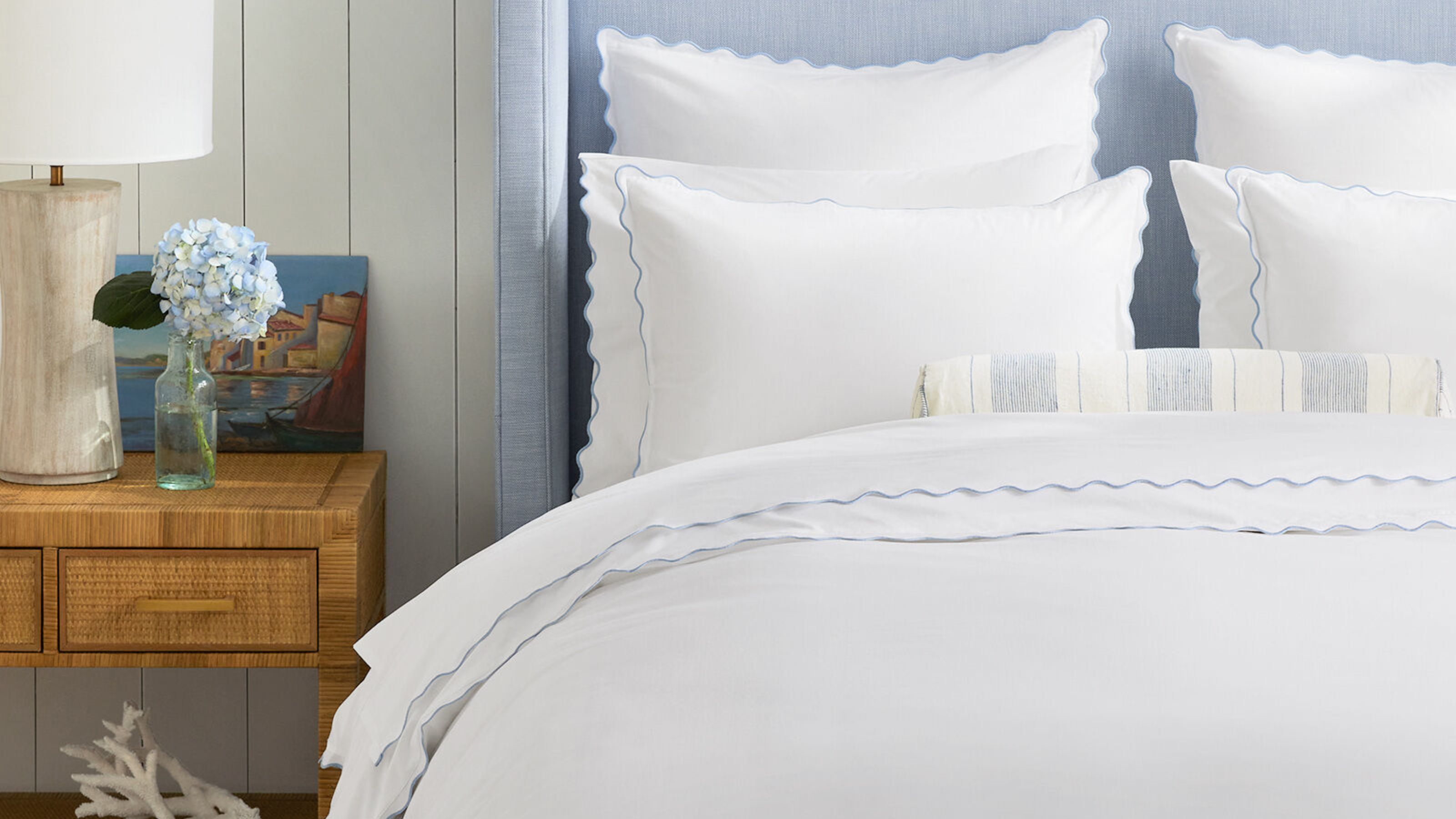
H&G's interiors therapist shares 9 tips for embracing Feng Shui in a tiny bedroom

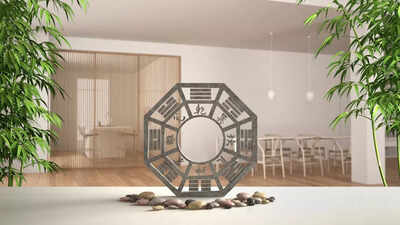
Feng Shui practices for a love-filled living space

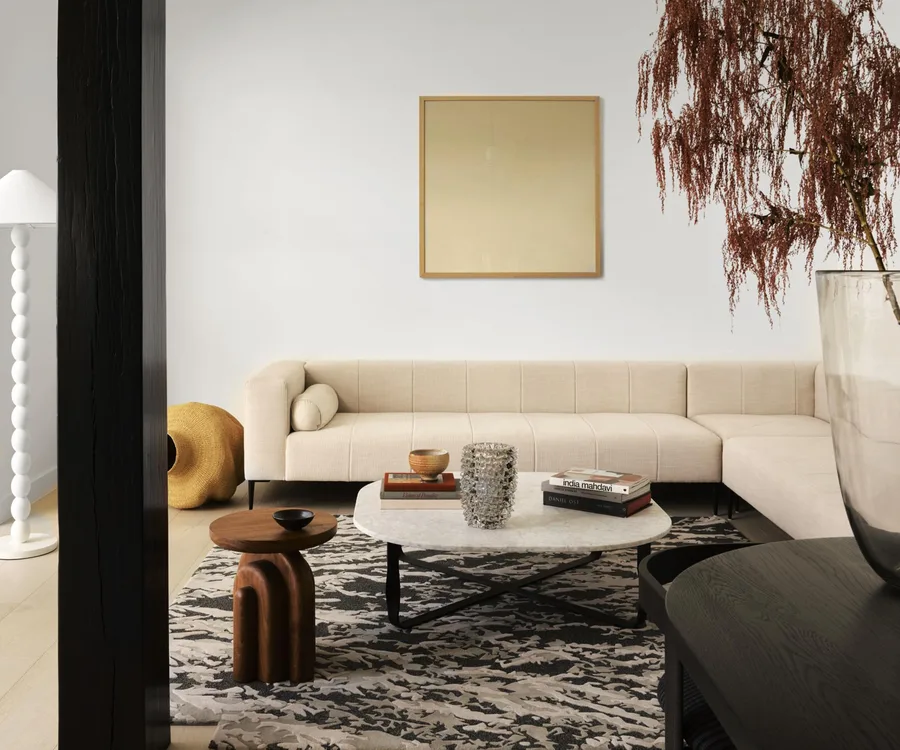
How to master the layout of your home, according to Feng Shui

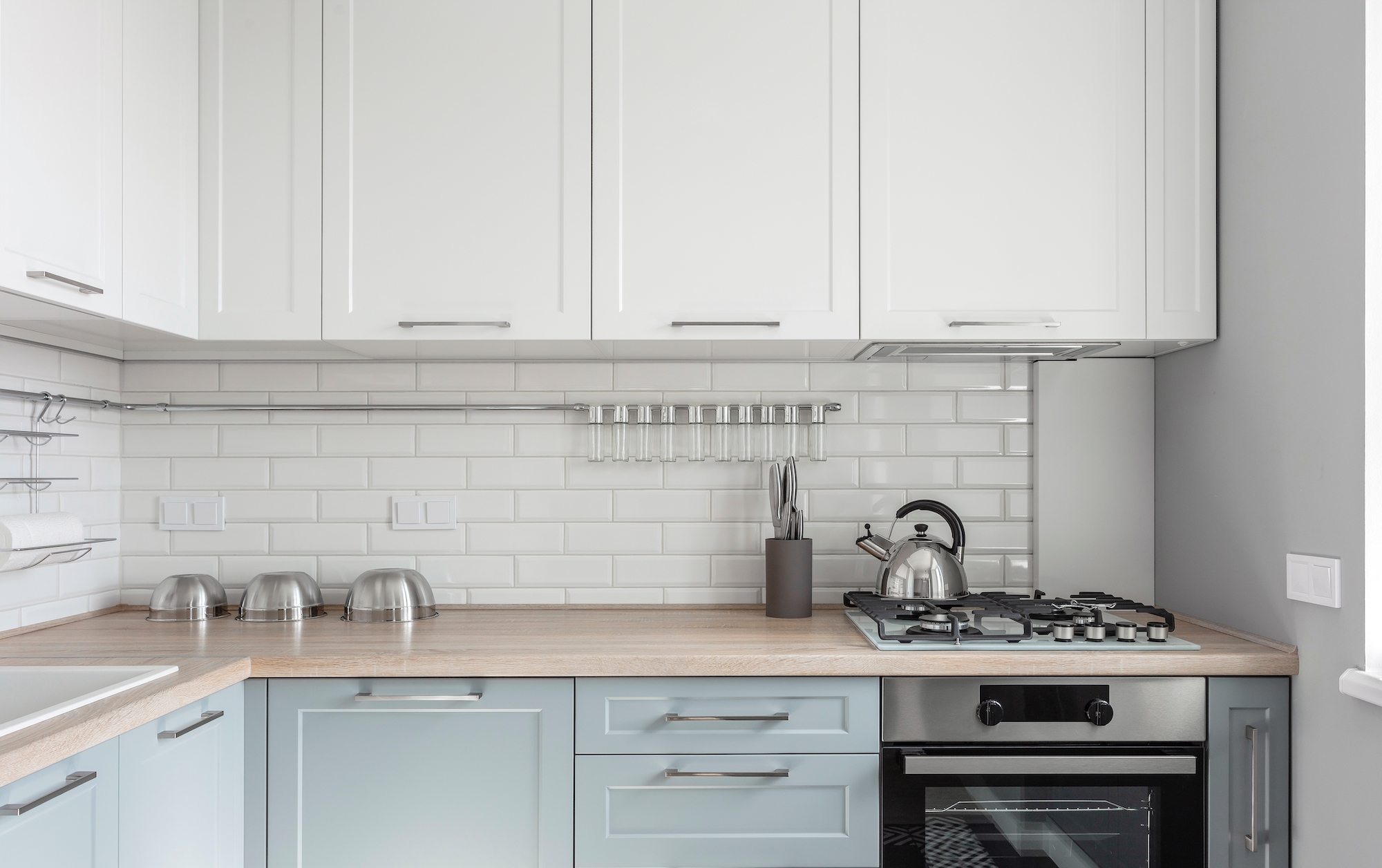
8 small kitchen Feng Shui tips for all the good vibes

Bring a bit of feng shui into your home
6 Rules for Staircases in Feng Shui You Should Know About for Better Chi in Your Home

How to Feng Shui Every Room in Your Home
10 Expert Feng Shui Tips for Your Living Room


Feng Shui Tips Just For The Real Housewives To Make Their Homes Drama-Free!
How to use garden Feng Shui – the dos and don'ts for a relaxing retreat
Feng Shui Tips for Every Room in Your Home
10 Feng Shui Rules To Live By For A Calm, Restorative Space

Feng Shui and Manifestation Through Interior Design
Feng Shui bedroom layout – 8 ways to curate a rejuvenating space
8 Feng Shui tips to revitalise your home for free (and in less than 24 hours)
How Feng Shui Impacts Your Wellbeing At Home
Three feng shui principles to improve the energy of your small flat

8 feng shui tips for the bedroom by Joey Yap, Lifestyle News