1/11
18 Unique and Unusual Gardens To Consider
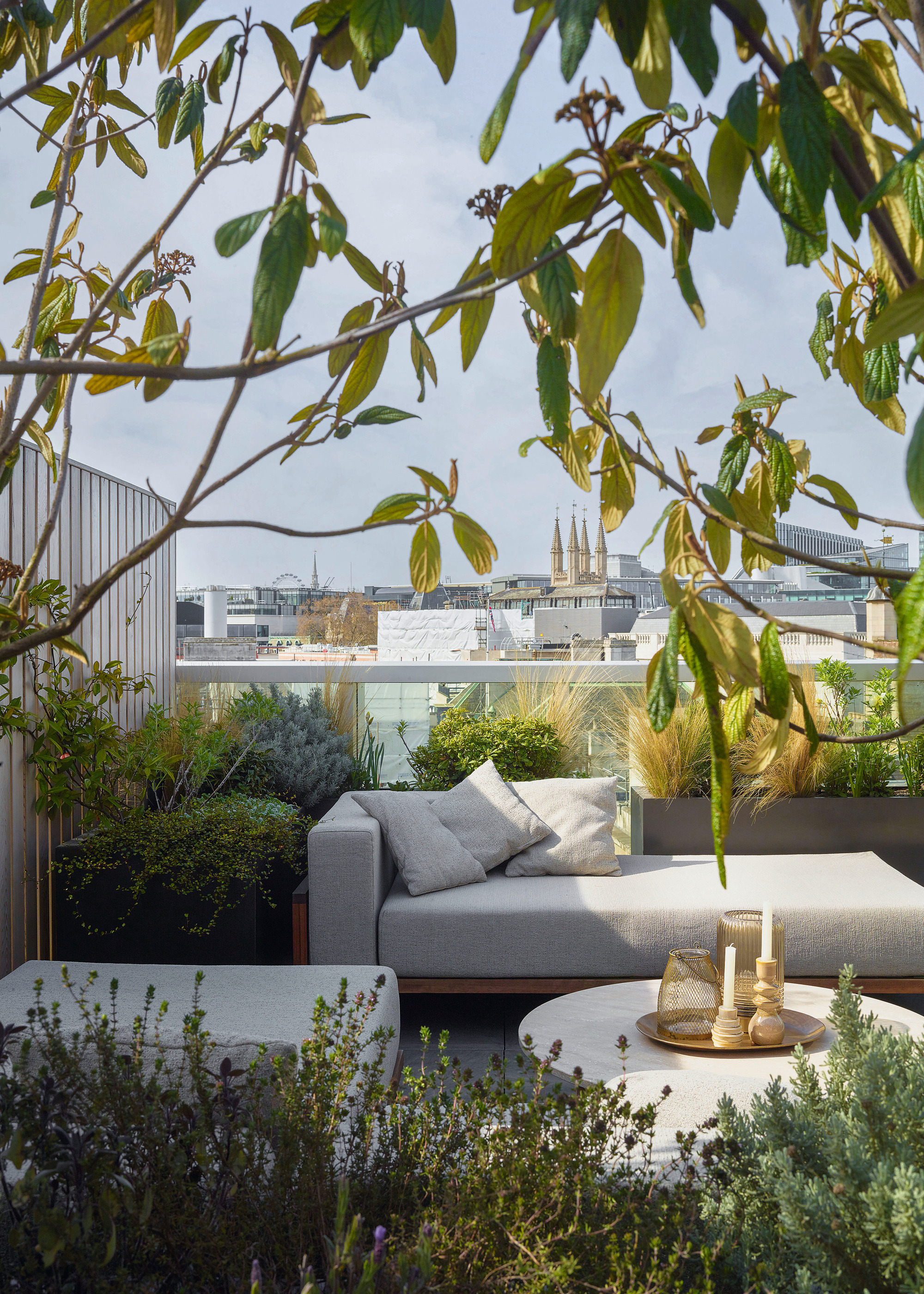
The article explores various unusual garden designs, offering inspiration for transforming outdoor spaces. It emphasizes that while the vast possibilities of a blank space can be daunting, setting parameters such as existing features, a specific style, or a color palette can stimulate creativity and lead to a more focused design. The expert advice suggests looking at existing unique elements in the project site and then exploring different garden ideas that align with the vision, climate, and landscape.
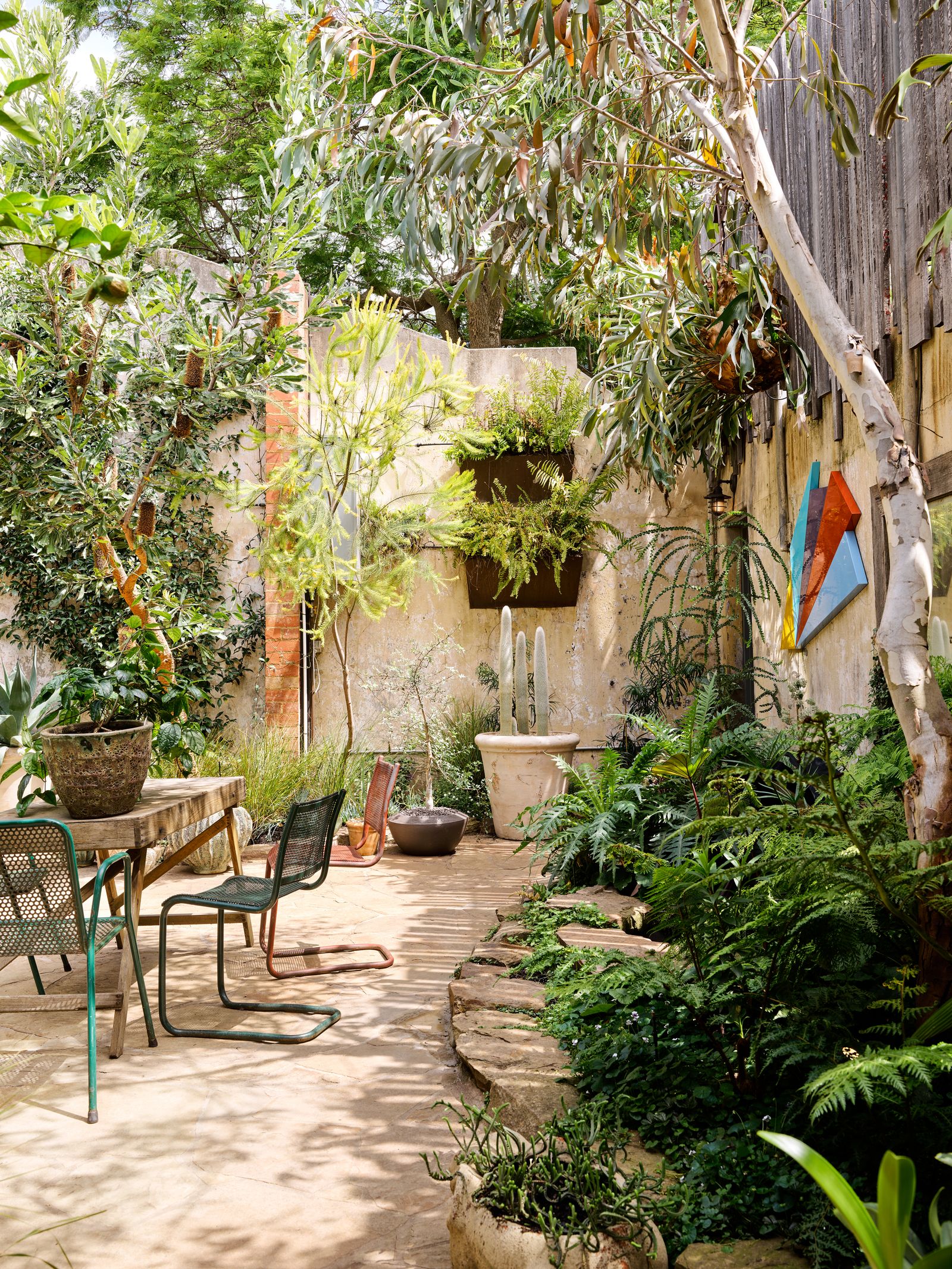
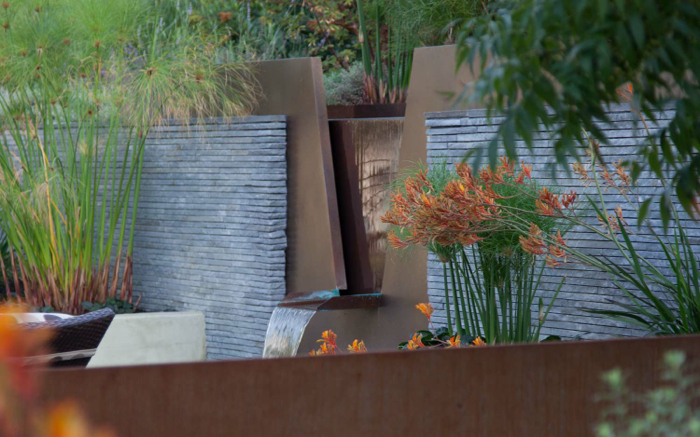
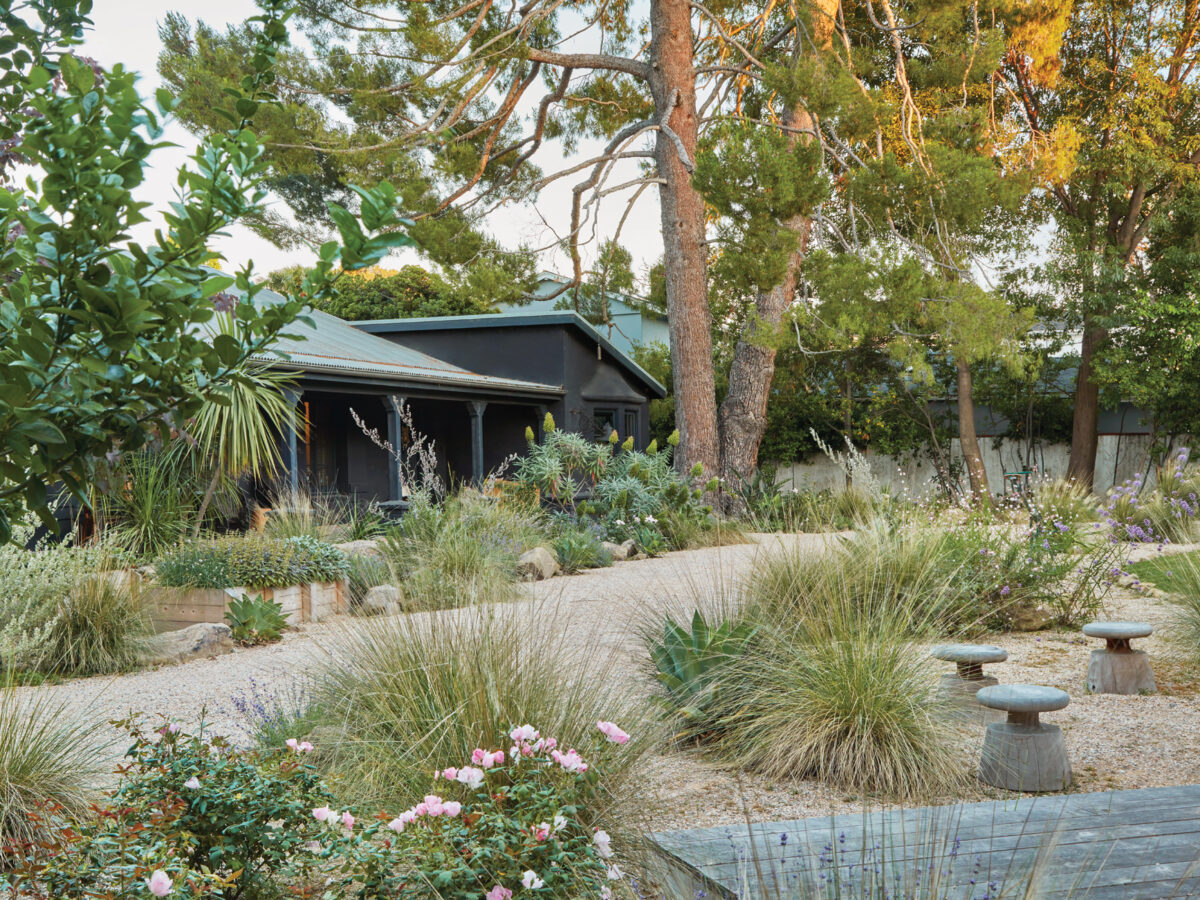
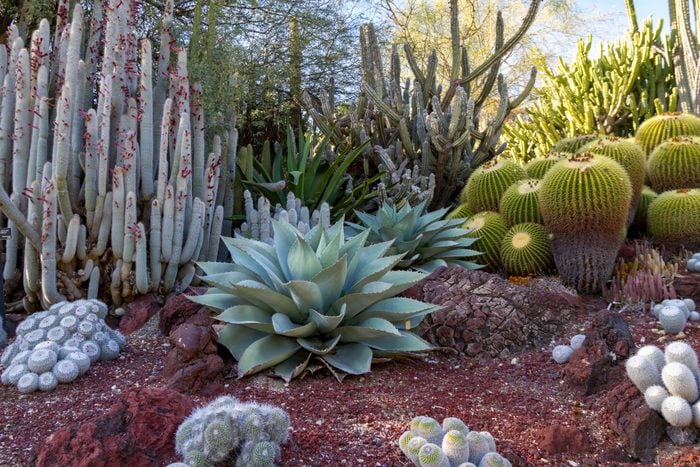
Eleven distinct garden types are presented. The first is the **Desert Garden**, characterized by drought-tolerant plants like succulents, desert grasses, aloes, agaves, and flowering bromeliads, making them low-maintenance and ideal for arid regions. Tips include avoiding water-intensive plants, building texture with varied plant heights, and incorporating rocks, boulders, and dry creek beds for an authentic desert aesthetic. These gardens thrive in USDA Zones 6 to 9.
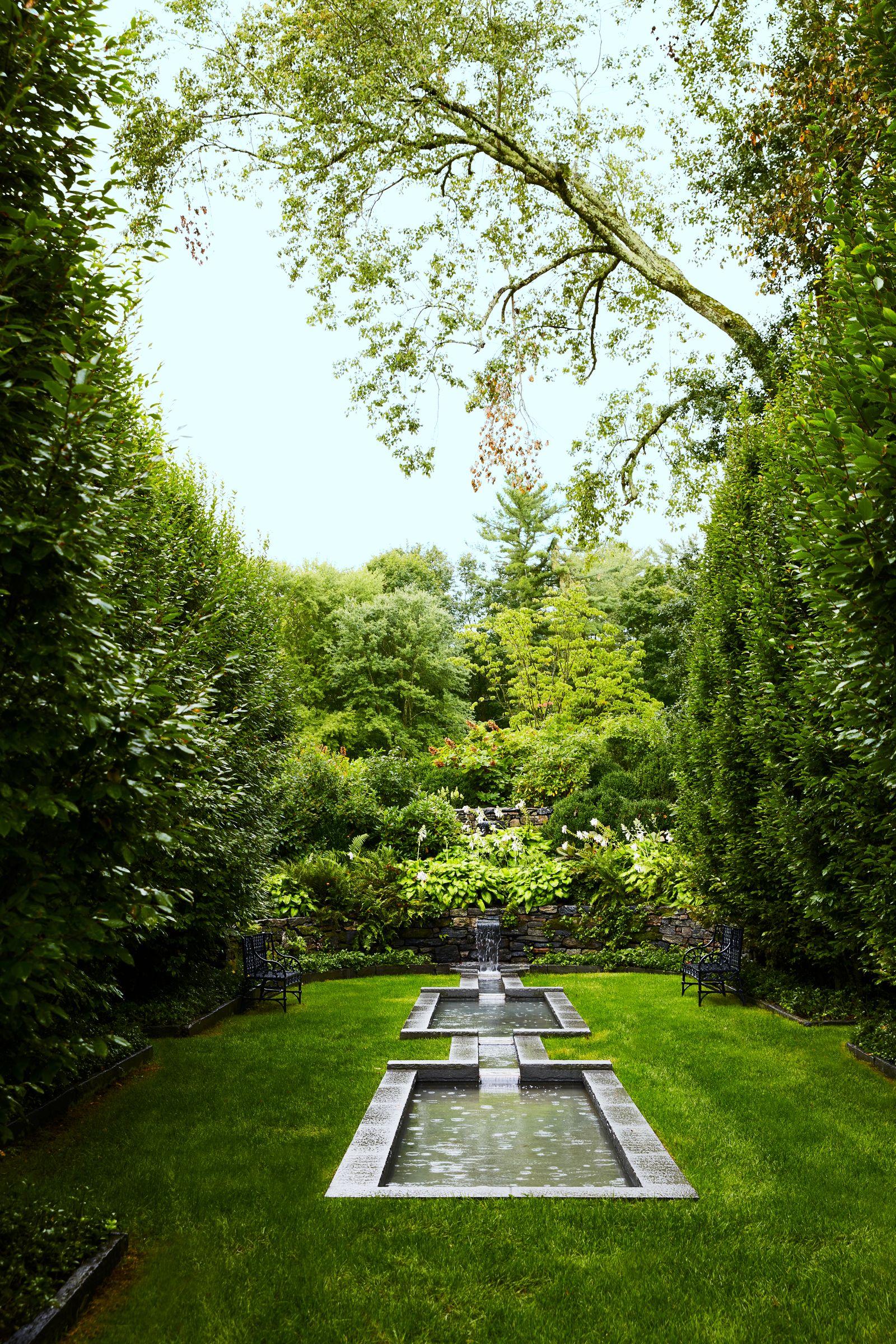
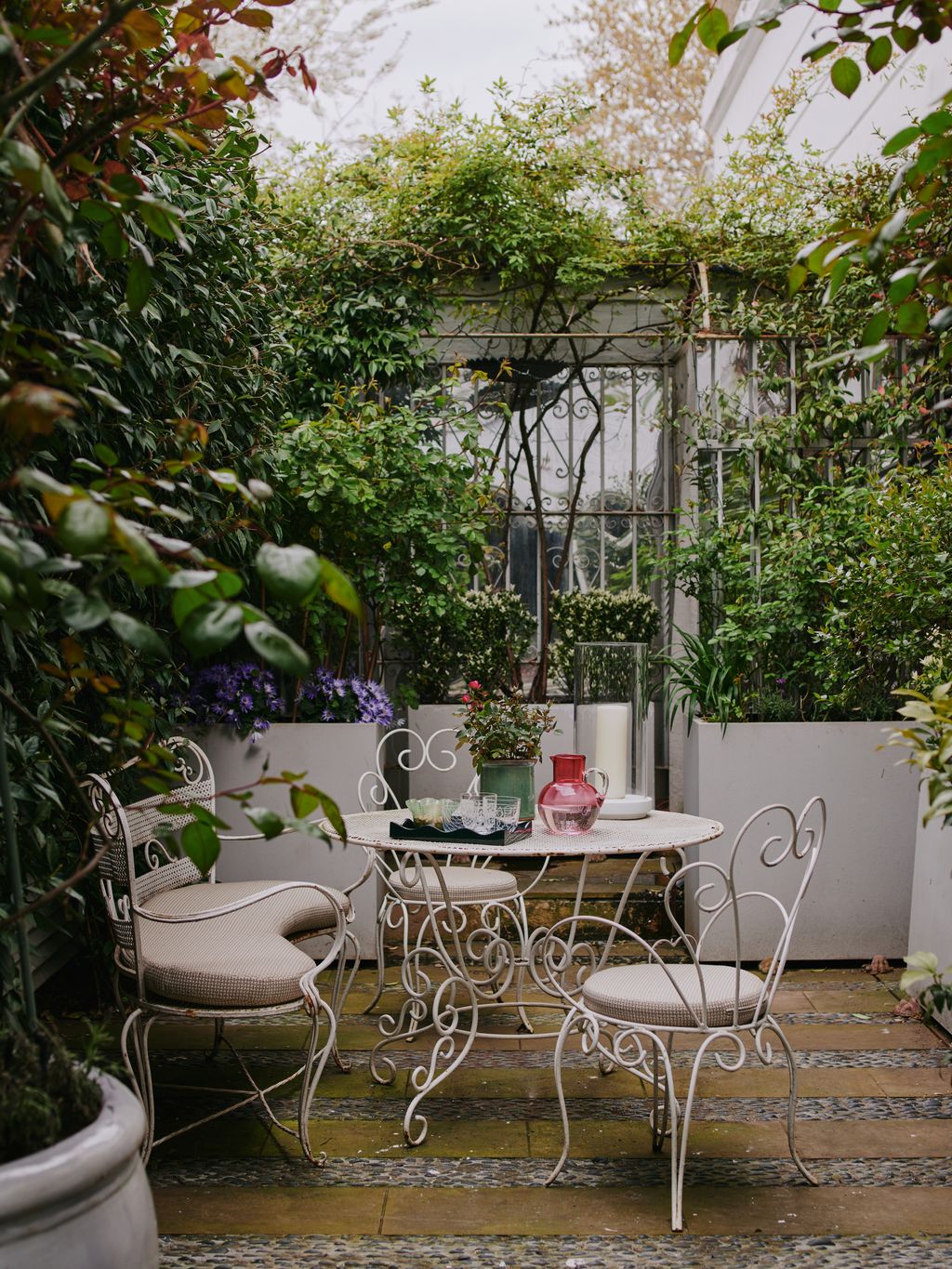
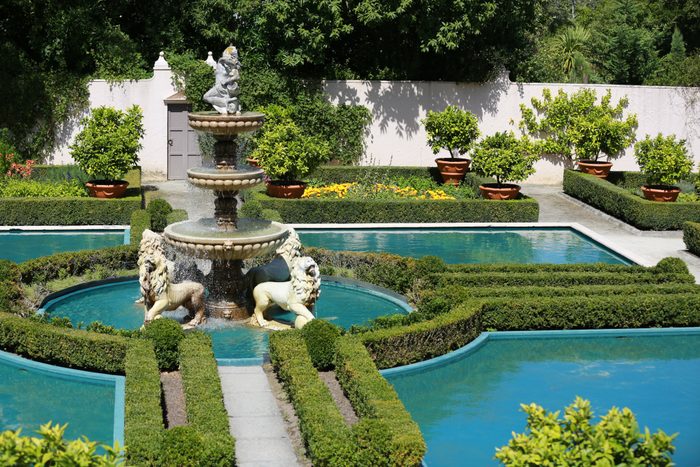
Next, the **Mannerist Garden**, originating in 15th-century Europe, is described as classical and elegant with exotic embellishments and theatrical elements. These formal yet whimsical gardens, which influenced Mediterranean designs, can be created by lining pathways with manicured hedges, using geometrically shaped topiaries in terra-cotta vases, and tucking fountains and statues into hidden corners. They are suitable for USDA Zones 8 to 10.
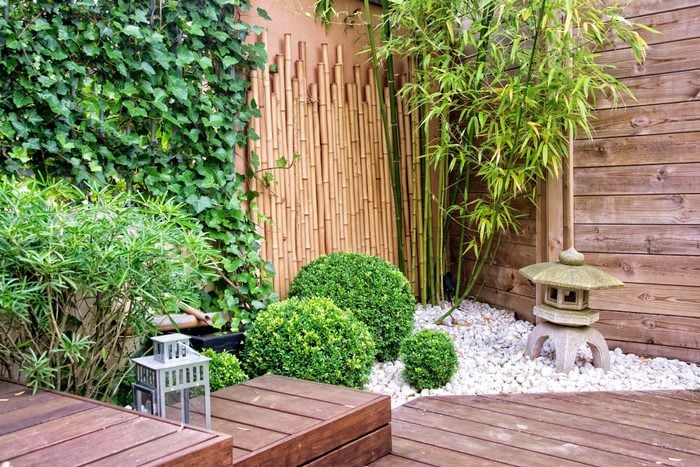
The **Zen Garden**, inspired by Far Eastern aesthetics and Buddhist philosophy, focuses on peaceful contemplation. Key features include shallow chip-gravel pits for raking patterns, minimal plant use, privacy screens of bamboo or ornamental grasses, and stone statues and lanterns. Water elements like small ponds or trickling streams symbolize purity and life. These gardens are adaptable to USDA Zones 3a to 13a.
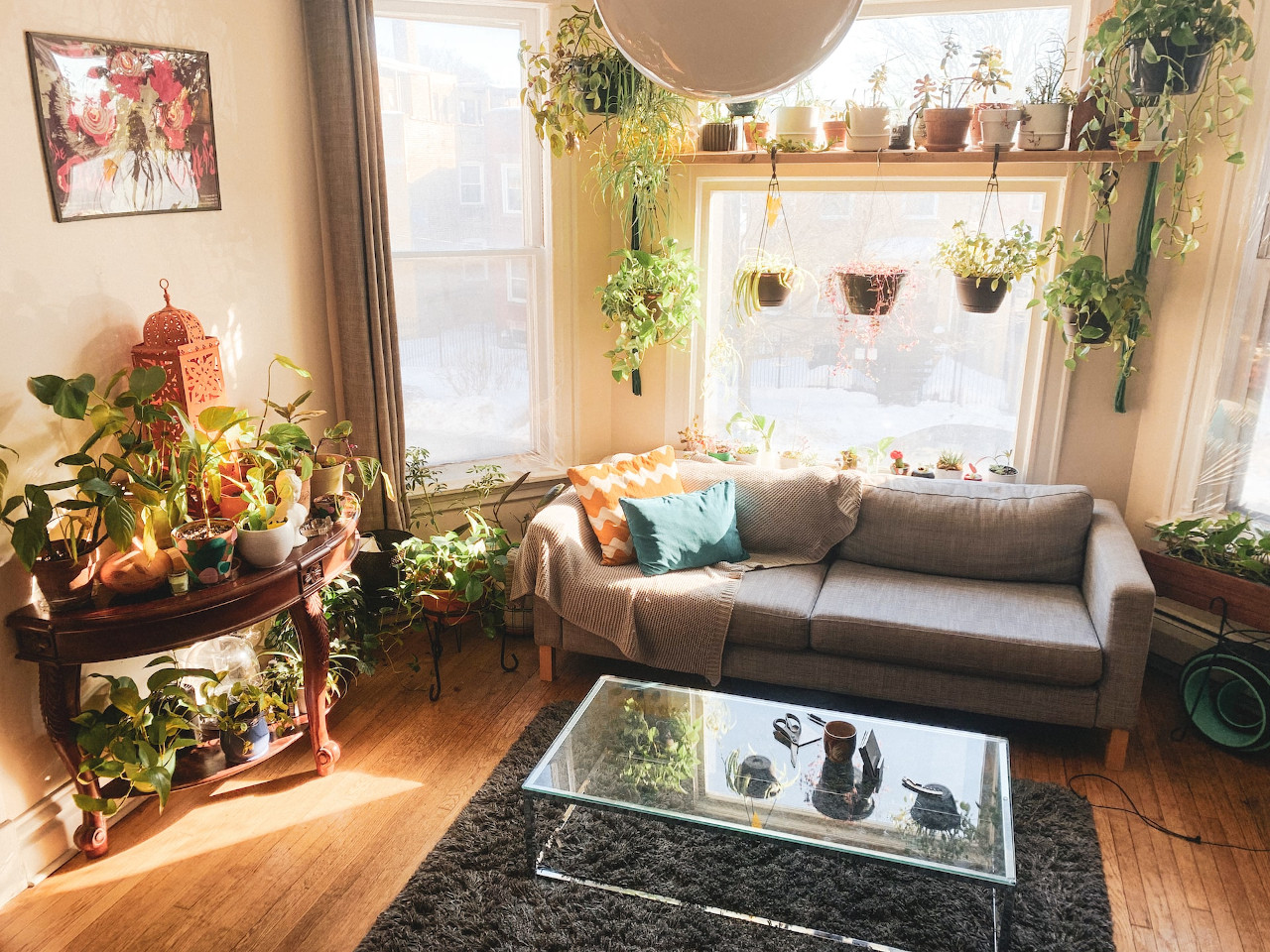
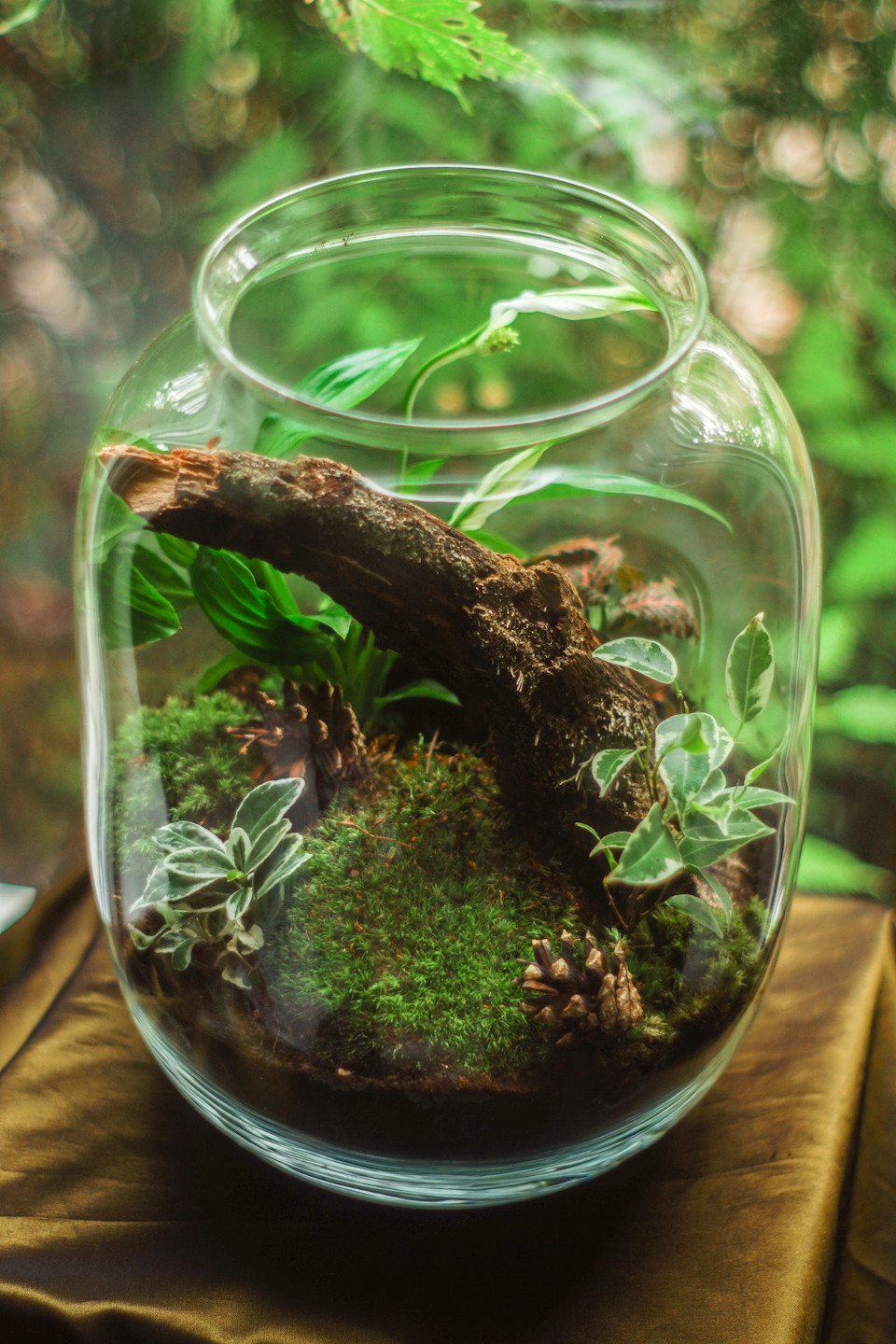
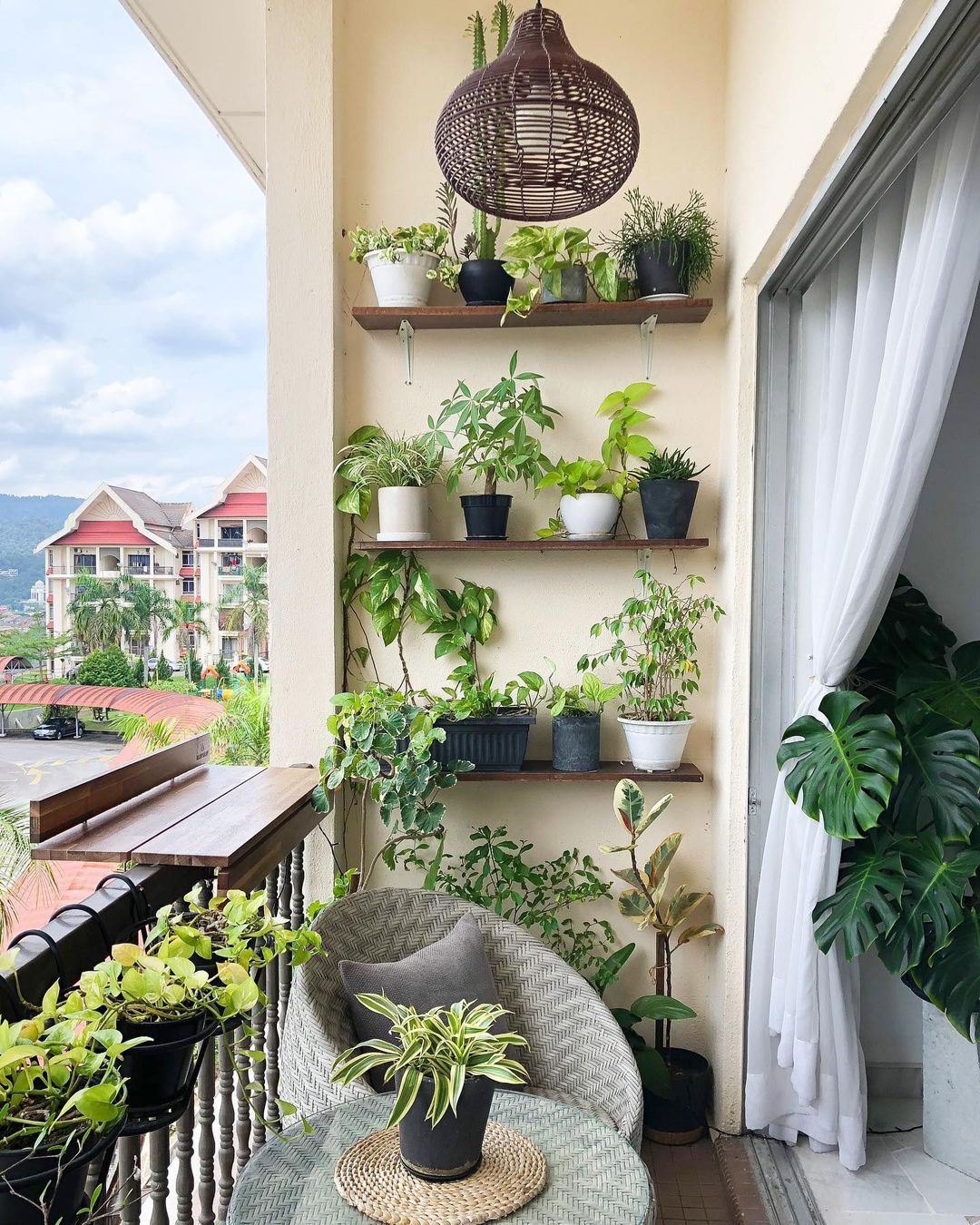
The **Bottle Garden** offers an eco-friendly way to repurpose glass containers into micro-environments or terrariums. This design is versatile for small spaces, both indoors and outdoors, and can be arranged in single large vessels or multiple small ones on windowsills, balconies, or suspended on walls. These gardens are suitable for USDA Zones 4 to 9.
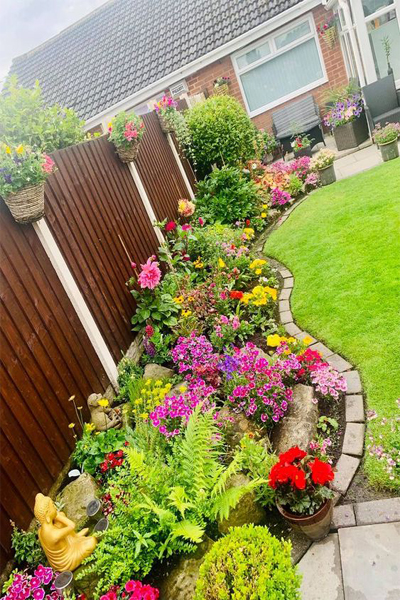
A **Butterfly Garden** is designed to attract butterflies, bees, and other pollinators, bringing good fortune and ecological benefits. It requires a balanced mix of native, nectar-producing plants such as buddleia, honeysuckle, phlox, marigolds, butterflyweed, and various herbs. Adding a DIY butterfly house and a drinking bowl with stones further enhances the habitat. Butterfly gardens flourish in USDA Zones 3 to 10.
The **Bonsai Garden** involves the ancient art of growing miniature trees in pots, symbolizing harmony and inner peace. This practice requires patience and consistent pruning. Bonsai trees, contrary to popular belief, thrive outdoors and can be displayed on benches, tables, or garden walls, also complementing Zen gardens. Beginner kits are available, and these gardens are suited for USDA Zones 3a to 13a.
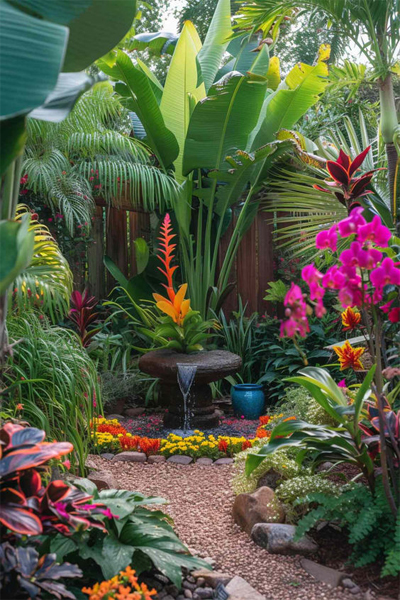
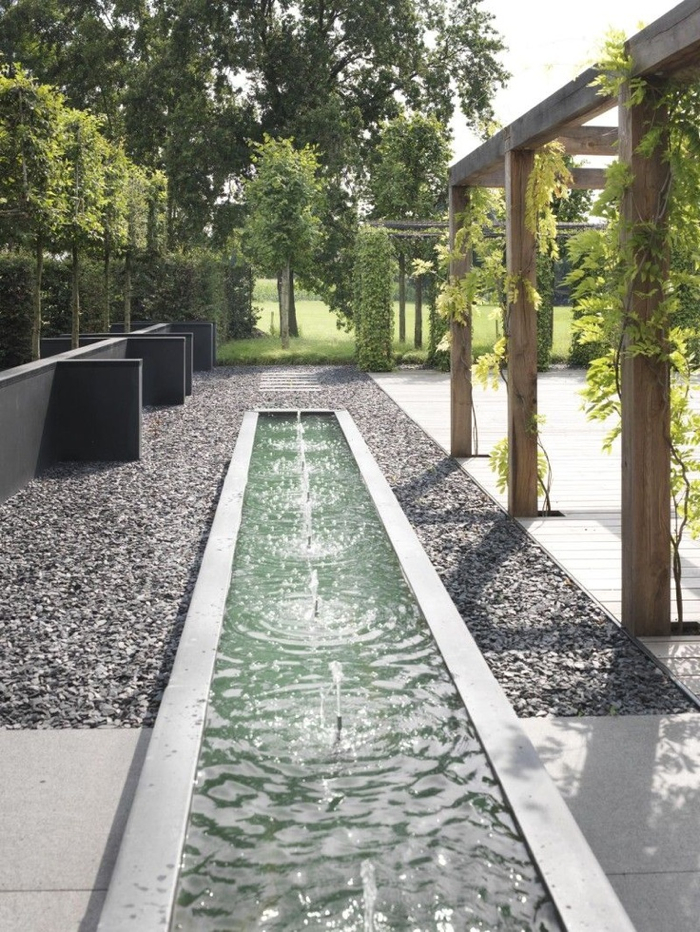
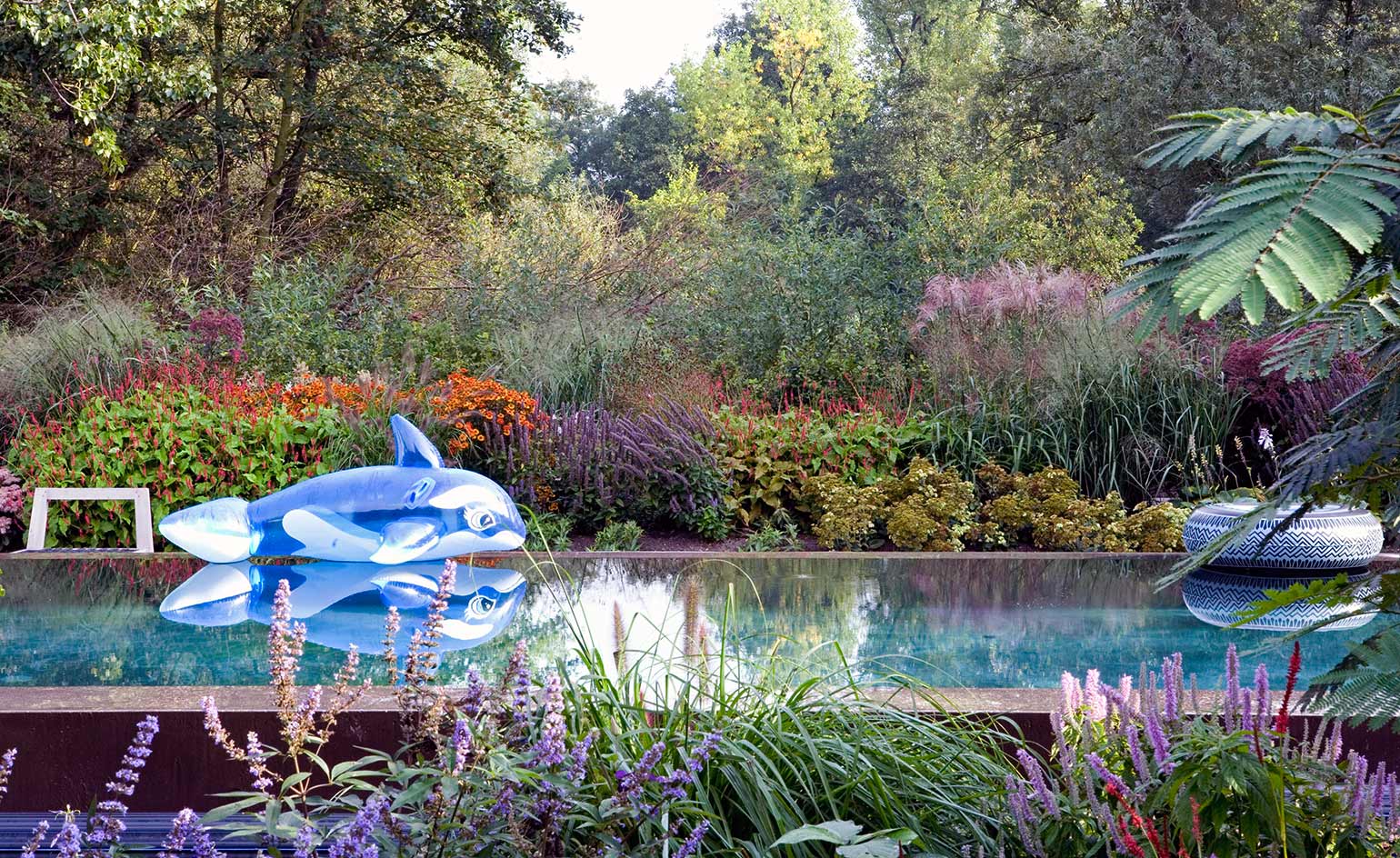
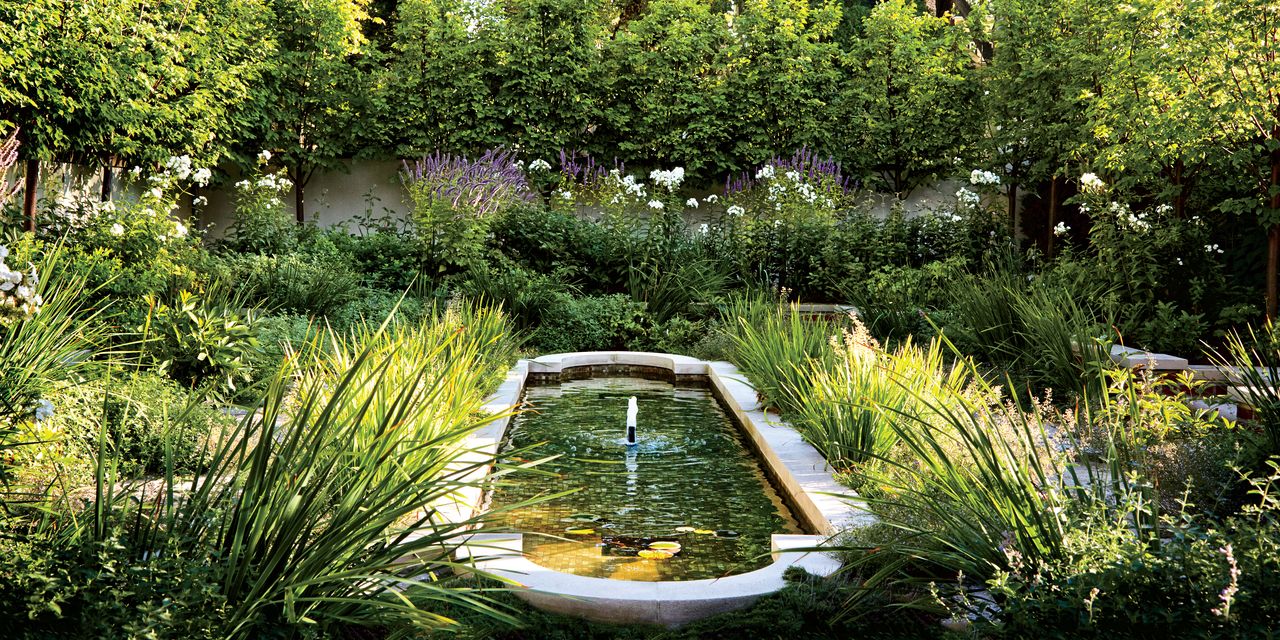
**Water Gardens** are beautiful and relaxing, incorporating aquatic plants and sometimes fish. They can range from small ceramic bowls on patios to large koi ponds with cascading waterfalls. Floating plants like duckweed and water lilies, deepwater plants like lotus, and oxygenating grasses like cattails are common additions. These gardens are ideal for USDA Zones 4 to 11.
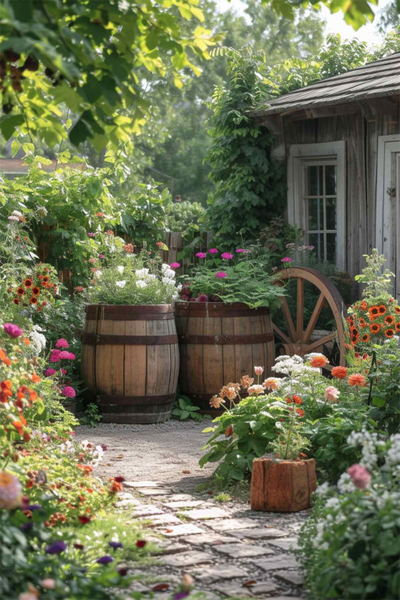
**Rose Gardens**, featuring plants of the genus Rosa, come in over 300 species. While often perceived as formal, they can be approachable and offer intoxicating fragrances. Roses can be planted along fences, hedges, or trained to climb trees, arches, or gazebos. Wild roses can create a natural look. These gardens thrive in USDA Zones 6 to 9.
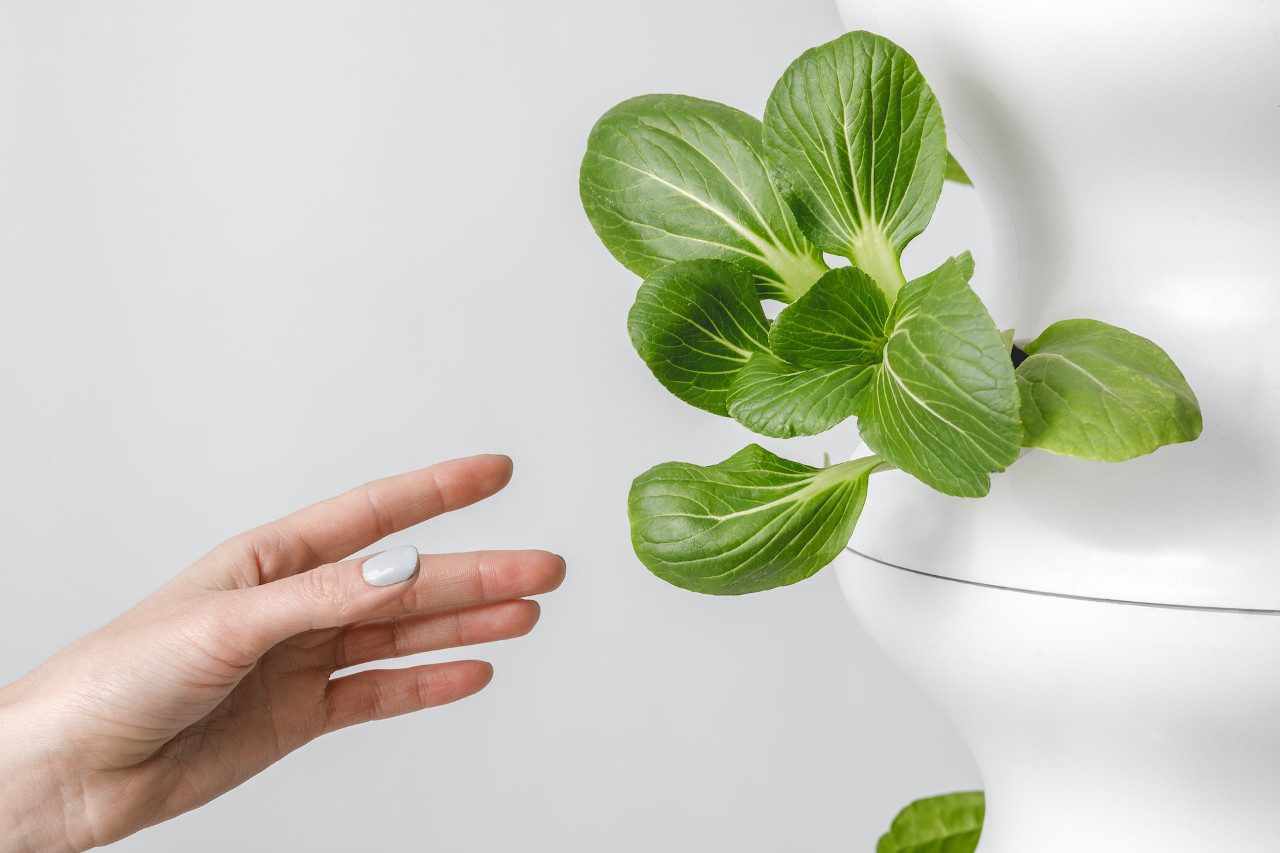
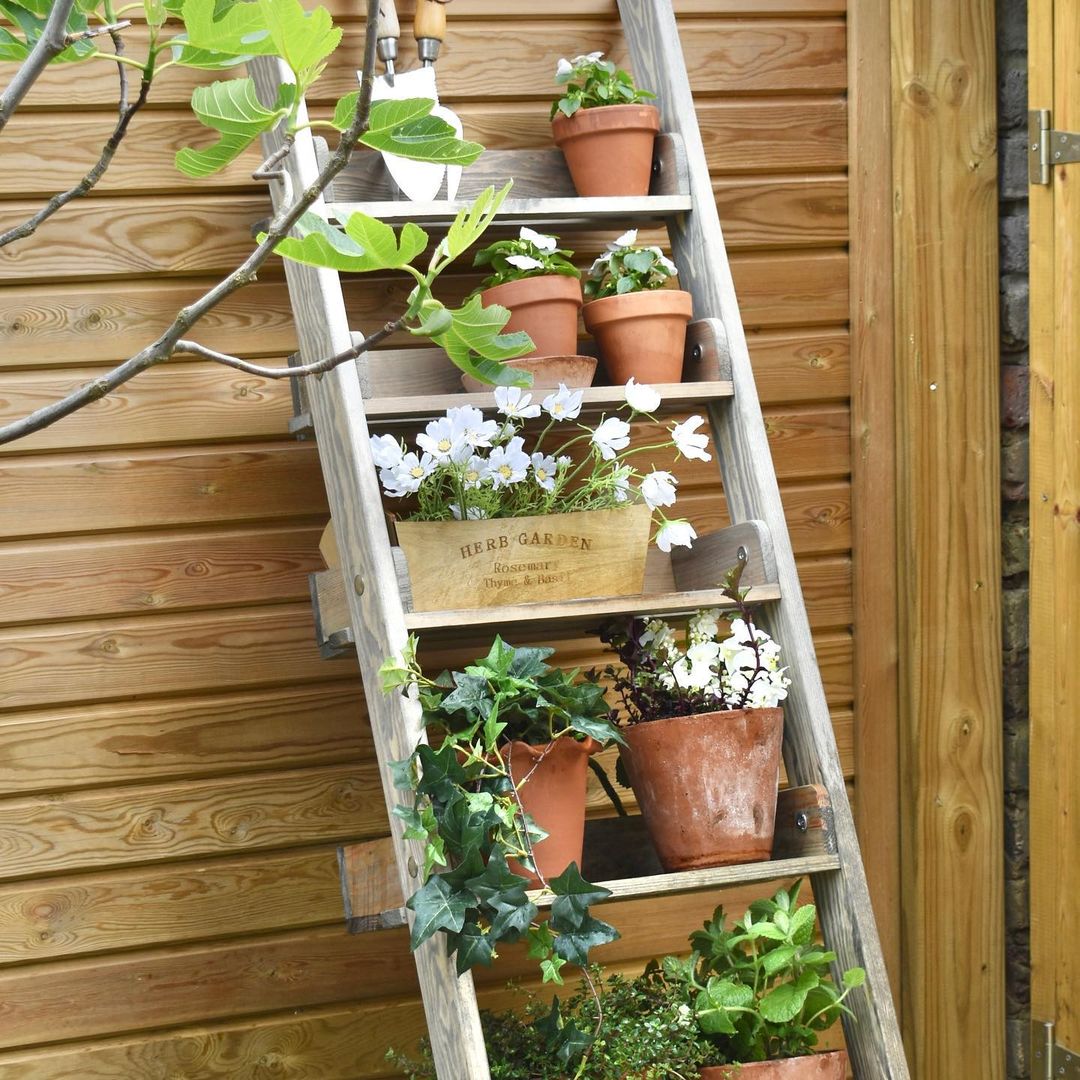
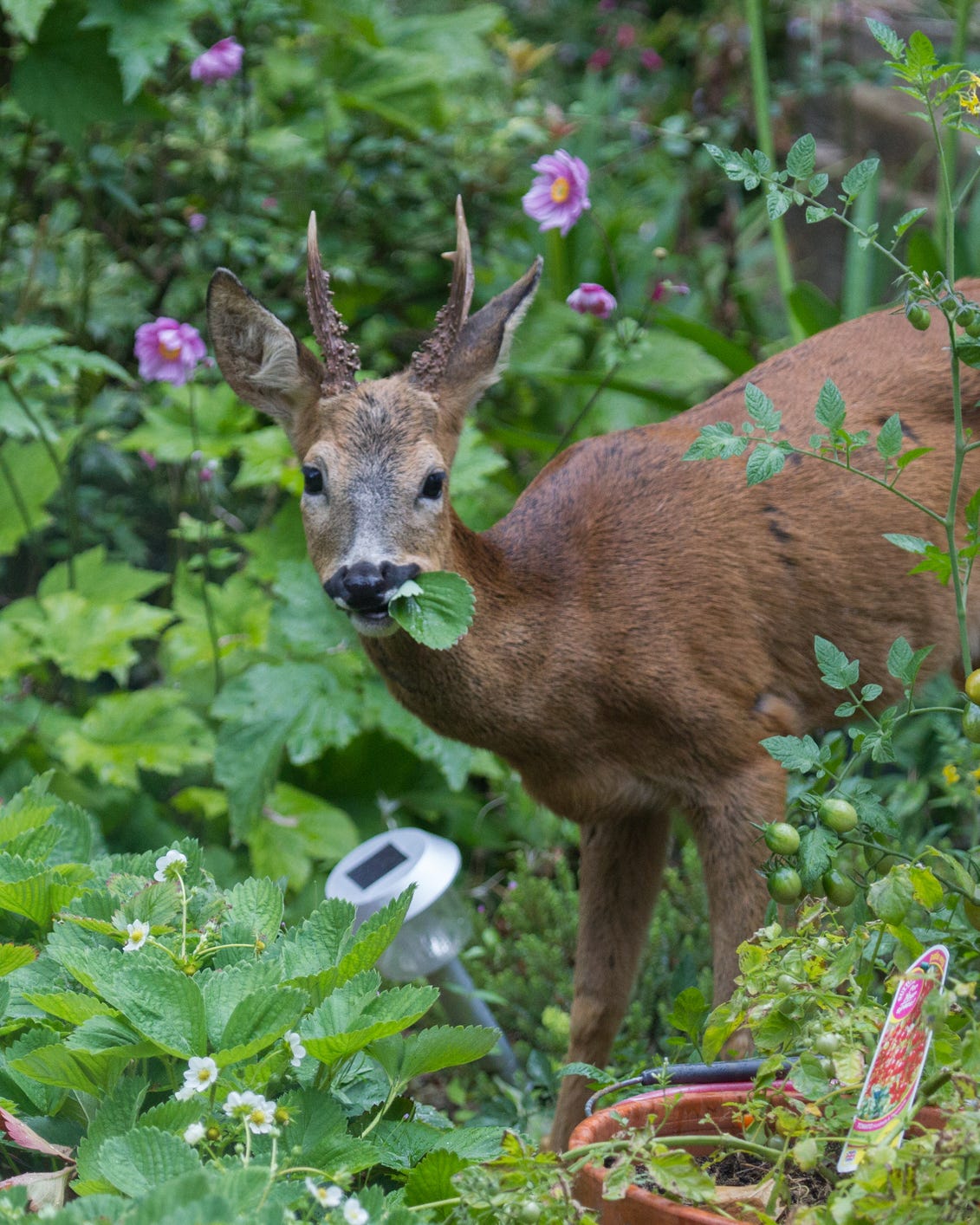
The **Kitchen Garden** provides fresh, seasonal produce for cooking and cocktails, distinguishing itself from a vegetable garden by its focus on immediate culinary use. It includes favorite herbs (basil, mint, dill), greens (arugula, kale, lettuce), and easy-to-grow fruits and vegetables (bell peppers, radishes, cherry tomatoes). These gardens are suitable for USDA Zones 2 to 11.
**Winter Gardens** defy hibernation by featuring hardy plants that remain vibrant in cold climates. The goal is to maintain color and fragrance even in sub-zero temperatures. Examples include evergreen shrubs, winterberries, snowdrops, cyclamen, mahonia, witch hazel, and American crabapple. These gardens are ideal for USDA Zones 3 to 9.
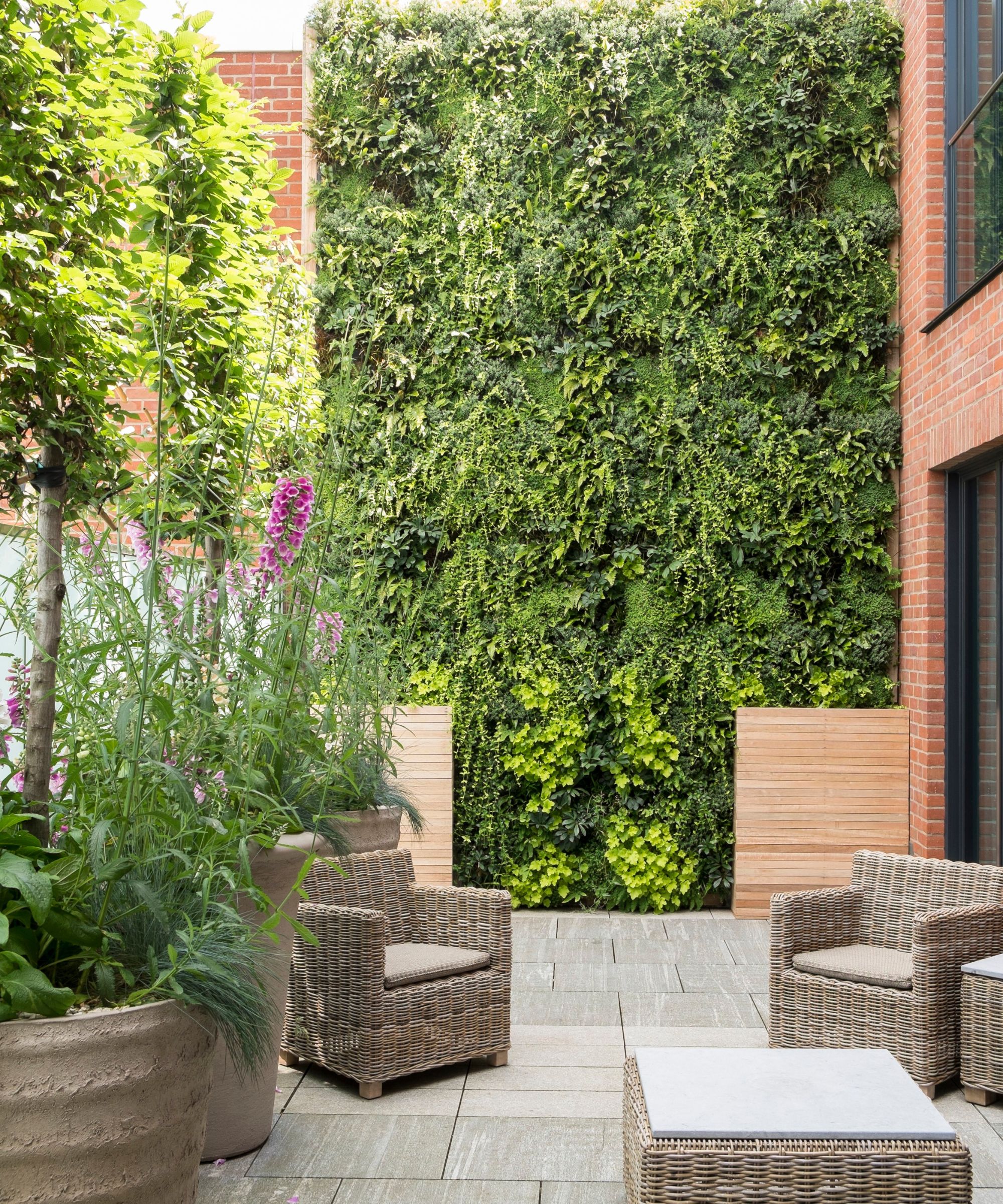
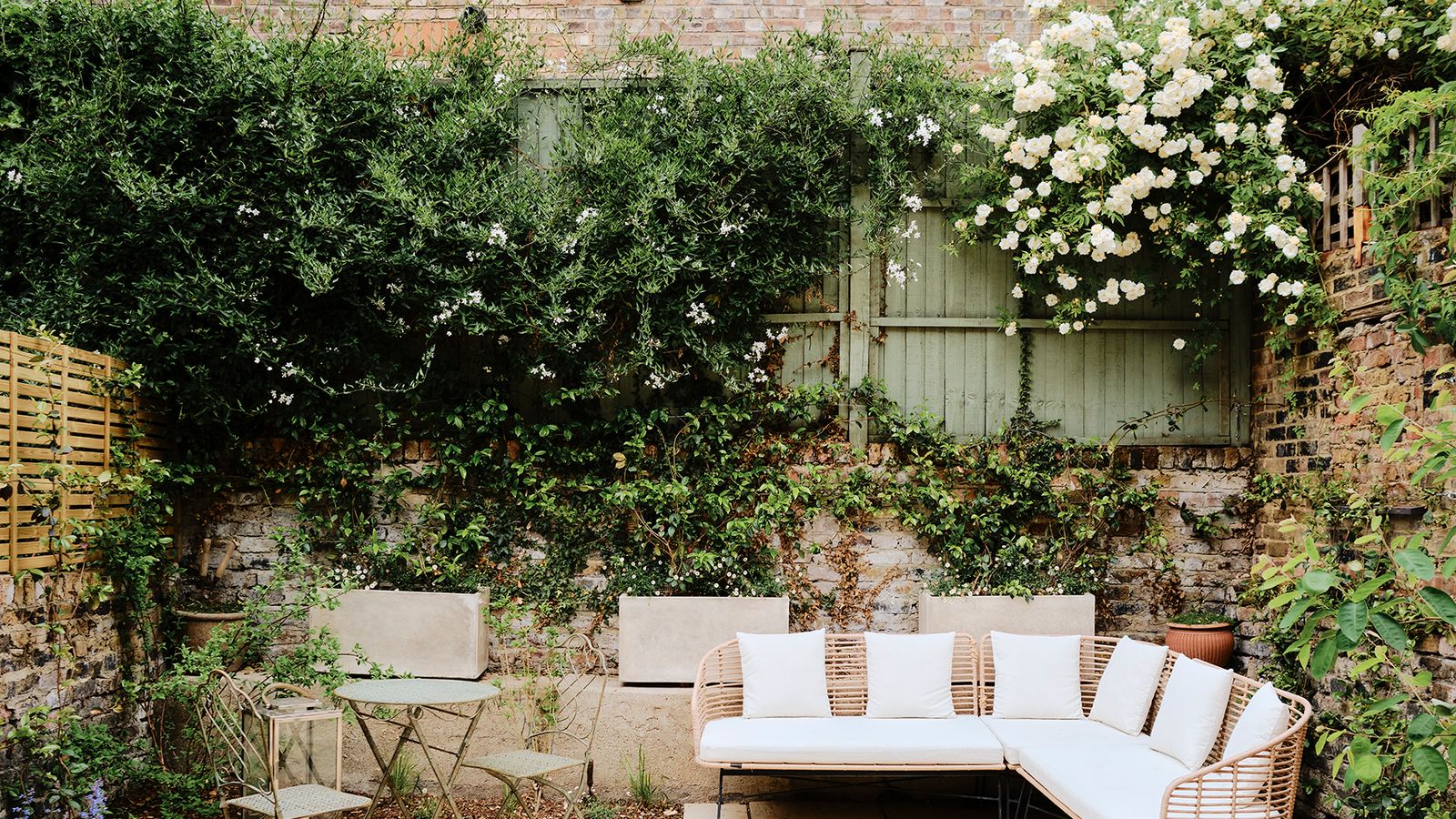
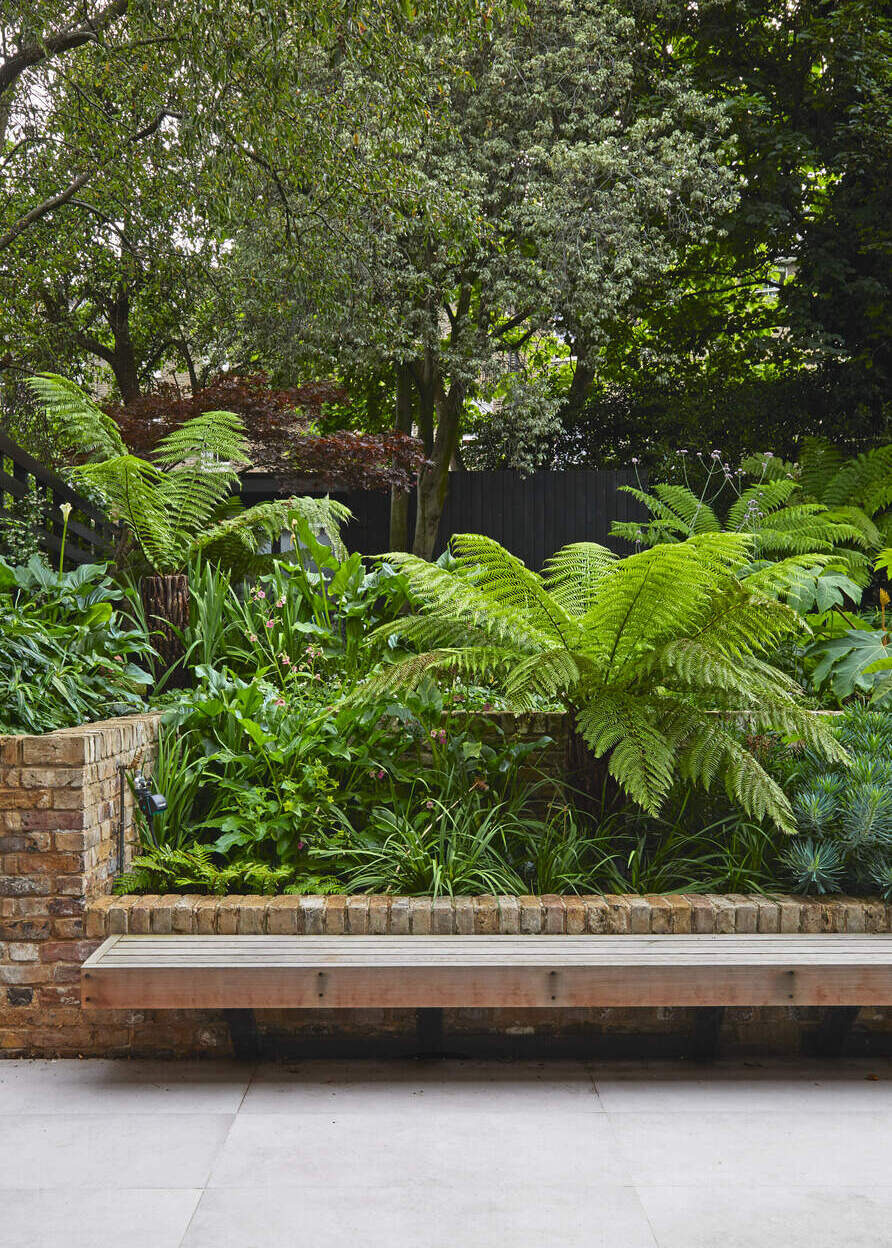
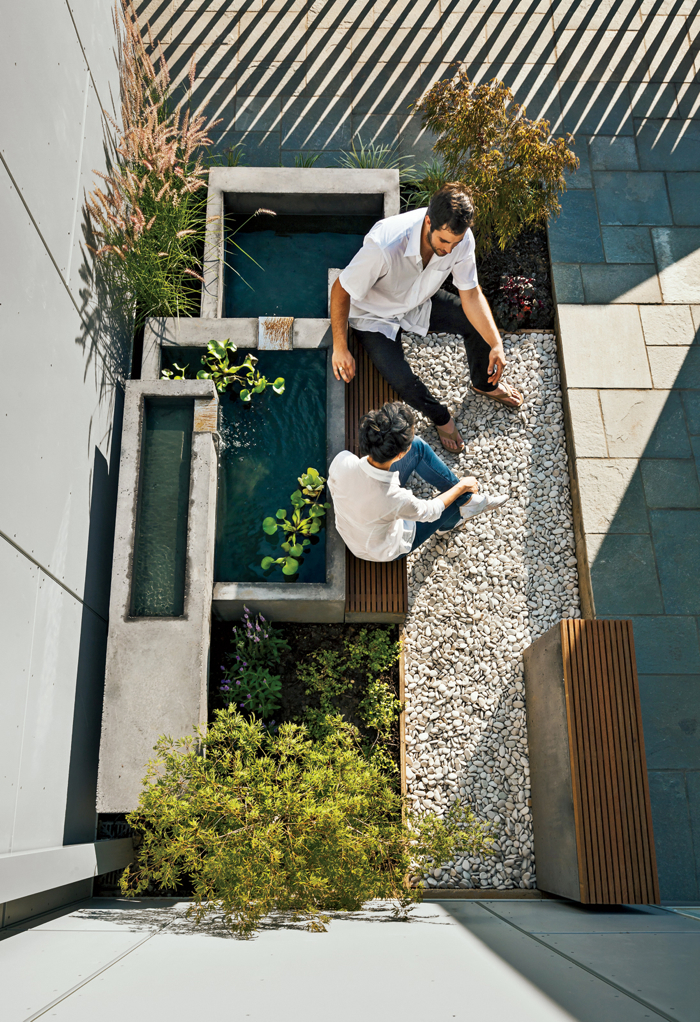
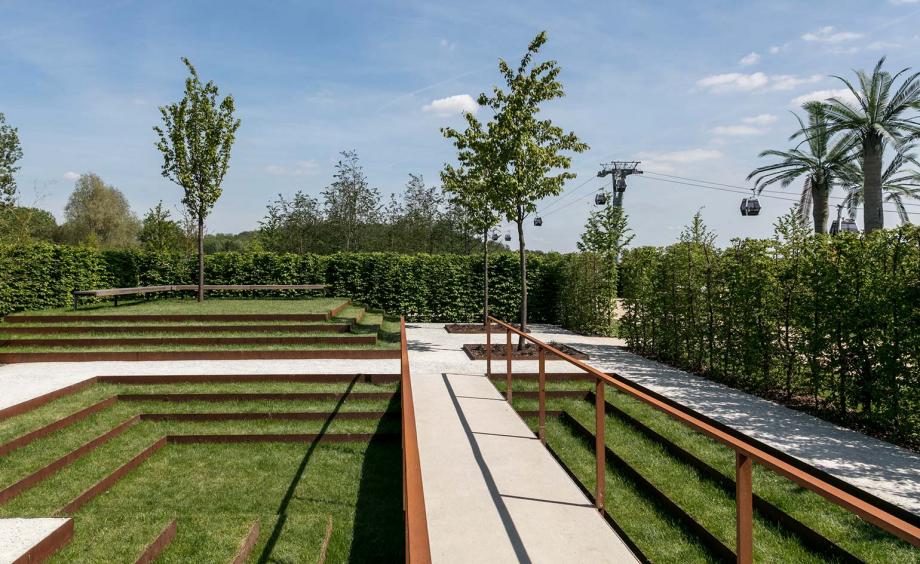
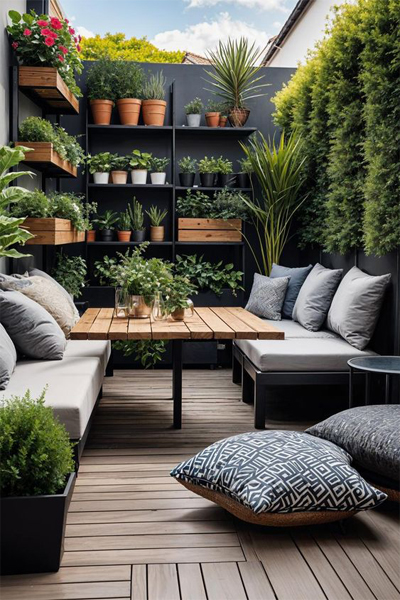
Finally, the **Sunken Garden**, particularly effective in urban settings, is built below ground level, creating an illusion of seclusion and mystery. It involves digging a section of the yard or installing a concrete or stone patio at a lower level, offering a new perspective and shelter from wind. Tips include contacting utility companies before digging, creating different levels with walls and planters, experimenting with contrasting foliage, and incorporating comfortable seating with raised beds, fire pits, or water features.
#UnusualGardenIdeas #GardenDesign #LandscapeArchitecture #DroughtTolerantPlants #Xeriscaping #ZenGarden #ButterflyGarden #BonsaiGarden #WaterGarden #KitchenGarden #WinterGarden #SunkenGarden #DIYGardening #UnusualGardenIdeas #GardenDesign #LandscapeArchitecture #DroughtTolerantPlants #Xeriscaping #ZenGarden #ButterflyGarden #BonsaiGarden #WaterGarden #KitchenGarden #WinterGarden #SunkenGarden #DIYGardening
Toplam 0 yorum
 Henüz yorum yok
Bu da beğenebilirsiniz
18 Genius Garden Landscaping Ideas From the AD Archive

20 Beautiful Garden Design Ideas for Home In 2024
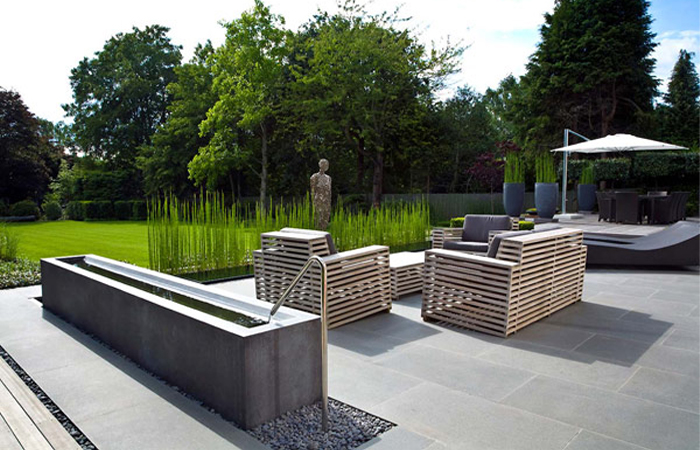
12 Modern Gardens With Water Features

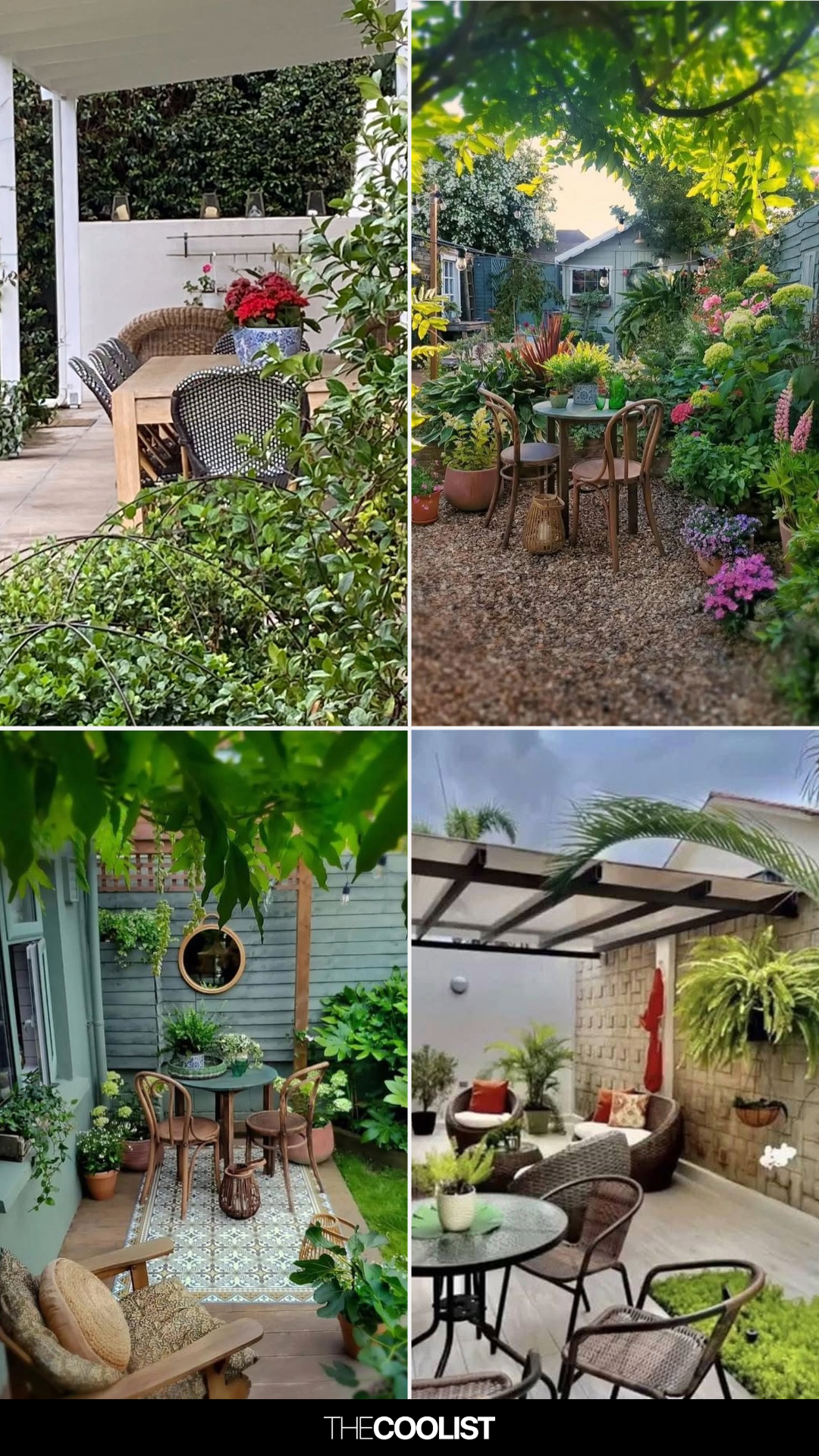
21 Designer-Level Outdoor Garden Room Ideas That Guests Won’t Believe Are Real
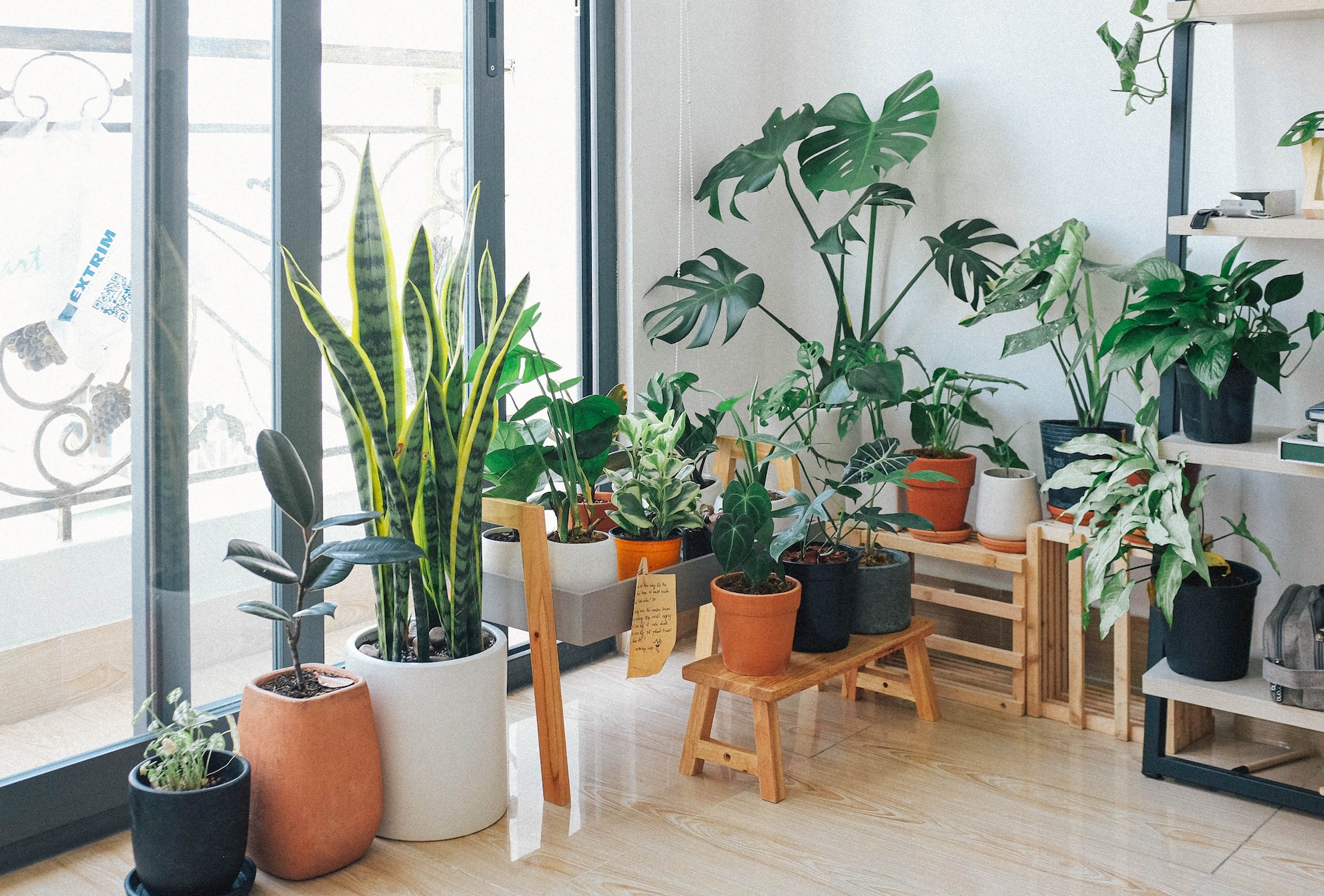
8 Incredible Indoor Garden Ideas
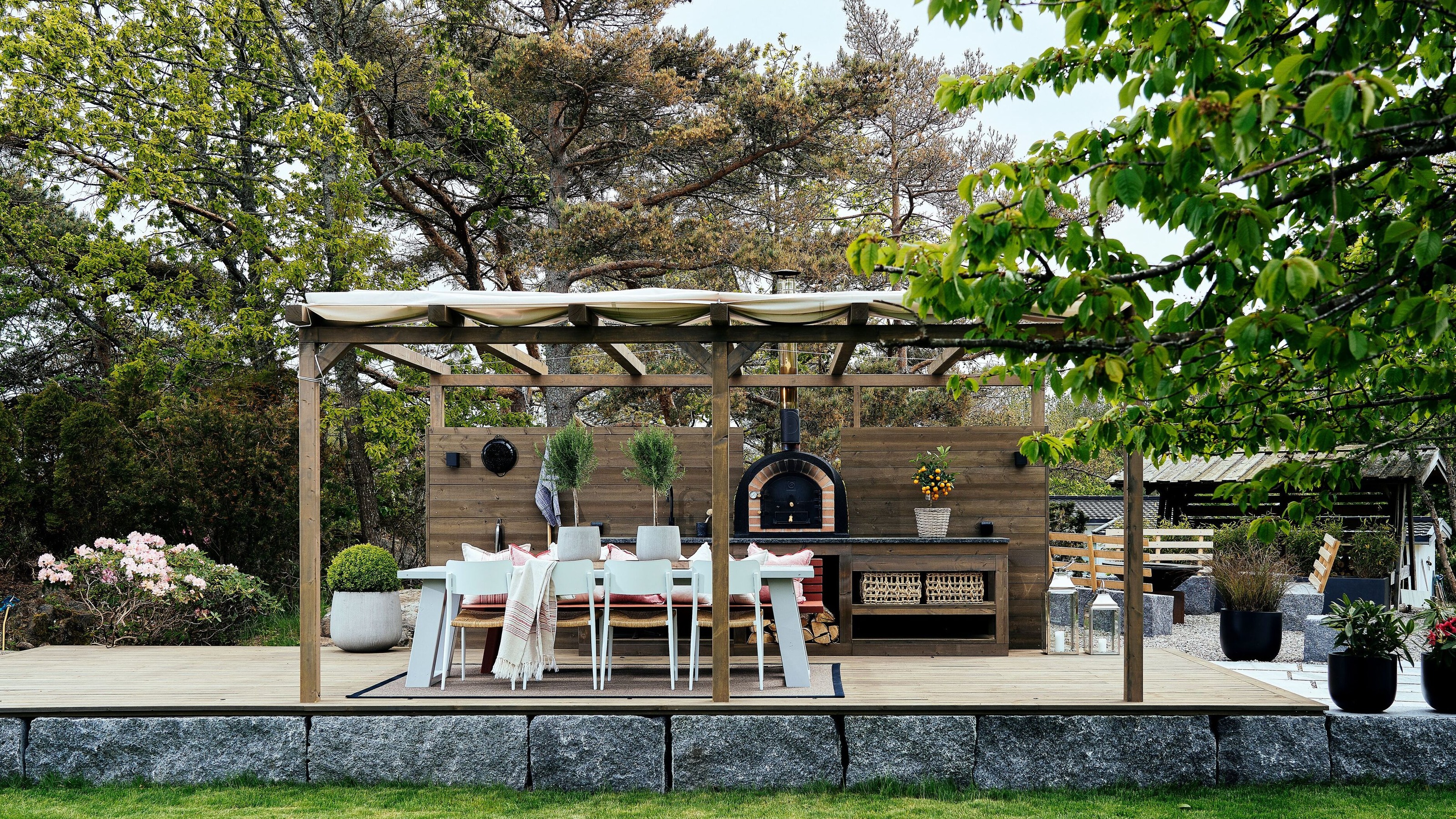
Modern Garden Ideas — 38 Transformative Ways to Rejuvenate Your Outdoor Space

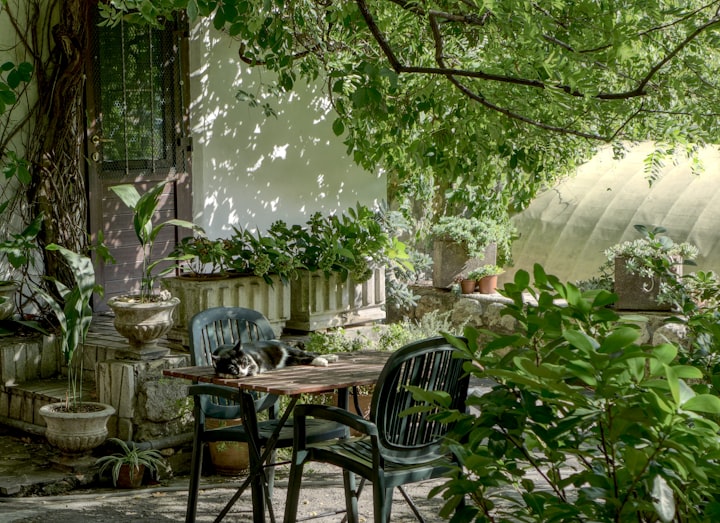
Garden Design Ideas, 2024
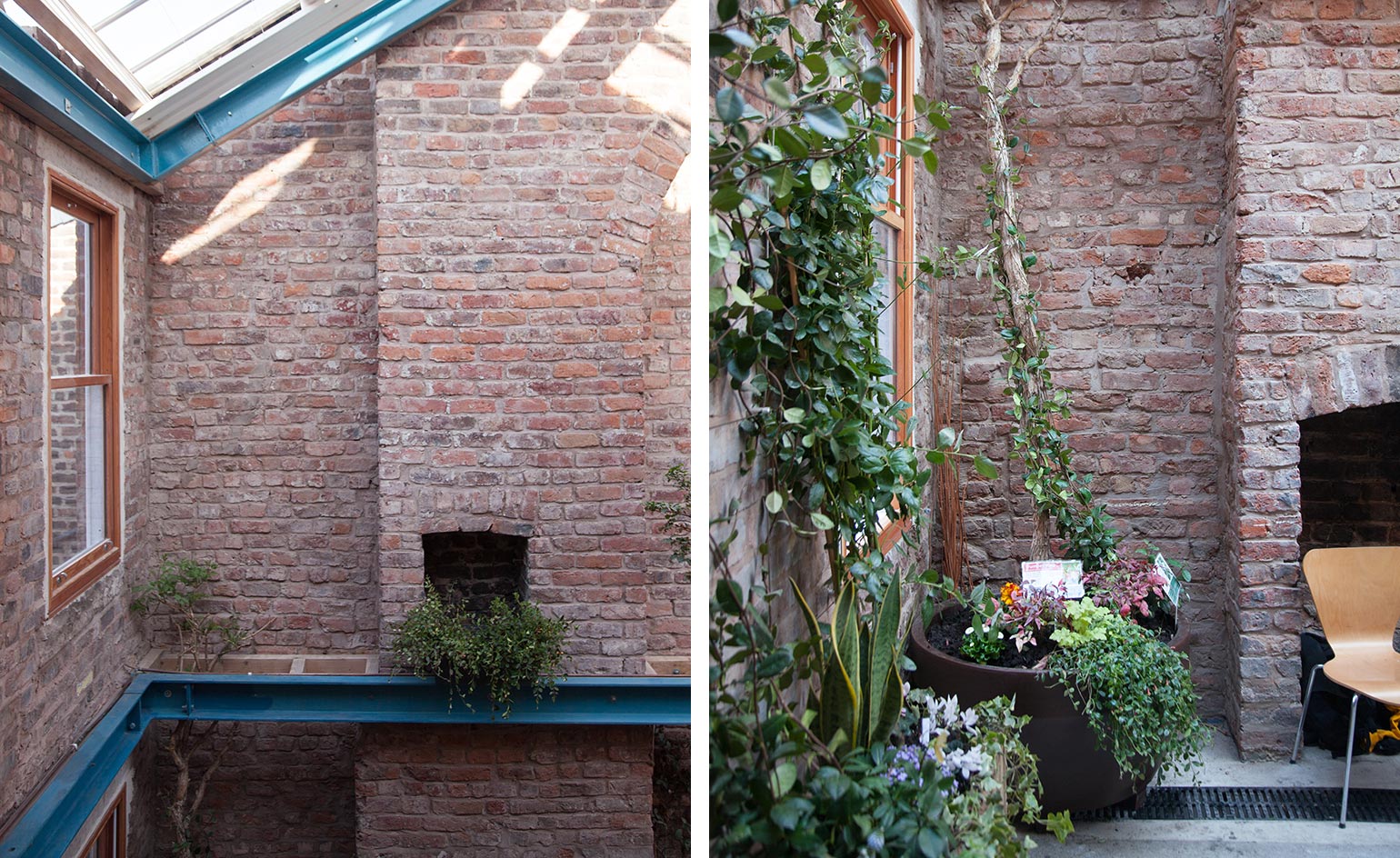
Innovative landscape architecture and garden design around the world

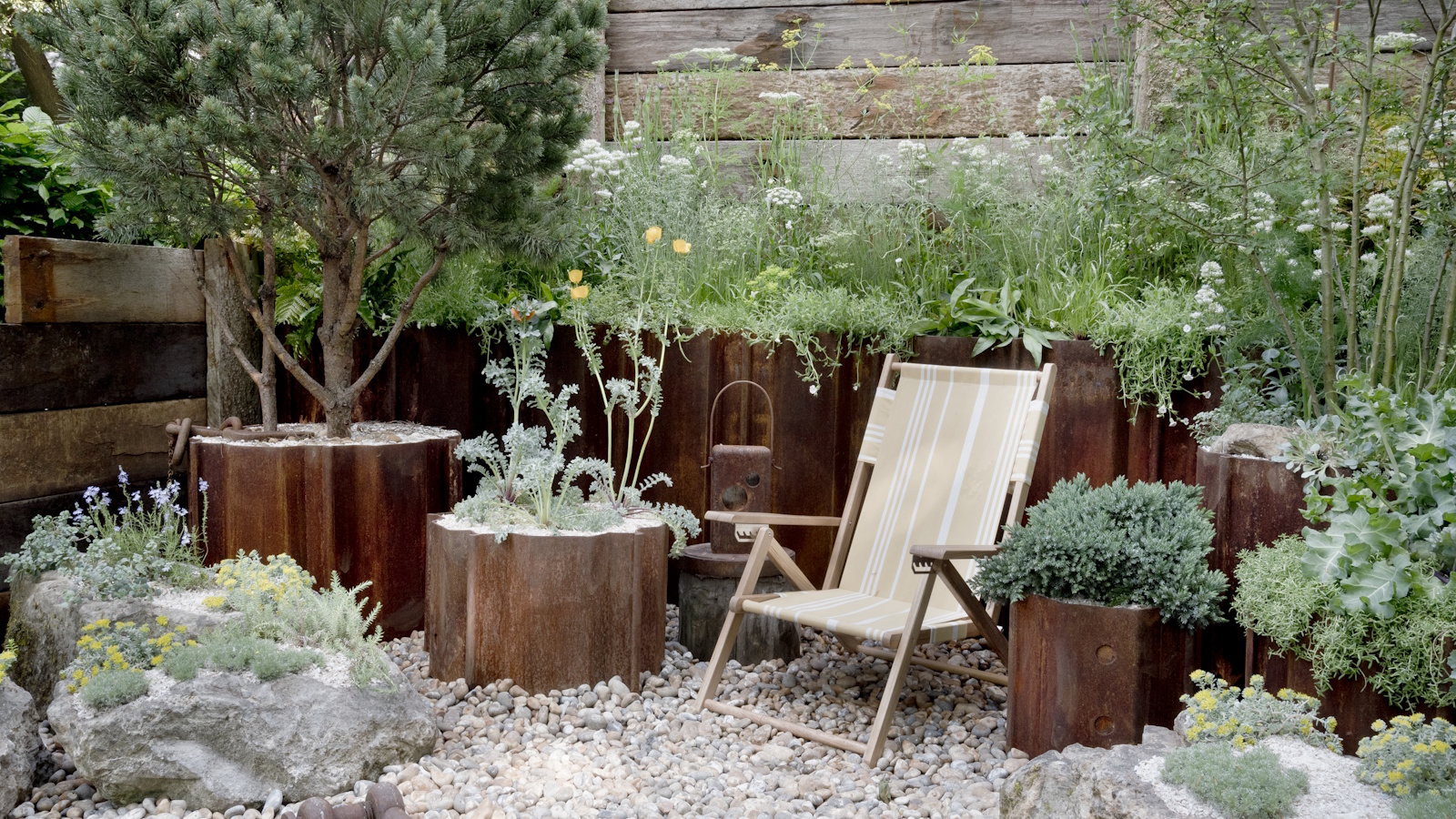
11 beautiful ideas for awkward-shaped gardens

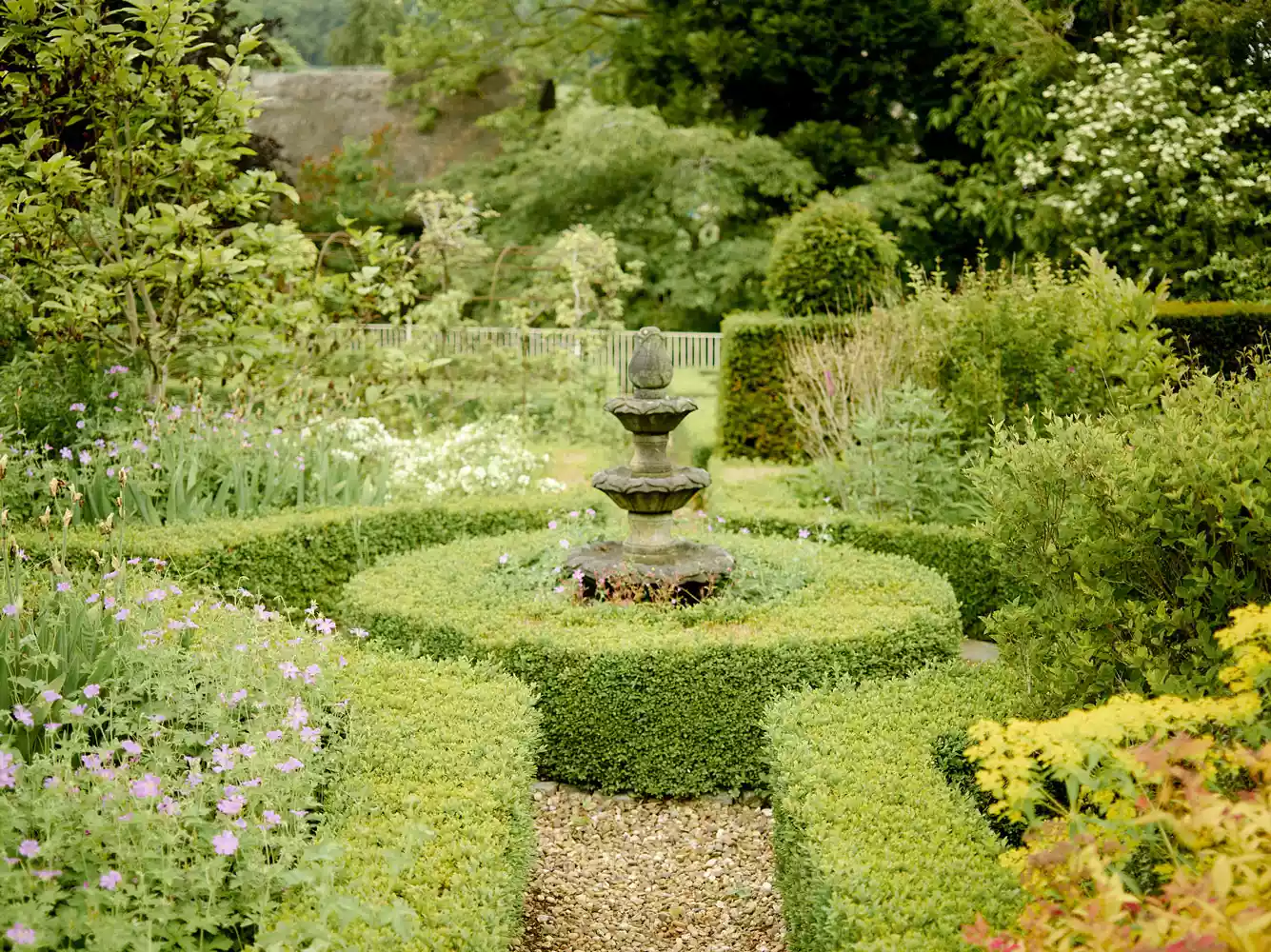
26 Secret Garden Ideas That Will Transport You Inside Your Favorite Book

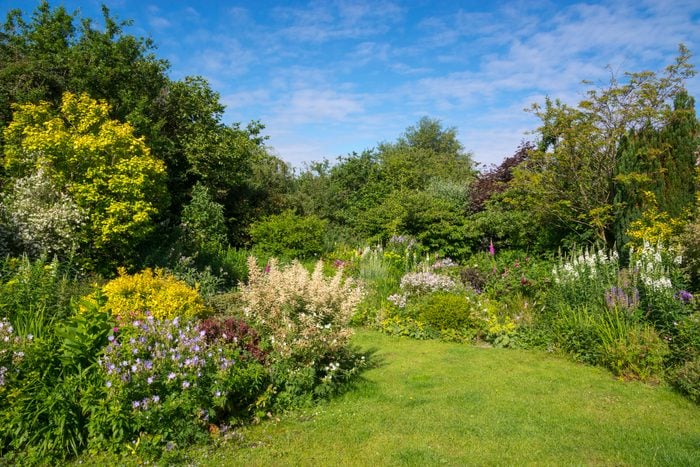
9 Garden Styles From Around the World To Inspire You
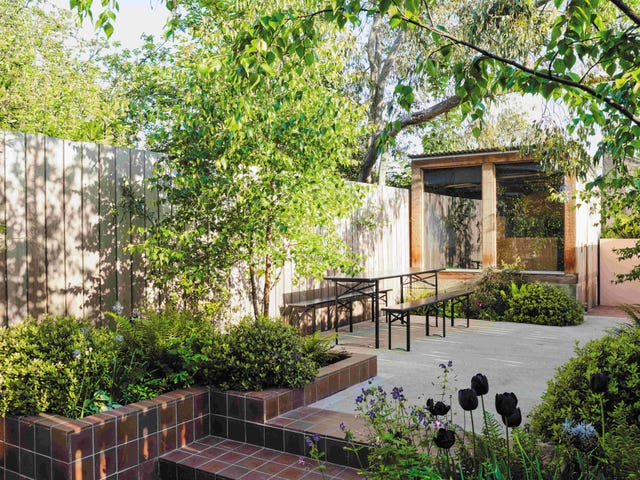
Step inside these urban oases to discover three different ideas for small gardens

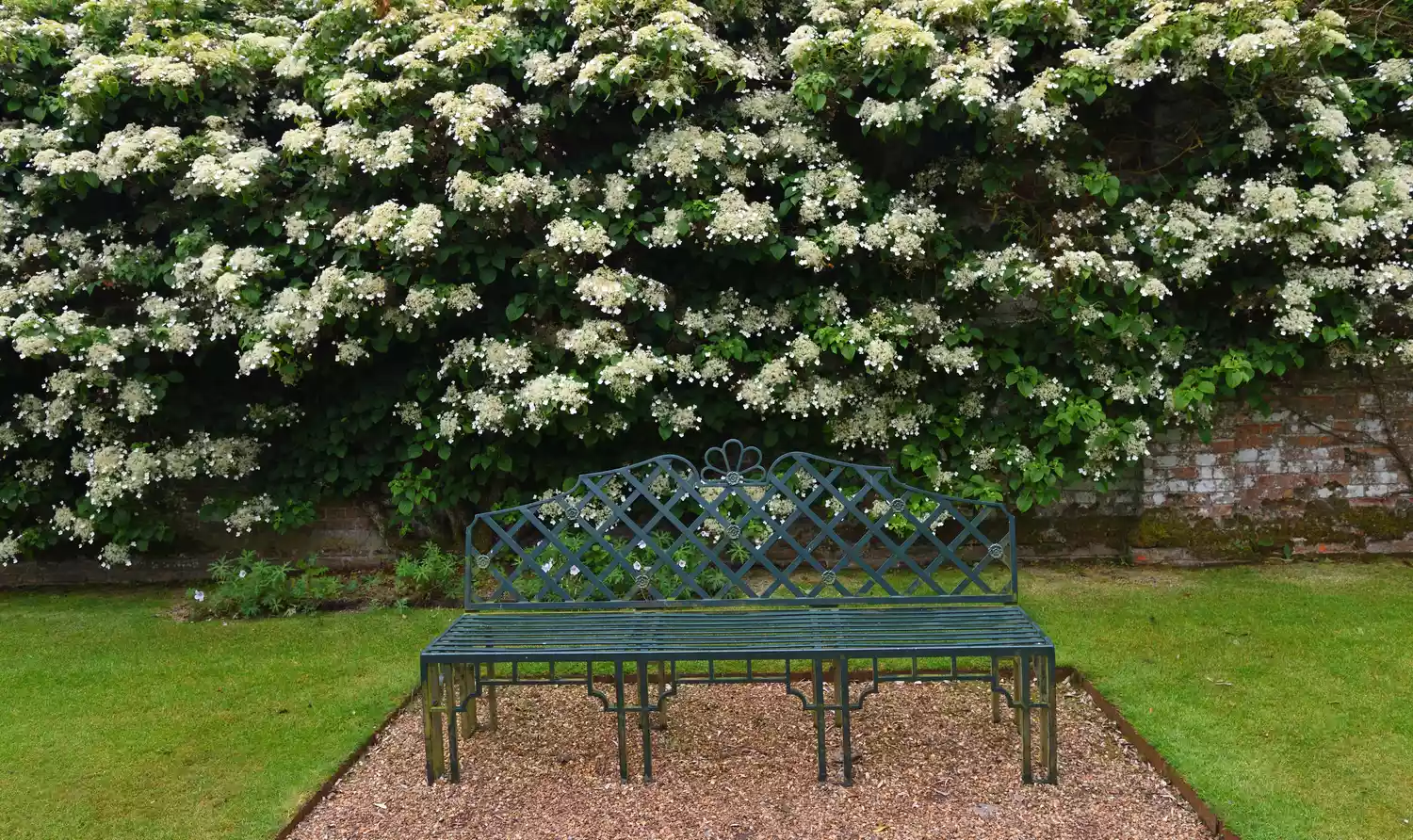
18 Best Plants To Add Privacy To Your Yard
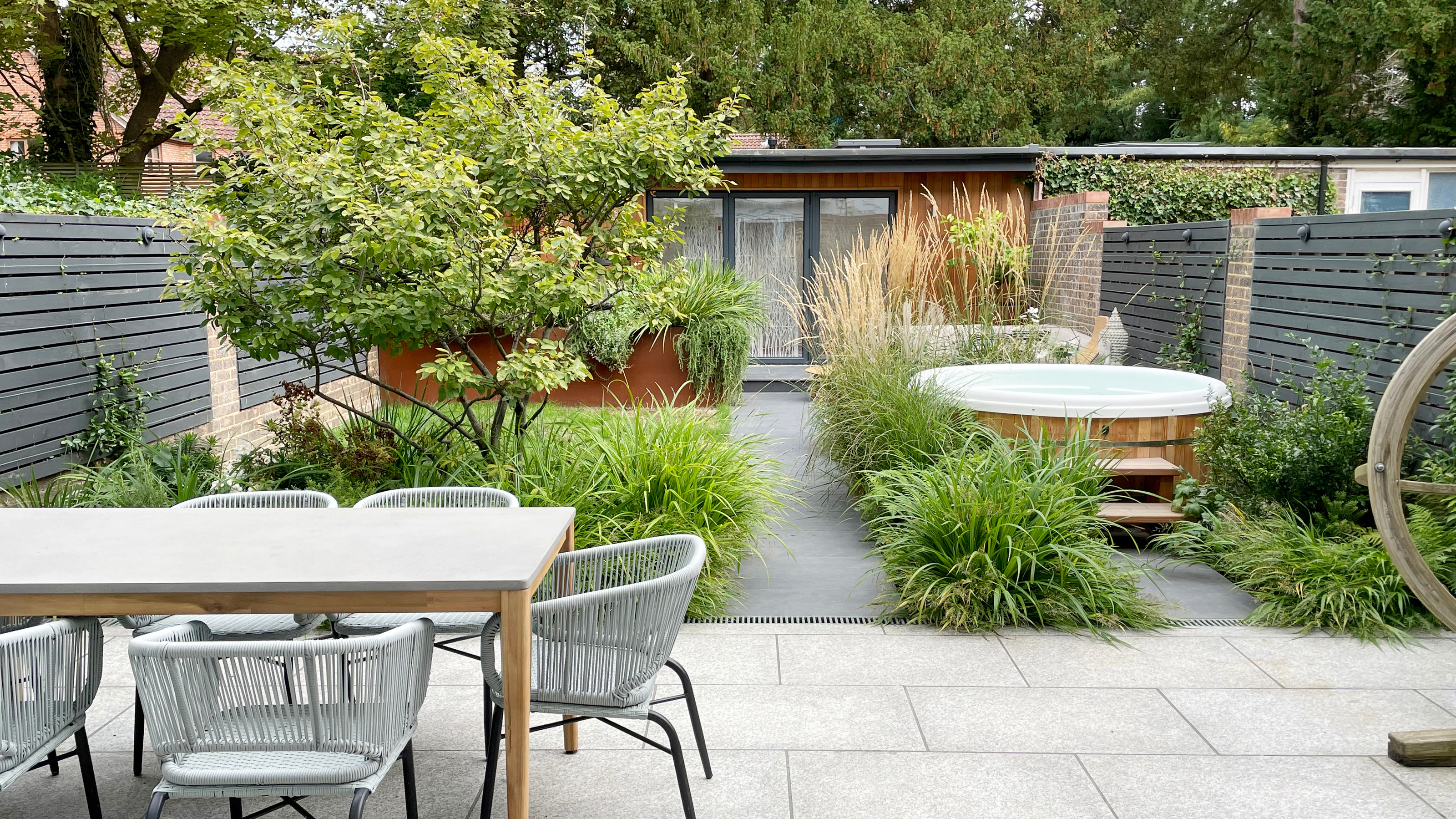
15 Urban Garden Ideas That Will Make Even Busy City Spaces Feel Like a Retreat
These Designers Make the Most Beautiful, Radical Gardens We’ve Seen
Start Planning Your Ideal Garden with These Garden Plans and Ideas
19 simple garden ideas for every style, size and budget
10 creative apartment garden ideas for your balcony or tiny patio

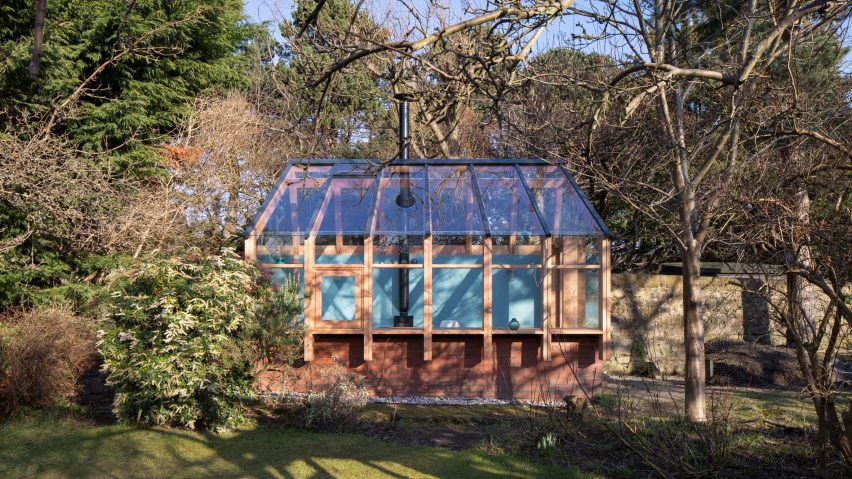
Ten "playful and beautiful" garden studios from around the world
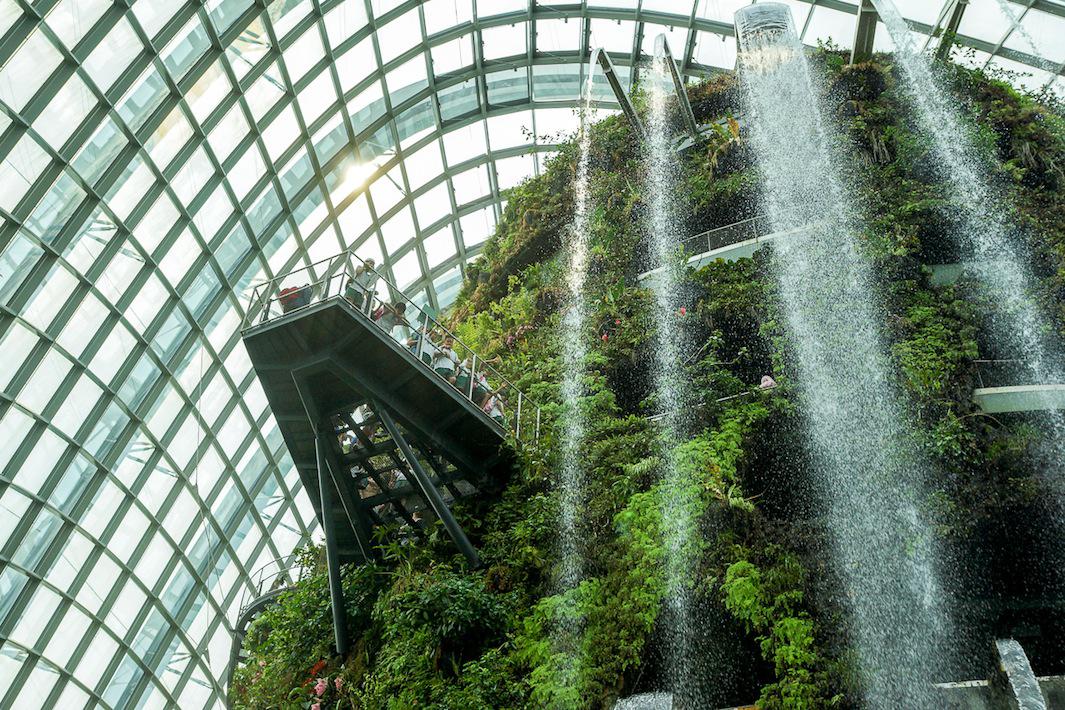
The Most Well-Designed Gardens in the World