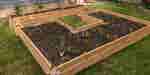
1/6
These Lego-Like Bricks Make Building a Raised Garden Bed a Snap
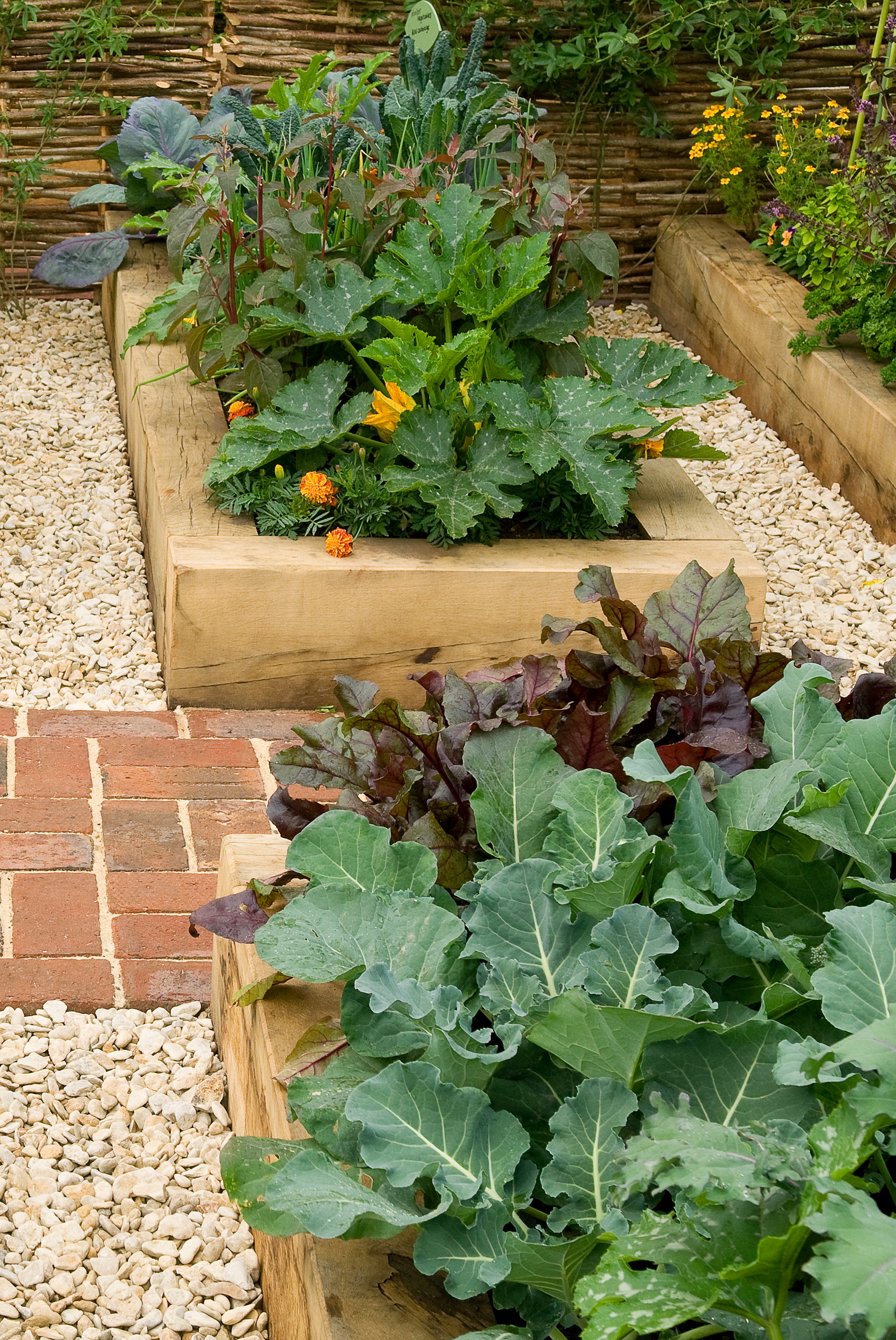
Gardening offers both mental and physical benefits, providing a meditative process and the satisfaction of home-grown produce. While much of gardening is passive, the initial setup involves significant effort, particularly in building garden beds. This article focuses on a simple, cost-effective solution for creating raised garden beds using Oldcastle planter wall blocks. The author recounts their personal experience as a new homeowner, lacking tools and budget, discovering these blocks as an ideal solution for their desired raised garden.
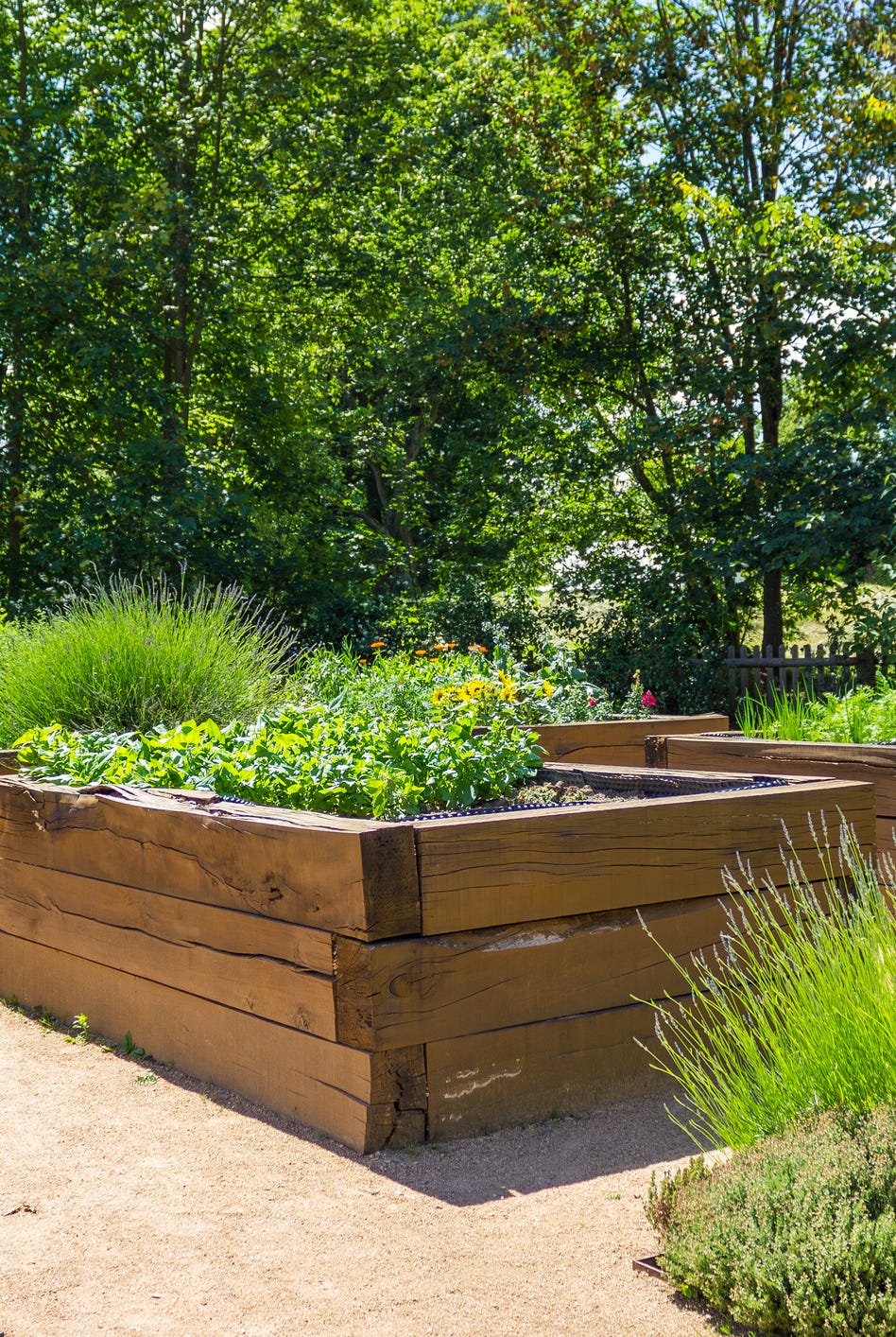
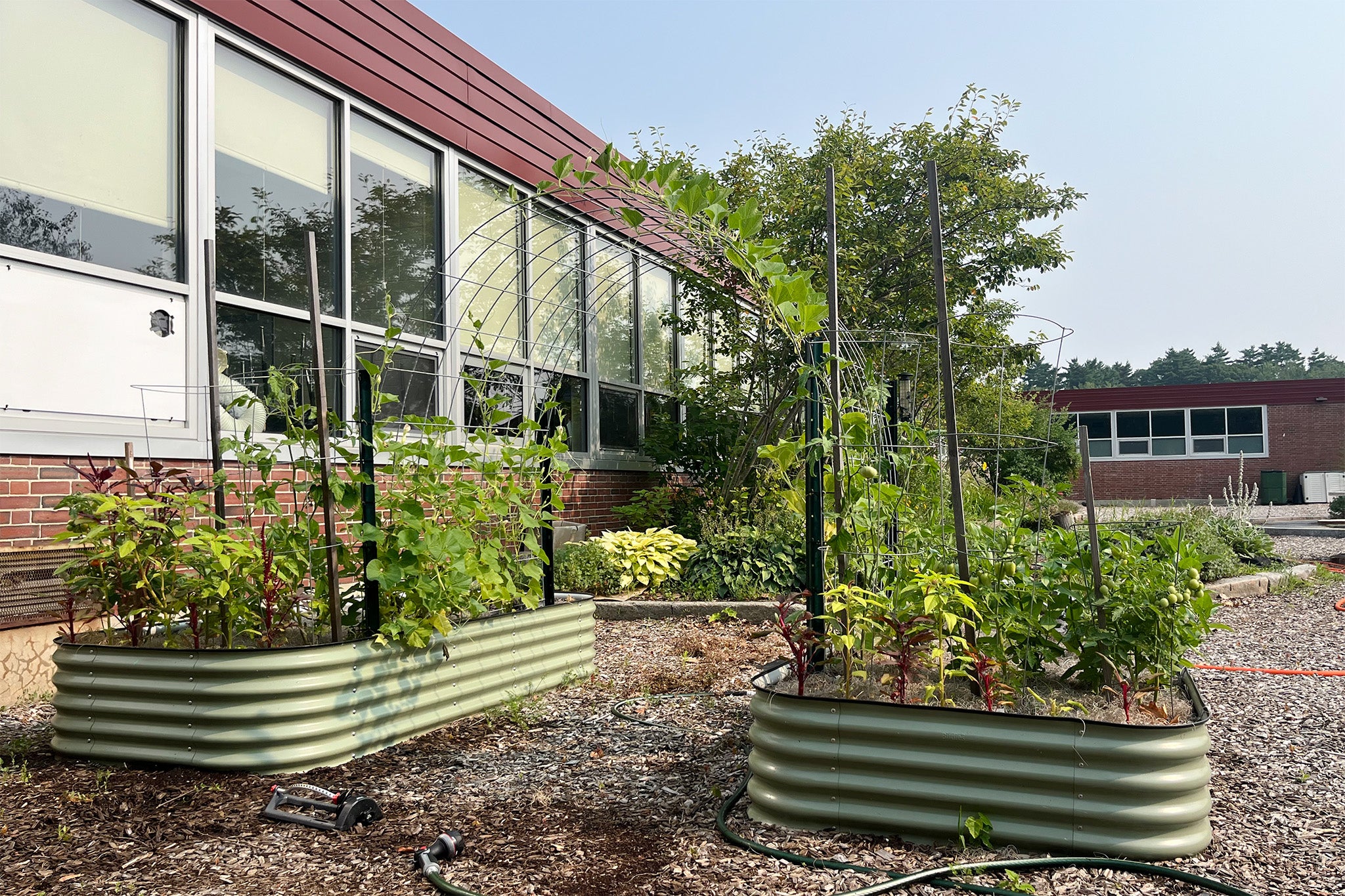
The article highlights that these concrete blocks, often referred to as "Lego-like bricks," simplify the construction of raised garden beds. Many gardeners, including Wirecutter staffers, have lauded their ease of use and affordability. Raised garden beds are presented as a beneficial alternative for areas with poor soil quality, high water tables, or rocky underlayers, like Central Oregon's volcanic soil. They allow for customized soil mixes, alleviate back strain, deter pests, and enable earlier planting in the season.
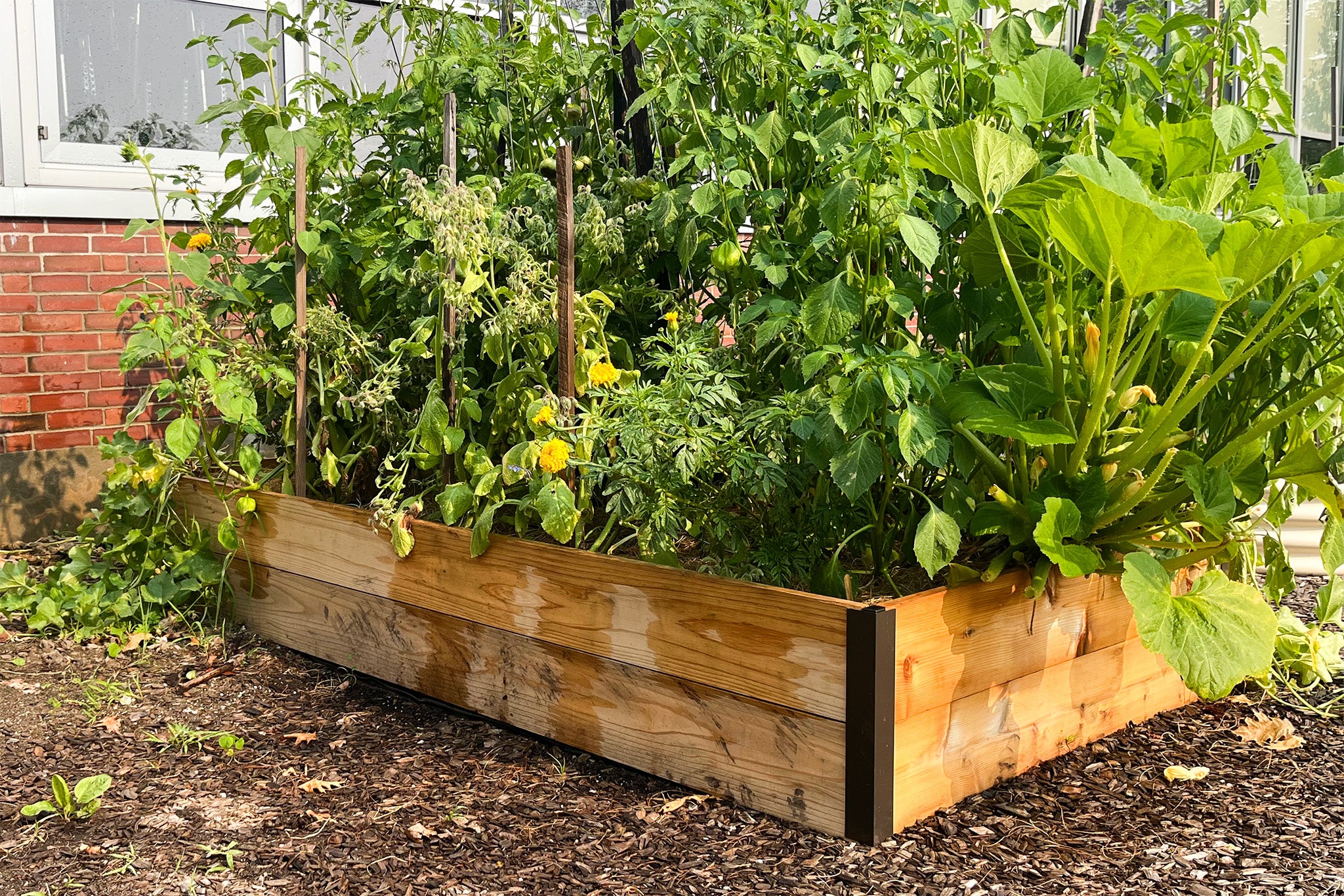
The Oldcastle blocks are notably inexpensive, costing around $3 each, with only four required for a basic bed. When combined with four lengths of suitable lumber, a robust raised bed can be constructed for under $50, significantly cheaper than many pre-made kits that can cost upwards of $100. Beyond cost, their primary advantage is the simplified assembly process. These DIY beds are compared to IKEA flat-pack furniture, requiring no power tools or complex joinery. The blocks provide alignment, and the soil secures the boards in place, making construction surprisingly quick. Tools needed are minimal, such as a tape measure, shovel, rake, hammer or rubber mallet, and optionally a level.
The modular design of Oldcastle blocks allows for flexible garden configurations, as each block has slots for 2-by-6 boards on all sides. This enables gardeners to create various shapes, add extensions, or build terraced beds. An example is given of creating a U-shaped bed to accommodate a gardener's reach. The article provides a step-by-step guide for building a raised bed using these blocks, beginning with selecting a sunny, level spot and determining the bed size based on plant needs and accessibility.
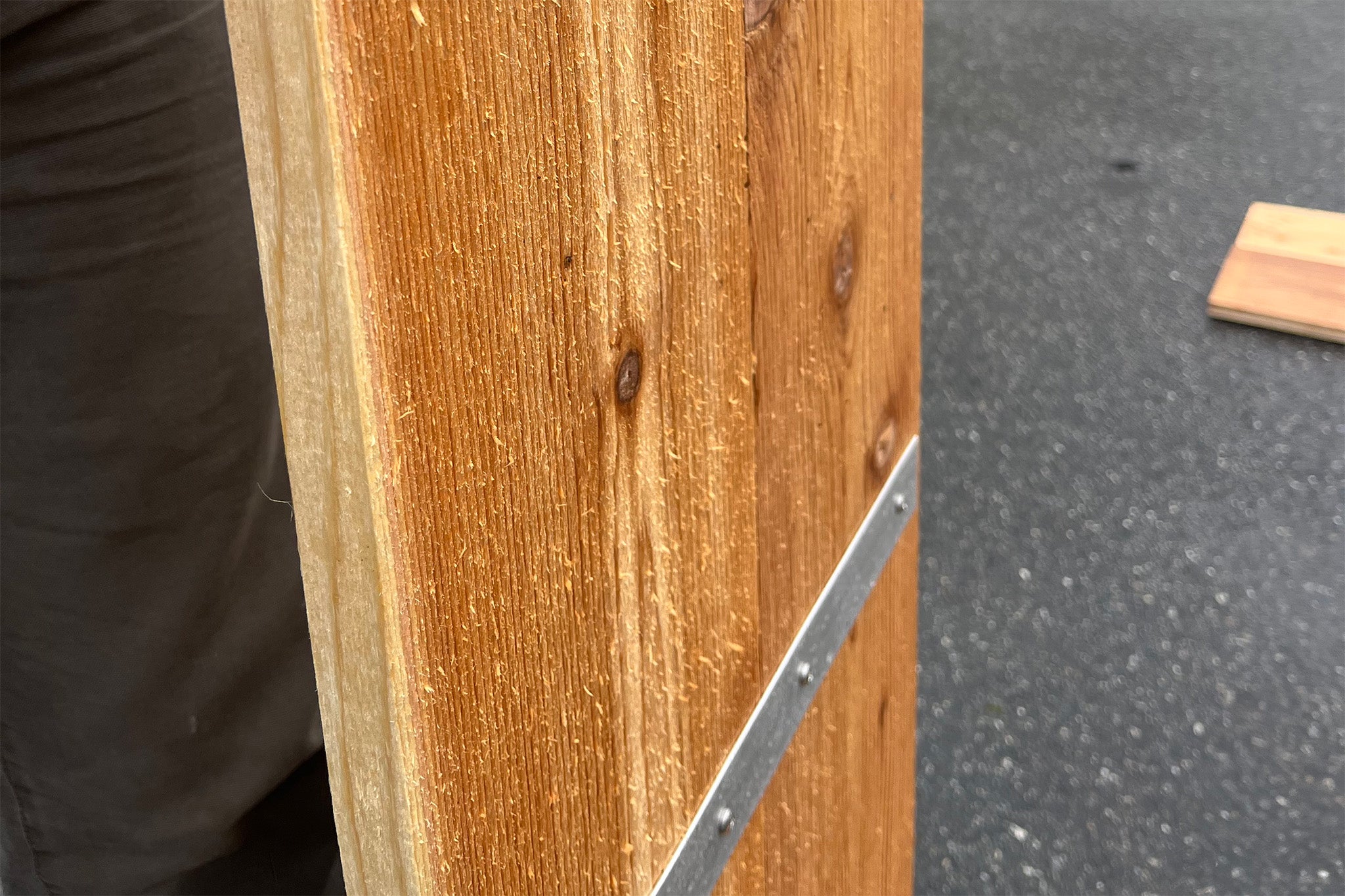
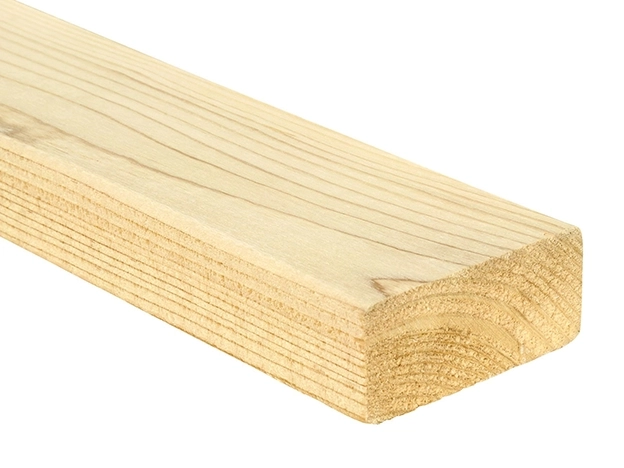
Materials required include the Oldcastle planter wall blocks (at least four for a 6-inch deep bed, stackable for greater depth), stock 2-by-6 lumber (or 2-by-12 for deeper beds), and organic soil and amendments. The debate between using natural versus pressure-treated lumber is addressed, with untreated cedar recommended for its natural rot resistance. Optional additions include landscaping fabric or chicken wire for pest deterrence and rebar or landscape block adhesive for enhanced stability, especially for stacked blocks. The assembly process is described as easy, involving placing blocks, slotting in wood, and filling with soil. Practical tips include double-checking measurements, seating boards in shallow furrows or using cardboard liners to prevent water leakage, and reinforcing with rebar or adhesive. The rebar holes can also serve as anchor points for trellises or mesh covers. For a more refined look, wooden toppers can be added, though this requires additional tools and precision. The article concludes with anecdotes of successful and bountiful gardens created using this method, emphasizing its effectiveness and ease.
#RaisedGardenBeds #DIYGardening #HomeGardening #OldcastleBlocks #CostEffective #EasyAssembly #GardenDesign #OutdoorLiving #GardeningTips #RaisedGardenBeds #DIYGardening #HomeGardening #OldcastleBlocks #CostEffective #EasyAssembly #GardenDesign #OutdoorLiving #GardeningTips
0 comment in total
 No comments yet
You may also like
Elevate Your Yard (And Your Plants) With These Raised Metal Garden Beds

Raised Garden Bed Options to Optimize Your Garden
How to use tiles to elevate a garden for summer
Grab A Few IKEA LACK Tables To DIY A Luxe-Looking Concrete Column
After Extensive Testing, These Are Our 9 Best Raised Garden Beds for Growing Plants

Ten gravity-defying homes that are raised up on stilts

Lego-like product saving energy in construction


Acme Brick, Tile and Stone – Tulsa
Grow your garden anywhere this summer with these raised bed ideas


From the Forum: Exposing Floor Joists on the Garden Level

Acme Brick, Tile and Stone – El Paso
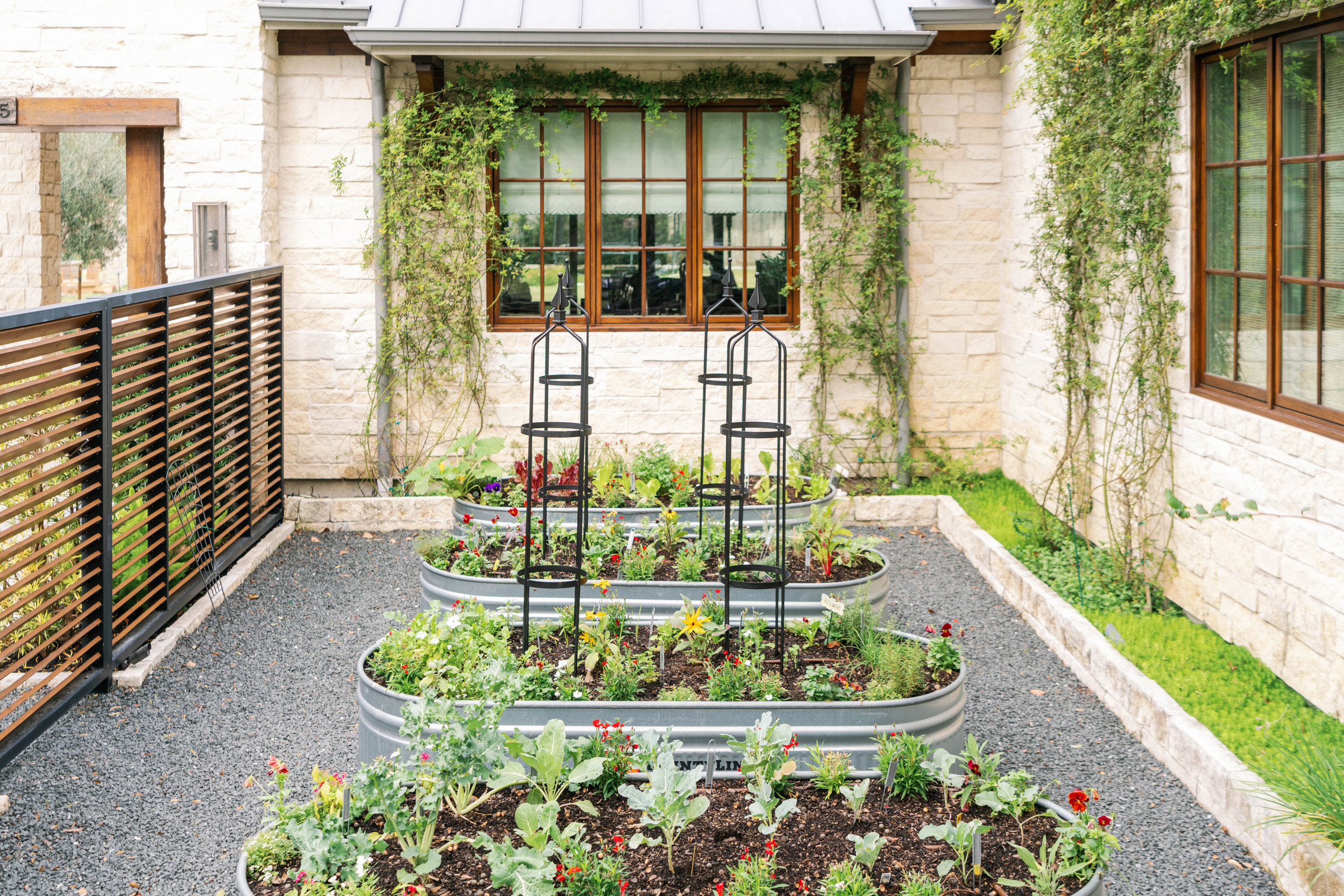
This Viral Gardening Trend is Loved by Experts — "It's the Best-Looking Idea for Growing Vegetables"

A(nother) vertical LEGO architectural marvel

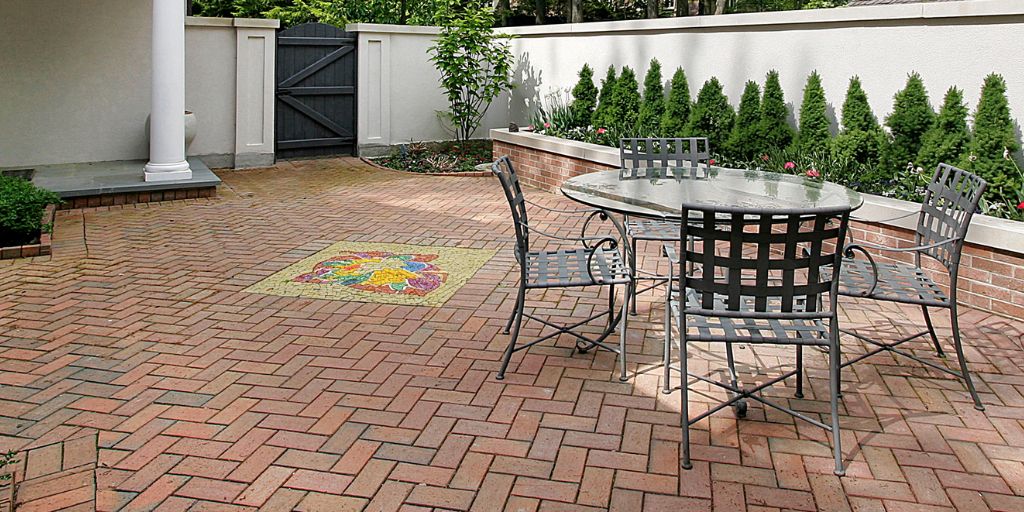
Ready To Pick a Patio Pattern? Here Are 12 Designs To Consider

Come look at us now.
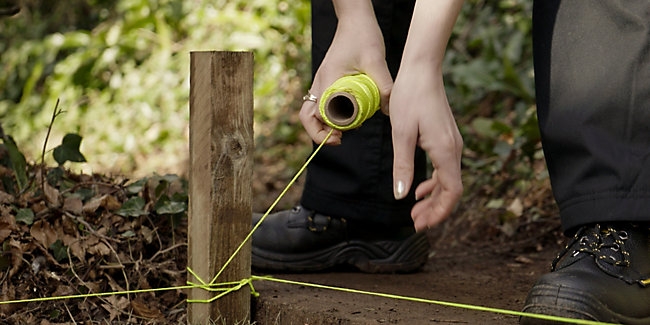
How to lay a patio

Biophilic-Inspired Design Takes Center Stage: How Bricks Bring Nature In


Building Materials - Building Supplies


Decorative Stones & Gravel

Decking Balustrades & Posts