1/5
What's Replacing the Berber Rug in 2025?
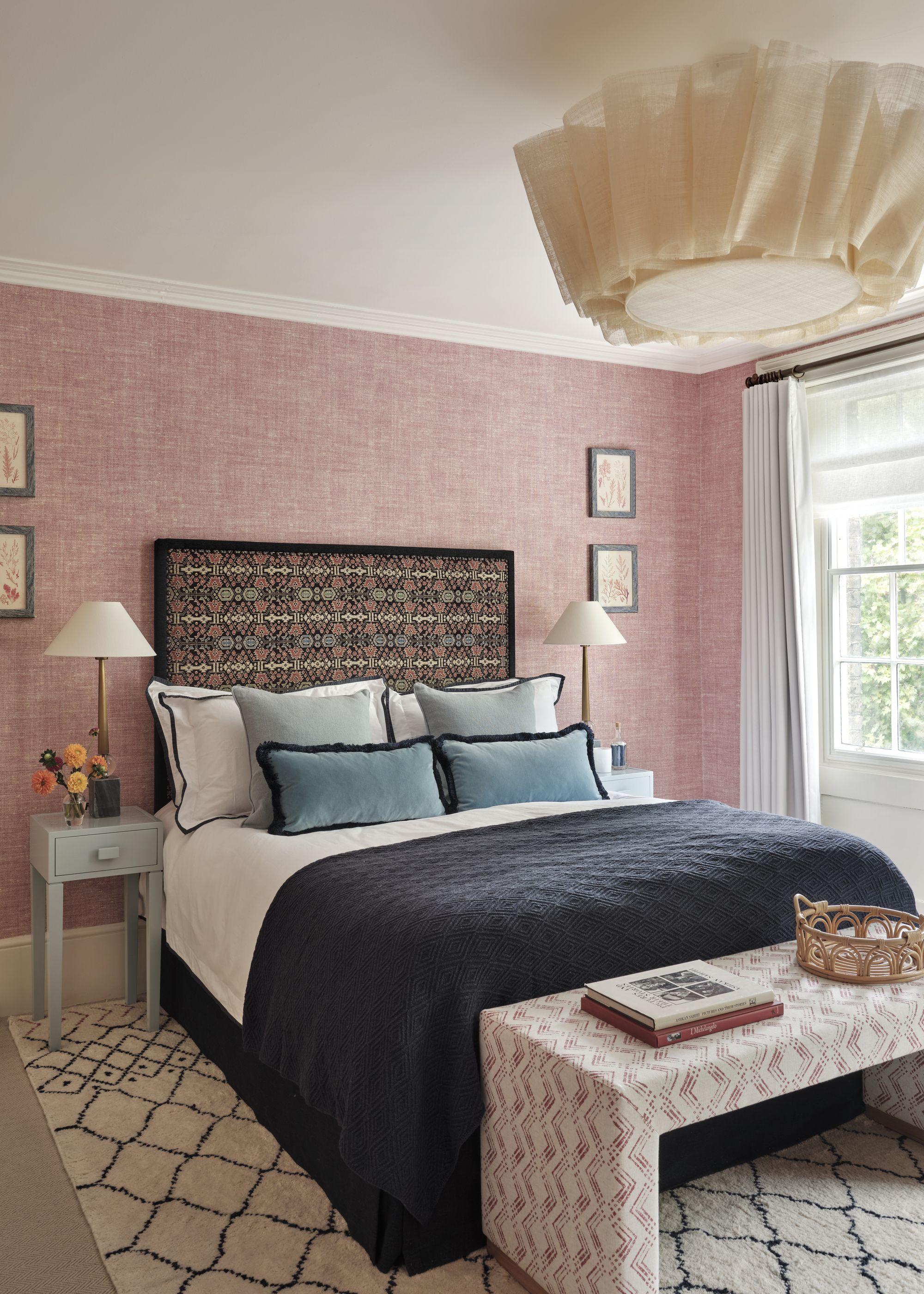
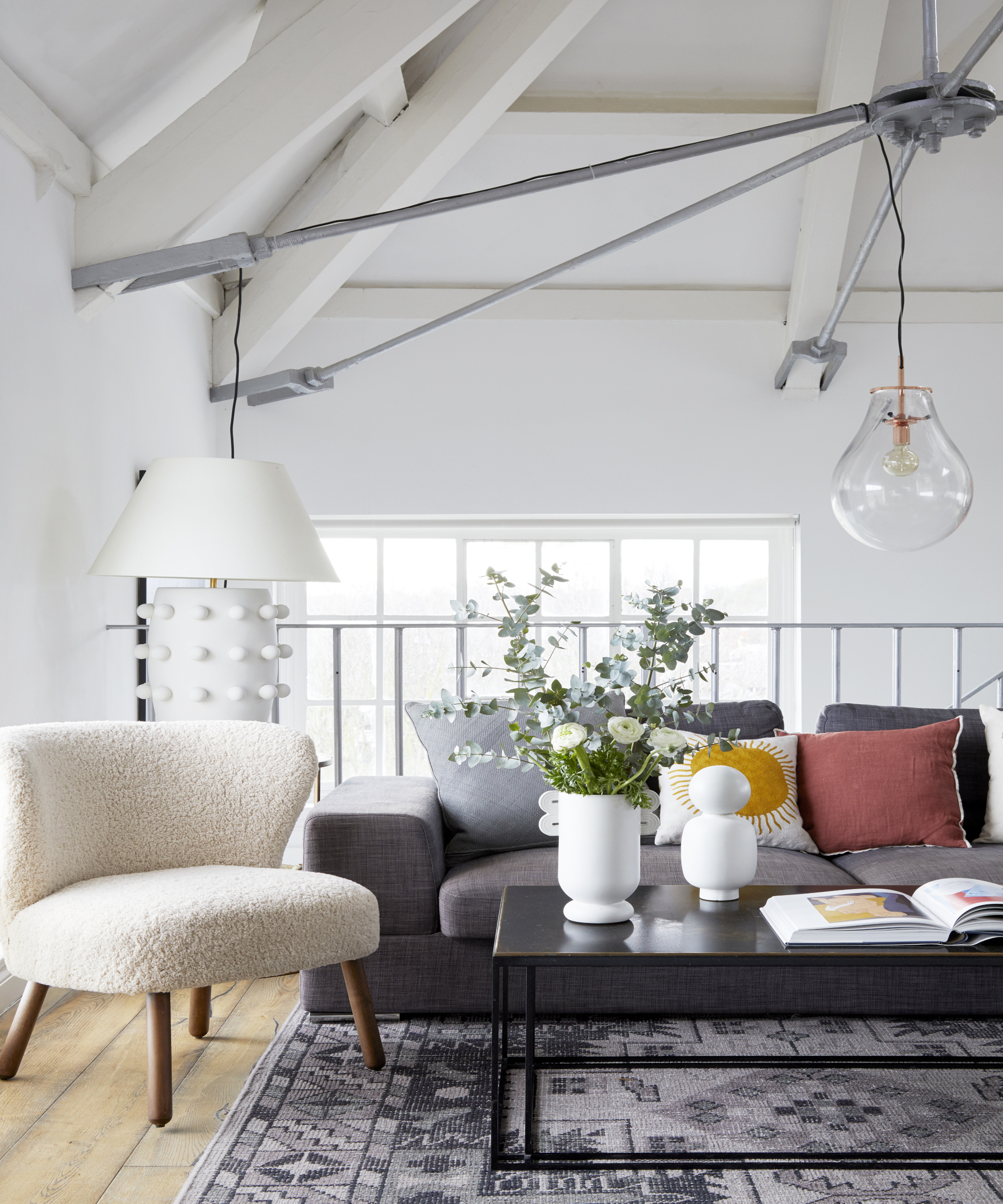
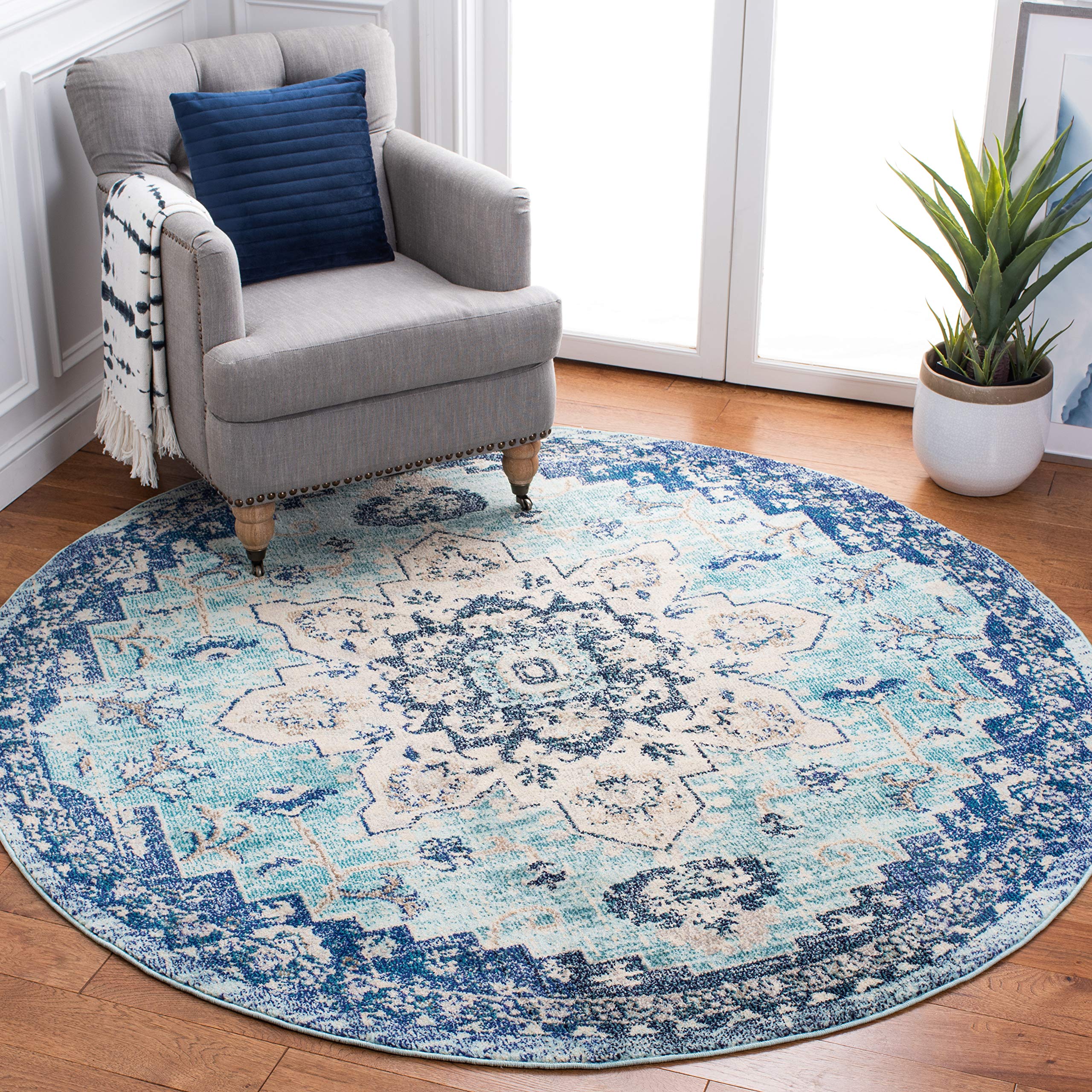
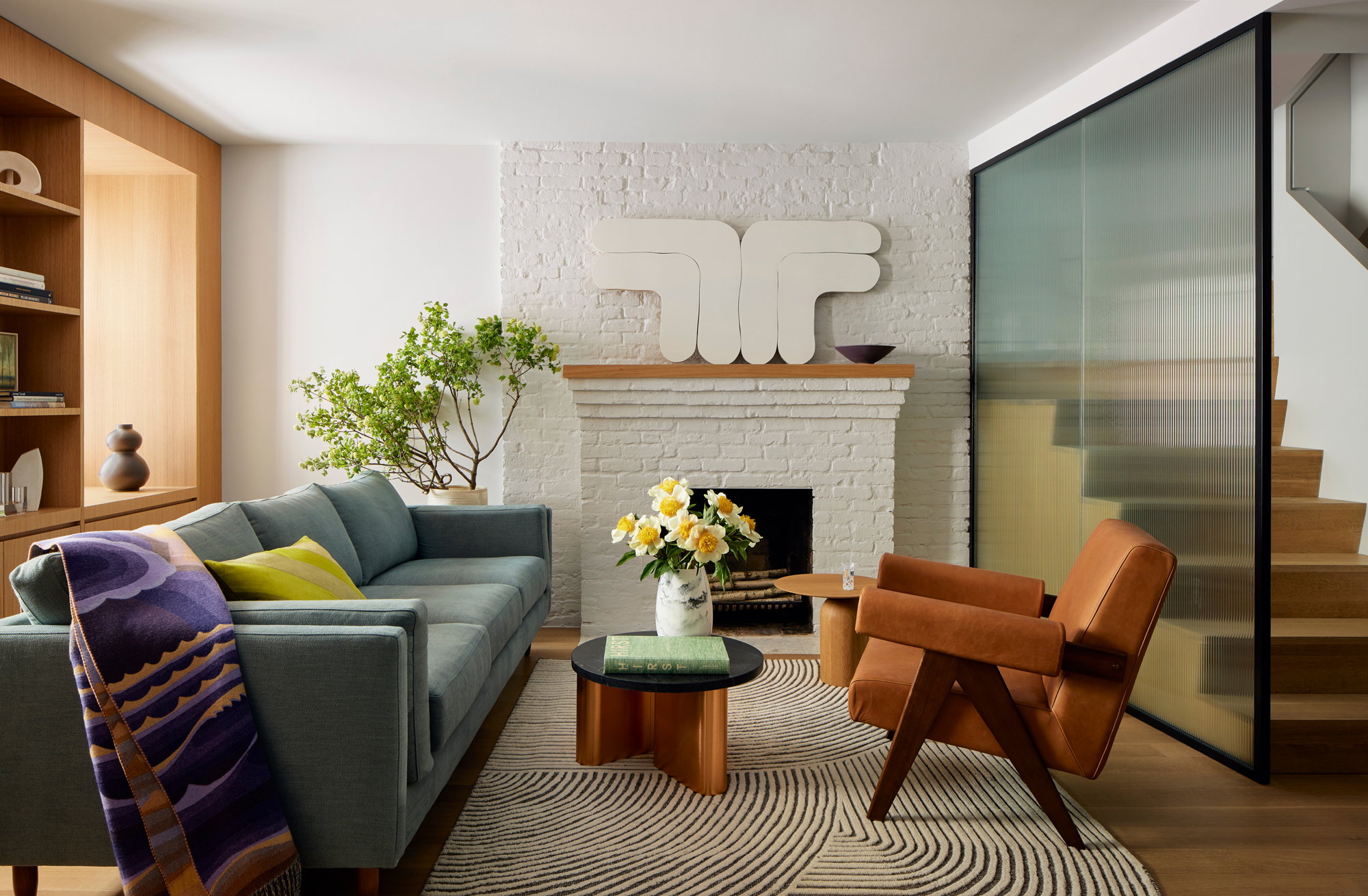
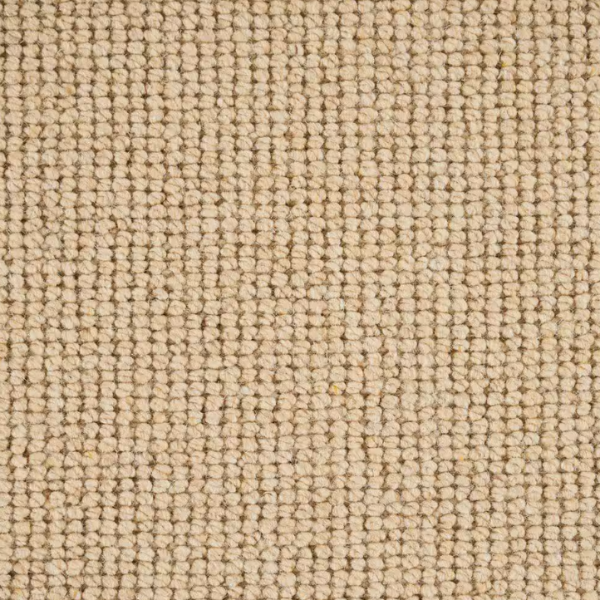
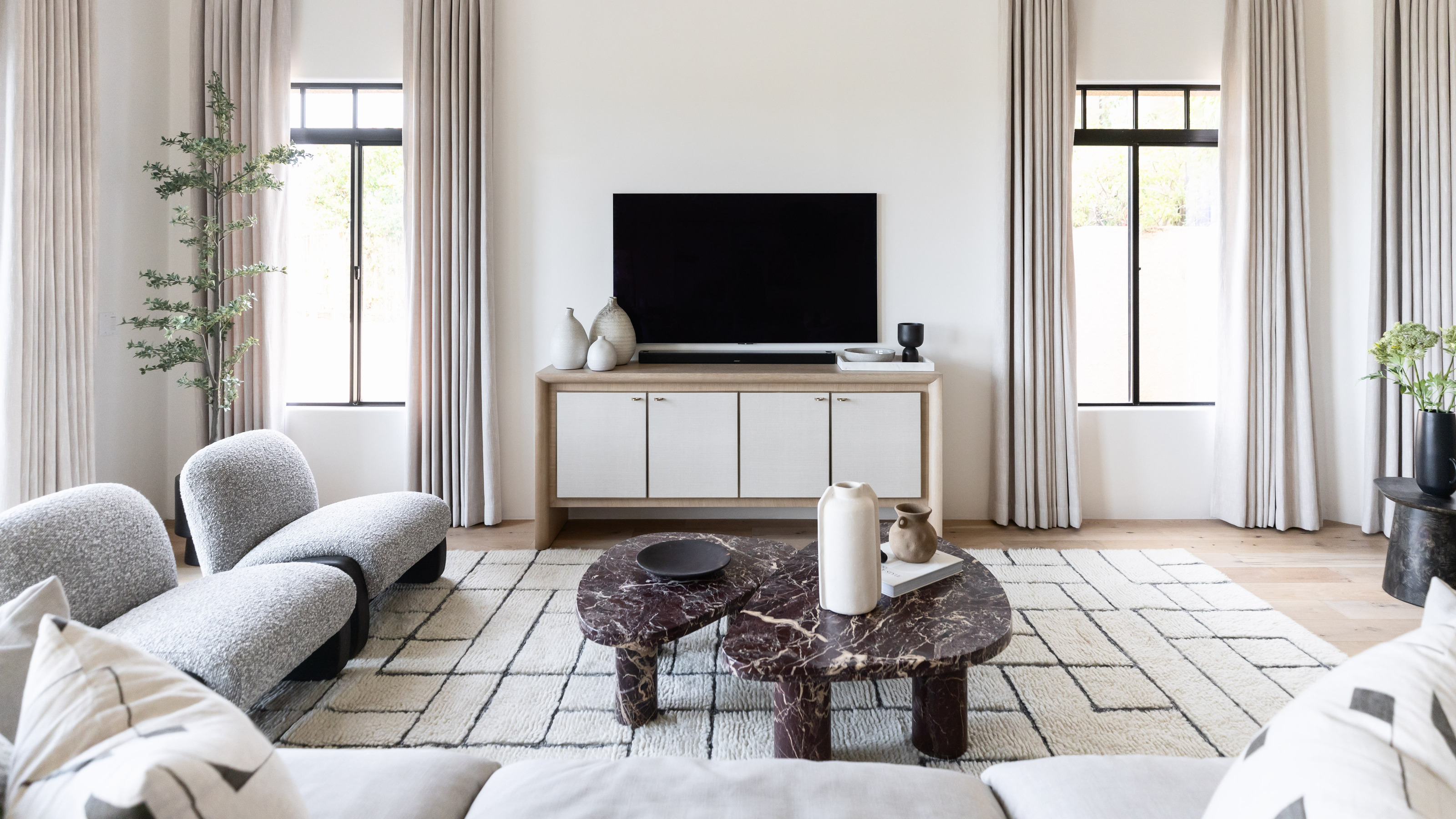
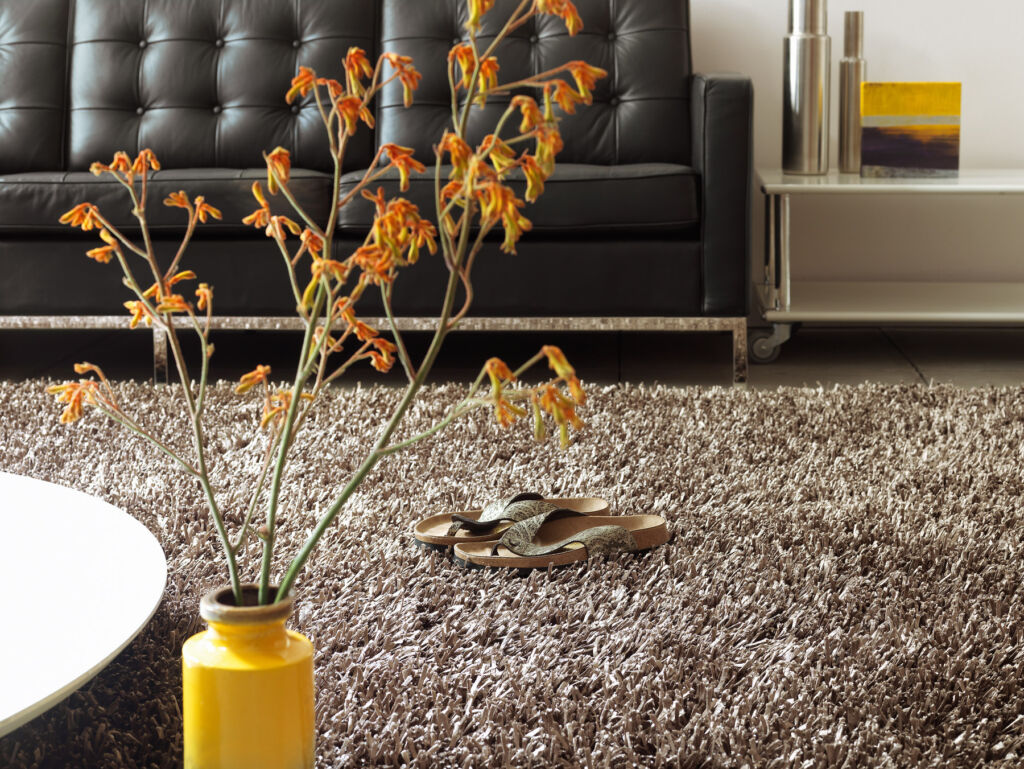
The Berber rug, once a ubiquitous staple in contemporary homes, particularly among millennials, is experiencing a shift in its widespread popularity. Characterized by its black and white geometric patterns and plush, high-pile, tufted weave, the Berber rug originates from Morocco, handwoven by Berber women using continuous loops of yarn to create a dense, pebbled texture. While acknowledged for its ability to bring warmth and comfort to a space, especially in informal family areas or ski properties, the "ubiquitous cream-and-black loop pile" is now considered to be growing tiresome by some interior designers.
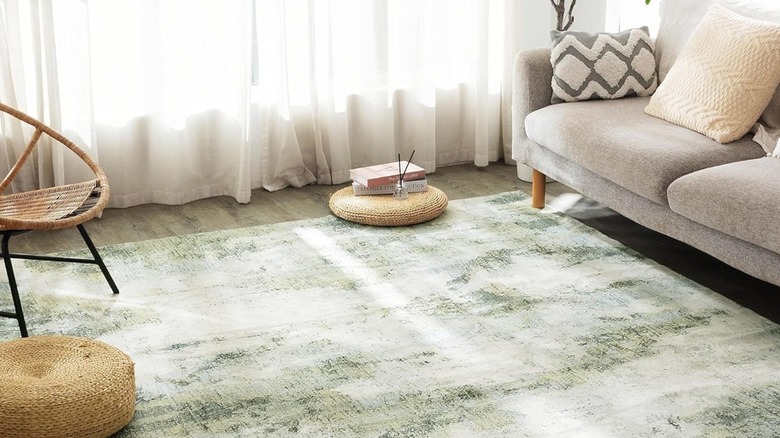
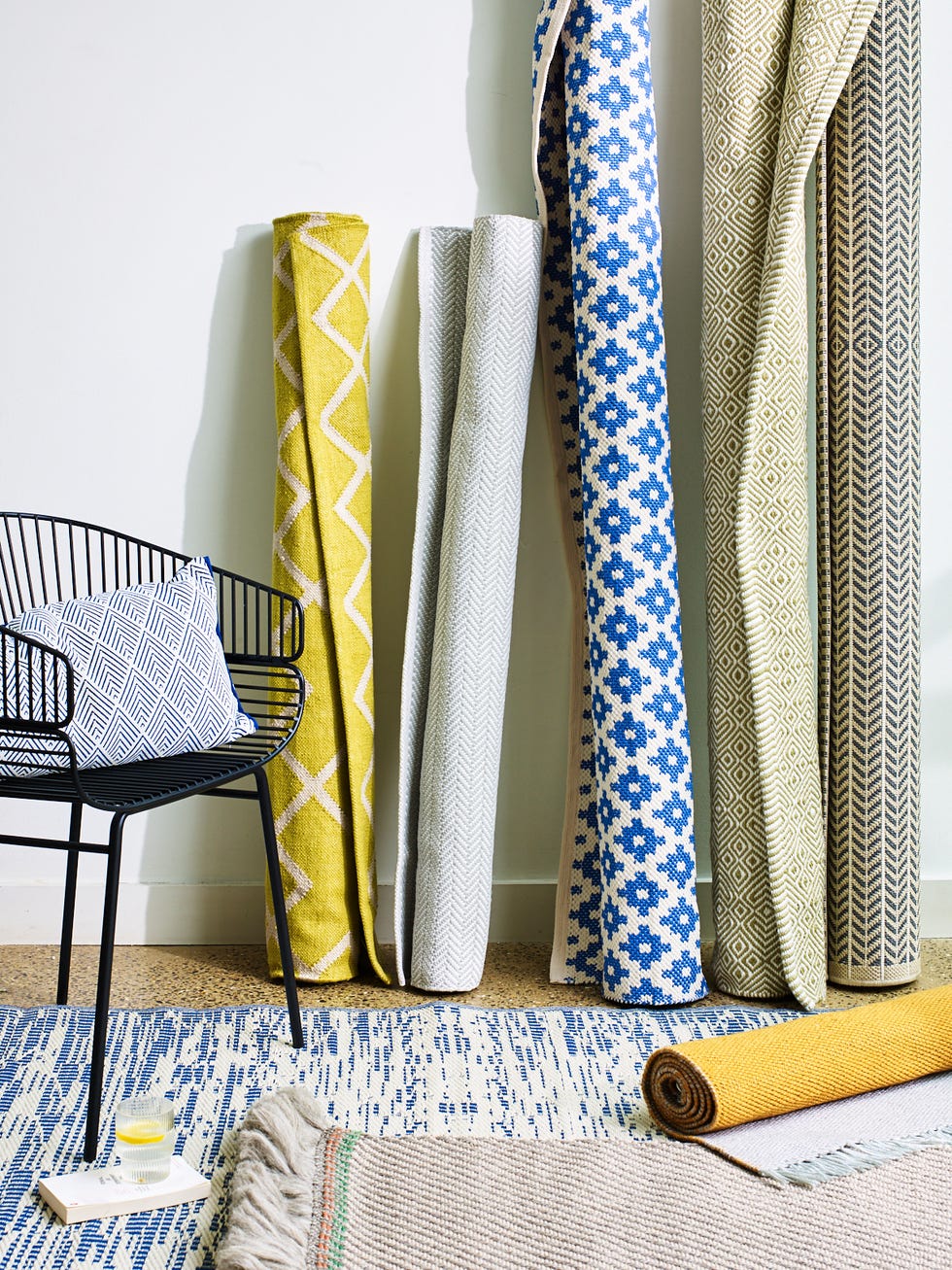
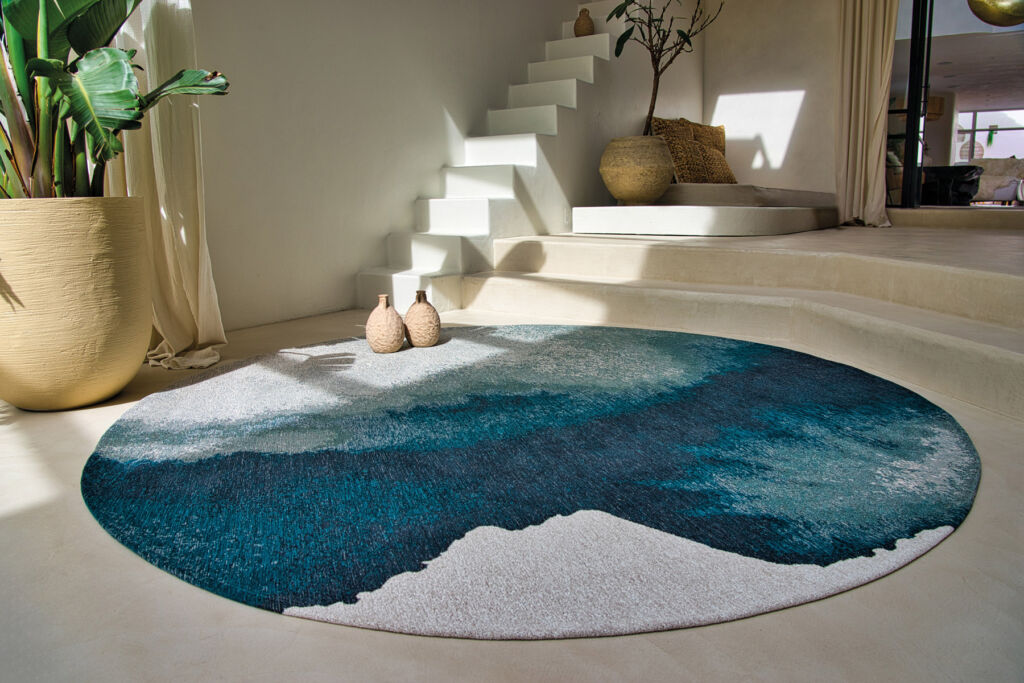
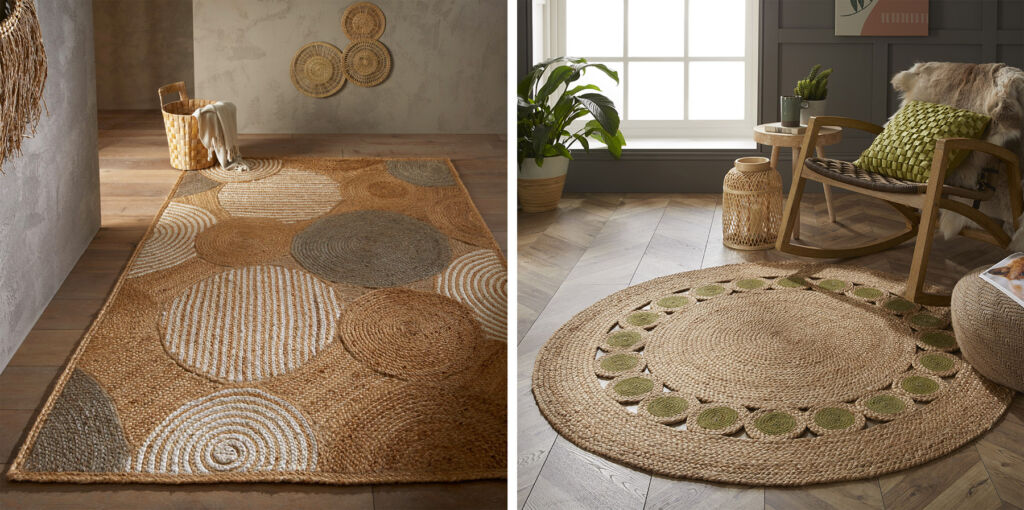
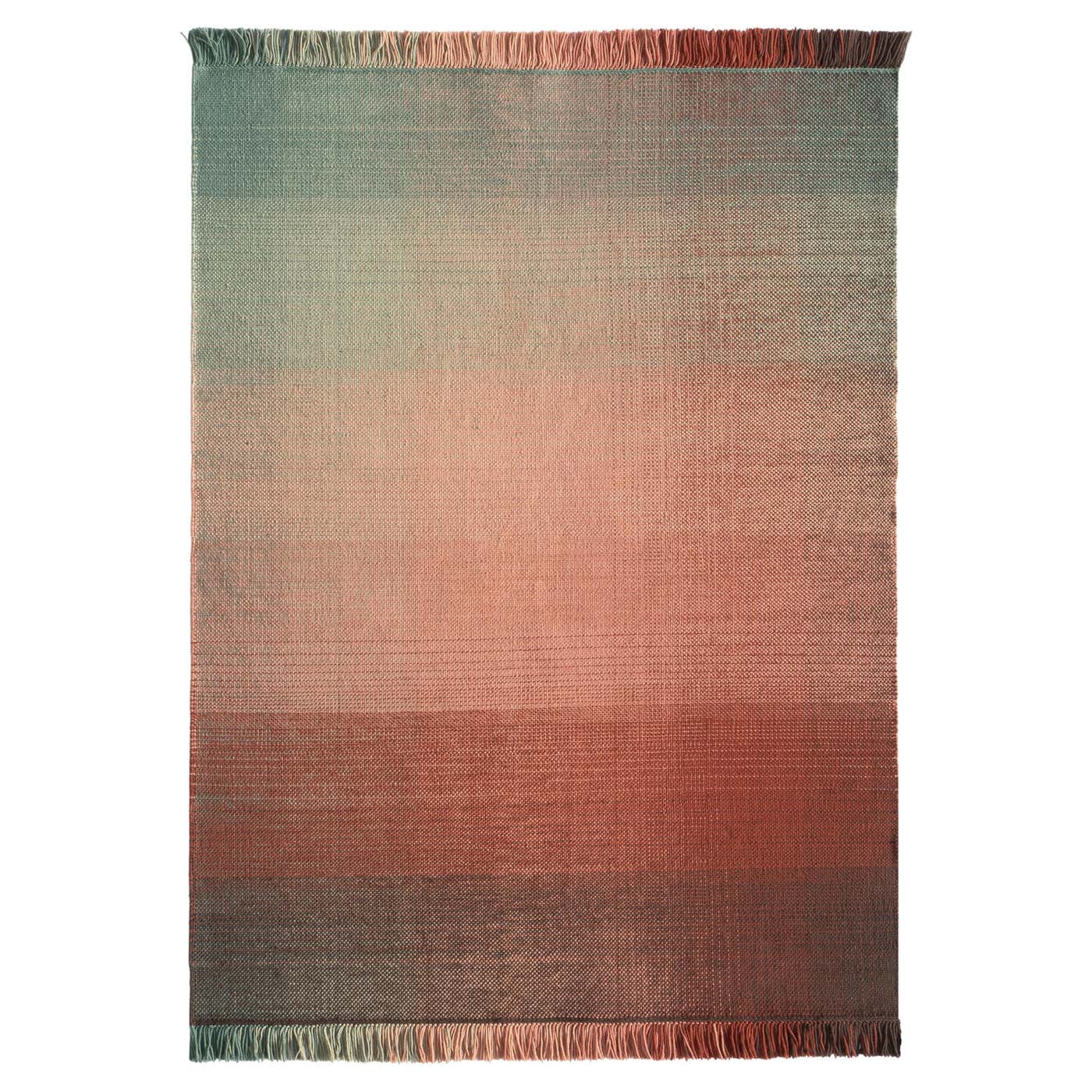
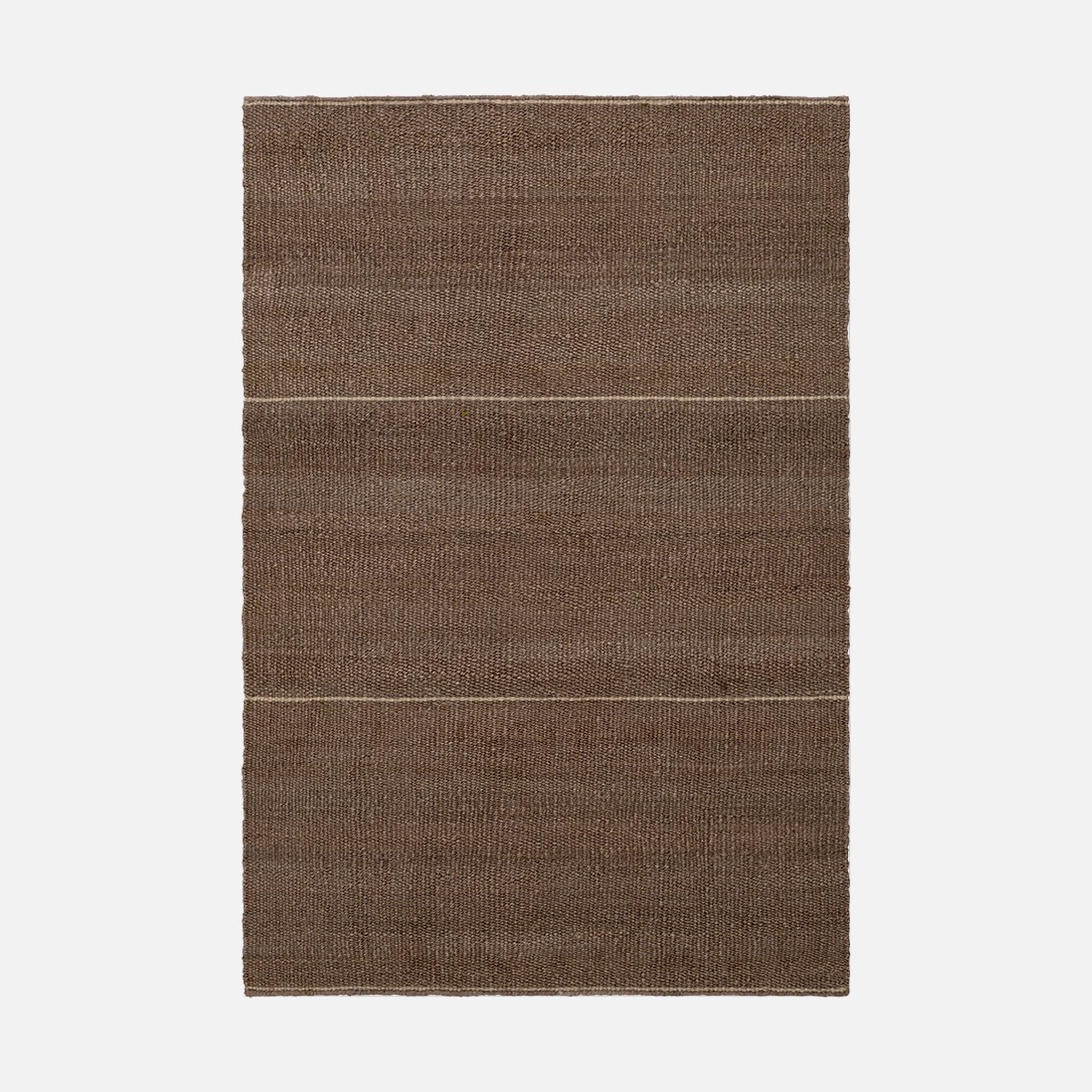
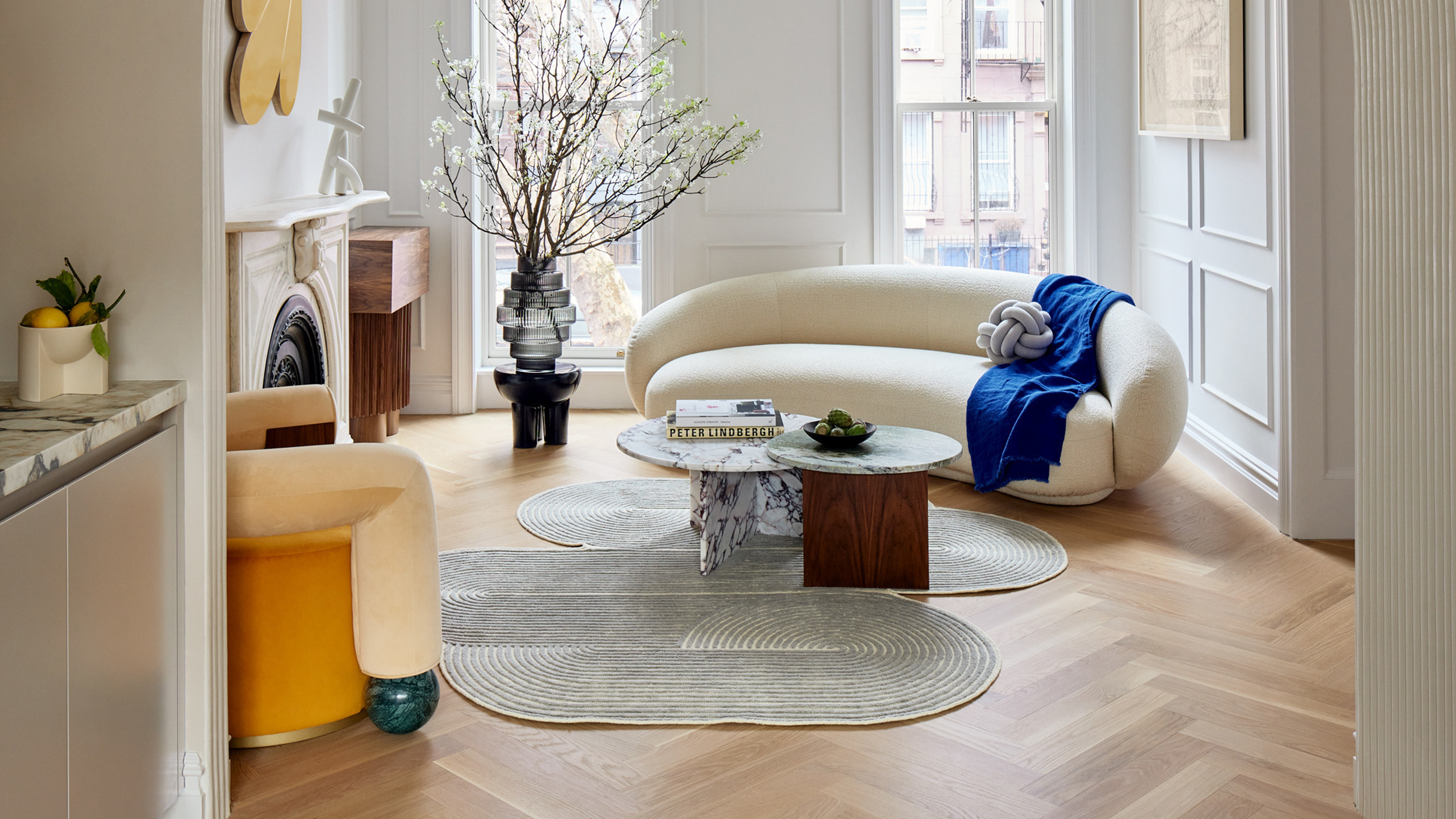
The current interior design landscape, particularly for 2025, indicates a move away from plush, high-pile rugs towards brighter, more patterned, and predominantly flatwoven styles. This evolution in rug trends prioritizes durability, ease of cleaning, and a lighter aesthetic. The emerging favorites are flatwoven rugs made from natural materials such as jute, organic wool, and cotton. These materials offer warmth and comfort while boasting enhanced durability, addressing some of the practical drawbacks associated with traditional Berber rugs.
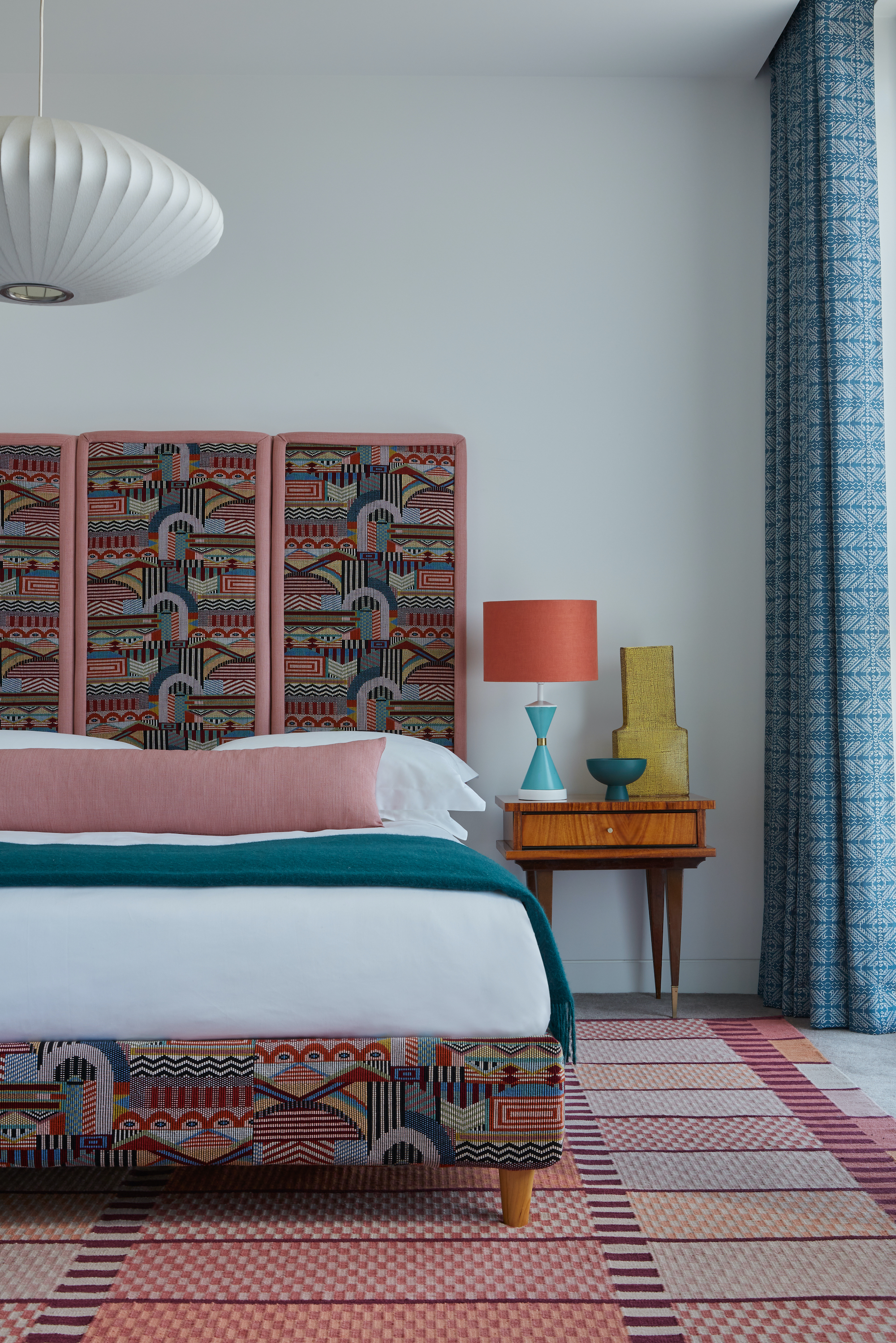
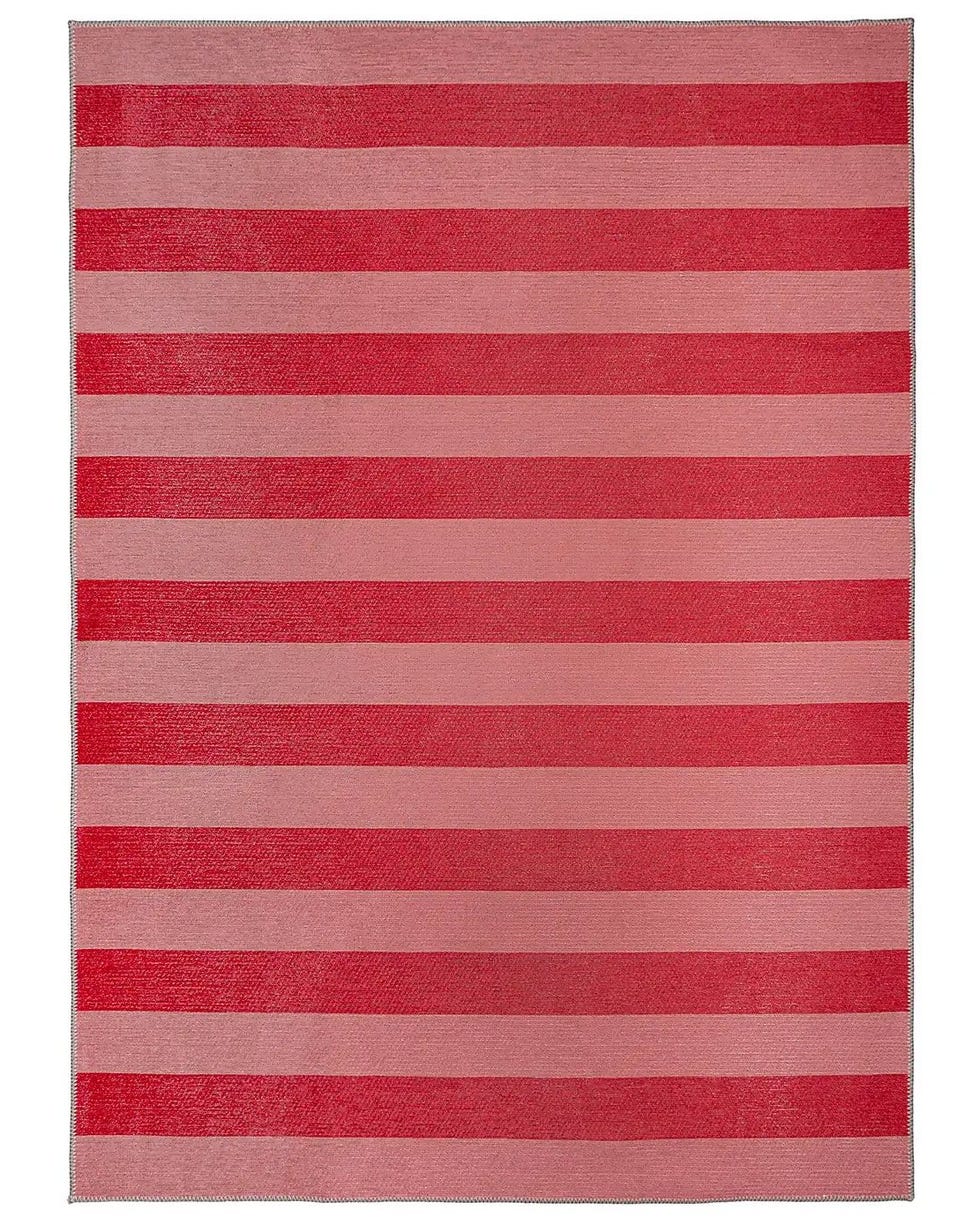
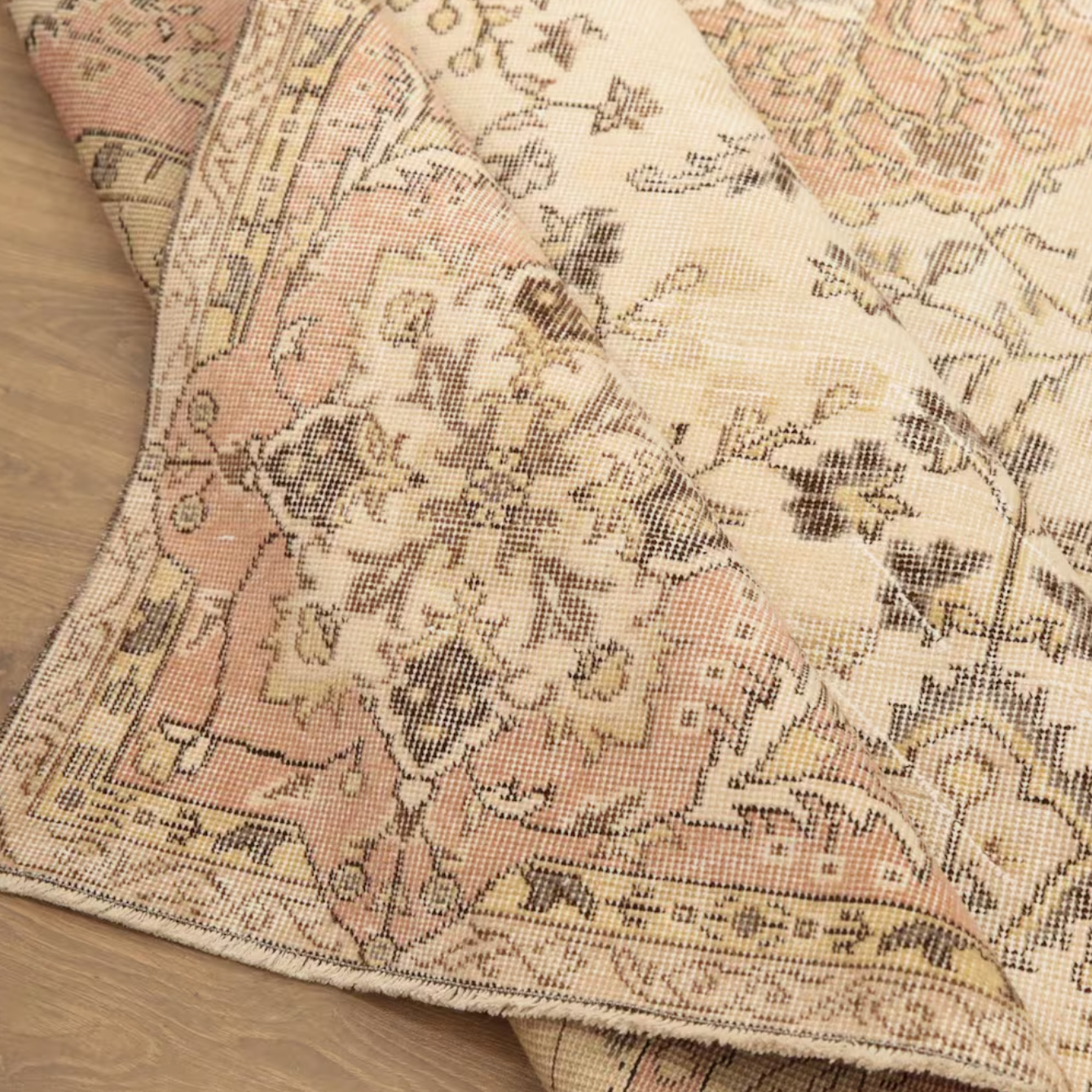
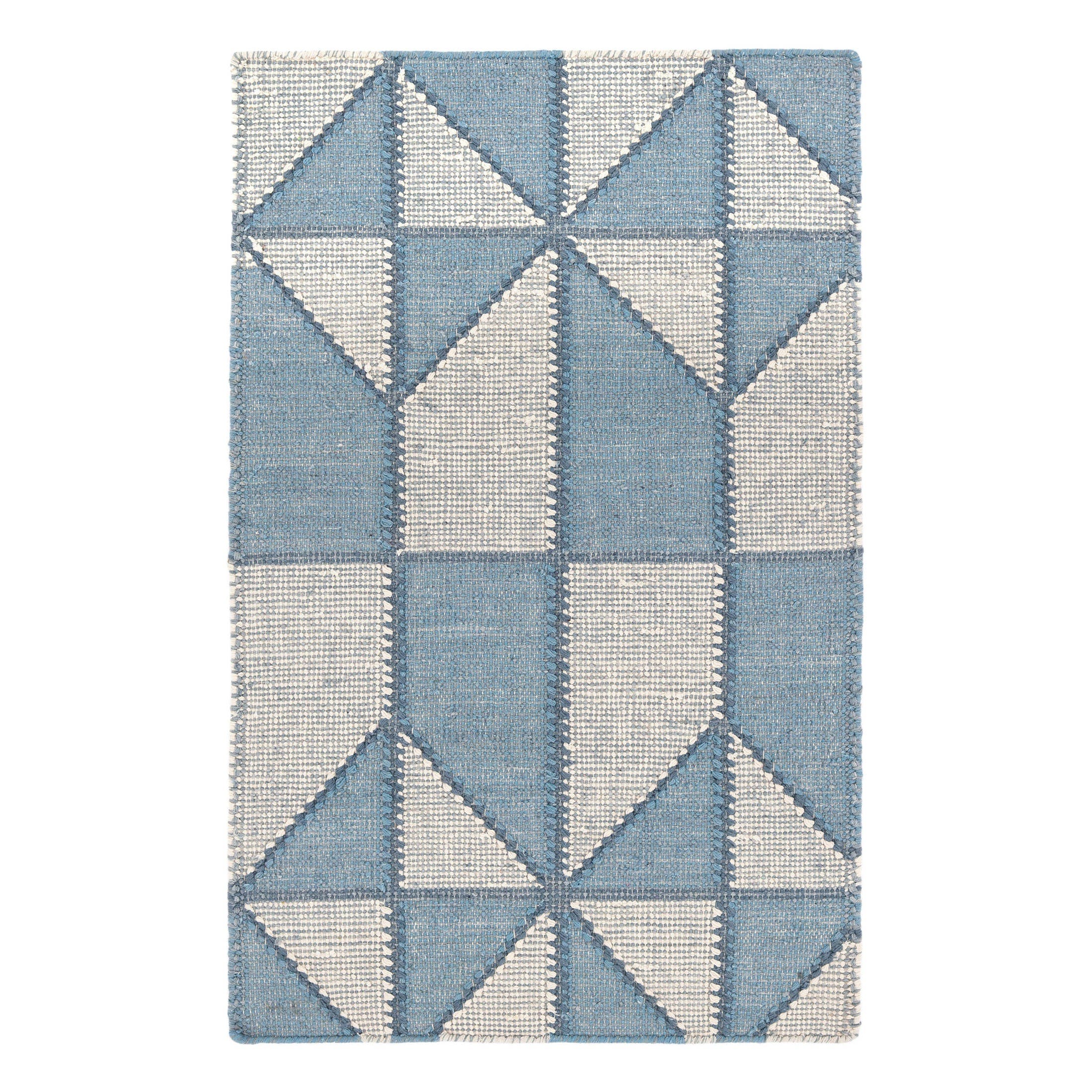
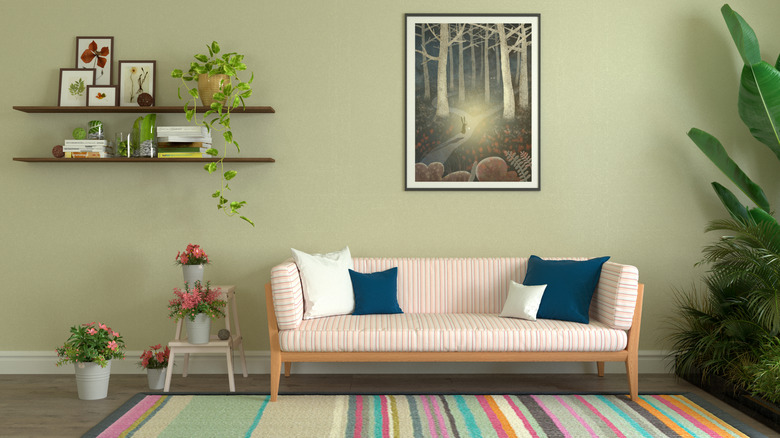
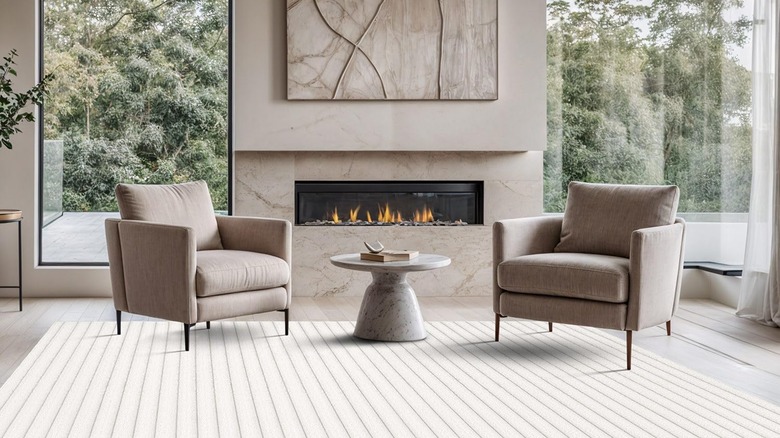
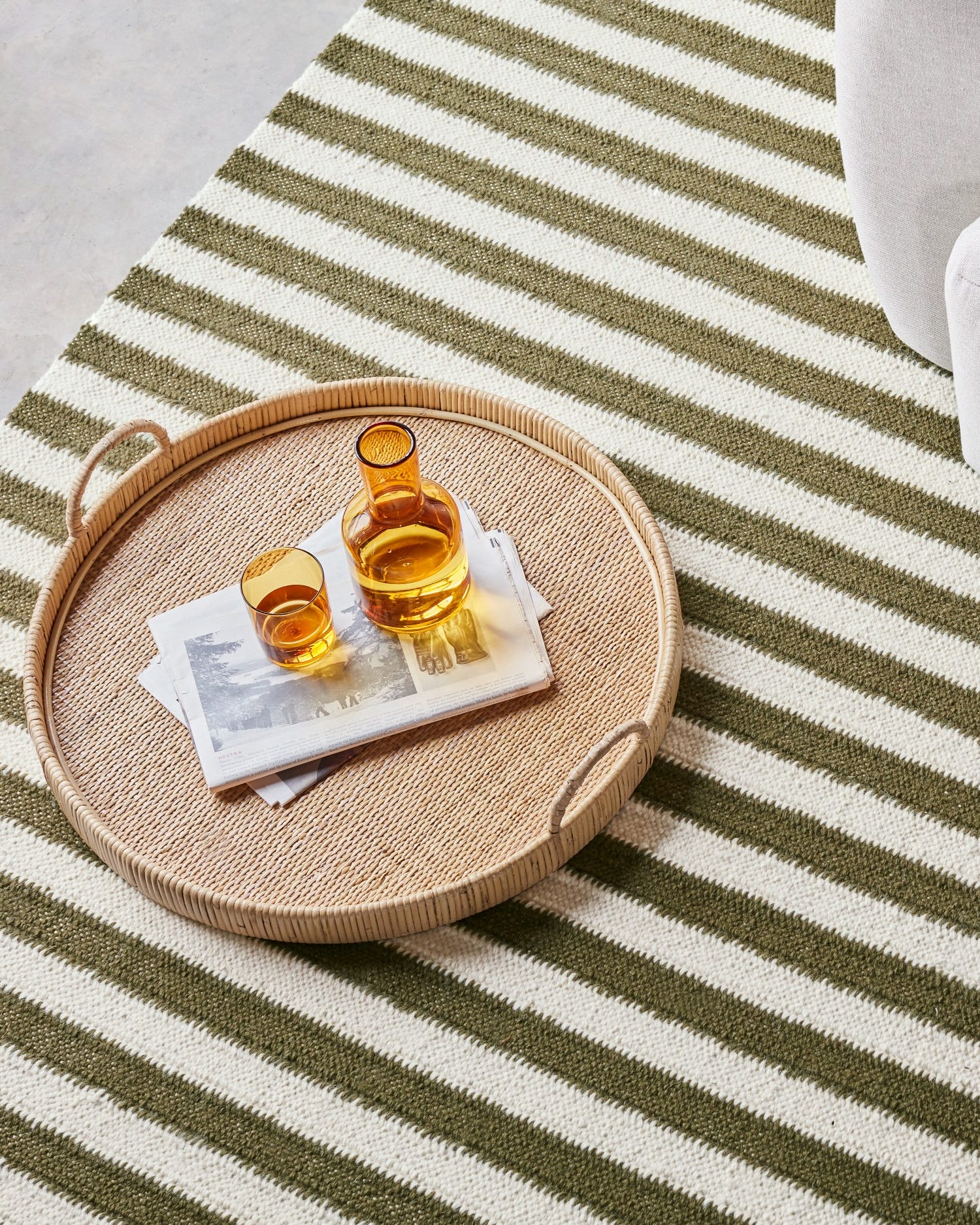
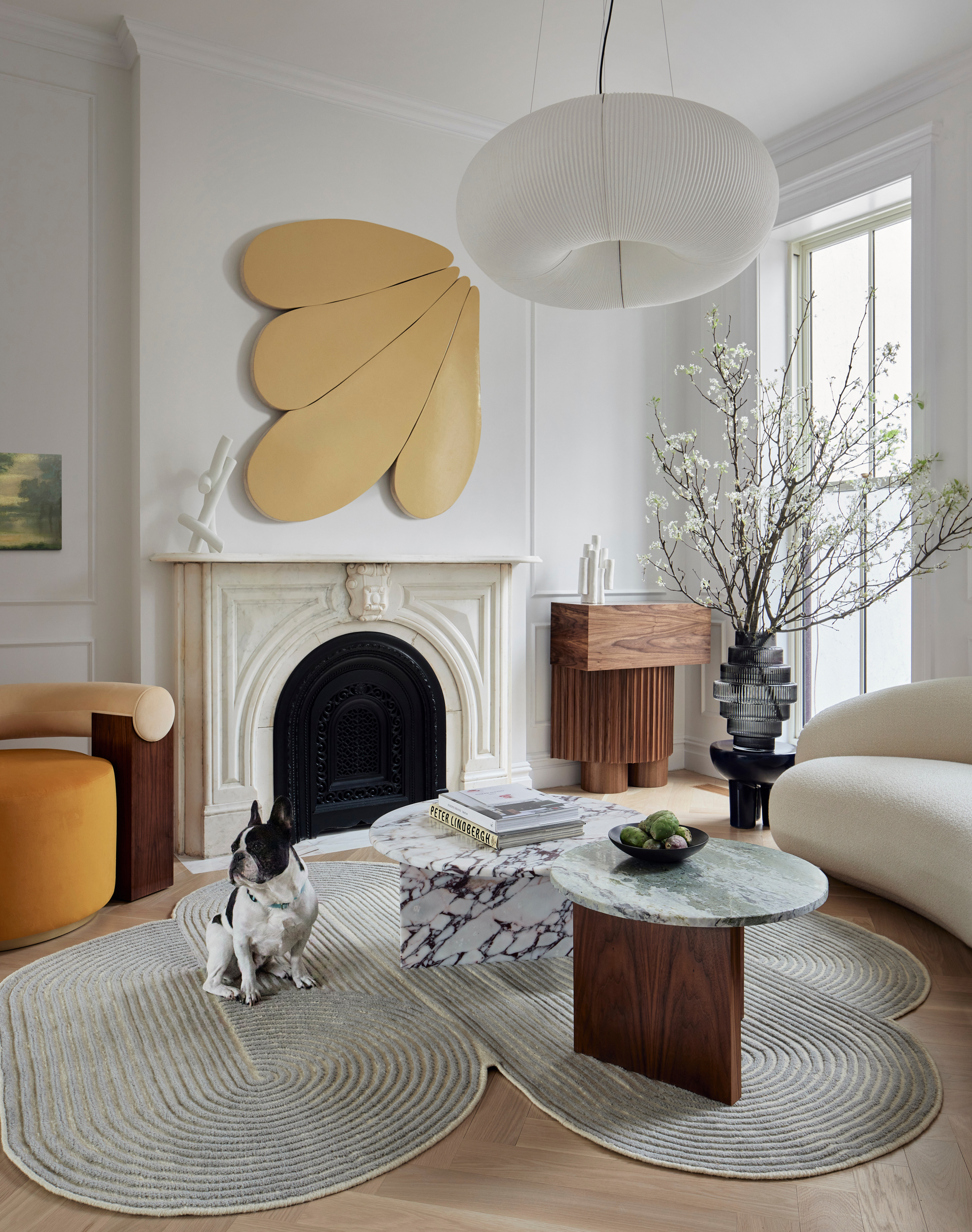
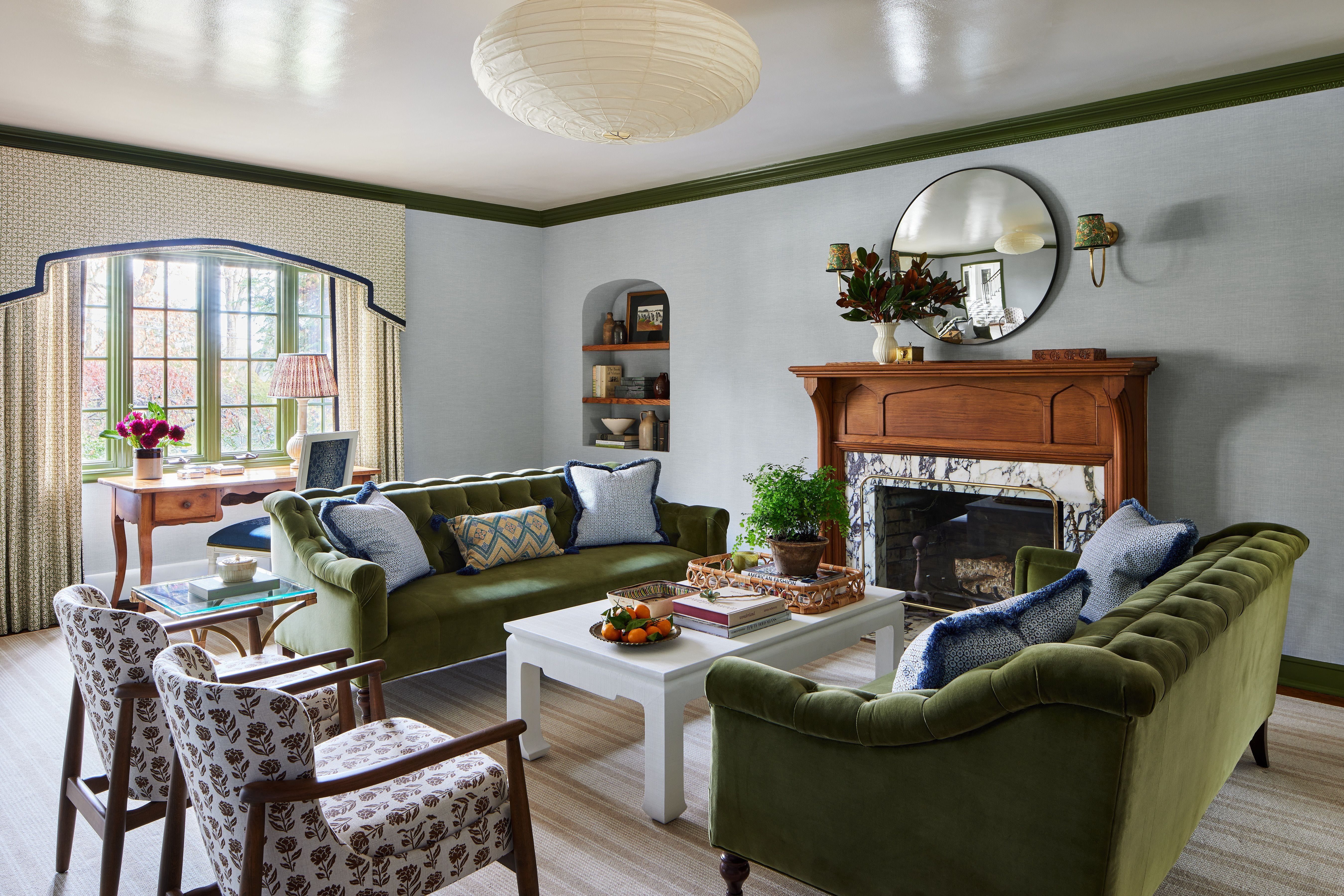
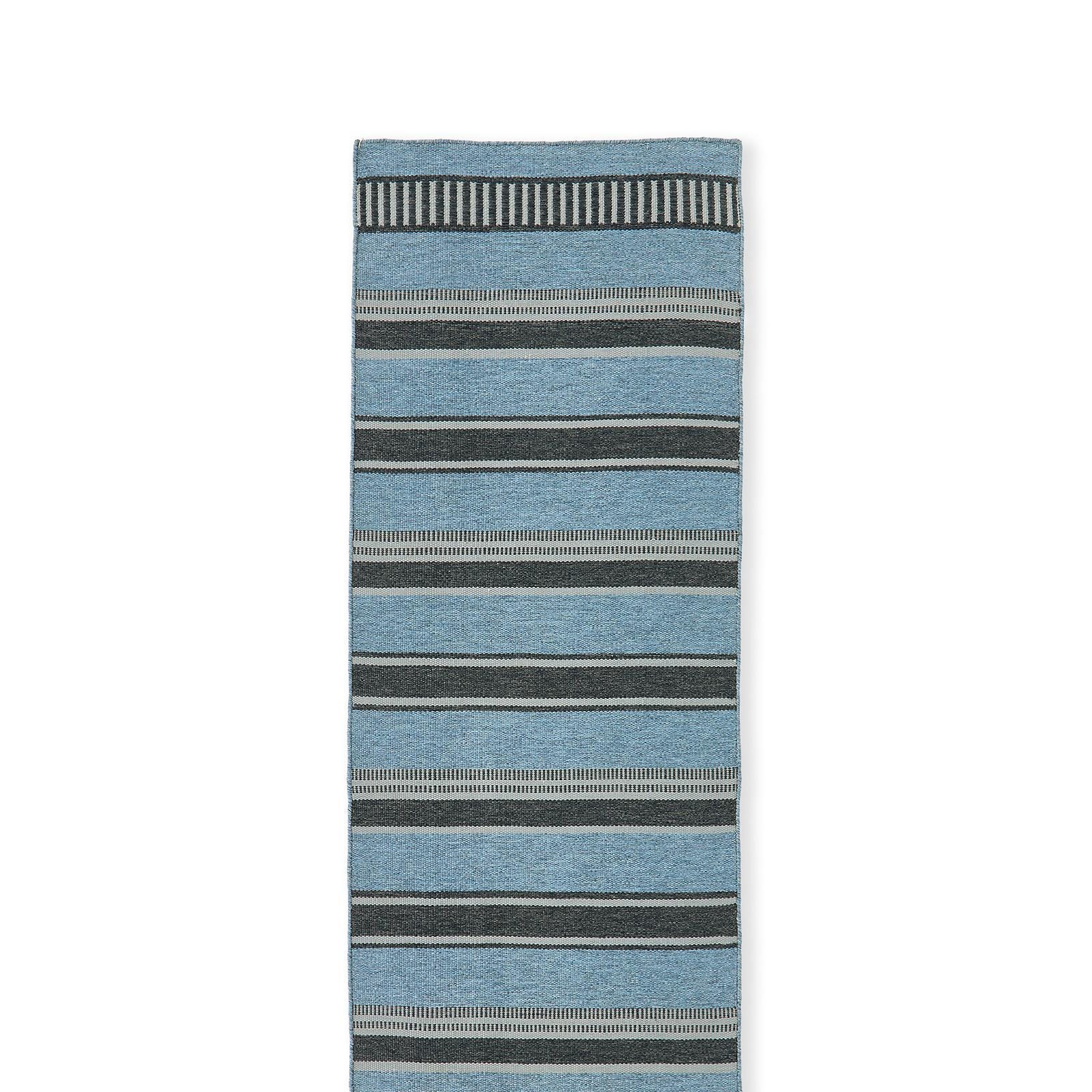
Designers are now opting for tonal flat weaves that provide a crisp pattern without bulk or low-pile wool rugs with subtle stripes for a more understated softness. Among the most prominent alternatives are Kilim and Dhurrie rugs. Kilim rugs, originating from Persia, are flatwoven textiles distinguished by their bold, often geometric patterns and vibrant colors. They are essentially a more colorful version of Berber rugs, featuring cleaner lines, a flatter weave, and a more robust construction. Dhurrie rugs are visually similar to Kilims but are typically associated with Indian craftsmanship; both styles are neither hand-knotted nor tufted.
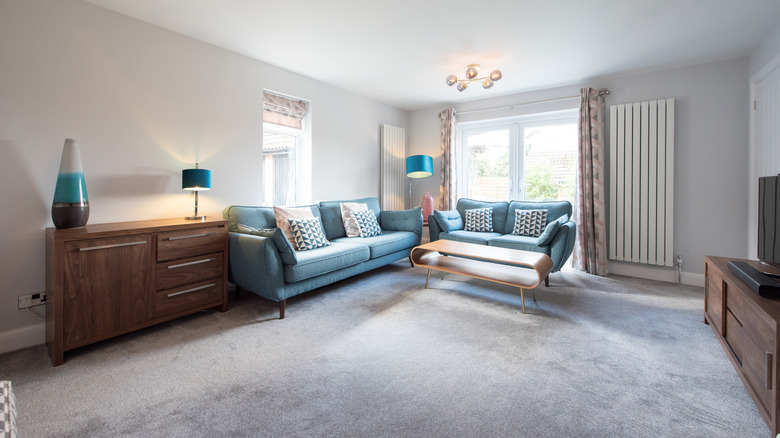
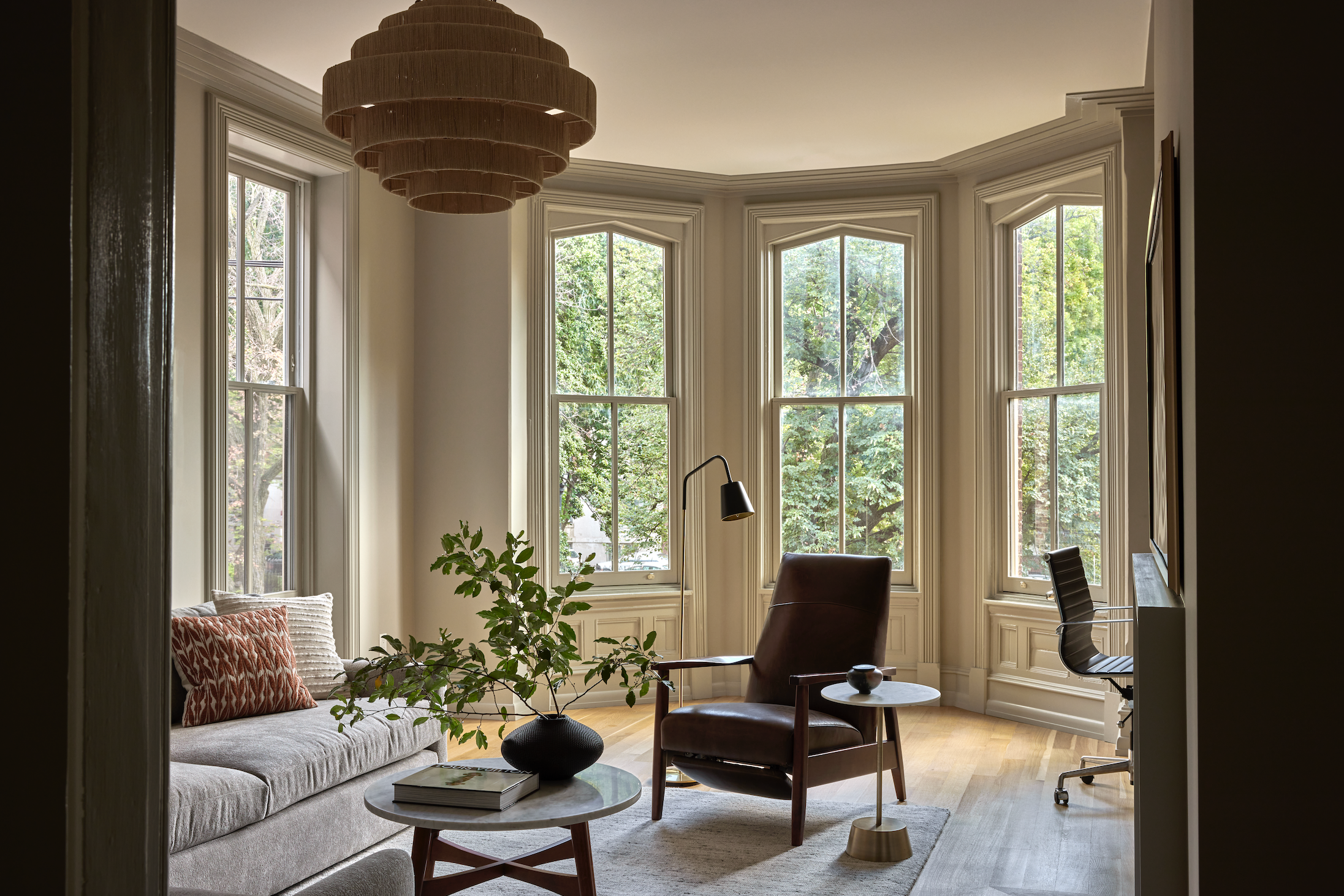
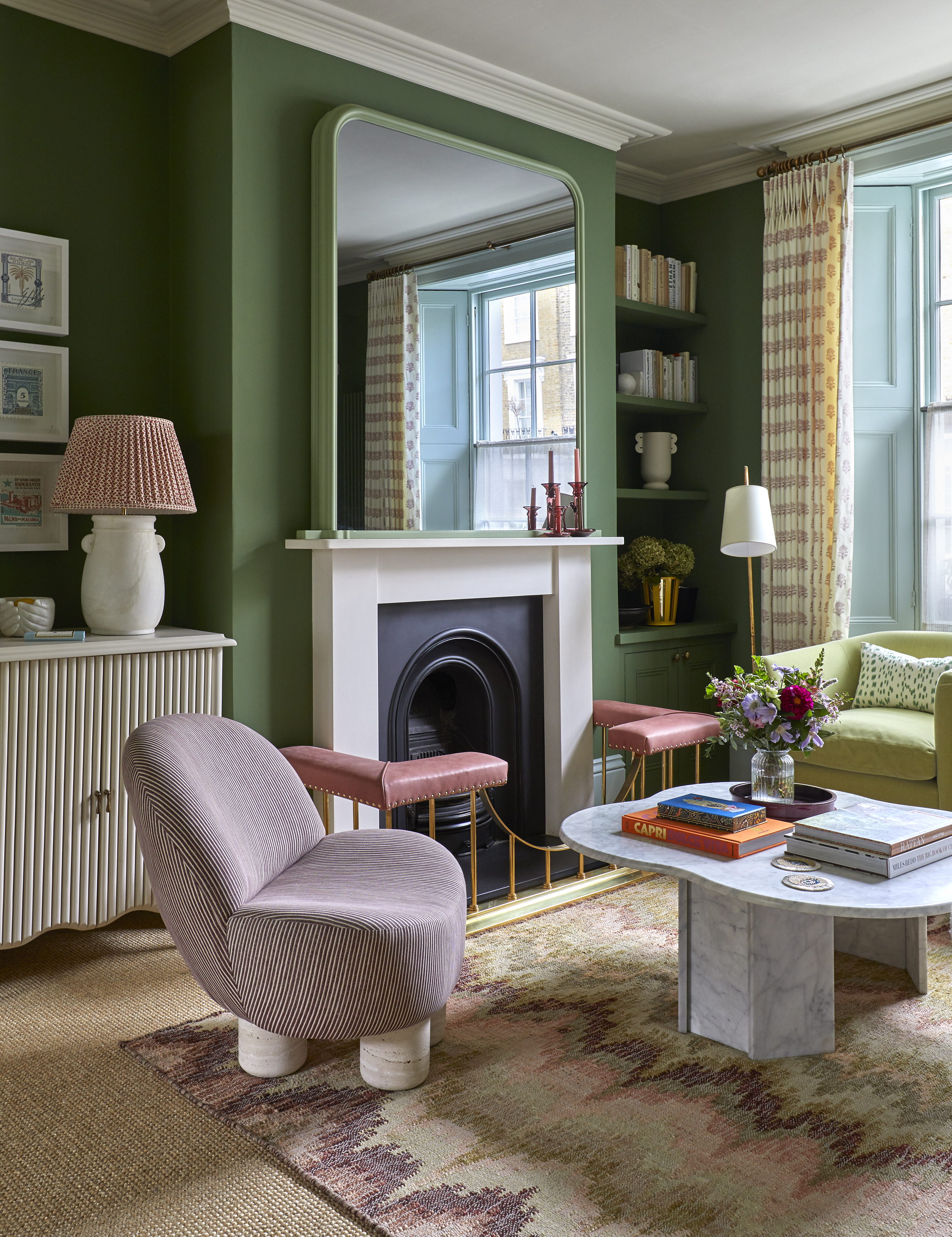
These flatwoven options are preferred in spaces where pattern is desired without adding visual weight or bulk. Their smooth surface, free of pile, and geometric motifs derived directly from the warp and weft threads contribute to their appeal. Contemporary preferences lean towards sun-faded palettes of chalk, clay, and limestone, which imbue an earthy and curated feel. When selecting a rug for a living room, designers suggest placing these flatwoven rugs under sharp-lined coffee tables or on polished concrete floors to soften hard materials without overwhelming the space visually.
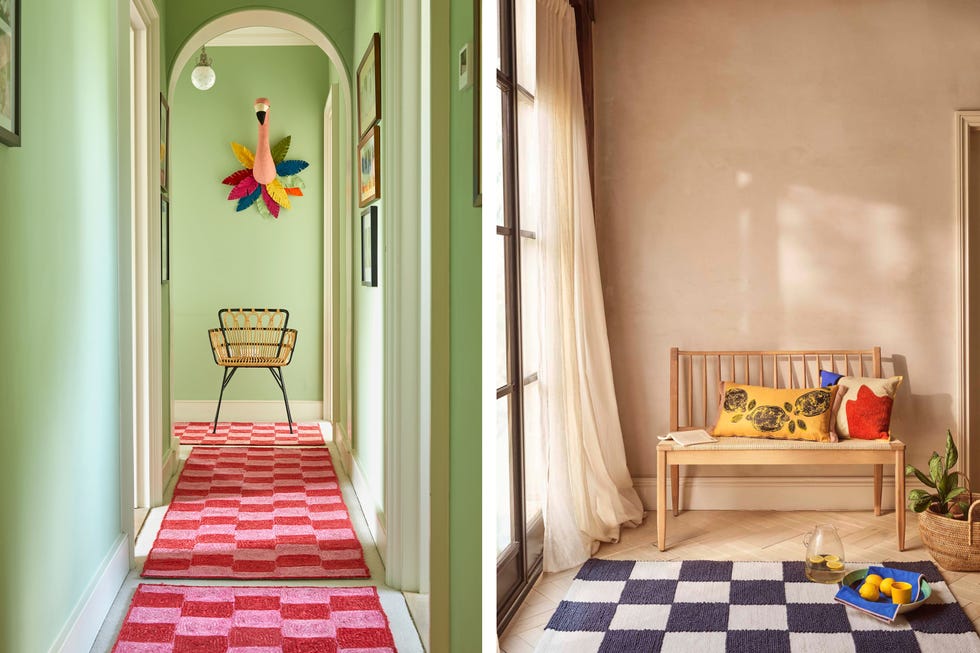
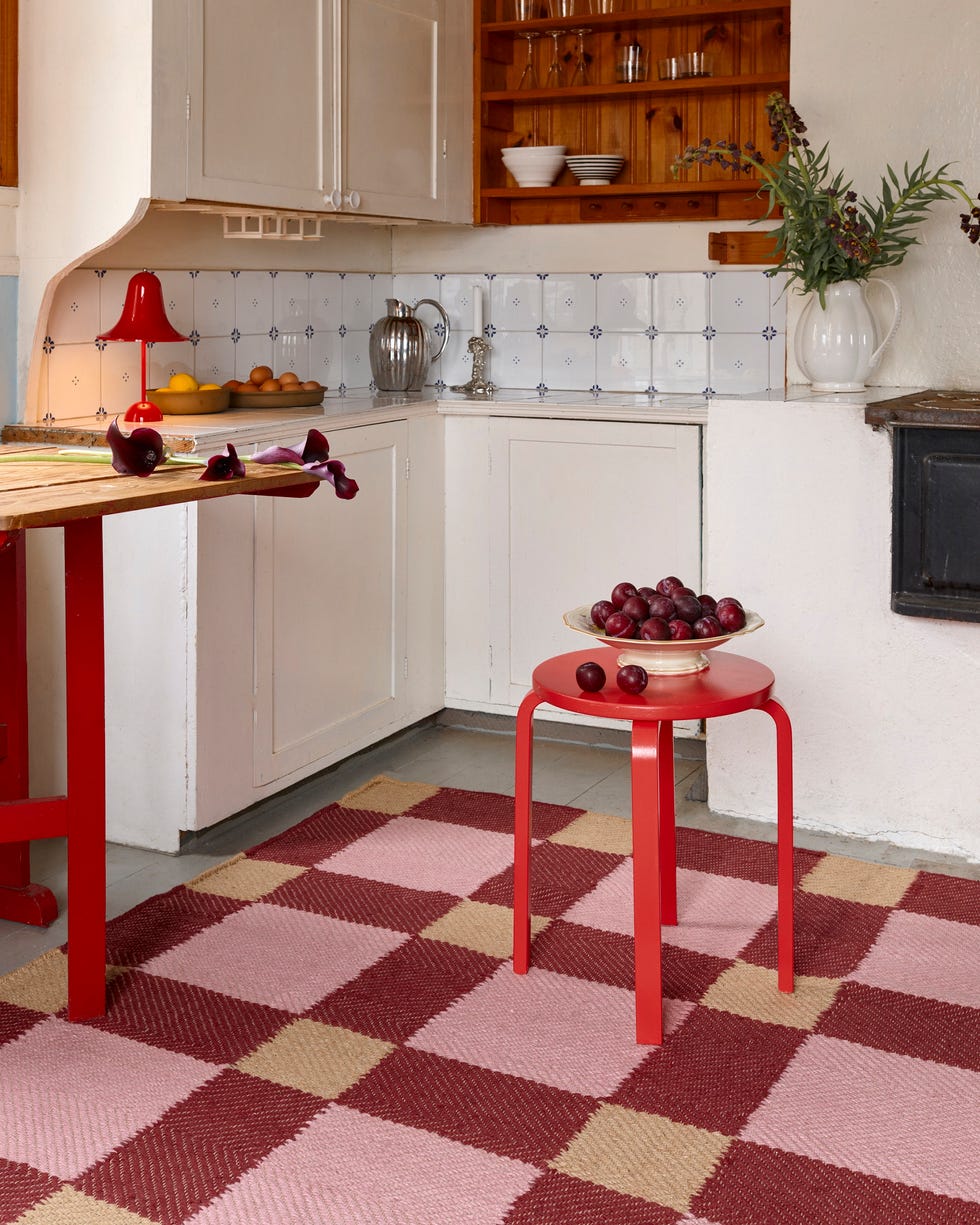
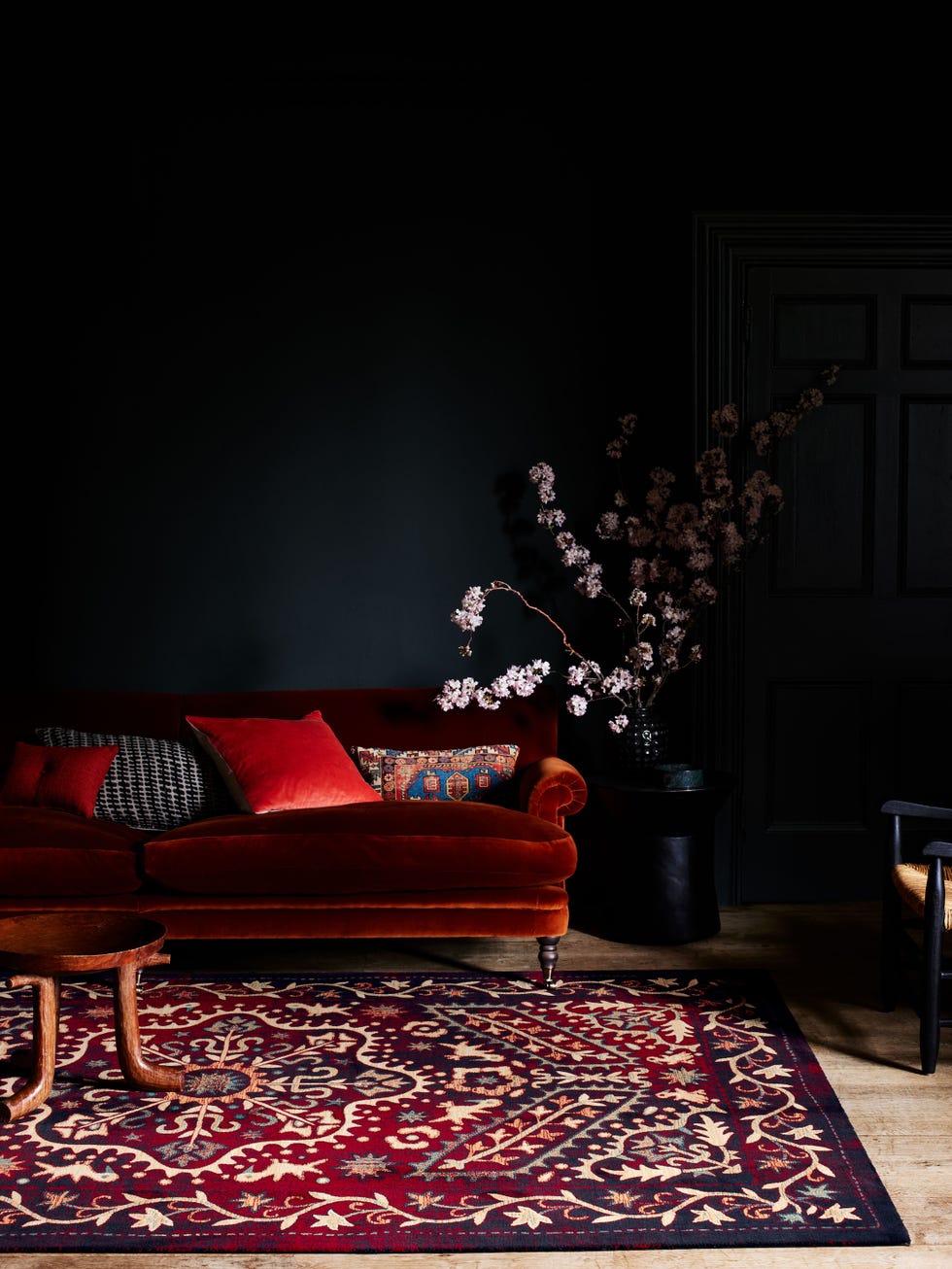
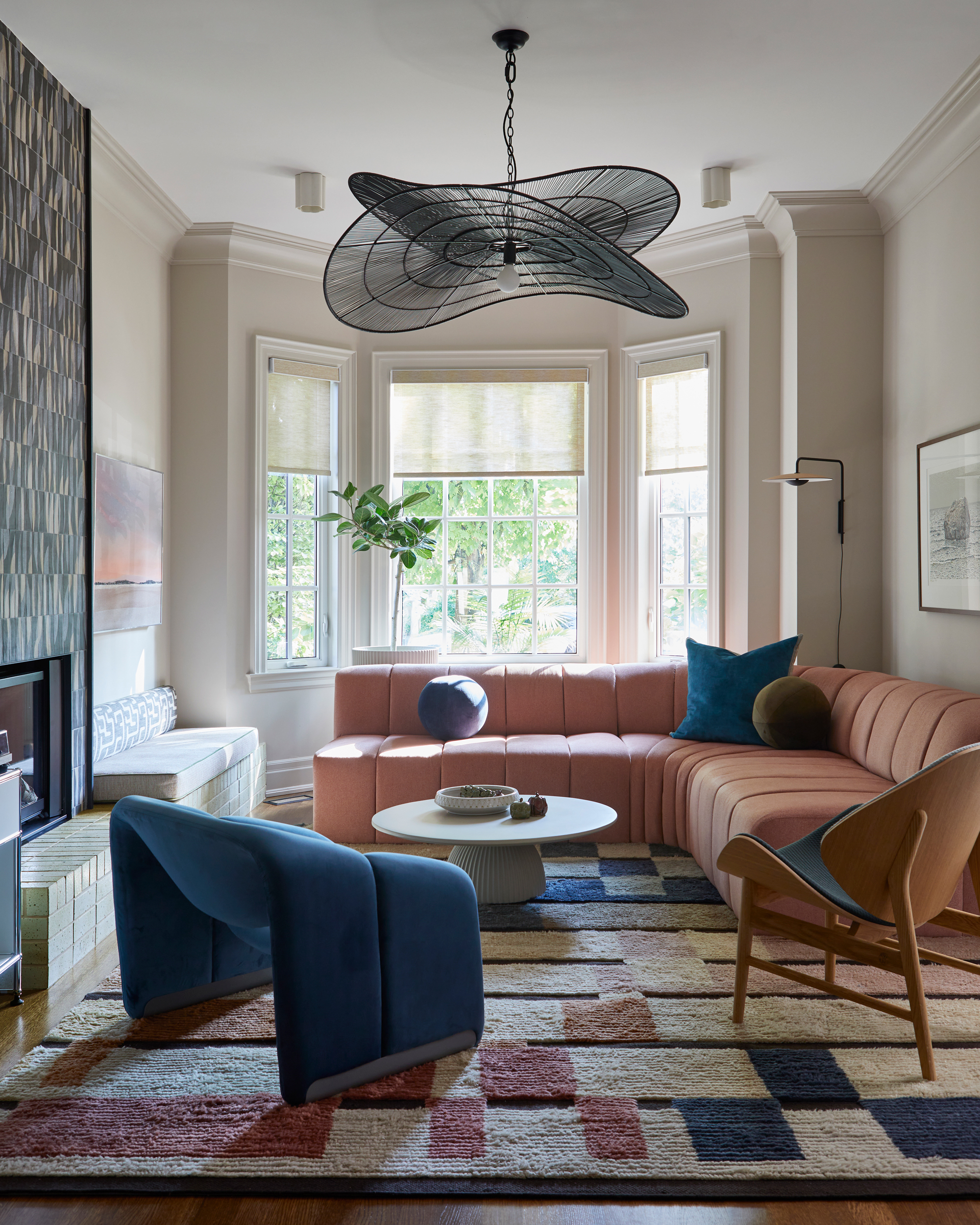
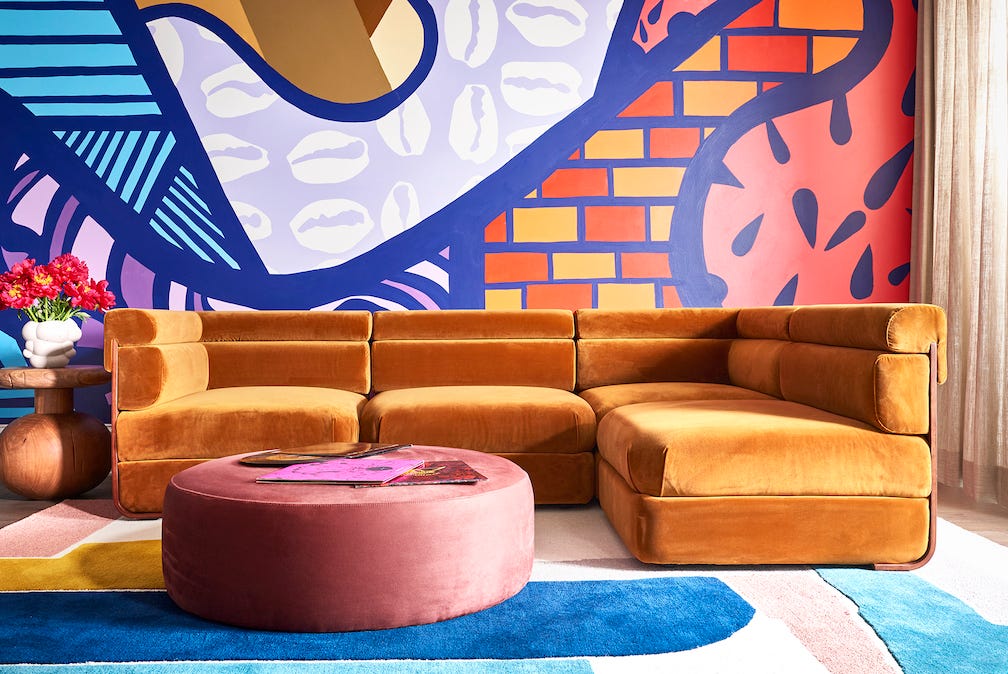
Checkered and plaid-like patterns are particularly popular within these flatwoven styles, with variations in color and texture created by interlacing threads, sometimes even blending different materials like wool and jute. These vibrant and colorful rugs serve as statement pieces, anchoring rooms and inspiring complementary color palettes, thus becoming central to a room's design rather than an afterthought. Examples include the Layered Röllakan Iris Wool Carpet, John Lewis Geo Medallion Kelim Rug, and Anthropologie Layered X Evelina Kroon Berry Rain Wool Rug, all showcasing the shift towards flatwoven designs.
Despite the current trend, Berber rugs still maintain a place in homes, particularly the dense loop wool versions, especially in areas requiring high durability, such as stair treads and wall-to-wall installations. However, modern preferences lean towards flatter, softer weaves for a more elevated feel. The decline in the modern cream and black Berber rug's popularity is partly due to practical considerations. Their handwoven nature and thick wool pile can make them difficult to clean and prone to shedding. Furthermore, their thickness can interfere with door swing clearance, and in high-traffic areas, the texture can flatten quickly, making them look worn. The tight loops are also not ideal for pet owners, as a single pulled strand can quickly unravel the rug. Therefore, the prevailing trend for 2025 is towards flatwoven rugs that offer a lighter, brighter, and more practical solution for contemporary interiors.
#HomeDesignTrends #RugTrends #FlatwovenRugs #BerberRugs #KilimRugs #DhurrieRugs #InteriorDesign2025 #HomeDecor #NaturalMaterials #HomeDesignTrends #RugTrends #FlatwovenRugs #BerberRugs #KilimRugs #DhurrieRugs #InteriorDesign2025 #HomeDecor #NaturalMaterials
Toplam 0 yorum
 Henüz yorum yok
Bu da beğenebilirsiniz
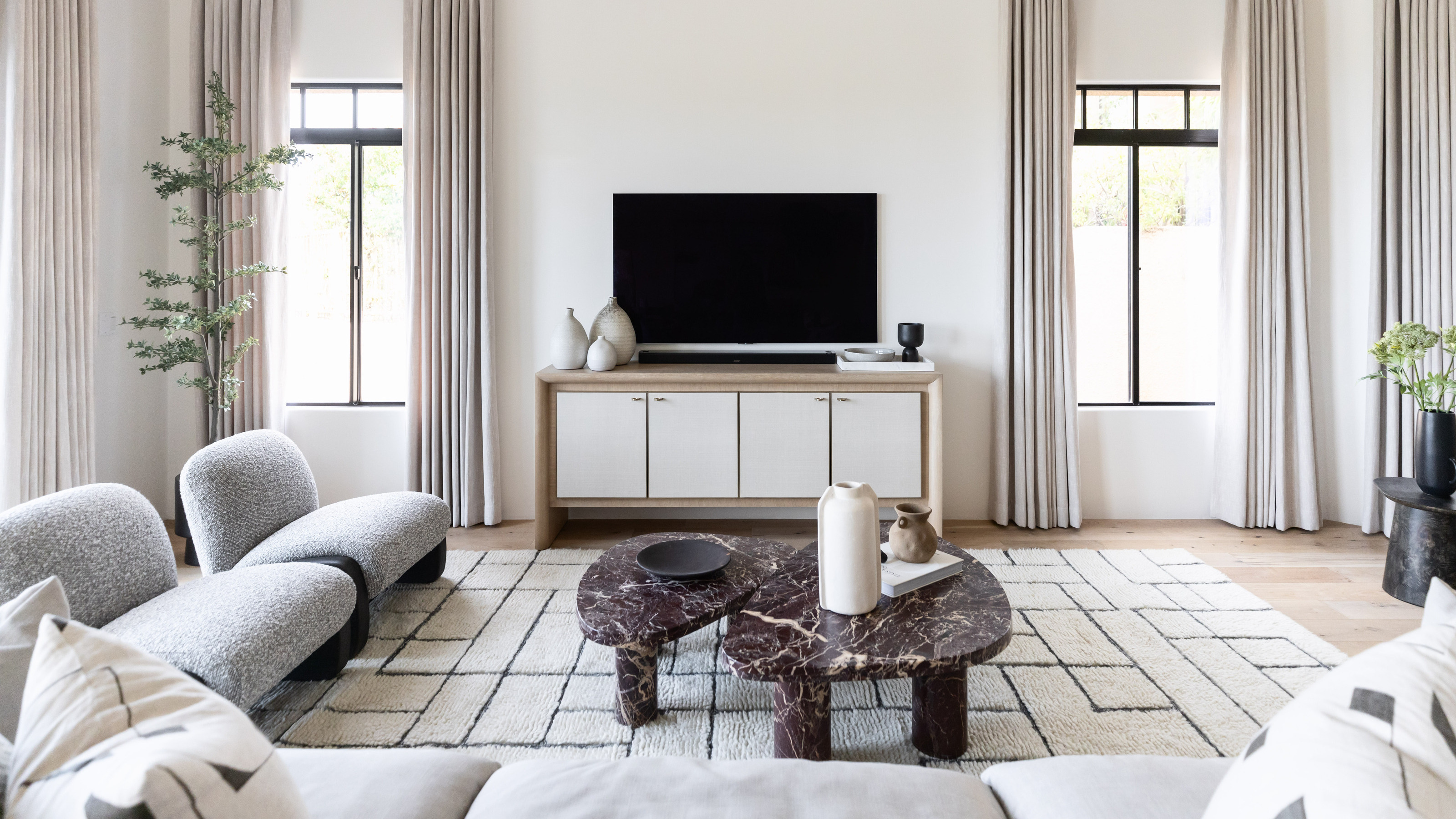
Berber Rugs Used to Be in Every Stylish Home — This is the Design-Forward Style That I Think Has Replaced Them in 2025
The Furnishing Fabrics of 2024
Designers Say This Fabric Will Dominate Living Rooms in 2024

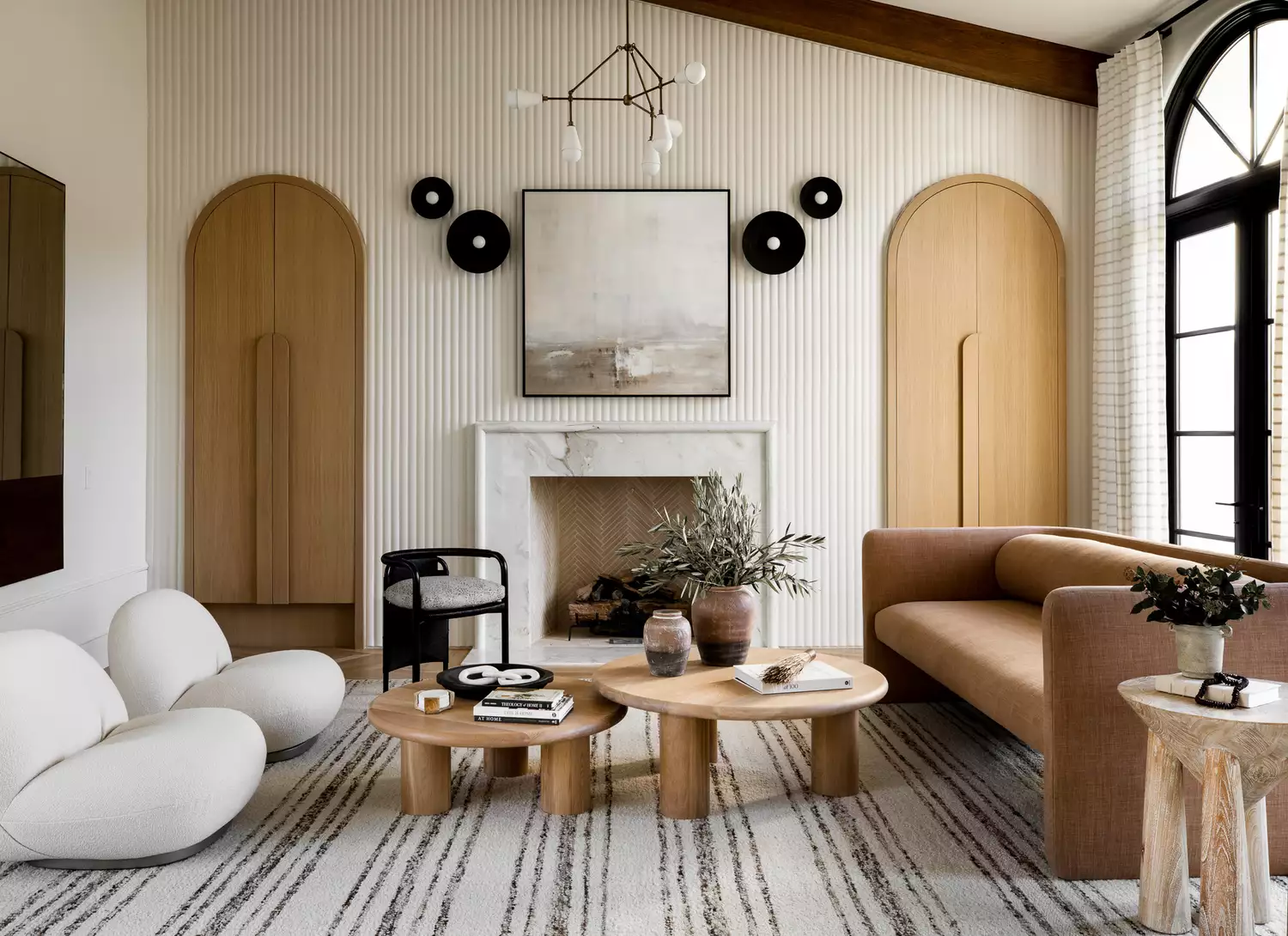
6 Carpet Trends for 2025 That Will Transform Every Room in Your Home

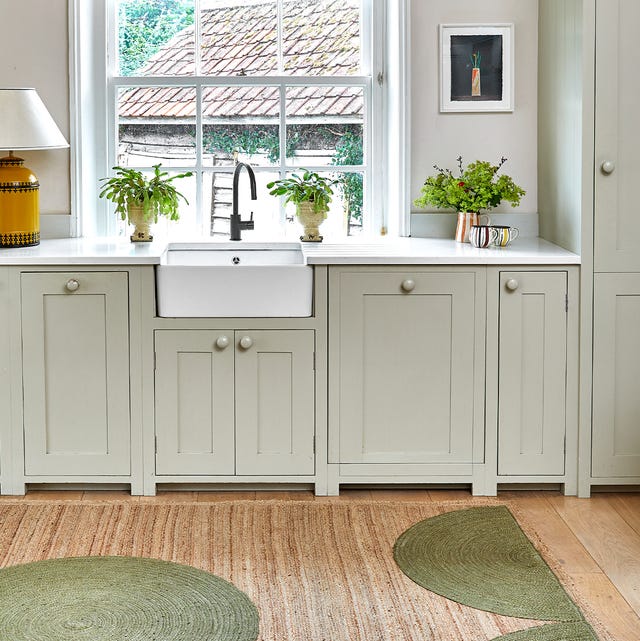
The biggest rug trends of 2024
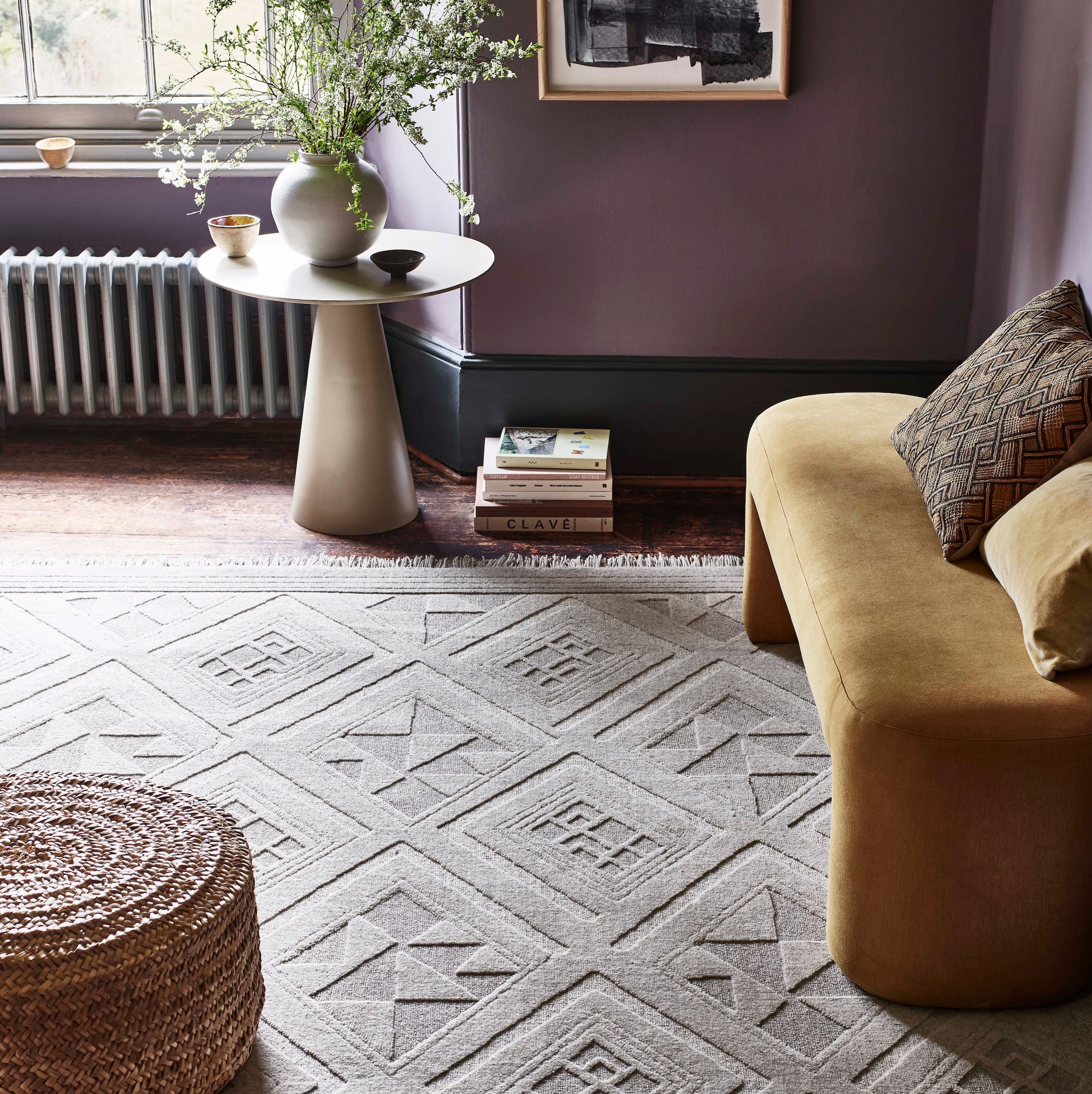
Top 7 Rug Trends Dominating 2025, As Predicted By Design Experts

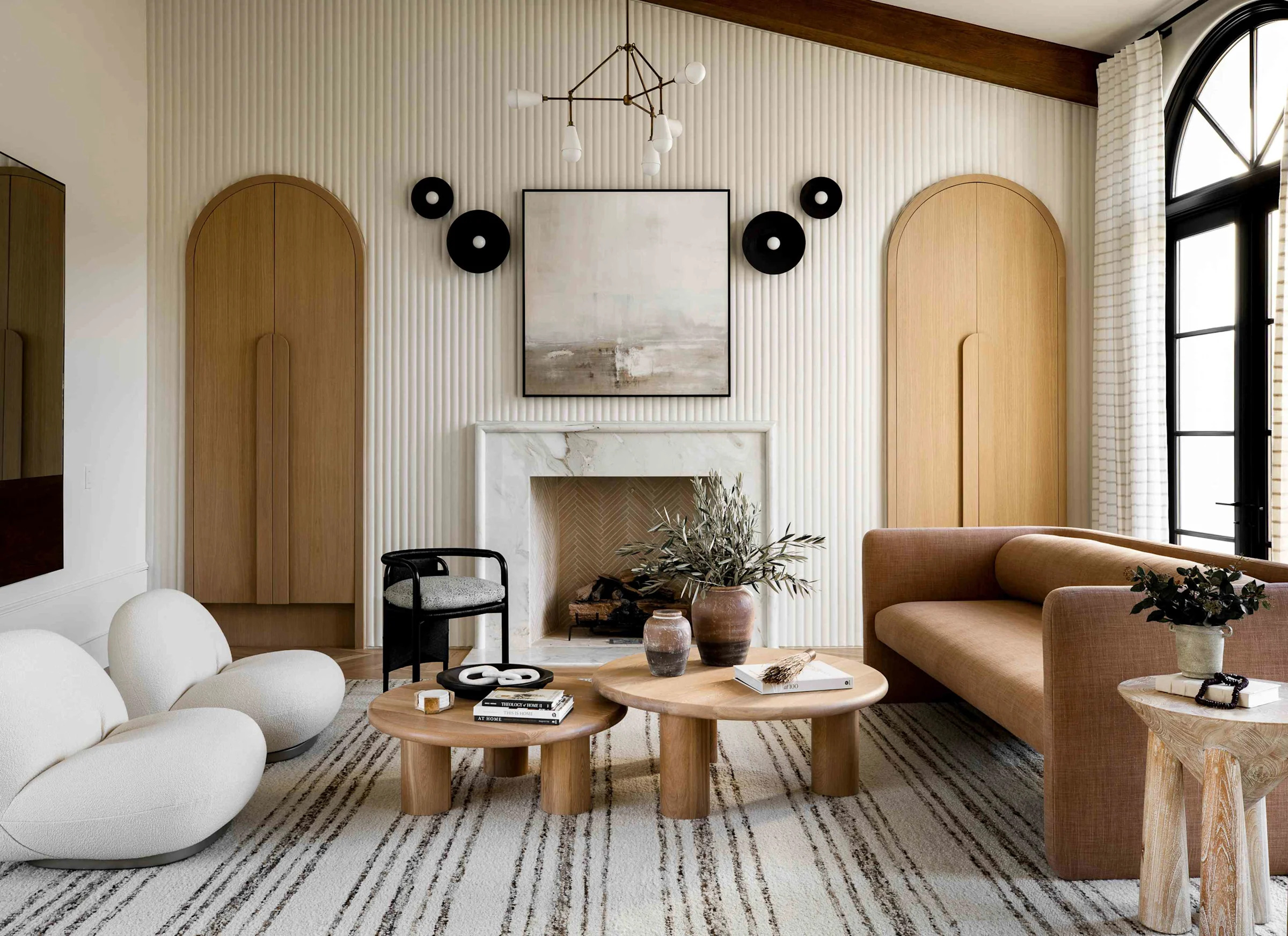
6 Carpet Trends for 2025 That Will Transform Every Room in Your Home

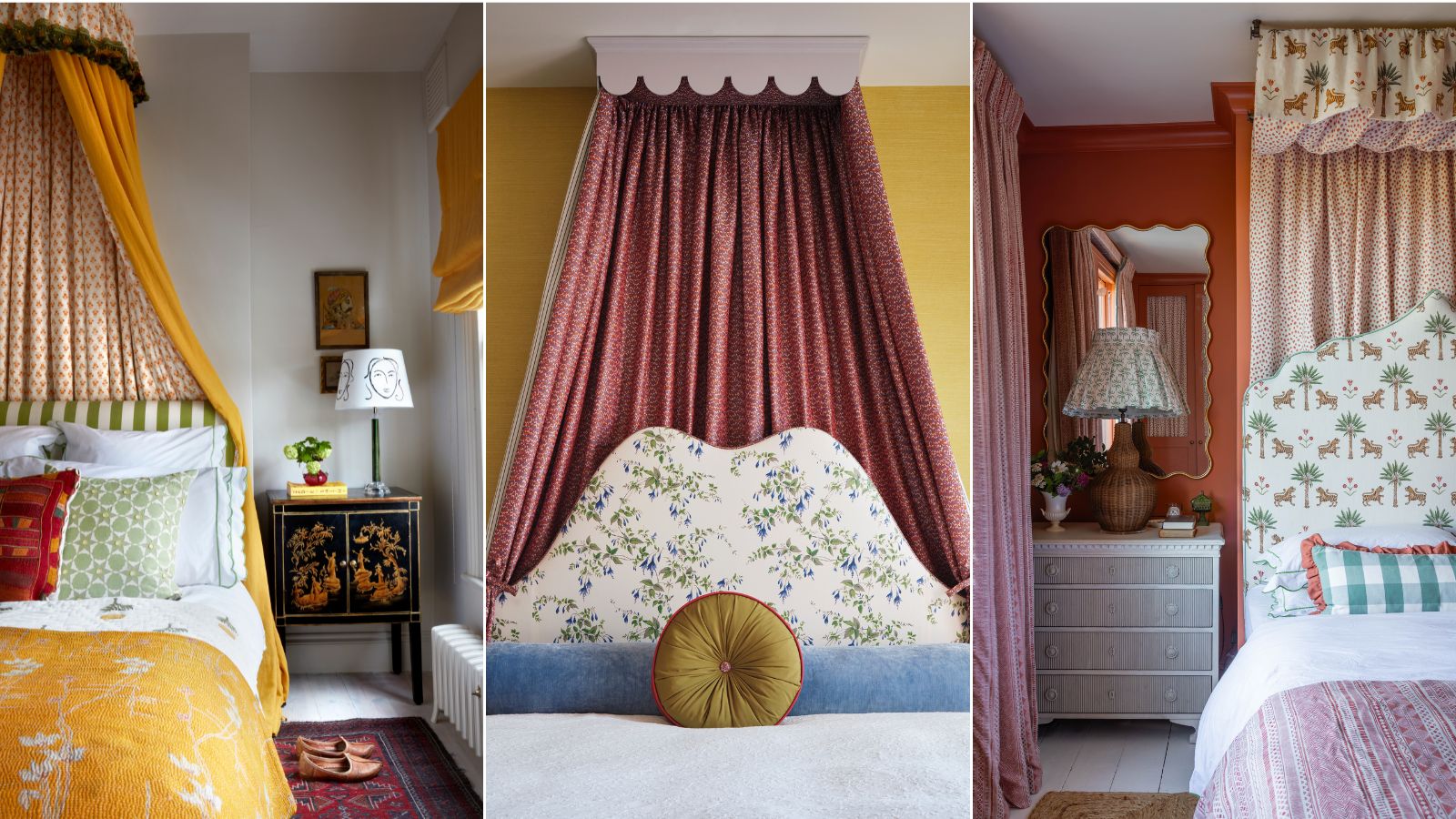
Is the bed canopy making a comeback in 2025?

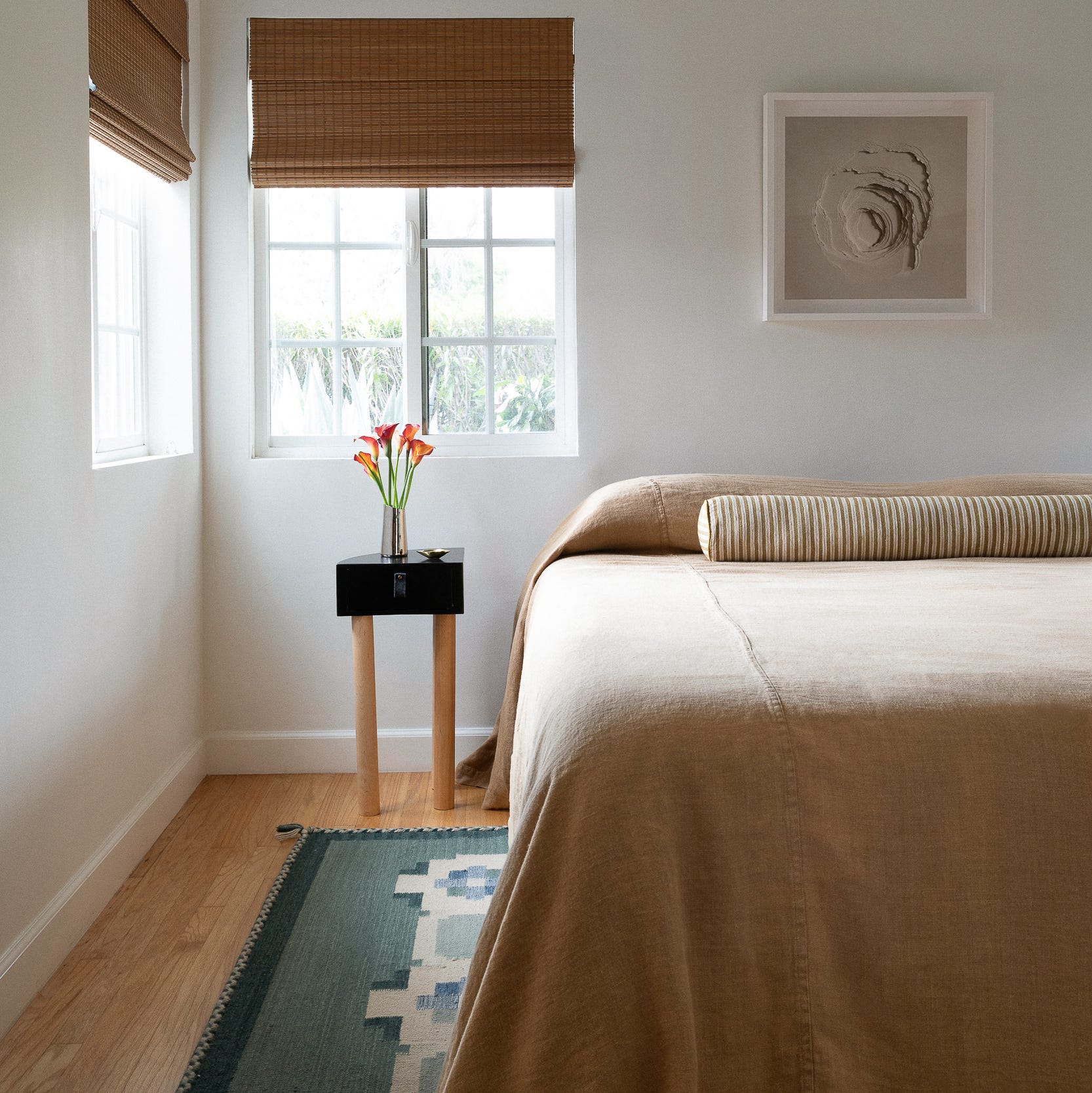
Designers Have Spoken: Here Are the Top Rug Trends of 2025

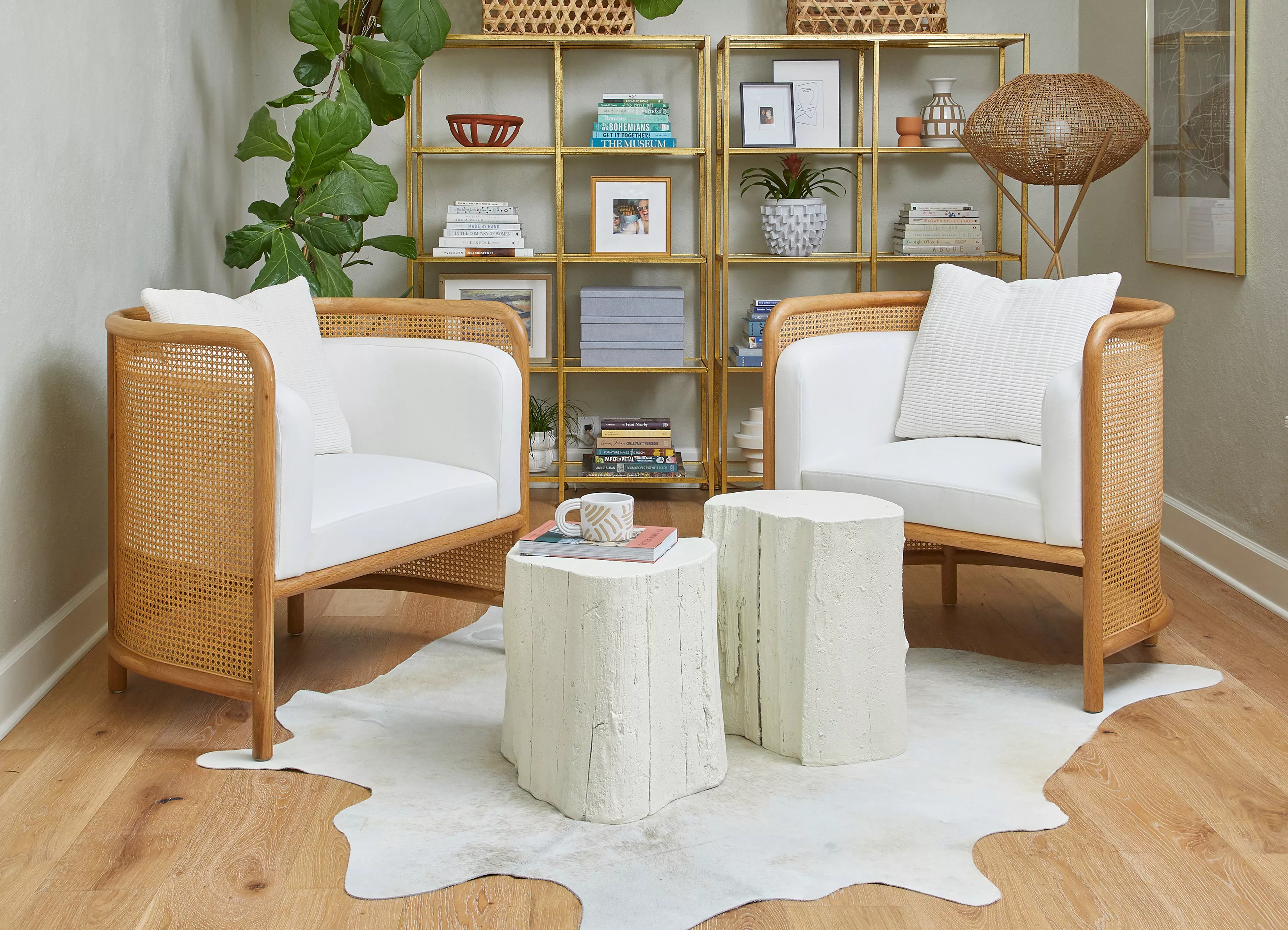
5 Rug Trends Designers Want You to Start Using in 2025

Outdated Tile Trends That Are Going Away In 2025
Bedding Trends for 2025 That Will Make Your Bed More Modern

Patterned Carpet Trends You'll Be Seeing More Of In 2025
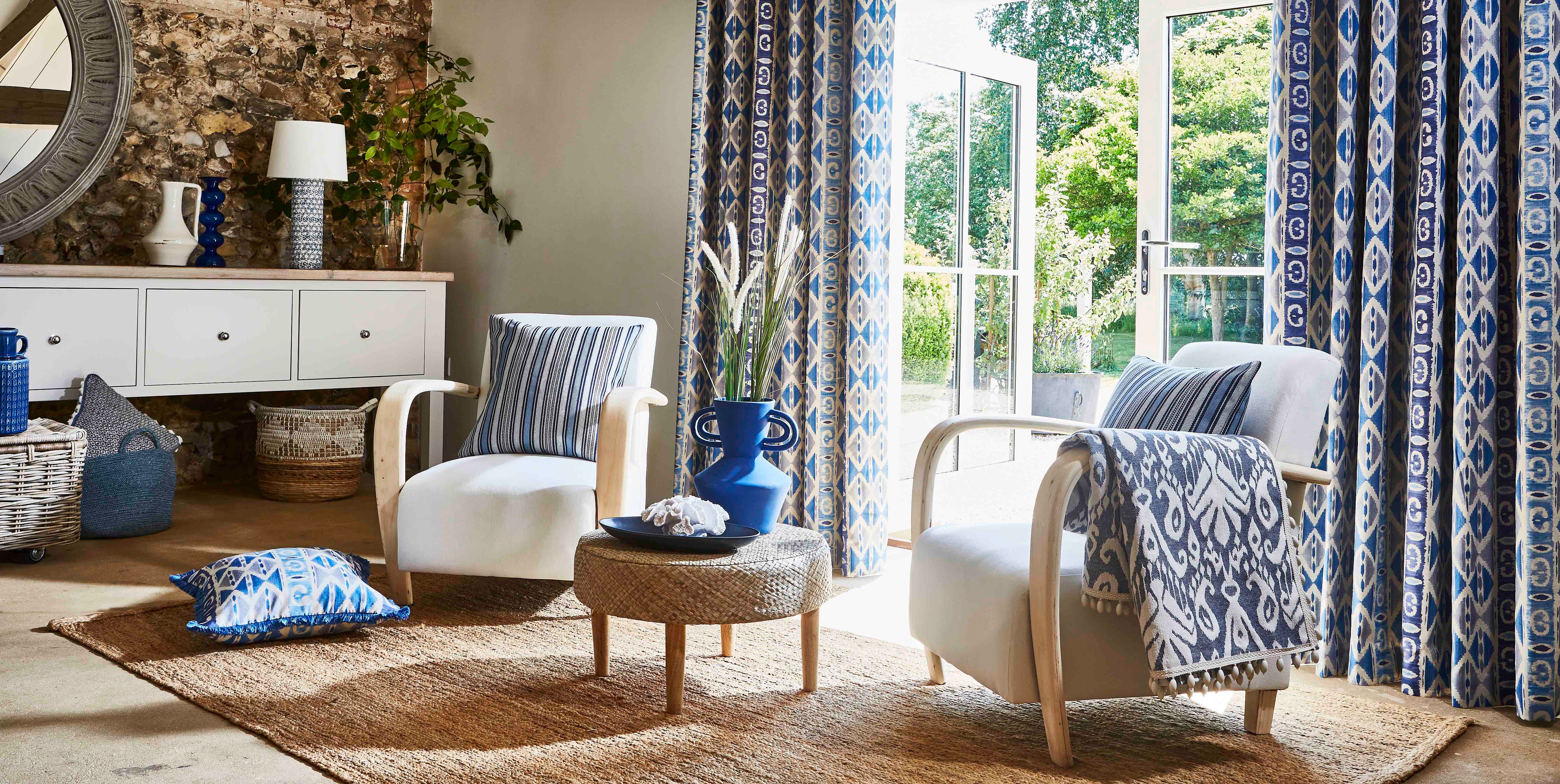
These are set to be the biggest fabric trends of 2025
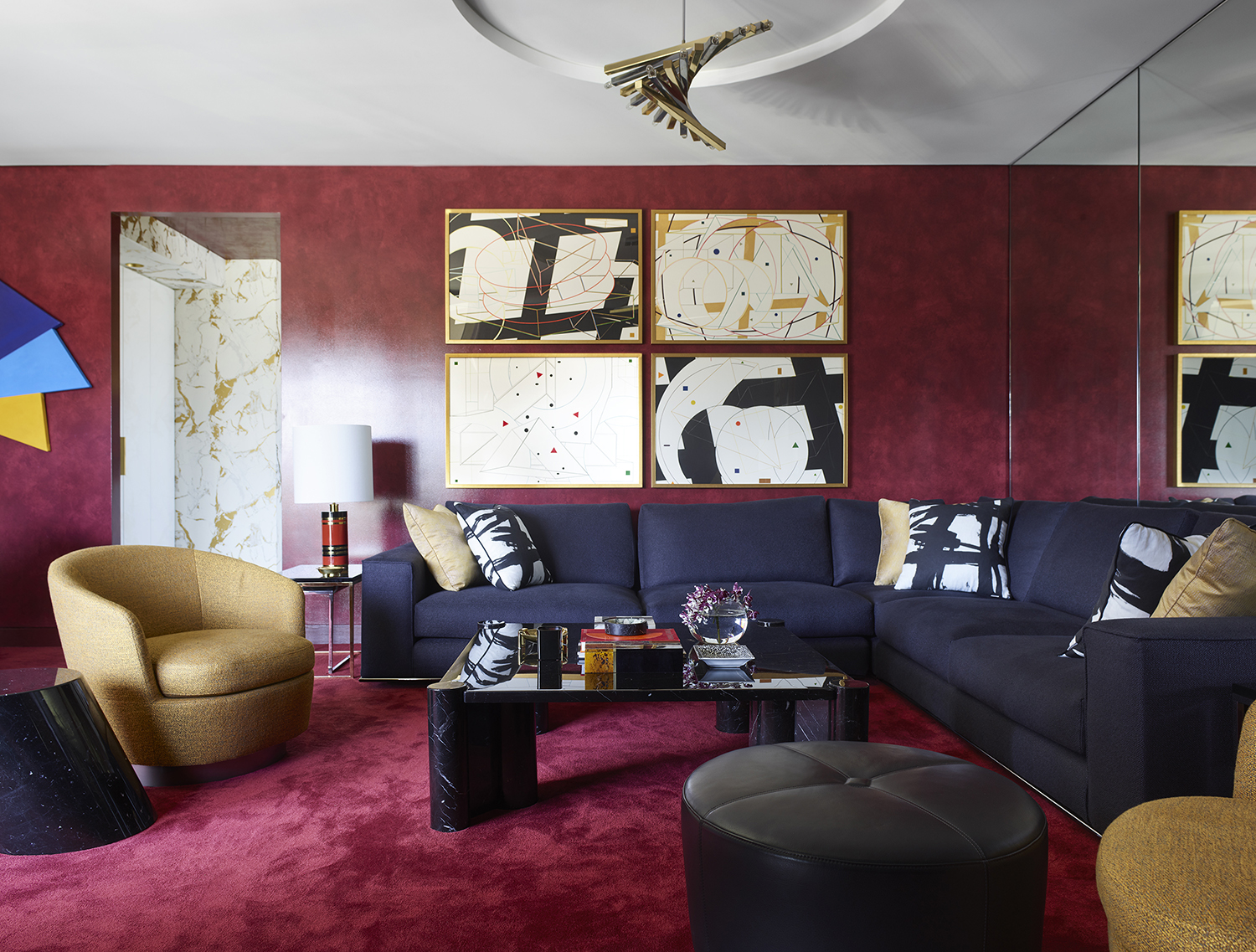
Carpet Trends — 17 Styles, Prints, and Designs Taking Over 2025
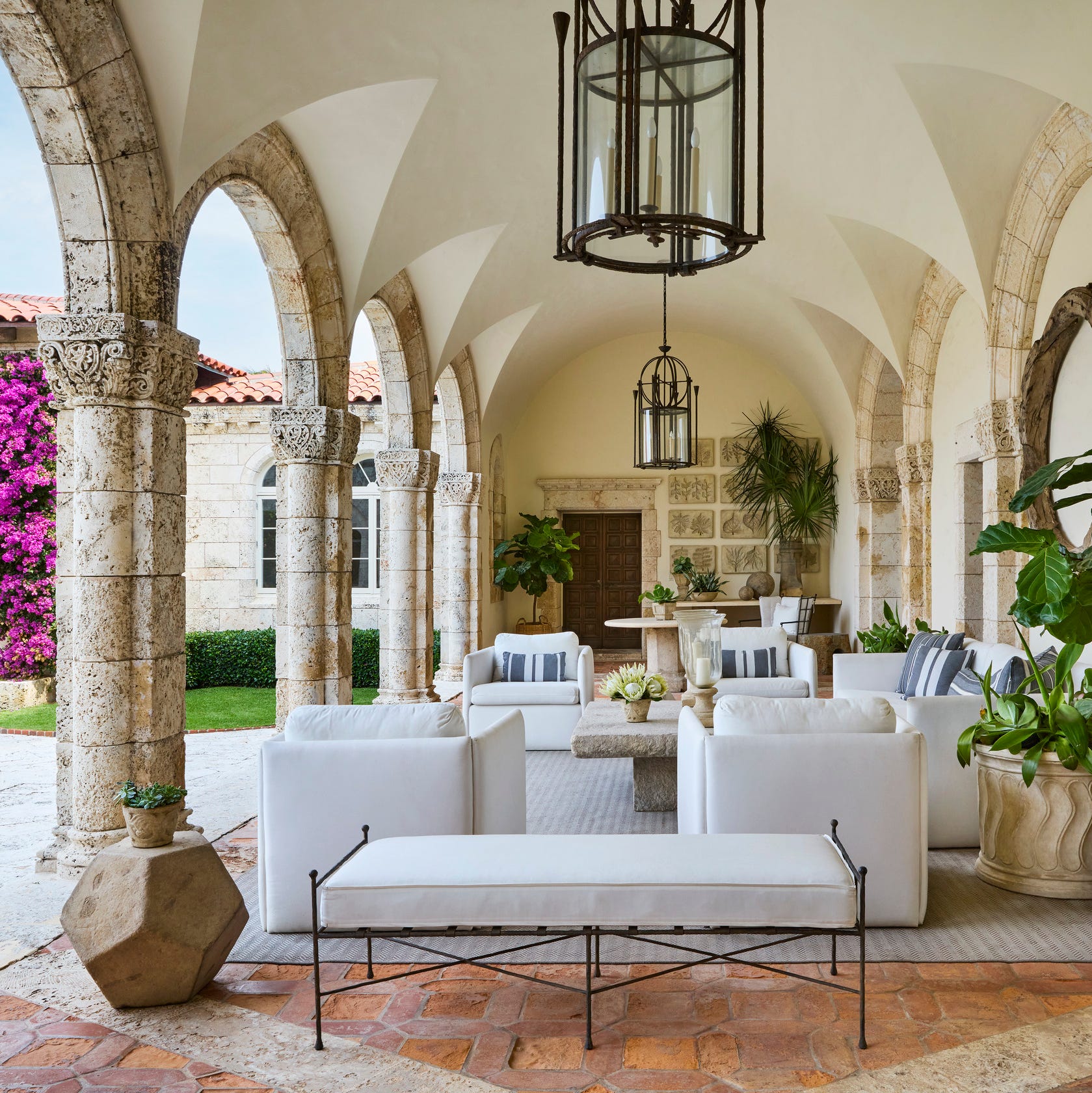
Designers Swear By These 7 Outdoor Rug Trends for an Effortlessly Elegant Patio
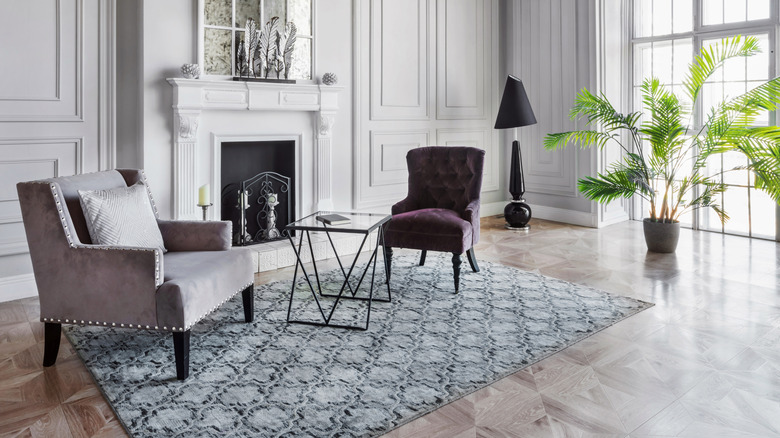
8 Carpet Floor Trends That Are Having A Moment In 2025
Rug Trends — 5 Styles You Should Be Buying for Cooler, More Imaginative Floor Coverings in 2025
The Rug Seller's Daniel Prendergast Shares His 2024 Interior Design Predictions
The Beautiful Flooring Trend That's Replacing Tile-Look Vinyl In 2026