You can get sun damage through a window — here's how to protect yourself indoors
While many people understand the importance of sun protection outdoors, the risk of sun damage indoors, particularly through windows, is often underestimated. This article clarifies that while most types of glass block UVB rays, which are responsible for sunburns and tans, they generally do not block UVA rays effectively. UVA rays penetrate deeper into the skin, causing premature aging, wrinkles, discoloration, and increasing the risk of skin cancer.
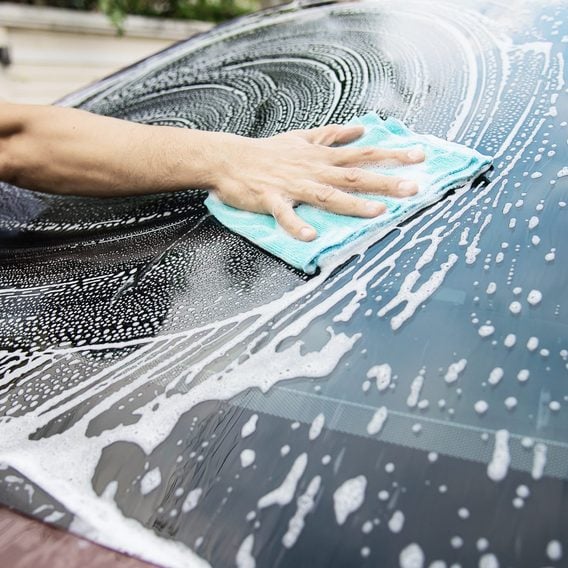
The distinction between different types of glass is crucial. Car windshields, typically made of laminated glass with a specialized plastic layer, block nearly all UVB rays and approximately 96% of UVA rays, offering significant protection. However, car side windows are made of tempered glass, which, despite blocking almost all UVB rays, only blocks about 71% of UVA rays on average, with some vehicles blocking as little as 44%. This insufficient protection explains why drivers, particularly those who spend extended periods on the road, are more prone to developing skin cancer on the side of their face closest to the side window. A 2010 study highlighted this disparity, finding that a majority of skin cancer cases among drivers occurred on the left side, with an even higher percentage for malignant melanoma.
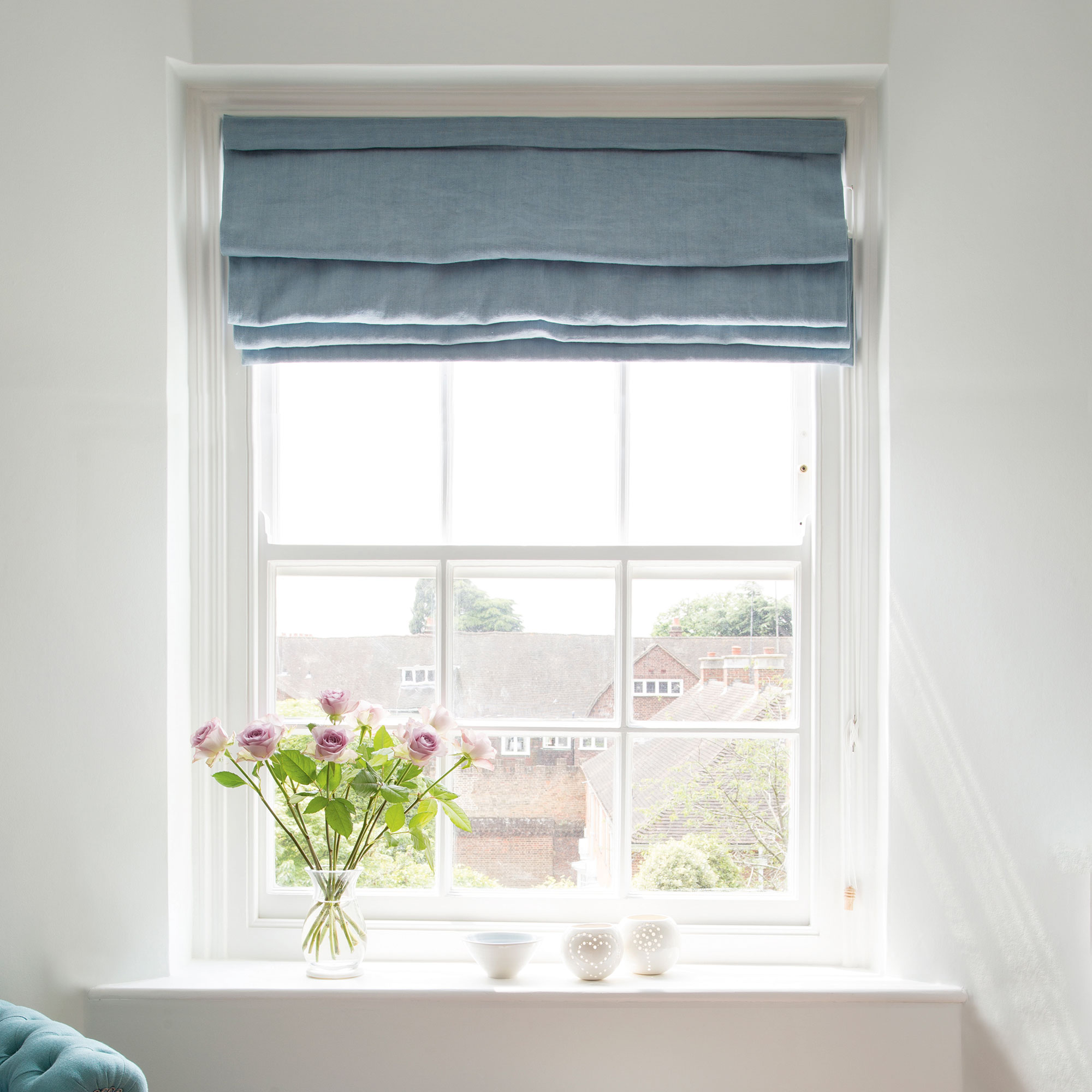
Similarly, windows in homes and workplaces, while blocking UVB rays, allow UVA rays to pass through. While casual exposure in a sunlit room might not pose a significant risk, prolonged exposure next to a window receiving direct sunlight warrants protective measures. The article emphasizes that the absence of a visible sunburn does not negate the deeper, cumulative damage caused by UVA radiation.
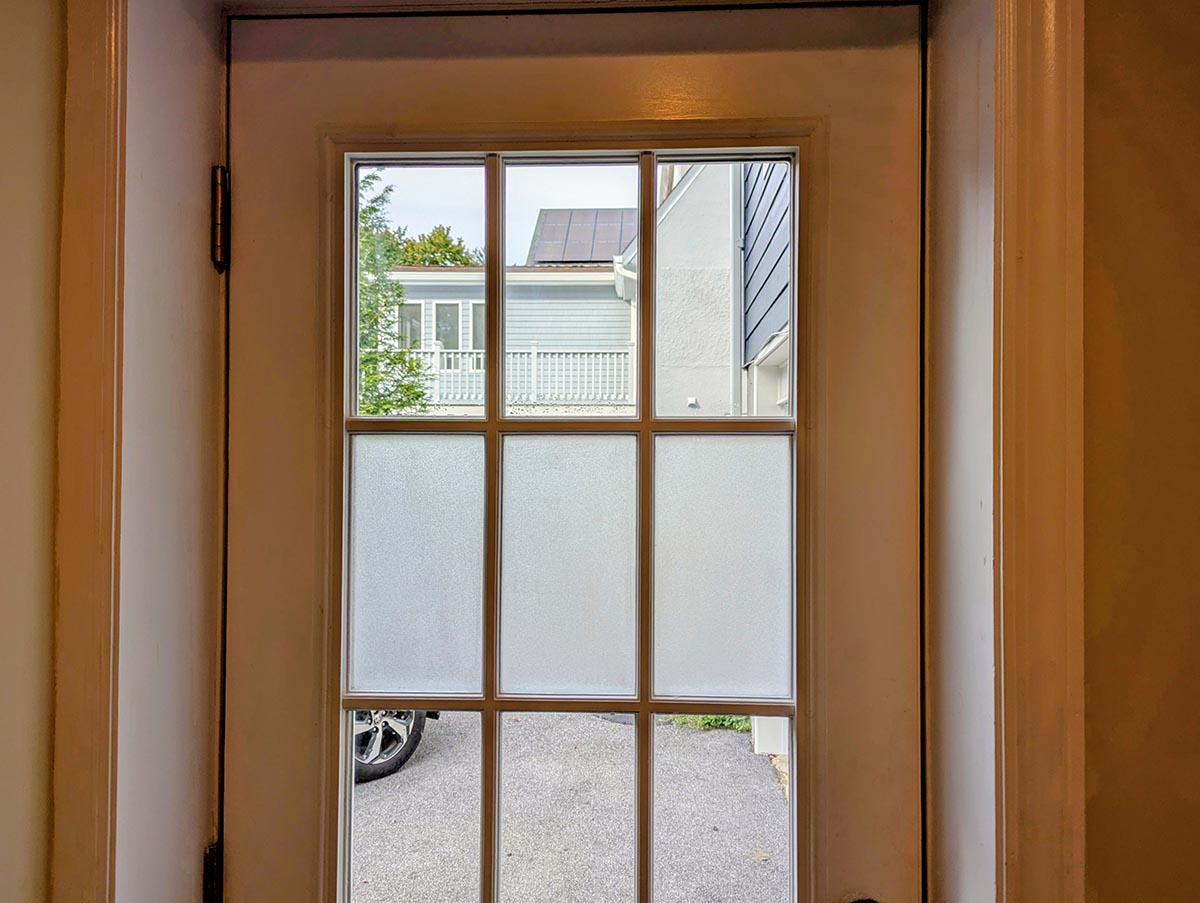
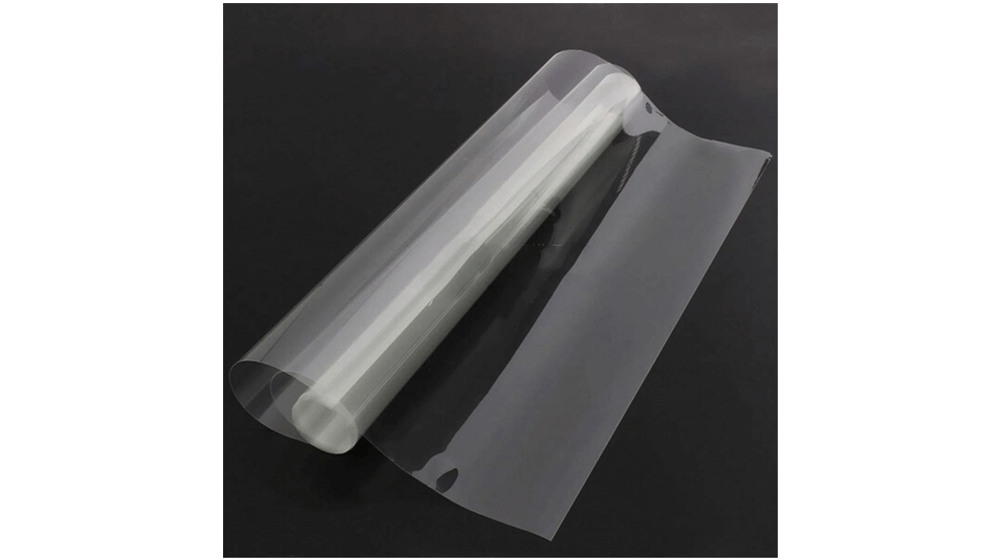
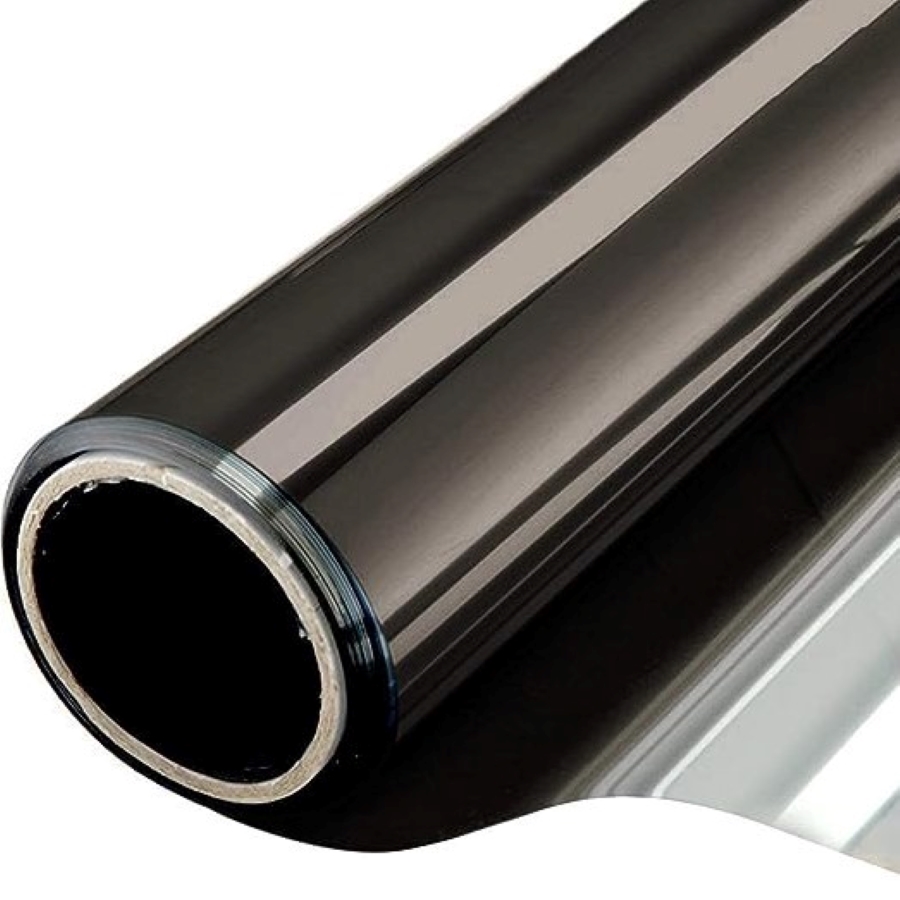
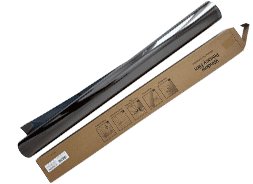
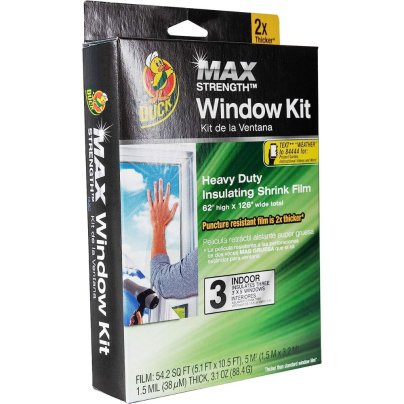
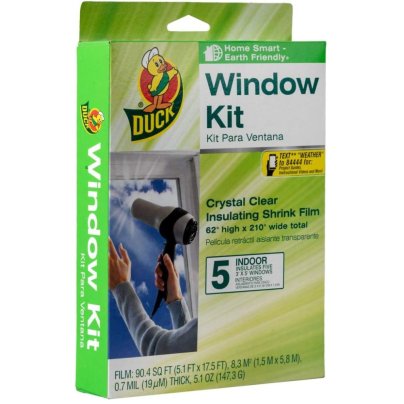
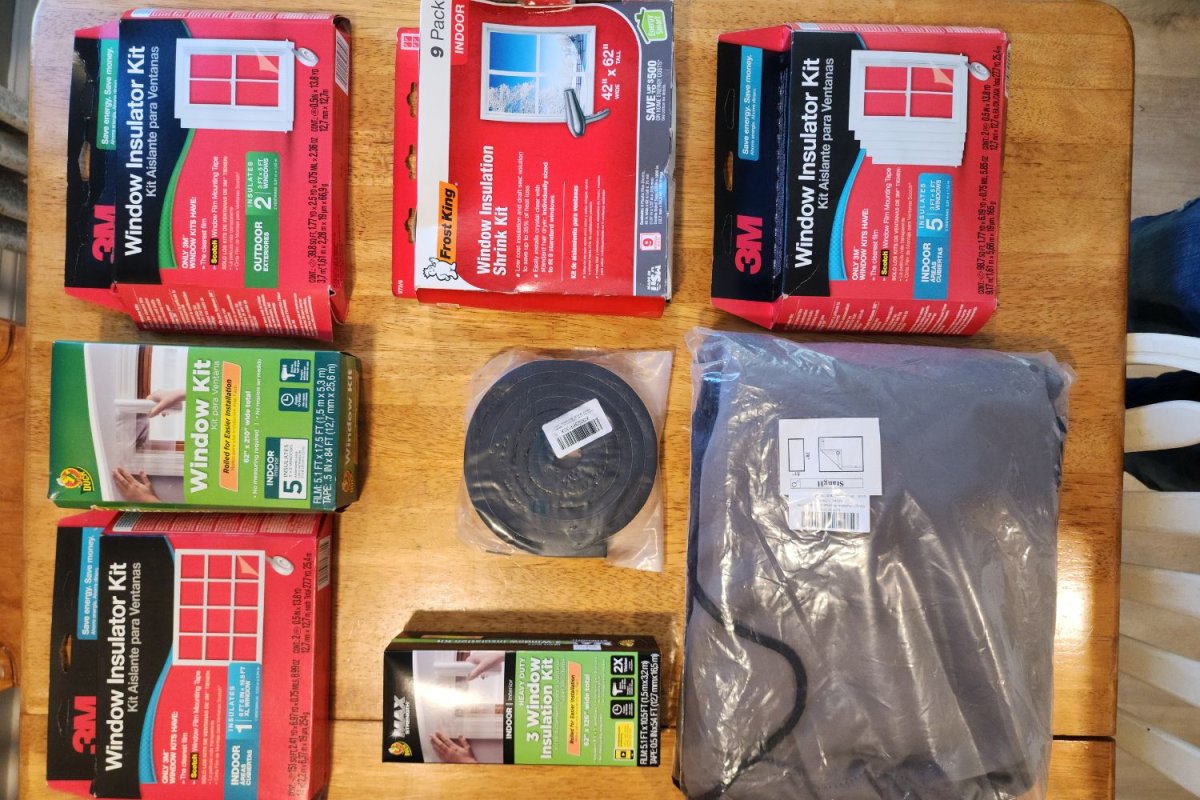
To mitigate indoor sun damage, several precautions are recommended. Applying a broad-spectrum sunscreen, ideally a mineral-based one containing zinc oxide or titanium dioxide with an SPF of at least 30, is highly effective for exposed skin. Mineral sunscreens are often preferred due to their lower likelihood of skin irritation compared to chemical sunscreens. Another practical solution for both home and car windows is the installation of clear protective films. These films are readily available at hardware stores and have been shown in studies to reduce UVA transmission by over 99%. For car window tints, individuals should be aware of and comply with local regulations, as some states impose restrictions on their use.
In summary, even when indoors, particularly in vehicles or near windows at home or work, the risk of harmful UVA ray exposure leading to skin aging and cancer remains. Proactive measures, such as using broad-spectrum sunscreen and applying UV-protective window films, are essential for safeguarding skin health against the unseen but damaging effects of solar radiation.
#SunDamage #UVProtection #UVALight #UVBLight #WindowProtection #SkinCancerPrevention #Sunscreen #WindowFilm #HealthReference #SunDamage #UVProtection #UVALight #UVBLight #WindowProtection #SkinCancerPrevention #Sunscreen #WindowFilm #HealthReference
0 ความคิดเห็นรวม
 ยังไม่มีความคิดเห็น
คุณอาจจะชอบอีกด้วย
How to fix sun-damaged furniture - 3 hacks to restore surfaces after climate ‘milestone'
The Best Window Films Tested for Privacy and More


5 easy DIY tricks to draft-proof sunrooms for winter


Why Are People Leaving Their Windows Exposed—And Is It a Bright Idea?

Home Window Installation, Parts and Repair


Conservatory blind ideas: 16 designs to shade and bring privacy to windows


5 Things Designers Say You Should Never Leave in Direct Sunlight—They Could Get Ruined
7 Best Window Well Covers

Shutters vs blinds – what you need to know to dress windows beautifully and practically
Block the Sun and Lower Your Energy Costs With Window Coverings

Which window treatments will actually keep my house cool? 5 ideas that will help control the temperature inside

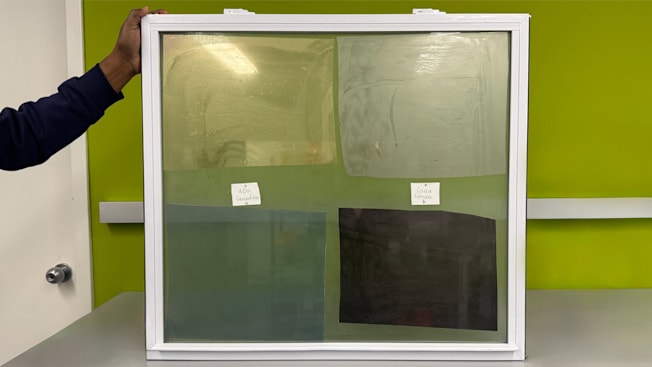
Best Window Films From Our Tests
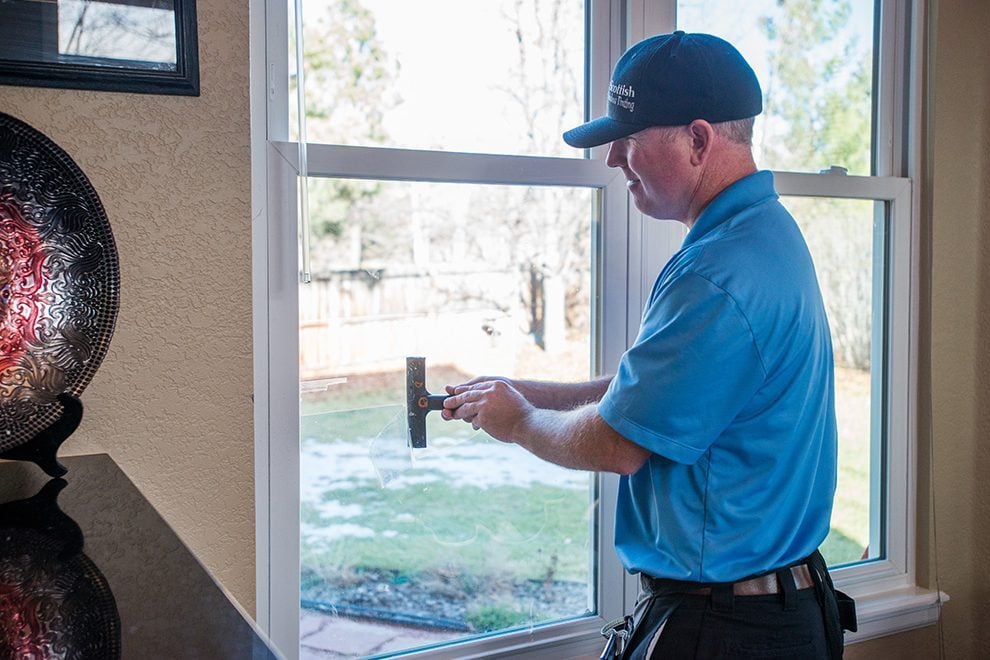
Home Window Tinting: What To Know Before You Buy
The Best Cellular Shades All But Disappear Inside Your Window Frame


Are window shutters out of style? Interior designers weigh in
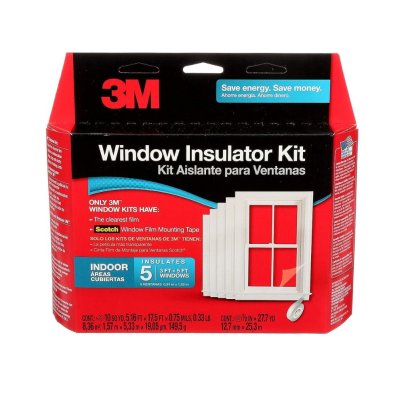
Surprisingly, Our Favorite Window Insulation Isn’t the Thickest
How to draught proof a window - easy ways to keep heat inside your home this winter

Best Security Window Film for Glass

7 ways to add privacy to your home in clever, creative ways that bring quick results
3 Retrofit Windows That Avoid the High Cost of Replacement