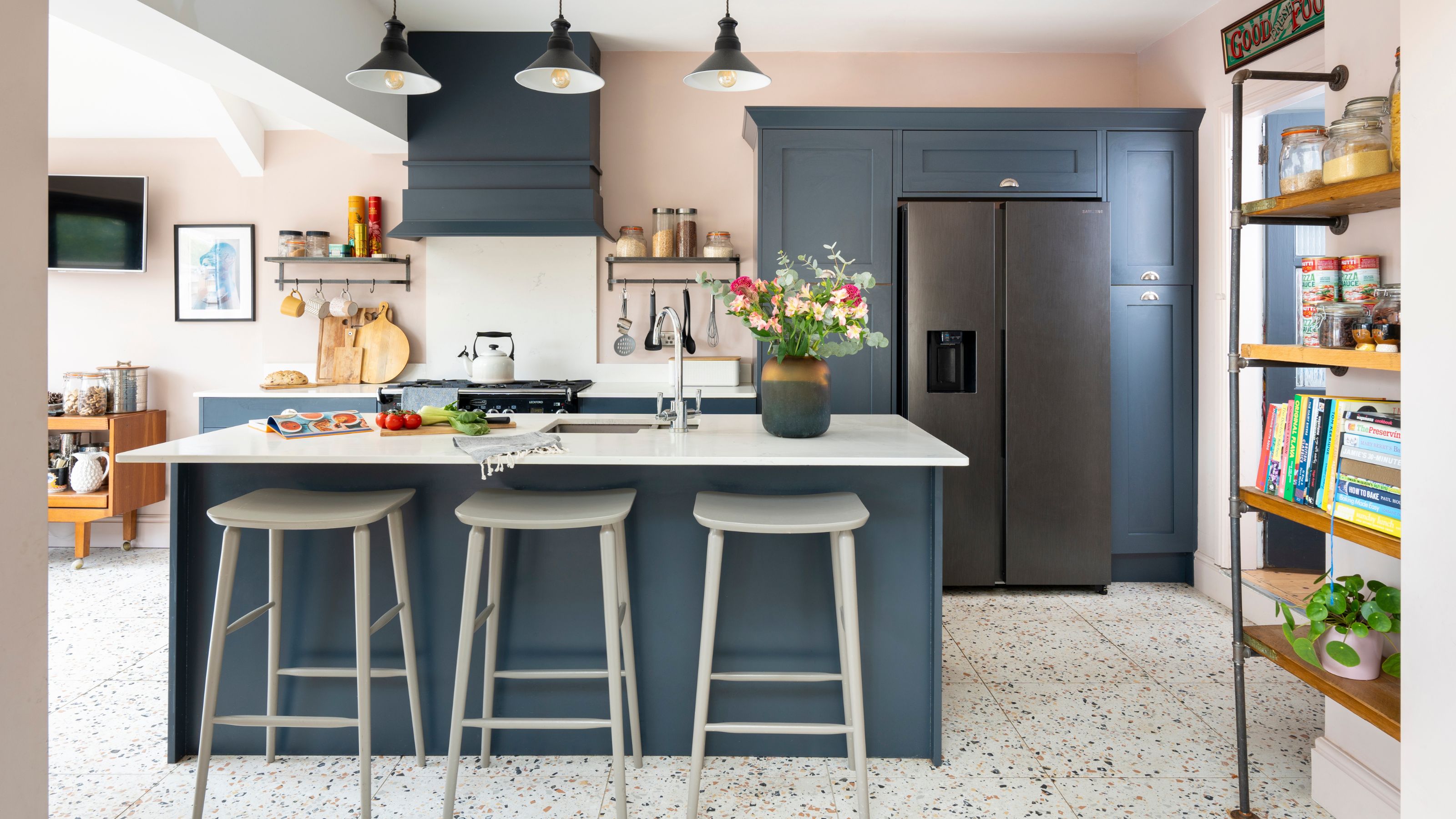
1/7
What is light reflective value in paint? Experts say it could be the simple secret to making a small kitchen look bigger
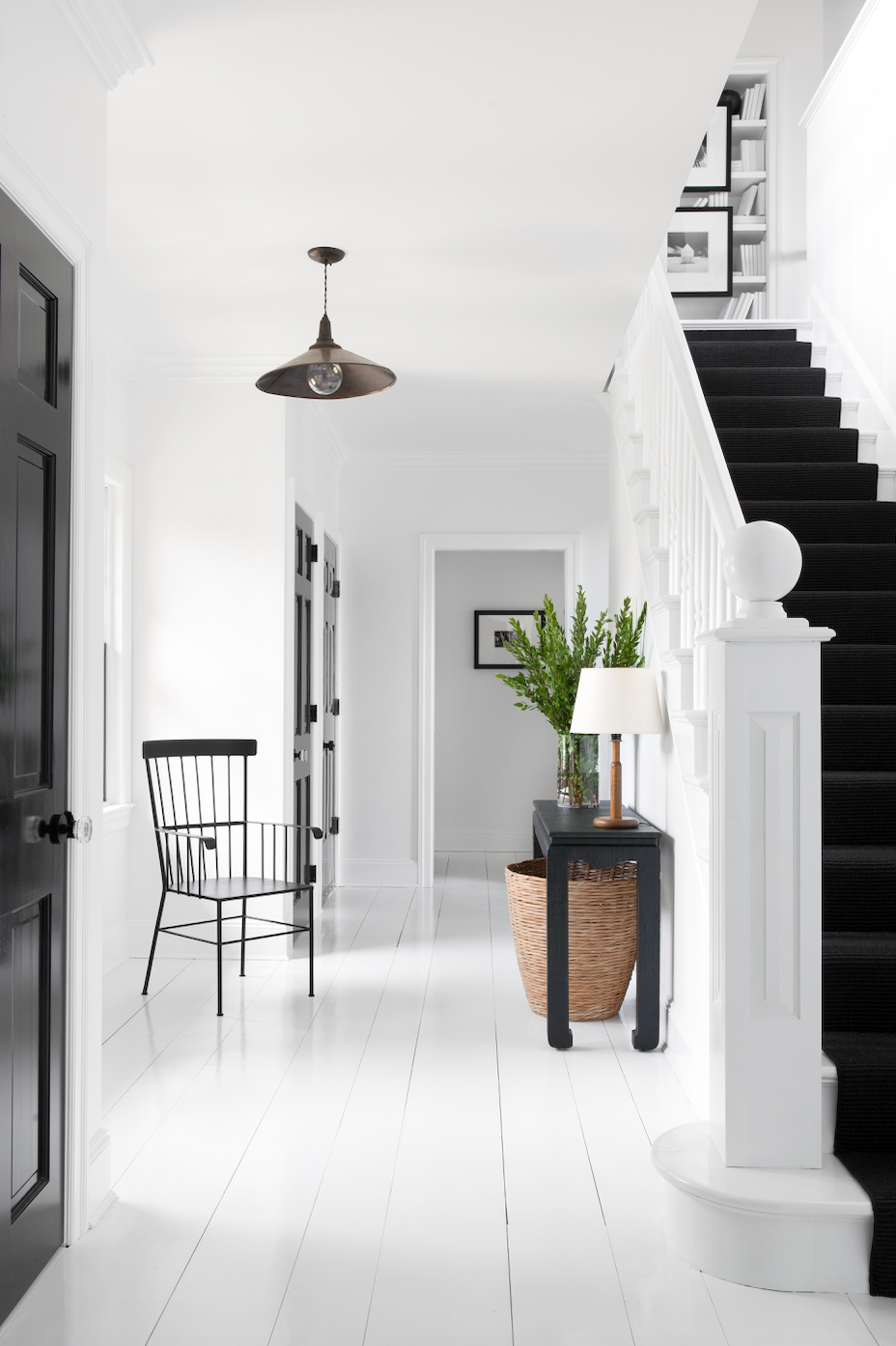
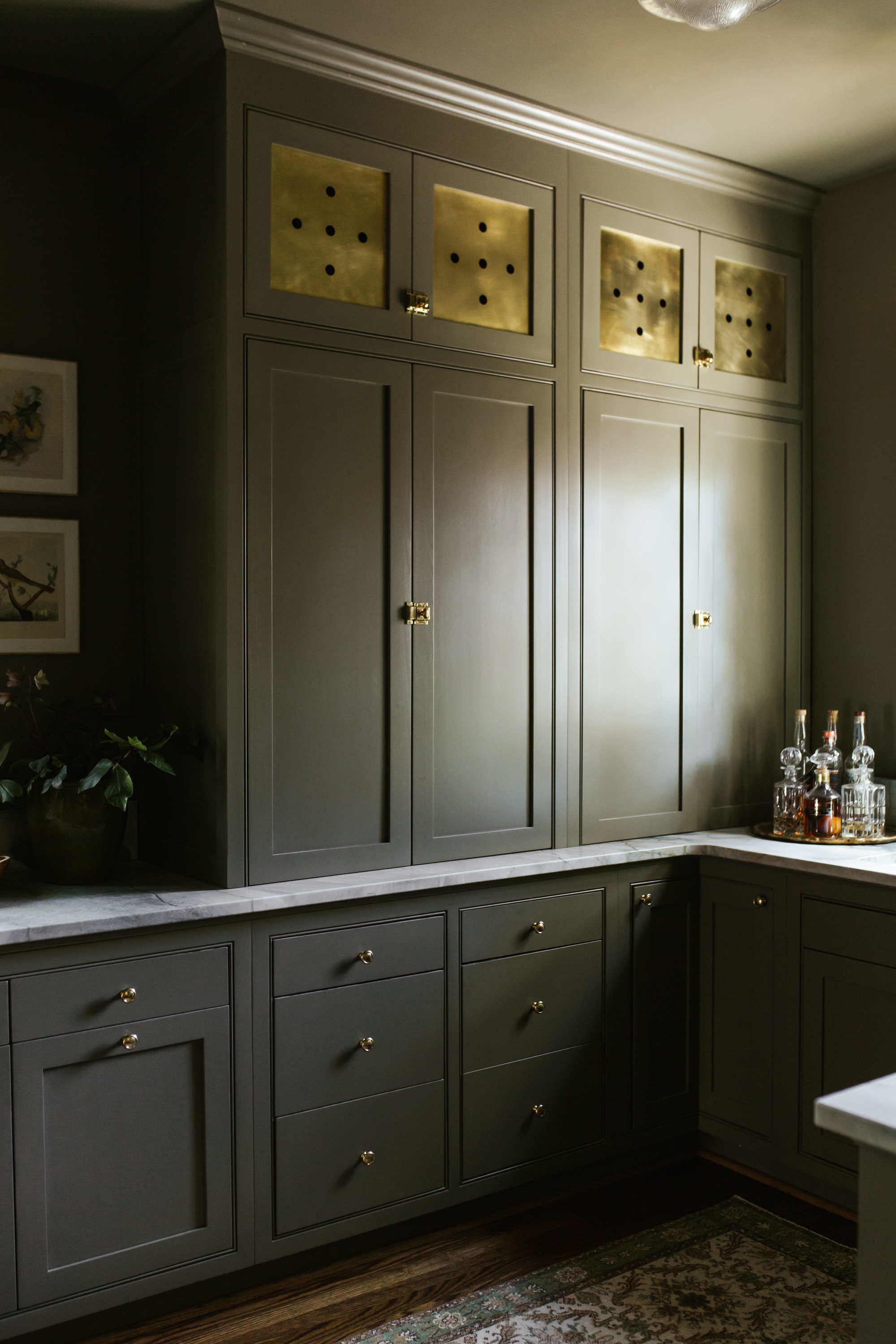
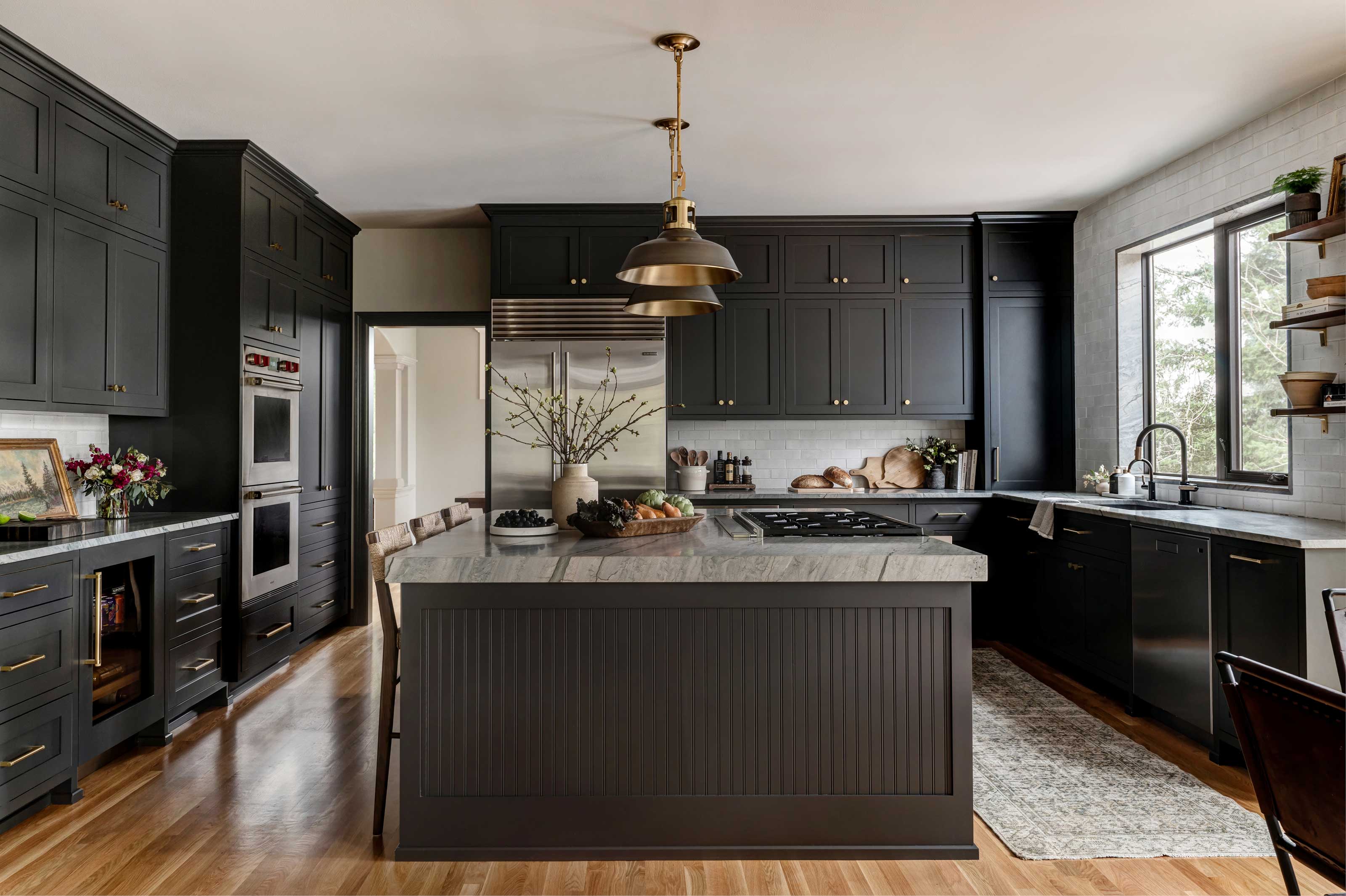
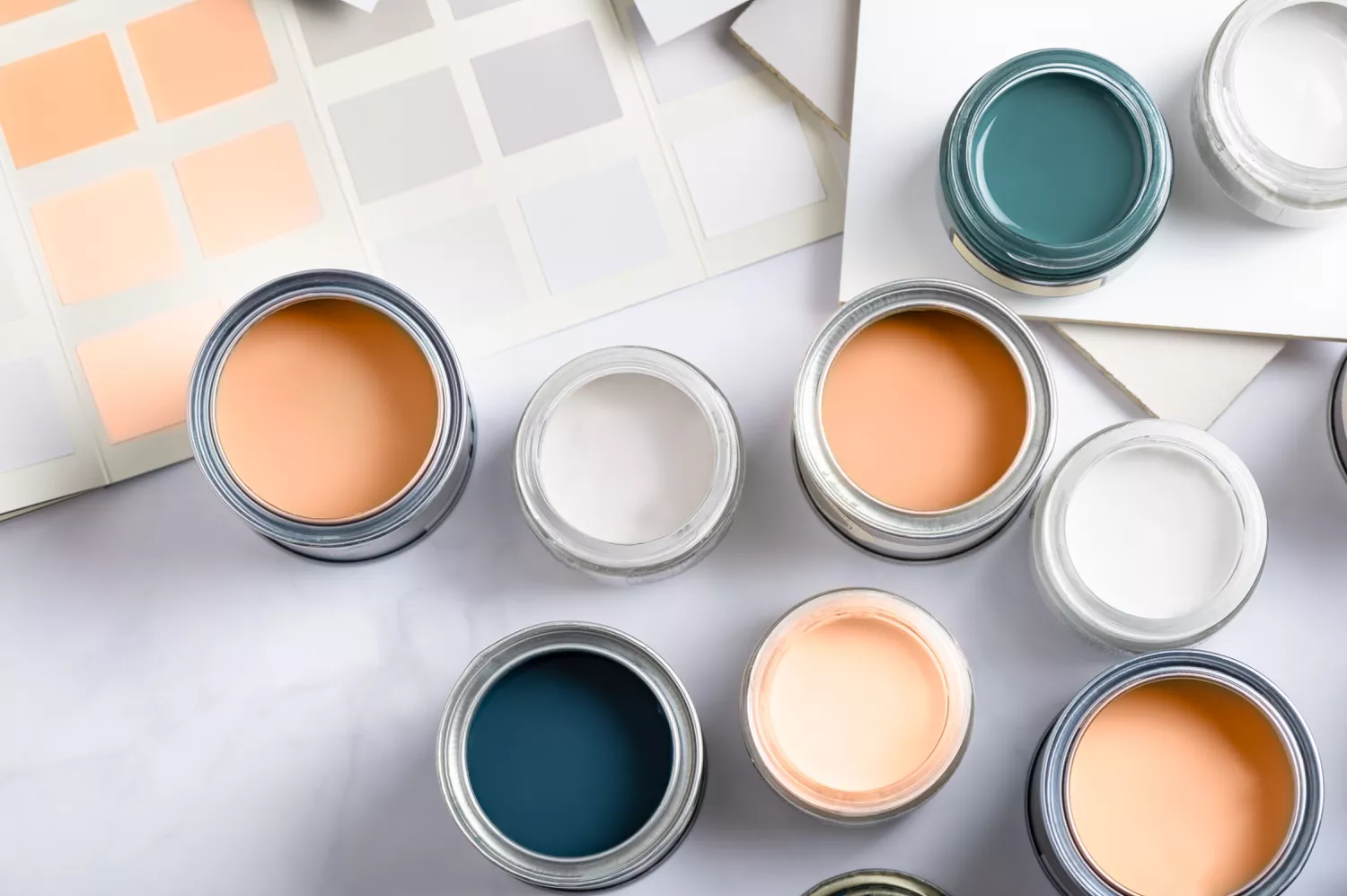
When selecting paint for kitchen walls or cabinets, understanding Light Reflective Value (LRV) can be a crucial factor in achieving the desired aesthetic and functional outcome, particularly in smaller spaces. LRV is a measurable value that indicates how much visible light a paint color reflects versus absorbs, with values ranging from 0 (pure black, absorbing all light) to 100 (pure white, reflecting all light). This metric directly influences how bright or dark a room will appear and can significantly impact the perceived size and mood of a space.
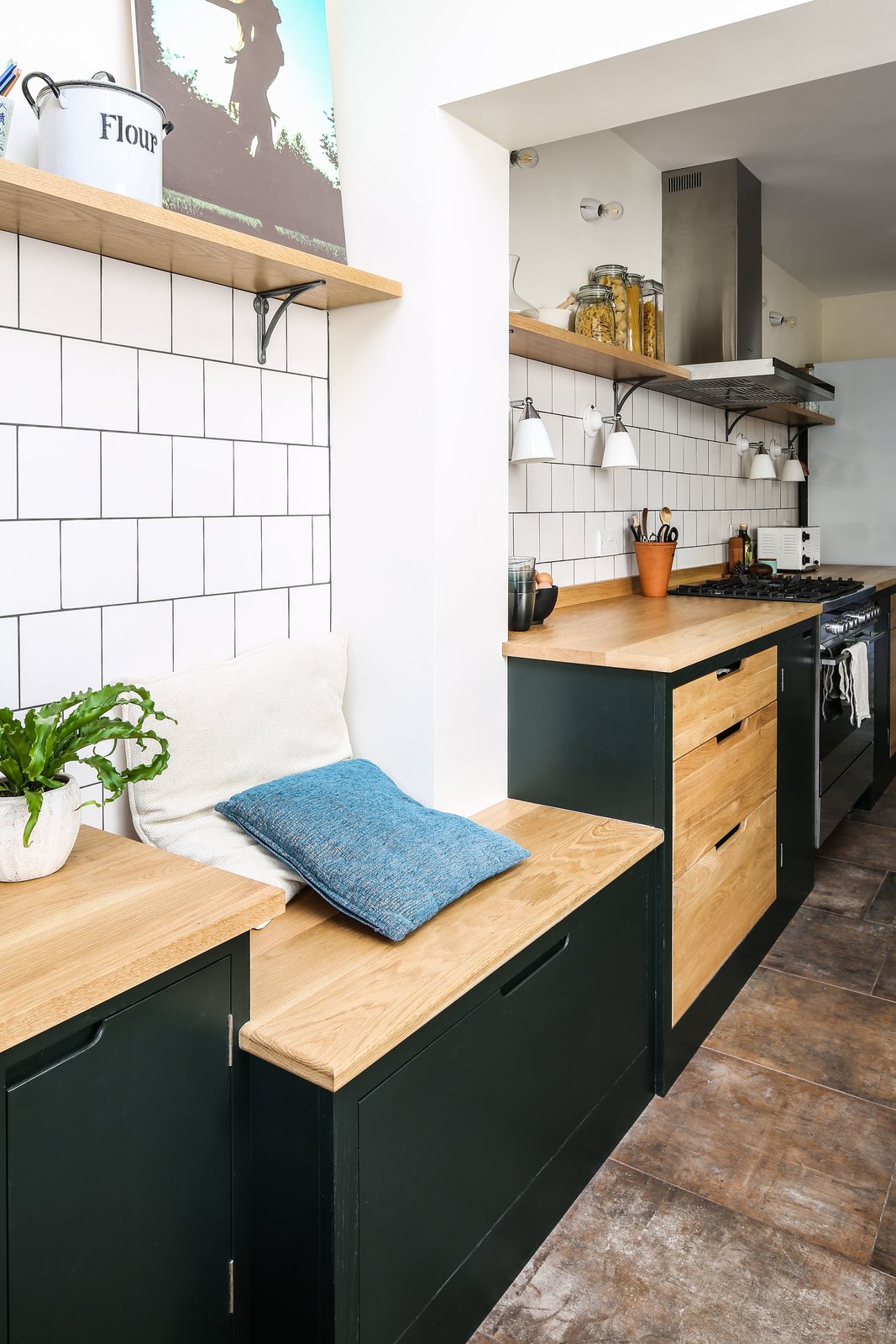
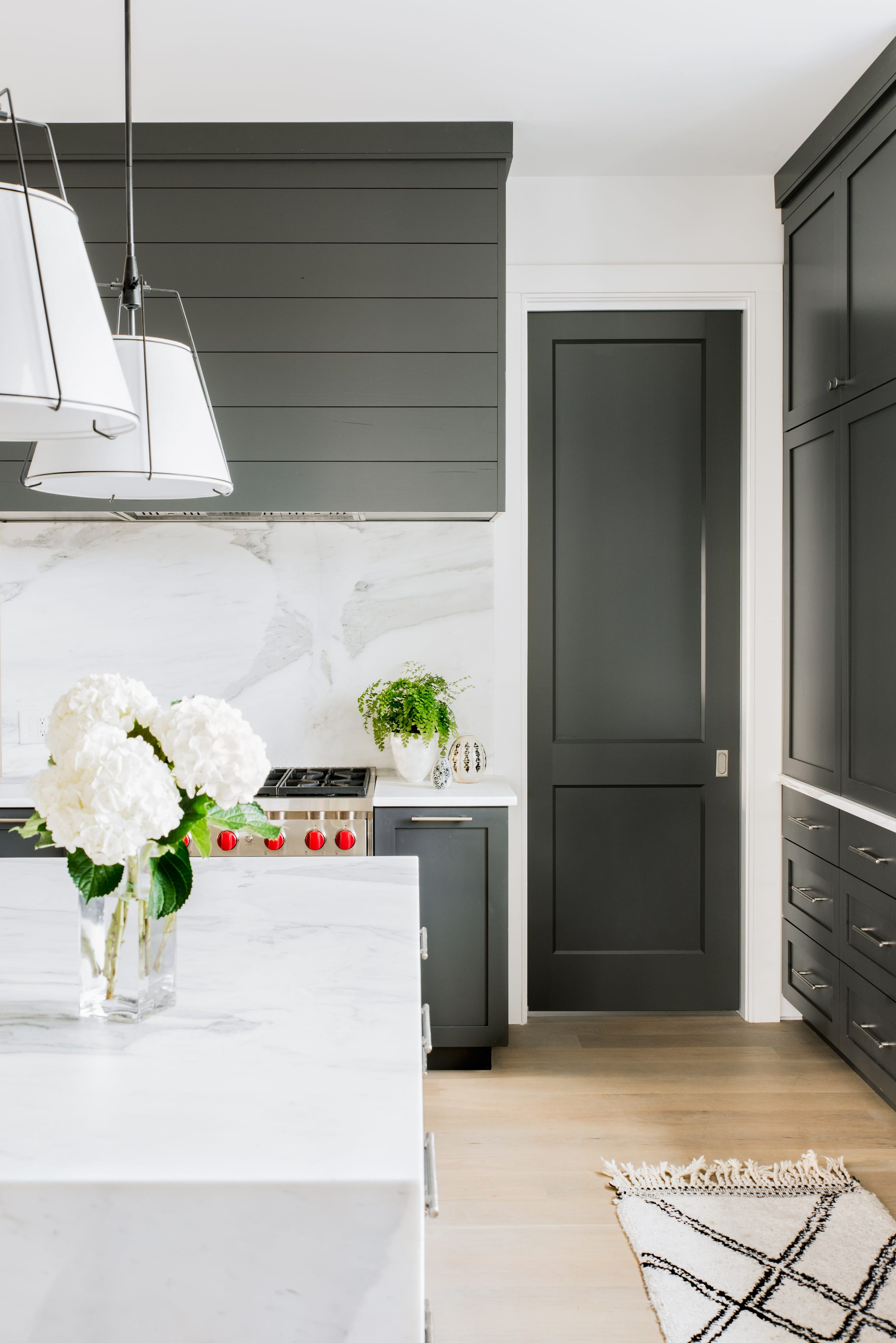
Experts explain that paints with an LRV below 50 tend to make a room feel darker, while those with higher LRV values contribute to a brighter, more open ambiance. This information is particularly valuable for kitchens, which often have limited natural light due to their size, orientation, or layout, such as galley kitchens. While not always prominently displayed on paint cans, LRV data can often be found on manufacturers' websites or by a quick online search, aiding consumers in making informed decisions. Knowing the LRV of different paint shades can simplify the selection process, especially when choosing between similar hues with subtle differences in light reflection.
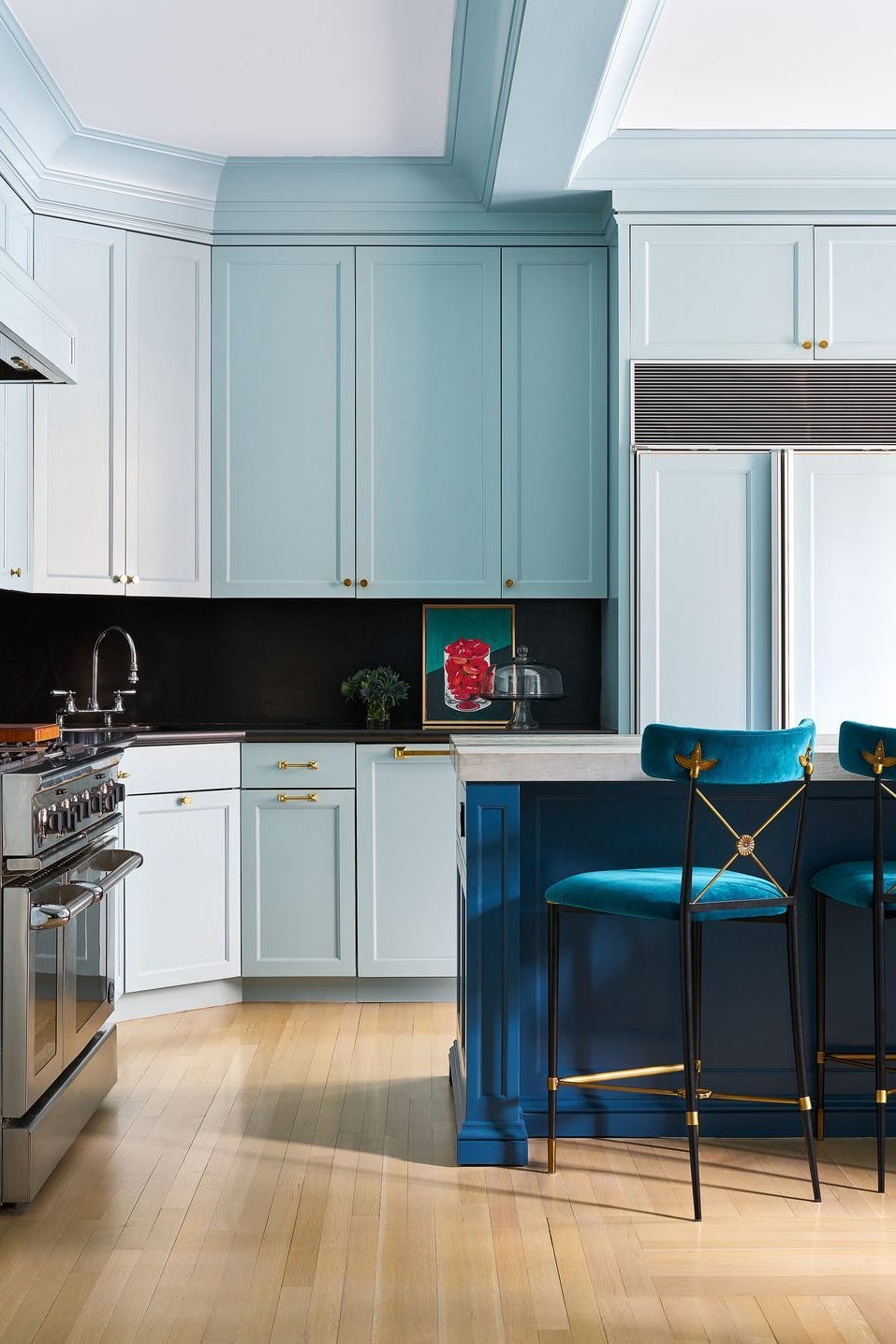
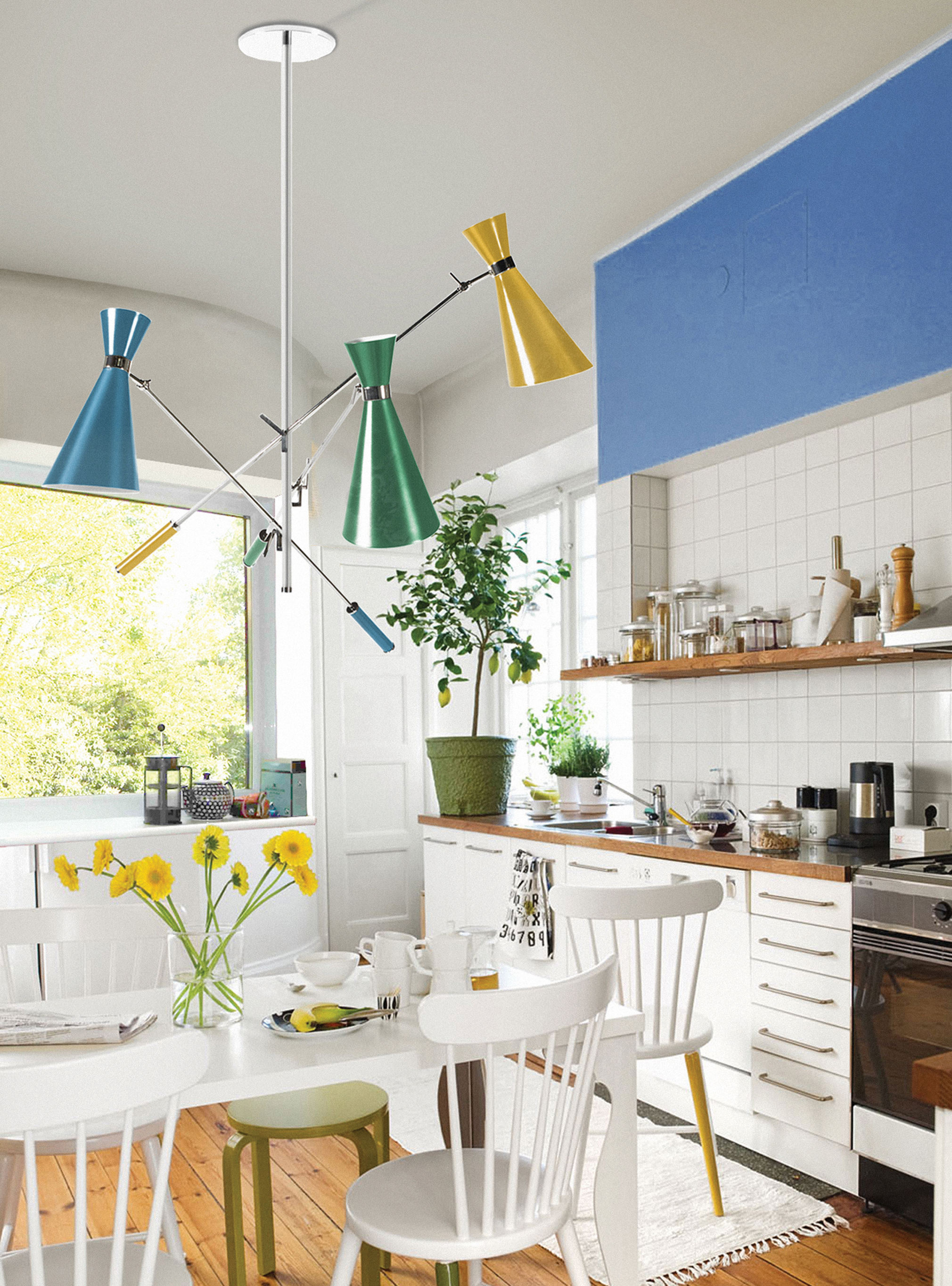
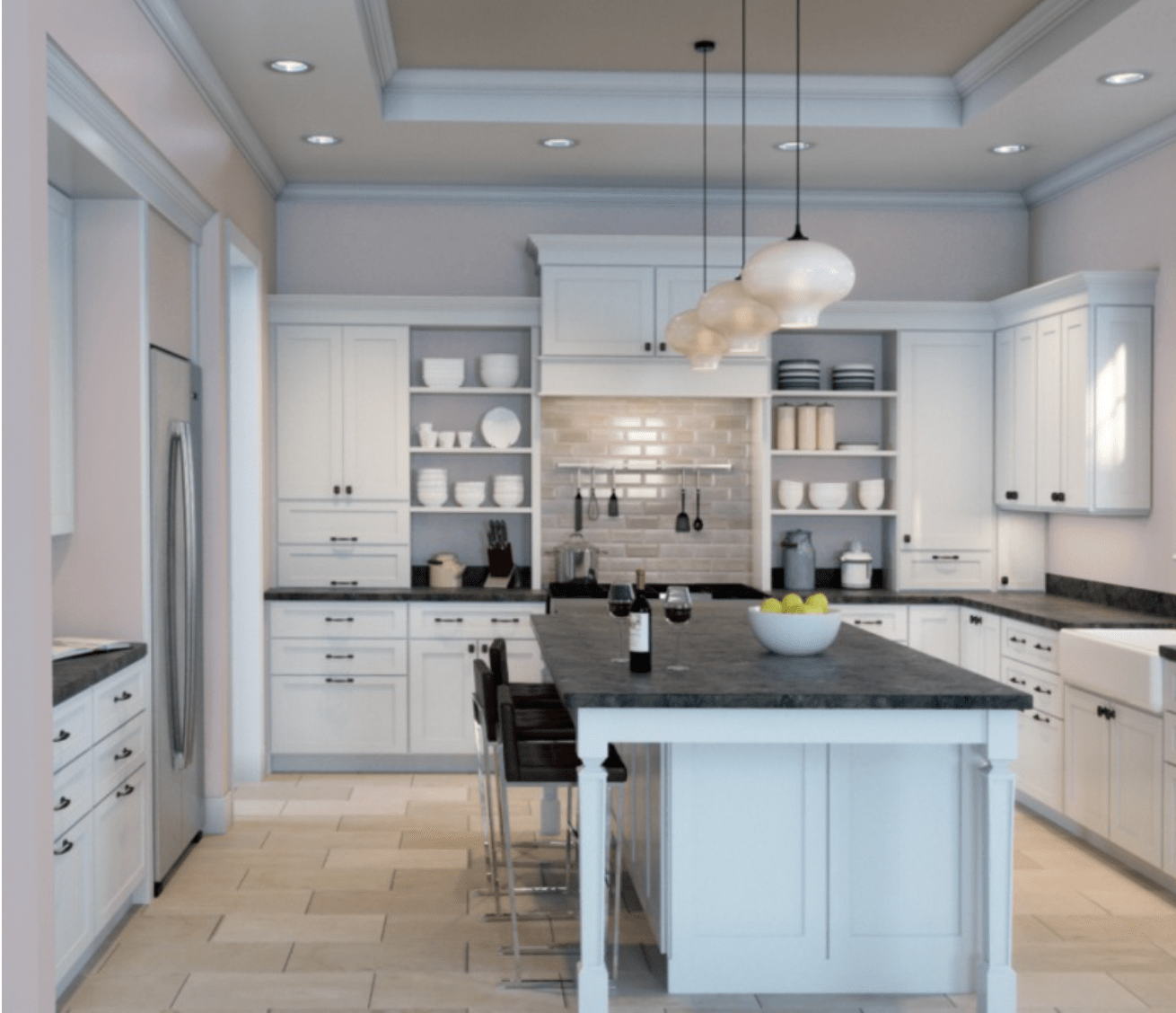
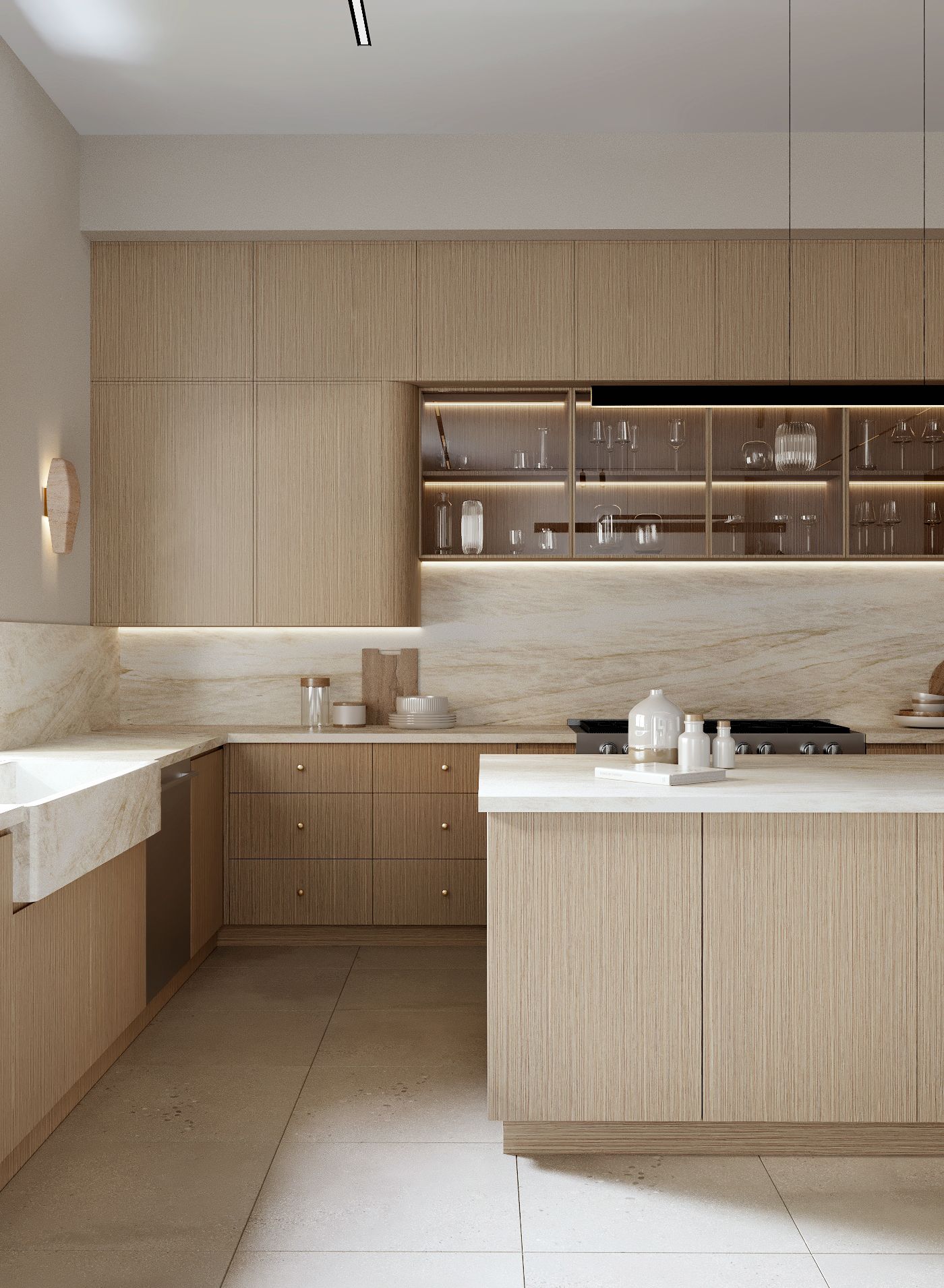
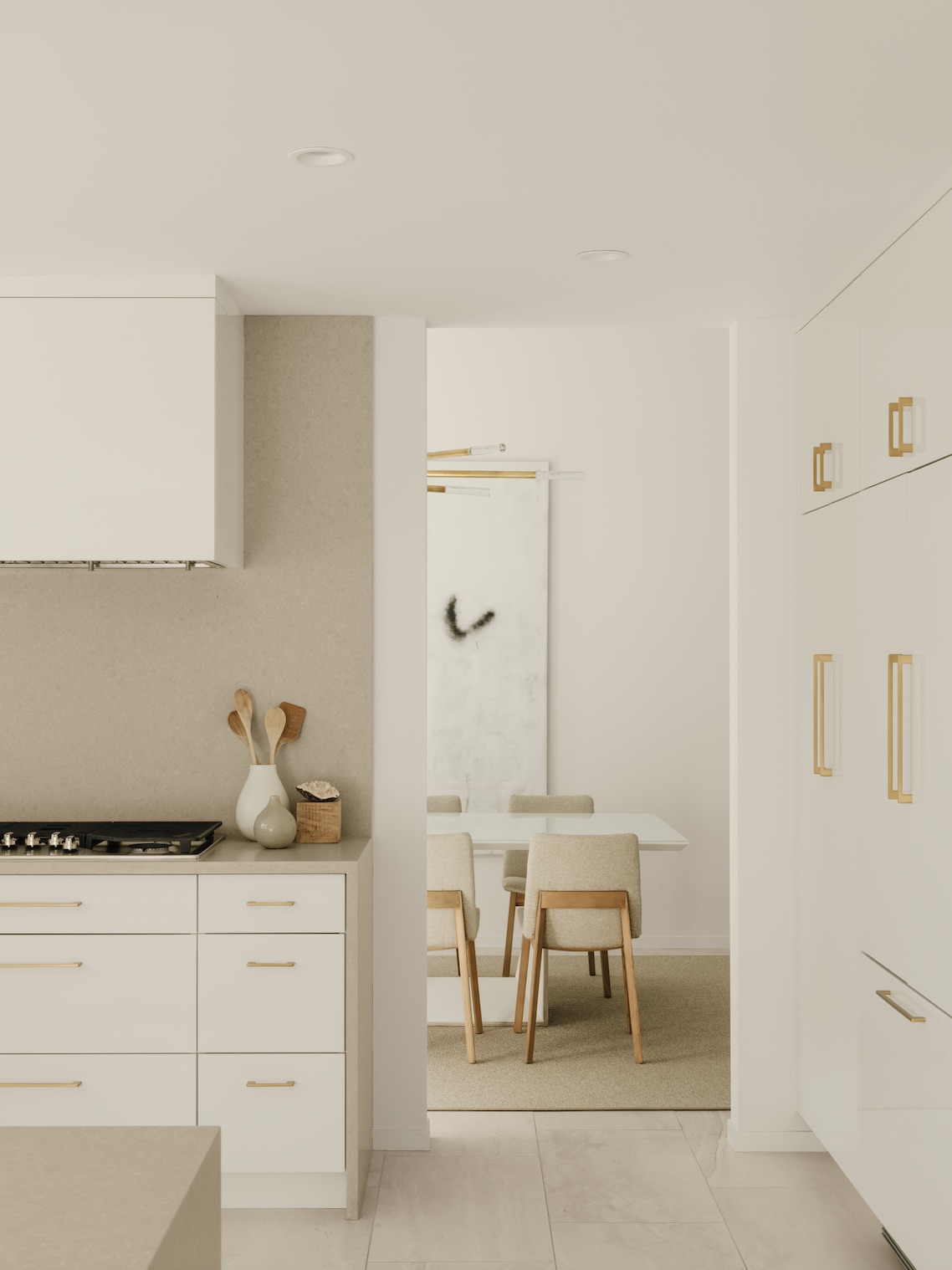
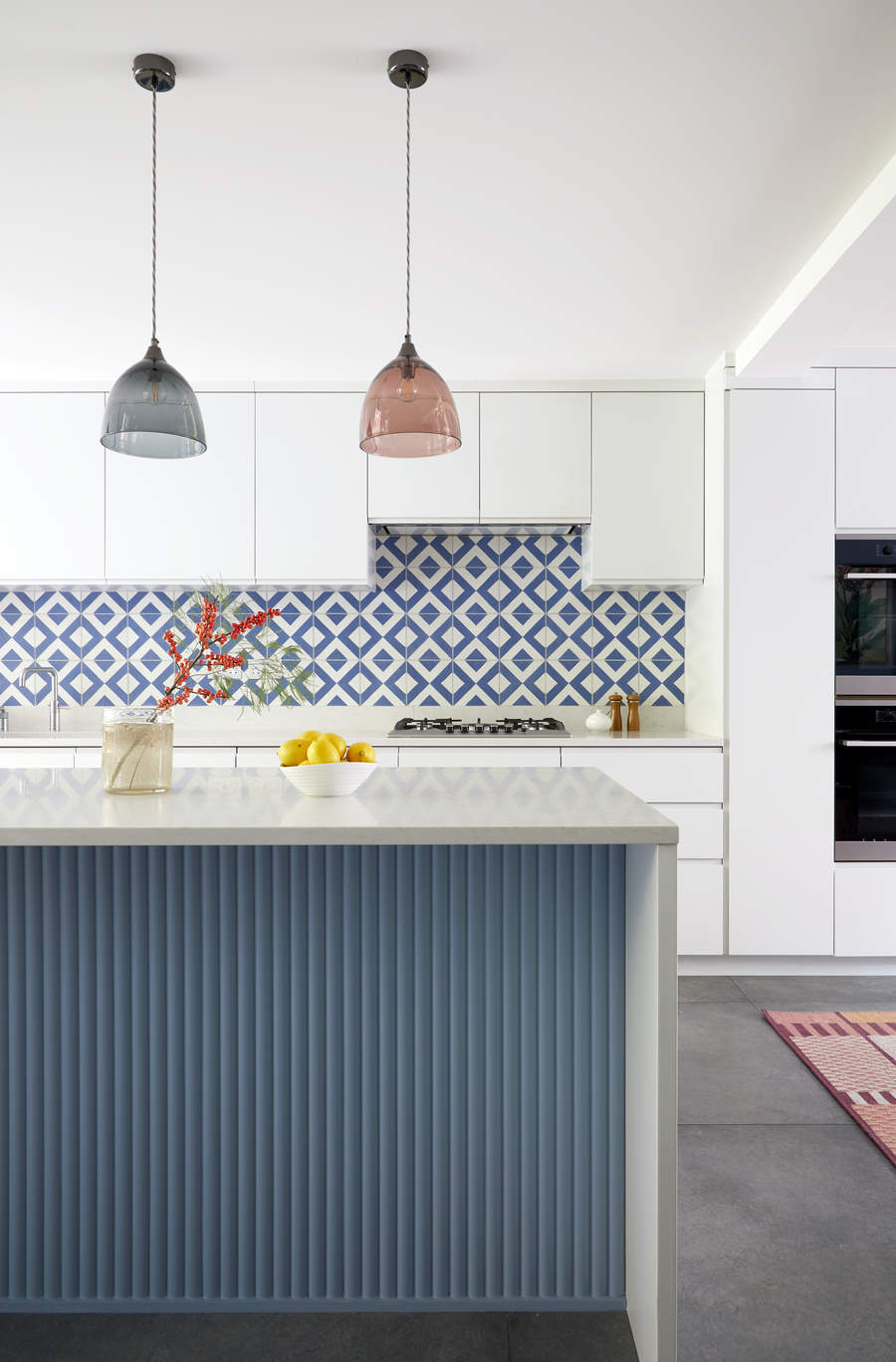
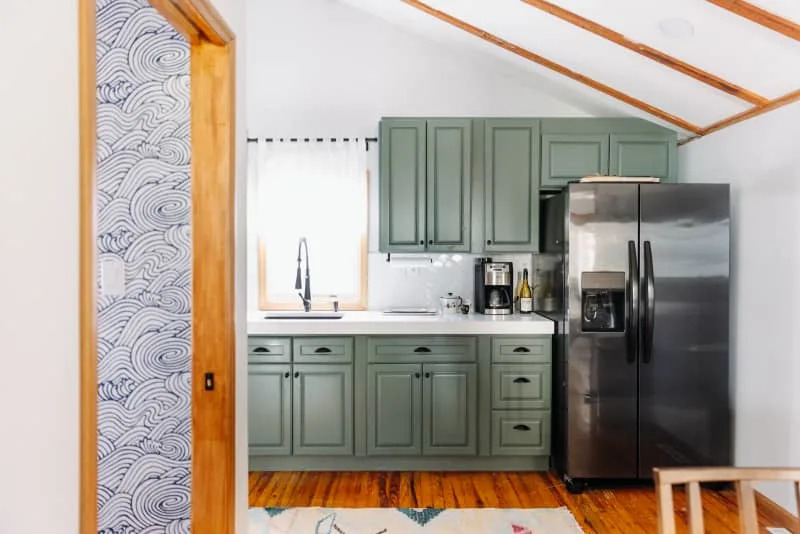
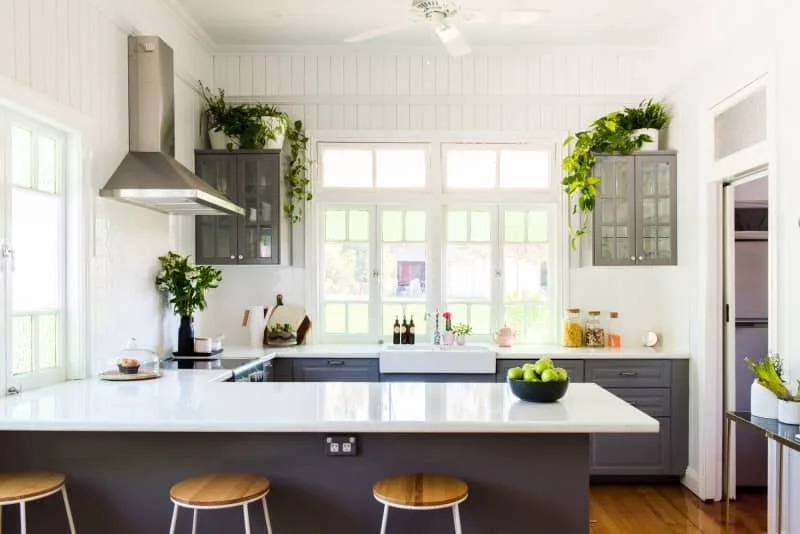
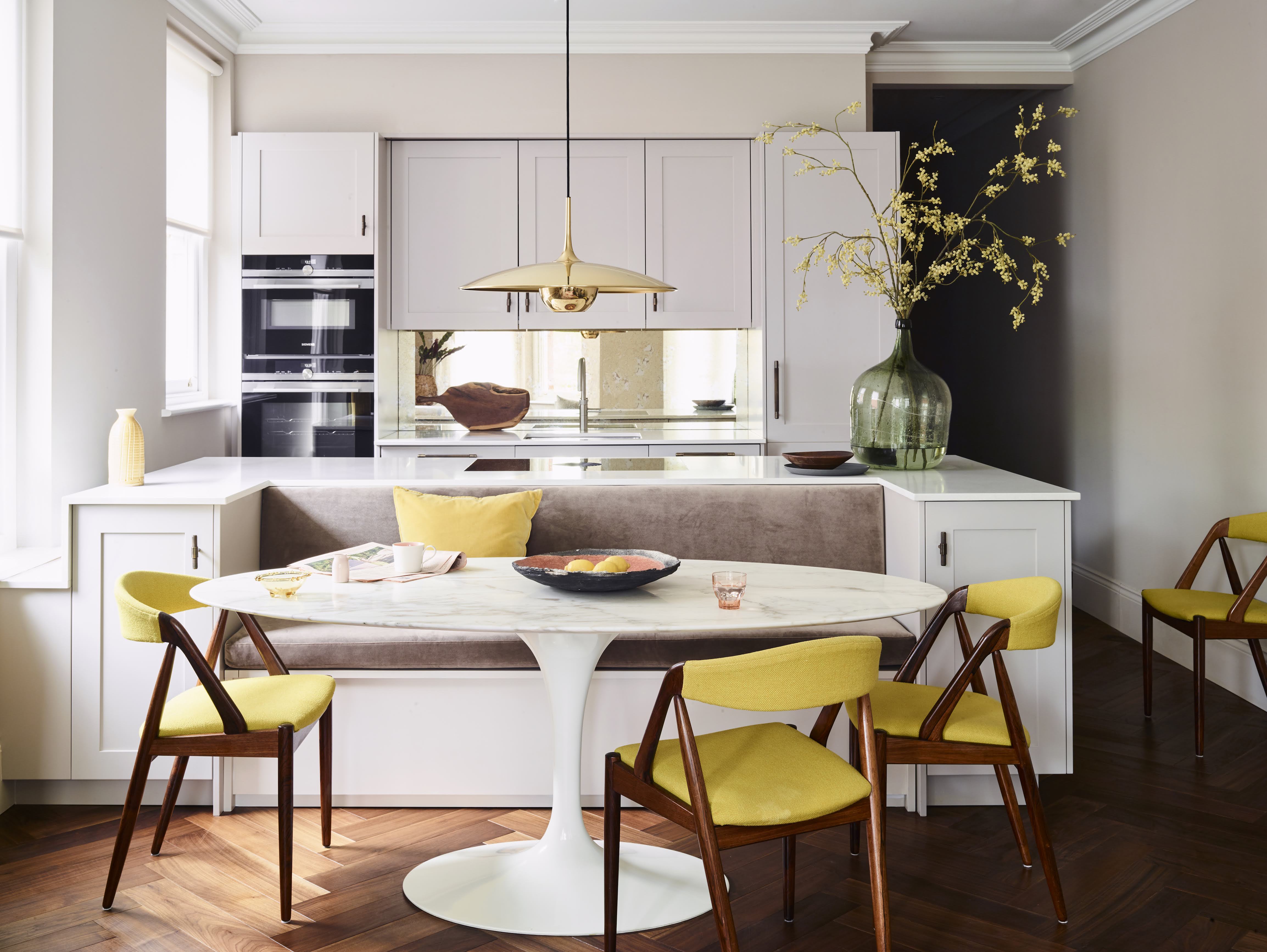
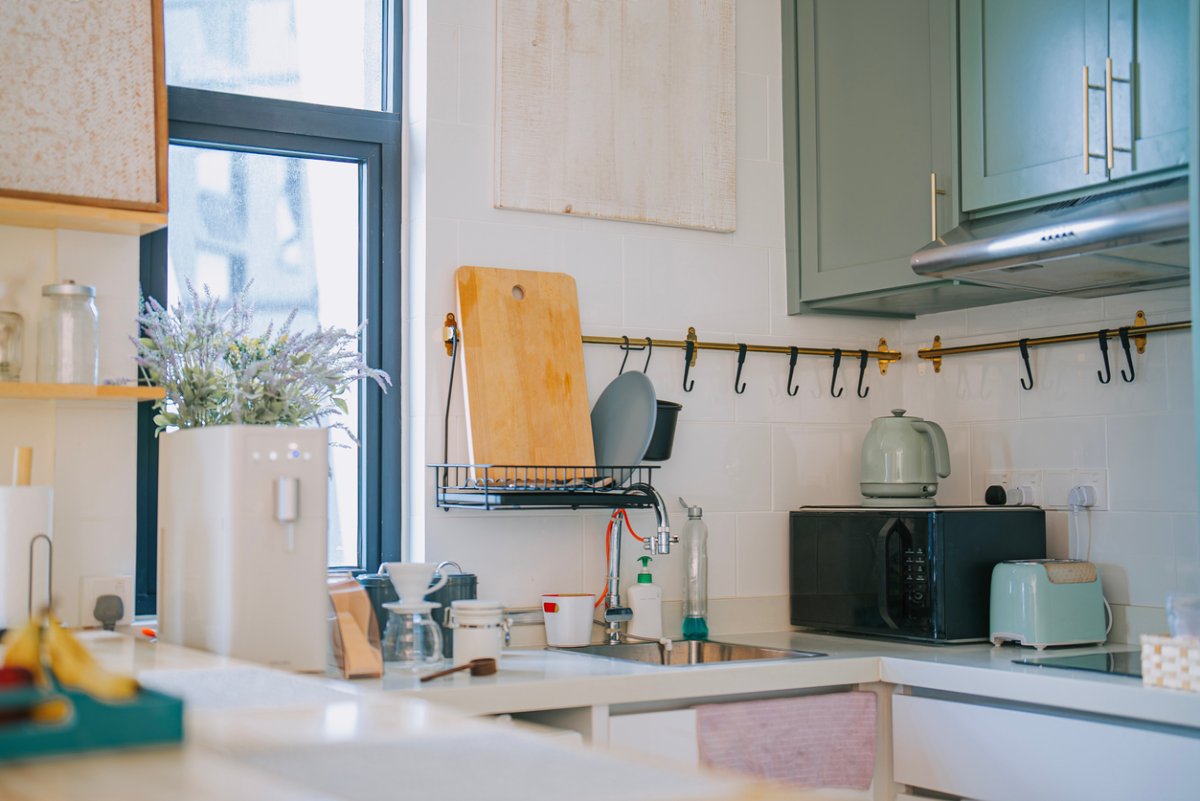
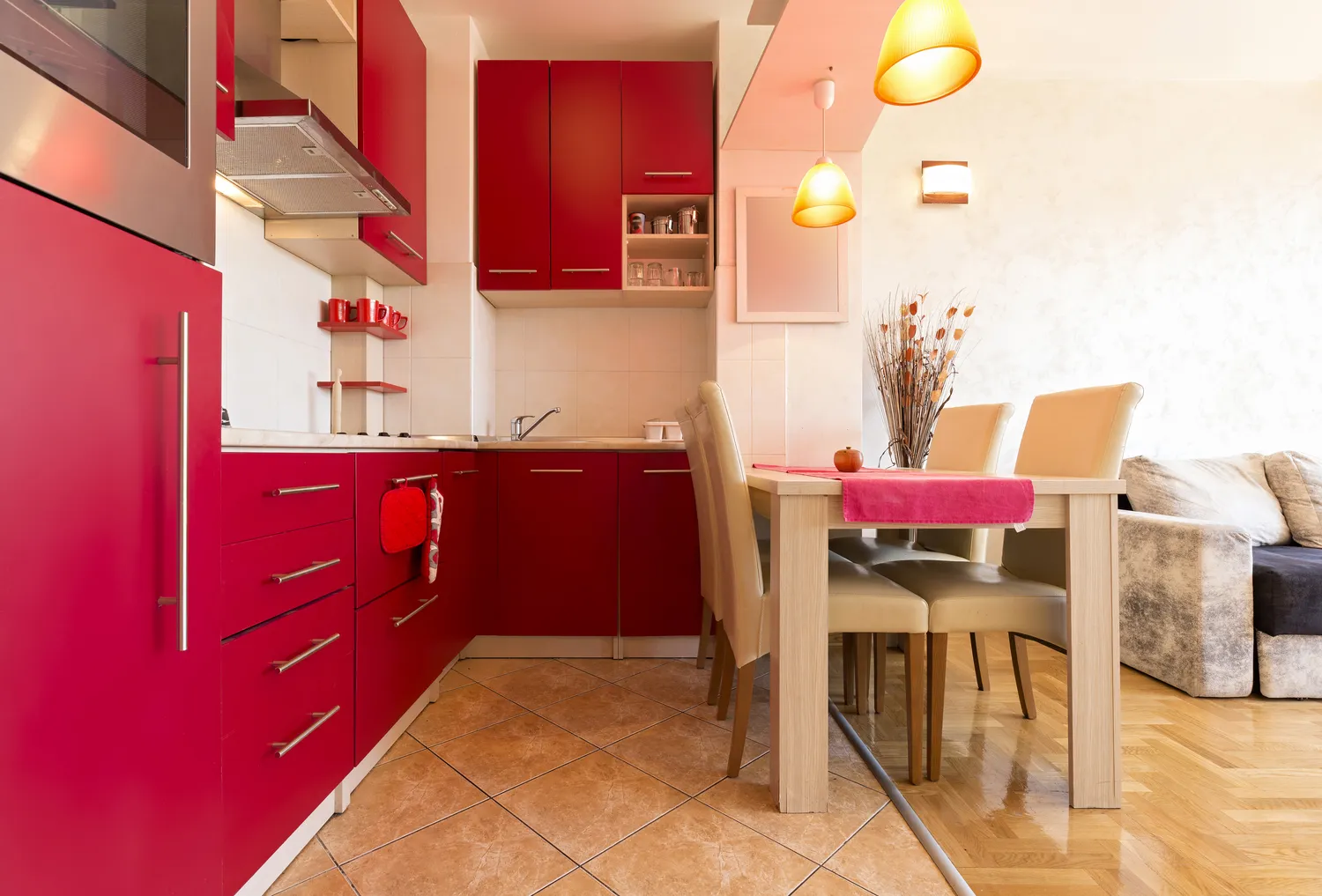
For smaller kitchens or those with minimal natural light, opting for paints with a higher LRV is recommended. These colors reflect more light, making the space feel larger and reducing the reliance on artificial lighting. Beyond aesthetics, LRV also plays a role in temperature control; darker colors absorb more heat, which might be a consideration for rooms equipped with air conditioning, influencing energy consumption. It is important to distinguish LRV from paint sheen, as they are separate characteristics. LRV refers to the color's inherent light reflection, while sheen describes how much the paint's surface reflects light, regardless of its color. A matte paint with a high LRV, for example, will still retain its matte finish but will appear more reflective in terms of color.
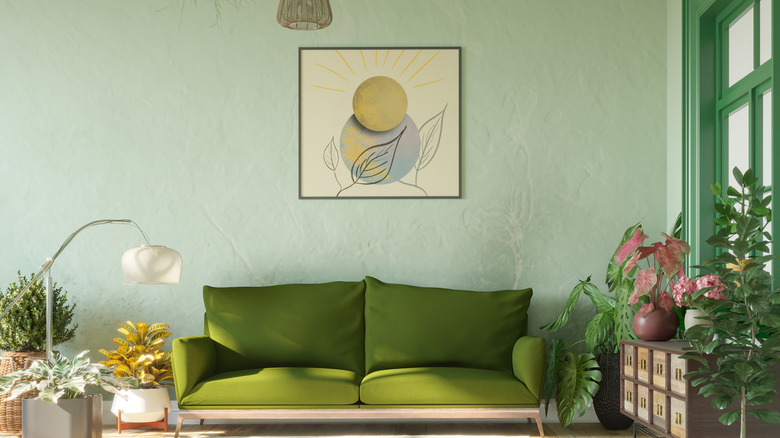
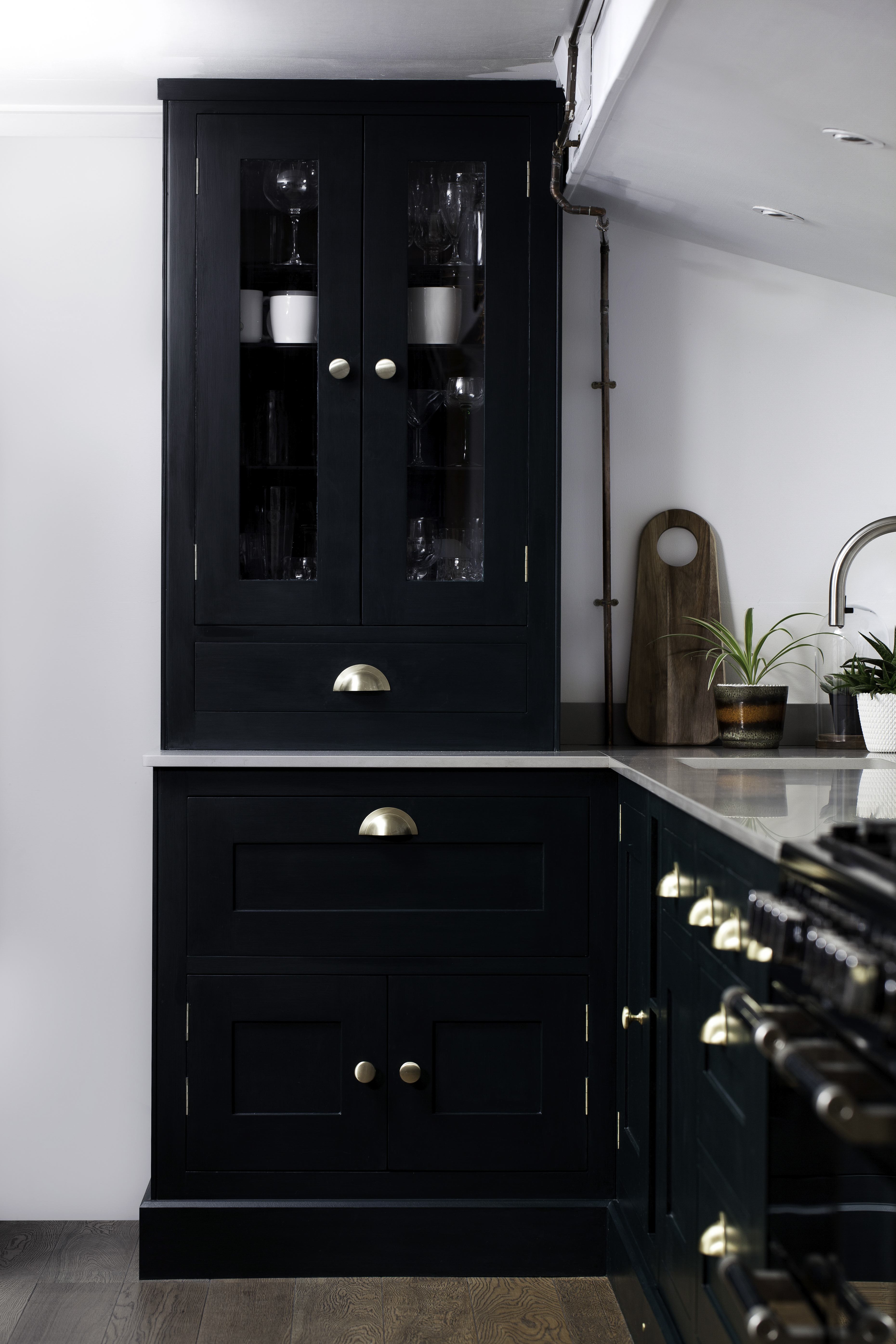
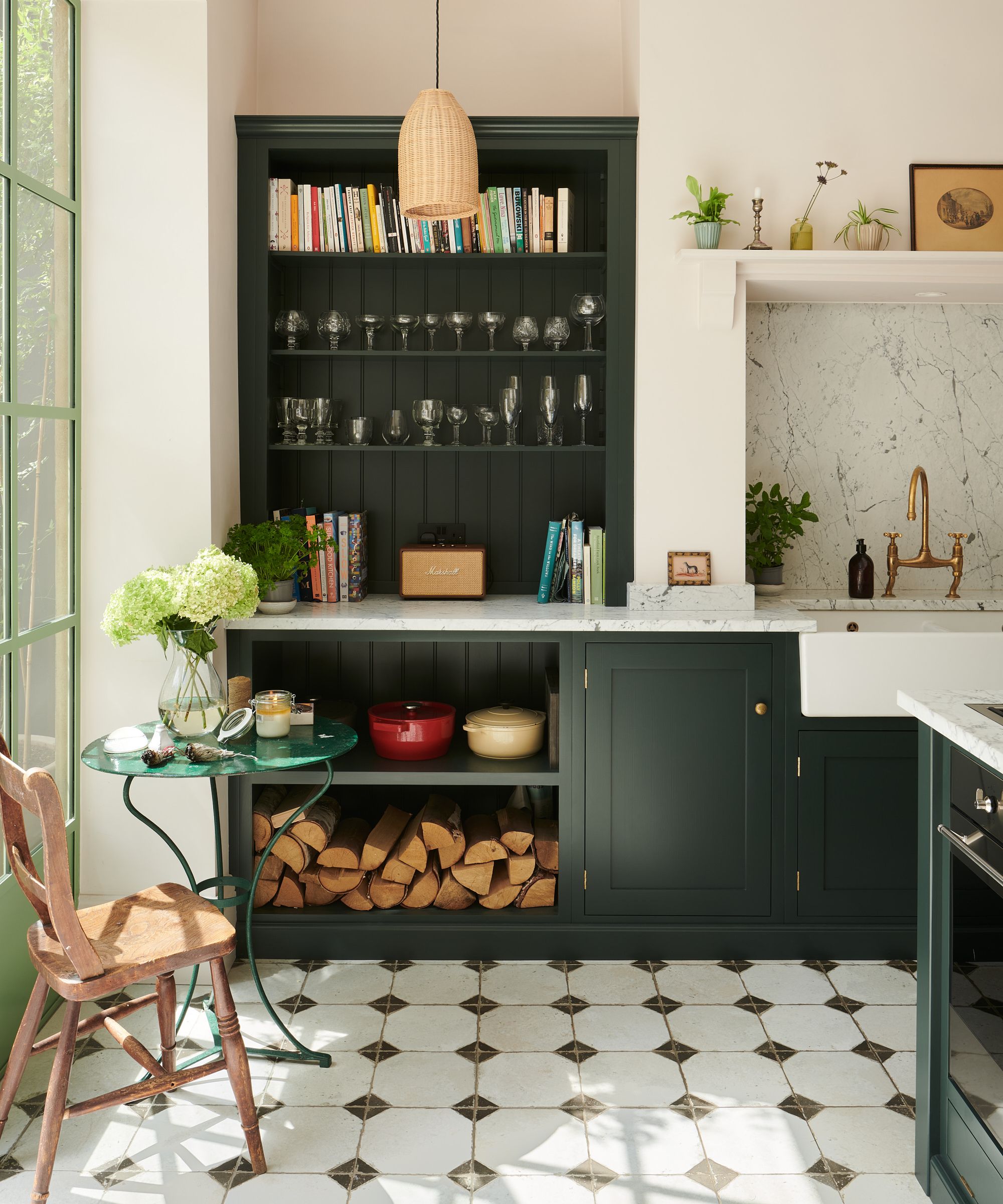
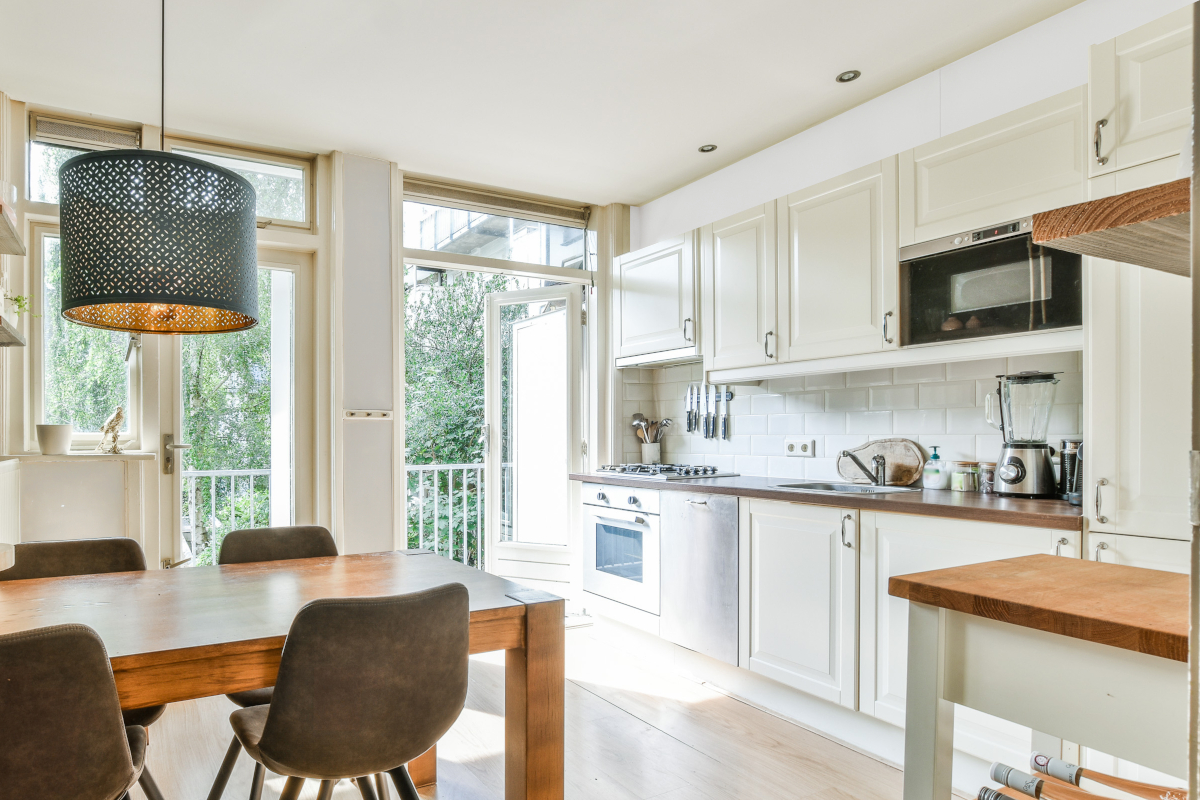
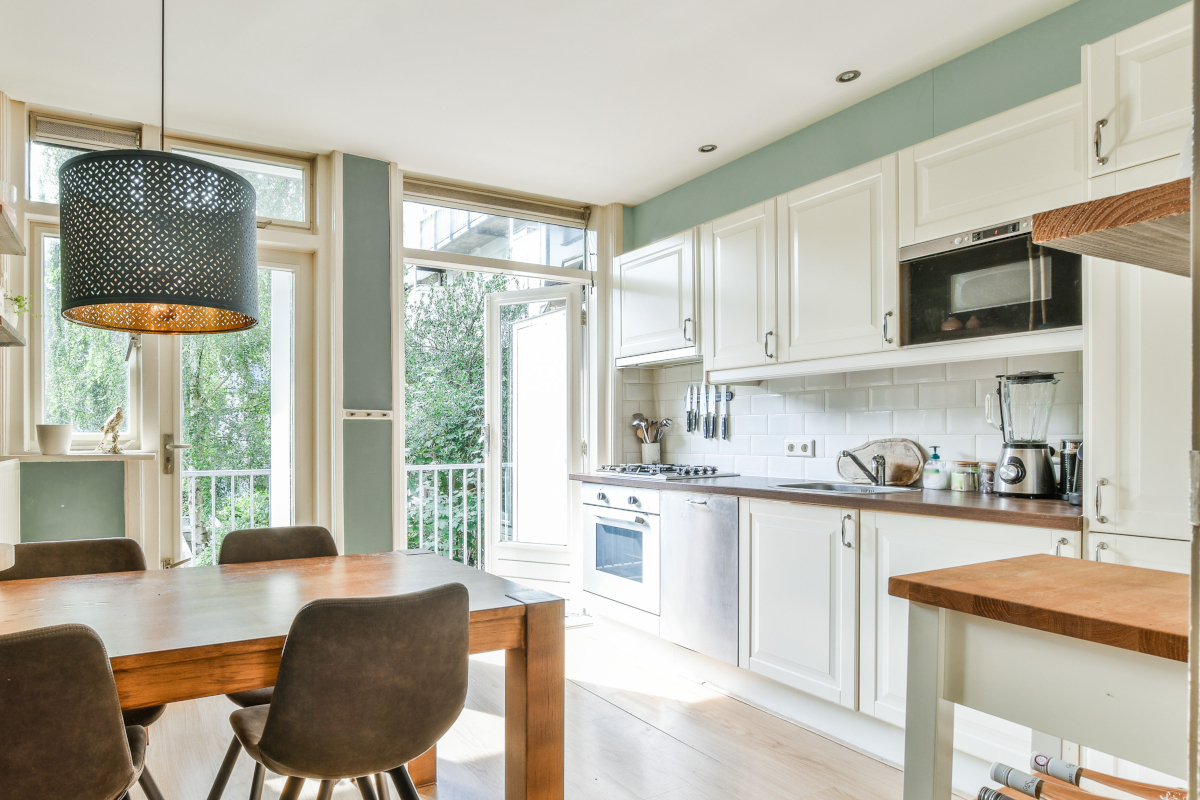
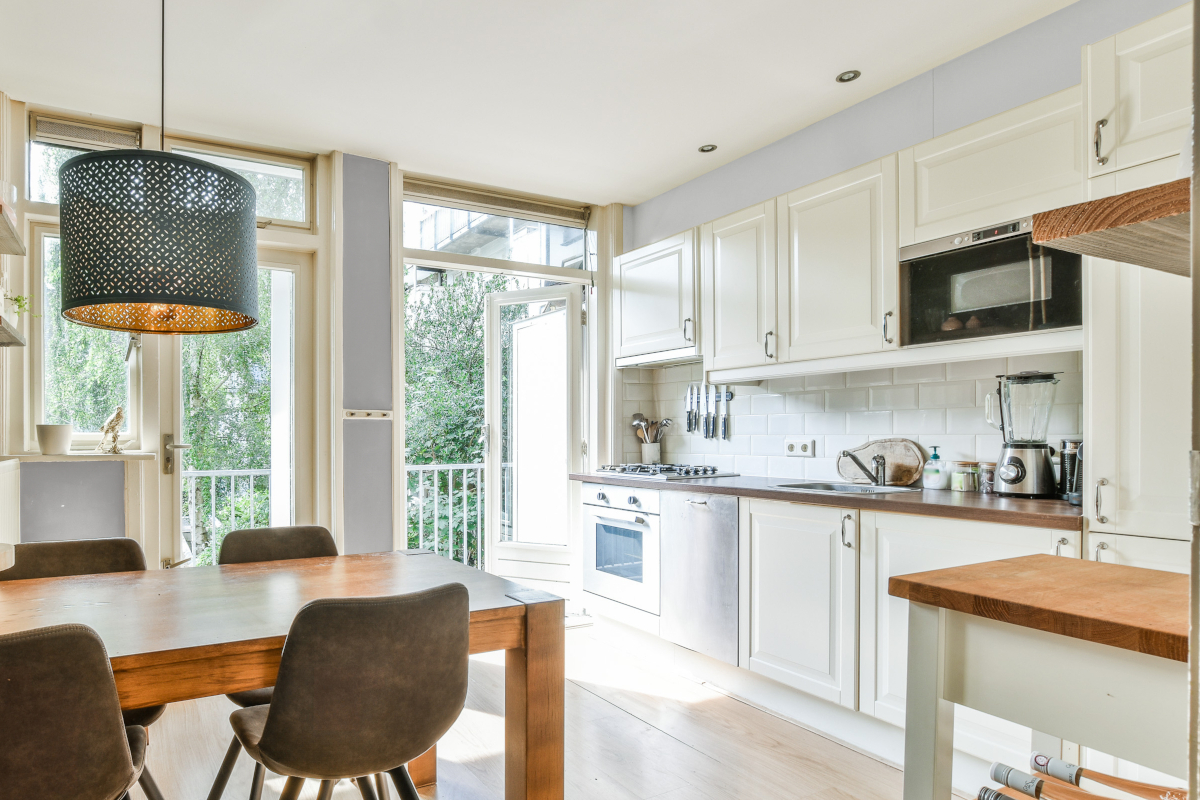
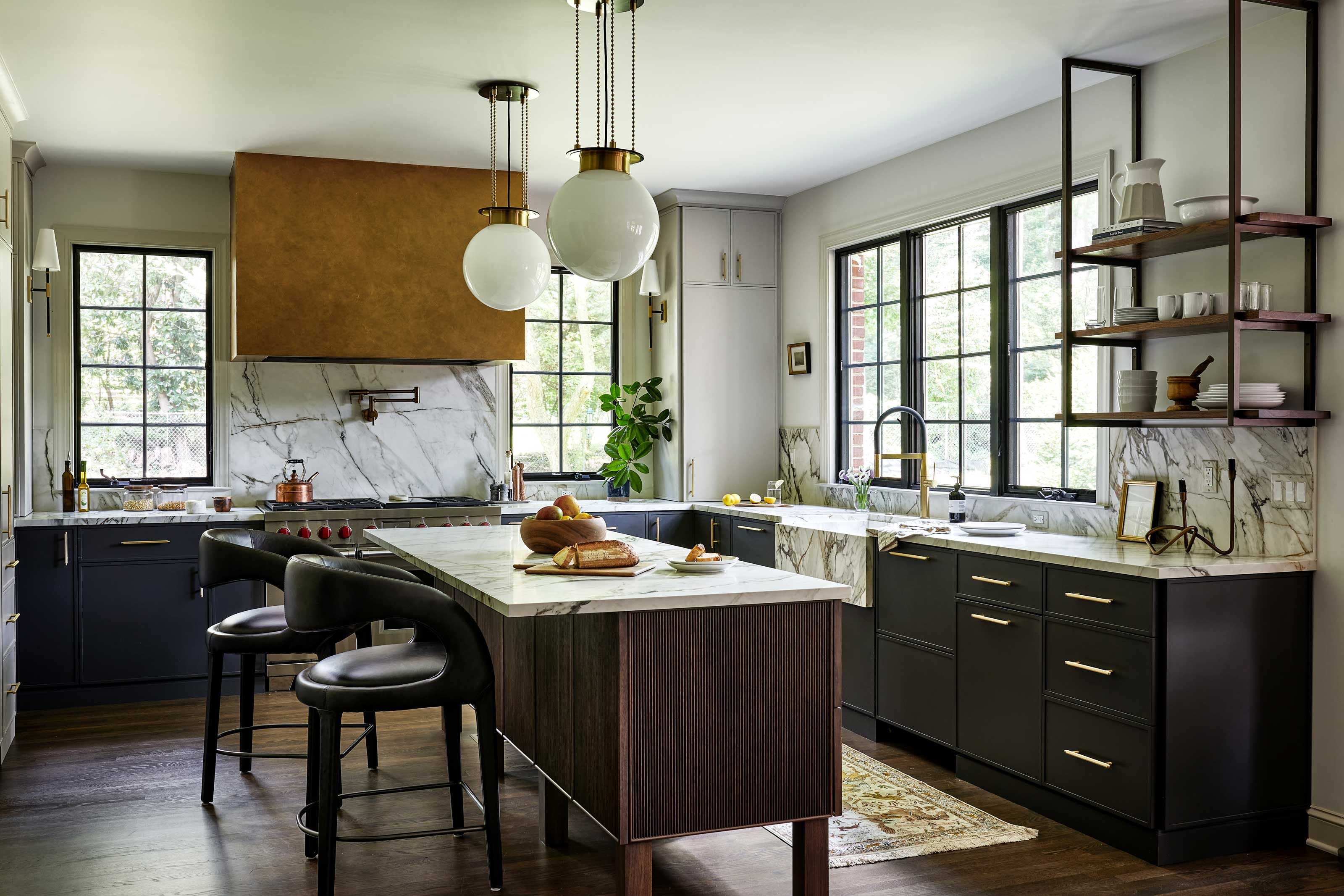
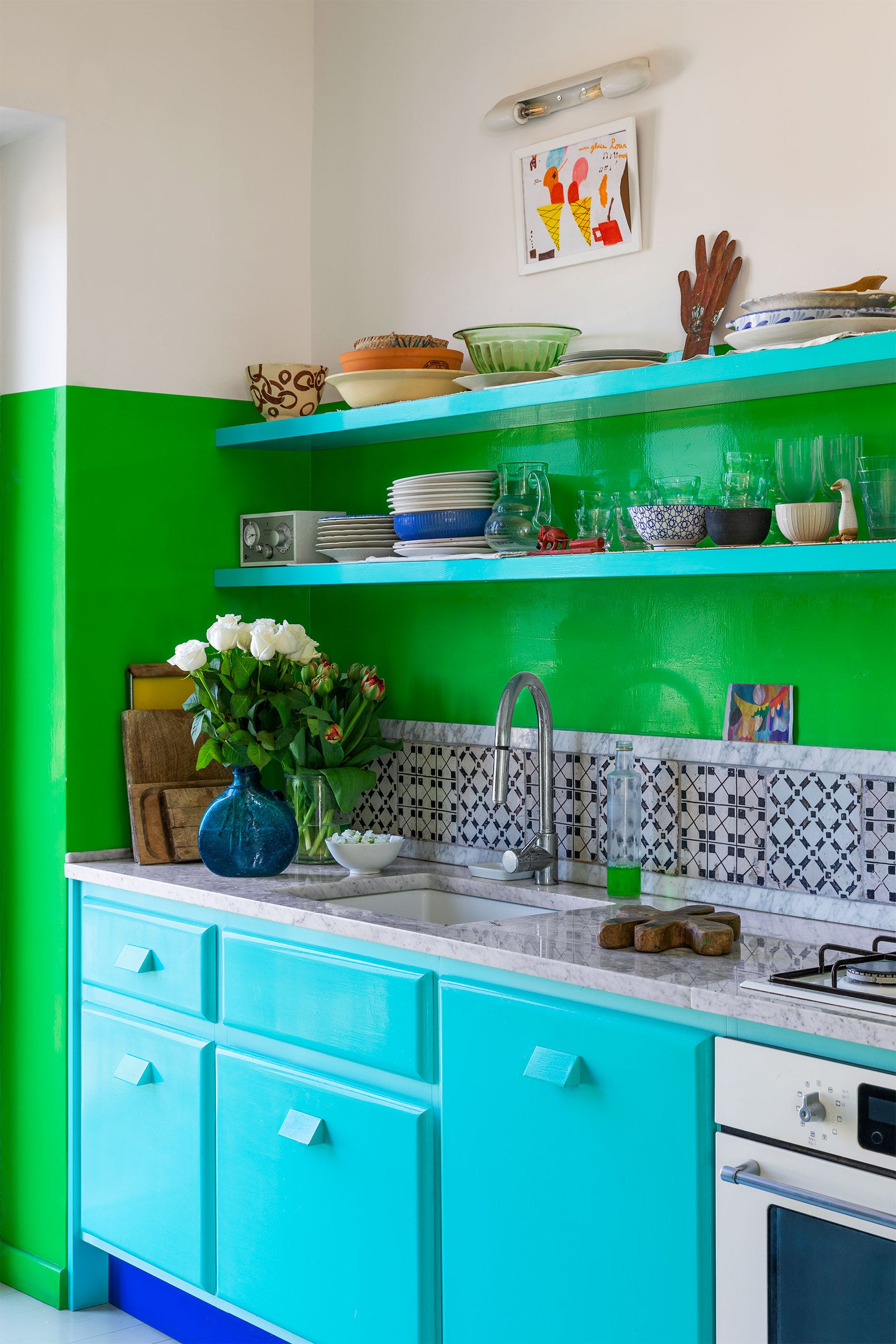
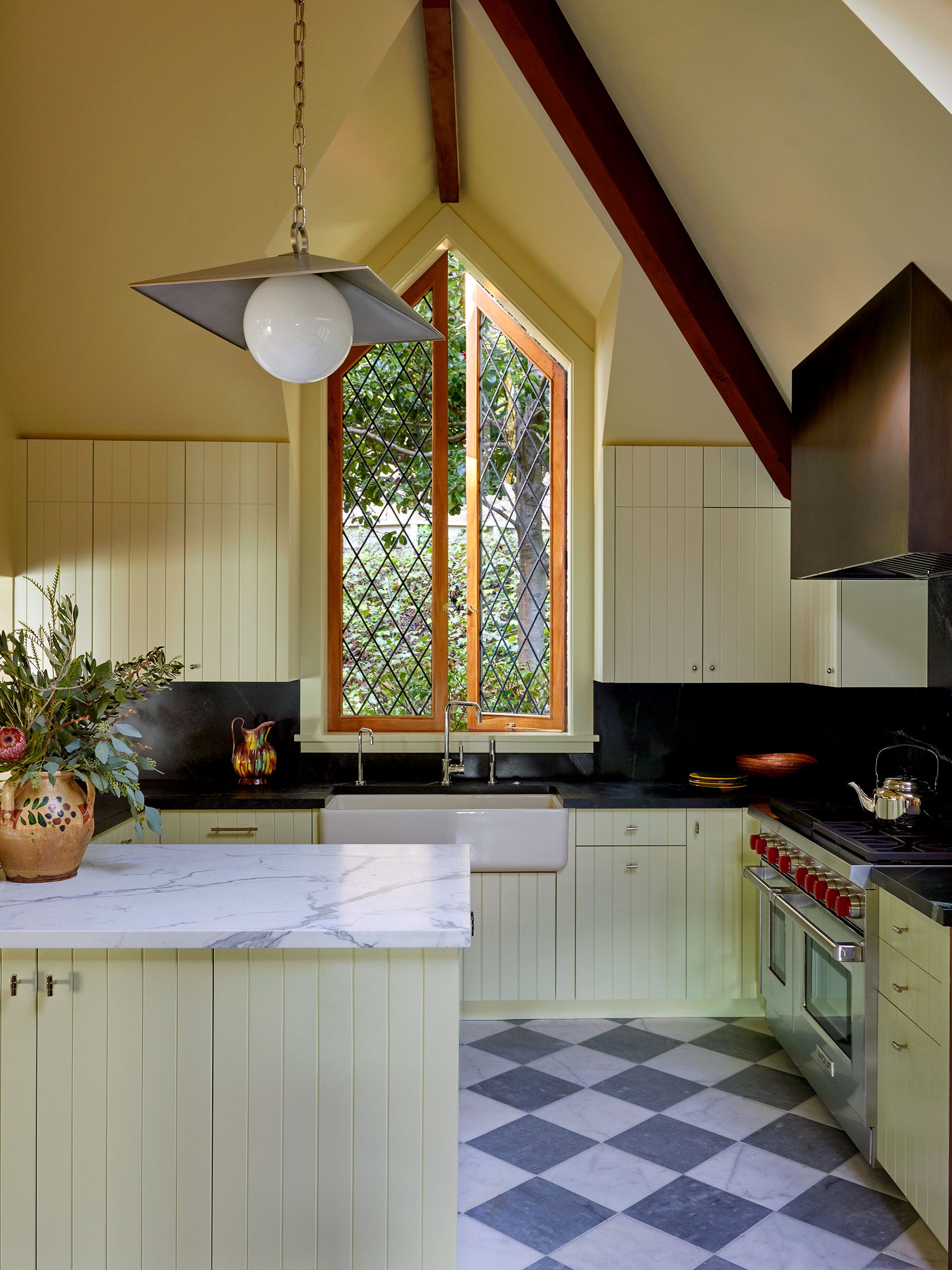
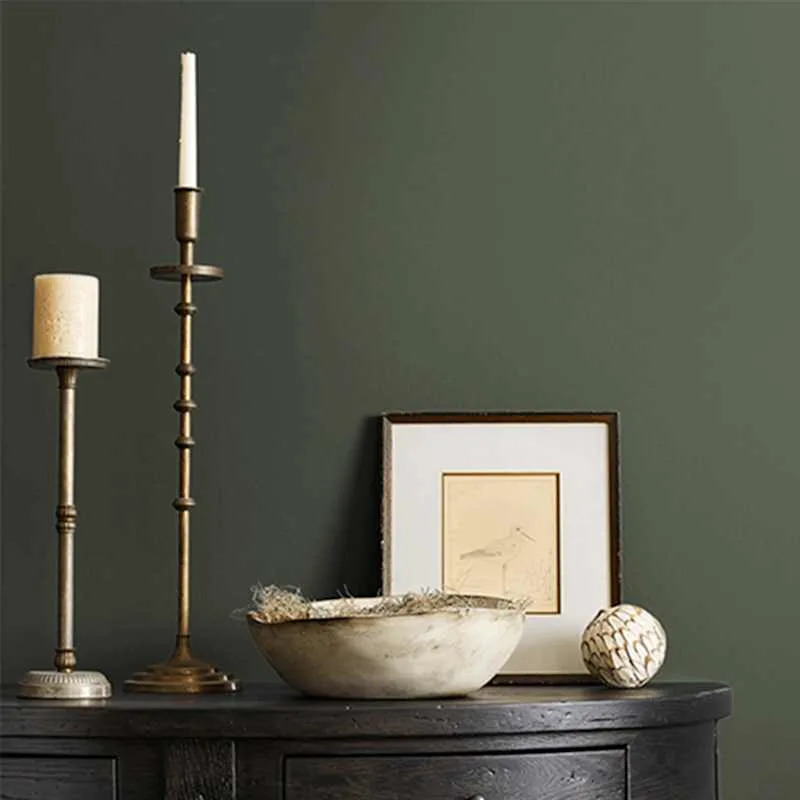
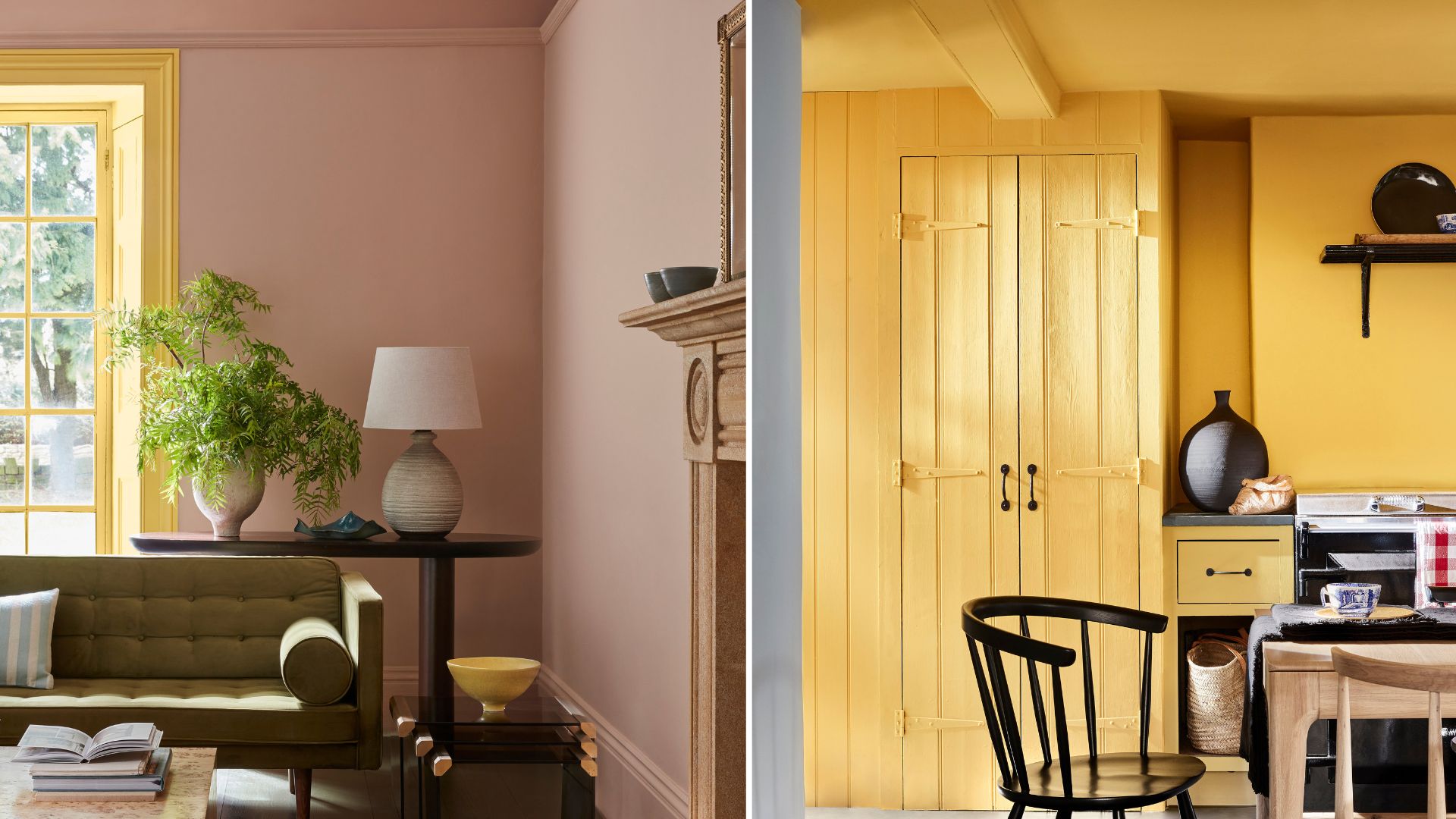
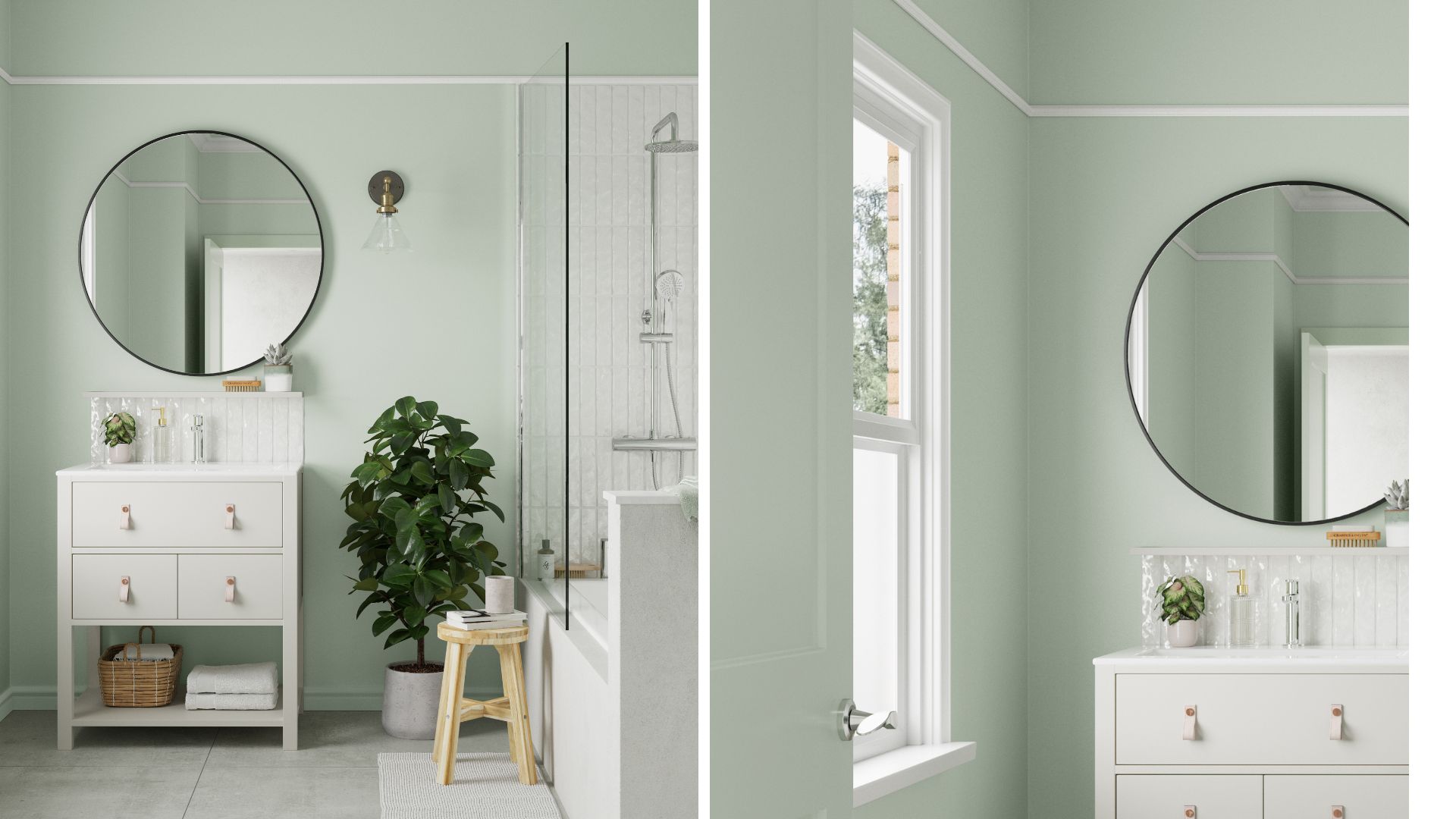
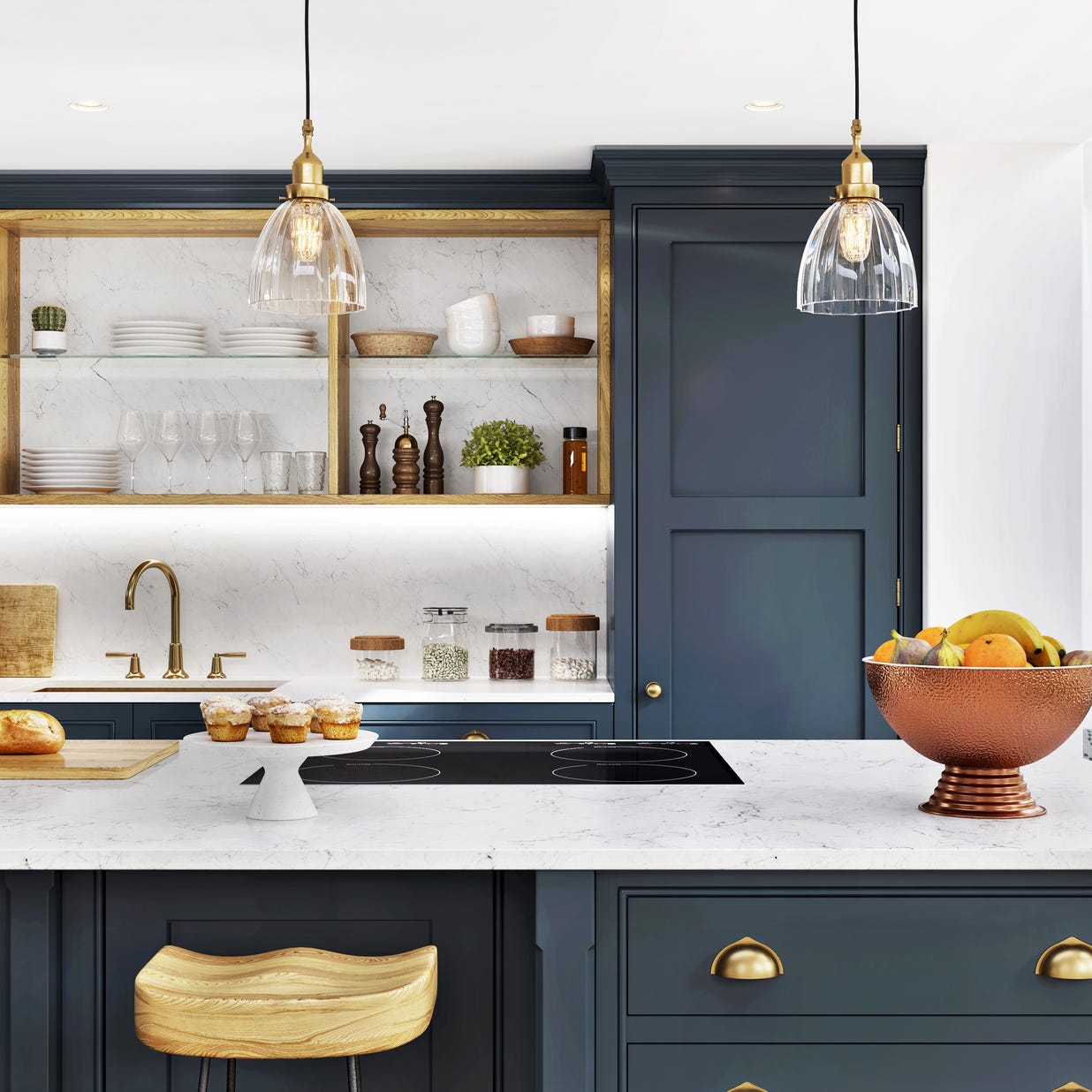
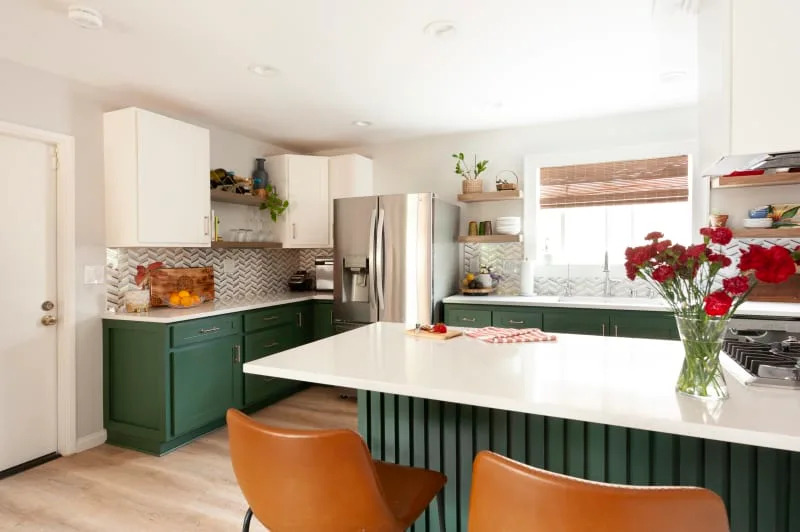
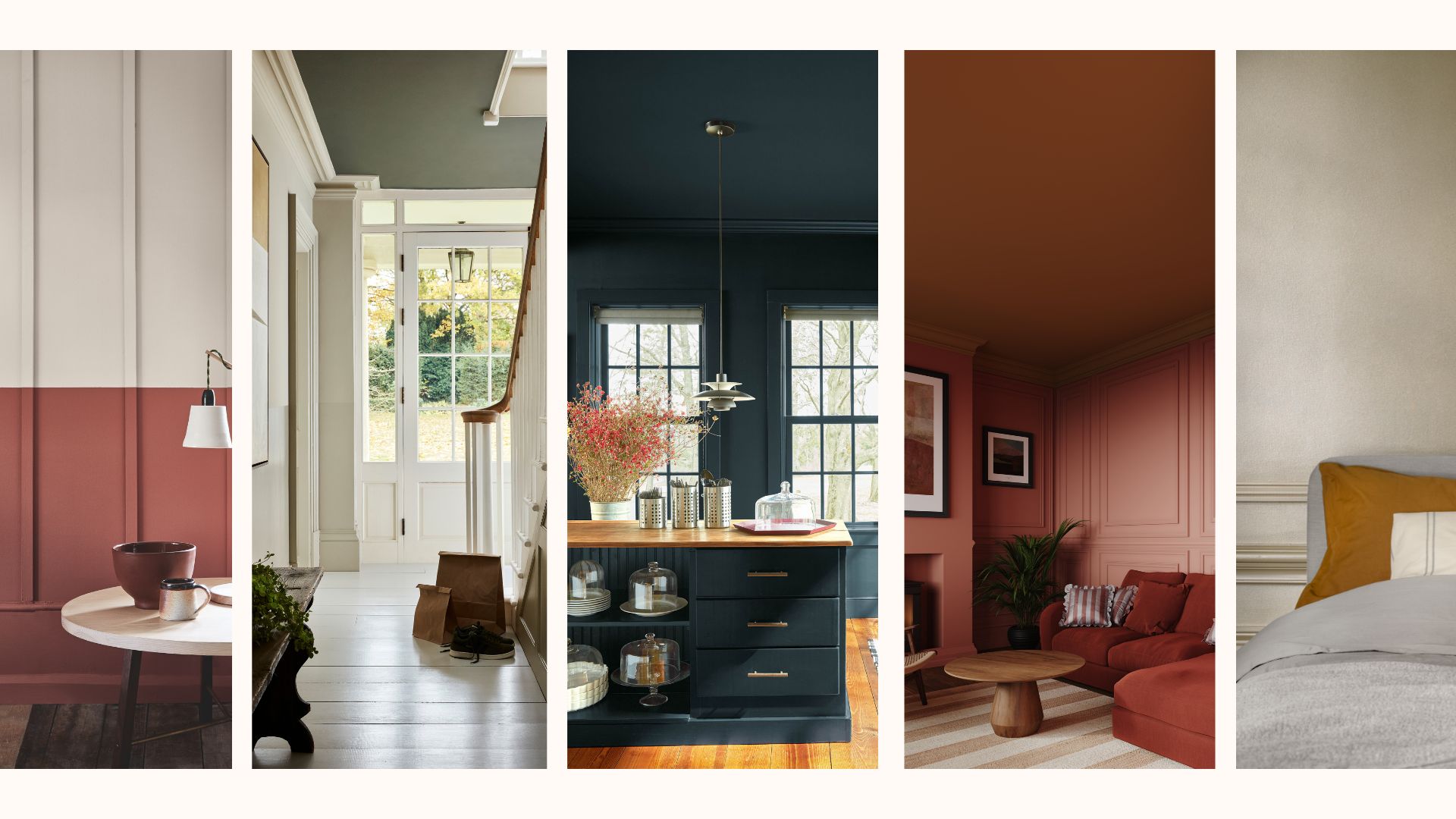
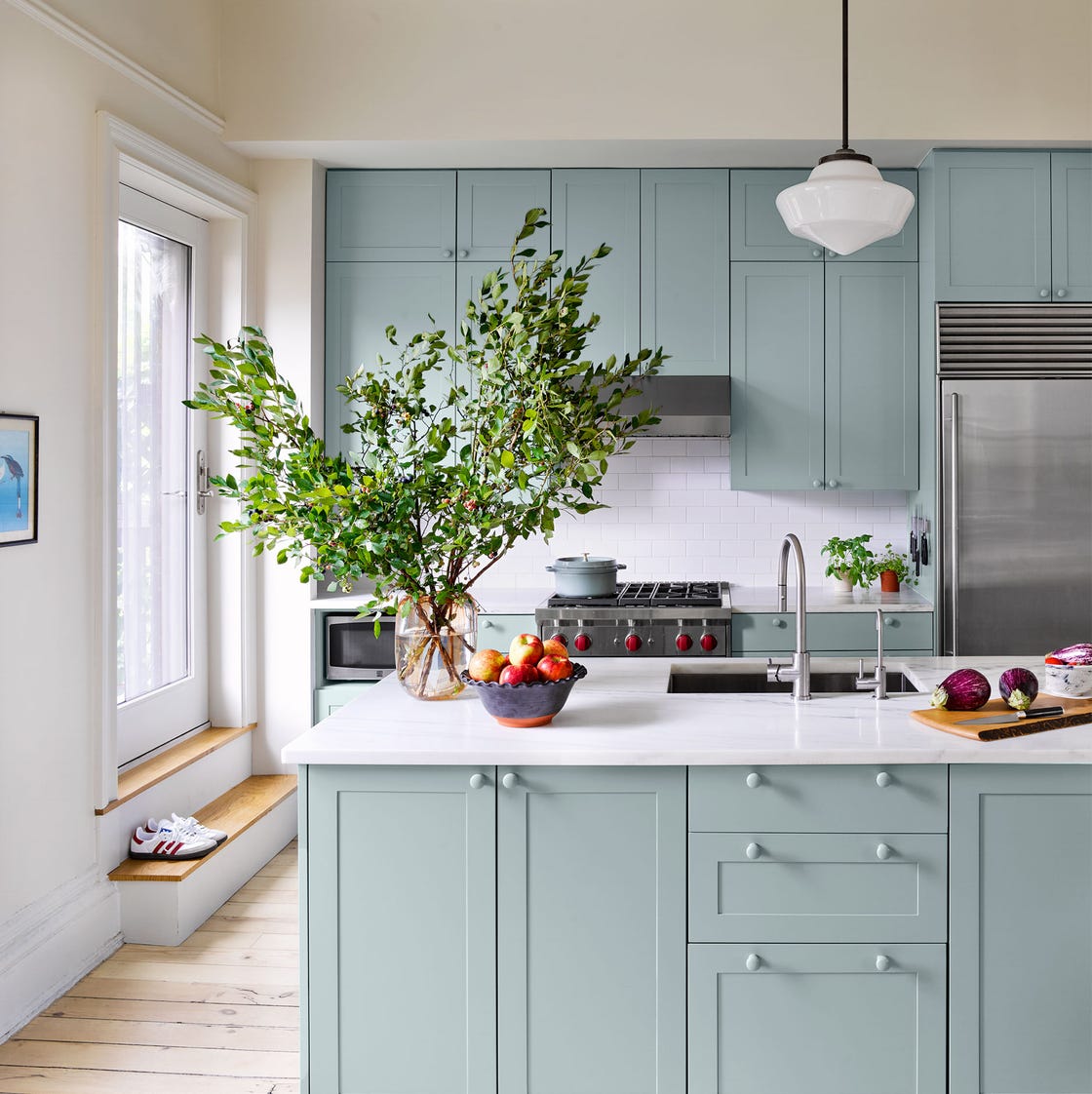
The strategic use of LRV allows homeowners to manipulate the perception of space and light within their kitchens. For instance, a high LRV paint can make a compact kitchen feel more expansive and inviting for family mealtimes. Conversely, a lower LRV paint can create a cozy and intimate atmosphere, ideal for evening entertaining. The choice ultimately depends on the desired mood and function of the kitchen. Popular paint choices like Little Greene's 'Garden' (LRV 29), Crown's 'Toasted Almond' (LRV 60), and Little Greene's 'French Grey - Pale™' (LRV 73) offer varying levels of light reflection, catering to different design preferences and spatial requirements. This principle extends beyond kitchens, proving useful for paint selection in other areas of the home, such as bathrooms, to enhance the sense of space and light.
#LightReflectiveValue #KitchenDesign #PaintSelection #SmallSpaceSolutions #InteriorDesignTips #ColorPsychology #HomeImprovement #KitchenPaint #LightReflectiveValue #KitchenDesign #PaintSelection #SmallSpaceSolutions #InteriorDesignTips #ColorPsychology #HomeImprovement #KitchenPaint
0 ความคิดเห็นรวม
 ยังไม่มีความคิดเห็น
คุณอาจจะชอบอีกด้วย
These Colors Will Make Your Kitchen Look Bigger, According to Designers

The 13 Best Paint Colors for Low-Light Rooms

10 kitchen wall decor ideas – how to create something unique with paint, paper, prints, and more

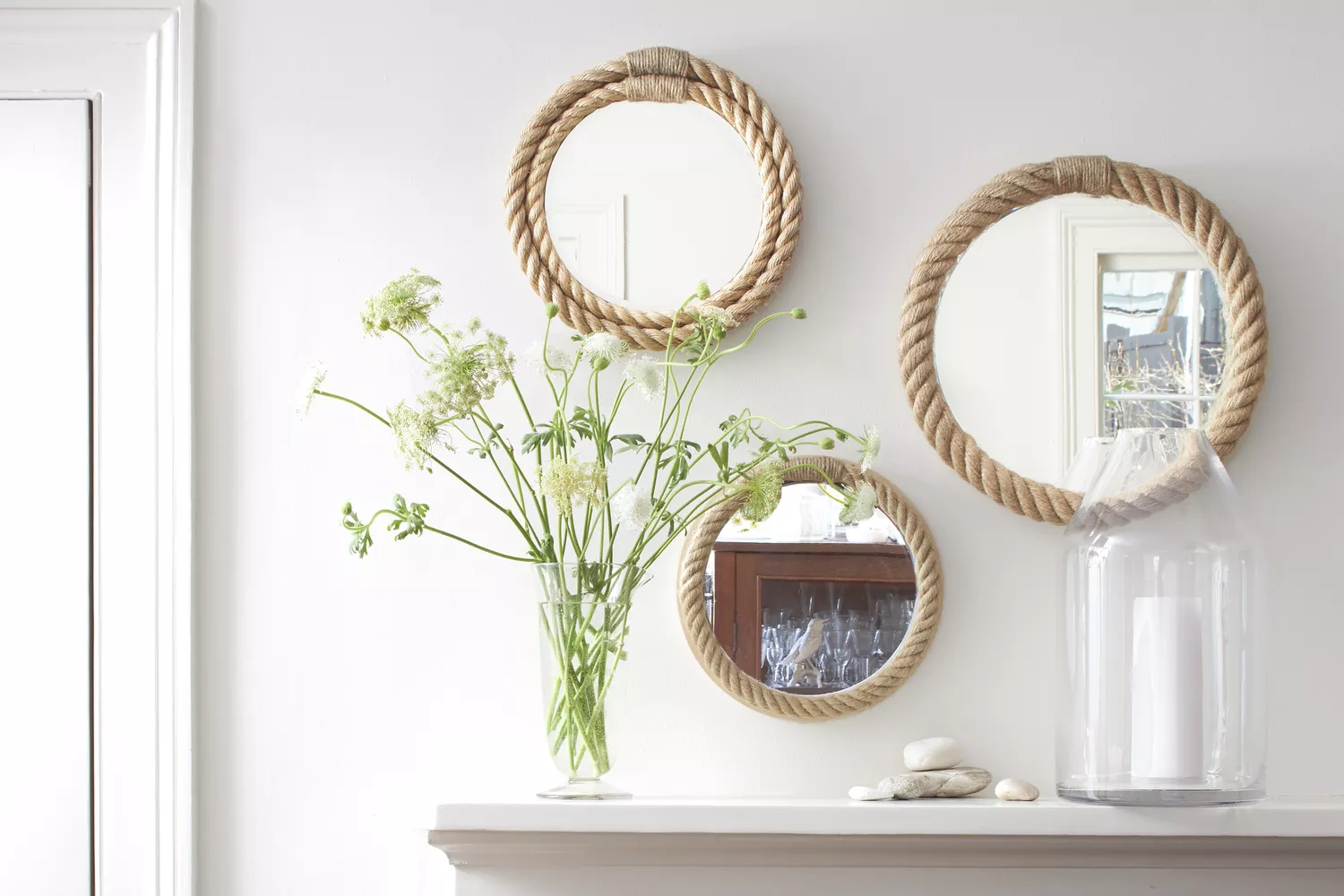
10 Ways to Brighten a Dark Room, According to Interior Designers

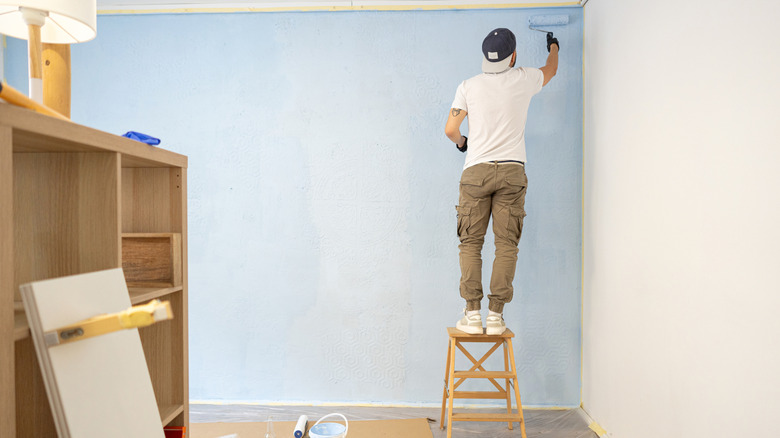
12 Tips For Making Small Rooms Appear Larger Using Paint

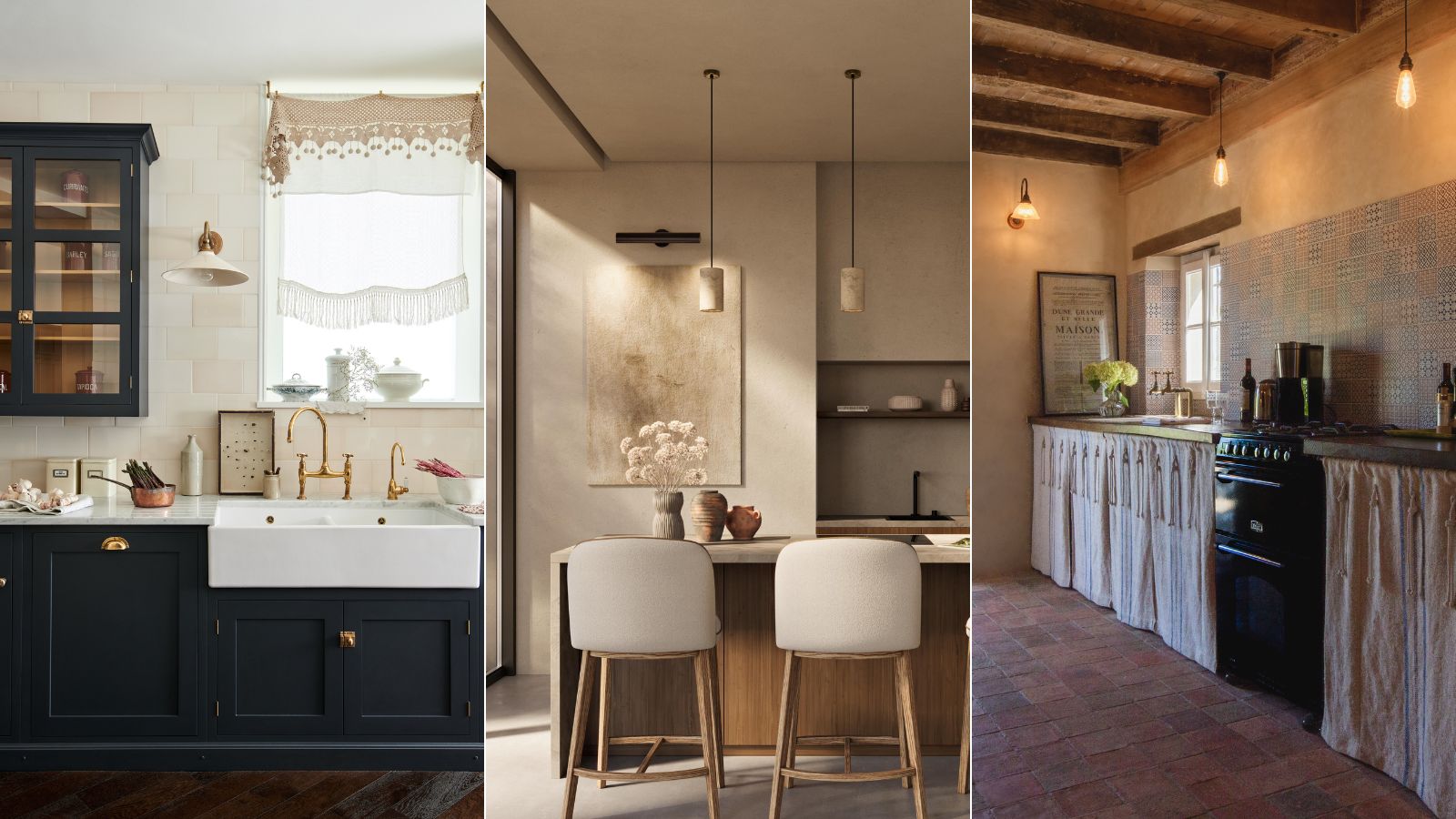
Designers say that lighting is the easiest way to elevate your kitchen
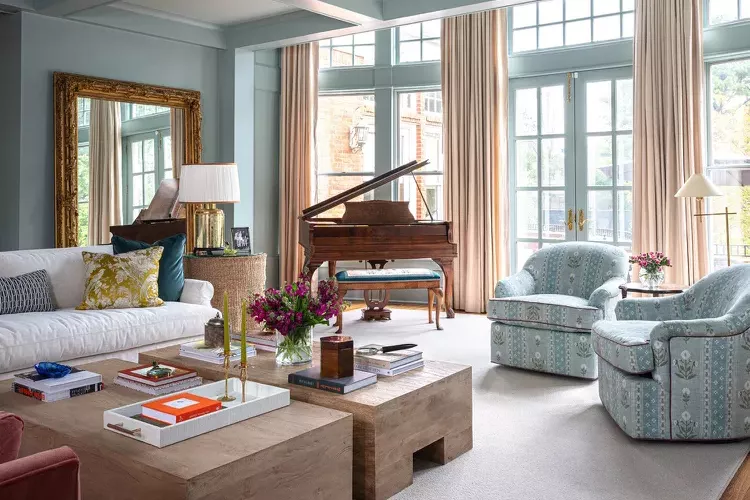
12 Paint Colors That Will Make Any Room Look Bigger
This Kitchen Cabinet Color Can Increase Your Home’s Value by Thousands, According to Zillow

Lighting ideas for small kitchens – 10 ways to brighten up compact rooms

Want to Save Money on Your Heating Bills? Your Paint Color Might Help, Pros Say

Cooking in a Shoebox-Sized Kitchen? 9 Paint Colors to Open Up the Room
How to make a room look bigger with paint: 10 expert tips

14 Genius Painting Tricks That Will Make a Room Look Bigger

10 kitchen cabinet colors to make a small space look bigger

This "trend-defying" kitchen color could make your home sell for thousands of dollars more, say experts
11 WORST Kitchen Design Mistakes You're Probably Making

So You Live in a Lightless Cave. Here’s How to Create the Illusion of Sunshine
These 6 paint colours instantly make small rooms feel bigger
20 Kitchen Paint Colors to Try in 2024
7 Paint Colors That Make Your Kitchen Look Smaller, According to Interior Designers