1/5
What color should you paint interior doors? The ideas to try, and what they say about your design personality
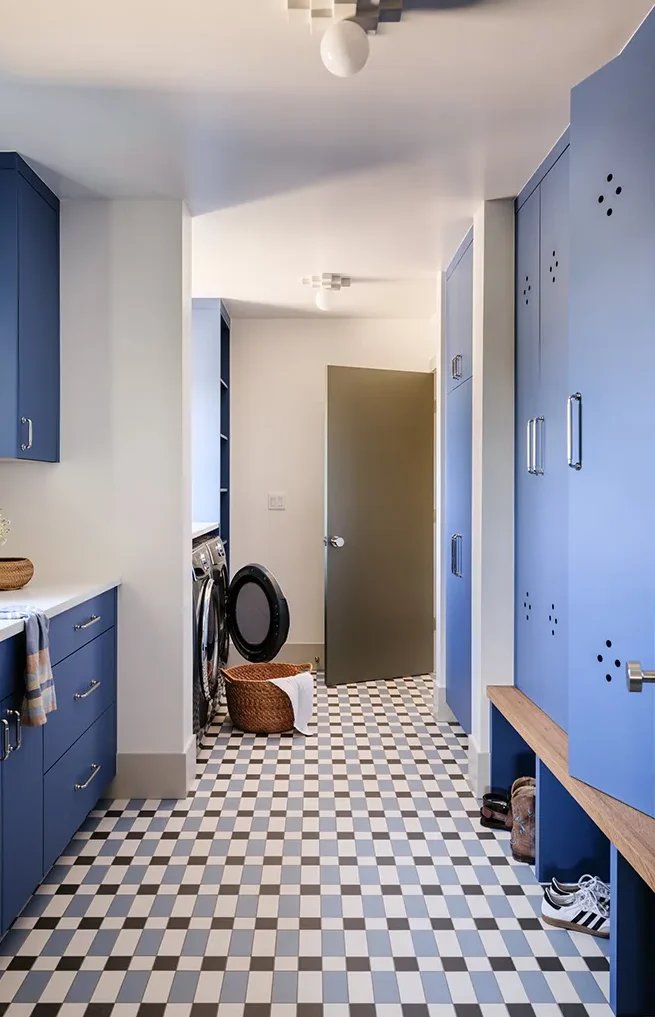
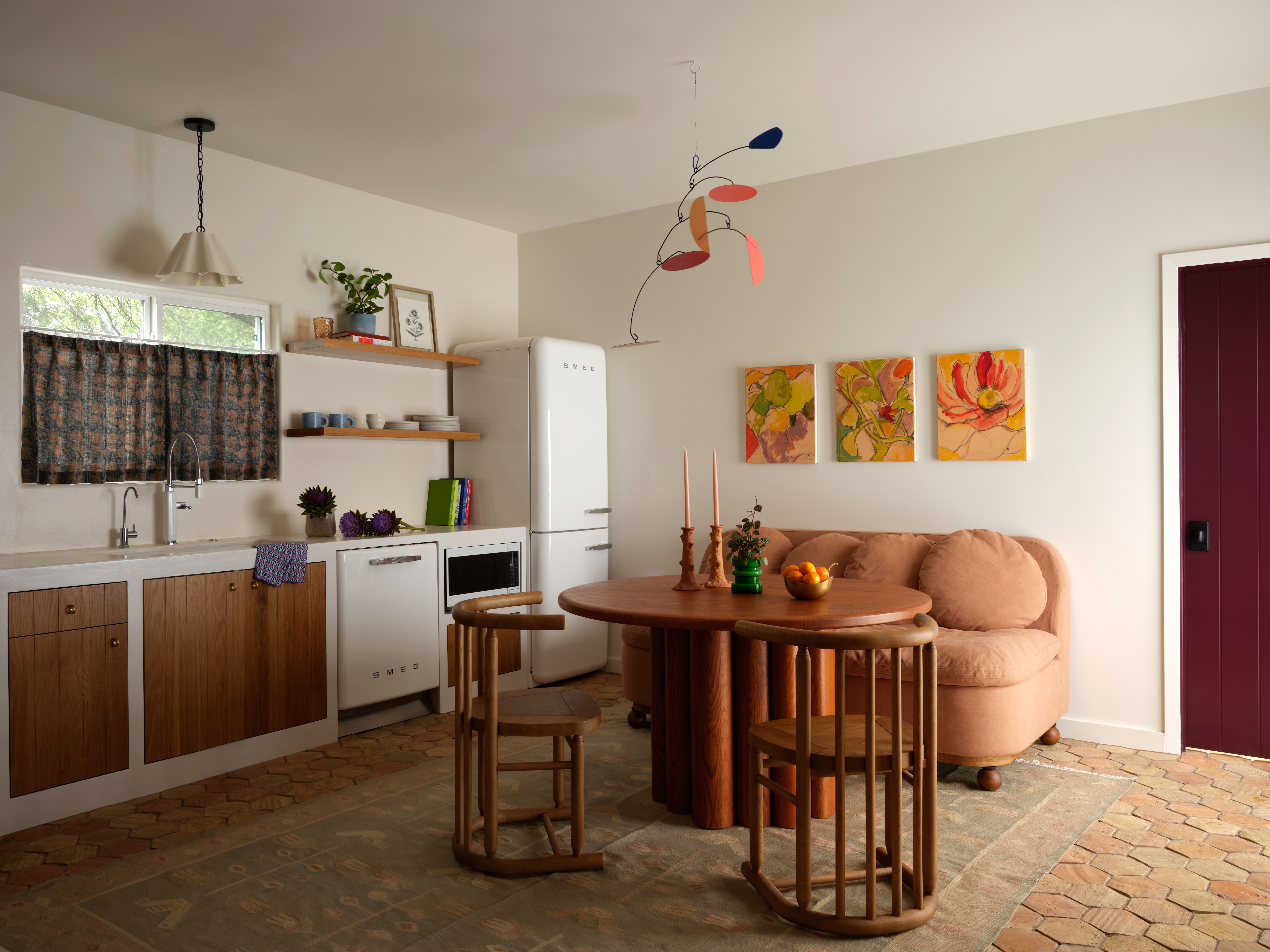
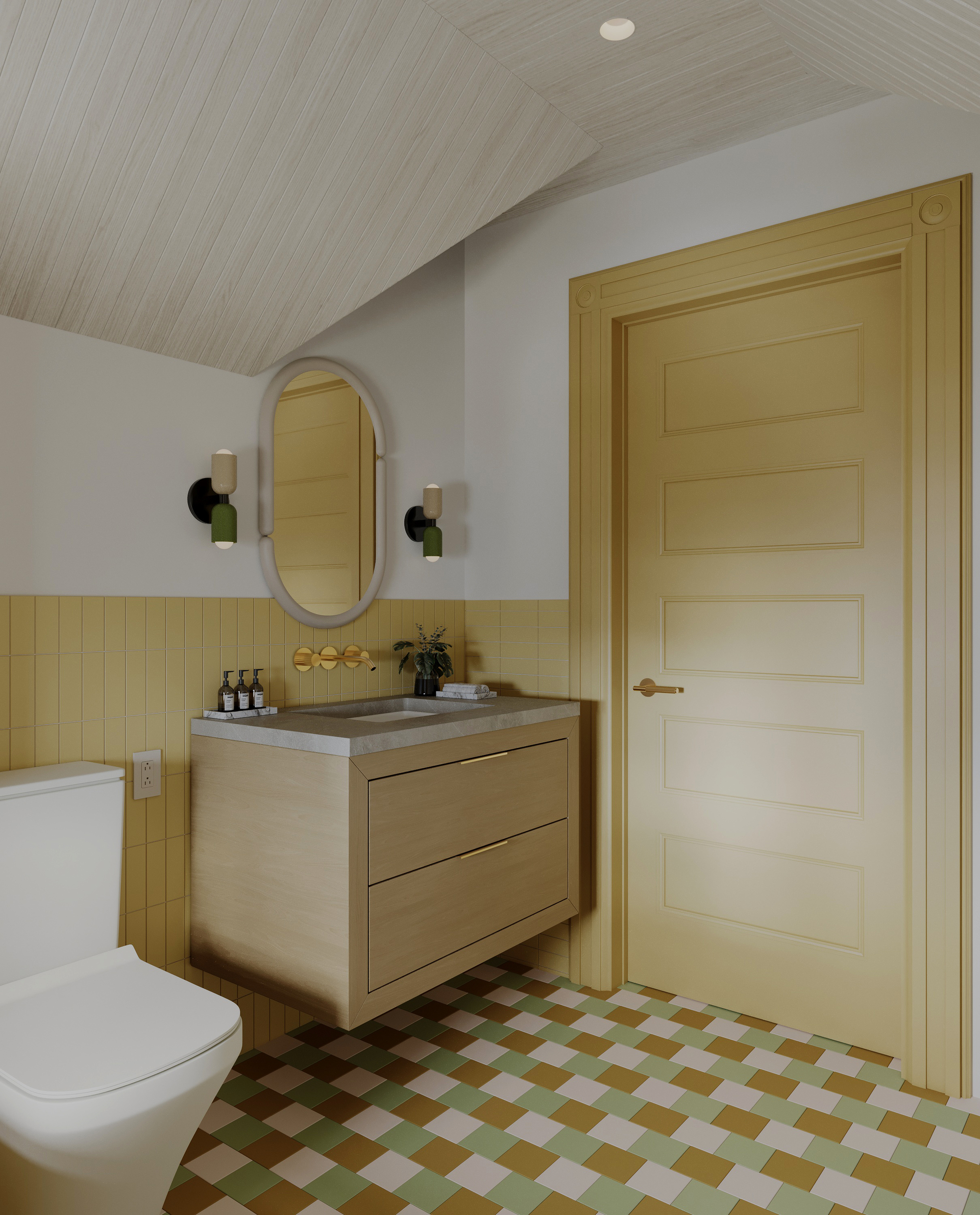
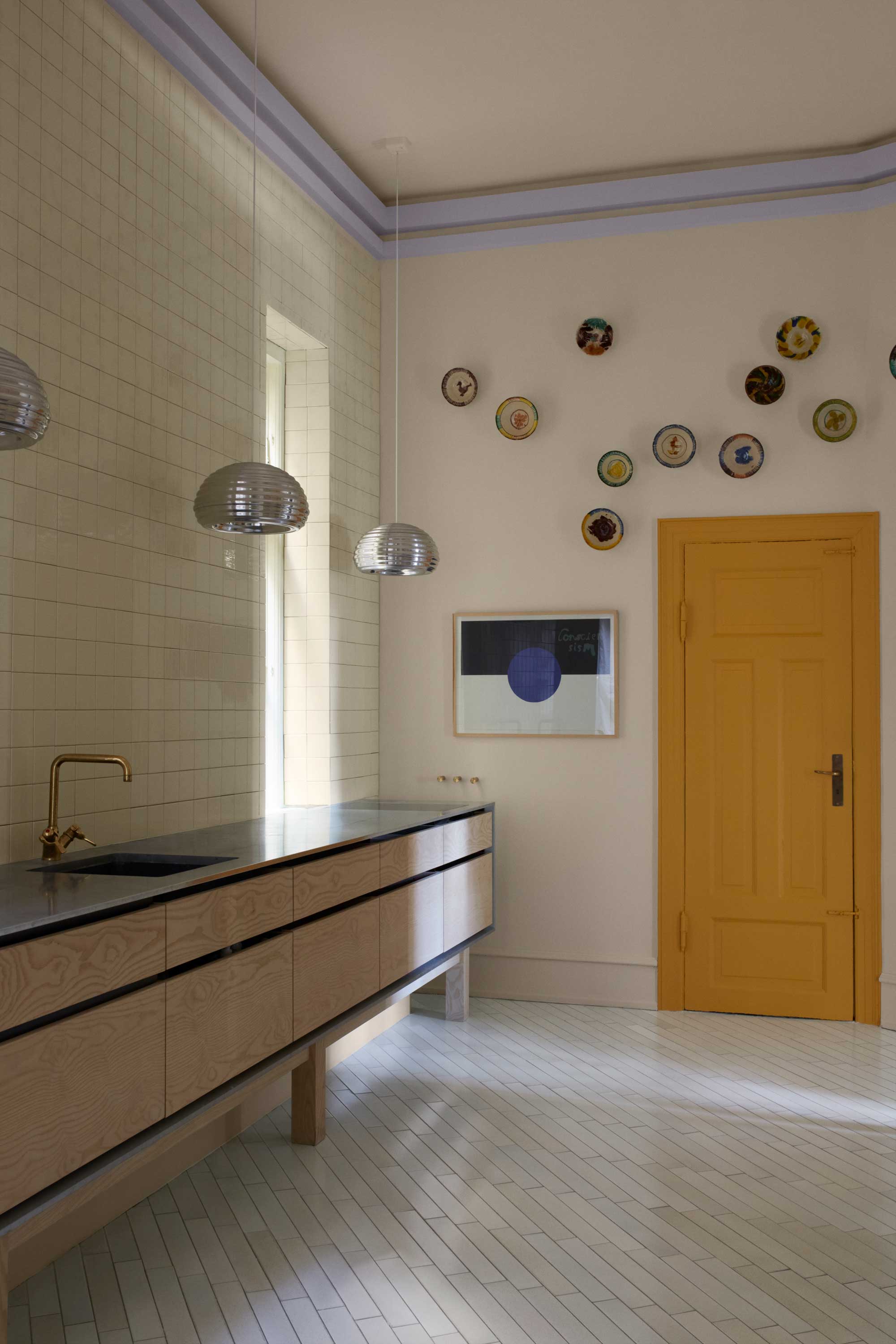
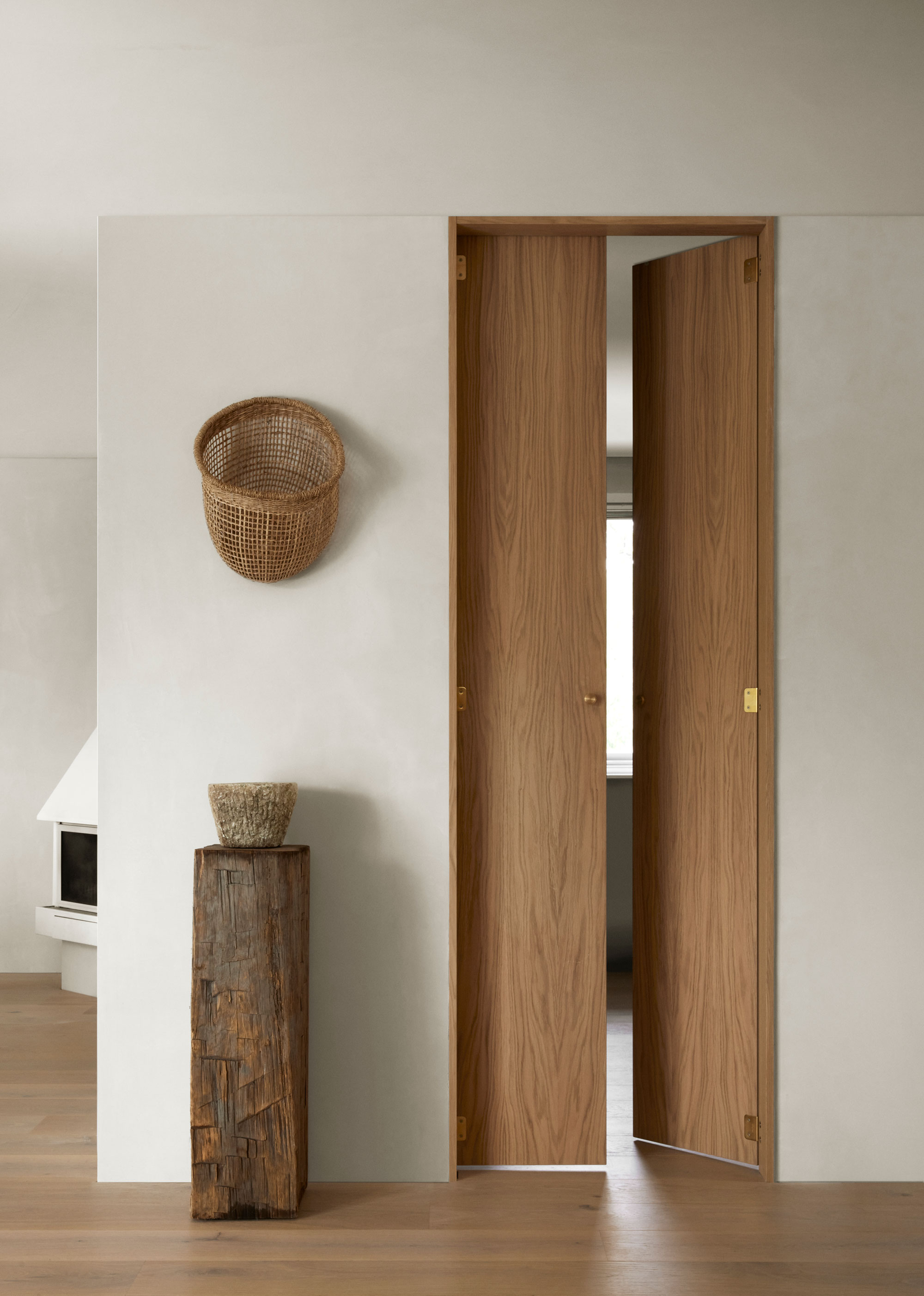
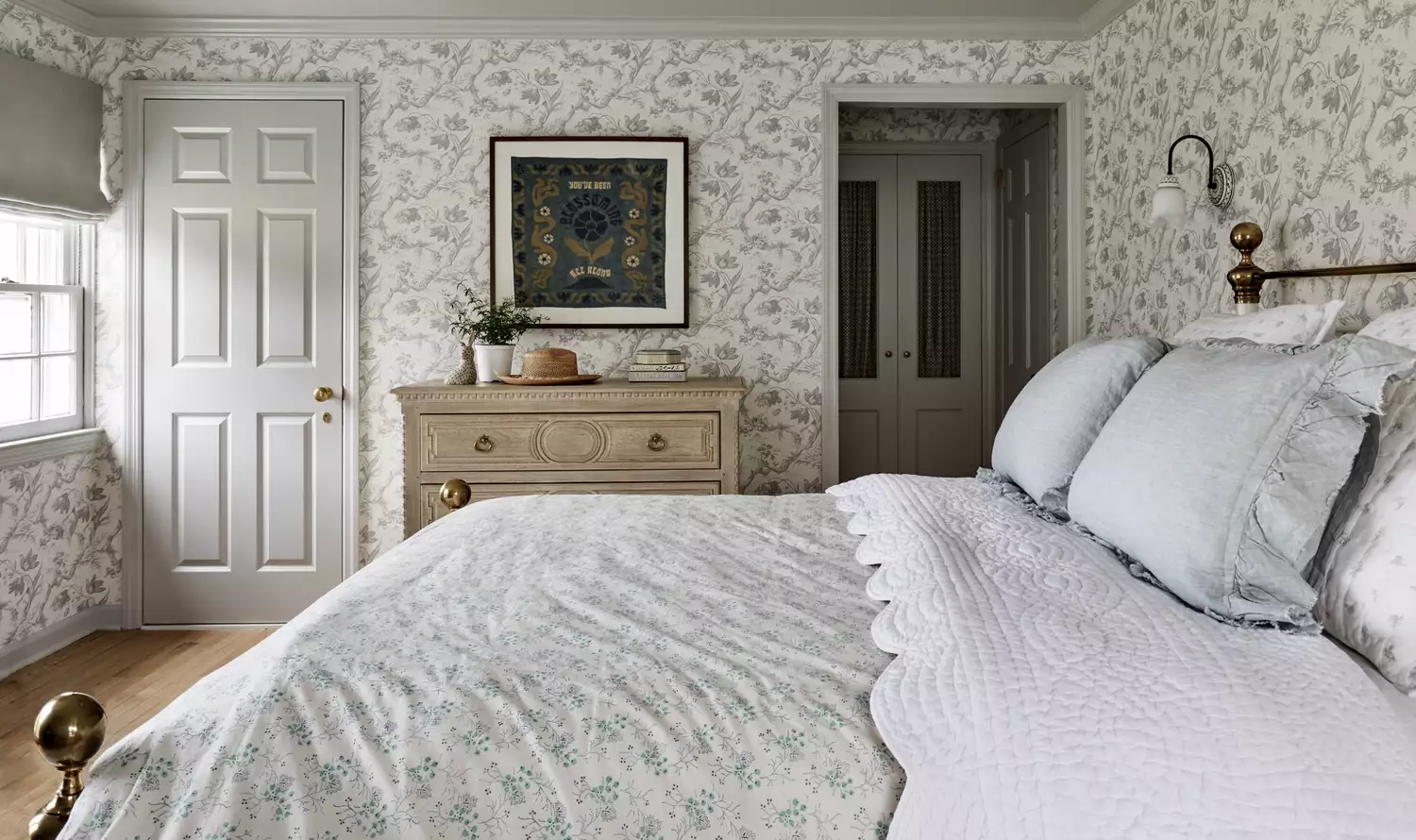
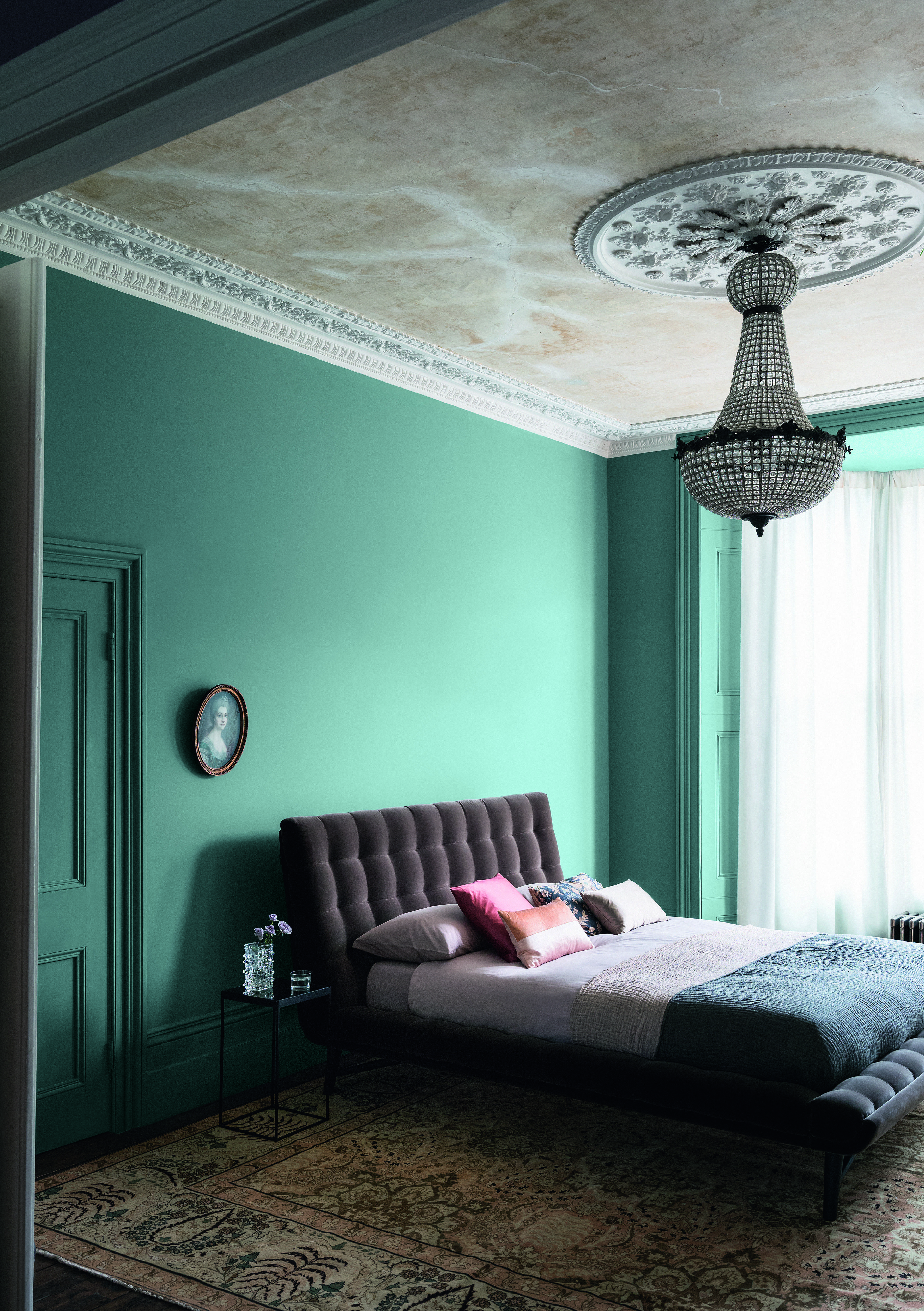
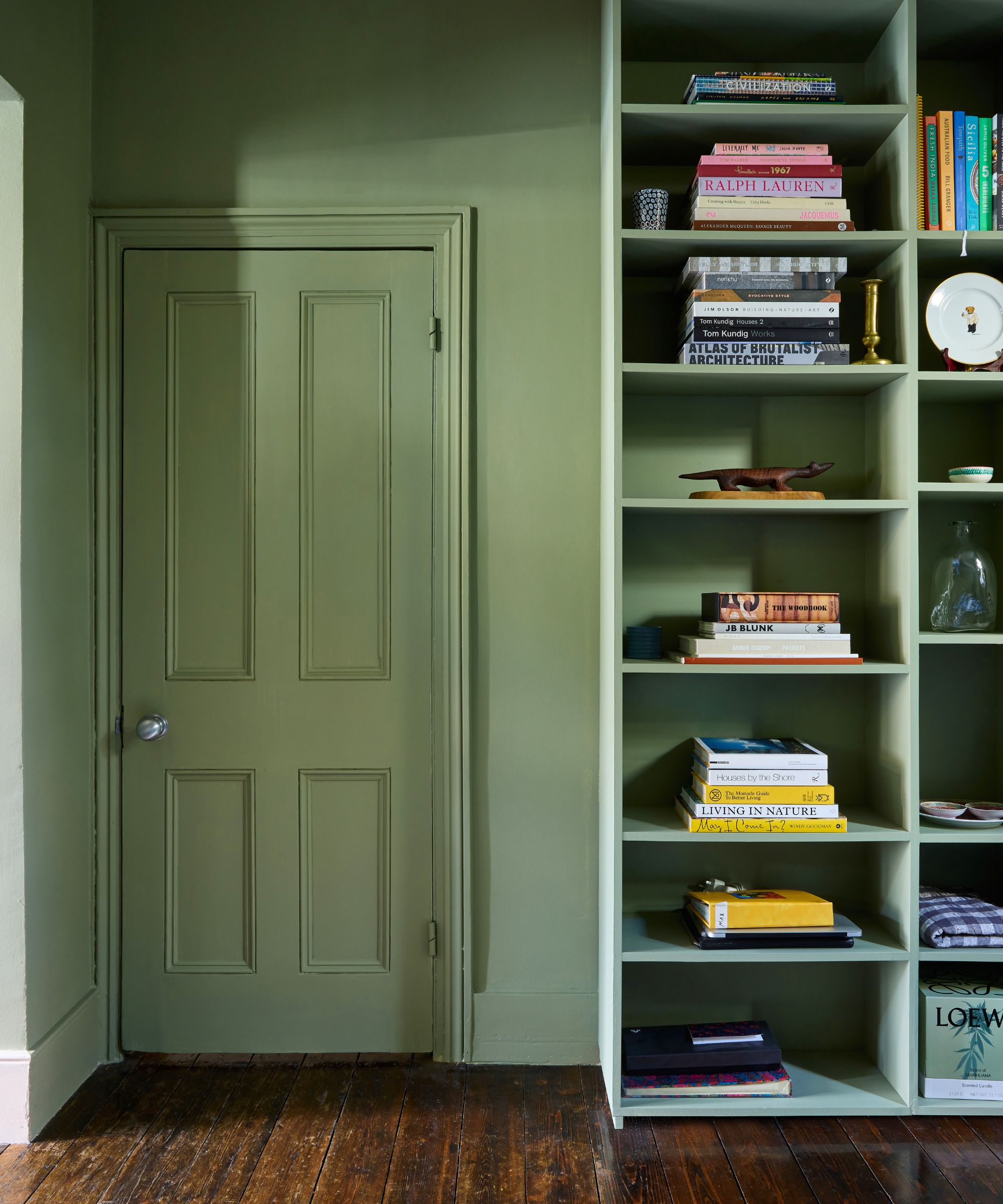
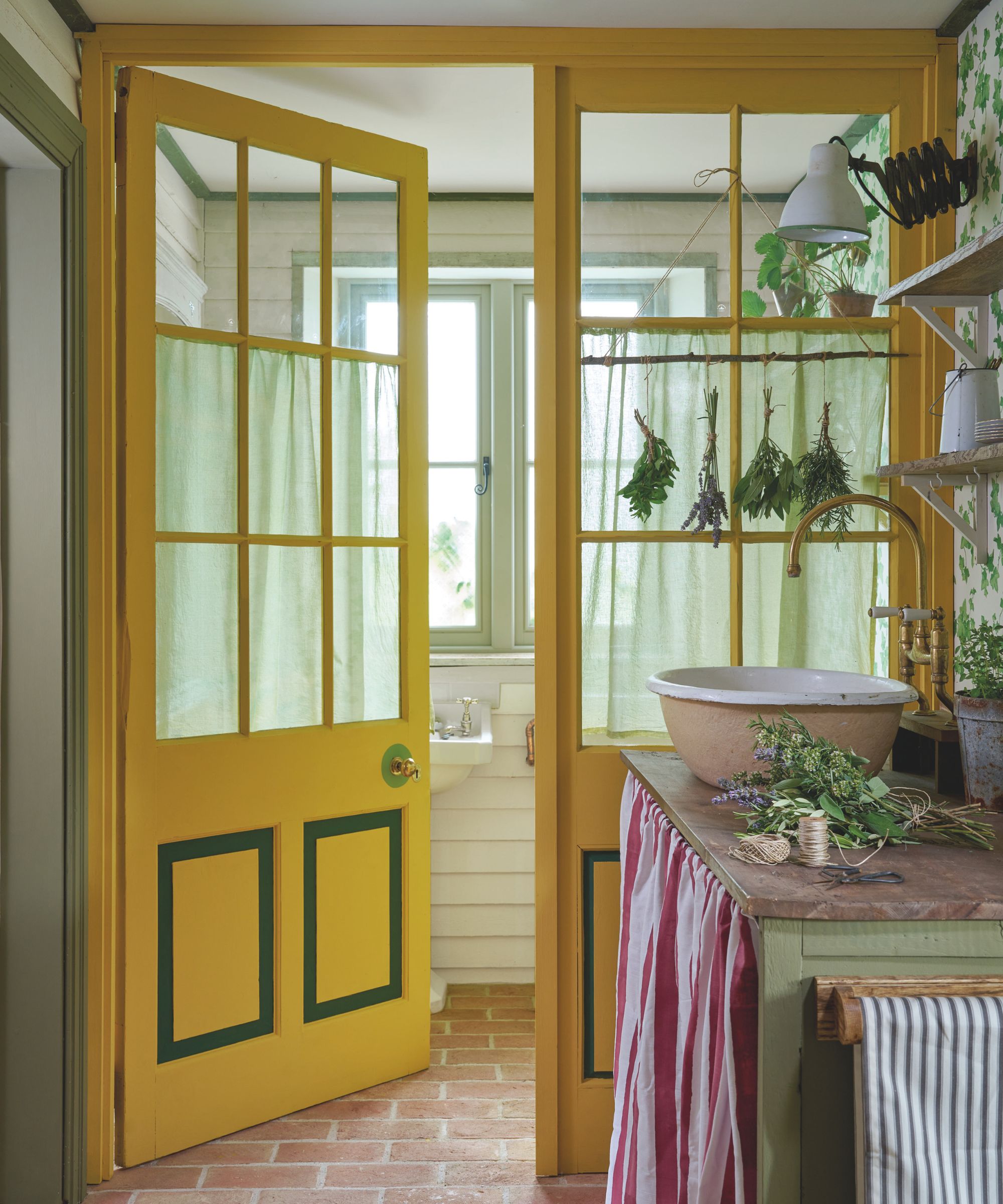
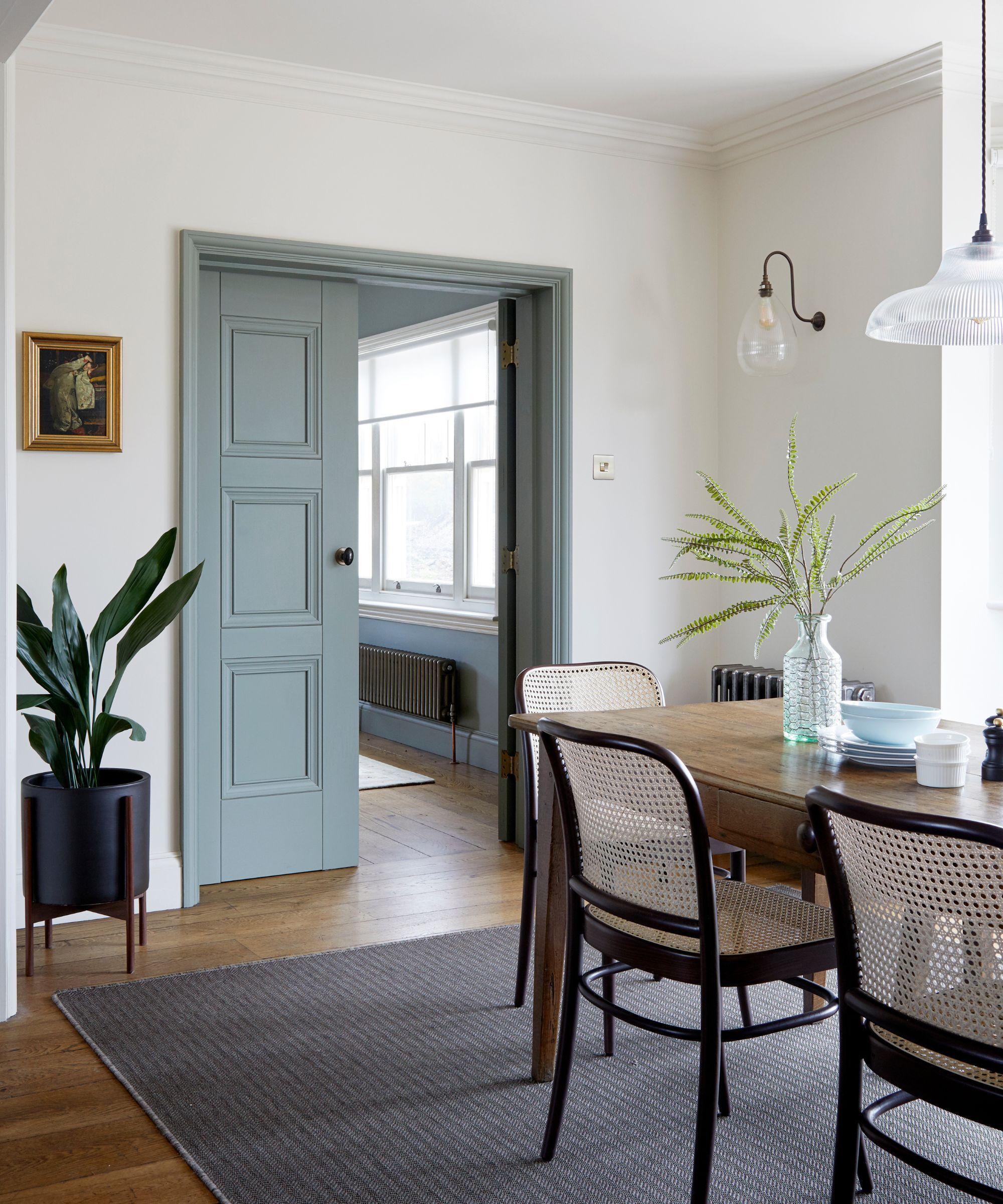
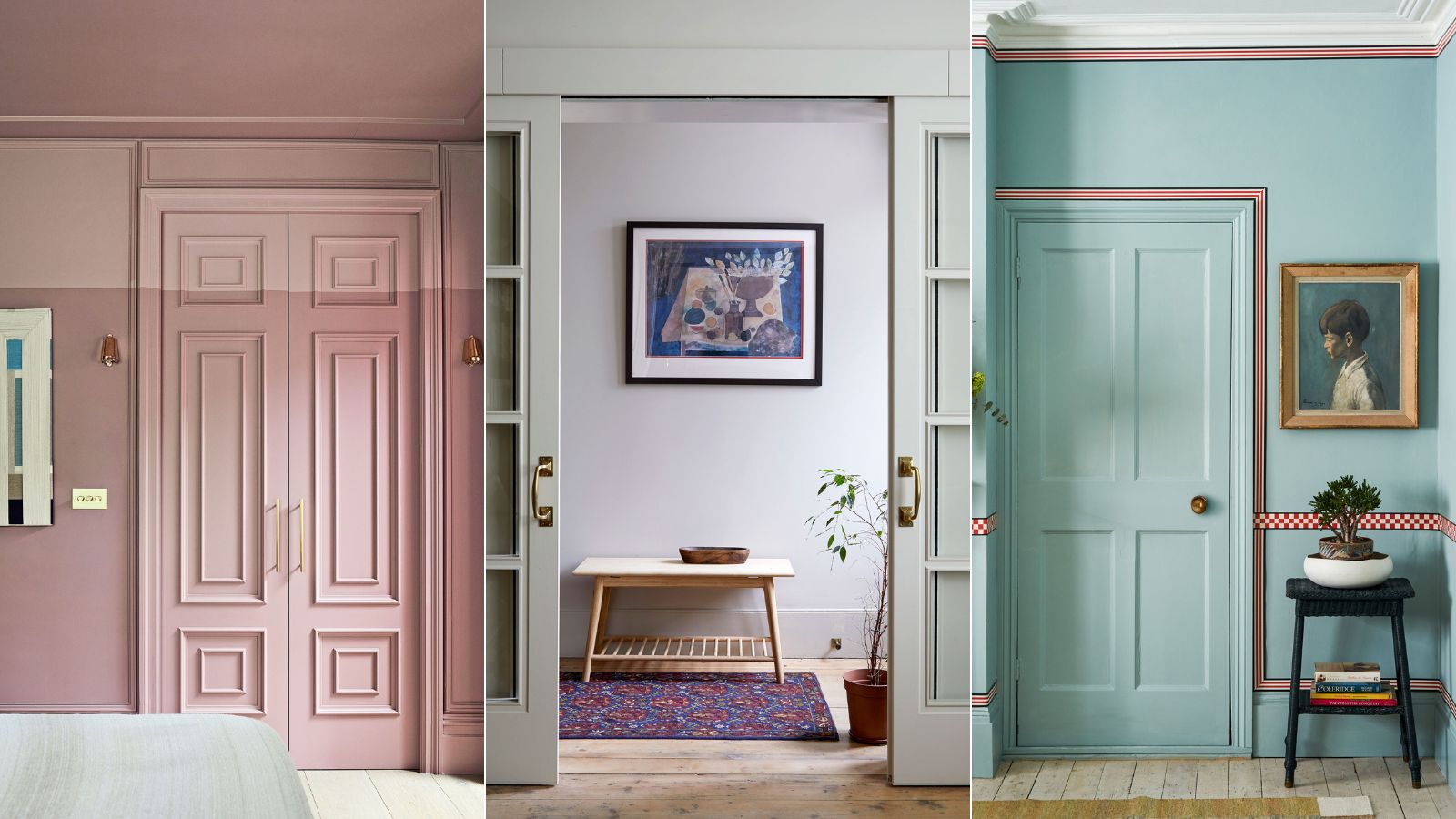
When planning interior design, the color of interior doors is often overlooked, with attention primarily focused on wall colors. However, experts emphasize that doors should not be an afterthought, as their color choice can significantly impact the overall aesthetic and perception of a space. There are primarily two approaches to painting interior doors: either matching them to the walls to create a seamless, cohesive look, or painting them a contrasting color to make a statement and highlight architectural features.
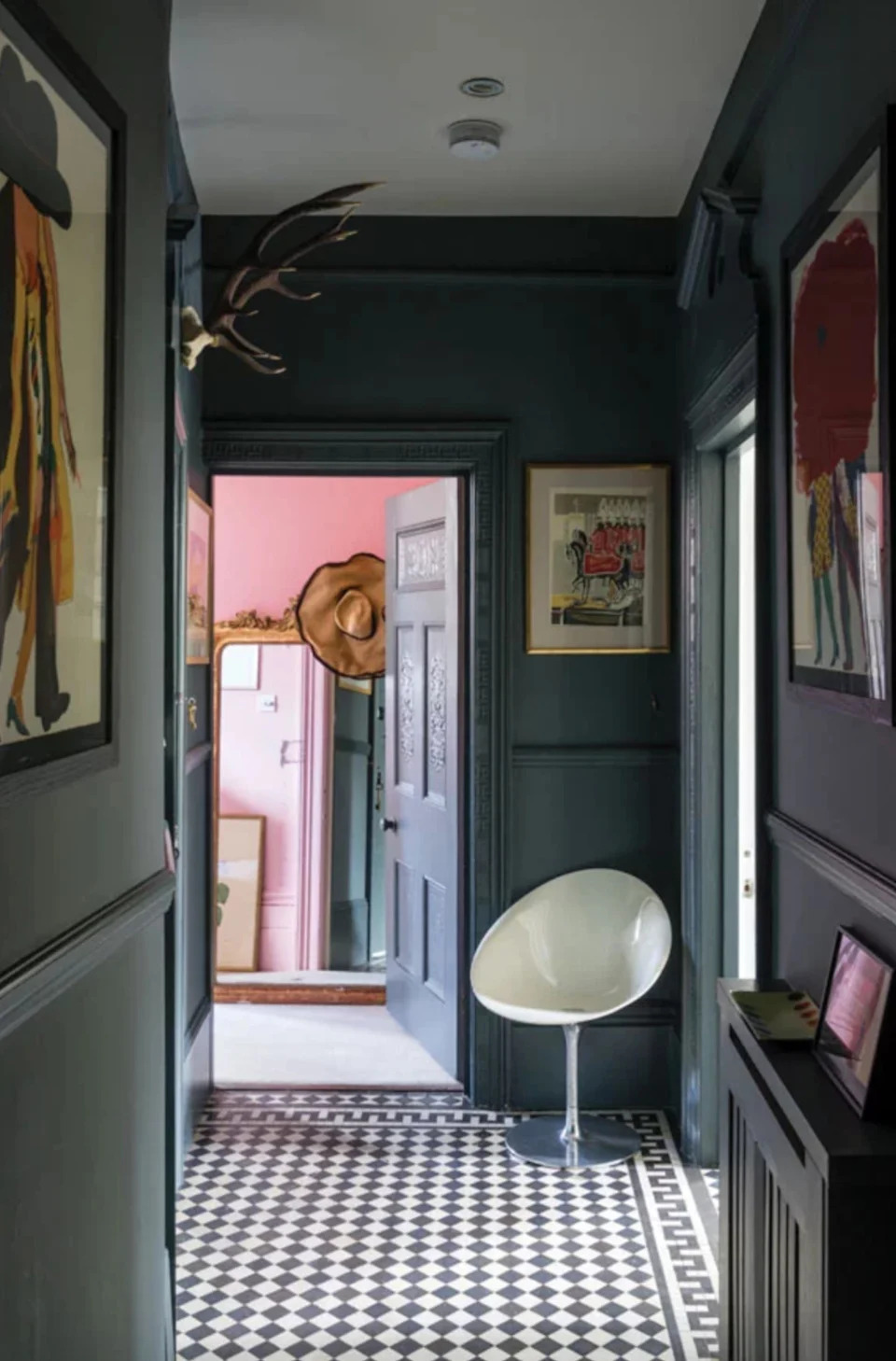
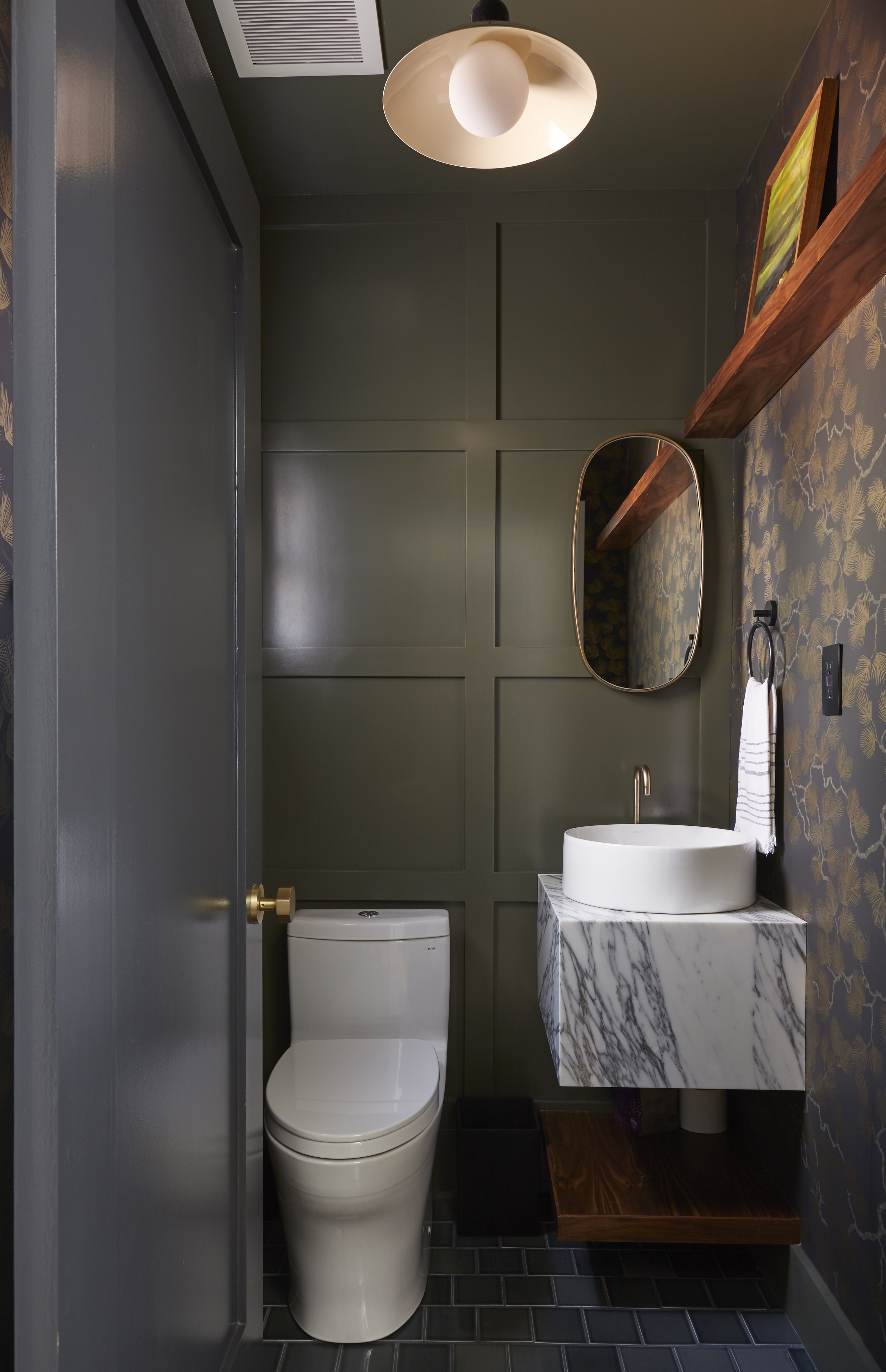
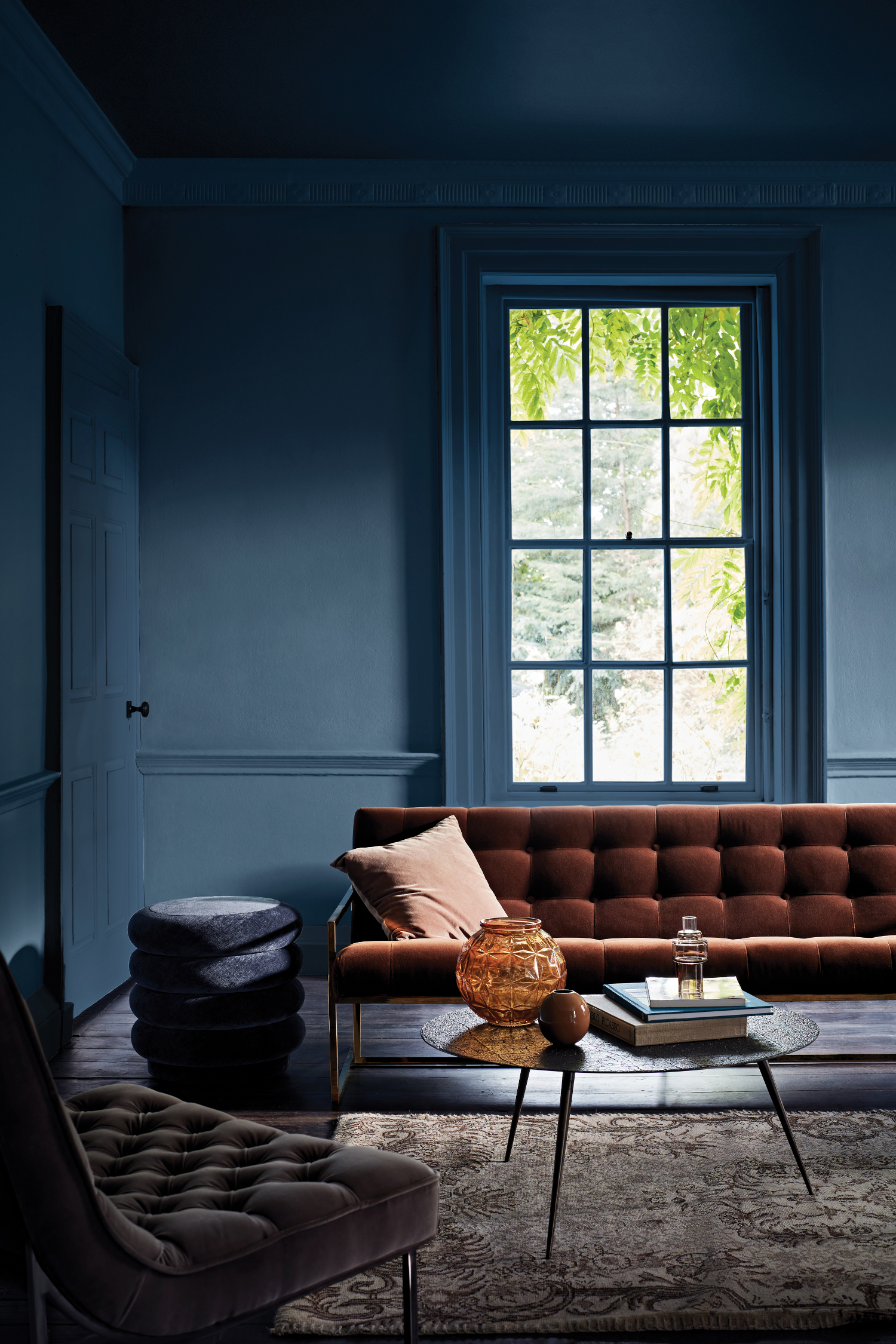
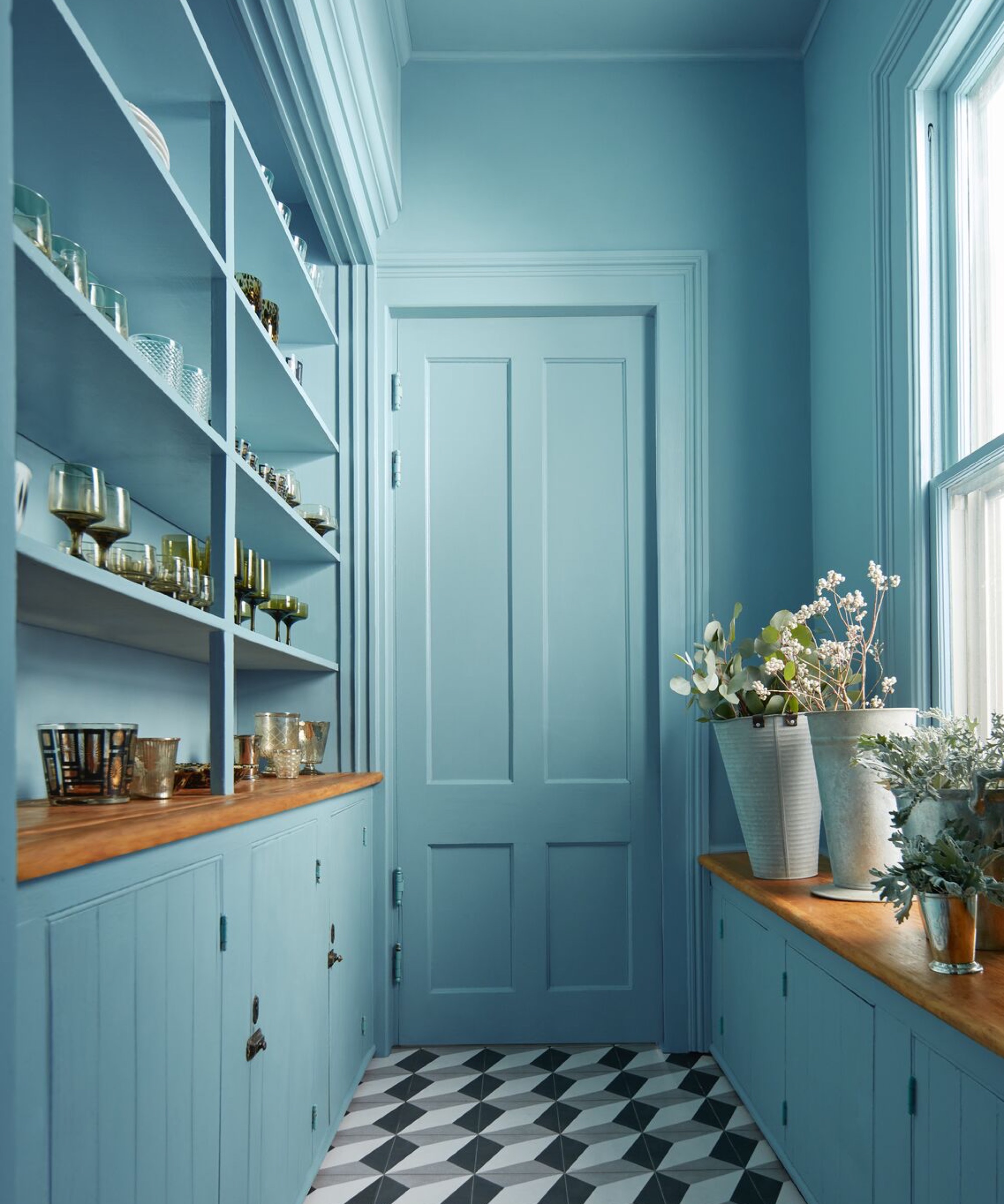
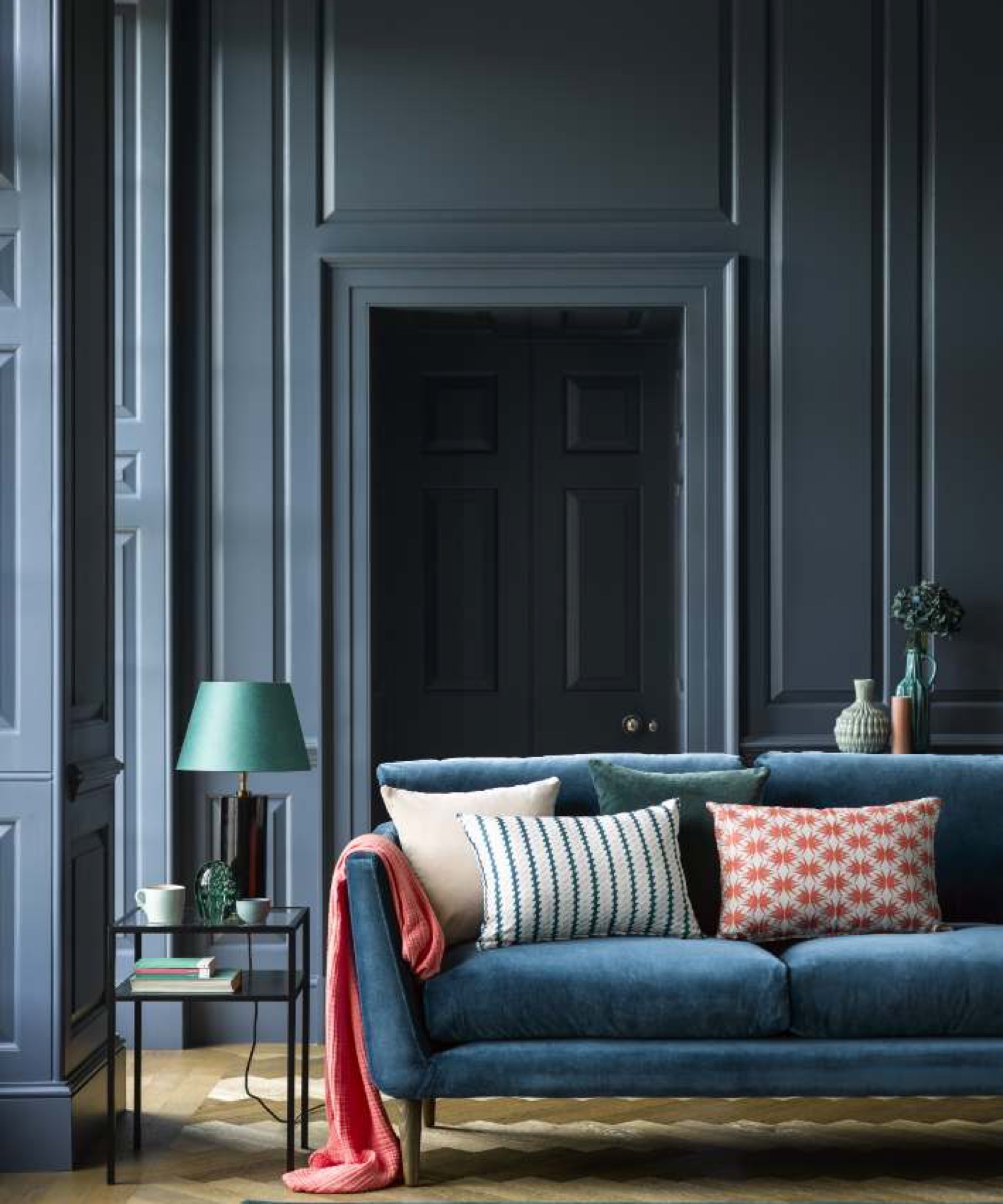
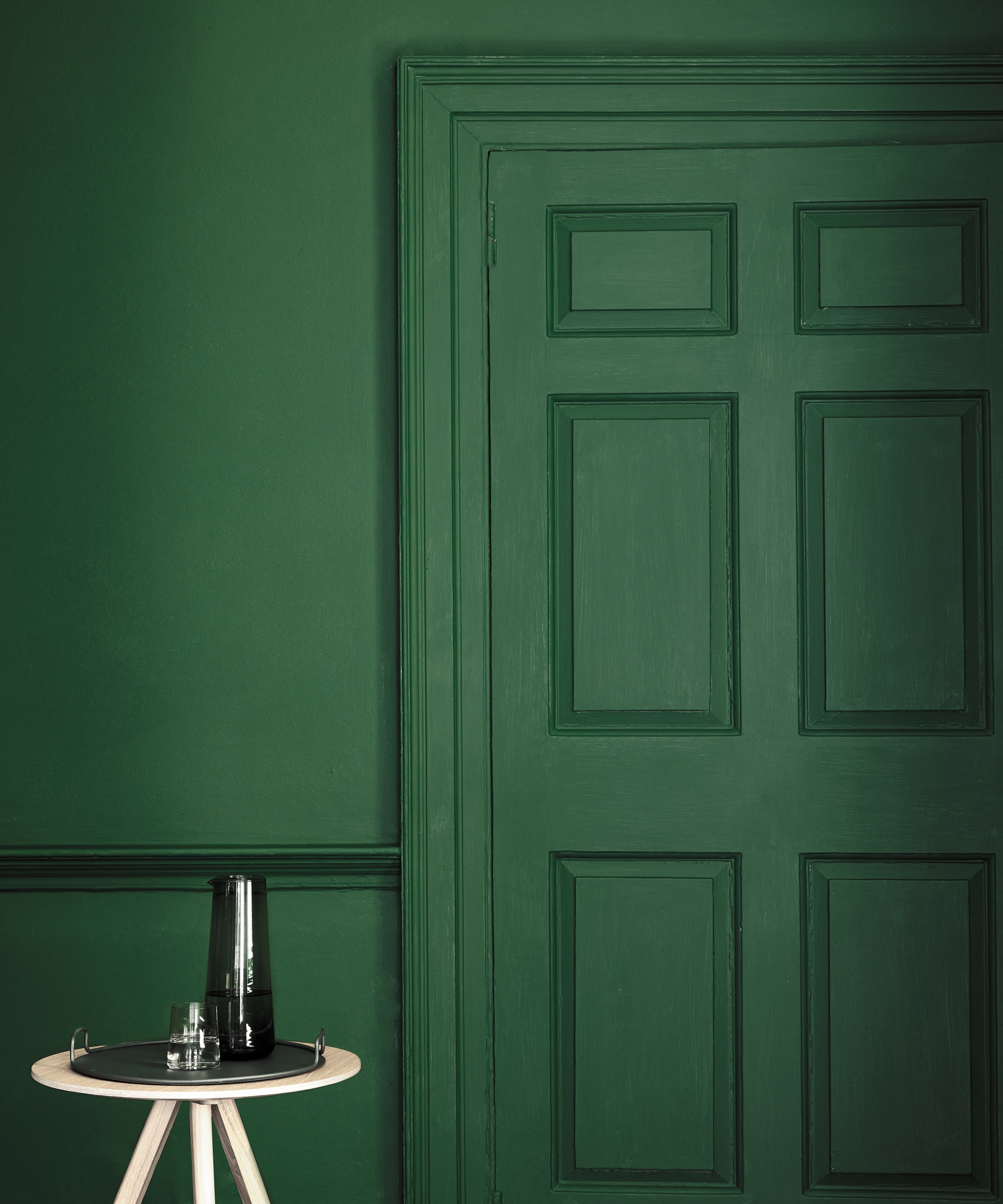
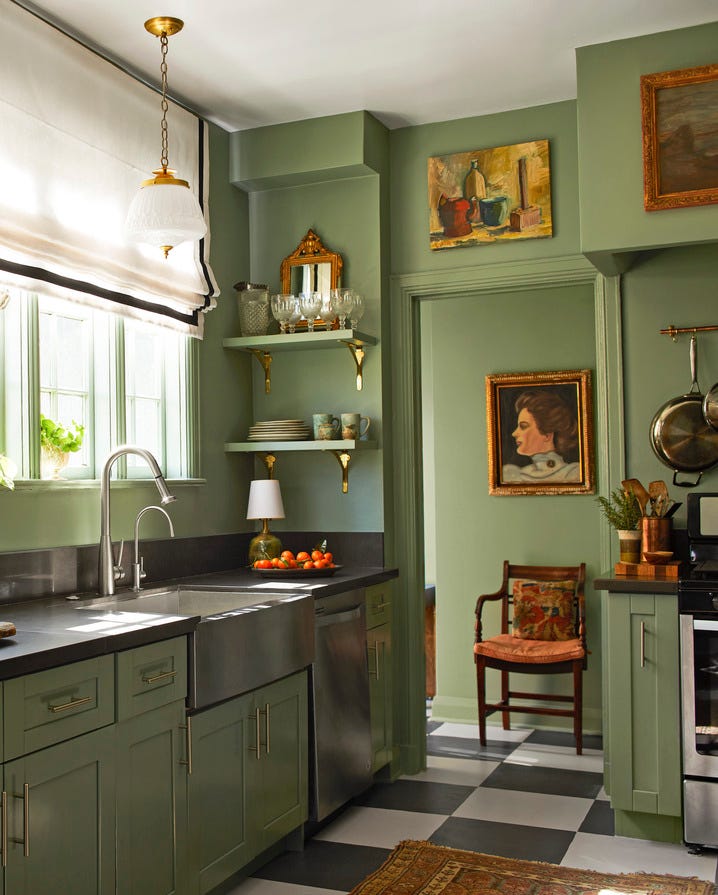
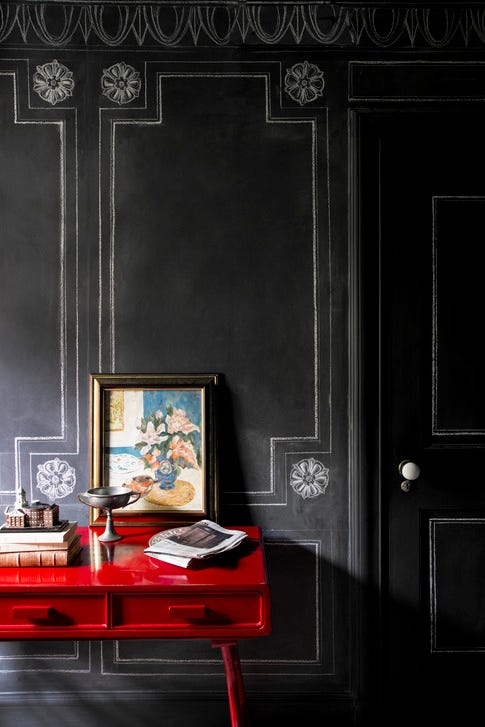
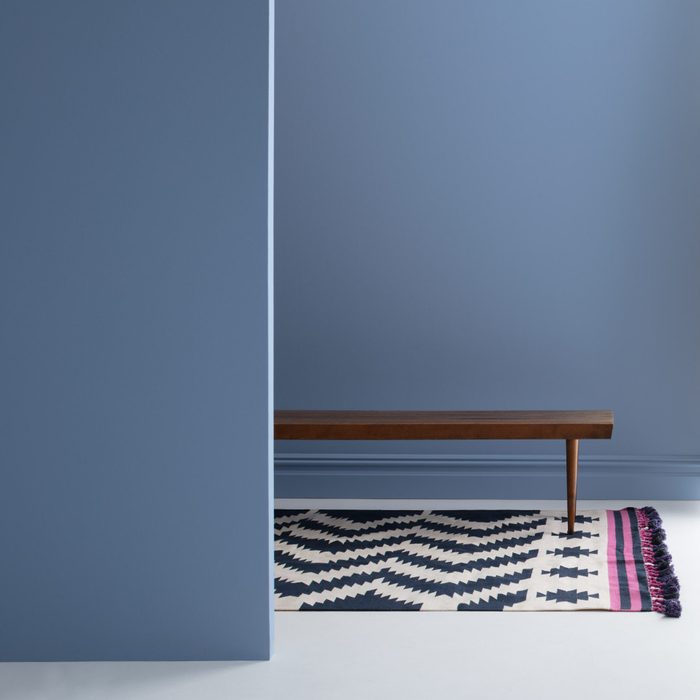
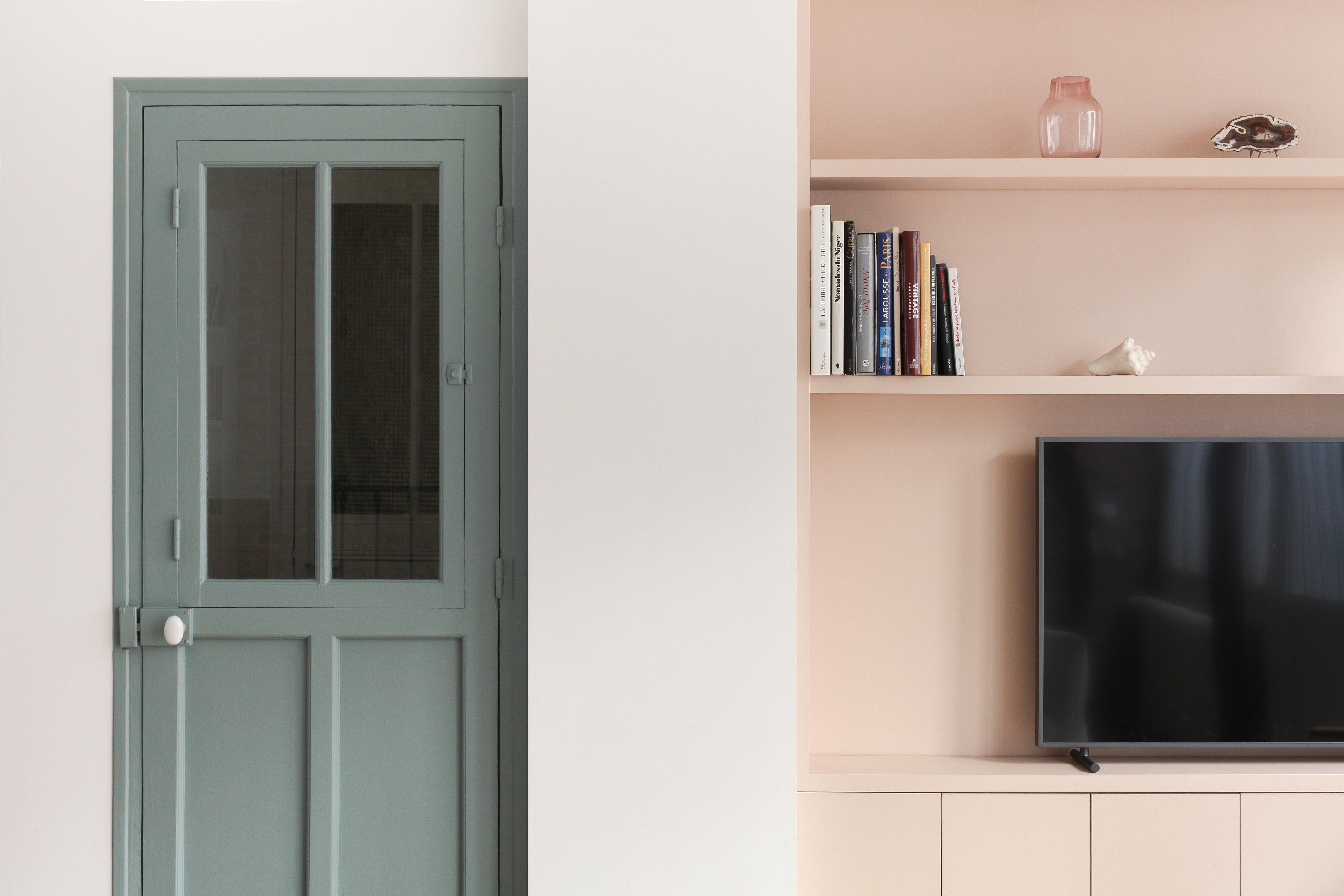
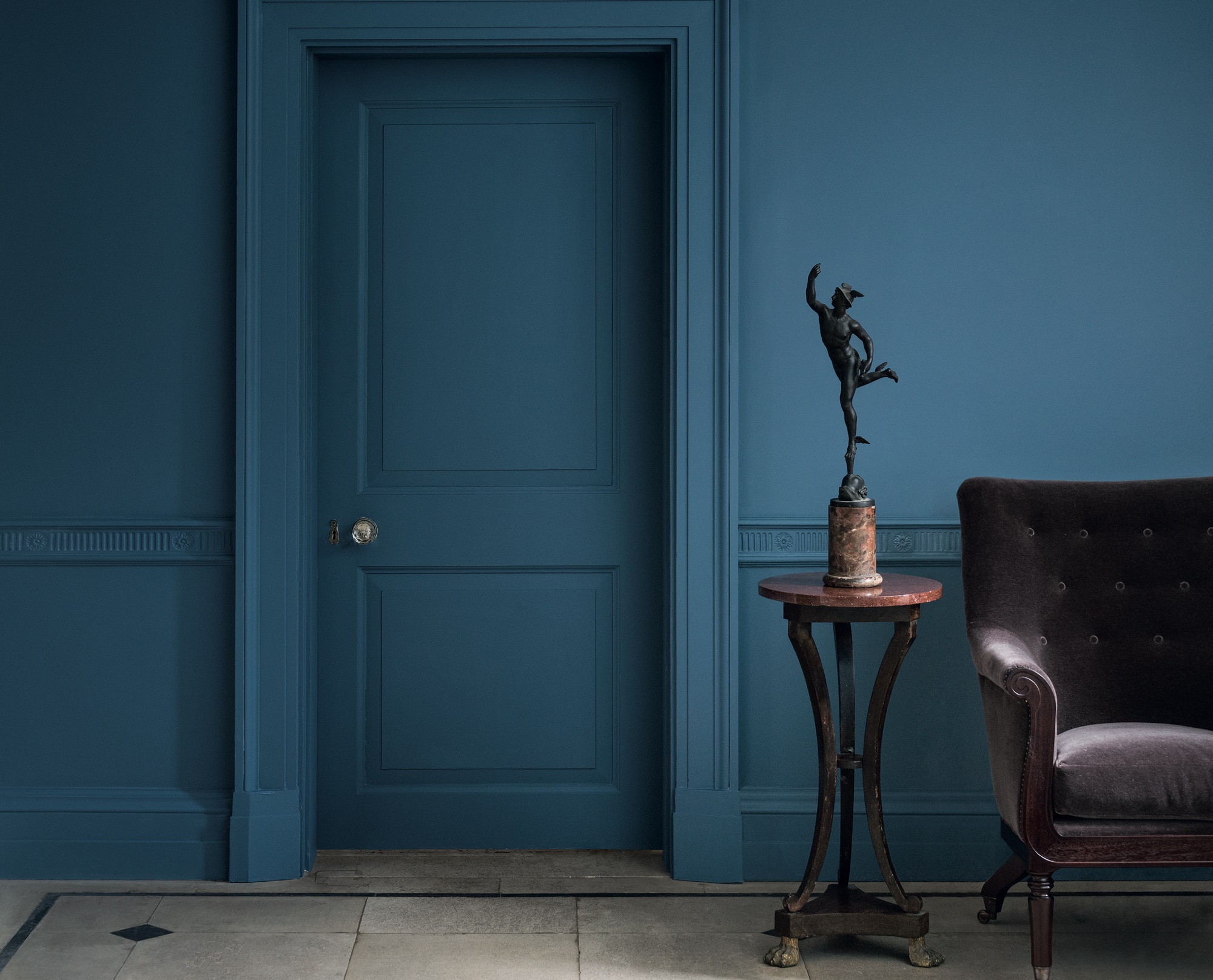
Painting doors the same color as the walls is particularly effective in smaller spaces or for achieving a minimalist, contemporary feel. This method helps to create an uninterrupted visual flow, making rooms appear larger and calmer. When walls are in mid to deep tones, this approach can enhance the sense of continuity and sophistication. Moreover, it can be a practical solution for doors located in awkward spots or those that might otherwise disrupt a small area, allowing them to blend into the background and reduce visual clutter.
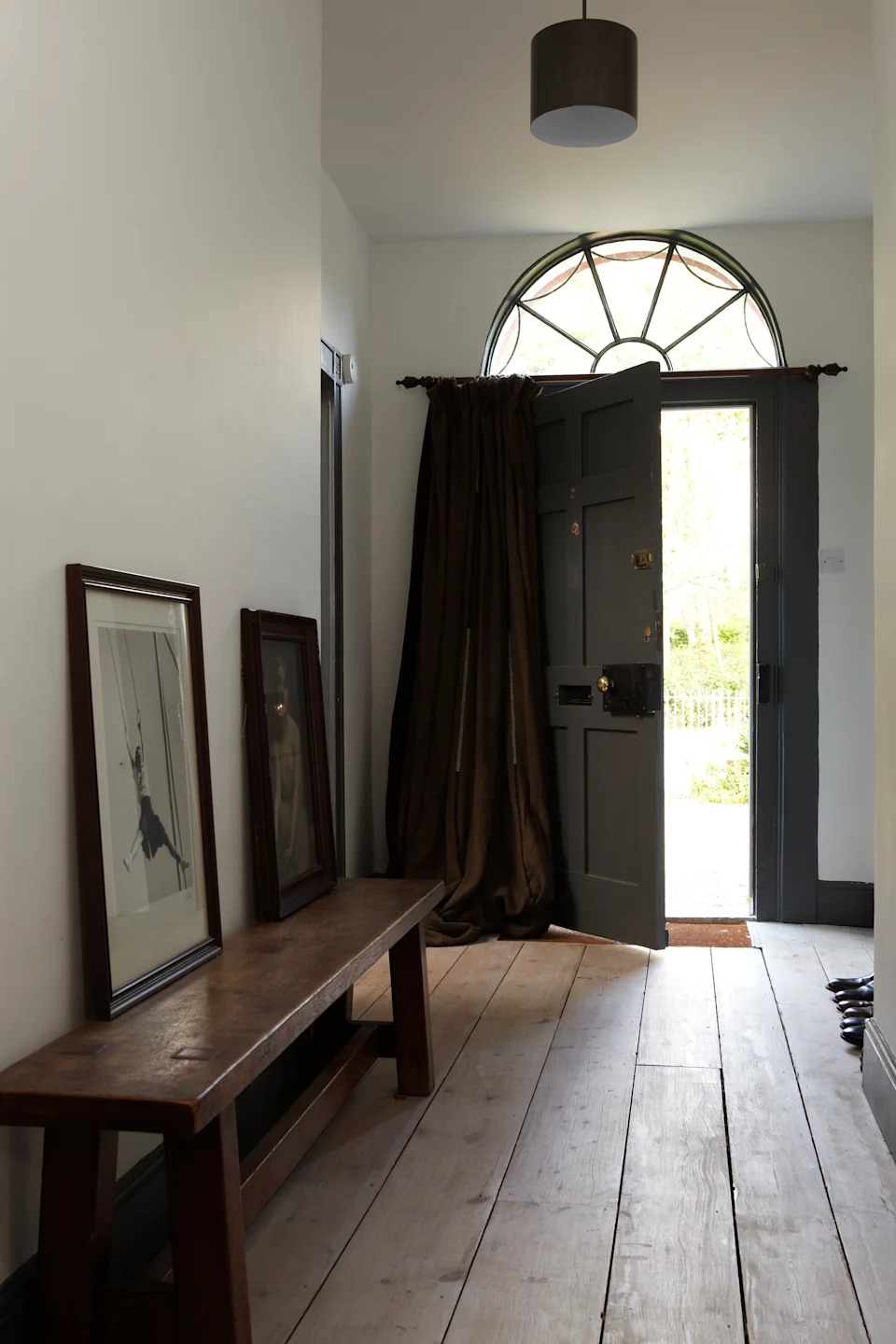
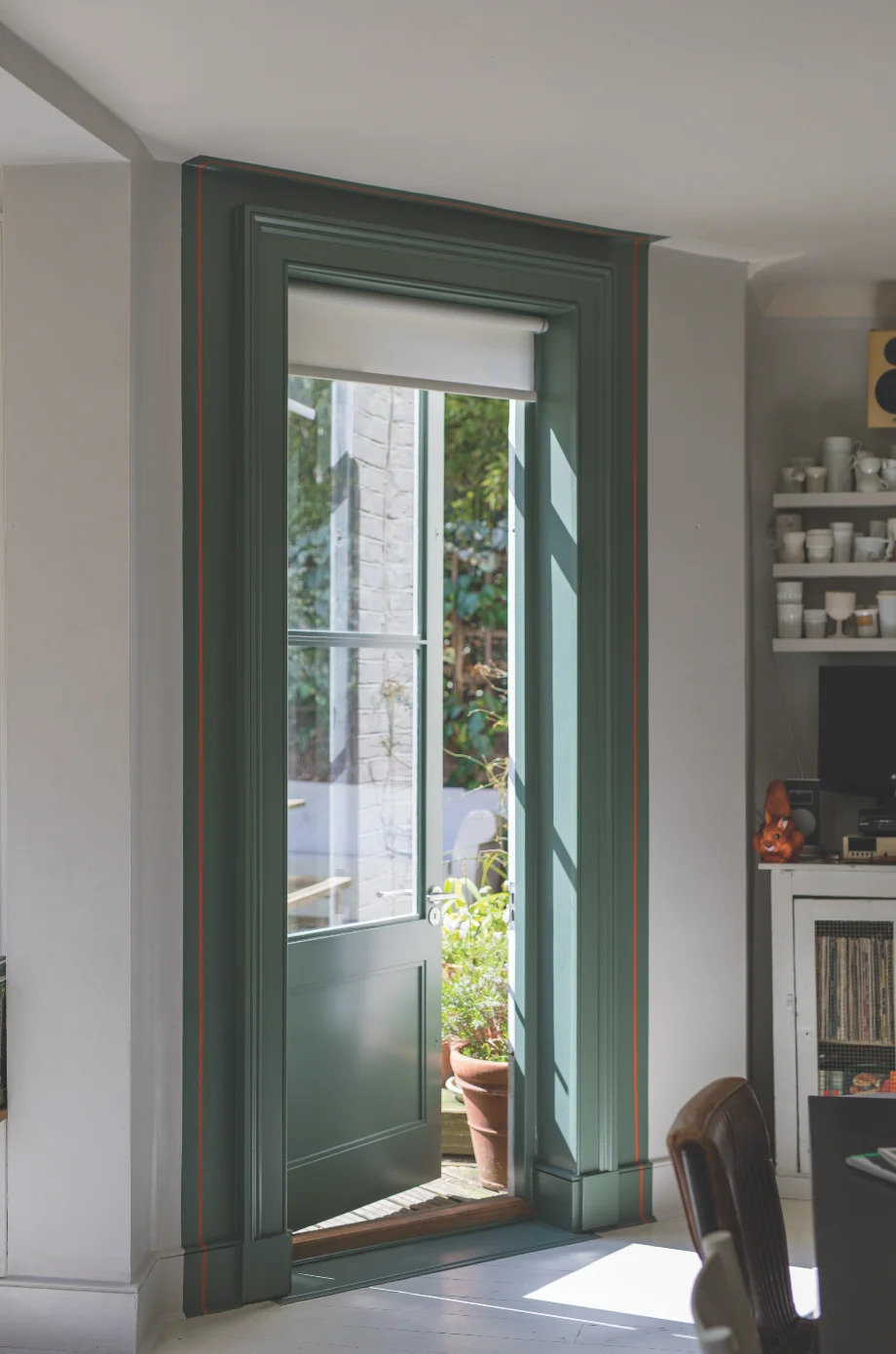
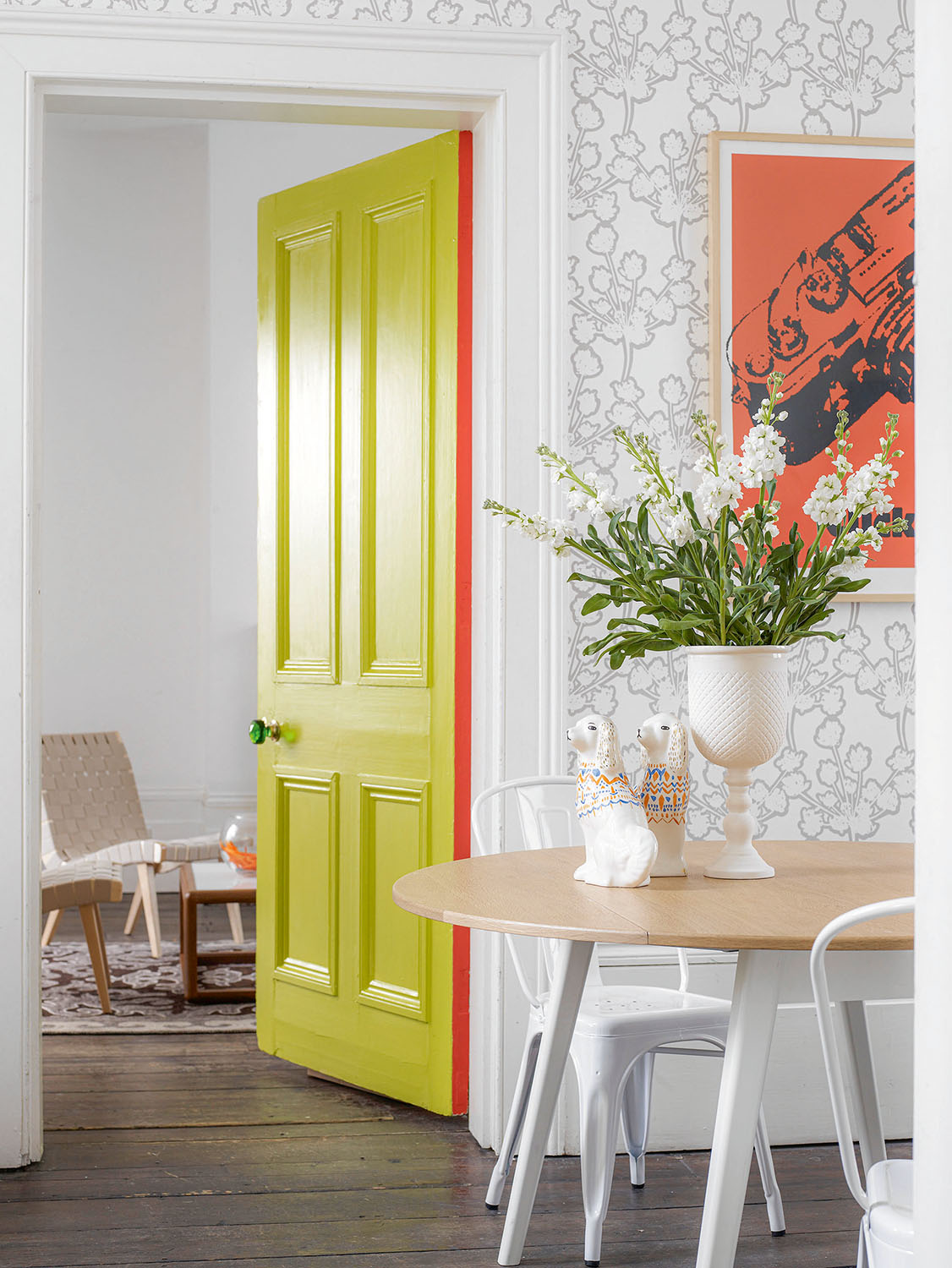
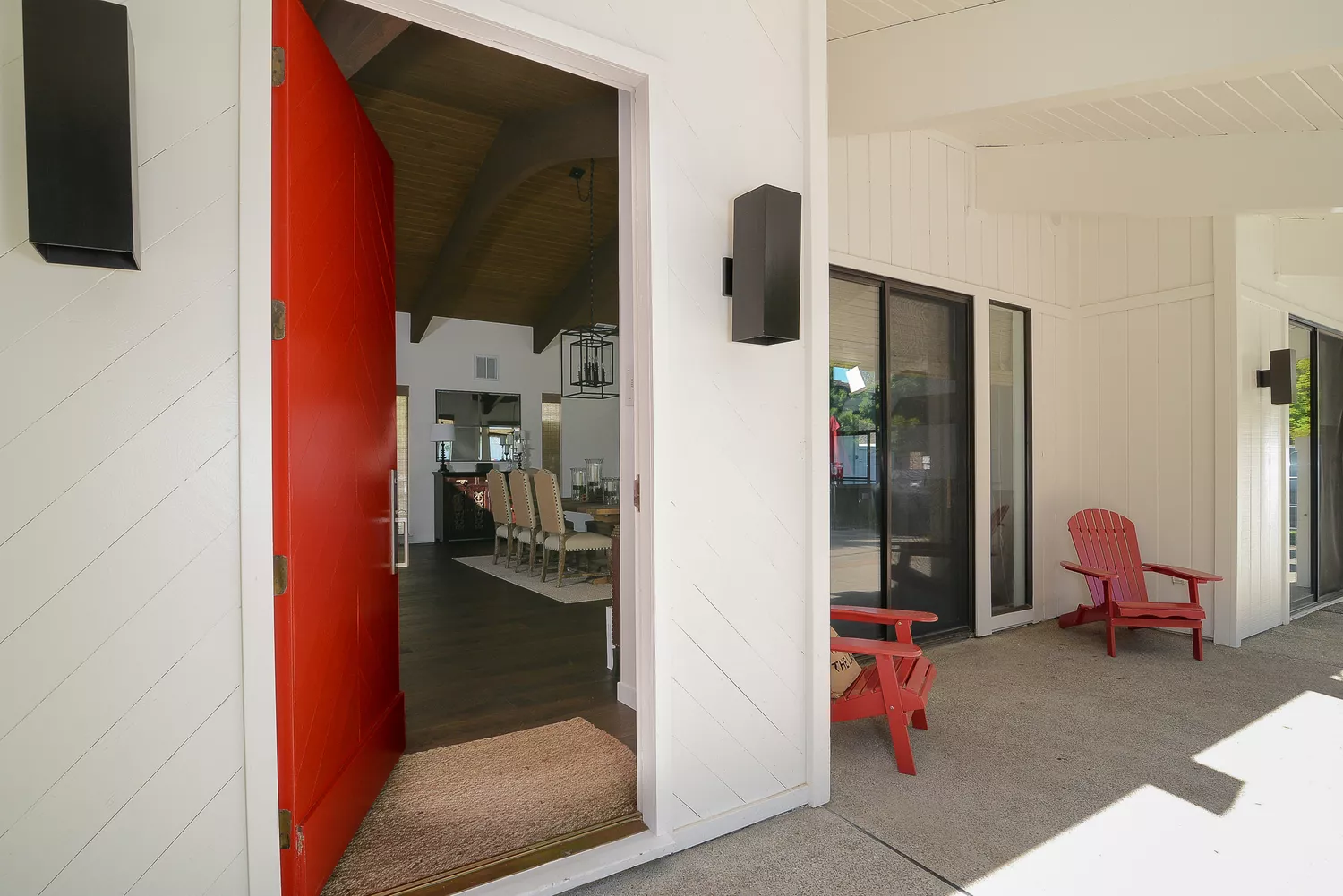
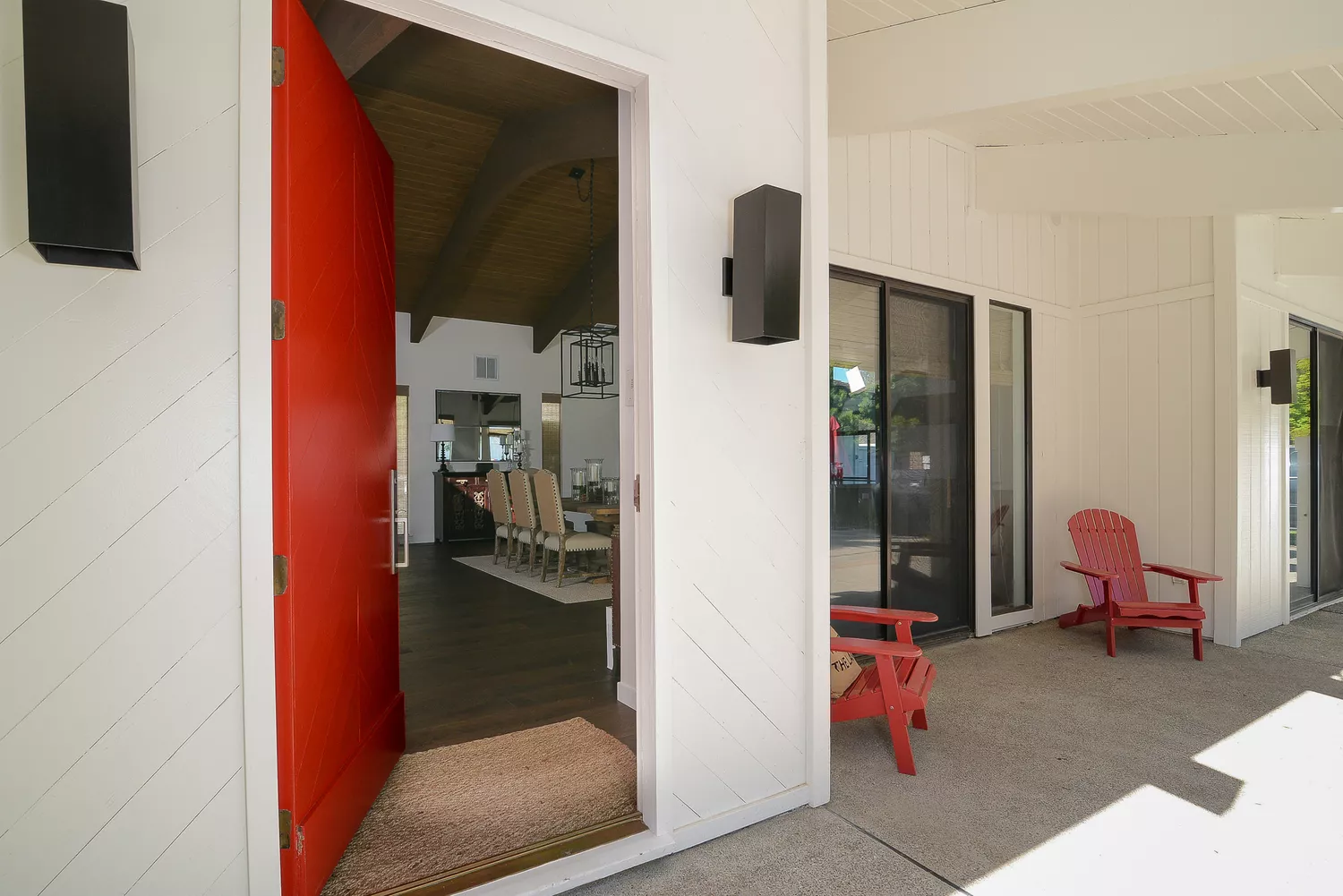
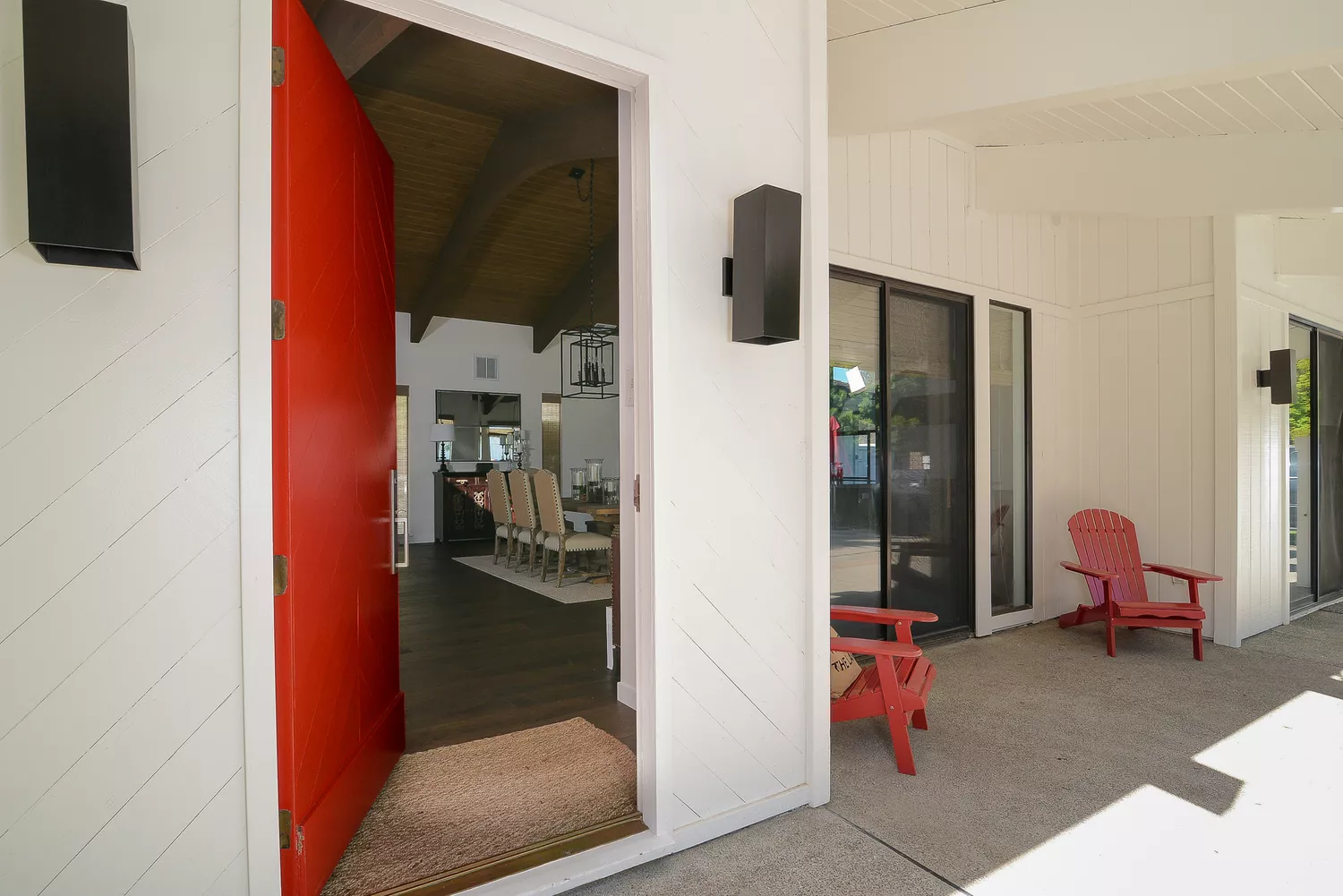
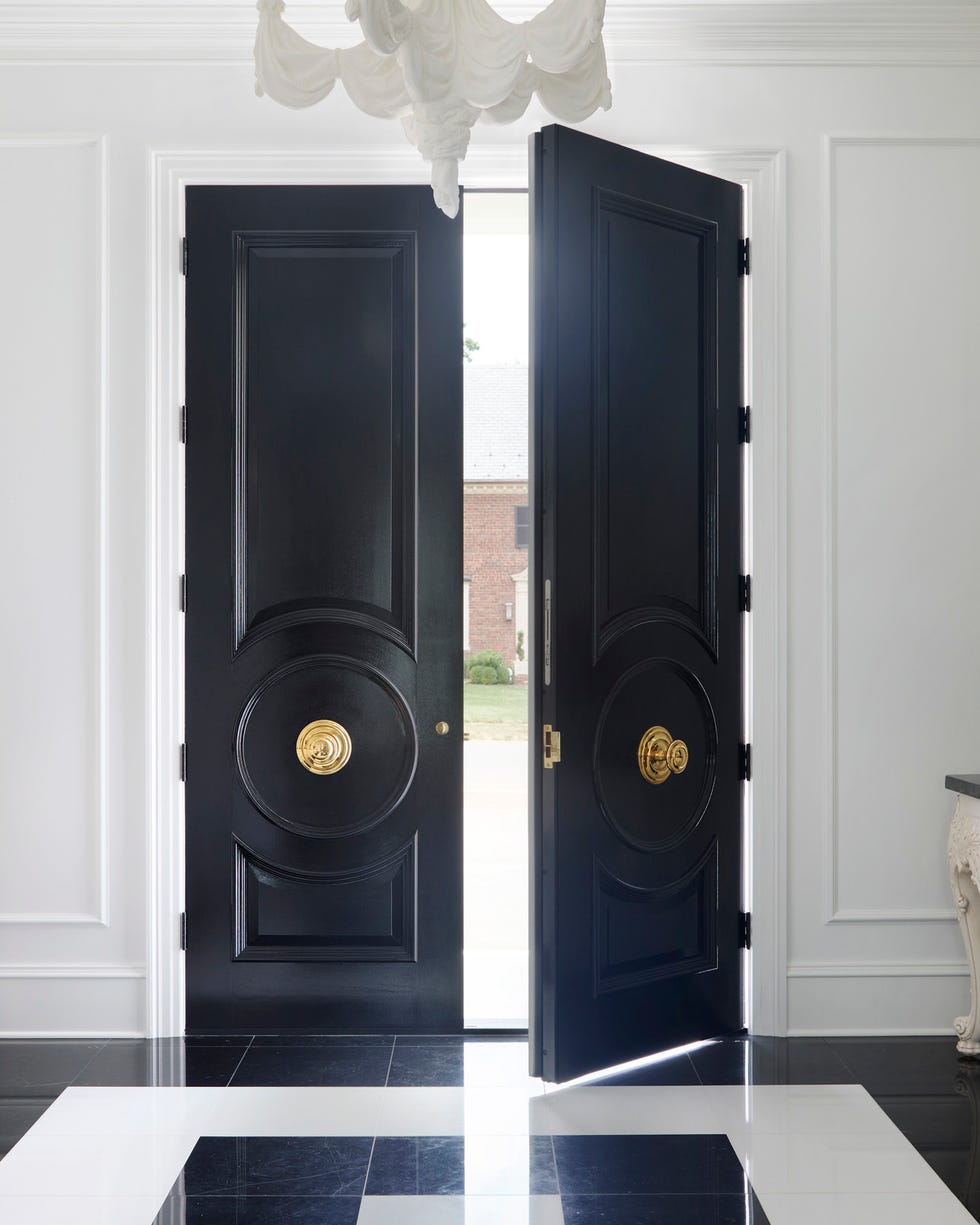
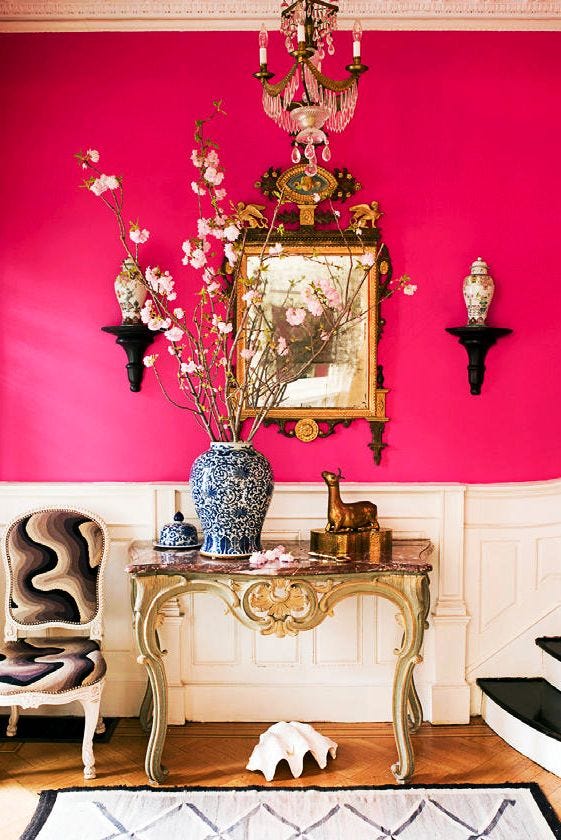
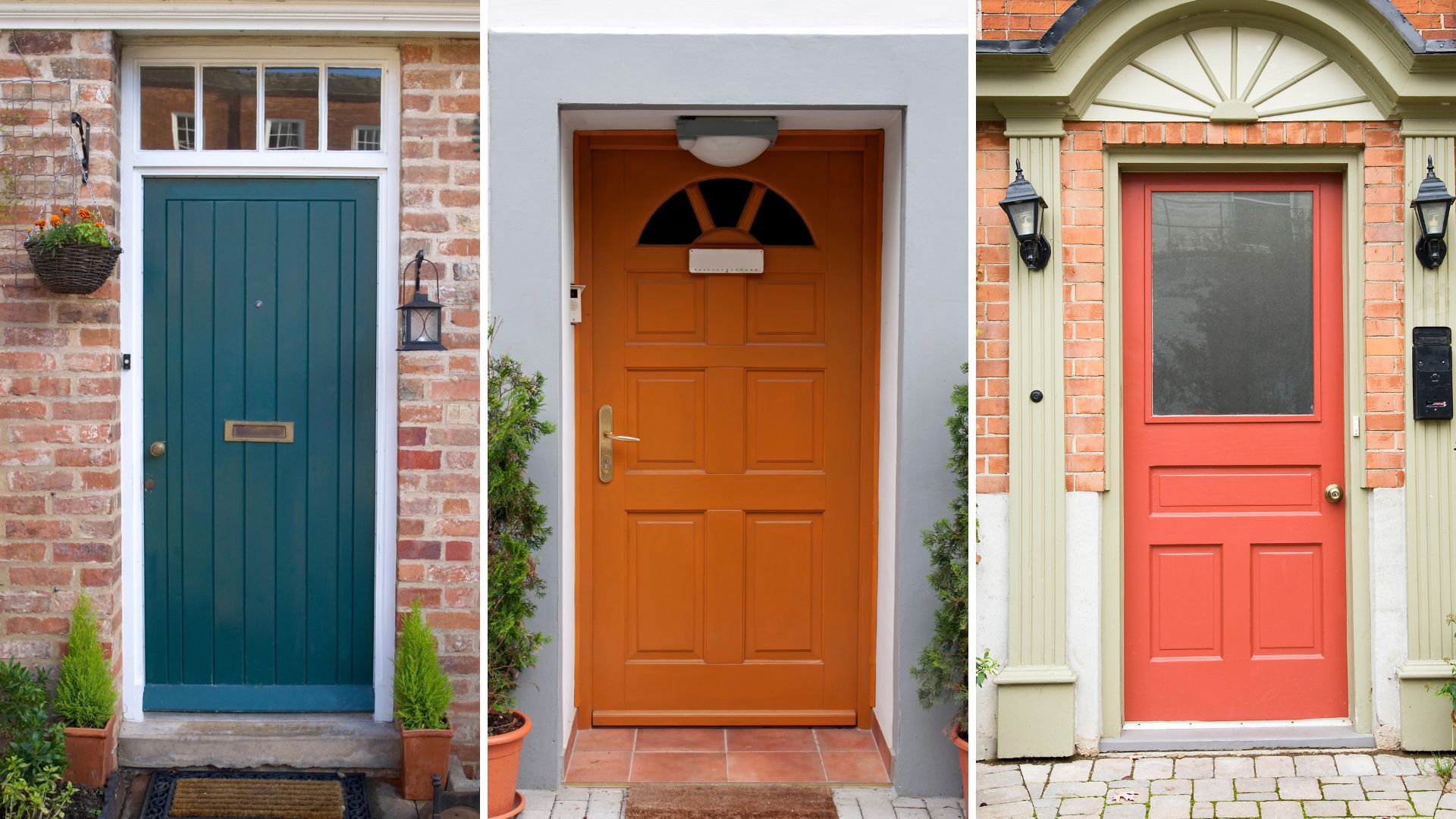
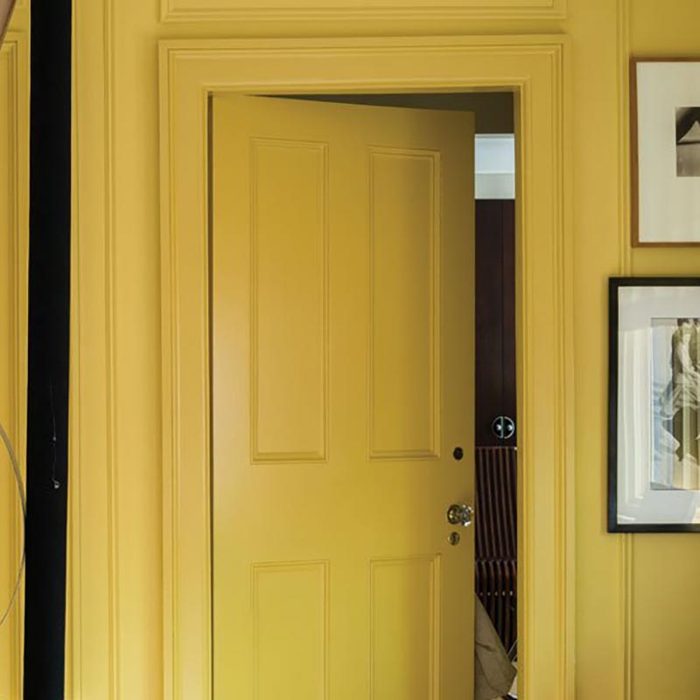
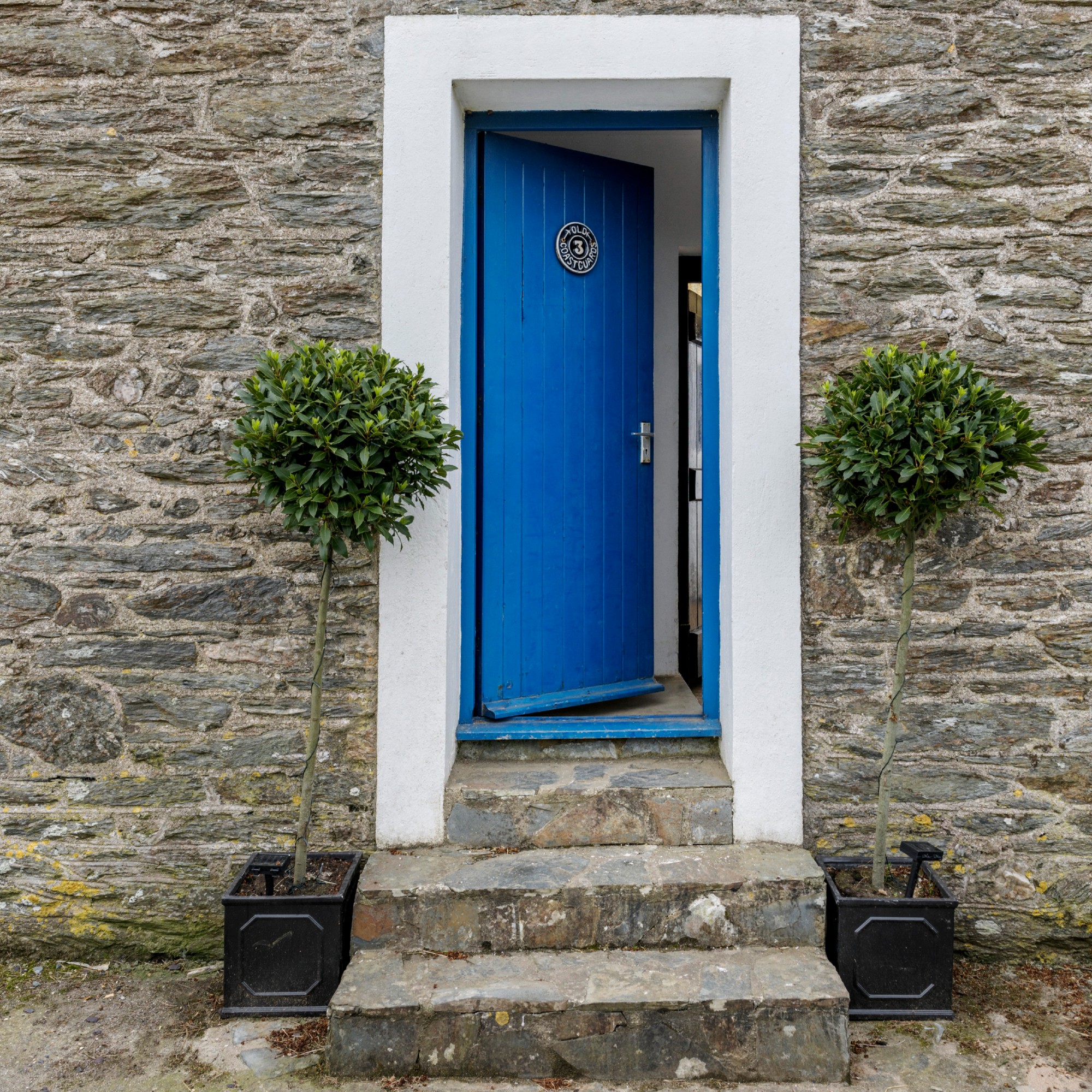
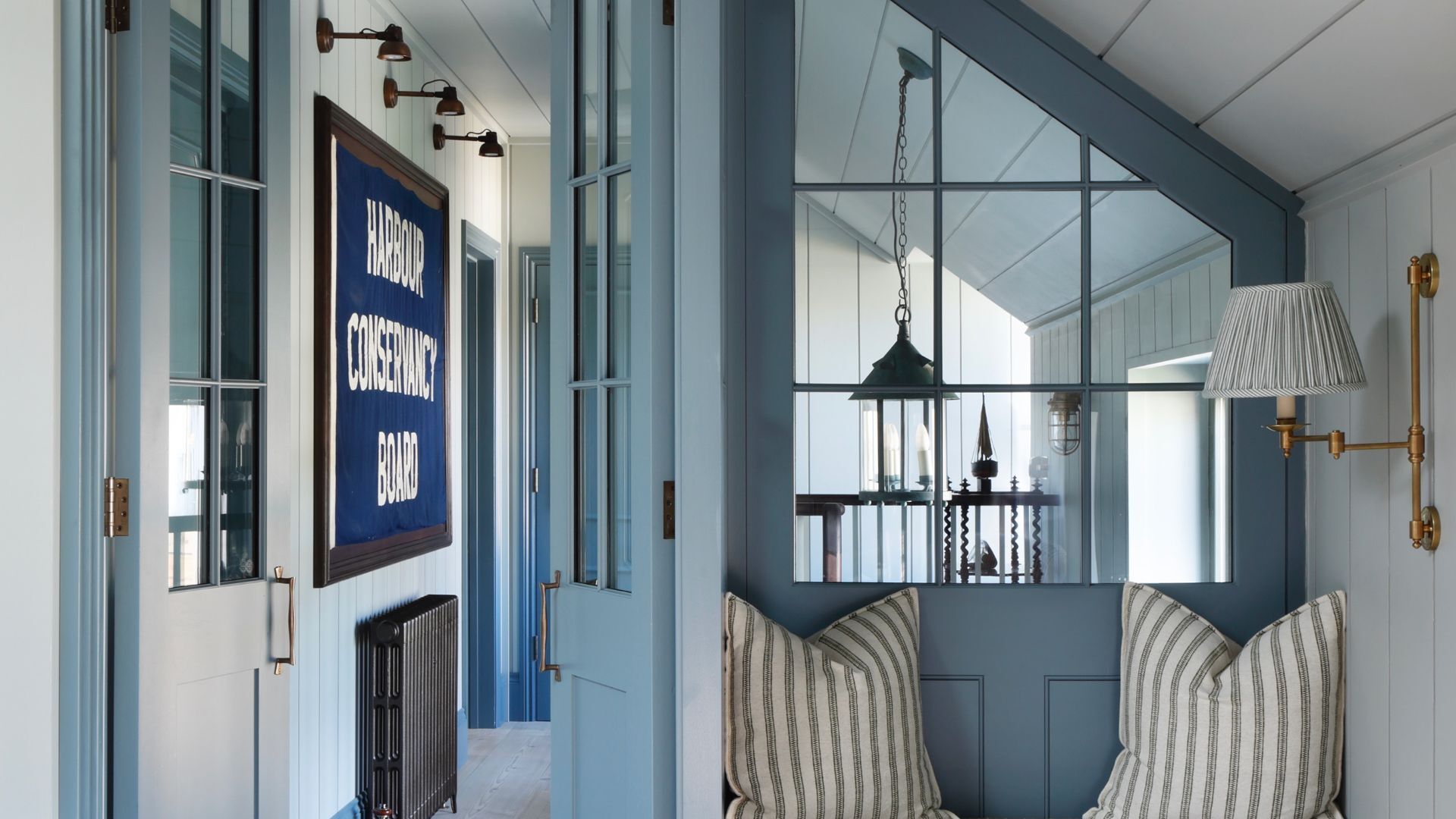
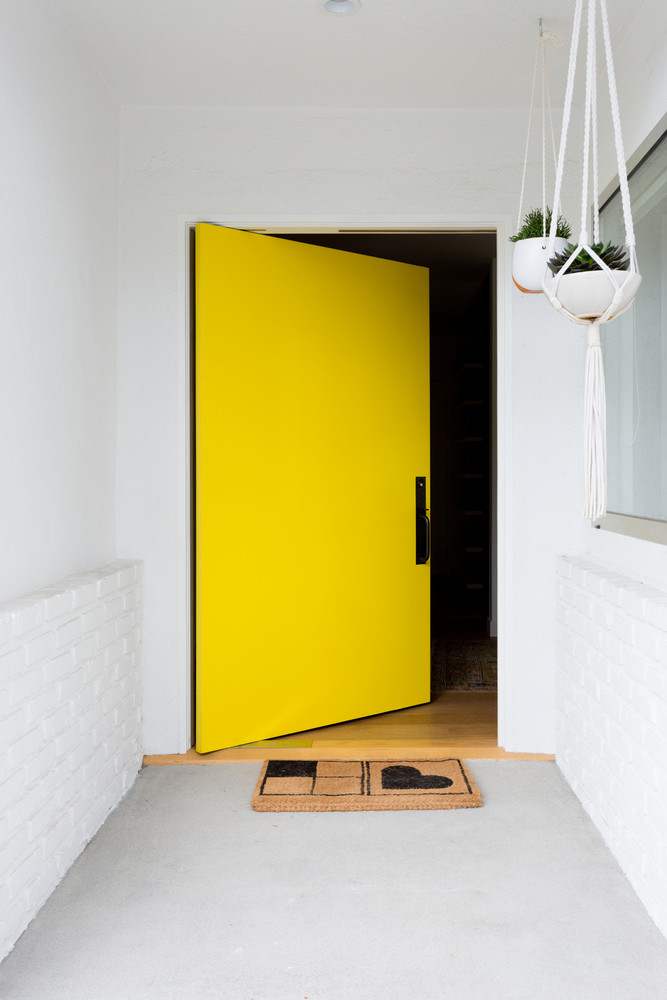
Conversely, painting interior doors in a contrasting, bold color can serve as a deliberate design choice to add energy, personality, and visual interest to a room. This is an excellent way to draw attention to architectural details like moldings or a pitched roof, encouraging the eye to appreciate the full height and features of the space. Such an approach is particularly suited for larger rooms where some contrast can make the area feel cozier and more defined. Brightly painted doors can playfully inject color with less commitment than an accent wall, making them a rising trend in interior design.
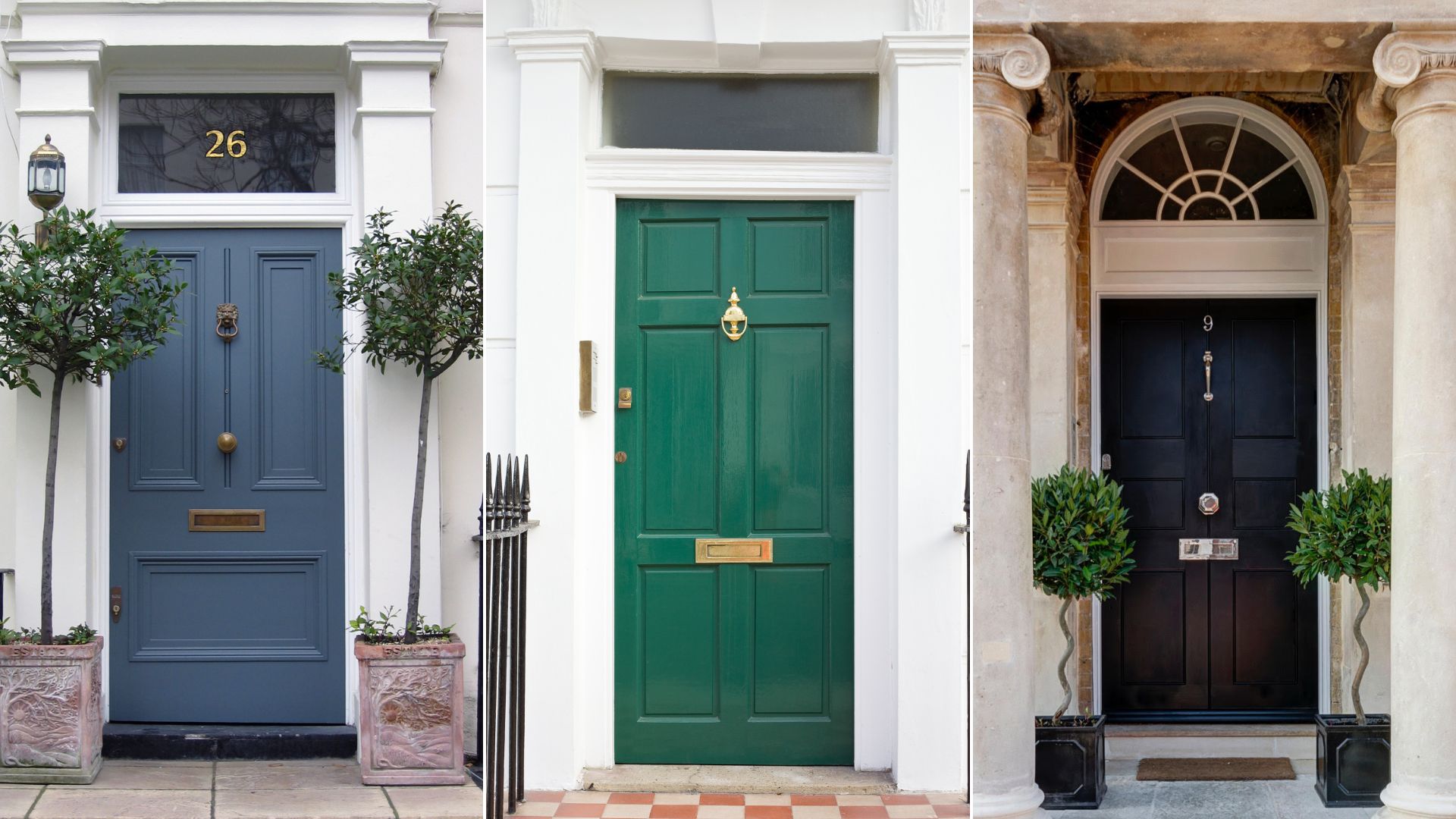
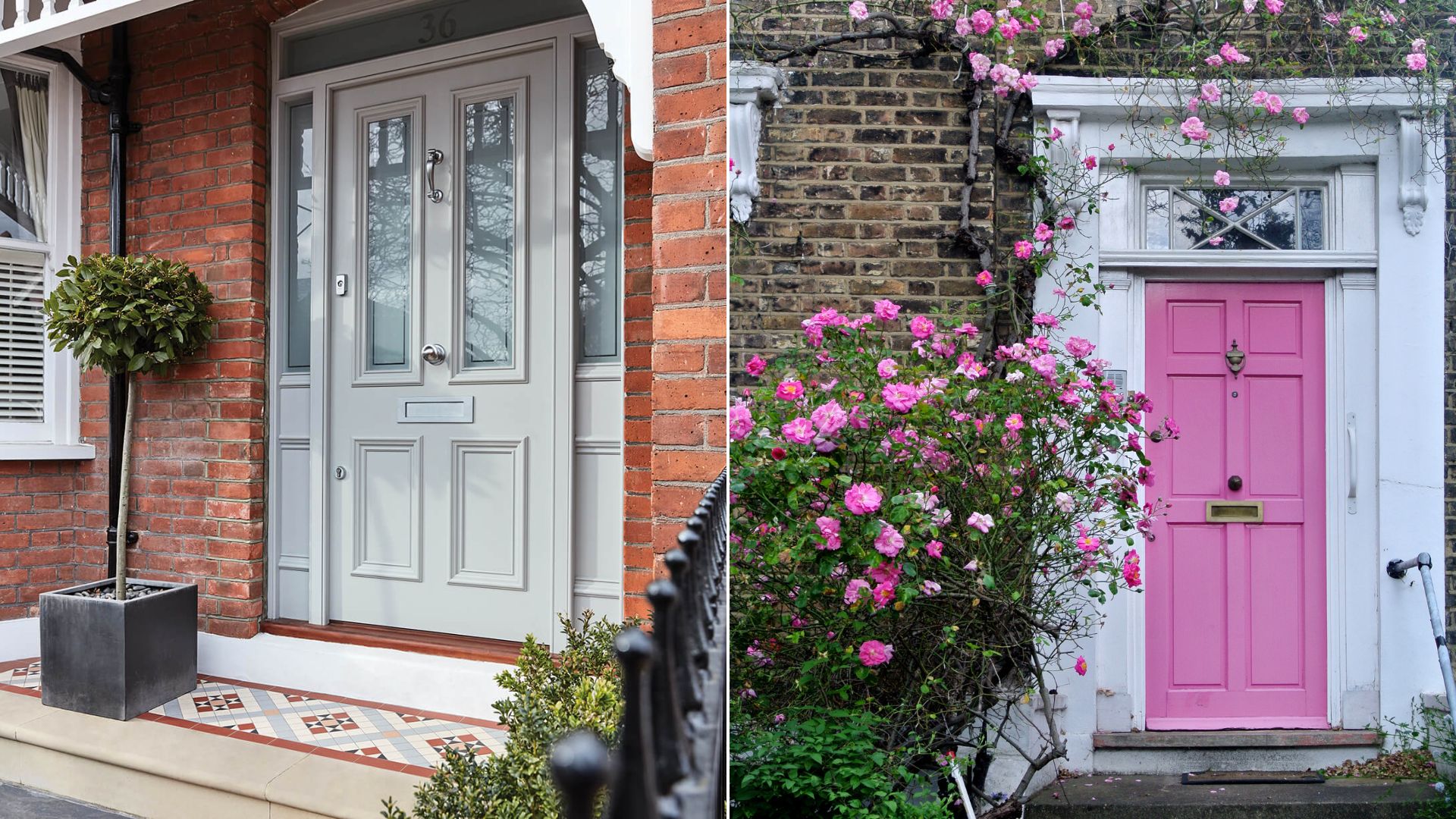
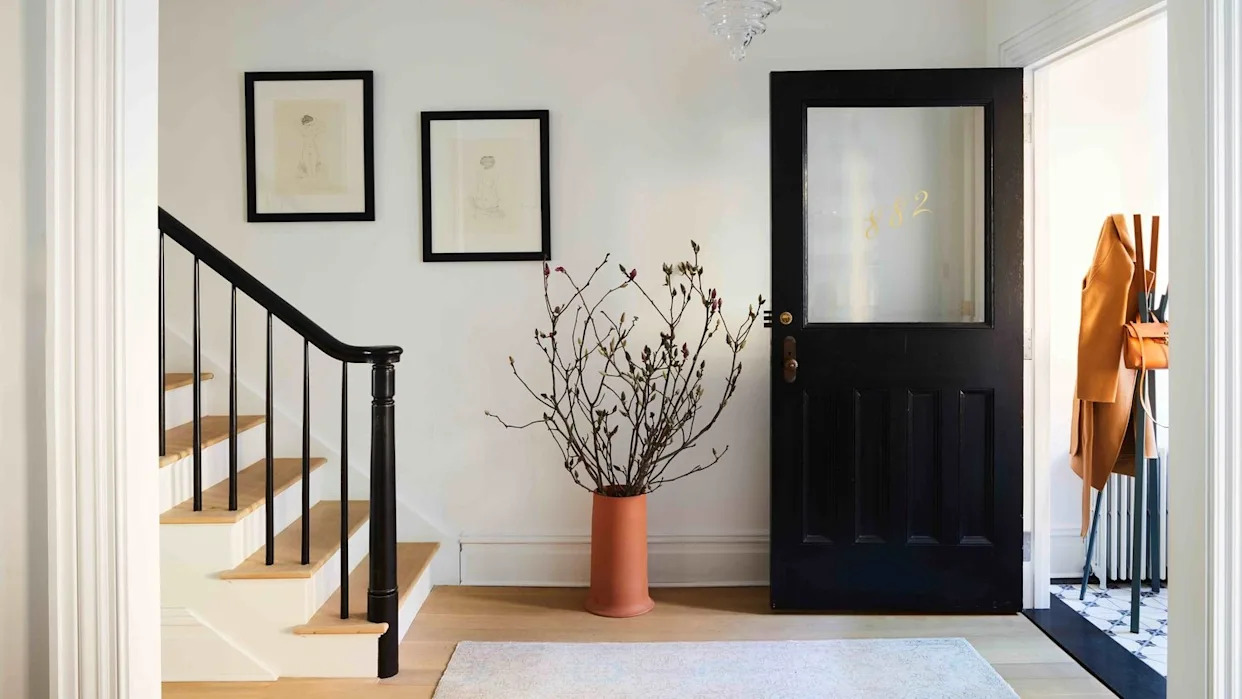
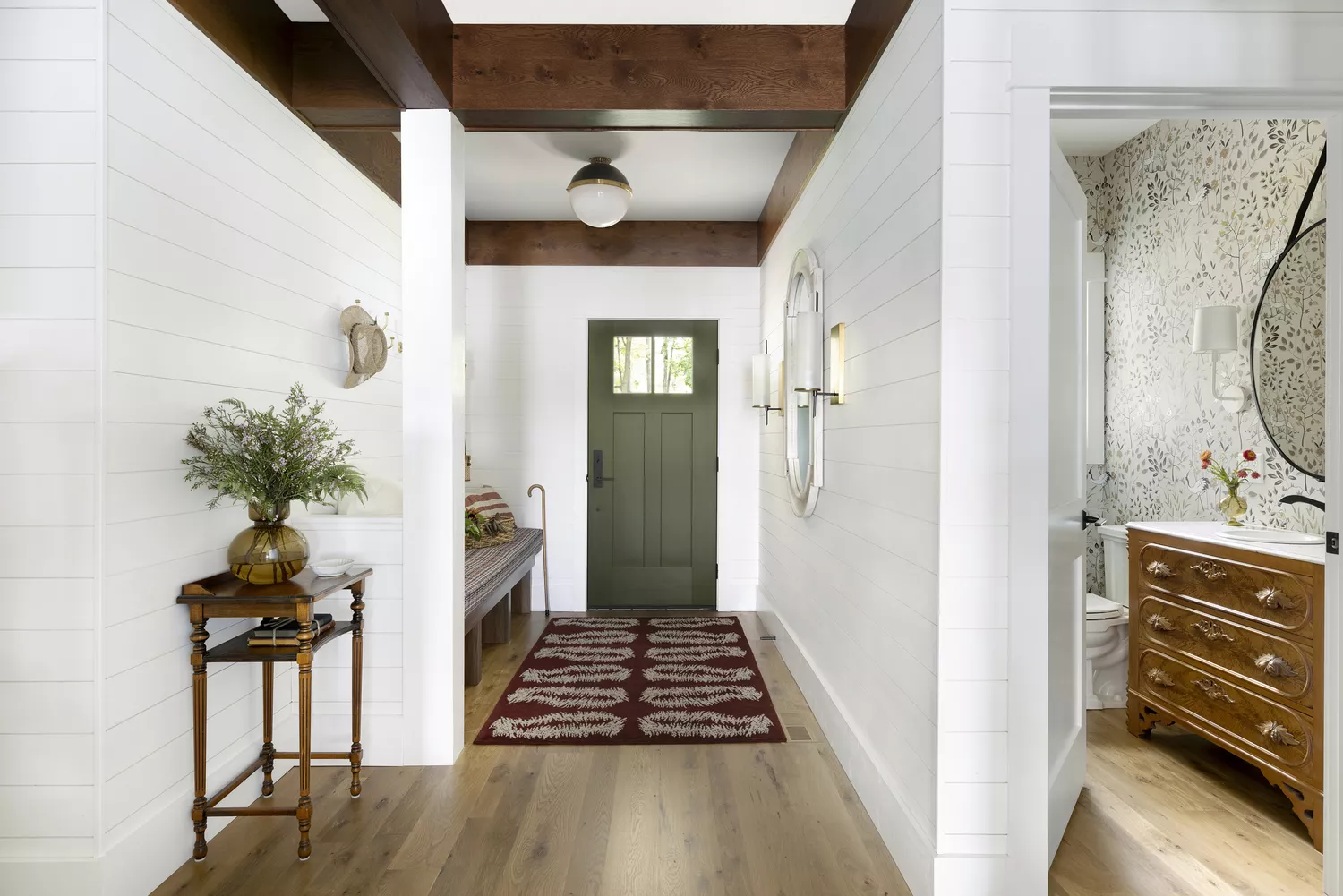
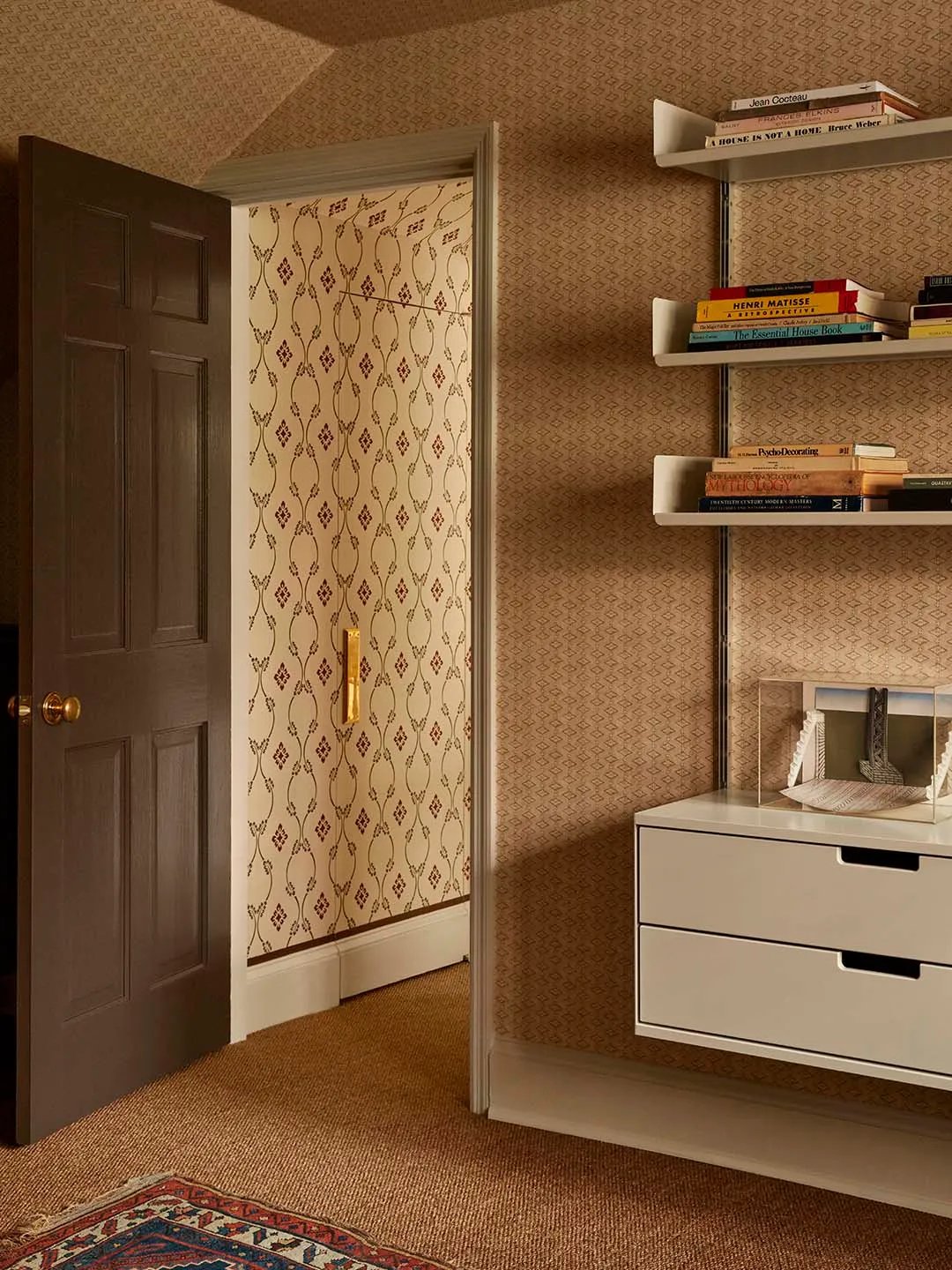
When selecting a door color, designers suggest considering the room's purpose and the desired mood. Bright colors might be ideal for vibrant spaces like a child's playroom, while more muted or lighter tones are better suited for tranquil areas such as reading rooms or bedrooms. Current color trends for interior doors often include white, gray, black, and taupe, offering versatility. The choice between lighter or darker shades relative to the walls also depends on the desired effect. Darker doors can create a strong feature, especially in larger rooms needing visual anchors, while lighter doors can provide visual relief in a dark scheme or help bounce light in a room with multiple doors, making it feel brighter.
Beyond color, the paint finish is crucial. For a seamless look, matching the door finish to the walls (e.g., matte on matte) is recommended. However, for durability and ease of maintenance, a semi-gloss or high-gloss finish is often preferred for doors and trims. These finishes make cleaning easier and add a subtle or dramatic shine, transforming the door into a glowing focal point. Ultimately, the right interior door color should reflect the homeowner's personality and complement the overall character of the house, offering a unique opportunity to enhance the home's design.
#InteriorDesign #DoorColor #PaintChoices #HomeDecor #ColorSchemes #ArchitecturalFeatures #SpacePerception #DesignTrends #InteriorDesign #DoorColor #PaintChoices #HomeDecor #ColorSchemes #ArchitecturalFeatures #SpacePerception #DesignTrends
0 ความคิดเห็นรวม
 ยังไม่มีความคิดเห็น
คุณอาจจะชอบอีกด้วย
How to decide what color to paint the inside of your front door
The chicest interior door colors you’ll want in your home in 2025 – because white isn't the only option

The Best Doors We’ve Seen This Year

9 Classic Paint Colors For Interior Doors That Designers Can't Get Enough Of
Your Interior Doors Don’t Need to Be Stark White—Designers Love These 11 Rich Hues

Should doors be painted the same color as walls? Yes, and here are 5 expert-approved reasons why
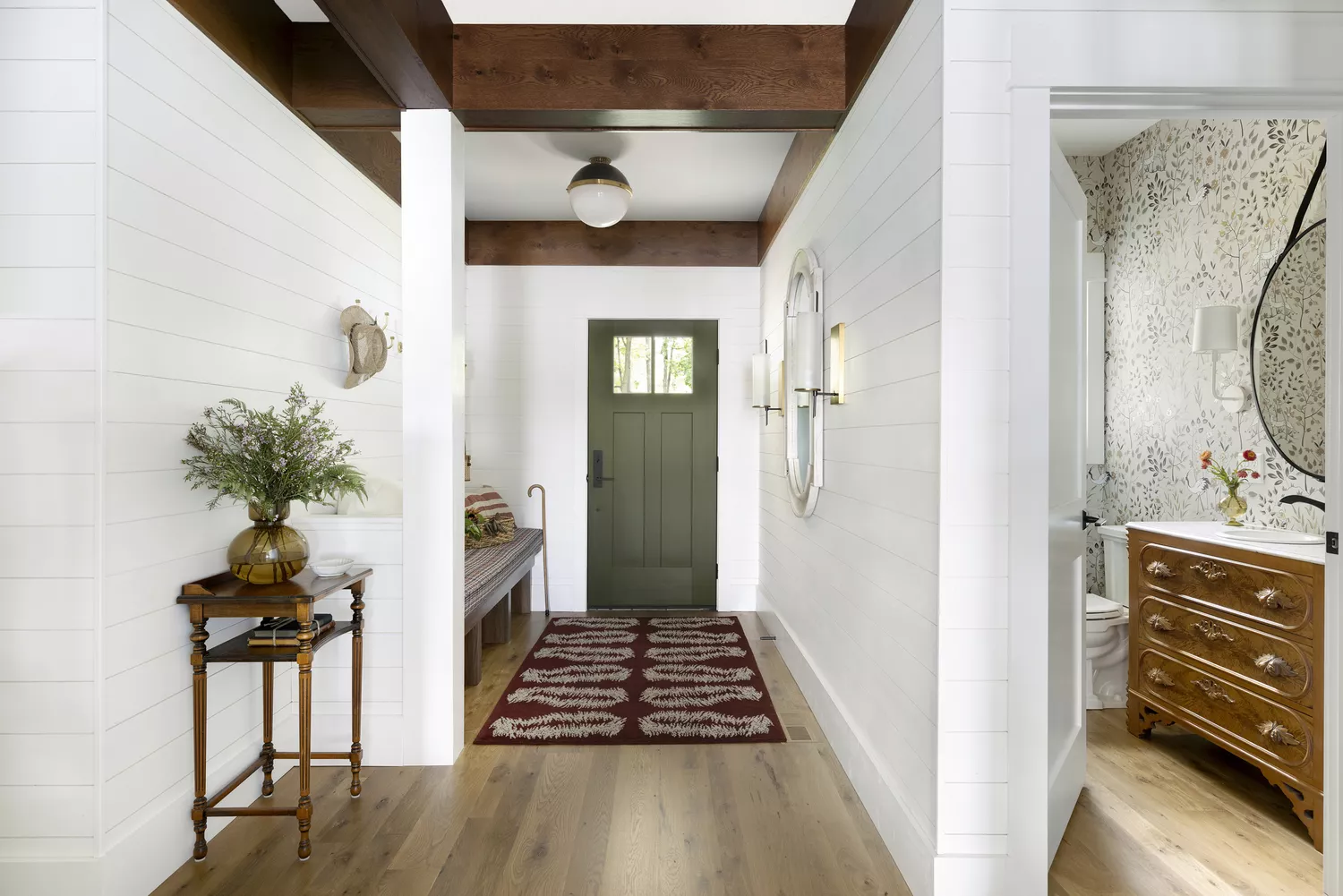
9 Classic Paint Colors Designers Love For Interior Doors
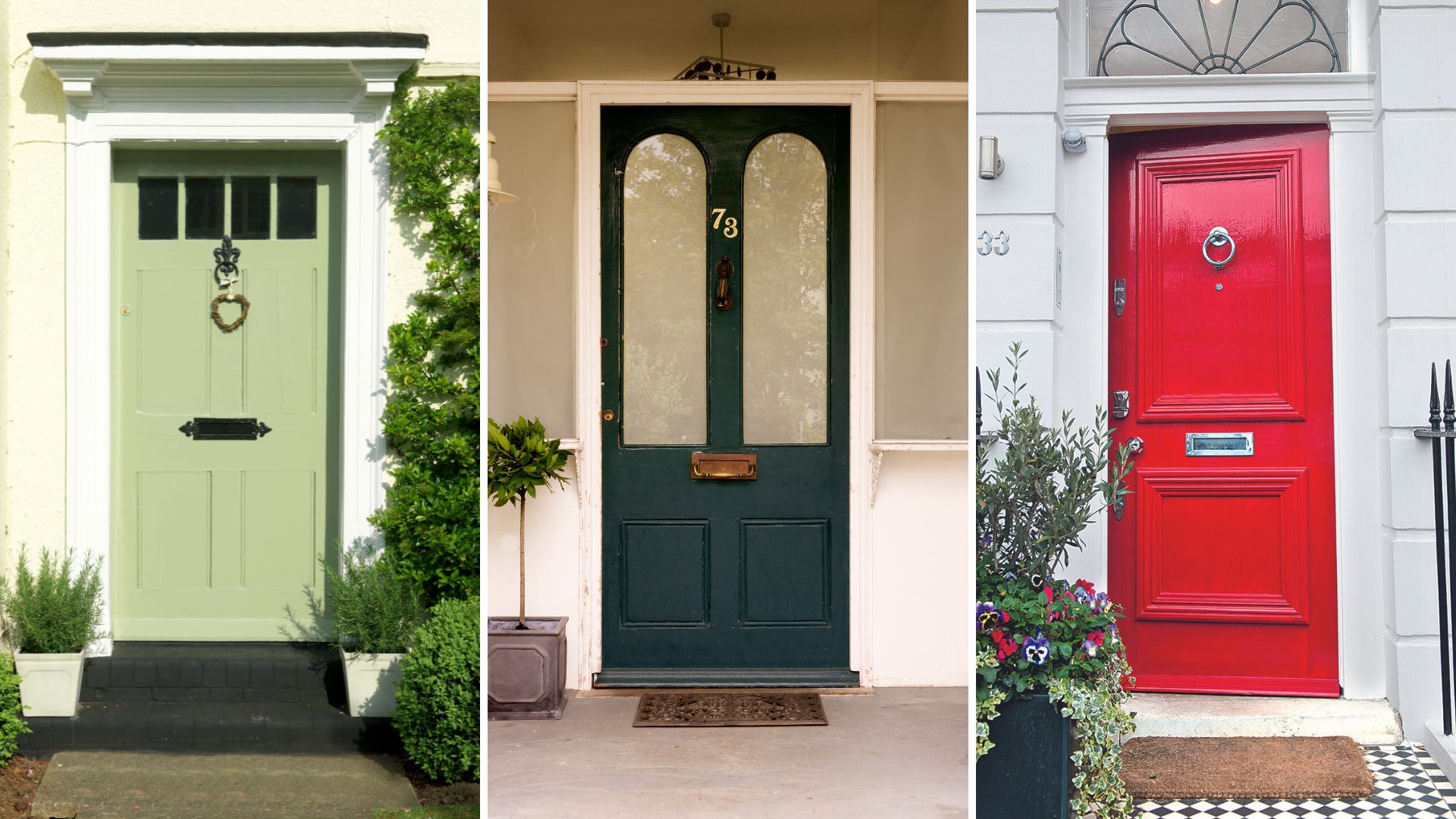
How to choose the best colour for a front door in 2024: 7 tips to boost your home's curb appeal

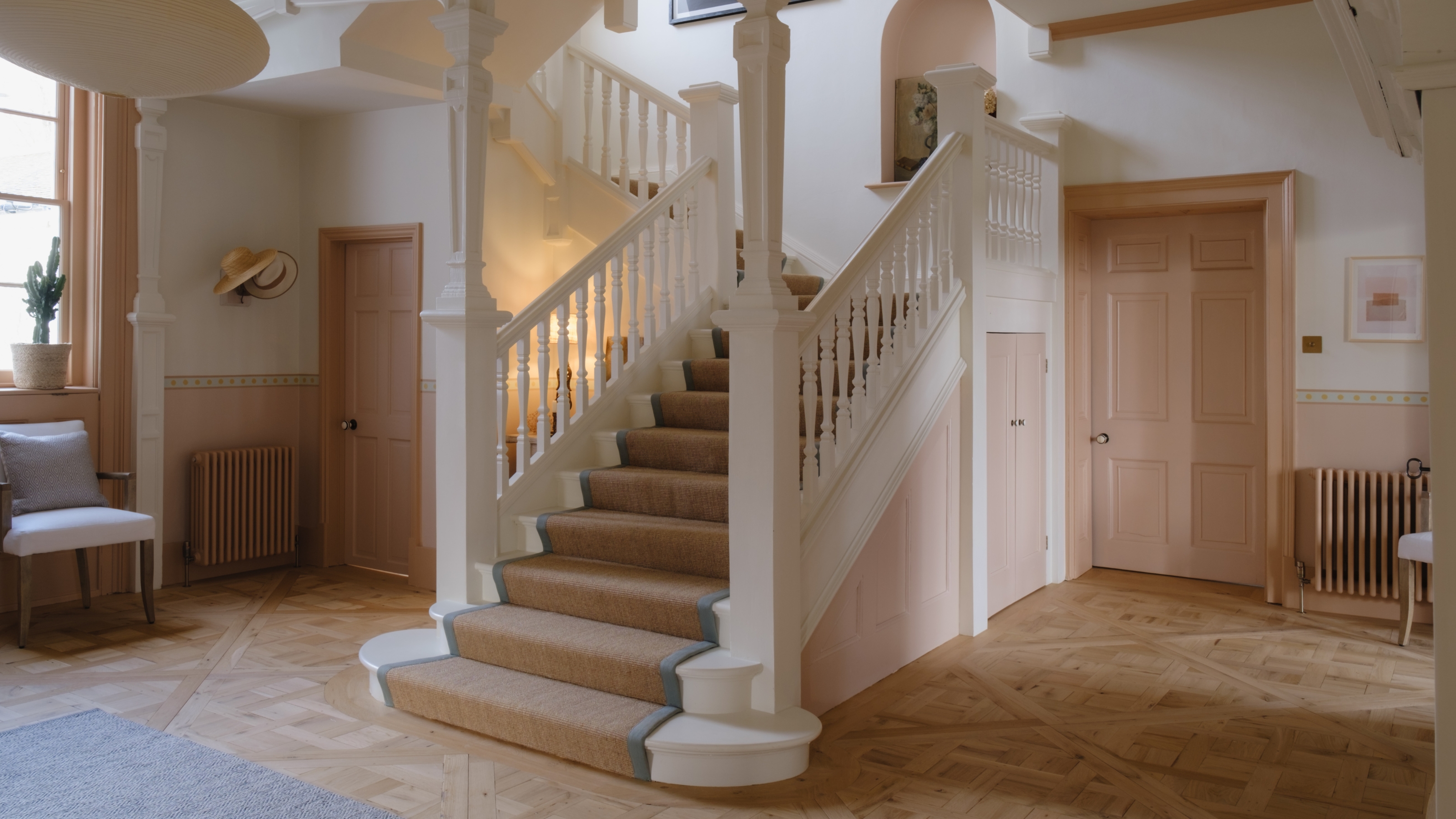
Should Doors and Trim be the Same Color? In 2025, Here's What Designers Are Doing
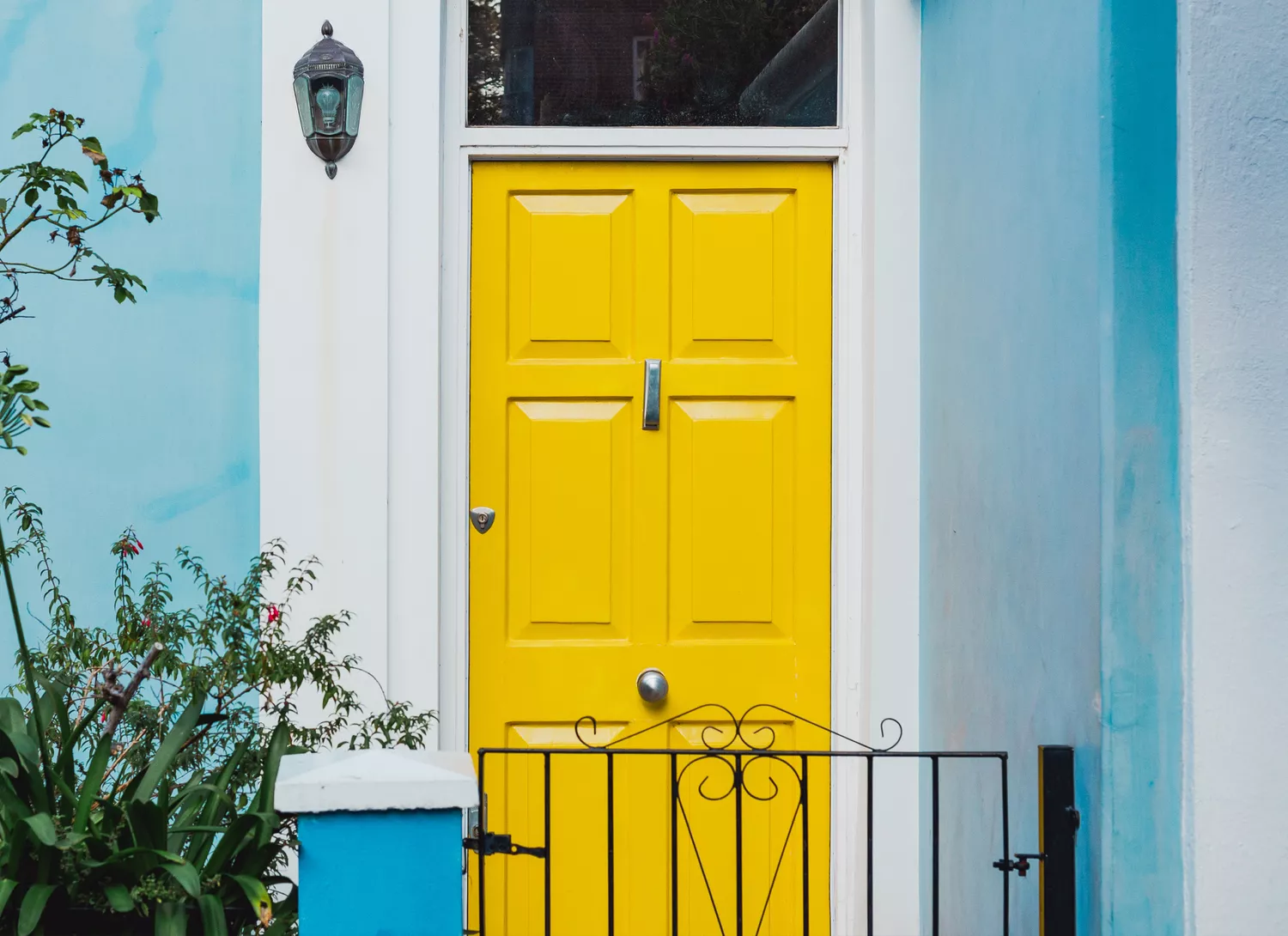
What Your Front Door Color Says About Your Personality, According to Designers and Color Pros

Millennial Gray Is So Over—Here Are 5 Paint Colors to Try Right Now
9 Best Interior Paint Colors

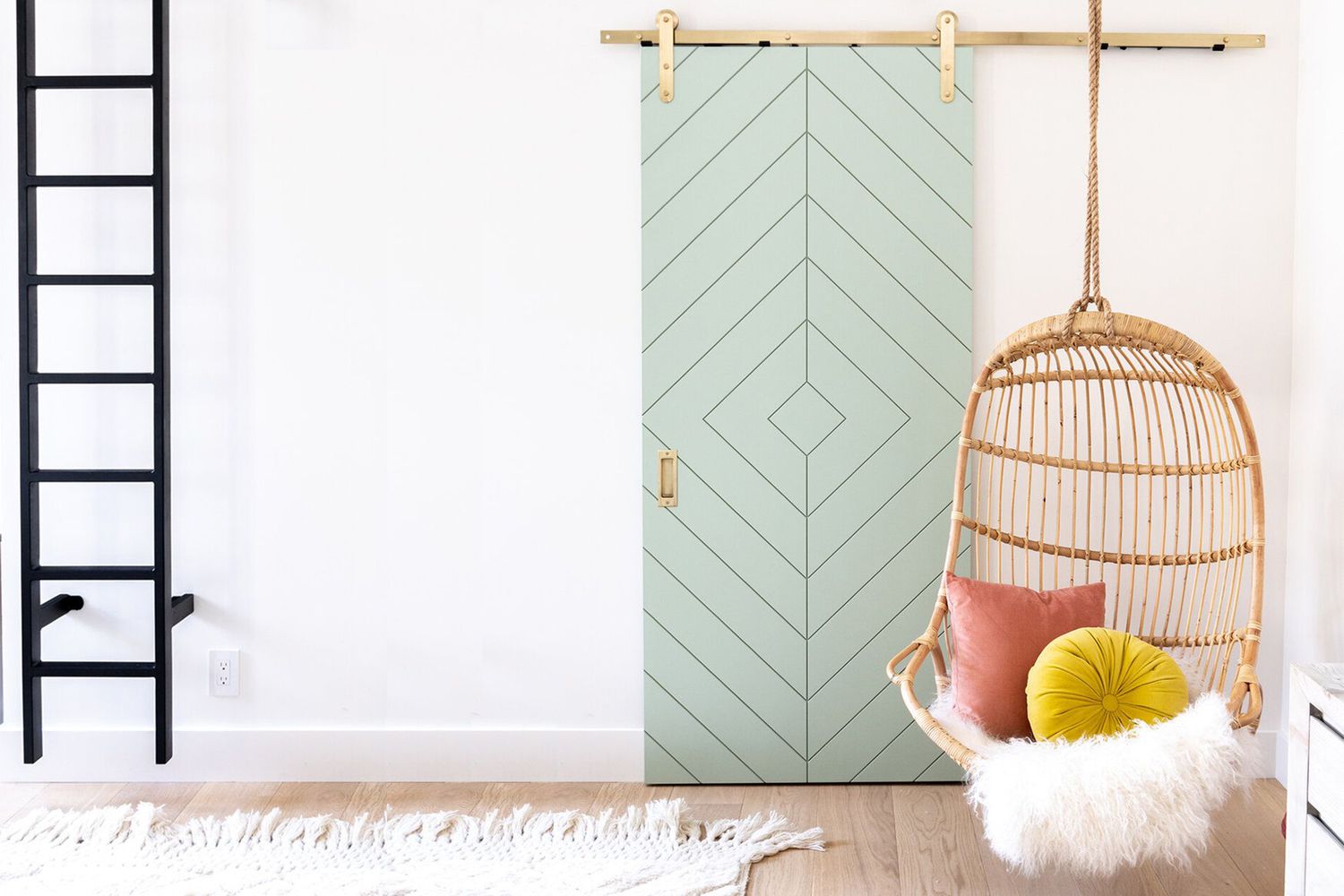
Interior Doors Don't Have to Be Boring—These Designer-Approved Colors Prove It

A Design Pro Shares Her Best Tips for Choosing a Timeless Front Door Color

The 5 Best Interior Door Colors to Use in 2025, According to Designers

13 front door colours mistakes you might be making
Should doors be painted the same color as walls? Expert advice on when to go all out and when to mix it up
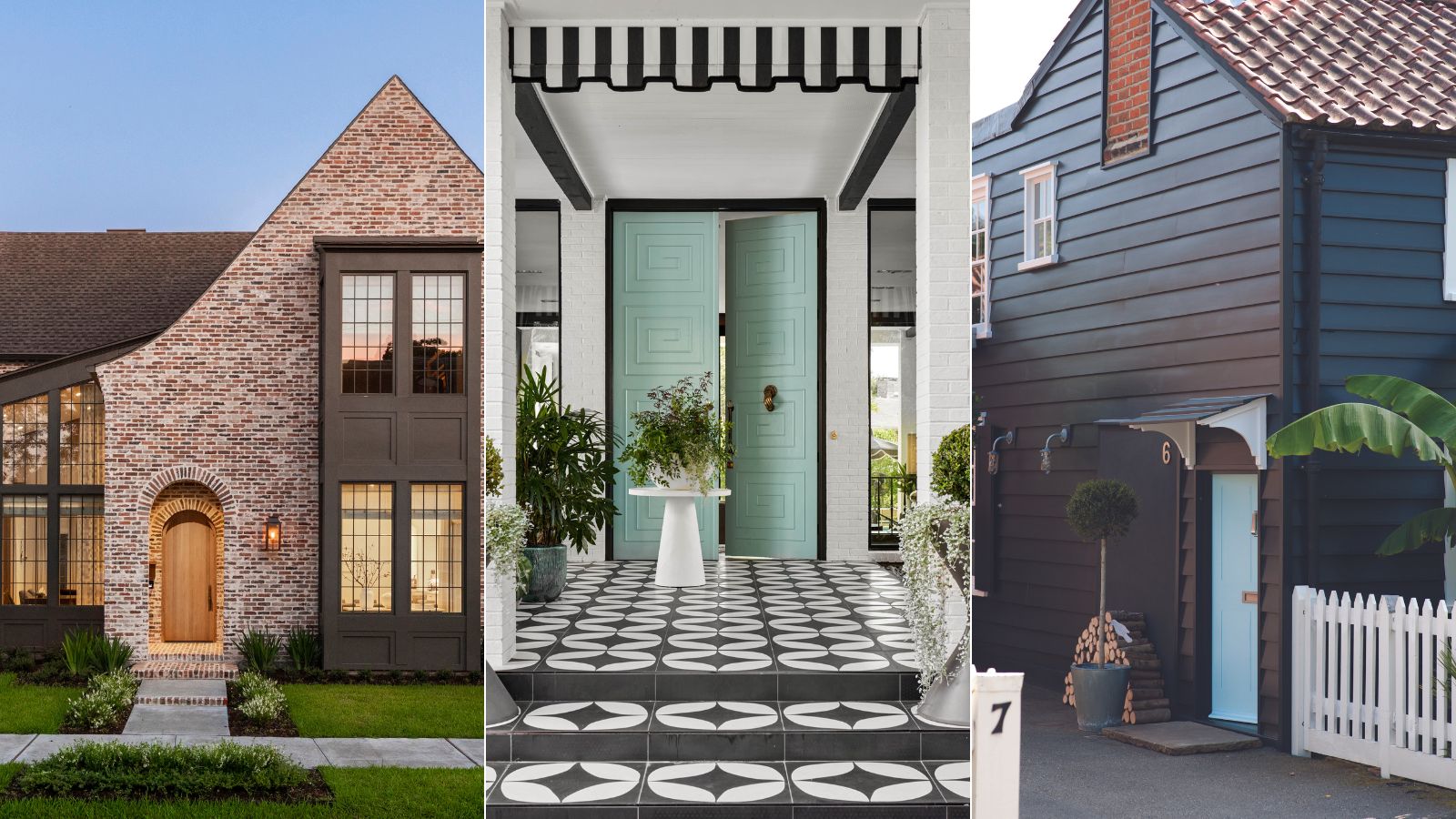
19 front door color ideas that are sure to boost your home's curb appeal
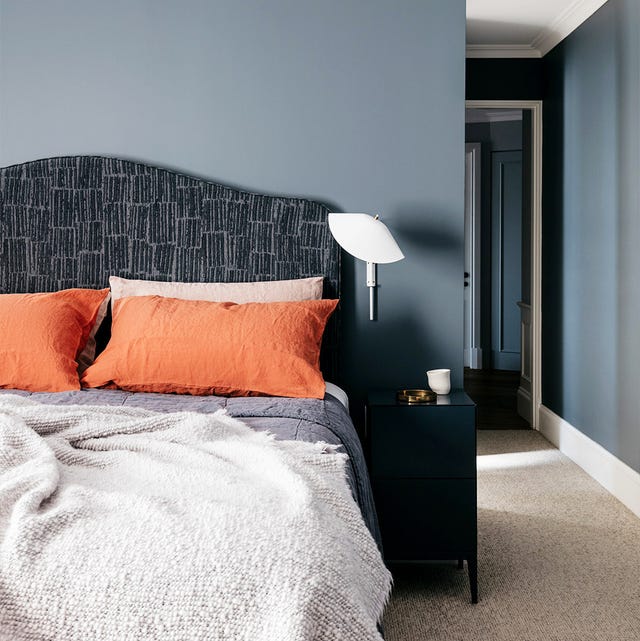
35 Paint Colors to Consider for Every Room in Your House

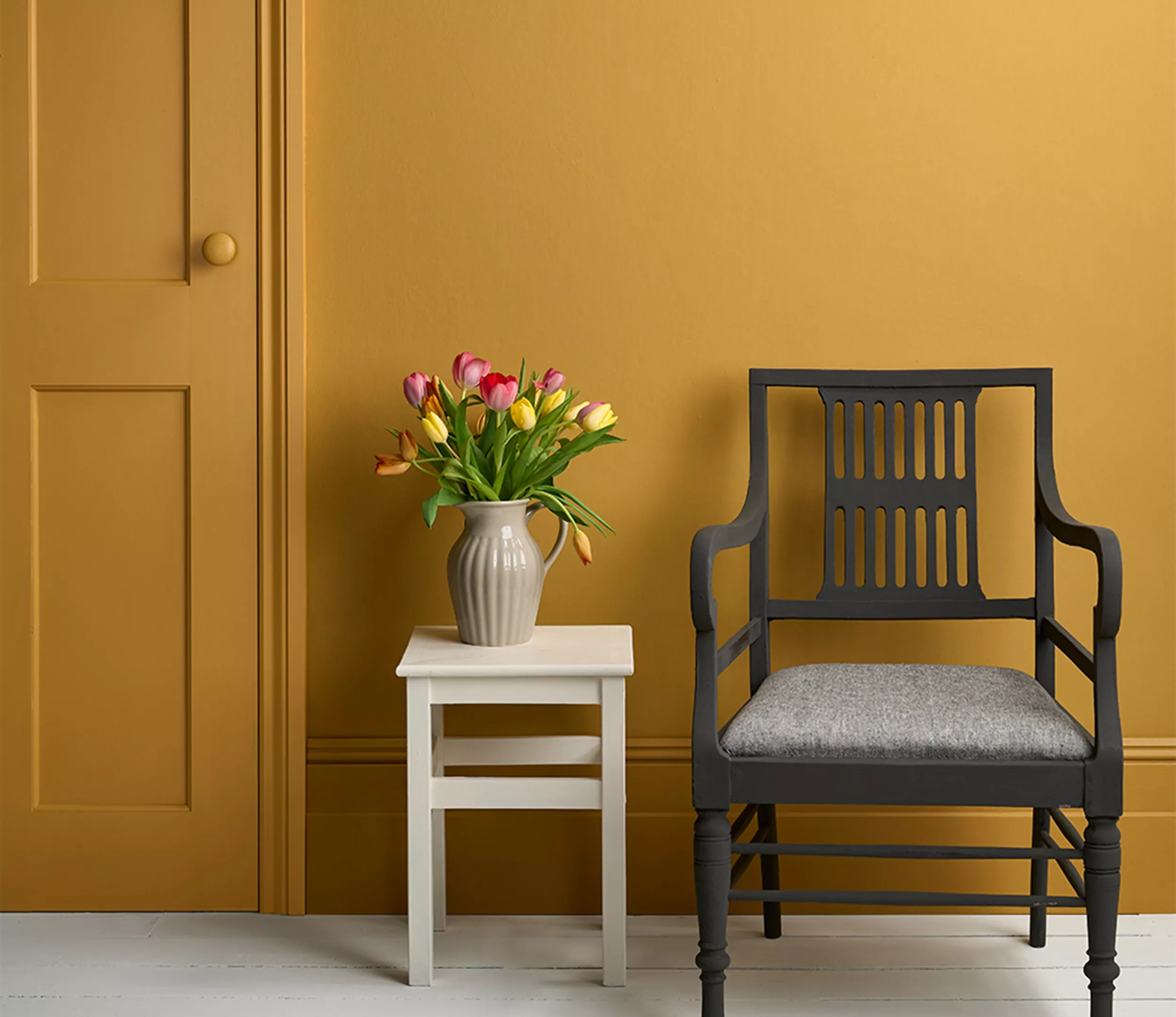
Paint Your Doors the Same Shade as Walls for a Designer-Approved Statement