1/13
We Vetted The 8 Best Electric Tankless Water Heaters to Save Space and Cut Costs
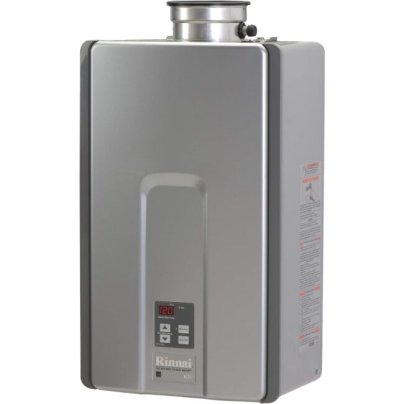
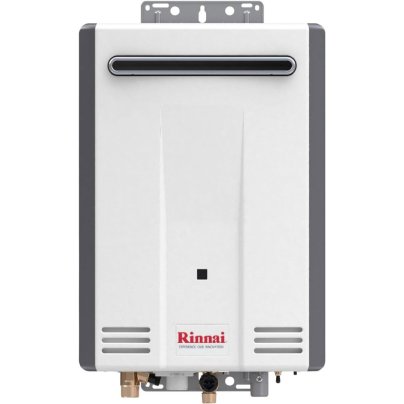
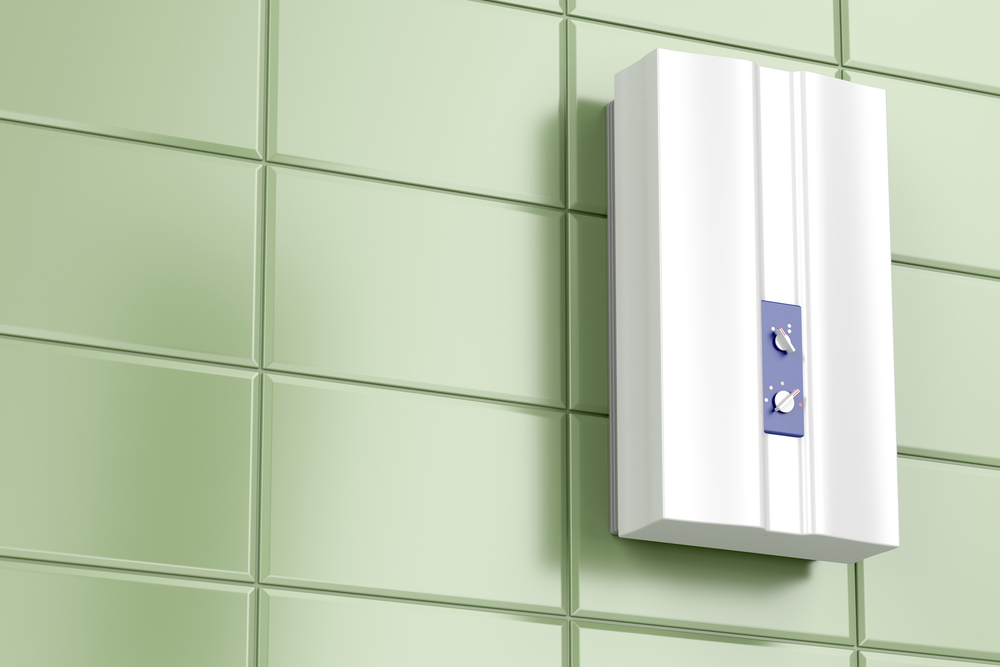
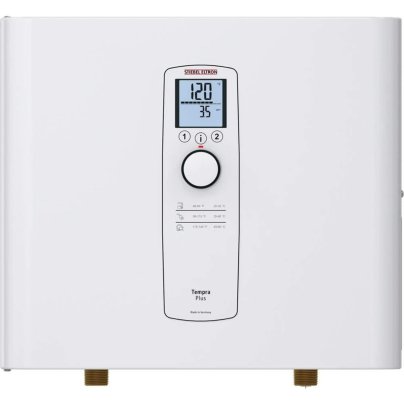
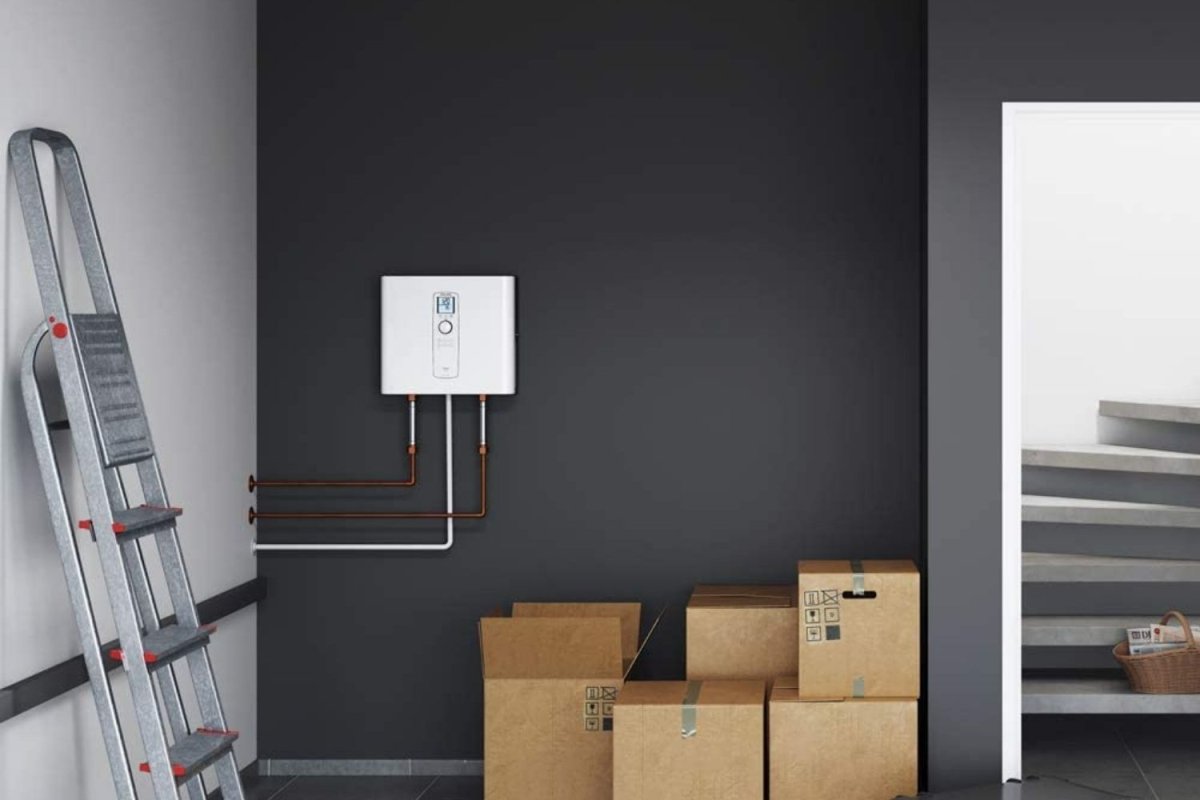
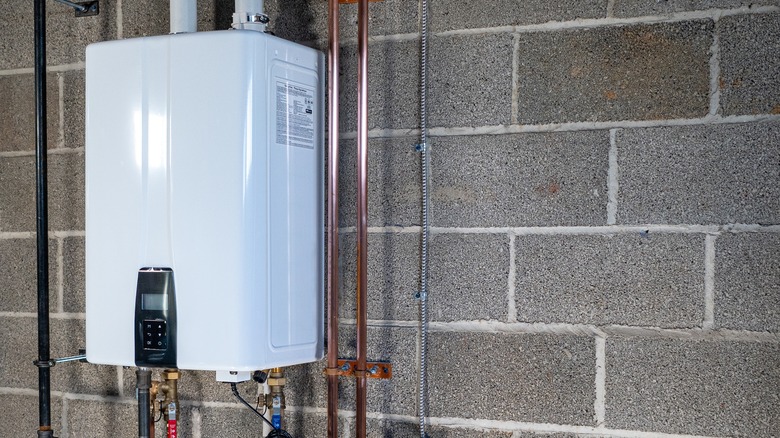
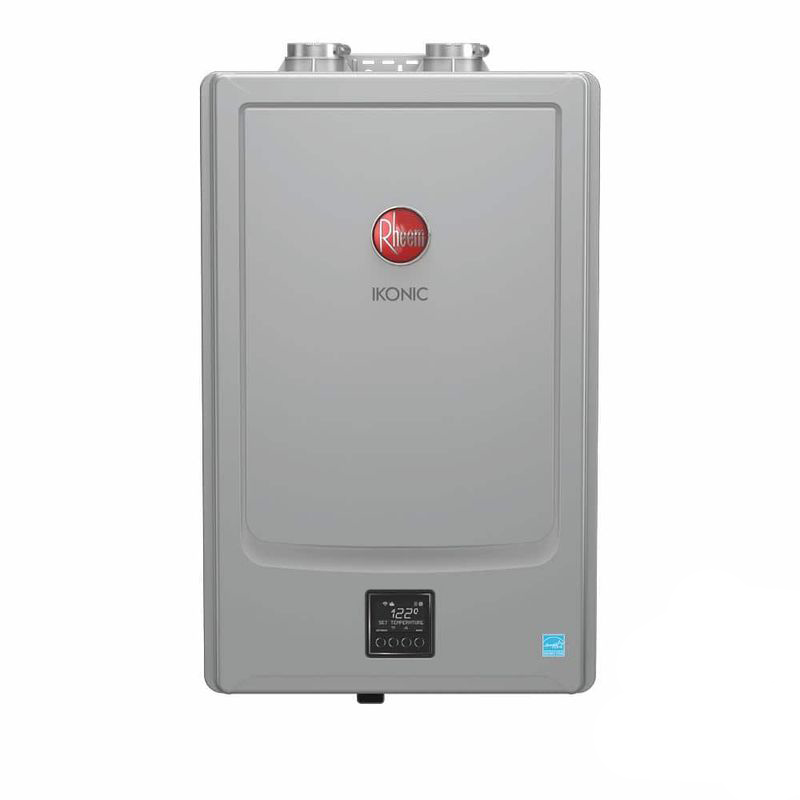
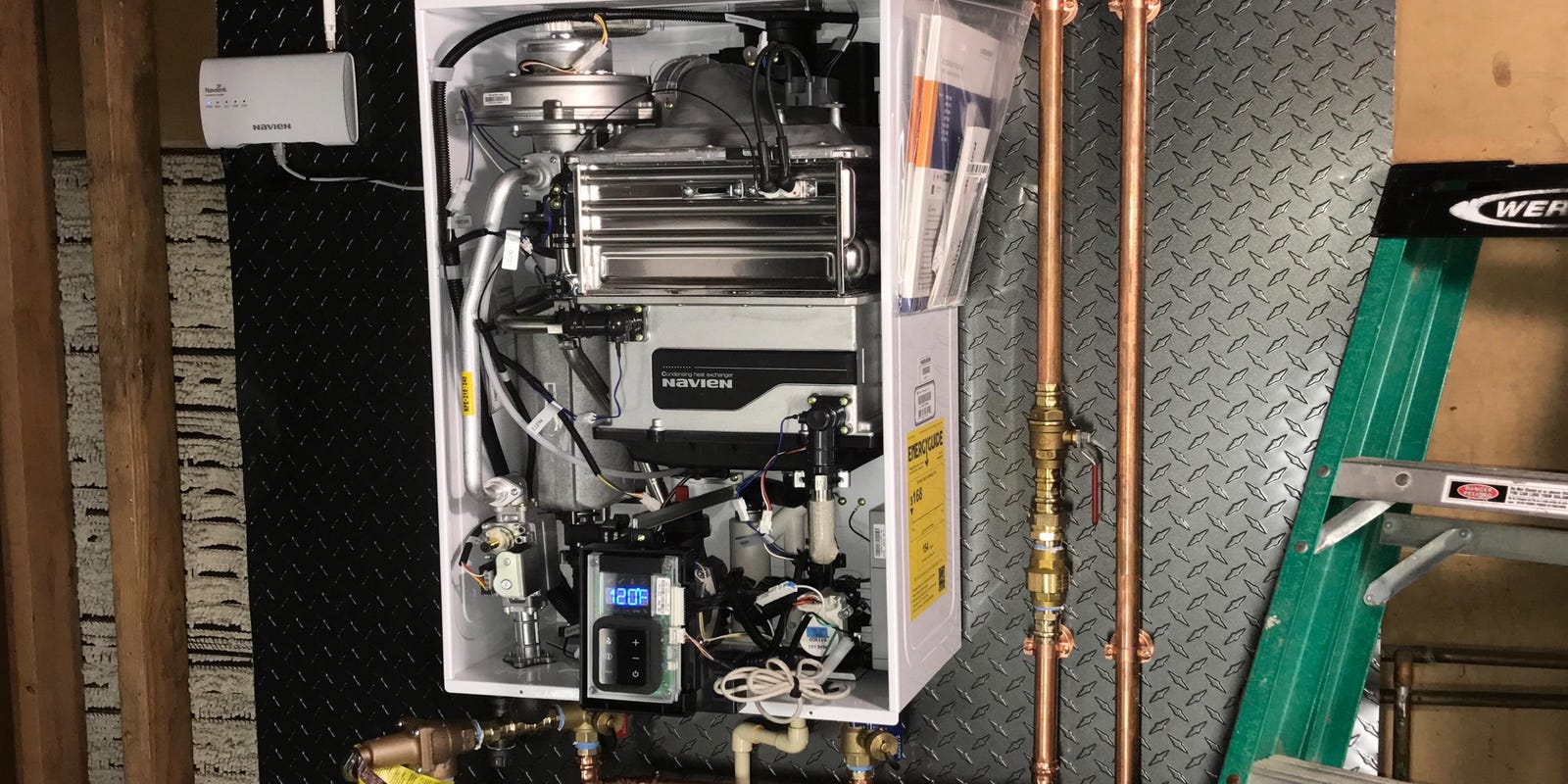
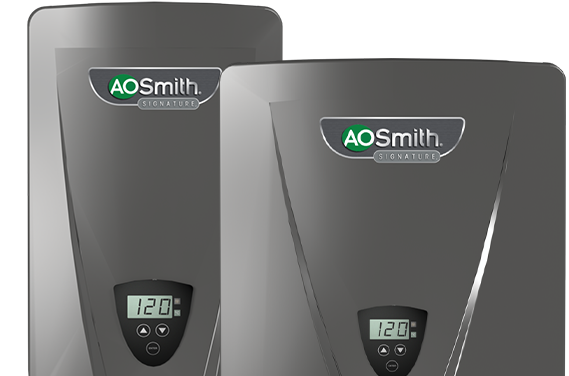
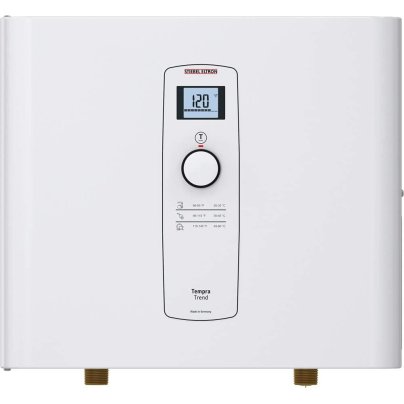
Electric tankless water heaters offer a space-saving and cost-effective alternative to traditional tank water heaters, providing hot water on demand and reducing monthly heating bills. Unlike gas models, electric tankless units are generally more energy-efficient and easier to install as they do not require venting. This guide explores key considerations for choosing the best electric tankless water heater, including types, flow rate, efficiency ratings, installation, maintenance, and additional features.
Two main types of electric tankless water heaters exist: whole-house and point-of-use (POU). Whole-house solutions are suitable for replacing traditional tanks and do not require additional plumbing. POU heaters, often more economical for new constructions or guest accommodations, heat water closer to the point of use, minimizing energy waste from water cooling in long pipes. While portability is limited due to permanent wiring requirements, mini-tank models offer plug-in options for specific needs.
Flow rate, measured in gallons per minute (GPM), is a critical factor for tankless water heaters. The required GPM depends on the number of fixtures in a home; for example, a 1- or 2-bath home typically needs around 5 GPM, while a 3- or 4-bath home requires a 10 GPM unit. The temperature of the incoming water significantly impacts a unit's effective GPM. For instance, a unit rated for 6 GPM based on 75-degree Fahrenheit incoming water might only produce 1.4 GPM in colder climates like Iowa. Therefore, it is crucial to consider temperature rise specifications and consult a qualified professional for accurate sizing based on local conditions.
Efficiency is a major advantage of electric tankless water heaters, as they only consume energy when hot water is needed. While gas models often use the Uniform Energy Factor (UEF) rating, electric models typically use the older Energy Factor (EF) or a percentage efficiency rating. Electric tankless heaters boast efficiency ratings of 98% or 99%, compared to 80% to 93% for gas models. An EF rating above 90 is considered strong for electric units, indicating substantial energy savings and environmental benefits.
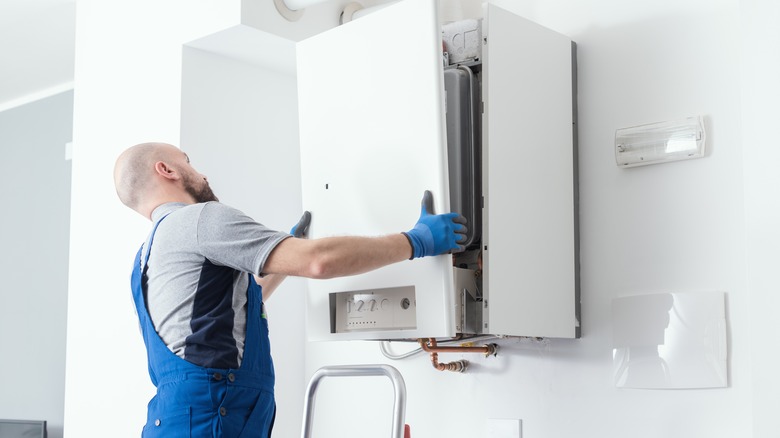
Installation of electric tankless water heaters is simpler than gas counterparts due to the absence of venting requirements, allowing for more flexible placement. While small units might run on 120V, larger, more powerful models often require a 240V supply and multiple dedicated breakers. Homeowners should assess their electrical panel capacity or consult a licensed electrician. Regular maintenance, such as checking screen filters and occasional flushing with white vinegar, is recommended to ensure peak performance and extend the unit's lifespan, which can exceed 20 years.
Additional features often include digital displays for temperature control, preset temperature memory, adjustable flow control for energy conservation, and error code diagnostics. Most units operate quietly, with some claiming completely silent operation. Physical dimensions are generally compact, but can be a factor for POU installations. These devices represent a modern, efficient solution for household hot water needs.
#ElectricTanklessWaterHeater #HomeImprovement #EnergyEfficiency #Plumbing #WaterHeaterInstallation #HomeMaintenance #DIYHomeProjects #ApplianceReview #ElectricTanklessWaterHeater #HomeImprovement #EnergyEfficiency #Plumbing #WaterHeaterInstallation #HomeMaintenance #DIYHomeProjects #ApplianceReview
0 ความคิดเห็นรวม
 ยังไม่มีความคิดเห็น
คุณอาจจะชอบอีกด้วย
The Best Tankless Gas Water Heaters for Your Home
The Most Reliable Water Heaters You Can Buy, According to Testing

What Do a National Lab, a Home Builder, and an Elephant Have in Common?
Water Heater Cost in 2025: DIY or Professional Installation?

The 6 Best Propane Tankless Water Heaters for Low-Waste On-Demand Warmth
The 7 Best Energy-Efficient Space Heaters, Tested and Reviewed

Handyman: Make sure water heater is ready for cold days
The Best Electric Stoves Are More Efficient and Cook Cleaner Than Gas

The 9 Best Water Heaters for Efficiency and Performance
Handyman: Tank versus tankless hot water heater
What is the cheapest electric heater to run? Experts reveal
The 7 Safest Space Heaters: Tested and Reviewed
Top 8 electric geysers to buy before winter for quick heat, safe tanks, and right sizes for every bathroom and kitchen
After testing the best boiling water taps, I’ve ditched my kettle for good – here are the top 8 I tried
Best electric showers: top picks from our independent tests

This Central Heat Pump Water Heater In Chicago Was One Of The First To Be Installed In A Cold Climate
How Much Should You Spend On A New Electric Water Heater?

Today's Water Heaters Aren't Built Like They Once Were—They're Better

Best boiling water taps: our top 9 boiling and hot water taps for your home

What Did Your Heat Pump Water Heater Installation Cost? We Want to Know