1/26
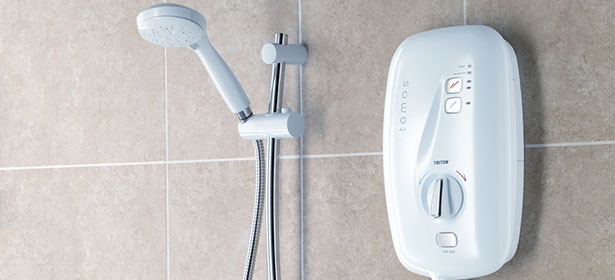
Best electric showers: top picks from our independent tests
Choosing the right electric shower involves considering several factors to ensure optimal performance, temperature consistency, and energy efficiency. Electric showers are versatile, as they operate using cold mains water and are not dependent on the home's existing water system, making them suitable for various households, especially where hot water from a boiler might be limited. Key performance indicators for electric showers include temperature consistency, energy and water efficiency, and the ability to deliver a generous flow of hot water.
Rigorous testing protocols evaluate how well electric showers maintain a steady temperature, even when other water outlets in the home are in use. This prevents sudden and uncomfortable temperature fluctuations. The efficiency of a shower is assessed by measuring its energy consumption and water output on both high and low settings, providing insights into running costs. The power rating (kilowatts or kW) of an electric shower directly influences the amount of hot water it can produce. Tests also consider the ease of installation, daily use, and cleaning, along with the recovery time for temperature regulation after a disturbance.
When selecting a shower, it is crucial to match the shower type to the home's water system. Electric showers are ideal if there is no existing hot water supply in the bathroom. Mixer showers are suitable for homes with a readily available hot water supply and non-gravity-fed systems, or gravity-fed systems with good water pressure. For gravity-fed systems with low water pressure, a power shower is often the best choice.
Several features enhance an electric shower's functionality and safety. Thermostatic protection is essential for maintaining a consistent temperature. Automatic shutdown features provide safety by turning off the shower if water supplies fail. A maximum temperature setting is beneficial for households with children, preventing scalding. Limescale protection, often achieved through phased shutdown, helps maintain the longevity of the heating element. Some showers offer multiple heads or diverters for varied showering experiences, and different flow and spray options cater to personal preferences, including eco-friendly settings to conserve water. Specialized care or inclusive showers feature tactile controls and audio feedback, along with adjustable temperature limits and smart monitoring capabilities for users with specific needs or their carers.
Professional installation is often required for electric showers, particularly for wiring, which must be handled by a Part P-certified electrician. While plumbers can manage the plumbing aspects, the electrical work demands specialist expertise to ensure safety and compliance. Replacing an existing electric shower with a similar model might be a DIY task for confident individuals, but caution is advised due to potential risks.
Eco shower heads, designed to reduce water consumption while maintaining pressure perception, are generally not recommended for use with electric showers. This is because their flow-restricting mechanisms can cause water to accumulate and overheat within the electric shower's heater tank, potentially damaging the unit. Electric showers are typically already water-efficient, rendering an eco shower head unnecessary and potentially problematic.
#ElectricShowers #ShowerReviews #HomeAppliances #BathroomFixtures #EnergyEfficiency #WaterEfficiency #ShowerInstallation #ThermostaticControl #LimescaleProtection #ElectricShowers #ShowerReviews #HomeAppliances #BathroomFixtures #EnergyEfficiency #WaterEfficiency #ShowerInstallation #ThermostaticControl #LimescaleProtection
0 comment in total
 No comments yet
You may also like
The 10 Best Shower Heads, Tested and Reviewed

8 Best Shower Heads of 2021

10 Best Shower Kits of 2022
The Best Showerheads We’ve Tested for Long, Luxurious Showers
We Researched Over 40 Handheld Shower Heads and Tested the Best Ones
We Found the Best Handheld Showerheads, Sourced From Our Favorite Spaces

Turn Your Daily Shower Into a Spa-Like Experience with The 5 Best Showerheads We Tested

Best Filtered Shower Heads in 2026, Tested and Reviewed

Best Showerhead: Get Squeaky Clean With These Best-Rated Options

We Tested The Best Showerheads—These Make Your Bathroom Feel Like a Literal Spa

Freestanding Baths – Our Pick of the Best
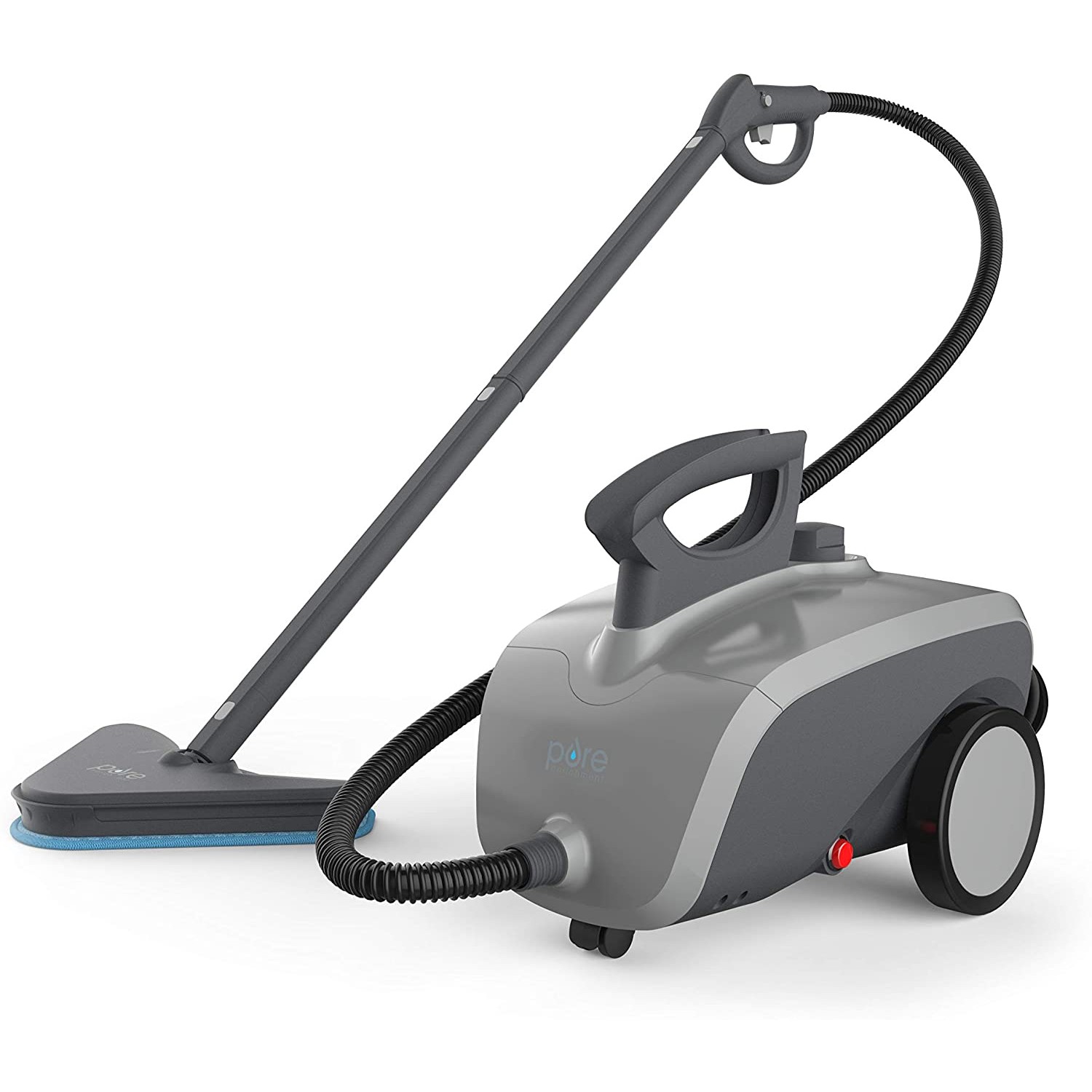
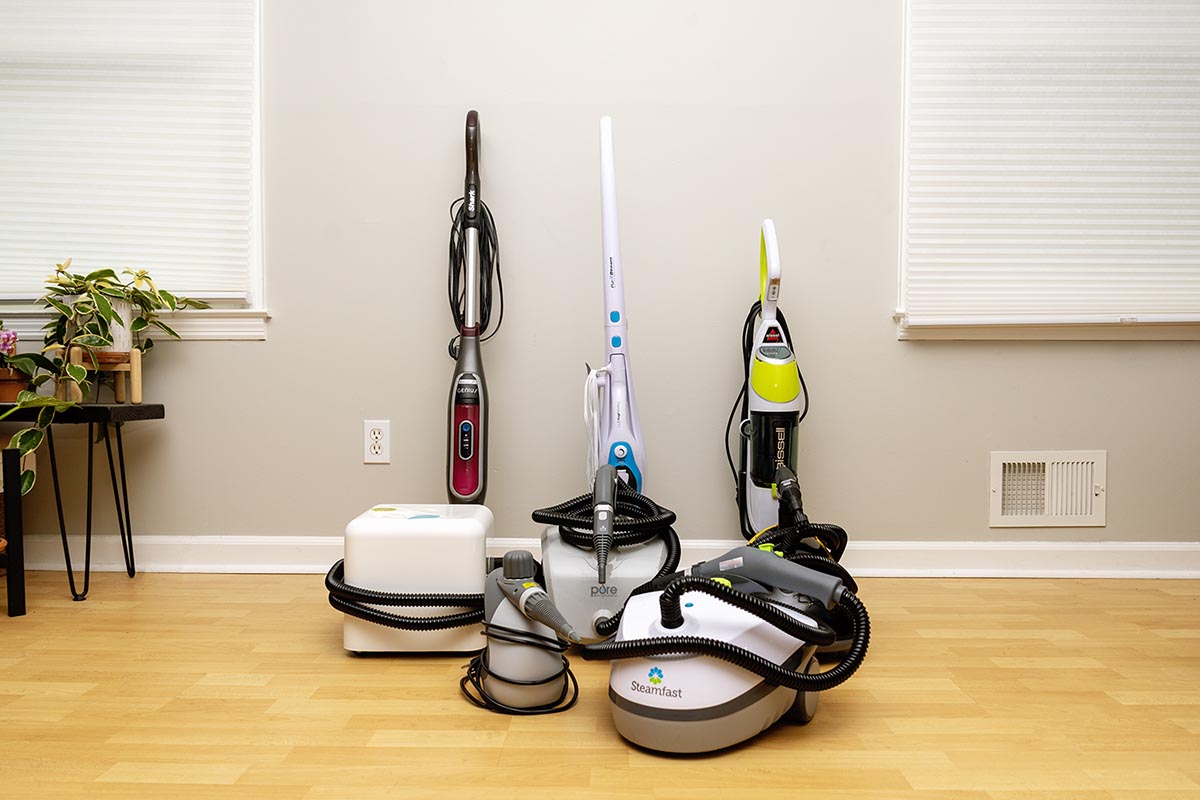
The Best Steam Cleaners Based on Our Extensive Testing
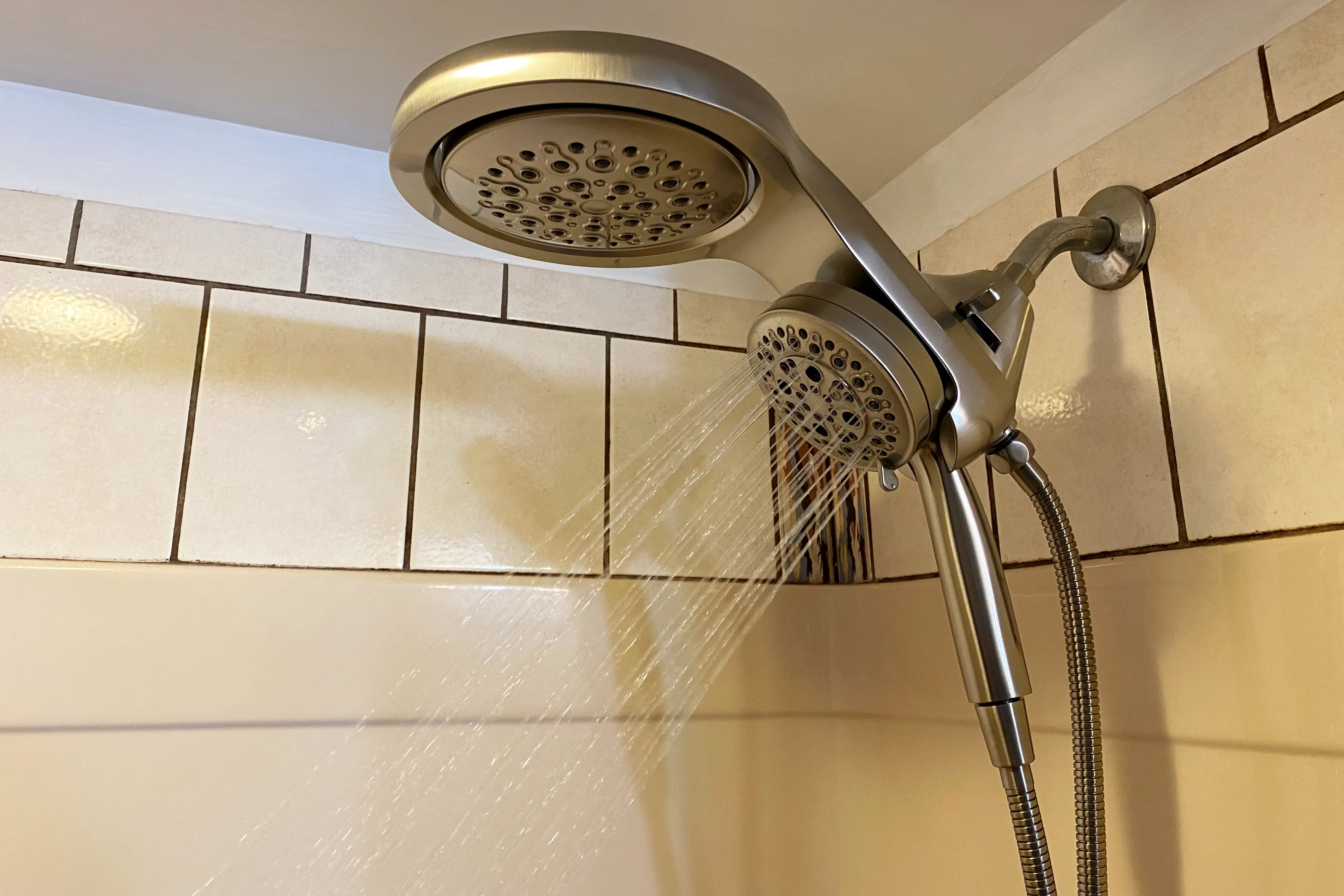
Our Editors Tested Handheld Showerheads—These Are the 5 Worth Buying
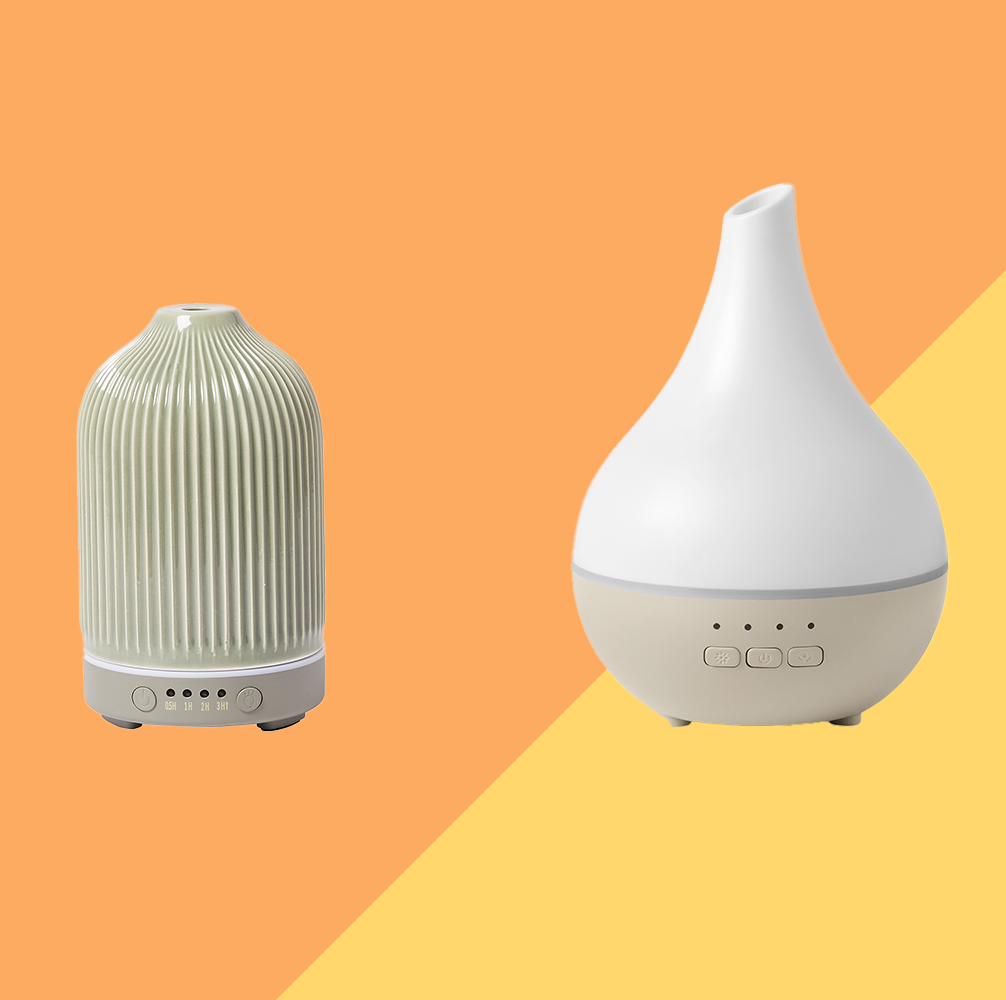
9 best electric diffusers to achieve spa-like bliss at home, tried and tested

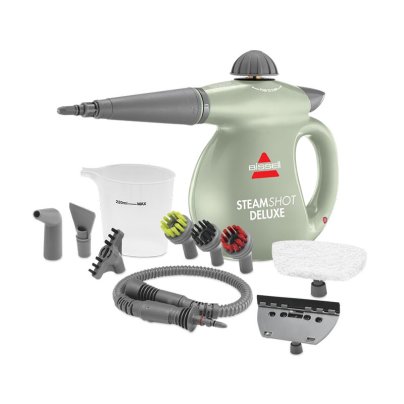
The Best Handheld Steam Cleaners Based on Our Tests
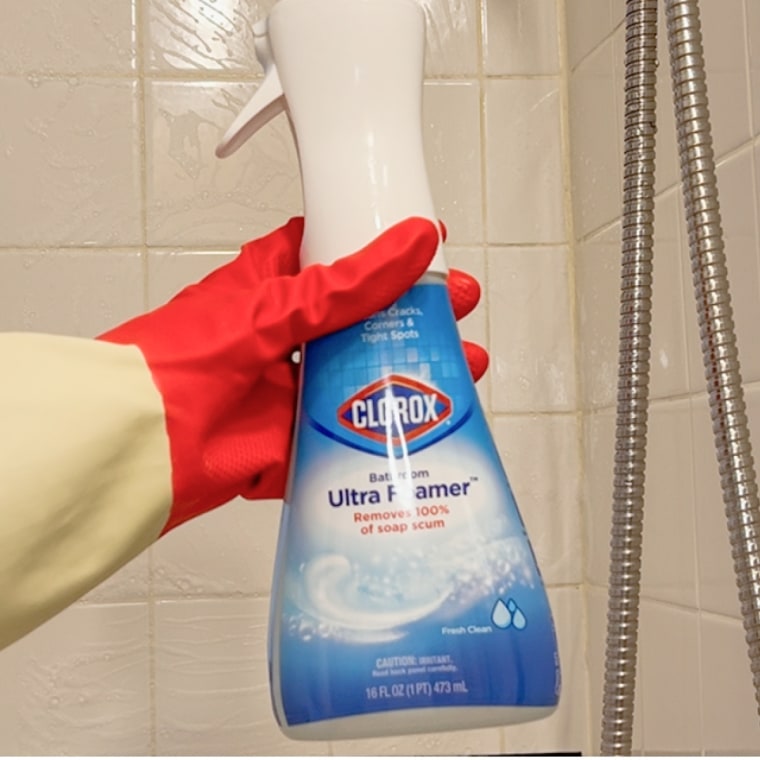
The 6 Best Shower Cleaners 2026, Tested by an Editor

7 Best Handheld Shower Heads for a Spa-Like Experience
5 of the best high-pressure shower heads we've tried and tested — from £16.99

The Best Outdoor Showers for Pools, Camping, and More
The 8 Best Filtered Shower Heads, According To Our Team And Expert Advice