
1/25
Wallpaper Is Back. Here's How to Add this Bold Accent Into Your Home.
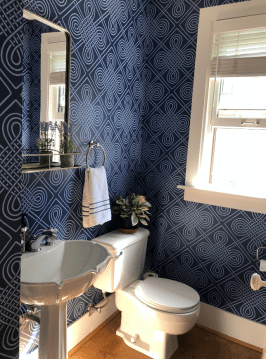
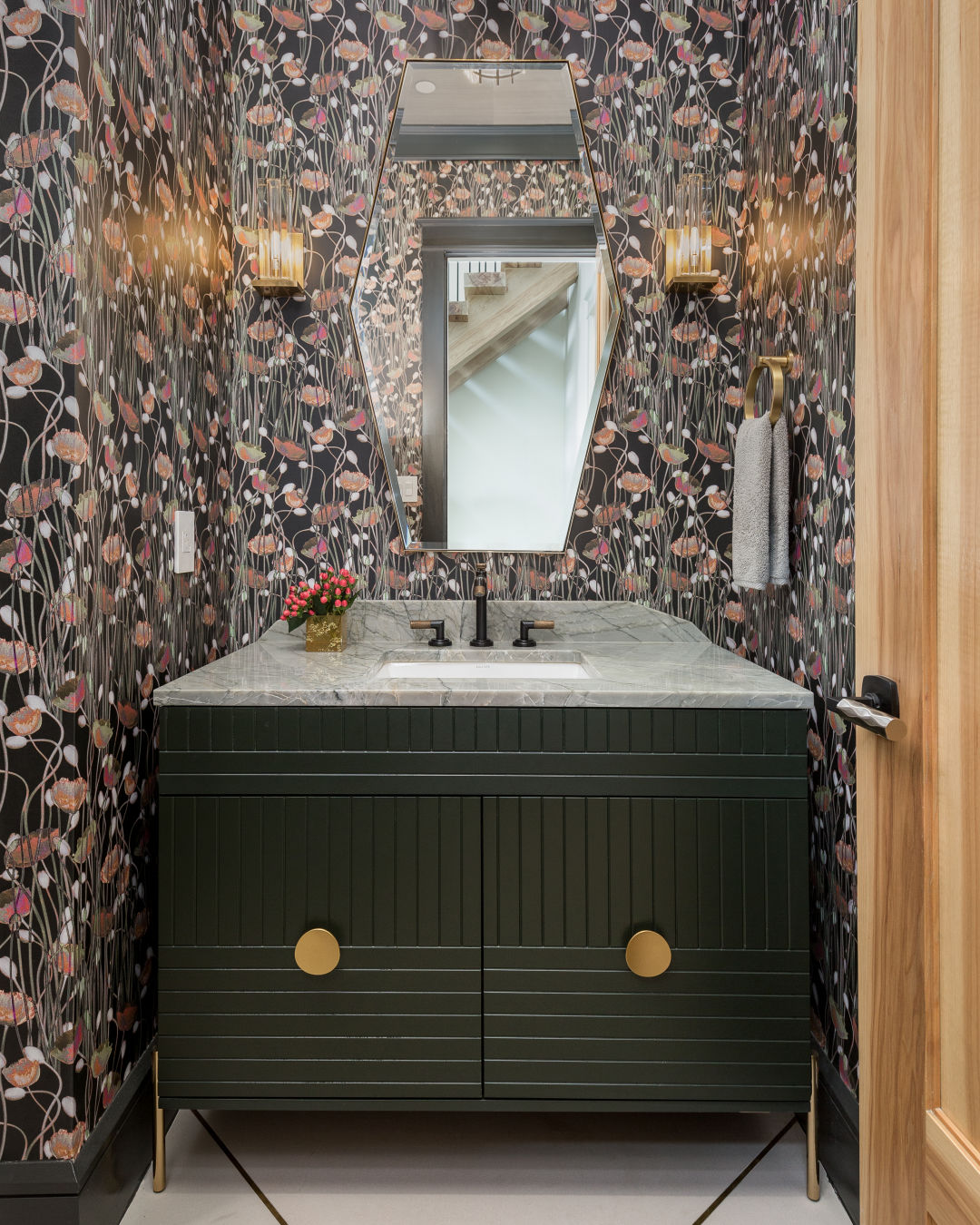
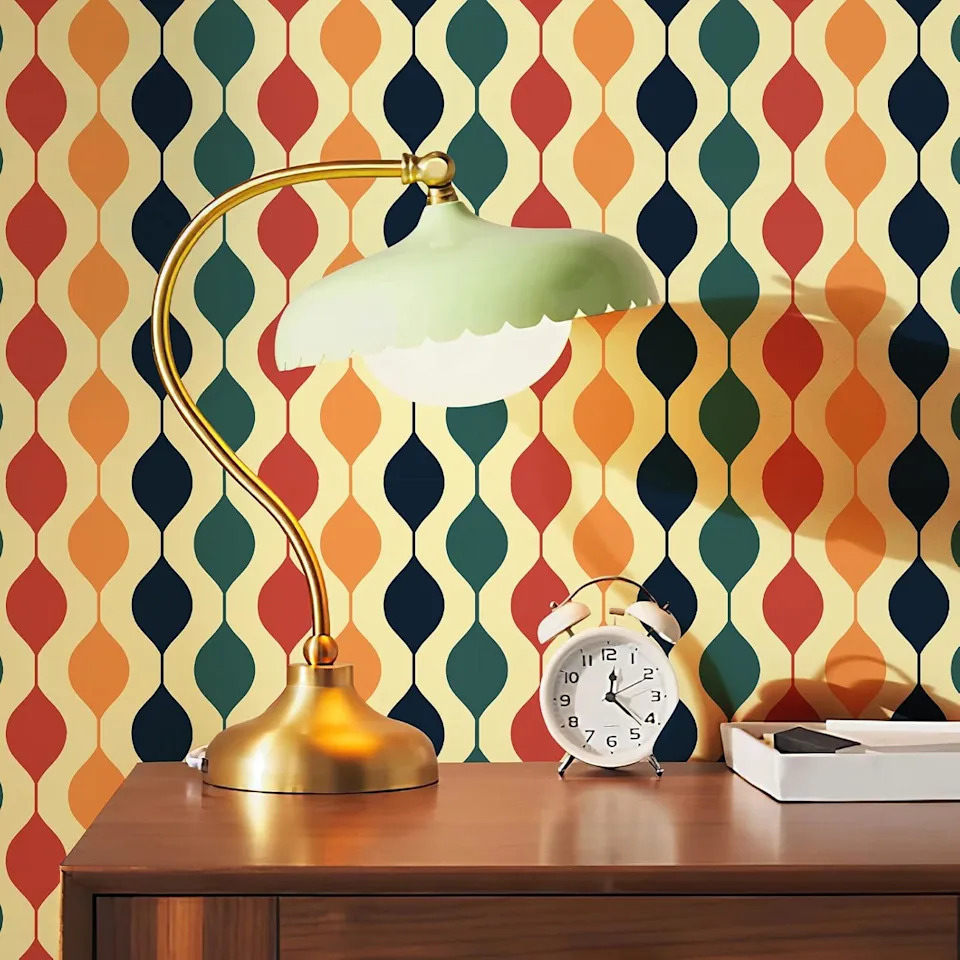
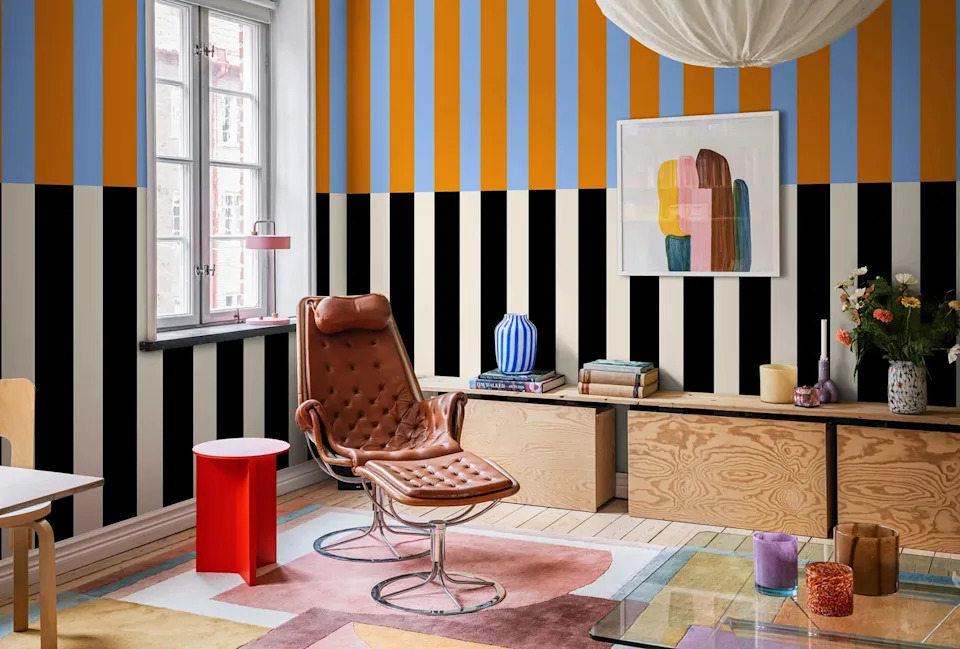
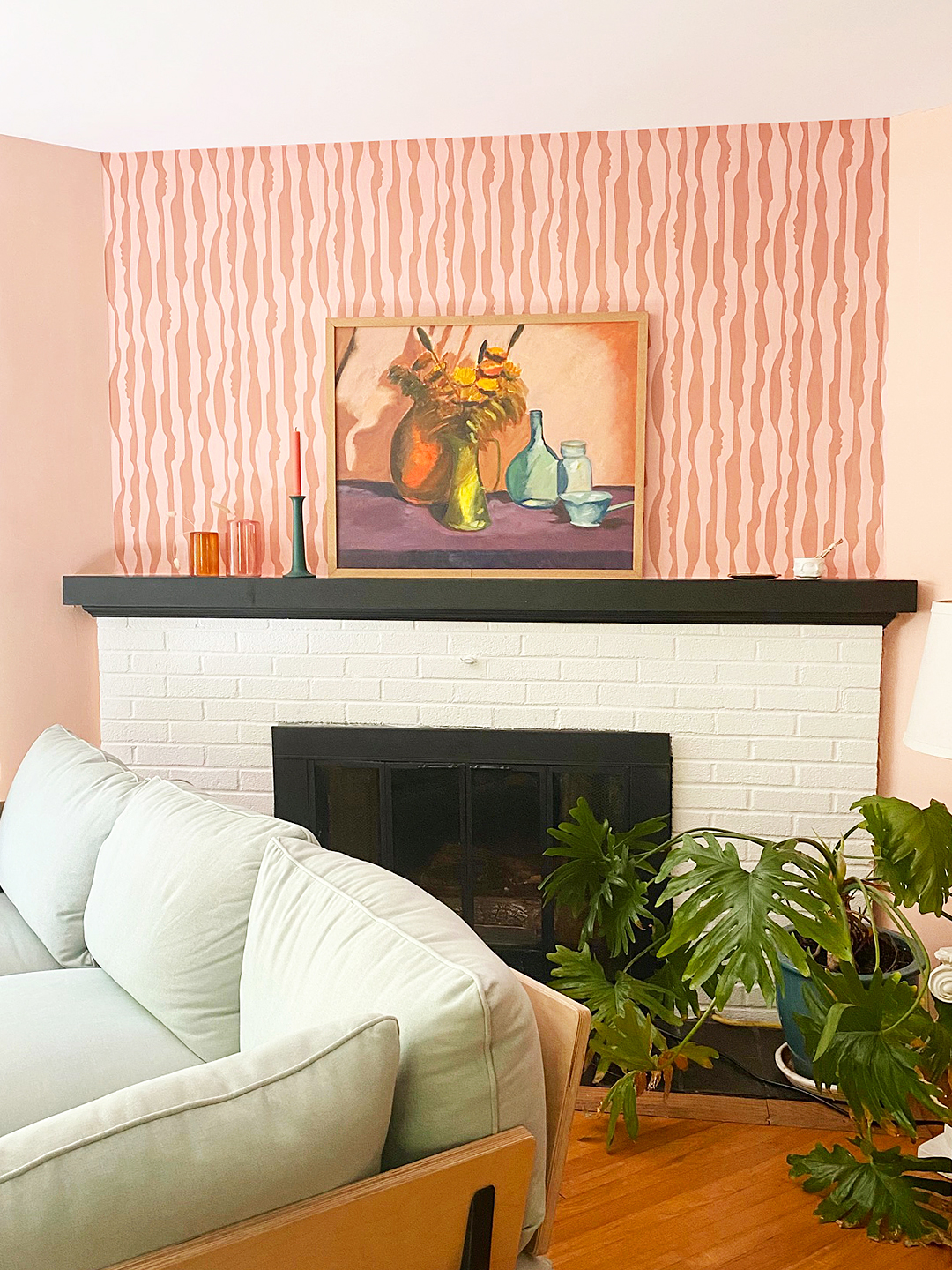
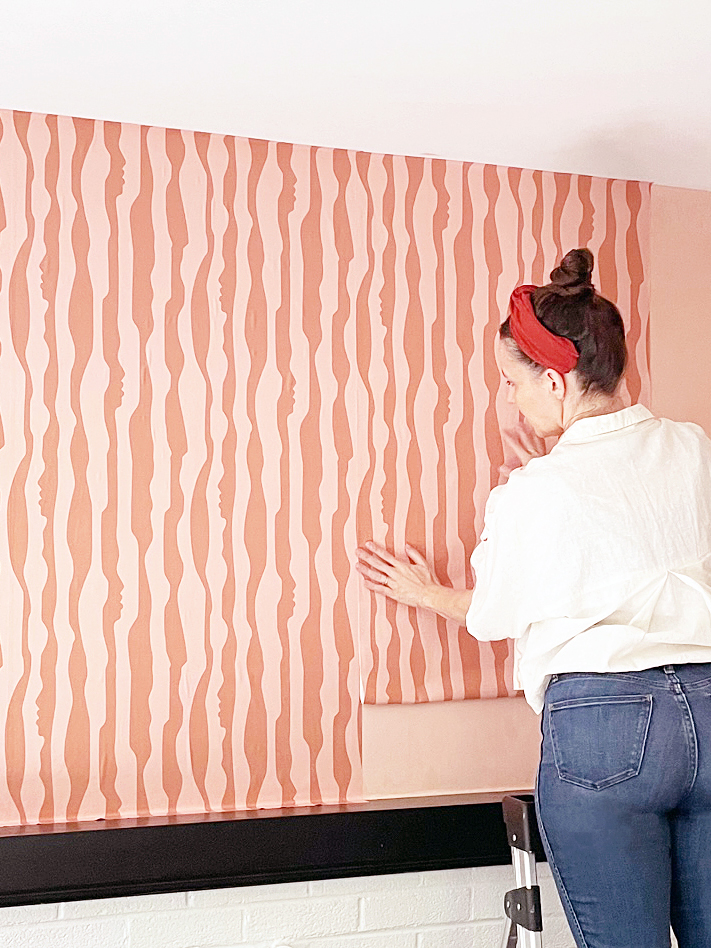
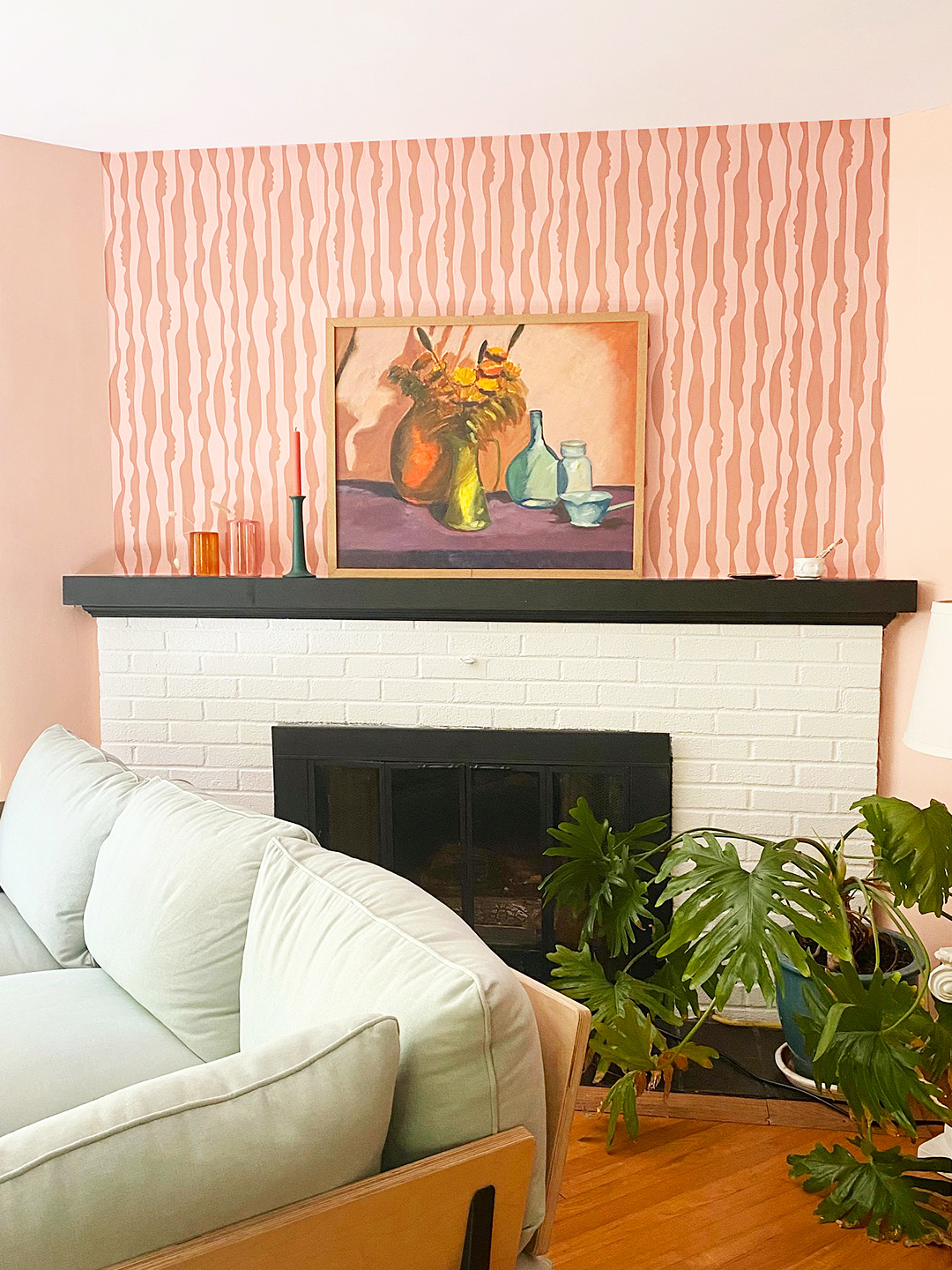
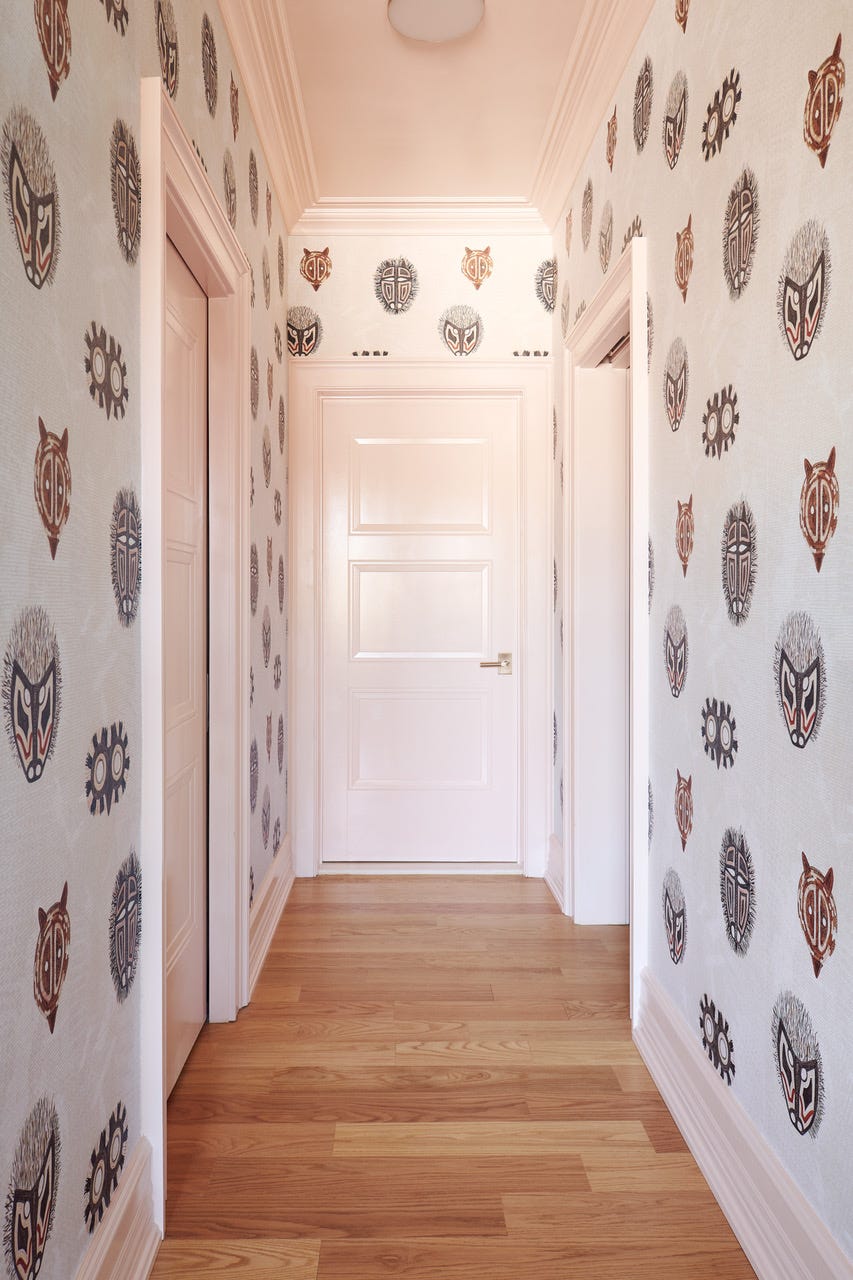
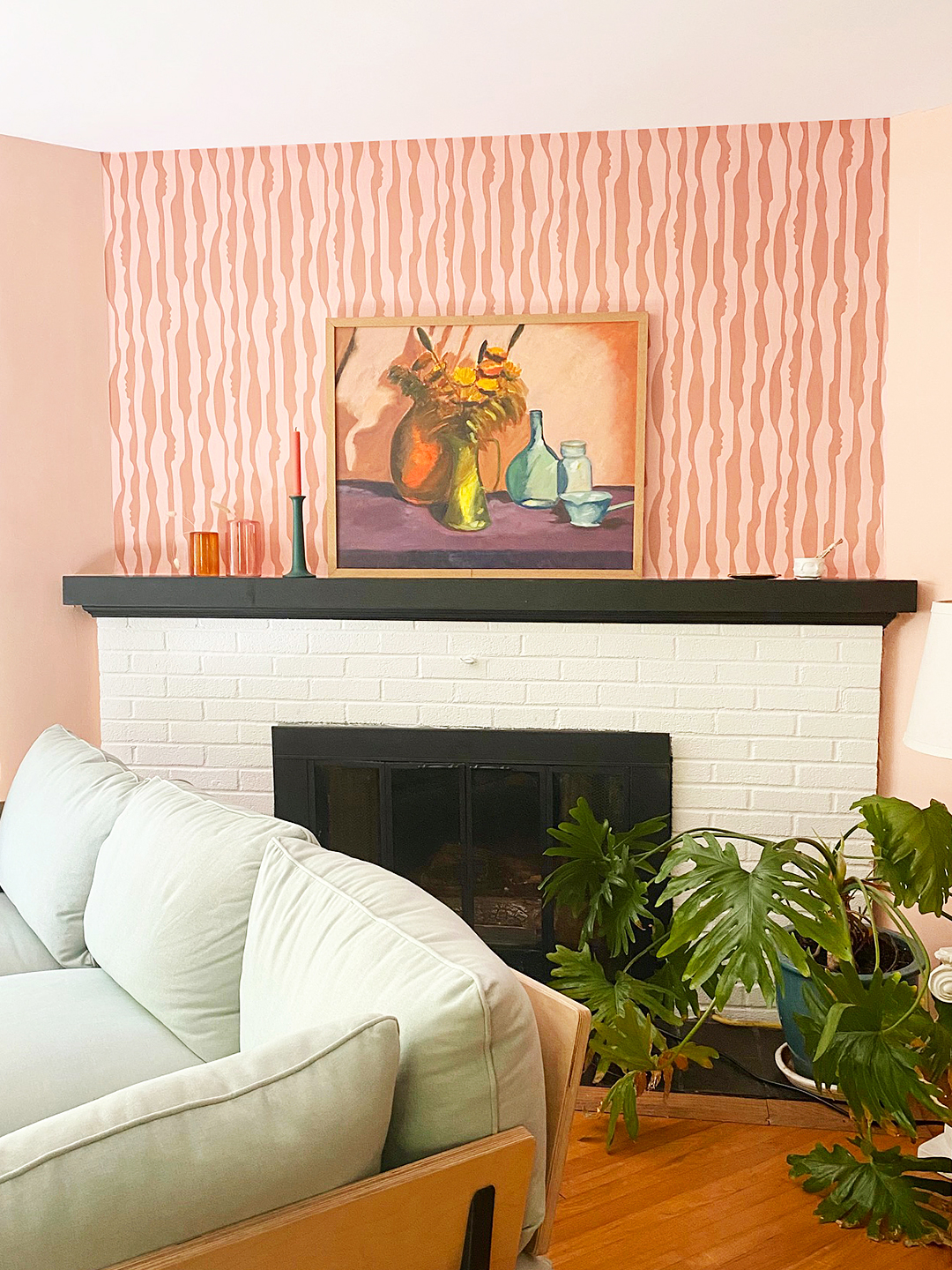
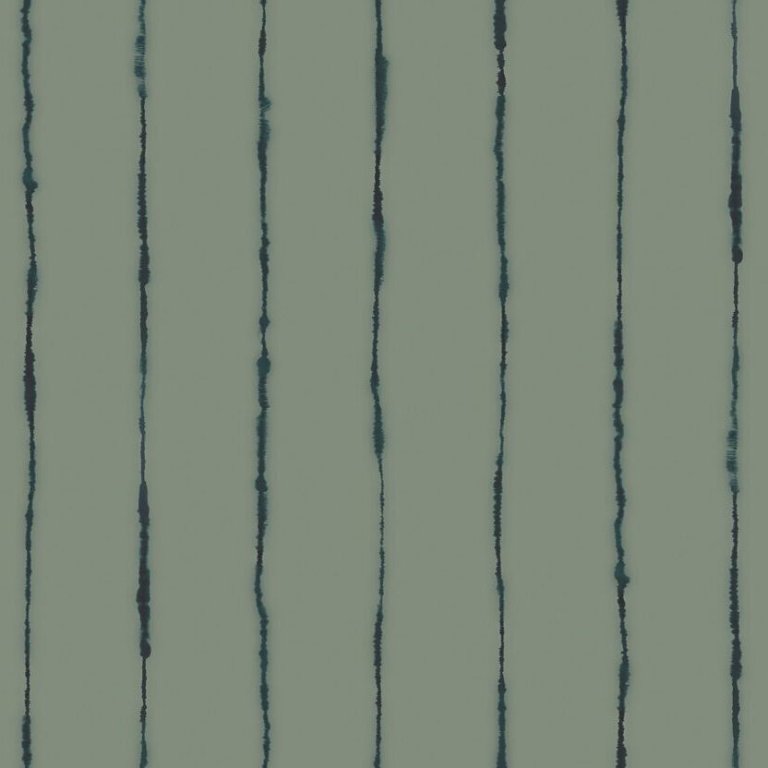
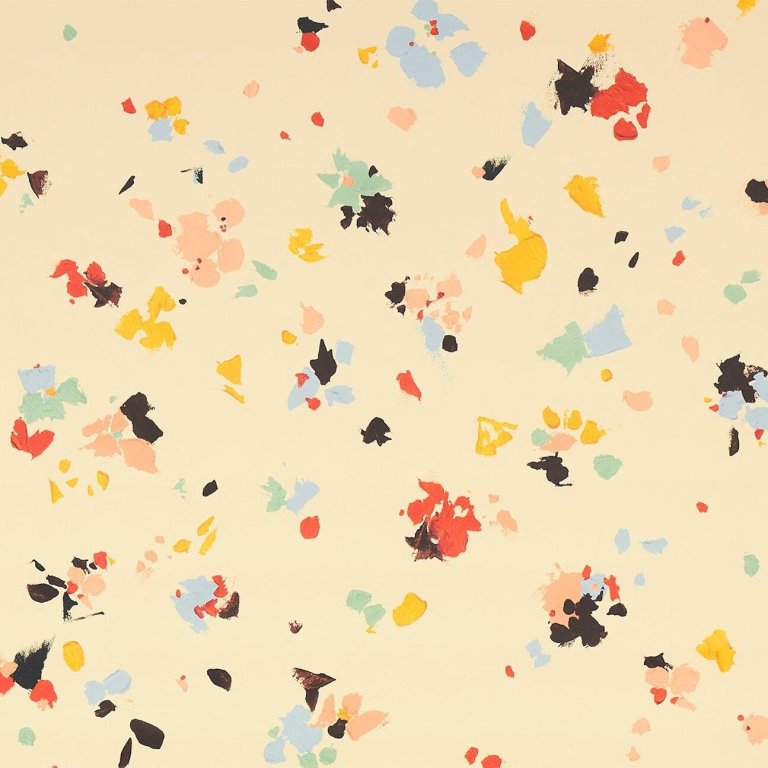
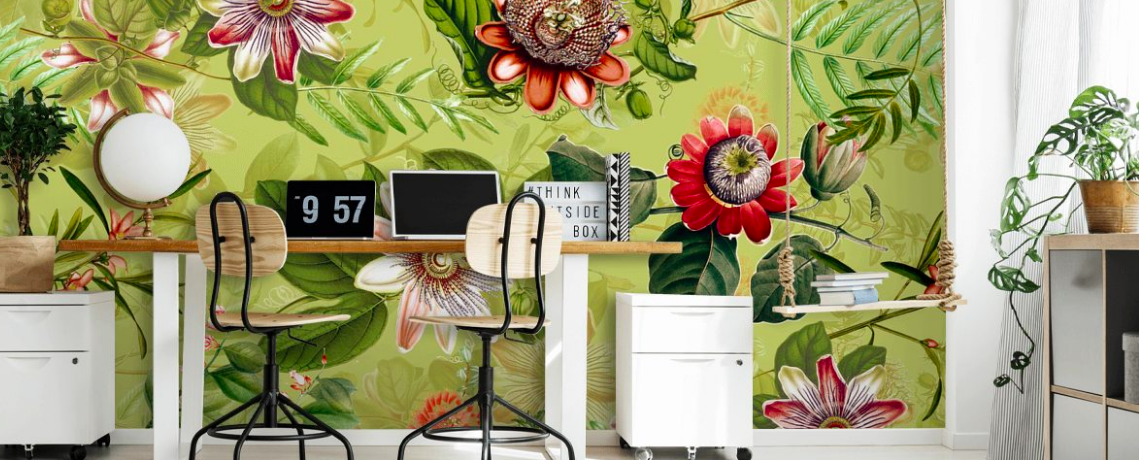
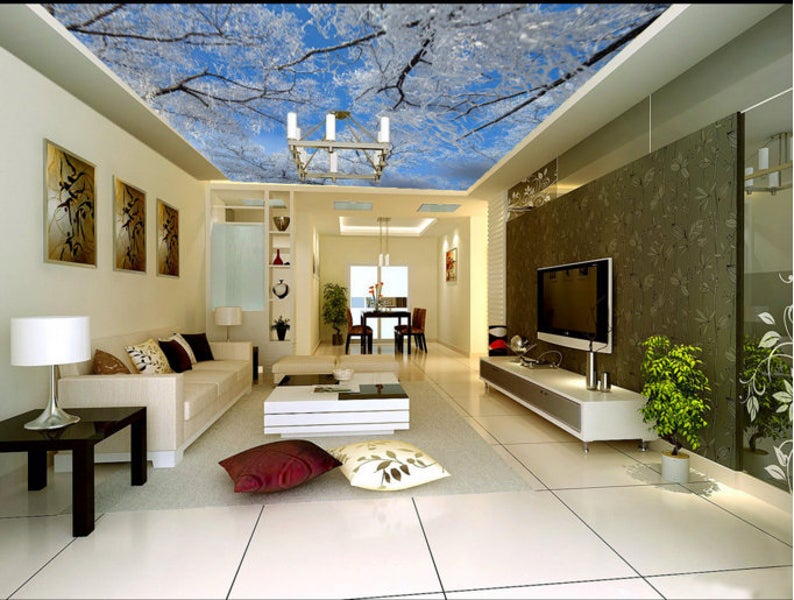
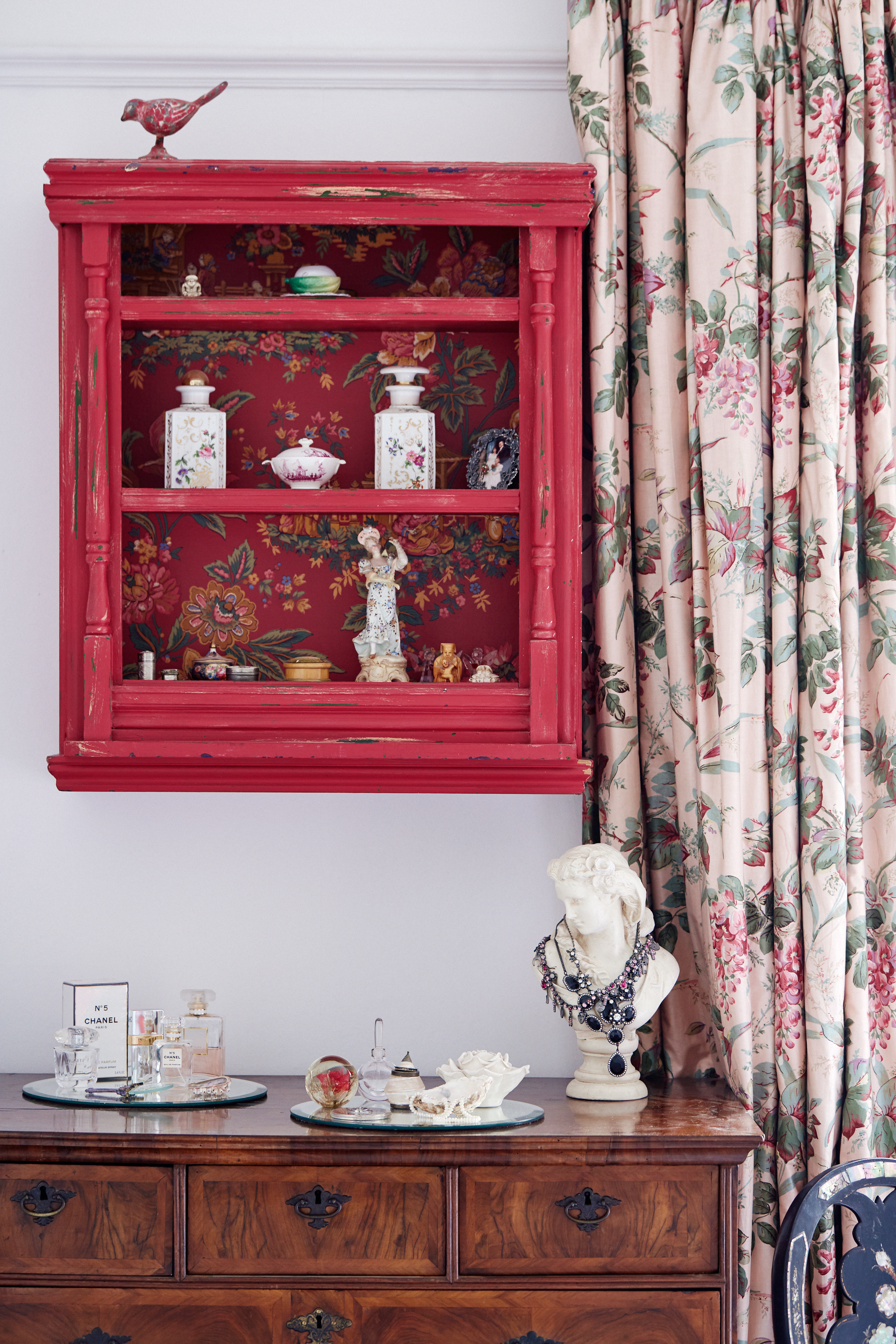
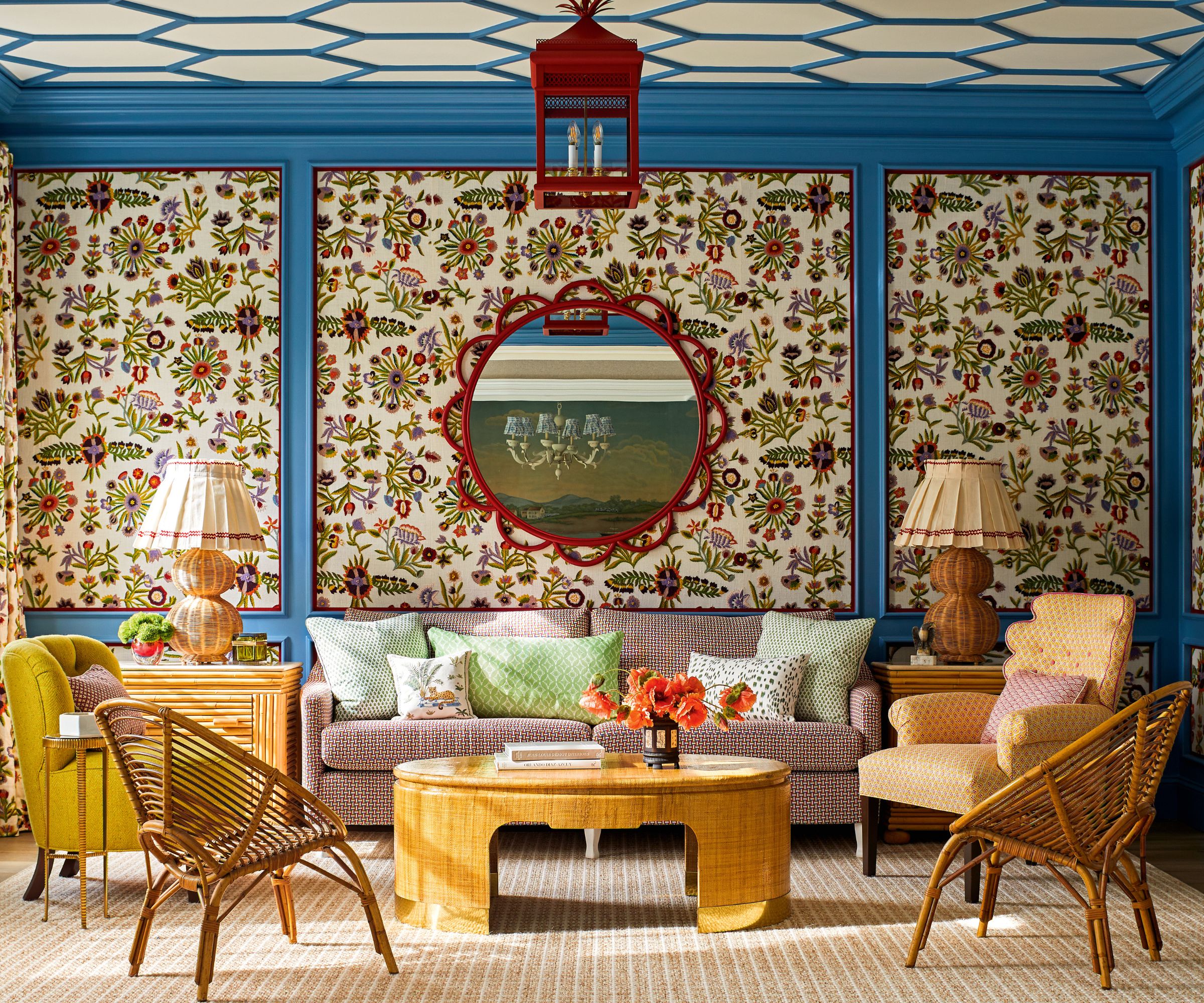
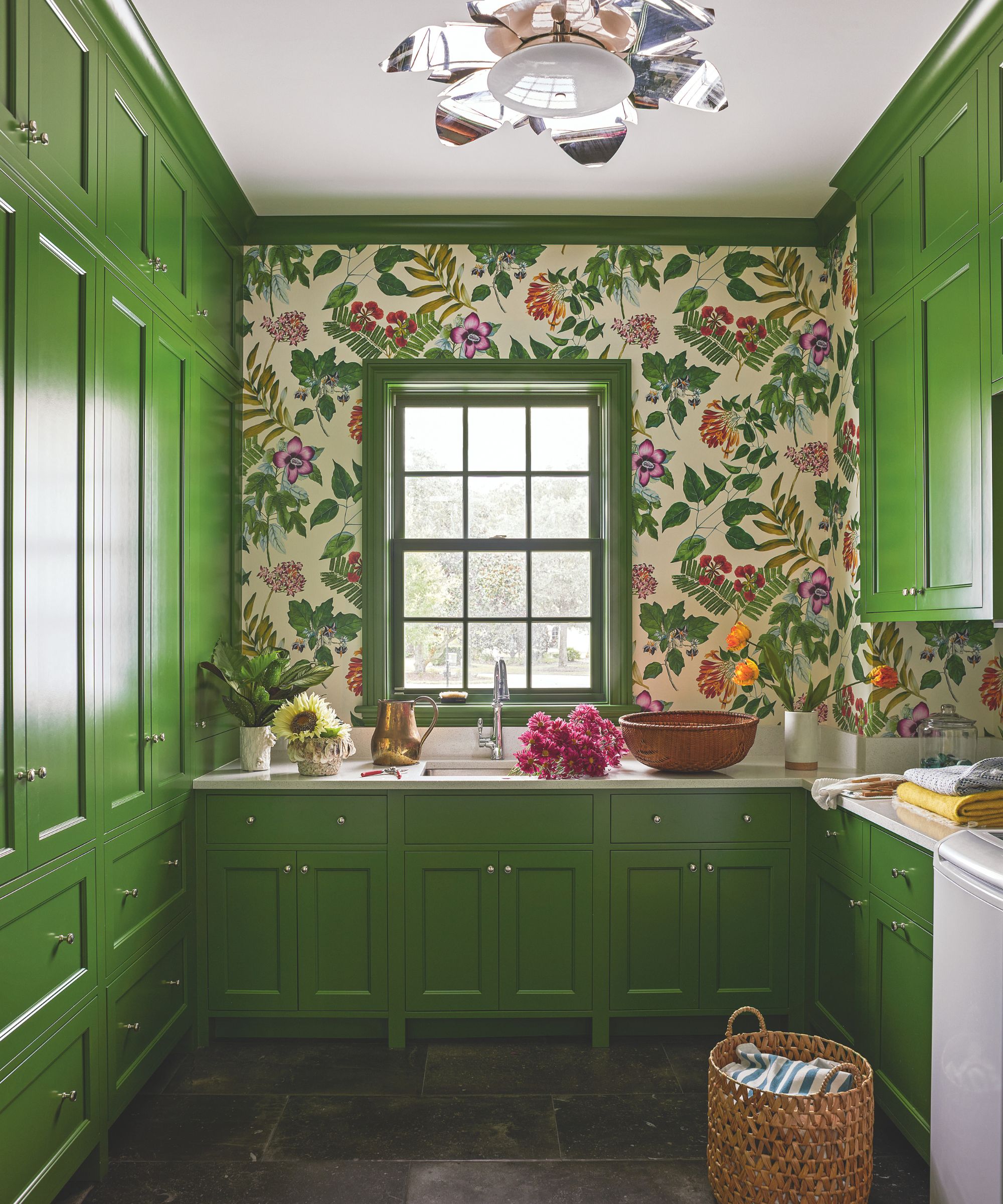
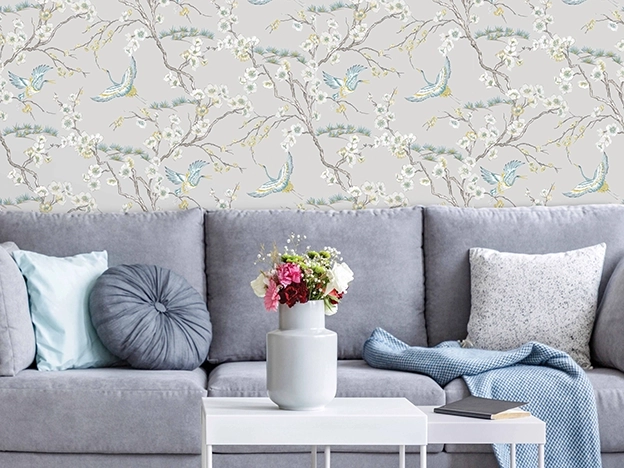
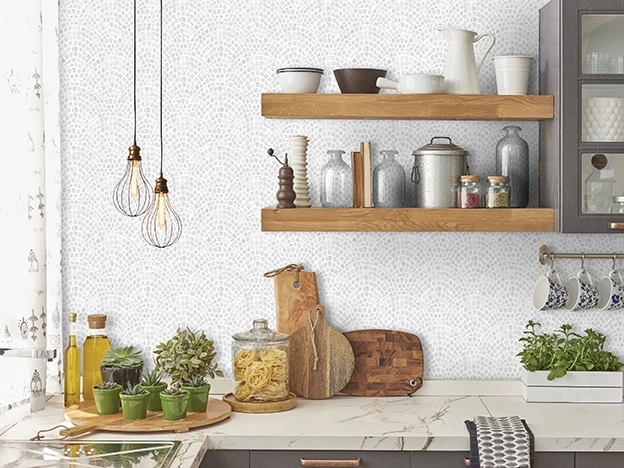
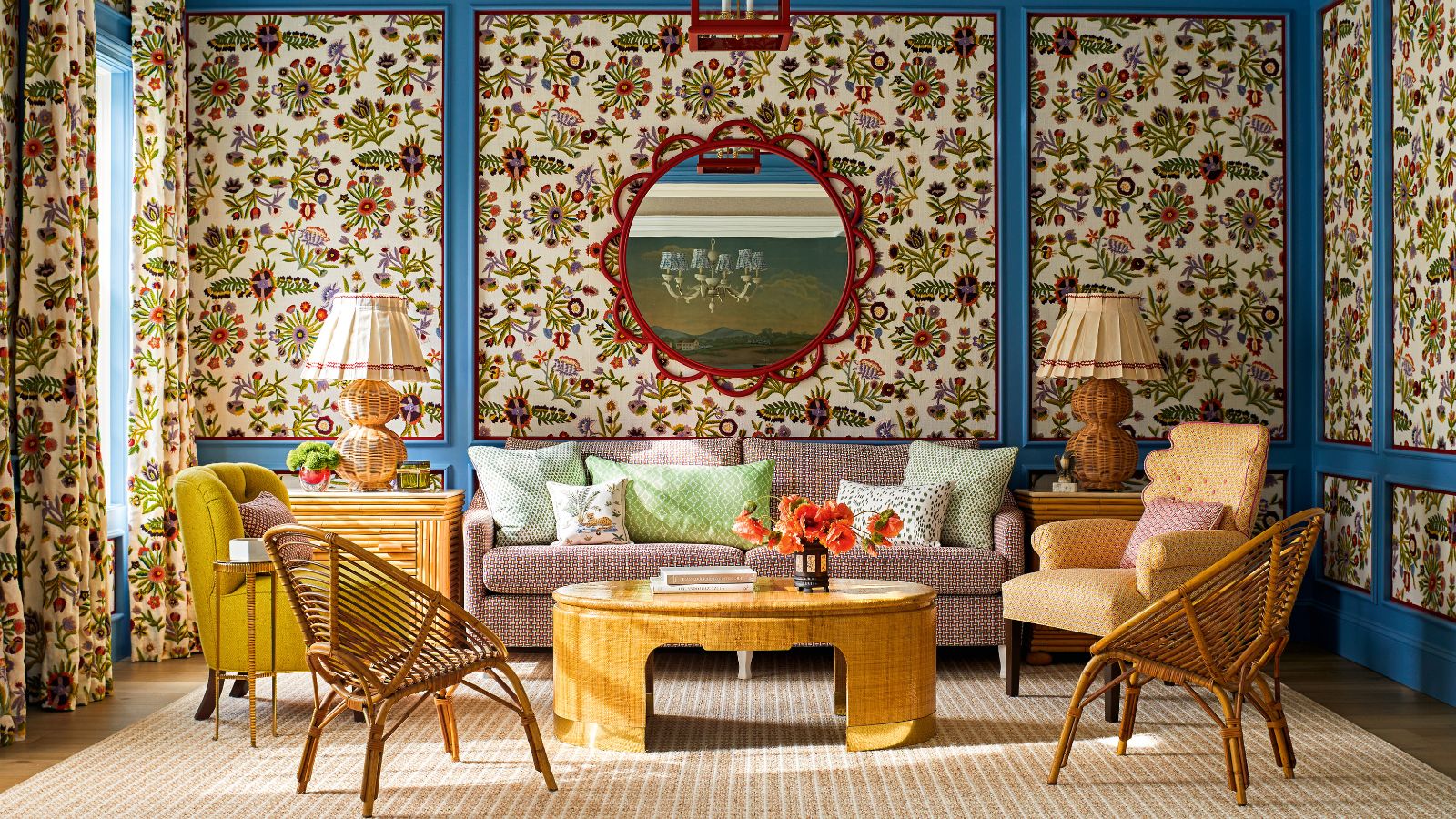
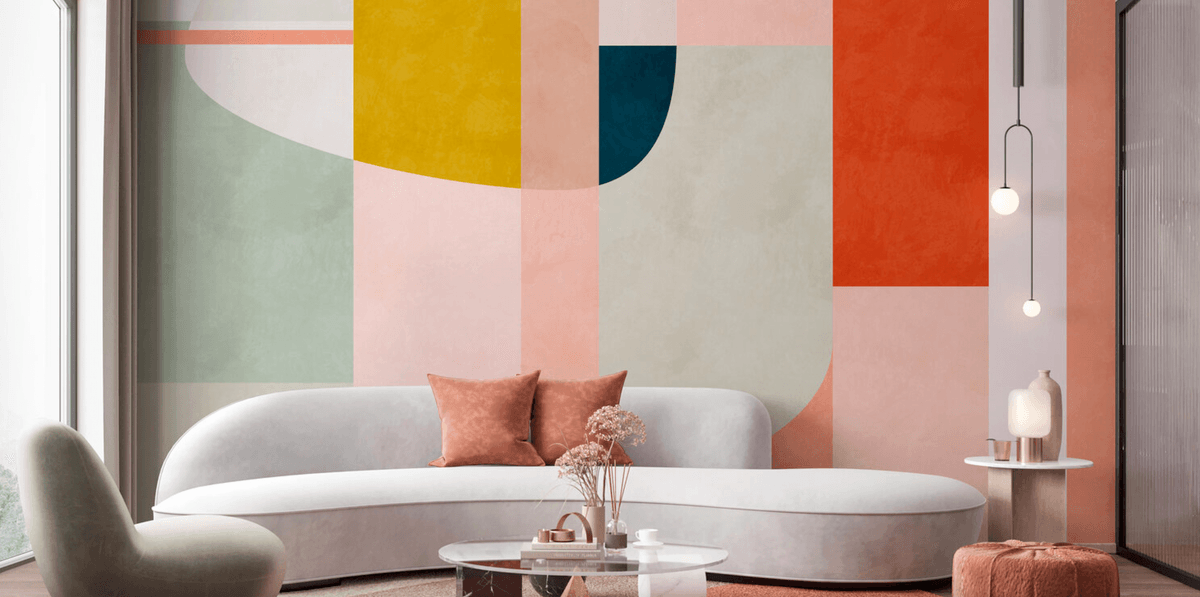
Wallpaper, once a dominant feature in home decor through the late 20th century, is experiencing a significant resurgence, shedding its dated image for a new role as a leading design element. Interior designers note that while wallpaper never fully vanished—often relegated to powder rooms or secluded nooks—it is now actively being embraced for its ability to add texture, depth of color, and impactful patterns to a space. This renewed popularity is attributed to various factors, including homeowners seeking vibrant changes after extended periods indoors during the pandemic, the widespread inspiration from diverse wallpaper designs shared on social media platforms, and advancements in digital printing technology that have significantly enhanced the quality and imagery of available wallpapers.
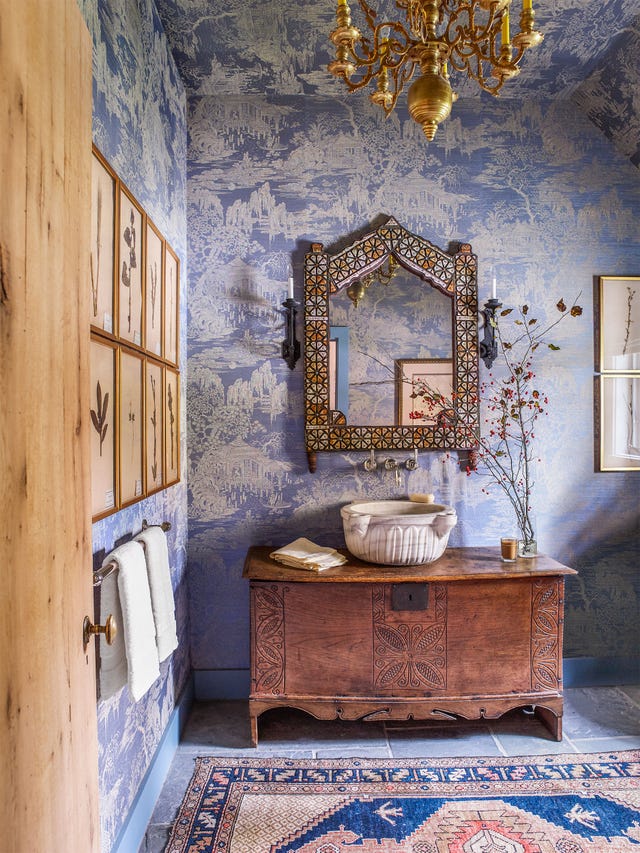
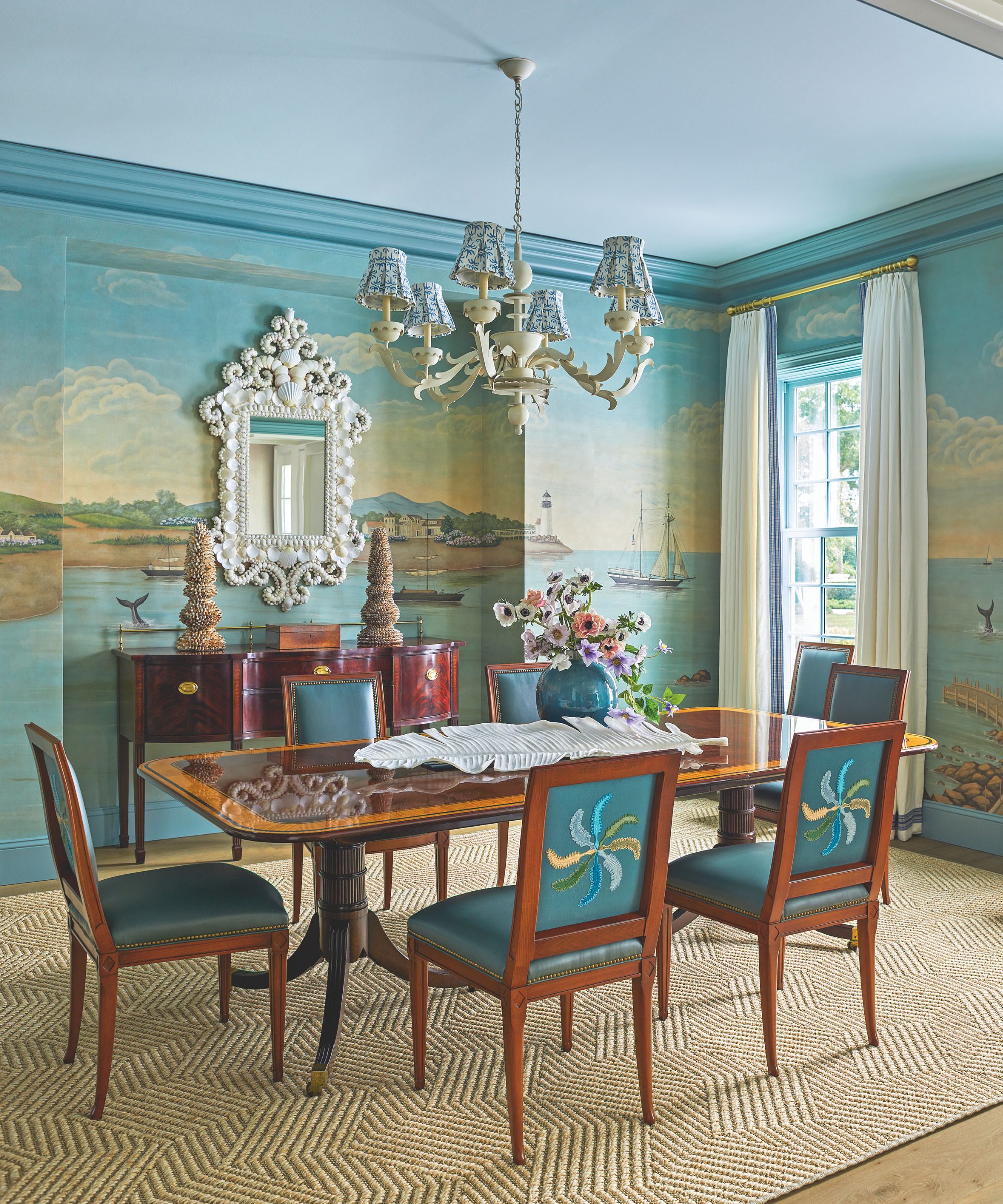
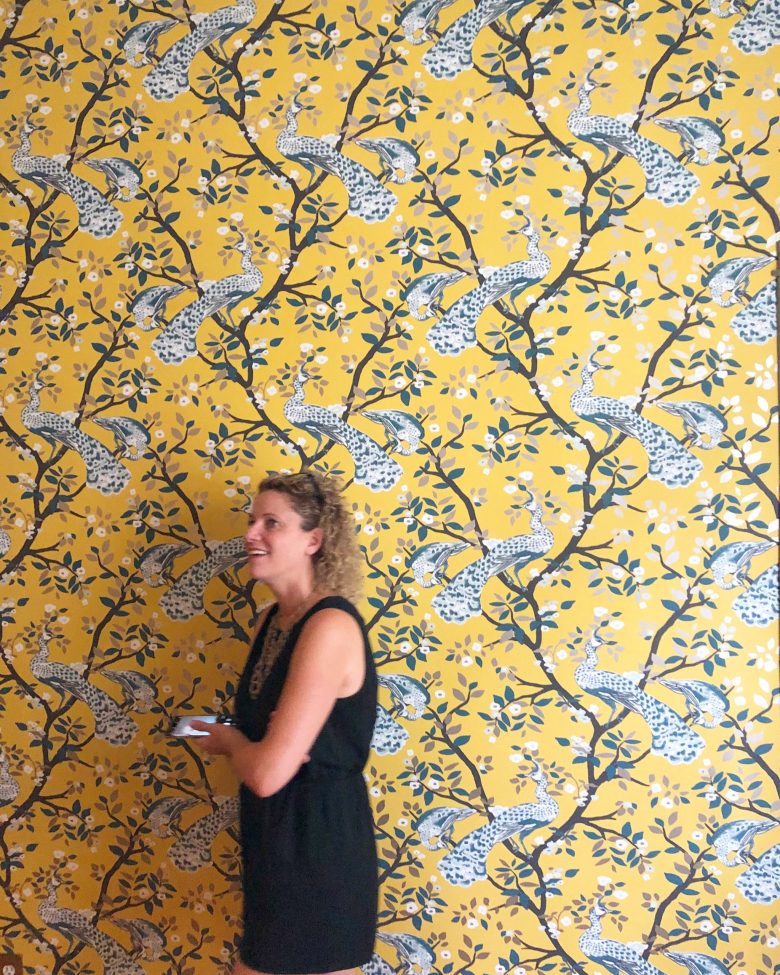
The modern application of wallpaper extends beyond simple patterns; it can be considered an art form. Hand-painted options, which are customizable in color and design, offer an alternative to expensive art collections, creating immersive experiences with landscapes or intricate scenes. Designers may even commission decorative painters to personalize these hand-painted wallpapers further. For instance, a Schumacher wall covering made from real peacock feathers can dramatically redirect focus within a room, as exemplified by interior designer Annie Elliott, who considers herself a "wallpaper pusher" and maintains that it never went out of style.
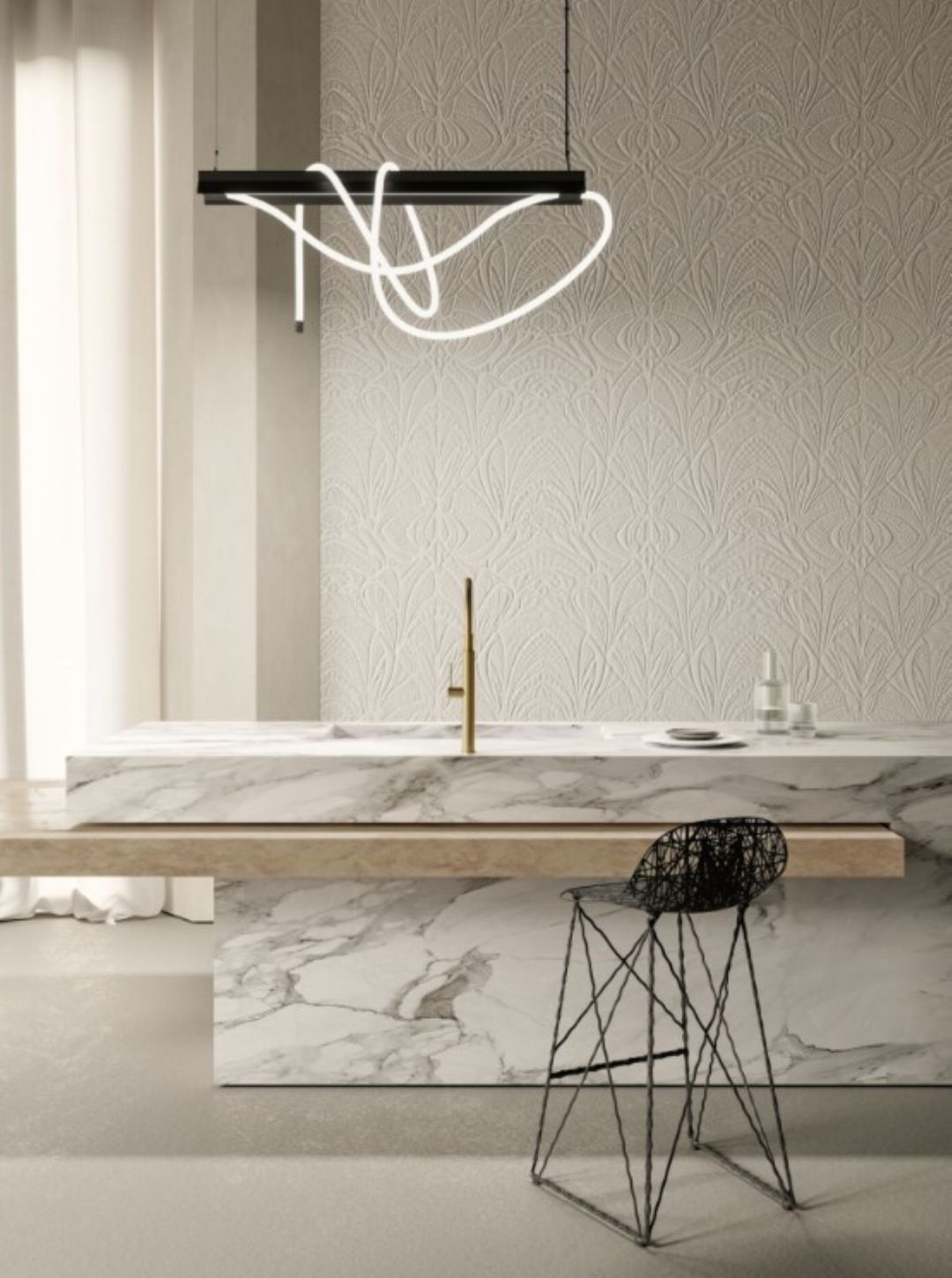
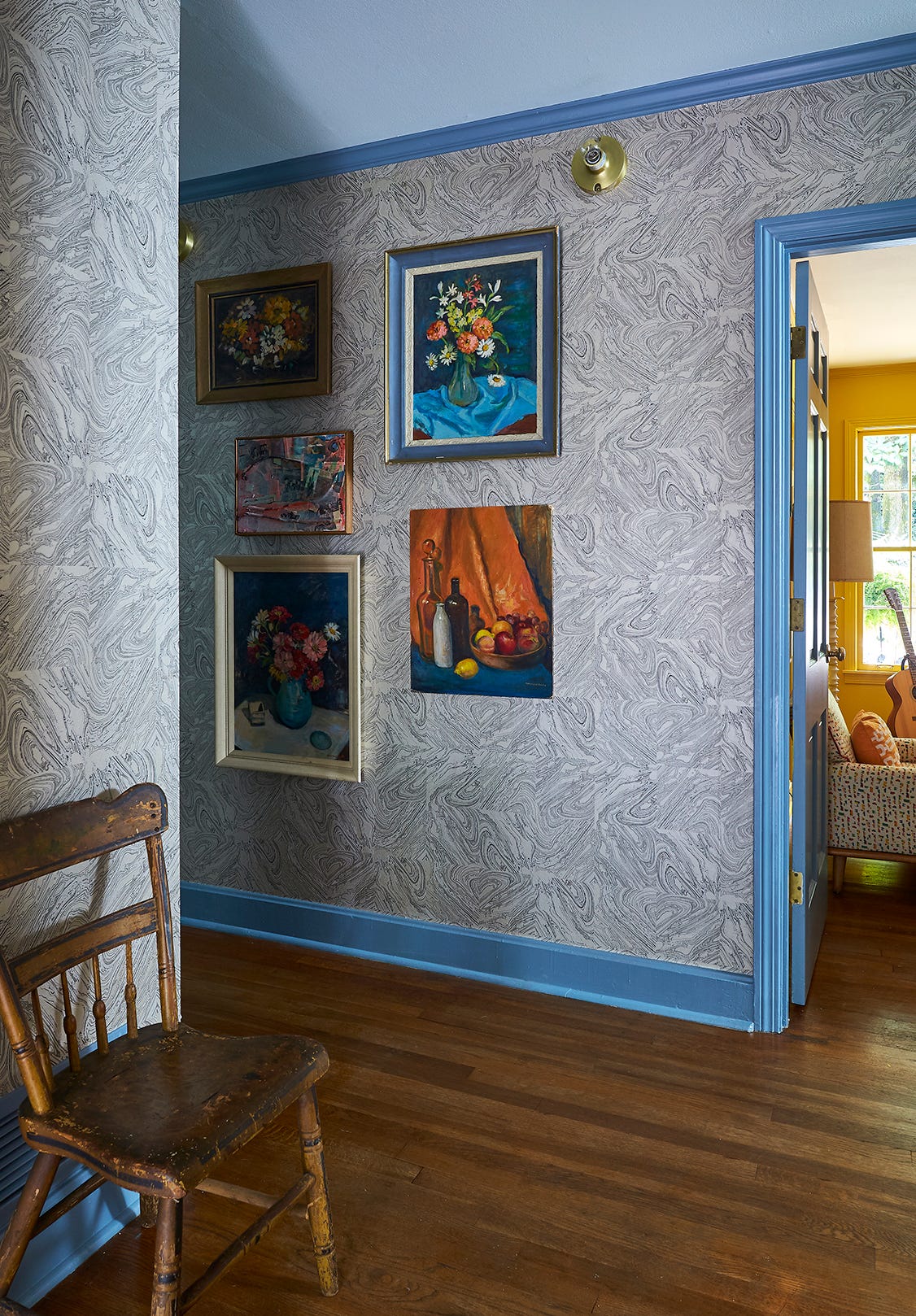
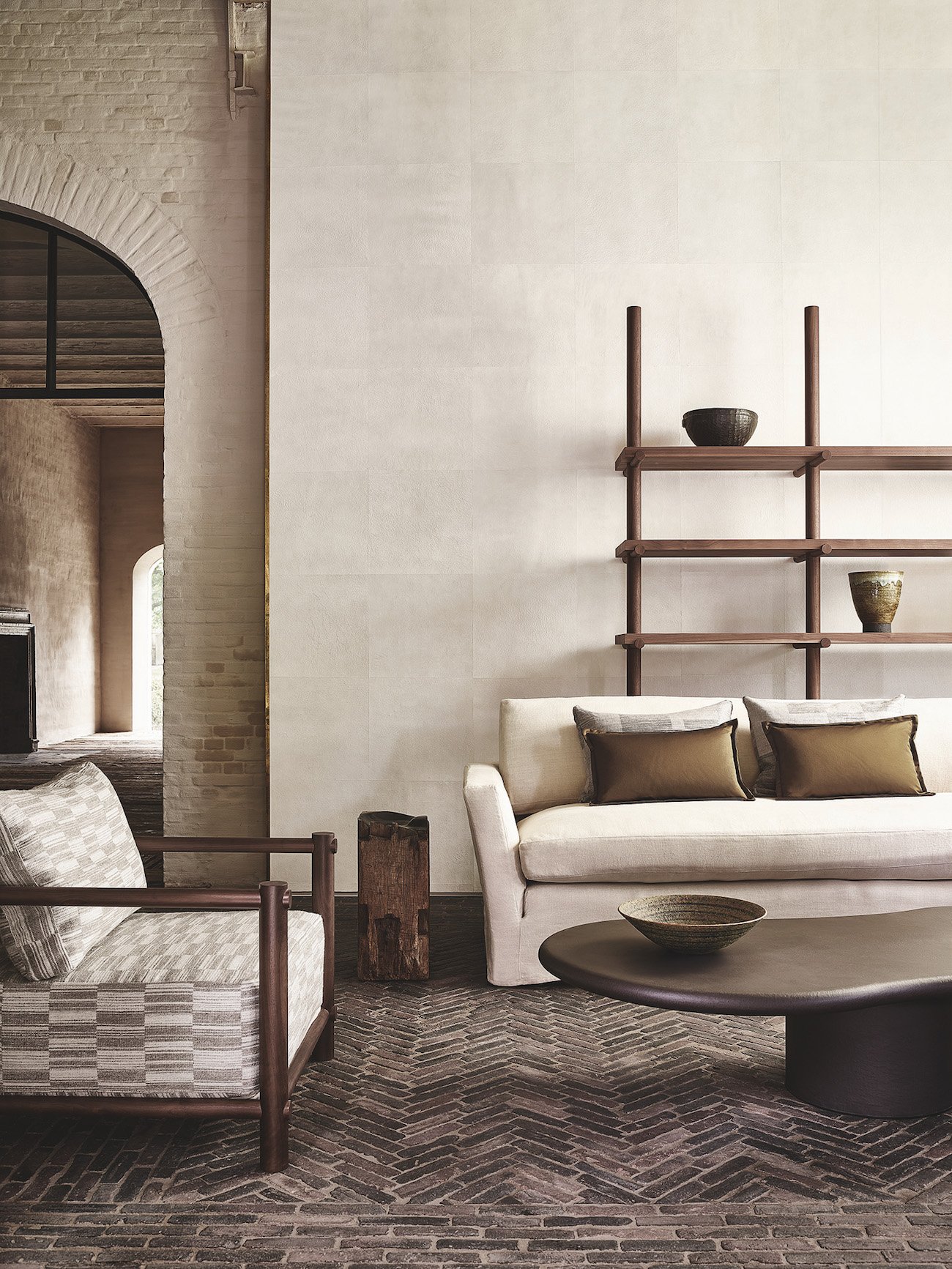
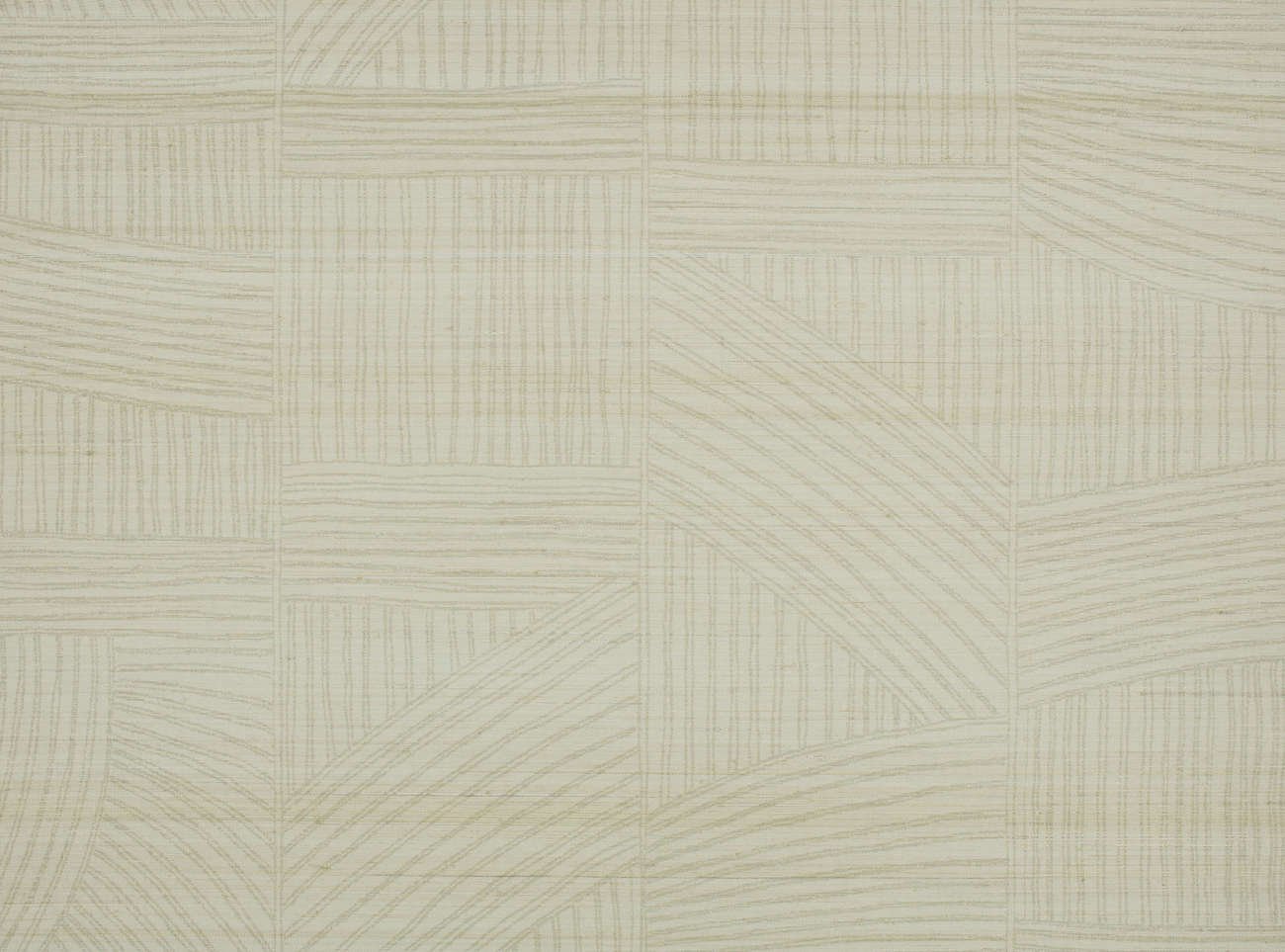
Wallpaper’s transformative power isn't limited to bold colors or elaborate scenes. Textured wallpapers, such as jutes, grass cloths, or quilted velvets, can introduce a tactile dimension to a room, altering the perception of flat painted walls. This tactile quality can make a space feel entirely new. Sometimes, the selection of a wallpaper can serendipitously become the focal point of a room's design. An example is a client who, upon seeing a Tuscan-inspired Schumacher wallpaper, decided to design their entire dining room around it, illustrating how a single pattern can dictate an entire room's aesthetic. Lisa Shaffer of Lisa & Leroy highlights wallpaper's potential, equating its impact to that of a painting.
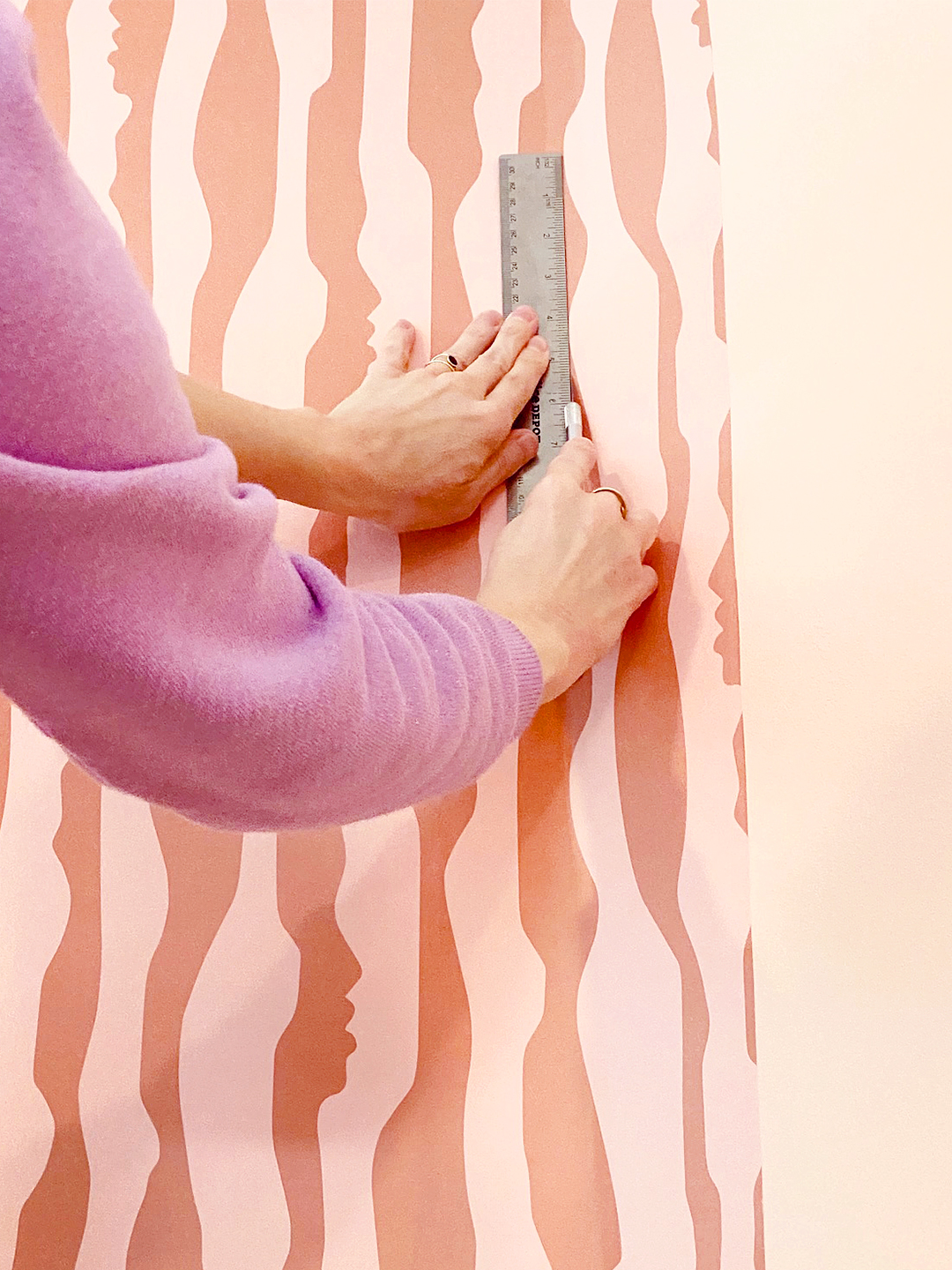
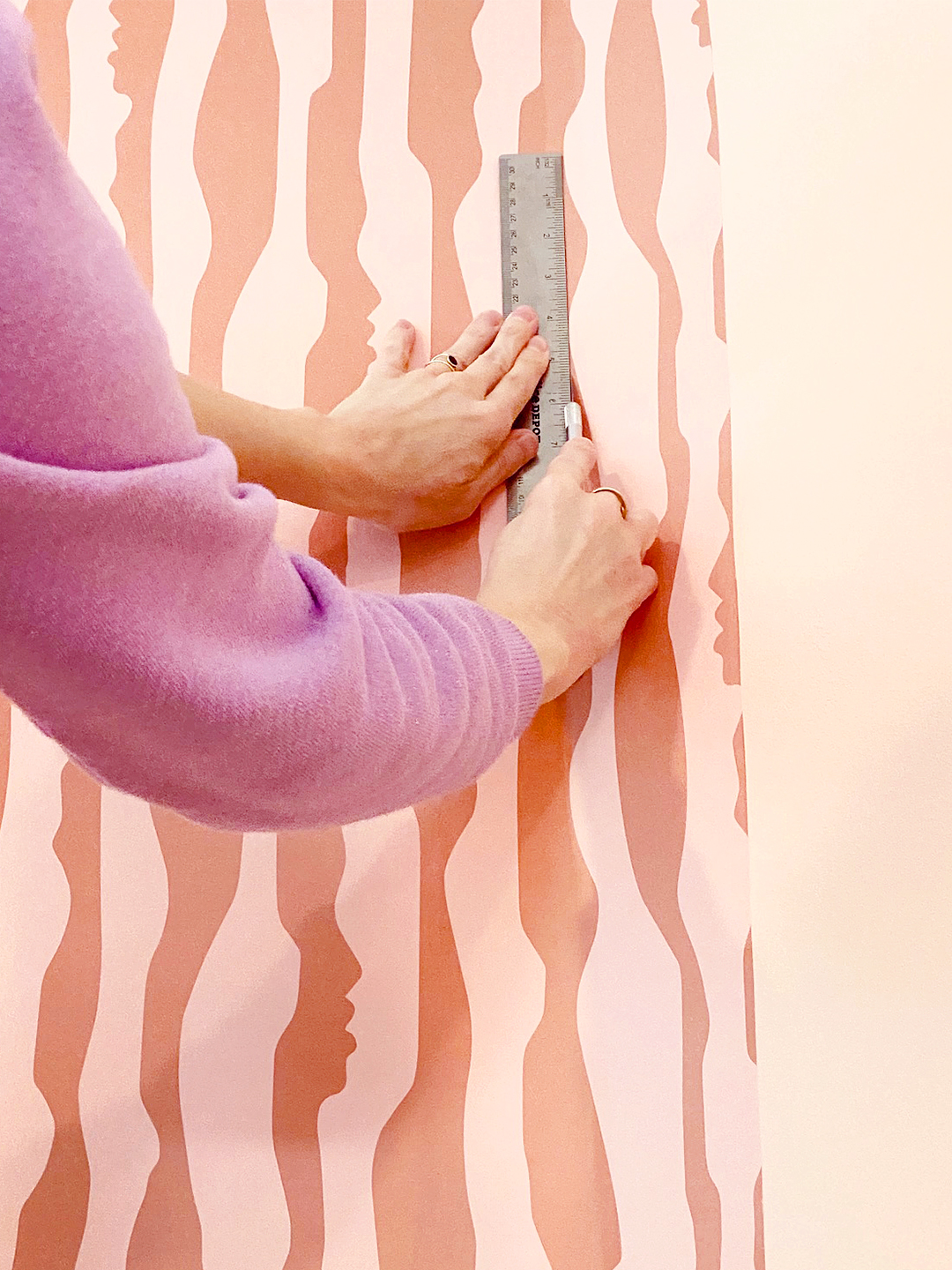
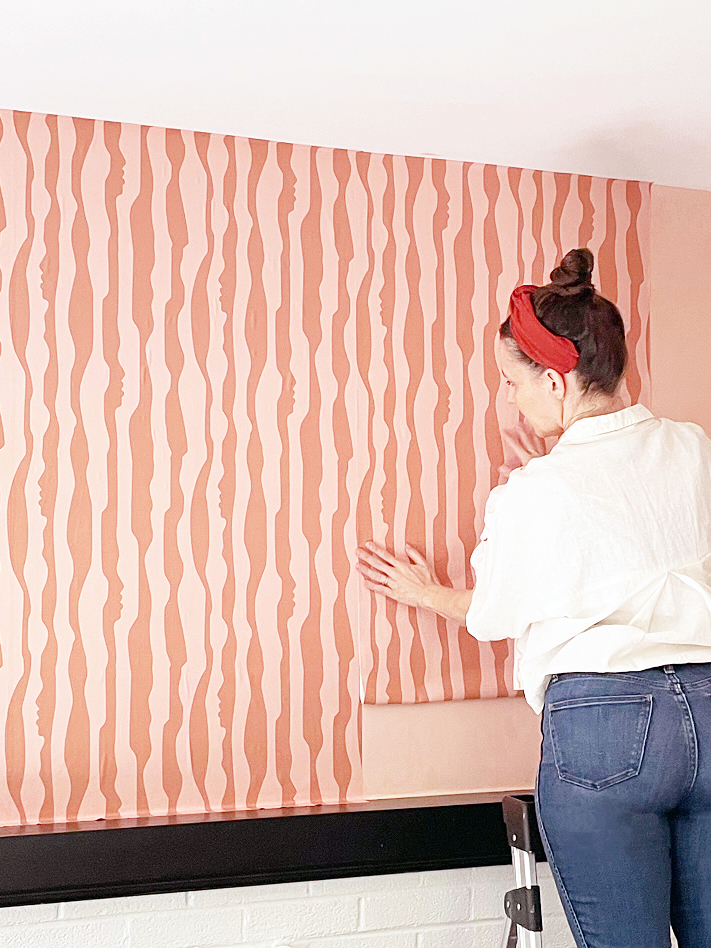
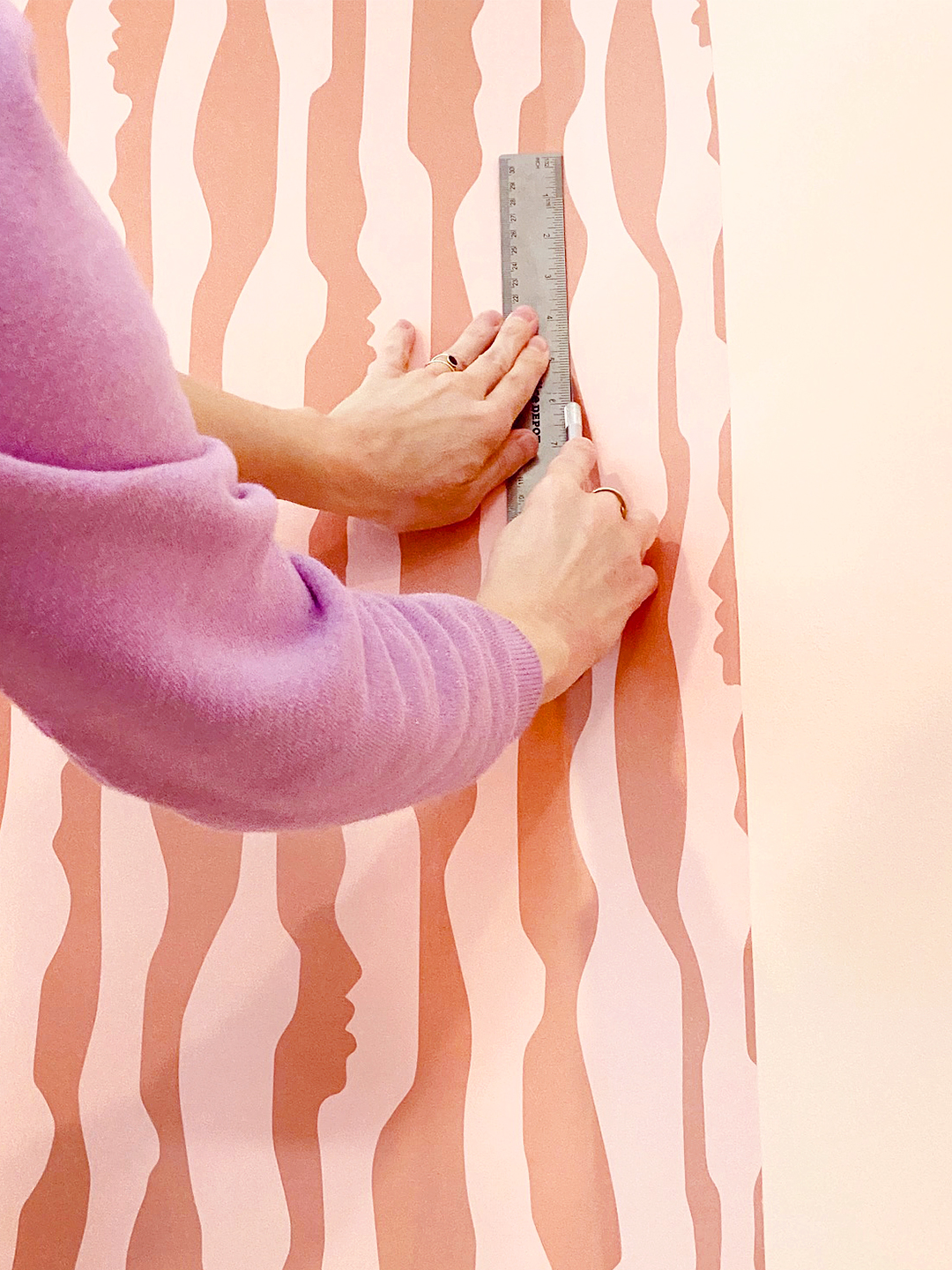
For those looking to incorporate wallpaper, several expert tips are crucial. Hiring a professional installer is highly recommended, as improper installation can lead to costly issues like bubbling and peeling, especially with expensive papers. Designers suggest seeking recommendations for skilled installers from paint stores like Benjamin Moore or Monarch Paint and ensuring their experience aligns with the type of wallpaper chosen. It's also advised to have the installer assess the space before purchasing, as they can provide a more accurate estimate of the required quantity based on the paper's style and pattern, preventing waste.
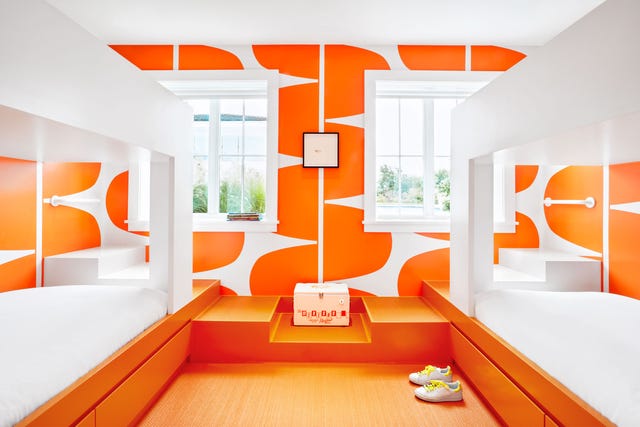
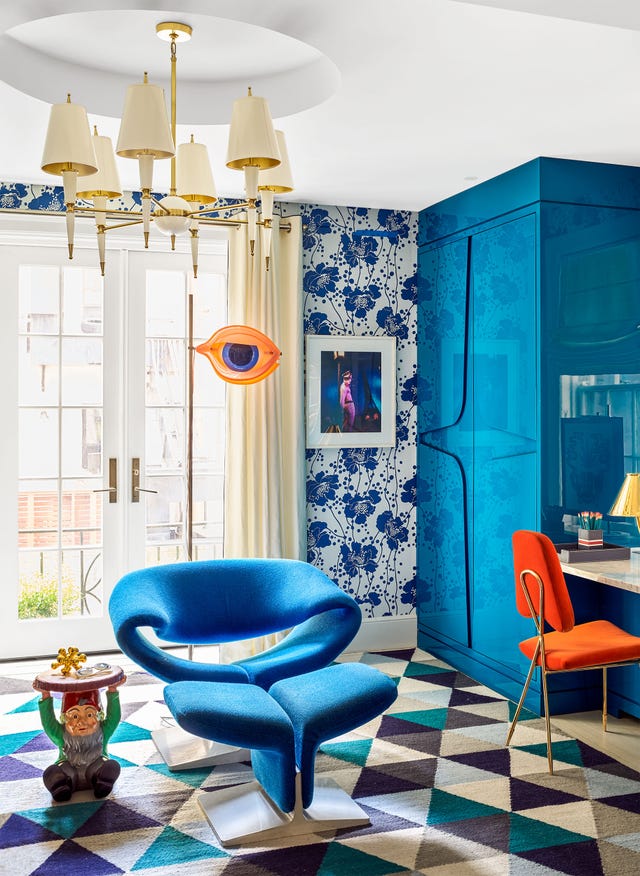
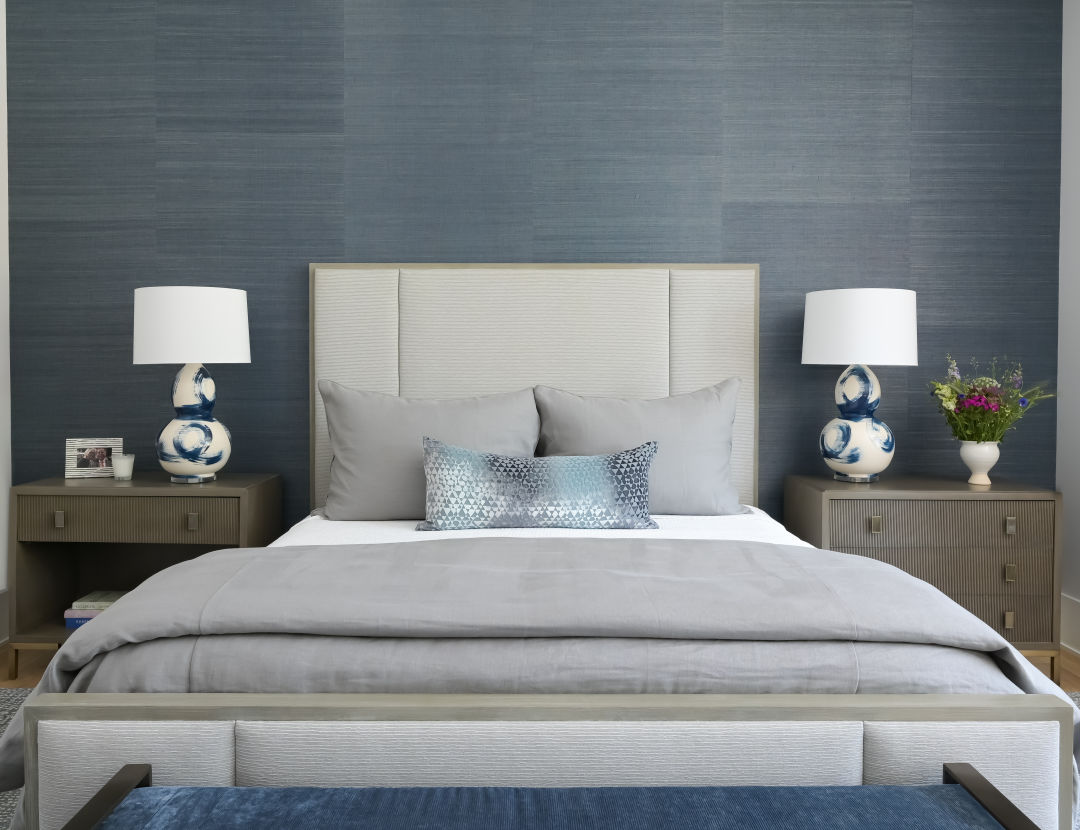
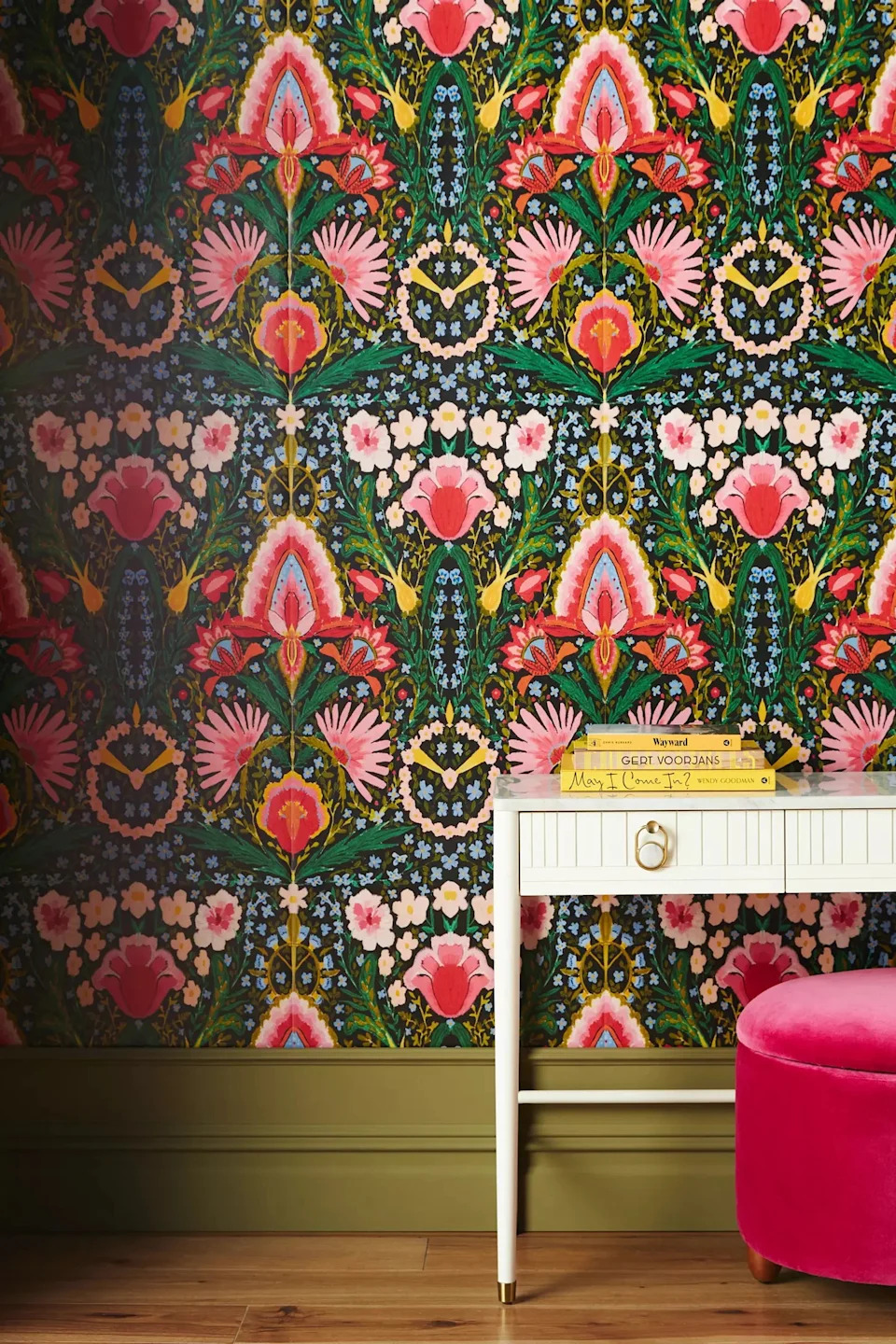
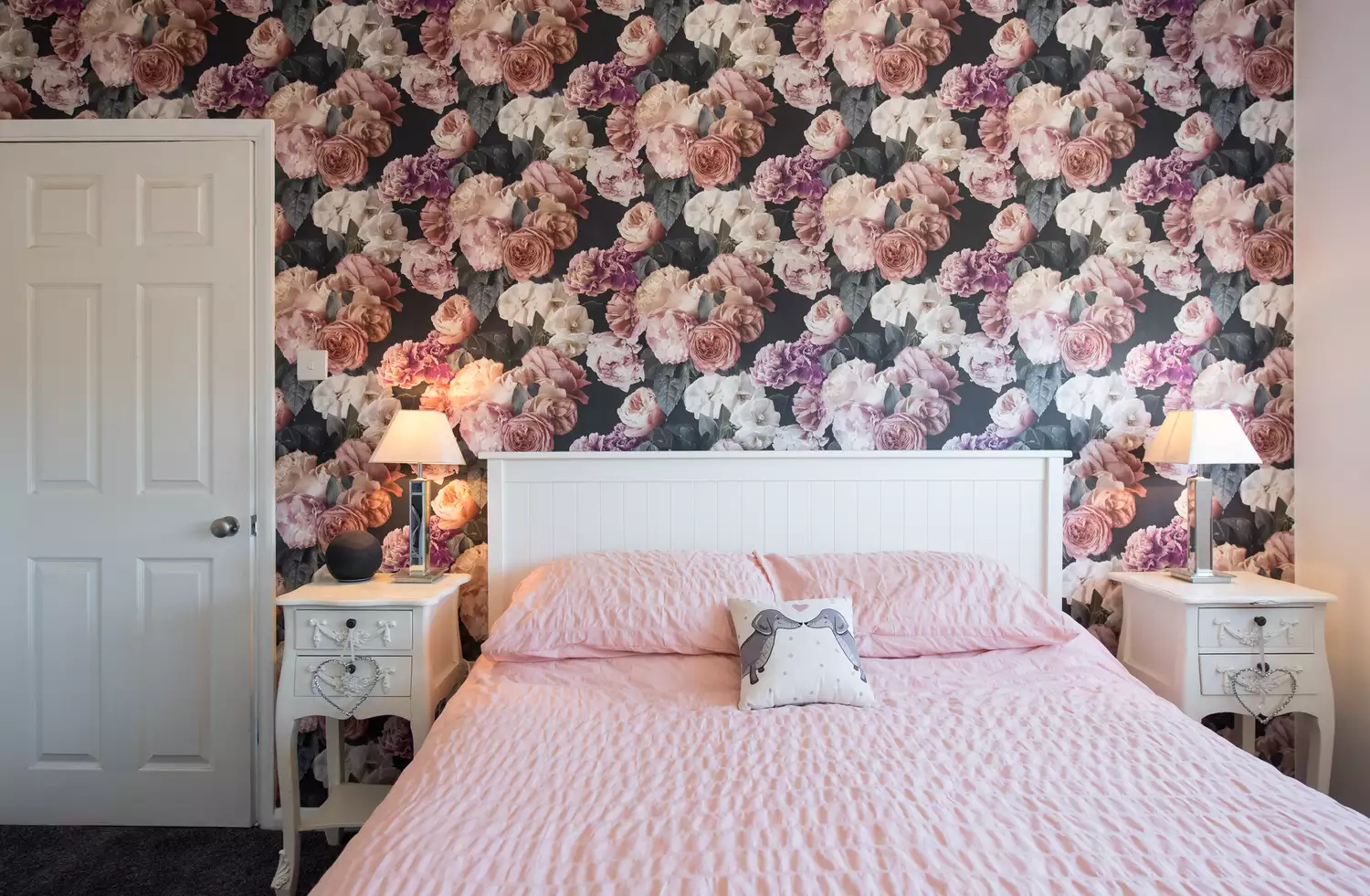
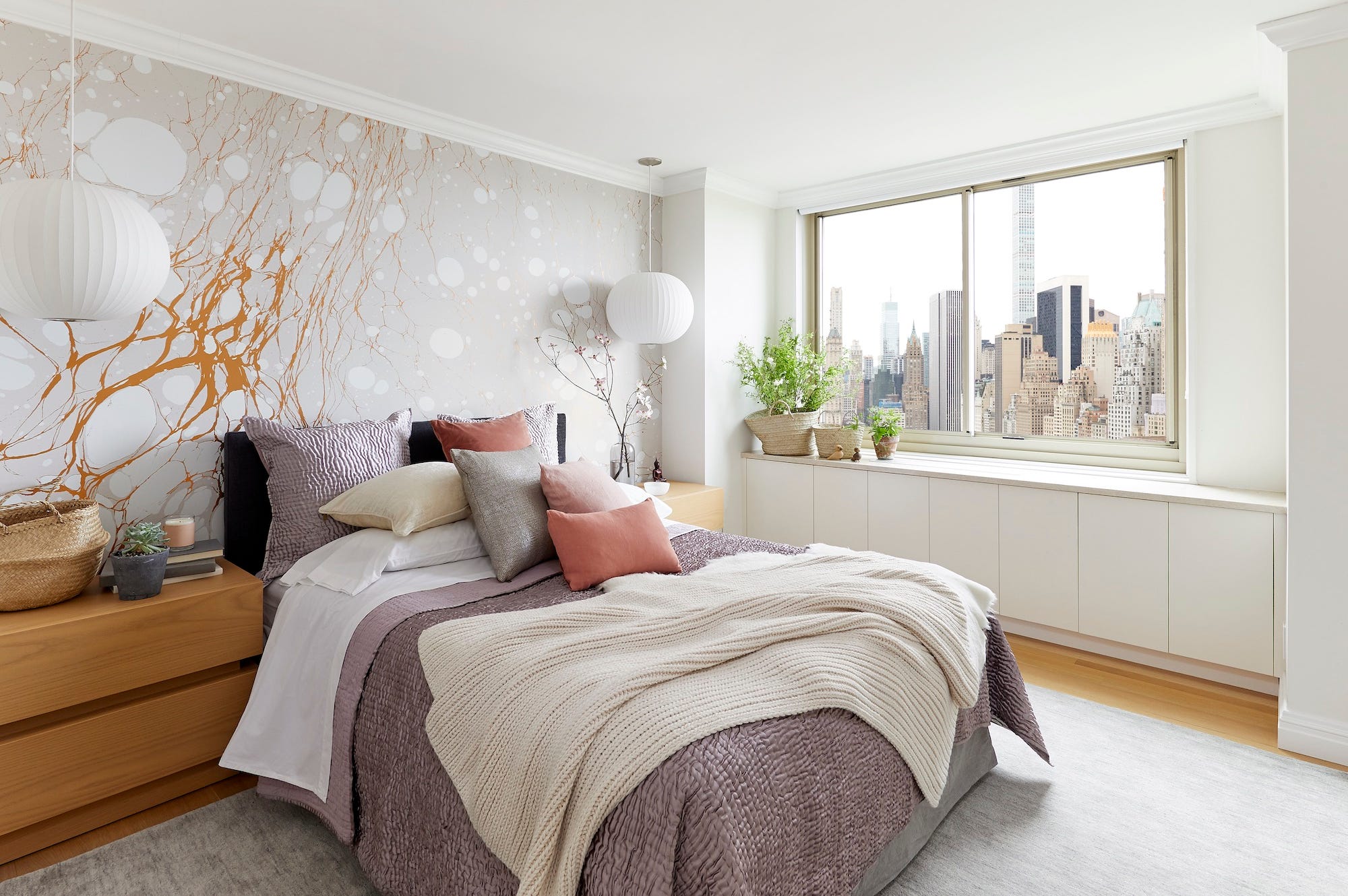
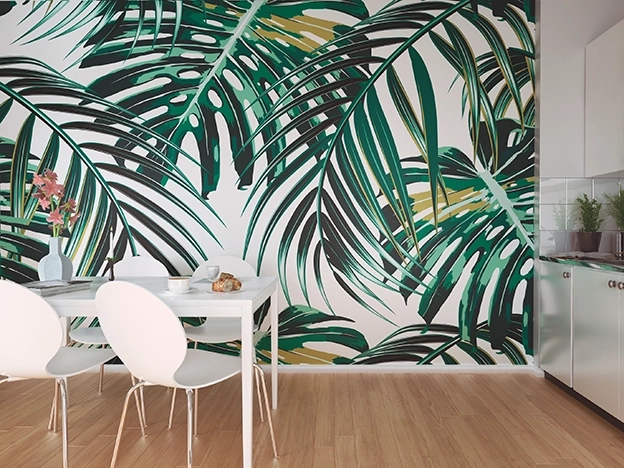
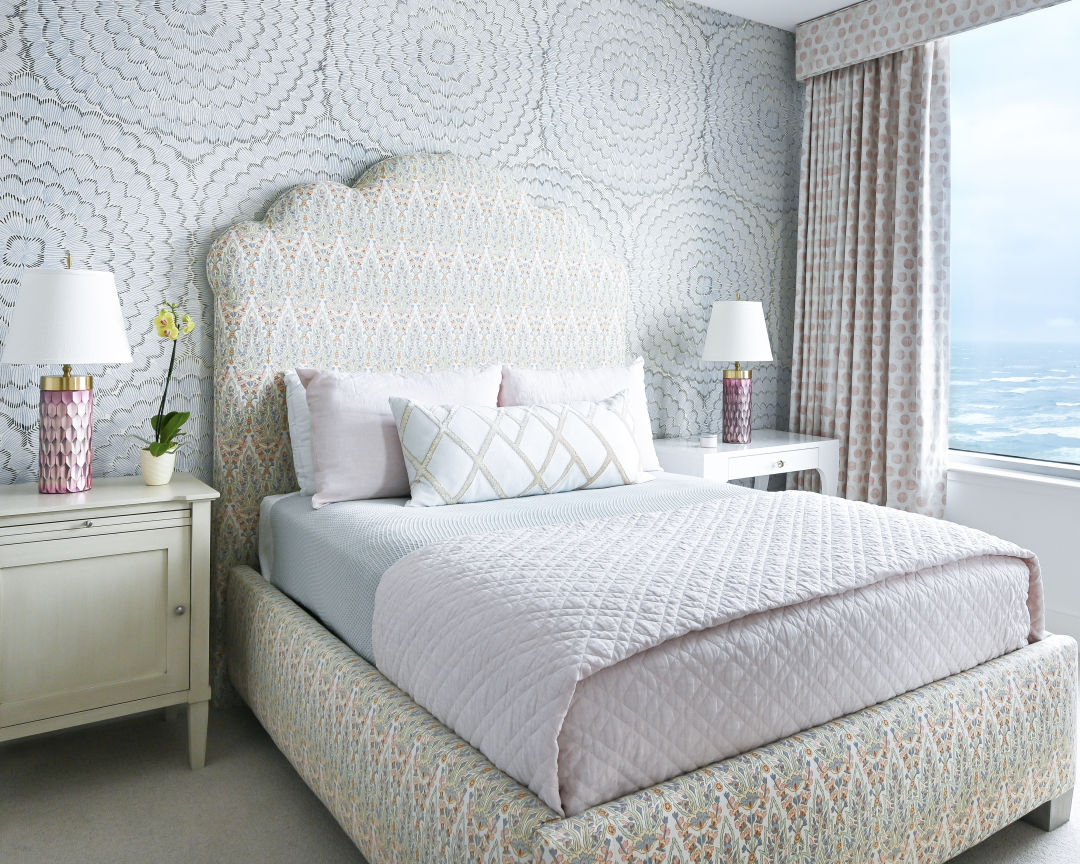
When selecting wallpaper, designers encourage boldness. Annie Elliott suggests choosing something "fabulous" rather than safe and subdued, as a striking design is less likely to become tiresome. However, Zoë Feldman cautions against patterns that overwhelm the space or clash with the overall color scheme, recommending a balance with neutral furniture and simple accessories. Considering the flow between rooms is also important, as not every space needs an overpowering design; a variety of scales, textures, and colors across the home contributes to a cohesive design. Wallpaper is particularly effective in areas lacking architectural interest, such as builder-grade bedrooms, or in dining rooms where its visual interest can soften the hard lines of furniture. Custom options are also available, allowing homeowners to translate personal motifs or travel-inspired patterns into unique wallpapers. For budget-conscious individuals, peel-and-stick wallpapers offer temporary or easily removable solutions, while vinyl versions are durable, easy to clean, and cost-effective, with some even mimicking the look of non-vinyl options. To further minimize costs, selecting papers in larger 11-yard rolls can reduce waste.
Interior designers frequently recommend specific manufacturers known for quality and variety. Schumacher, Pierre Frey, and Phillip Jeffries are cited as reliable starting points. For textured coverings like leather and suede, Arte is a top choice. Adelphi is recommended for historical patterns, while J.P. Horton offers options from a Mid-Atlantic manufacturer. For hand-painted luxury, de Gournay and Gracie are favored. House of Hackney provides an elevated British feel, and Harlequin and Thibaut are noted for their wide selection across various price points. Other favored brands include Katie Ridder, Zak + Fox, Flavor Paper, Little Greene, Aesthetics Wallcoverings, and Carlisle & Co., offering a diverse range for contemporary wallpaper designs.
#WallpaperTrends #HomeDecor #InteriorDesign #DesignTips #HomeRenovation #DecoratingIdeas #WallCoverings #LuxuryWallpaper #DIYHomeDecor #WallpaperTrends #HomeDecor #InteriorDesign #DesignTips #HomeRenovation #DecoratingIdeas #WallCoverings #LuxuryWallpaper #DIYHomeDecor
0 ความคิดเห็นรวม
 ยังไม่มีความคิดเห็น
คุณอาจจะชอบอีกด้วย
Wallpaper is back, in a big way

Wallpaper Is Back, Baby
Designer-Approved Ways to Add Wallpaper to Your Space
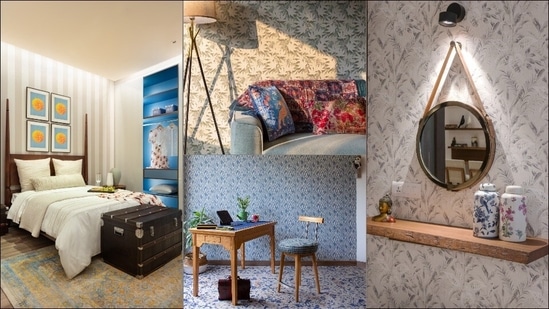
Home interior decor tips: Create a bold statement with these wallpaper ideas | Hindustan Times

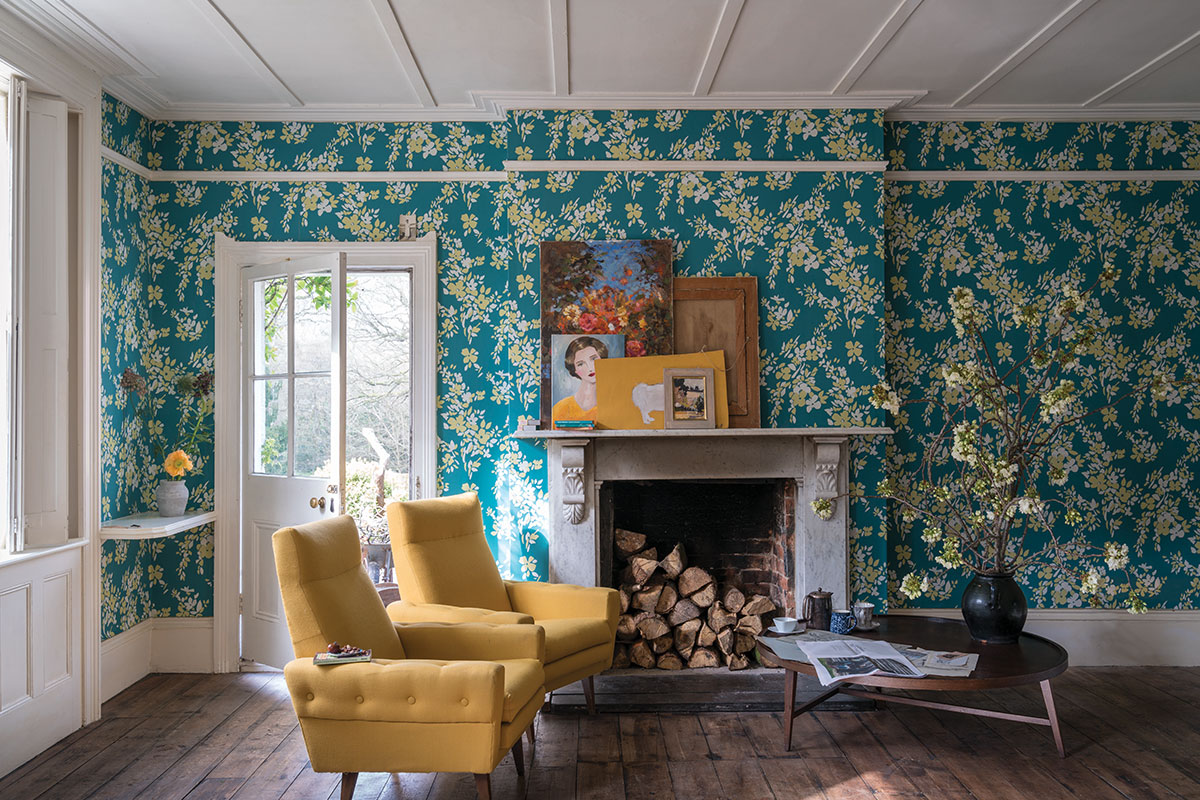
5 ways to transform your home now that wallpaper is back in style
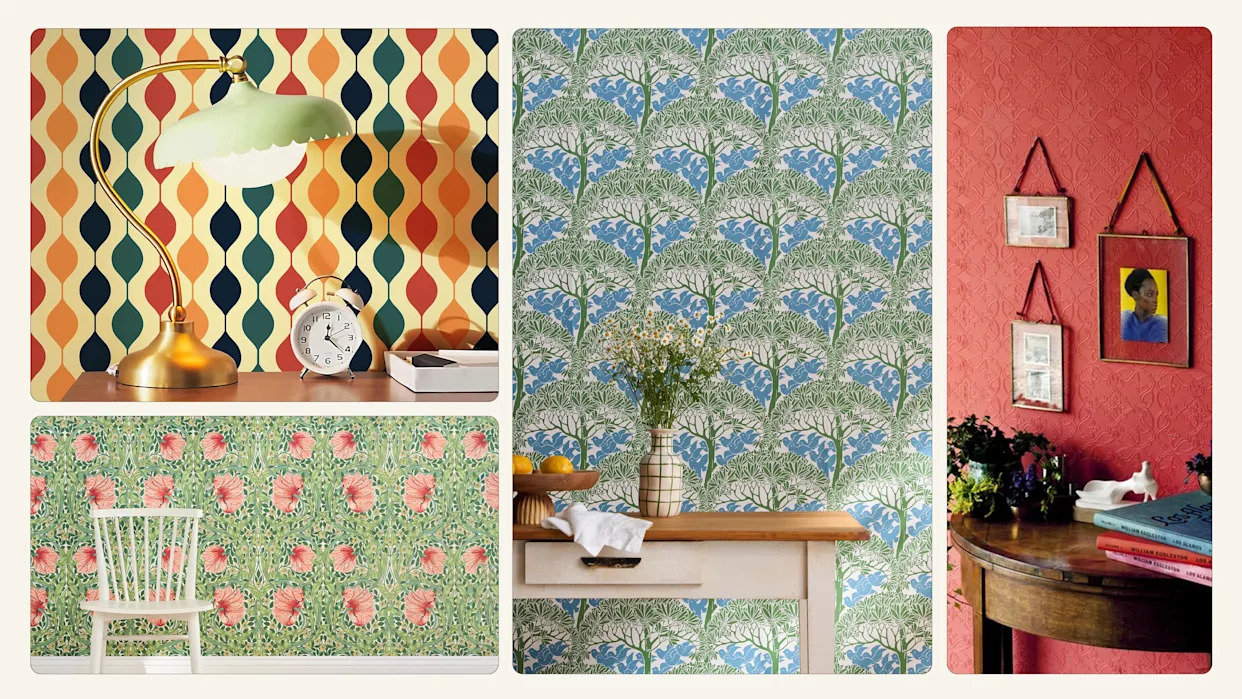
3 Wallpaper Trends We’re Loving (& Shopping) for in 2025
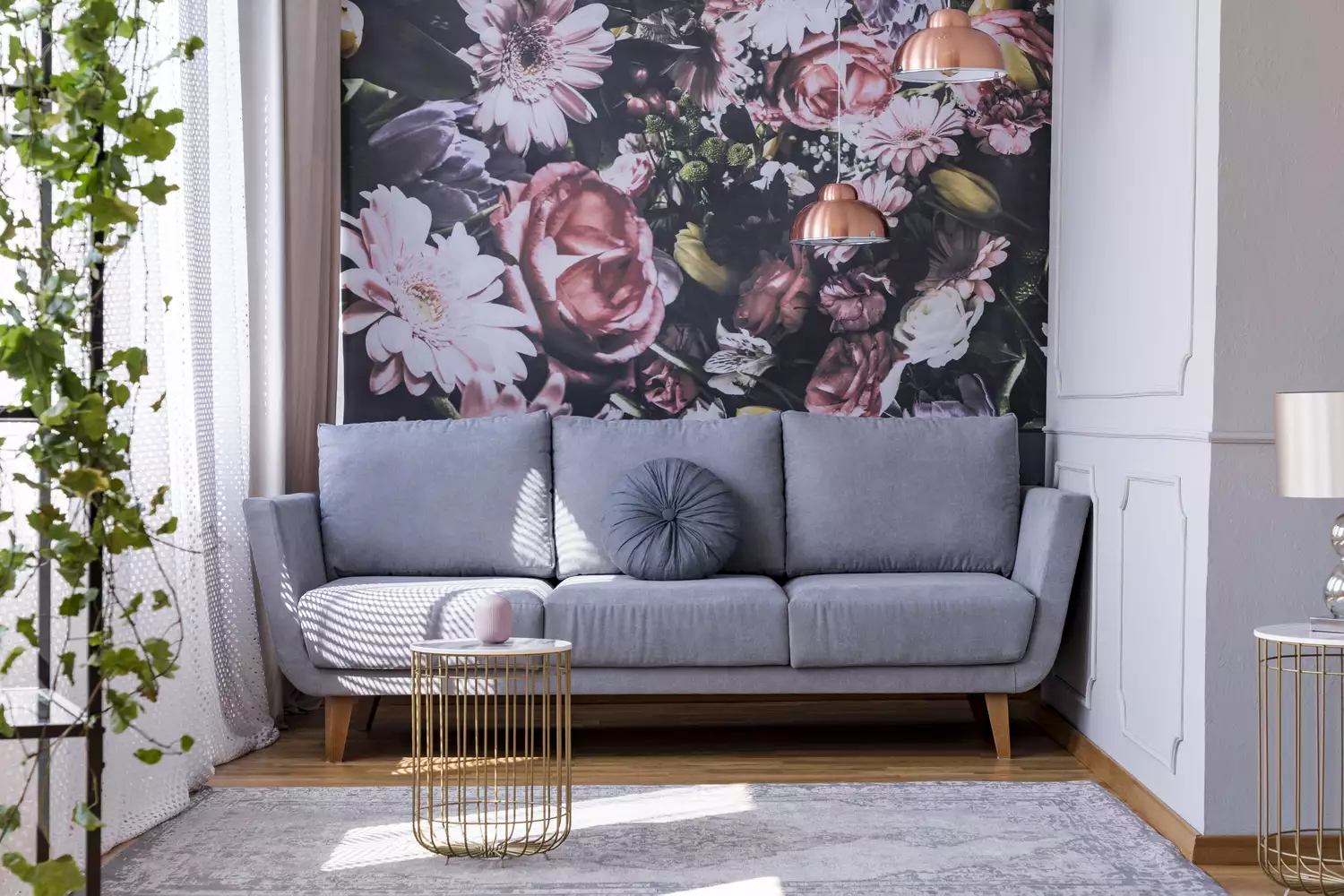
6 Wallpaper Mistakes Designers Immediately Notice in Any Home

This house is a lesson on how to design an elegant home that authentically tells the story of the people who live there

Latest wallpaper trends for your home: Bold, beautiful & transformative

6 Wallpaper Trends That Are So Outdated, According to Designers
How to Hang Wallpaper (the Permanent Kind!)
Wallpaper Ideas To Spruce Up Your Space

Real Simple Editors' Favorite Wallpapers Right Now

How to Hang Wallpaper (the Permanent Kind!) | domino
Choosing Wallpaper Is a Big Deal—But Backdrop’s New Design Makes It Easy

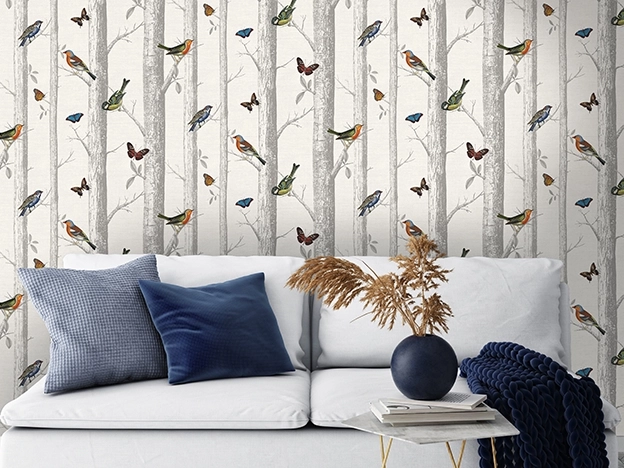
Wallpaper

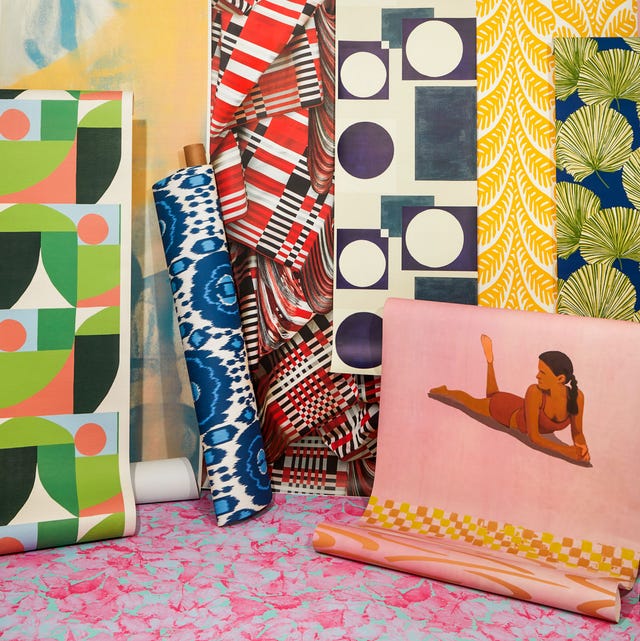
Whimsical Wallpaper Is Making a Comeback. Are Your Walls Ready?
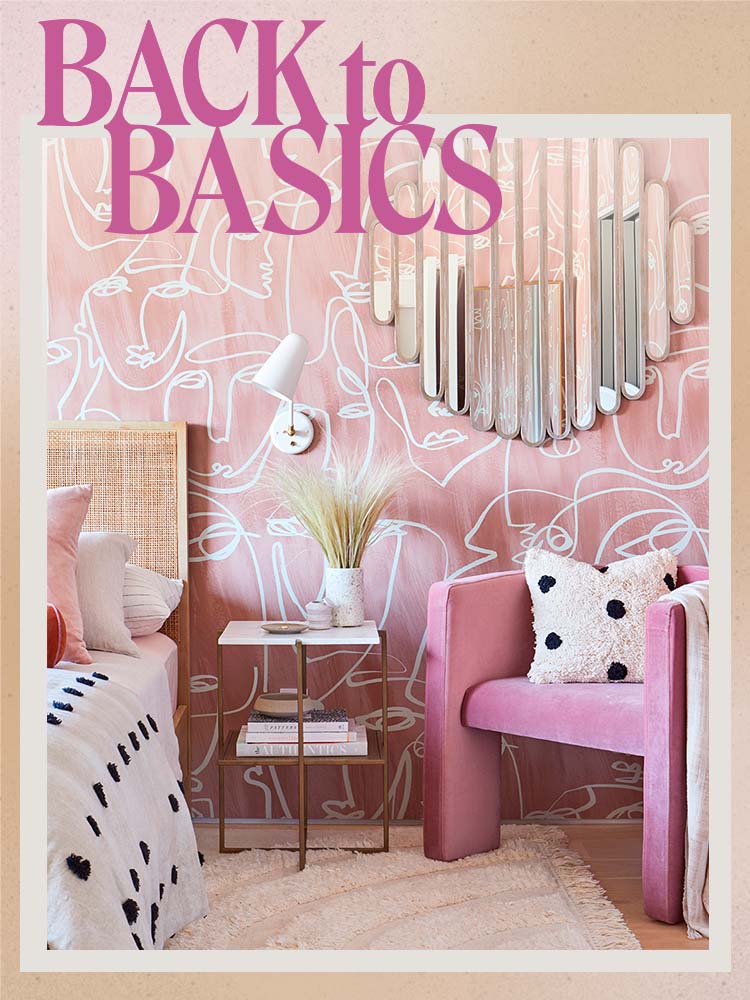
How to Hang Wallpaper (the Permanent Kind!)

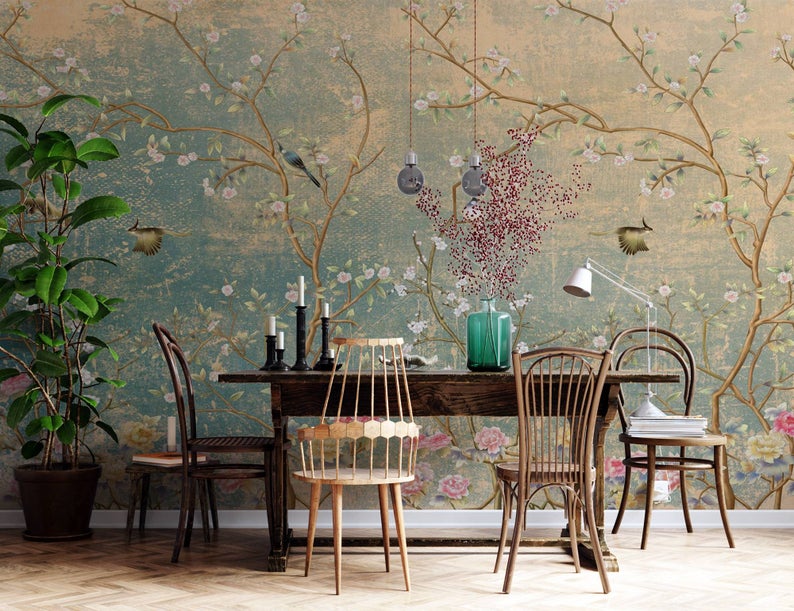
This old-school wallpaper trend is everywhere—here's how to use it

25 Cute Wallpapers Worth Swooning Over In 2024