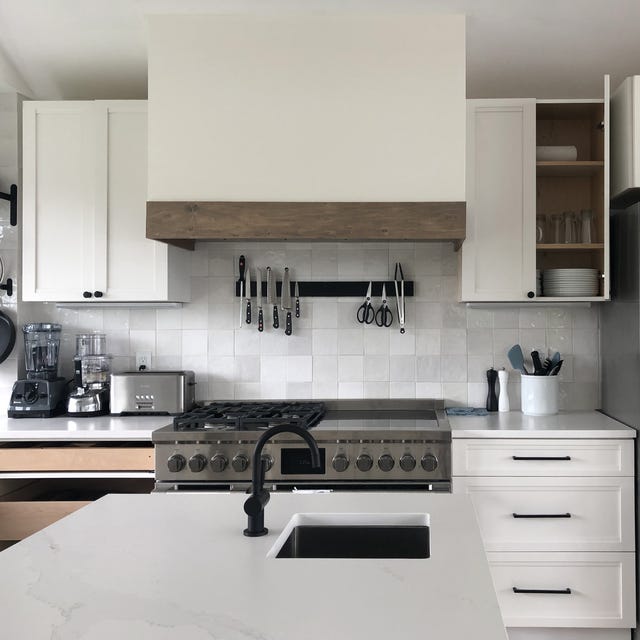
This Underrated Hardwood Is About to Become Your New Favorite Material
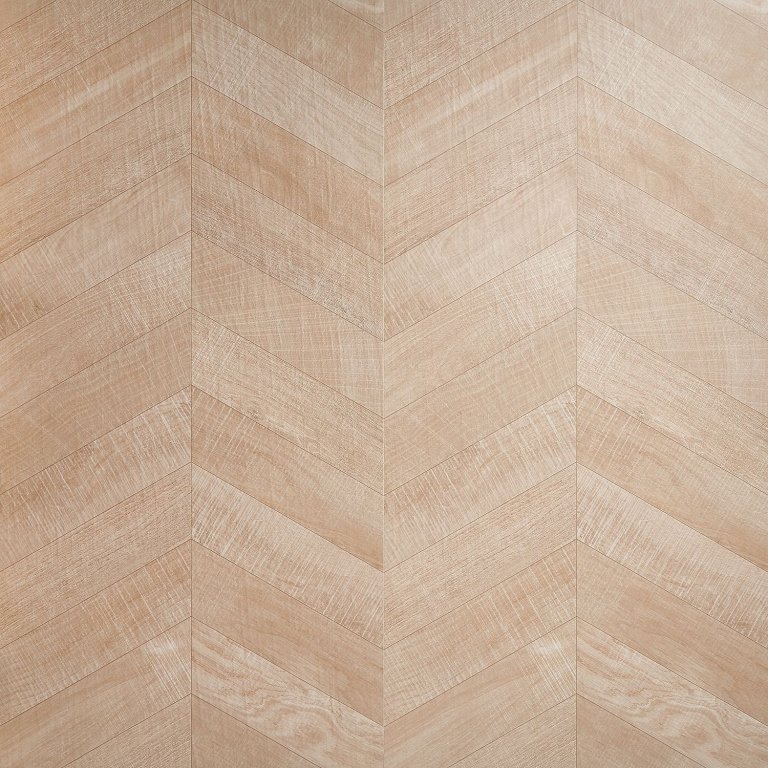
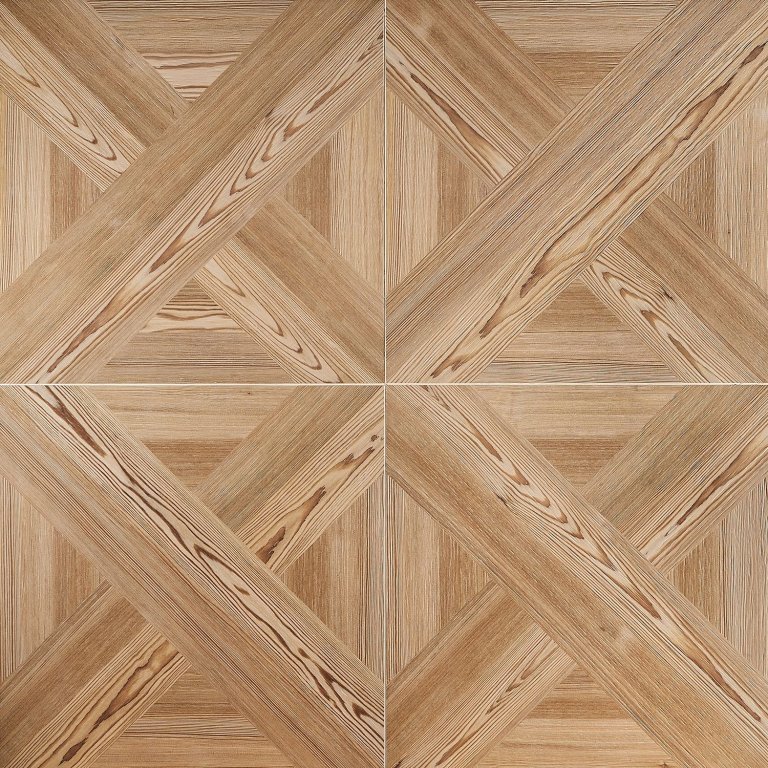
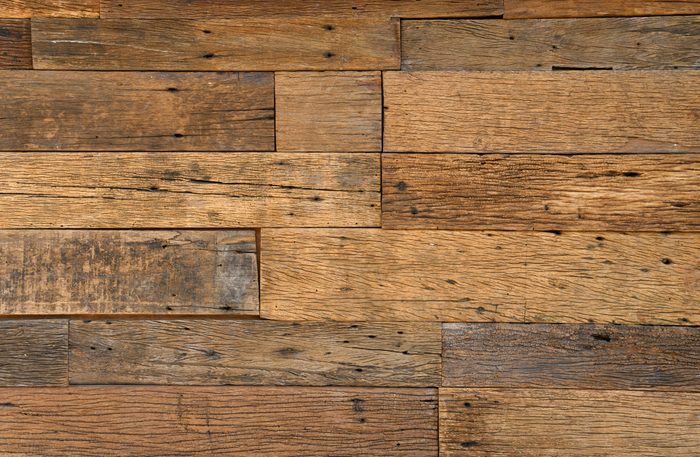
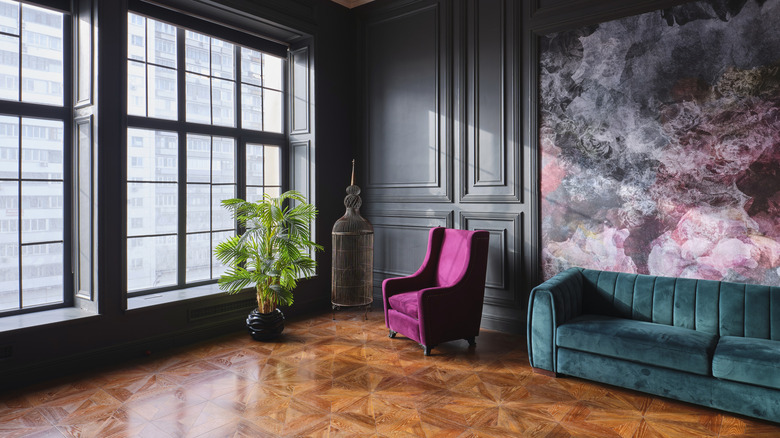
Acacia wood, while less common in the United States compared to hardwoods like oak, pine, and teak, is garnering increasing attention from designers due to its aesthetic appeal and robust durability. Originating primarily from Australia, acacia trees are now cultivated globally, including in Africa, Asia, and the U.S. The existence of approximately 1,000 distinct species contributes to a wide spectrum of appearances, offering shades that range from white and pale yellow to deep brown. Some varieties display prominent, dramatic grain patterns, while others have a more subdued, less discernible grain. This natural diversity is a significant part of its appeal.
A custom furniture and cabinetmaker and luxury home builder notes that acacia wood's natural color is often preserved, requiring only an infrequent application of mineral oil every few years for maintenance. Beyond its beauty, acacia wood stands out for its exceptional durability, surpassing many other popular hardwoods. It registers 2300 on the Janka scale, indicating it is more than twice as hard as oak, making it highly resistant to dents and dings.
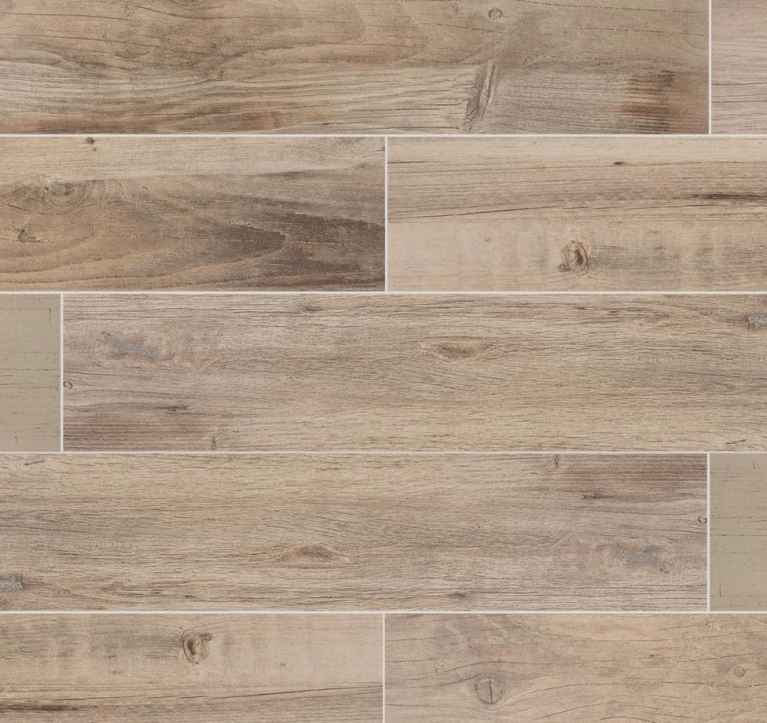
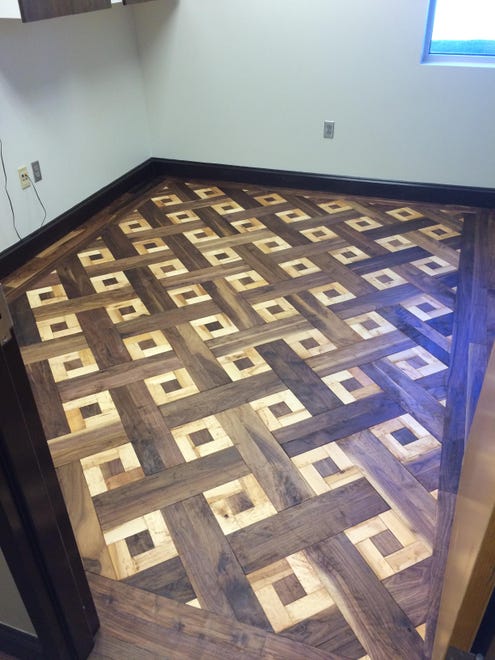
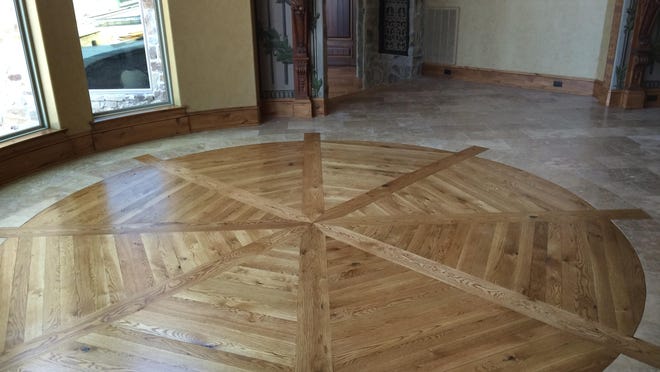
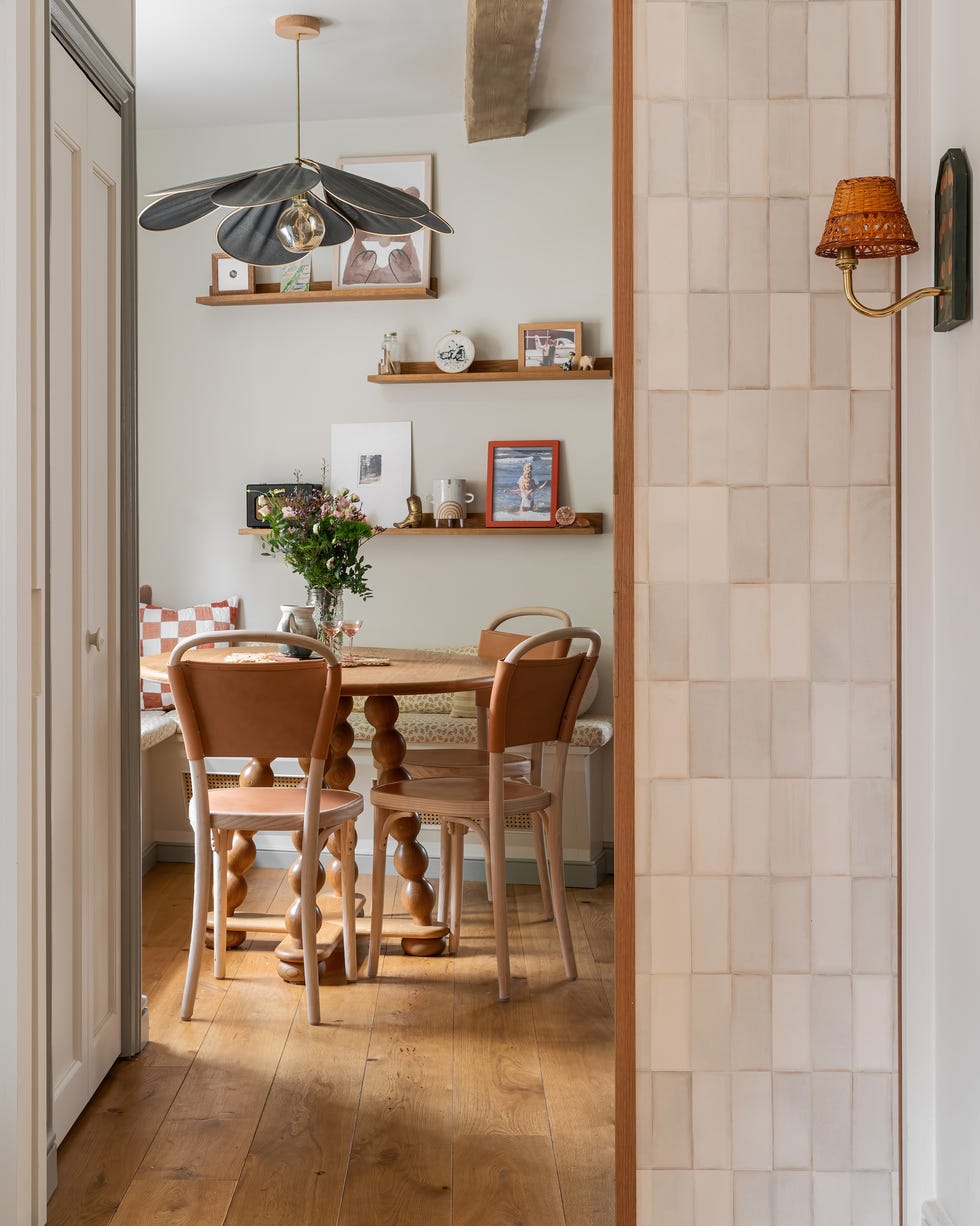
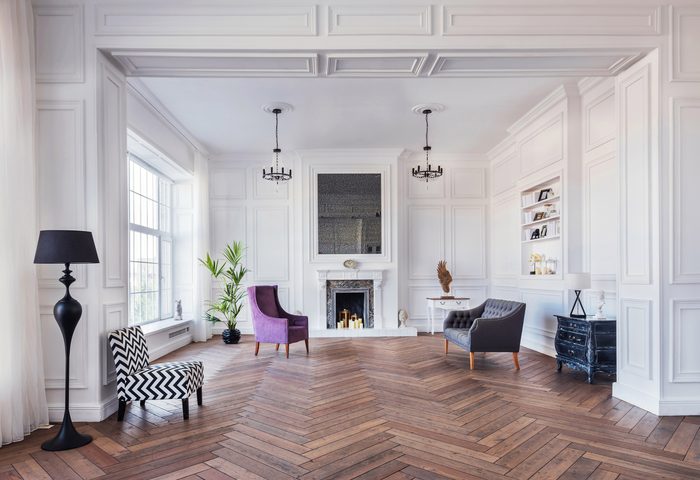
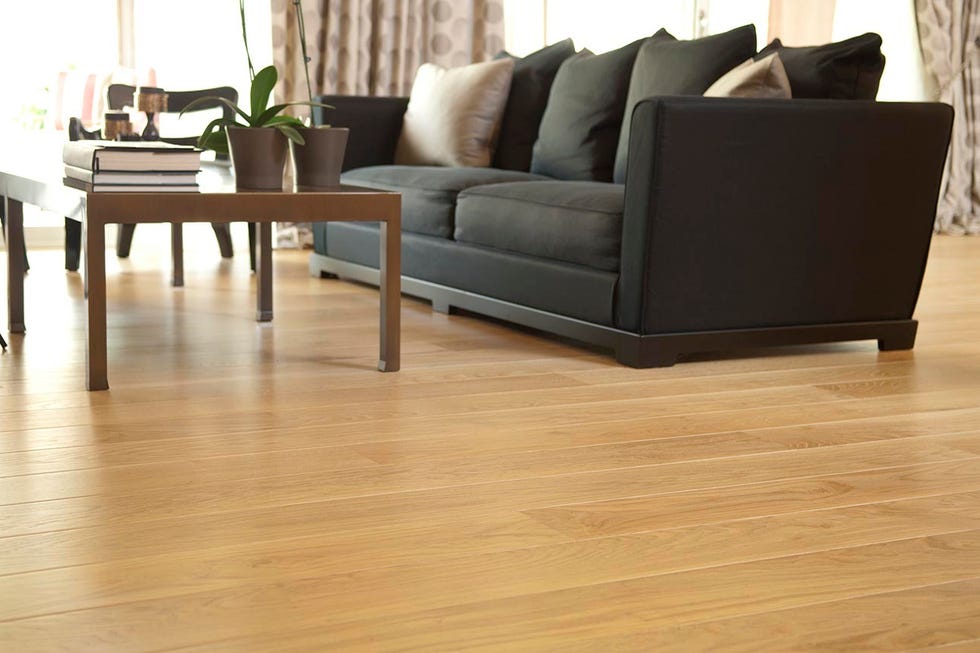
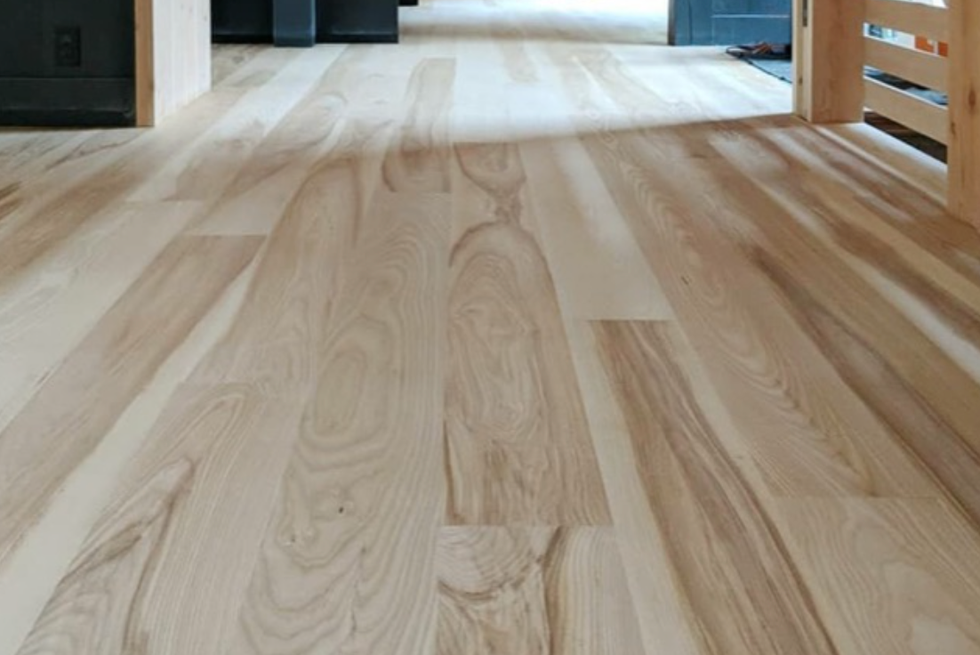
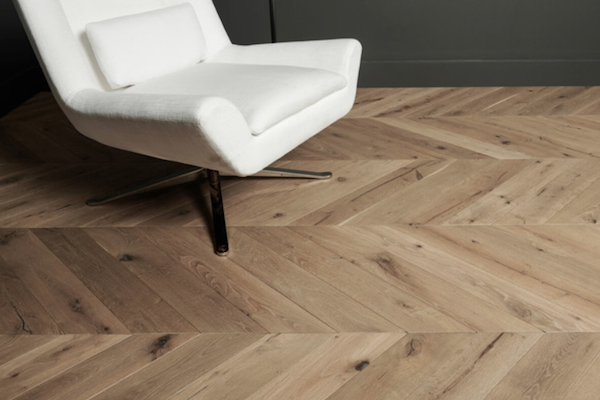
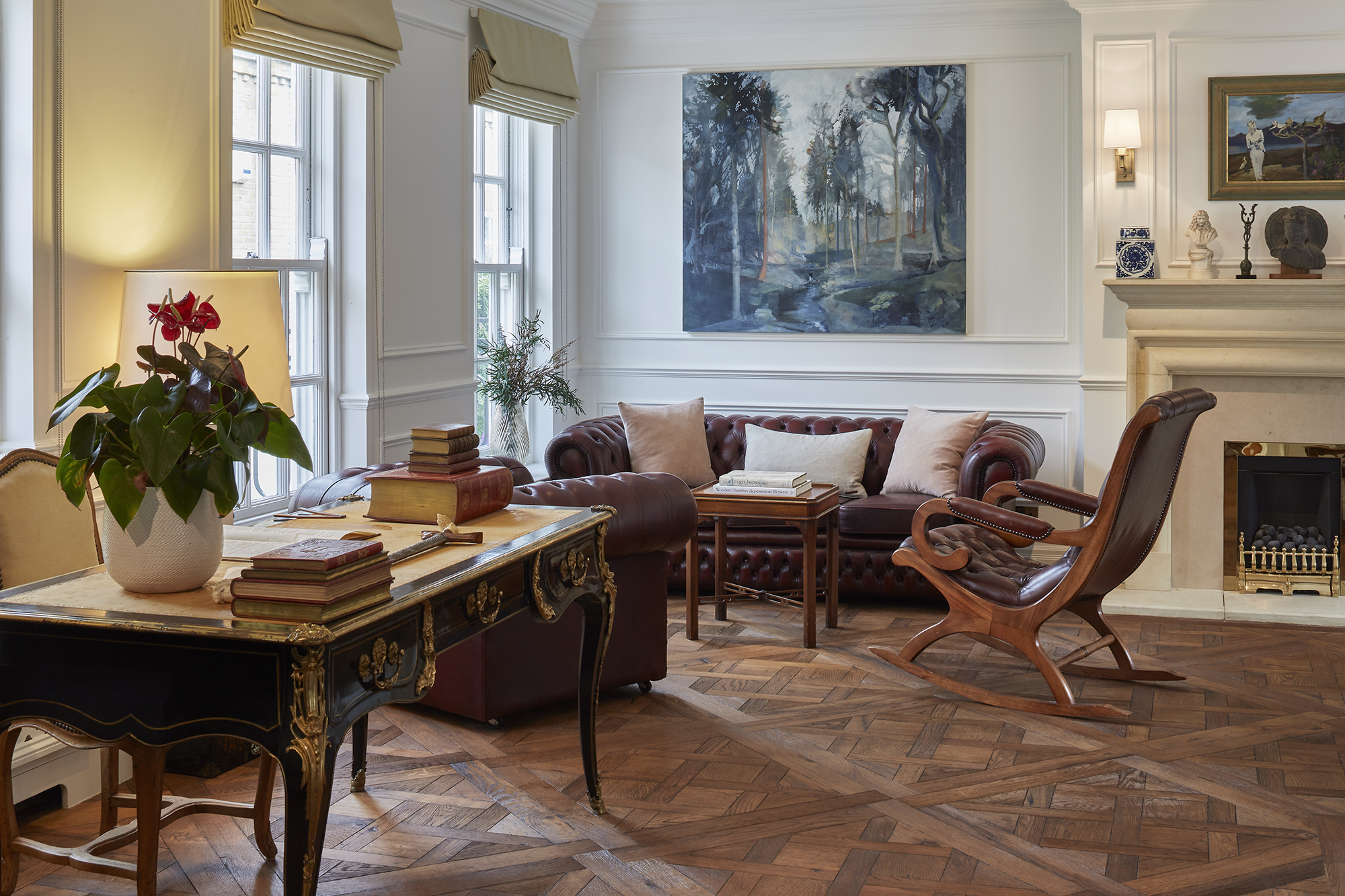
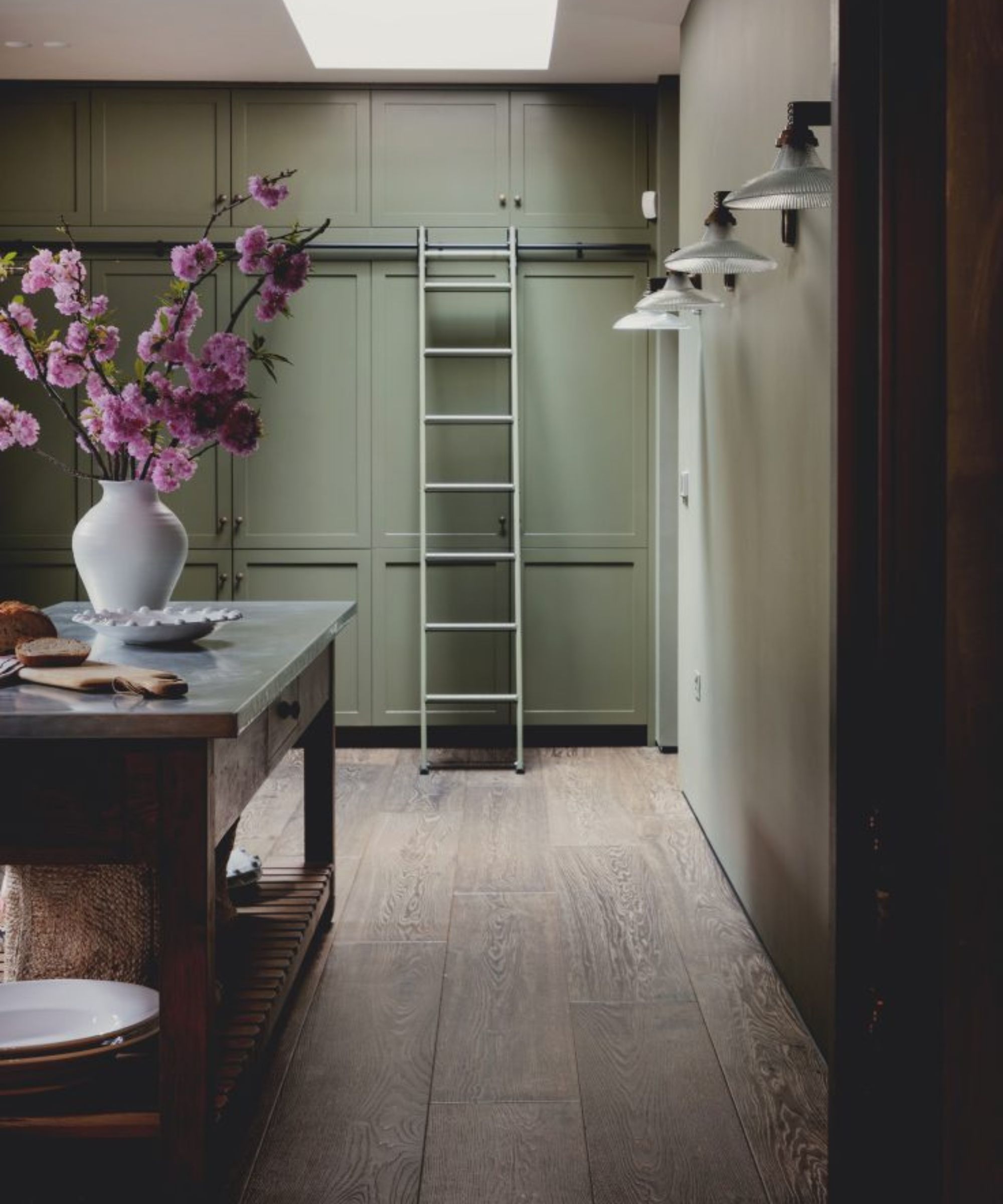
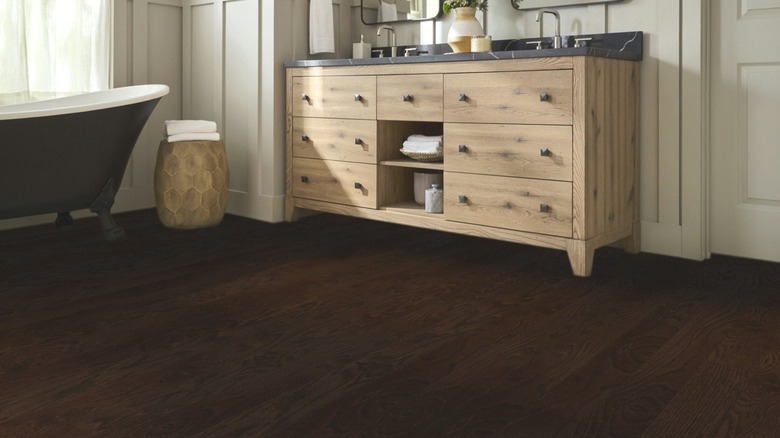
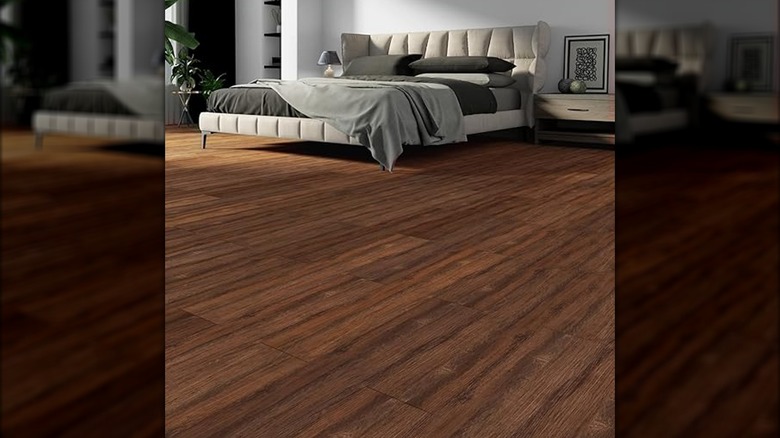
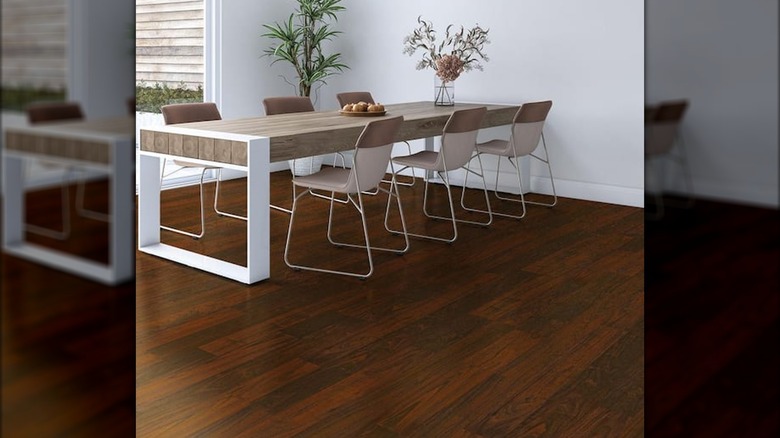
Acacia wood serves a multitude of purposes, from household items like cutting boards and decorative plates to outdoor furniture. Its inherent density, coupled with resistance to pests and moisture, makes it an excellent choice for outdoor applications, as it can withstand exposure to the elements without concerns of rot, fungal growth, or insect damage. It is also utilized for railings, custom cabinetry, and butcher block countertops. While it sees more structural use, such as in beams, in Europe, this application is less prevalent in the U.S. Another common application is flooring, available in both solid wood and engineered wood forms. Solid wood flooring is crafted from a single piece of wood, whereas engineered wood flooring comprises layers of thin wood sheets with alternating grain directions for enhanced stability, topped with a thin layer of acacia wood.
The primary advantage of acacia wood lies in its formidable toughness. Its super-dense composition makes it an excellent material for flooring, capable of resisting everyday dings and scratches. It is a practical option for households with large pets or those who frequently wear high heels, as it is exceptionally difficult to dent or damage. It is considered nearly maintenance-free for a hardwood. While its natural color is often preferred, acacia wood sands smoothly and readily accepts stain or paint. For outdoor furniture, an untreated surface may develop a grayish hue over time, but this can be prevented by applying a mineral oil protectant to preserve its natural coloration.
However, acacia wood does have some drawbacks. Its cost is a significant factor; while oak flooring typically costs around $3 per square foot, solid acacia can be as much as $8 per square foot. To mitigate costs, it can be used as an accent wood, for instance, to create a border. Another challenge is the relative unfamiliarity of average homebuilders or furniture makers with its specific characteristics. Acacia wood requires very slow drying to prevent warping and can be tricky to work with for those unaccustomed to its nuances. Consequently, finding a skilled woodworker proficient in handling acacia wood might be necessary for new construction or renovation projects. Despite its density minimizing expansion and contraction compared to other hardwoods like oak, acacia wood can still be susceptible to warping or cracking, particularly in arid climates with very low humidity. Running a humidifier or periodically applying a light coat of mineral oil can help maintain its resilience in such environments.
From an environmental perspective, acacia wood is considered sustainable. It is a fast-growing species, meaning it can be harvested at a younger age than many other woods. For example, while oak requires 20 to 30 years to yield usable lumber, acacia trees can grow six to eight feet annually, becoming harvestable within four to five years at heights of 20 to 40 feet. Many growers also pursue FSC-certification, promoting responsible forestry practices globally.
#AcaciaWood #Hardwood #HomeRenovation #InteriorDesign #SustainableMaterials #WoodDurability #FlooringOptions #FurnitureDesign #AcaciaWood #Hardwood #HomeRenovation #InteriorDesign #SustainableMaterials #WoodDurability #FlooringOptions #FurnitureDesign
0 ความคิดเห็นรวม
 ยังไม่มีความคิดเห็น
คุณอาจจะชอบอีกด้วย
Hardwood Isn’t Just for Your Floors Anymore
Wood Paneling Is Back—and Better Than Ever

A Home Improvement Expert Reveal the Best Hardwood Flooring

Hardwood Report 2025: The hardwood industry continues to improve its offering – March 2025

More and More People Are Skipping Pricey Wood Floors for This Alternative
How to Get the High-End Flooring Look You See in LUXURY Homes
Today’s evolving hardwood floors offer myriad choices
10 Types Of Flooring Inspired By Pantone's Color Of The Year
Comfy carpet, once dismissed as out-of-date, is back in vogue


Trends shaping the future of wood flooring

Bold Flooring Is Making a Massive Comeback in 2024
These 4 Flooring Trends Are Set To Dominate In 2026, According To A Design Expert
Goodbye To Basic Hardwood – This 2026 Flooring Trend Will Be In Everyone's Kitchen
7 flooring trends you're about to see everywhere
12 color trends for hardwood floors
Pop Up Grocer’s New Shop Confirms That This Retro Flooring Material Is Cool Again

Beauty of hardwood flooring
The Top 10 Flooring Trends for 2022

Flooring trends 2024 – designers predict these 8 styles will lead the way in interiors this year

8 Flooring Trend Predictions for 2024