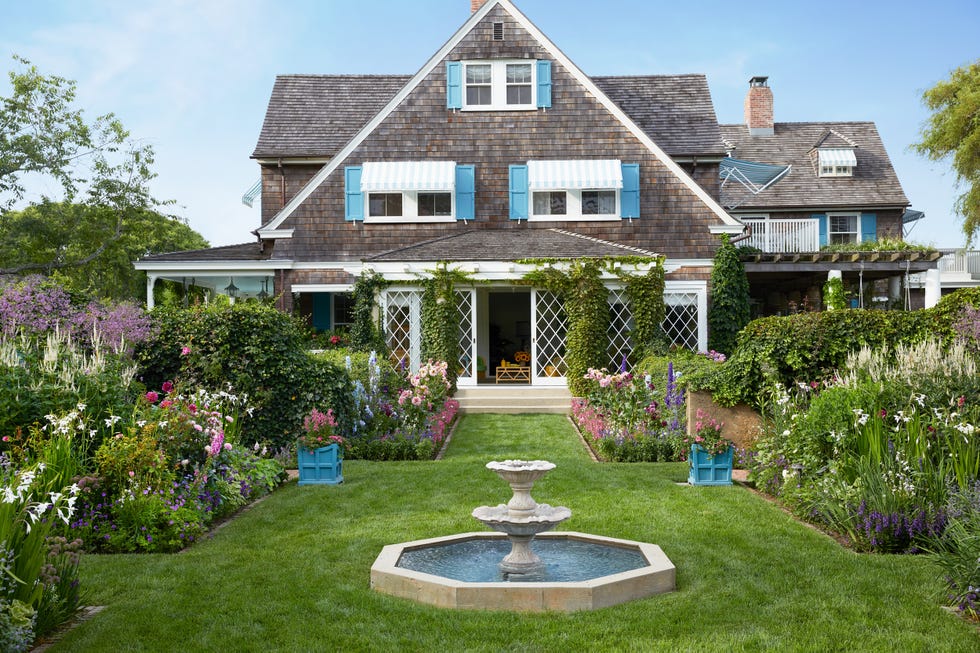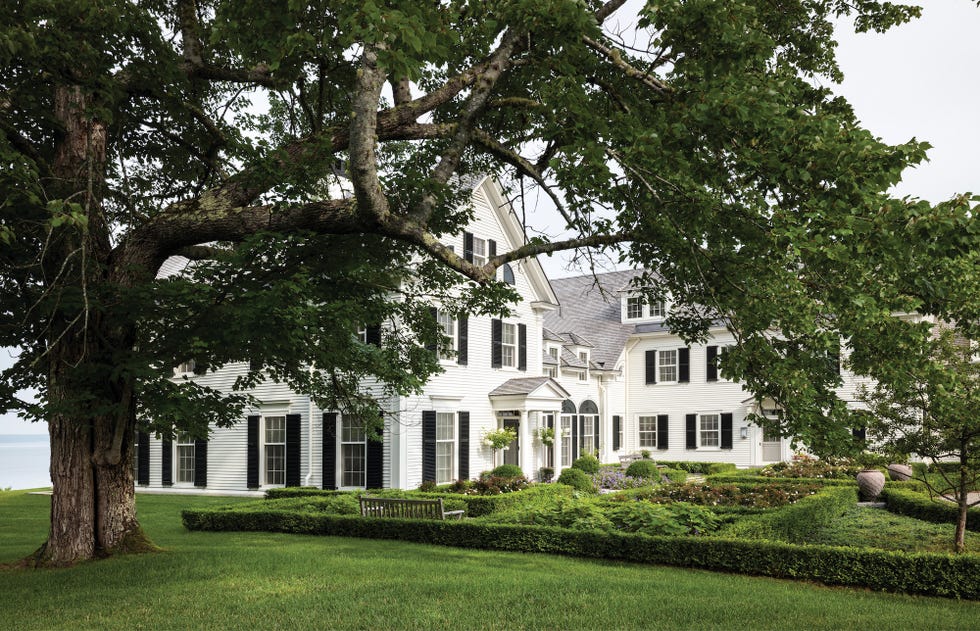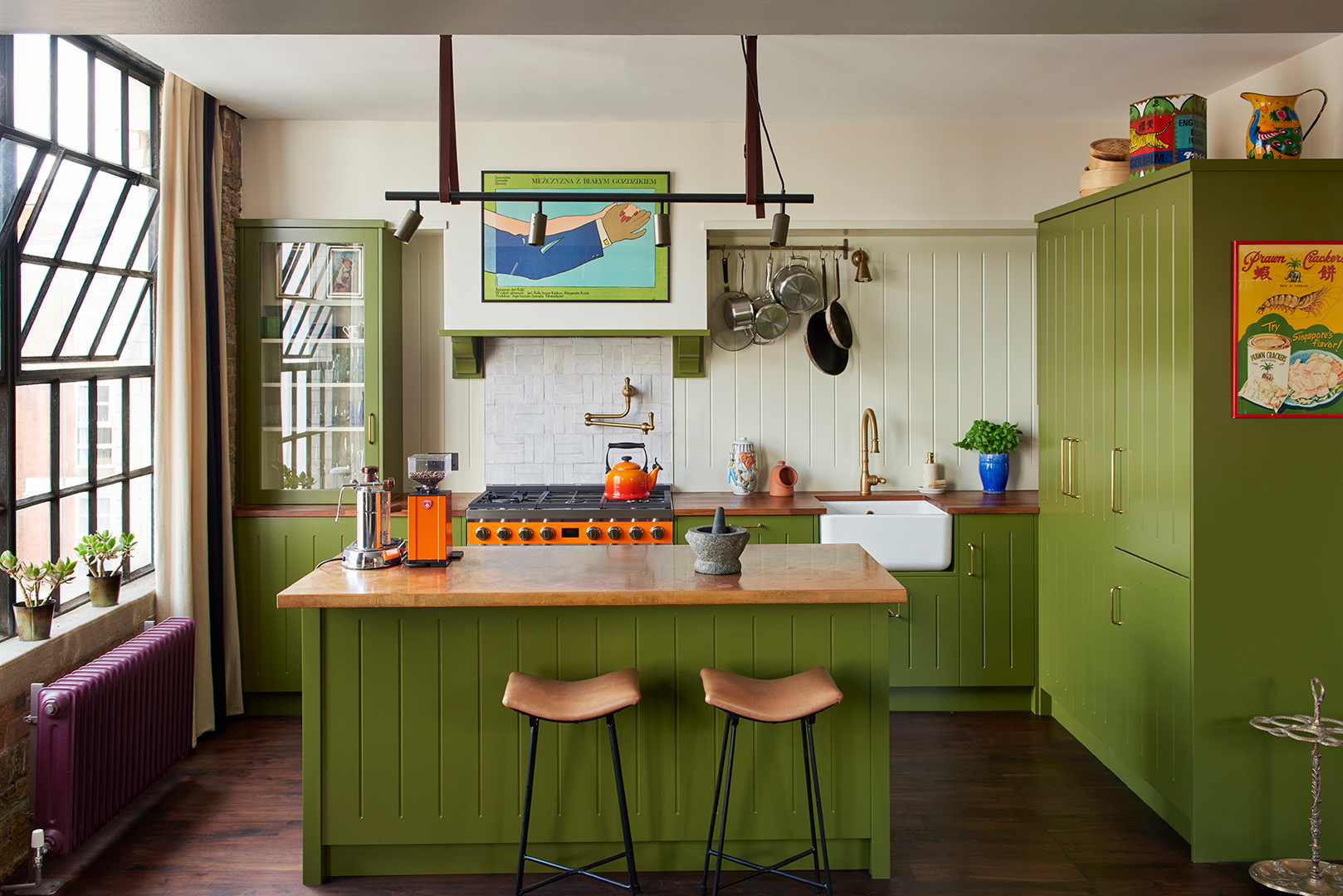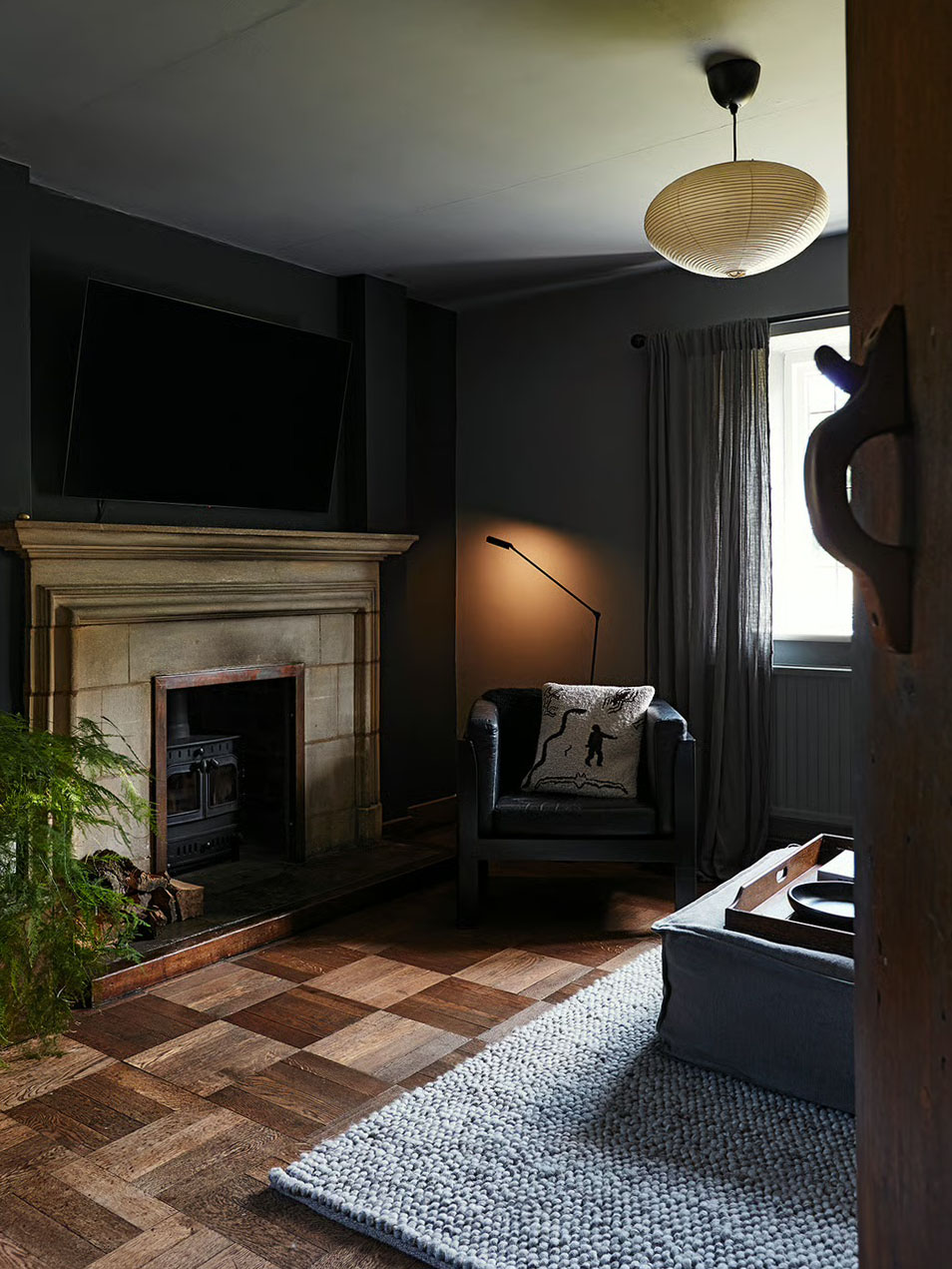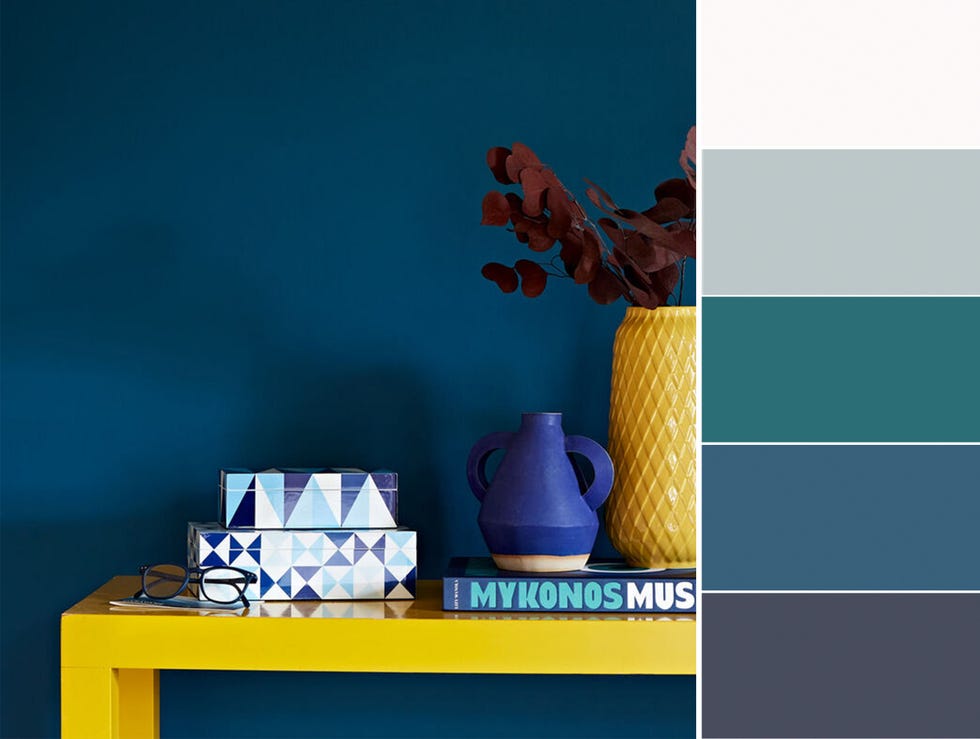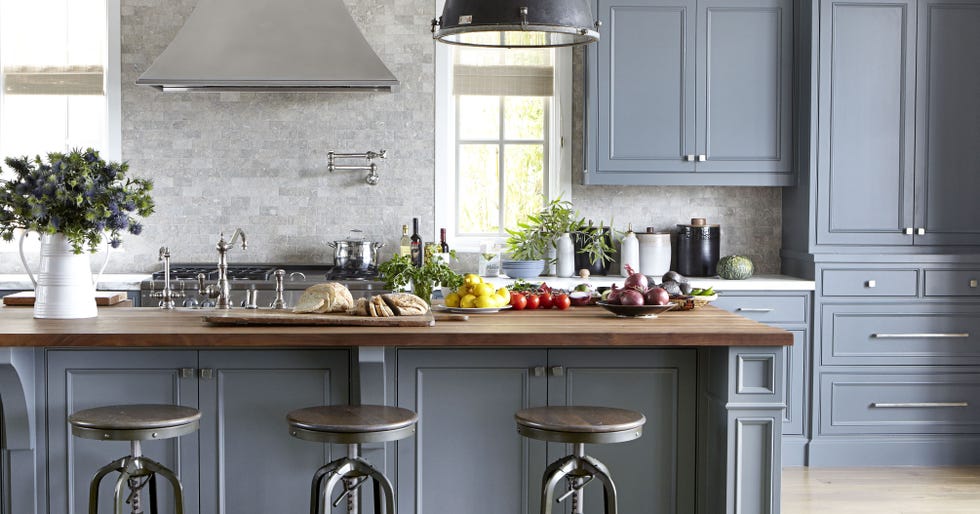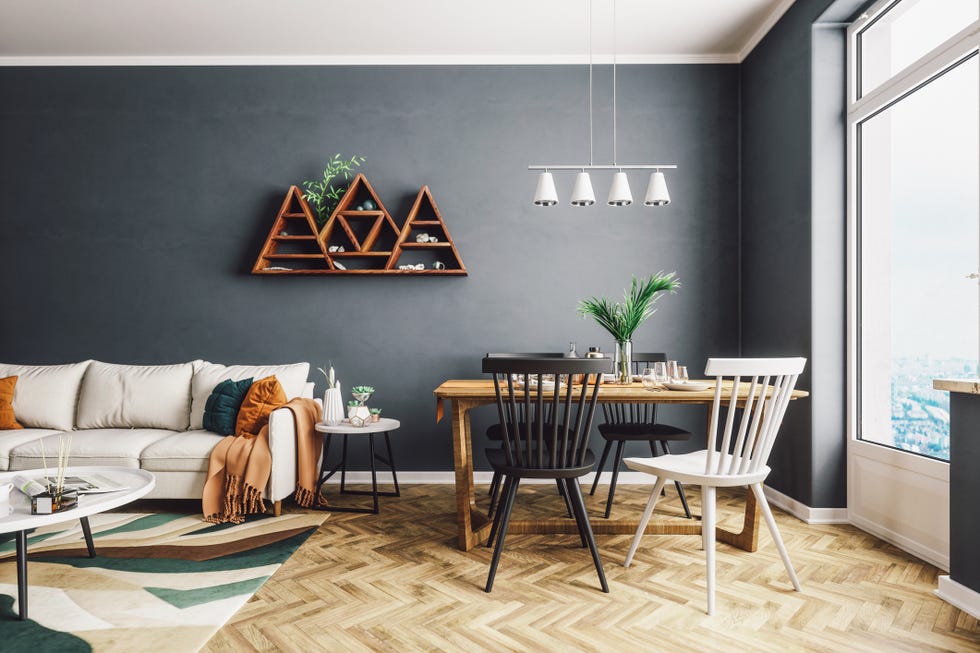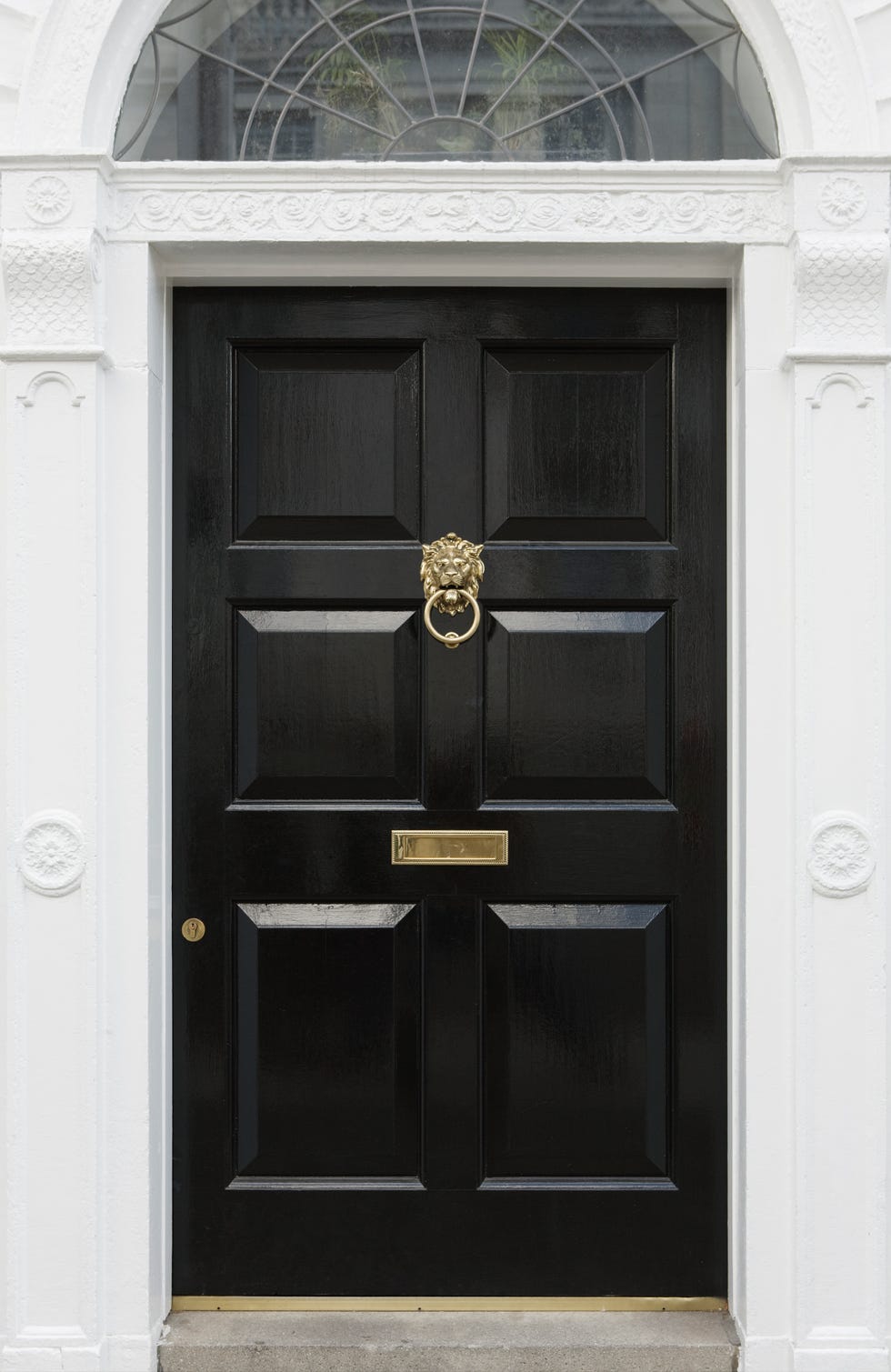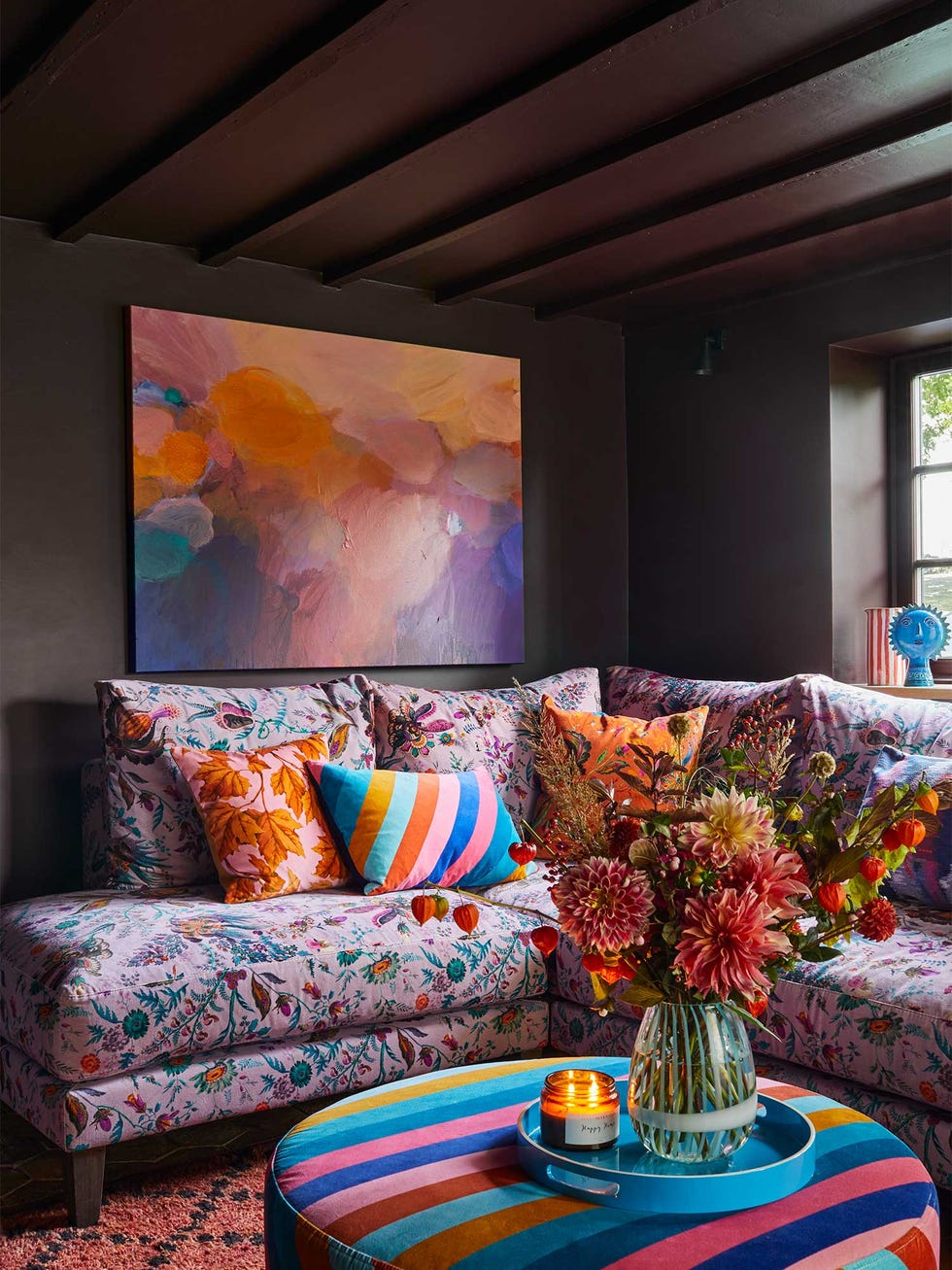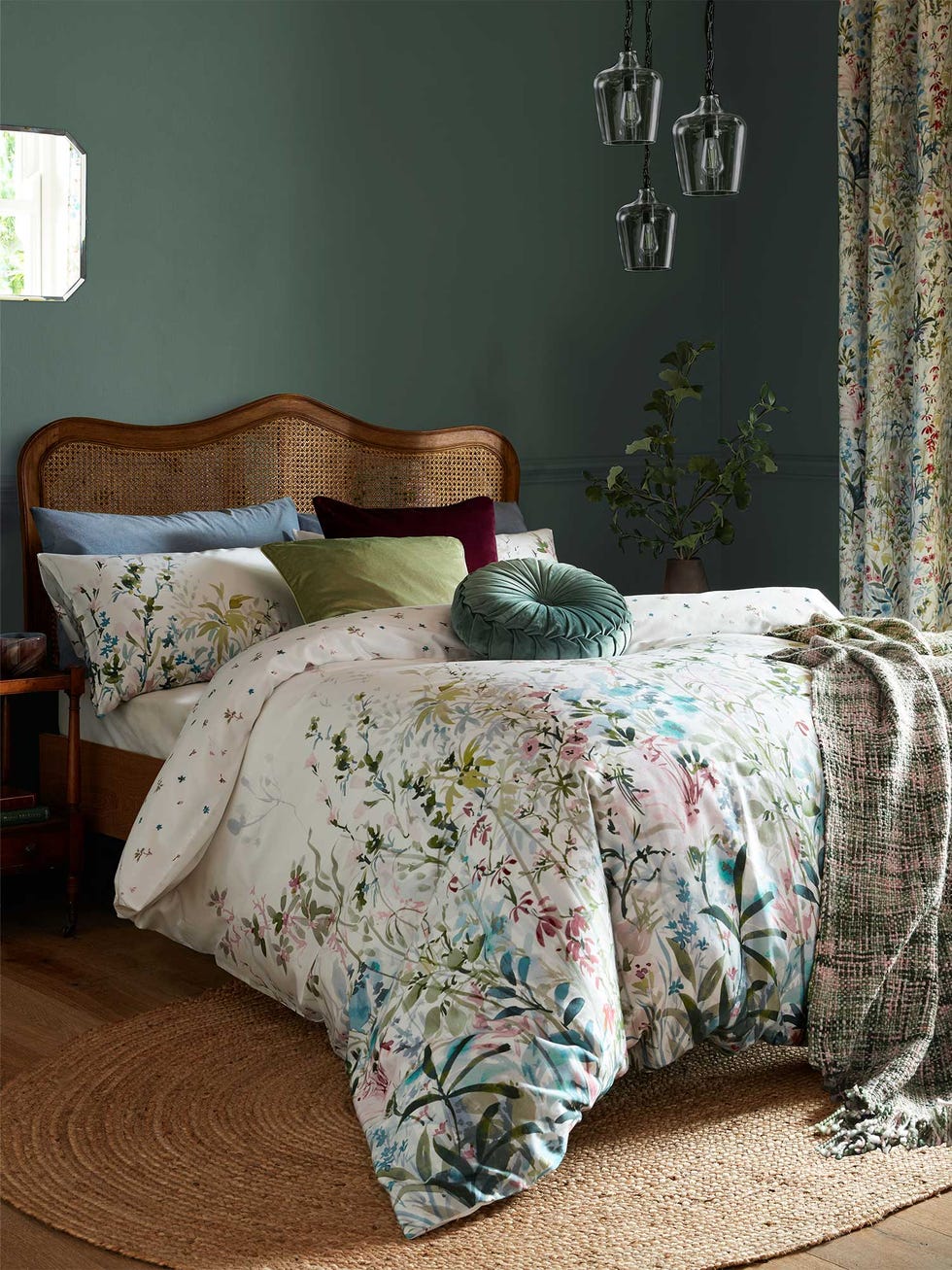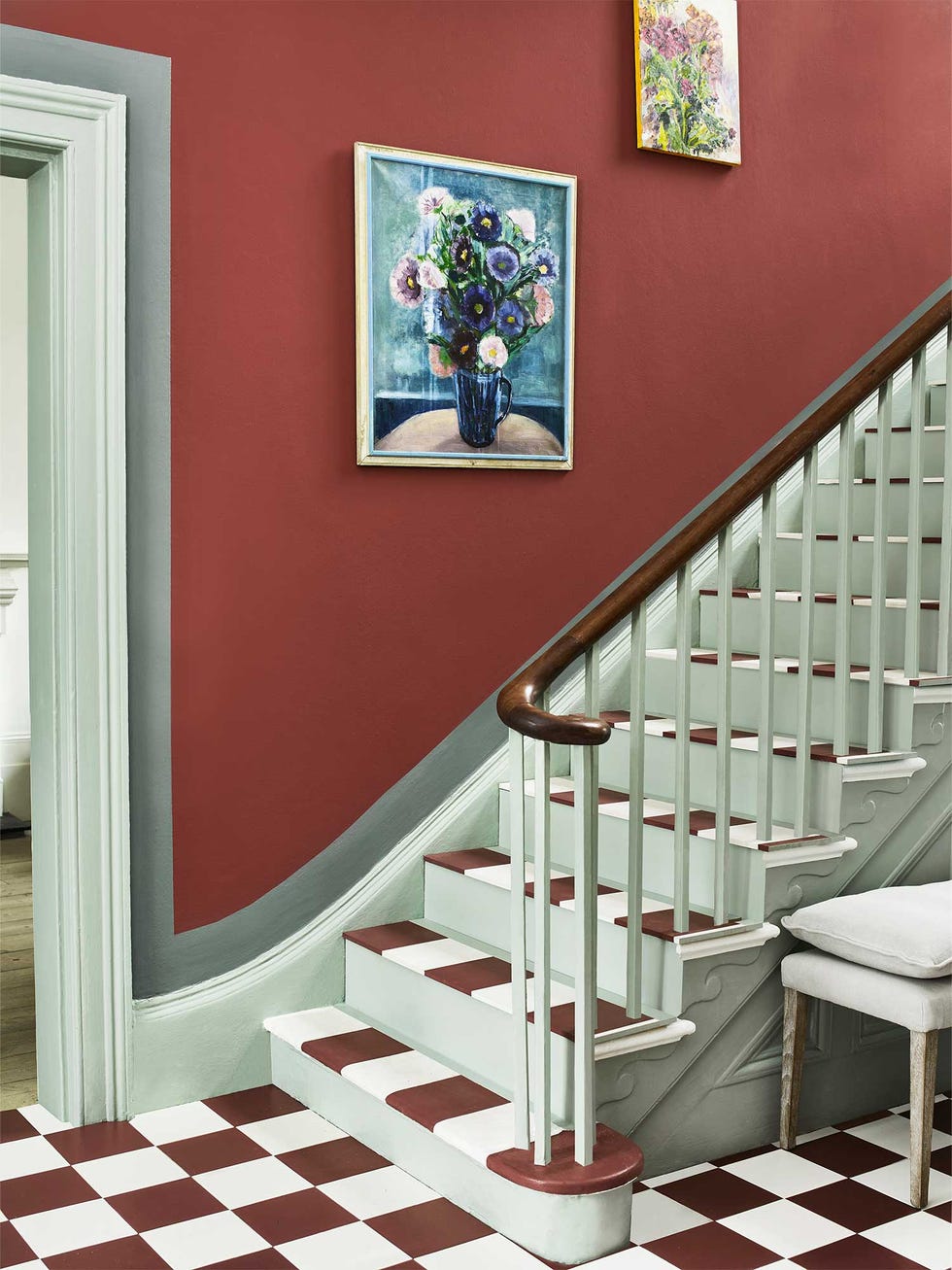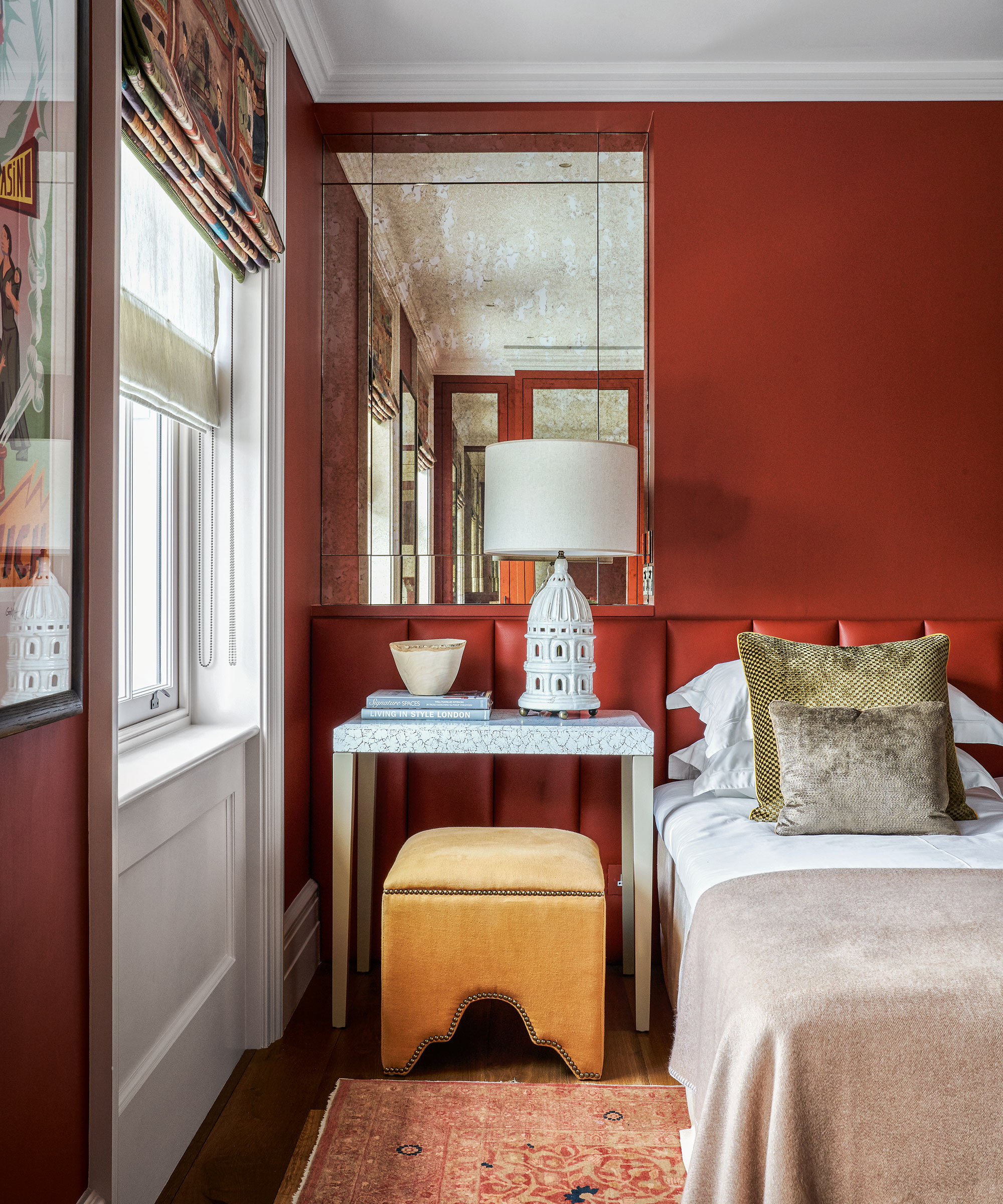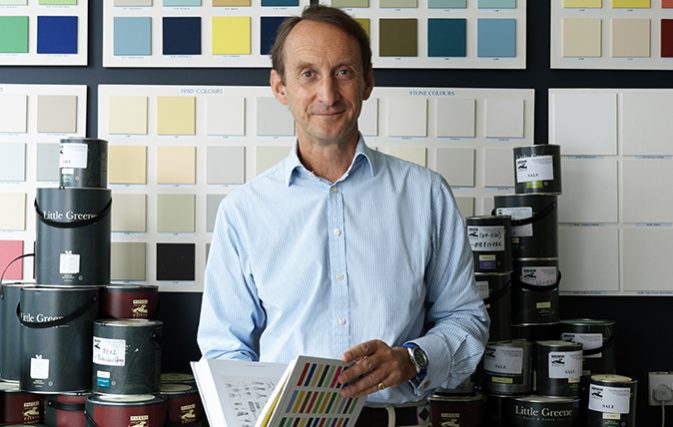
The man they call 'the paint detective' shares his 10 tips for choosing the right colours for your house
Patrick Baty, known as 'the paint detective,' possesses a unique ability to uncover a room's historical color schemes from minimal evidence. Following his father, Robert Baty, who established Papers and Paints in 1960, Patrick has dedicated his career to understanding and recreating historical paint colors. His work spans significant historical buildings like Hampton Court and Tower Bridge, where he provides expert advice on paint. Baty emphasizes that while paint choices might seem overwhelming today, the fundamental principles and even many popular colors have remained consistent over centuries. He notes that modern hues often echo their 18th-century counterparts, simply bearing new names.
Baty offers ten key tips for selecting paint colors. First, he advises starting with an unchangeable element in the room, such as existing curtains or furniture. By matching the paint color to these elements, rather than the other way around, a cohesive design can be achieved more easily. Second, despite the vast array of choices available today, he reassures that colors haven't changed drastically over time; what is now called 'Gardenia' or 'Magnolia' is often similar to historical 'Cool Stone Colour' or 'Warm Stone Colour.' He encourages not to shy away from conventional decorative approaches, especially in historic homes. These conventions are often effective because they are time-tested and typically involve painting woodwork in off-white or pale stone, with specific guidelines for upper and lower wall sections to balance the room, particularly in spaces with high ceilings.
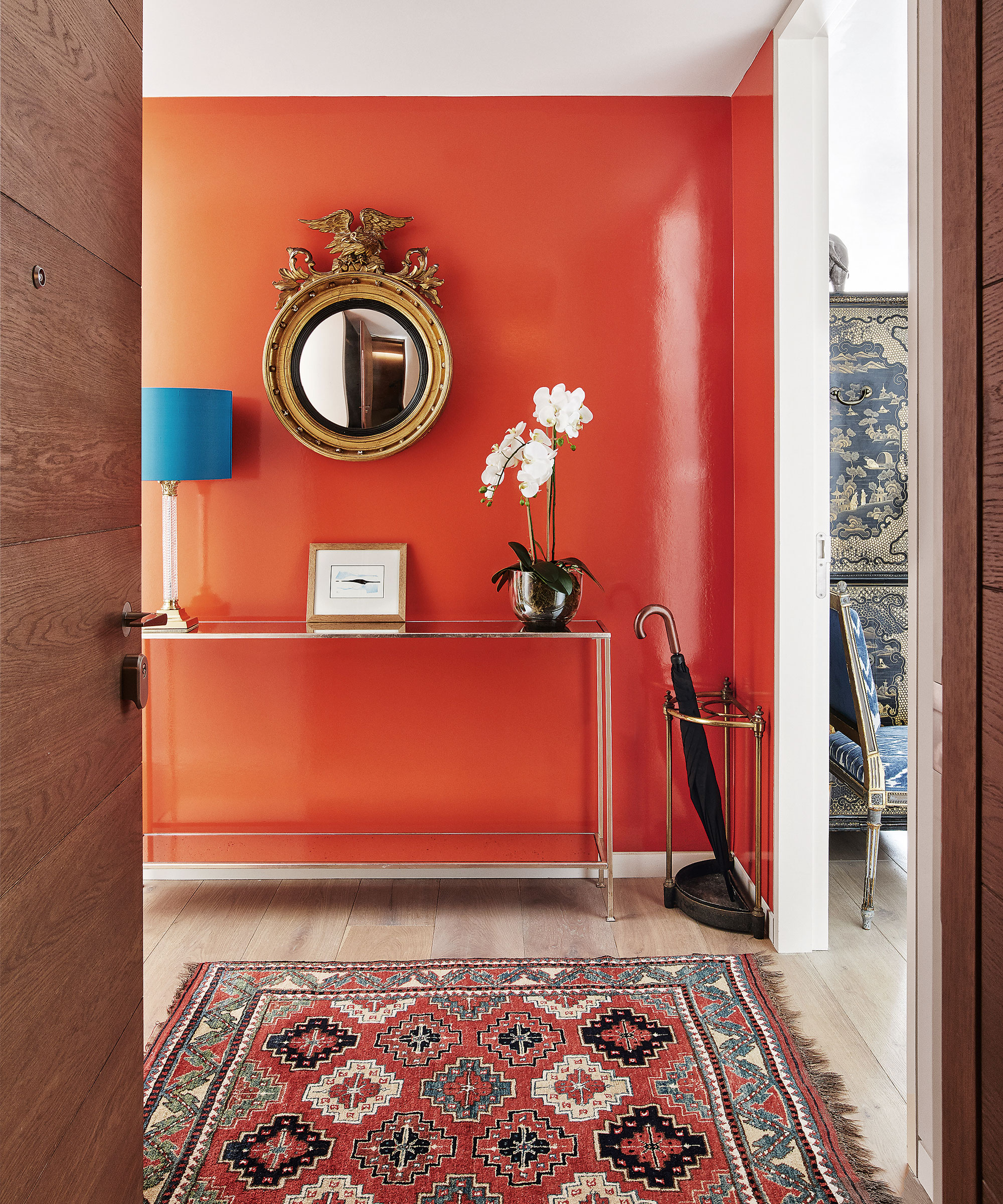
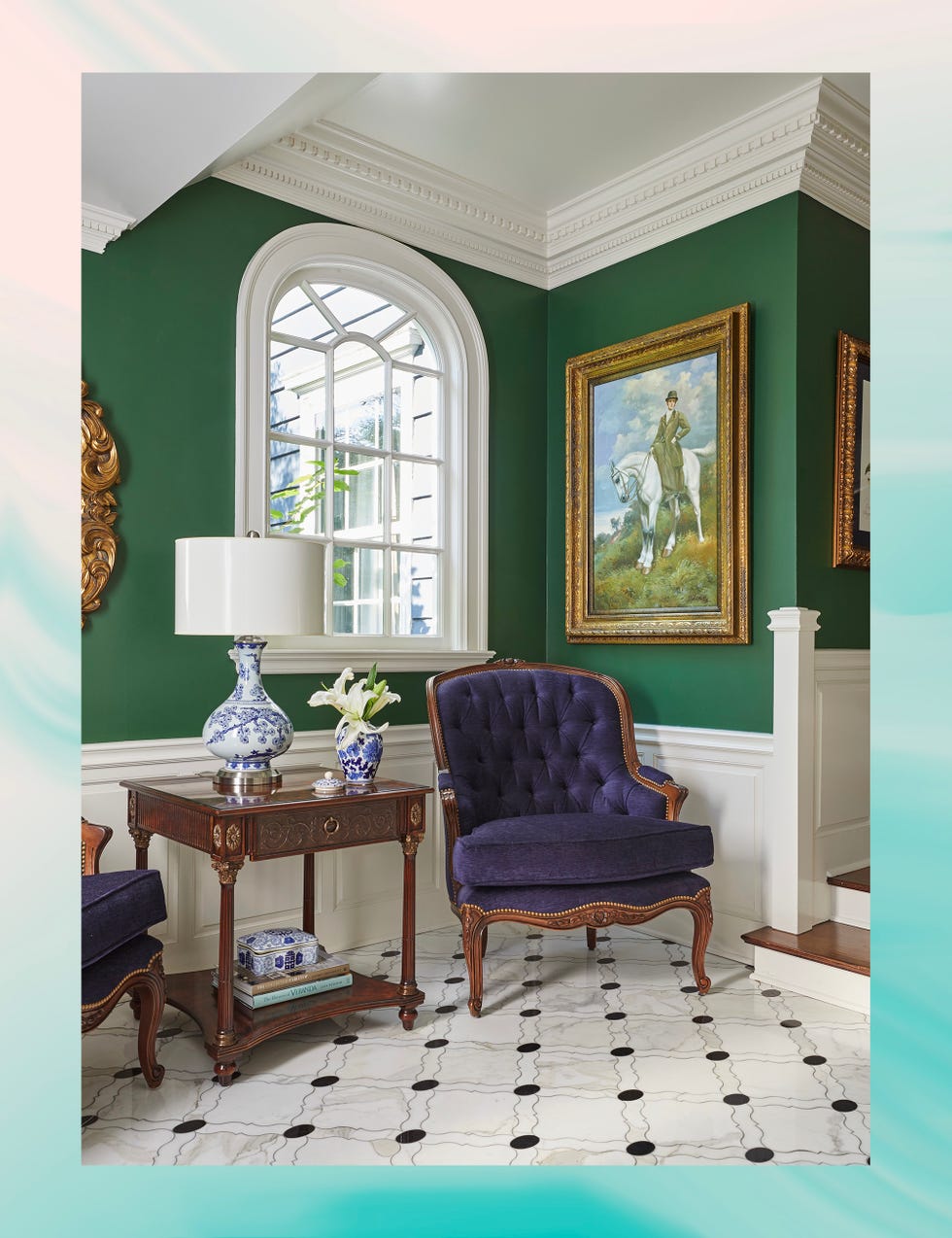
Simplicity is another core principle for Baty. He points out that historical analysis of panelled doors shows no tradition of using multiple colors to highlight features, contrary to some 20th-century decorating trends. He suggests drawing inspiration from historical palettes, which were often limited but produced soft and comfortable aesthetics, avoiding anything harsh. Baty also recommends treating a hallway as an external space, historically painted in cost-effective stone colors, which can still work well today. He encourages looking to great country houses for inspiration, citing examples like the pale-pink ceiling and dark-green walls at Temple Newsam or the dull green and Light Peach Blossom combination at Uppark, which showcase brilliant two-tone room designs.
Furthermore, Baty advocates for reviving beautiful old colors like Burnt Oxford Ochre or Bronze Green. He stresses the importance of consistency by purchasing all paints from the same manufacturer to ensure a uniform sheen. When custom-mixing paints, he advises using multiple colorants—up to five—rather than just two, to create richer, more complex, and nuanced shades that interact differently with light. Baty's expertise extends to historical paint analysis, which he likens to assembling a jigsaw puzzle. He collects archival information and examines fingernail-sized paint samples under a microscope to uncover layers of paint and the underlying substrate. This detective work allows him to date paint layers based on pigment availability, such as zinc oxide from the 1850s or titanium dioxide from 1960, and even historical events like the lack of maintenance during World War II or the impact of the Clean Air Act on London exteriors in 1956.
#PaintDetective #ColorSelection #HistoricHomes #InteriorDesignTips #PapersAndPaints #TraditionalDecor #ArchitecturalPreservation #HistoricalPalettes #PaintAnalysis #PaintDetective #ColorSelection #HistoricHomes #InteriorDesignTips #PapersAndPaints #TraditionalDecor #ArchitecturalPreservation #HistoricalPalettes #PaintAnalysis
0 ความคิดเห็นรวม
 ยังไม่มีความคิดเห็น
คุณอาจจะชอบอีกด้วย
8 Surprising Colors That Will Decrease Your Home's Value, According to Experts

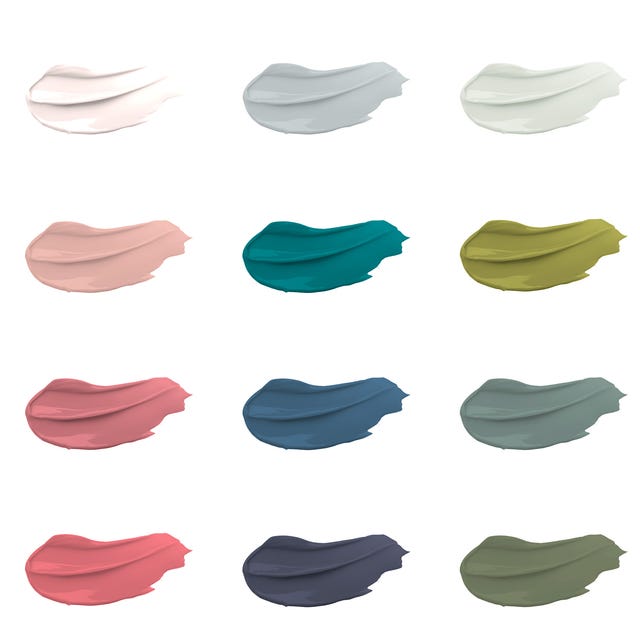
30 on-trend paint colours for every room in your home
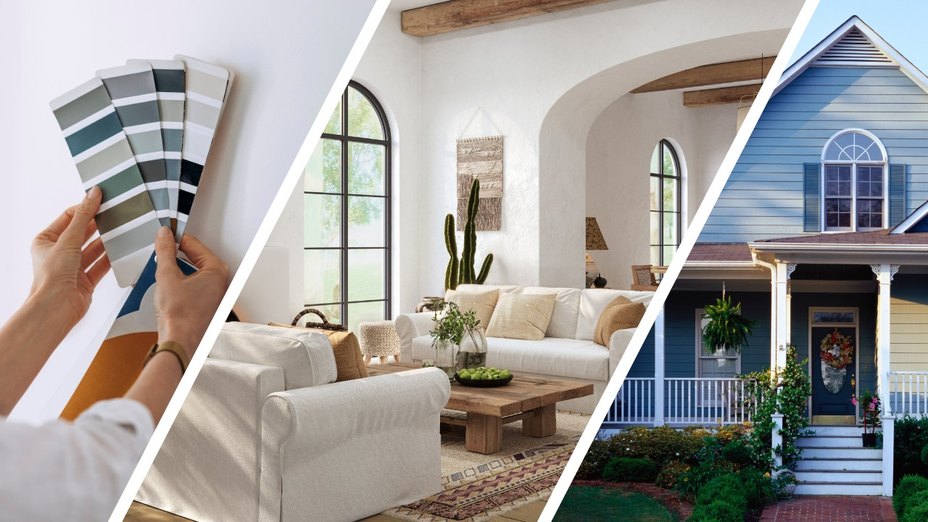
Real Estate Experts Reveal the Paint Colors That Decrease Your Home Value—and Tricks for Finding the Perfect Hue
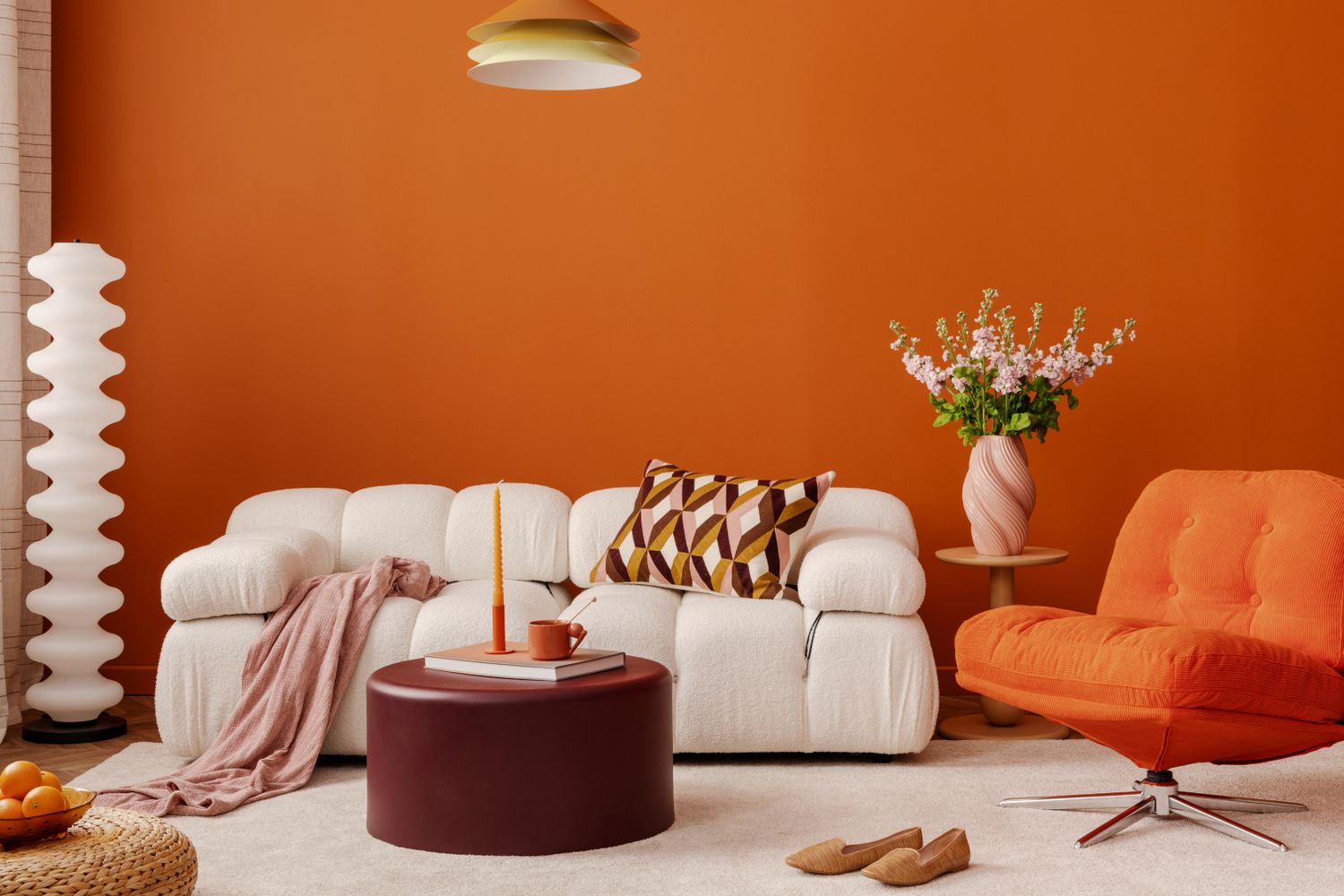
Never Regret a Paint Color Again—Avoid These 6 Common Mistakes

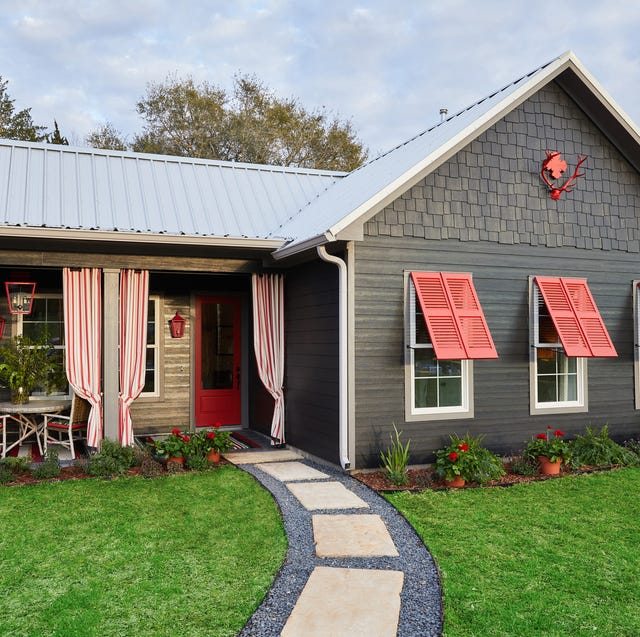
Here's What Colorists Want You to Know About Picking House Paint


6 Paint Colors That Will Make Your House Sell for More Money


How To Choose The Right Paint Color For Your Home, According To An Interior Design Expert

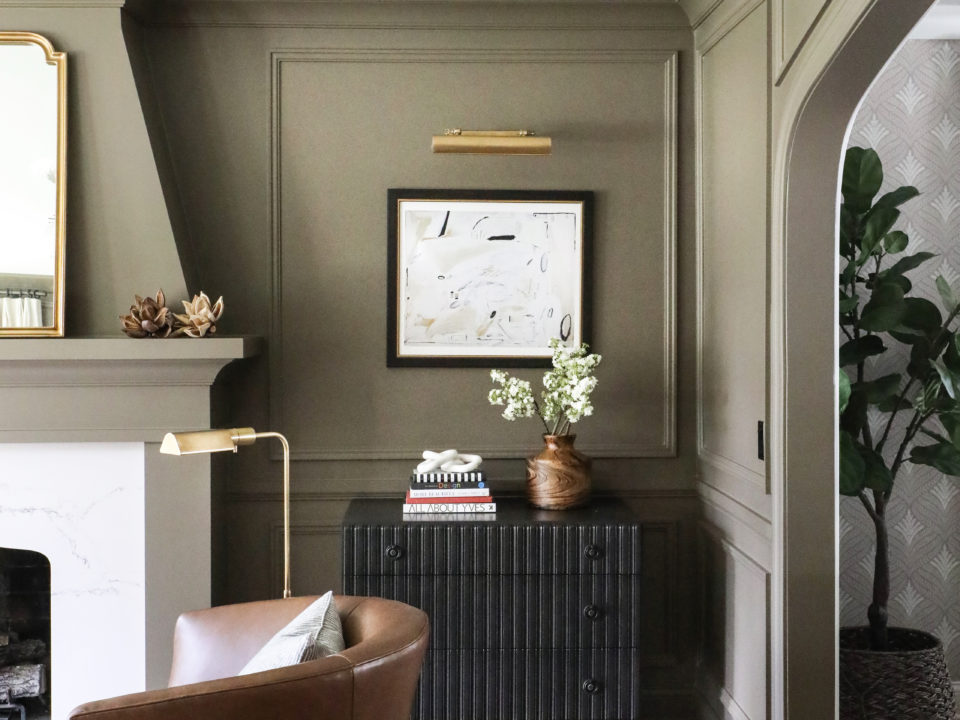
How to Pick the Best Paint Colors for Every Space in Your Home

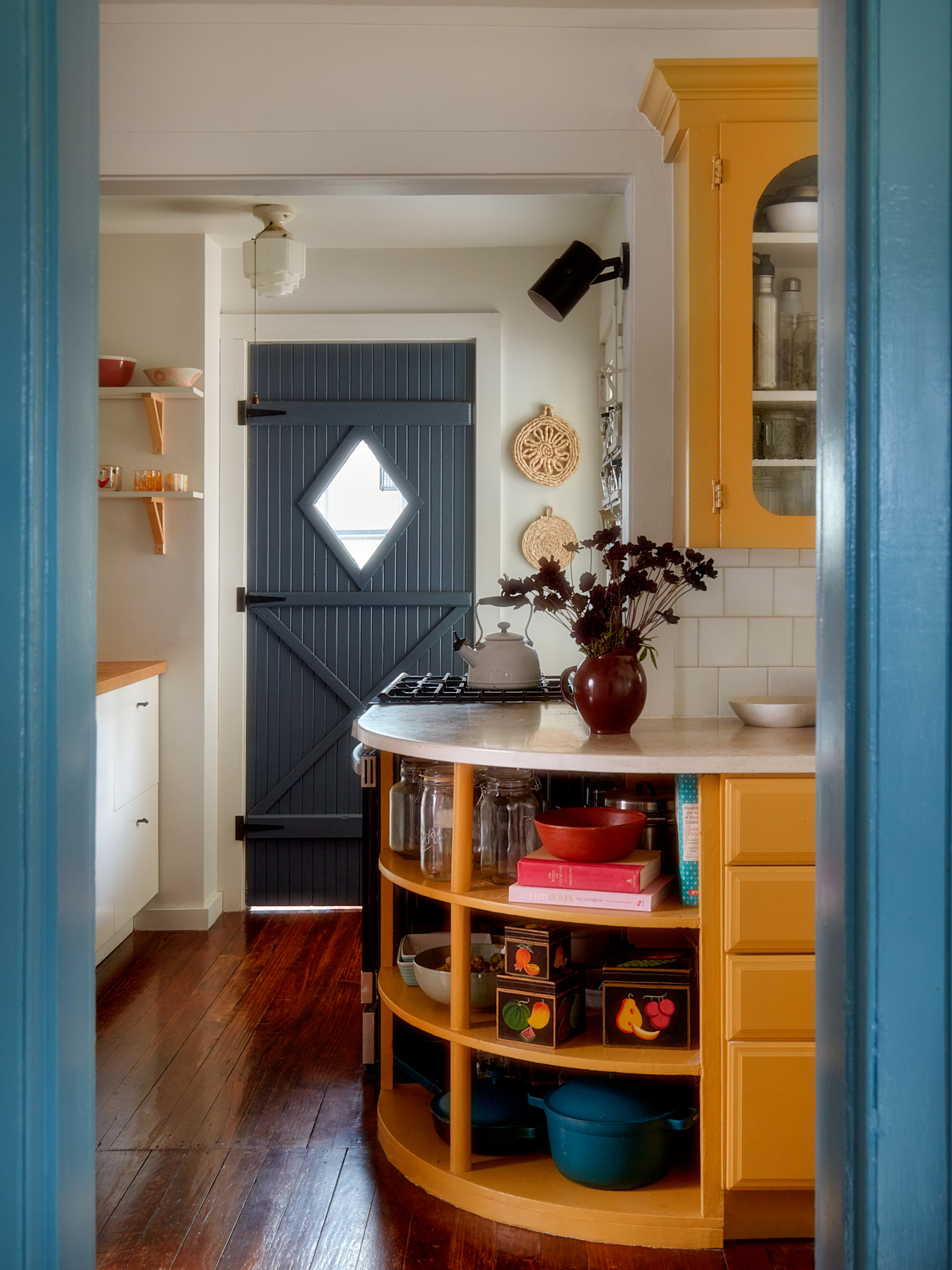
This Cheery Kitchen Color Could Hurt Your Home Value

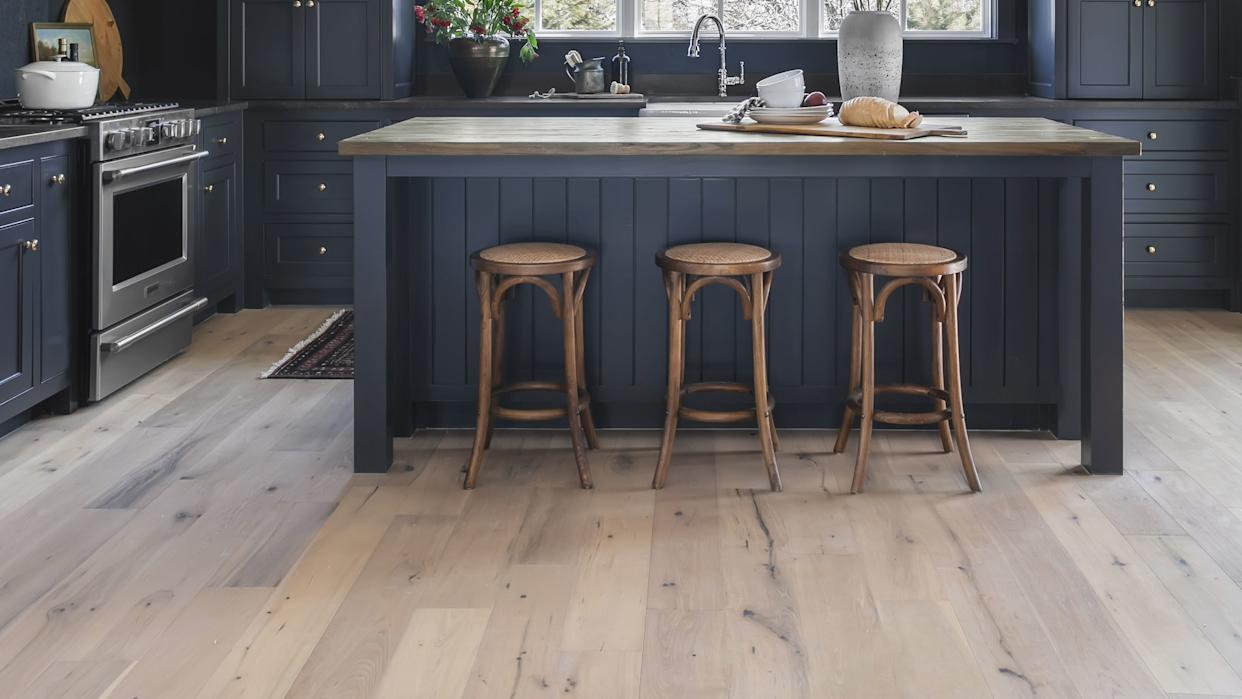
7 Paint Colors That Make a House Sell for More Money

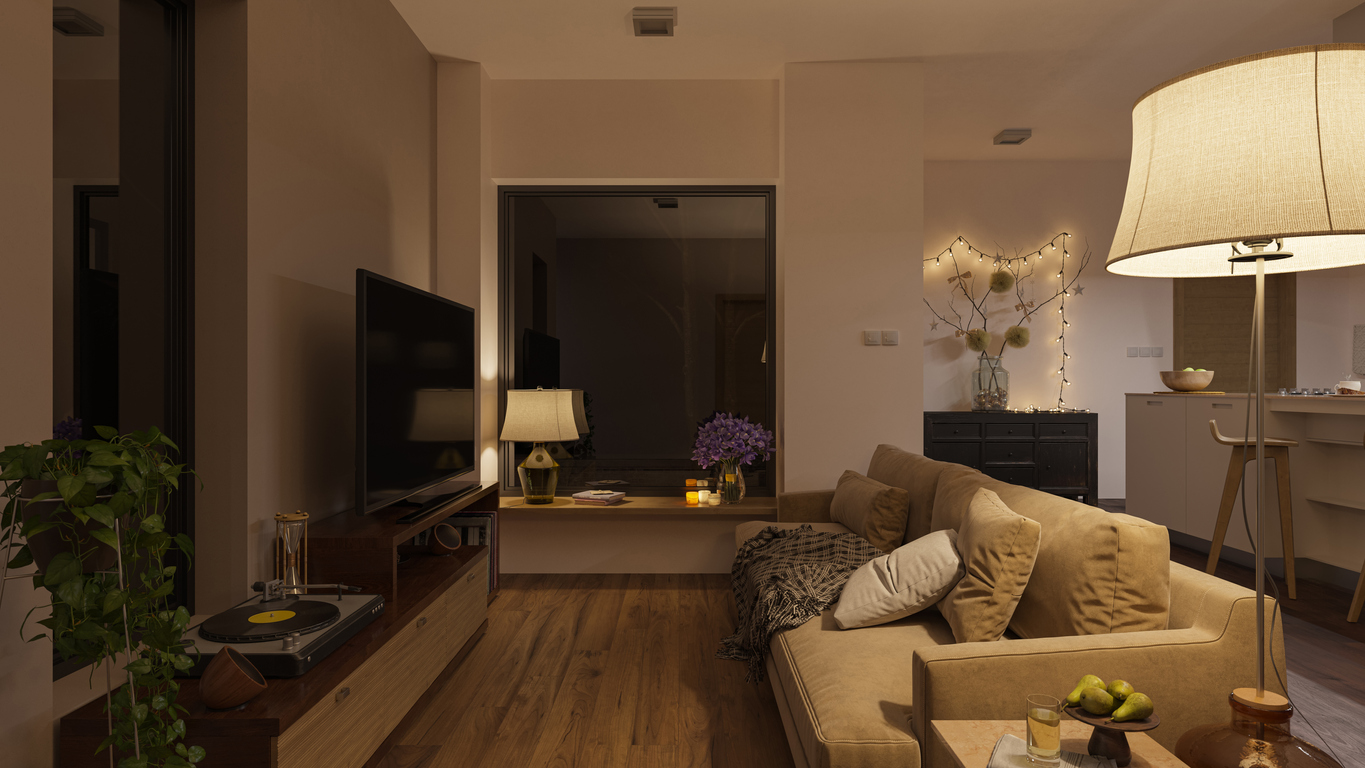
The 13 Best Paint Colors for Low-Light Rooms

Millennial Gray Is So Over—Here Are 5 Paint Colors to Try Right Now
23 Expert Tips for Choosing the Right Paint Colors for Your Home

Colour experts share their top paint trends for 2024

12 Color Schemes That Are Popping Off Right Now, According to Designers
How to choose the best paint color for any room in your house
These Dark Interior Colors Can Sell Your House for More Money, According to Zillow

What are the worst colors to paint a room? The shades experts say you should never use

An A-List Designer’s Secrets To Picking Perfect Paint Colors

This Surprising Paint Color Tricks Buyers Into Paying More for a Home