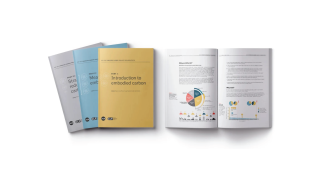
The AIA-CLF Embodied Carbon Toolkit for Architects
The AIA-CLF Embodied Carbon Toolkit for Architects is a comprehensive three-part resource designed to equip architects and designers with the knowledge and tools necessary to reduce embodied carbon in their projects. This initiative underscores the architectural community's commitment to addressing climate change by extending beyond traditional operational energy efficiencies to tackle the significant environmental impact of building materials and construction processes.
Embodied carbon refers to the greenhouse gas emissions generated across a building's entire lifecycle, including material extraction, manufacturing, transportation, construction, and end-of-life disposal. While operational carbon, stemming from a building's energy consumption during use, has historically been the primary focus of sustainability efforts in architecture, embodied carbon now accounts for a substantial 11% of global annual emissions. The building industry as a whole contributes nearly 40% of annual CO2 emissions, highlighting its critical role in achieving global decarbonization targets. Addressing embodied carbon is not only an environmental imperative but also a matter of public health and equity, as these emissions often disproportionately affect vulnerable communities.
By focusing on embodied carbon, architects have a unique opportunity to drive significant change towards a zero-carbon, equitable, and healthy built environment. The toolkit aims to empower building designers by introducing the concept of embodied carbon and emphasizing its importance in the broader context of decarbonizing the building industry. It provides a foundational understanding of how to measure embodied carbon, primarily through the methodology of a life cycle assessment (LCA), which evaluates the environmental impacts associated with all stages of a product's life.
The toolkit also outlines practical strategies that architects can implement in their own projects to reduce embodied carbon. These strategies may include selecting low-carbon materials, optimizing material use, designing for durability and adaptability, and considering the end-of-life impacts of building components. Furthermore, the resource incorporates additional resources for implementing these strategies and introduces various tools that can aid in the assessment and reduction of embodied carbon.
The three parts of the toolkit are structured to guide professionals systematically: Part 1 introduces embodied carbon and its significance, providing a crucial overview of why this issue demands immediate attention from architects. Part 2 delves into the technical aspects of measuring embodied carbon, offering insights into LCA methodologies. Part 3 focuses on actionable strategies, providing concrete steps and examples for reducing embodied carbon in design and construction practices. This comprehensive approach ensures that architects are not only aware of the problem but are also equipped with the means to be part of the solution, fostering a more sustainable future for the built environment.
#EmbodiedCarbon #Architecture #Sustainability #ClimateAction #BuildingDecarbonization #LifeCycleAssessment #GreenBuilding #ArchitecturalDesign #EmbodiedCarbon #Architecture #Sustainability #ClimateAction #BuildingDecarbonization #LifeCycleAssessment #GreenBuilding #ArchitecturalDesign
0 ความคิดเห็นรวม
 ยังไม่มีความคิดเห็น
คุณอาจจะชอบอีกด้วย
CO Adaptive Uses Low-carbon Design to Rejuvenate Old Buildings

Slim Skins: Towards a New Glazed Façade System

Top 10 Examples of Most Sustainable Architecture in 2025
Building Into Luxury Concrete

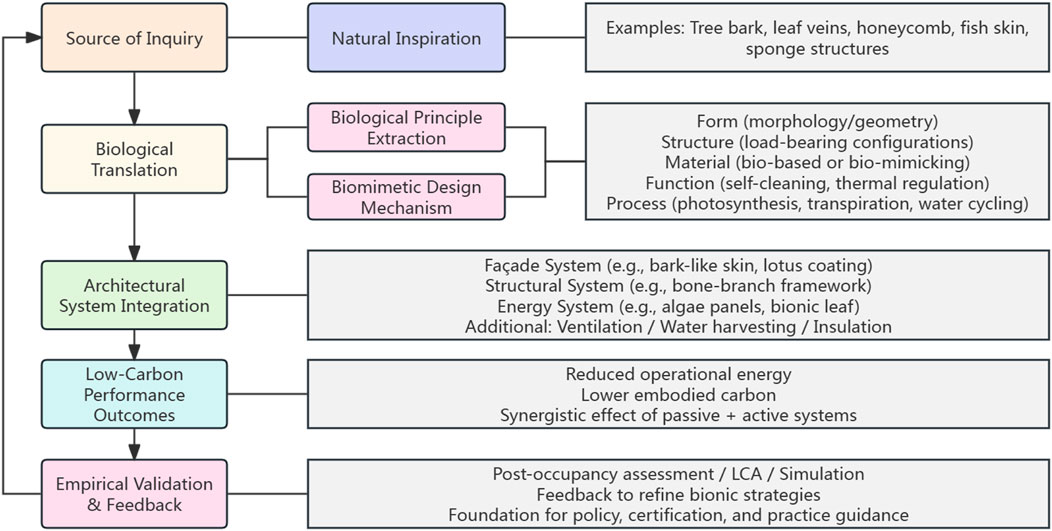
Application of bionic architecture in low-carbon design: a systematic review from nature inspiration to architectural practice
Amorim Cork Composites spotlights the versatility of cork
Going Green with ICF
“Cannabis walls” add warmth to this eco-friendly home in Israel

30 Sustainable Projects Leading the Way for Green Design

Time for Another Look at Insulated Concrete Forms?
5 tactics for sustainable architectural lighting
5 Concrete Technologies to Reduce Carbon Footprint
Is timber the most sustainable building material?

Saving the earth: making the case for rammed earth architecture
A review of artificial intelligence methodologies in computational automated generation of high performance floorplans
Architect Jeff Adams Designs a "Pretty Good House"
Rammed Earth Fits Into Urban Architecture’s Sustainable Future
Design for Energy—Framework for Design Excellence
The Plan and the Prompt: How AI Is Rewiring Design and Practice

CLT House by Susan Jones Shows the Future of Sustainable, Green and Healthy Housing