1/16
Sloped backyard ideas – 15 expert design tips for a terraced garden
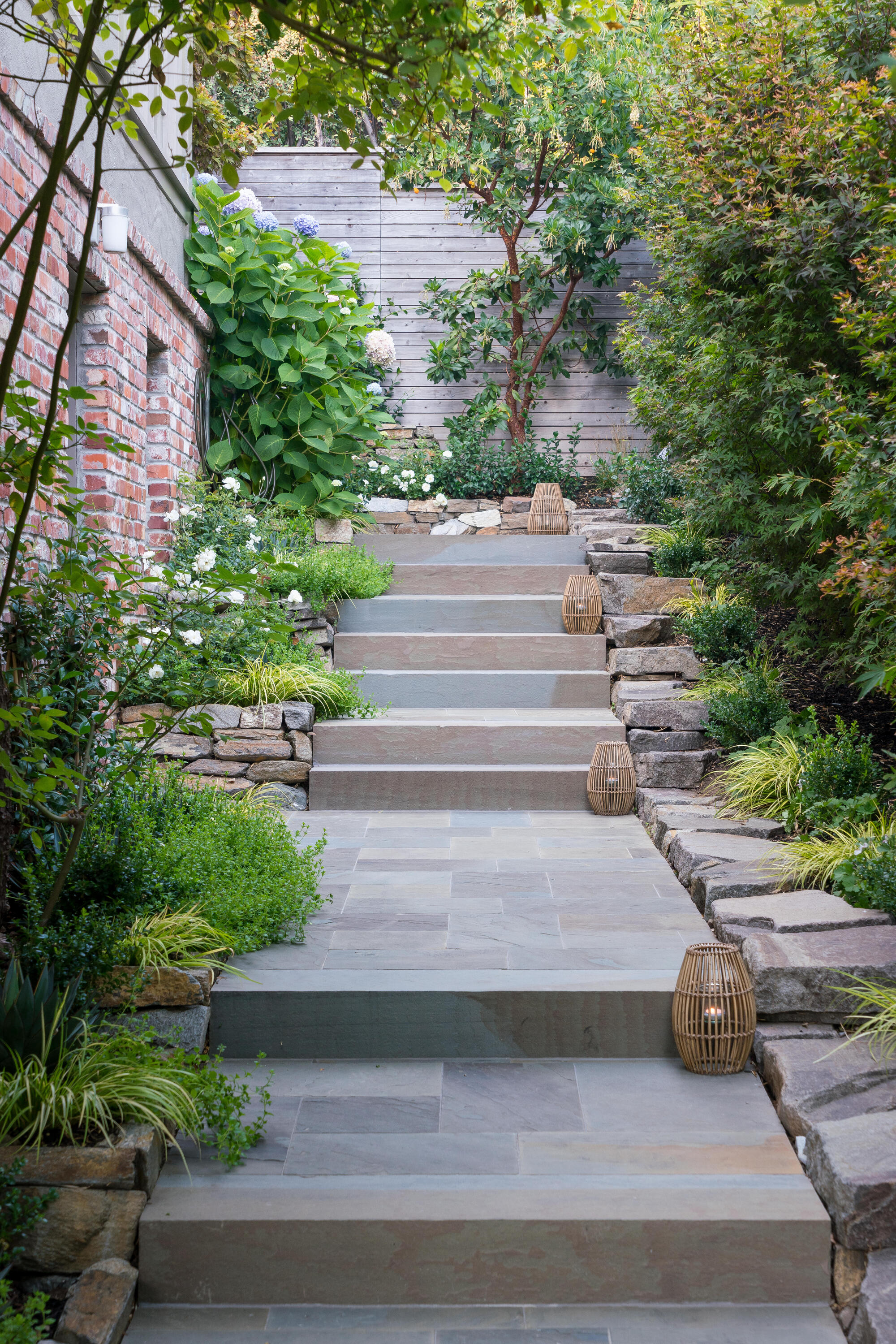
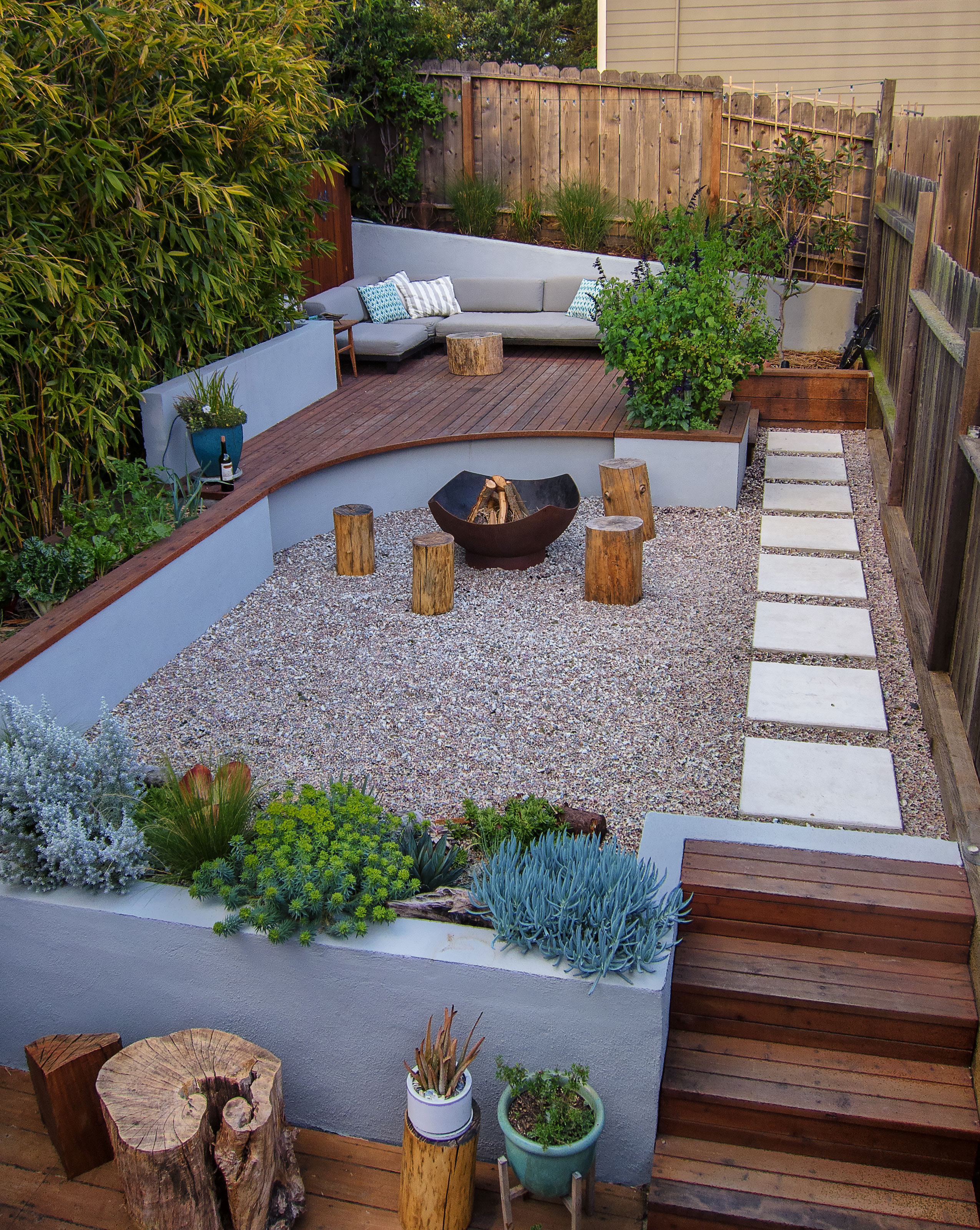
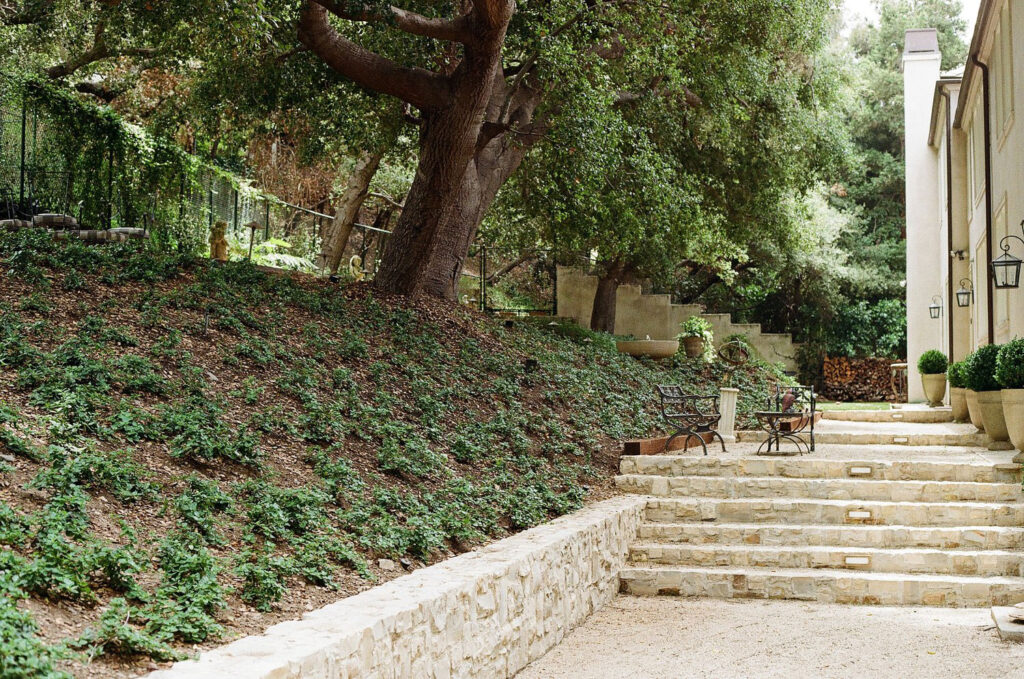
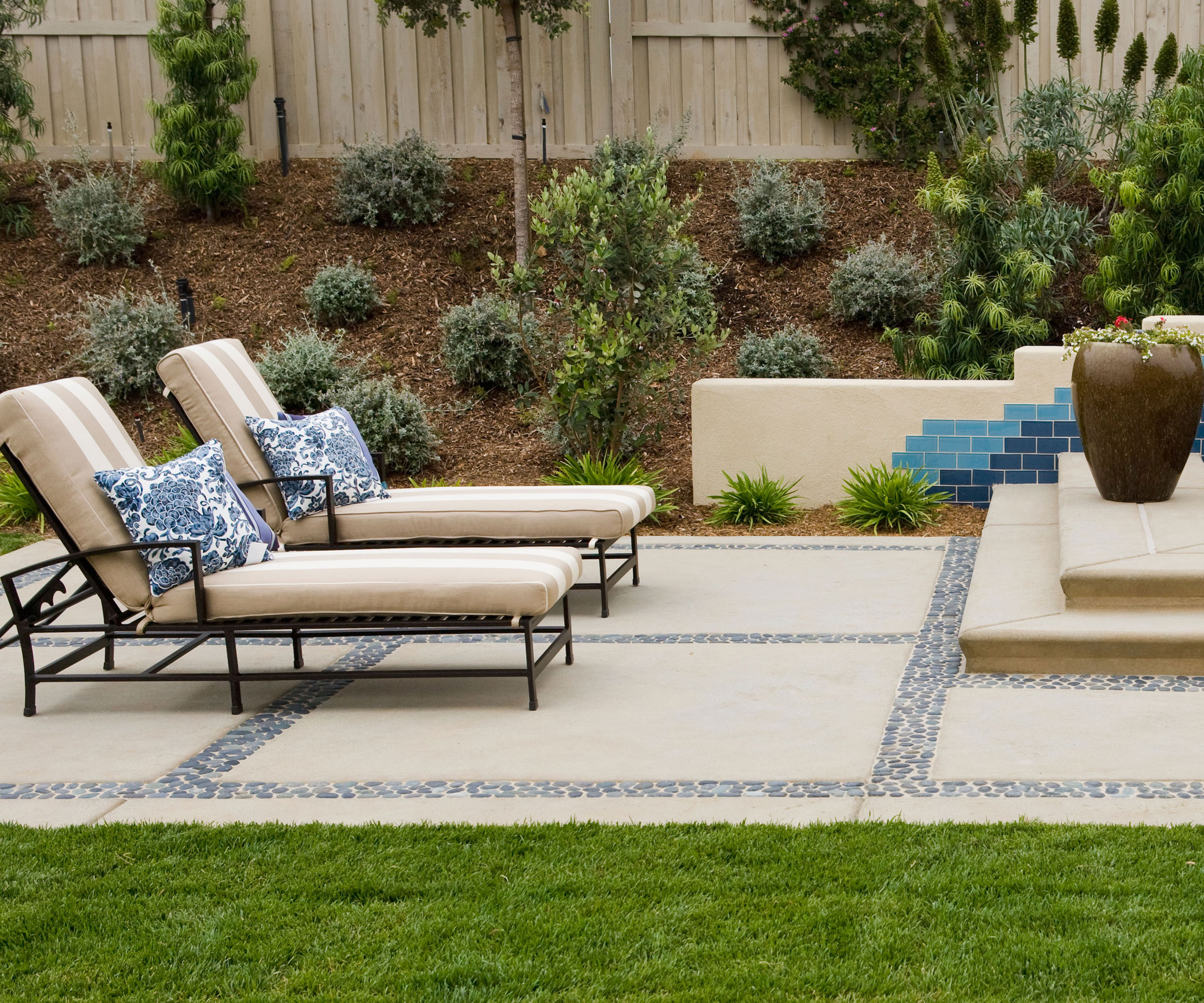
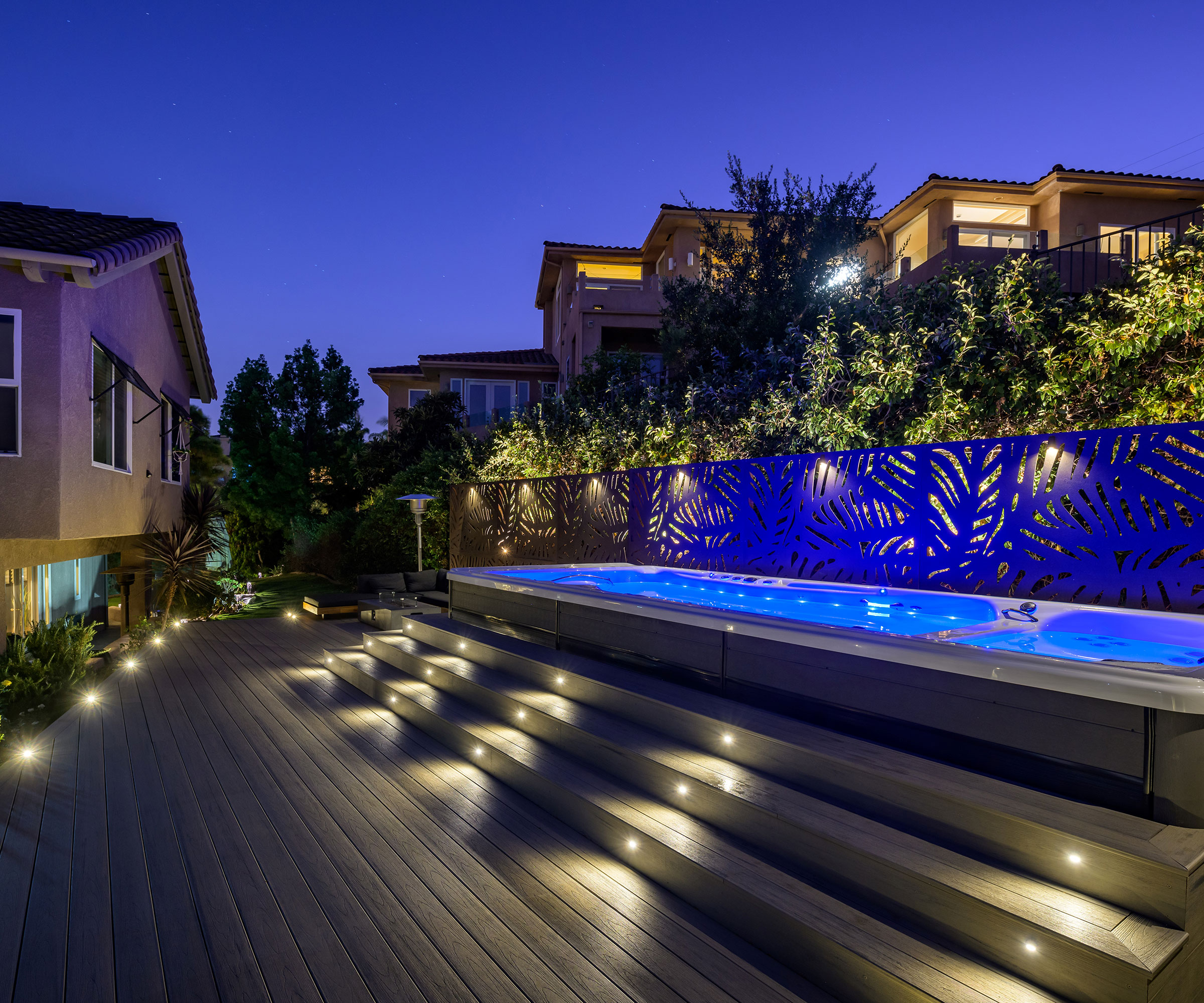
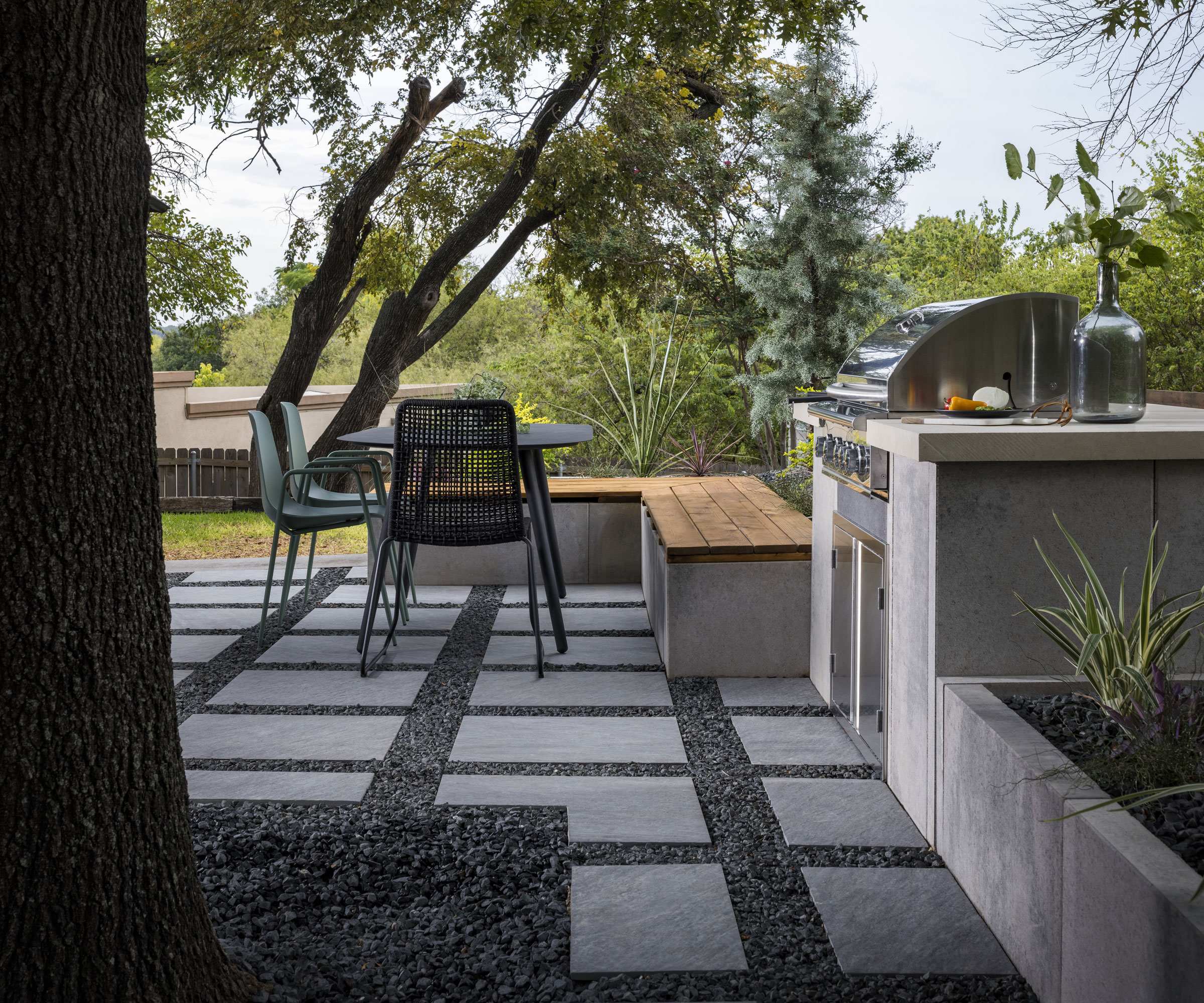
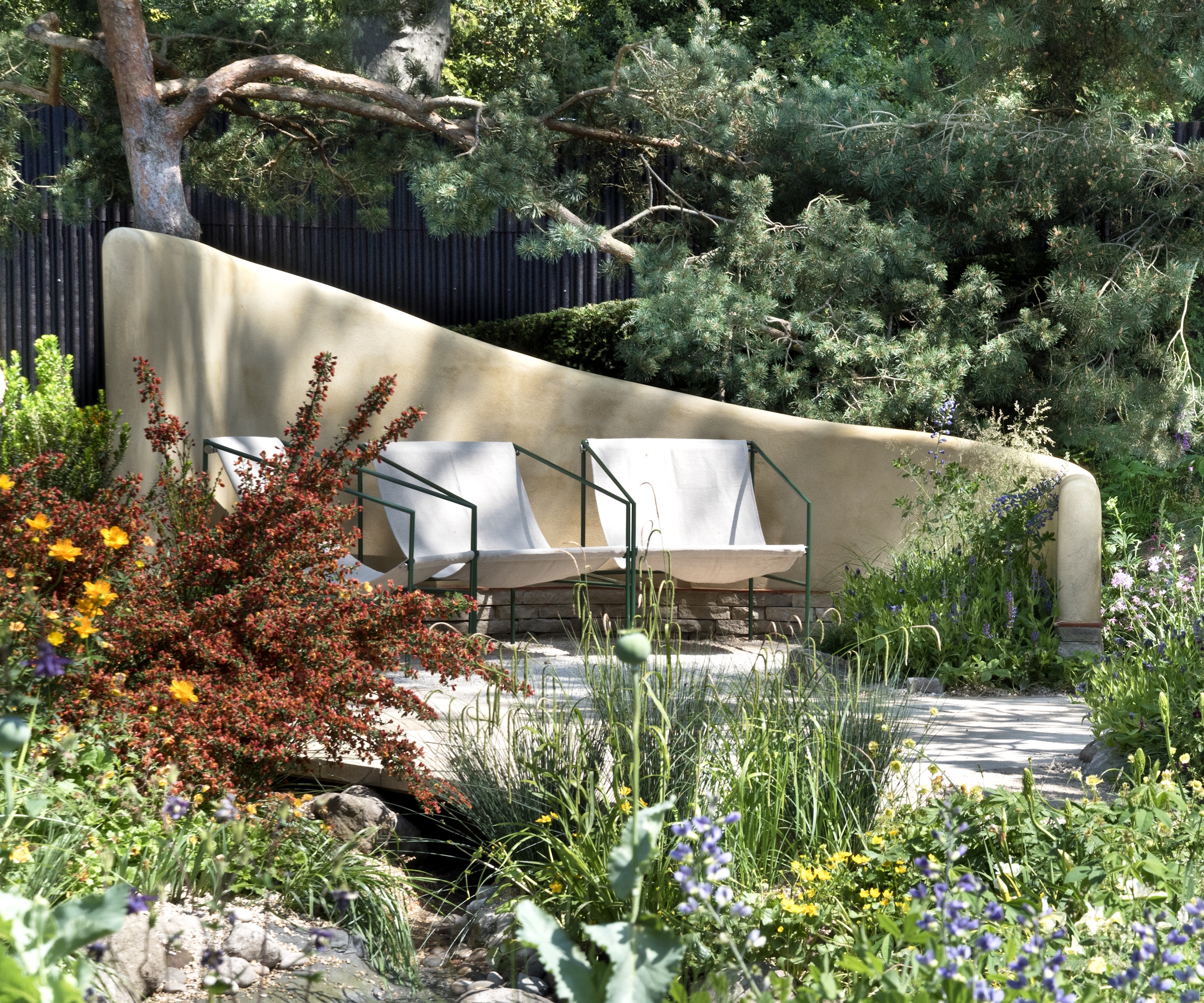
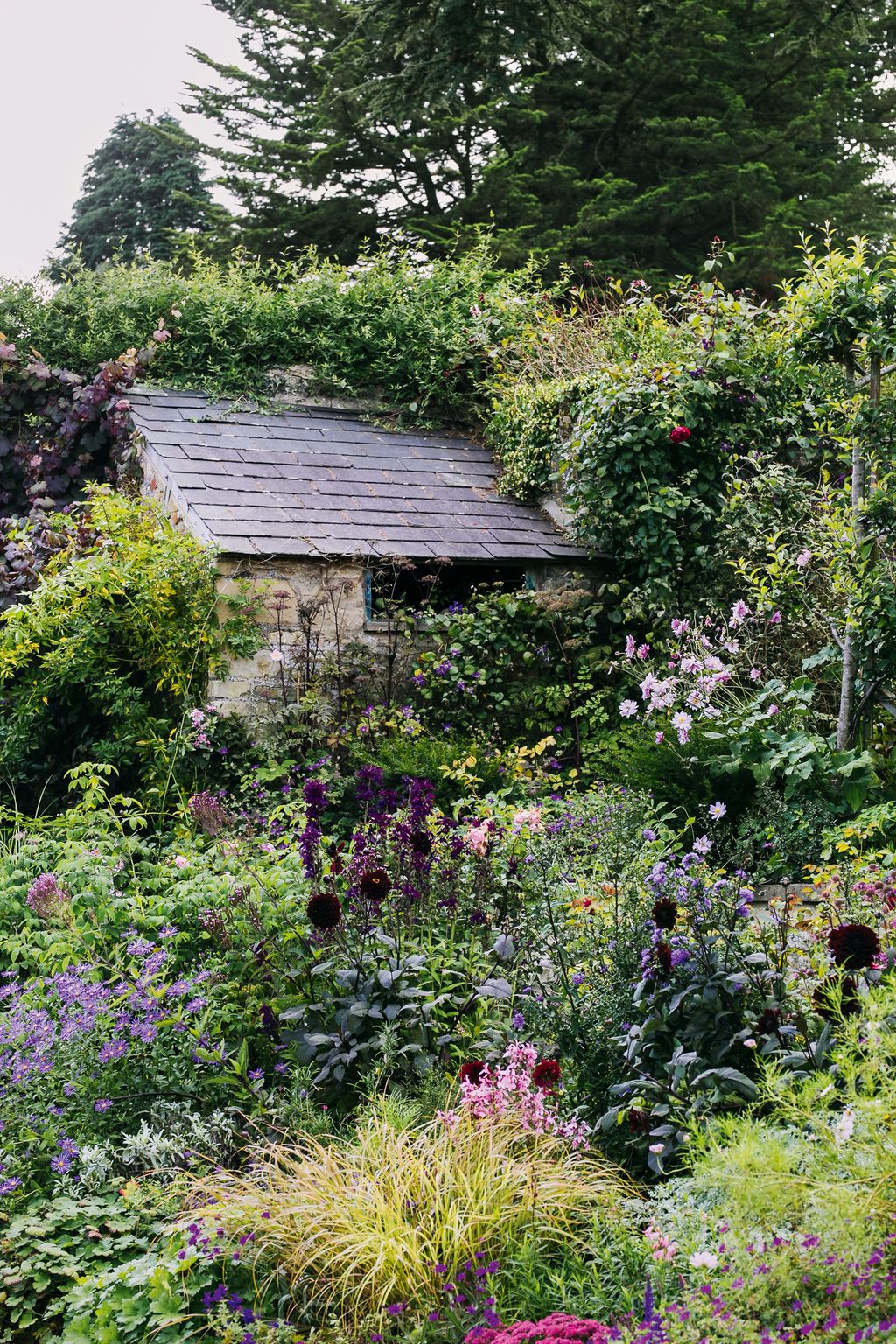
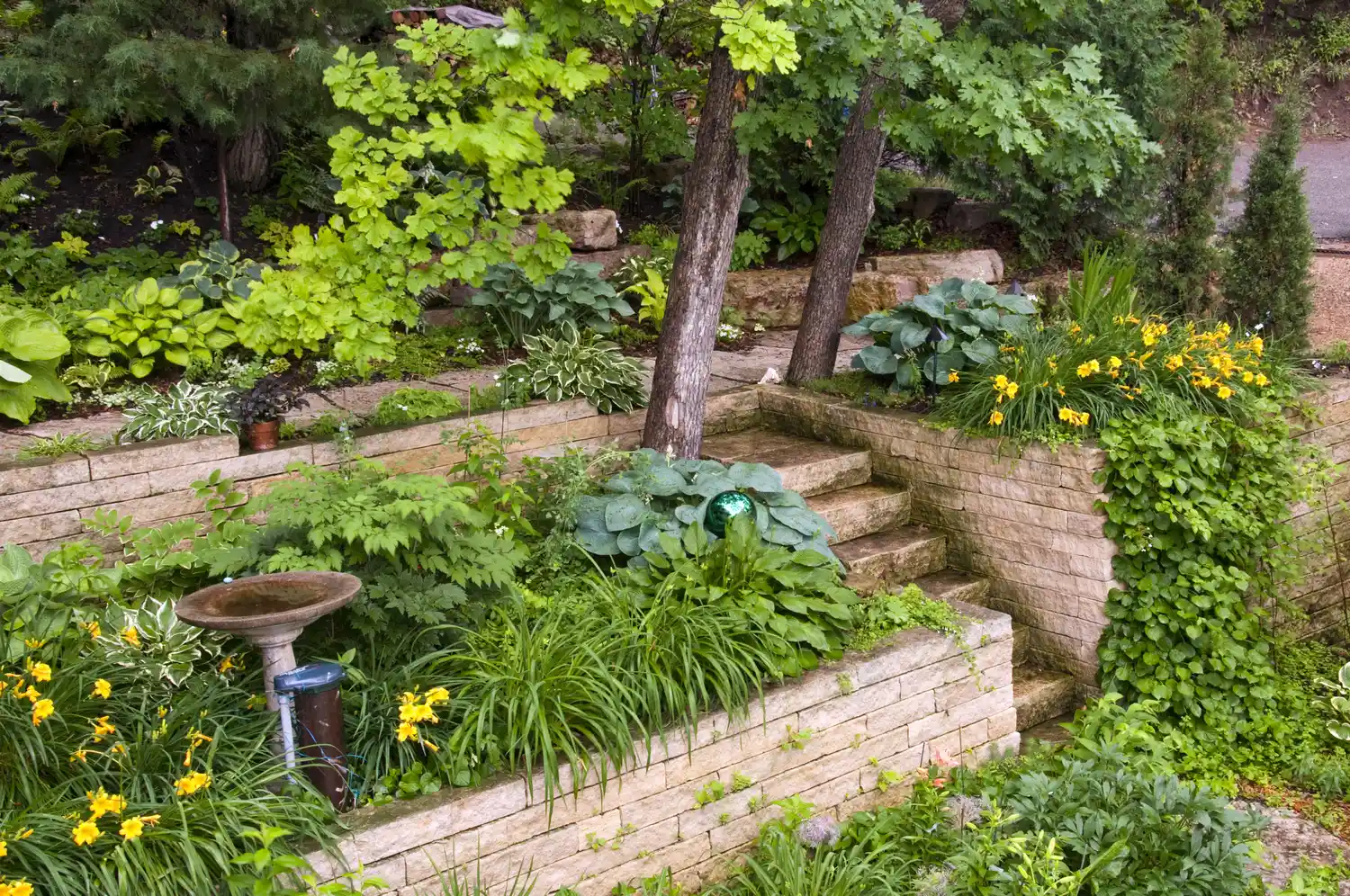
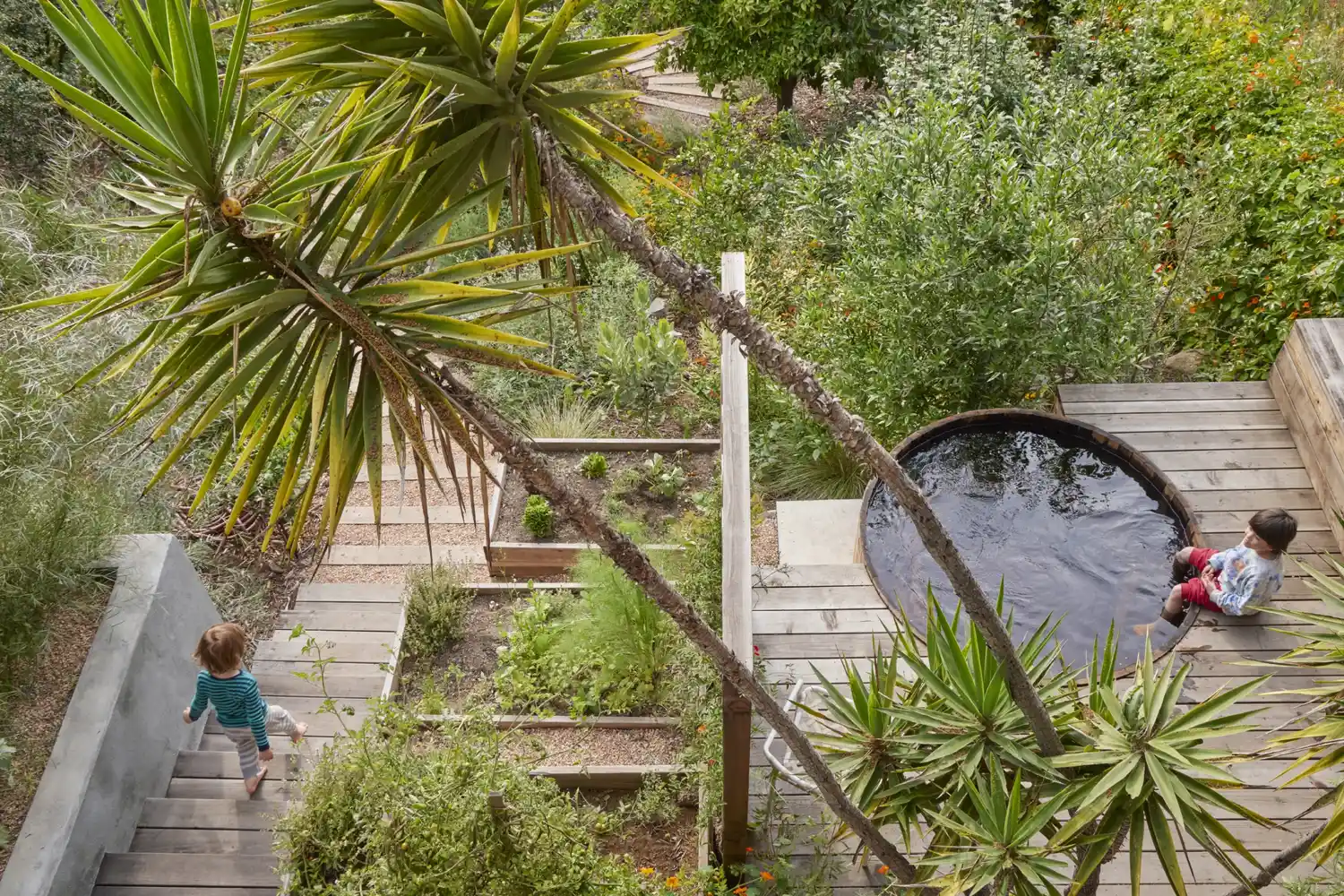
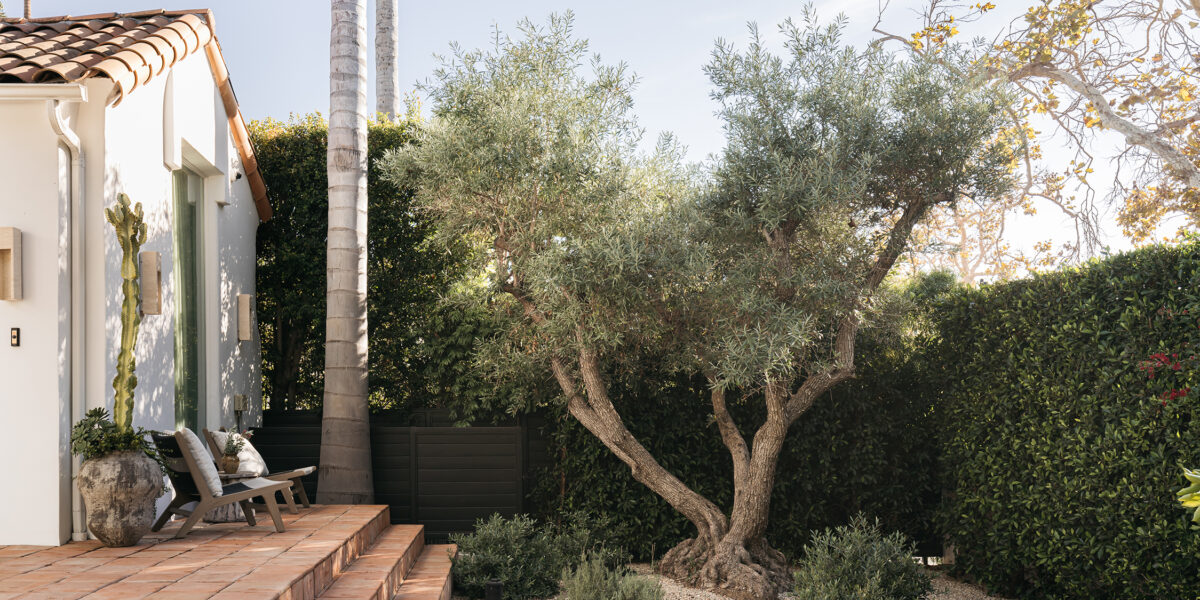
Sloped backyards, often perceived as challenging, present unique opportunities for creative garden design. Terracing is a key strategy for transforming a slope into a usable and aesthetically pleasing space, creating distinct areas for various activities such as entertaining, relaxing, playing, and dining. Designers emphasize the importance of understanding the site and integrating materials that complement the existing architecture and local vernacular. Natural materials like stone or brick can be used for retaining walls, while reclaimed timber offers a more rustic and budget-friendly option. Contemporary finishes such as Corten steel or crisp render can provide a sleek look, though their aging process should be considered.
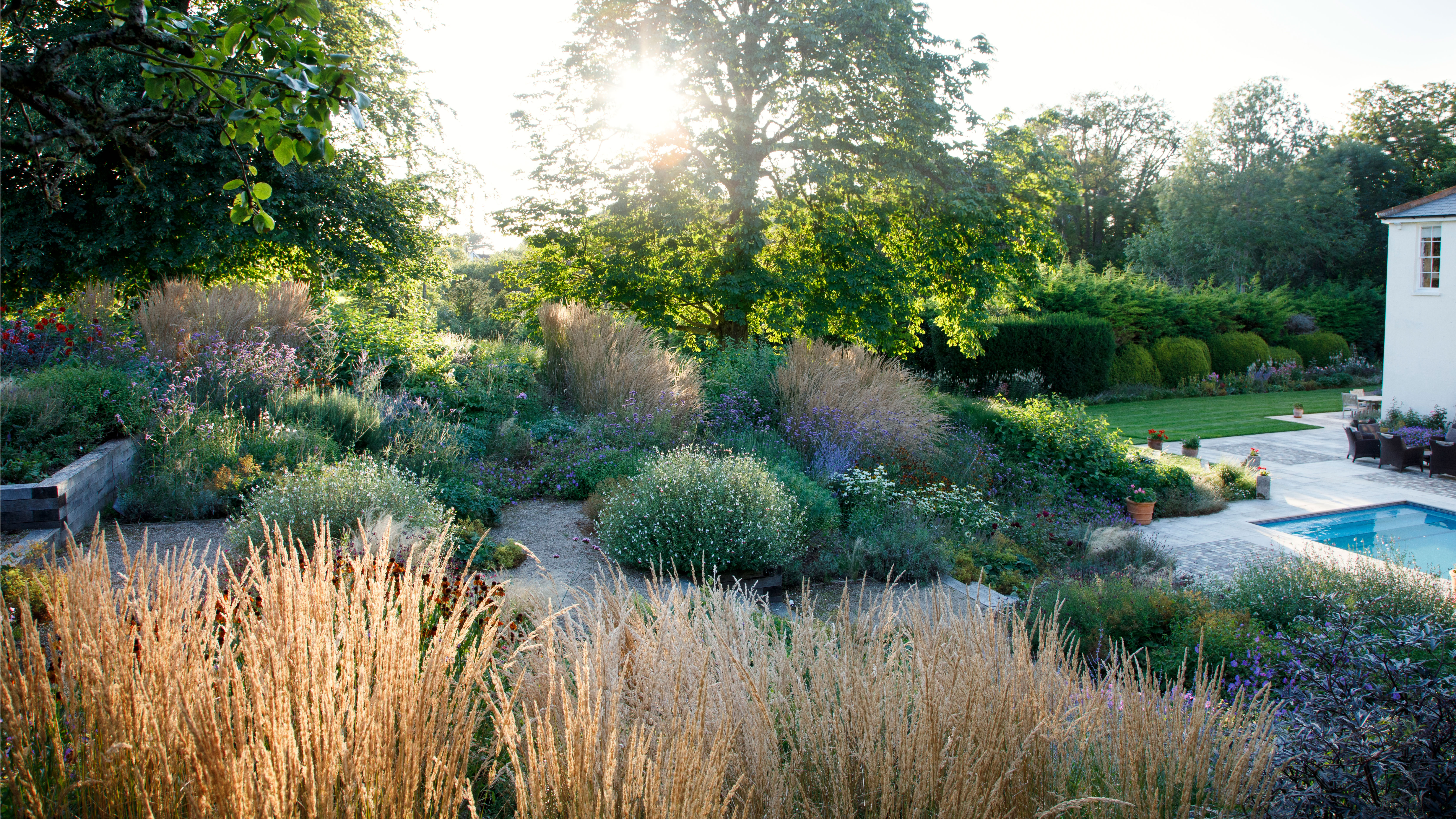
When designing a sloped backyard, the view from the house is a primary consideration. To maintain clear sightlines, designers suggest using shallower terraces or stepped beds instead of large drops that might require obstructive railings. For very steep gardens, a mix of naturalistic planting on slopes and level portions can minimize the need for tall retaining walls and numerous steps. Gabion cages, filled with on-site hardcore and faced with attractive stone, offer an economical and environmentally conscious alternative for retaining walls.
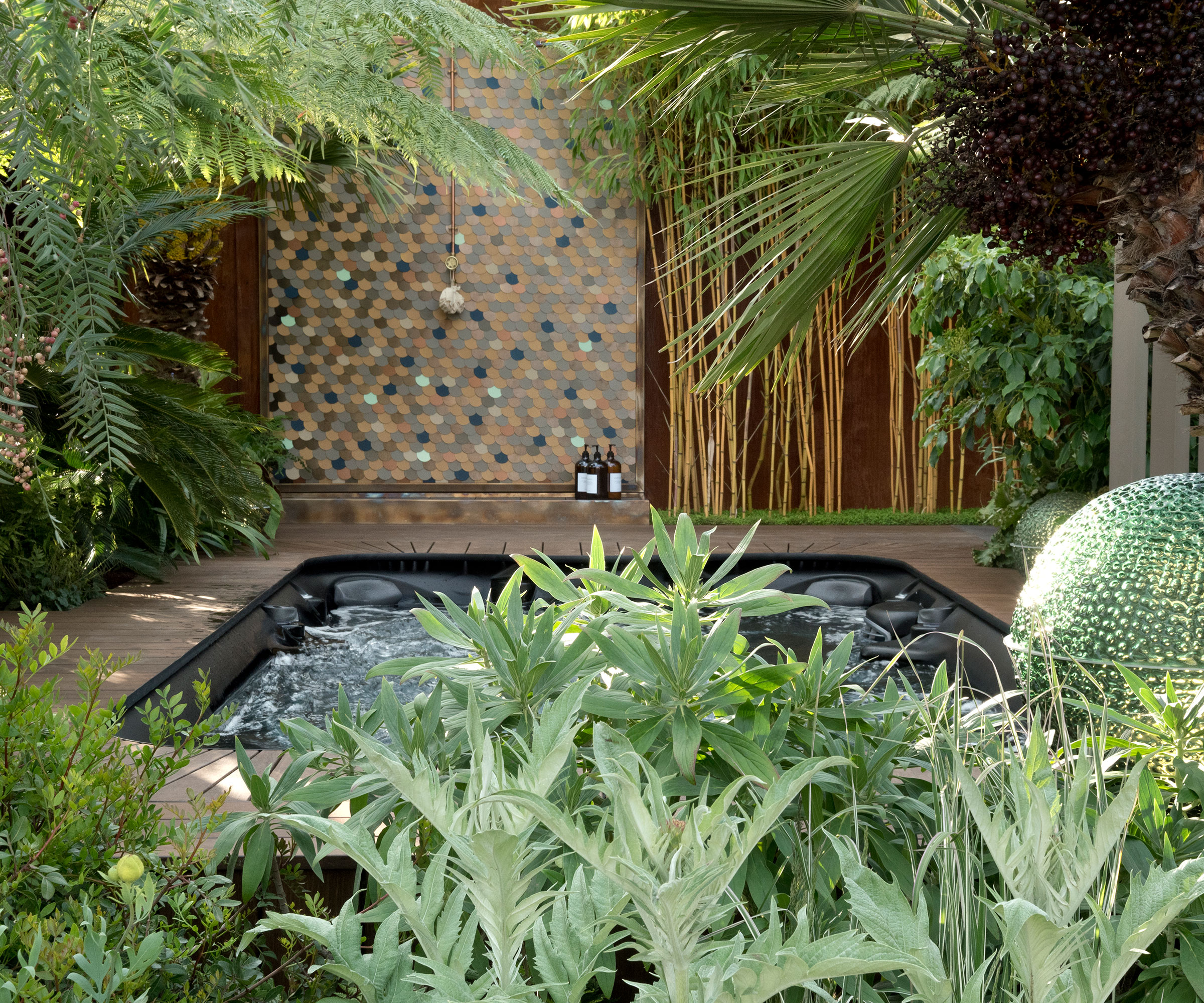
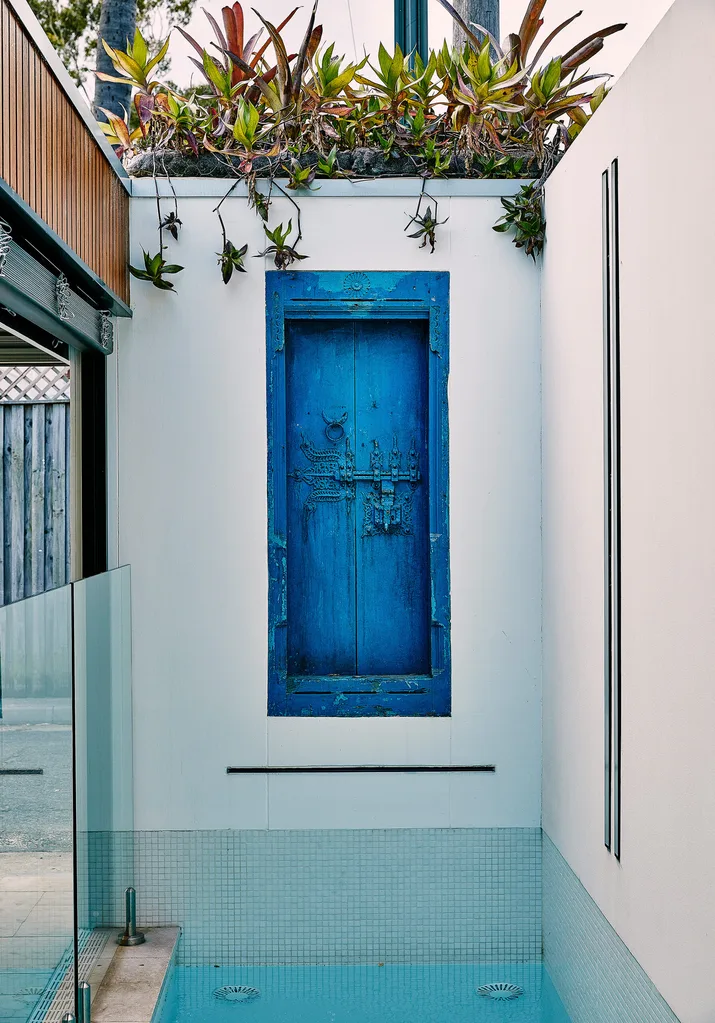
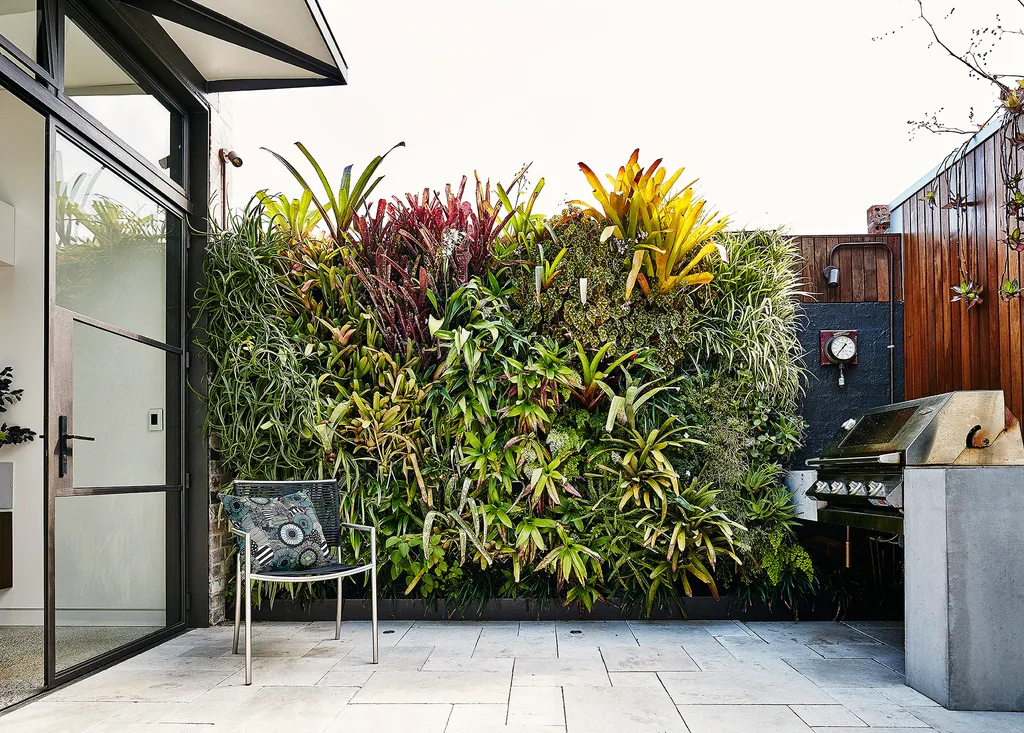
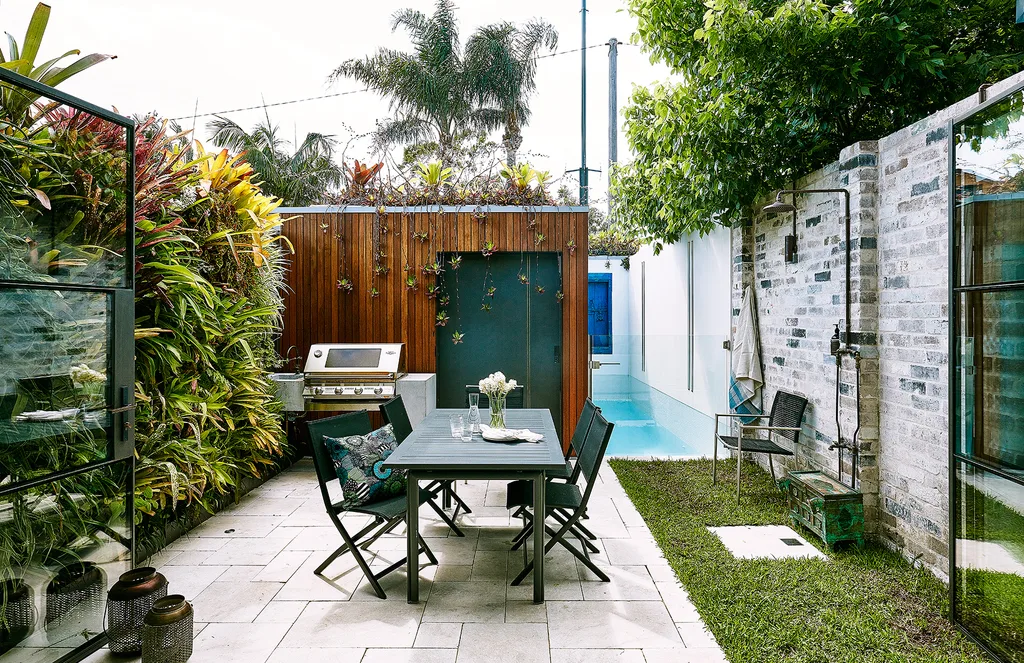
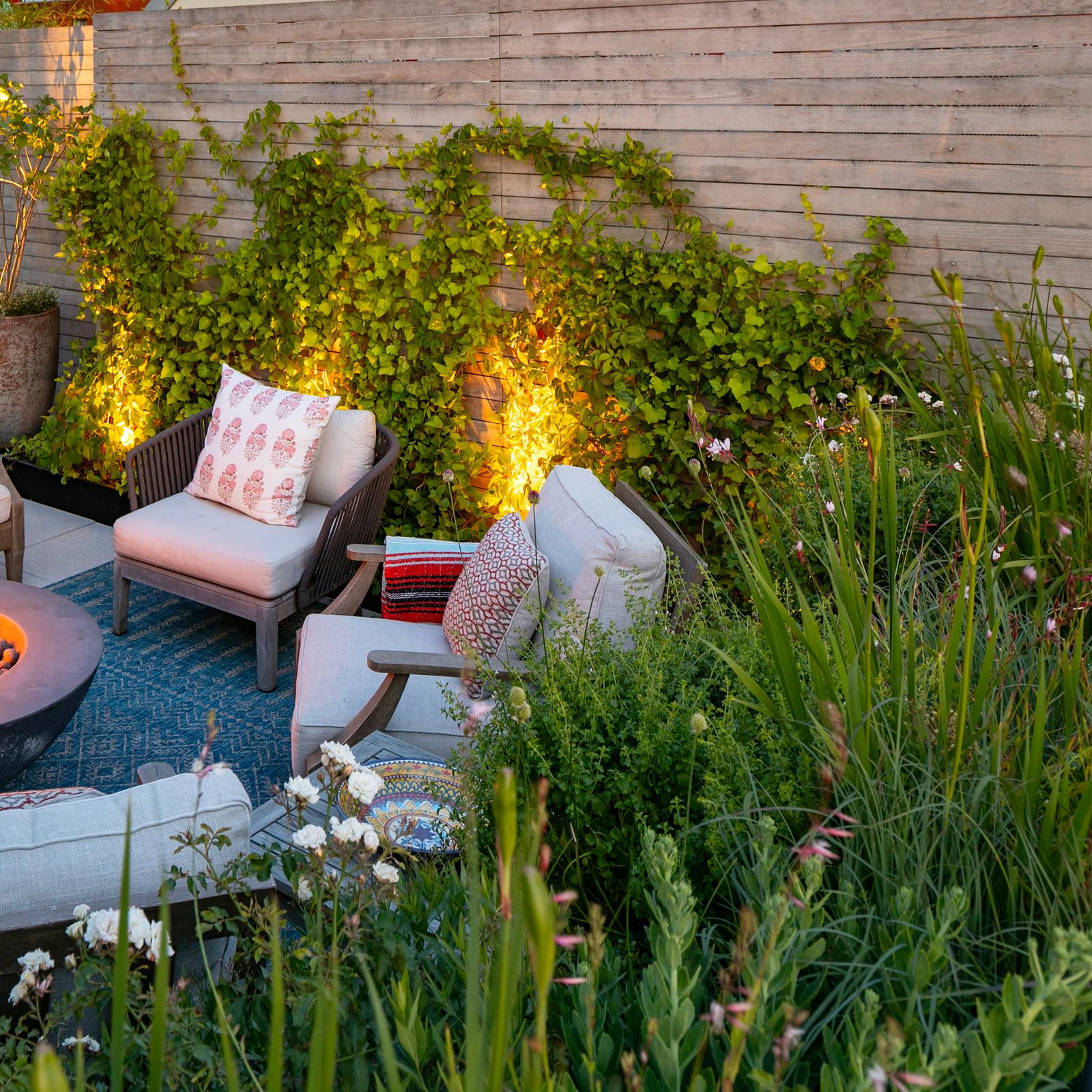
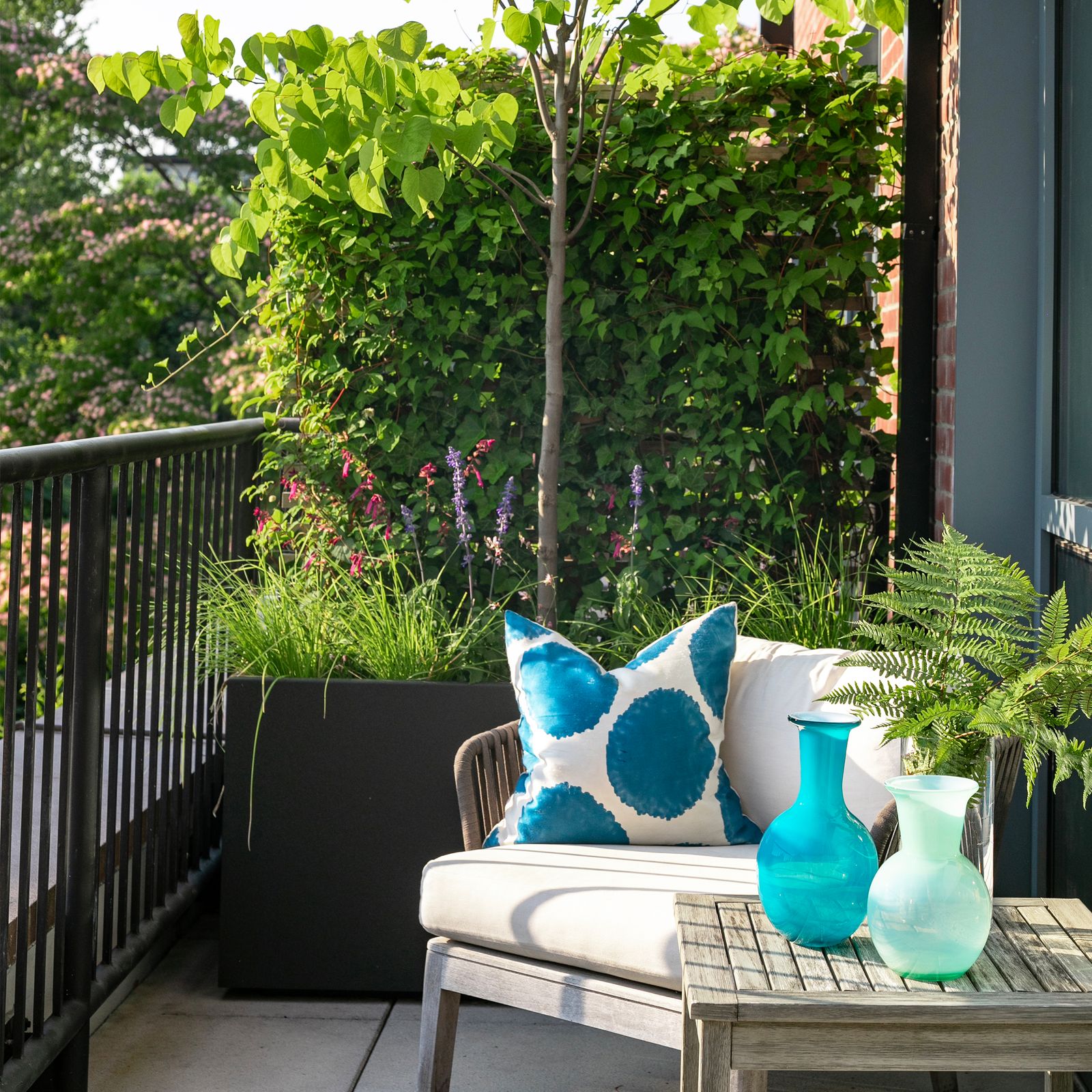
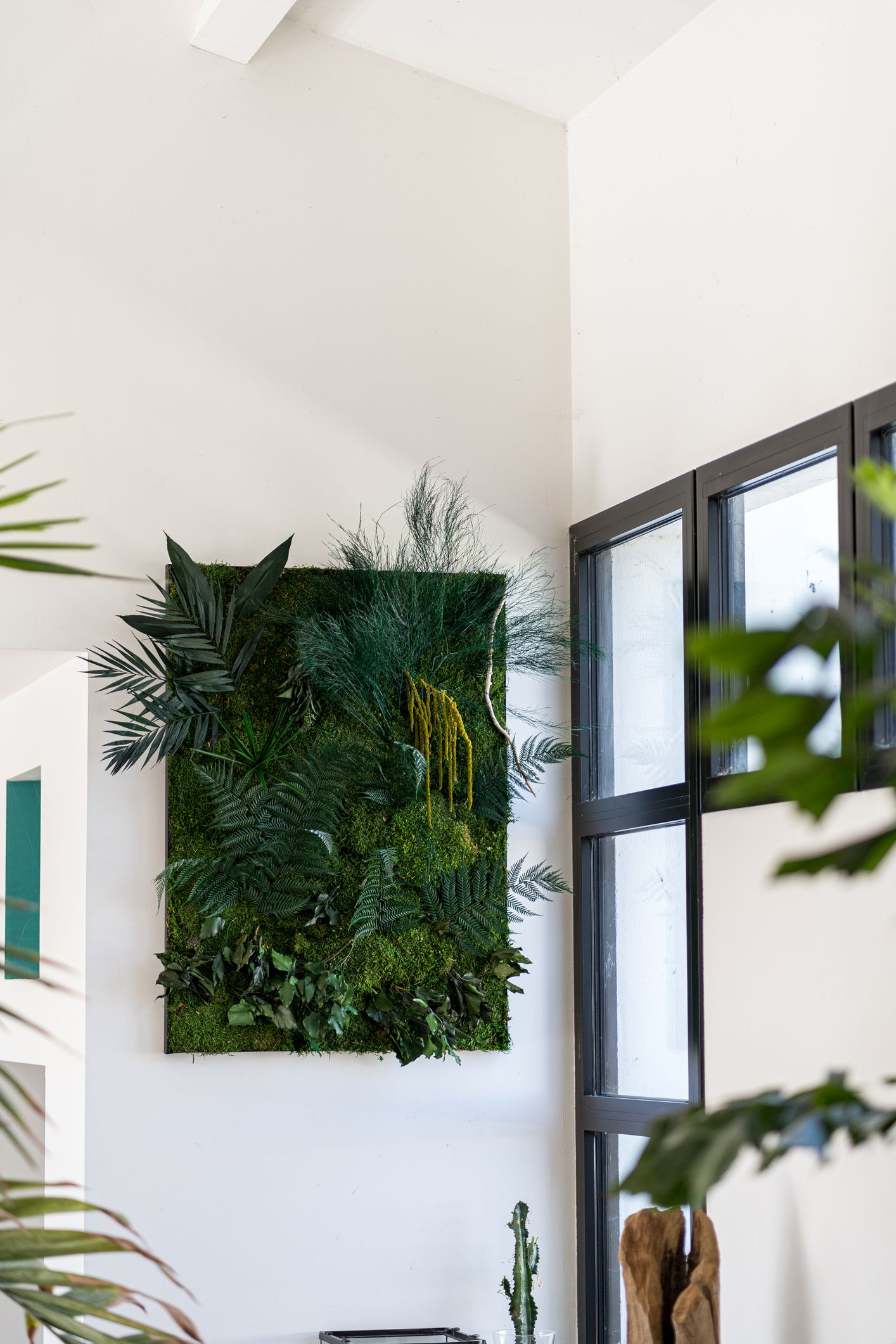
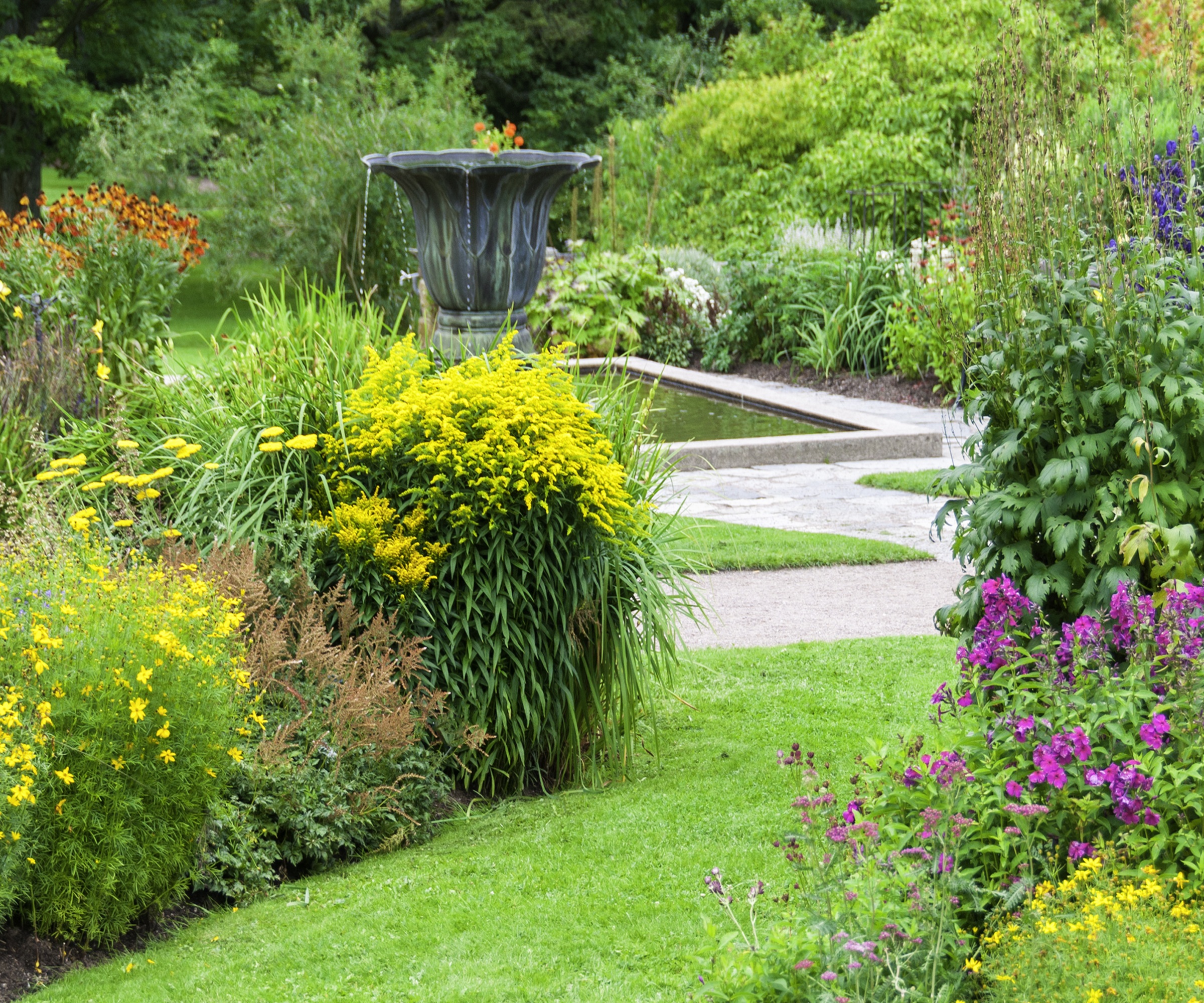
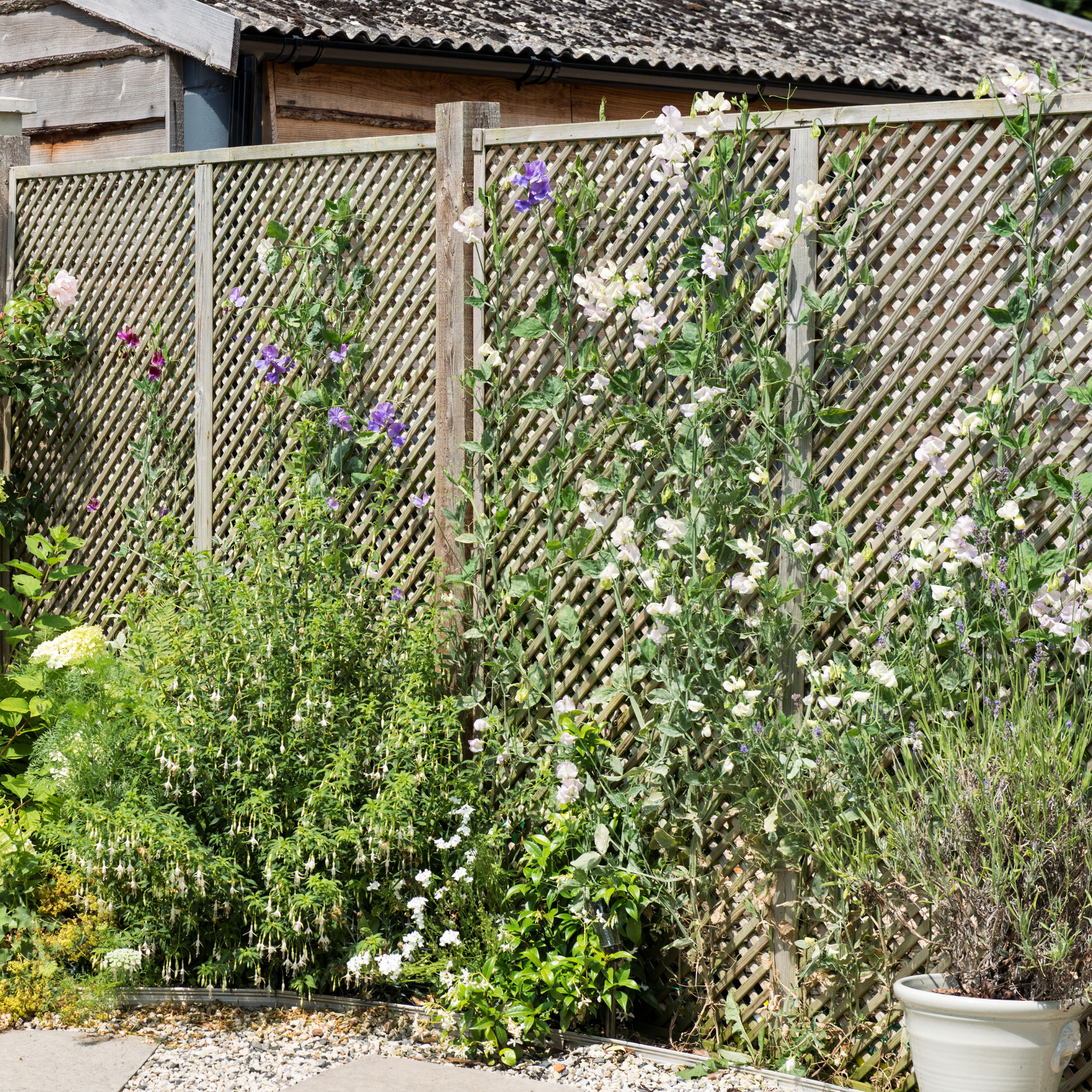
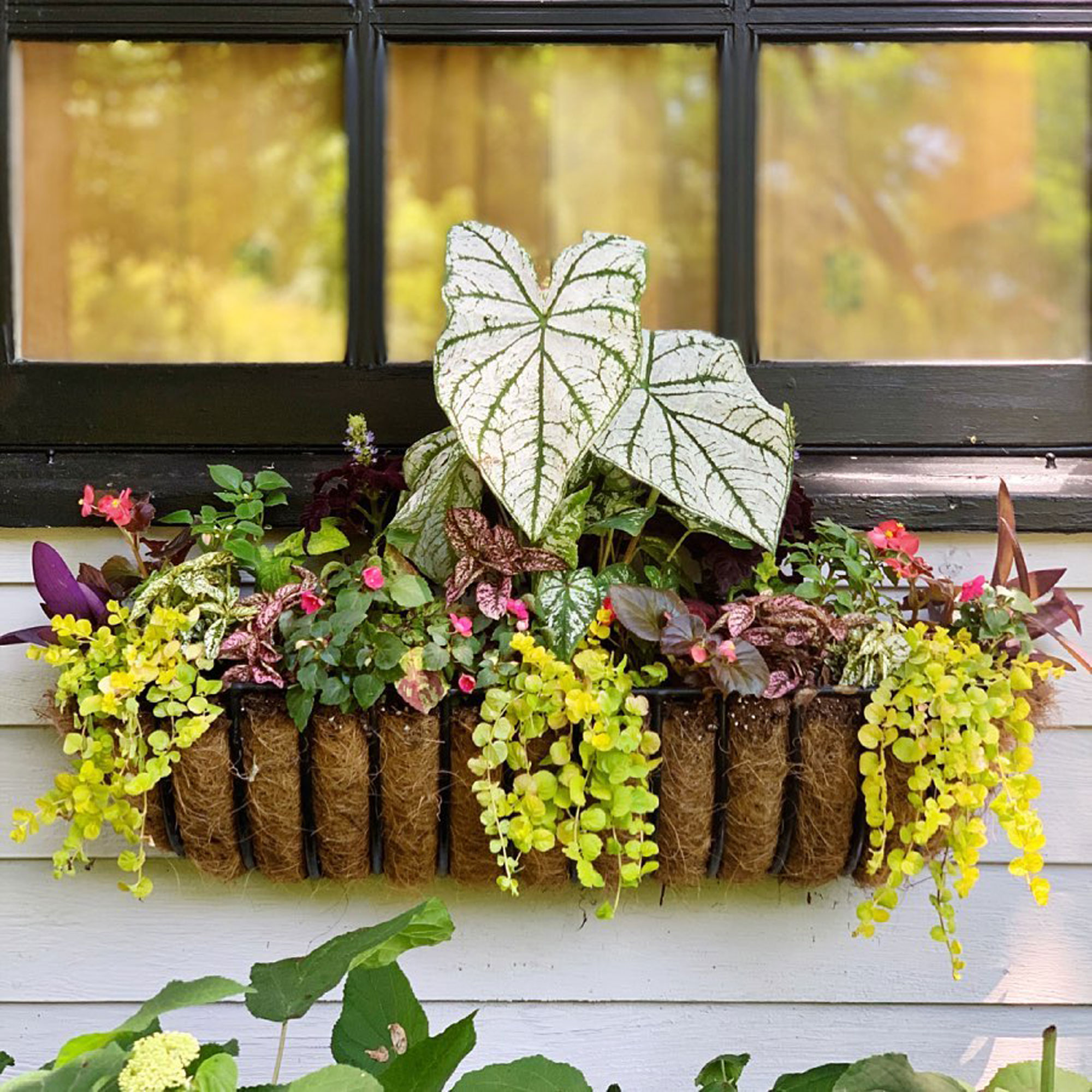
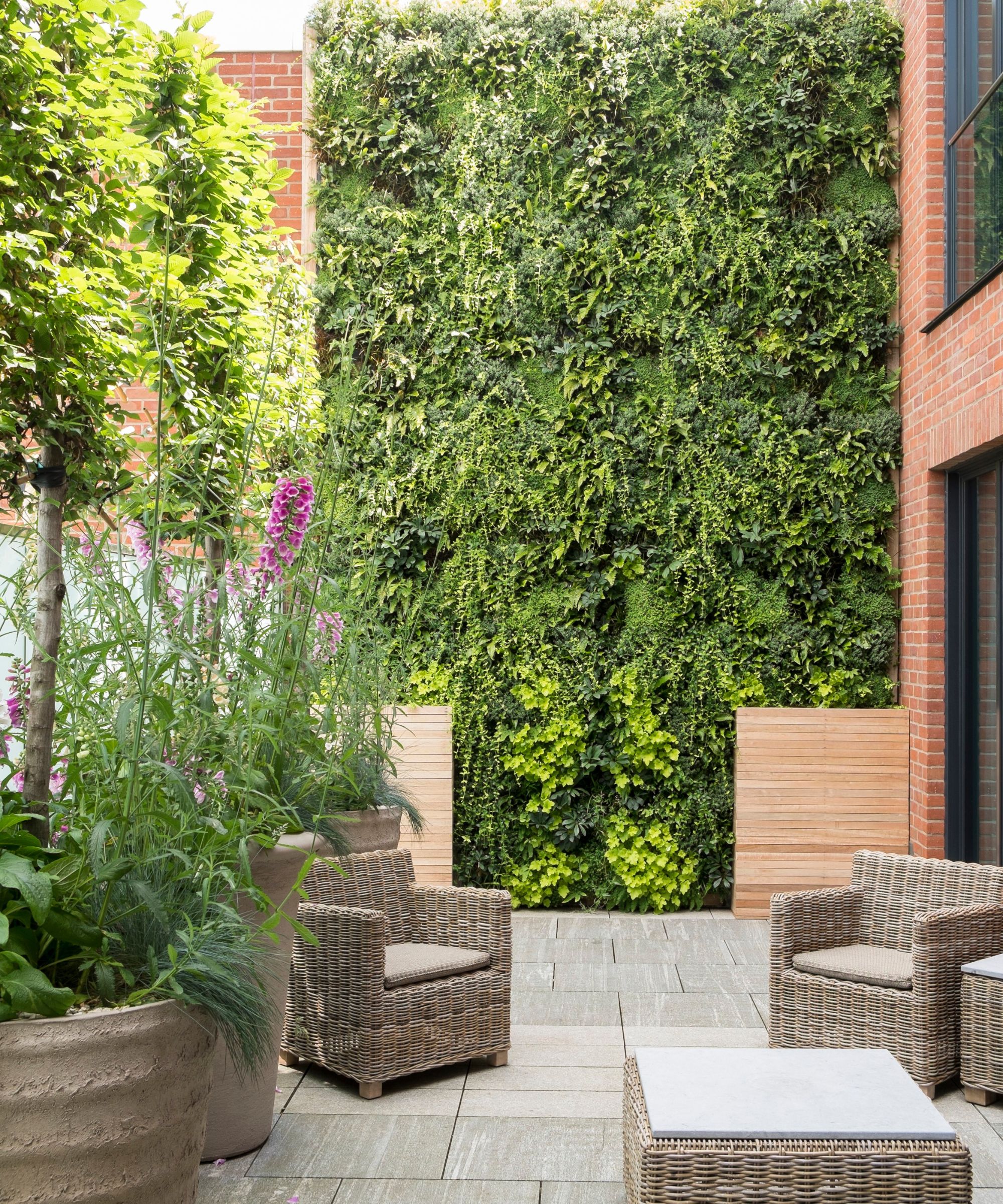
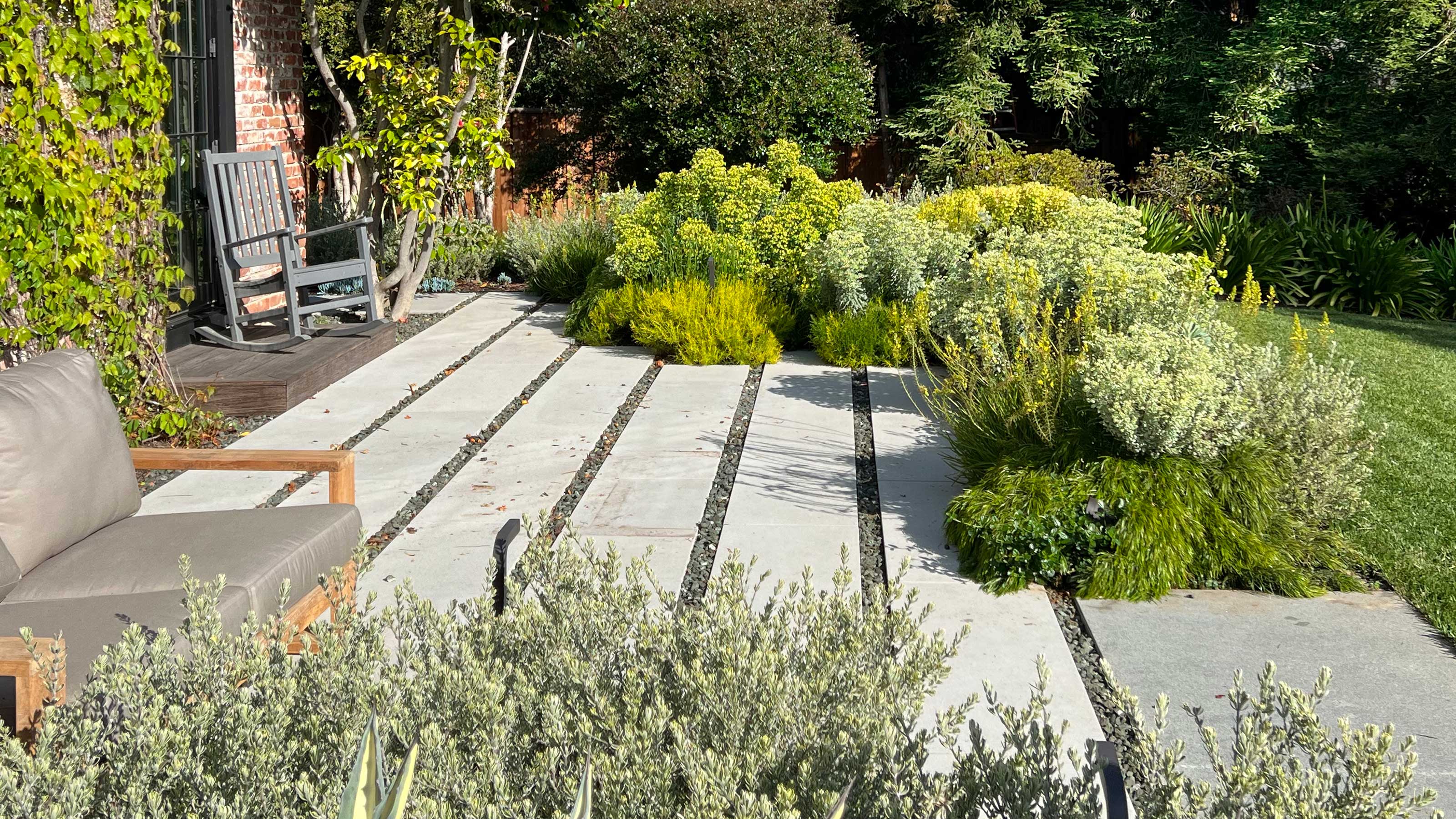
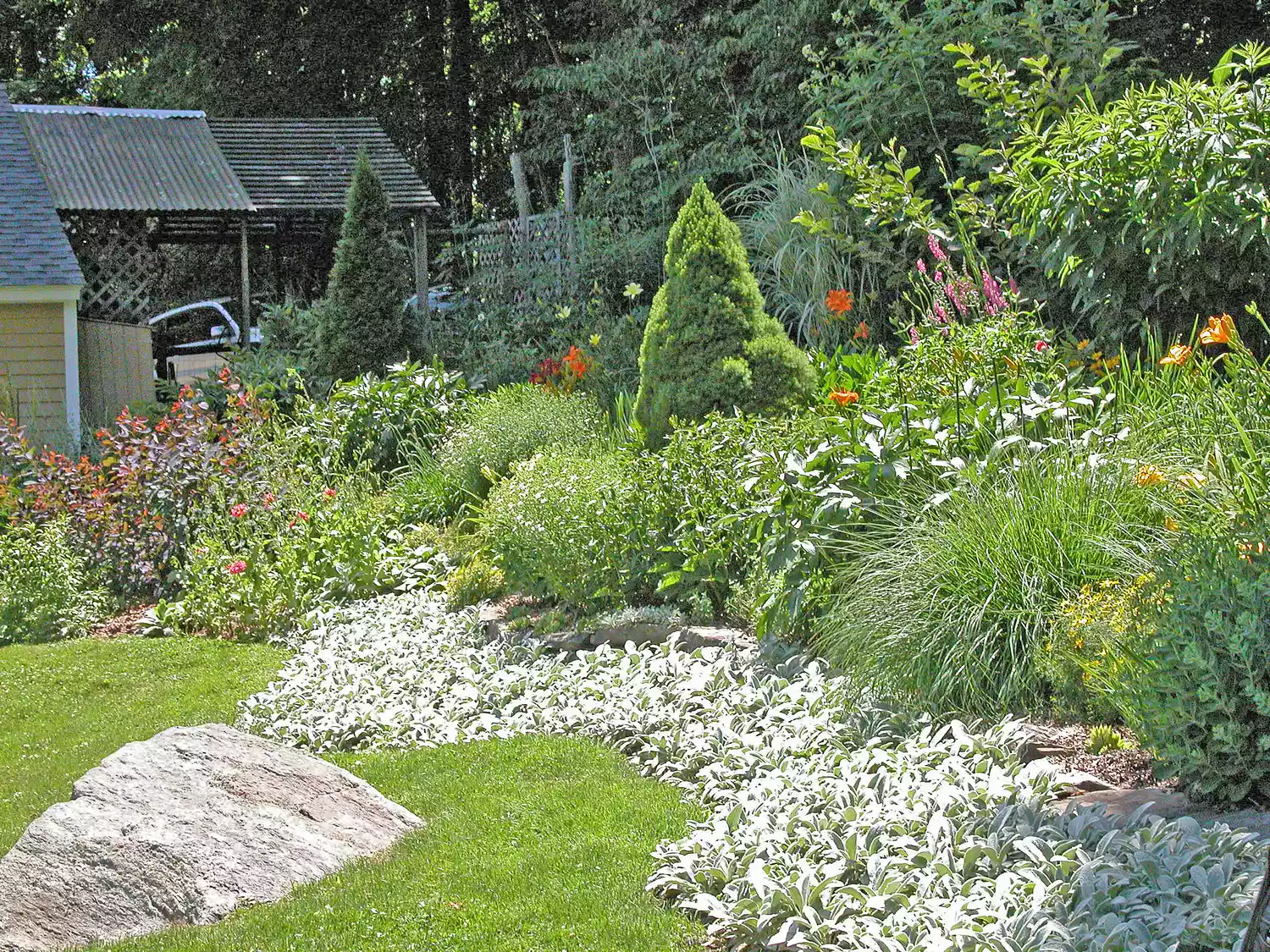
Softening the hard lines of terraced structures with planting is crucial. Vertical gardening techniques, such as climbing plants and living walls, can effectively adorn retaining walls and add visual interest. Layered planting with a limited palette of perennials, shrubs, and ornamental grasses helps to establish a cohesive and low-maintenance landscape. Groundcover plants can knit together plantings, and strategic placement of floriferous plants along paths blurs edges and creates a sense of flow. Incorporating diverse plant heights, colors, and forms can provide year-round visual appeal and winter interest.
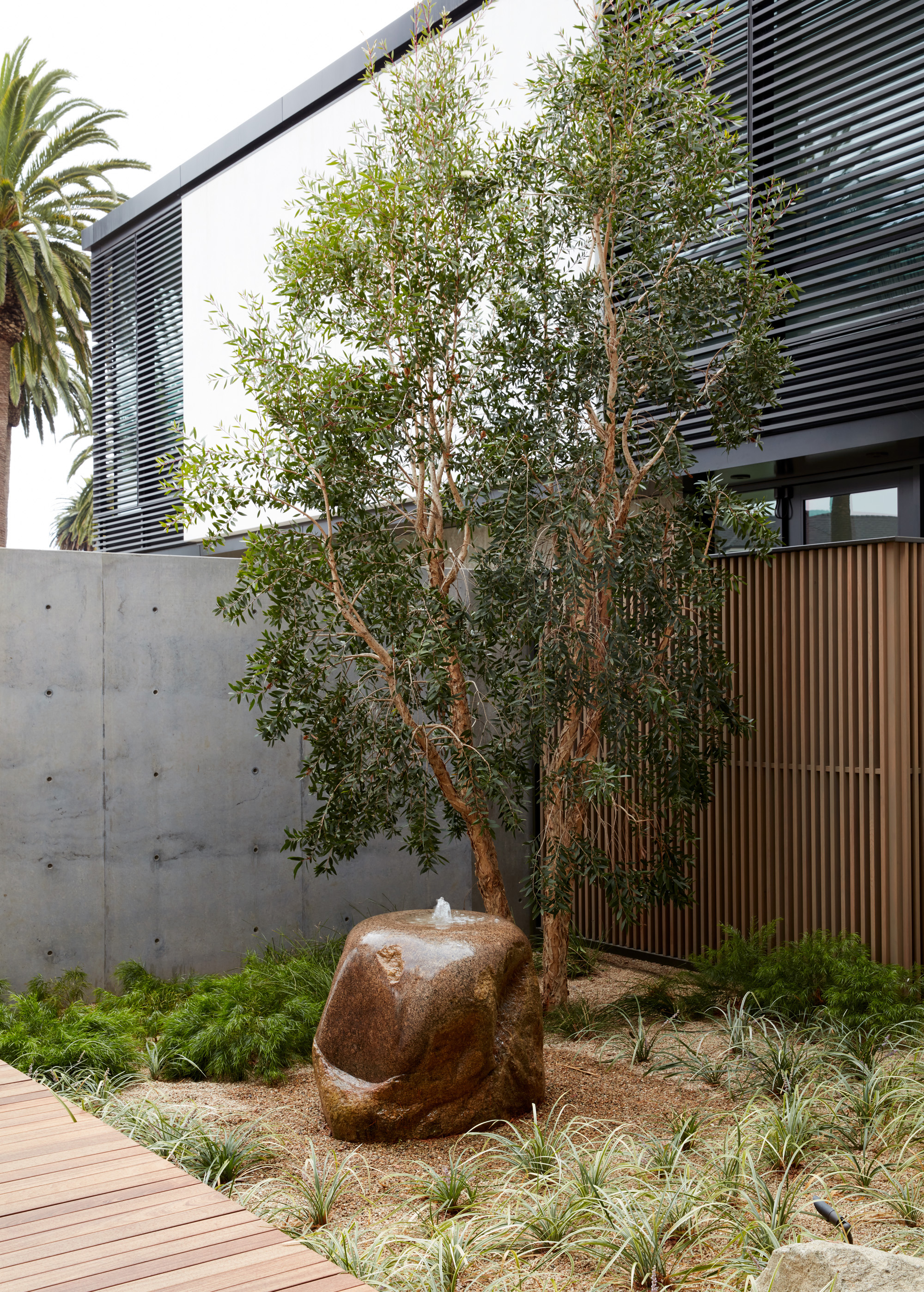
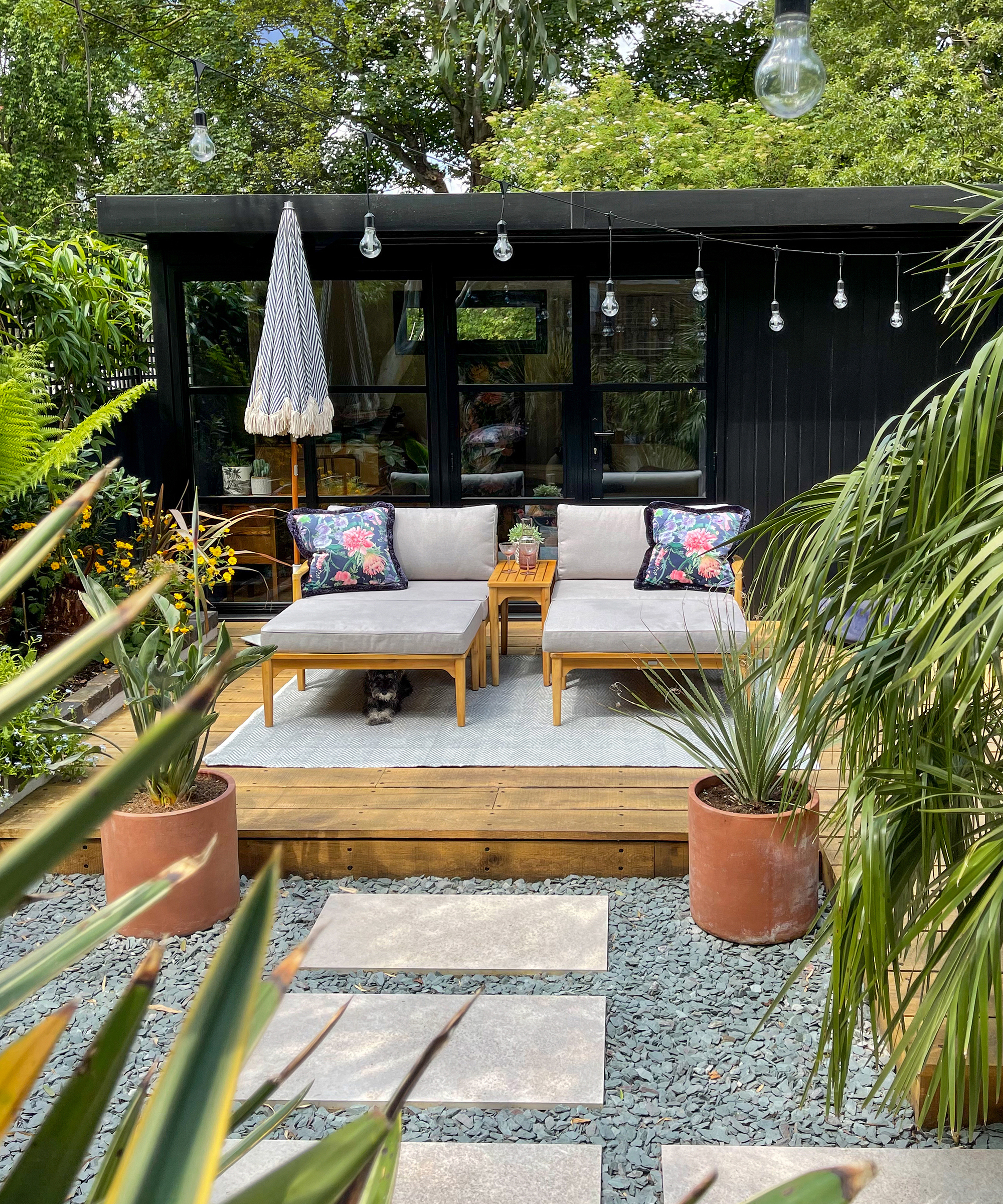
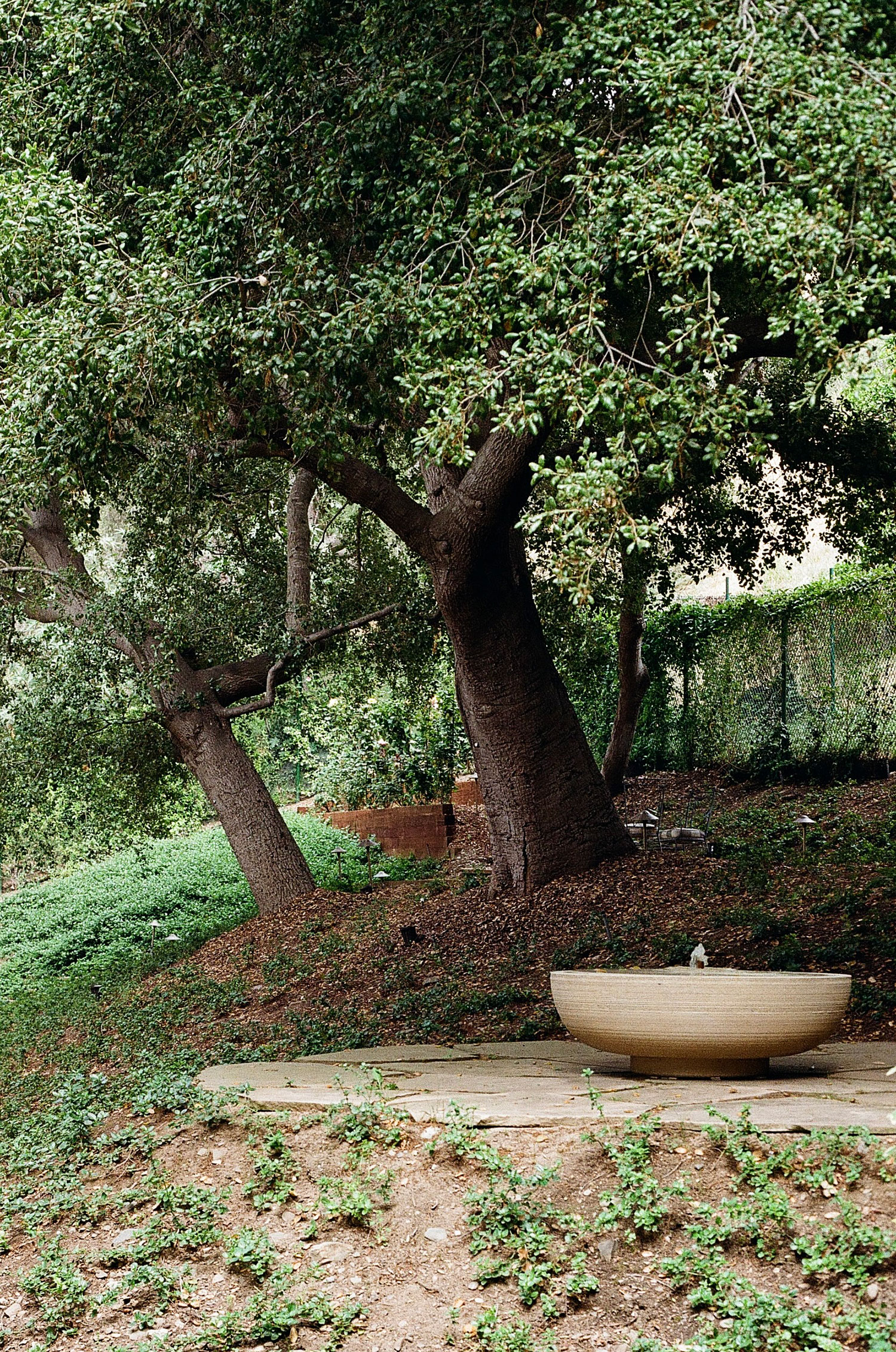
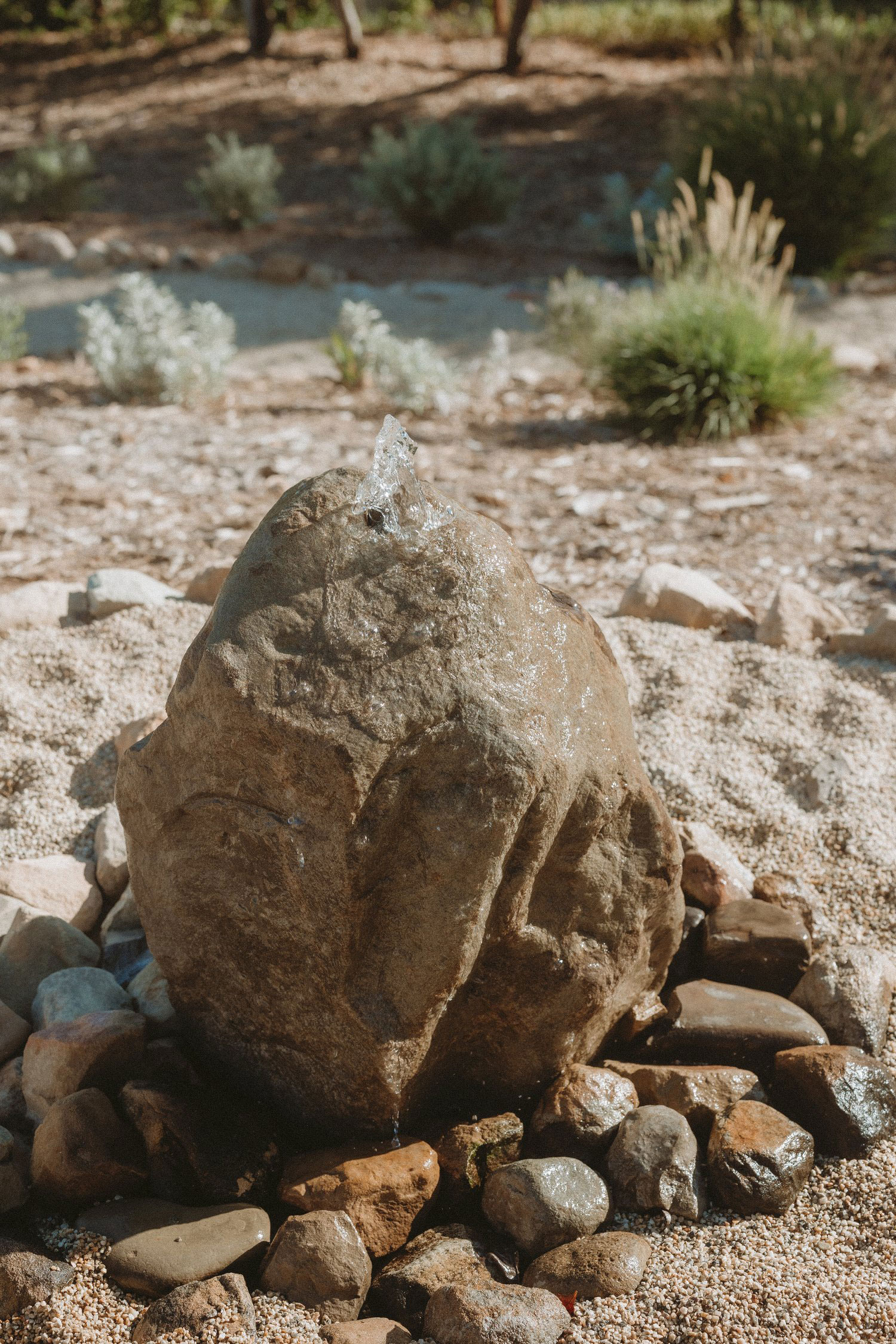
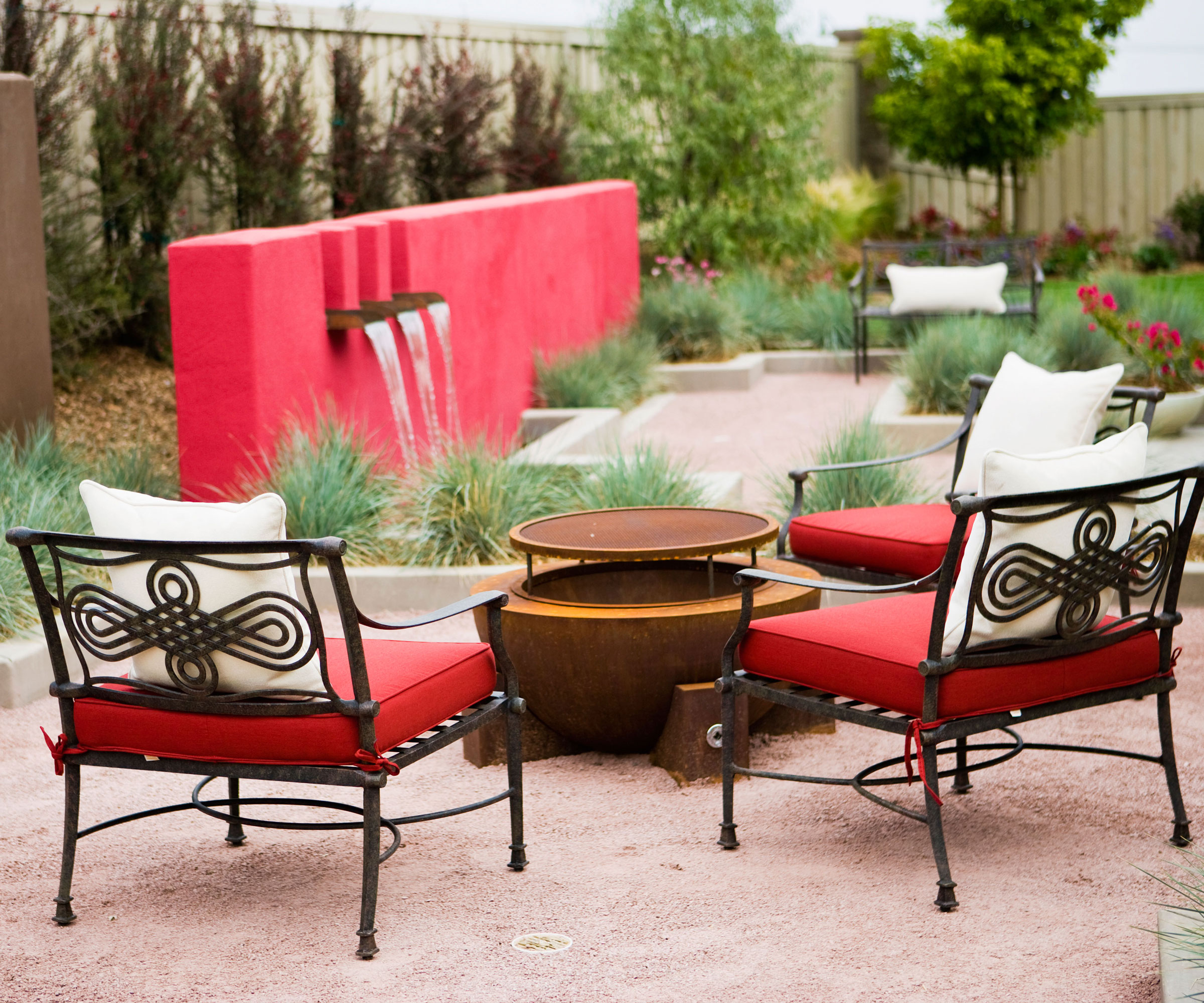
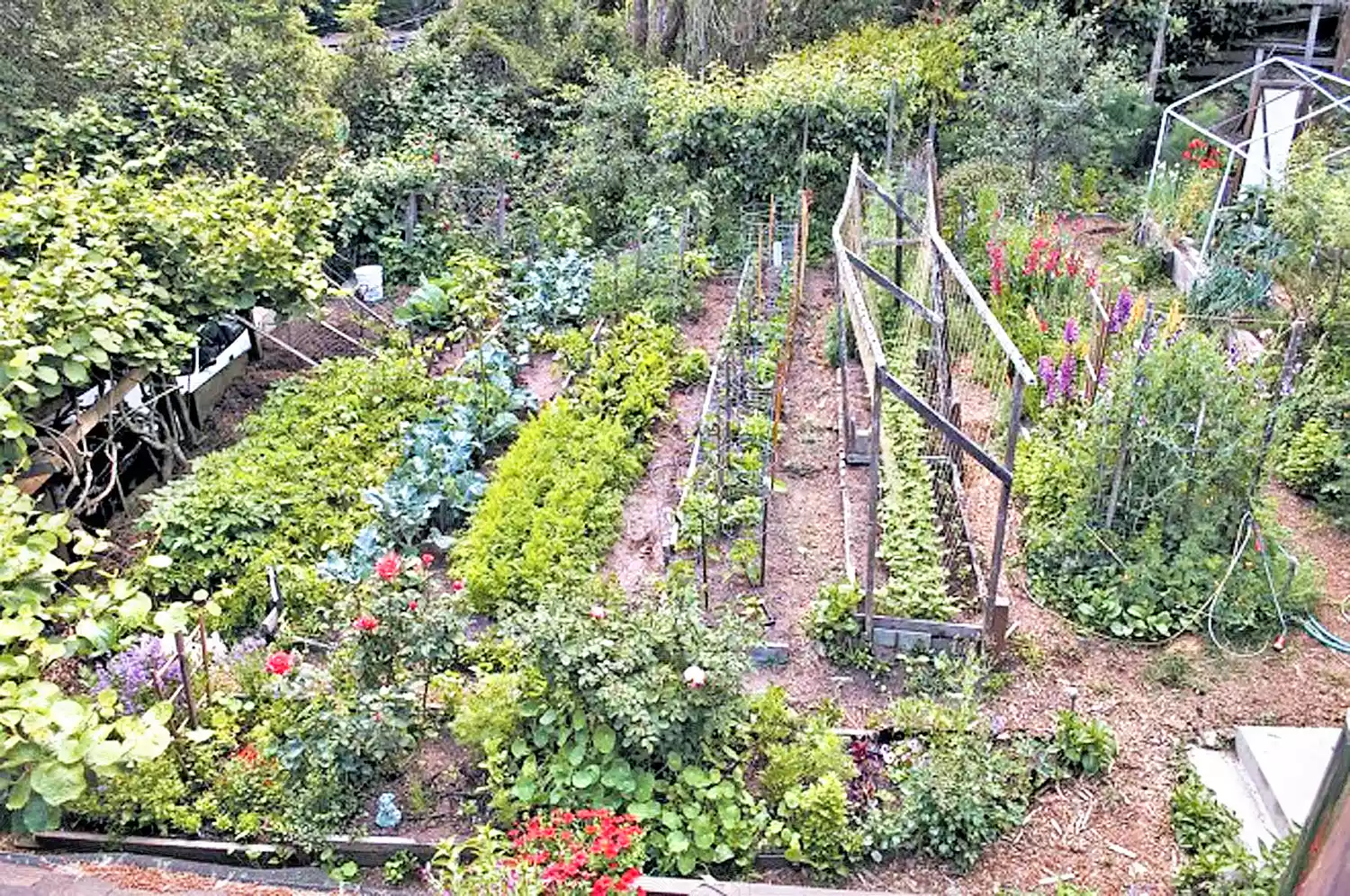
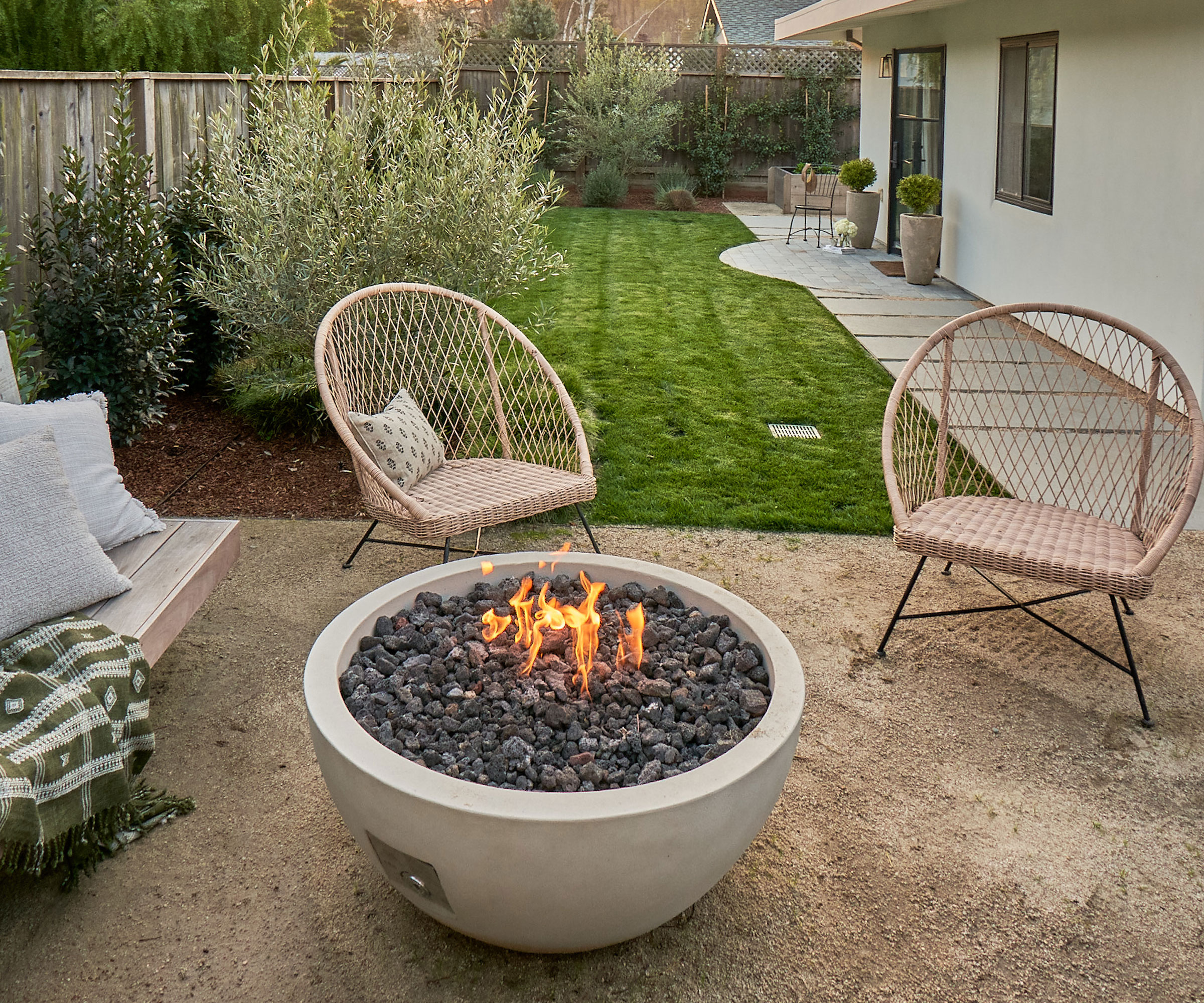
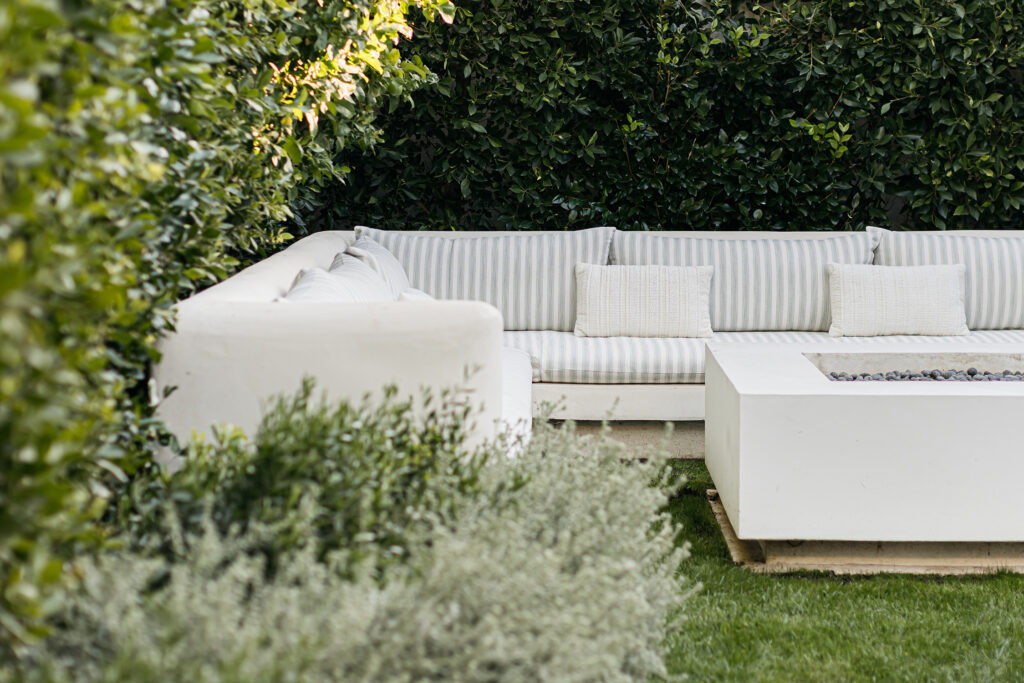
Beyond aesthetics, sloped backyards can be designed for specific functions. Leveling land can create functional areas for seating, outdoor fireplaces, or even play zones for children, integrating elements like slides and sandpits. Water features can also be incorporated to add a dynamic element and make steep slopes appear less severe. For practical gardeners, raised beds for growing fruits and vegetables can be integrated into the slope, maximizing space and creating a lush, productive garden. Stairways, while functional, can be softened with abundant planting to blend seamlessly with the natural landscape. Unique design elements, like those inspired by tidal patterns, can also transform a sloped backyard into a distinctive artistic statement.
Redesigning a sloped garden, particularly through terracing, can be expensive due to the need for earth-moving equipment and extensive retaining walls. For those on a budget, focusing on creating one or two level plateaus for specific uses, rather than terracing the entire garden, can be a more cost-effective approach. Regardless of budget, thoughtful design can transform a challenging slope into an attractive and functional outdoor living space, offering diverse perspectives and experiences within the garden.
#SlopedBackyard #TerracedGarden #LandscapeDesign #GardenIdeas #OutdoorLiving #PlantingDesign #RetainingWalls #BudgetGardening #VerticalGardening #SlopedBackyard #TerracedGarden #LandscapeDesign #GardenIdeas #OutdoorLiving #PlantingDesign #RetainingWalls #BudgetGardening #VerticalGardening
0 ความคิดเห็นรวม
 ยังไม่มีความคิดเห็น
คุณอาจจะชอบอีกด้วย
6 Easy Design Ideas to Add Height to a Backyard That Feels Flat

Patio flooring ideas – 10 smart looks to transform a paved outdoor space
Great landscaping ideas for ‘regular people’ from a design expert
10 Retaining Wall Ideas That Add Style and Support to a Sloped Backyard

10 easy DIY landscaping ideas to elevate your backyard

Deck ideas – 16 stylish looks to take your backyard to the next level
9 Down-Sloped Backyard Ideas That Turn a Tricky Space Into a Showpiece
'It mimics nature's randomness' - this simple gardening trick is how landscape designers make a backyard look more put together
Patio flooring ideas - amazing designer-approved alfresco spaces for backyards large and small
How to Landscape a Sloped Yard

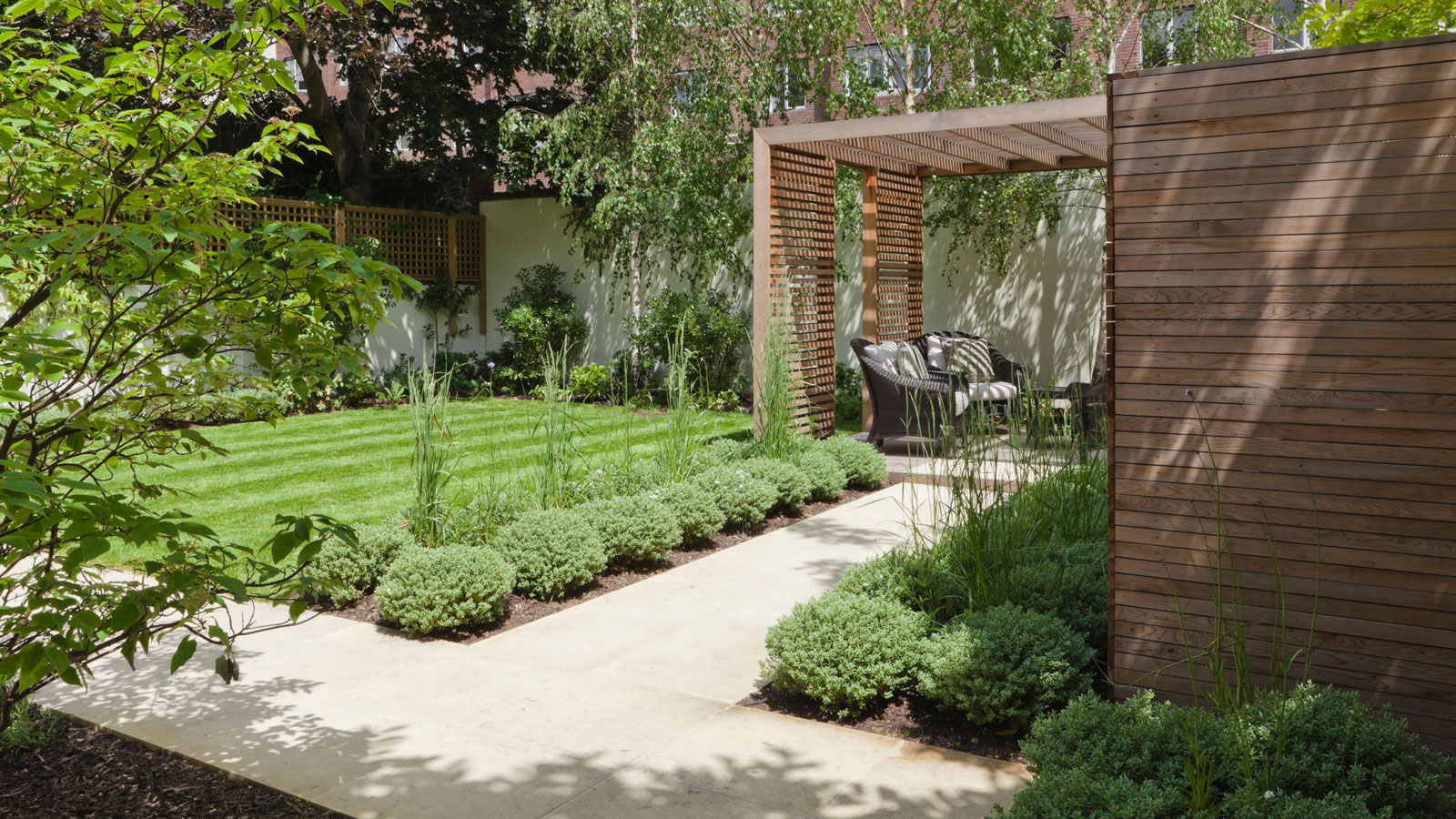
L-shaped garden ideas to help you create a visually pleasing space
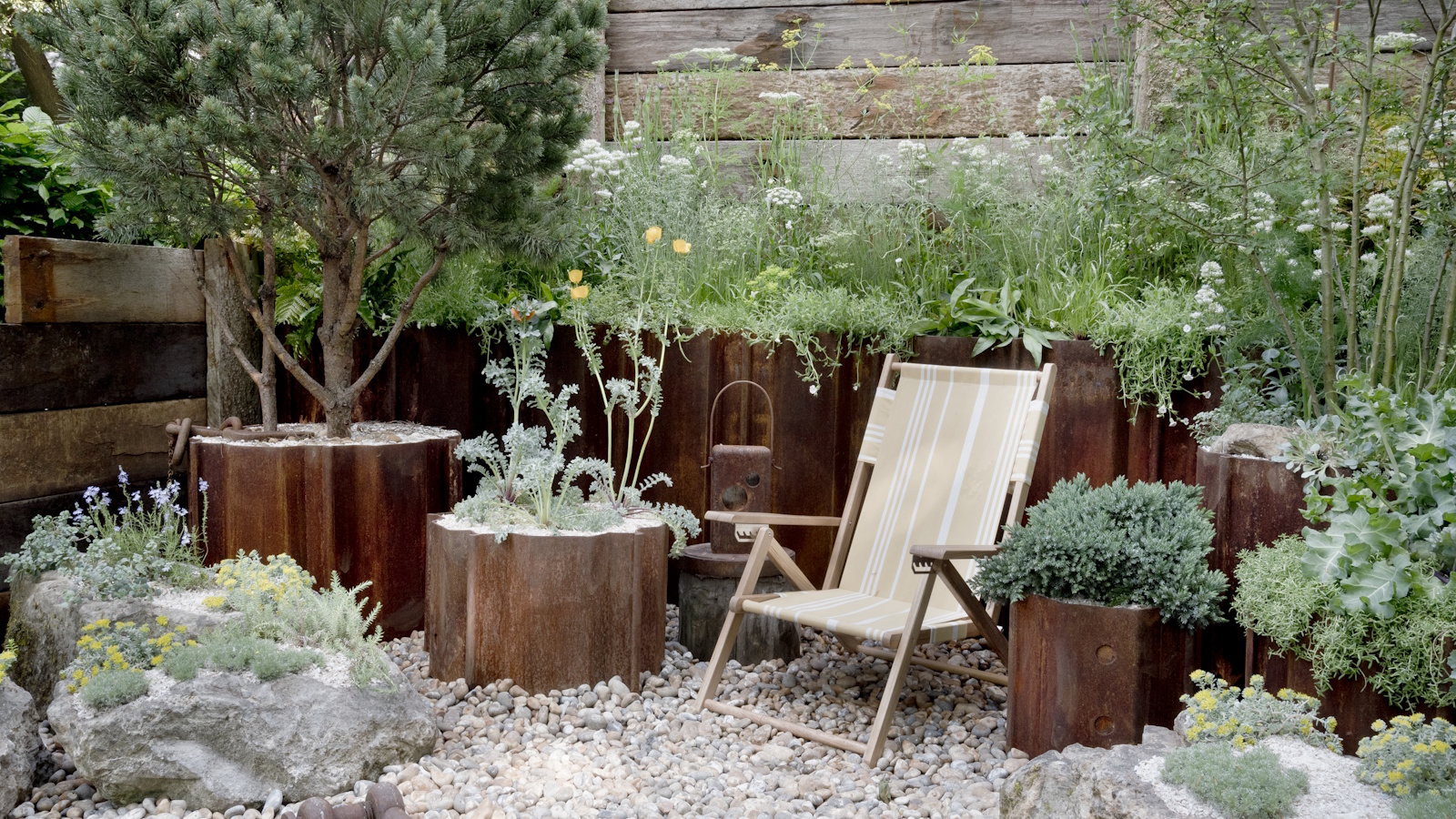
11 beautiful ideas for awkward-shaped gardens
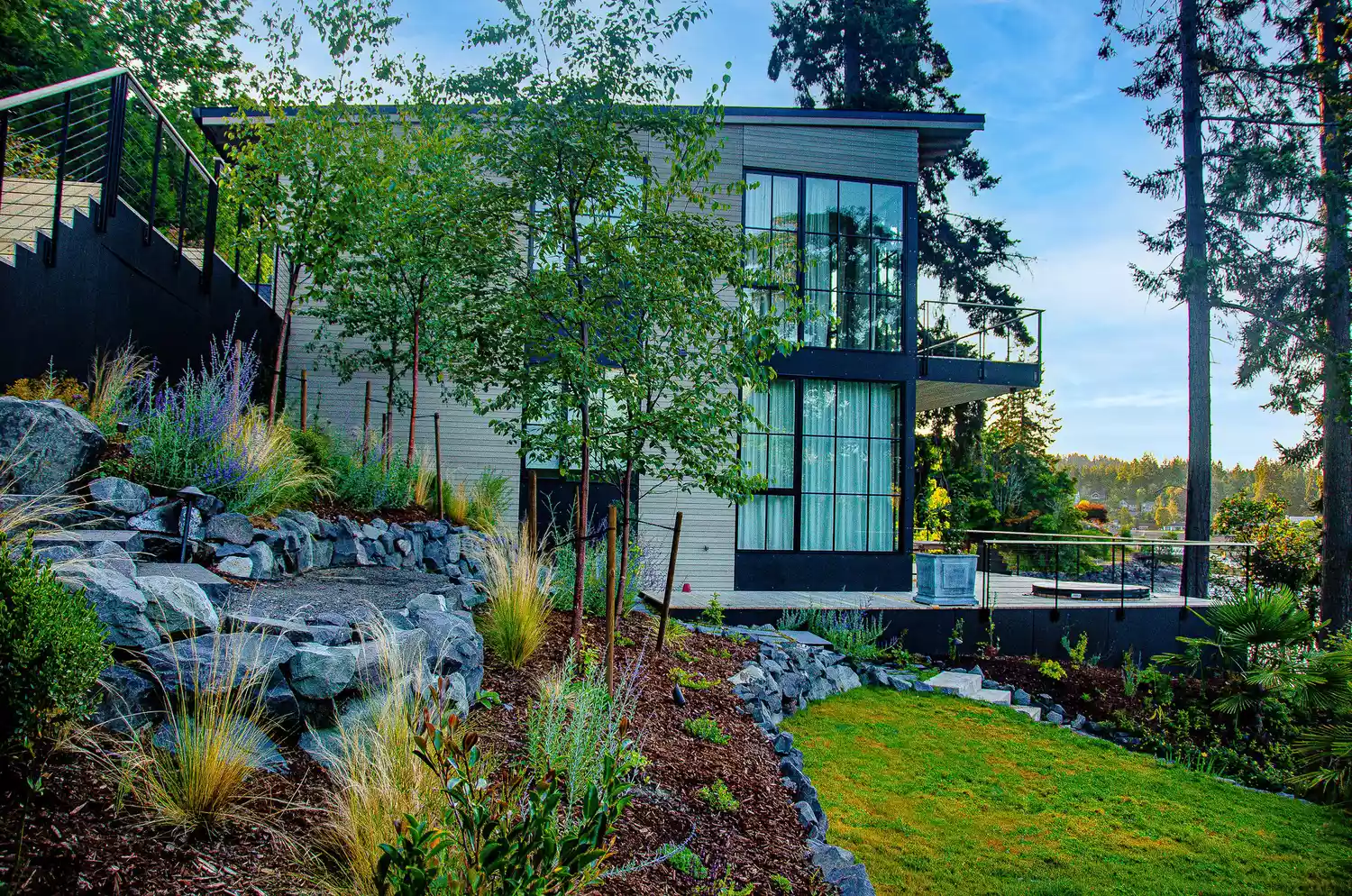
Don't Miss Out on Space—15 Sloped Backyard Ideas That Make the Most of Every Inch
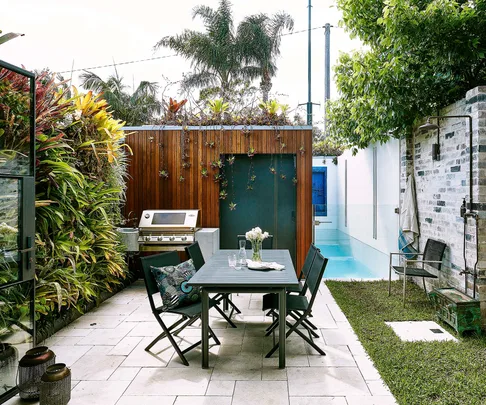
Efficient worker: courtyard landscape design

Side return garden ideas – 7 clever ways to transform this overlooked space
19 simple garden ideas for every style, size and budget
How to Design a Backyard That Feels 10 Degrees Cooler
15 Vertical Garden Ideas, From Living Walls to Botanical Libraries

This Is Your Sign to Rip out Your Concrete Backyard and Turn It into a Lush Retreat
Make the most of your rooftop garden with these design tips