1/15
Reimagining Lisbon’s Azulejos: Regenerative Biomaterial Tiles from the Tagus River
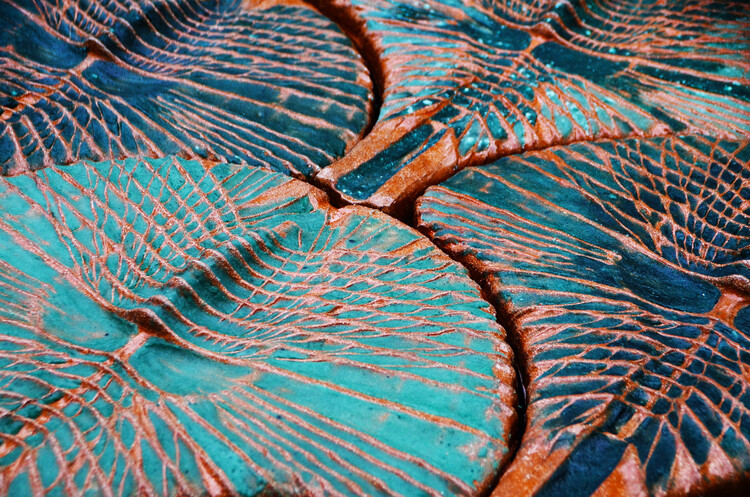
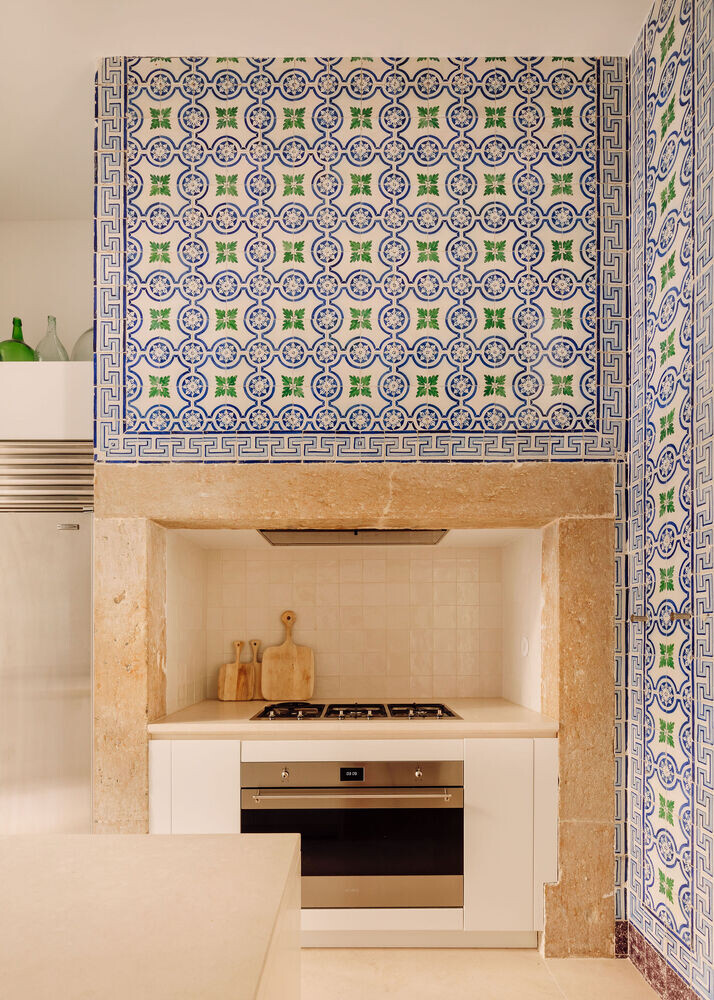
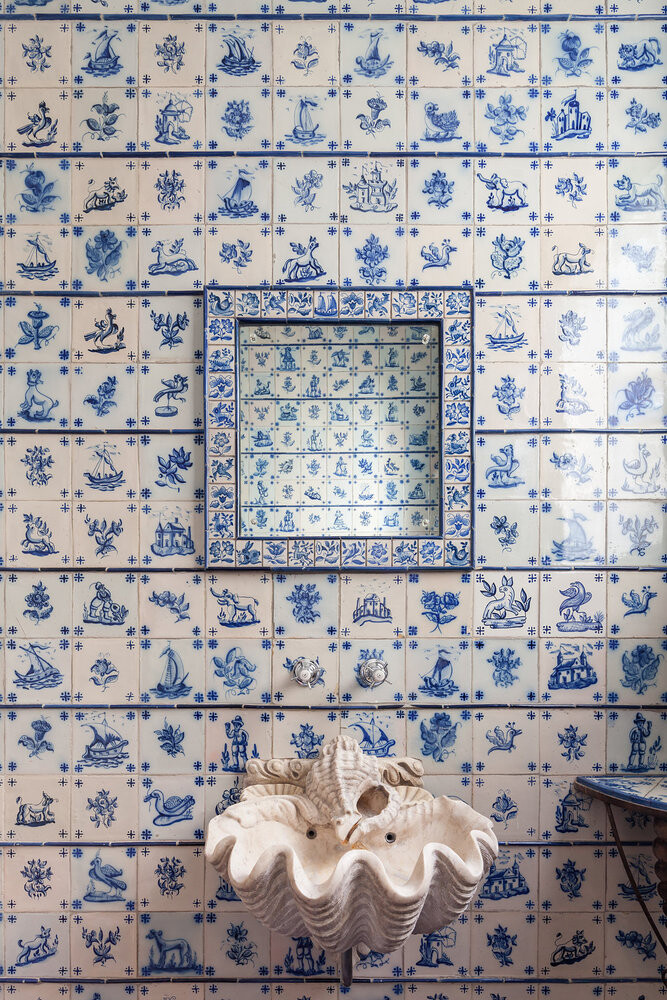
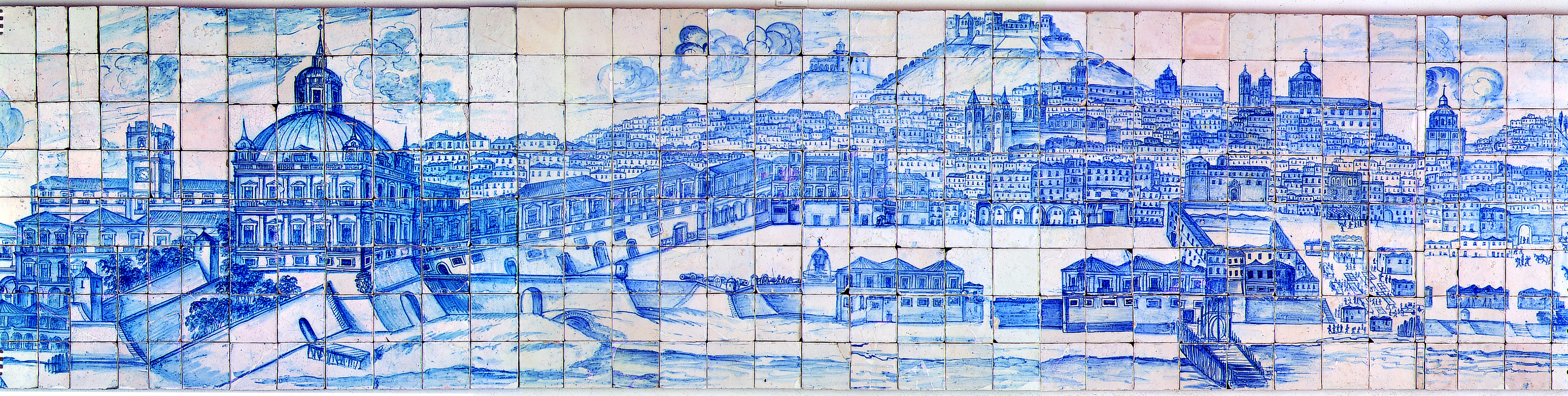
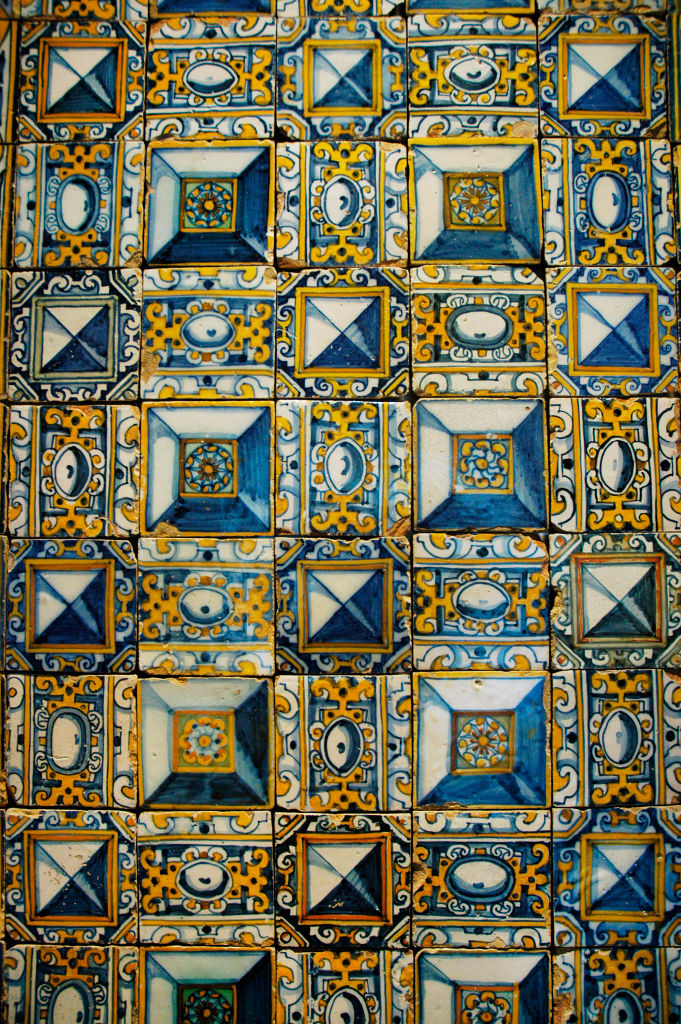
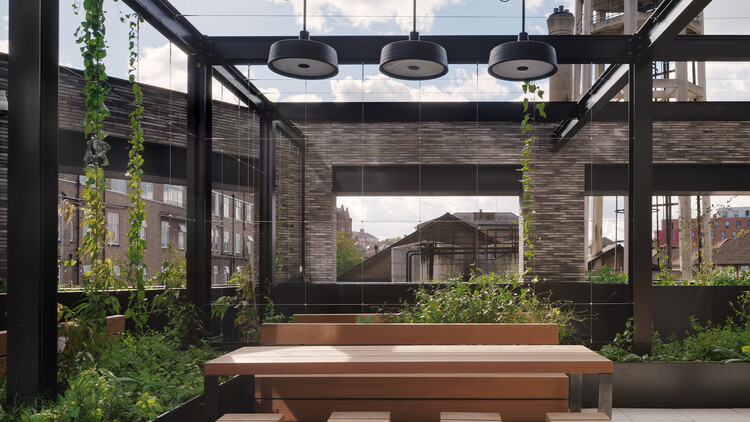
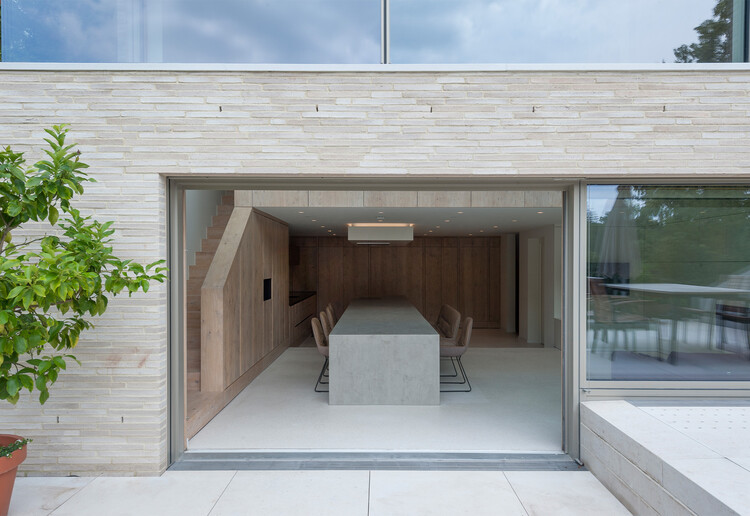
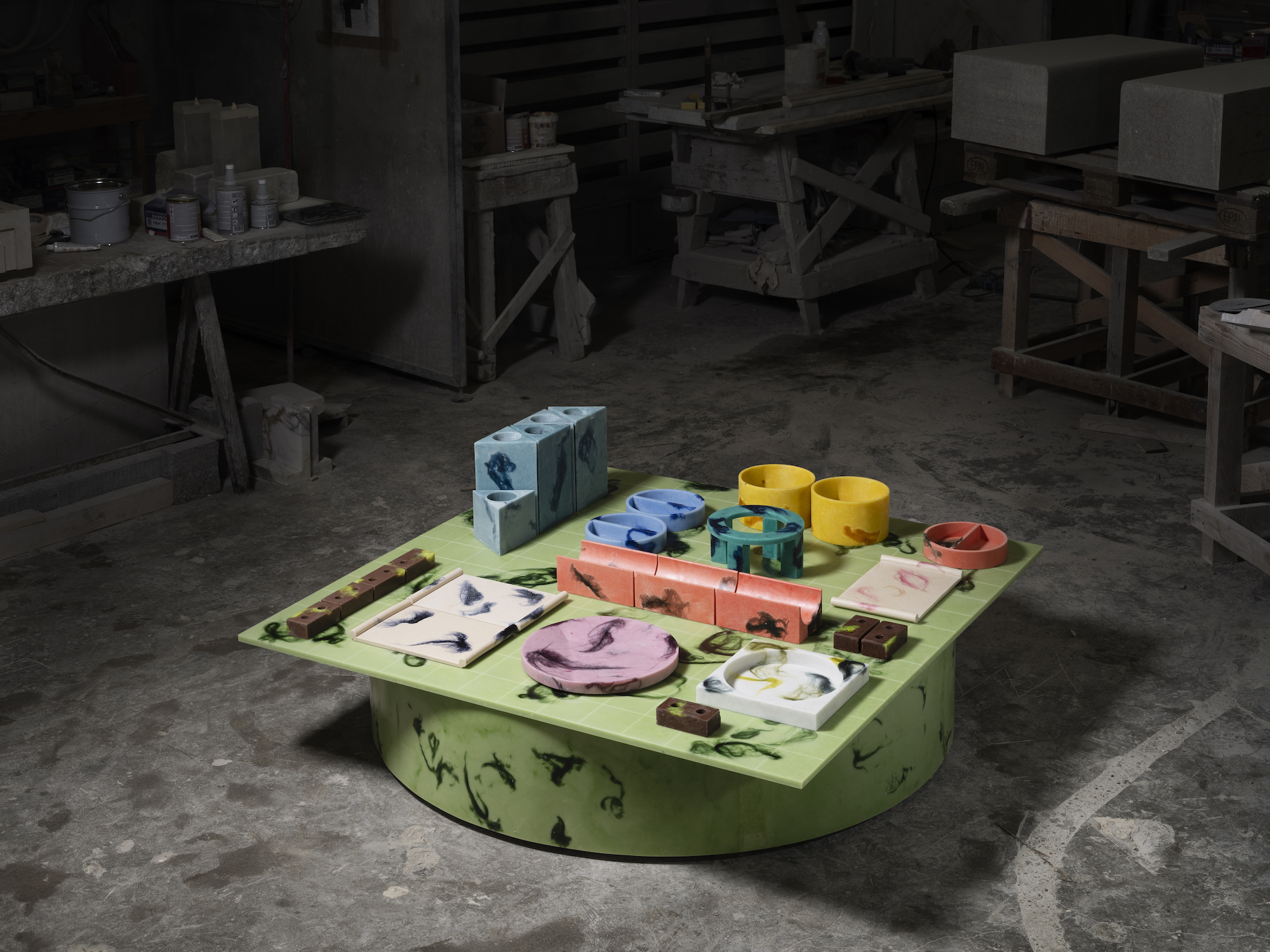
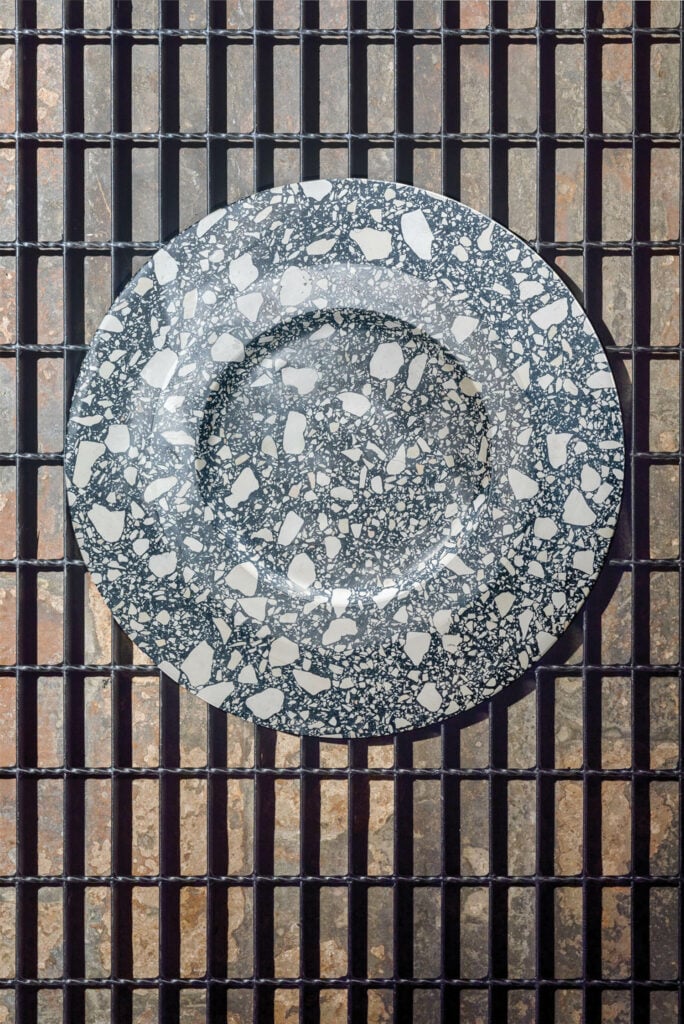
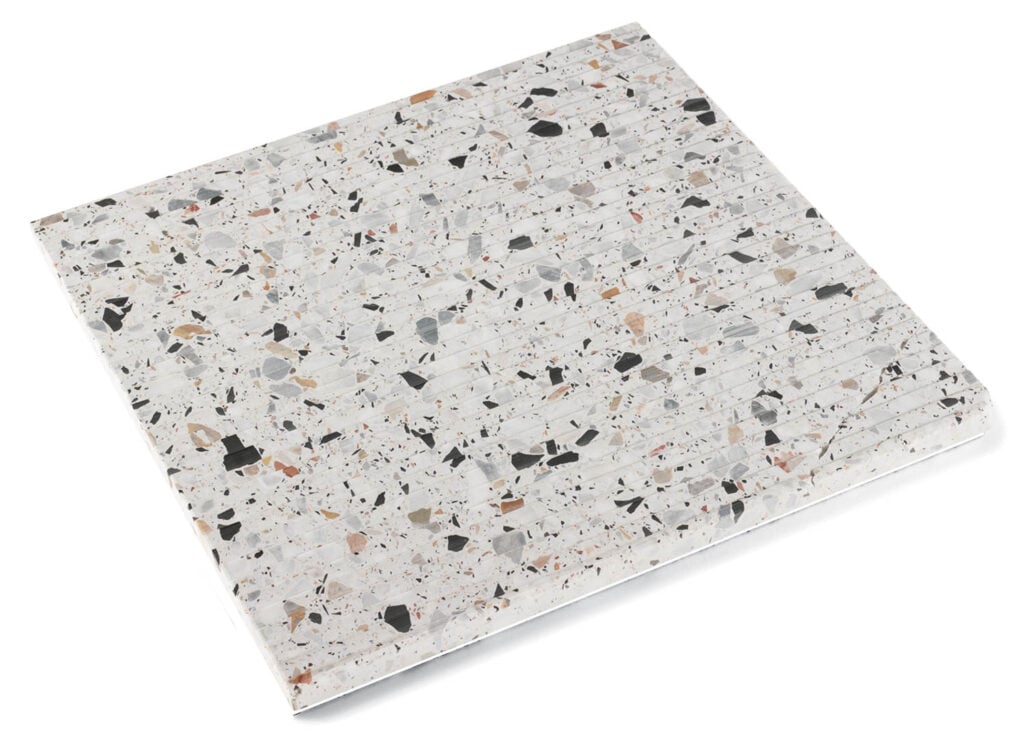
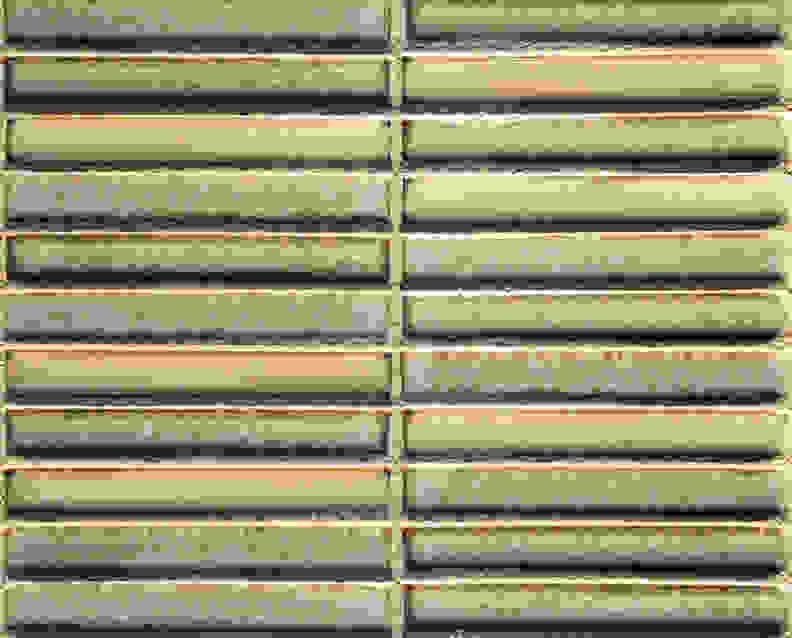
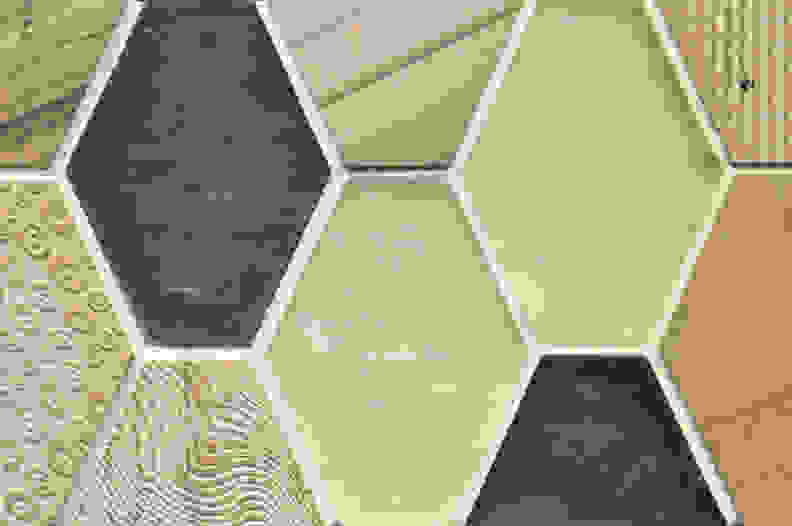
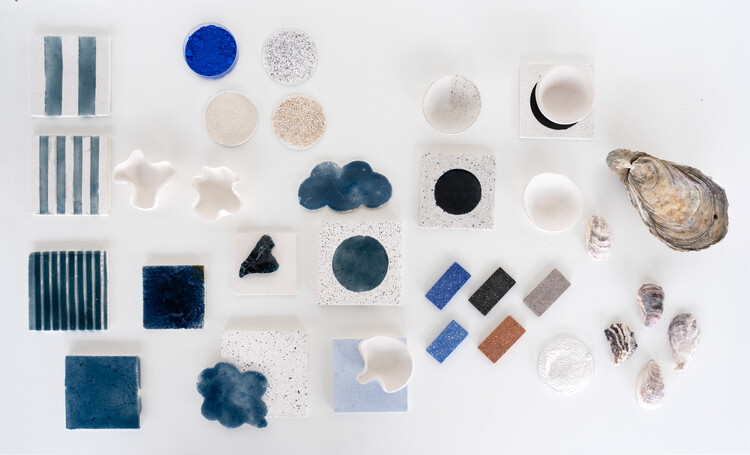
The project "From the Tagus to the Tile" by Fahrenheit 180º, developed during the 2024 Radical Waters – Concrete Matters residency, offers a novel approach to material circularity by transforming oyster shells, a common food system byproduct, into biomaterial tiles. These tiles serve as a reinterpretation of Lisbon's traditional azulejos, deeply embedded in the city's cultural identity. The installation, showcased in the gardens of the Gulbenkian Center of Modern Art in Lisbon, comprises a modular kitchen, a bench, and a linear table, demonstrating the practical application of these innovative materials.
The initiative, led by Swiss architect Jeremy Morris and Portuguese-Swiss architect Luca Carlisle, aims to move beyond conventional extractive material practices. Instead, it seeks methods that contribute to the repair and regeneration of both ecological and social systems. The use of oyster shells, abundant in the Tagus estuary, highlights a bioregional approach, drawing attention to the historical significance of oyster farming in the area, a practice that declined due to industrialization. By repurposing these shells, the project not only diverts waste from landfills but also reconnects with a forgotten local heritage, fostering a sense of place and environmental stewardship.
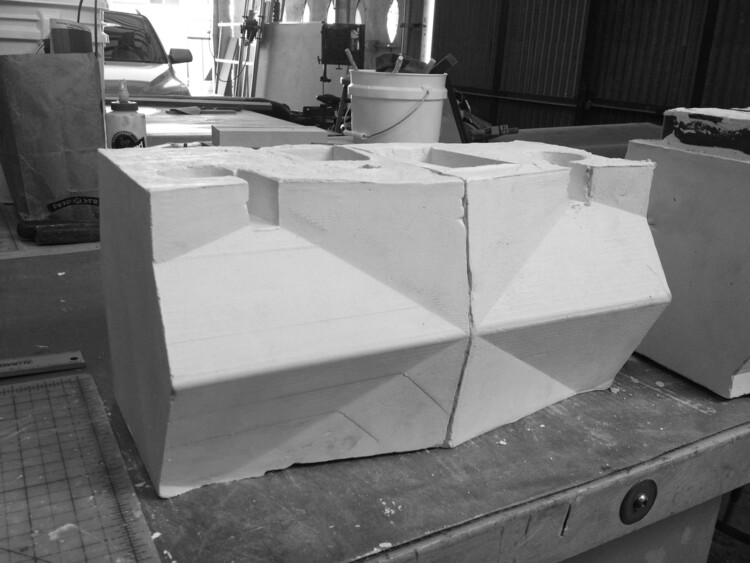
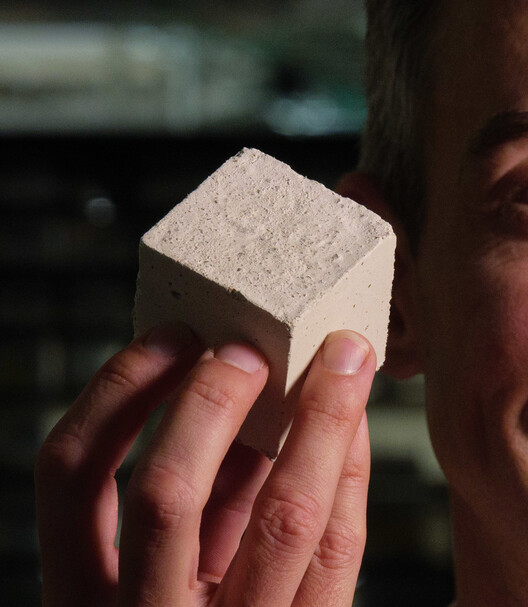
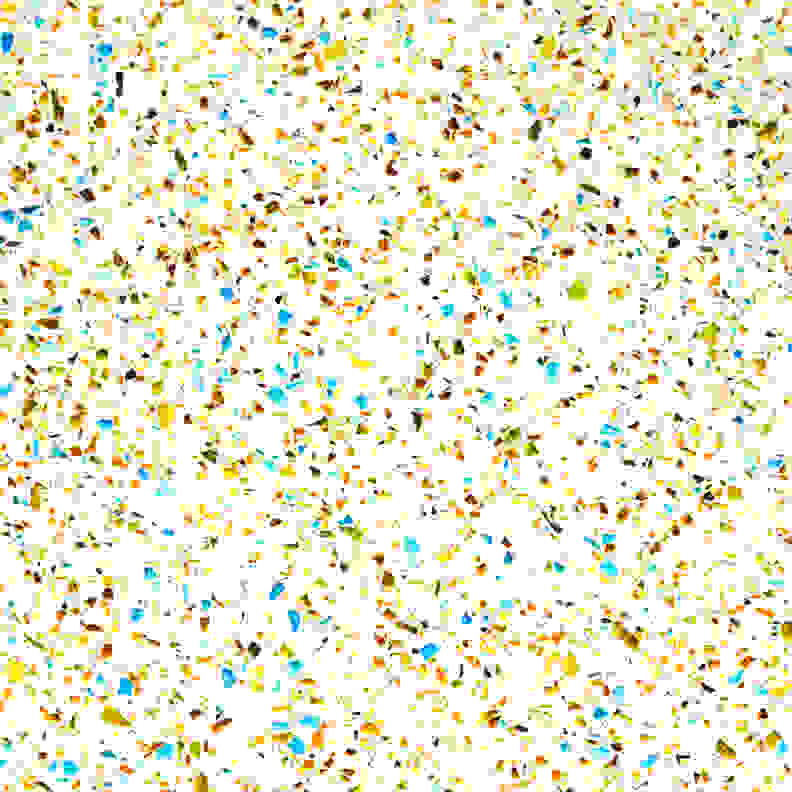
The creation of these regenerative biomaterial tiles involves a meticulous process of collecting, processing, and molding the oyster shells into durable and aesthetically pleasing building components. This process underscores the potential of waste streams as valuable resources for architectural applications, promoting a circular economy model within the construction industry. The resulting tiles embody both functionality and cultural narrative, representing a fusion of traditional craftsmanship and contemporary material innovation. They offer a sustainable alternative to conventional ceramic tiles, which often have a significant environmental footprint due to their energy-intensive production and reliance on virgin resources.
Furthermore, the project emphasizes the importance of design in addressing environmental challenges and promoting local resource utilization. By integrating the discarded oyster shells from the Tagus River, the architects demonstrate how materials can tell a story of local ecosystems and cultural practices. This narrative adds a layer of meaning to the architectural elements, transforming them from mere building components into symbols of regeneration and cultural memory. The installation serves as a tangible example of how architects and designers can contribute to more sustainable futures by rethinking material sourcing and production. It showcases how a deep understanding of local context and a commitment to regenerative principles can lead to innovative and impactful design solutions that benefit both people and the planet.
#Biomaterials #RegenerativeDesign #CircularEconomy #SustainableArchitecture #MaterialInnovation #CulturalHeritage #LisbonArchitecture #OysterShells #BioregionalThinking #Biomaterials #RegenerativeDesign #CircularEconomy #SustainableArchitecture #MaterialInnovation #CulturalHeritage #LisbonArchitecture #OysterShells #BioregionalThinking
0 ความคิดเห็นรวม
 ยังไม่มีความคิดเห็น
คุณอาจจะชอบอีกด้วย
10 Start-ups Creating Innovative and Sustainable Building Materials, from Mycelium Bricks to Water Purifying Tiles

To Get to Know Portugal, Explore Its Azulejo Tilework
Artist Uses Recycled Textile Waste to Handcraft Ocean-Inspired Rugs and Tapestries

Natural Instincts: Tile Trends

I Create Ceramic Tile Illusions On Electrical Boxes And Buildings To Remind People Of Portuguese History
Biophilic-Inspired Design Takes Center Stage: How Bricks Bring Nature In
Want to make a new home look historic? Salvaged bricks can do the trick.
Bringing the Outside In: Life-Size Terrariums and Other Ways to Exhibit Nature in European Apartment Buildings
Rugs as Woven Memory: How Origin and Materiality Shape Interiors

Biophilic facades in sustainable building design
6 Sustainable Material Trends That Prove It's No Longer Just a Buzzword, but an Exciting Design Opportunity

Tiles Gone Wild: Fresh Looks for an Ancient Material

2,000 IKEA Hangers Upcycled Into Dynamic Chromatic Screen Room Divider
The Bluffs at Playa Vista Parking Structure–Saving Water by Greening the Scenery

Fluff Stuff

Hotel Ush?aia Low-Tech Vertical Garden
Portuguese Tiles: Brief History and Contemporary Applications
Cupa Pizarras creates cladding system that "utilises the beauty of natural slate"
Old-World Style Meets Modern Sentiments in These Flecked Surfaces

freddy bonilla estudio's casa cóndor revives vernacular architecture in ecuador