How to Clean Your Whole Kitchen With Dish Soap, From Greasy Counters to Sticky Floors
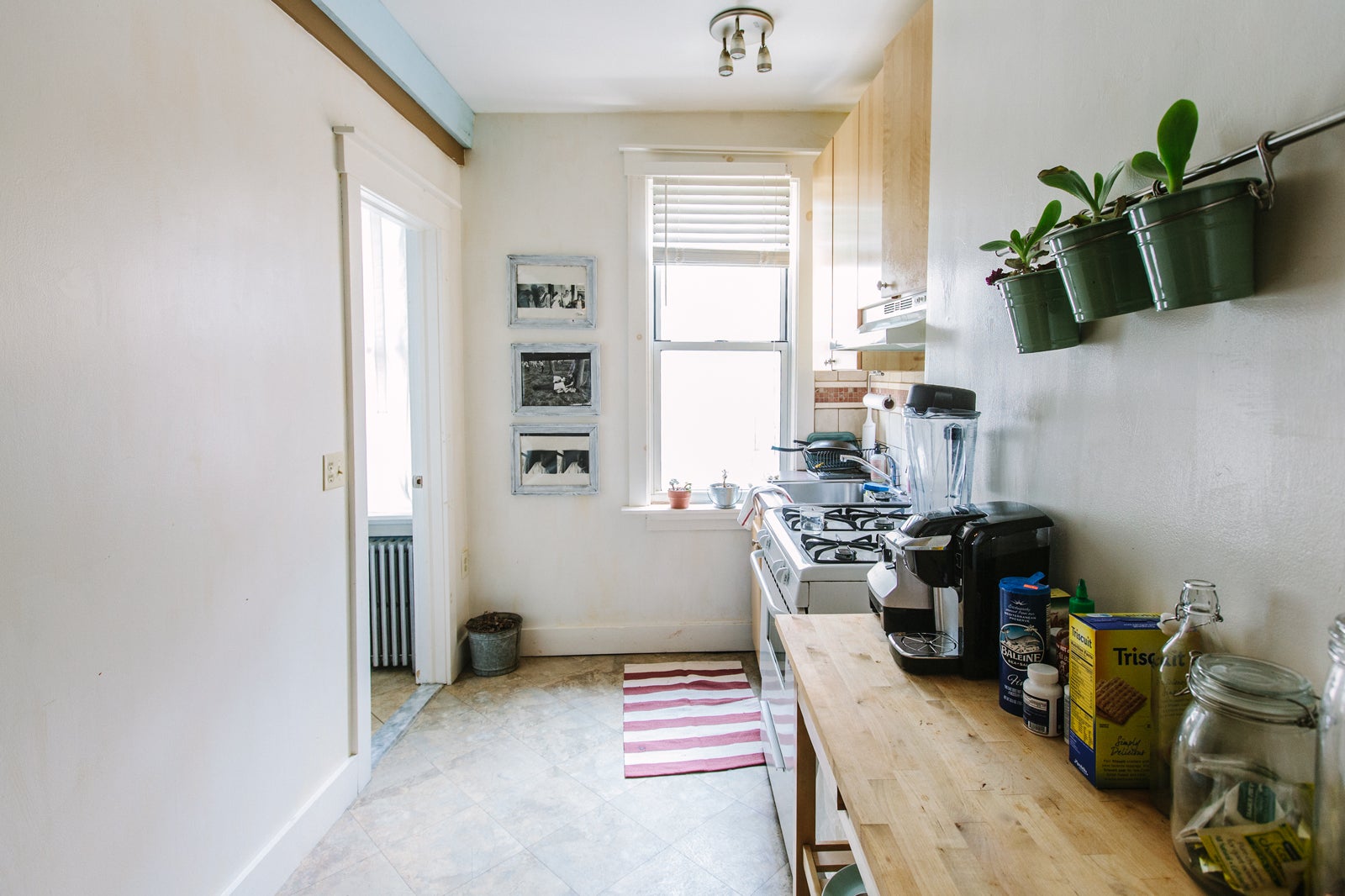
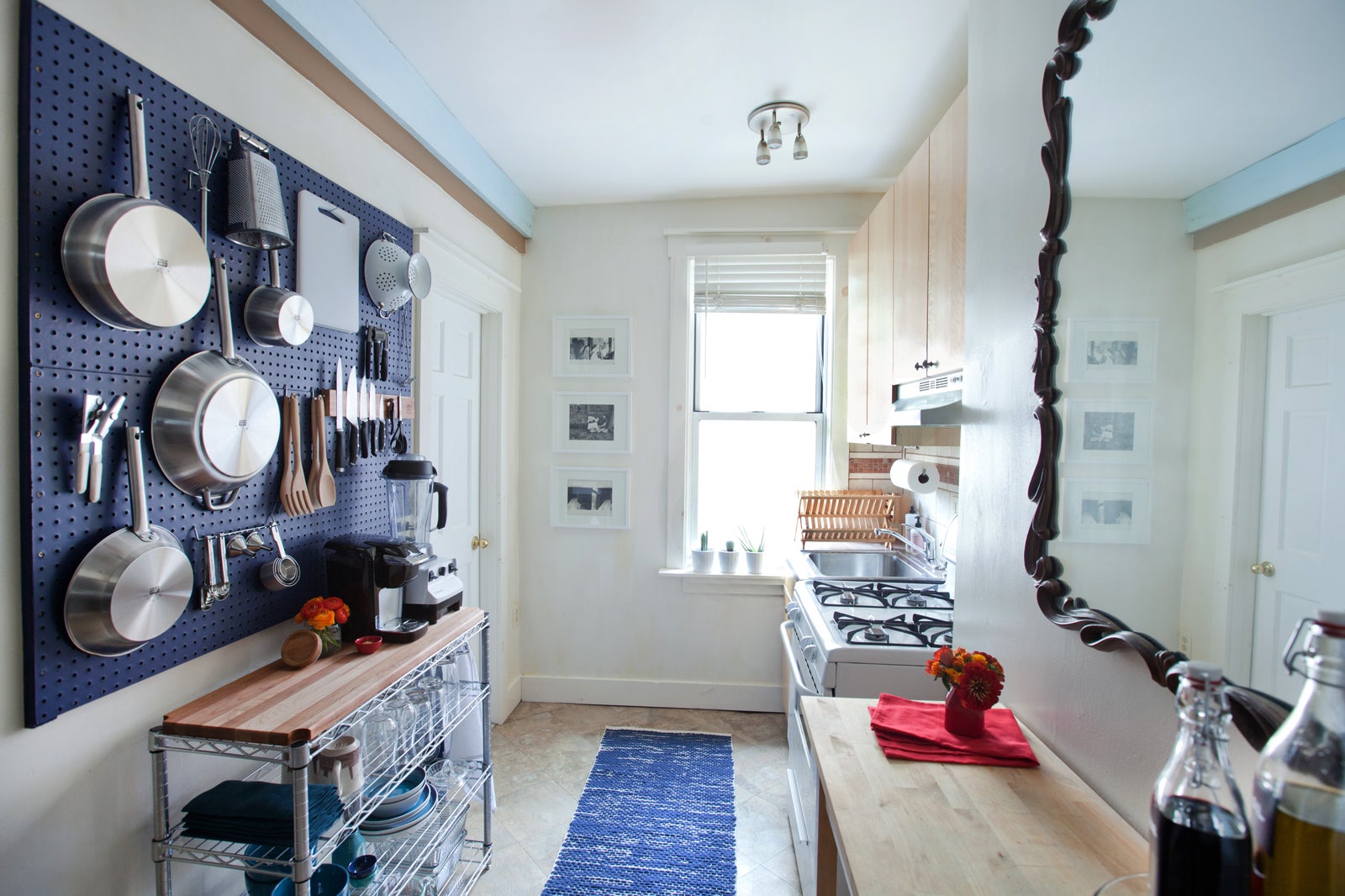
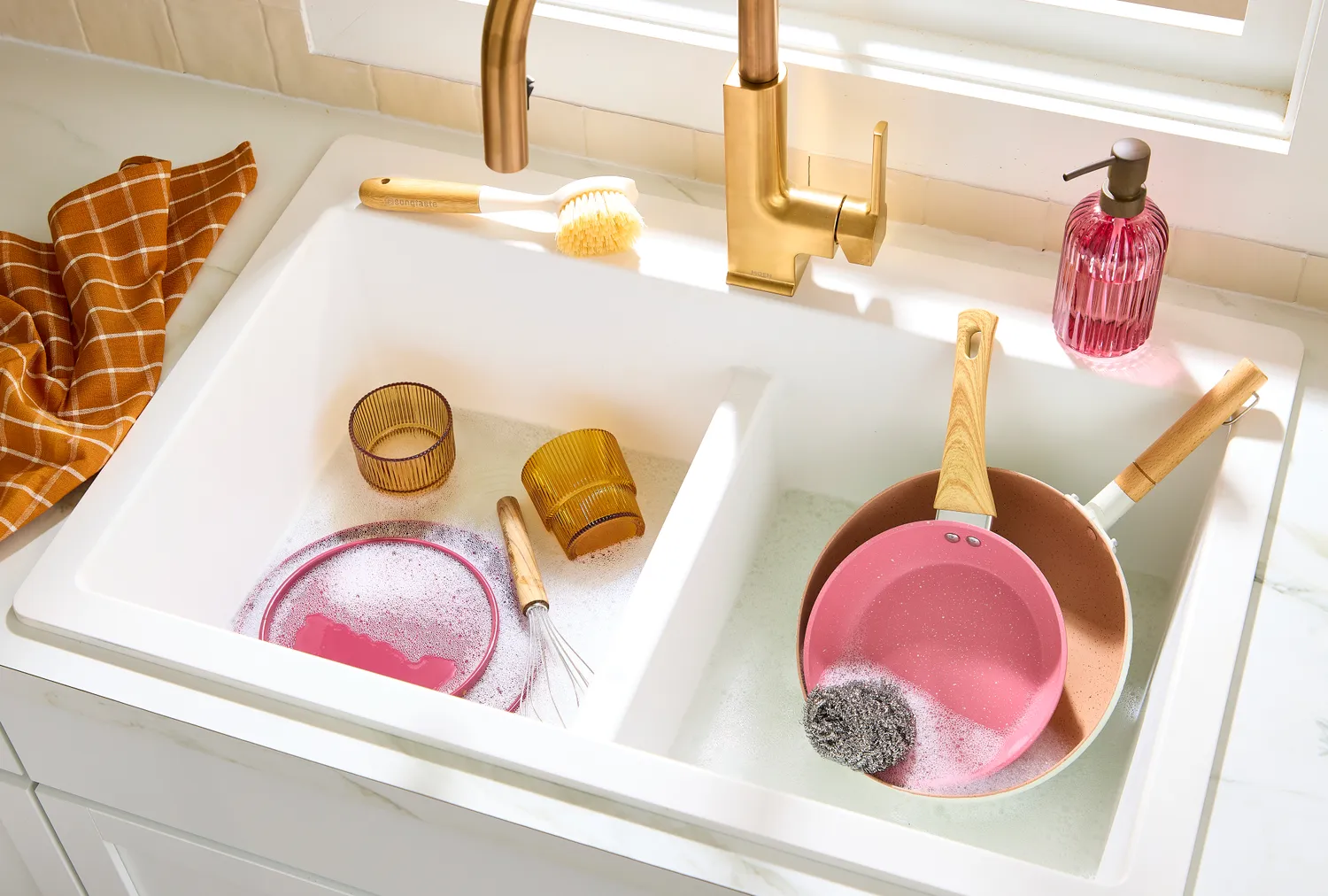
Dish soap, typically associated with washing dishes, is a highly versatile and effective cleaning agent suitable for numerous applications beyond the sink, particularly within the kitchen. Its efficacy stems from the presence of surfactants, molecules that possess both water-attracting and grease-attracting properties. When mixed with water, these surfactants surround and encapsulate grease, dirt, and various residues, allowing them to be easily rinsed away. This chemical action makes dish soap particularly well-suited for kitchens, which accumulate a diverse range of grime including grease, protein, and starch.
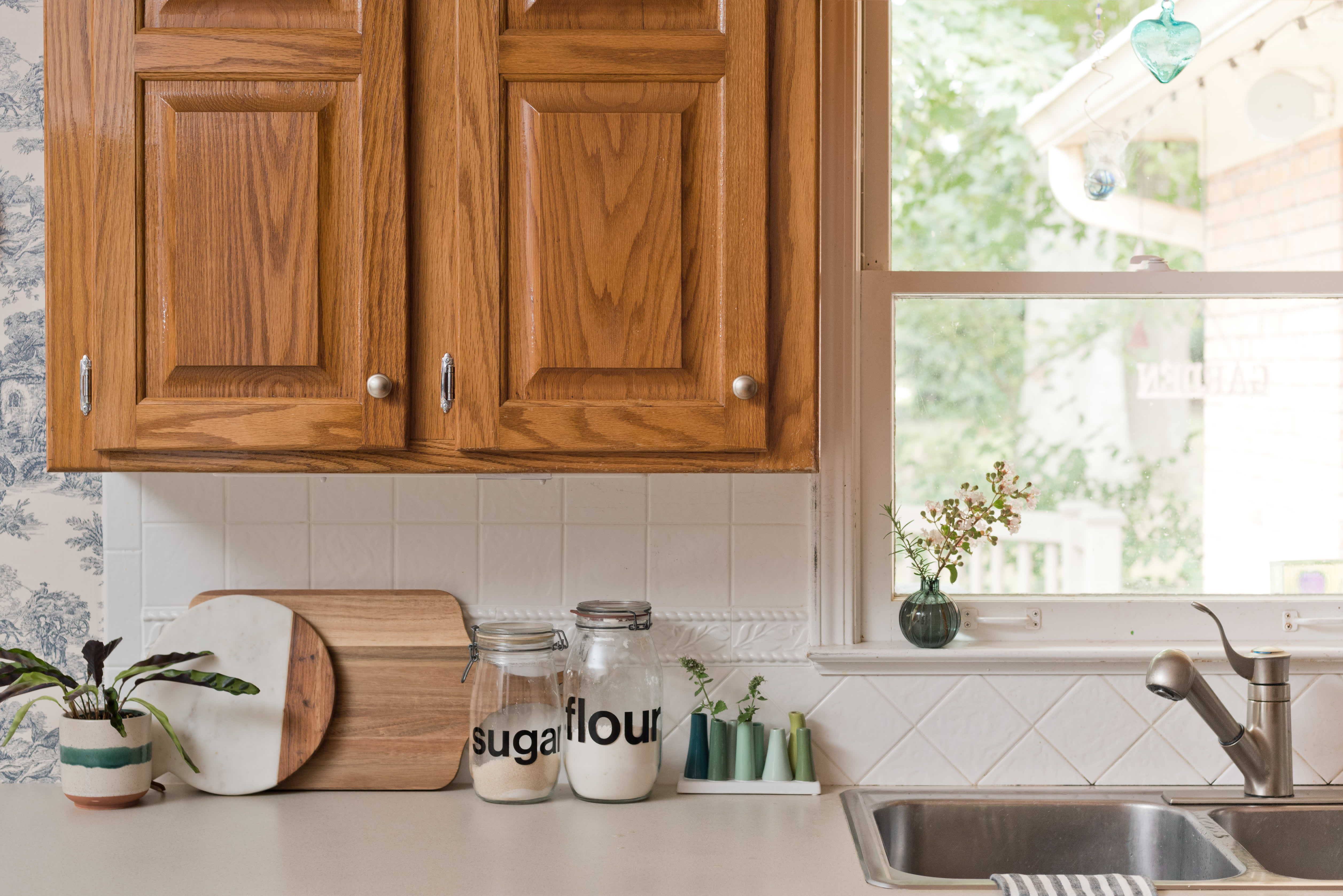
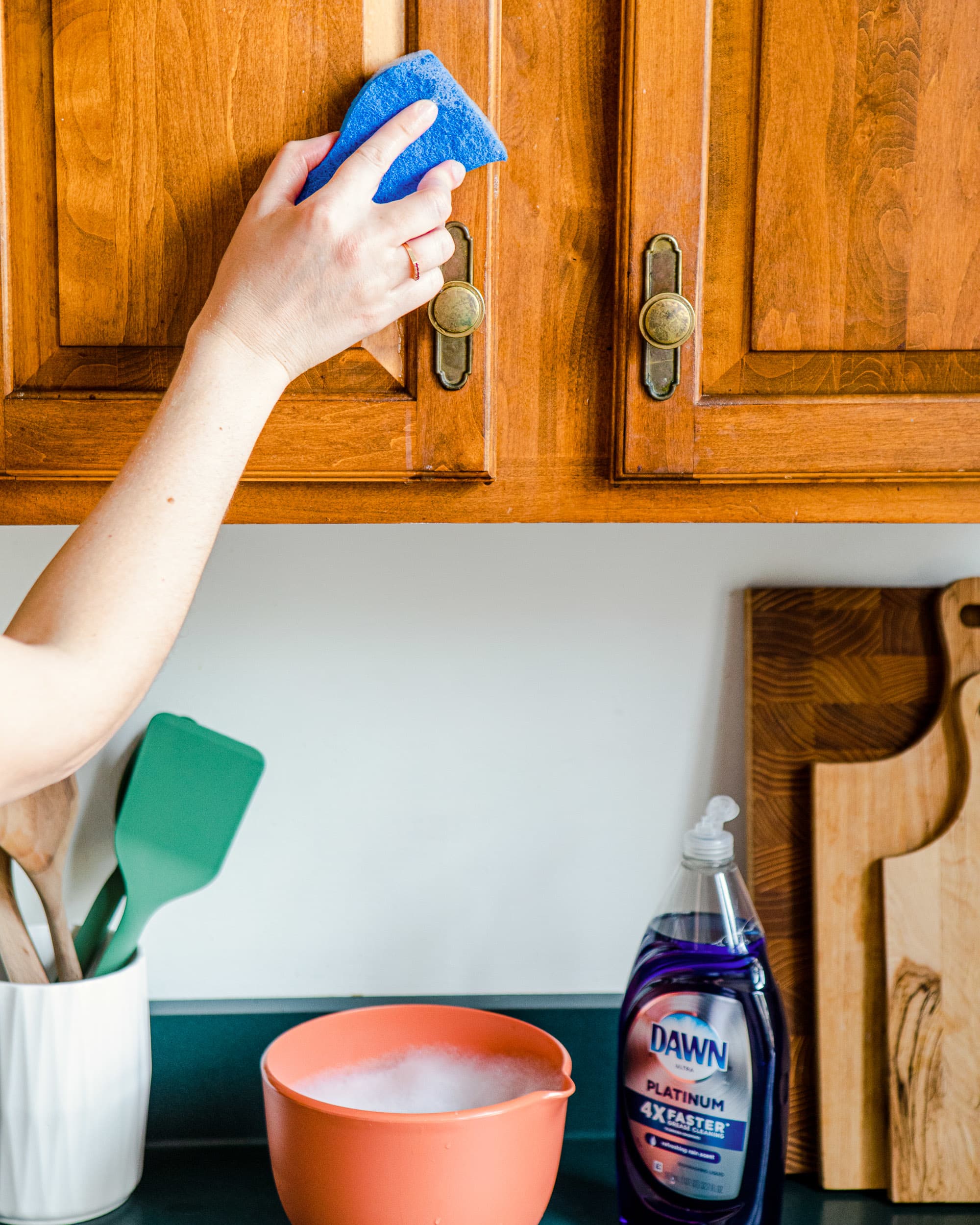
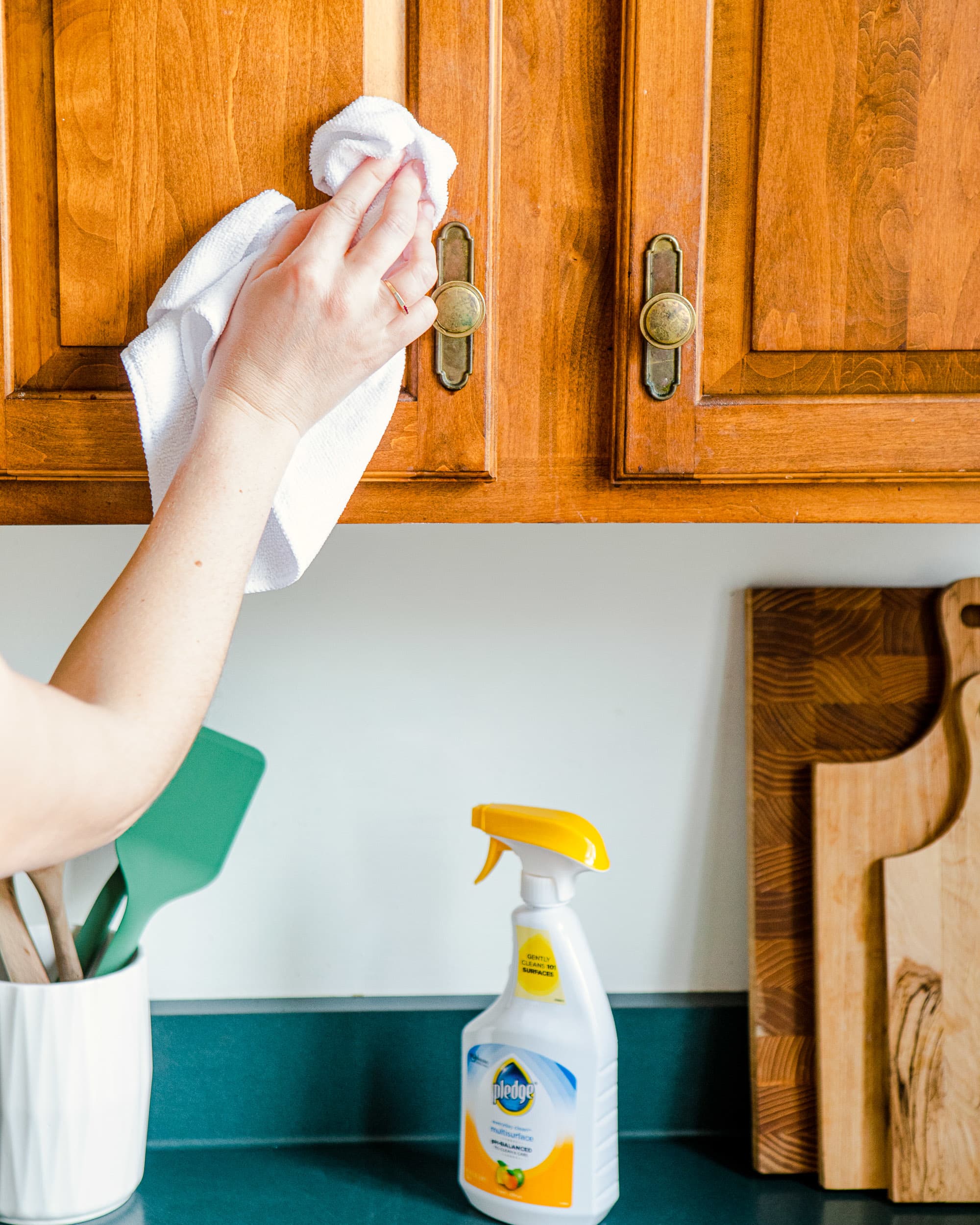
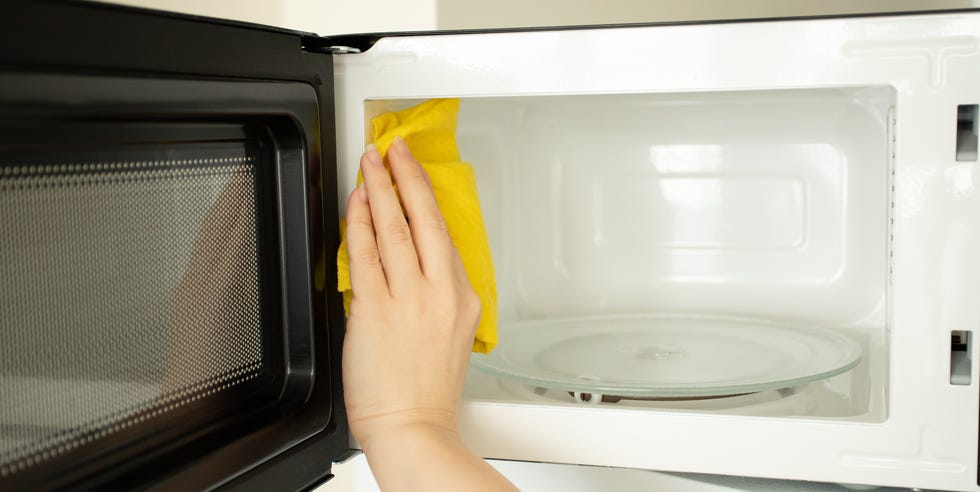
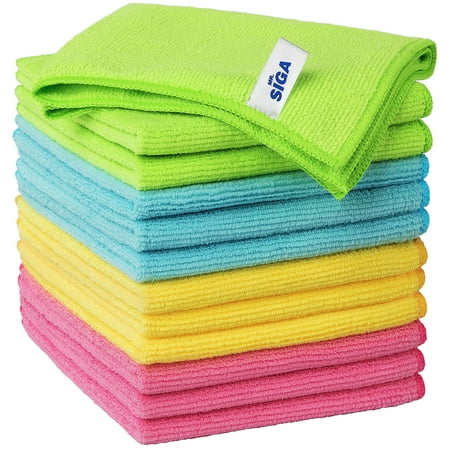
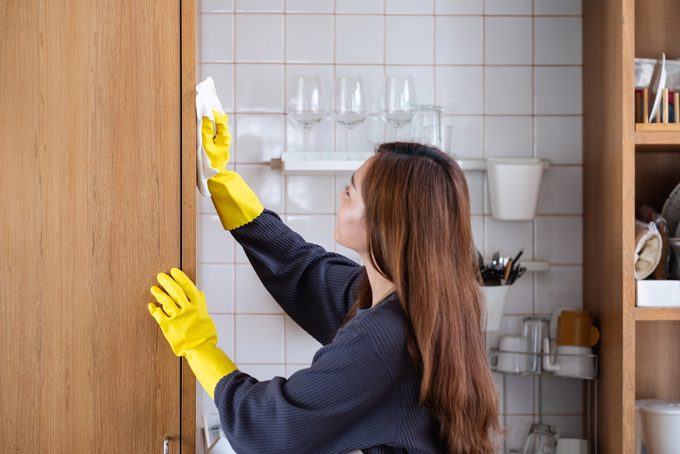
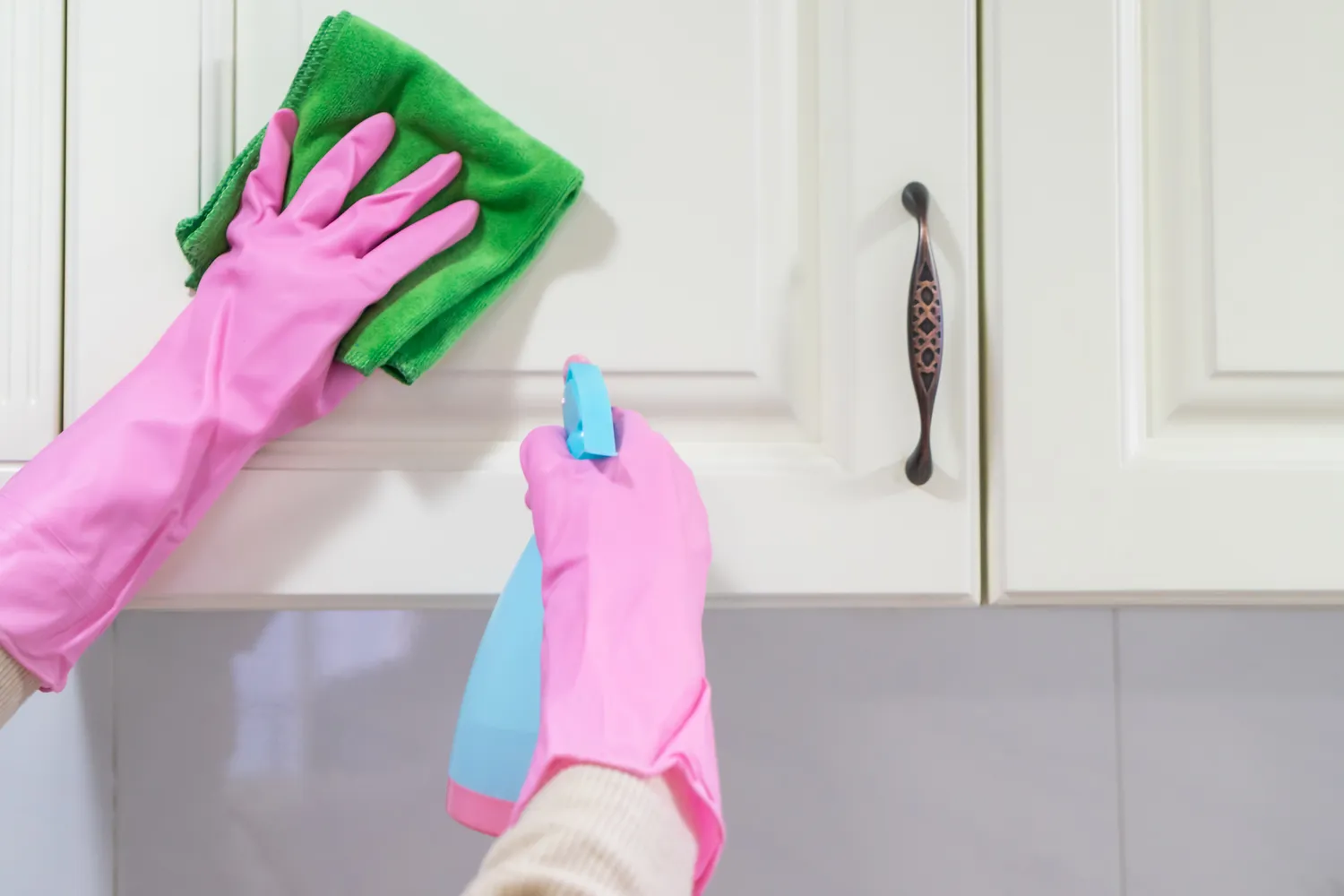
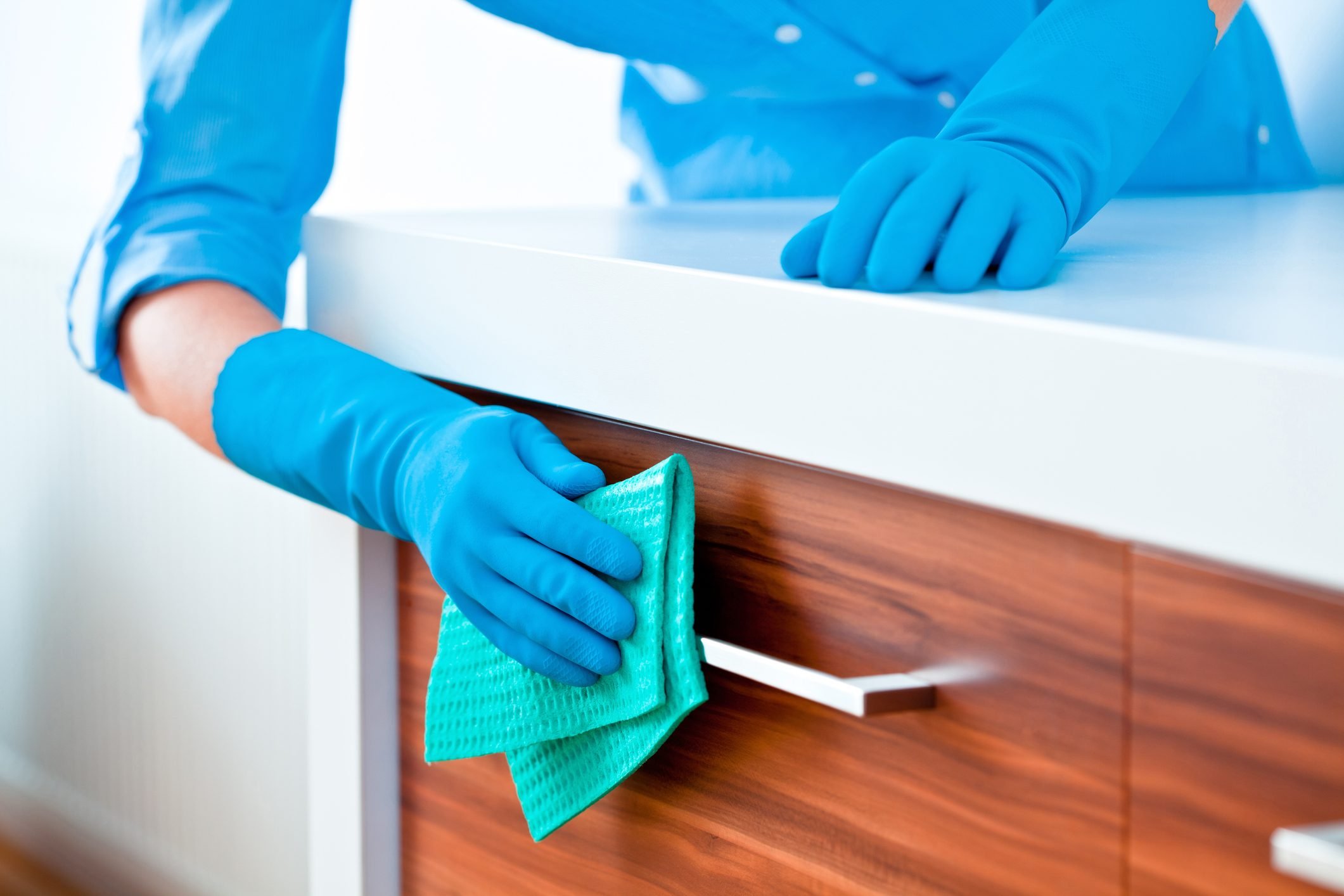
The non-toxic and food-safe nature of dish soap further enhances its utility in kitchen environments where food preparation occurs. Experts in the cleaning industry, such as Alicia Sokolowski of AspenClean, Bree Uebergang of Filthy Clean, and Trish Duarte of MaidPro Temecula, advocate for its widespread use. A simple diluted solution, often just a few drops of dish soap in a spray bottle with water, can be used for cleaning various surfaces and appliances. For instance, this solution is effective for wiping down kitchen countertops, removing fingerprints and cooking splatter from cabinet surfaces (both inside and out), and cleaning stainless steel appliances. For stainless steel, the method involves dampening a microfiber cloth with a dish soap solution, wiping with the grain, and then rinsing with clean water to remove residue. The mildness of natural dish soap also makes it safe for cleaning the interiors of appliances like refrigerators and microwaves, as it does not harm plastic or glass and is safe around food.
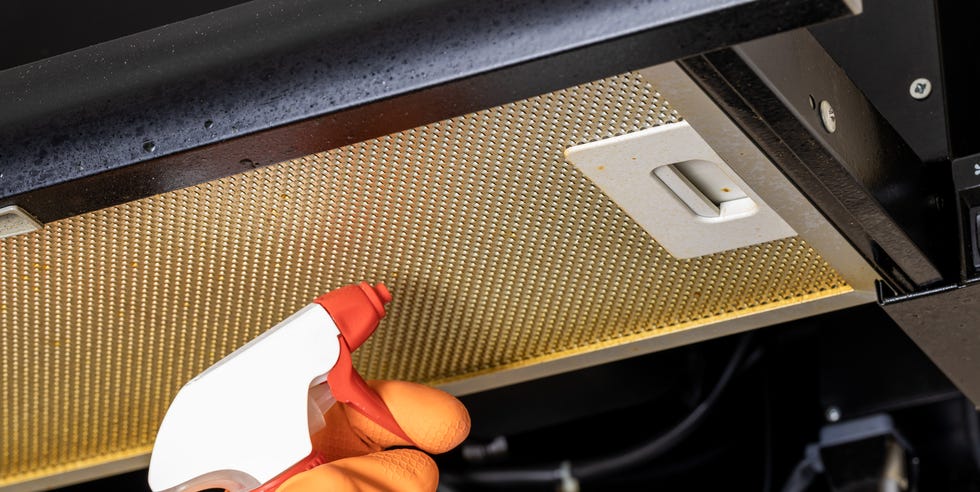
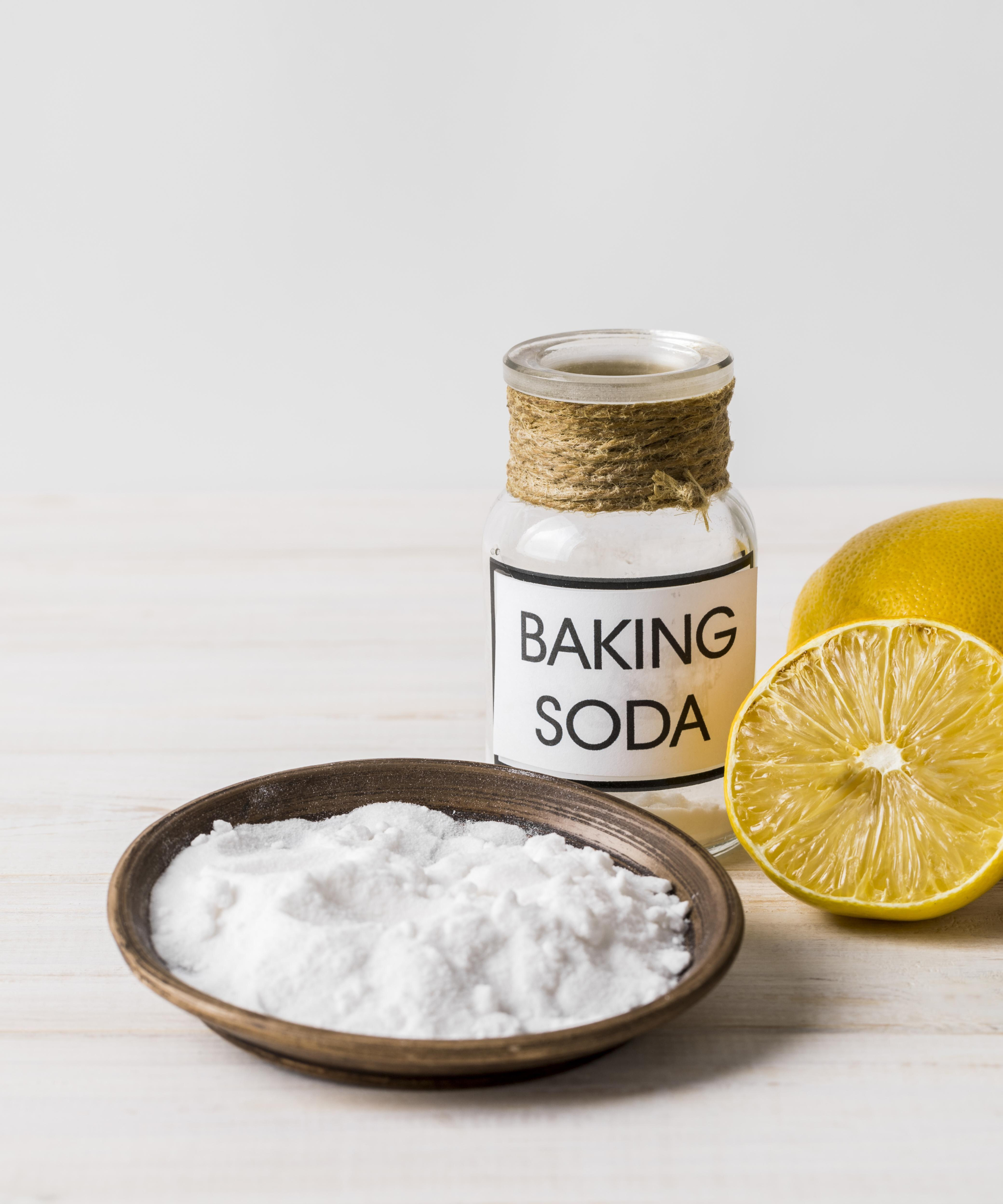
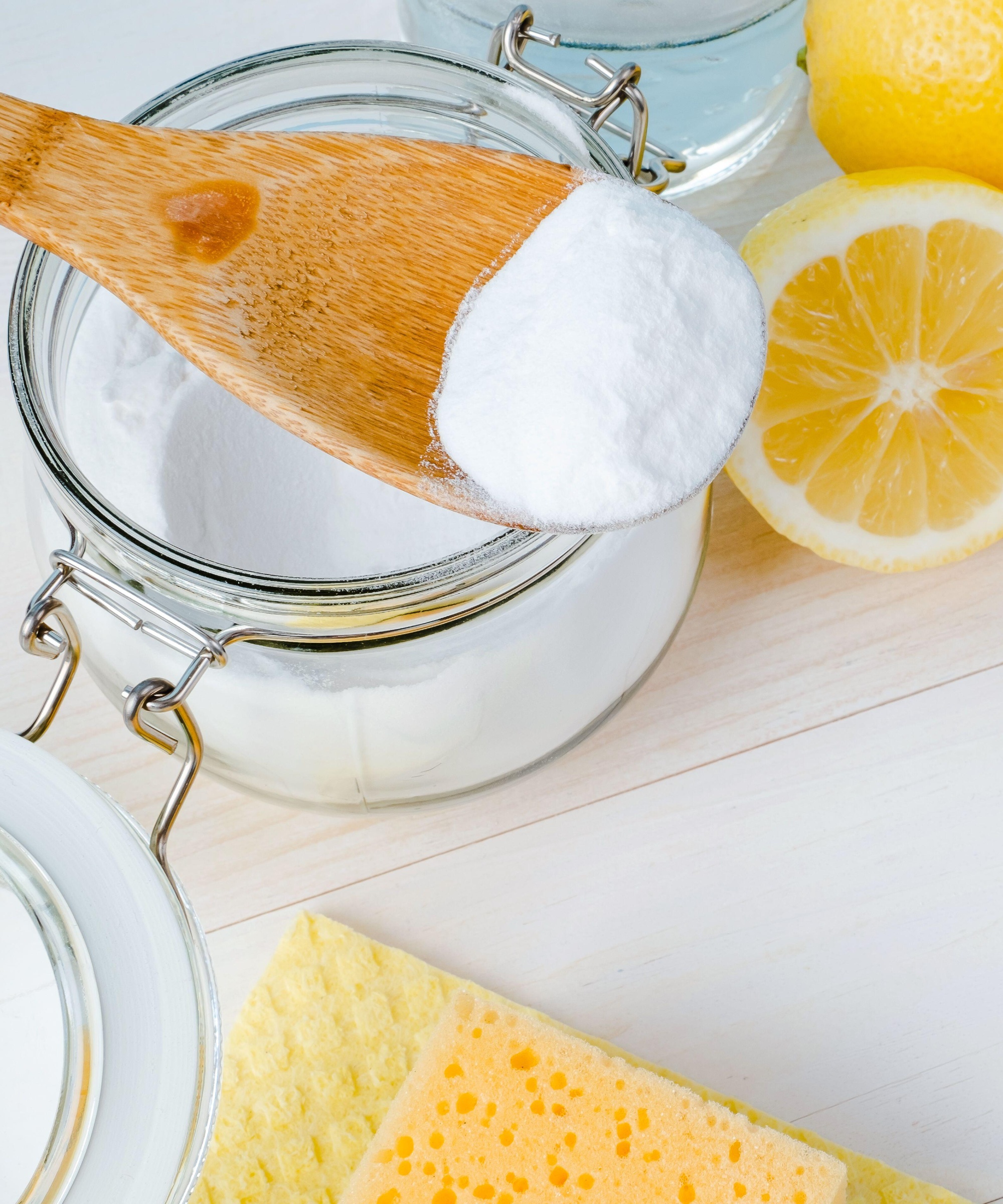
Beyond general surface cleaning, dish soap is recommended for more specialized tasks. Range hood filters, which often accumulate significant grease, can be effectively cleaned by soaking them in a warm water and dish soap solution before scrubbing and rinsing. Sticky spills on floors, caused by sugary drinks or cooking oils, can also be tackled with dish soap. Furthermore, areas prone to heavy grime accumulation, such as trash cans and pet food dishes, benefit from a thorough cleaning with a diluted dish soap solution to eliminate odors and residue. For tougher stains, adding baking soda to the dish soap solution to form a paste and then scrubbing is suggested.
The utility of dish soap extends beyond the kitchen to other areas of the home. In bathrooms, it can be used to clean sinks, tubs, and tile grout, effectively removing soap scum and toothpaste splatter. Its grease-lifting properties are also beneficial for laundry, where it can be used as a pre-treatment for grease stains on fabrics. High-touch surfaces like door handles and light switches, which harbor fingerprints and germs, can be sanitized with a mixture of water, dish soap, and vinegar. Additionally, a diluted dish soap spray can quickly address splatter and dust on baseboards and door trim, highlighting its broad applicability as a household cleaner.
#DishSoap #KitchenCleaning #HomeCleaning #CleaningTips #GreaseRemoval #NonToxicCleaning #VersatileCleaner #HouseholdHacks #DishSoap #KitchenCleaning #HomeCleaning #CleaningTips #GreaseRemoval #NonToxicCleaning #VersatileCleaner #HouseholdHacks
0 ความคิดเห็นรวม
 ยังไม่มีความคิดเห็น
คุณอาจจะชอบอีกด้วย
I Just Discovered a Brilliant 2-Minute Cabinet Cleaning Trick (It Was Hiding in My Pantry!)
I deep clean my entire kitchen using just one fabulous tool – it's efficient, affordable and toxin-free

8 Things You Should Never Clean with a Swiffer

Your Kitchen Cabinets Deserve Better—Here’s How to Clean Them the Right Way

16 Things In Your Kitchen You NEED To Clean More Often, According To Experts
Know your way around the kitchen


How to Clean Every Type of Kitchen Countertop

All The Secrets To Organize Your Kitchen

7 unexpected things you can clean in the dishwasher to easily refresh the hardest-working micro-elements of your home
This Is How a Pro Cleaner Deals With Greasy Cabinets Without Damaging the Finish
These are the 7 things to get rid of first in your kitchen cabinets, according to cleaning pros

The 10 Best Kitchen Sponges 2025, Tested by an Editor
Your Kitchen Cabinets Deserve Better—Here’s How to Clean Them the Right Way
The Best Soap Dish

Nine of My Favorite Products for Cleaning the Kitchen

How to Clean Every Type of Floor Quickly and Easily
5 things you should never clean with baking soda – according to professionals

All Kitchen Sinks


How to clean a bathroom sink – expert tips for a well-scrubbed sink
How to Clean Kitchen Cabinets Inside and Out