Hot Home Trend: Stainless Steel Kitchens
The use of stainless steel in kitchens is experiencing a significant evolution, moving beyond traditional appliances to encompass a broader range of kitchen elements such as countertops and cabinets. Recent data indicates a substantial increase in Google searches for phrases like “stainless steel kitchen islands,” which have risen by 200% year over year, and “stainless steel kitchen pantries,” featuring metal shelves and carts, also showing rapid growth. Broader searches for “stainless steel kitchen for home” are also trending upwards. This surge in popularity is attributed to influences from celebrity trendsetters and popular cooking shows like “Boiling Point” and “The Bear,” which are highlighting more extensive applications of stainless steel in kitchen design.
Historically, stainless steel kitchens were often perceived as stark and unwelcoming, contrasting with the desired warm and cozy aesthetic of a home's central living space. However, this perception is shifting, with stainless steel now being recognized for its sleek, contemporary appeal that aligns with modern industrial design trends. Beyond aesthetics, the material offers practical benefits, including exceptional durability and hygienic properties, as it is known to inhibit bacteria buildup on its surfaces. This renewed appreciation for stainless steel is prompting designers and homeowners to reconsider its potential uses within the kitchen environment.
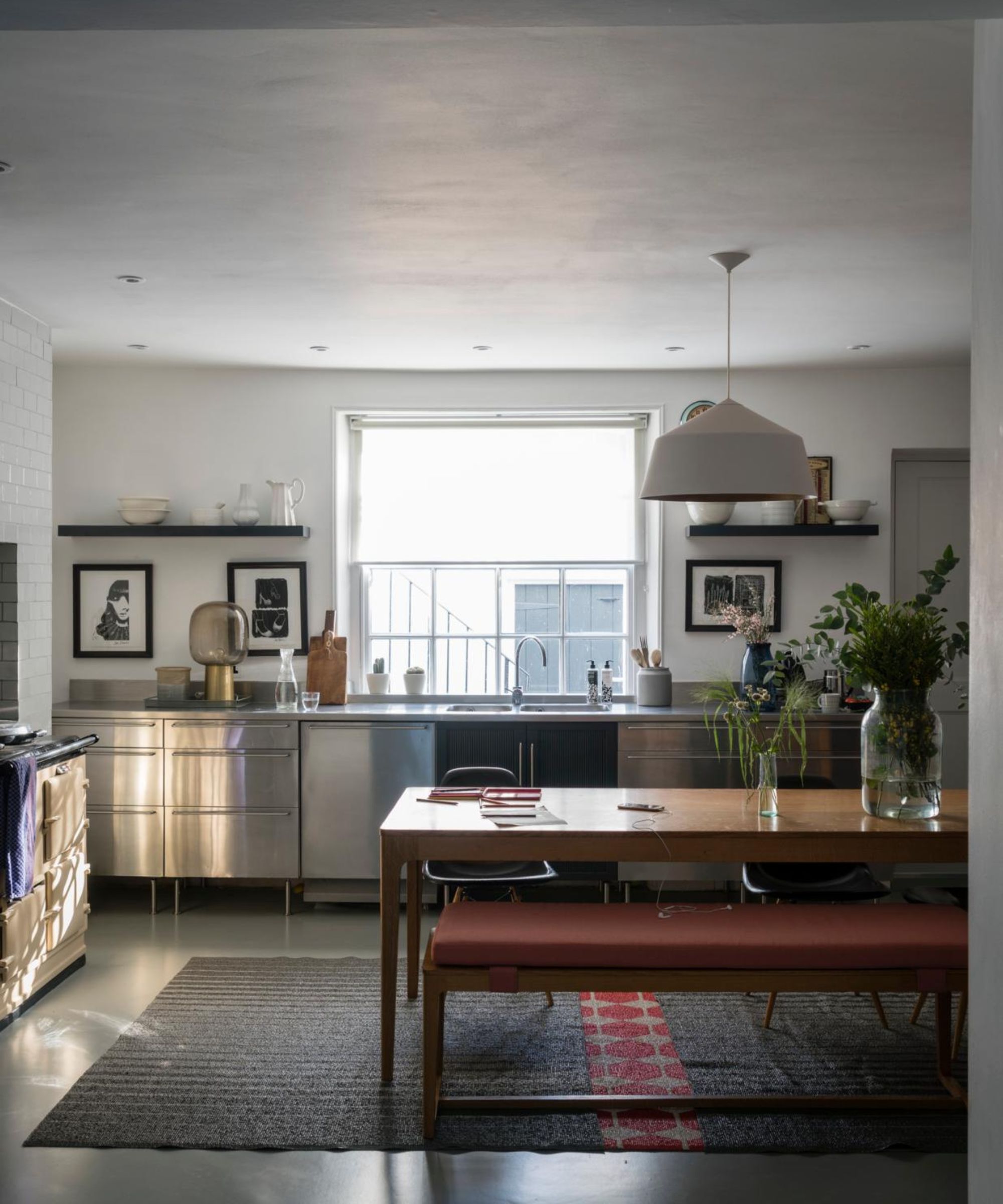
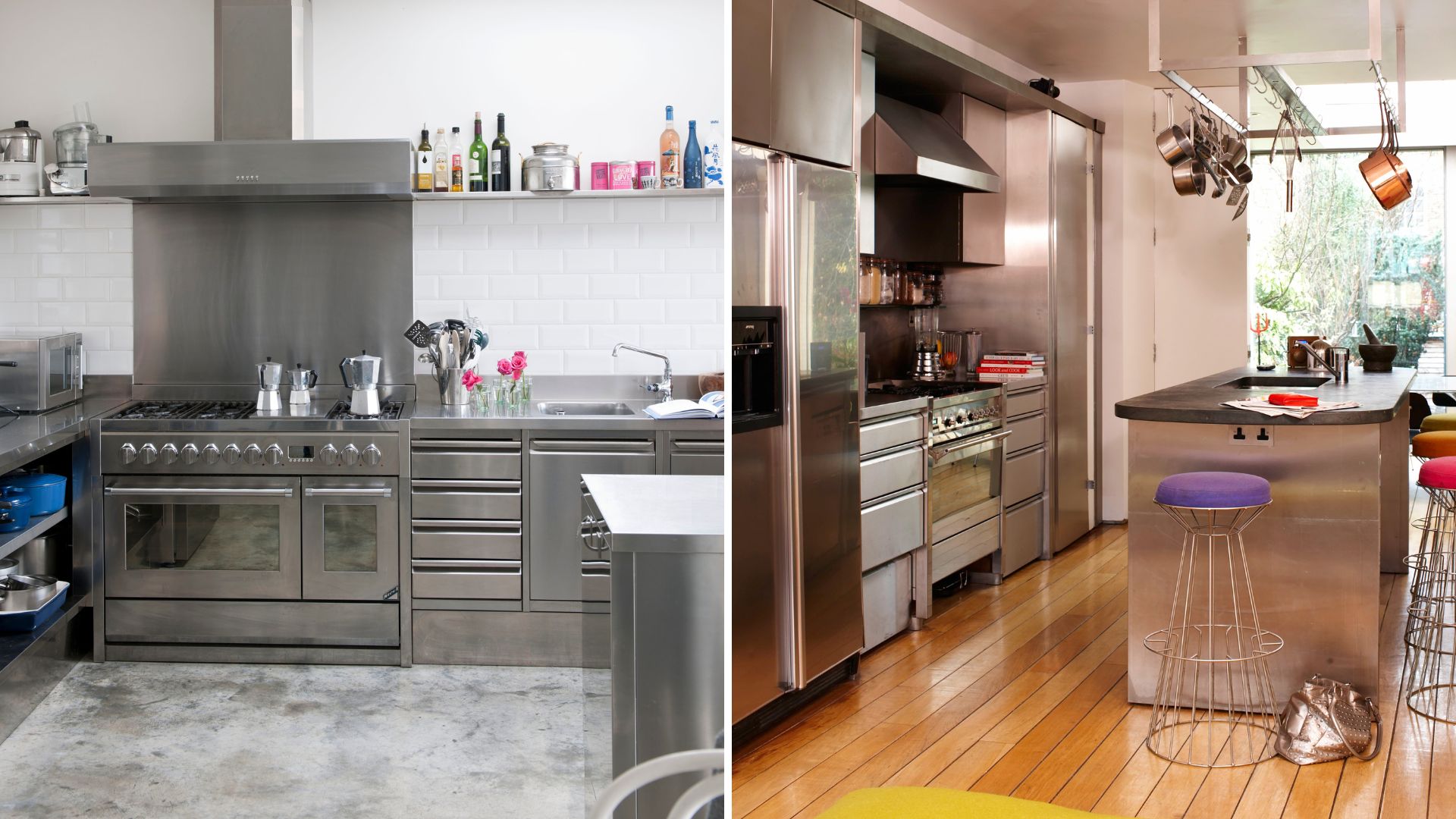
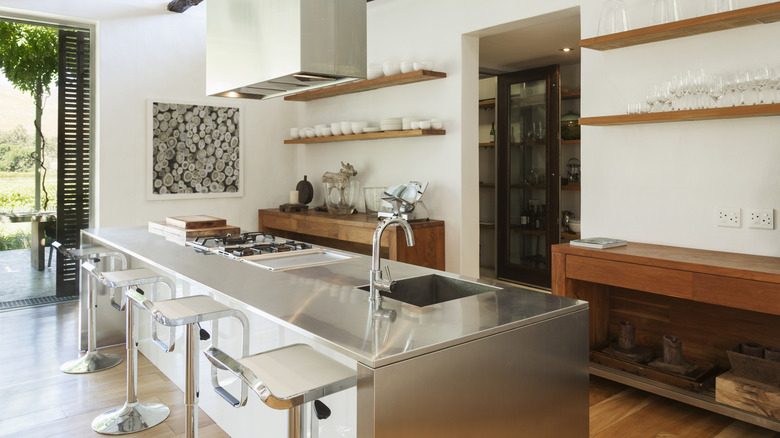
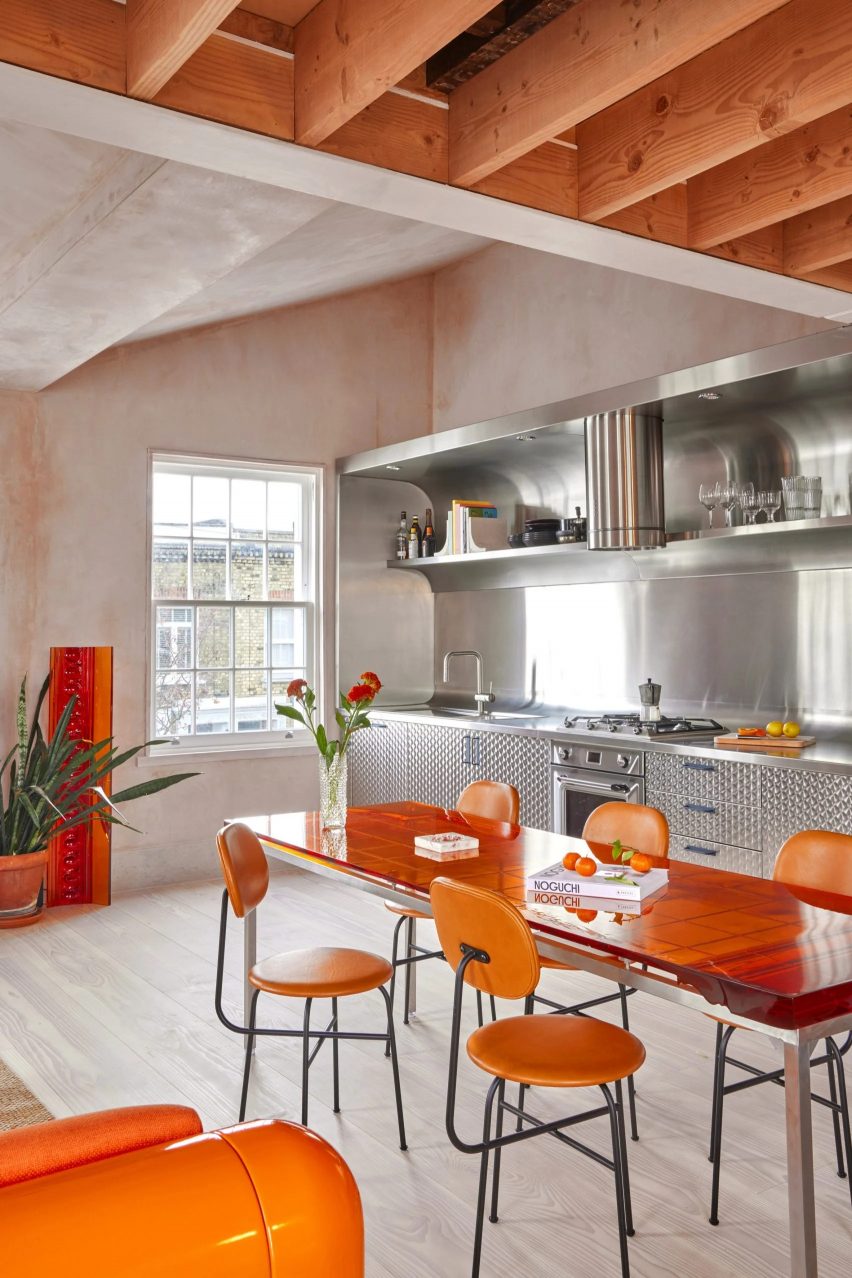
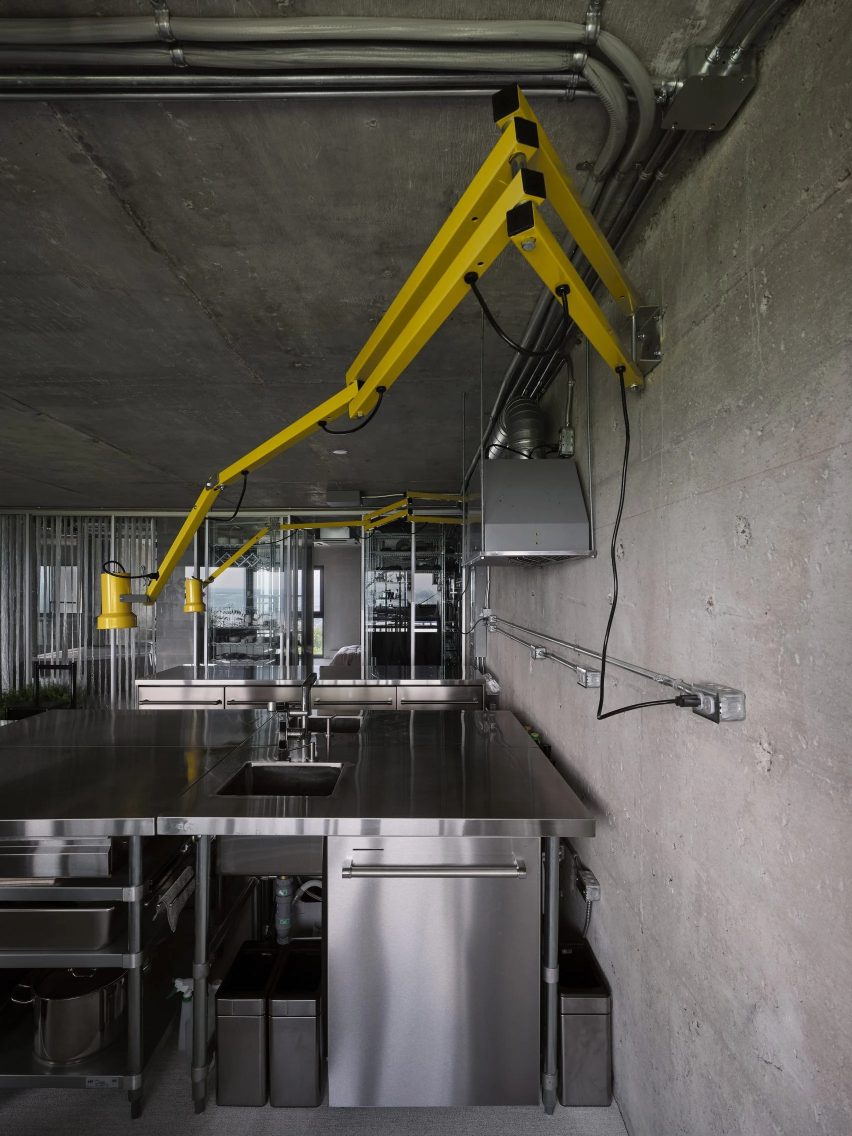
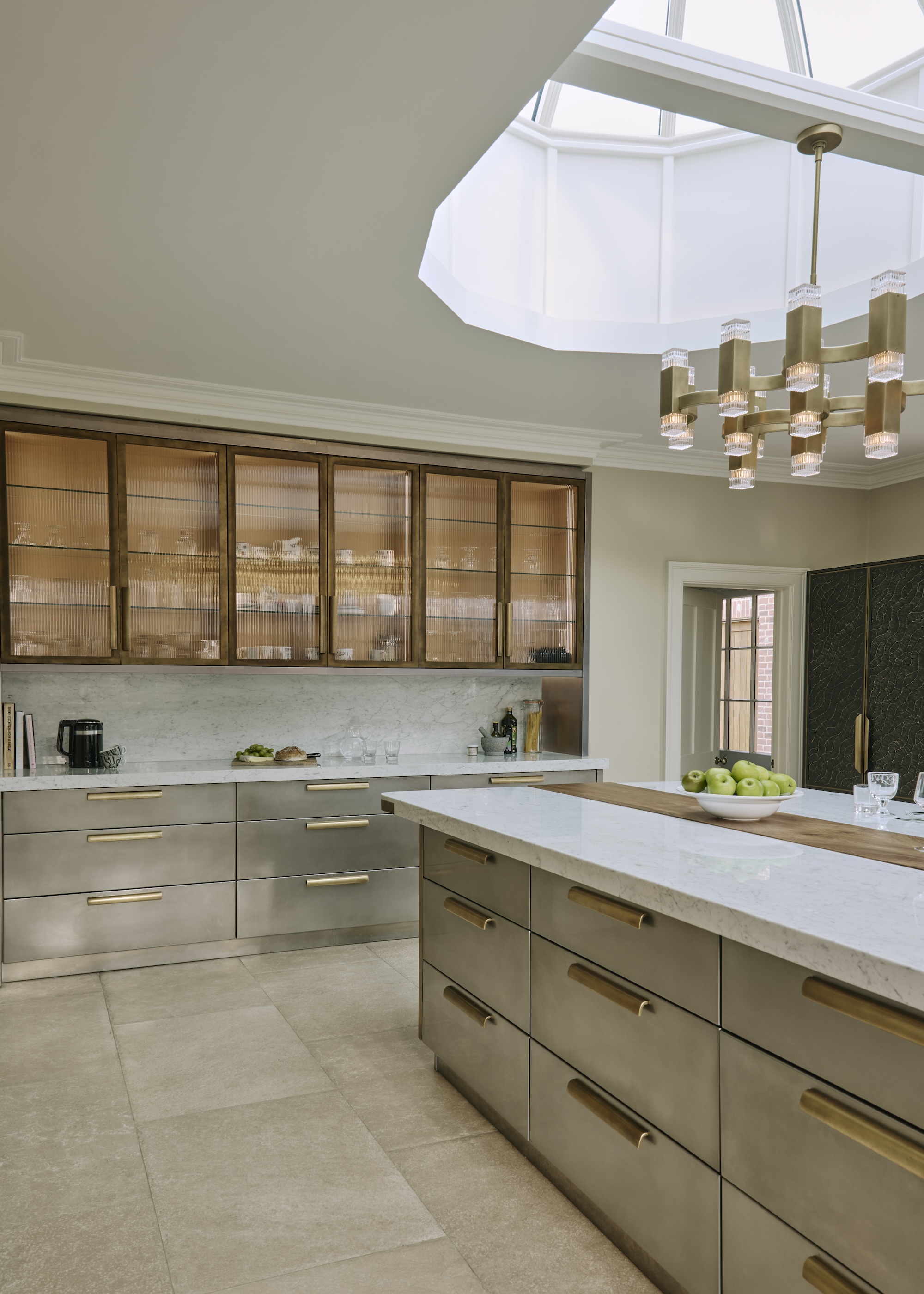
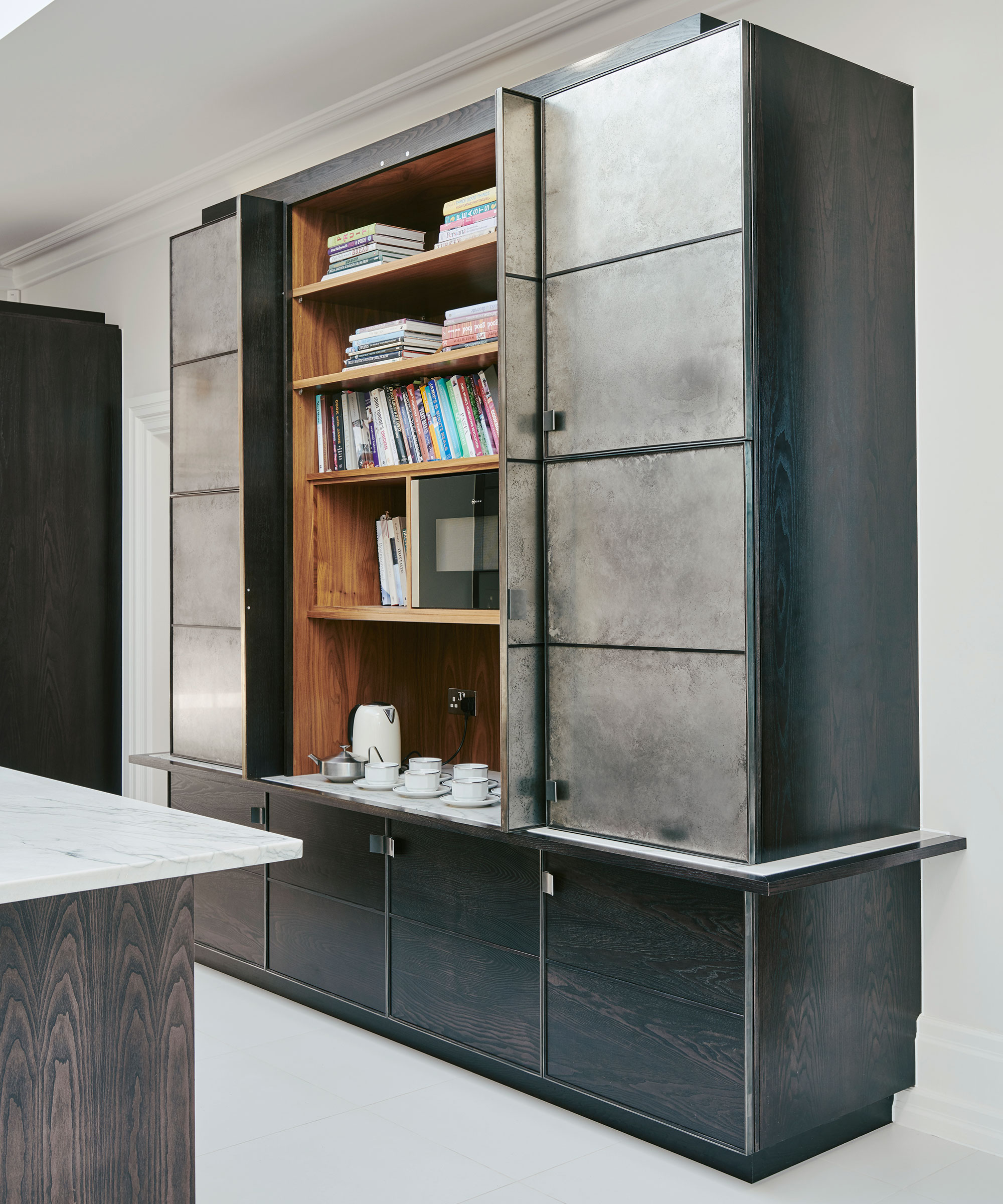
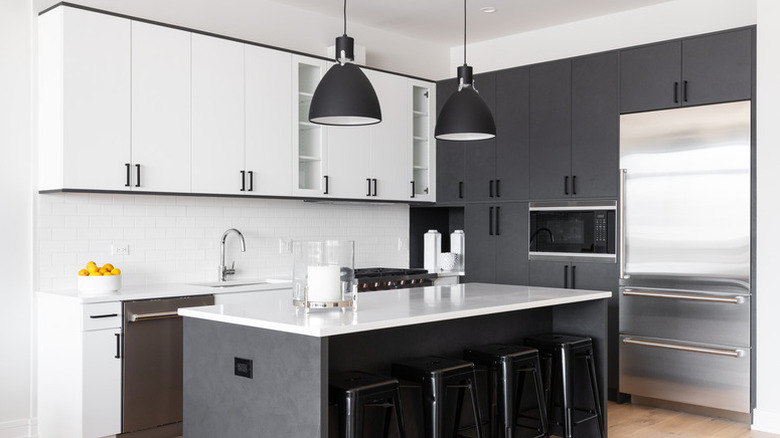
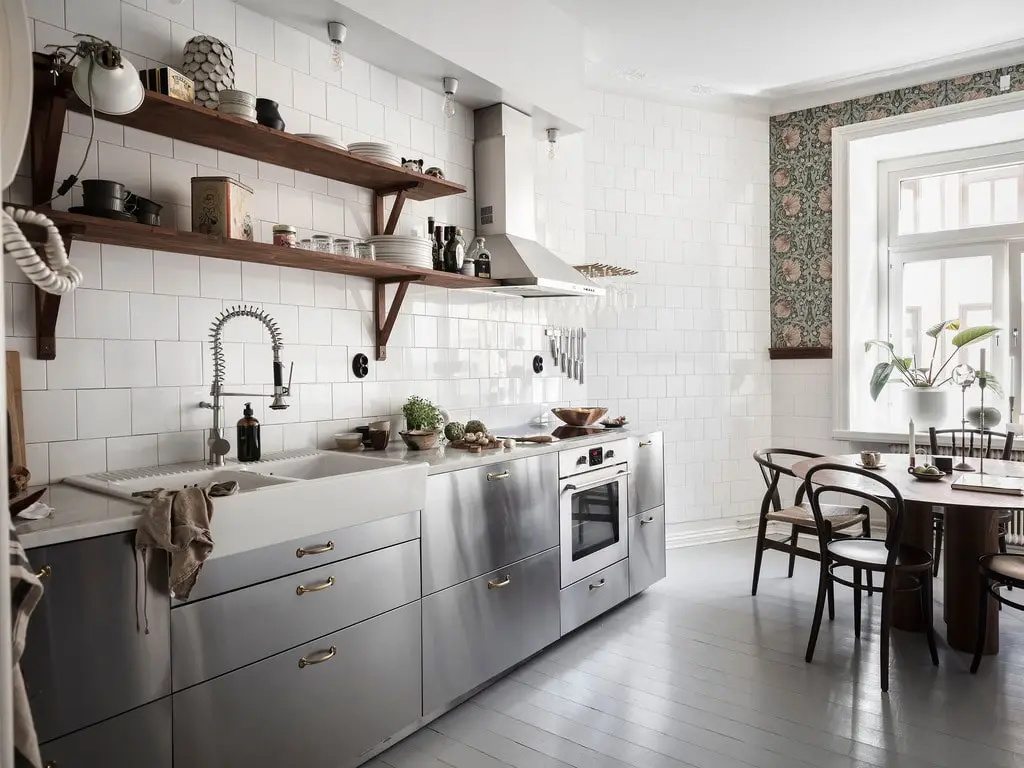
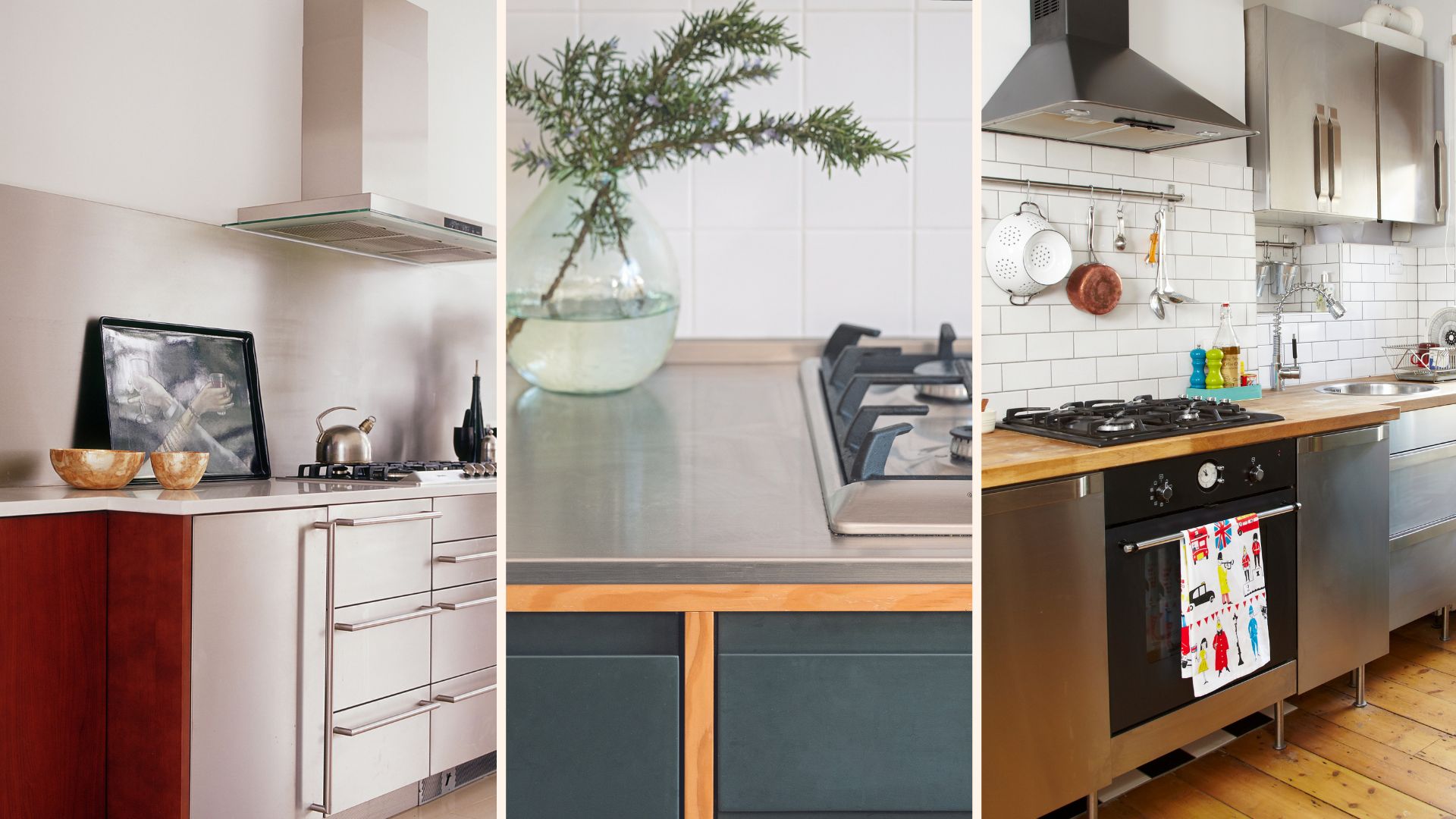
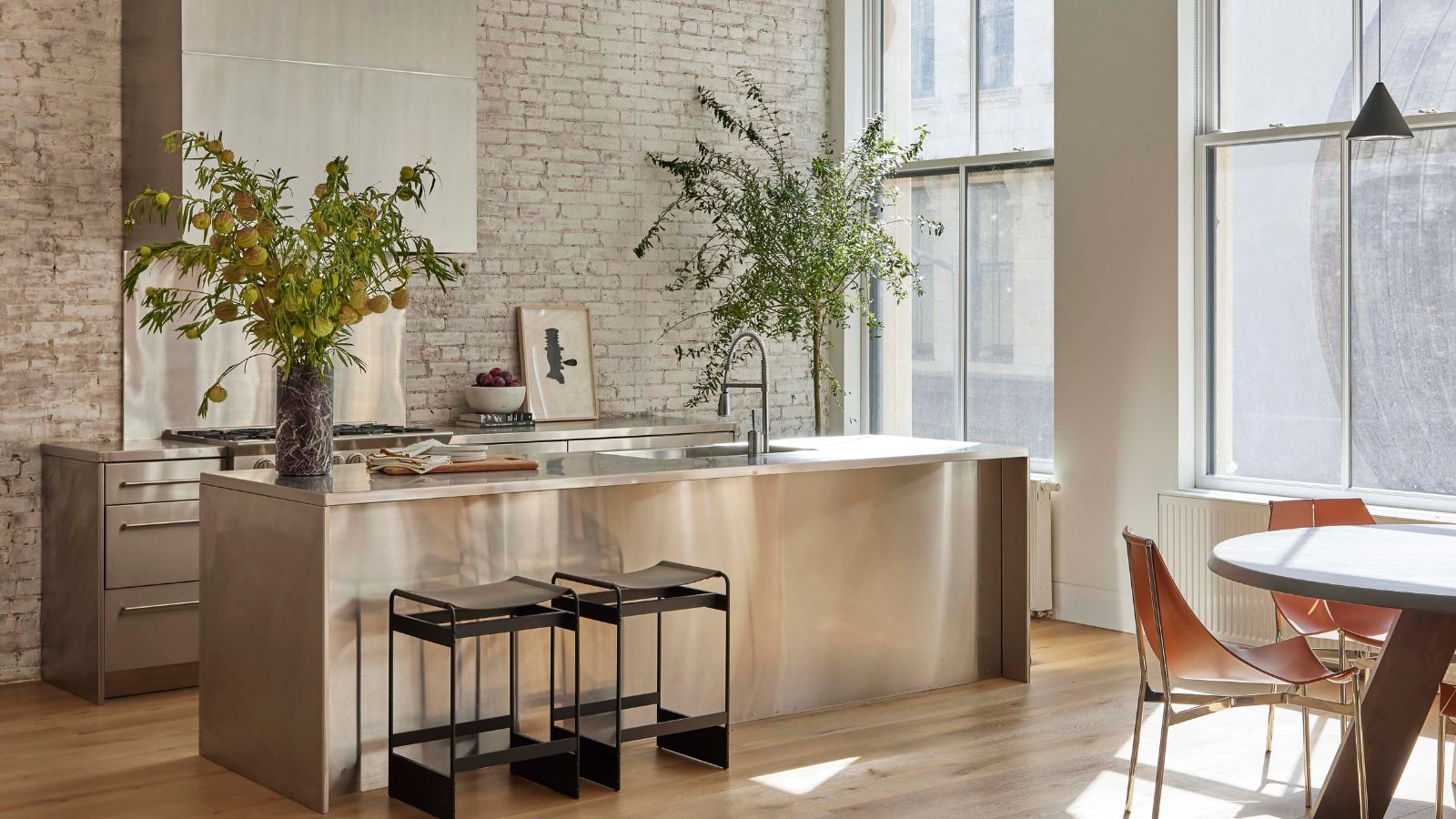
Jen Nash, head of design at Magnet, a U.K.-based kitchen retailer, suggests three primary approaches for integrating more stainless steel into kitchen designs. The first approach, termed “All-in,” involves a comprehensive application of stainless steel throughout the entire kitchen, including cabinets, islands, and appliances. This bold strategy aims to create a luxurious and impactful statement by utilizing a humble material in a maximalist fashion, imbuing the space with a sense of opulence and sophistication. To mitigate any potential harshness from an all-steel design, it is recommended to introduce contrasting elements such as textured tea towels or decorative dishes on open wooden shelving, which can incorporate natural materials and soften the overall look.
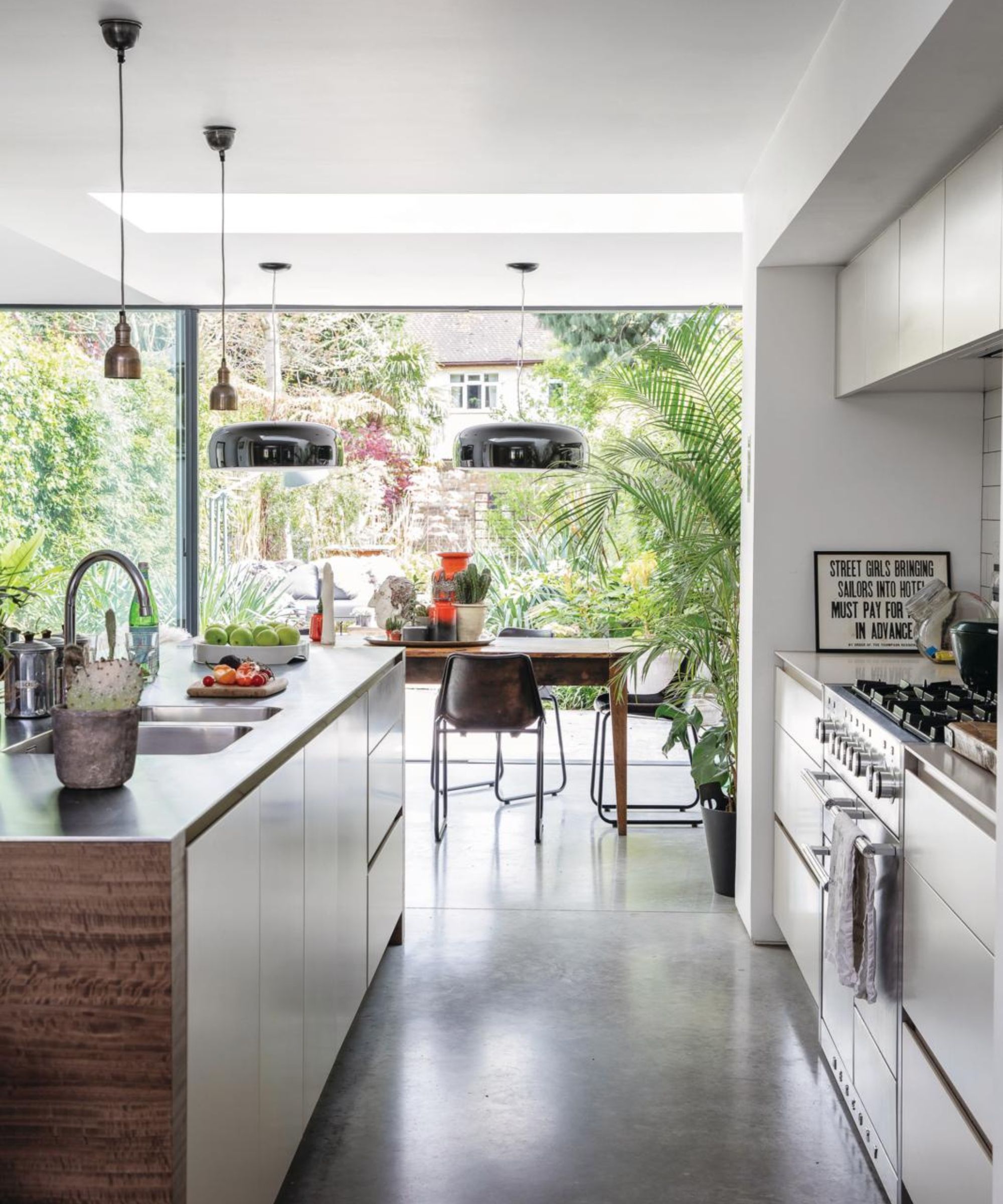
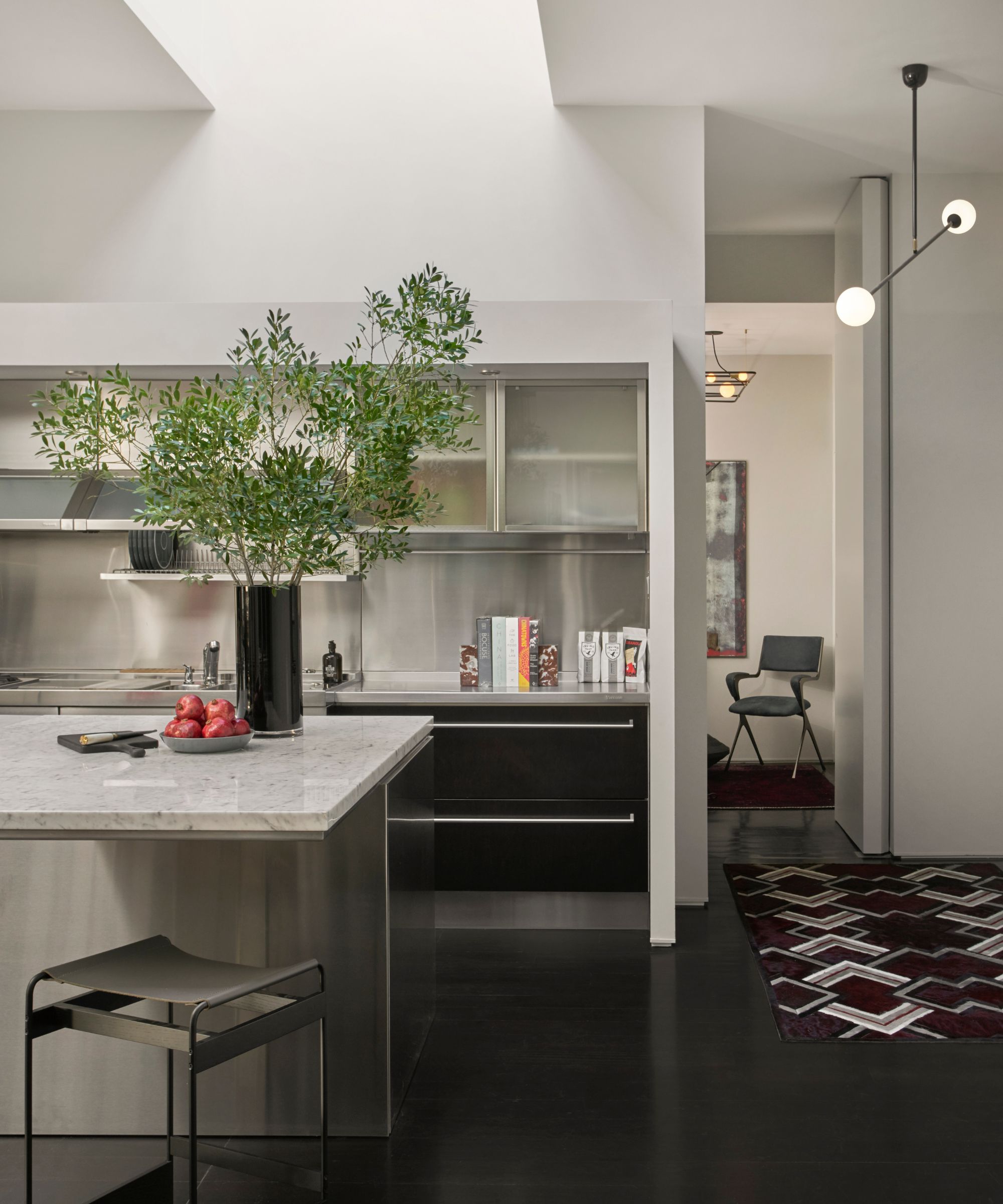
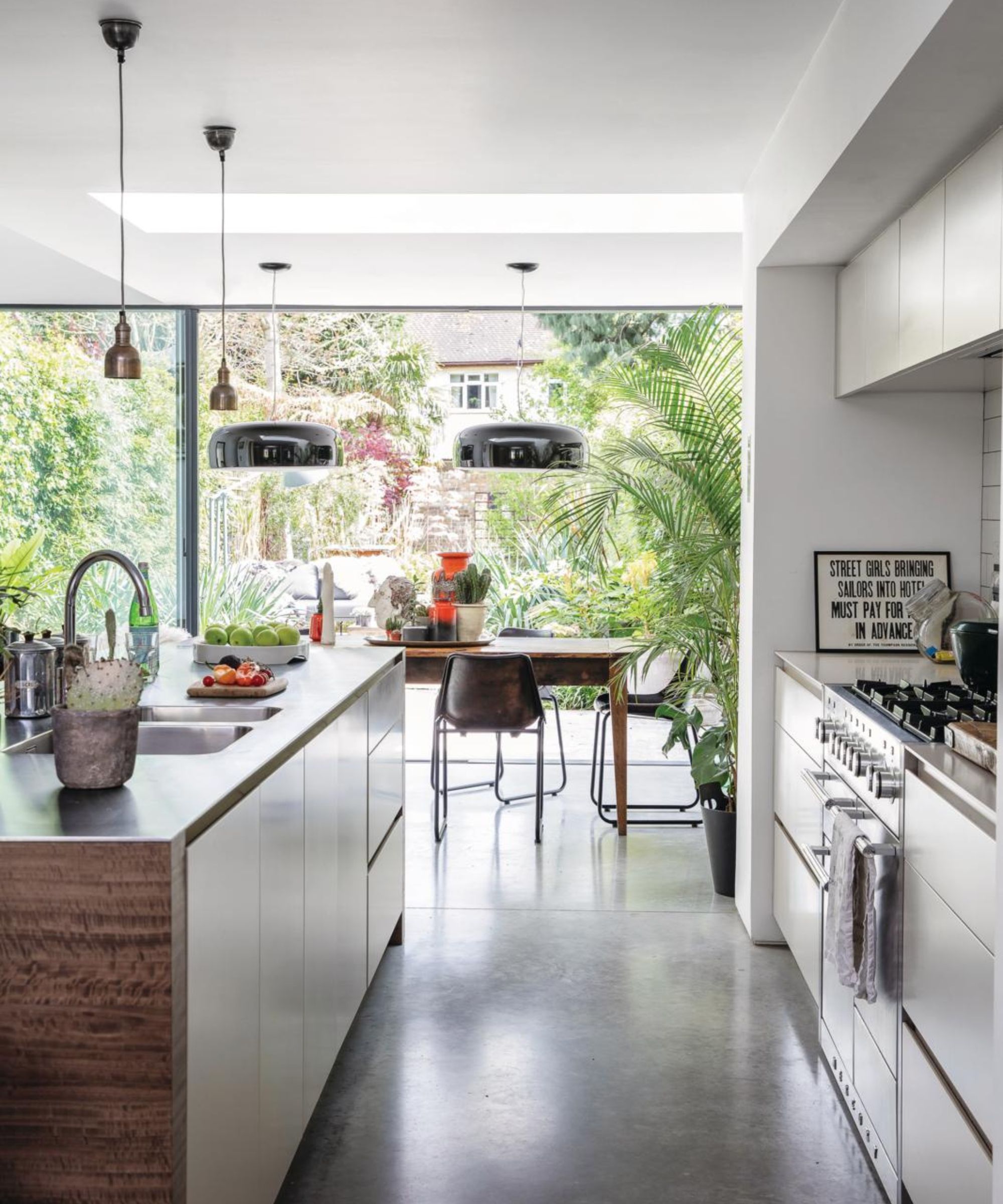
The second method, “Contrast,” advocates for a more selective use of stainless steel, focusing on key areas like countertops or kitchen islands. This approach involves pairing stainless steel with other materials, particularly more traditional cabinetry, to create a balanced interplay between cold and warm physicalities. The result is a unique blend of industrial and organic elements, forming a distinct design statement.
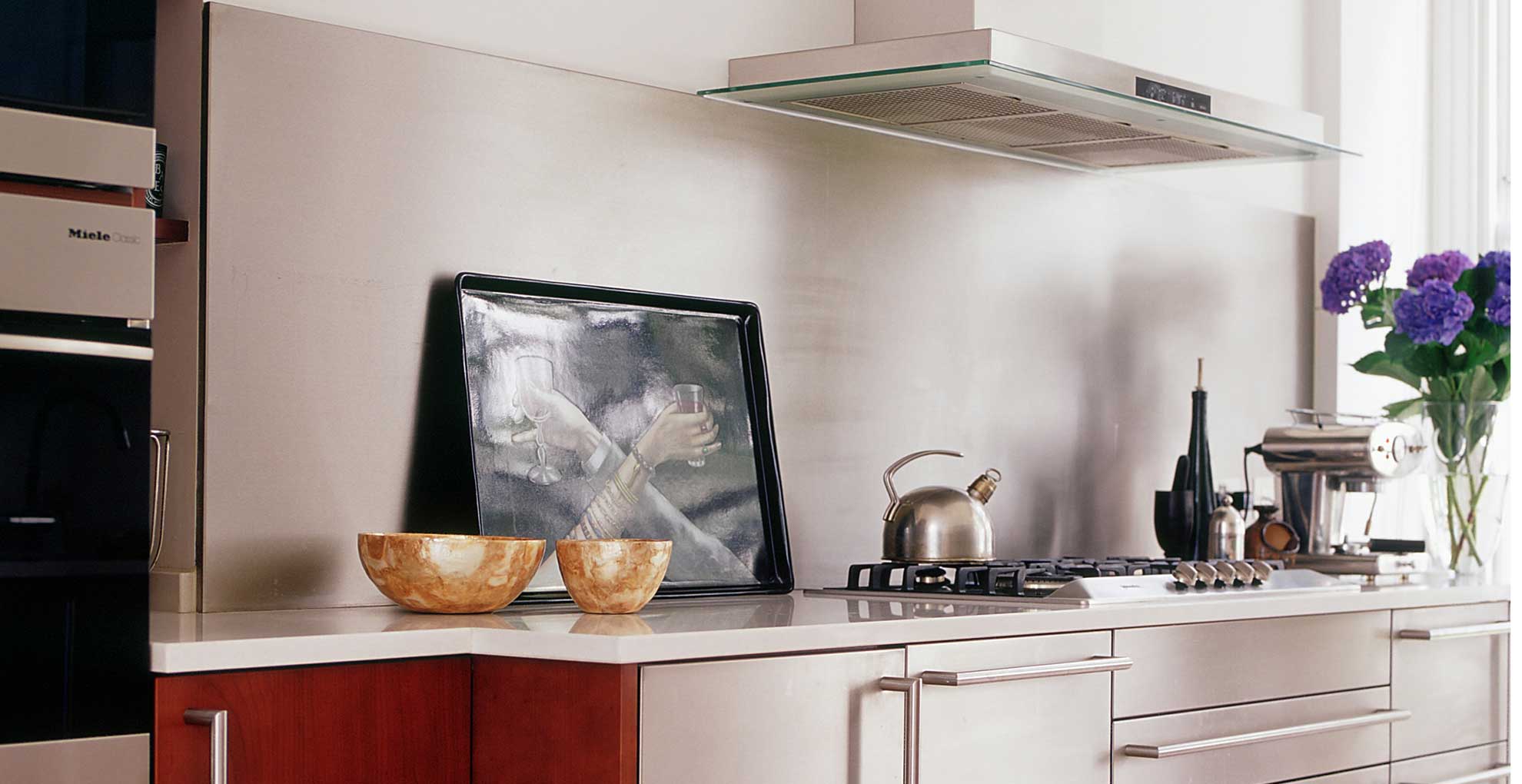
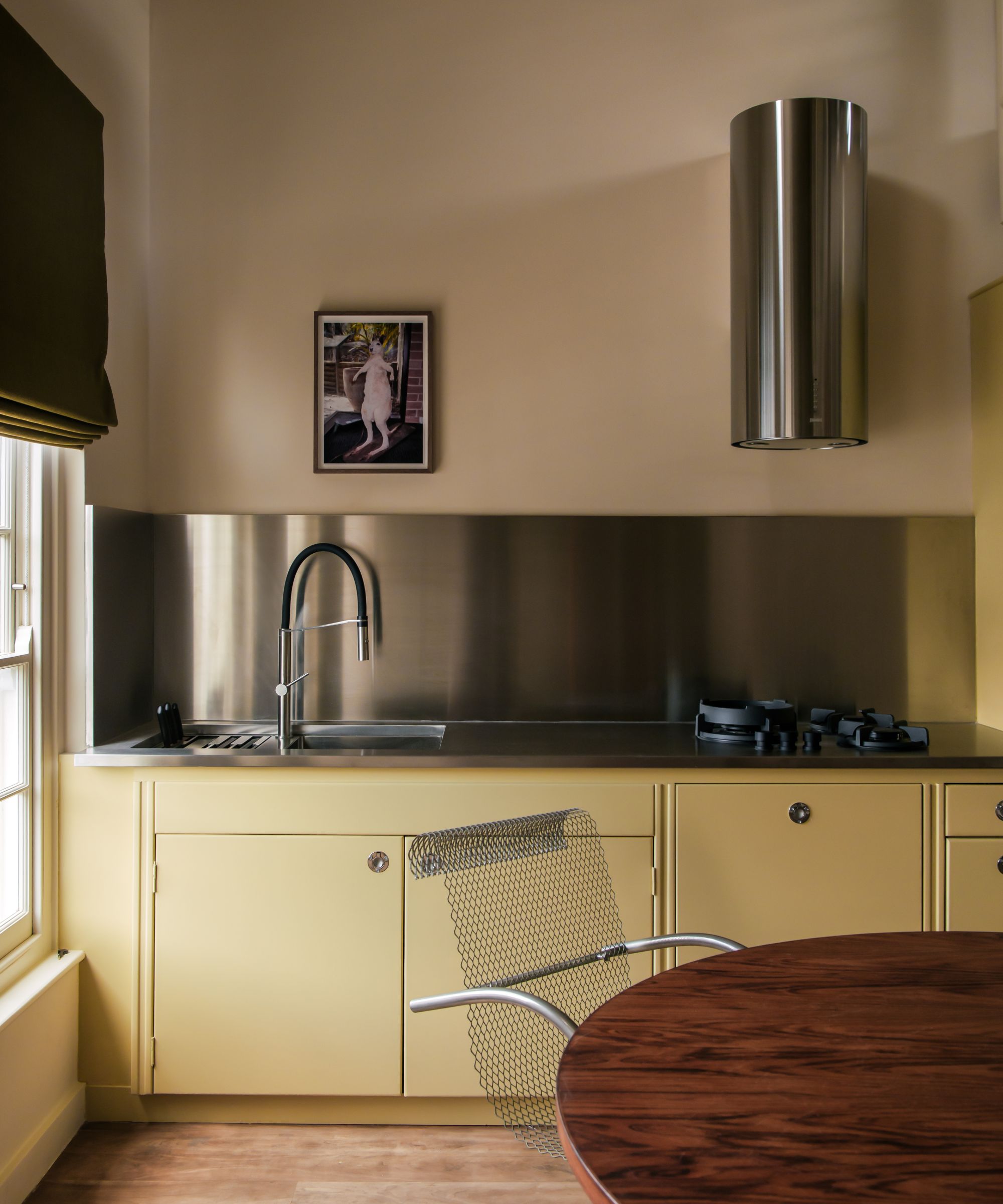
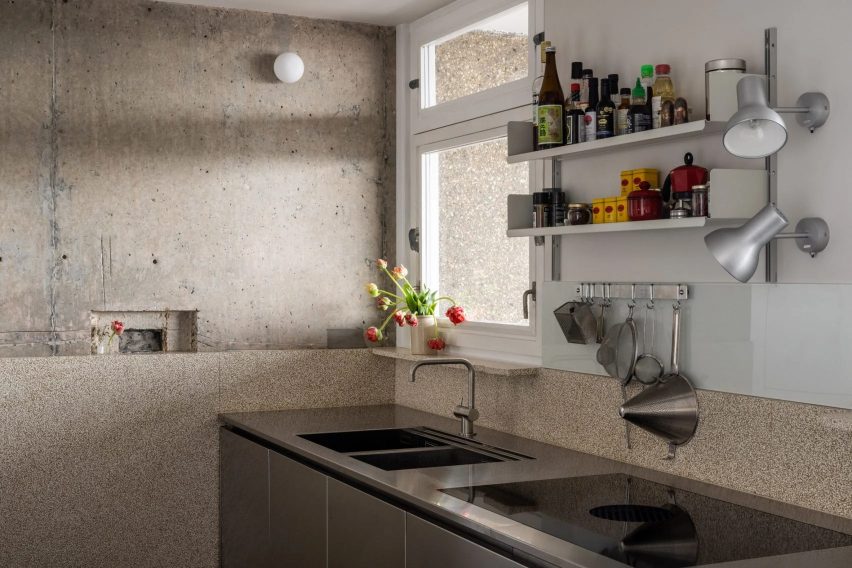
Finally, the third suggestion is to incorporate “Backsplashes” made of stainless steel. While this might seem like a minor application, Nash emphasizes its significant impact. A stainless steel backsplash contributes to a clean and contemporary appearance and, due to its reflective surface, can visually enlarge the space. Furthermore, stainless steel backsplashes are highly resilient to the heat generated during cooking. Despite their hardiness, regular cleaning with gentle, natural agents and a polishing cloth is advised to prevent scratches and maintain their pristine condition, avoiding abrasive sponges.
#HomeTrends #KitchenDesign #StainlessSteel #InteriorDesign #DesignTrends #KitchenRemodel #ModernKitchen #HomeRenovation #HomeDecor #HomeTrends #KitchenDesign #StainlessSteel #InteriorDesign #DesignTrends #KitchenRemodel #ModernKitchen #HomeRenovation #HomeDecor
0 ความคิดเห็นรวม
 ยังไม่มีความคิดเห็น
คุณอาจจะชอบอีกด้วย
This unexpected kitchen design is everywhere right now

Eight characterful kitchens with sleek metal details
Top kitchen trends of 2024: Where to invest and what to avoid
The Kitchen Appliance Color Mistake That Makes Interior Designers Cringe

Design expert reveals why we'll be seeing more stainless steel kitchens in 2024


Diane Keaton’s 1990s Kitchen Combines Stainless Steel Islands, Chef-Inspired Cabinets, and Industrial Design to Inspire Modern Interior Trends
Design Experts Agree: This Kitchen Style Is Making a Major Comeback
Designers are leaving these outdated kitchen trends in 2022 – some of their choices might shock you

Are stainless steel countertops a good idea?
Kitchen trends
What’s Hot in Kitchen Trends Right Now

7 Kitchen Trends You’ll Be Seeing Everywhere This Year
The Industrial-Chic Kitchen Countertop Trend That'll Be Everywhere In 2026

The 90s Kitchen Trends We're Seeing Come Back in 2025 — 5 Features Making Waves in Modern Designs
Stainless Steel in Interior Design: Transforming Spaces with Industrial Elegance

13 Trending Kitchen Islands That You'll See in All the Coolest Schemes Next Year
The best colors for kitchen appliances, according to interiors experts
2024 kitchen design trends in San Diego, California

5 spaces proving the metallic kitchen trend is back for 2025
The Sleek Cabinet Trend That Has Been Quietly Sneaking Into Modern Kitchens