1/22
Stainless Steel in Interior Design: Transforming Spaces with Industrial Elegance
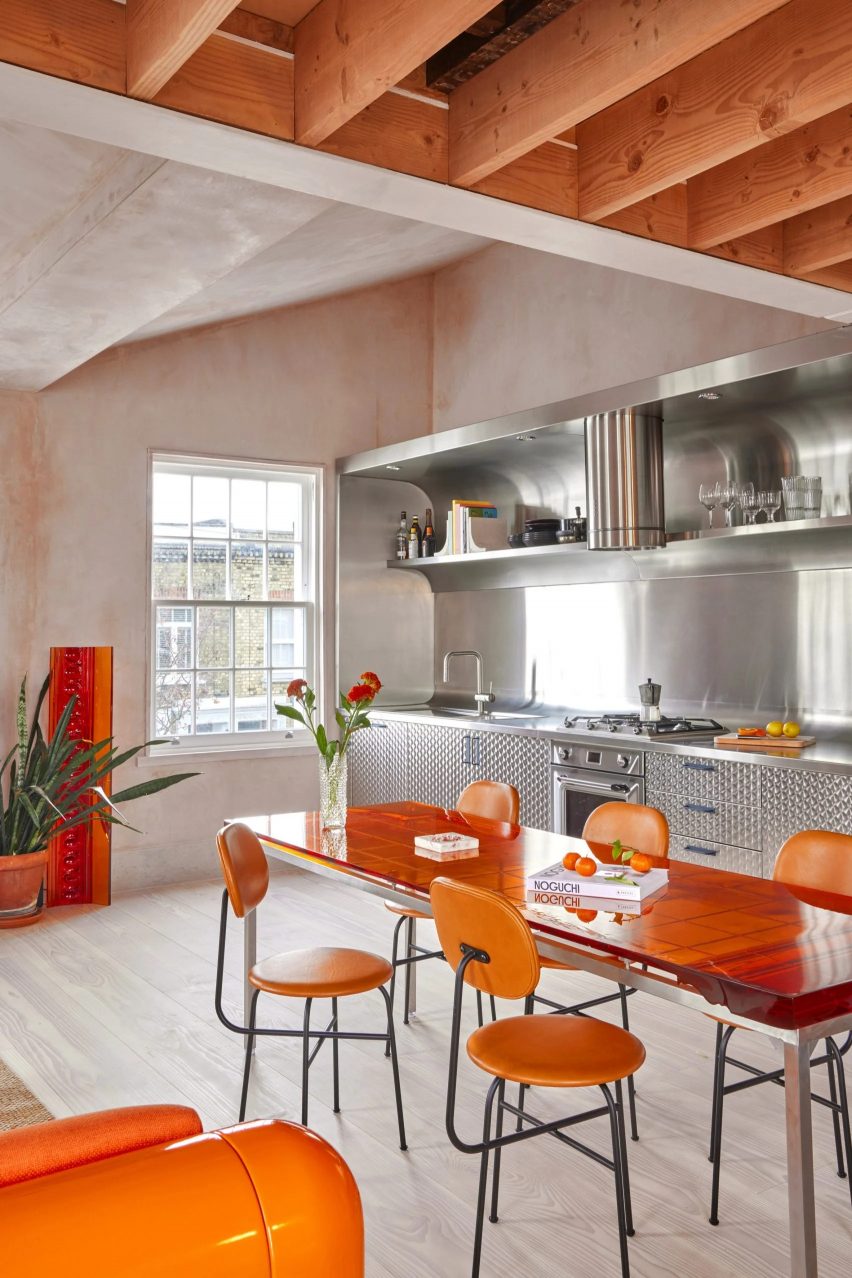
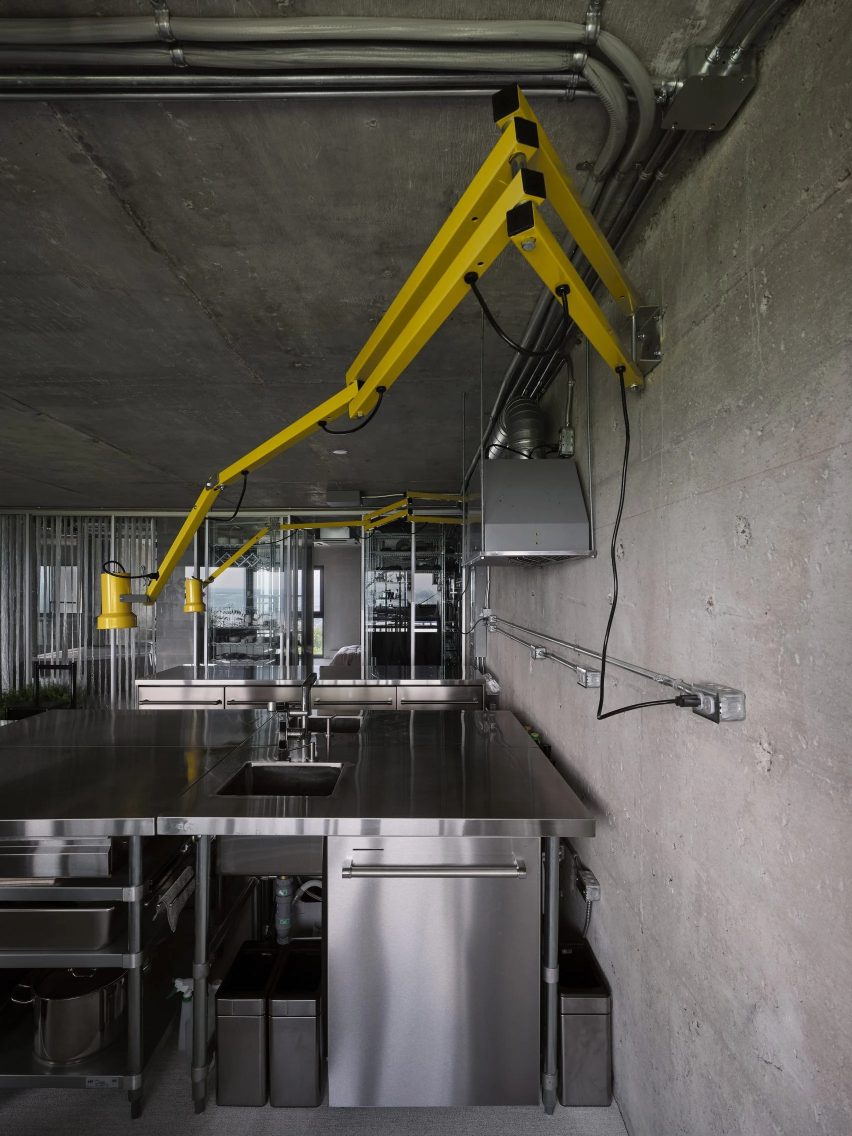
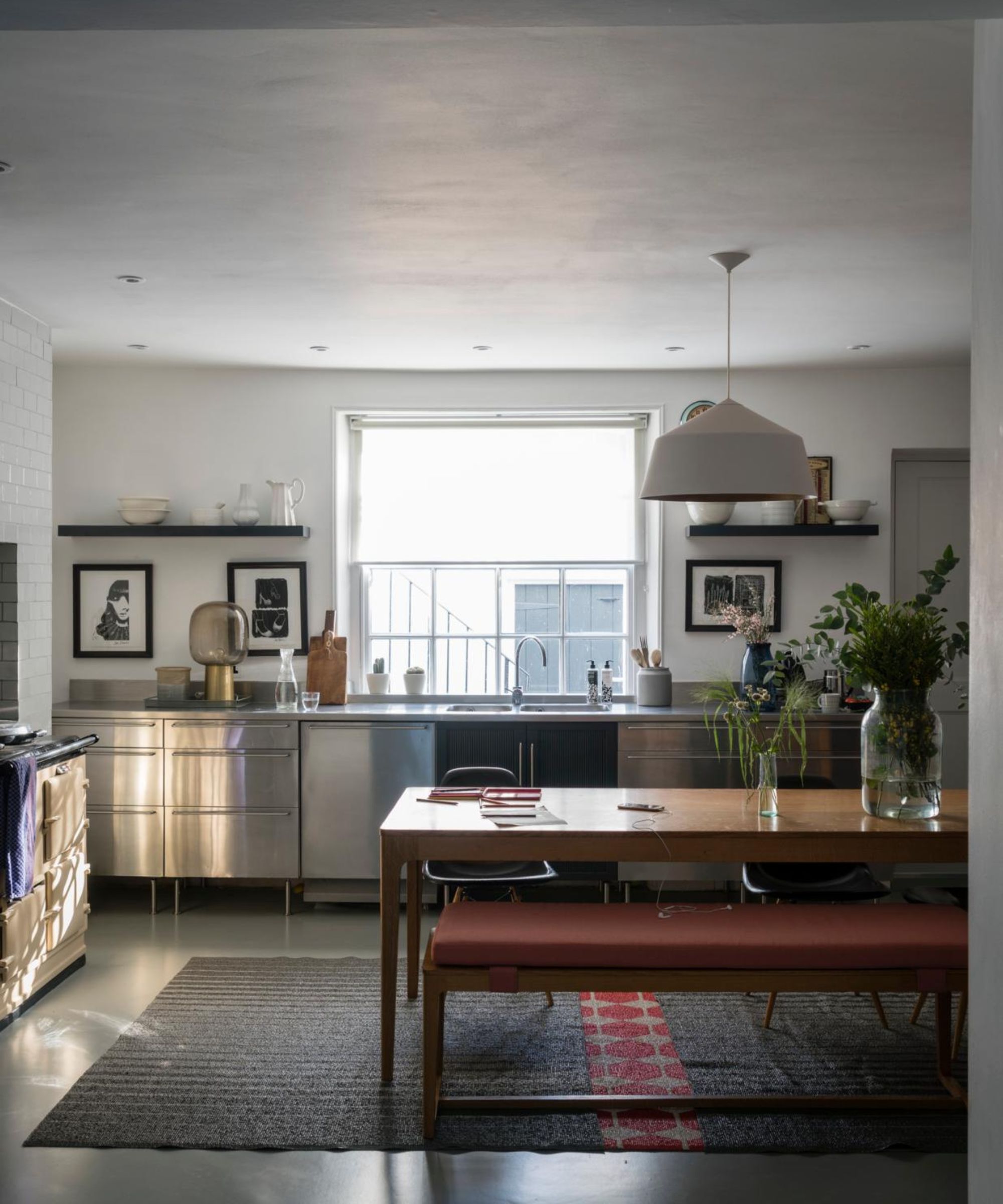
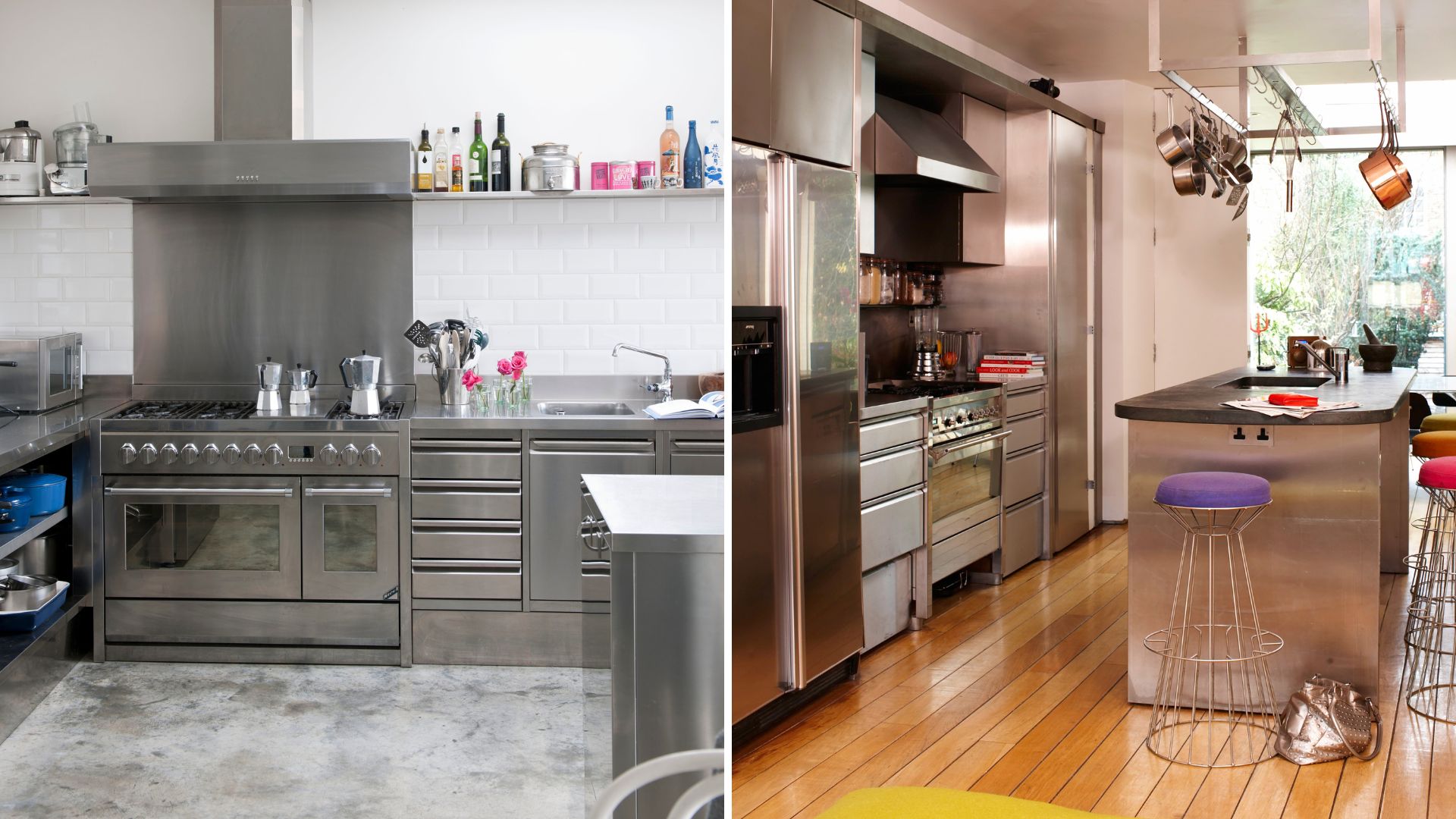
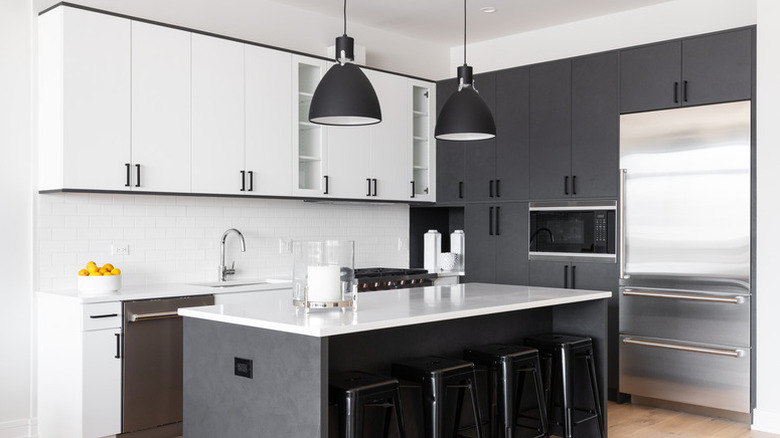
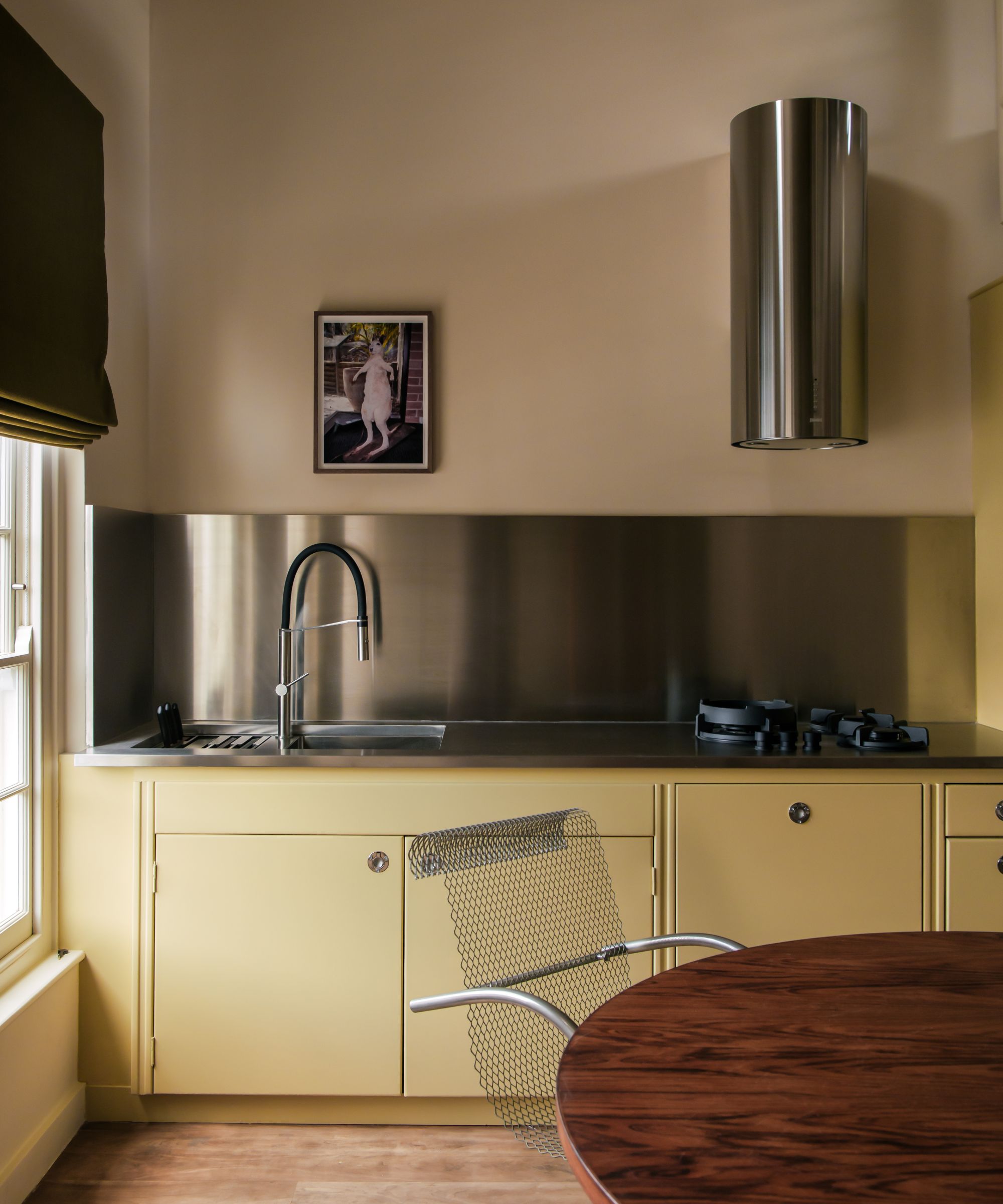
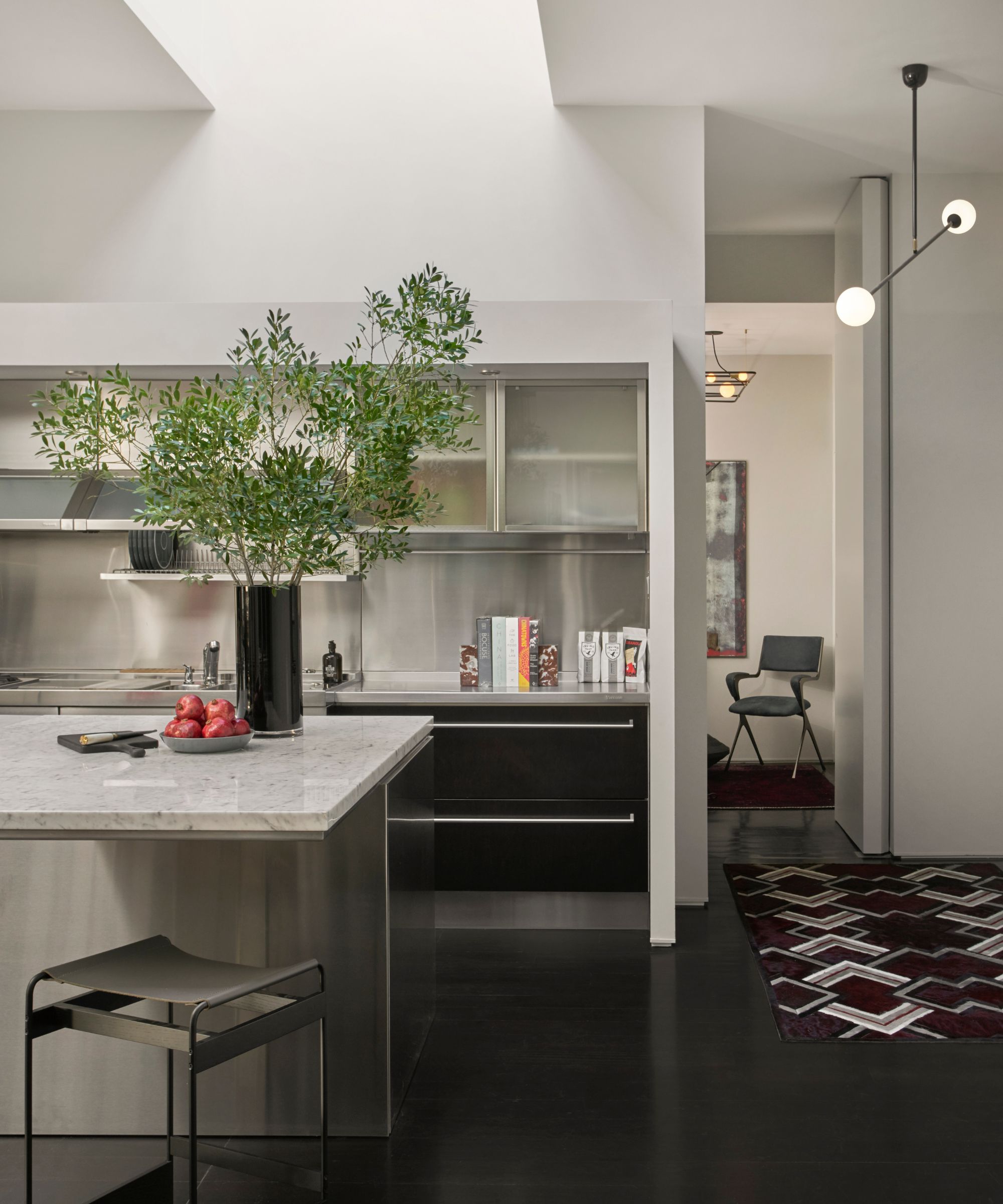
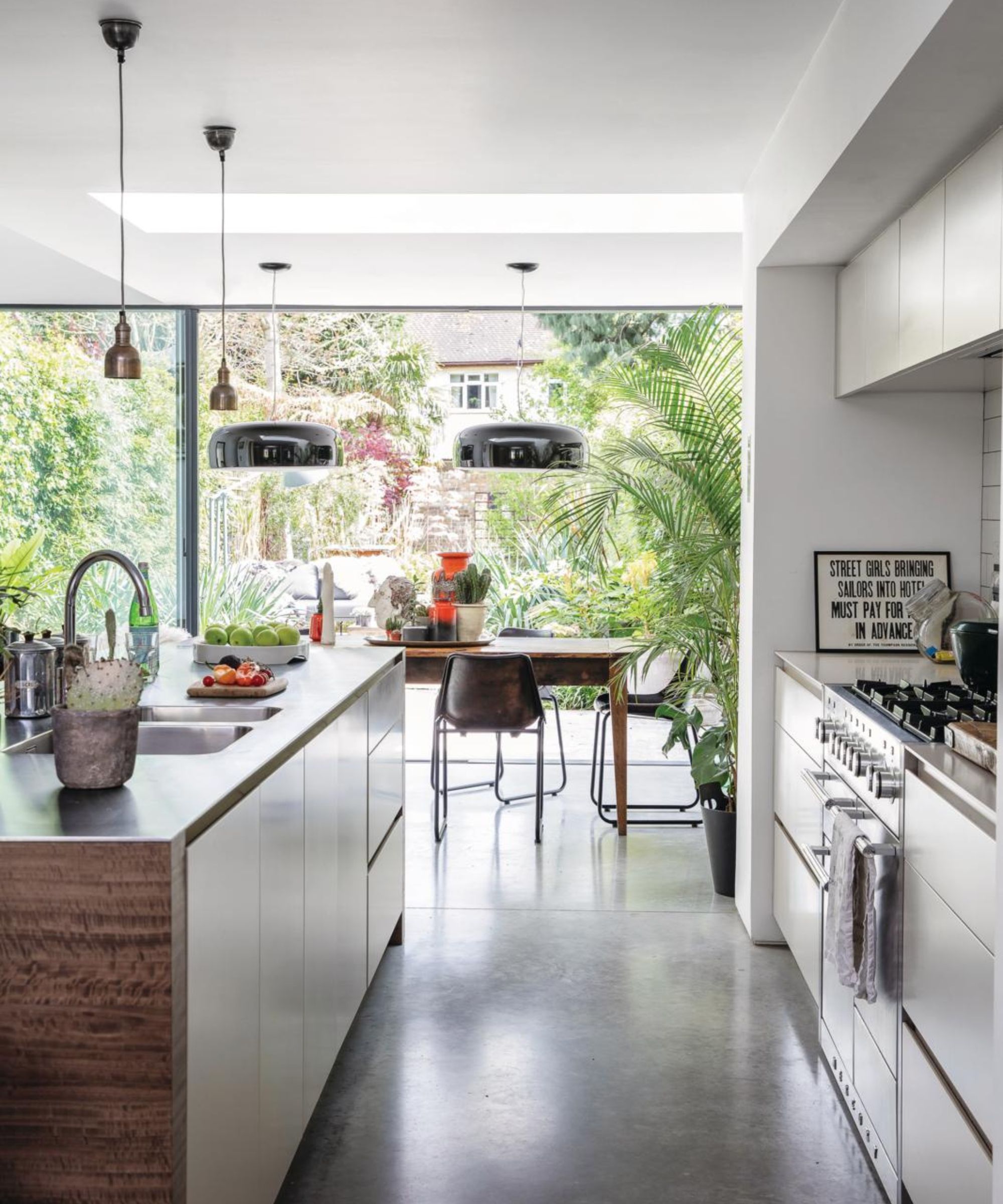
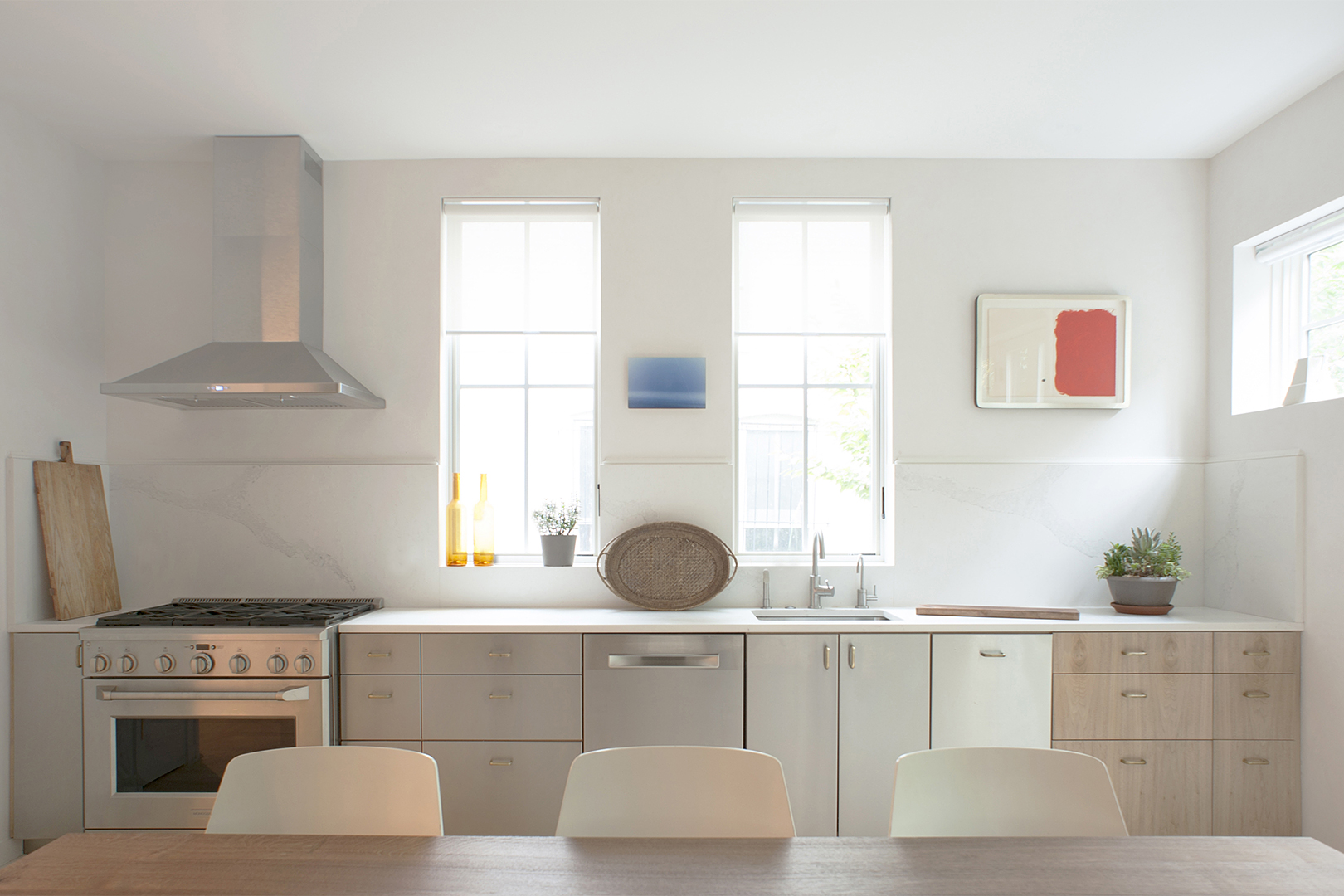
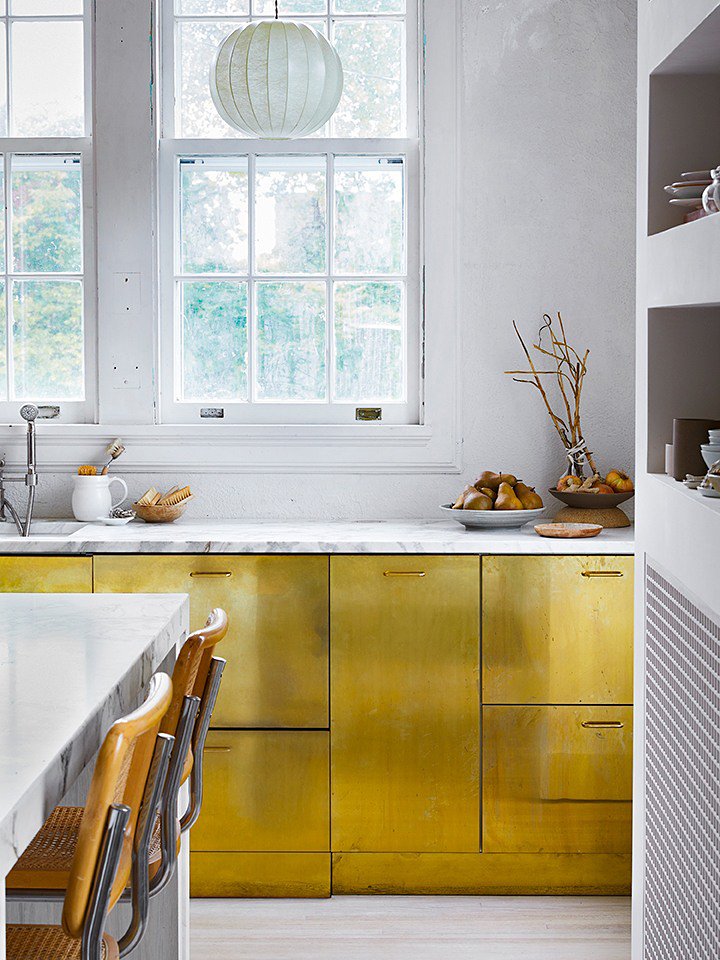
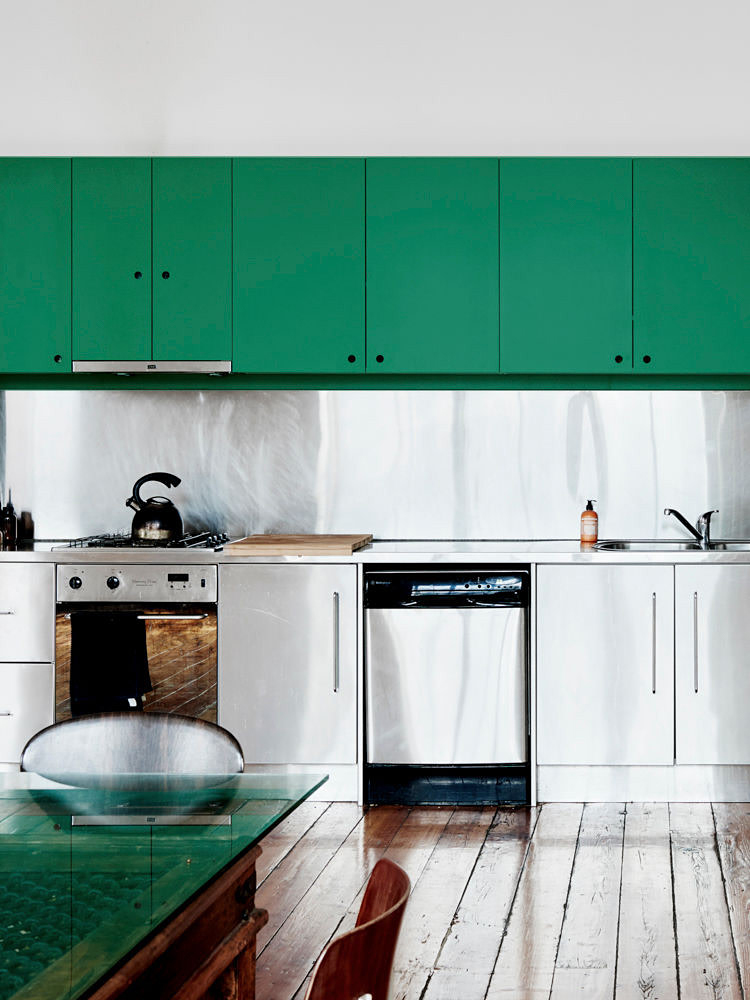
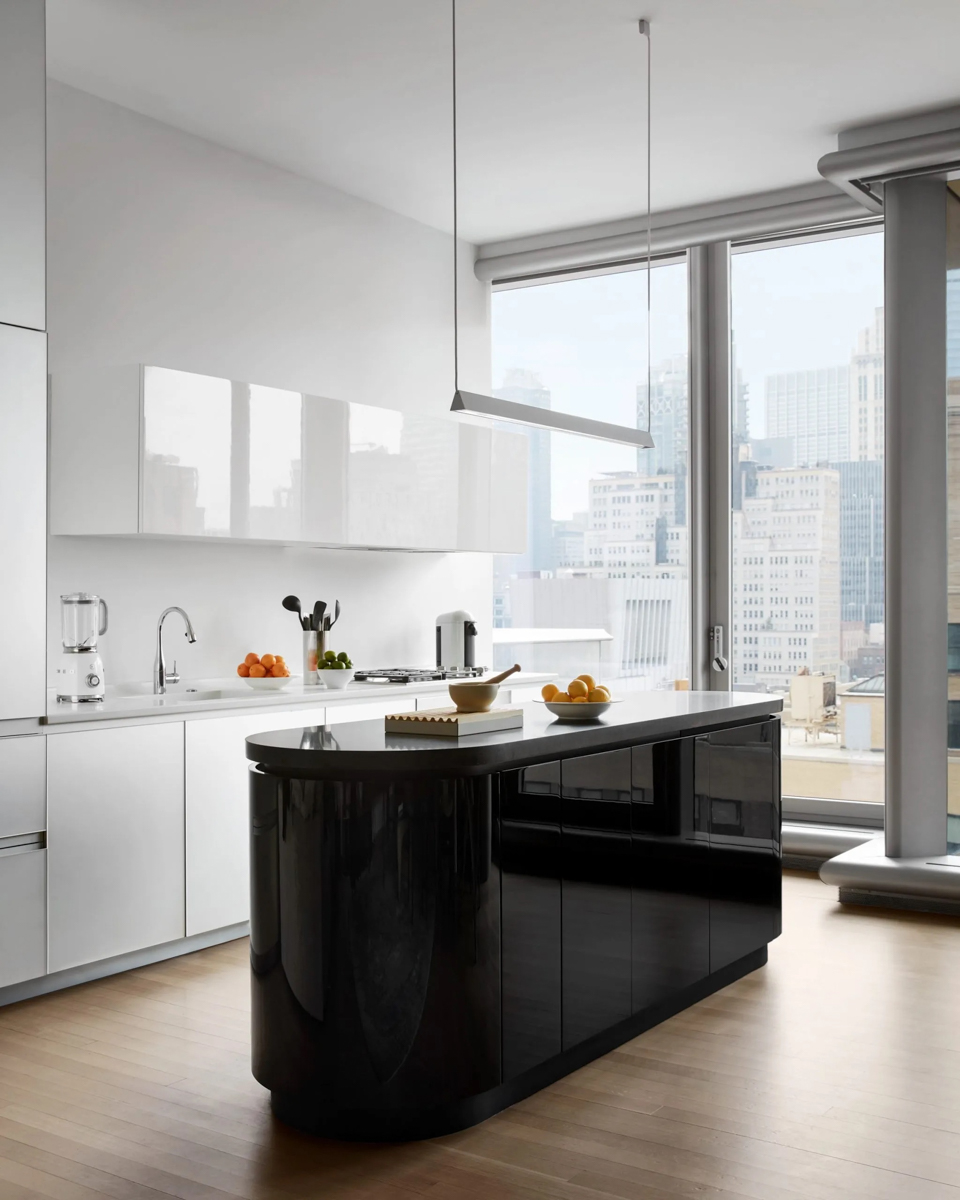
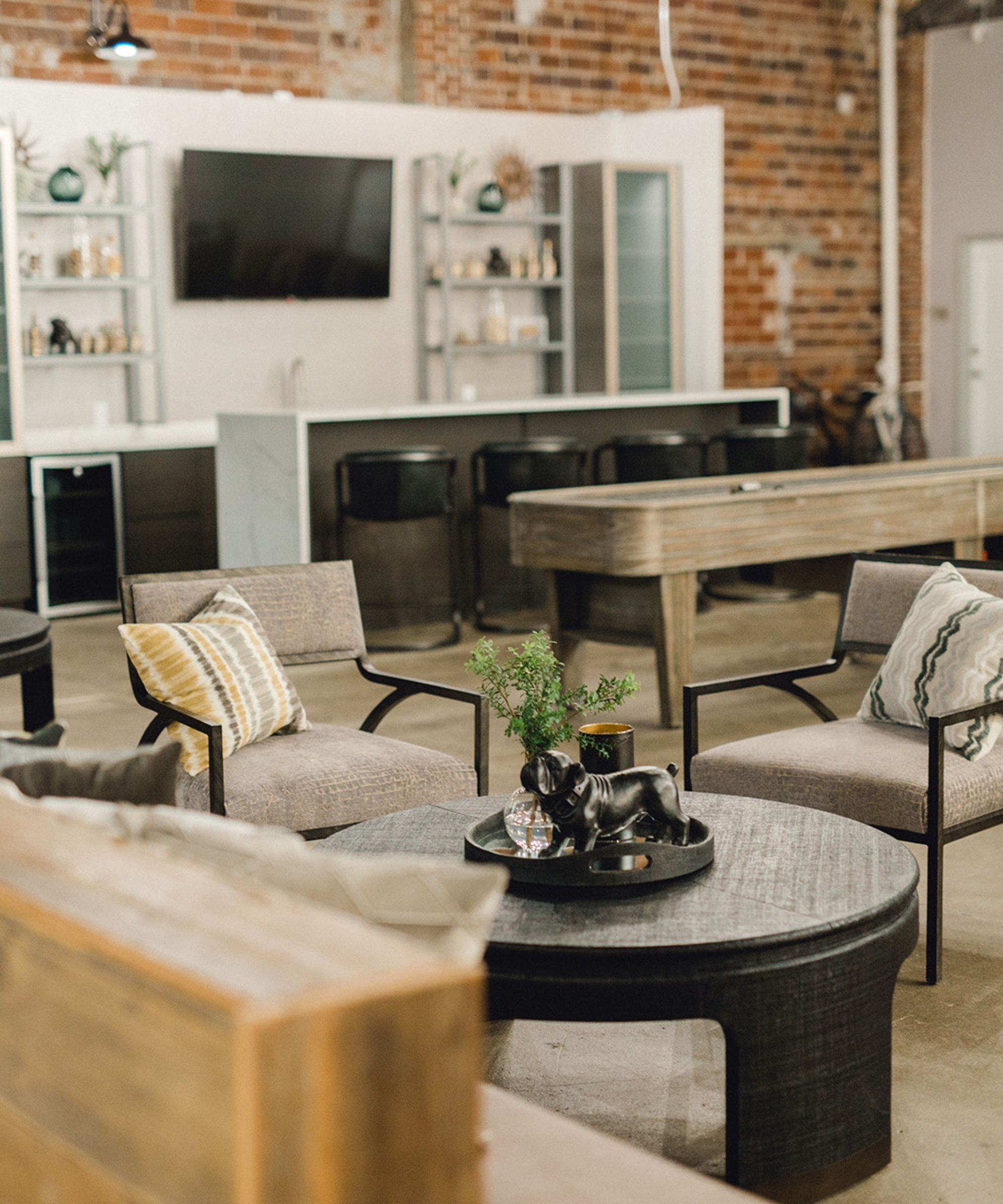
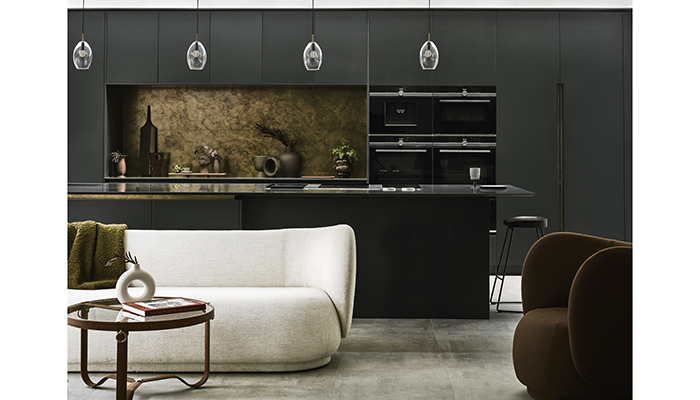
The article highlights stainless steel as a prominent interior design trend, frequently paired with concrete and grey tones, creating sophisticated industrial aesthetics. This material, often perceived as cold, is gaining popularity for its versatility and functional properties. Stainless steel's increasing use is detailed through various applications, including kitchens, bathrooms, commercial spaces, and furniture.
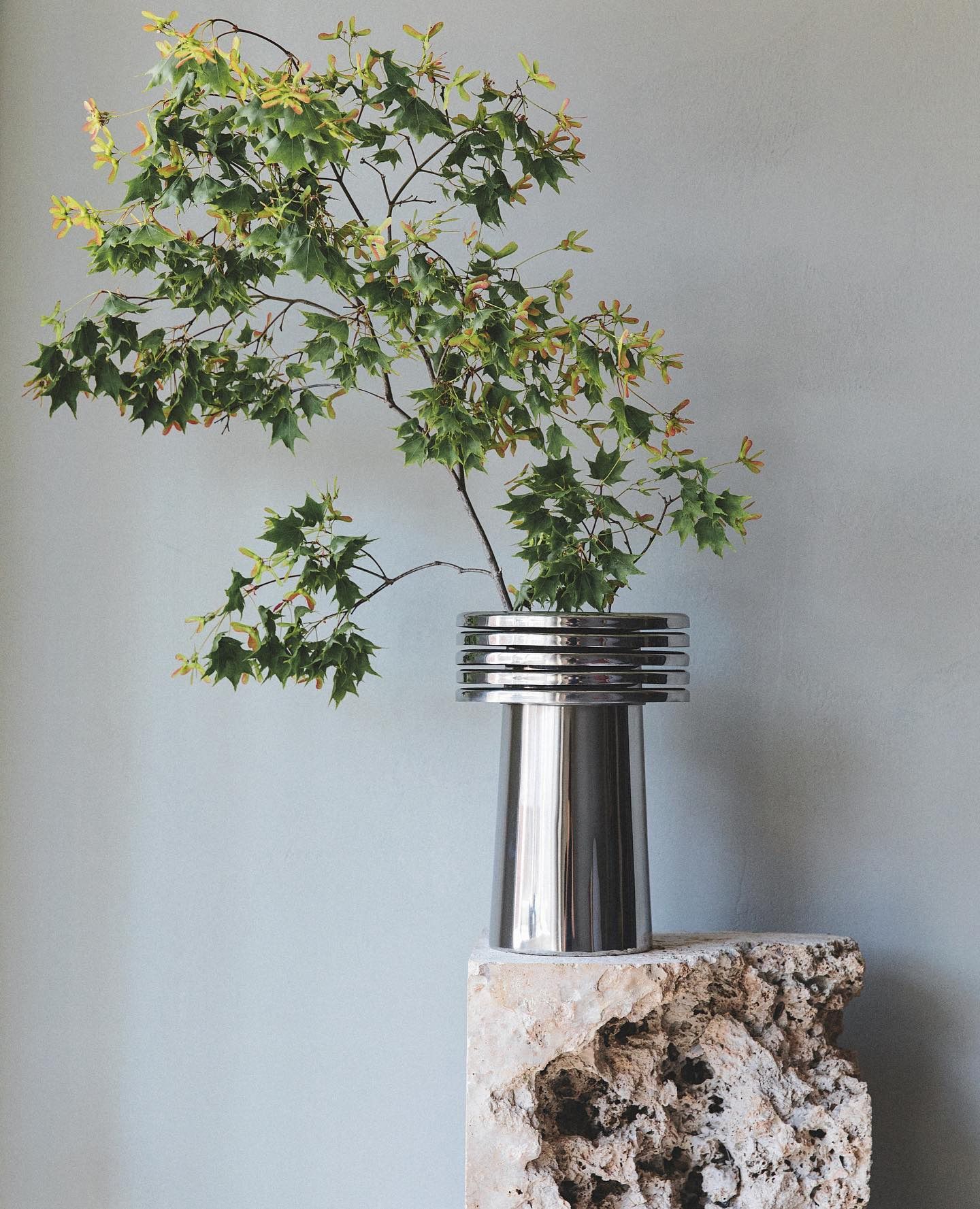
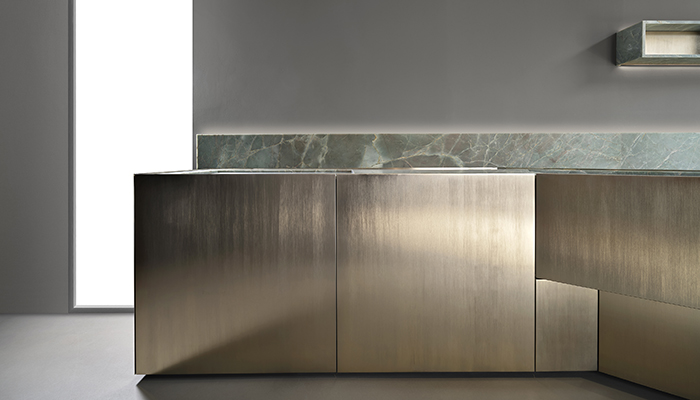
The material’s characteristics, such as its corrosion resistance, durability, and hygienic properties, are discussed as key factors in its adoption. These qualities make it particularly suitable for high-traffic and moisture-prone areas. The article explores how designers utilize stainless steel's reflective surface to manipulate light and space, contributing to a sense of openness and modernity. Different finishes, such as brushed, polished, and matte, are also examined for their ability to alter the material's visual impact and integrate with diverse design palettes.
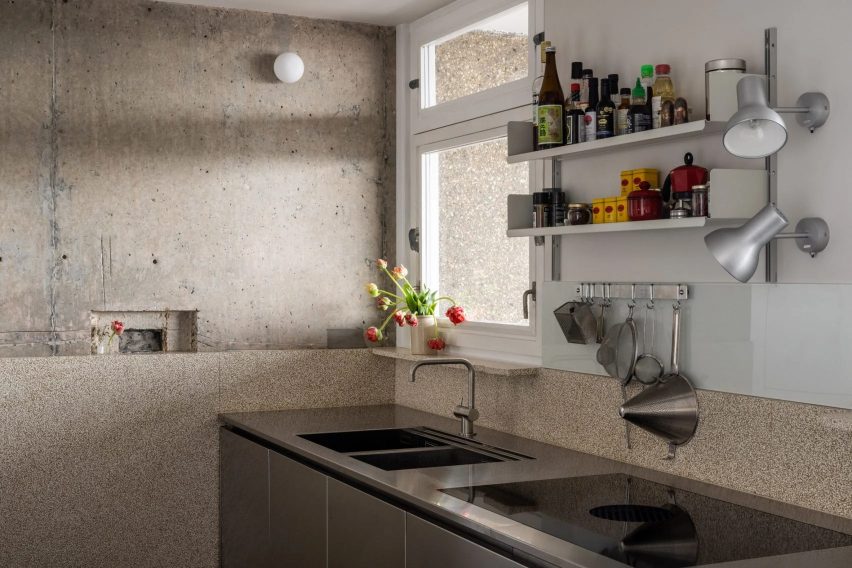
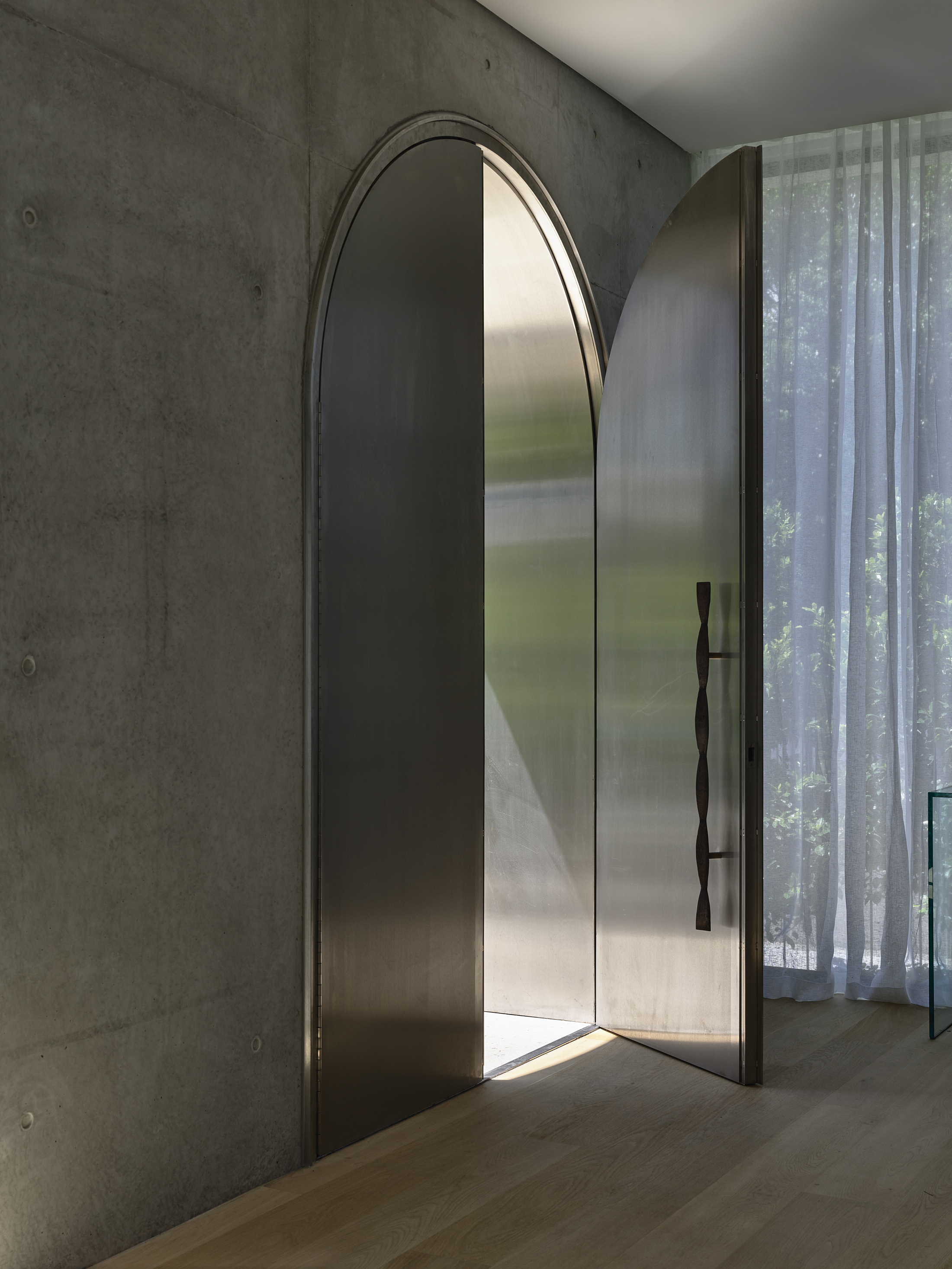
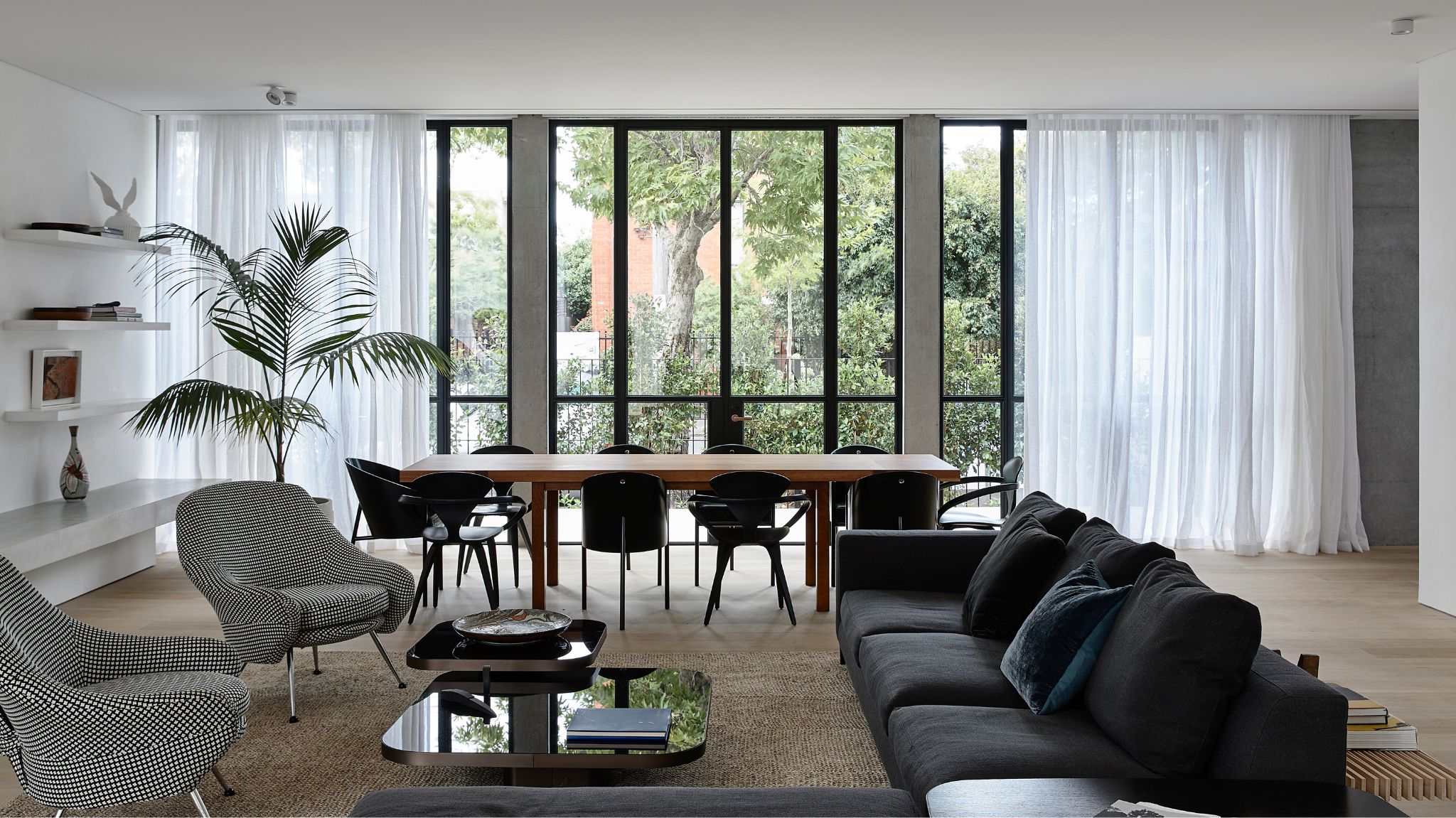
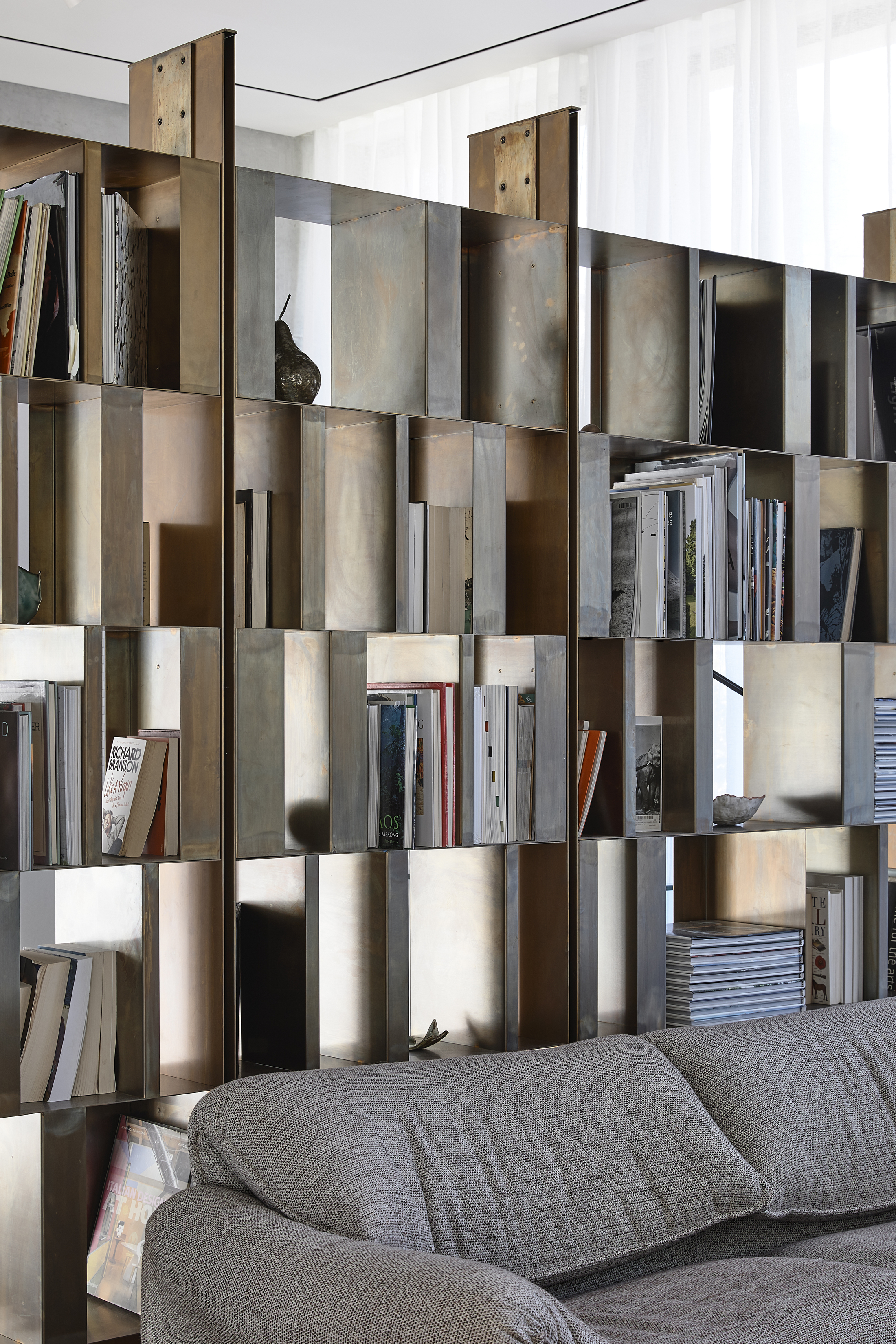
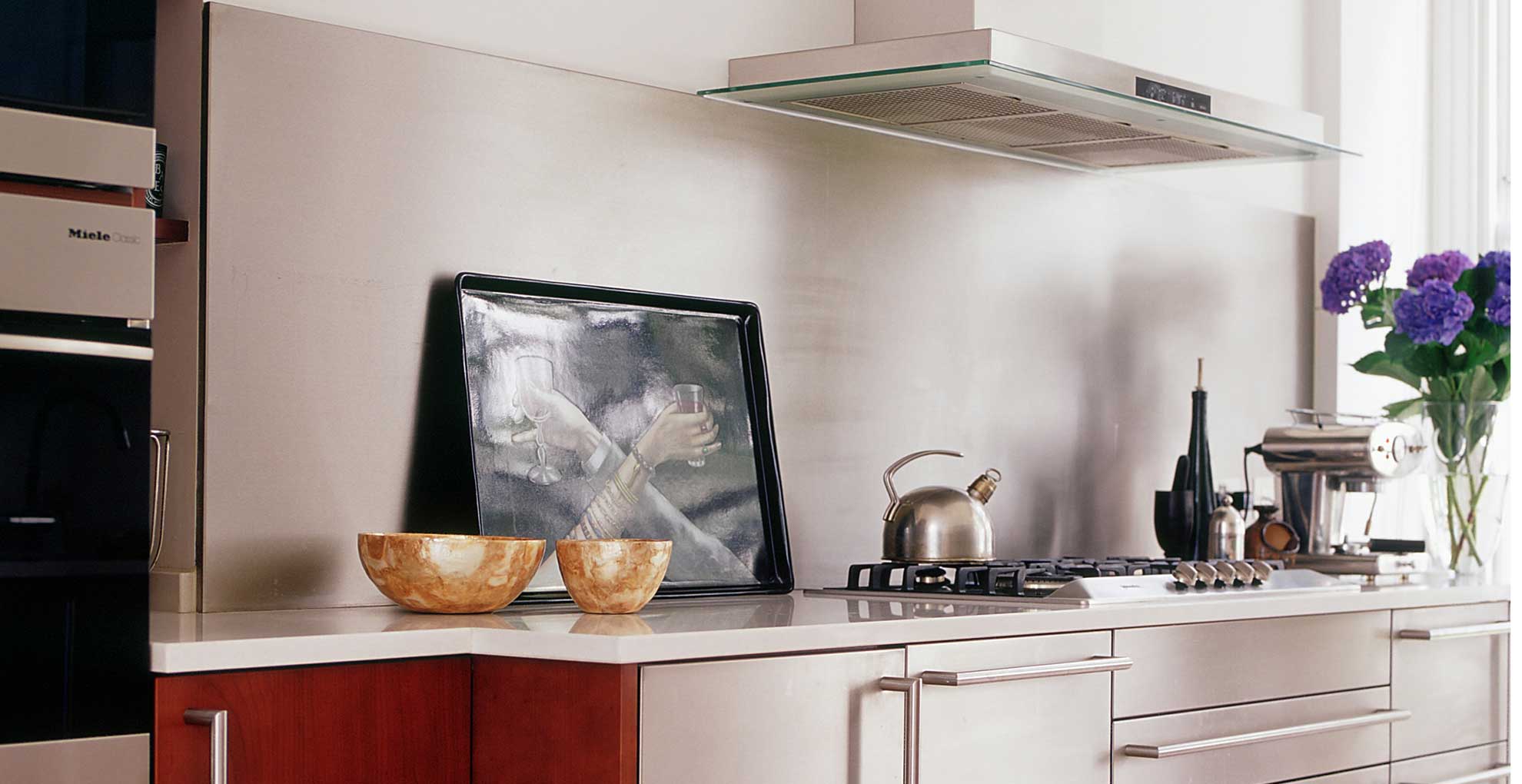
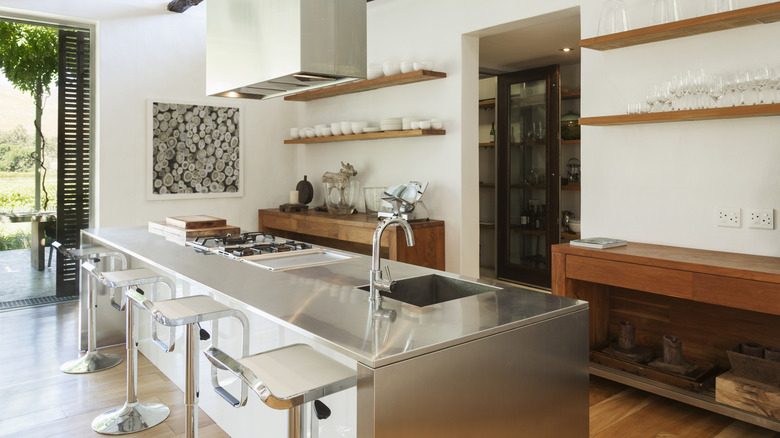
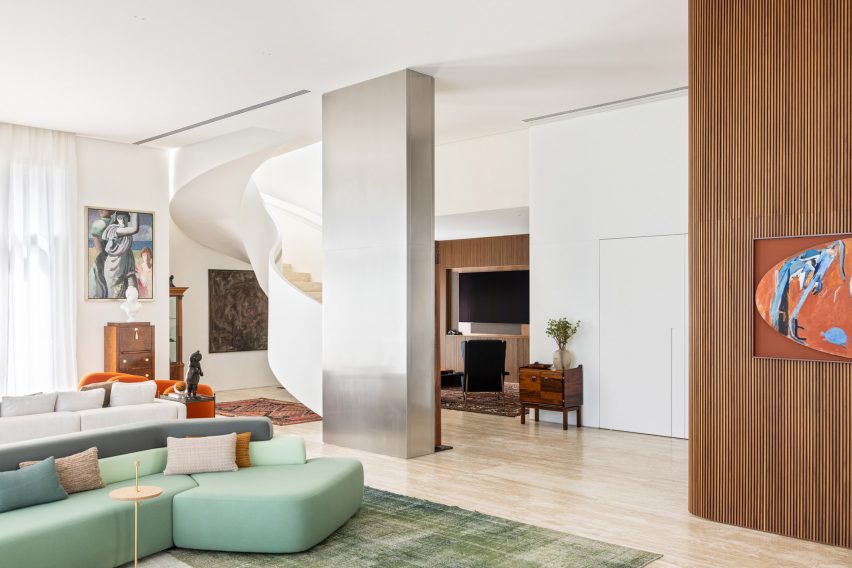
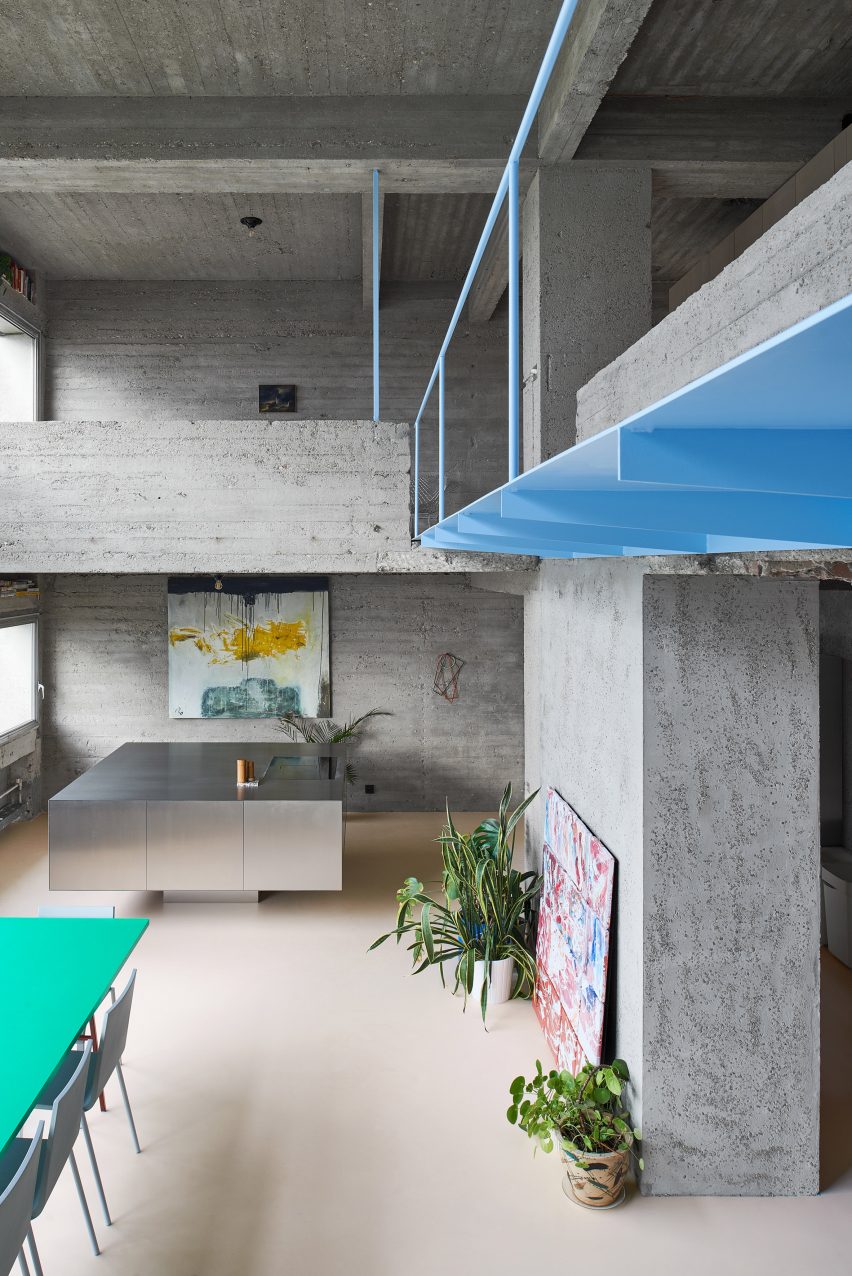
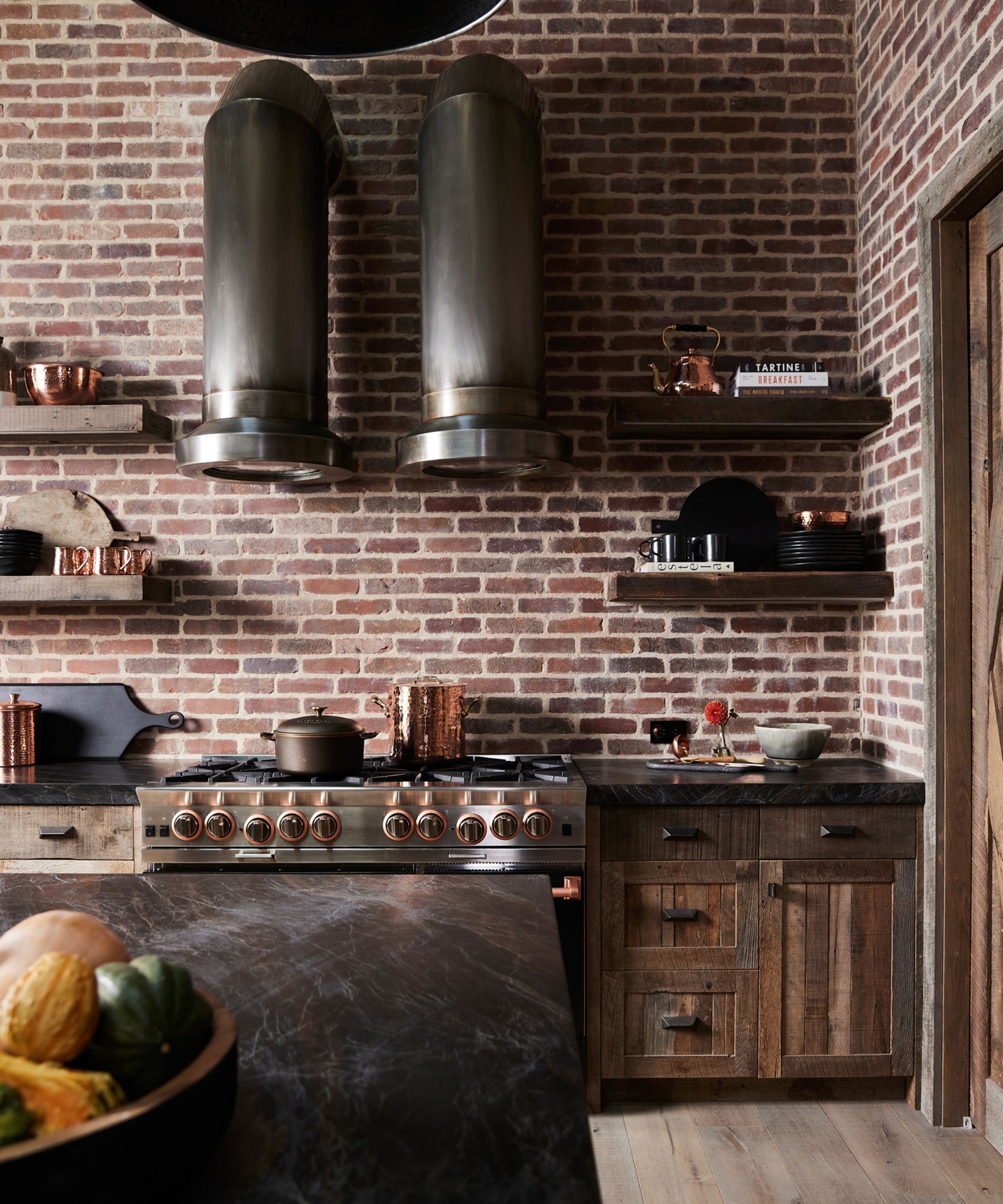
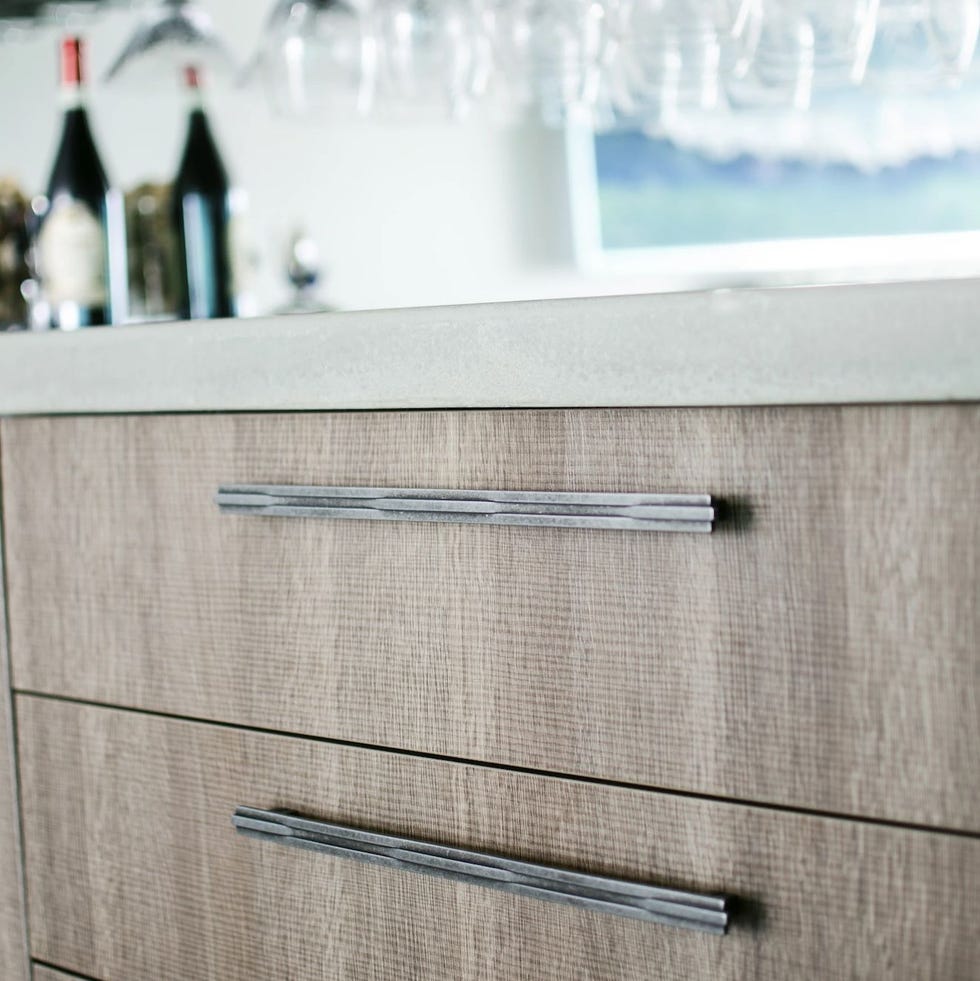
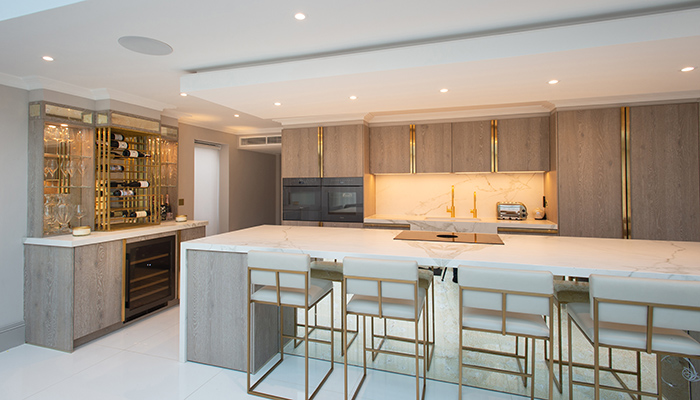
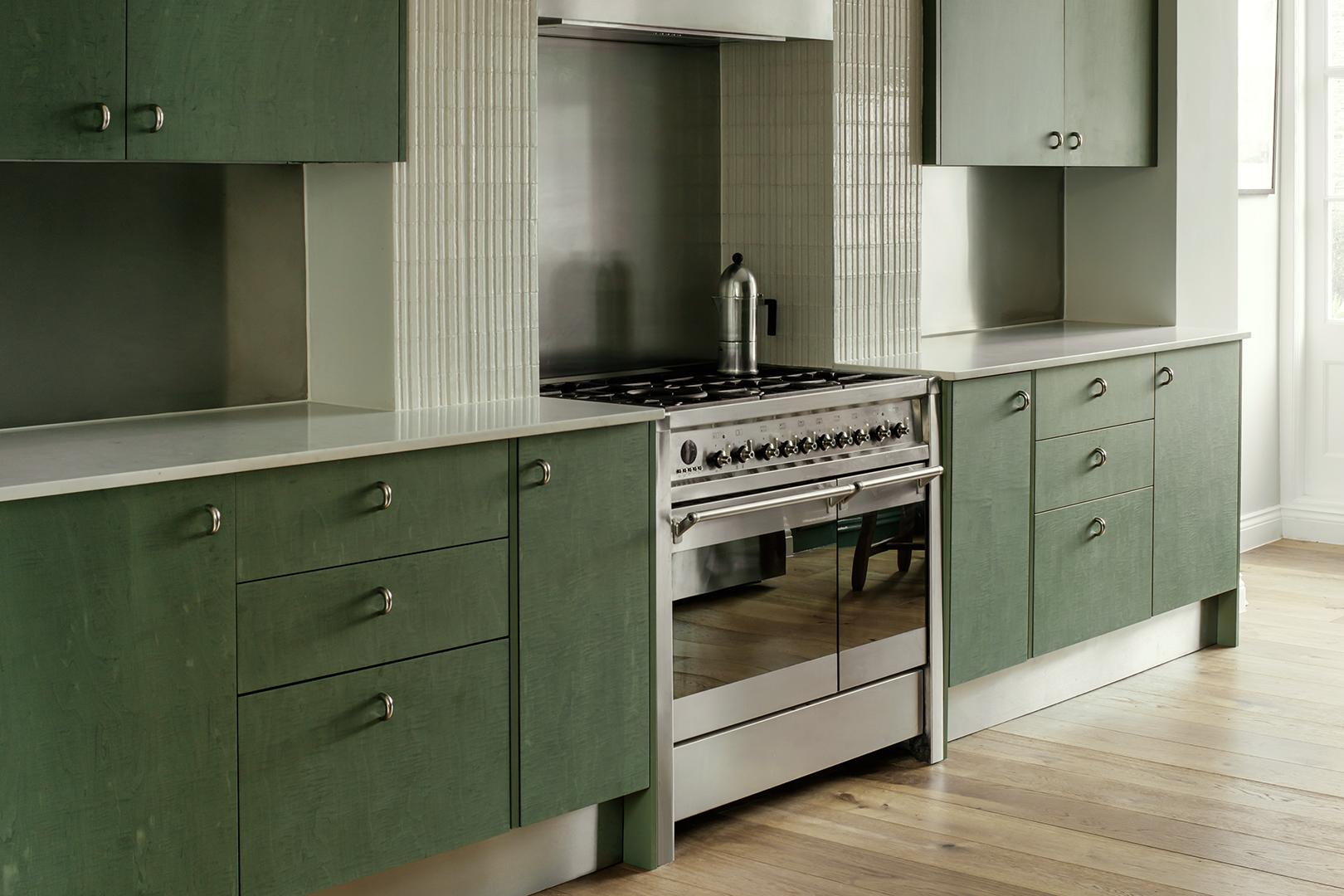
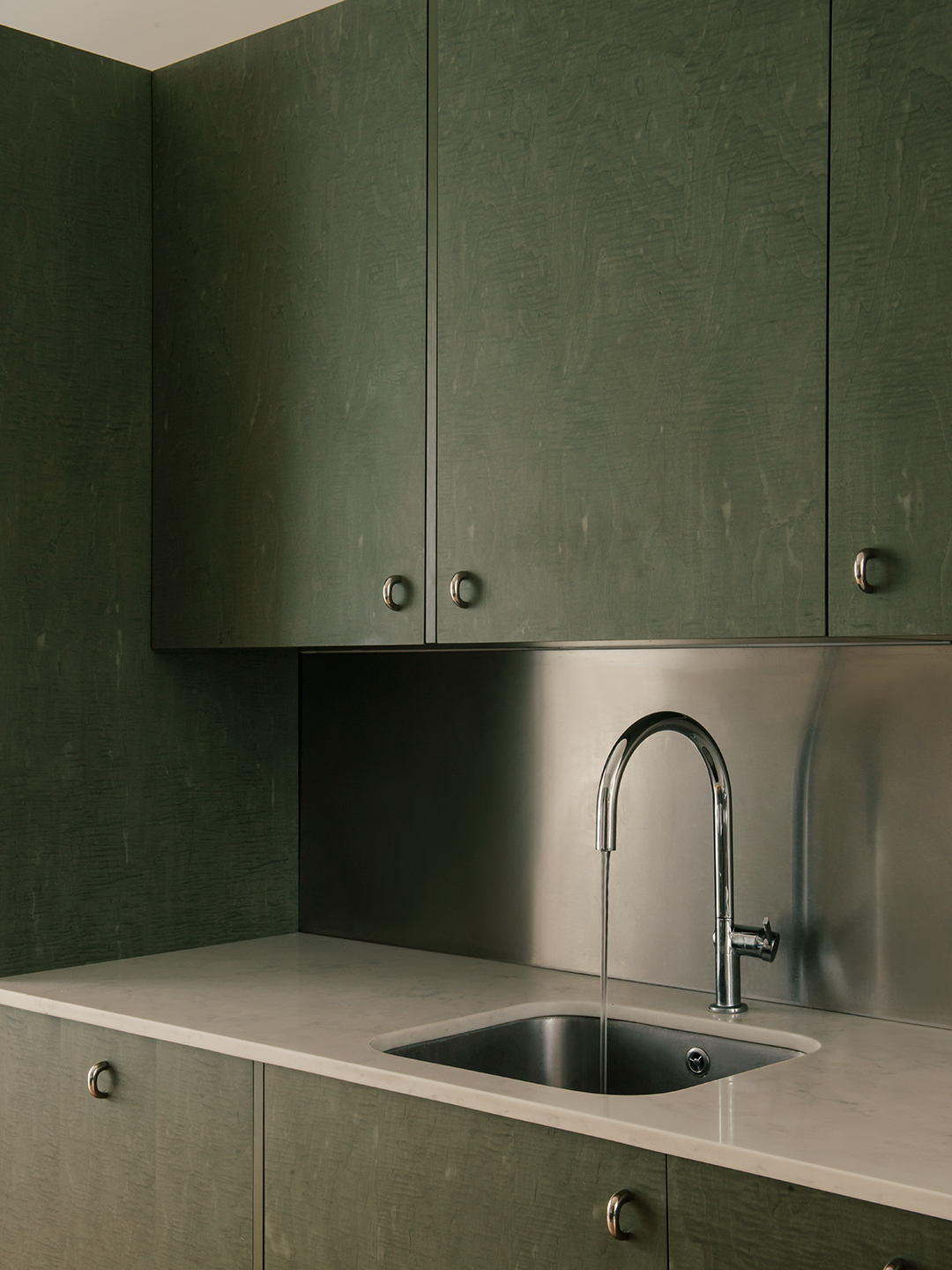
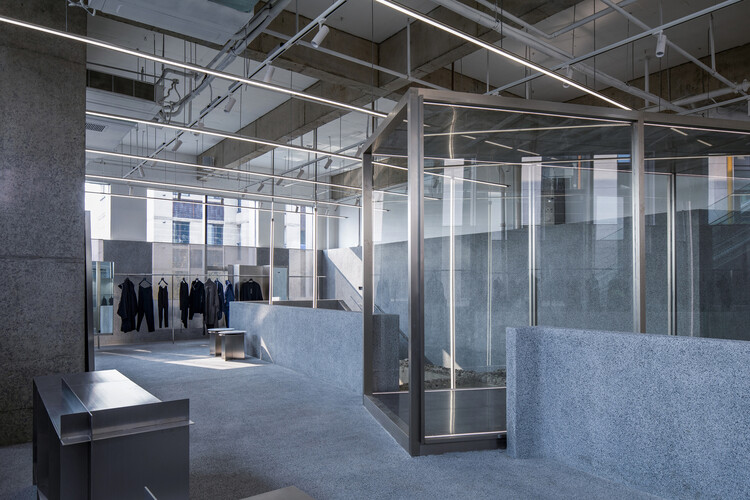
The article provides examples of how stainless steel is integrated into various interior elements, including countertops, backsplashes, cabinetry, shelving, and architectural details like staircases and partitions. Its ability to complement other materials, such as wood, glass, and natural stone, is also emphasized, illustrating how it can soften or enhance industrial themes while adding a touch of elegance. The text also touches upon the functional benefits, such as ease of cleaning and maintenance, which appeal to both residential and commercial clients.
Several projects are referenced to showcase the practical application of stainless steel in contemporary design. These examples demonstrate its use in diverse settings, from retail stores and coffee shops to private residences, highlighting its adaptability across different architectural styles and programmatic needs. The article notes a shift in perception, where stainless steel is no longer exclusively associated with commercial or utilitarian spaces but is now recognized for its aesthetic potential in creating refined and modern interiors.
Overall, the article underscores stainless steel's evolving role in interior design, moving beyond its traditional industrial associations to become a material capable of delivering both functional excellence and sophisticated visual appeal. Its robust nature, combined with its ability to reflect light and integrate seamlessly with other materials, positions it as a significant trend in contemporary architecture and interior spaces.
#StainlessSteel #InteriorDesign #Material #Textures #Reflection #Finishes #IndustrialStyle #ConstructionMaterials #ArchitecturalDesign #StainlessSteel #InteriorDesign #Material #Textures #Reflection #Finishes #IndustrialStyle #ConstructionMaterials #ArchitecturalDesign
0 comment in total
 No comments yet
You may also like
Eight characterful kitchens with sleek metal details
Design expert reveals why we'll be seeing more stainless steel kitchens in 2024

4 Design Pros Predict What Comes After the Matte Black Hardware Craze

The Pros and Cons of Stainless Steel Appliances in the Kitchen

This unexpected kitchen design is everywhere right now

How Silver and Steel Became the Interior Design Trend of the Moment
The Industrial-Chic Kitchen Countertop Trend That'll Be Everywhere In 2026

10 incredible kitchen designs that embrace metallic elements
This home's modern front door is like nothing you've seen before –and it uses a material you might not expect

The Kitchen Appliance Color Mistake That Makes Interior Designers Cringe

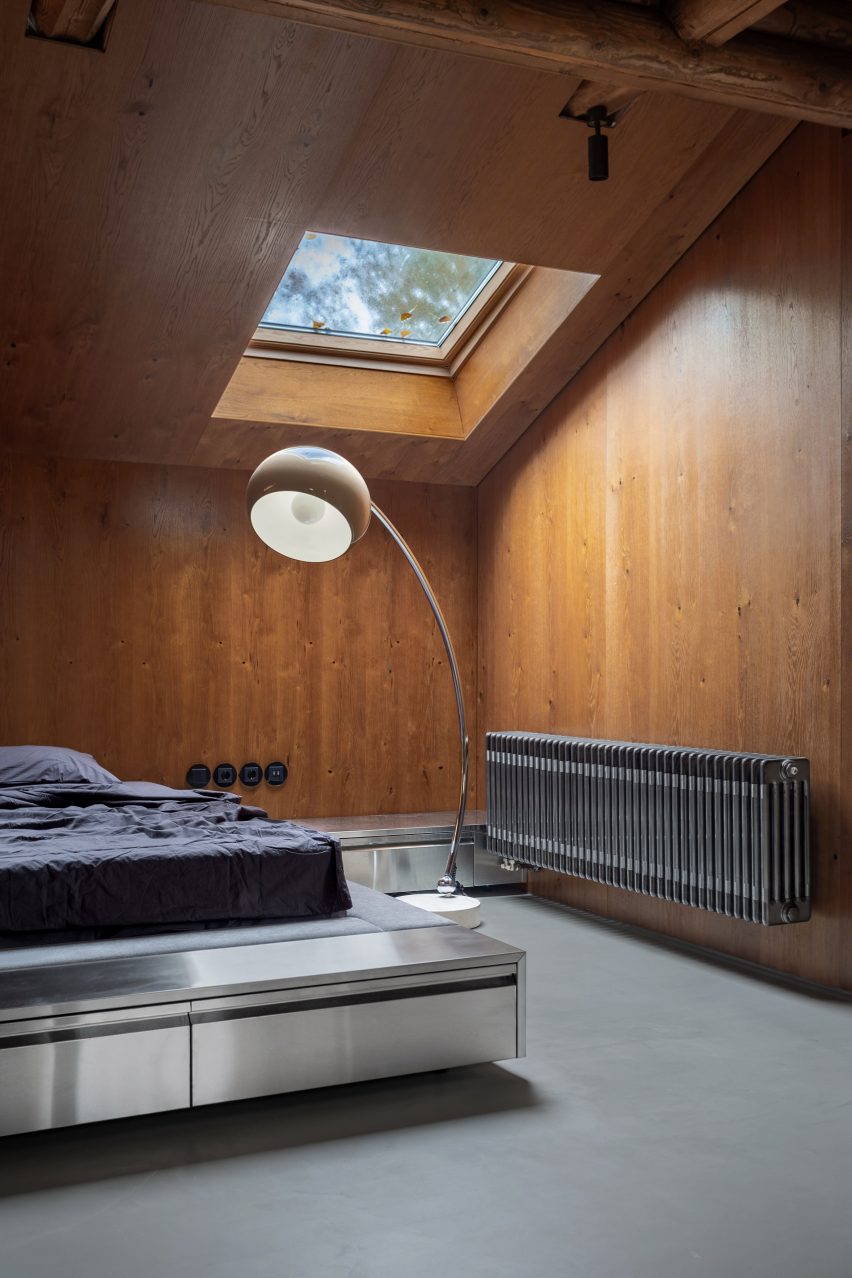
Eight living spaces that go heavy on metal furniture
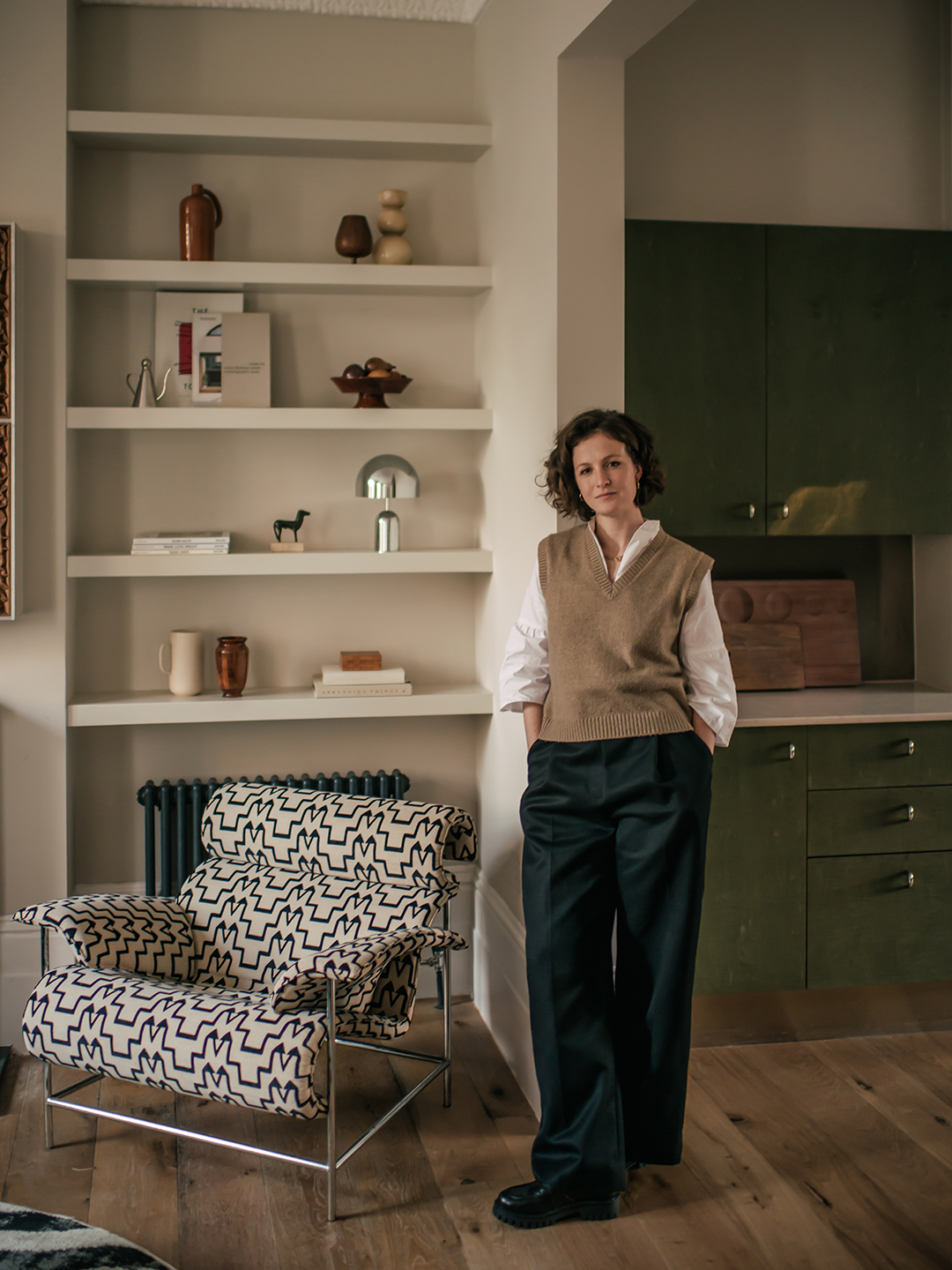
In This London Home’s Kitchen, the Designer Swapped Paint for Stain and Tile for Steel

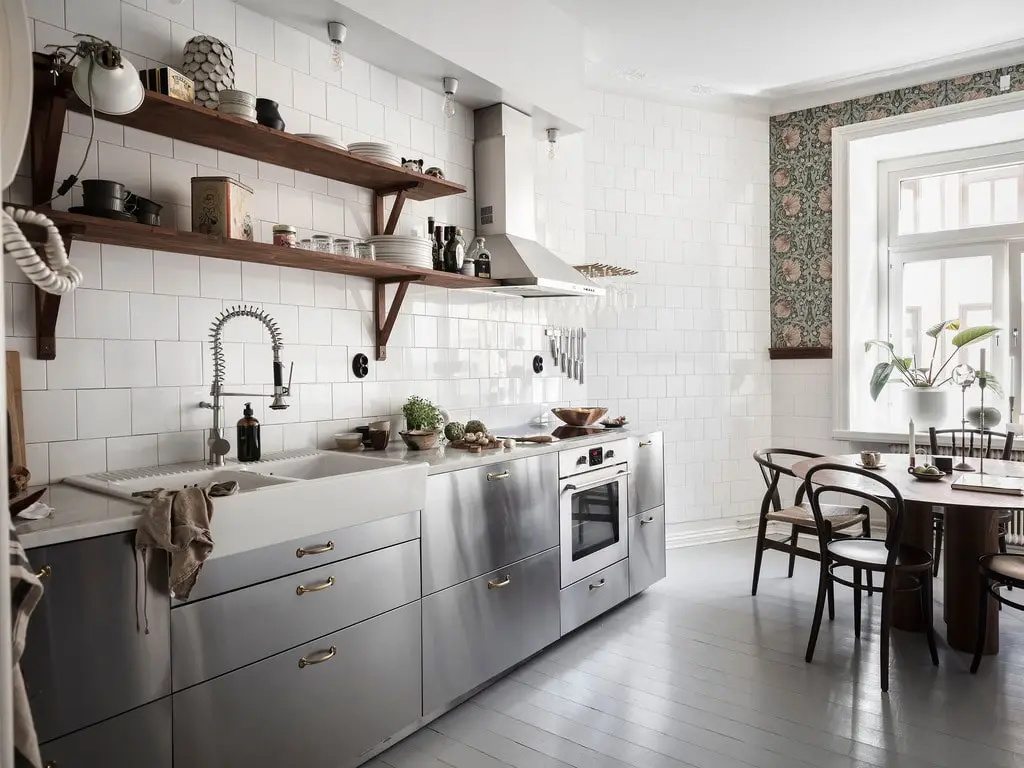
Hot Home Trend: Stainless Steel Kitchens
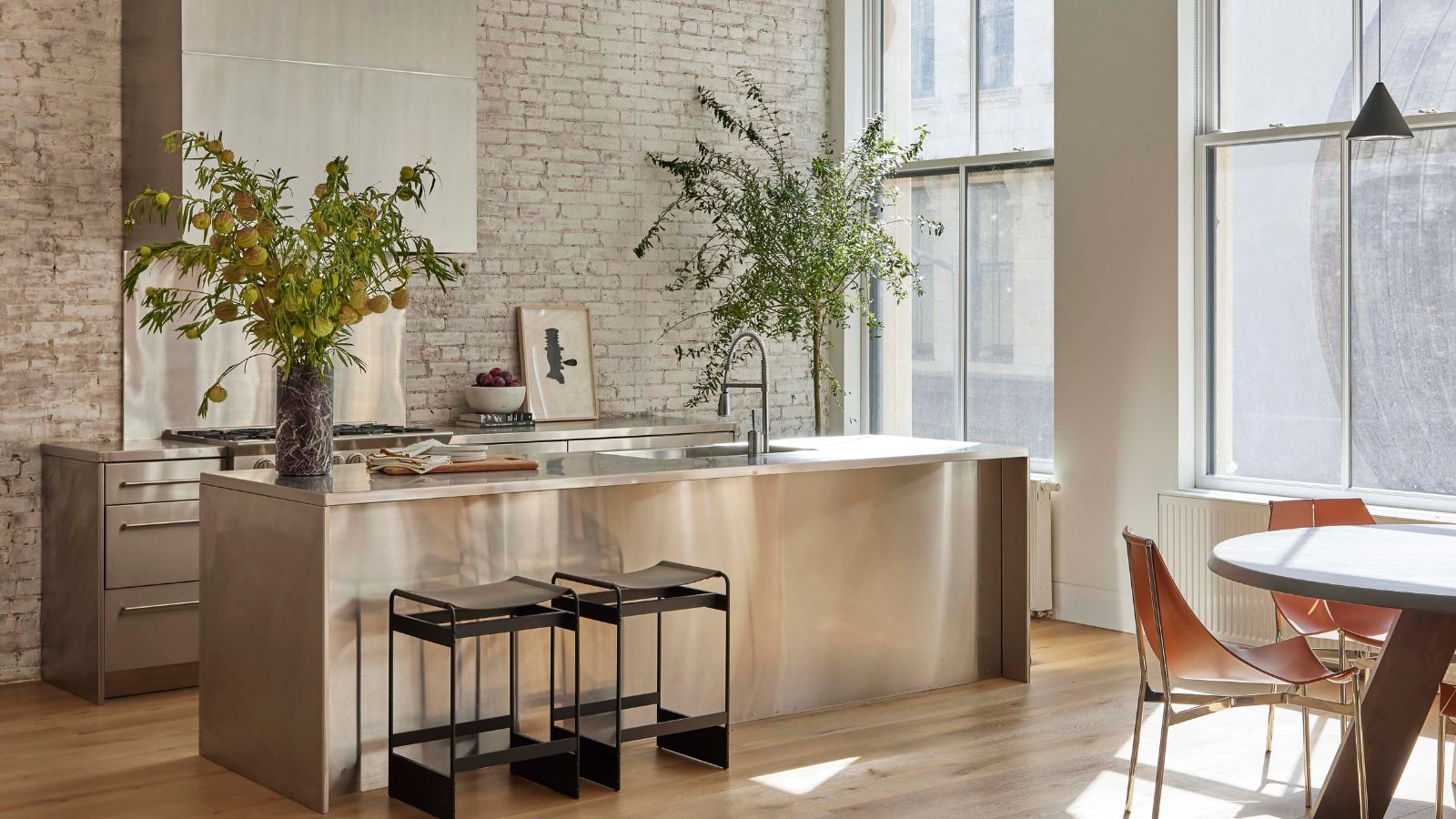
Are stainless steel countertops a good idea?
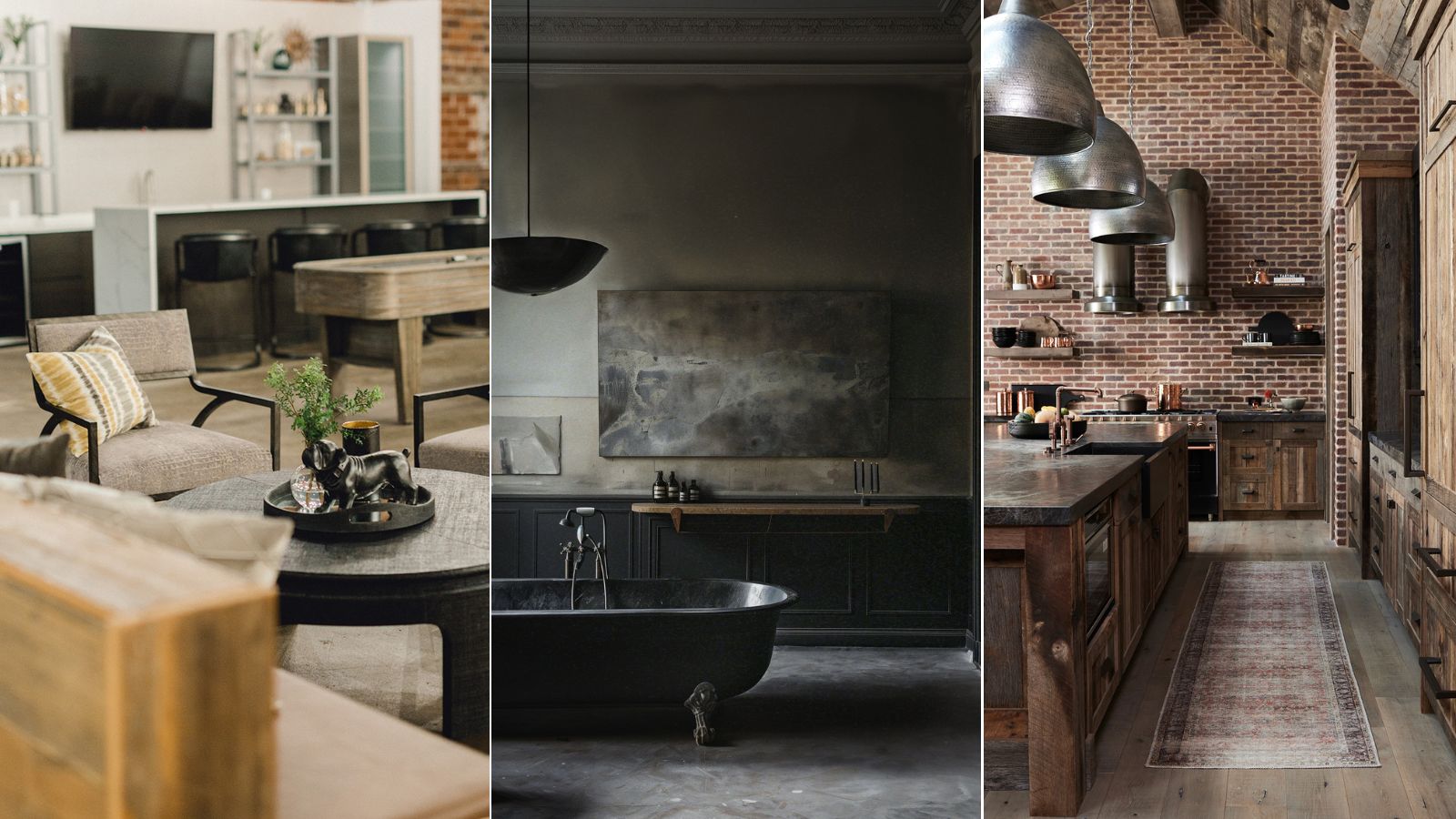
Industrial-style interiors are trending – here's how to get the sleek and stylish look
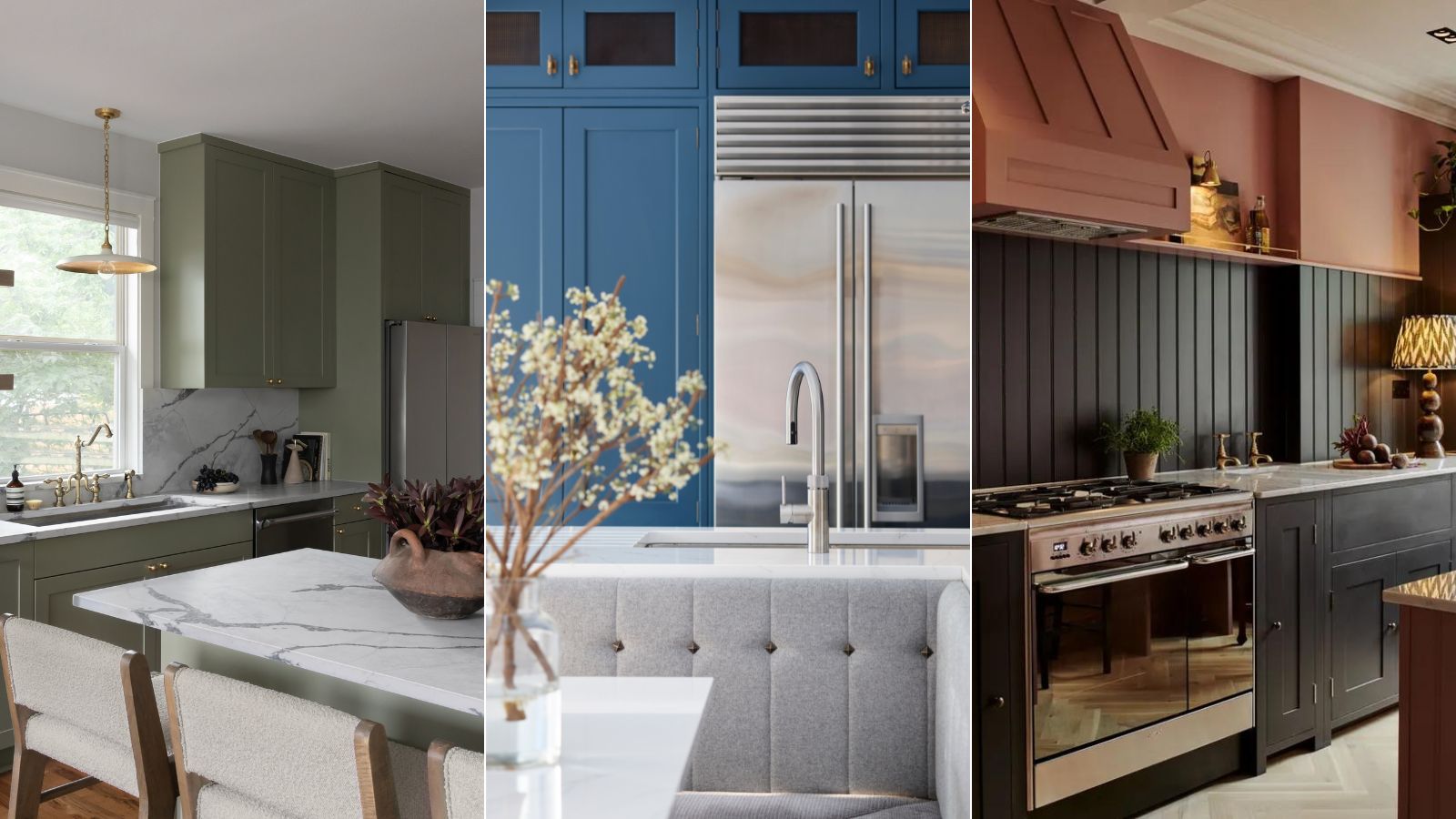
What colors work best with stainless steel kitchen appliances? Interior designers weigh in

Diane Keaton’s 1990s Kitchen Combines Stainless Steel Islands, Chef-Inspired Cabinets, and Industrial Design to Inspire Modern Interior Trends
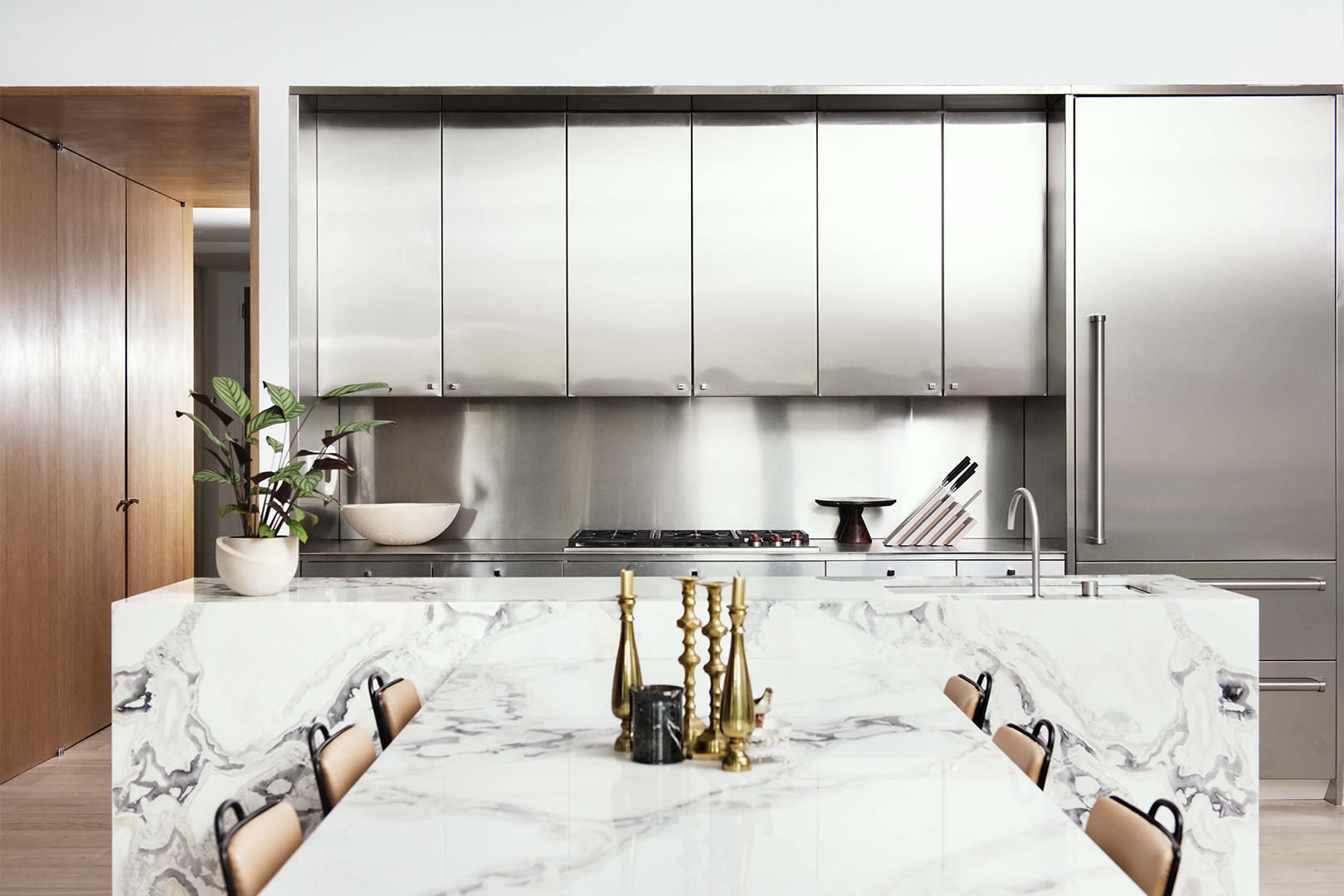
6 Metal Kitchen Cabinets That Prove Industrial Is More Versatile Than You Think

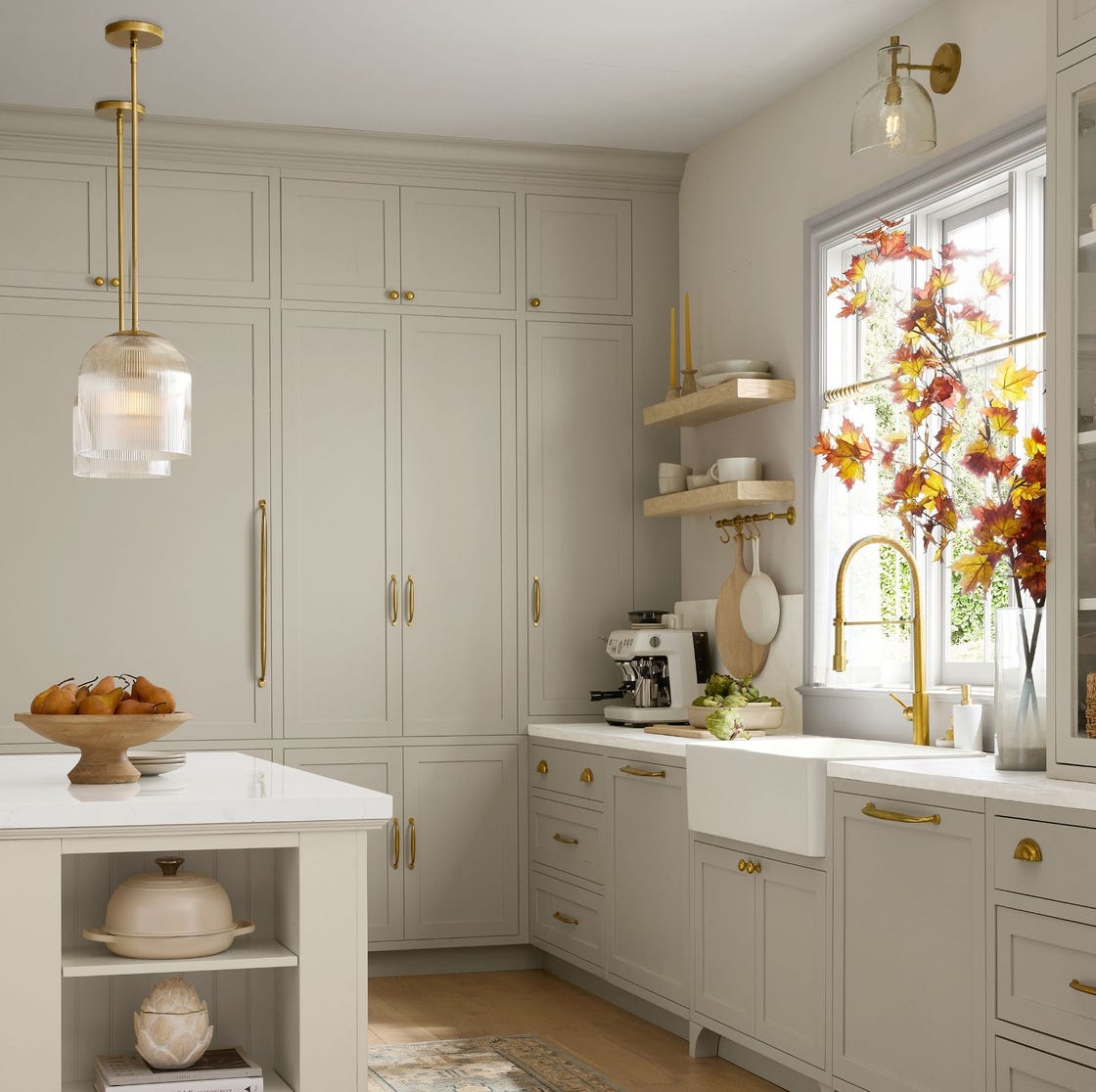
A Renowned Designer Reveals How to Buy Gorgeous Kitchen Hardware

Still Doing This in Your Kitchen? A Designer Says It’s the Fastest Way to Date Your Home