1/2
Home Window Tinting: What To Know Before You Buy
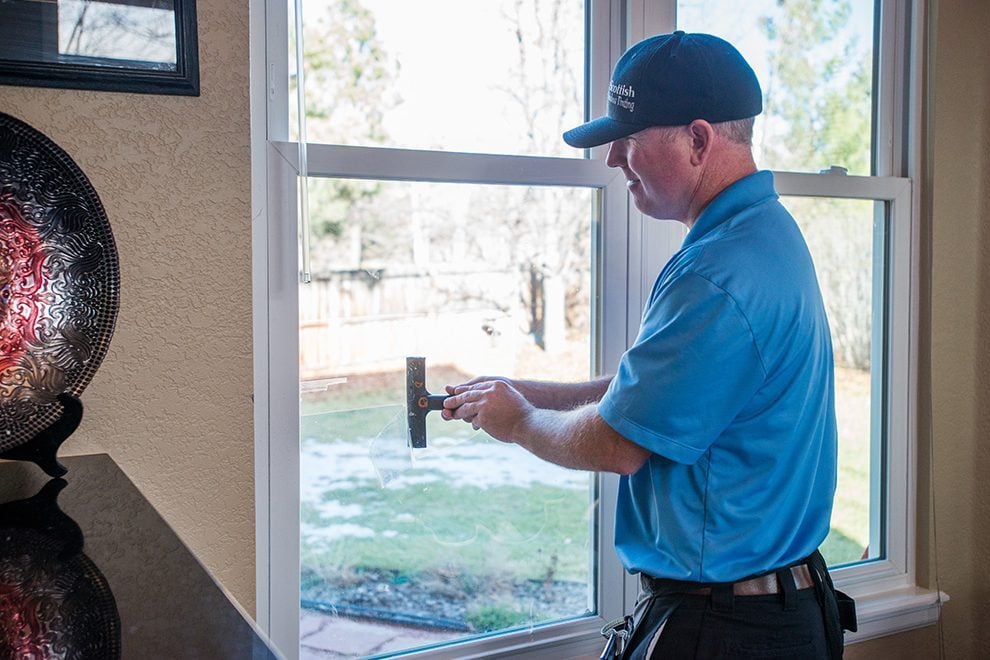
Home window tinting, once a luxury reserved for grand cathedrals and advanced scientific applications, has become an accessible and affordable option for homeowners seeking energy efficiency, privacy, and enhanced aesthetics. This thin film is applied to existing windows, serving as a cost-effective alternative to replacing them with new energy-efficient models. Modern tinting films are engineered to be nearly invisible and are designed to resist bubbling or peeling over time, often improving the clarity of the view through the glass, akin to wearing high-quality sunglasses.
The primary function of home window tinting is to enhance energy efficiency, particularly in warmer climates where air conditioning is heavily utilized. These sophisticated films can block a significant percentage, often 70-80%, of summer's solar heat, leading to substantial reductions in cooling bills. While less impactful, tinting can also contribute to improved insulation during colder months. Beyond energy savings, window tints offer various benefits, including blocking most UV rays and some infrared rays, which helps protect furniture and carpets from fading and provides skin protection equivalent to SPF 1,000. They also offer daytime privacy through reflective surfaces, reduce glare on computer screens and televisions, and can enhance home security by holding glass shards together if a window breaks, potentially deterring break-ins. Some films also contribute to noise reduction and can darken excessively sunny spaces, while others are purely decorative to boost curb appeal. The diverse range of over 300 residential films includes options from dark tints to transparent ones, with varying Solar Heat Gain Coefficients, catering to different needs and preferences.
Despite the numerous advantages, there are considerations and potential drawbacks to home window tinting. Applying film can, in some cases, void existing window manufacturers’ warranties, although many film manufacturers offer their own warranties to compensate. Installation can be challenging on older windows with intricate frames, latches, or lites. Poor application can result in an aesthetically unappealing finish, and using the incorrect type of film might even cause damage, such as cracking double-pane windows. In colder climates, improperly chosen tints could counteract the benefits of passive solar heating. Additionally, darker shades might obstruct outdoor views, and altering the external appearance of windows could violate Homeowners Association regulations. For these reasons, professional installation is generally recommended over DIY, as it ensures meticulous attention to detail, correct material selection, and proper application, mitigating common mistakes such as inadequate window cleaning or using uncertified films. The cost of home window tinting typically ranges from $120 to $200 for a standard 3-ft. x 5-ft. window, with materials costing $2 to $8 per square foot and labor $5 to $10 per square foot. Energy-efficiency projects often pay for themselves within three to four years, and some utility companies and municipalities offer rebates or tax incentives for installation.
When considering which windows to tint, focusing on those with the highest solar exposure, such as South-, West-, and East-facing windows, is most effective for energy savings, especially if air conditioning is frequently used. In colder regions, homeowners should balance summer savings against potential reductions in beneficial passive solar heat during winter. Proper maintenance is crucial for the longevity of window film, which can last 15 to 25 years if cared for correctly. This involves using soft sponges instead of paper towels, squeegeeing off excess water, polishing with lint-free microfiber cloths, avoiding abrasive chemicals in favor of gentle cleaners like vinegar and water or dish soap, allowing the tint to cure fully before the first wash, and applying silicone polish annually for added protection. These practices help preserve the film and ensure its continued performance.
#HomeWindowTinting #EnergyEfficiency #HomeImprovement #DIYHome #WindowFilm #PrivacySolutions #HomeMaintenance #EnergySavingTips #SolarProtection #HomeWindowTinting #EnergyEfficiency #HomeImprovement #DIYHome #WindowFilm #PrivacySolutions #HomeMaintenance #EnergySavingTips #SolarProtection
0 ความคิดเห็นรวม
 ยังไม่มีความคิดเห็น
คุณอาจจะชอบอีกด้วย
Curtain call: How to choose window treatments
The Best Curtains for Every Style and Light Level, Tested by BHG


The Very Best Window Curtains

Our Favorite Picks From The Shade Store
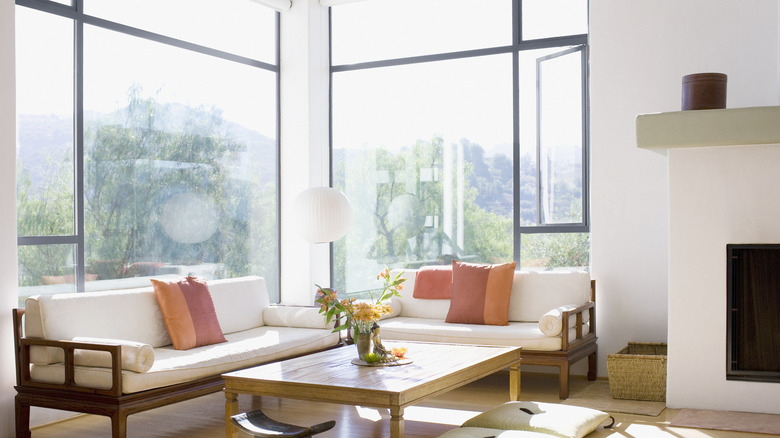
An Interior Design Expert Explains How To Style Your Windows To Make Them Look Bigger

Once-Popular Window Treatments That Are Now Dating Your Home
Curtain Call: Choosing Window Treatments
Trend alert: 4 window treatments ruling interiors right now

The 7 best places to buy curtains, with interior designer tips

How to Pick Windows: 5 Factors to Consider
Why You Should Upgrade Your Window Blinds Right Now

54 Stylish Window Treatment Ideas to Completely Transform Your Space

How to Choose Interior Window Trim
Here's What Colorists Want You to Know About Picking House Paint

"Should All My Window Treatments Match?" Here's How Designers Decide, and Make It Work Either Way

D-FW designers reveal the do’s and don’ts of window treatments

The Best Window Curtains and Shades, According to Interior Designers
Why You Should Never Skip Curtains, According to Top Designers
The 11 best places to shop for blinds and shades online
Is There A Difference Between Curtains And Drapes?