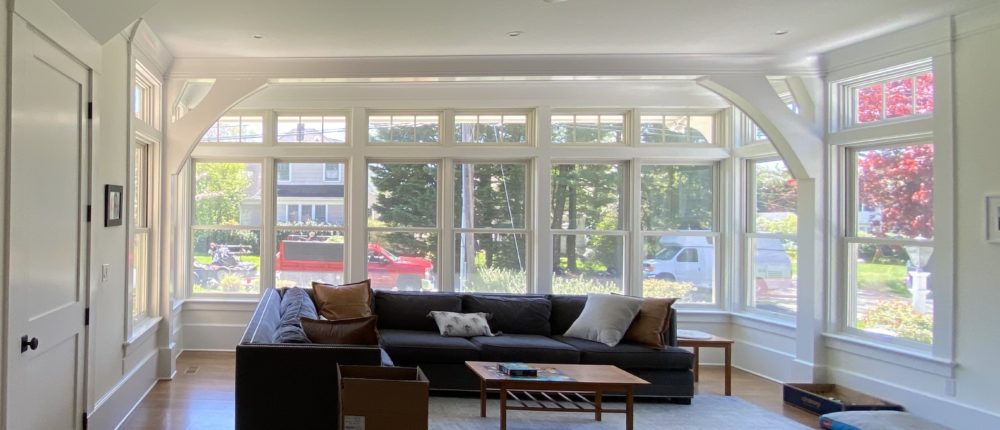
1/6
Five Simple Rules For House Design That Drastically Lower Energy Costs
This article distinguishes between the marketing hype surrounding "sustainability" and the practical necessity of rationalizing building design to mitigate climate impact. It criticizes the "Gizmo Green" phenomenon, where technological fashion statements and expensive certifications are often tacked onto large homes, serving more as marketing tools than genuine efforts to reduce carbon footprints. While acknowledging the good intentions behind many rating systems like LEED and WELL, the author argues that these often increase costs without necessarily providing proportionate benefits in energy savings.
The author, an architect with 40 years of experience, proposes five pragmatic and universal design rules that can significantly lower energy use and maintenance costs for homeowners without requiring expensive technology, specialized professionals, or complex rating systems. These rules are presented as low-tech, high-value, and aesthetically neutral, applicable to any building in any location, though illustrated with examples from a Connecticut house. The primary goal is to empower average homeowners to make effective, cost-efficient changes.
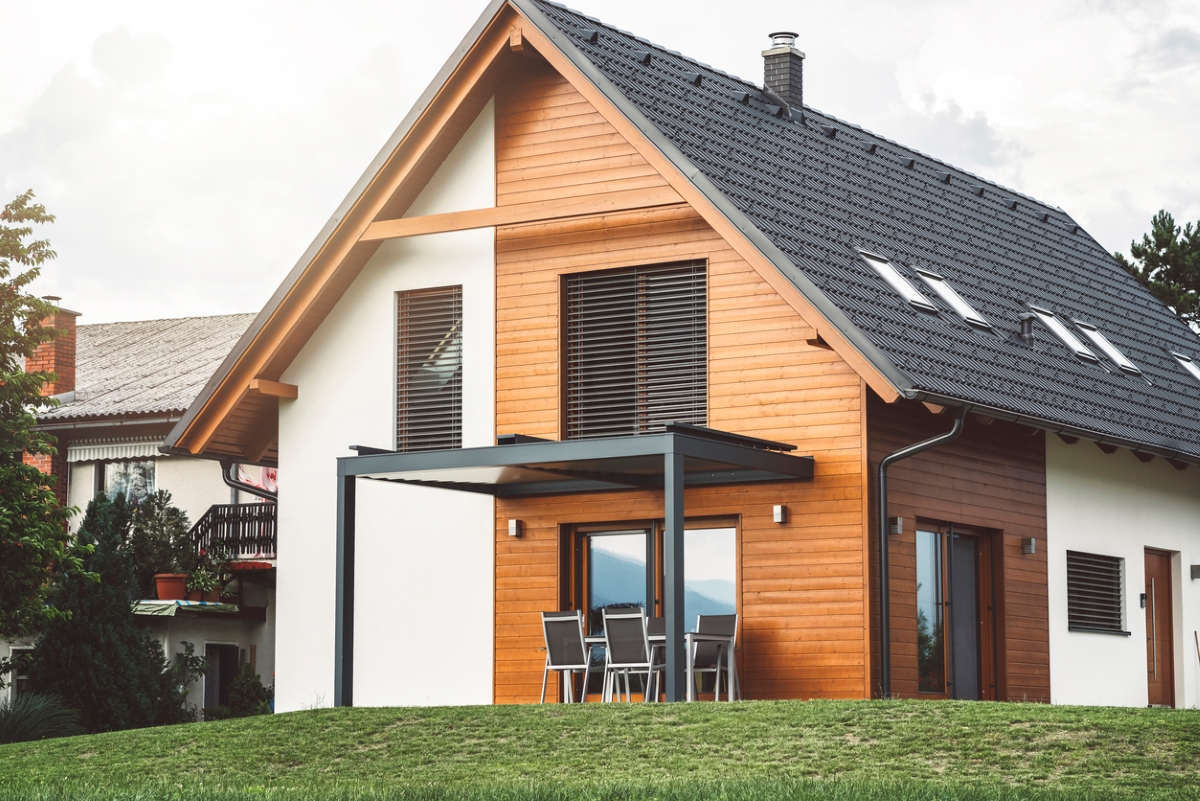
The first rule emphasizes the importance of roof eave extensions, recommending a minimum overhang of 1.5 feet. This design element effectively reduces unwanted solar gain, protects wall surfaces from wear and tear, and shields all openings. By extending eaves, maintenance costs associated with painting, siding, and window or door replacement are lowered, and the overall longevity of the building exterior is improved.
The second rule challenges the necessity of traditional gutter systems, suggesting that if eaves are adequately extended, most gutters become redundant. The author proposes that gutters should only be used strategically to collect water for specific purposes or to protect exterior doors and mechanical equipment. Instead, weather-generated water can be freely dripped from extended eaves into surface water control or detention systems, eliminating the manufacturing, installation, and ongoing maintenance costs associated with conventional gutters, thereby reducing both financial and carbon expenditures.
The third rule focuses on promoting natural ventilation within homes. It recommends that rooms exceeding 100 square feet should have a minimum of two operable openings, remotely located from each other, collectively totaling 5% of the room's floor area. This design choice maximizes air movement, thereby reducing the reliance on air conditioning. The principle is that increased airflow across the skin reduces the need to significantly lower air temperature for comfort, leading to less energy consumption, particularly electricity which often comes with associated carbon emissions if not renewably sourced.
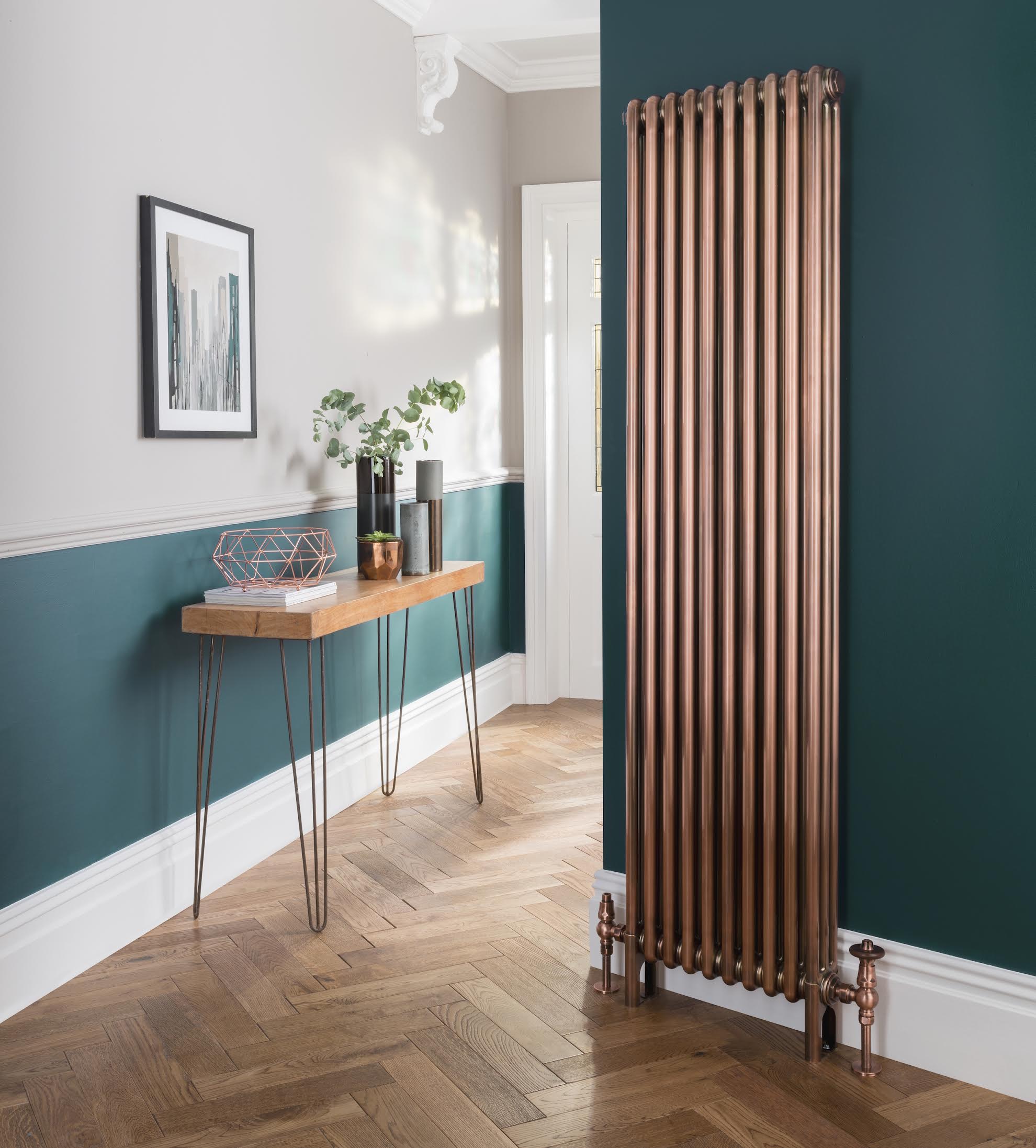
The fourth rule addresses heating, ventilation, and air conditioning (HVAC) zoning. It advocates for requiring an HVAC zone for every 600 square feet of space. This granular zoning allows for more precise control over conditioned air, limiting its use in areas with high solar gain or in unoccupied spaces. By optimizing the distribution of treated air, overall energy use and costs for air treatment are substantially reduced. The article notes that adding a heating zone can be a relatively inexpensive modification, providing significant long-term energy savings.
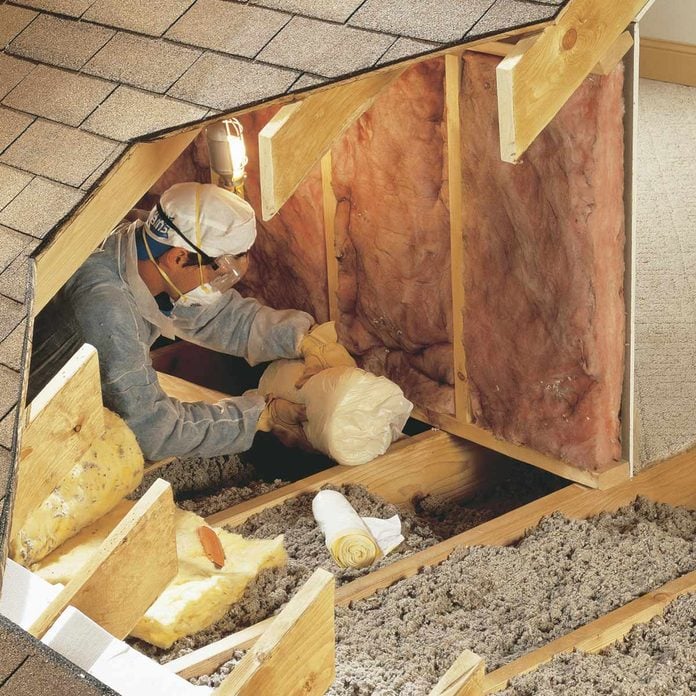
The final rule pertains to roof insulation. The author identifies the roof as the primary source of thermal inefficiency in any building and strongly recommends using foam insulation on all roofs. This approach, unlike complicated venting systems and gaps with traditional fiberglass insulation, provides superior thermal sealing and prevents heat transfer. Foam insulation, regardless of R-value or climate, minimizes heat loss in winter and solar gain in summer. The article asserts that the added cost of foam insulation in this critical location quickly pays for itself through reduced energy consumption.
Collectively, these five rules offer a straightforward, practical framework for designing or retrofitting homes to be more energy-efficient and cost-effective, bypassing the complexities and often inflated costs of specialized "green" certifications.
#Architecture #EnergyEfficiency #HomeDesign #SustainableBuilding #CostSaving #BuildingDesign #HVACZoning #Architecture #EnergyEfficiency #HomeDesign #SustainableBuilding #CostSaving #BuildingDesign #HVACZoning
0 ความคิดเห็นรวม
 ยังไม่มีความคิดเห็น
คุณอาจจะชอบอีกด้วย

13 instant changes to reduce your electricity bills


6 Simple Principles To Consider For An Eco-Friendly Home


5 Design Mistakes Making Your Heating Less Effective in Your Home — And the Easy Ways to Fix Them

I’m an interior designer and there’s six things making your home look cheap & light switches matter more than you think

How to save money on home renovations – 6 cost-effective ideas
Passive House Design: What All Energy-Conscious Homeowners Should Know

Upgrade your heating system to reduce bills and energy usage

Sustainable home improvements – 8 ways to make your home more energy efficient


18 energy saving ideas


Homeowner demonstrates how simple ceiling fan adjustment saved them up to 30% on energy bills: 'This is new to me'


12 Ways To Create a More Sustainable Home

7 Small Hacks That Will Save You Money on Your Next Remodel

A beginner’s guide to home remodeling: 5 rules to follow
3 home design choices that were increasing my heating bills
How to arrange a room to maximize heat and cut your energy costs

A Sustainable Kitchen Remodel Can Actually Save You Money—Here’s How
50 Super Simple Ways to Save on Energy Costs

What’s the most efficient way to heat a house? How to heat your home for less, according to experts

Homeowners Are Revealing The One Budget-Friendly Upgrade That Continues To Make The Biggest Difference

These are the UK's cheapest – and most expensive – areas for utility bills