1/23
Damage and restoration technology of historic buildings of brick and wood structures: a review
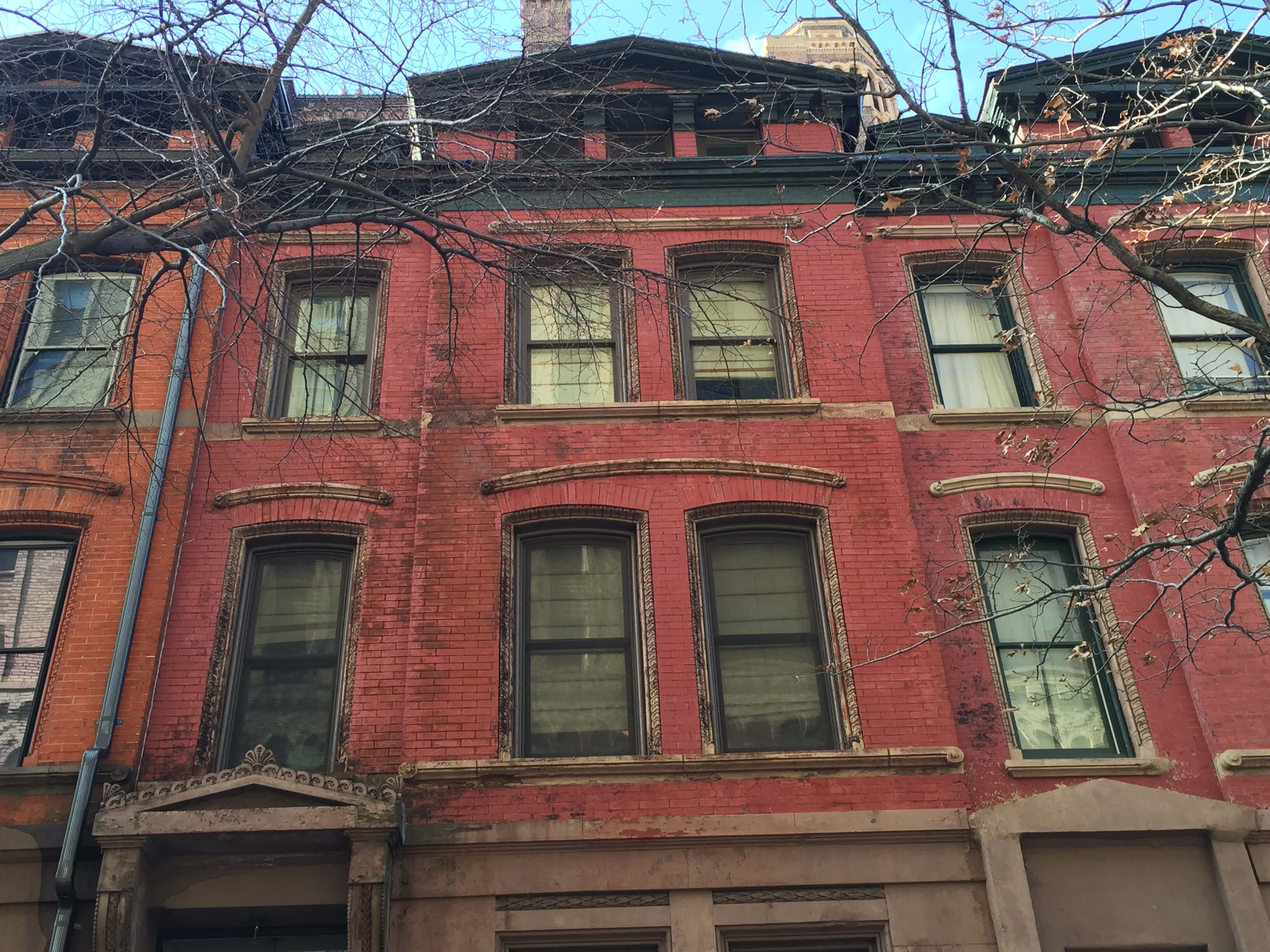
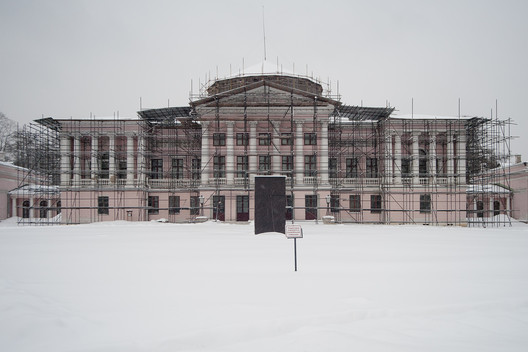
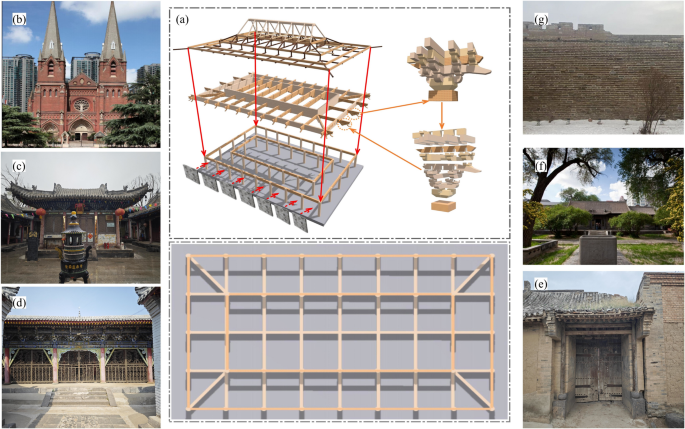
This review investigates the restoration techniques for historical buildings, specifically those with brick and wood structures, focusing on various forms of damage and their conservation. The study utilizes Web of Science (WOS) and China National Knowledge Infrastructure (CNKI) as primary databases, employing the PRISMA methodology to identify and screen relevant research literature. The review analyzes publication trends, co-citation networks of authors and keywords, and other characteristics to provide a comprehensive overview of the field. To enhance practical understanding, the article incorporates three-dimensional modeling diagrams derived from actual case information of material or component damage.
The research categorizes and reviews over 30 restoration techniques for nine types of damage affecting historical building walls and wooden components. For brick masonry, the review explains traditional moisture-proof treatments and discusses new research on electrochemical desalination and lipid-based waterproof materials. It details maintenance and preservation techniques for wall surfaces, addressing issues such as efflorescence, biological damage, and powdering caused by water seepage. Solutions include preventing further deterioration by maintaining waterproof boards, roofs, and drainage, monitoring wall moisture content using non-contact testers, and implementing electrochemical desalination techniques to remove salts without secondary water infiltration. The article also evaluates the use of protective layers like polyfluorosilicone acrylates and hydrophobic layers such as silane and polydimethylsiloxane, emphasizing the importance of breathability and reversibility in material selection.
For mild damage to wall surfaces, characterized by missing material with a radial depth of less than 50 mm, traditional methods involve using brick powder or solid waste materials as admixtures in mortar to maintain breathability and adhesion. New materials like waste glass powder and carbonated fly ash are discussed for their improved performance in flexural and compressive strength. The repair process includes cleaning, applying rock reinforcement agents, quick-embedding with repair materials, leveling, outlining joints, and applying hydrophobic protective liquids. For moderate damage, where material spalling or damage depth exceeds 50 mm, techniques involve cleaning, anchoring with reinforcing steel bars, applying steel mesh, and repairing with cement lime or waterproof mortar. The use of ethyl silicate for reinforcement and color restoration with clay paste, brick sand, or transparent glue mixtures is also explored.
Severe damage to brick walls necessitates the replacement of bricks, with a focus on matching the size, color, mineral composition, and mechanical properties of old bricks. The article highlights the importance of high-bonding strength and compatible mortars like lime, cement, and polymer mortars, which can be enhanced through various modifications. The challenges of integrating traditional crafts with new technologies are noted, emphasizing the need for a targeted repair plan based on local conditions and sustainability. Structural cracks in walls are also addressed, distinguishing between cracks caused by thermal expansion, corroded metal components, or eccentric compression. Repair methods include adding expansion joints, corrosion-resistant treatments, increasing structural component size, and filling cracks with shrinkage-compensating mortar and reinforcing with polypropylene bands or flat woven tapes.
For wooden components, the review covers rot, cracks, bending, and joint detachment. Rot treatment depends on the extent of damage, ranging from peeling and patching with compatible natural materials like earth-based or casein-modified lime mortar for small areas to reinforcement with wooden boards or steel plates for larger areas. Severe rot requires component replacement. Wood cracking, influenced by inherent defects, long-term load, and moisture content changes, is addressed based on crack width. Minor cracks are secured with iron hoops, moderate cracks are filled and then secured, and severe cracks may require epoxy-based polymers and additional mechanical reinforcement or support methods using steel or FRP bars. Bending and sag in wooden components are repaired by inverting components, adding lower bracing, pull rod reinforcement, or additional supports. Joint detachment, particularly in mortise and tenon joints, is remedied by manual correction and reinforcement with clamps, U-shaped steel, or iron hoops, or by replacing decayed mortise heads and re-fixing with bolts or adhesives. The integration of chemical adhesives with internal metal components, and the use of FRP materials, are highlighted for their ability to improve performance and minimize aesthetic interference.
Finally, the article discusses the restoration process as a complex interdisciplinary endeavor, requiring thorough research and preparation. It advocates for a systematic approach using digital technologies like HBIM, laser scanning, drone aerial photography, and machine learning for damage detection and structural analysis. The future of restoration lies in combining traditional craftsmanship with new technologies and materials, ensuring repairs are authentic, sustainable, and culturally sensitive. The continuous enrichment of the scientific basis for restoration and the development of organic combinations of traditional and modern techniques are crucial for preserving the long-term value of historical buildings.
#HistoricBuildings #BrickWoodStructure #ArchitecturalHeritage #RestorationTechniques #DamageAssessment #Conservation #BuildingMaterials #MoistureControl #StructuralRepair #HistoricBuildings #BrickWoodStructure #ArchitecturalHeritage #RestorationTechniques #DamageAssessment #Conservation #BuildingMaterials #MoistureControl #StructuralRepair
0 ความคิดเห็นรวม
 ยังไม่มีความคิดเห็น
คุณอาจจะชอบอีกด้วย
Assessment of the effectiveness of secondary anti-damp insulation in heritage buildings made of historic brick: the current state of knowledge, research gaps and perspectives

5 Historic Houses With Enviable Vintage Style

Another brick in the wall
The home is more than just 'a machine for living in': how architects, interior designers and builders respect the past, embrace the present and define the future
7 tips for restoring heritage homes to their former glory


Guide to Buying Older Homes by Decade

Want to make a new home look historic? Salvaged bricks can do the trick.

‘We’re just the current caretakers’ – The Brownstone Boys' golden rules for making the most out of your home's historic bones


7 Architectural Details You Should NEVER Get Rid of in a Historic Home


Restoring historic houses with modern cabinetry

5 Common Mistakes Homeowners Make When Restoring Old Houses
15 Old House Features We Were Wrong to Abandon

Why buildings fail: damp can become dangerous

A Homeowner’s Guide to Maintaining and Restoring a Brick Facade

4 buildings and places in St. Louis in danger of disappearing forever


Top tips for renovating old homes: Whether restoring or modernising, clever design is key

When restoring historic homes, what’s old is new again


À La Izba and Faux Stone: Moscow's Age of Wooden Architecture

Your Historic Tile Fireplace Could Be Worth Thousands!

8 special materials that are most suitable for the repair, restoration and seismic strengthening of buildi