1/17
Camira + SEAQUAL Turn Ocean Plastic into Upholstery Fabric
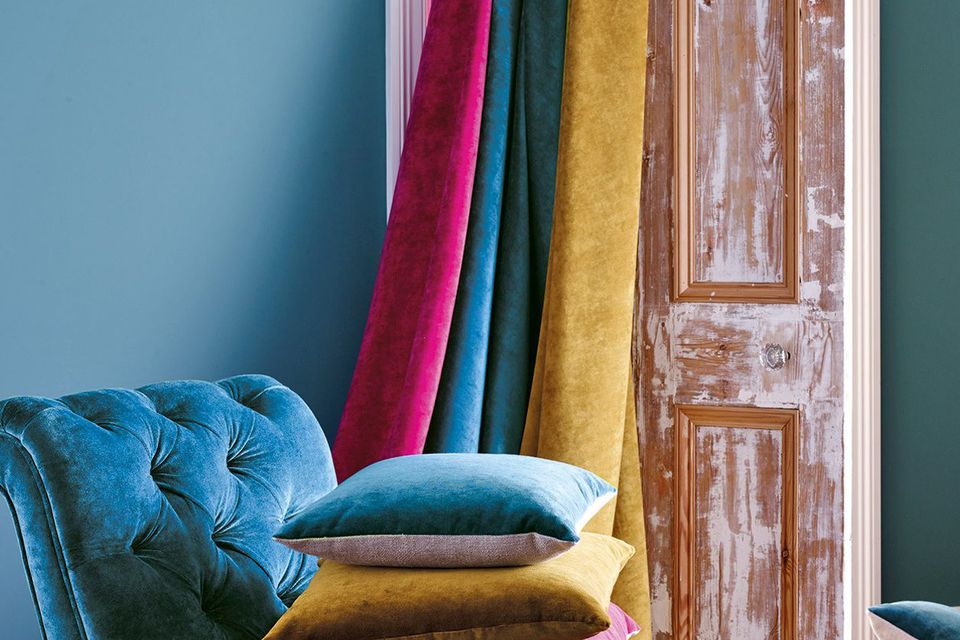
The article introduces 'Circular by Design,' a new column exploring projects that embody the circular economy, focusing on the potential of waste as a valuable raw material. The inaugural piece highlights a collaboration between British textiles manufacturer Camira and the SEAQUAL Initiative to create the industry's first upholstery fabric from ocean plastic. This initiative addresses the environmental crisis of ocean plastic pollution by transforming waste into a functional product.
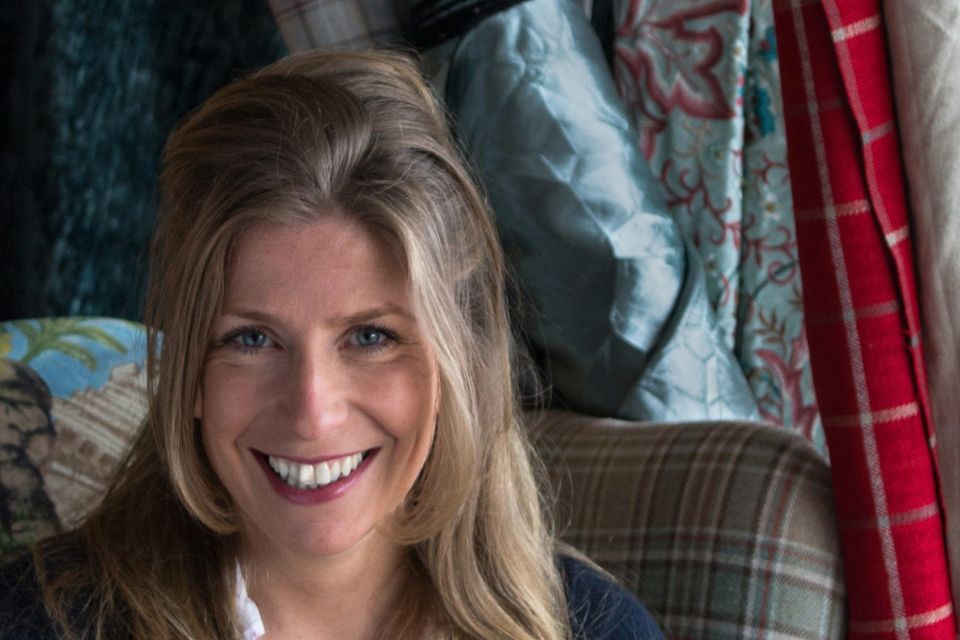
Ciara Crossan, Camira's group design manager, explains the motivation and process behind their Oceanic Project. Her background in textile design, with degrees from Central Saint Martin’s College of Art and Design and the Royal College of Art, underpins her passion for well-designed, functional, and sustainable products. The Oceanic Project, inspired by David Attenborough's 'Blue Planet' program, aims to contribute to cleaning oceans and land by using recycled plastic.
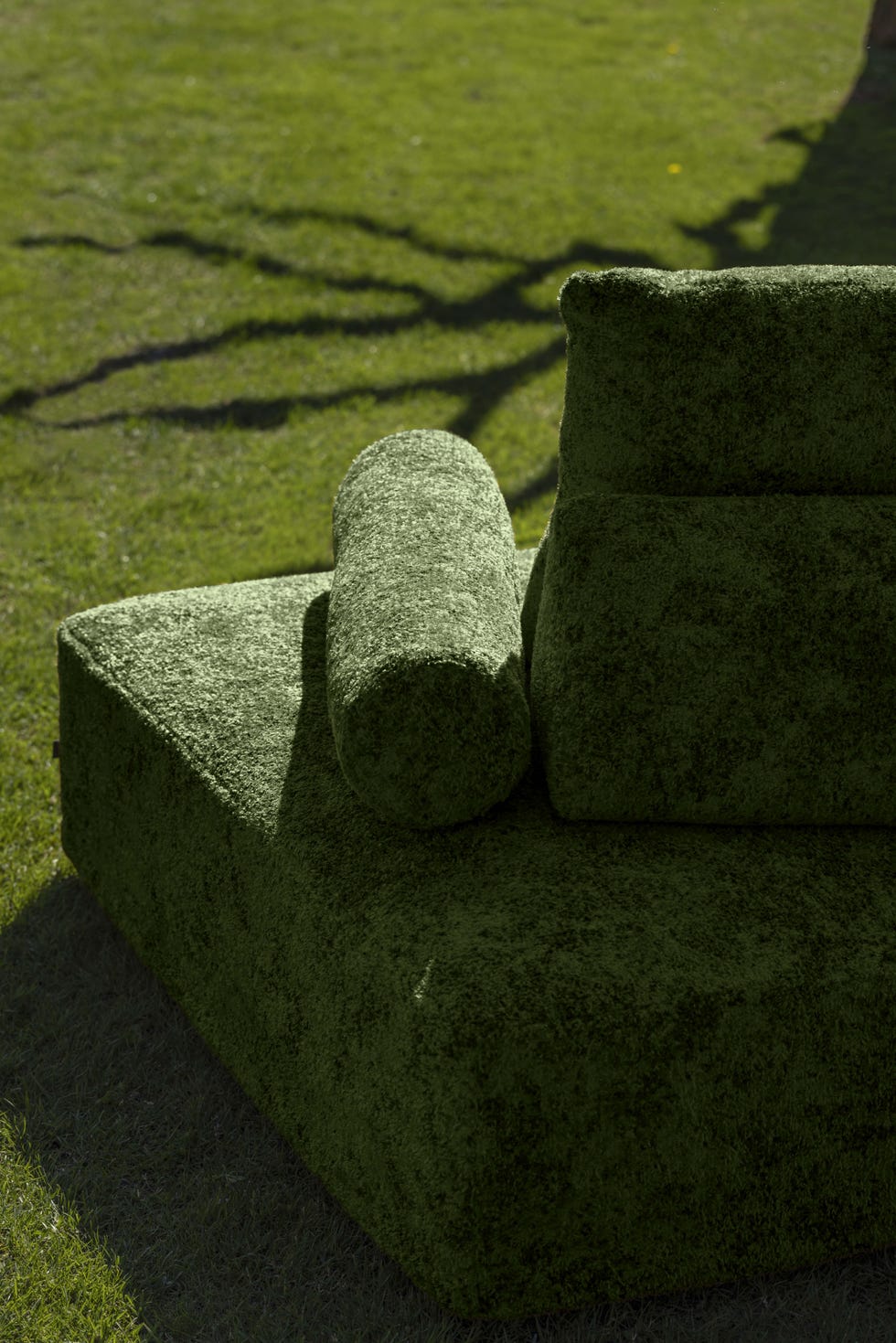
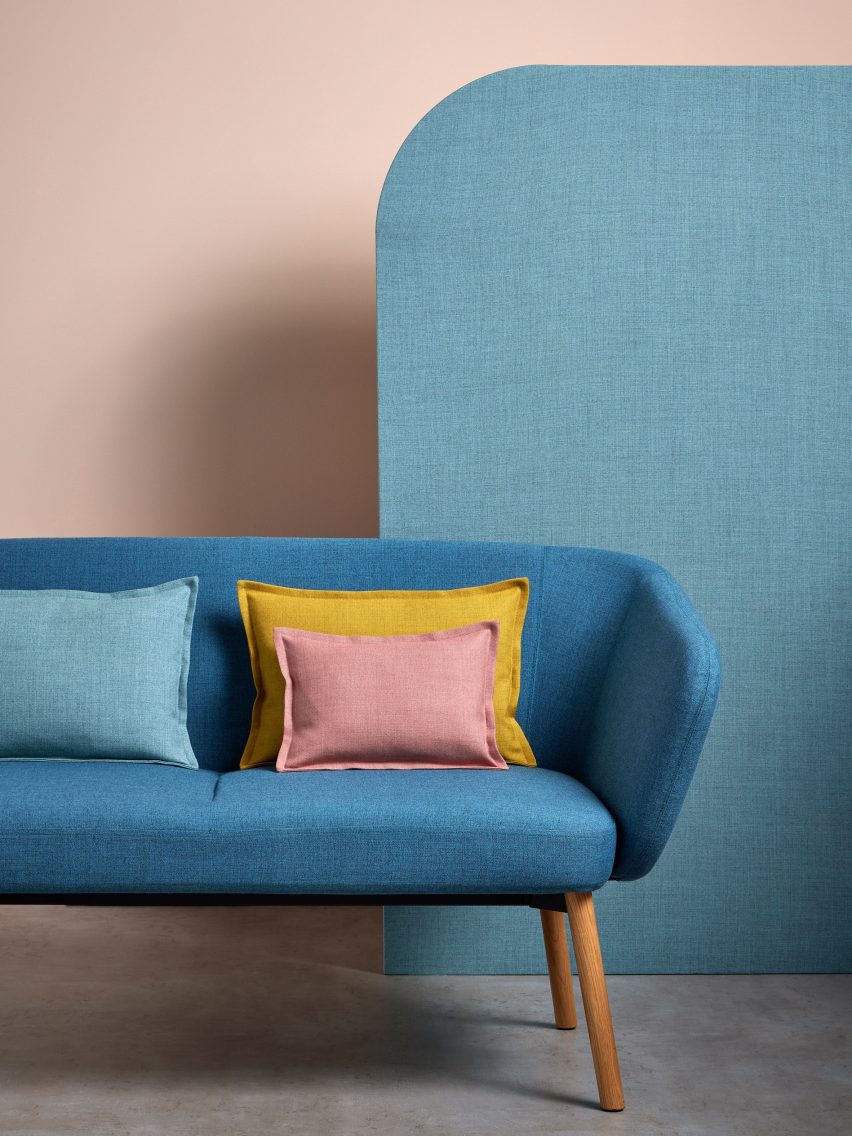
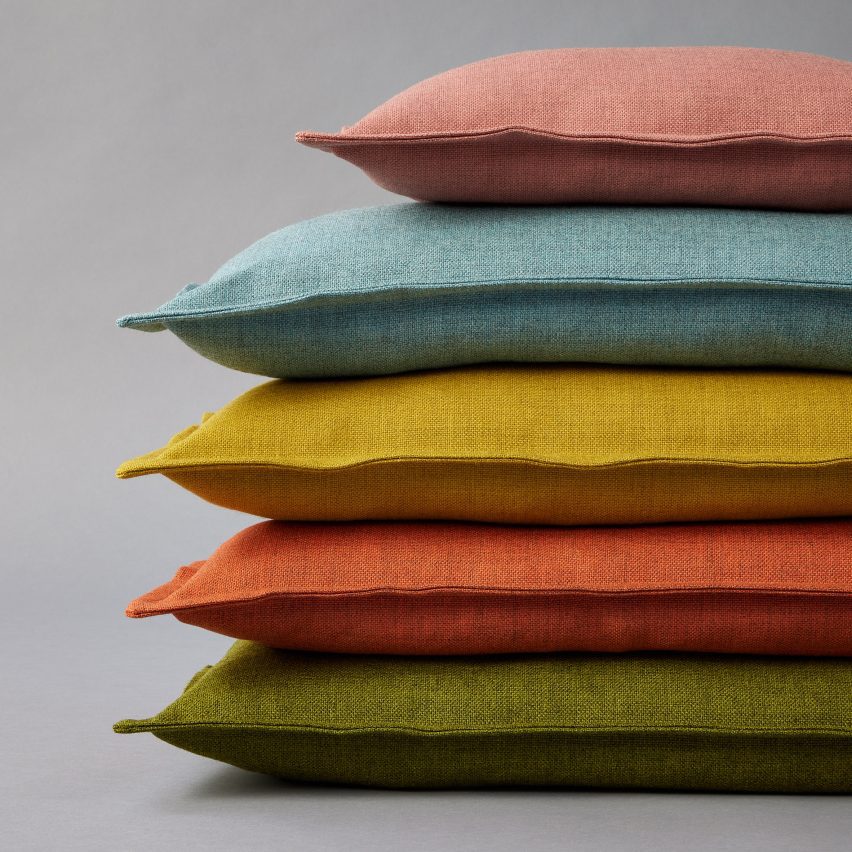
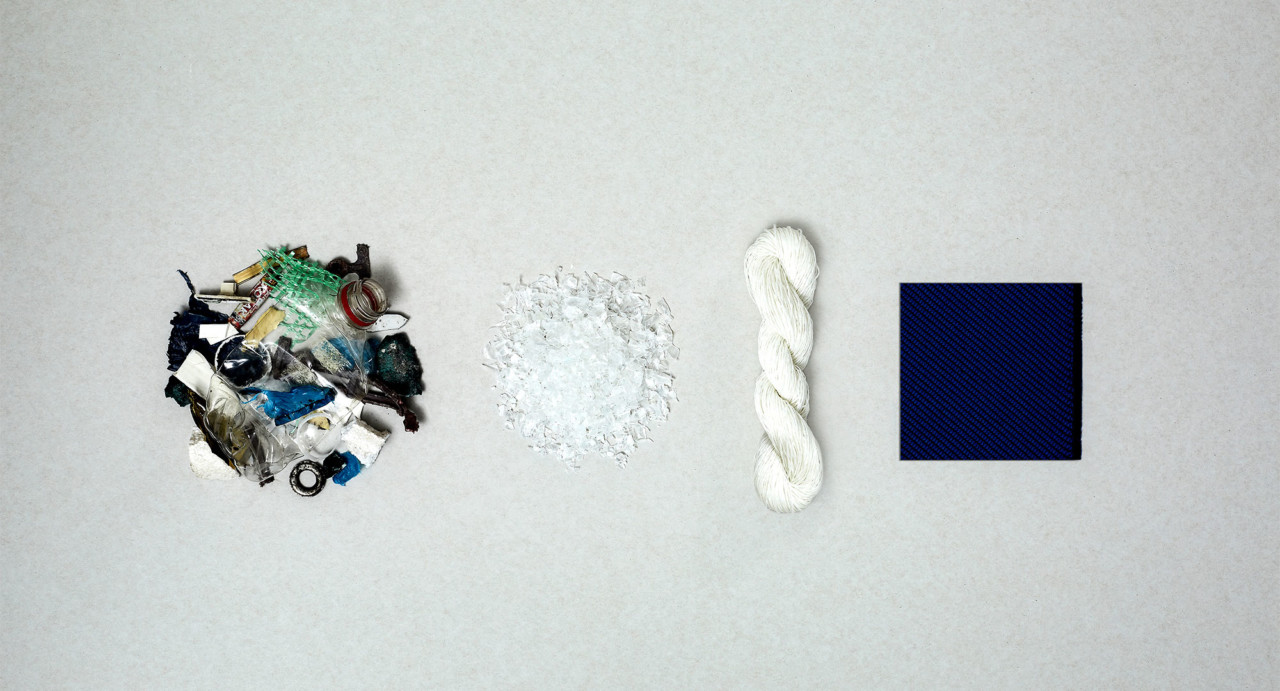
The Oceanic fabric is entirely made from recycled plastic, combining ocean plastic with post-consumer plastic bottles. Each meter of fabric incorporates the equivalent of 26 plastic bottles. The SEAQUAL Initiative plays a crucial role by collecting waste plastic from the sea and beaches, primarily in the Mediterranean Sea and Spain, and processing it into yarn. The chosen material is Polyethylene Terephthalate (PET), commonly found in drinking water bottles. The clear or light blue color of these bottles makes them ideal for textile production, as they can be transformed into dyeable yarn and fabric.
Camira has a long history of utilizing waste as a raw material, dating back over 20 years. Their past innovations include recycled wool fabric from army jumpers and recycled polyesters from PET bottles. The Oceanic project represents an advancement in their commitment to environmental stewardship by integrating ocean plastic. The process involves sorting collected plastic waste by polymer type, washing, shredding, and extruding it into polymer chips. These chips are then combined with other post-consumer recycled PET chips by a yarn supplier, melted, and extruded into texturized yarn, which Camira then weaves into the final fabric.
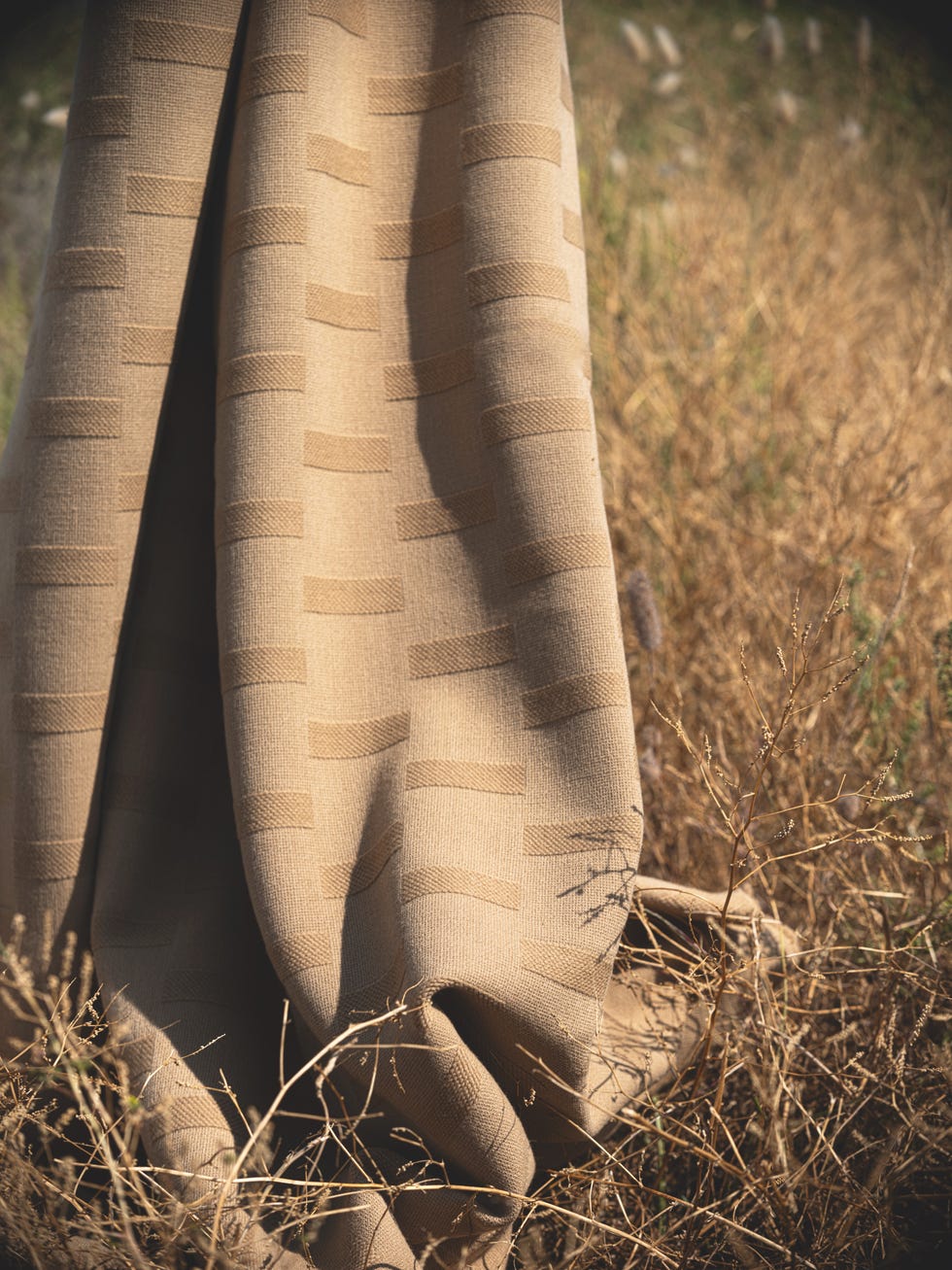
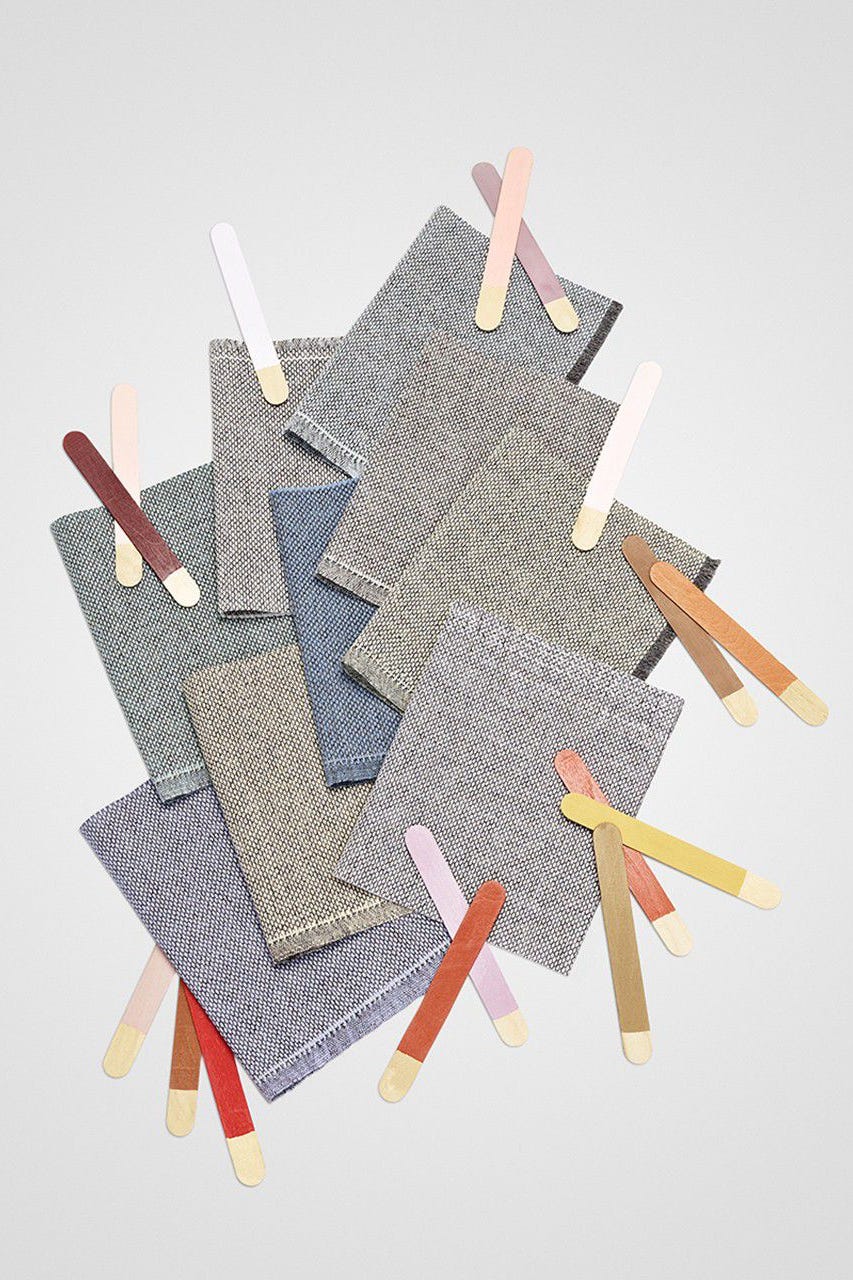
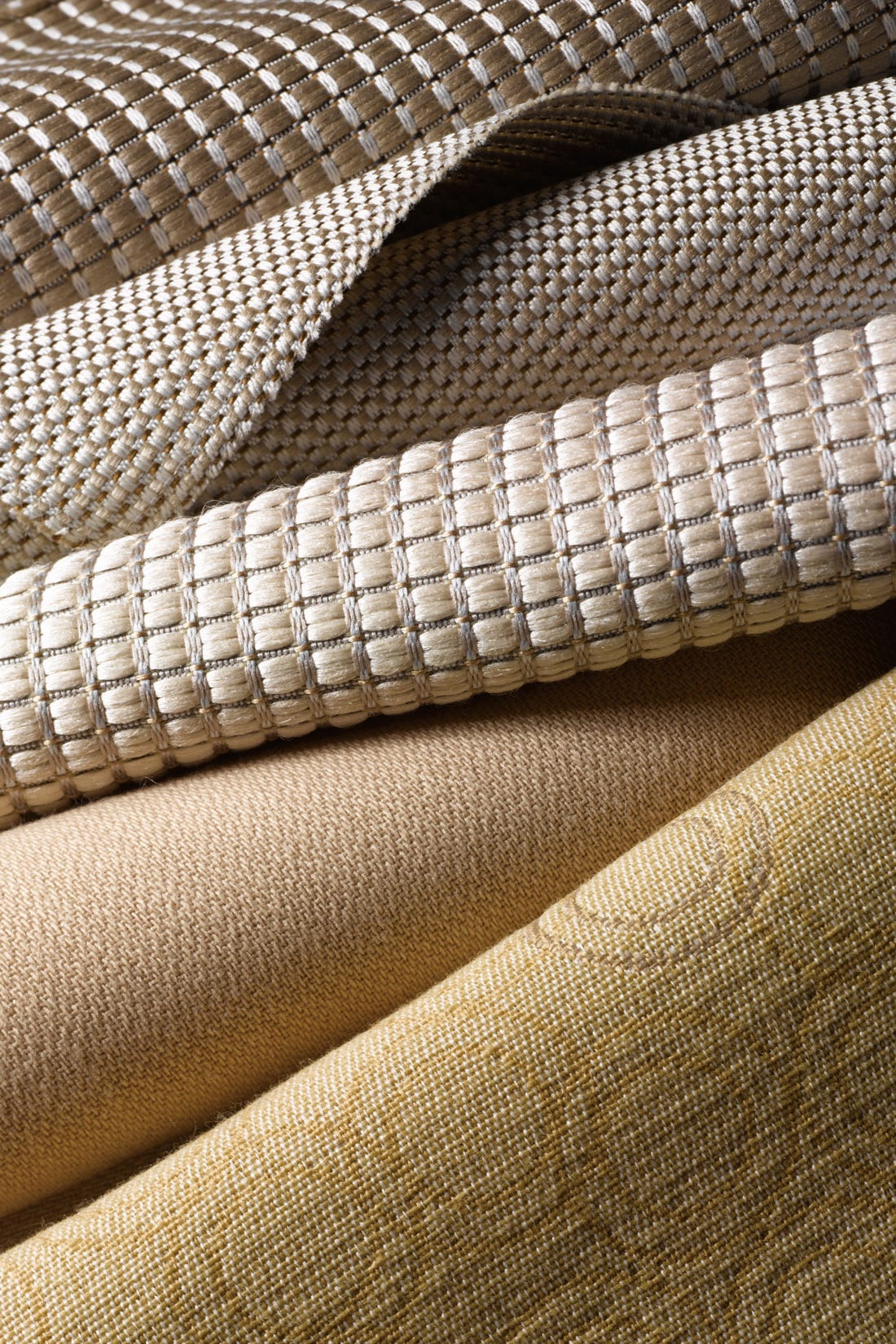
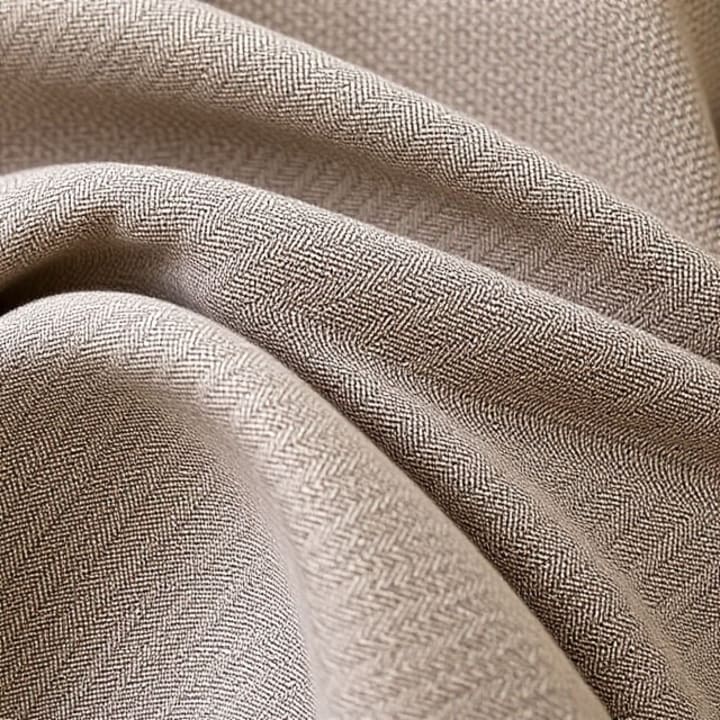
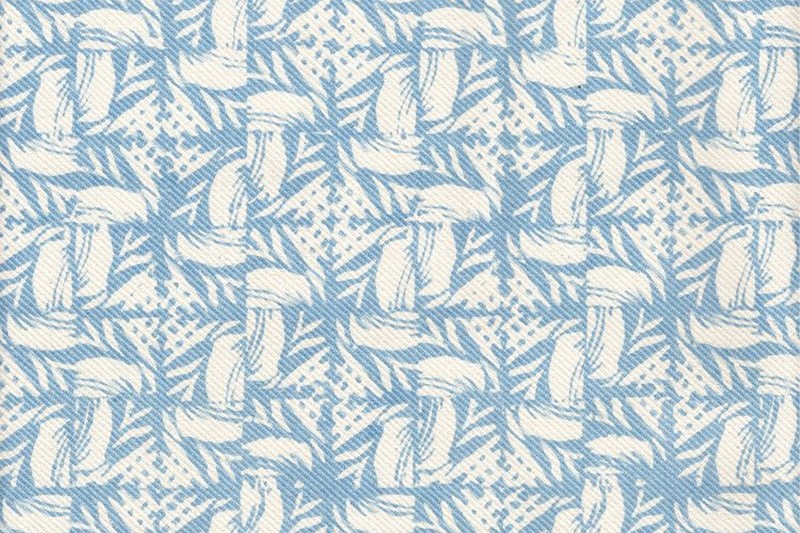
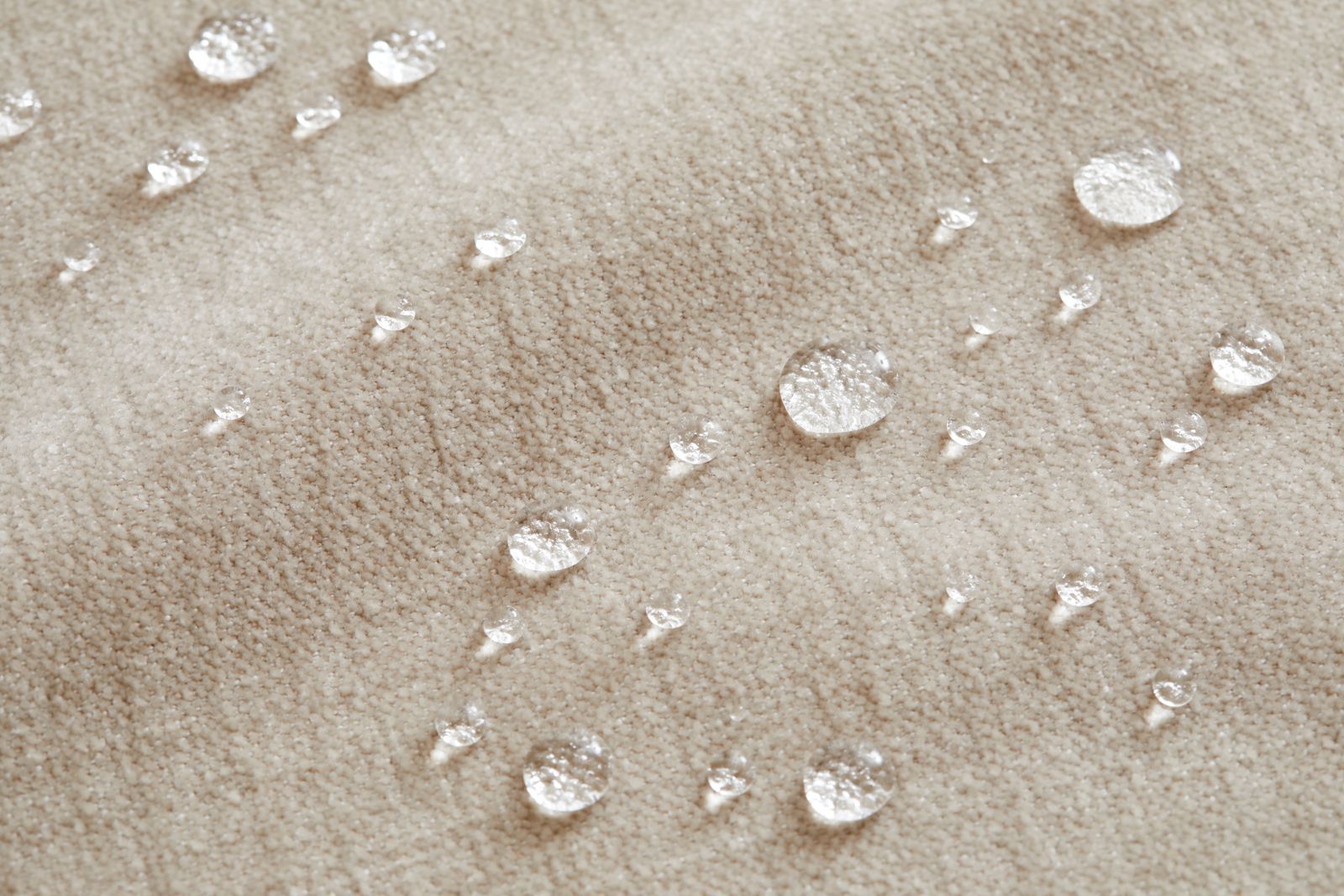
Crossan expresses satisfaction with the transformation of waste into a high-quality product. Despite initial perceptions of recycled plastic leading to rigid fabrics, Oceanic demonstrates a soft yet durable texture, suitable for both task and soft seating, featuring a distinctive diagonal pattern. The fabric is designed for a lifespan of 10 years and, theoretically, can re-enter the circular economy if easily removed and returned for further recycling processes.
The public reception to the Oceanic Project has been overwhelmingly positive, largely due to the widespread awareness and concern about marine plastic pollution. Customers are increasingly interested in supporting sustainable products and initiatives. The article concludes by emphasizing a shift in public perception towards waste as a valuable raw material, highlighting that recycled products can still possess high-end quality and finish. Camira's future strategy involves continued innovation in naturally sustainable materials, expanding their use of wool-bast fibers, introducing new recycled fabrics, and exploring concepts like cork and British wool fleece, alongside advancing their technical knitting capabilities for recycled polyester. This reflects a broader industry trend towards circular design and the imperative for designers to contribute to a better, more sustainable world.
#CircularEconomy #SustainableDesign #OceanPlastic #UpholsteryFabric #RecycledMaterials #TextileInnovation #EnvironmentalStewardship #ProductDesign #WasteManagement #CircularEconomy #SustainableDesign #OceanPlastic #UpholsteryFabric #RecycledMaterials #TextileInnovation #EnvironmentalStewardship #ProductDesign #WasteManagement
0 ความคิดเห็นรวม
 ยังไม่มีความคิดเห็น
คุณอาจจะชอบอีกด้วย
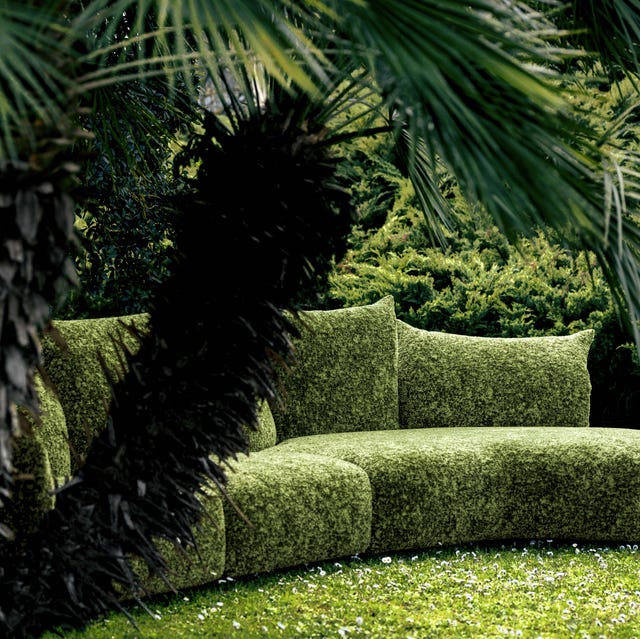
New Upholstery Fabrics as an Expression of Environmental Responsibility and Creativity
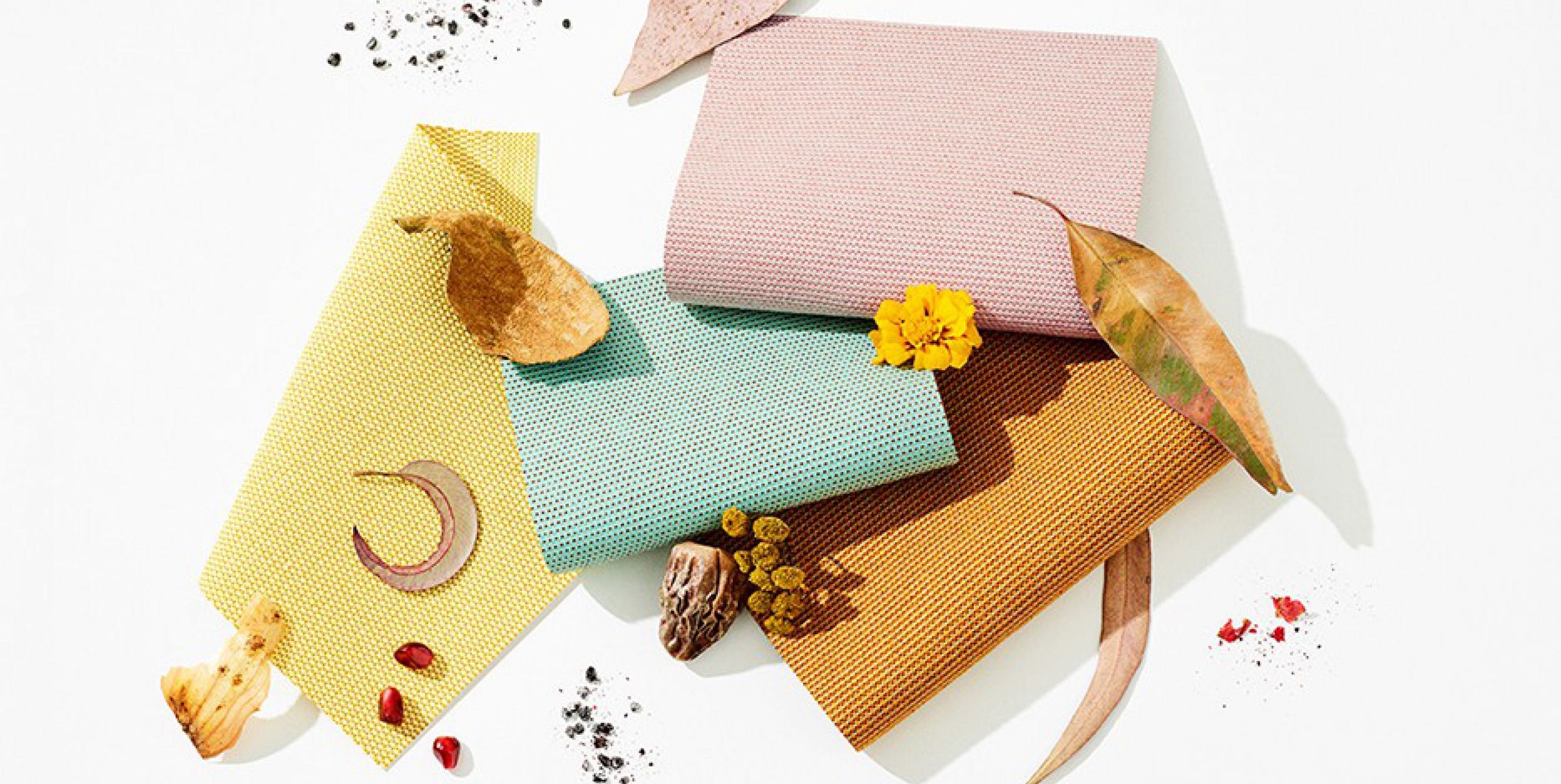
These Fabric Manufacturers Are Planning to Save the World

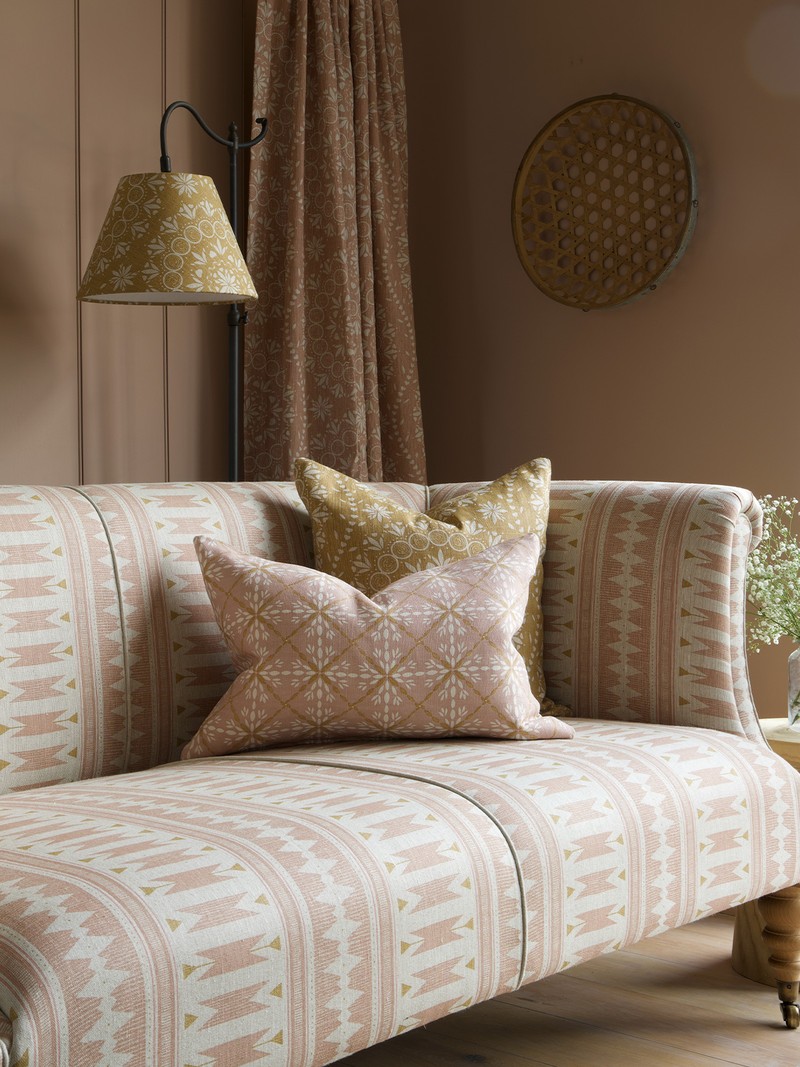
The New Fabric Launches Worth Knowing About

David Heiman | Sales Director | Agora
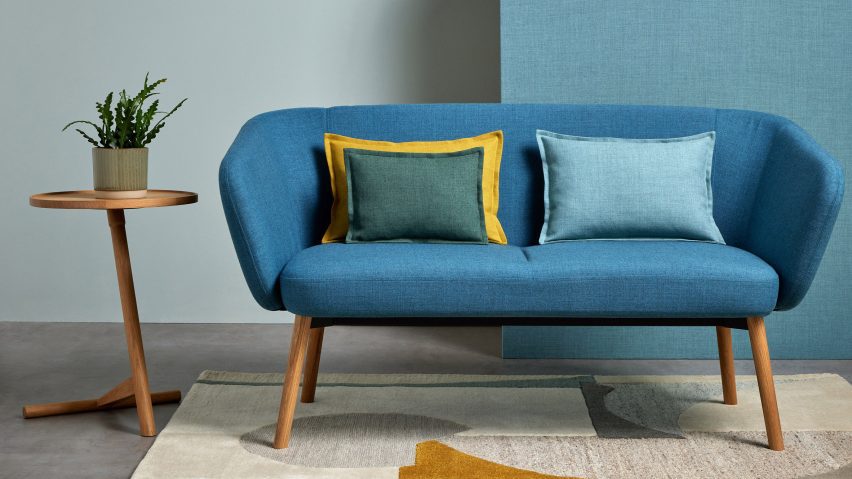
Sumi fabric collection by Camira
The Best Upholstery Fabrics of 2025: Comfort, Durability, and Style

Digitally printed silicone upholstery

The 5 Fabric Trends Ruling Interiors Now, According to the Pros

Artist Uses Recycled Textile Waste to Handcraft Ocean-Inspired Rugs and Tapestries

Q&A with eco-dyed textile designer Joanne O'Rourke

Interiors: Second skin... revive your favourite couch
10 reasons to make natural-fiber textiles your go-to fabrics

Going coastal: Melbourne shop delivers ocean-inspired decor
Easy and breezy: Coastal decor
15 of the best UK fabric shops
A next-generation material for sustainable padding applications


The Secret Behind Galveston’s Dreamiest Beach Houses
What are the best fabrics for outdoor furniture? Designers share their top picks – stylish and functional in equal measure

The Best British Textile Designers - Interiors 2023
Mara Nelson’s Cover Girls: Upholstery made to last