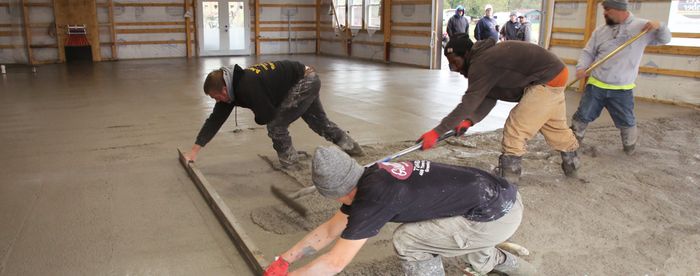
1/2
Bucket-Mixed Concrete
This article presents an alternative method for mixing small batches of concrete, diverging from the traditional use of a wheelbarrow, shovel, and mixing hoe. The technique, shared by Mike Banke, involves using a 5-gallon bucket, a 1/2-inch drill, and a paddle mixer. The process begins with pouring clean water into the bucket, followed by adding a 60-lb. bag of concrete, and then mixing with the drill, starting slowly and gradually increasing speed. This method is suggested as a potentially faster and more efficient approach for small-scale concrete mixing tasks.
The article also provides links to related resources for concrete mixing, including methods for using a plastic sheet for small batches where a ready-mix truck cannot reach, essential considerations for hand-mixing concrete such as water amount and thoroughness, and a back-friendly approach for mixing concrete by the bag.
The comments section offers diverse perspectives and practical advice from readers who have attempted or are familiar with this method. Several commenters highlight potential challenges, such as the risk of burning out drill motors if not used correctly. Suggestions for mitigating this risk include adding concrete in parts, using a drill with a low-range setting and high torque, and ensuring the drill is air-cooled to prevent overheating. The importance of adding water first to facilitate easier mixing and reduce stress on the drill is also emphasized. Some users recommend specific types of paddle mixers or drills designed for heavy-duty mixing, such as a Milwaukee HoleHawg drill motor or specialized mud-monster mixers.
Practical tips shared by commenters include wearing rain pants and boots to prevent splashes, keeping a bucket of water nearby for cleaning the paddle mixer, and the technique of placing one's foot on the rim of the bucket to prevent it from spinning during mixing. One experienced user, Mike Banke, elaborates on his successful application of the technique, detailing his use of a Milwaukee HoleHawg on a low-range setting, specific water-to-concrete ratios, and his ability to mix 20 bags in an hour. Other users note that while this method may be suitable for mortar, plaster, or stucco, the weight and desired dryness of concrete can make it a tougher proposition for drill/paddle mixing, sometimes requiring more water than recommended on the bag to allow the drill to move the mix. The discussion collectively provides a comprehensive overview of the bucket-mixed concrete method, including its advantages, potential drawbacks, and practical tips for successful implementation.
#ConcreteMixing #DIYConcrete #HomeImprovement #MasonryWork #BuildingFoundations #PowerTools #ConstructionTips #SmallBatchConcrete #DrillMixer #ConcreteMixing #DIYConcrete #HomeImprovement #MasonryWork #BuildingFoundations #PowerTools #ConstructionTips #SmallBatchConcrete #DrillMixer
0 ความคิดเห็นรวม
 ยังไม่มีความคิดเห็น
คุณอาจจะชอบอีกด้วย

Cement

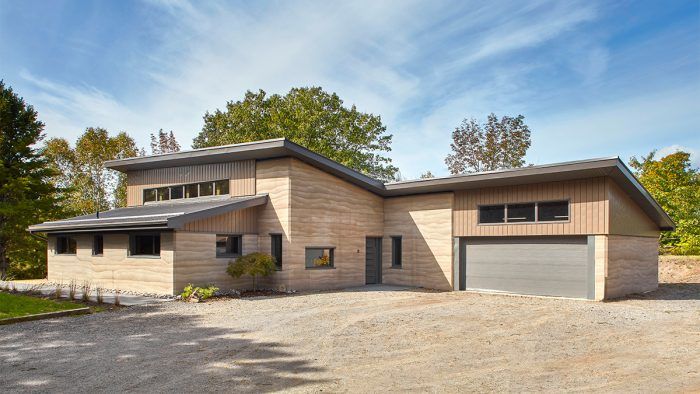
Rammed Earth Construction

K-Studio pairs stone with concrete for Greek holiday home
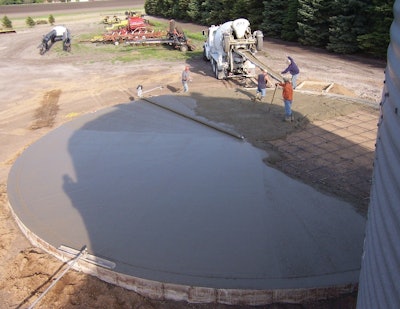
Completing a Circular Concrete Pour with a Roller Screed

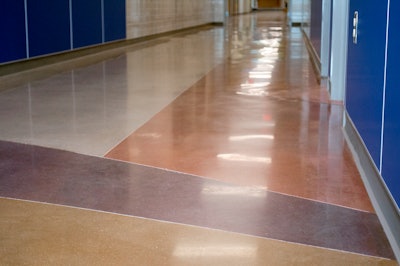
How to Apply Multi-Color Dyes to Polished Concrete
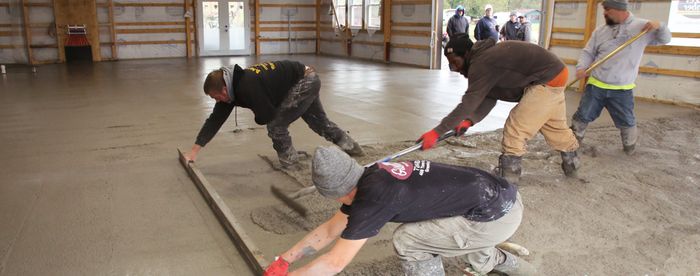
Placing Concrete in the ICF Foundation
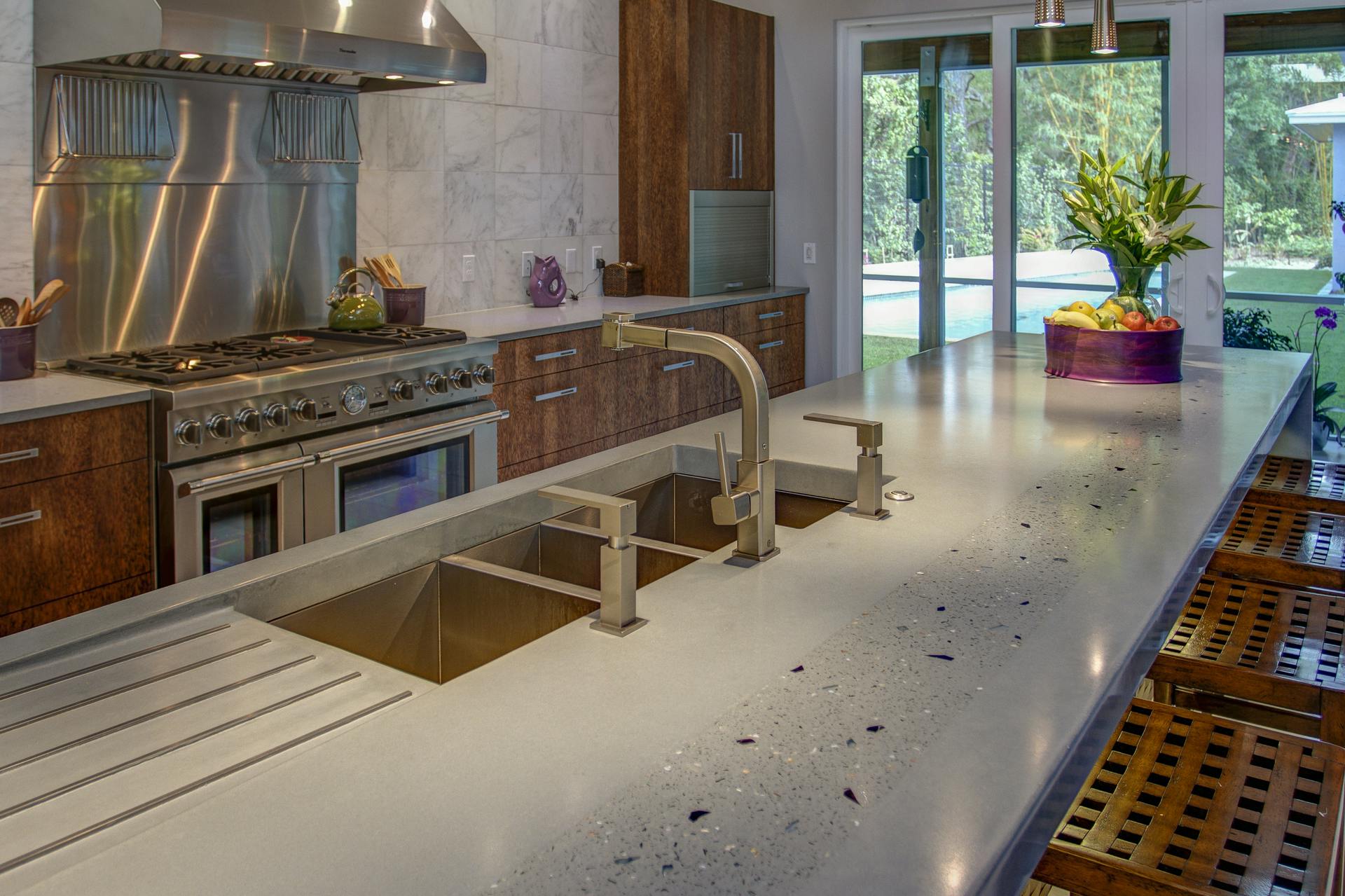
GFRC Offers New Design Options for Concrete Countertops

Acme Brick

Six examples of fabric-cast concrete that are breaking the mould

Concrete Events & Tradeshows for 2026
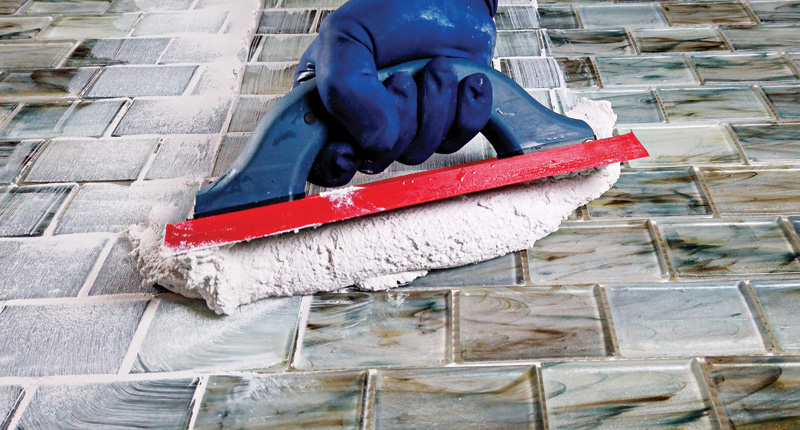
From mix to fix: The benefits of single-component grout

Concrete design ideas: how to make them work in any home

How to Choose a Concrete Countertop Mix Design
The Best Concrete Bonding Agents for Your Project

Video Series: How to Create a Lightweight Concrete Countertop

Concrete Collaborative Unveils Playfully Patterned Tiles From Alex Proba
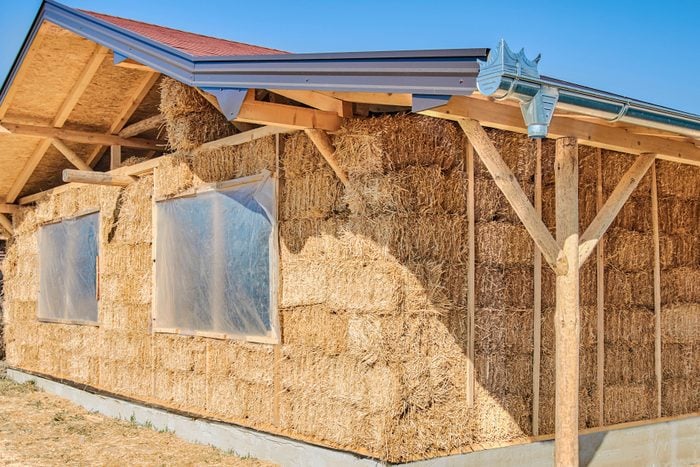
7 Concrete Alternatives

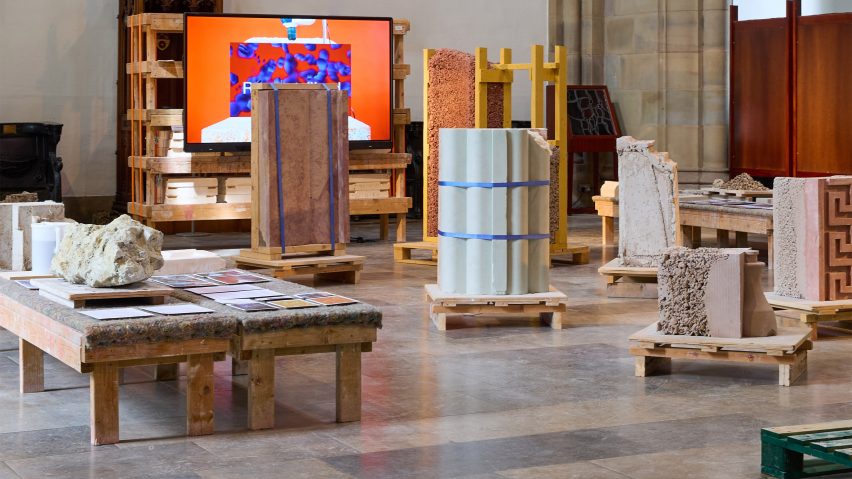
Poured Earth is a sustainable construction method modelled on concrete casting

Material Guide: The Benefits of Building With Concrete


Concrete With 3D Printed Foam Forms