1/8
As the Days Get Darker, These Are the 2 Lighting Shifts Designers Make in Every Home They Design
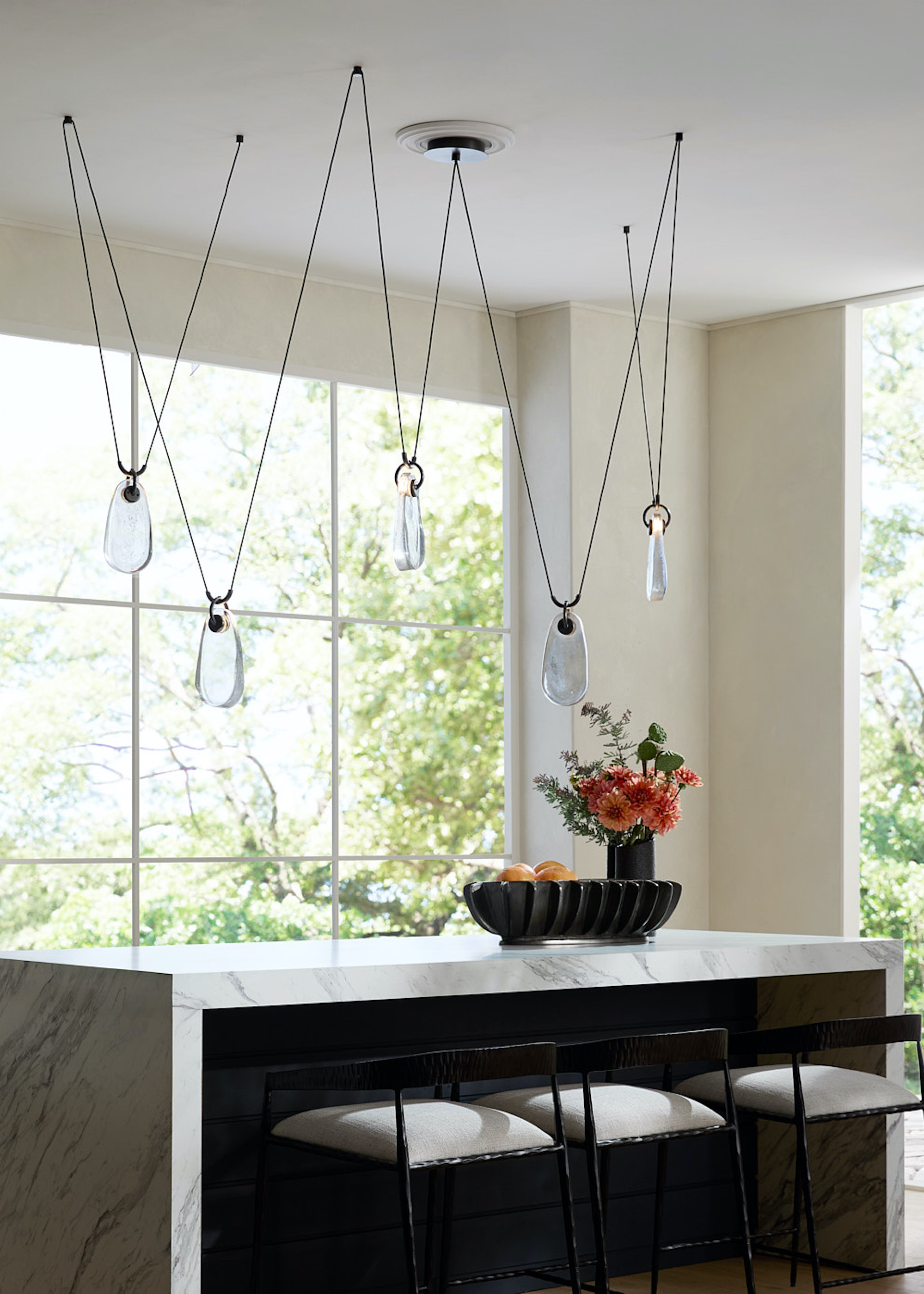
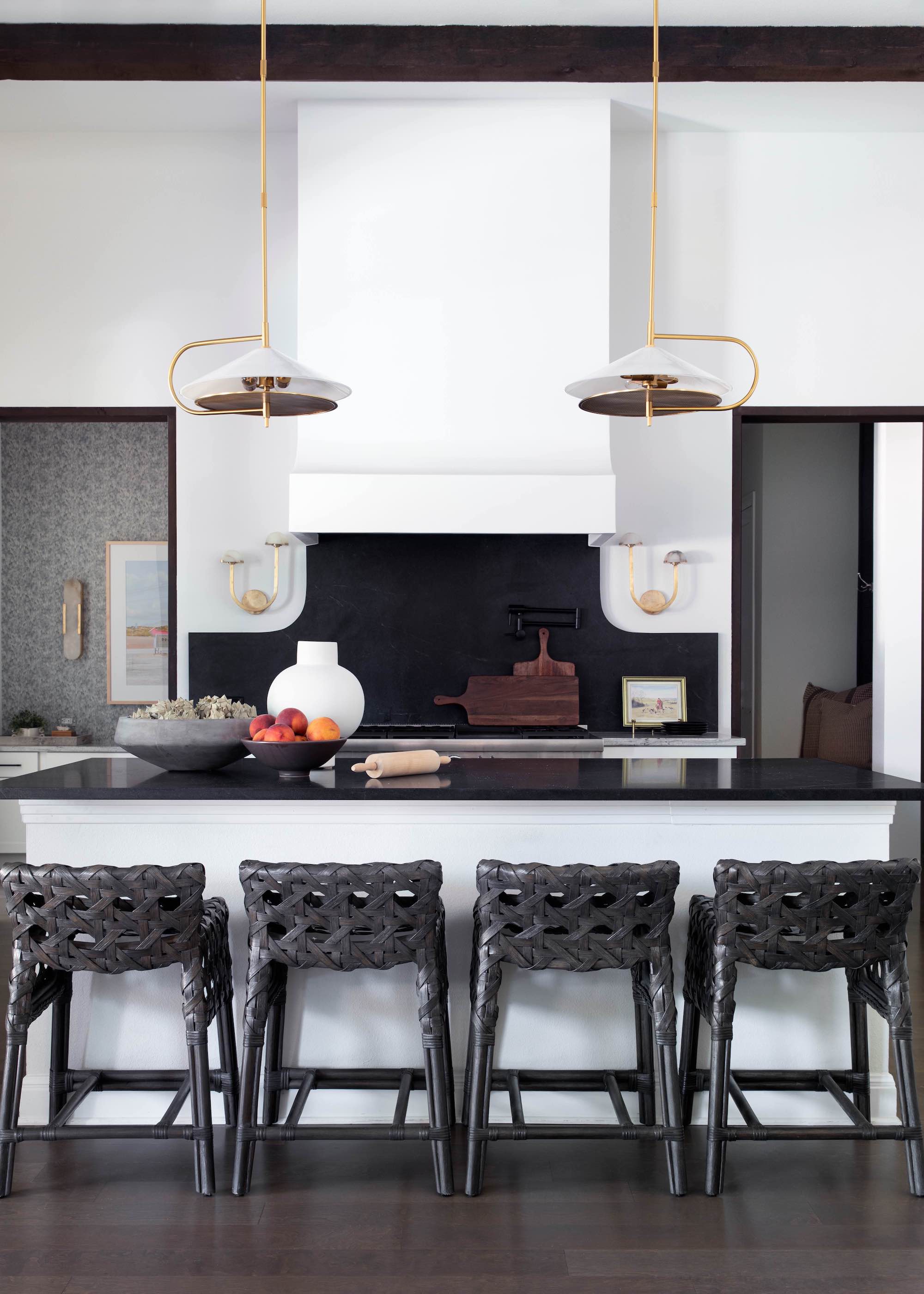
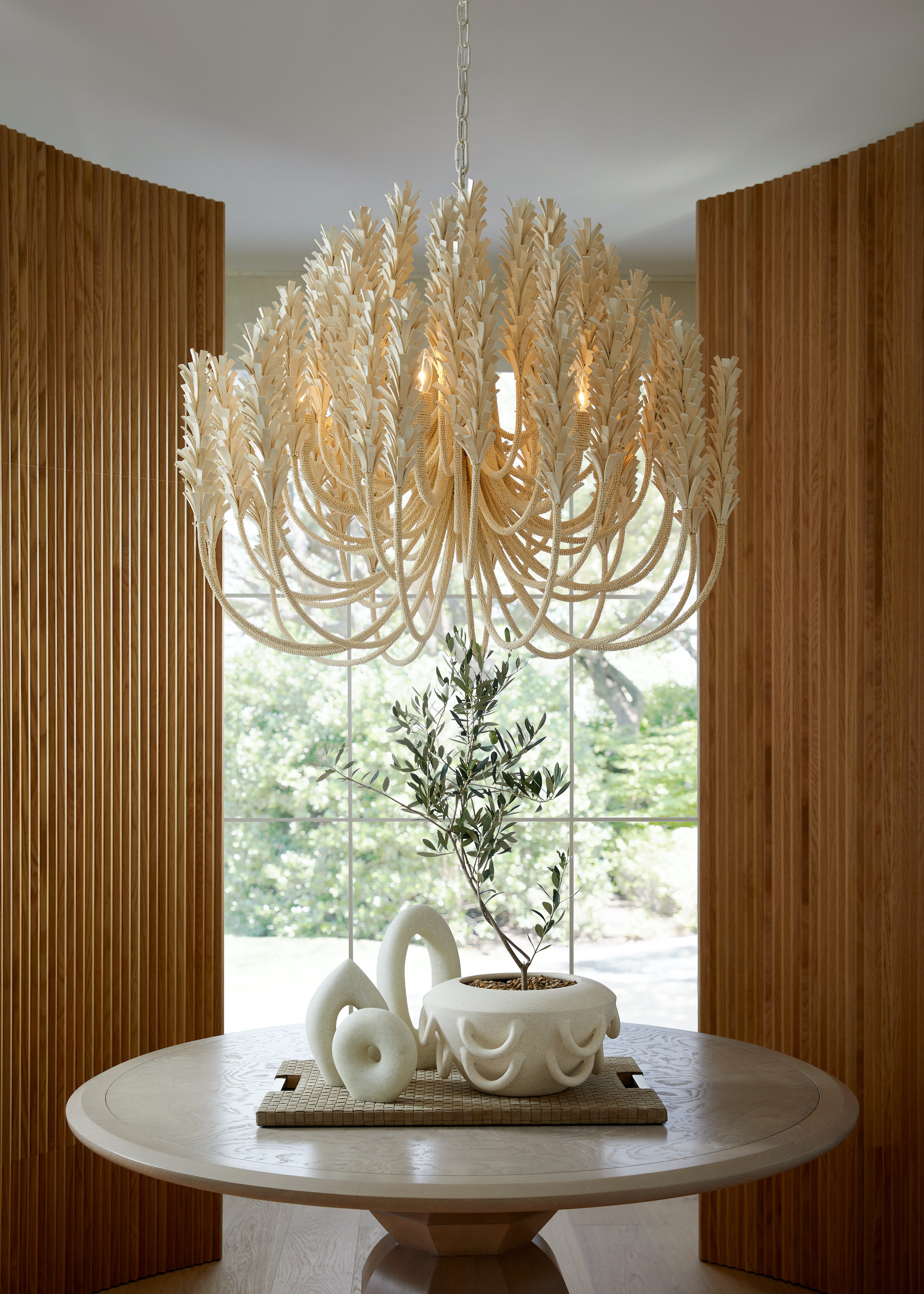
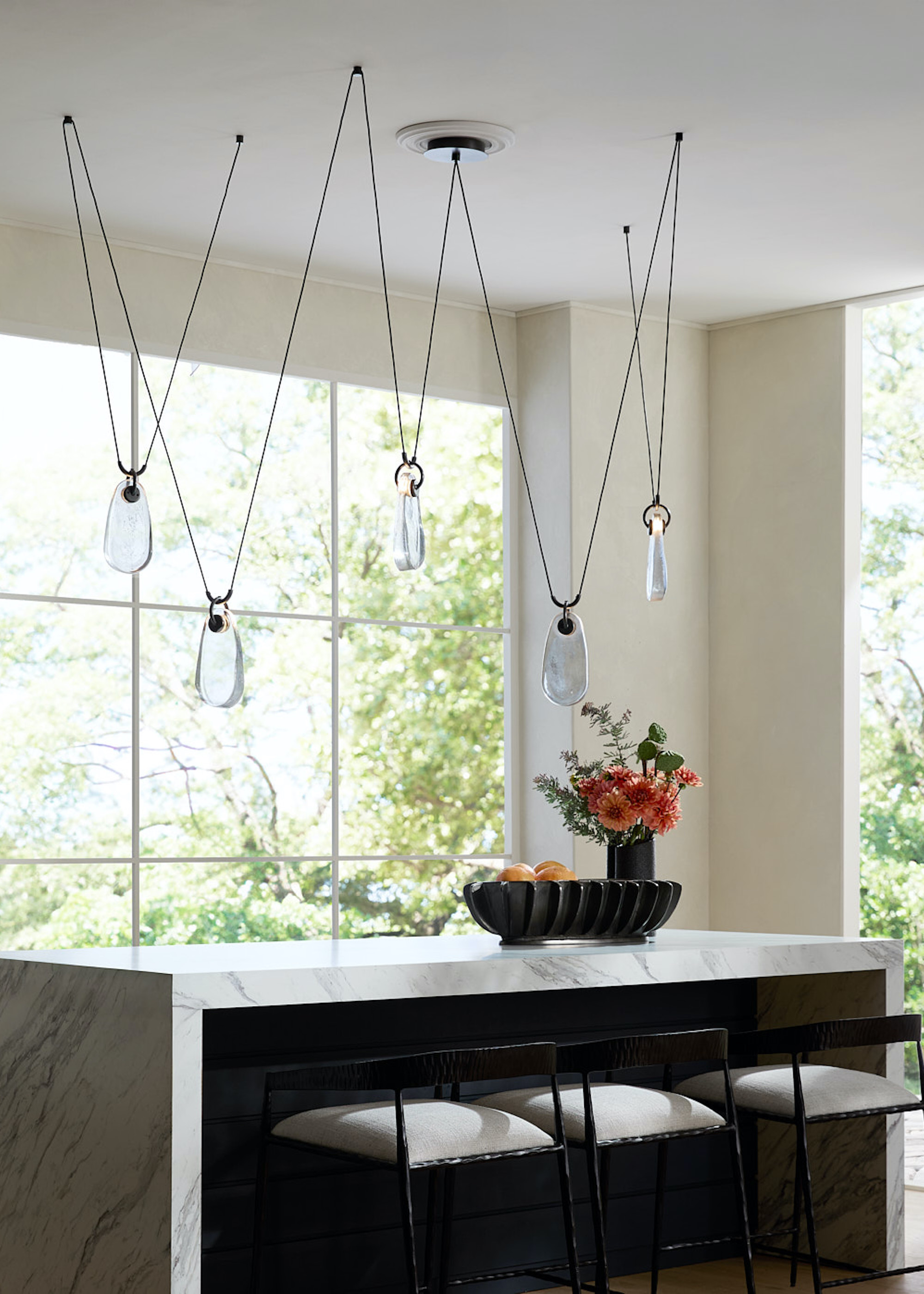
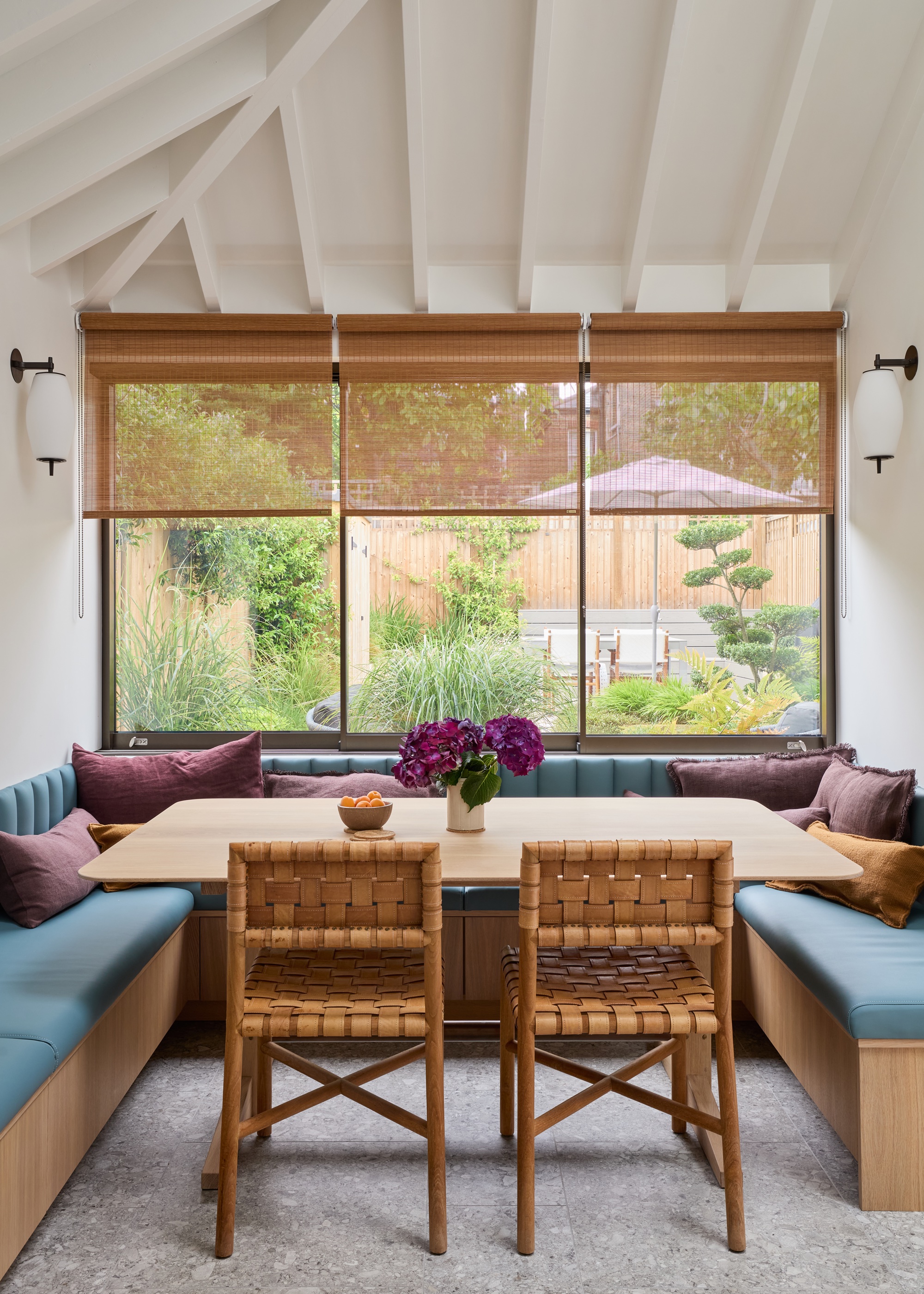
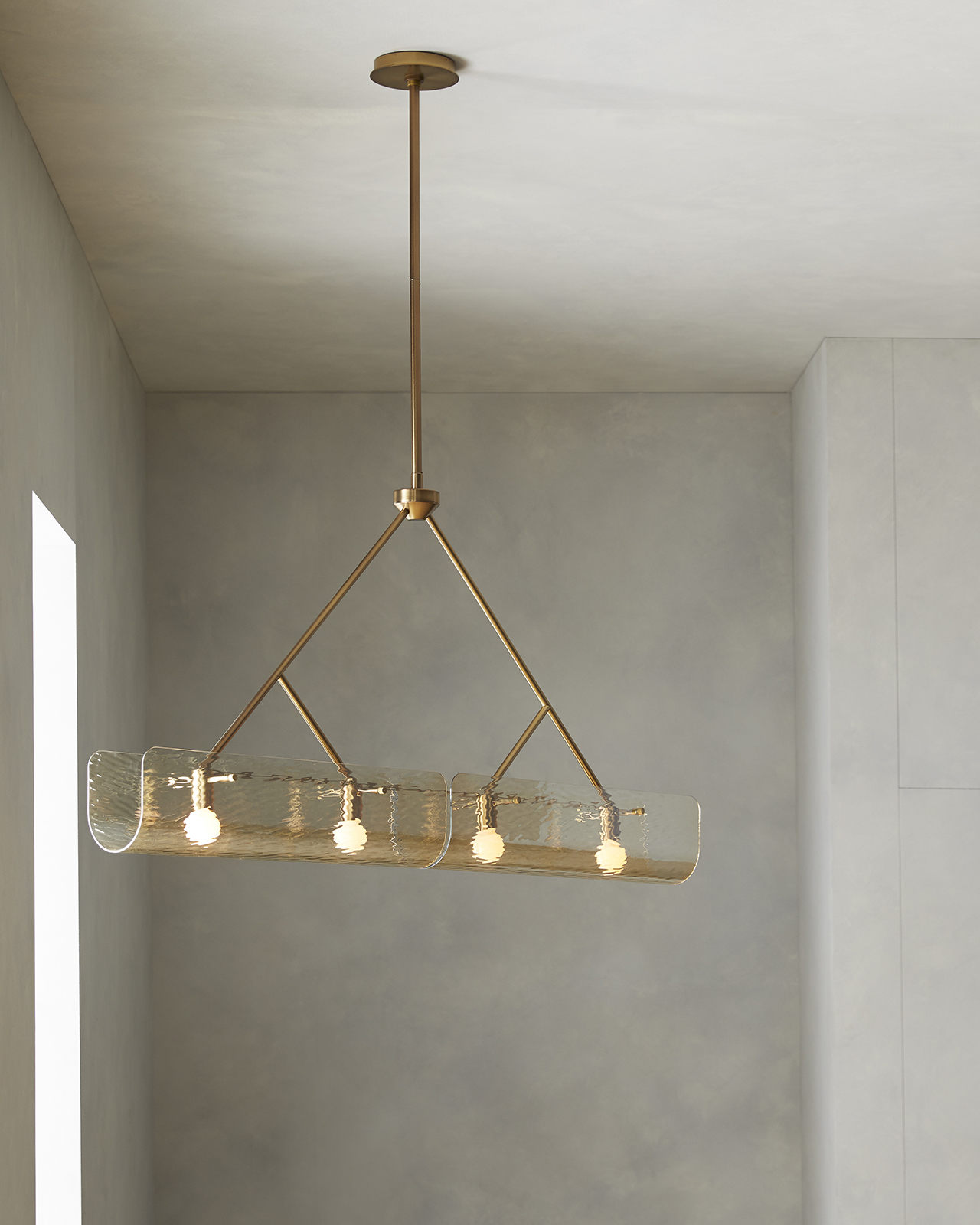
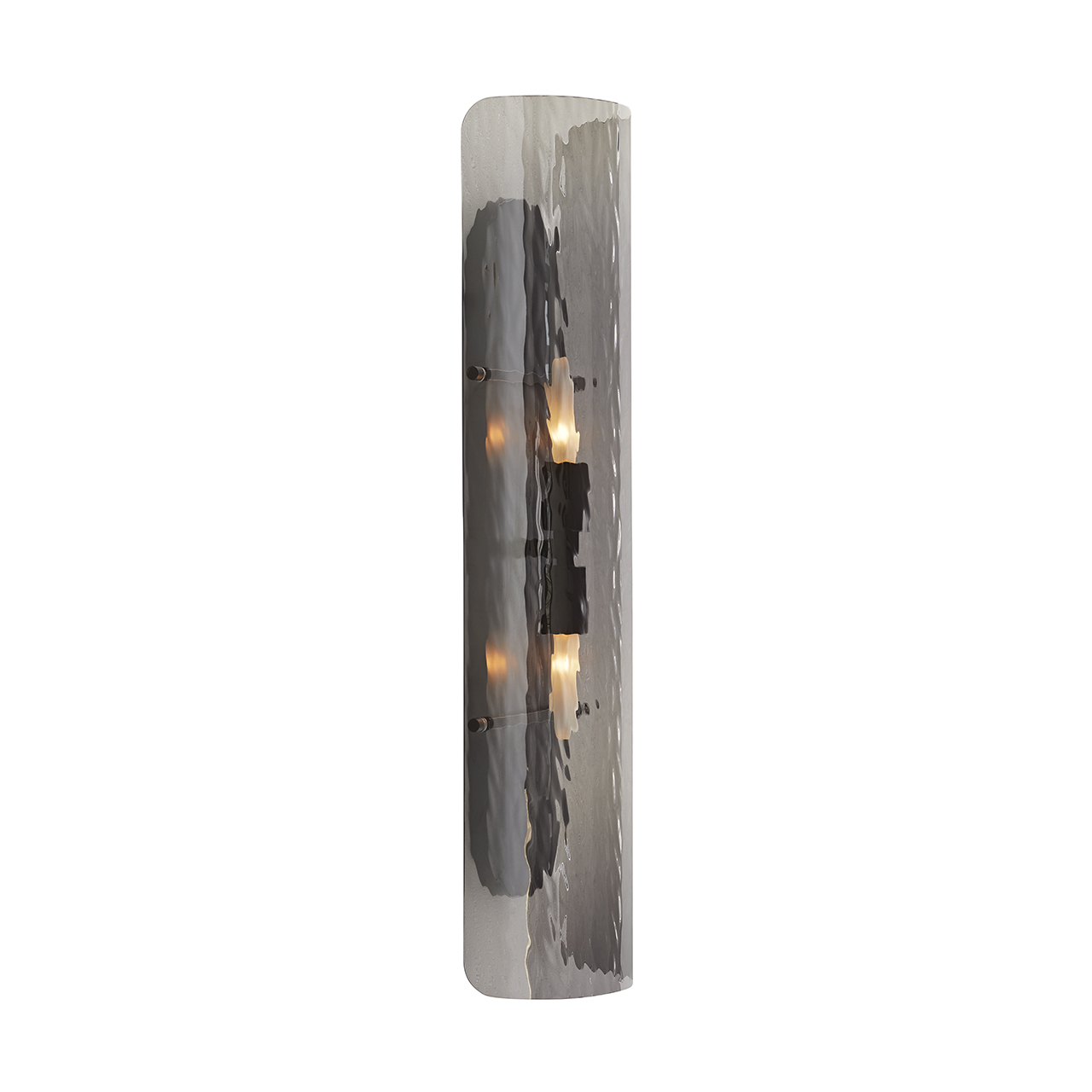
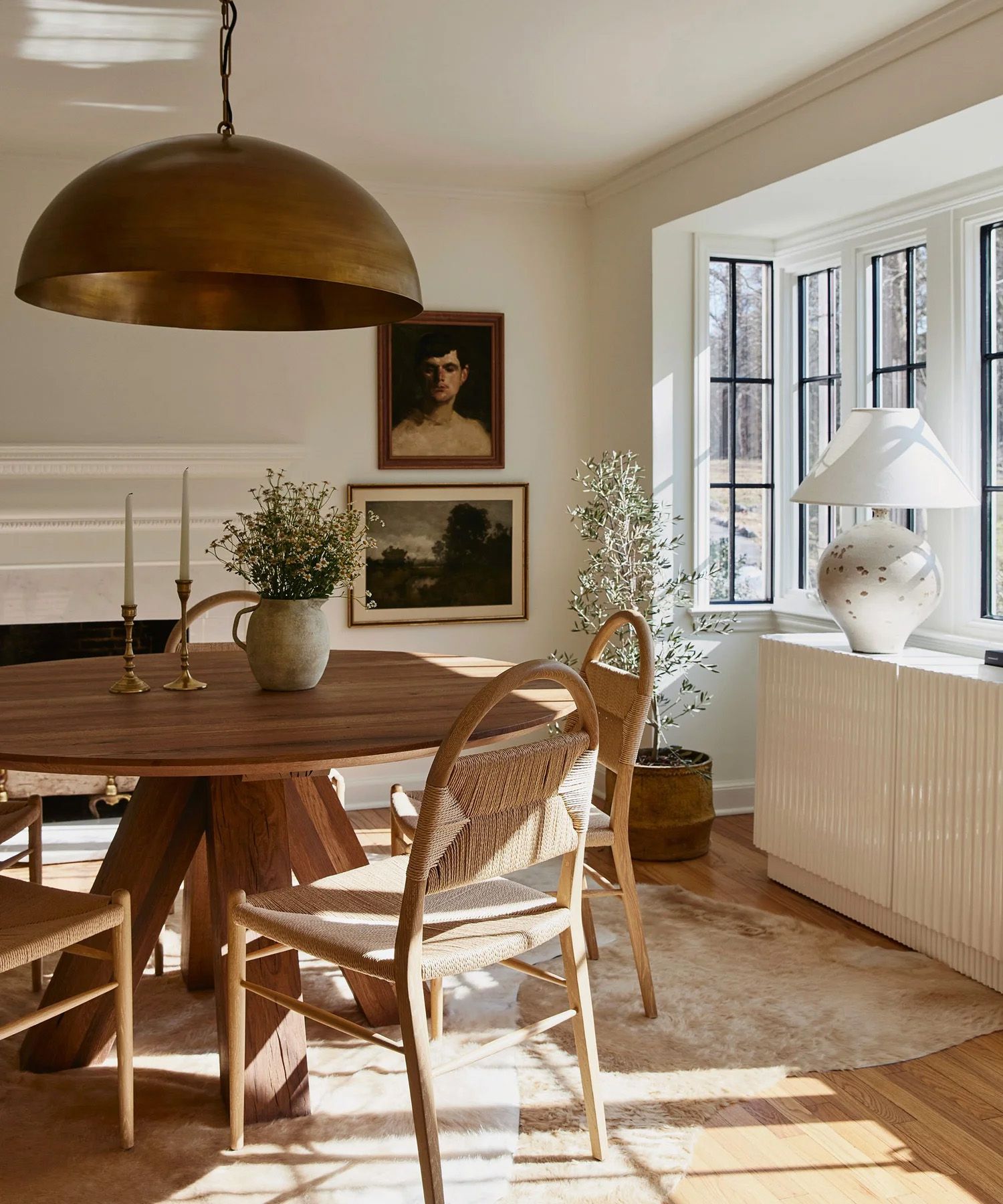
As daylight hours diminish and the cooler seasons of fall and winter approach, interior design experts emphasize the critical role of strategic lighting adjustments to maintain a warm and inviting home atmosphere. The shift from abundant natural light to shorter, often gloomy days necessitates a proactive approach to indoor illumination, moving beyond simple decorative accents to functional and atmospheric lighting solutions. Designers recommend two primary shifts to transform living spaces into cozy sanctuaries: integrating low-level layered lighting and optimizing bulb temperatures for warmth.
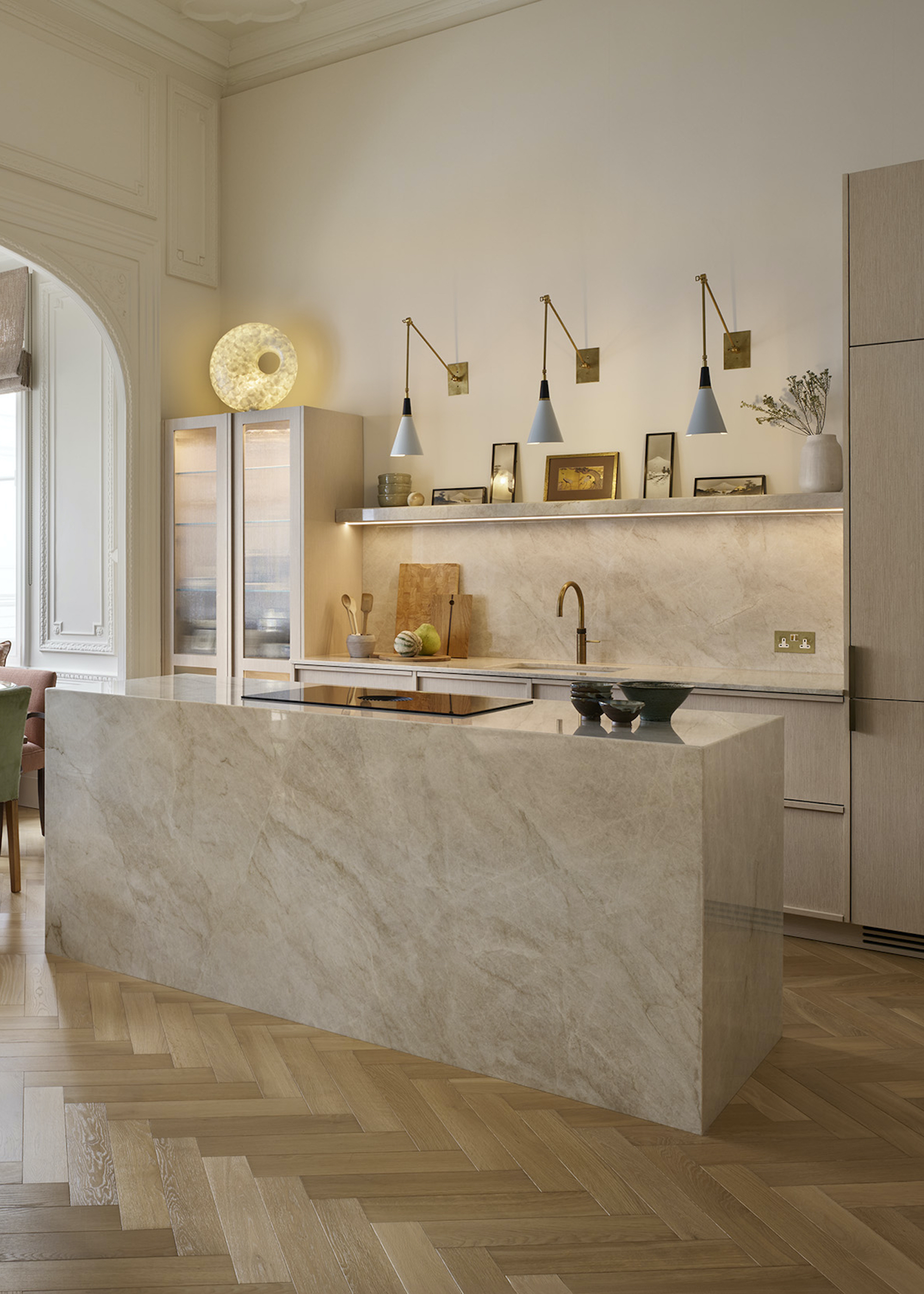
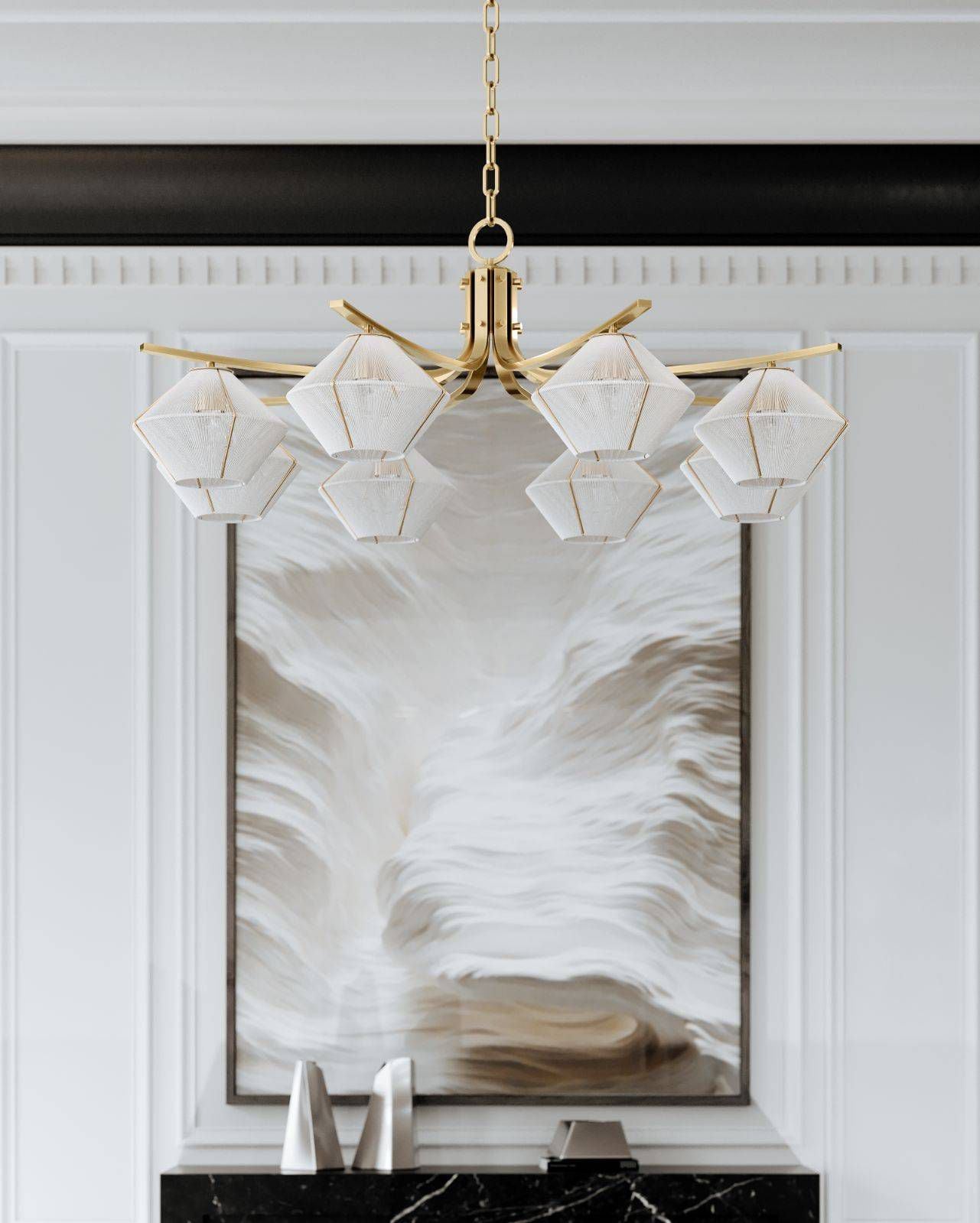
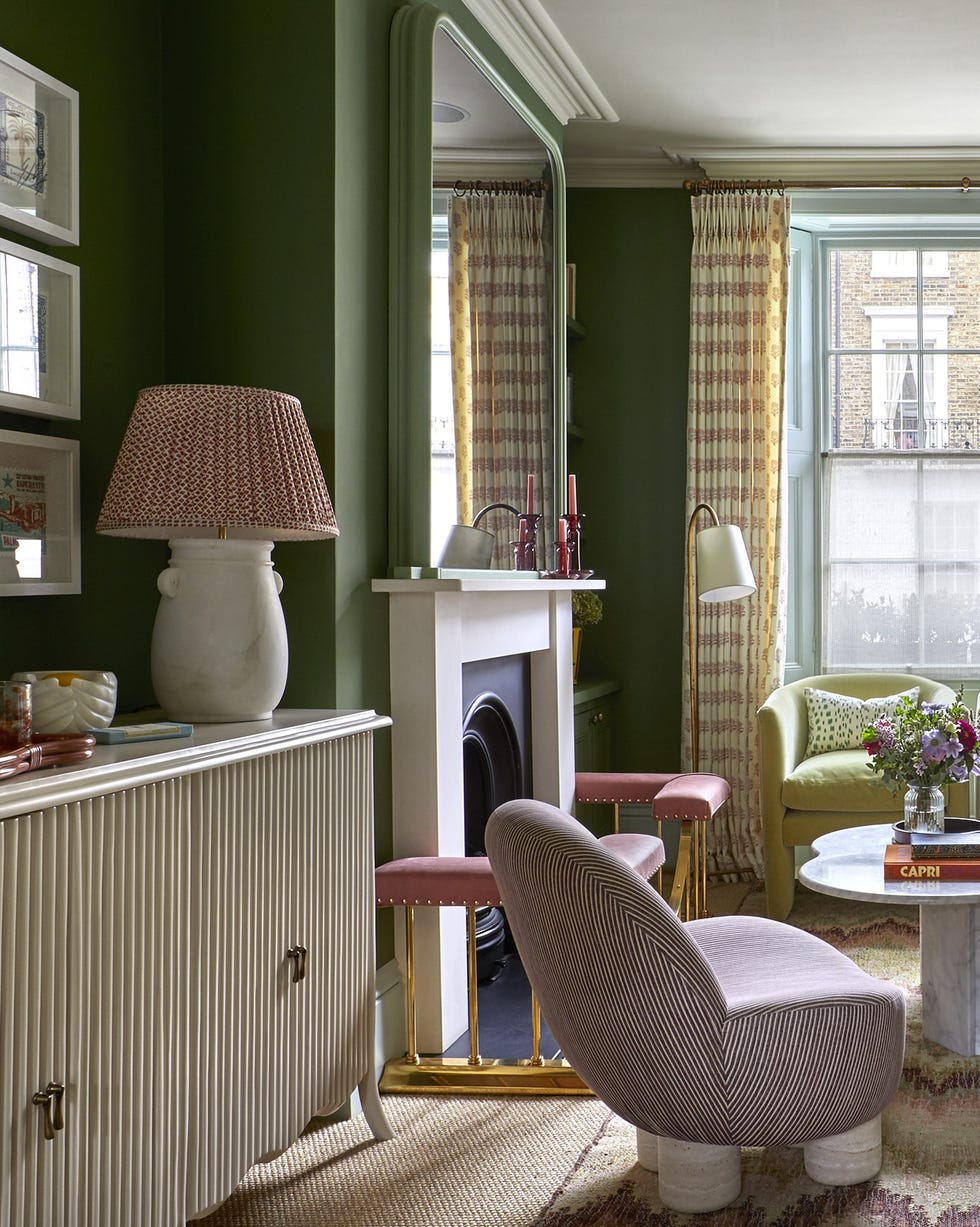
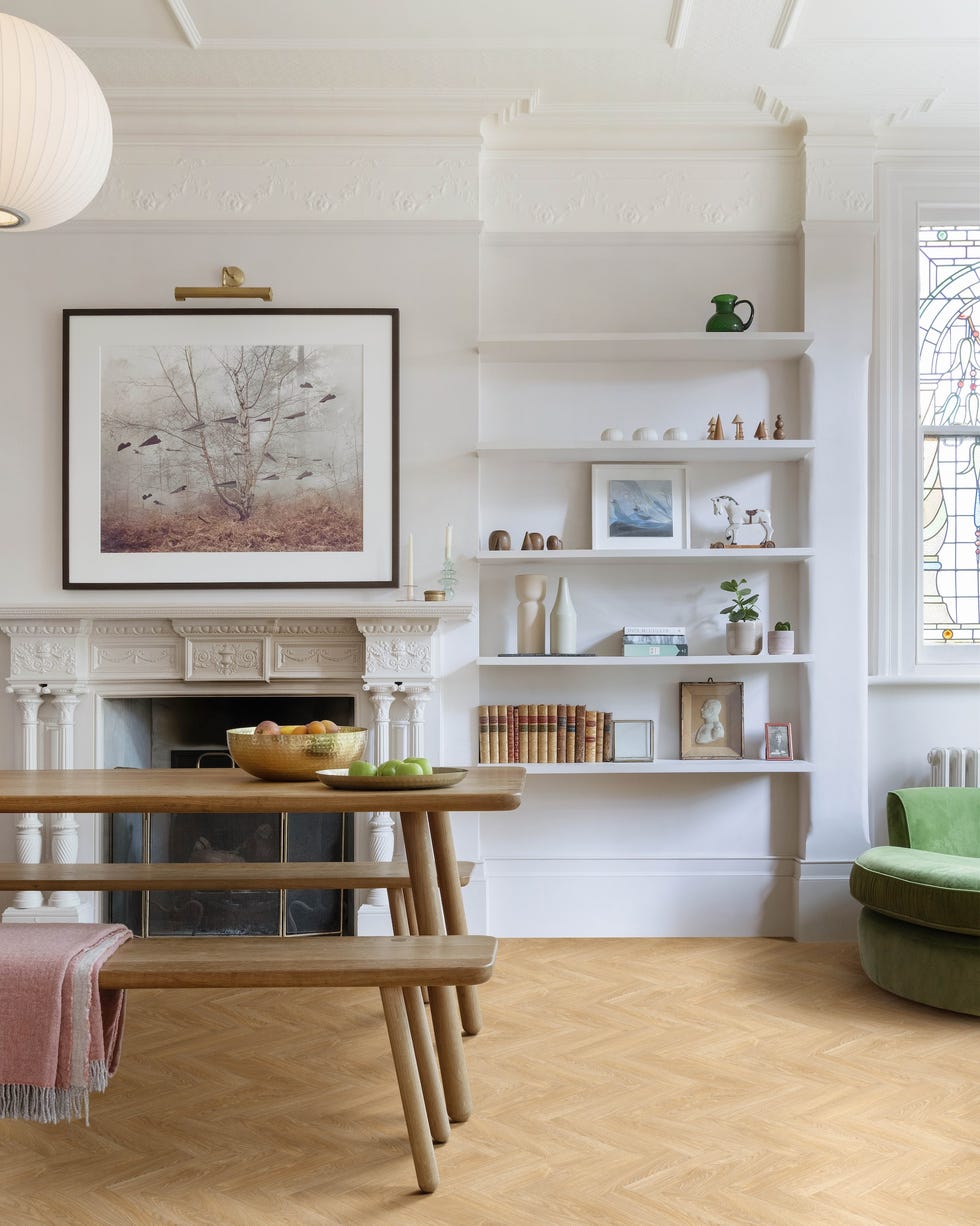
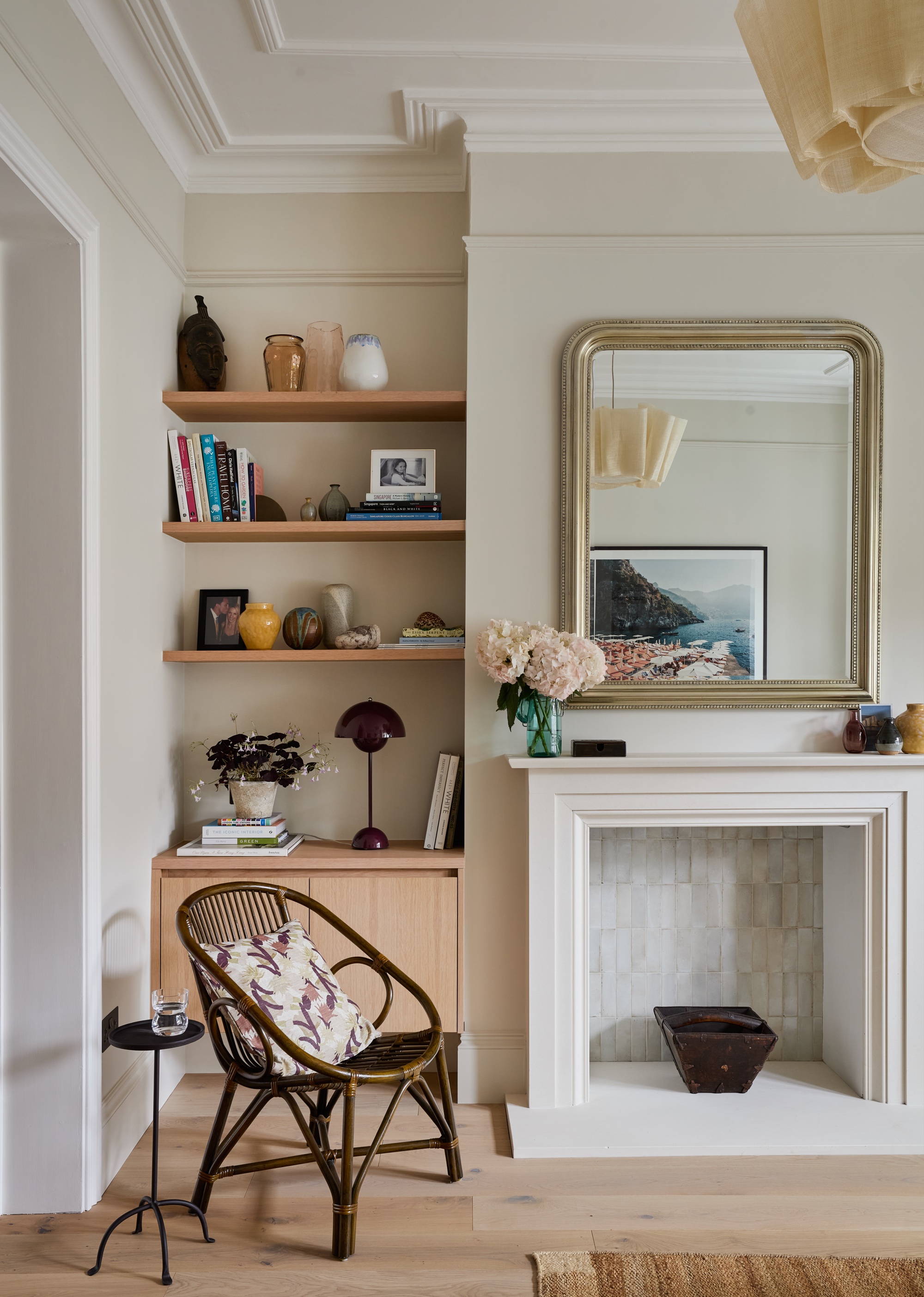
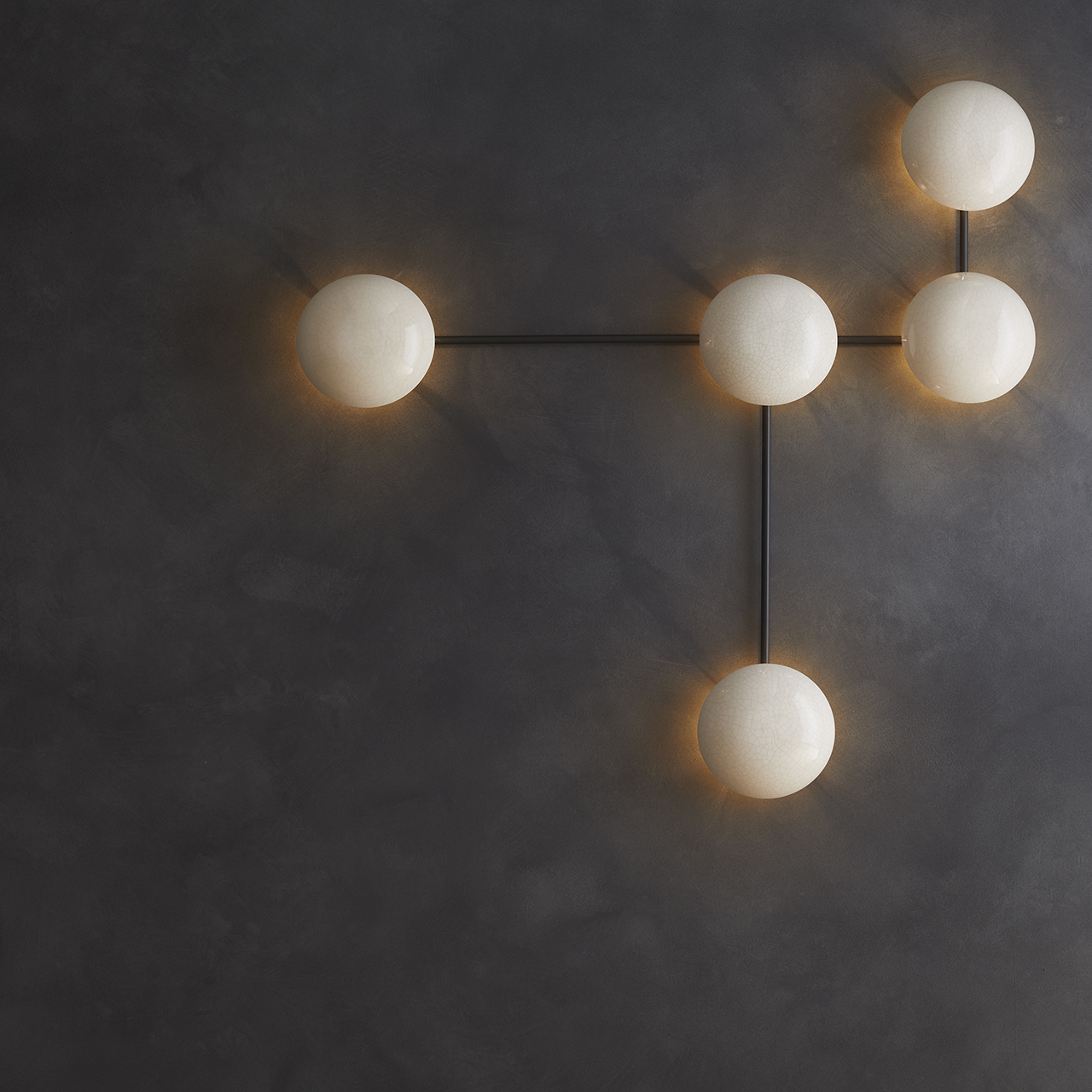
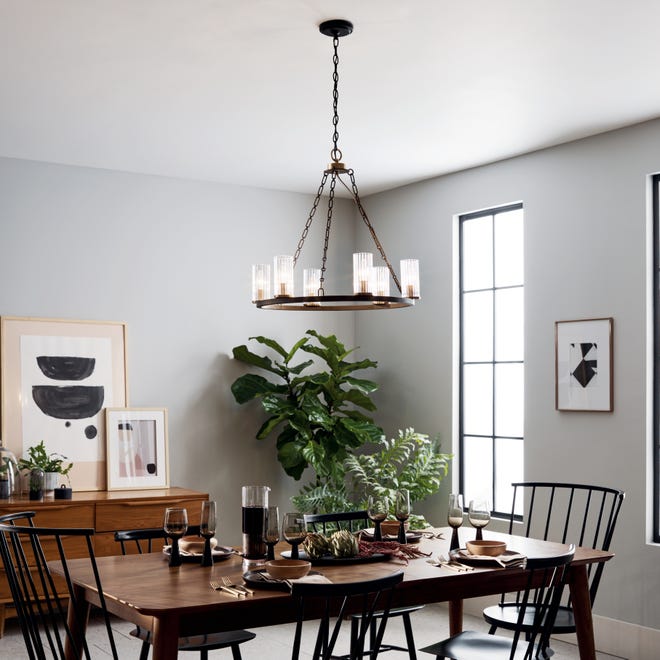
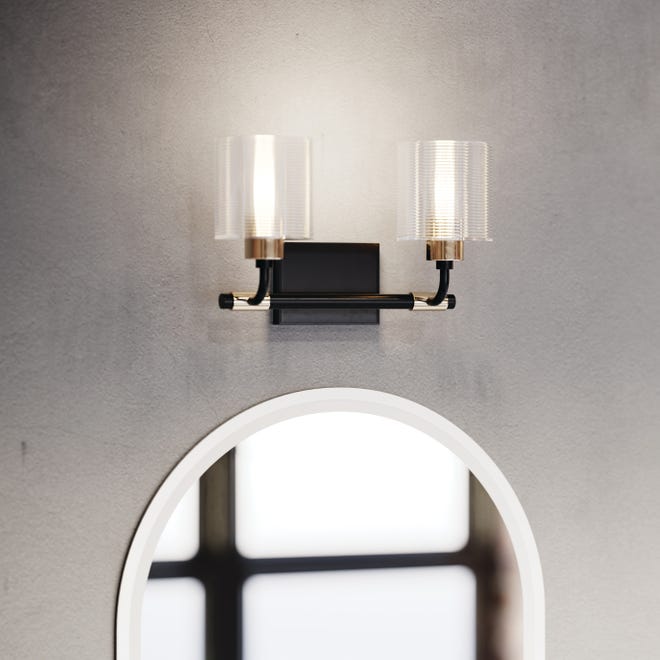
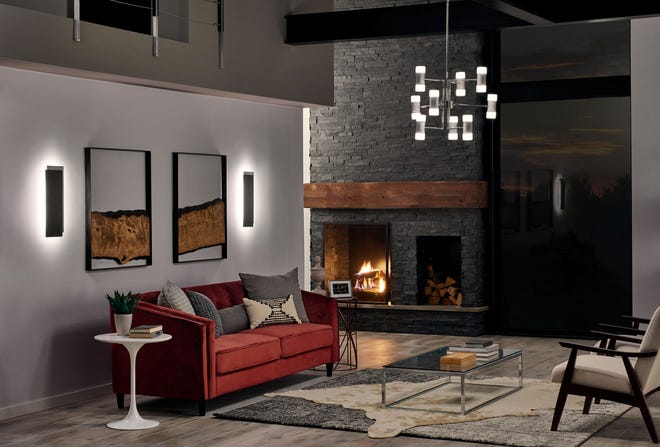
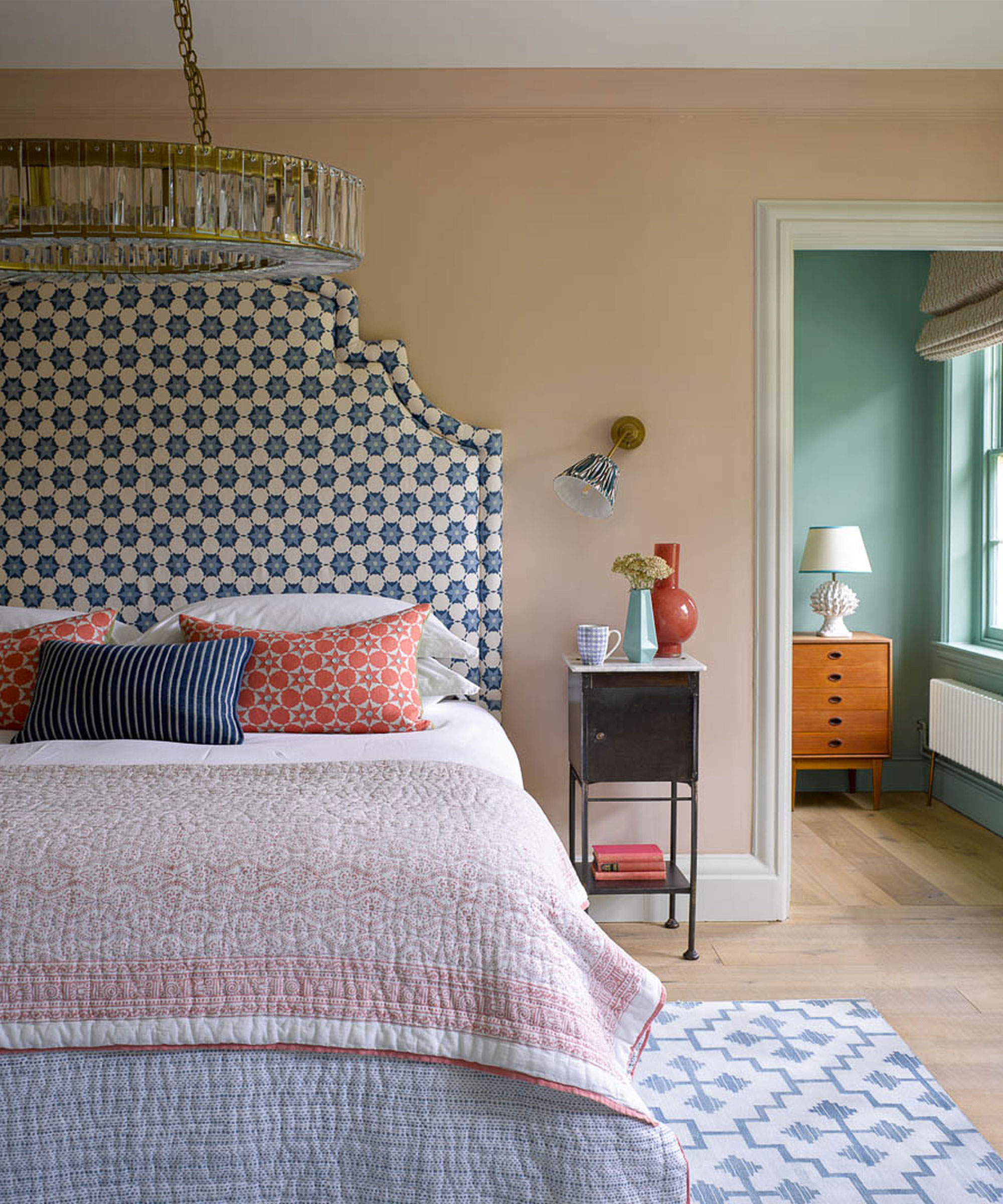
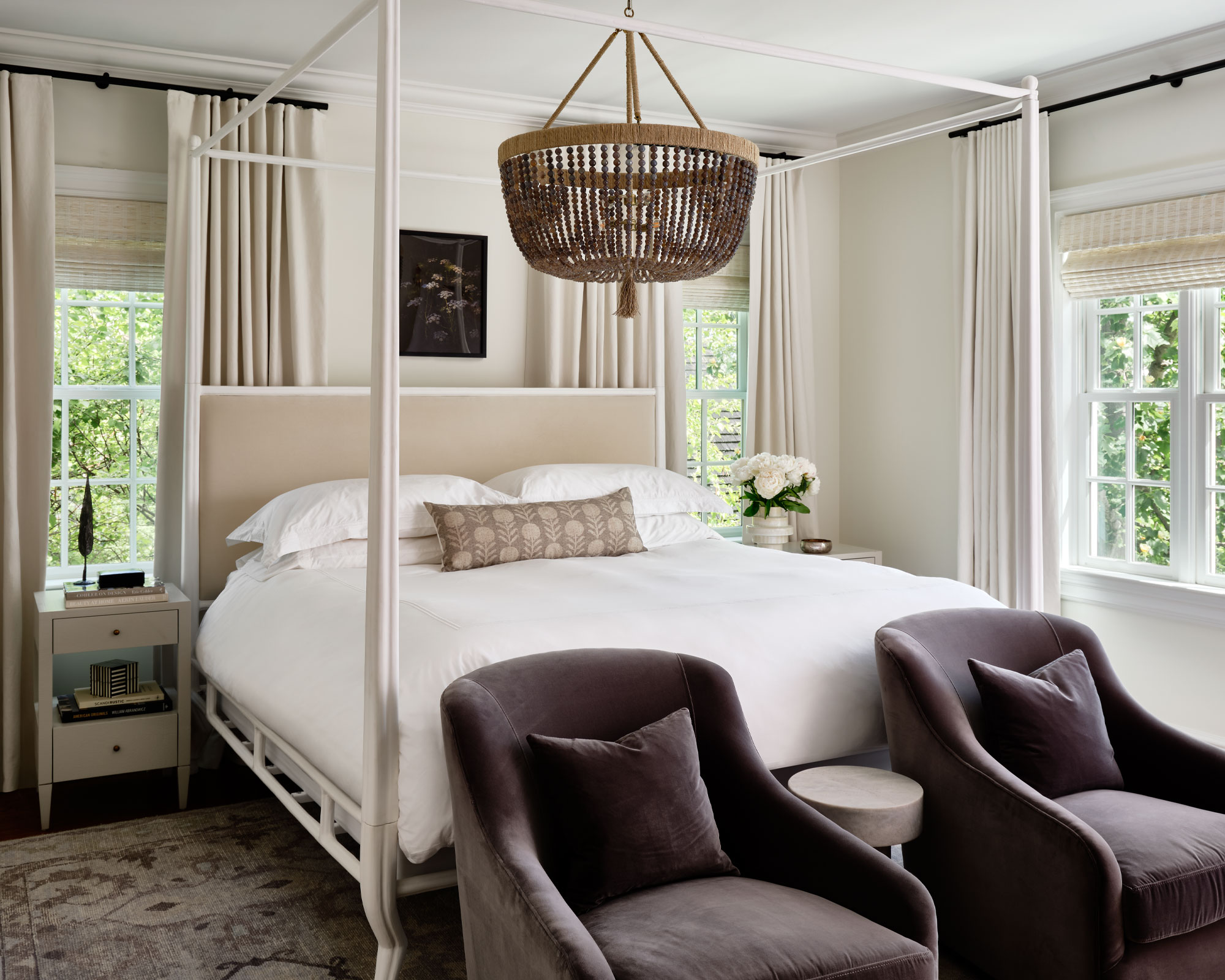
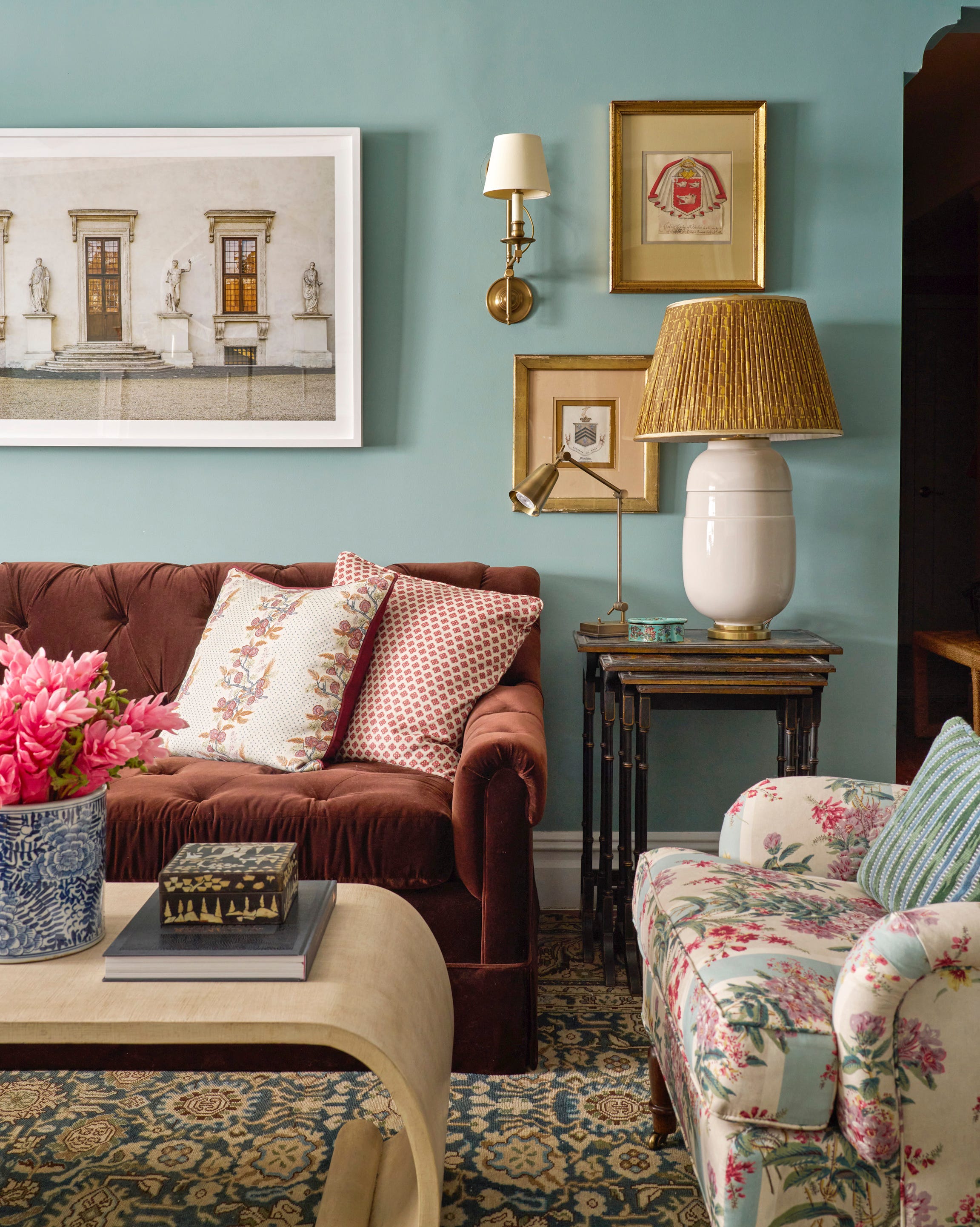
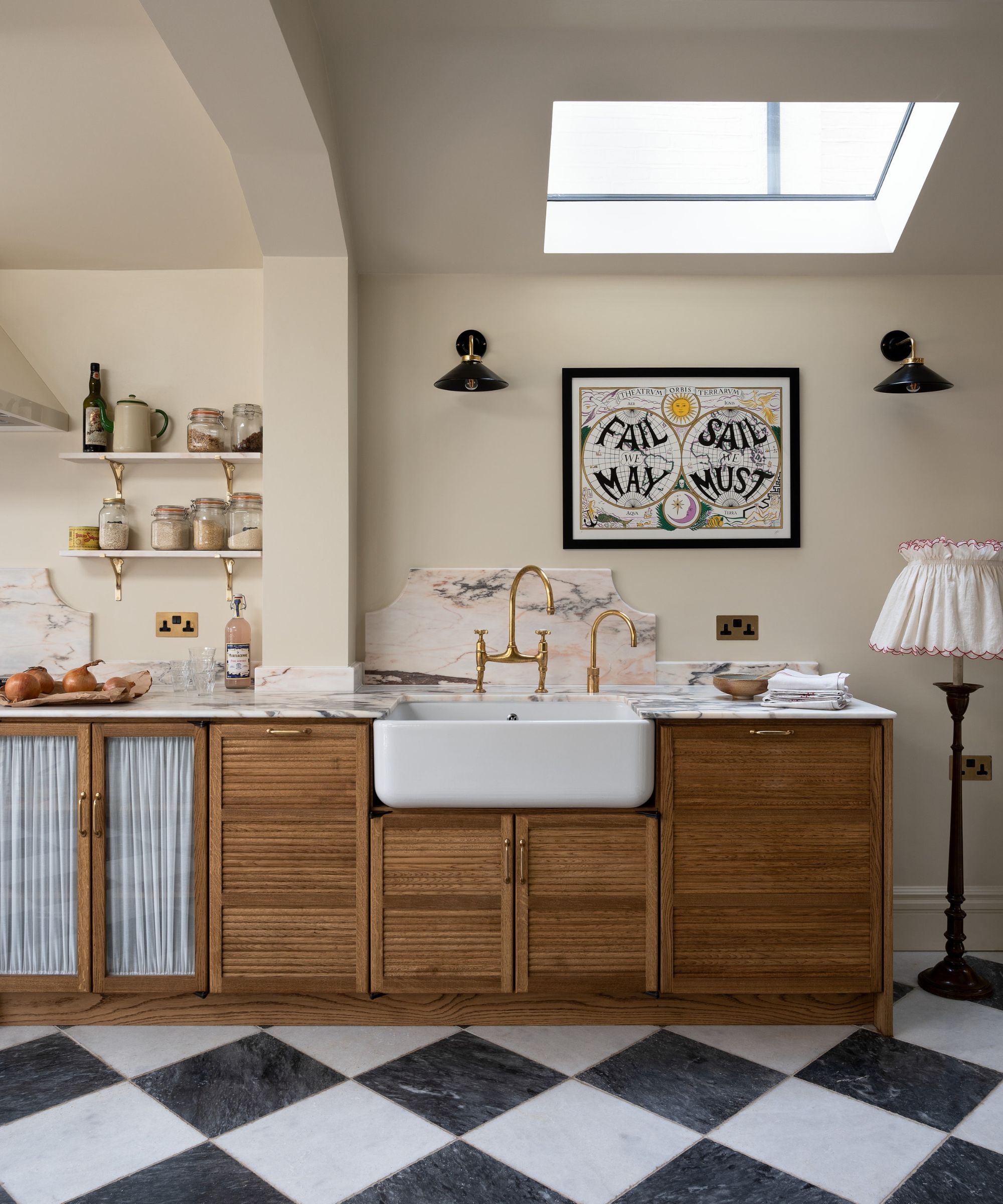
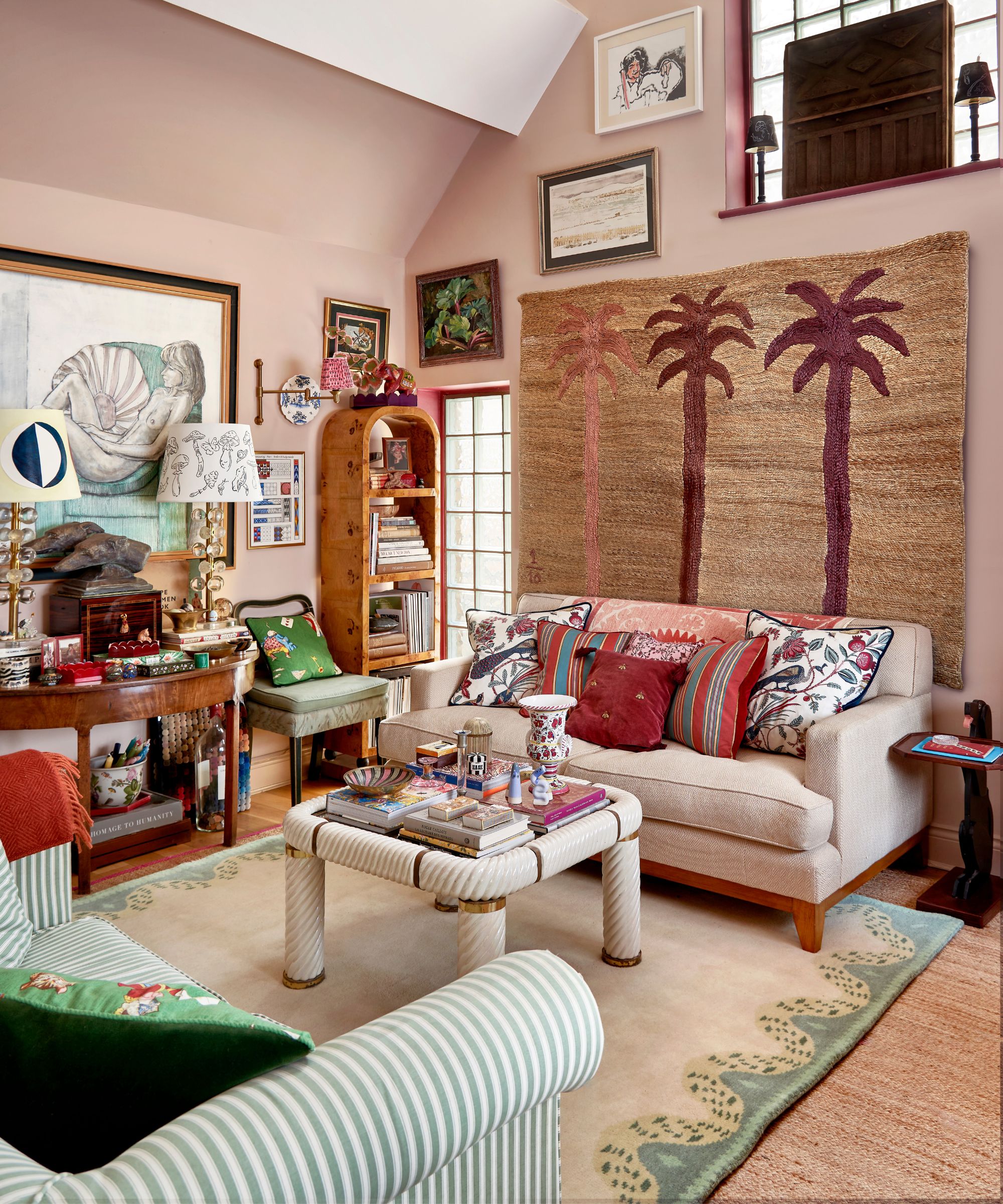
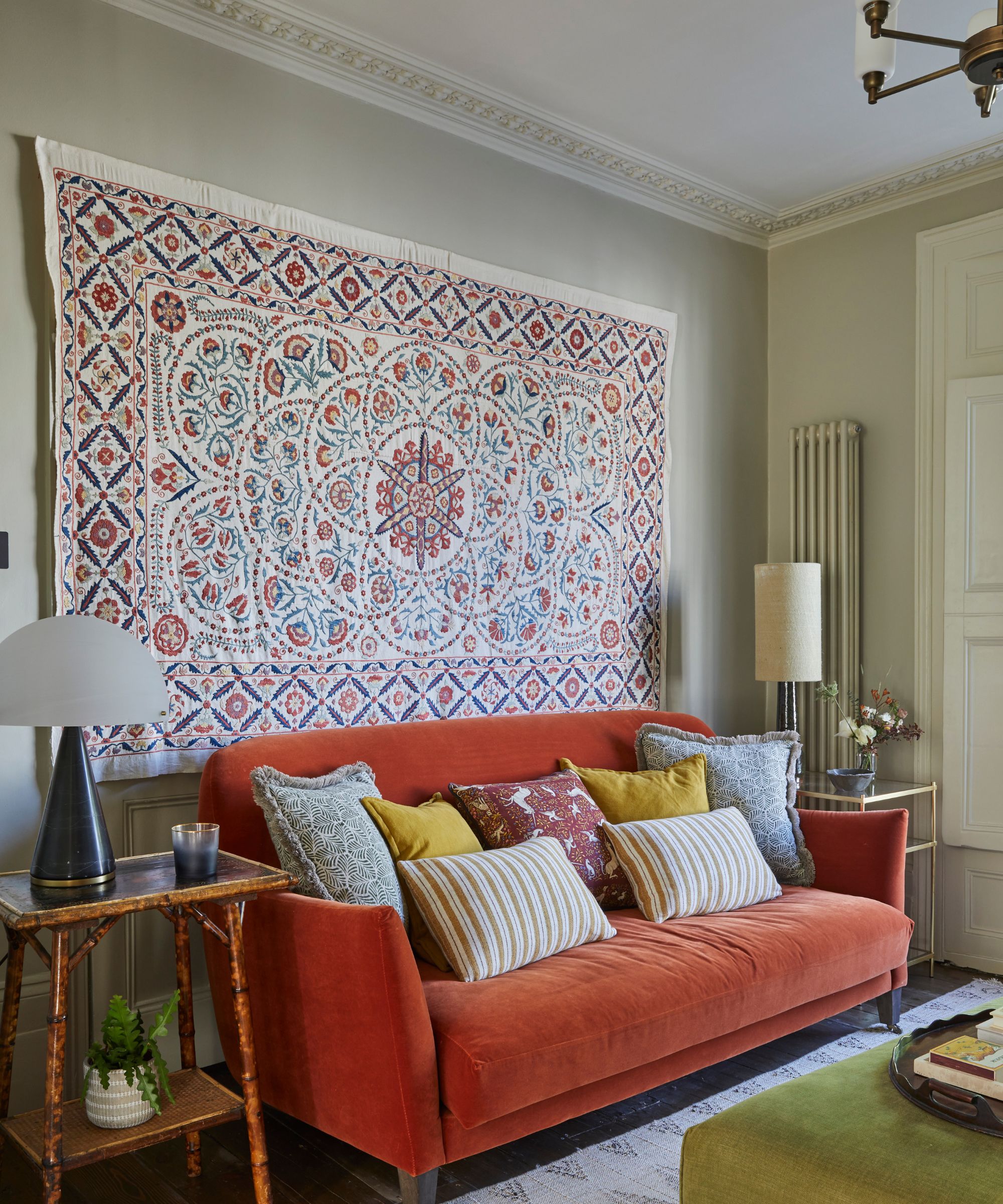
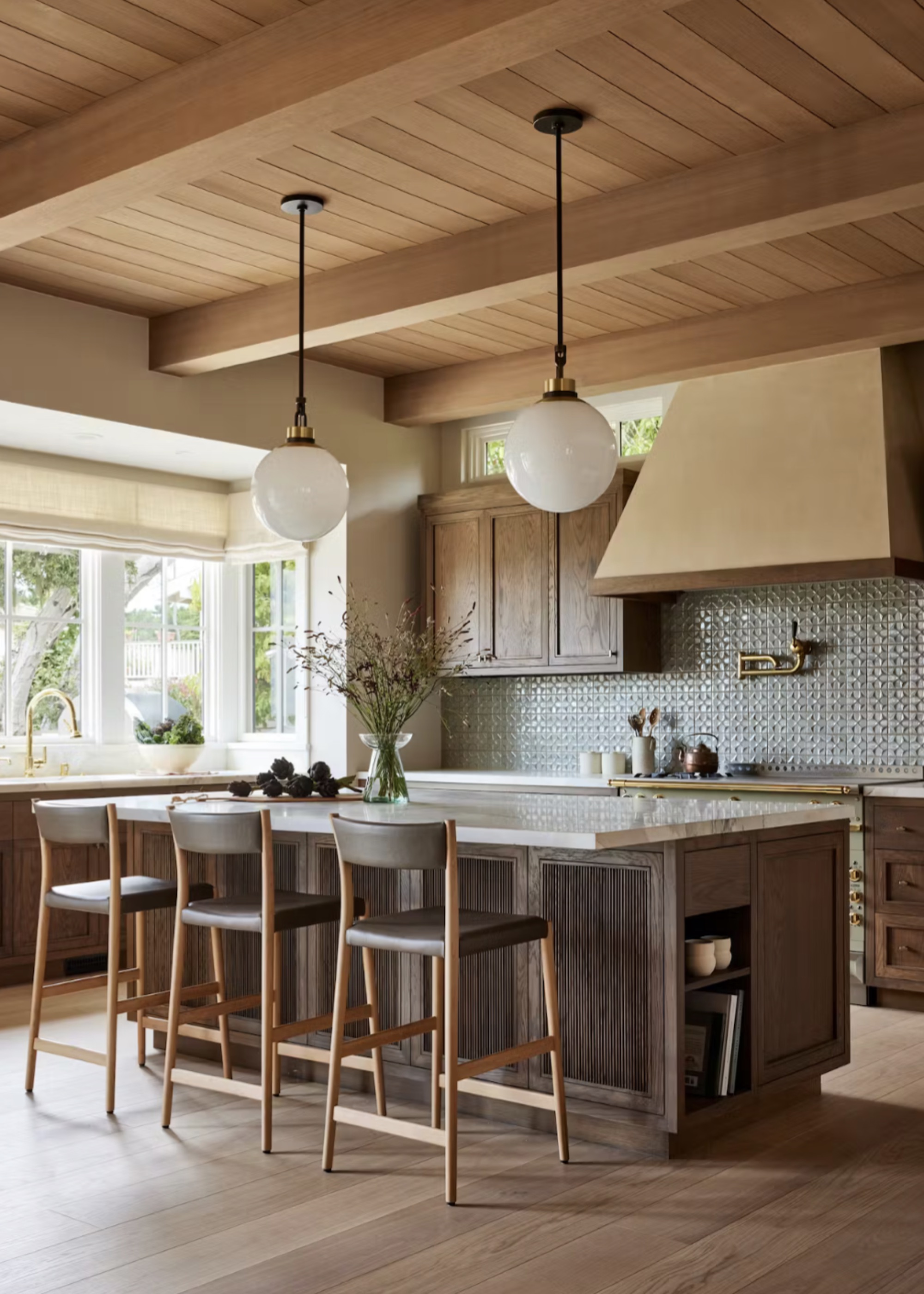
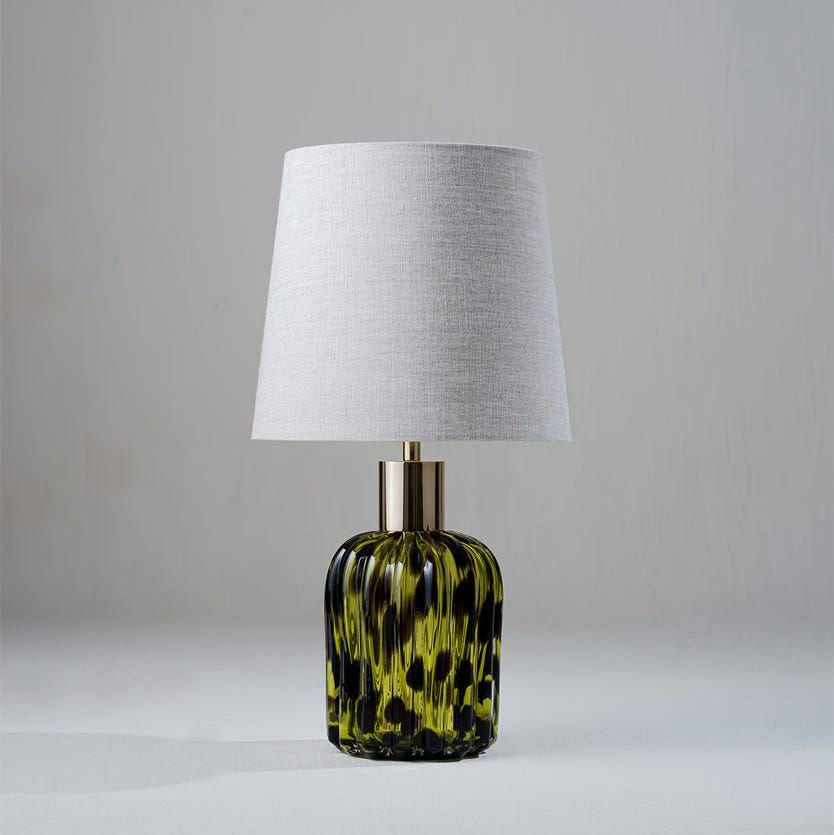
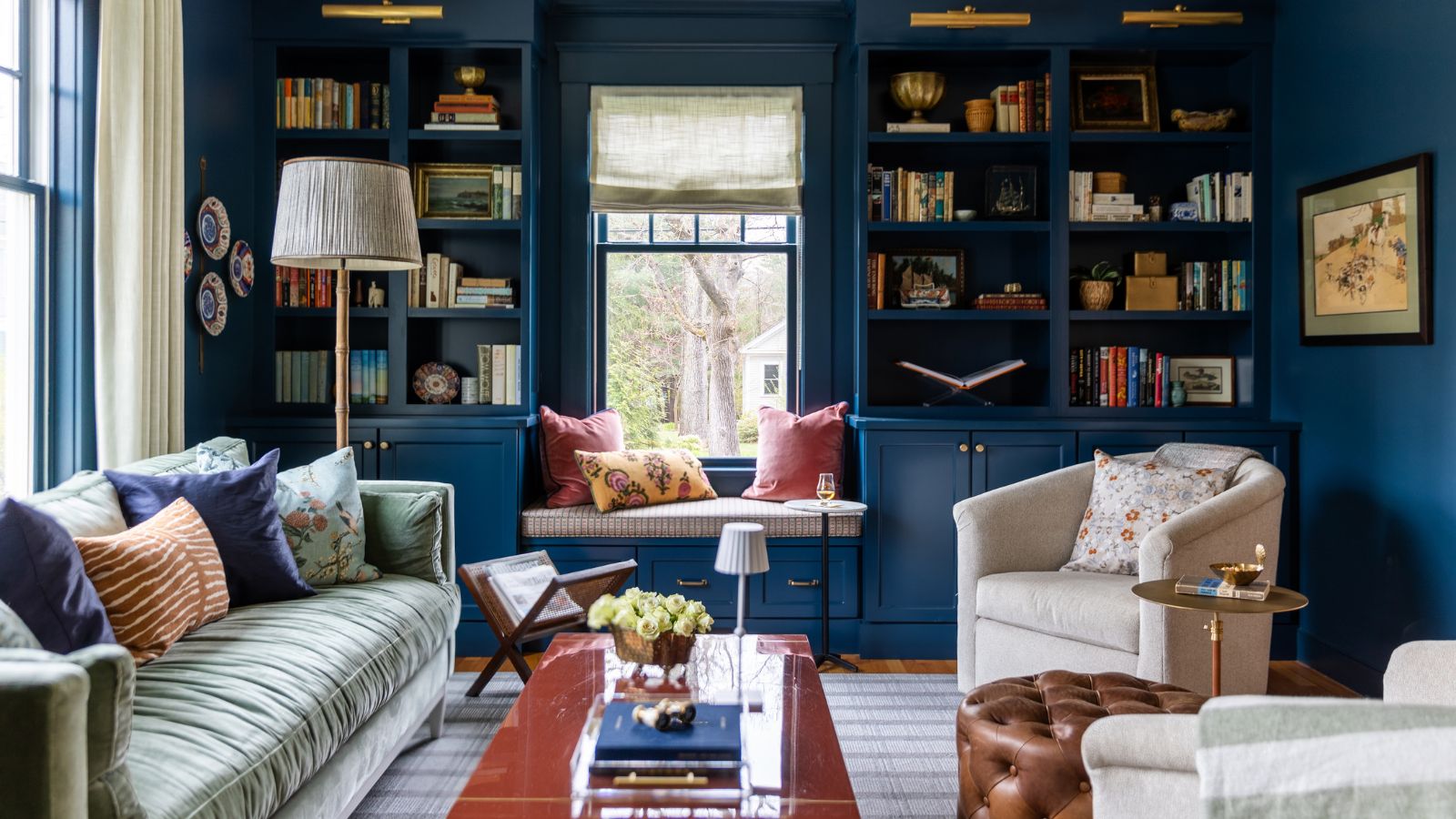
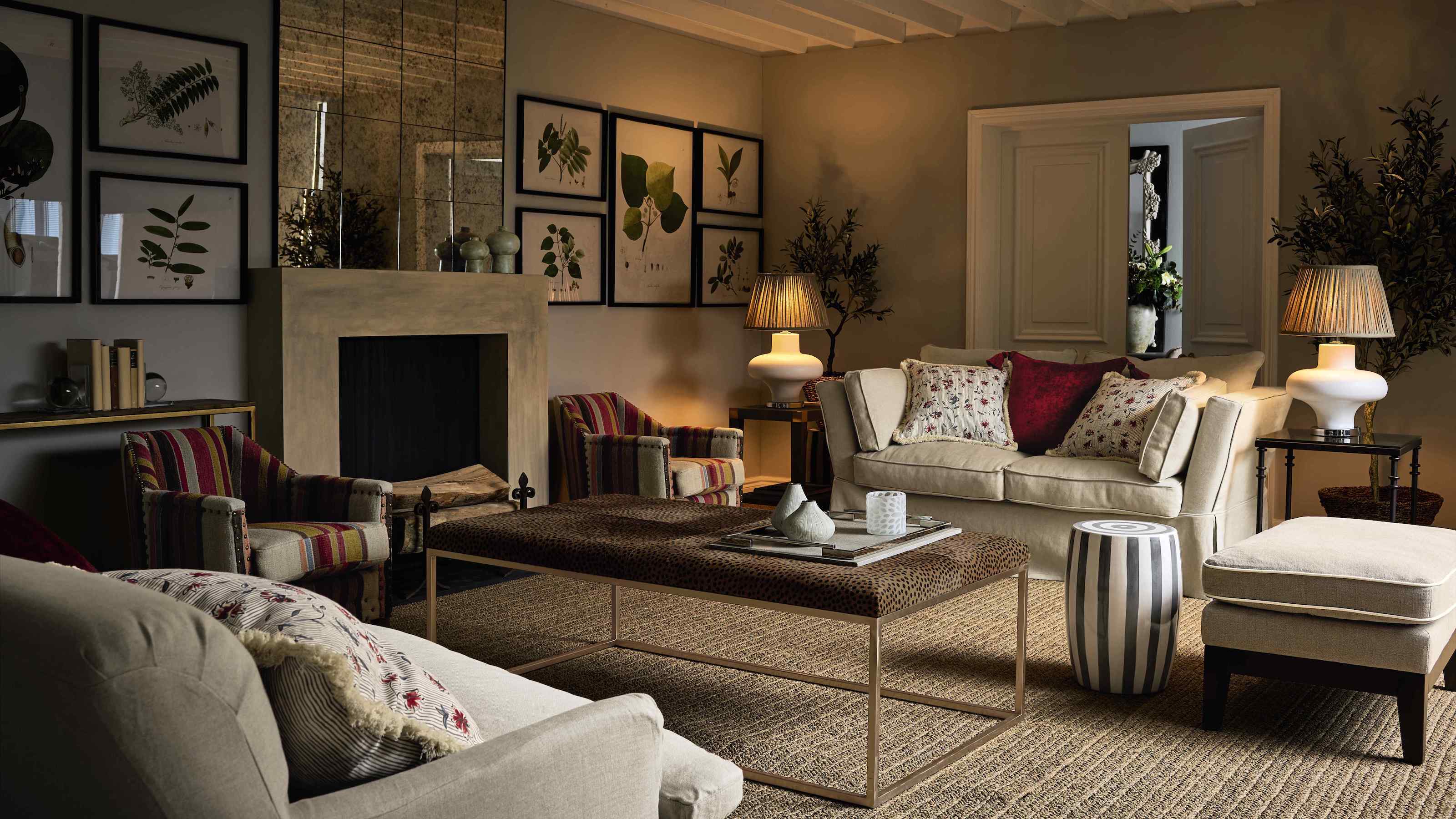
Layered lighting is a foundational principle in effective interior design, gaining heightened importance during months with less natural light. This technique involves using multiple light sources at varying heights and intensities to create depth, dimension, and a comfortable ambiance, preventing the stark and flat appearance often caused by relying solely on overhead fixtures. Caroline Milns, Head of Interior Design at Zulufish, highlights the need for flexibility, stating that a diverse array of light sources, such as table lamps, wall lights, and picture lights, is essential to provide adaptable illumination throughout the day and evening. Lauren Gilberthorpe, another interior designer, concurs, advocating for the increased use of low-level lighting to achieve a 'cocooning atmosphere' that overhead lighting cannot replicate. Christina Cruz of Christina Cruz Interiors suggests upgrading to more substantial lamp bases and larger, heavier lampshades to create a warmer, more intimate glow, as table lamps become the primary light source in winter. Furthermore, portable lamps, according to Jeanne Barber of Camden Grace Interiors, offer versatile solutions for areas lacking outlets, bringing pockets of warmth to shelves, side tables, and entryways. Kathy Kuo underscores the sentiment, recommending the addition of an extra table lamp or two in frequently used evening spaces, asserting that a cozy family room or bedroom can never have too many lamps.
The second crucial lighting shift involves warming up bulb temperatures. Beyond merely increasing the amount of light, designers advise selecting bulbs with a lower Kelvin temperature to emit a warmer, more golden hue. Kailee Blalock from House of Hive Design Co. recommends swapping cooler bulbs for those closer to 2700K and utilizing timers or smart plugs to ensure homes are illuminated before occupants arrive. This creates an immediate sense of warmth and welcome. Lucy Harris of Lucy Harris Studio shares a similar practice, setting floor and table lamps to activate automatically about half an hour before sunset, particularly in regions where darkness falls early. She stresses the use of very warm bulbs (at least 2700K) to make rooms feel inviting. Lauren Gilberthorpe reinforces this by switching to warmer bulb tones to complement natural materials like timber and stone, fostering an intimate and seasonal feel. Michelle Murphy of DEMI RYAN echoes these recommendations, emphasizing the embrace of a 'golden, cocoon-like glow' and advocating for abundant lamps in a room during fall and winter. Lastly, Allison Lind of Allison Lind Interiors suggests incorporating mirrors into the lighting plan to bounce light, amplifying both natural and mood lighting effects, adding to the overall brightness and coziness of a space. These seemingly small adjustments collectively contribute to a significant transformation, reintroducing warmth, depth, and dimension precisely when a home needs it most.
#InteriorDesign #LightingIdeas #FallDecor #WinterLighting #CozyHome #LayeredLighting #BulbTemperature #HomeComfort #SeasonalDecor #DesignerTips #InteriorDesign #LightingIdeas #FallDecor #WinterLighting #CozyHome #LayeredLighting #BulbTemperature #HomeComfort #SeasonalDecor #DesignerTips
0 ความคิดเห็นรวม
 ยังไม่มีความคิดเห็น
คุณอาจจะชอบอีกด้วย
10 Lighting Trends That Will Take Over Homes in 2026 — The Bright Ideas Shaping the Year Ahead

New lighting? Designers offer tips for upgrades that shine.

Homestyle: Lighting the way
Interior doors can add light, personality
5 Lighting Trends That Our Editors Think Will Be Everywhere in Early 2025
5 interior design regrets experts are always called in to fix

Pulling the plug on dated light fixtures is a great home update. Here's how to choose new ones
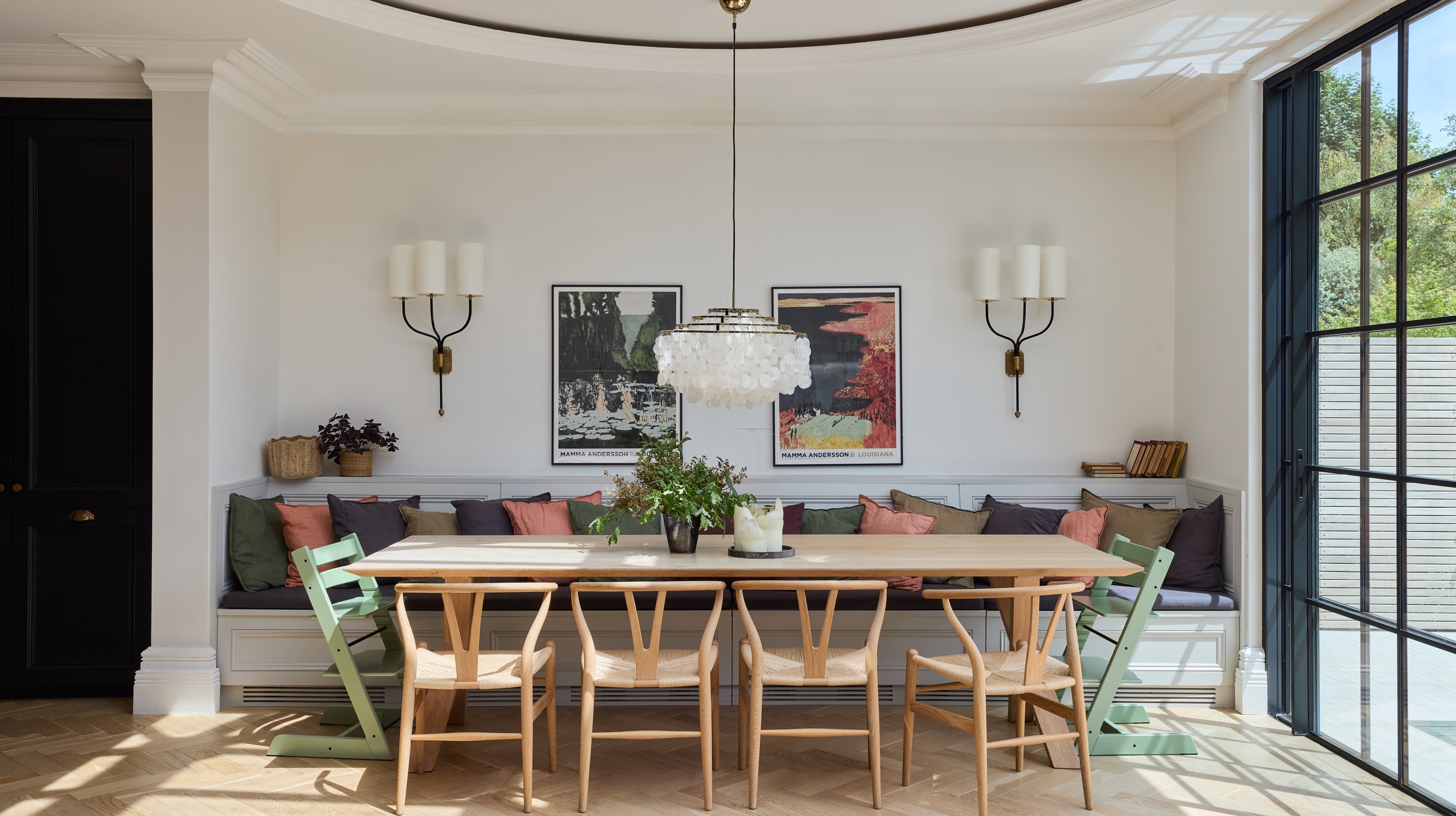
7 Outdated Lighting Trends to Avoid in 2026 Renovations — And What You Should Be Doing Instead
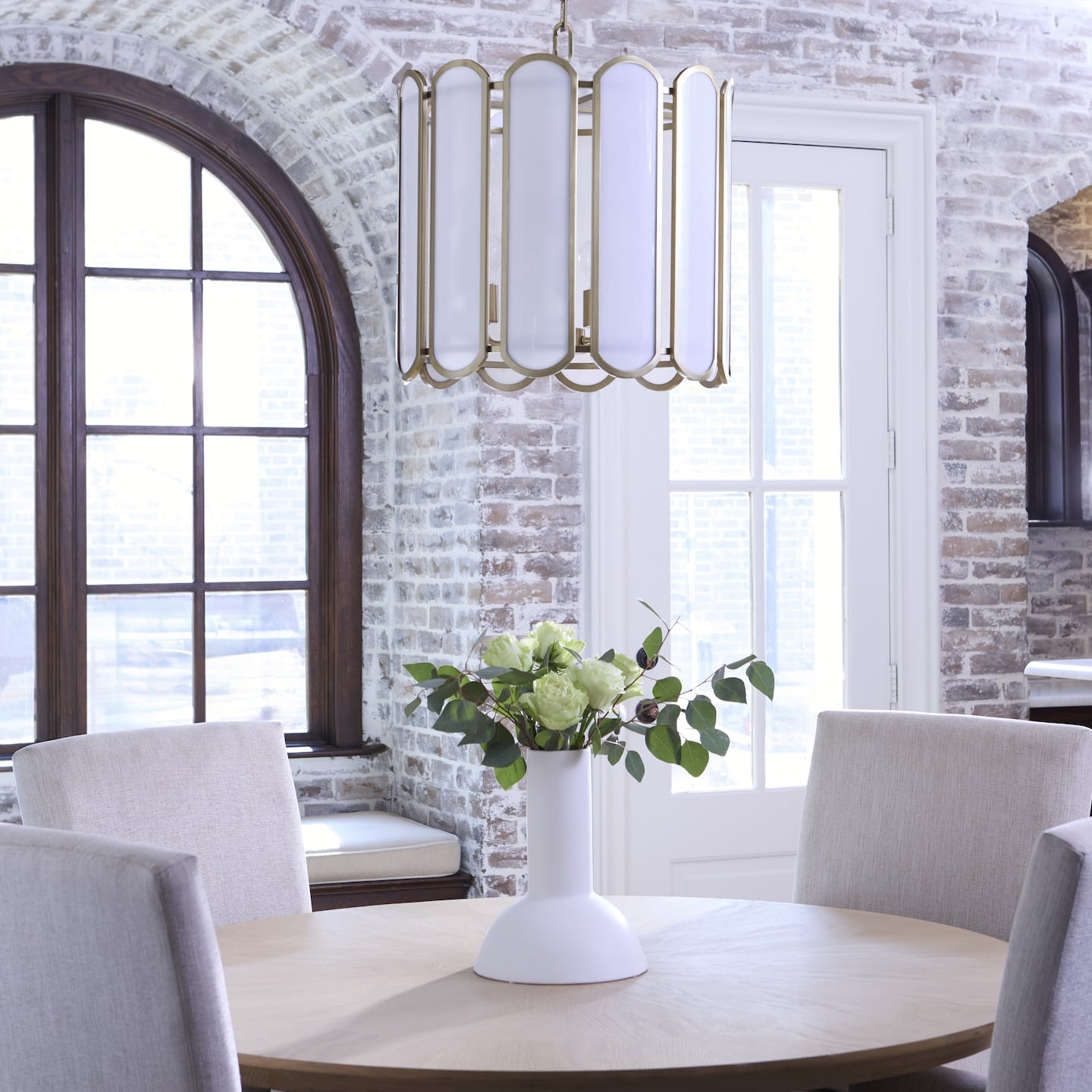
Design experts offer lighting tips for upgrades that shine

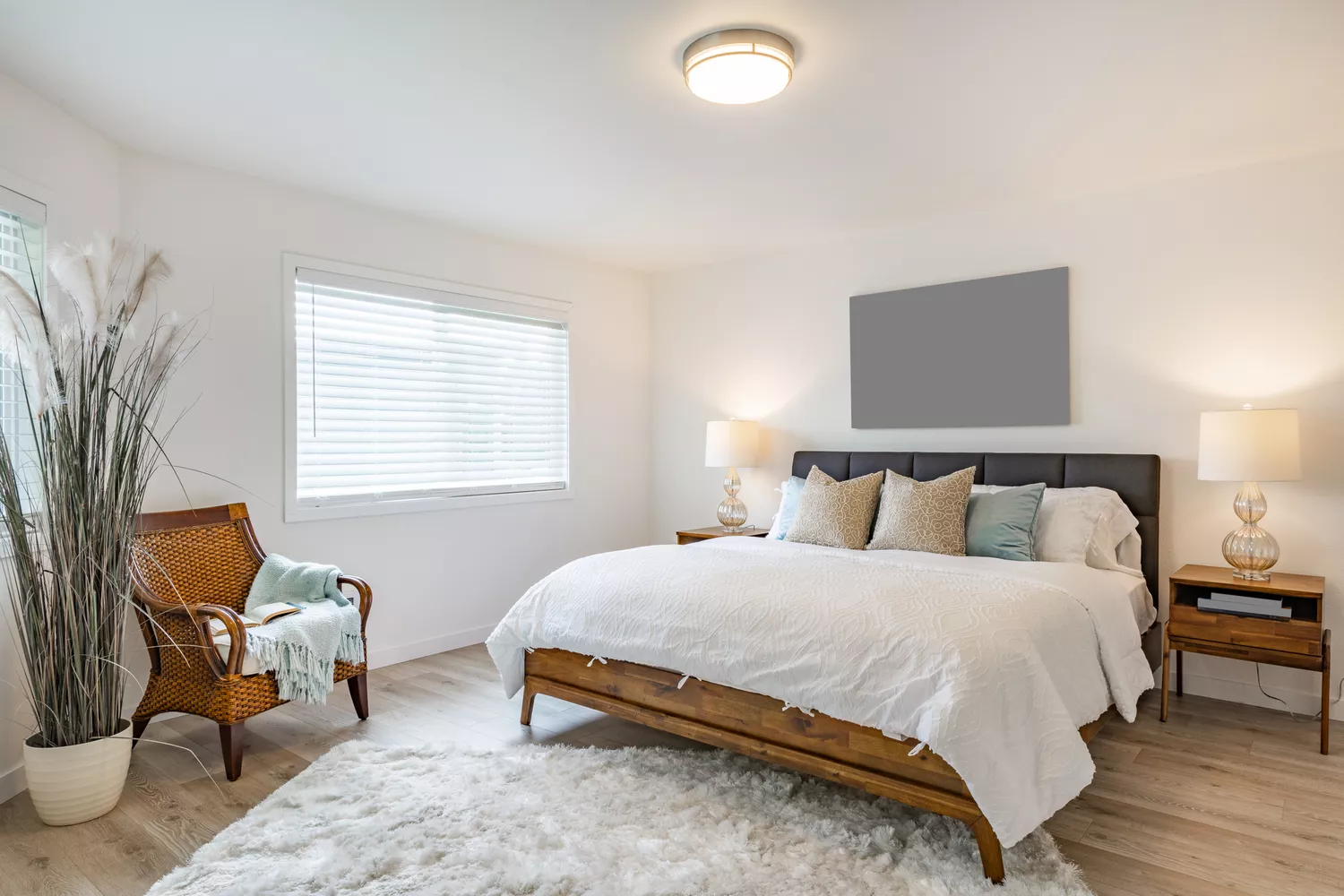
5 Lighting Trends That Are So Outdated, According to Designers

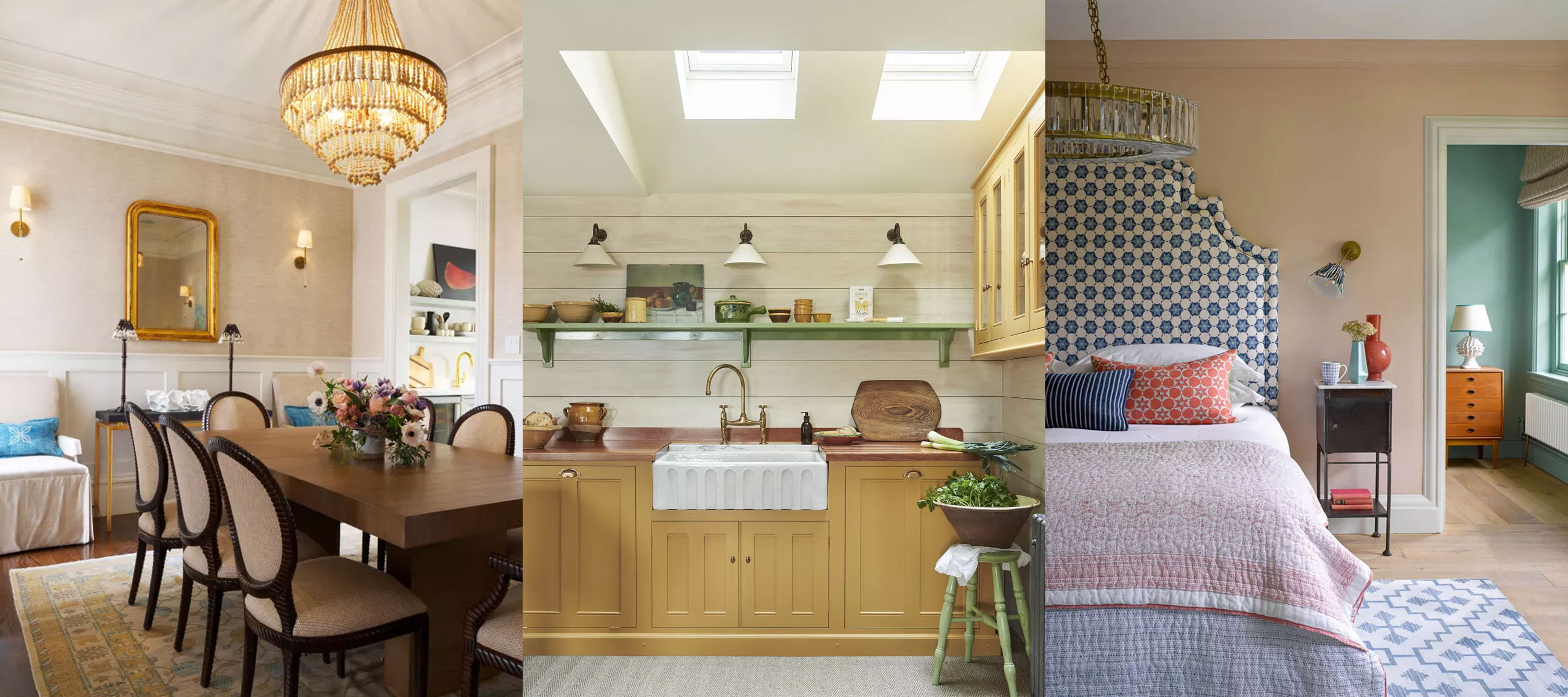
5 outdated lighting trends designers say to avoid – and the designs and techniques to use, instead


Unexpected Red Is So 2024—Here’s the Design Hack that Ruled 2025

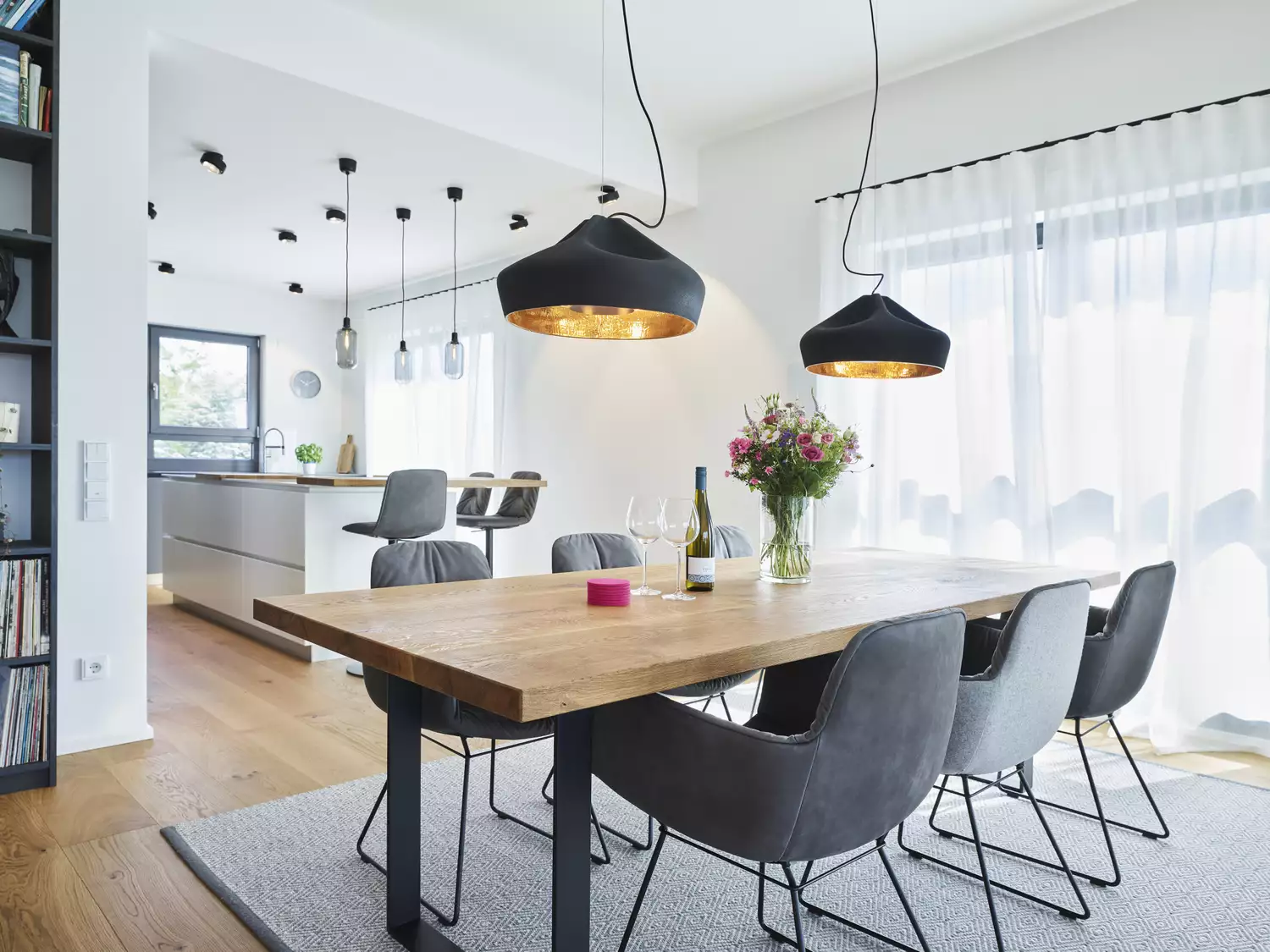
6 Outdated Lighting Trends to Avoid in 2025, According to Interior Designers
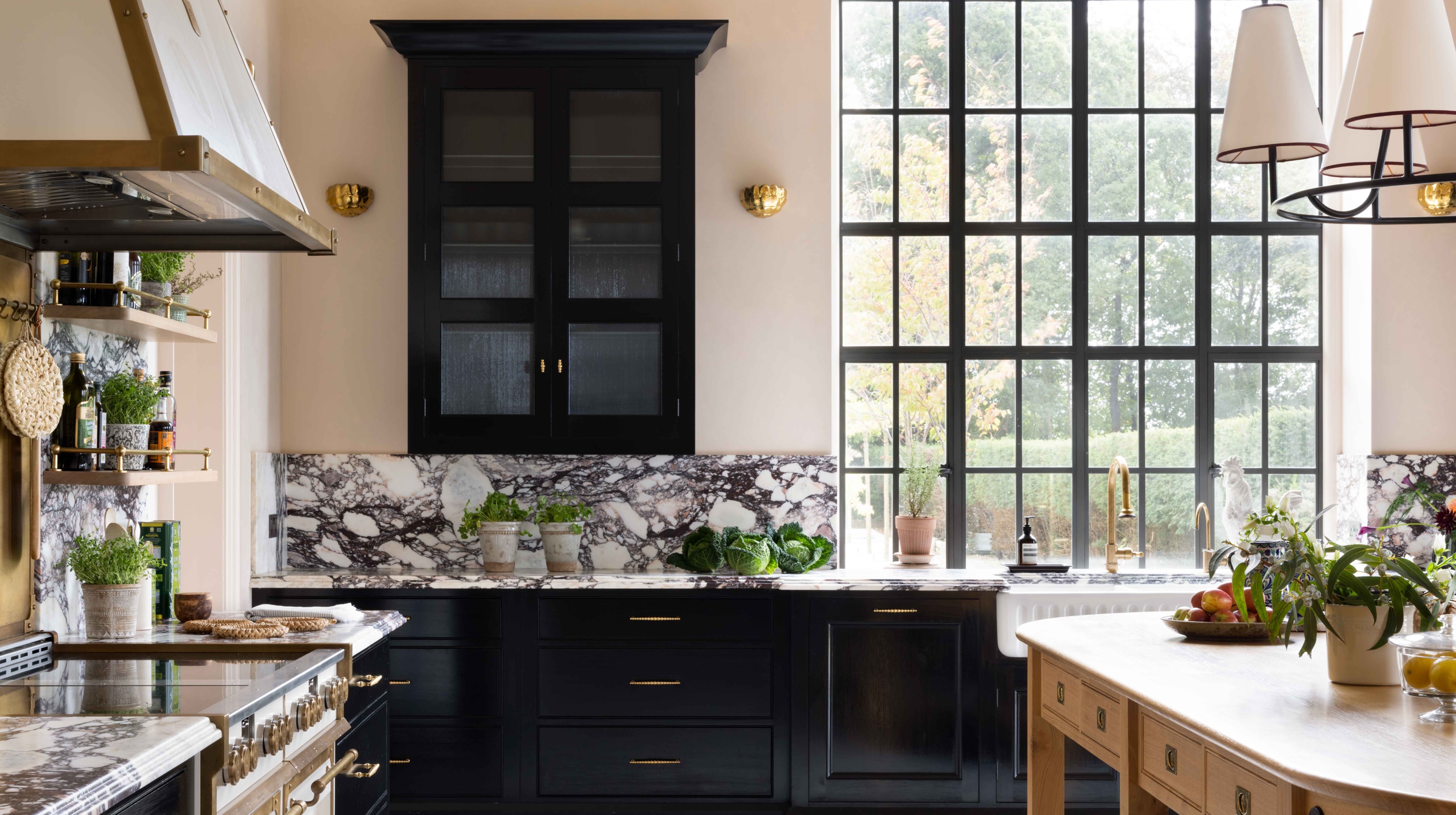
10 Habits Interior Designers and Architects Want You to Adopt in Your 2026 Renovations
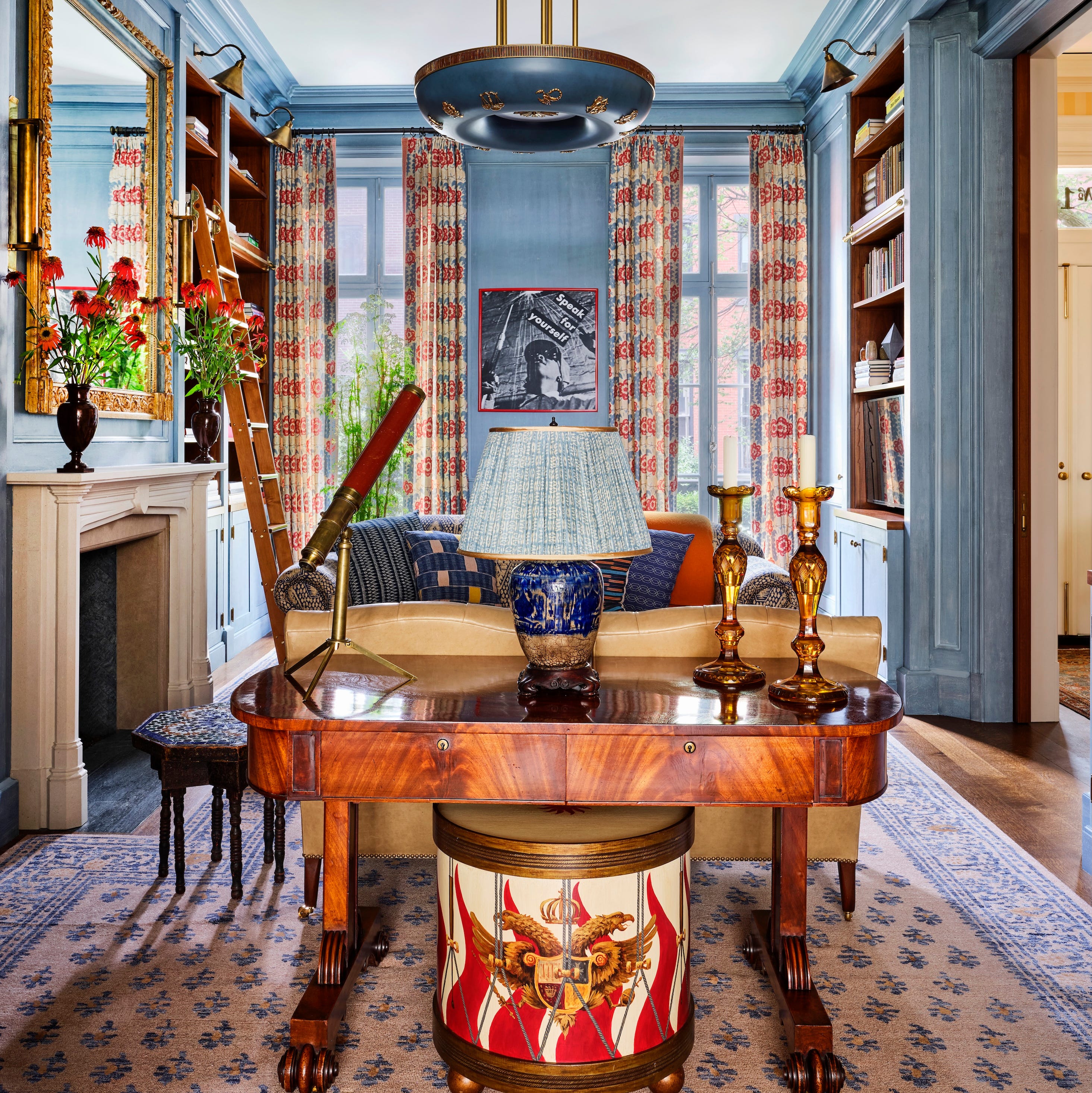
These Lighting Trends Will Be Everywhere in 2026, According to Designers

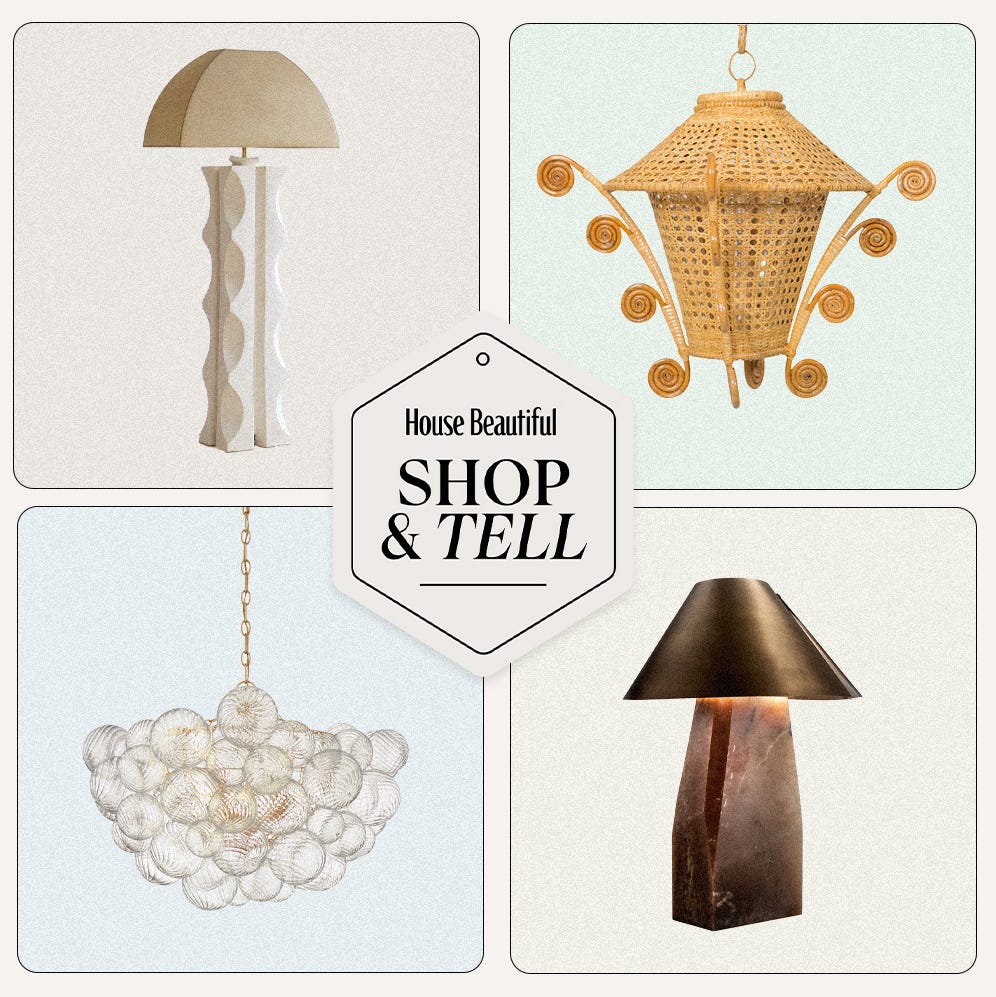
I'm a Design Editor and These Are My Favorite Light Fixtures Right Now

The Lighting Golden Rule for Switch Circuits
Check Out the Workshop/APD for Arteriors Lighting + Decor Collection
What's making a home look dated in 2025? Interior designers share the design icks that they say are aging your interiors
6 Lighting Mistakes That Are Ruining the Mood in Your Home—and How to Fix Them