1/9
8 kitchen backsplash mistakes to always avoid, according to interior designers
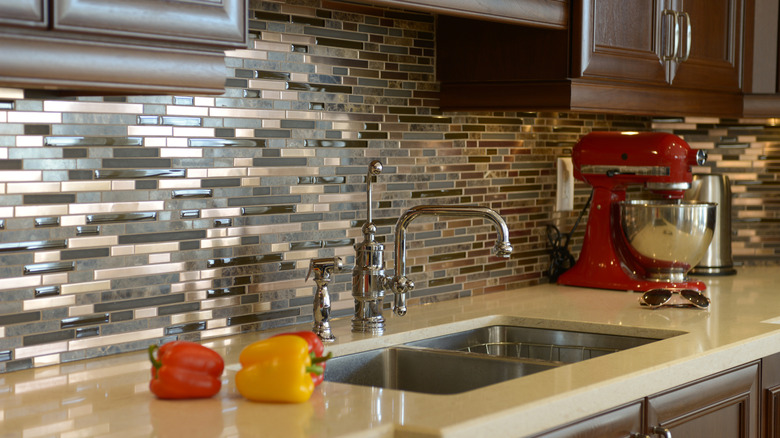
A kitchen backsplash serves a dual purpose: protecting walls from splatters and enhancing the room's aesthetic. However, common mistakes can lead to disappointment in both functionality and design. Interior designers frequently observe recurring errors in kitchen backsplash installations. Understanding these pitfalls can help homeowners avoid costly rework and dissatisfaction.
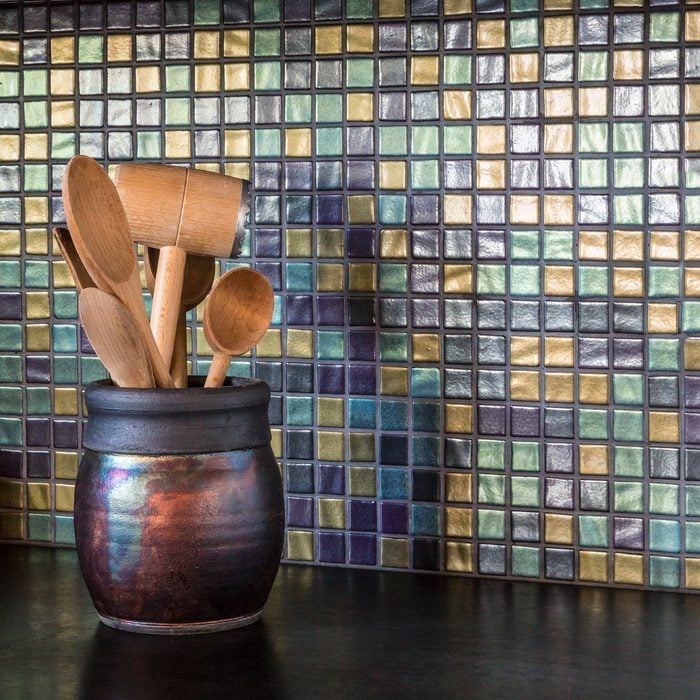
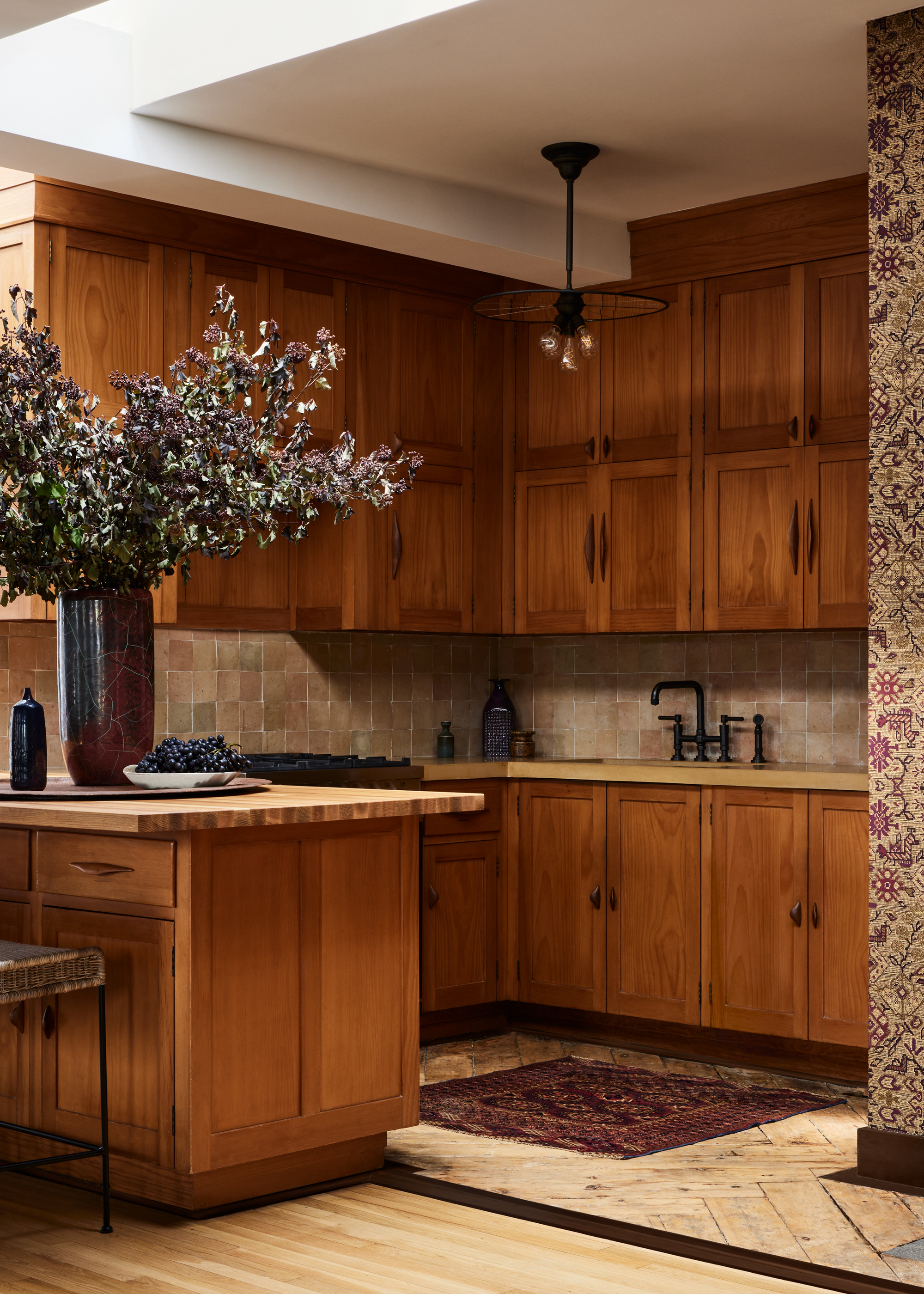
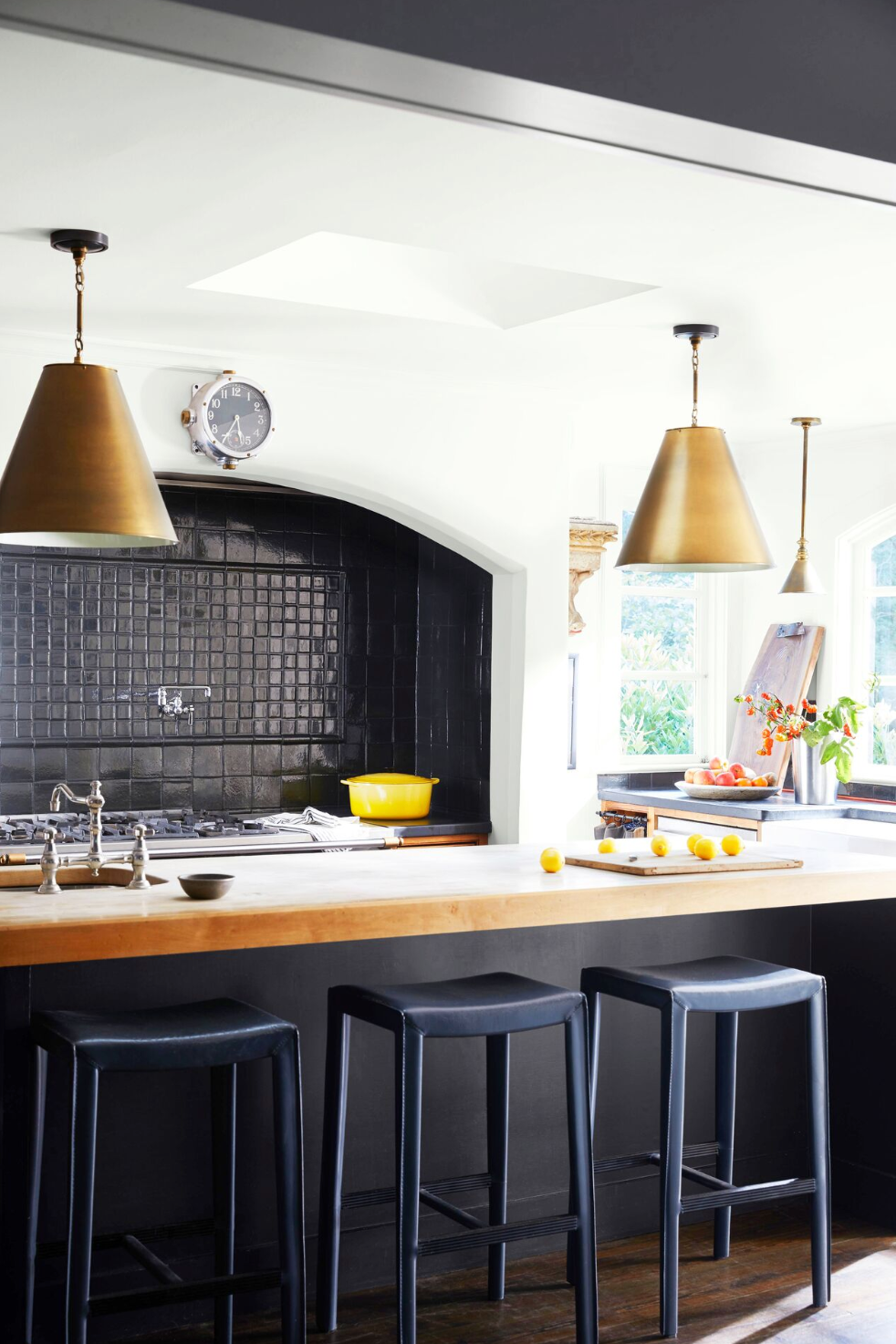
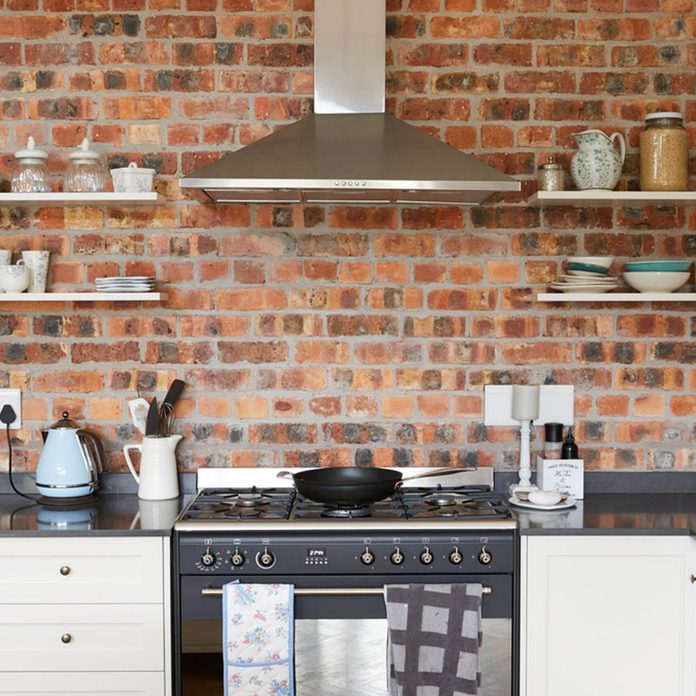
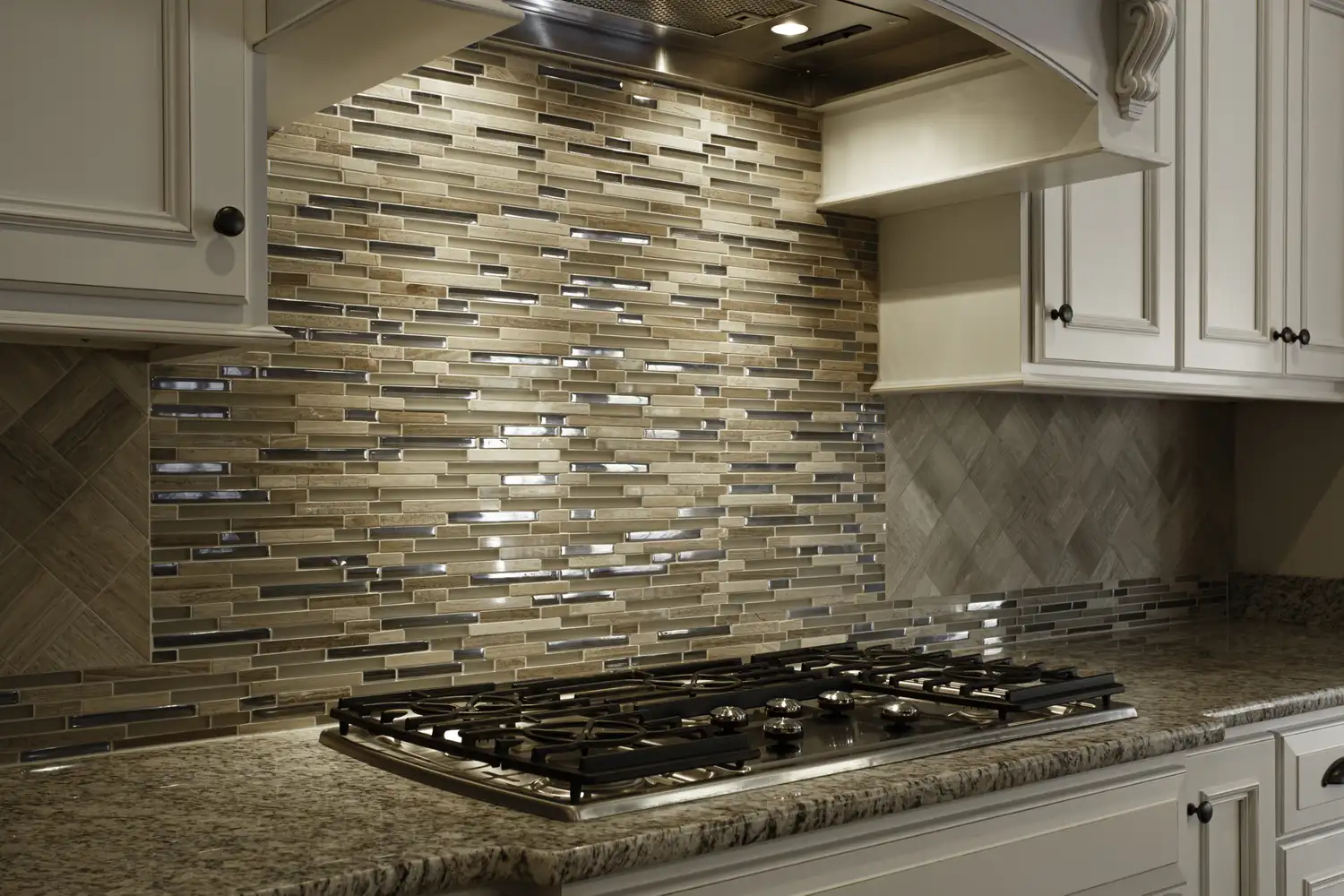
One critical mistake is failing to prioritize function, especially for the area behind the stove. While artistic and delicate mosaics might be visually appealing, they can be impractical in areas prone to splashes and heat. The backsplash behind a stove requires durability and ease of cleaning over purely aesthetic considerations. Choosing materials like ceramic, porcelain, or durable artistic tiles that can withstand the rigors of a busy kitchen is crucial.
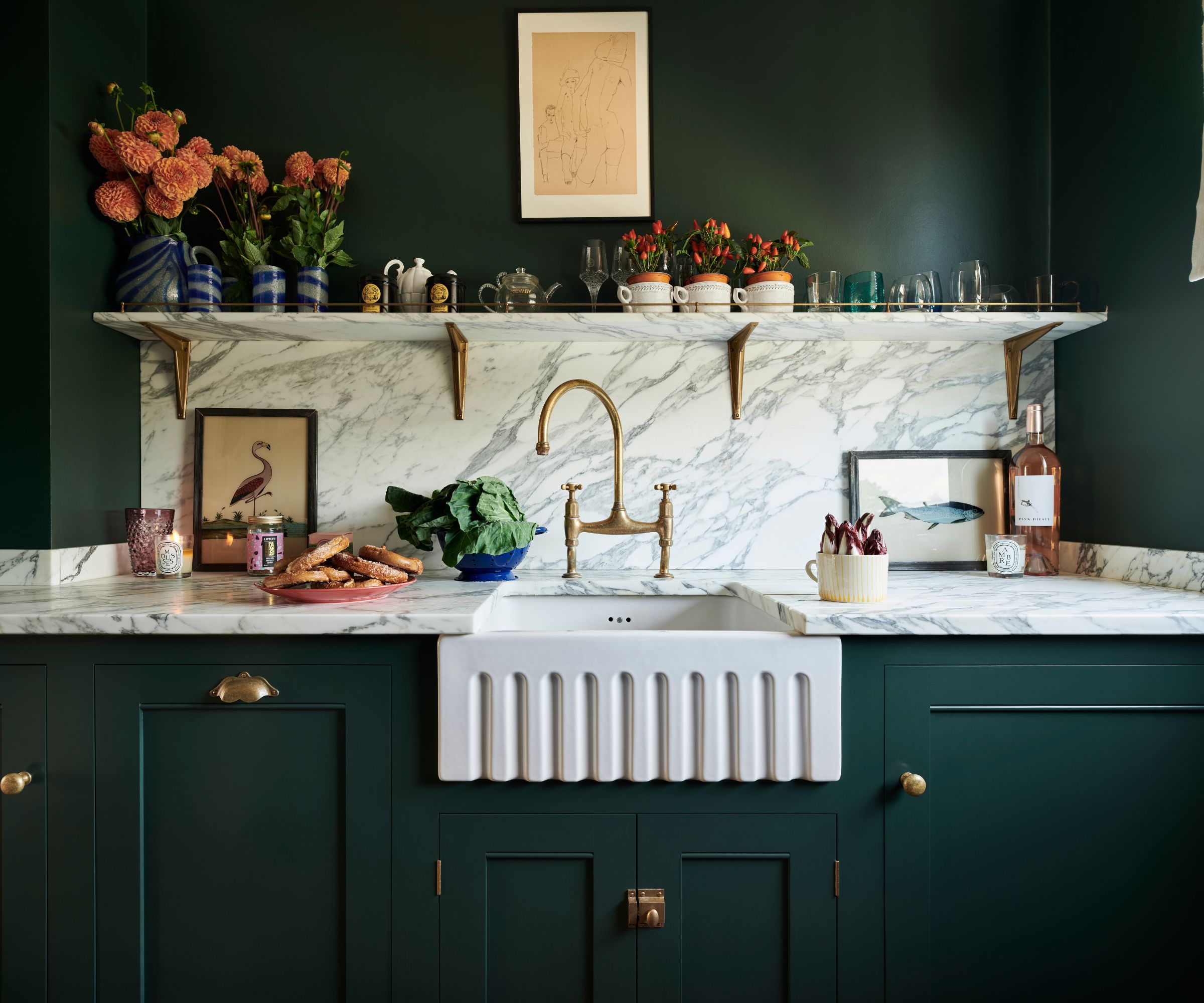
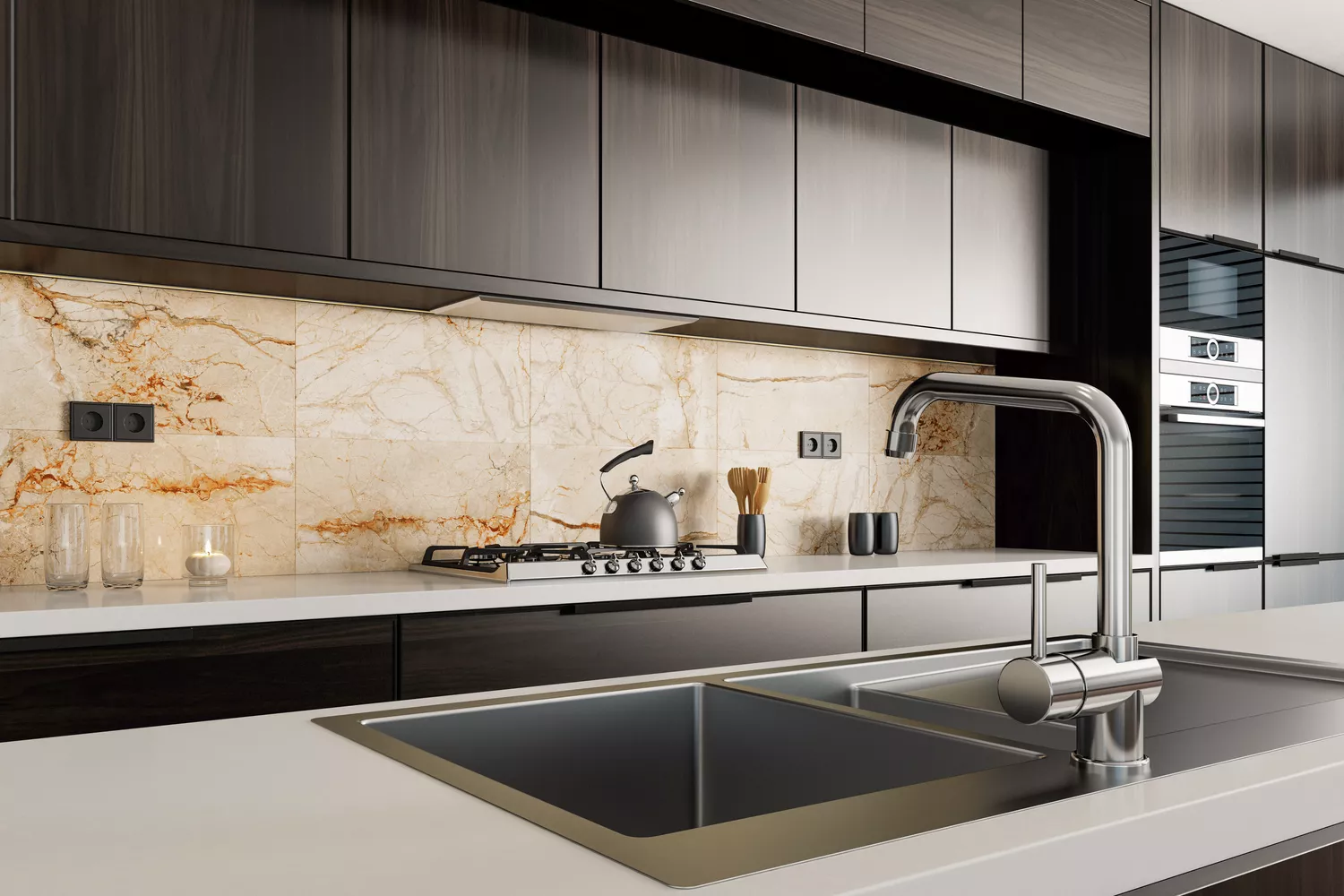
Another common issue involves natural stone backsplashes. While visually striking, porous materials such as marble or natural stone are susceptible to staining and damage from cooking splatters if not properly sealed. Regular sealing, typically every six months, is necessary to maintain their integrity. A simple water droplet test can indicate when resealing is due; if water soaks in rather than beads, it's time to reapply the sealant. Alternatively, protective films like TuffSkin can offer an extra layer of defense against stains.
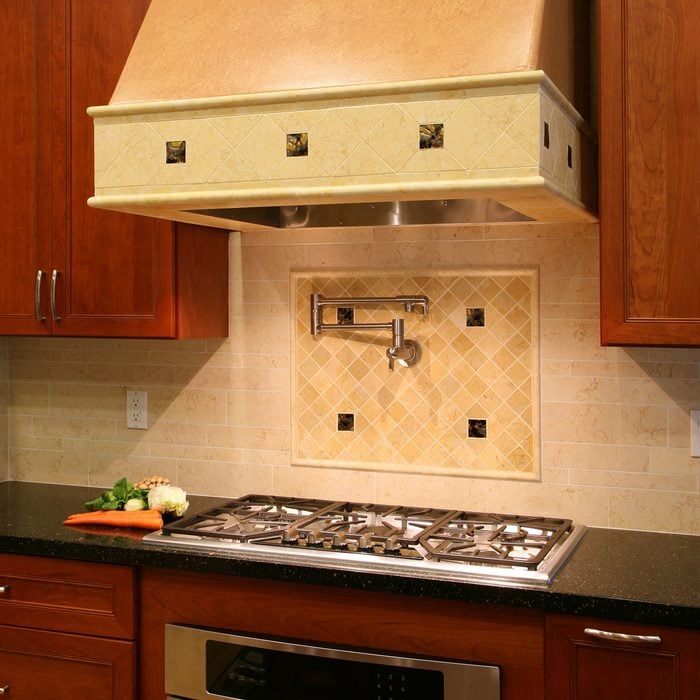
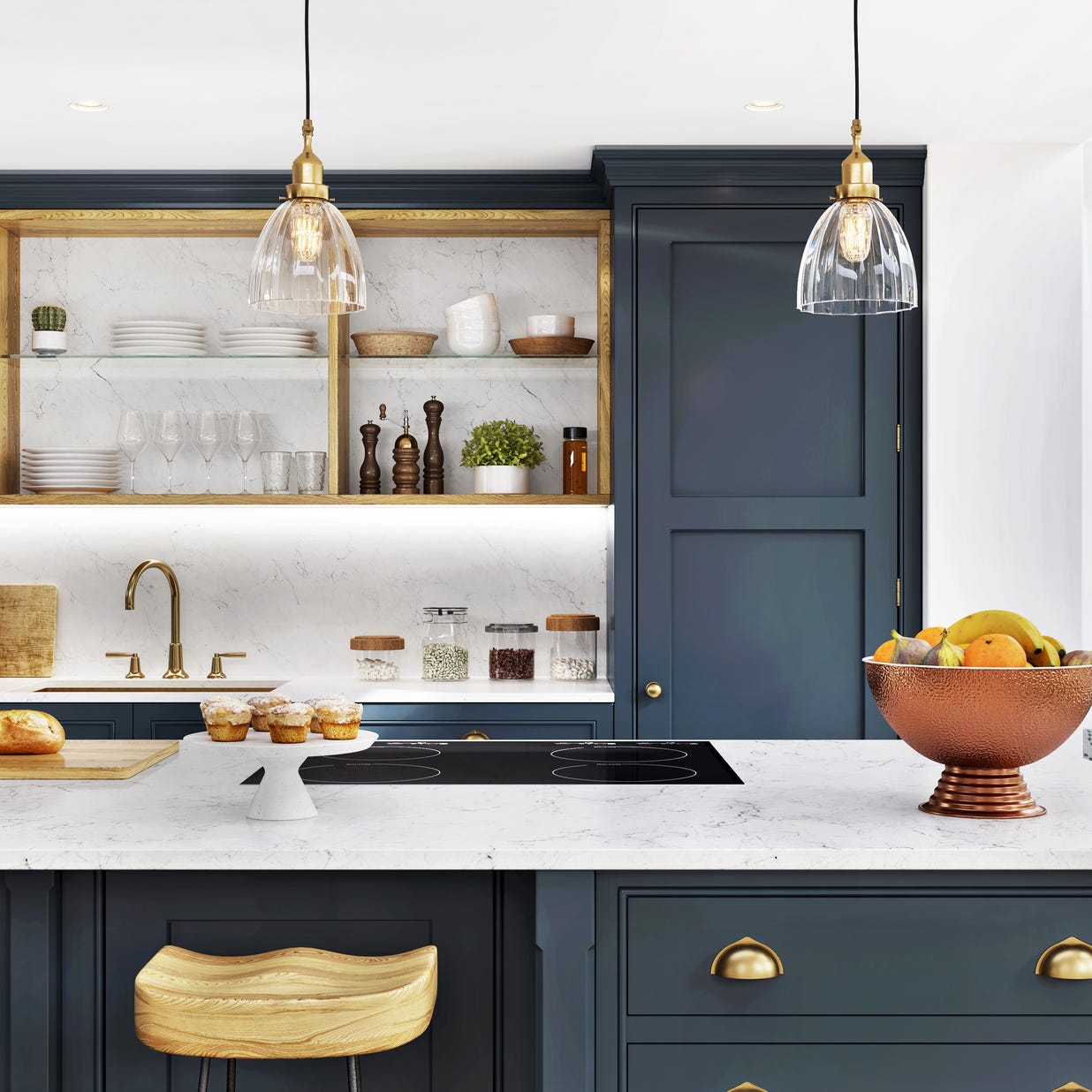
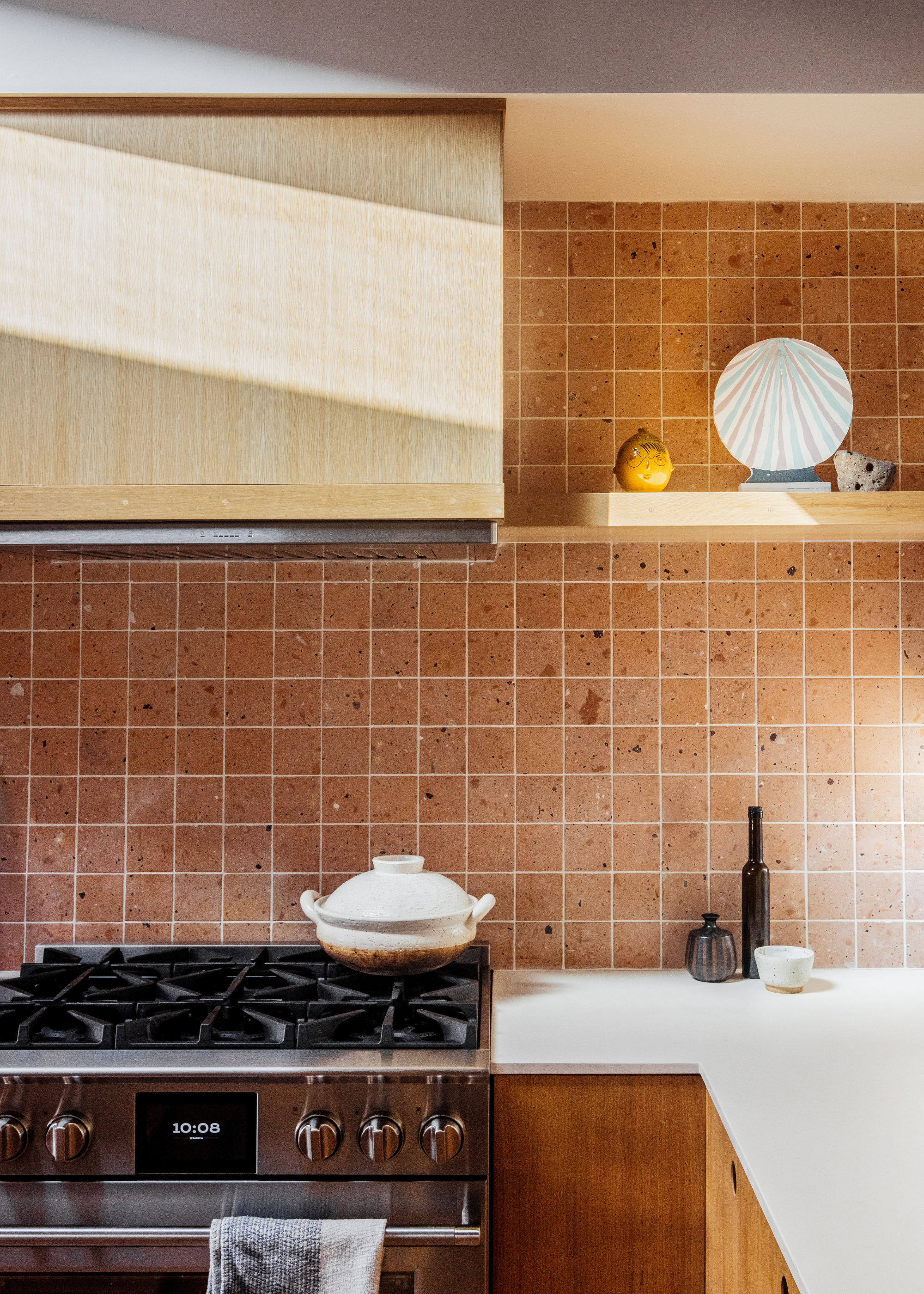
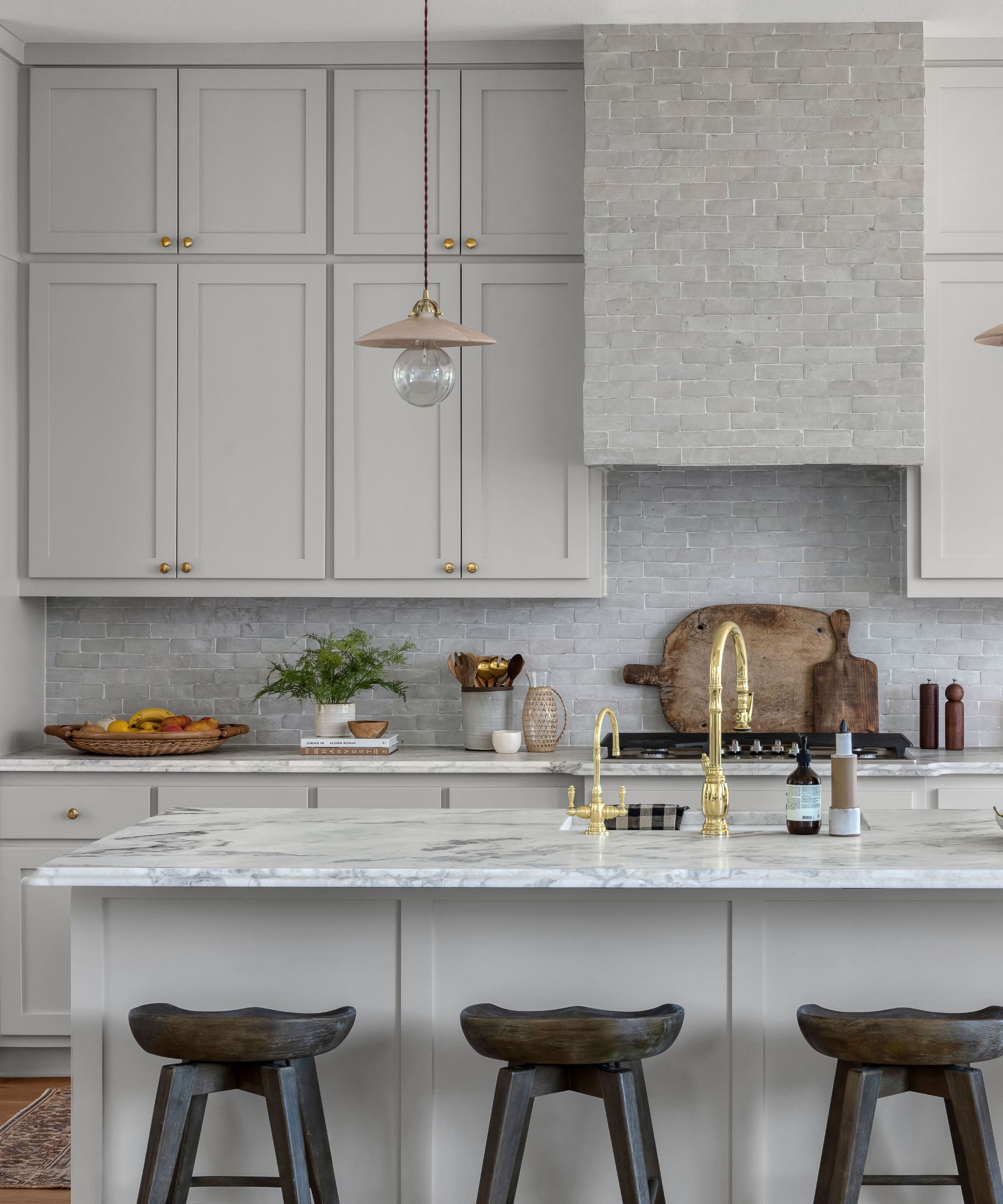
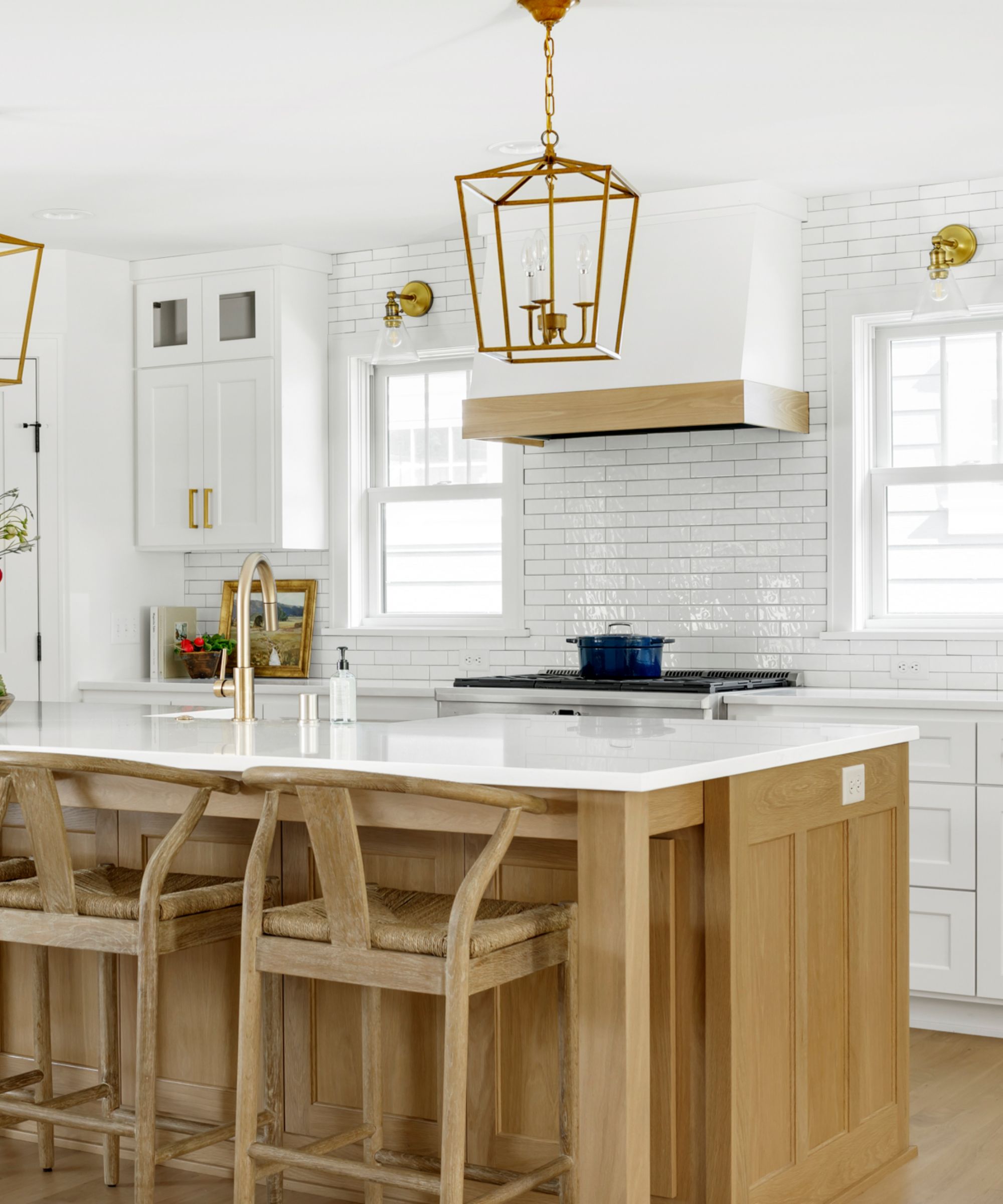
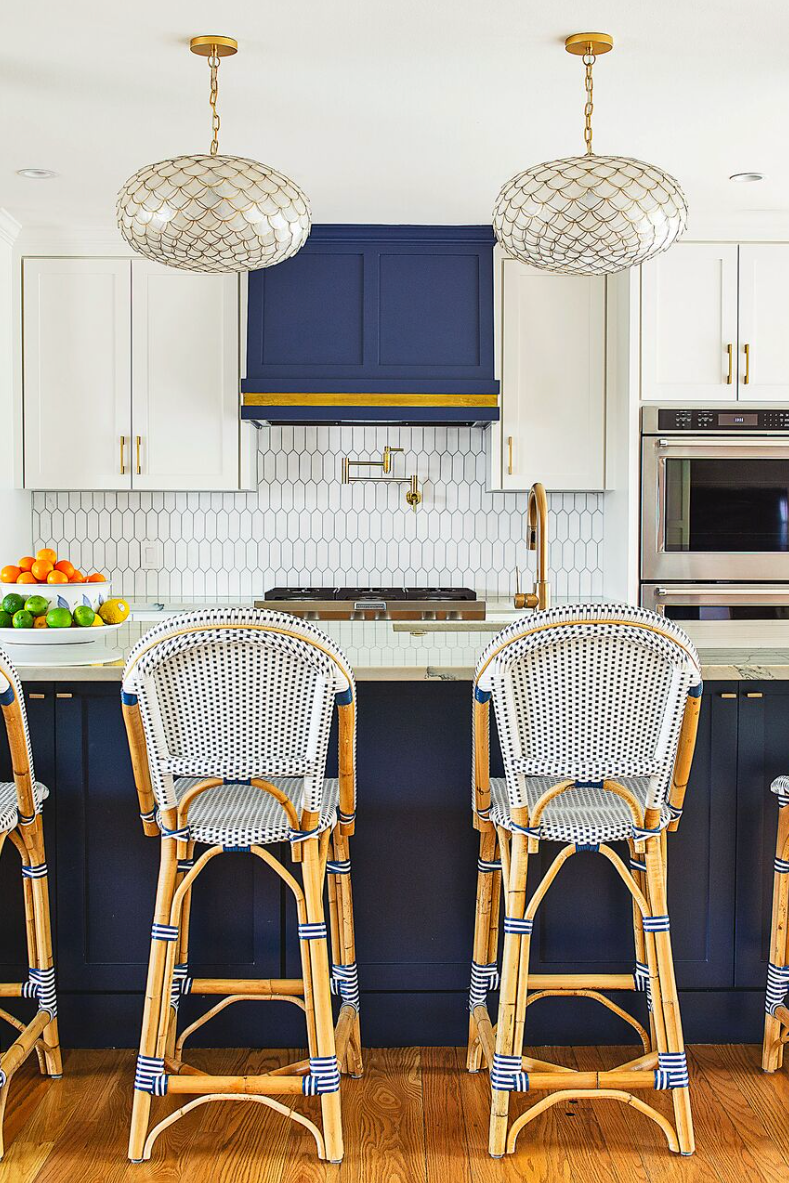
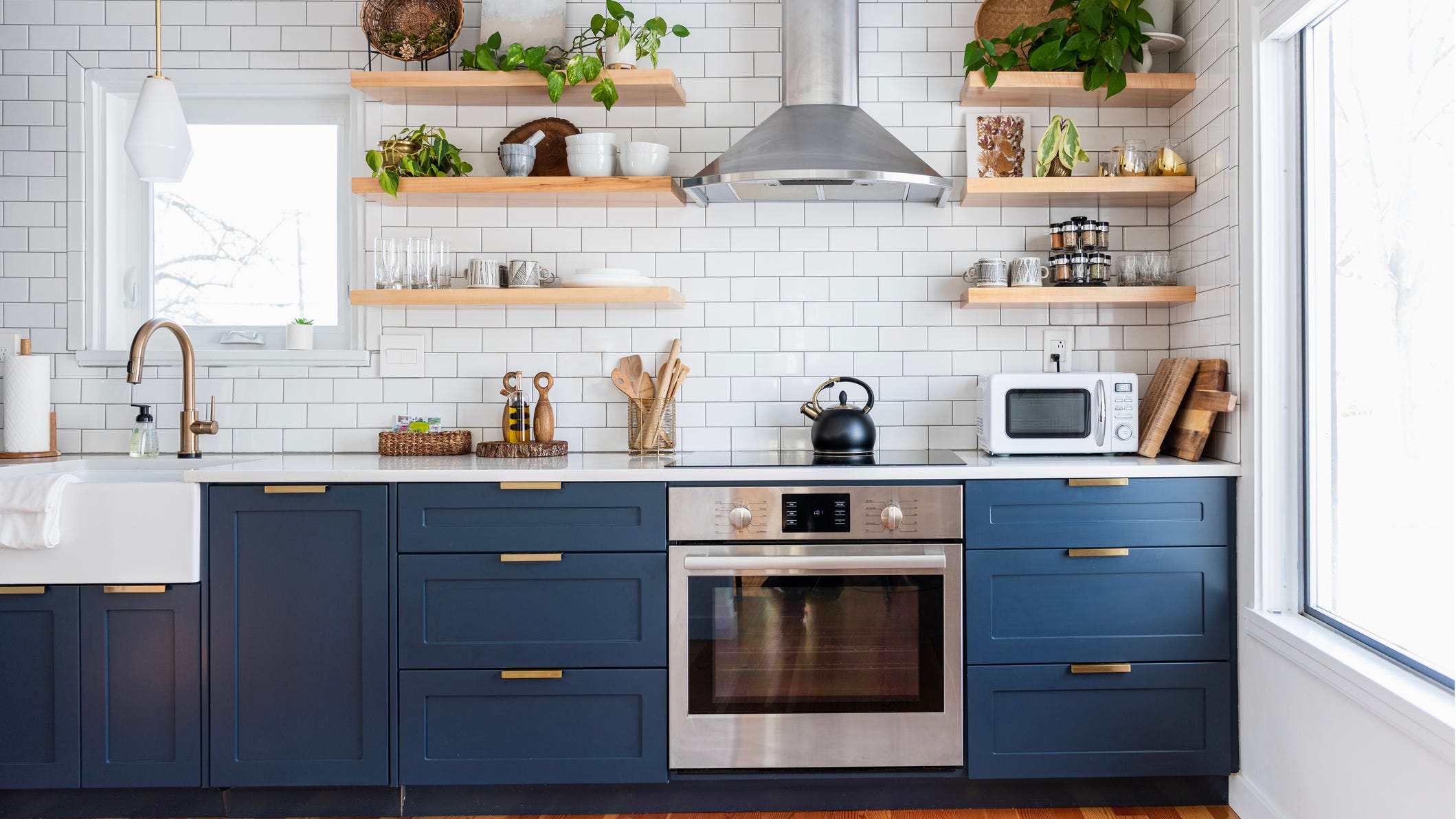
Designers also frequently note backsplashes that end too low, specifically those that stop in the middle of a wall. This creates an unfinished look and detracts from the kitchen's overall design. The recommended practice is to extend the backsplash all the way up to the bottom of the cabinets or to the range hood, ensuring a cohesive and complete appearance. Budgeting for the additional material needed for a higher backsplash is advisable.
Inconsistent alignment is another blunder, particularly when a backsplash terminates on an open wall. The backsplash should align precisely with adjacent countertops or cabinets to create a clean and balanced line. If there isn't a natural stopping point like a wall, the backsplash should end in line with the upper and lower cabinets, providing visual harmony.
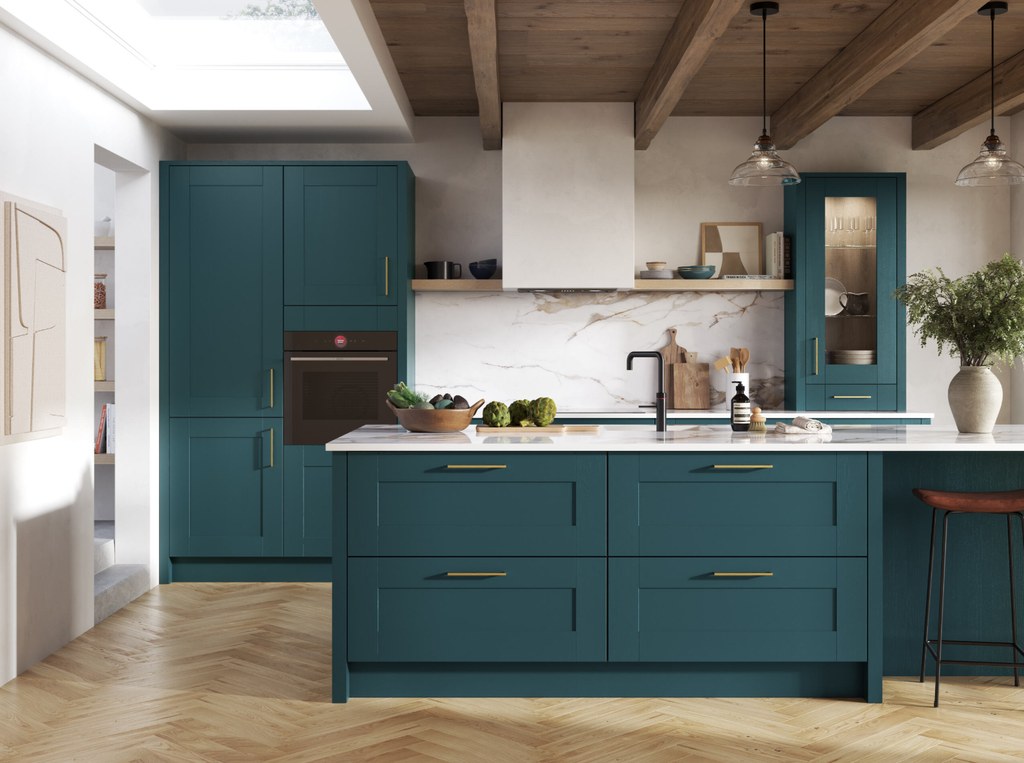
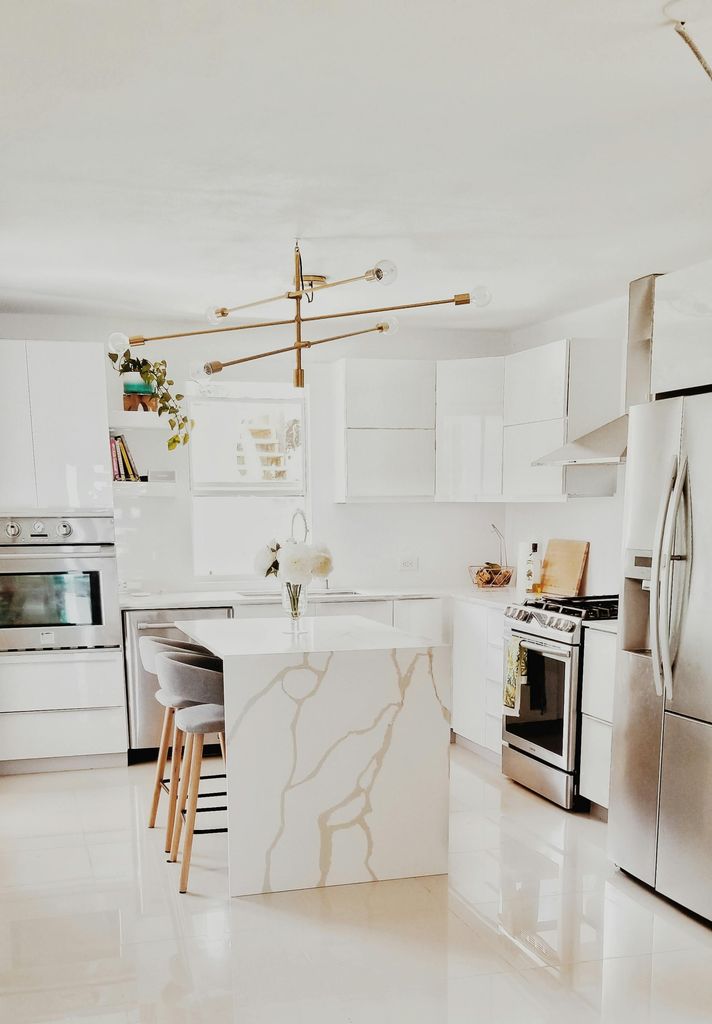
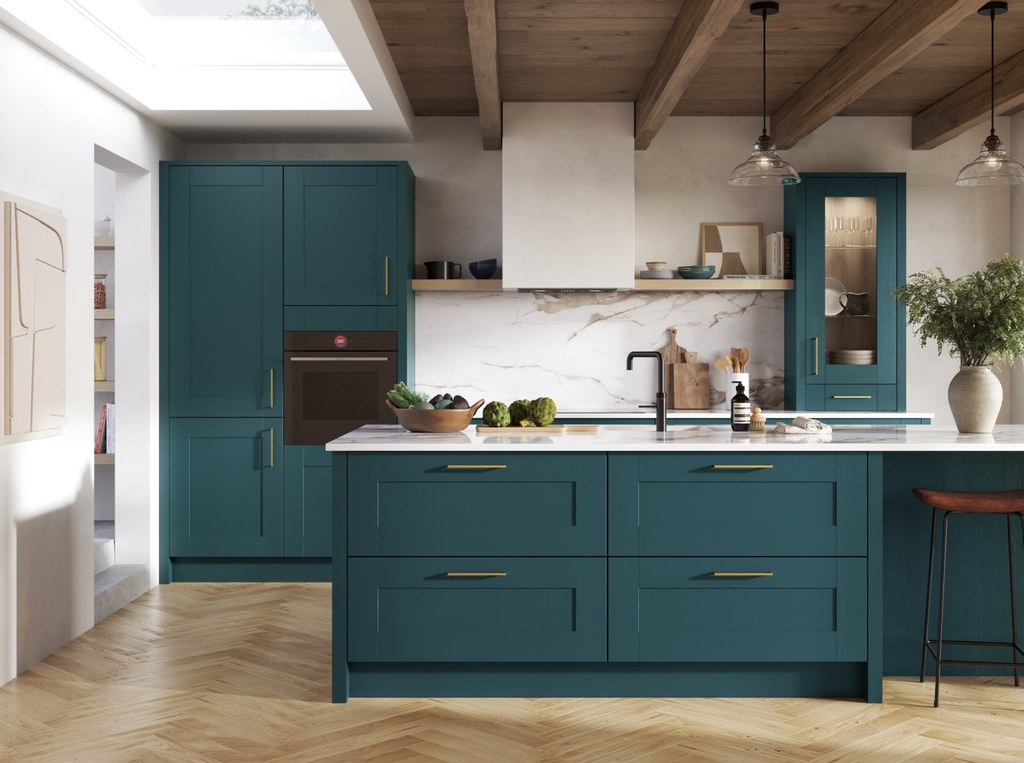
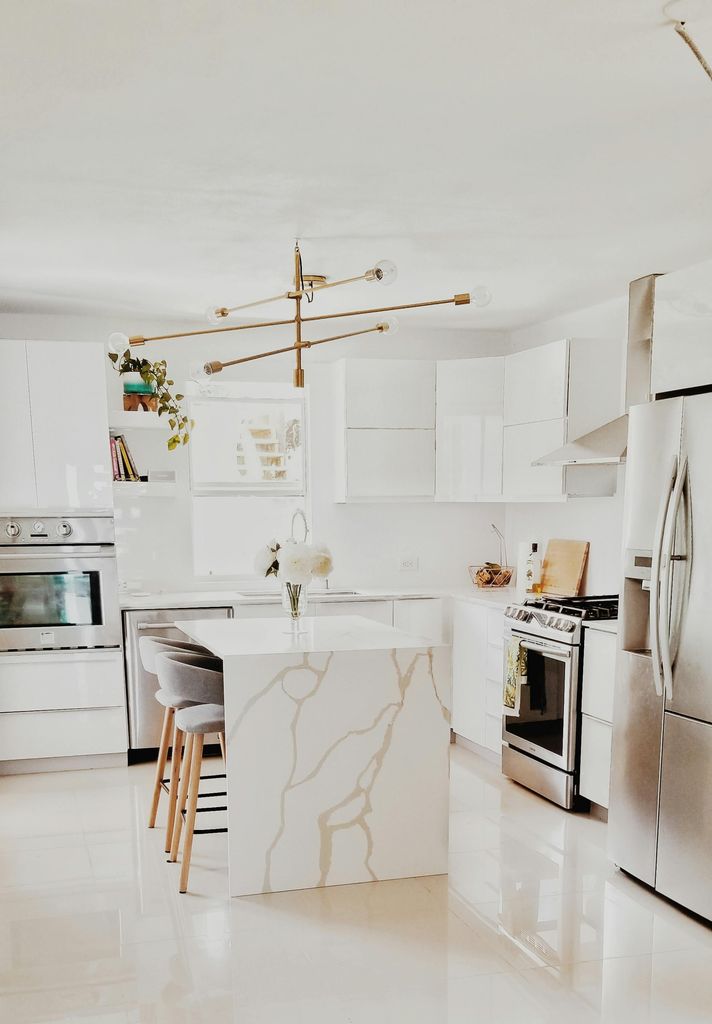
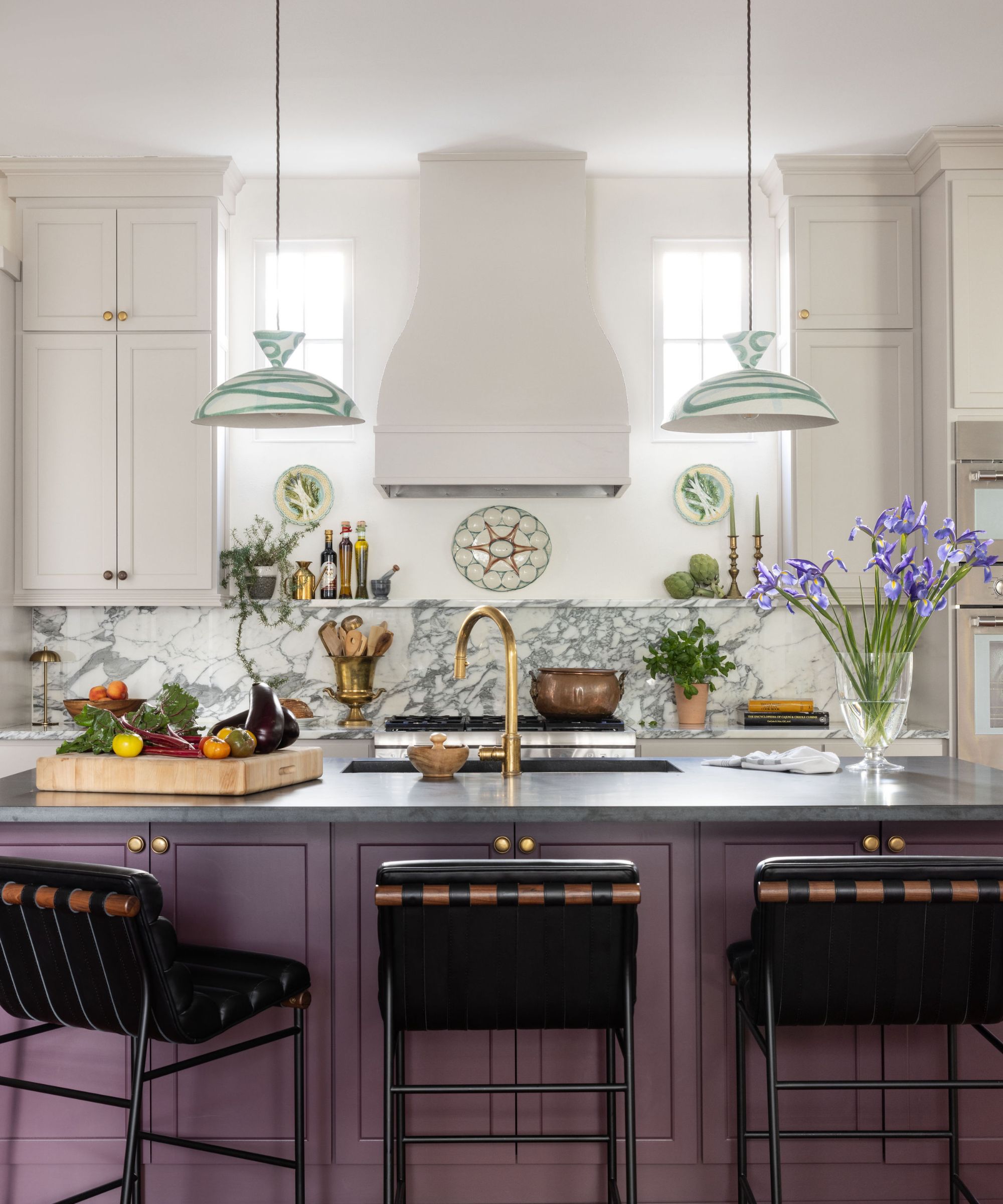
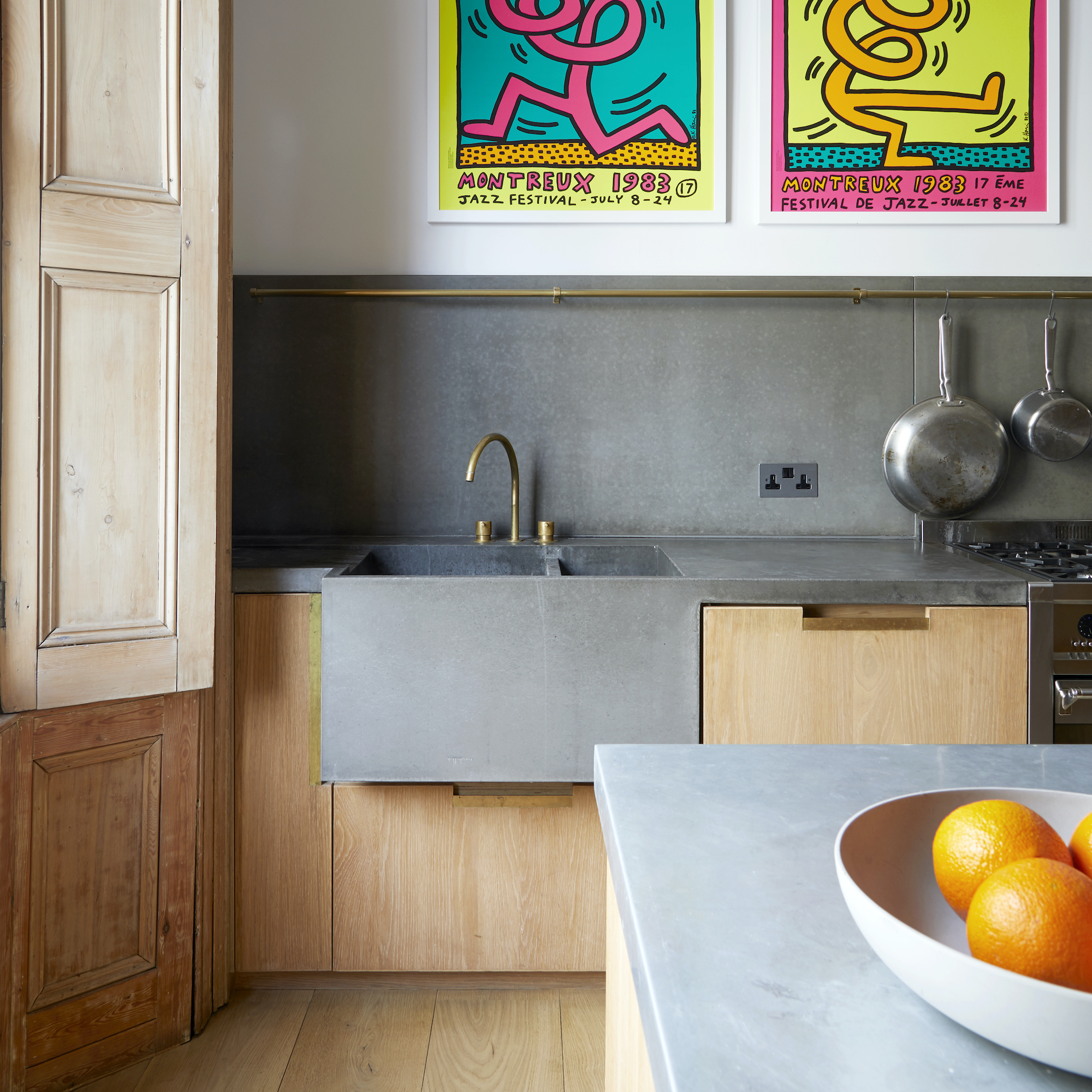
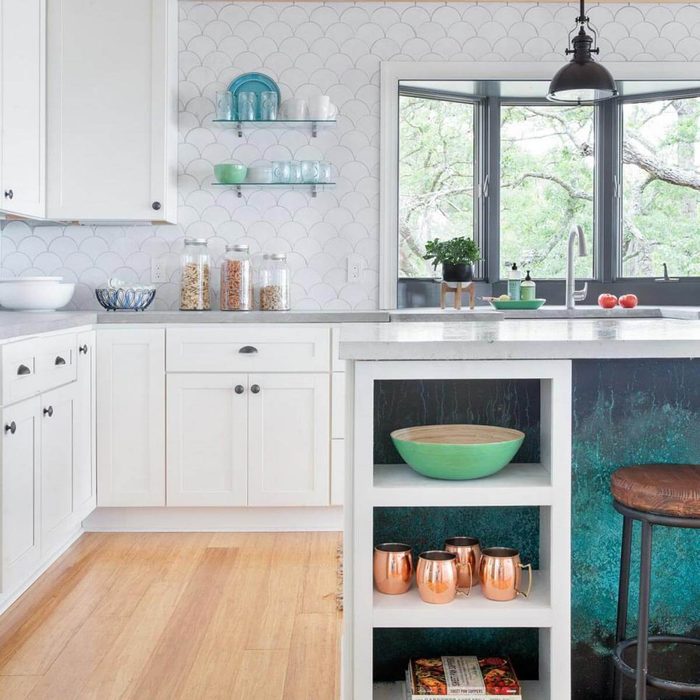
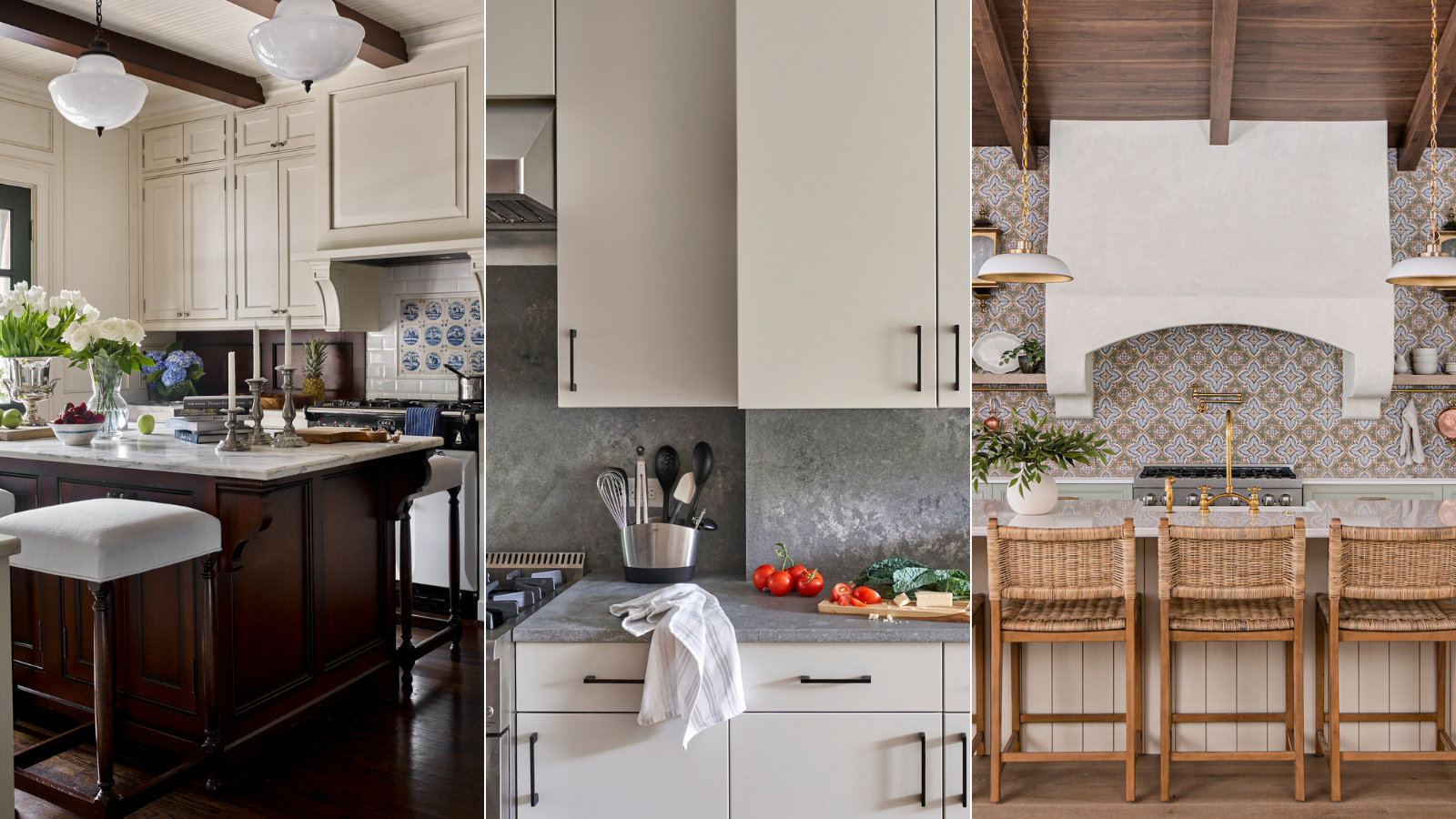
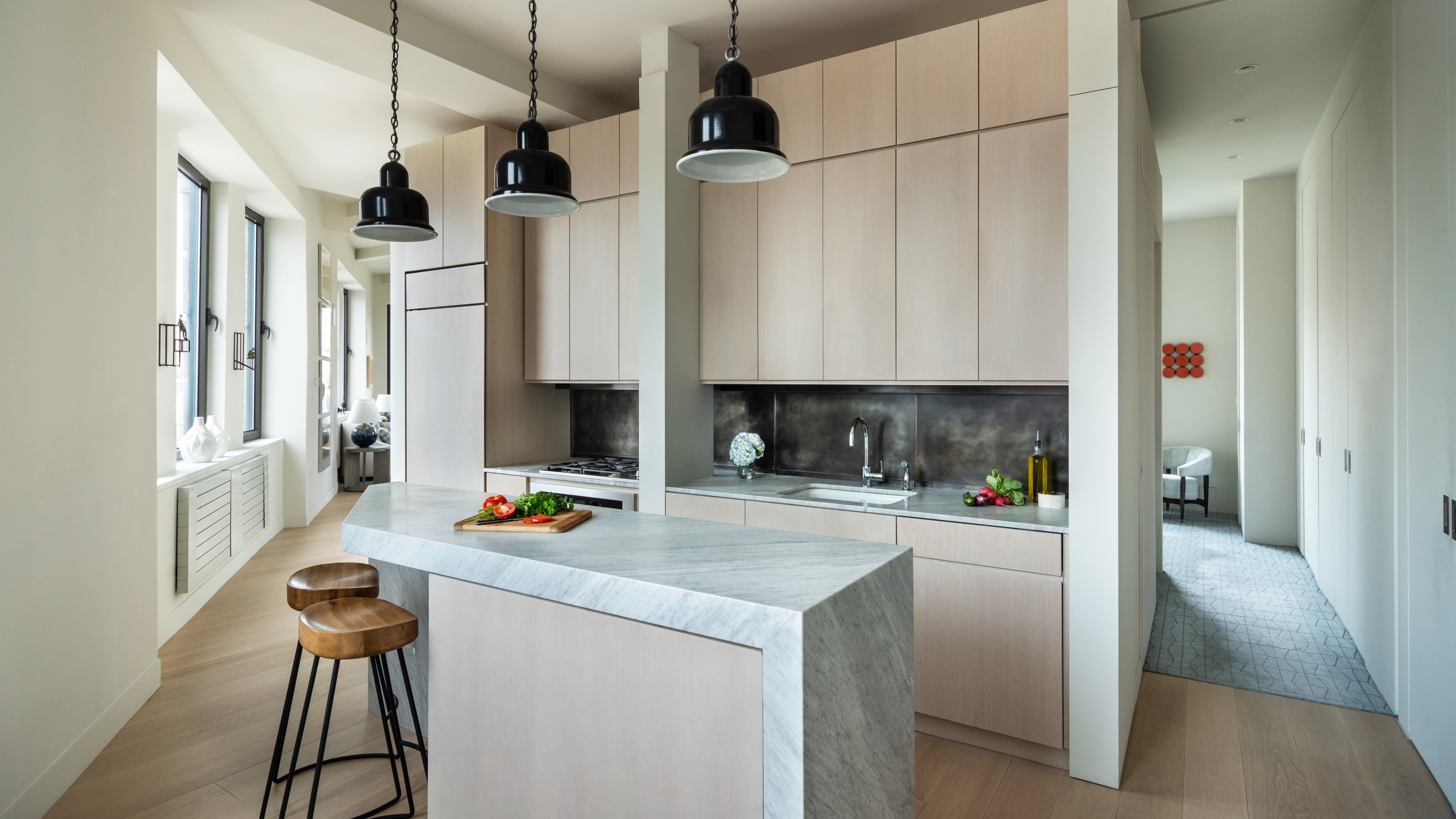
Ignoring the overall kitchen design when selecting a backsplash can lead to a disjointed space. Homeowners sometimes get swayed by captivating samples or perfect online images without considering how the backsplash integrates with the rest of the kitchen's elements, especially in open-plan living areas. A backsplash that is too 'loud' or visually dominant can disrupt the balanced composition of the home. Designers often advise selecting quieter backsplash options, frequently opting for the same slab material as the countertops to ensure a seamless and complementary look. The backsplash should support the overall design, not overwhelm it, allowing other elements to shine without creating visual clutter.
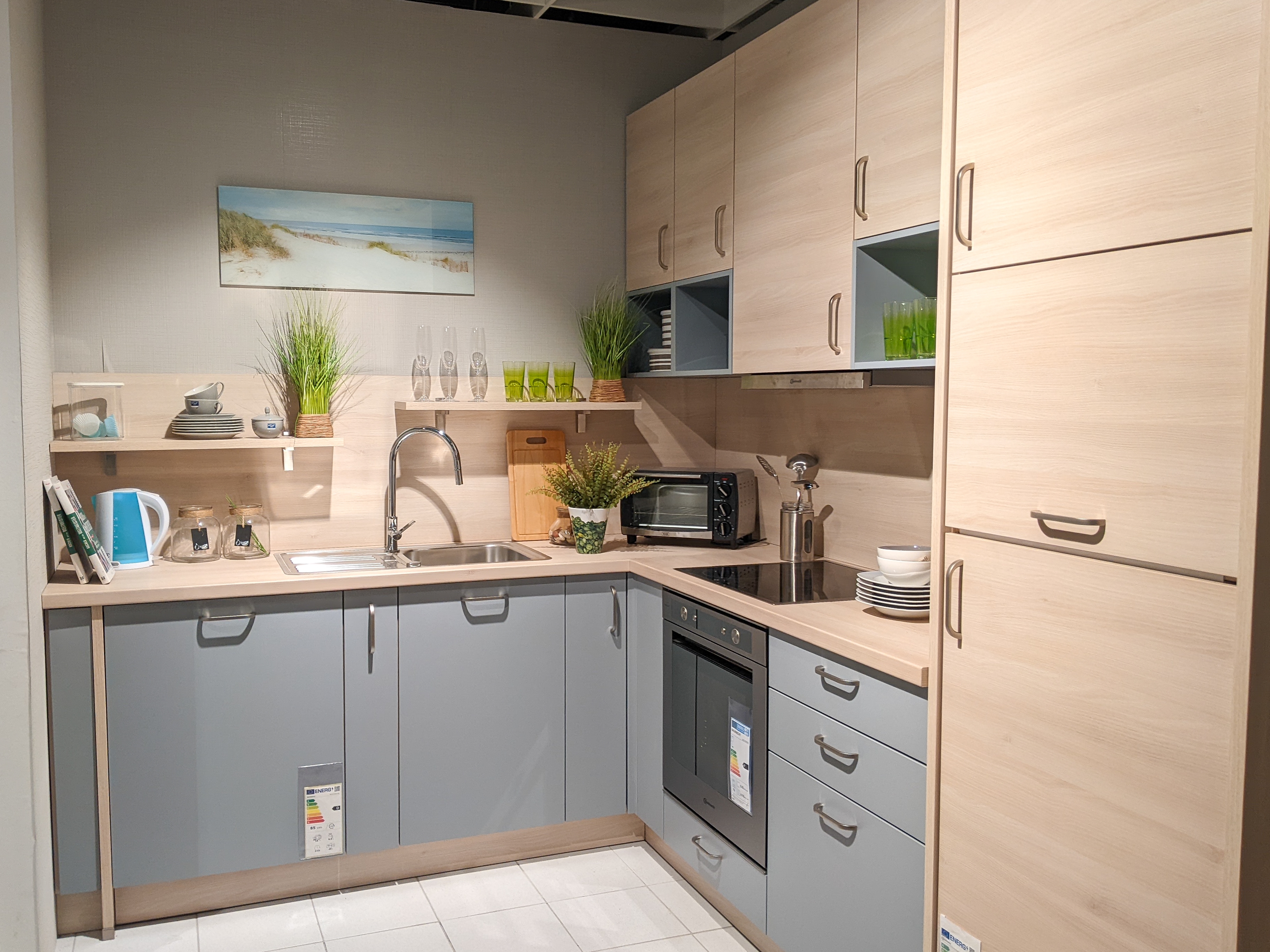
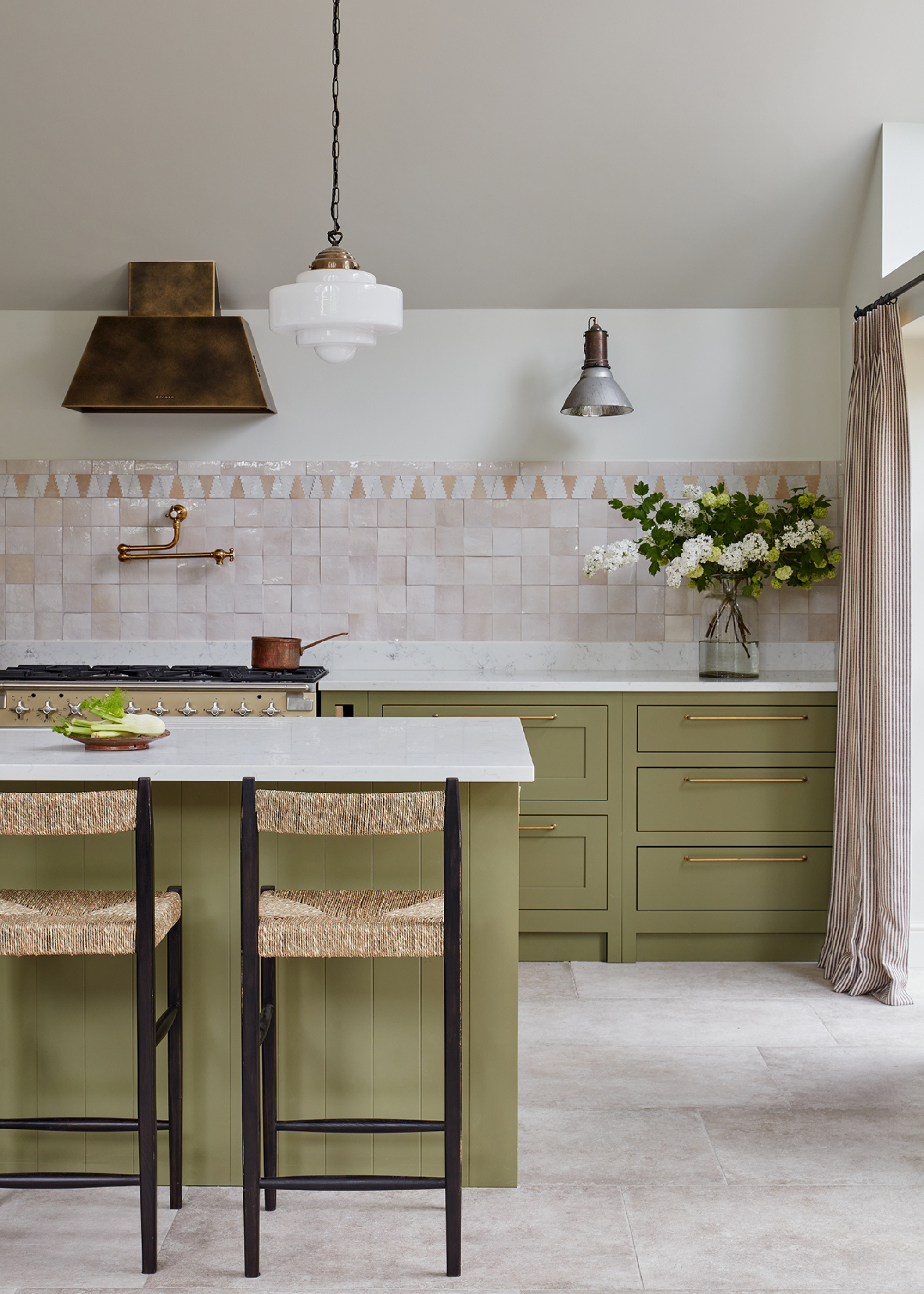
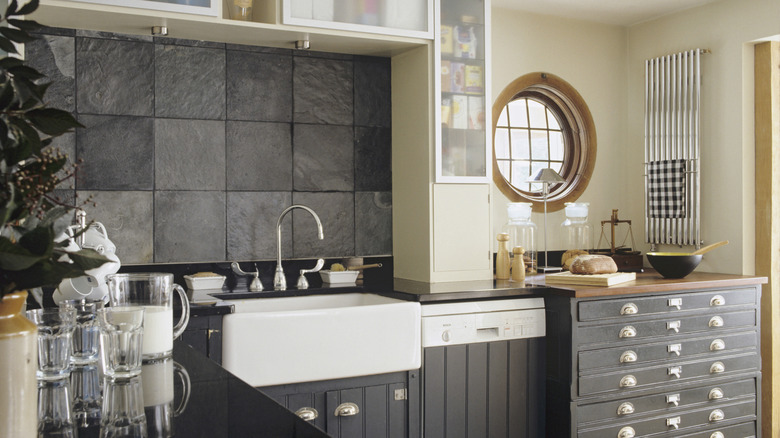
Mismatching styles between the backsplash and kitchen cabinets is another common error. Pairing an ultra-modern backsplash with traditional cabinets, or vice versa, can result in a discordant and out-of-place feel. Consistency in interior design style across all kitchen elements is key to achieving a harmonious aesthetic.
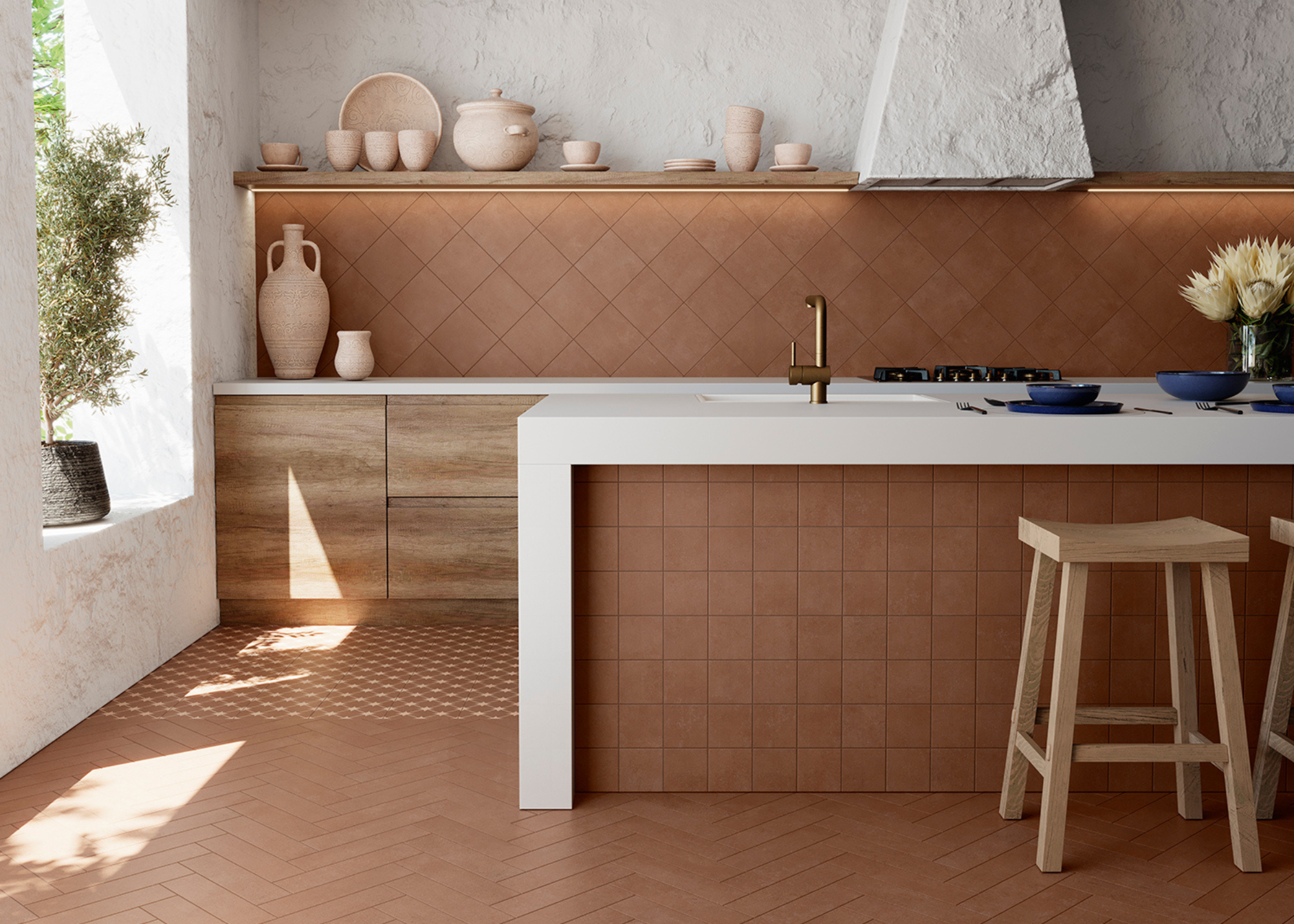
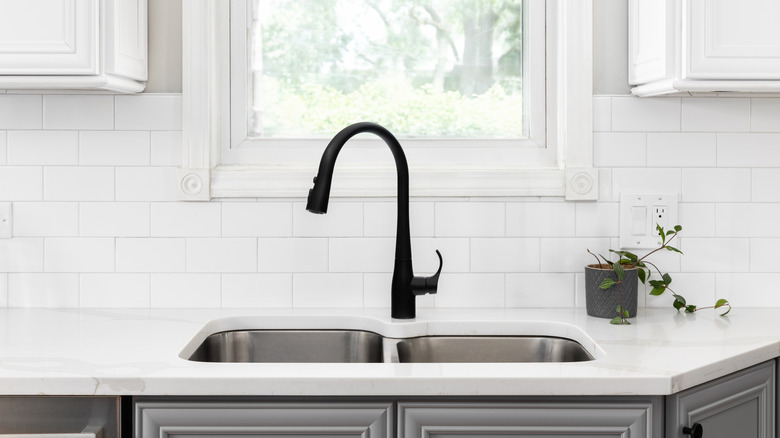
Furthermore, combining a four-inch counter backsplash with tile above it is considered an outdated practice. Designers recommend two modern alternatives: either extending the countertop material all the way up the wall to act as the backsplash or using tile directly from the counter upwards. This eliminates the dated transitional line and creates a more contemporary look.
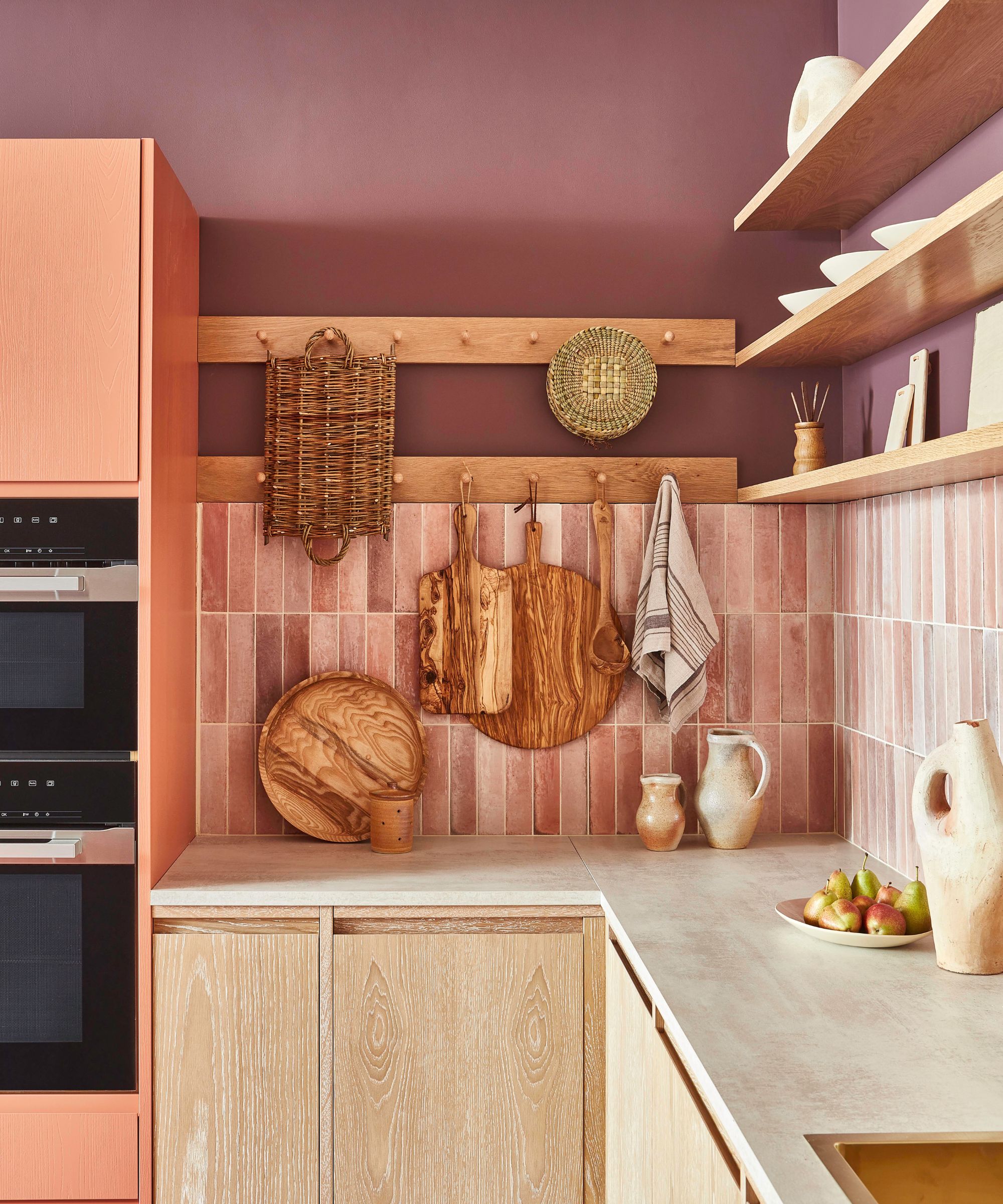
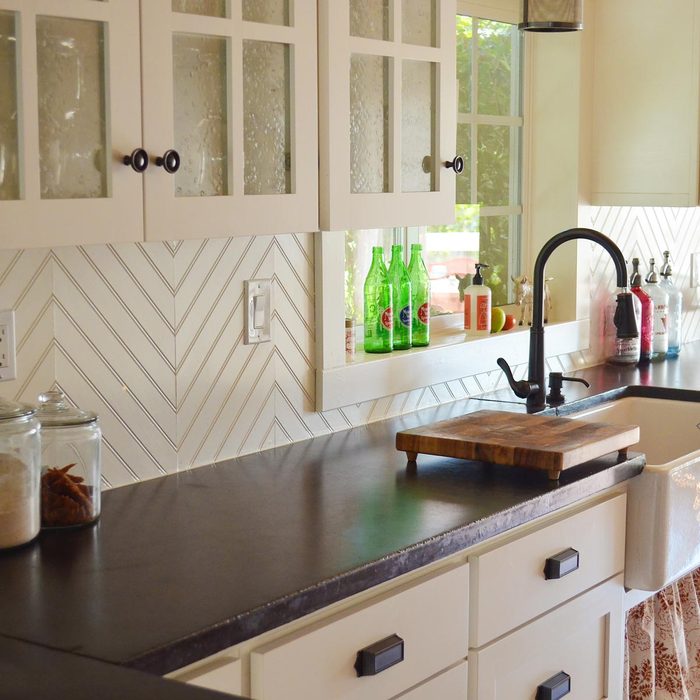
Finally, incorrect scale, especially concerning tile size and layout, can negatively impact the backsplash's appearance. For areas with limited height between the counter and cabinets, such as an 18-inch gap, careful consideration of tile direction is essential. Laying standard subway tiles vertically in such a space can make it feel cluttered, while horizontal placement can create a sense of vastness. Thinking about both size and layout in conjunction is vital to avoid making the space feel clunky. Adhering to these guidelines ensures a functional, aesthetically pleasing, and cohesive kitchen backsplash that enhances the entire living space.
#KitchenBacksplash #InteriorDesignMistakes #KitchenDesign #HomeRenovation #TileSelection #NaturalStoneCare #KitchenAesthetics #FunctionalDesign #KitchenBacksplash #InteriorDesignMistakes #KitchenDesign #HomeRenovation #TileSelection #NaturalStoneCare #KitchenAesthetics #FunctionalDesign
0 ความคิดเห็นรวม
 ยังไม่มีความคิดเห็น
คุณอาจจะชอบอีกด้วย
8 Backsplashes to Avoid, According to Interior Designers

5 kitchen countertop mistakes designers warn to avoid
10 Small Kitchen Layout Mistakes Designers Will Always Urge You to Avoid for a Better Working Space

8 Backsplash Styles Designers Say Are Dating Your Kitchen
8 shockingly common kitchen design mistakes according to a pro

11 WORST Kitchen Design Mistakes You're Probably Making

7 Backsplash Mistakes That Will Date Your Kitchen
Experts reveal the kitchen worktop mistakes to avoid - ignore at your peril
8 shockingly common kitchen design mistakes according to a pro

5 Kitchen Backsplash Mistakes Almost Everyone Makes—and What to Do Instead, According to Tile Pros

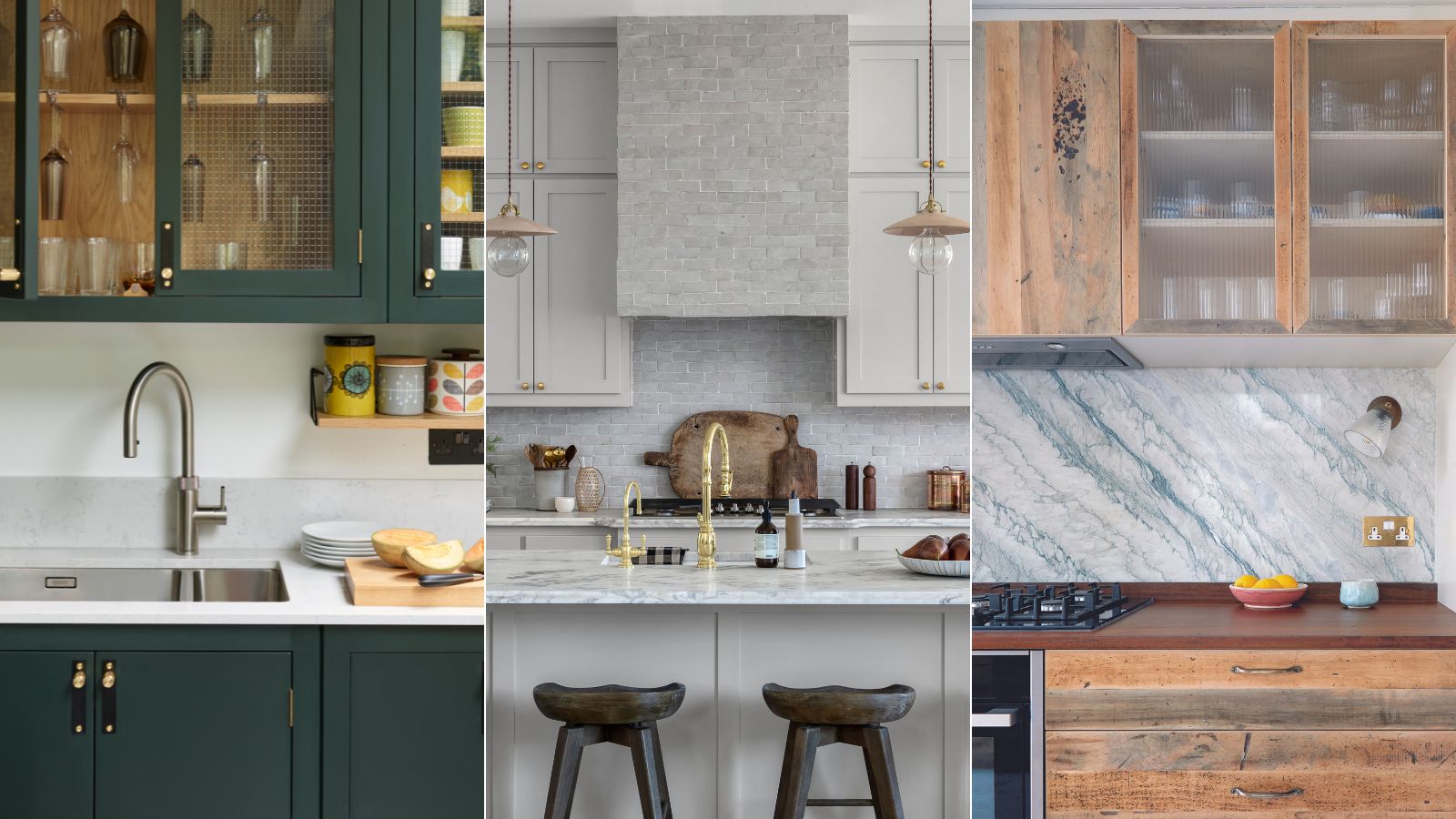
6 outdated kitchen backsplash designs that can bring down a whole room
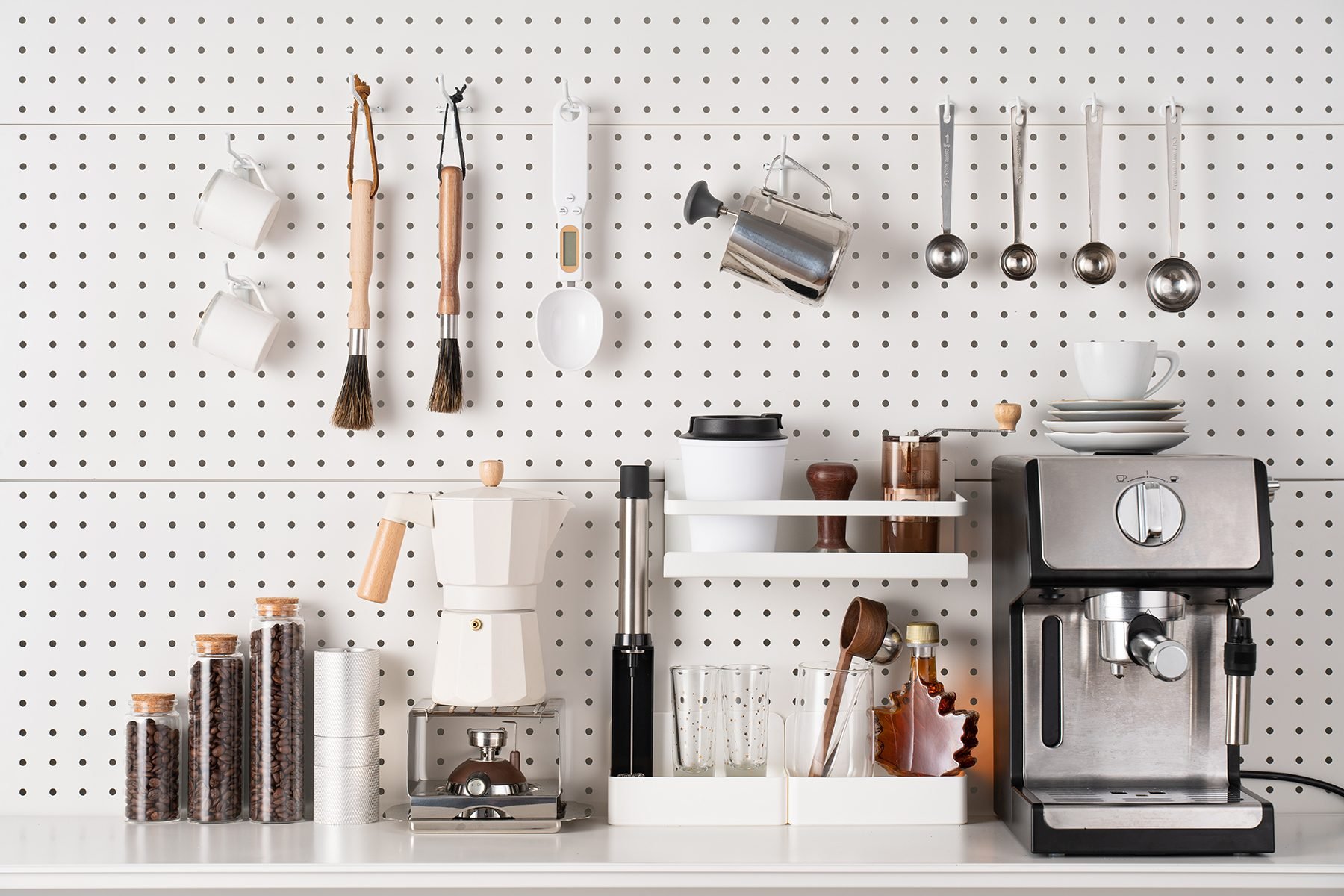
20 Amazing Kitchen Backsplash Ideas
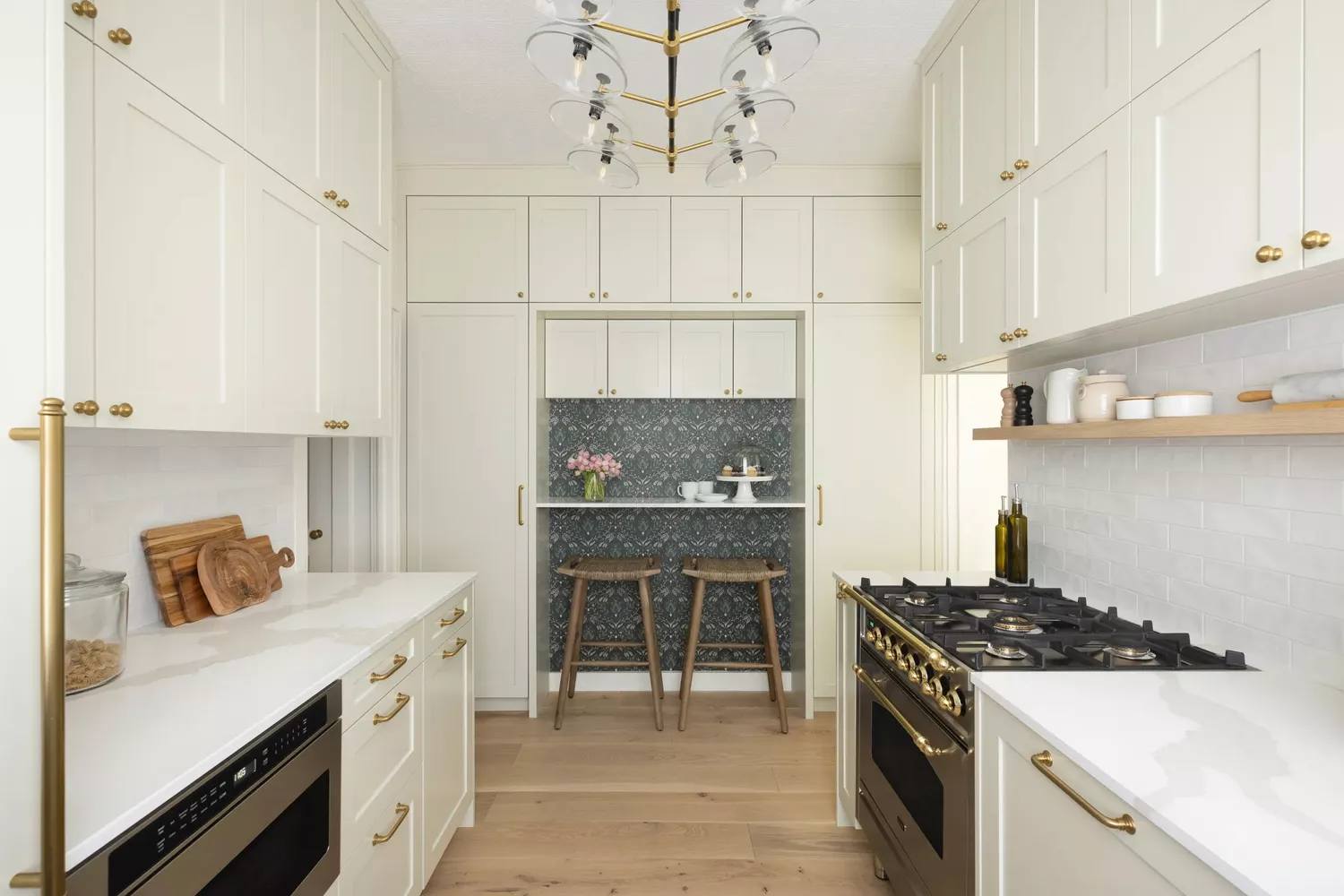
6 Kitchen Backsplash Mistakes Designers Want You to Stop Making Right Now

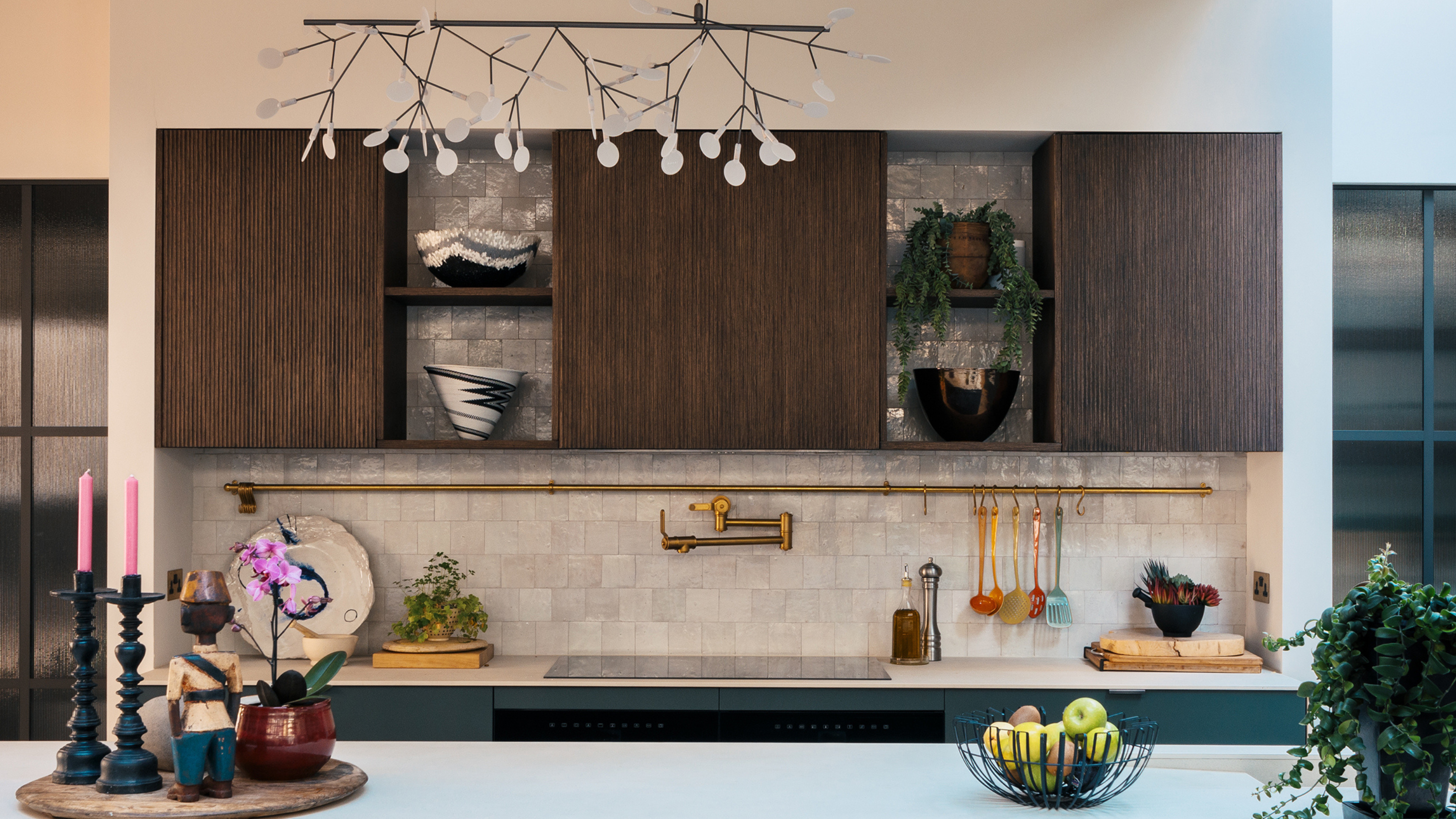
5 Problems With Tiled Backsplashes in Kitchens That No One Ever Talks About
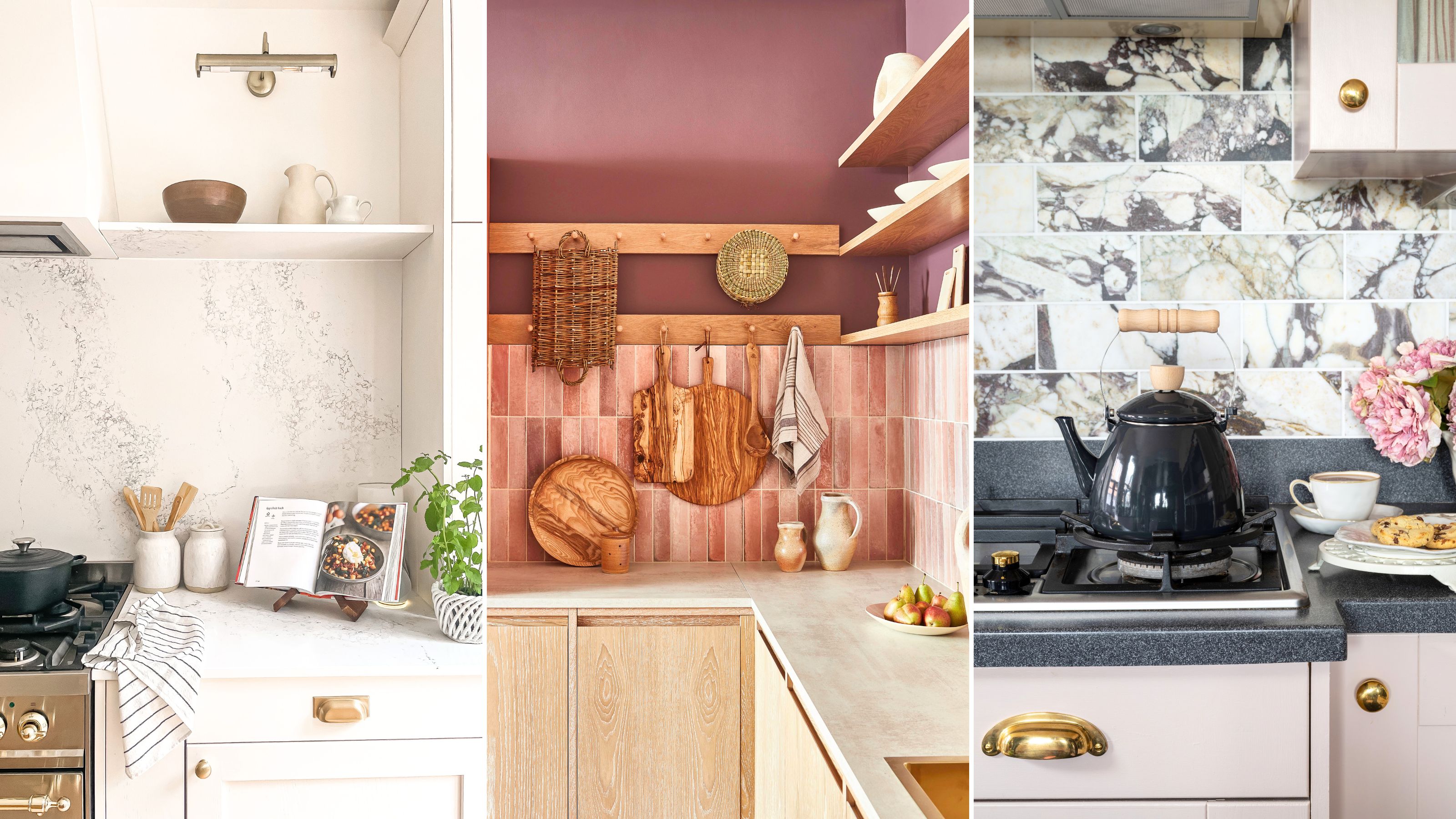
The 5 kitchen storage mistakes interior designers always avoid


Ditch These Dated Backsplash Trends For Timeless Alternatives
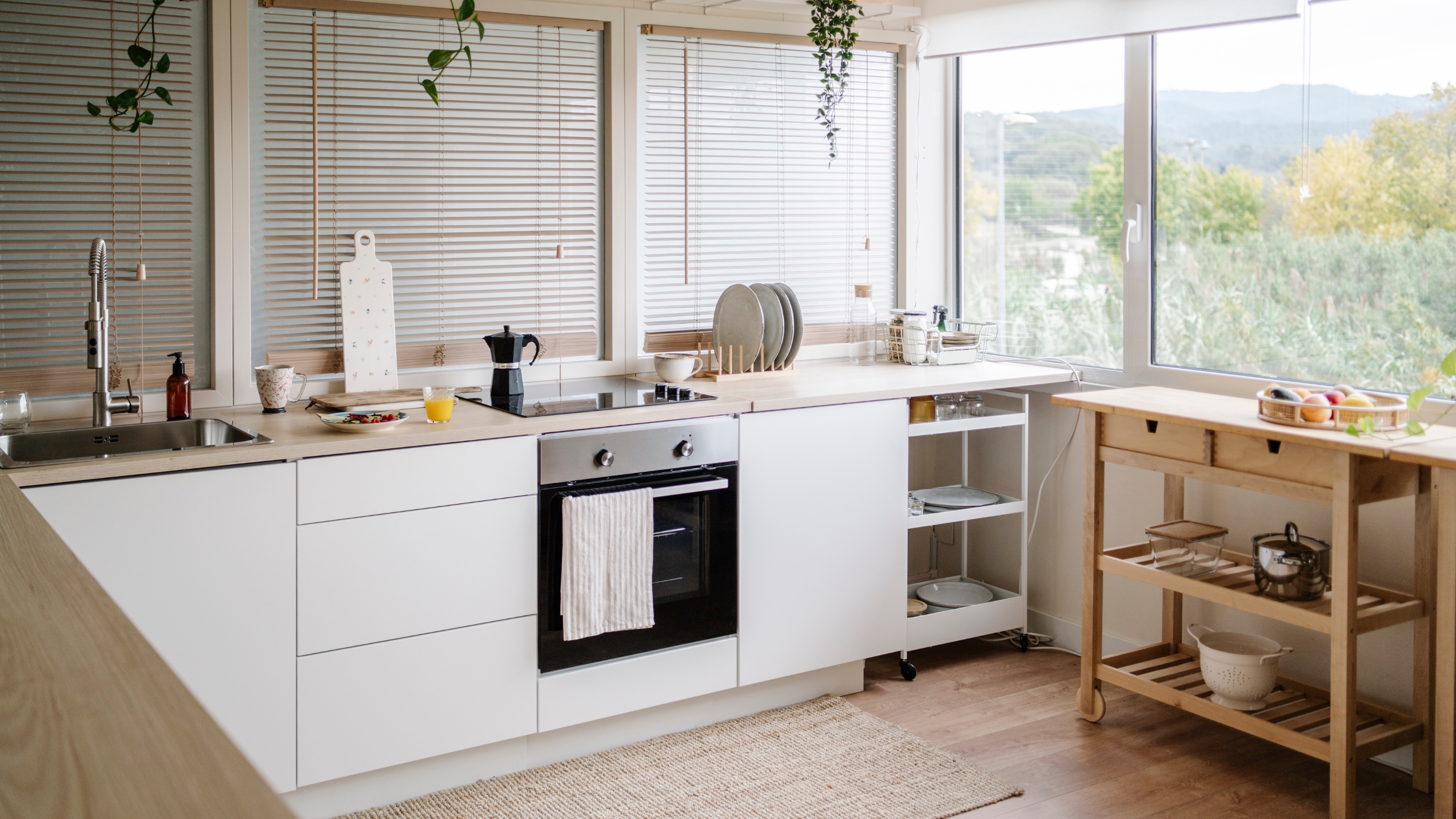
8 small kitchen design mistakes to avoid, according to an interior designer

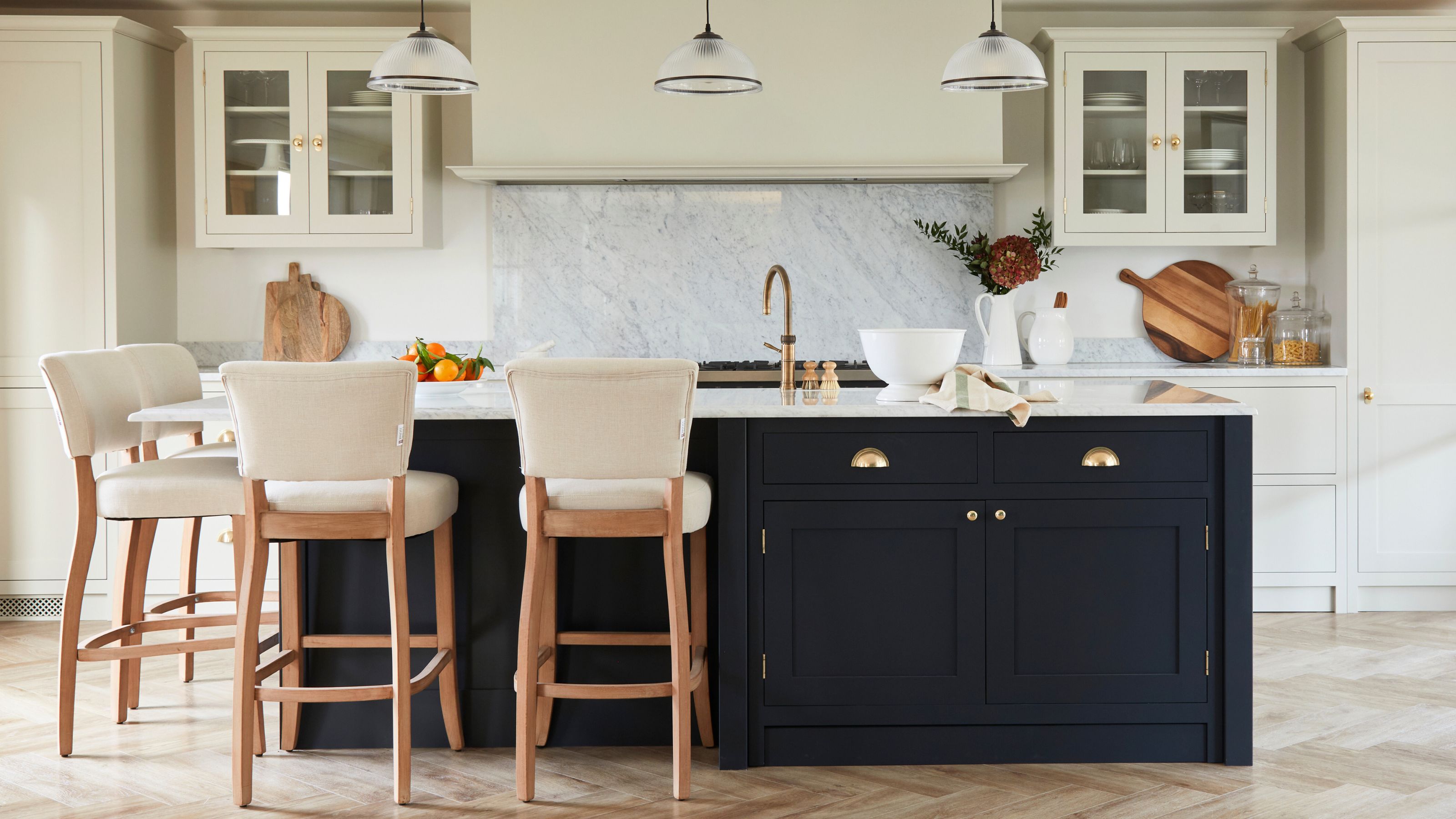
The 7 kitchen island mistakes designers always avoid — and what you can try instead
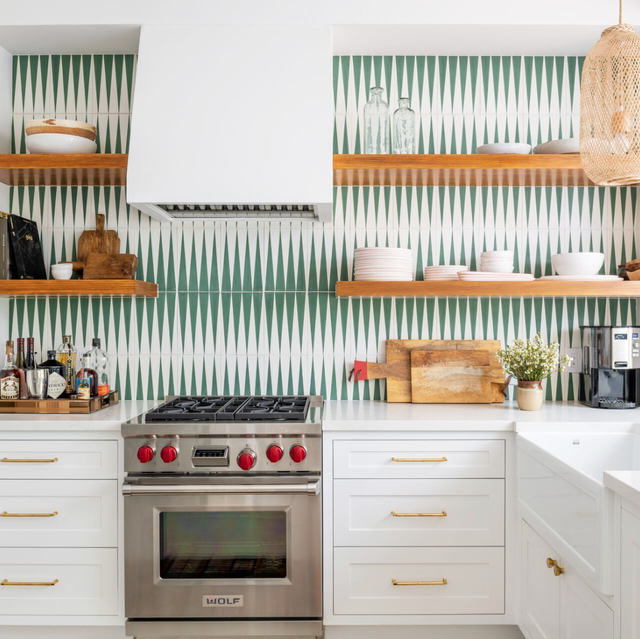
This Striking Geometric Backsplash Is Just the Thing to Upgrade Your Kitchen
12 Gorgeous Kitchen Backsplash Trends Interior Designers Love