
7 Simple Steps for Hanging Wallpaper Yourself
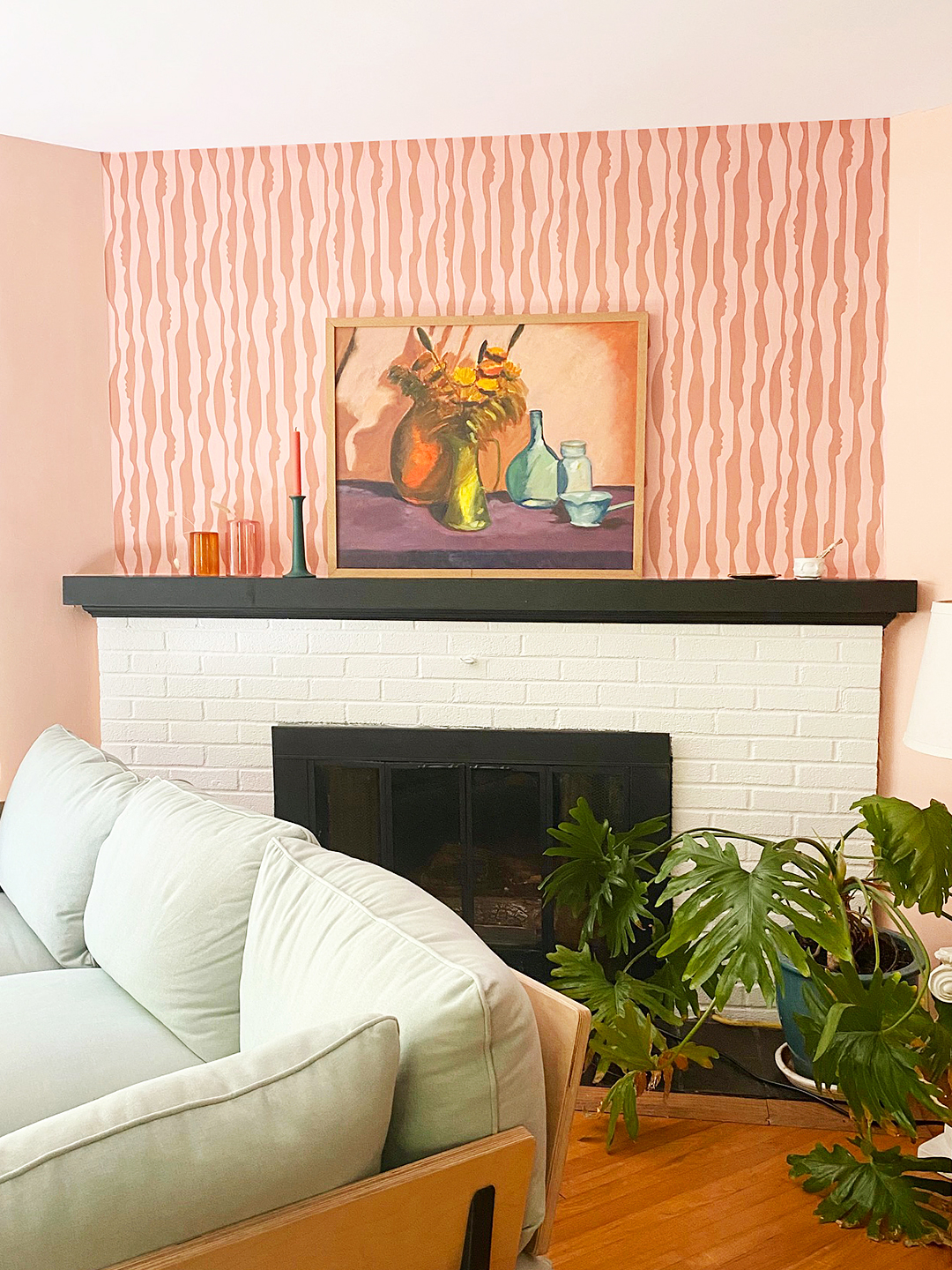
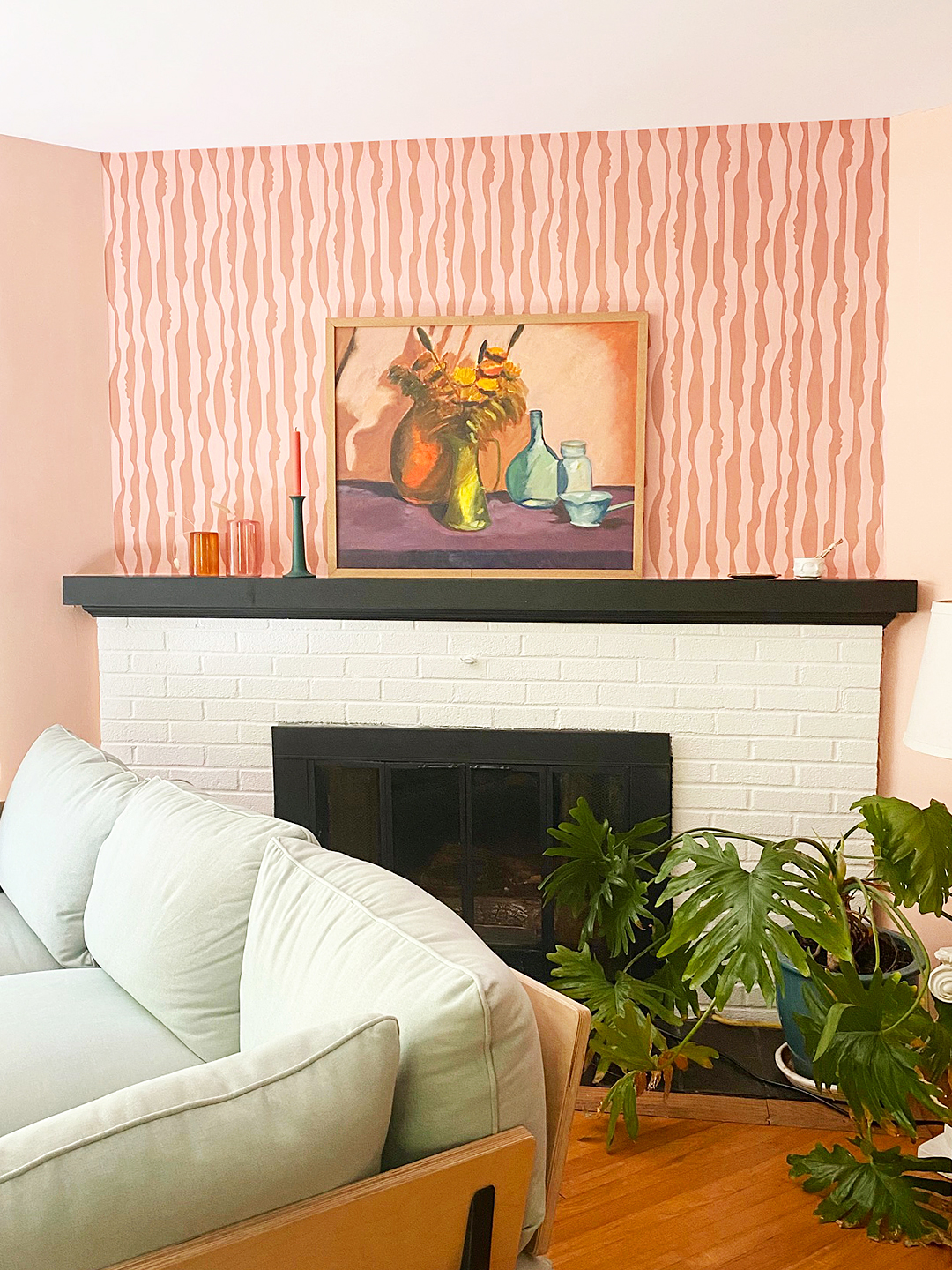
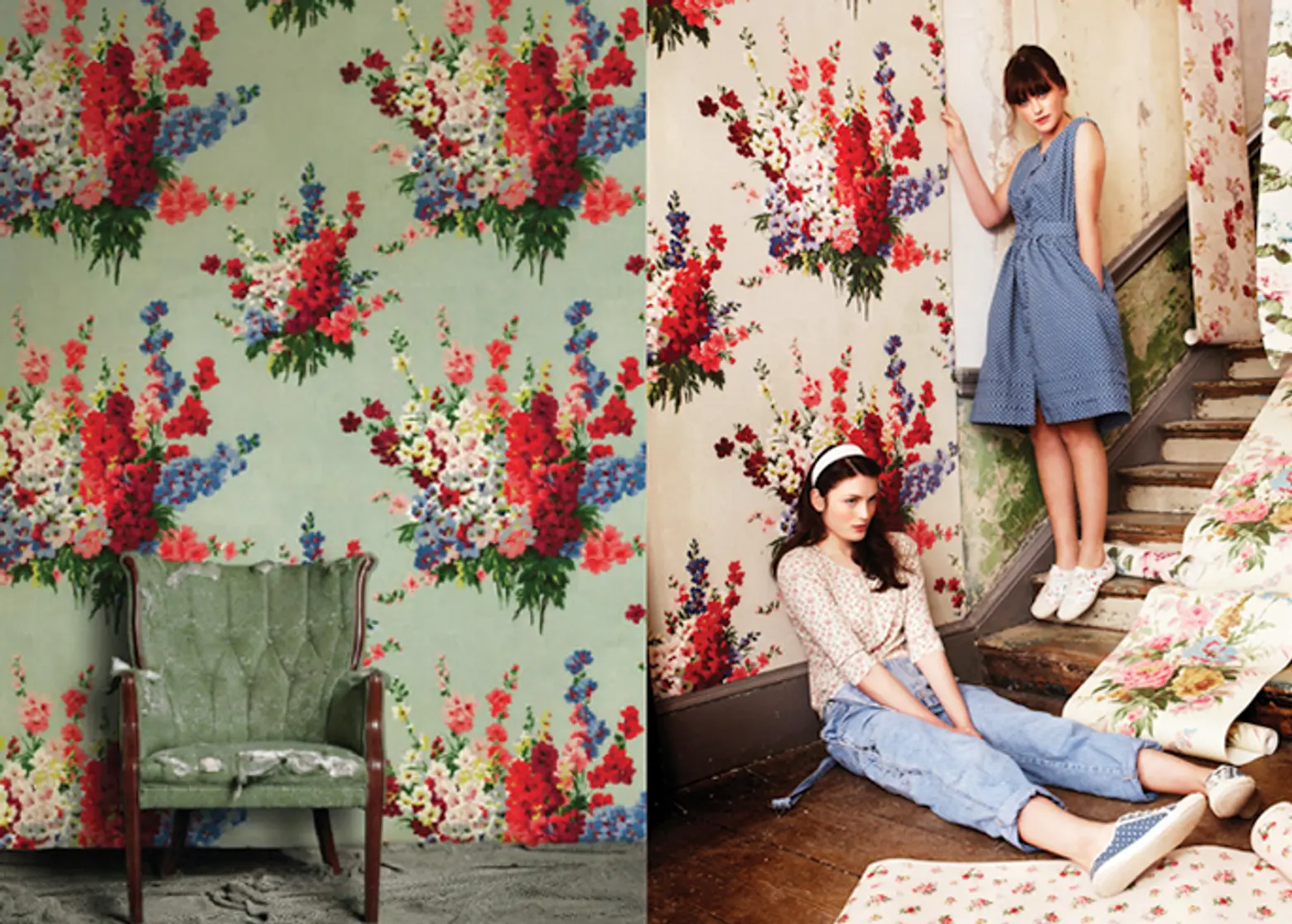
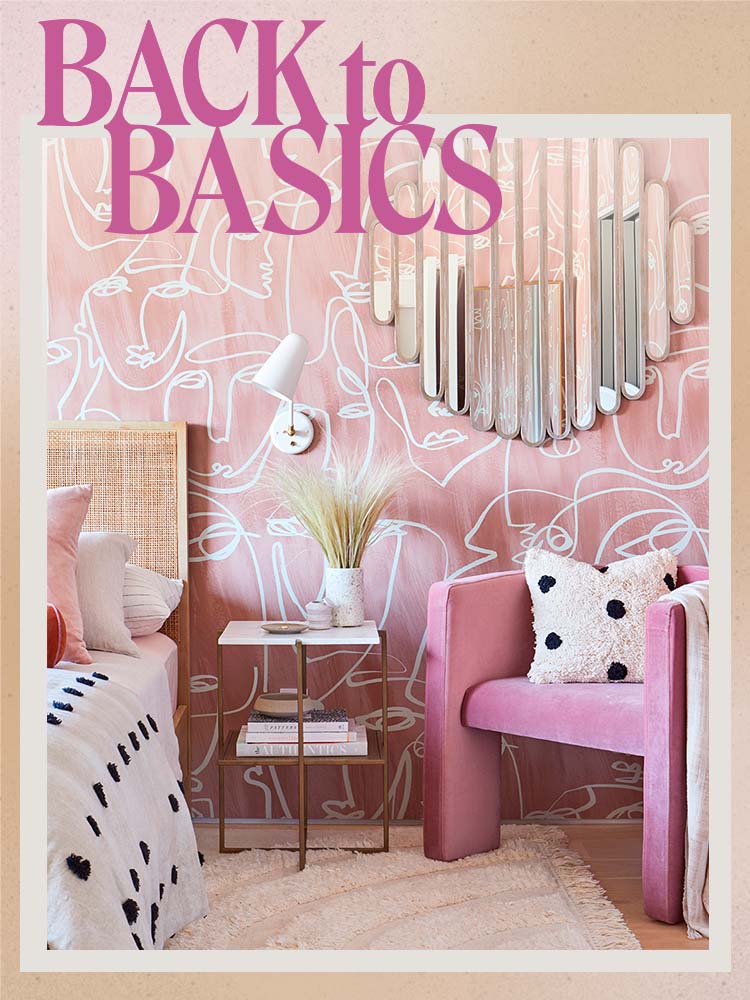
Wallpaper is experiencing a resurgence in popularity, offering a fast and effective way to add personality and dimension to a space. This guide provides a comprehensive, step-by-step approach to hanging both traditional and peel-and-stick wallpaper, along with expert tips for preparation, installation, and maintenance.
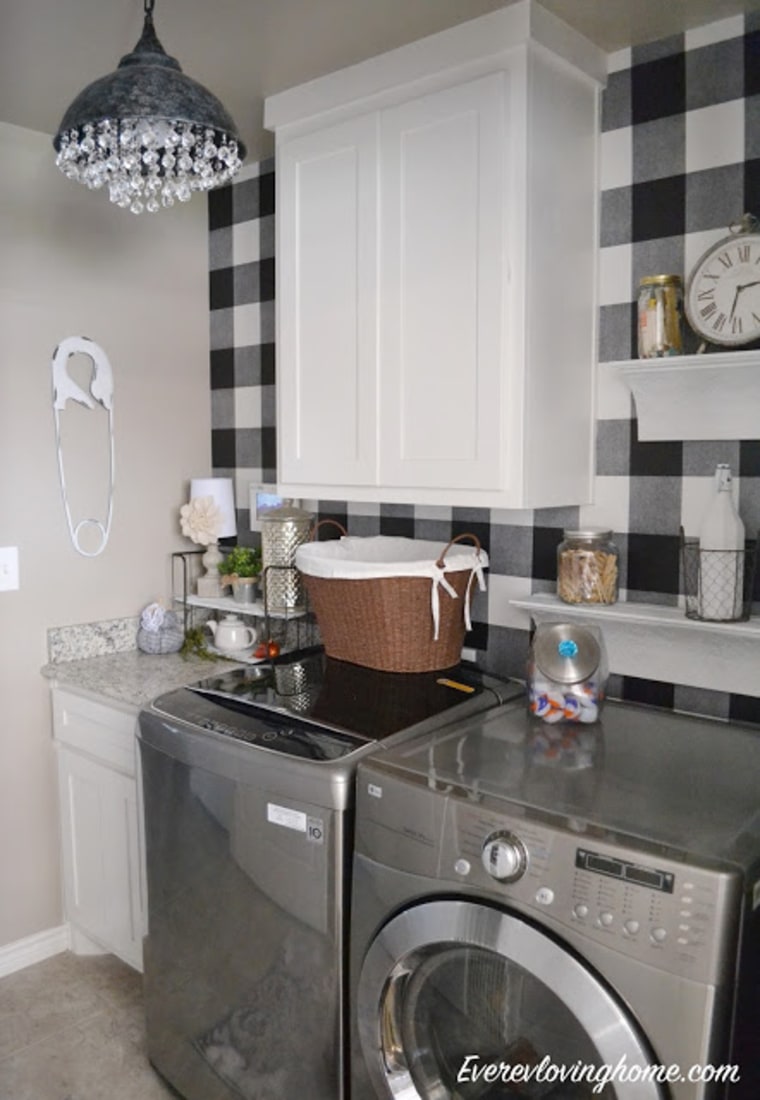
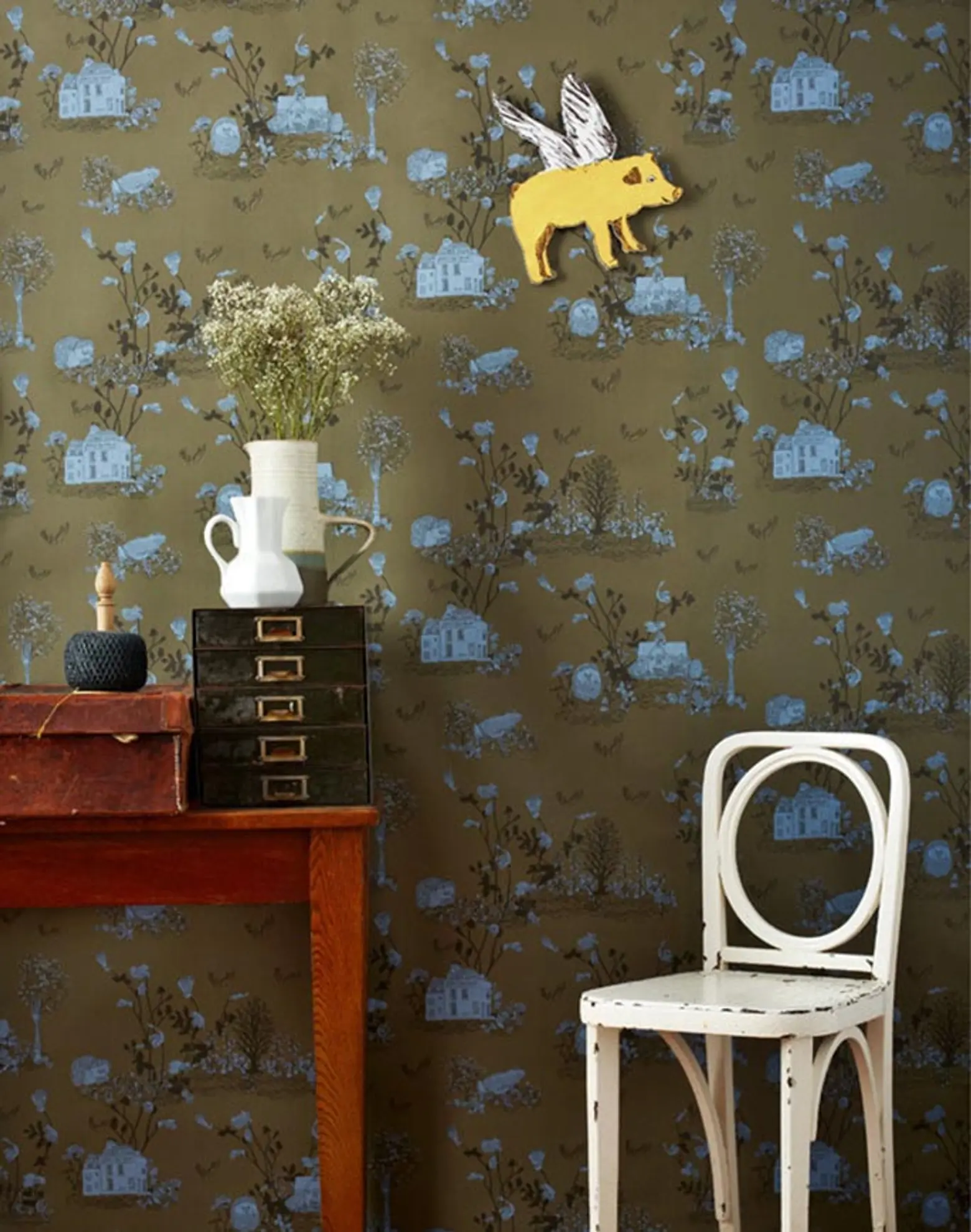
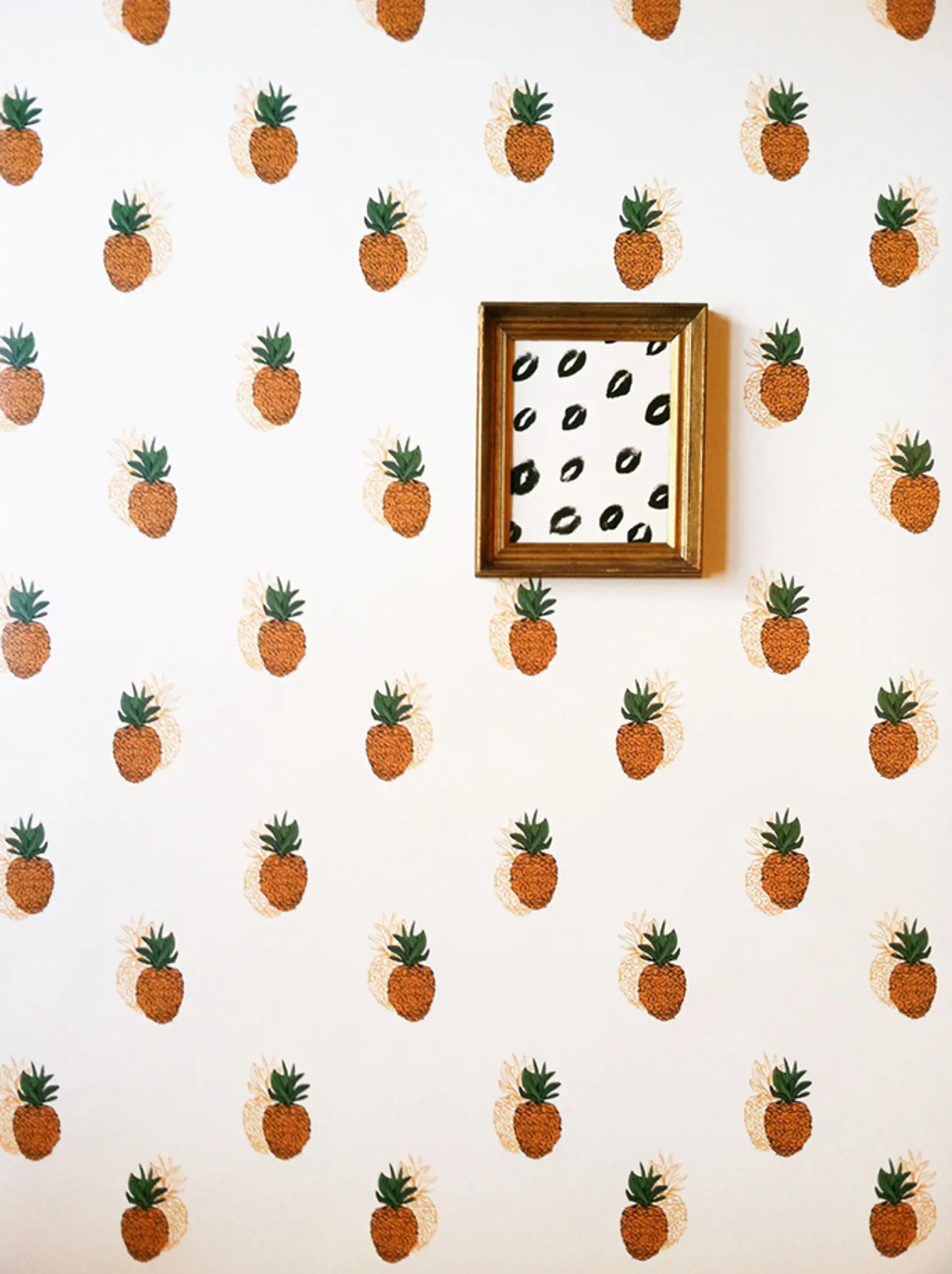
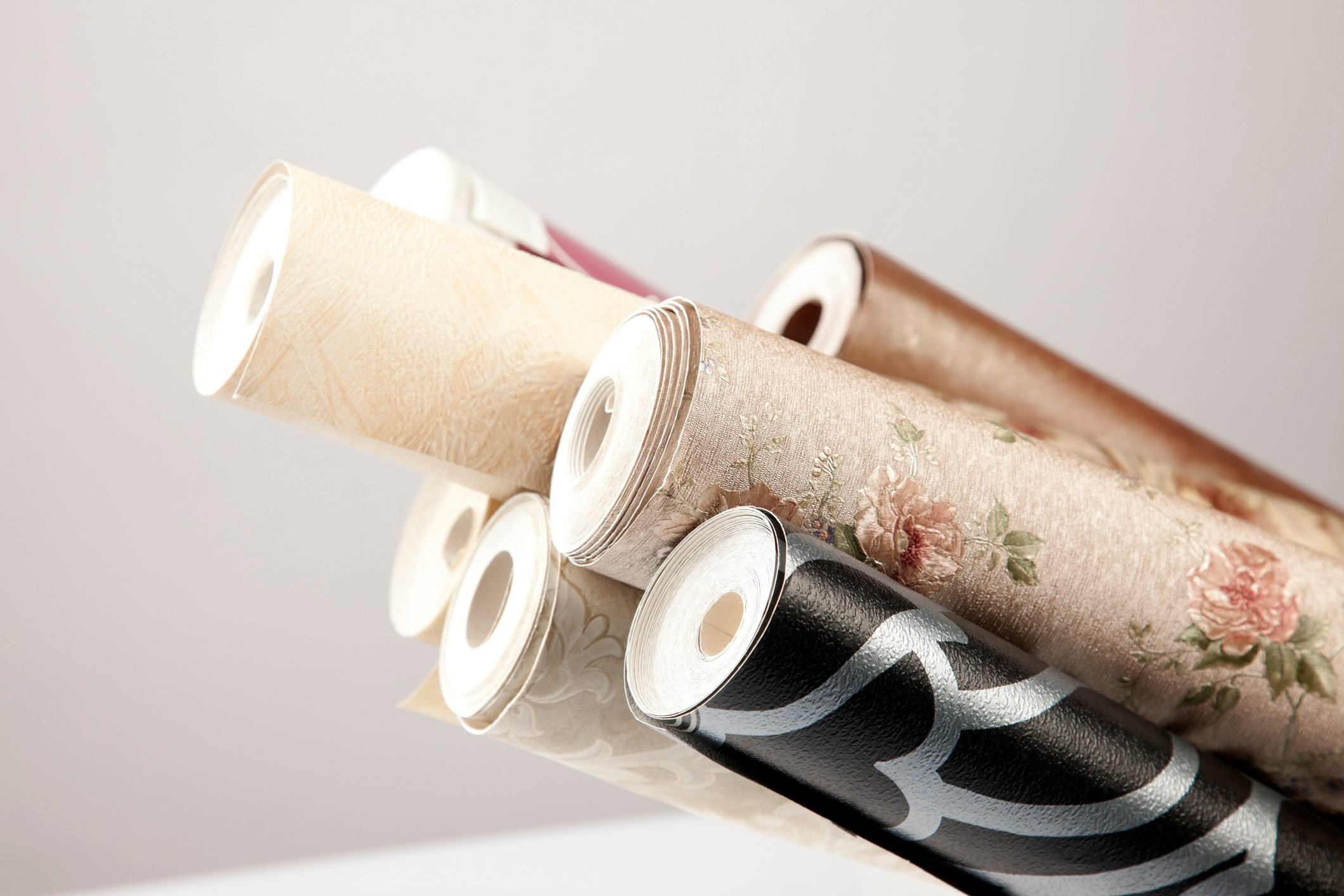
Before embarking on a wallpapering project, several considerations are crucial. It is recommended to purchase extra wallpaper to account for potential errors, damage, or design adjustments. Planning the design in advance, including laying out the wallpaper in the correct order and marking strips, helps ensure a cohesive and symmetrical look, especially for patterned wallpapers. The choice of wallpaper should align with the room's function; light colors, for instance, may not be suitable for high-traffic areas or homes with children and pets due to their susceptibility to staining. Adhering to the manufacturer's instructions for each specific brand and type of wallpaper is also vital, as requirements can vary.
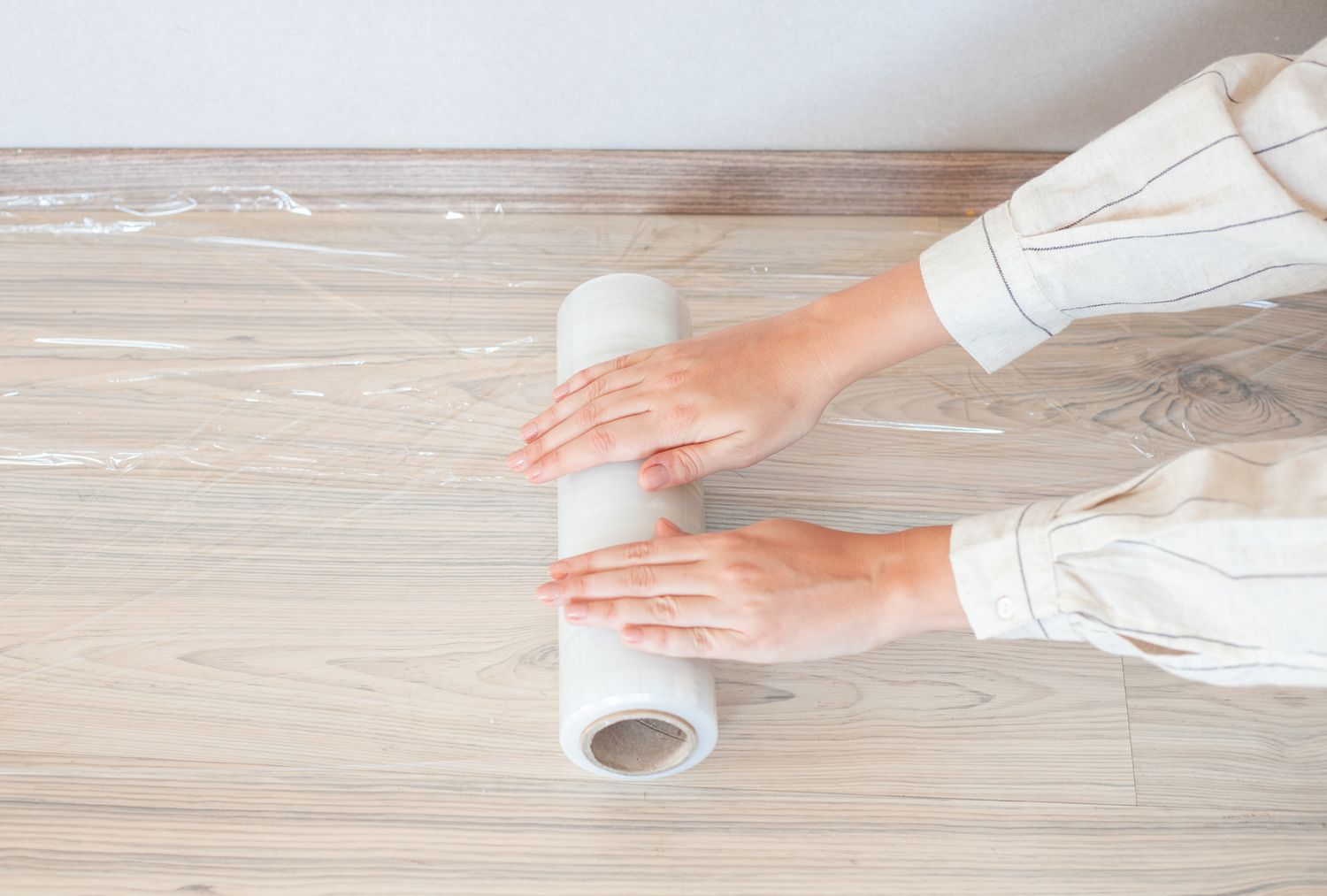
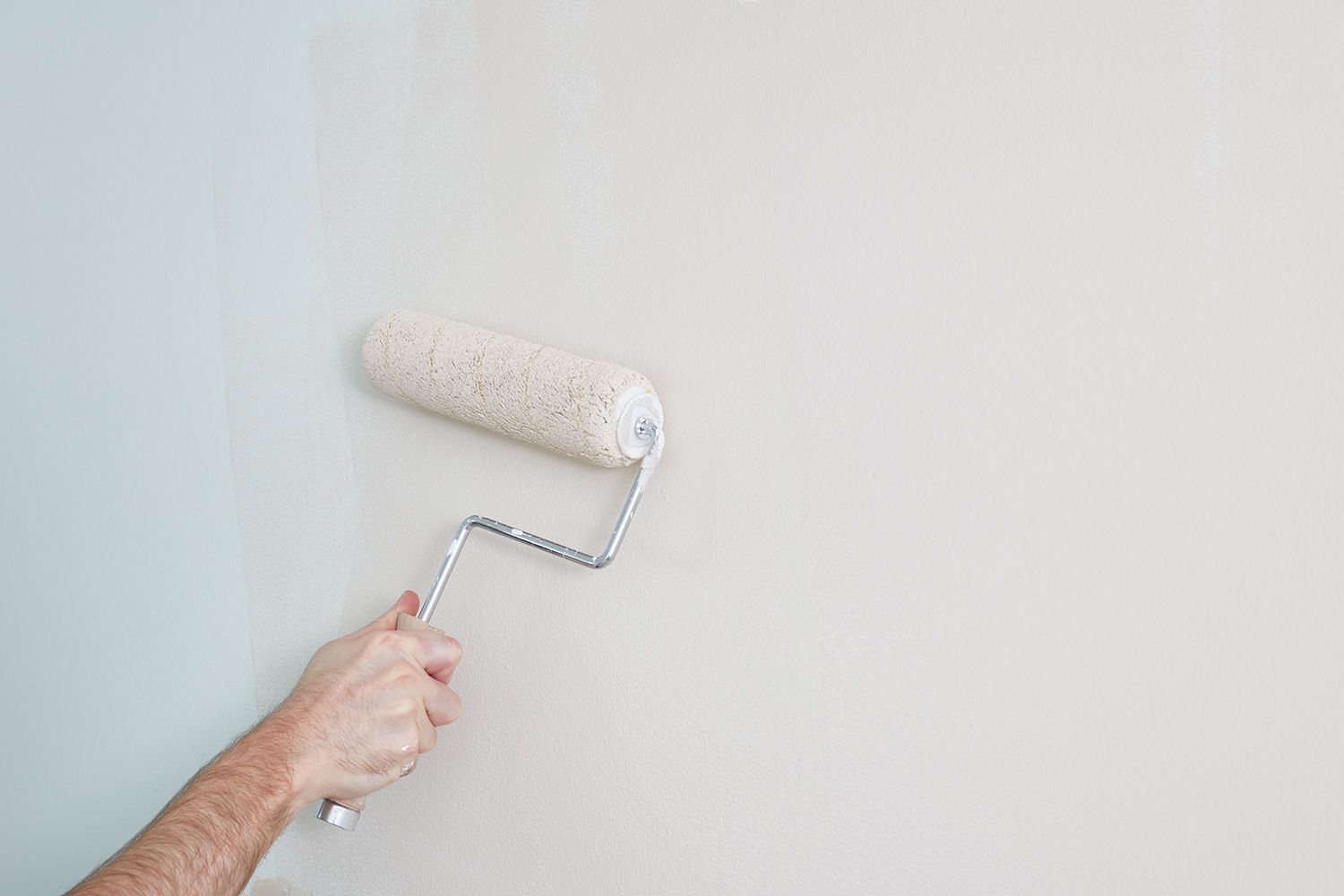
For traditional wallpaper installation, the process begins with thorough wall preparation. This includes ensuring walls are flat by fixing any bumps or holes, painting the wall a base color to prevent seams from showing through, and sealing the walls with an oil-based primer followed by a wallpaper primer. These steps facilitate both smooth installation and eventual removal. All outlet and light switch faceplates should be removed, and sockets covered with tape for protection.
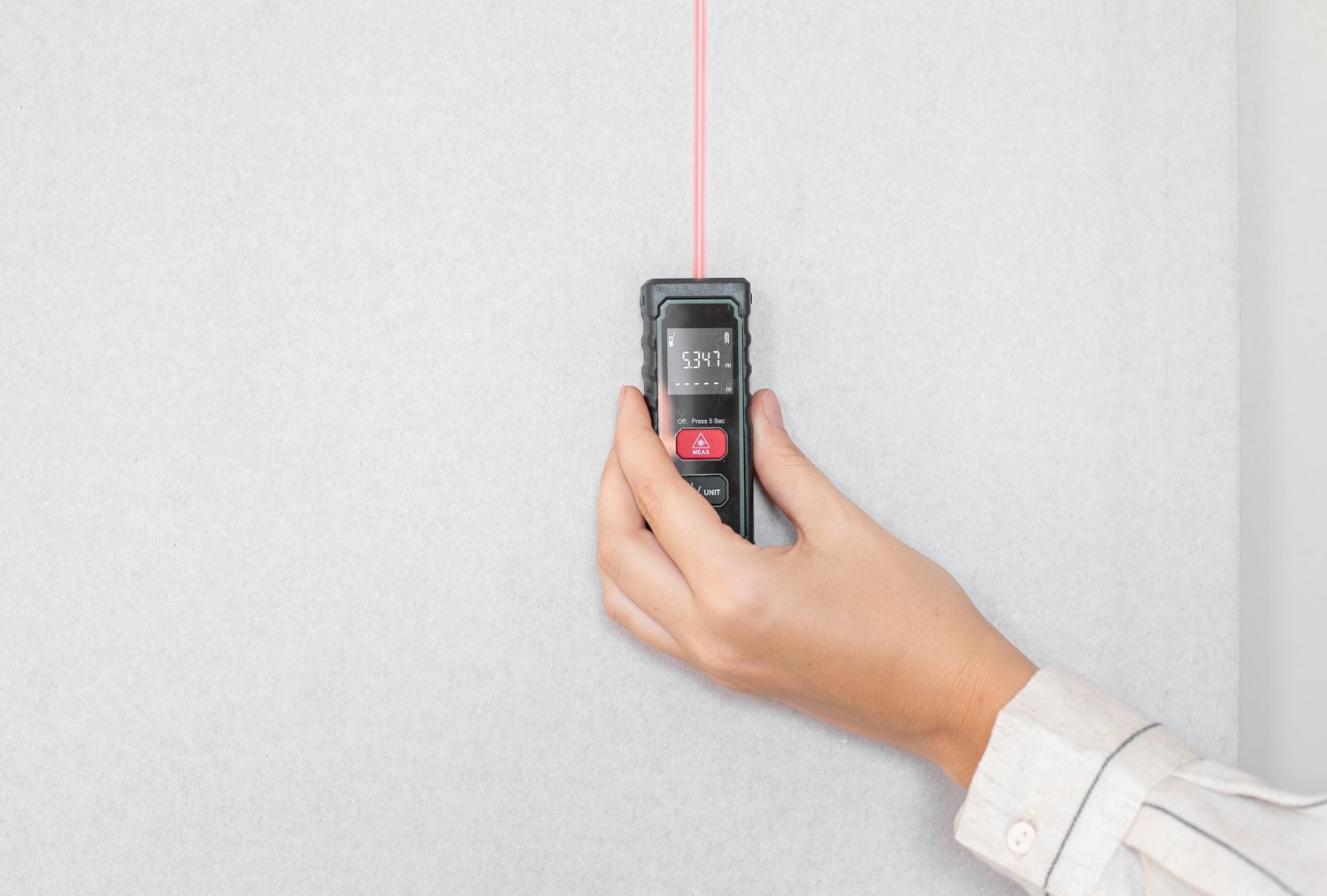
Next, the wallpaper needs to be laid out and cut. This involves anticipating how the wallpaper will be hung, considering seam placement, and mapping out the design before cutting. An extra three inches should be left at the top and bottom of each strip for trimming. To ensure straight and level application, plumb lines should be created on each wall using a 6-foot level or a laser level, typically starting from the left and moving right, unless a focal point dictates otherwise.
Applying wallpaper paste involves different methods. Traditional wallpaper often requires wallpaper paste and a process called "booking," where paste is applied to the paper, and then the paper is folded onto itself to allow the paste to soak in for about three minutes. Alternatively, some wallpapers allow for paste application directly to the wall, or they may feature a water-activated adhesive, requiring soaking in water before booking. The specific instructions provided with the wallpaper product should always be followed.
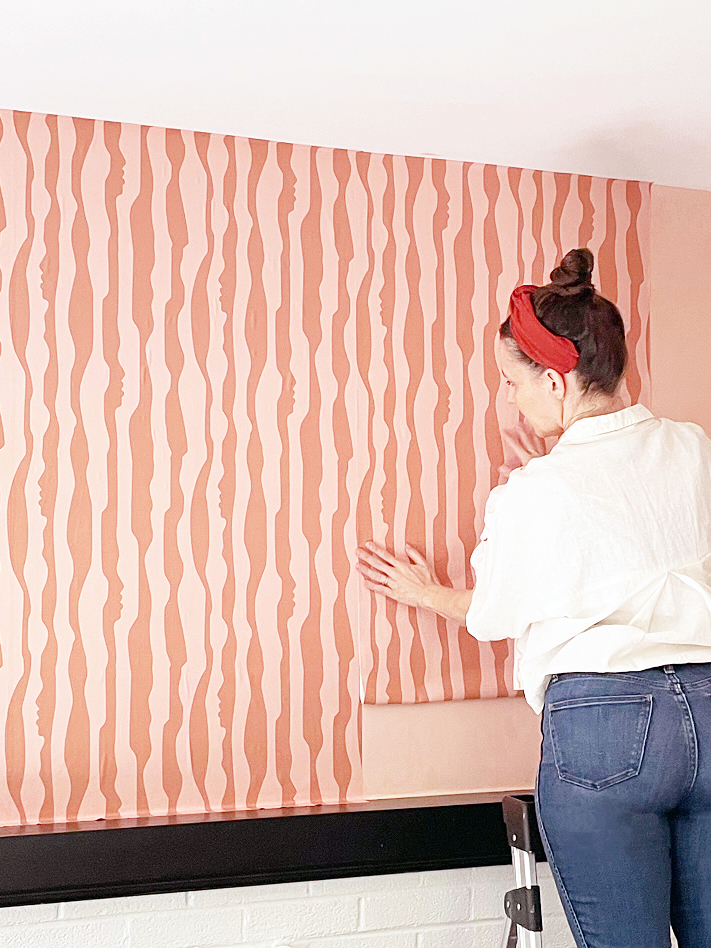
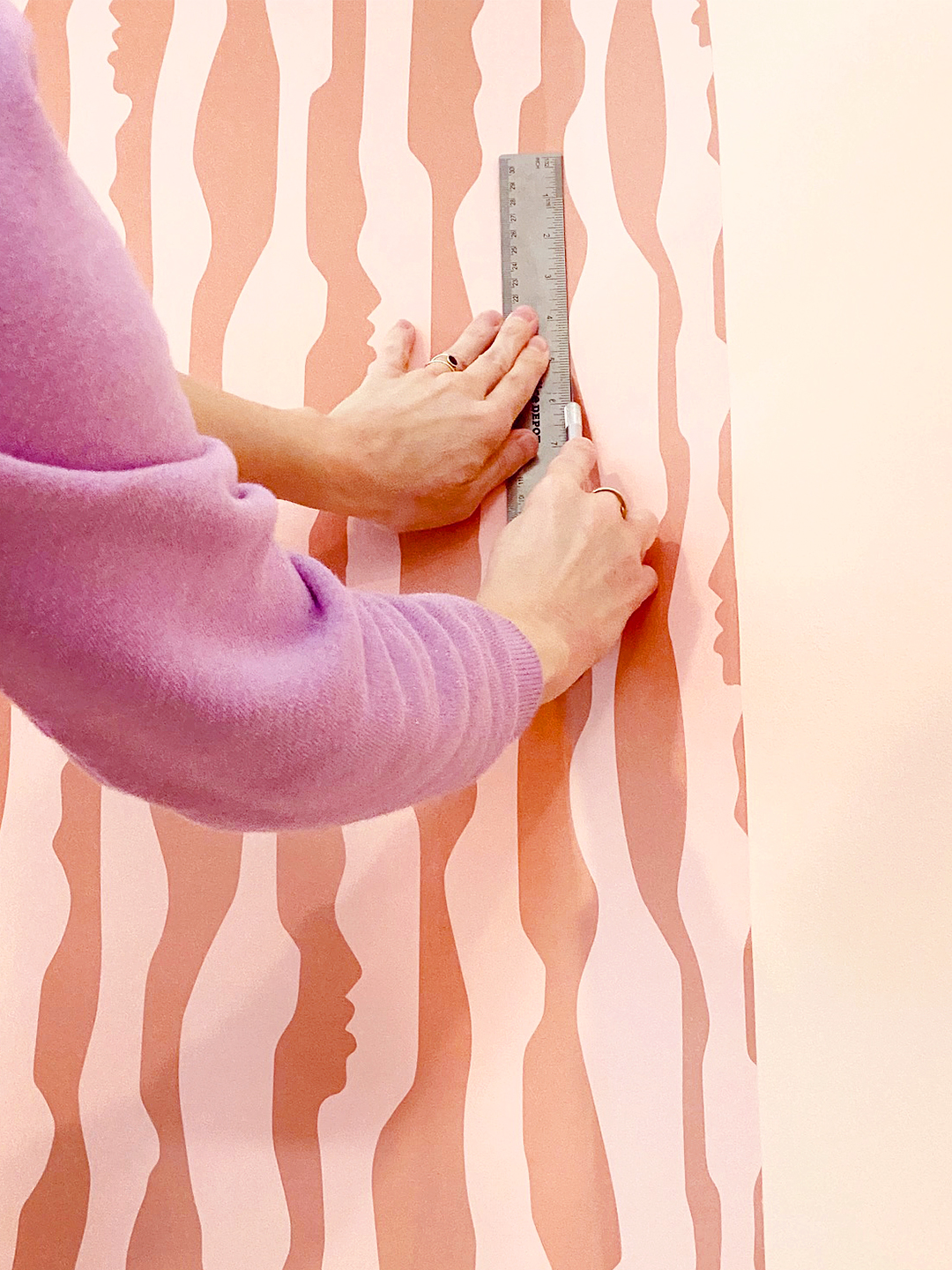
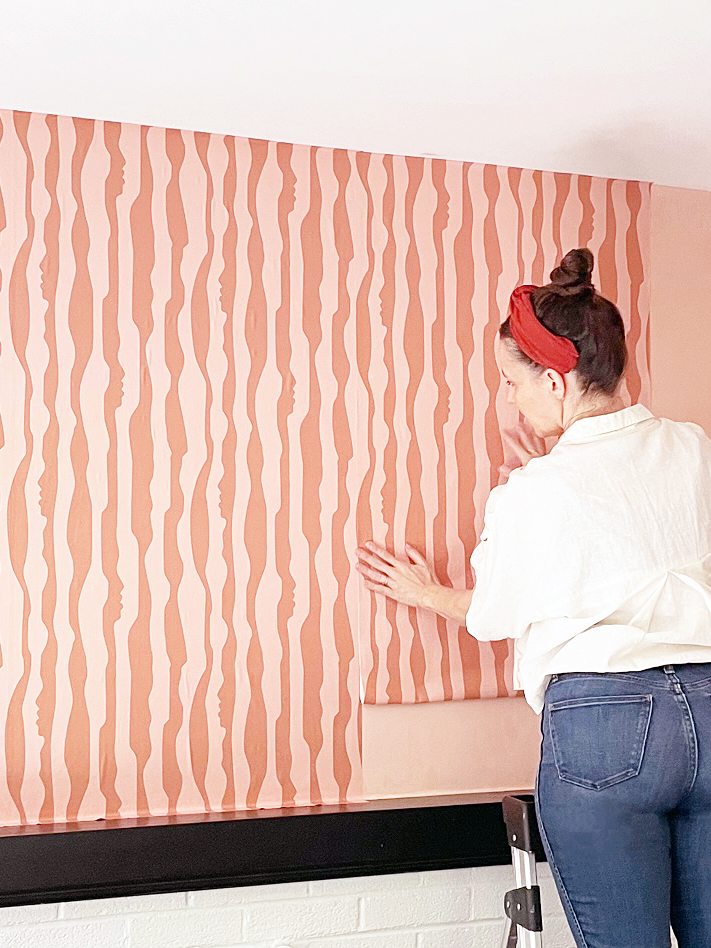
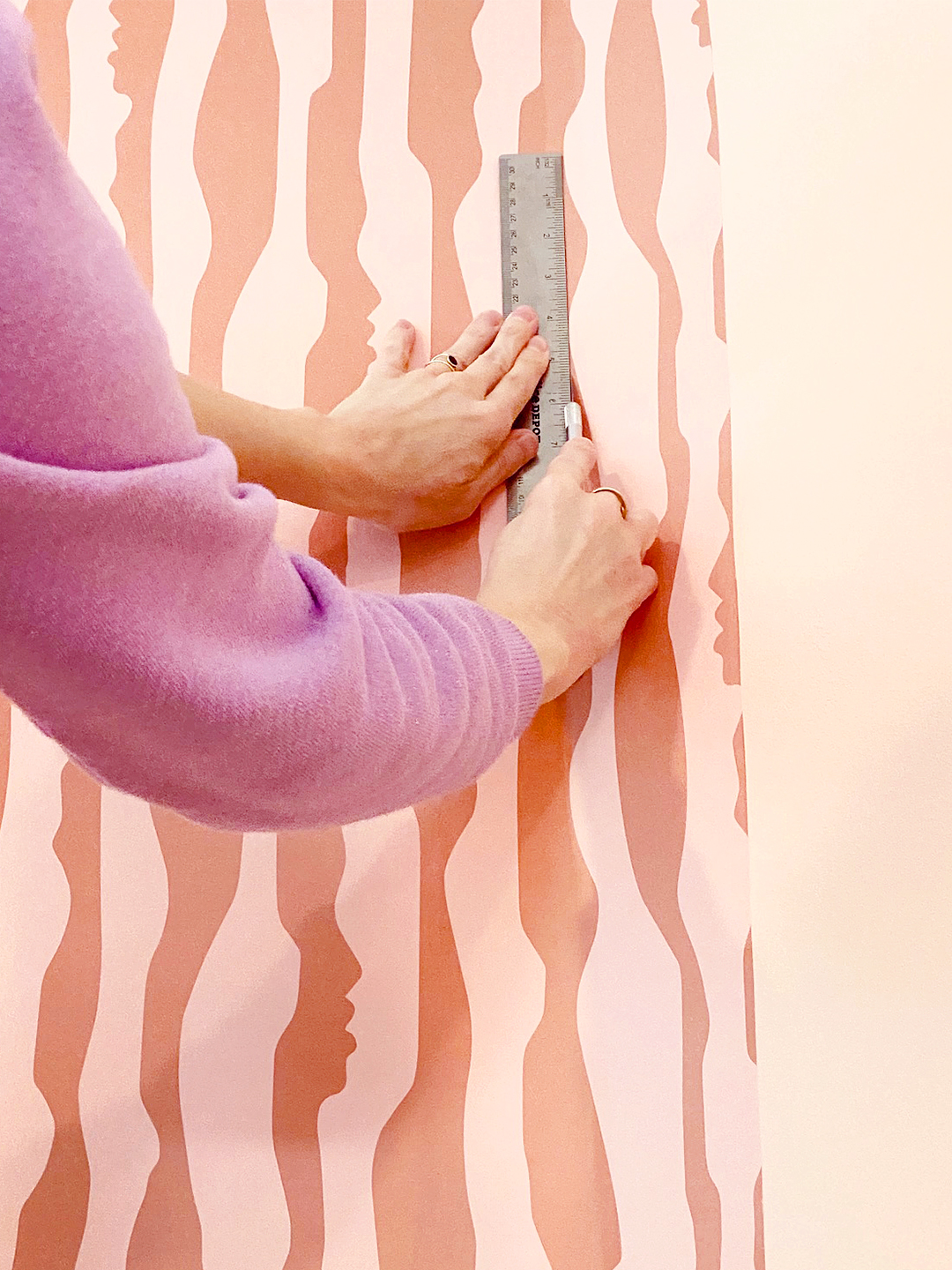
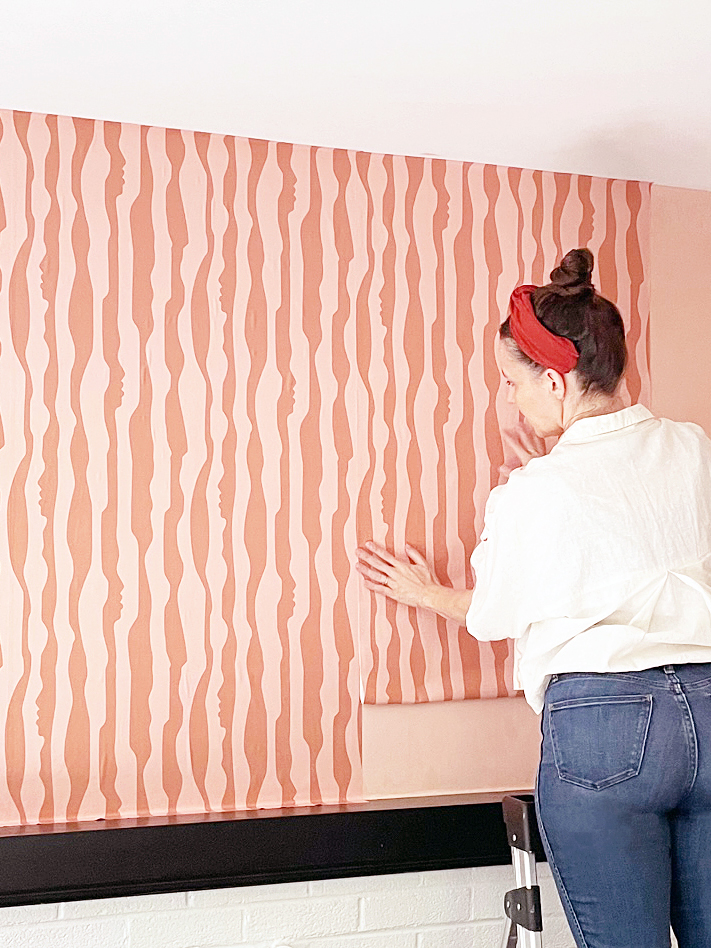
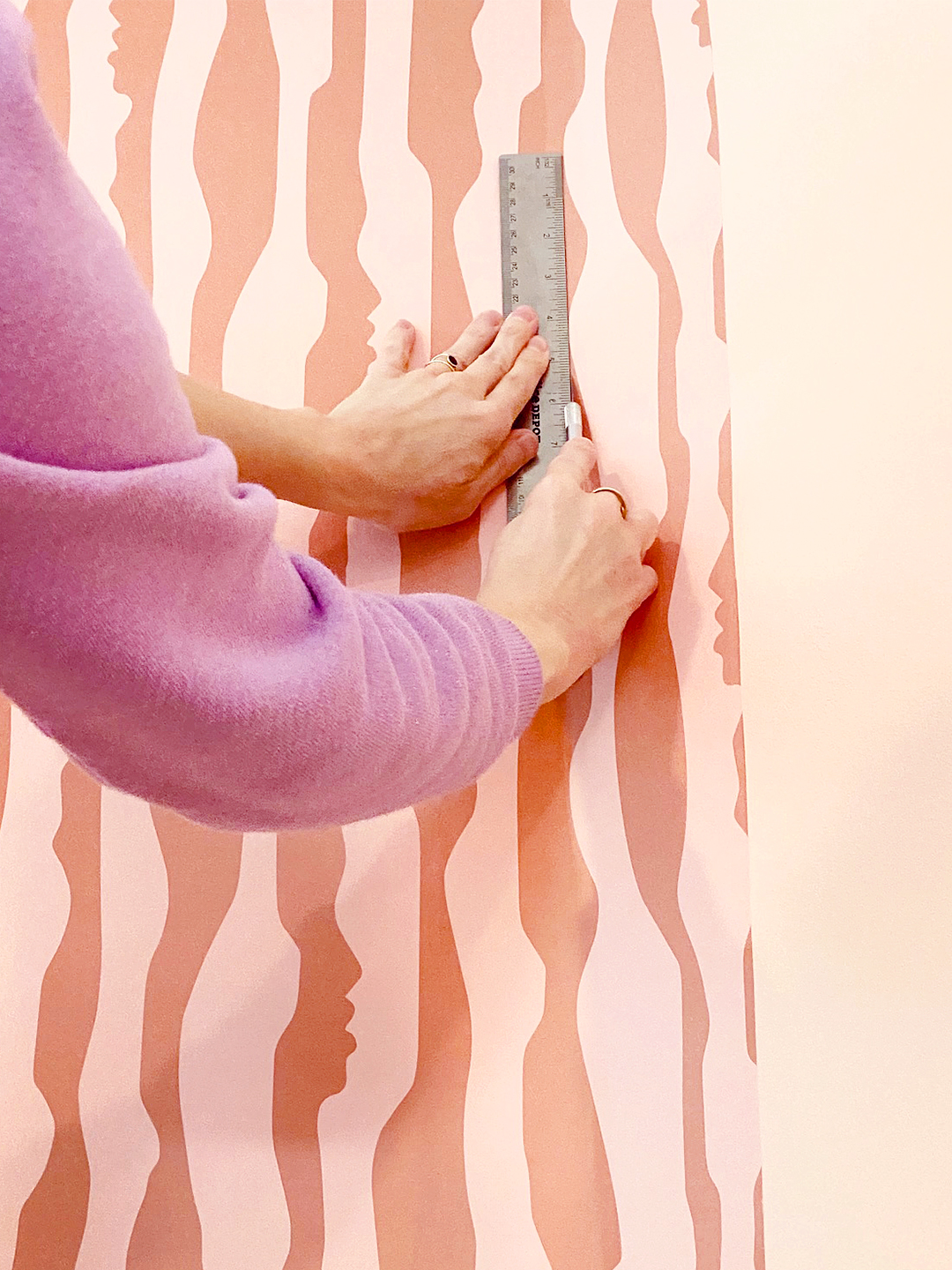
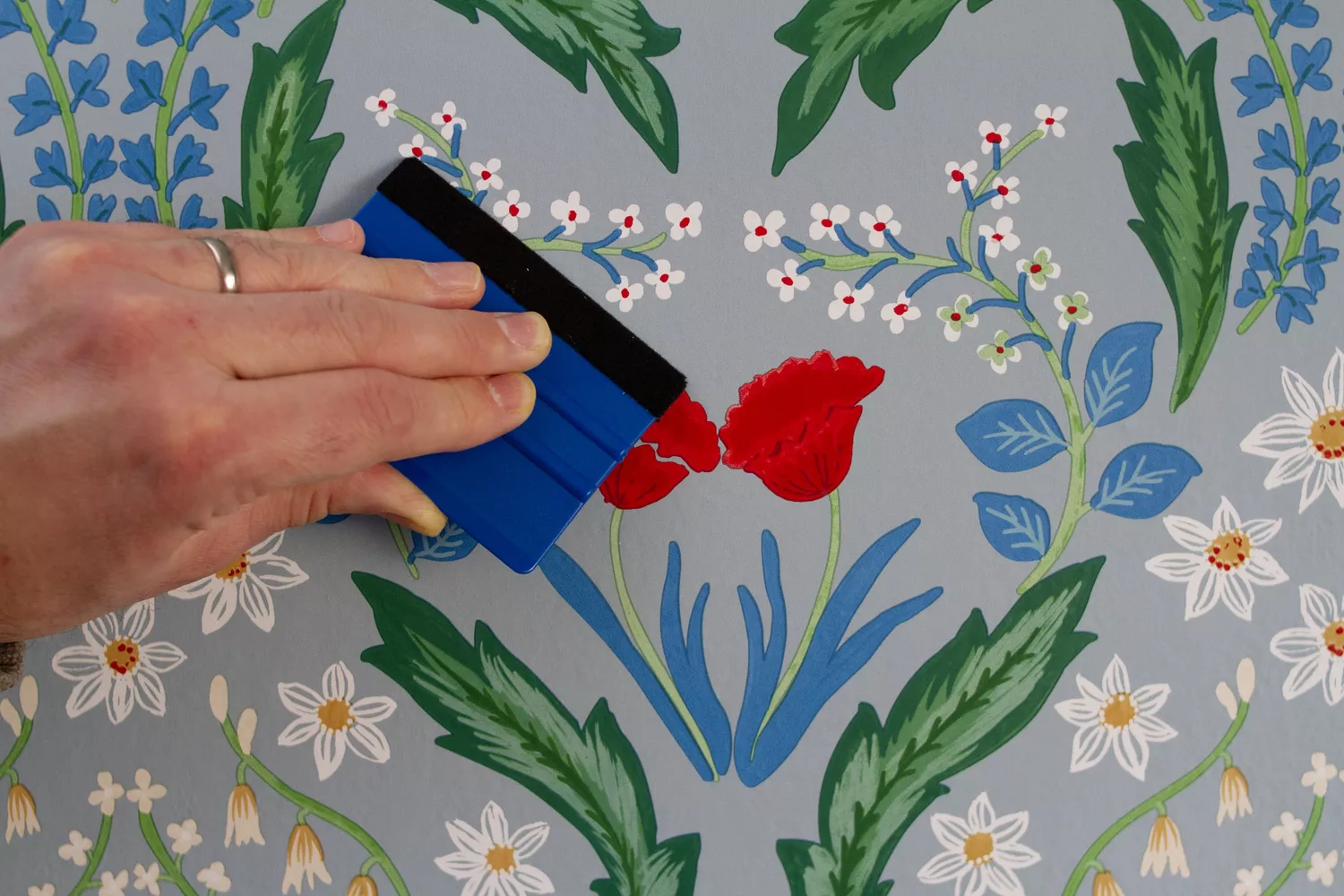
After the paste has soaked, the wallpaper can be hung, starting from the top and using the plumb line as a guide. Bubbles are then removed using a plastic smoothing tool, working from the center outwards without stretching the paper. Finally, excess wallpaper at the top and bottom is trimmed with a fresh razor, guided by the baseboard or a level.
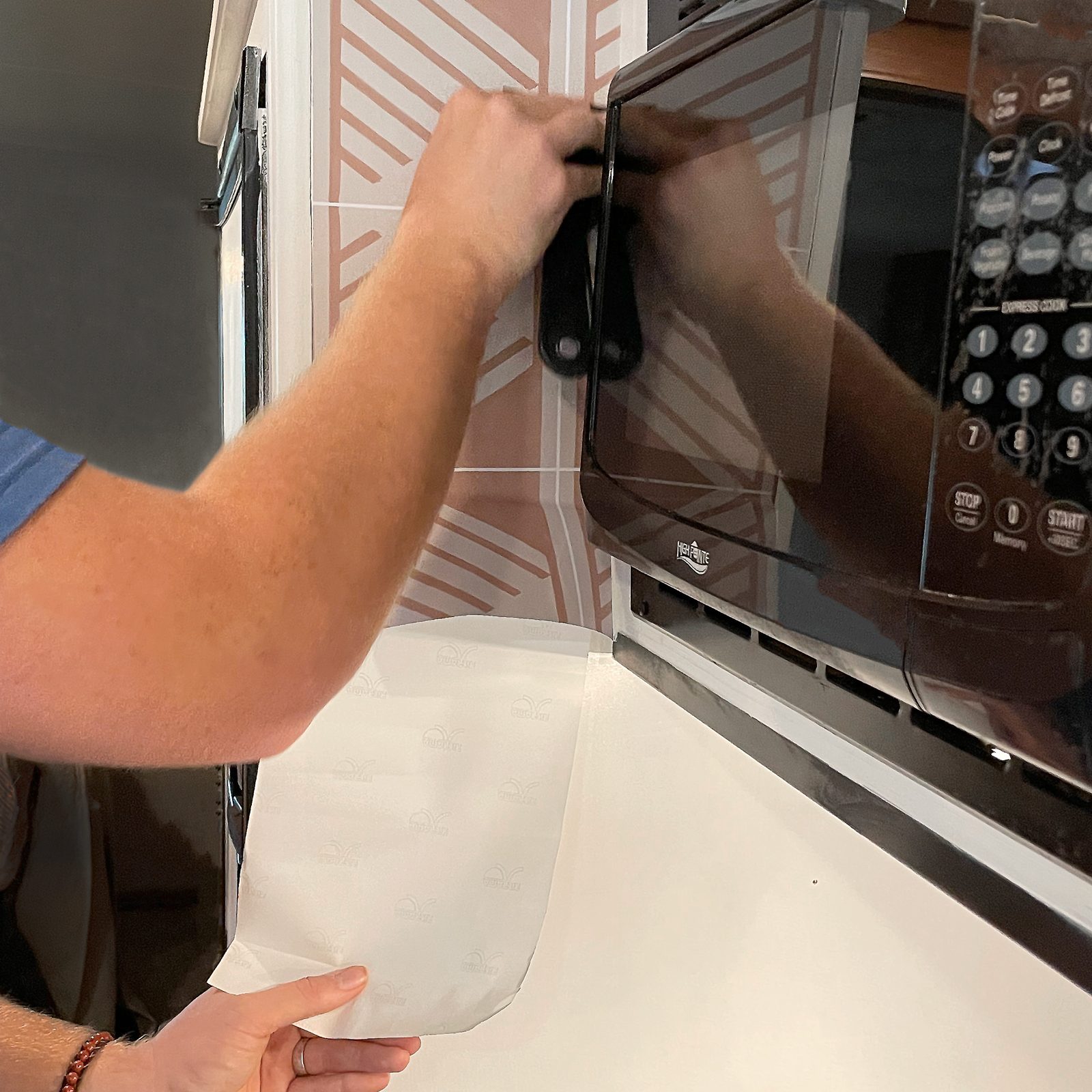
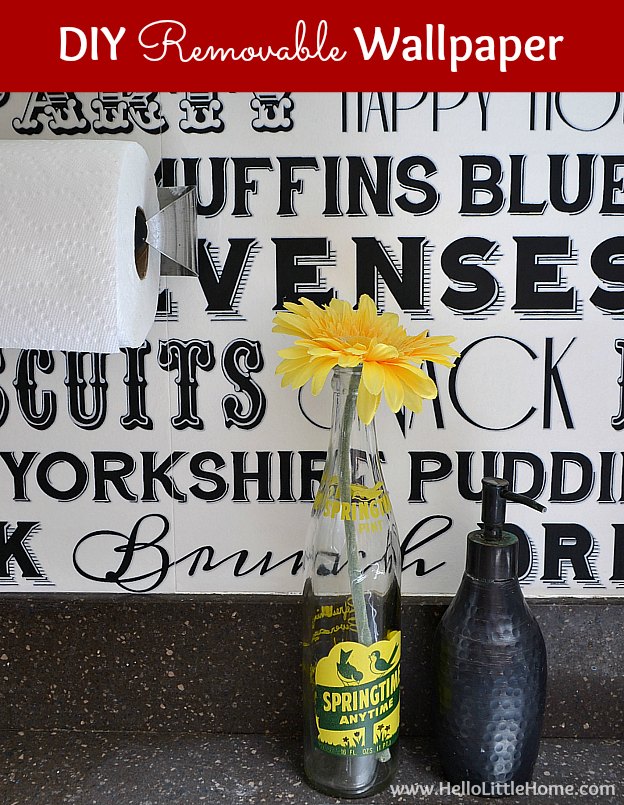
Peel-and-stick wallpaper offers a less permanent and often more budget-friendly alternative. While it shares many installation steps with traditional wallpaper, such as wall preparation, layout, and using a level, it eliminates the need for paste or booking. Strips are applied from the top down, slowly and carefully, and bubbles are smoothed out. Excess material is then trimmed.
Maintaining wallpaper to ensure its longevity is also addressed. For minor damage, a touch of paint or colored pencils can hide blemishes, while major damage may necessitate replacing a panel, highlighting the benefit of keeping extra wallpaper. Cleaning methods vary by wallpaper type: vinyl wallpaper is durable and washable with soap and water, while most paper wallpapers with a matte glaze can be gently wiped. Textured wallpapers made from natural materials like linen or grasscloth should only be vacuumed and never exposed to water.
#WallpaperInstallation #DIYHomeDecor #HomeImprovement #InteriorDesign #WallpaperTips #PeelAndStickWallpaper #WallPreparation #HomeDecorating #WallpaperInstallation #DIYHomeDecor #HomeImprovement #InteriorDesign #WallpaperTips #PeelAndStickWallpaper #WallPreparation #HomeDecorating
0 ความคิดเห็นรวม
 ยังไม่มีความคิดเห็น
คุณอาจจะชอบอีกด้วย
How to Hang Wallpaper Yourself in 8 Simple Steps, Straight from a Pro

7 DIY tips for how to hang a gallery wall from experts

Designer-Approved Ways to Add Wallpaper to Your Space
This Wall-Decor Hack Is Even Easier Than Peel-and-Stick Wallpaper
How to Hang Wallpaper (the Permanent Kind!)
Peel-and-stick wallpaper tips and shopping


7 Cool Ways to Use Wallpaper in Your Home

Yes, You Can Hang Art Like a Pro | Reviews by Wirecutter
How to Hang Wallpaper (the Permanent Kind!)

Tips for Applying Peel and Stick Wallpaper

How to make a wall display with wreaths – 7 expert tips
5 Custom Wall Treatments You Can Do Yourself

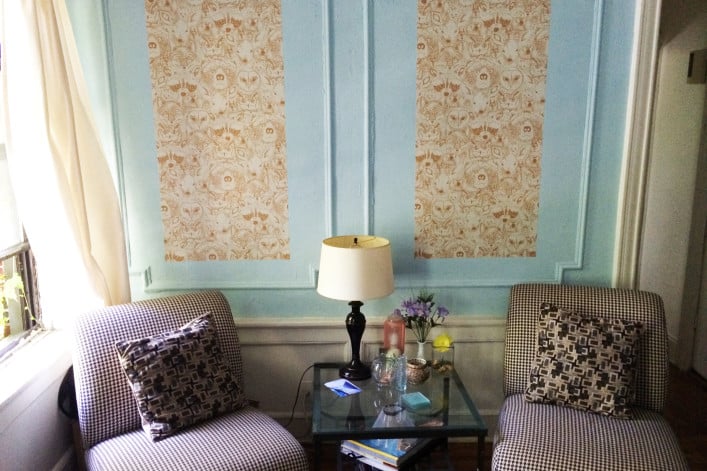
A real person’s 5-step guide to putting up temporary wallpaper
'No forking way!' – this genius hack might have just solved our biggest problem with hanging art on a wall
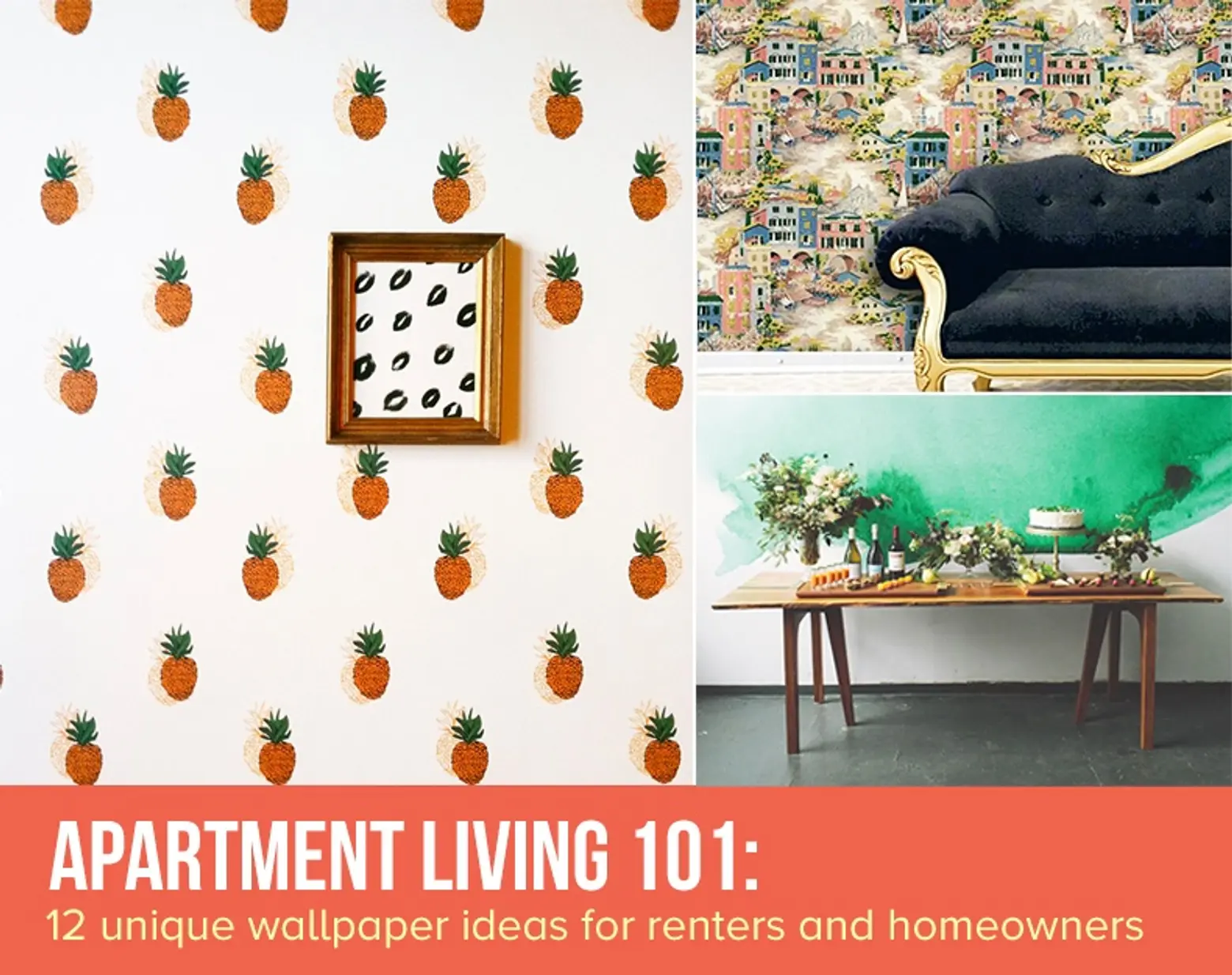
12 unique wallpaper ideas for renters and homeowners at every budget


Setting Up Wallpapers With Hyprpaper in Hyprland

How to Hang Wallpaper (the Permanent Kind!) | domino
DIY Removable Wallpaper

RS Recommends: The Best Hanging Kits Will Make Your Gallery Wall Dreams Come True

Buyer's Guide To Peel and Stick Wallpaper