1/2
7 Outdated Living Room Features That Designers Immediately Notice
Interior designers possess a keen eye for identifying outdated elements within a living space, often long before specific styles become widely recognized as passé. While some indicators are overt, such as wall-to-wall carpeting or era-specific textures, others are more subtle and can unexpectedly date a room. This article, featuring insights from experts Lisa Simopoulos of Simopoulos Designs, Jody Jones of Blue Indigo Designs, and Tracy Morris of Tracy Morris Design, highlights seven common living room features that immediately signal a need for an update.
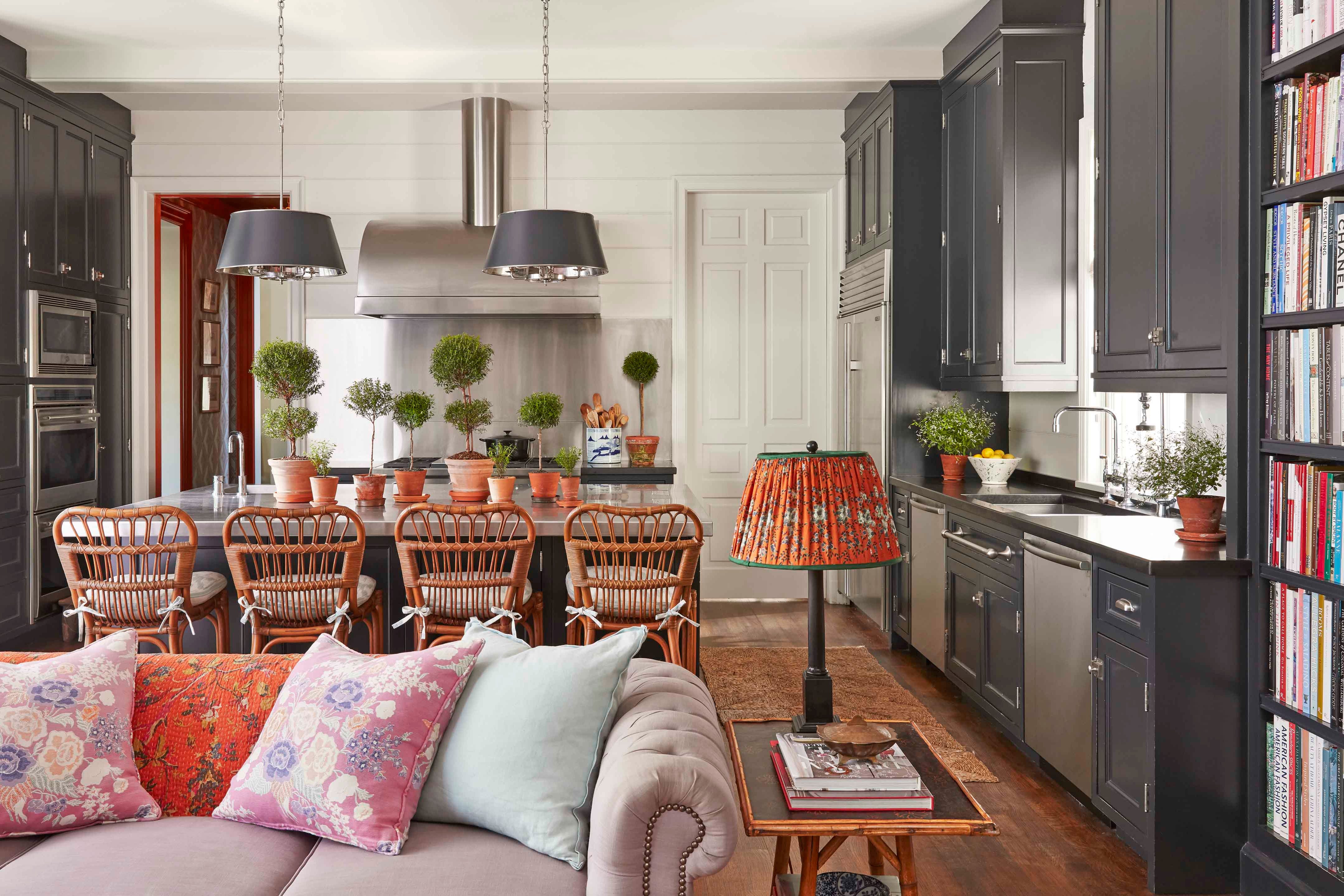
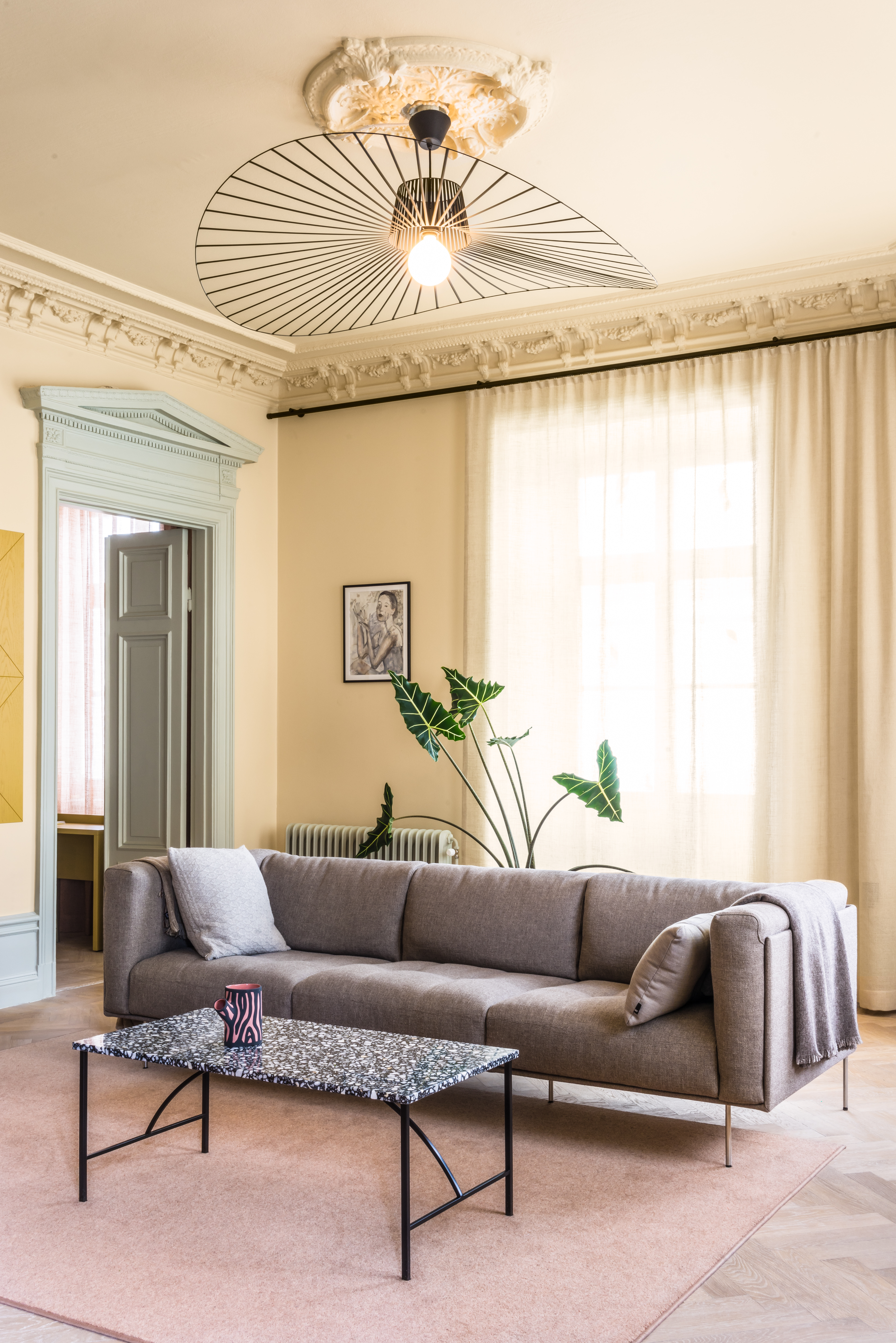
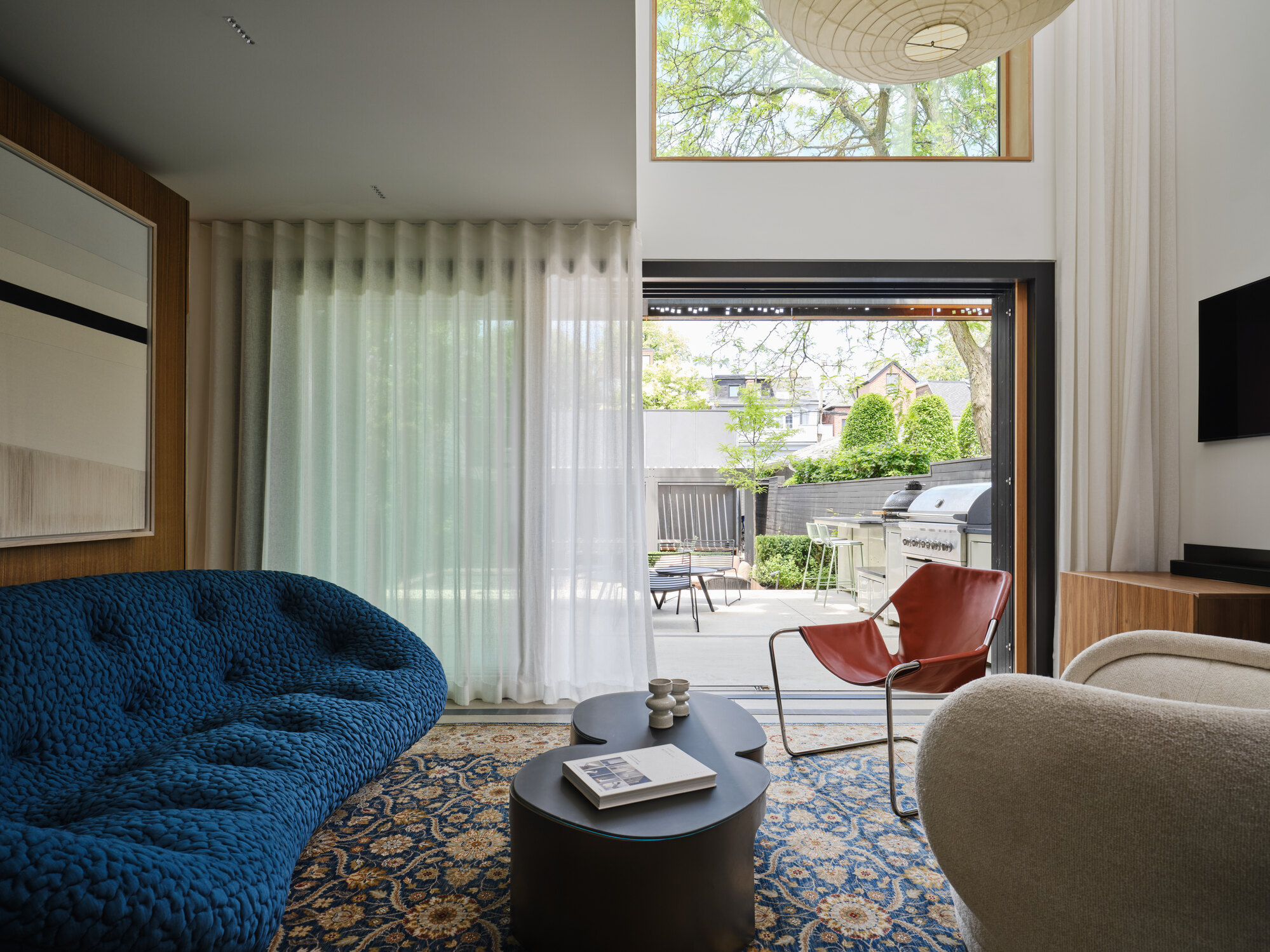
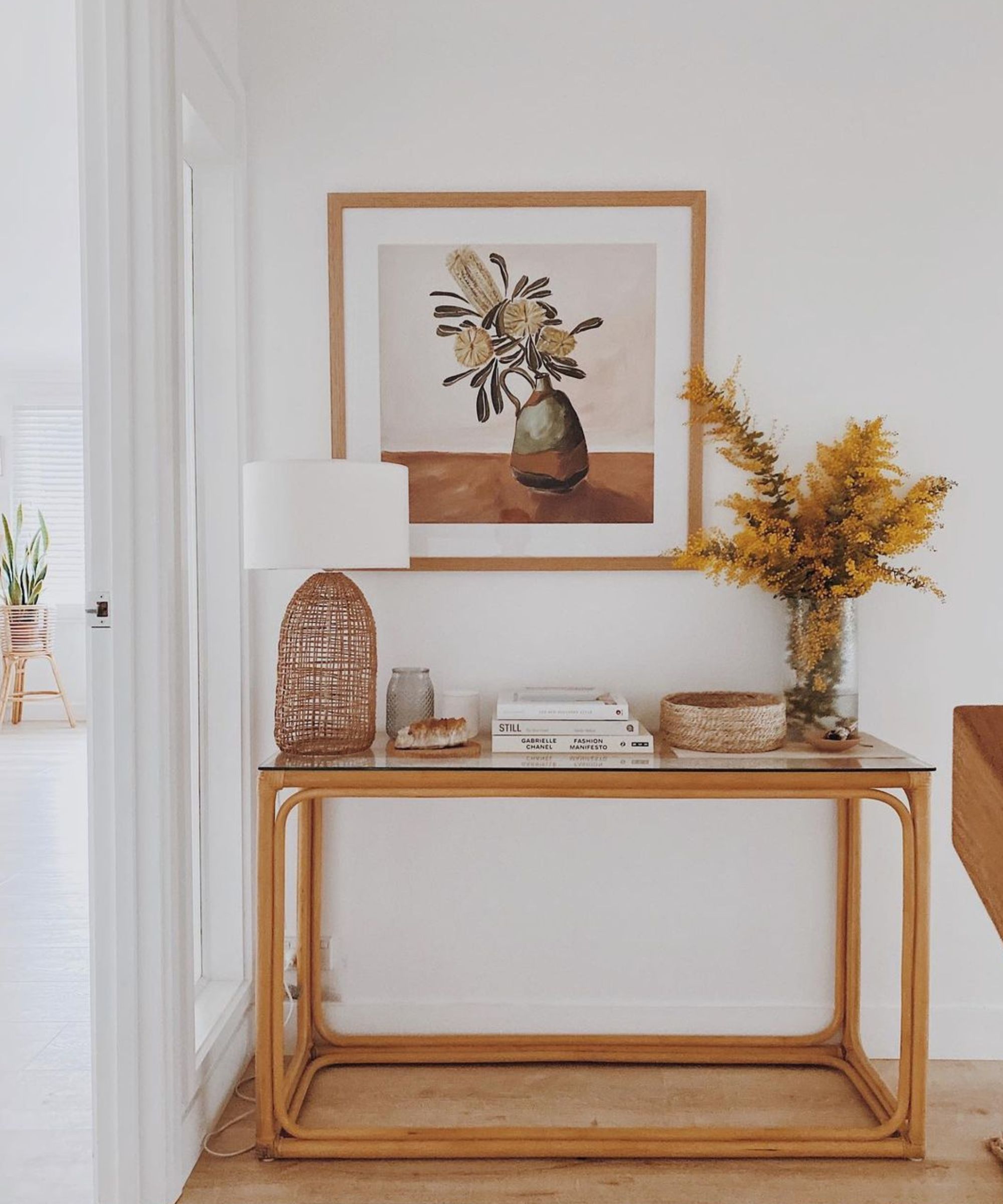
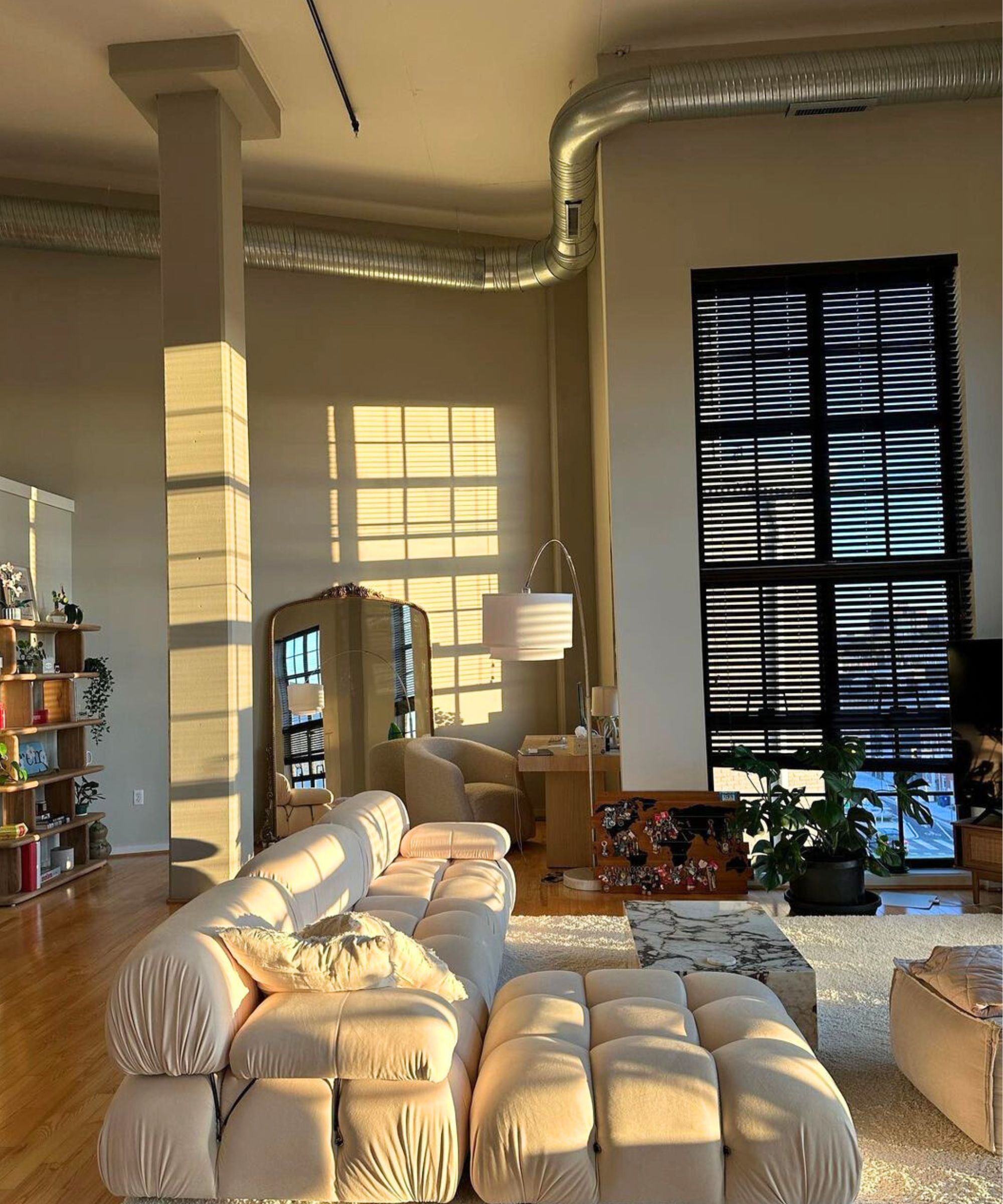
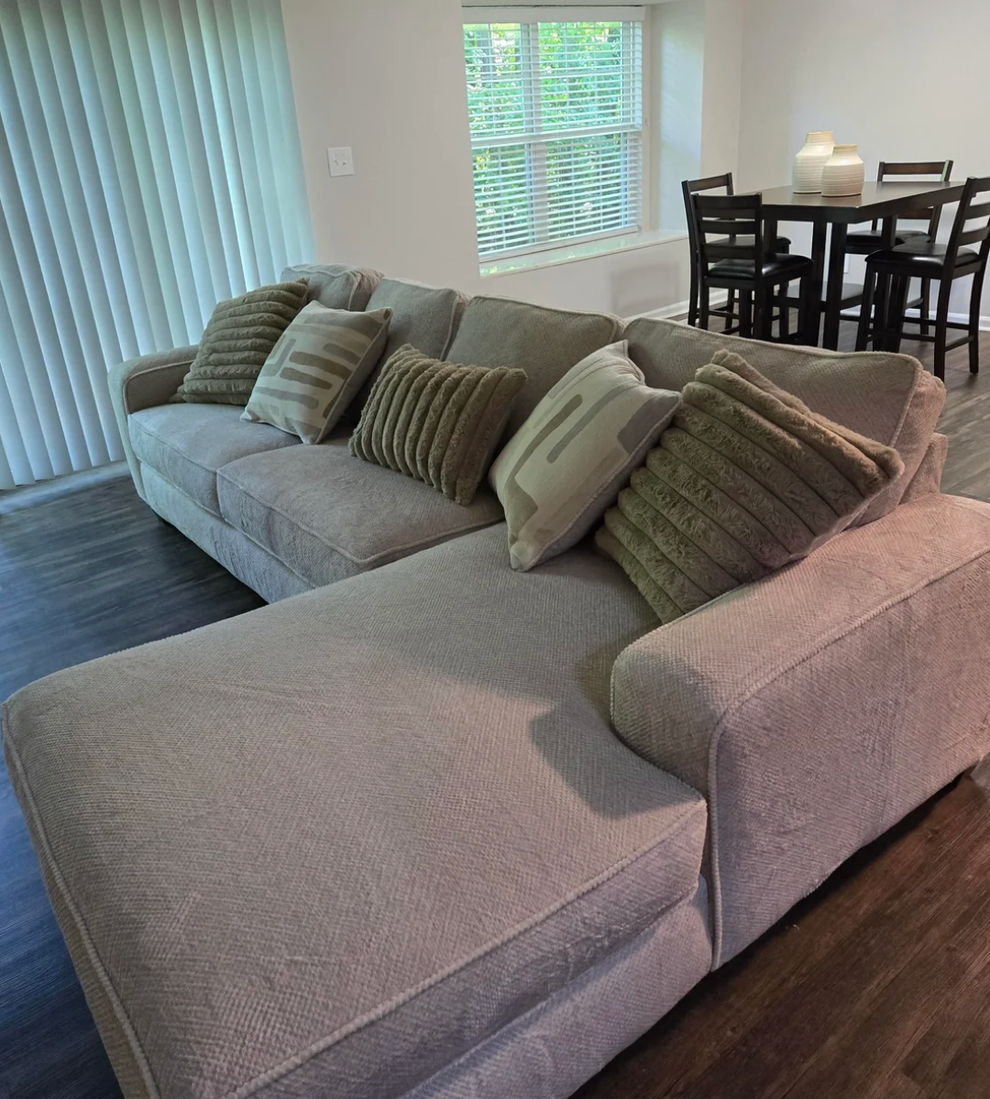
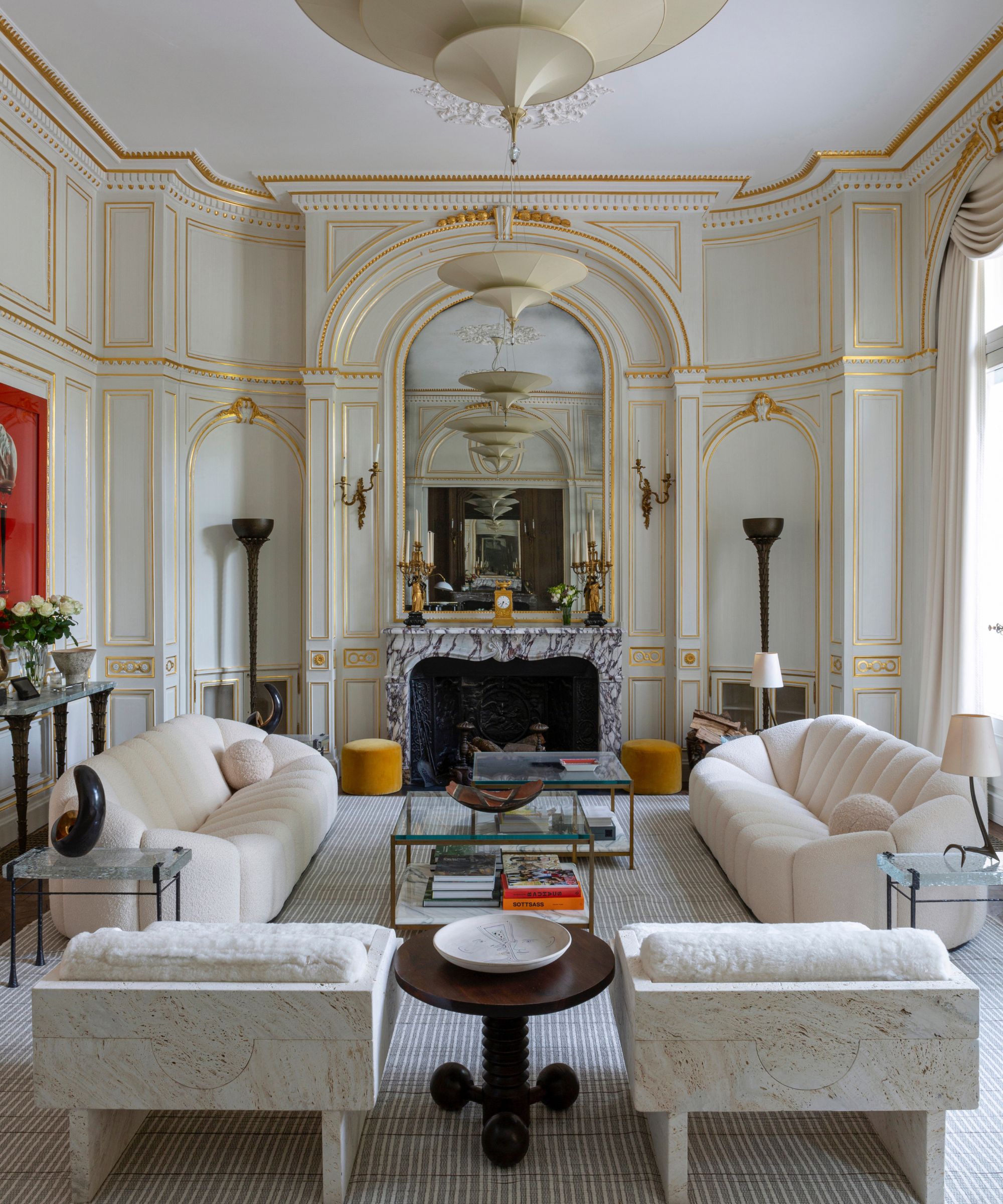
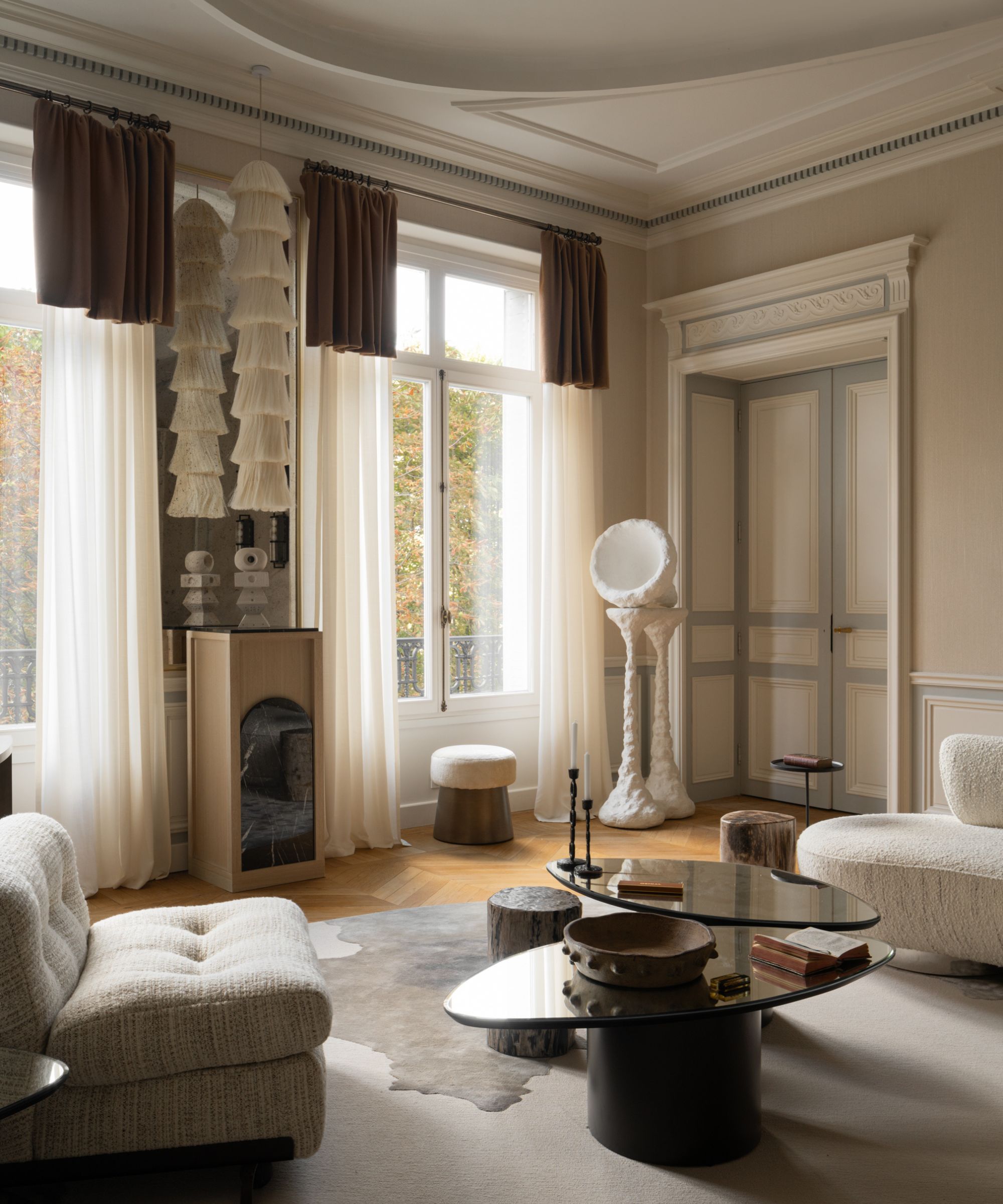
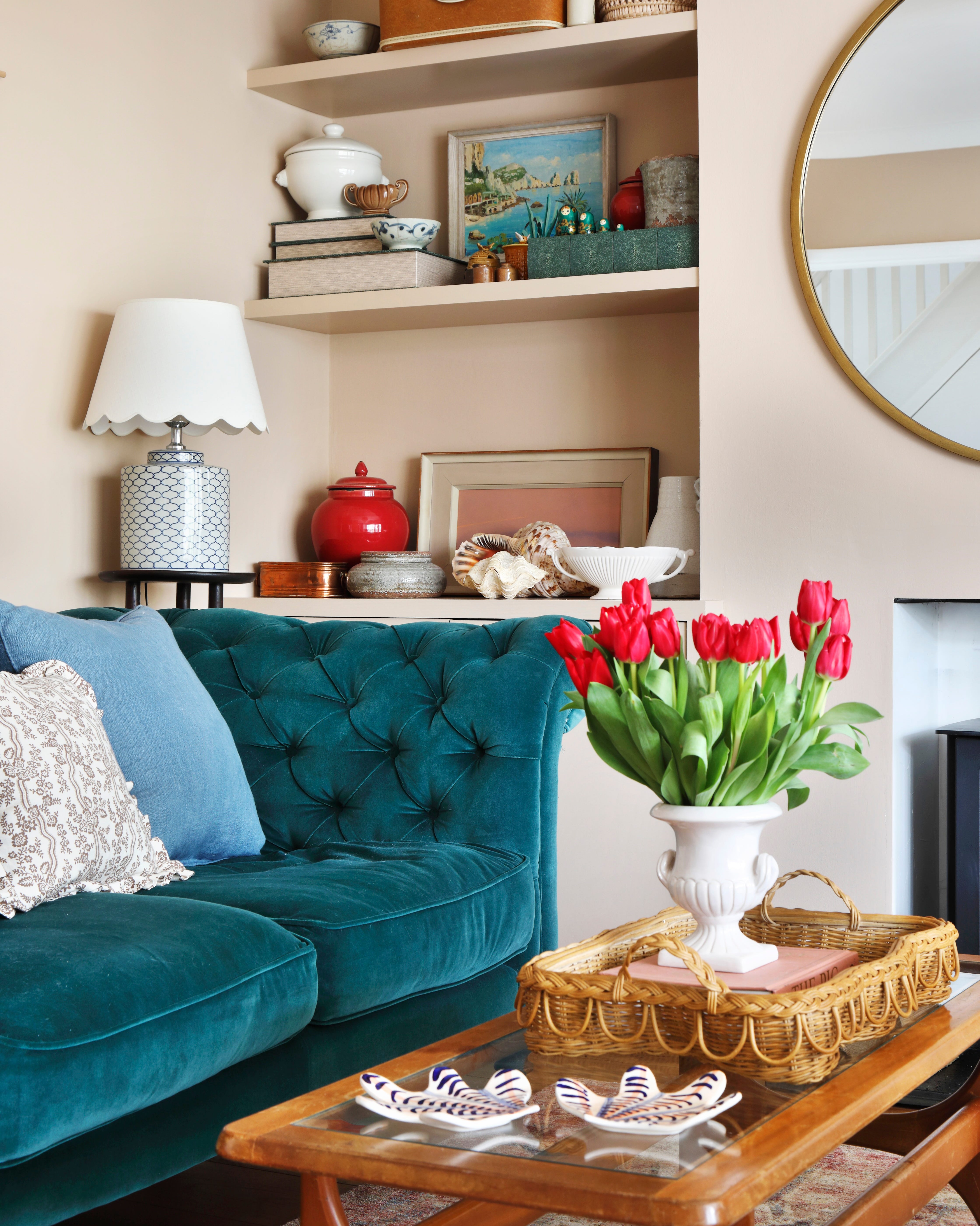
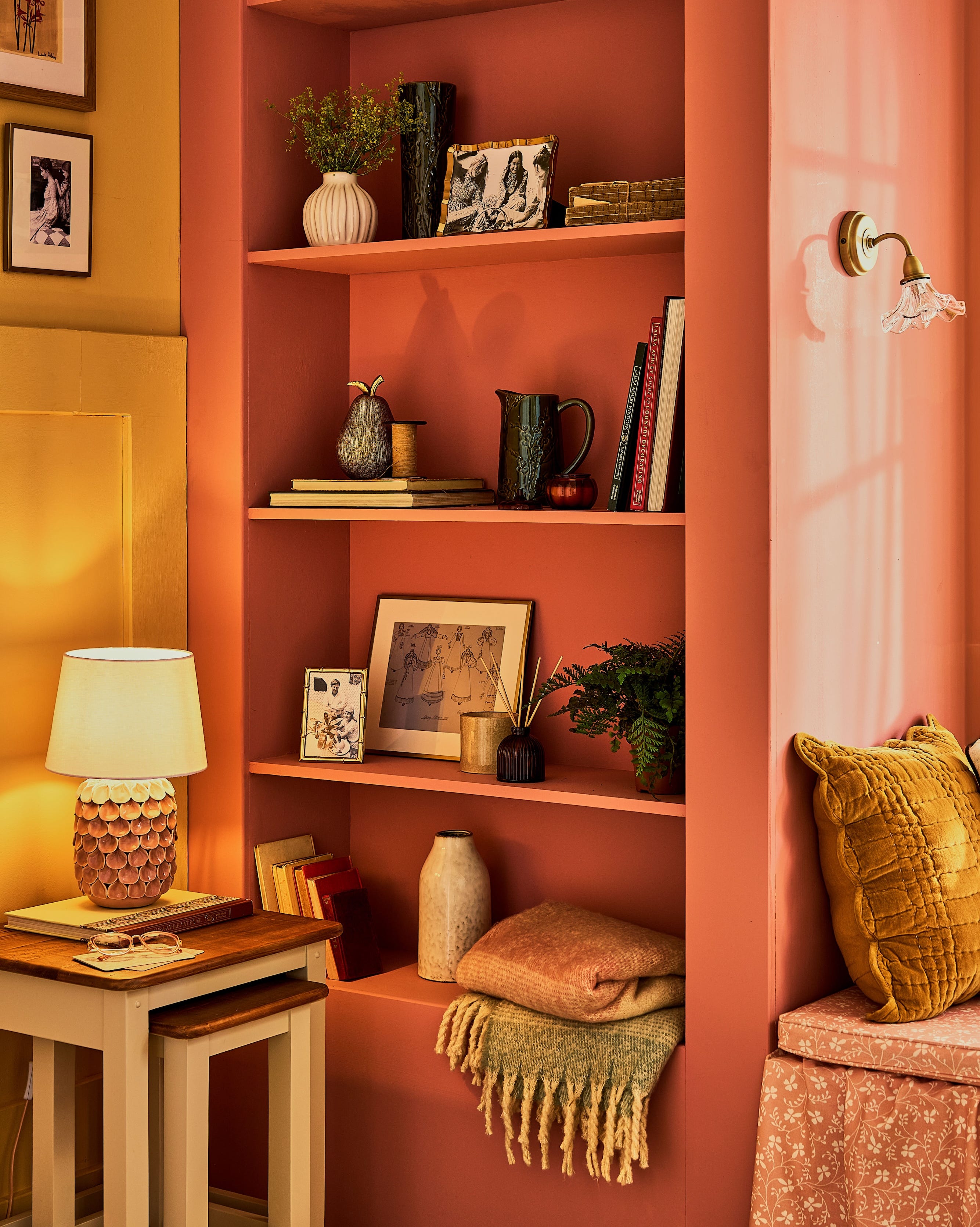
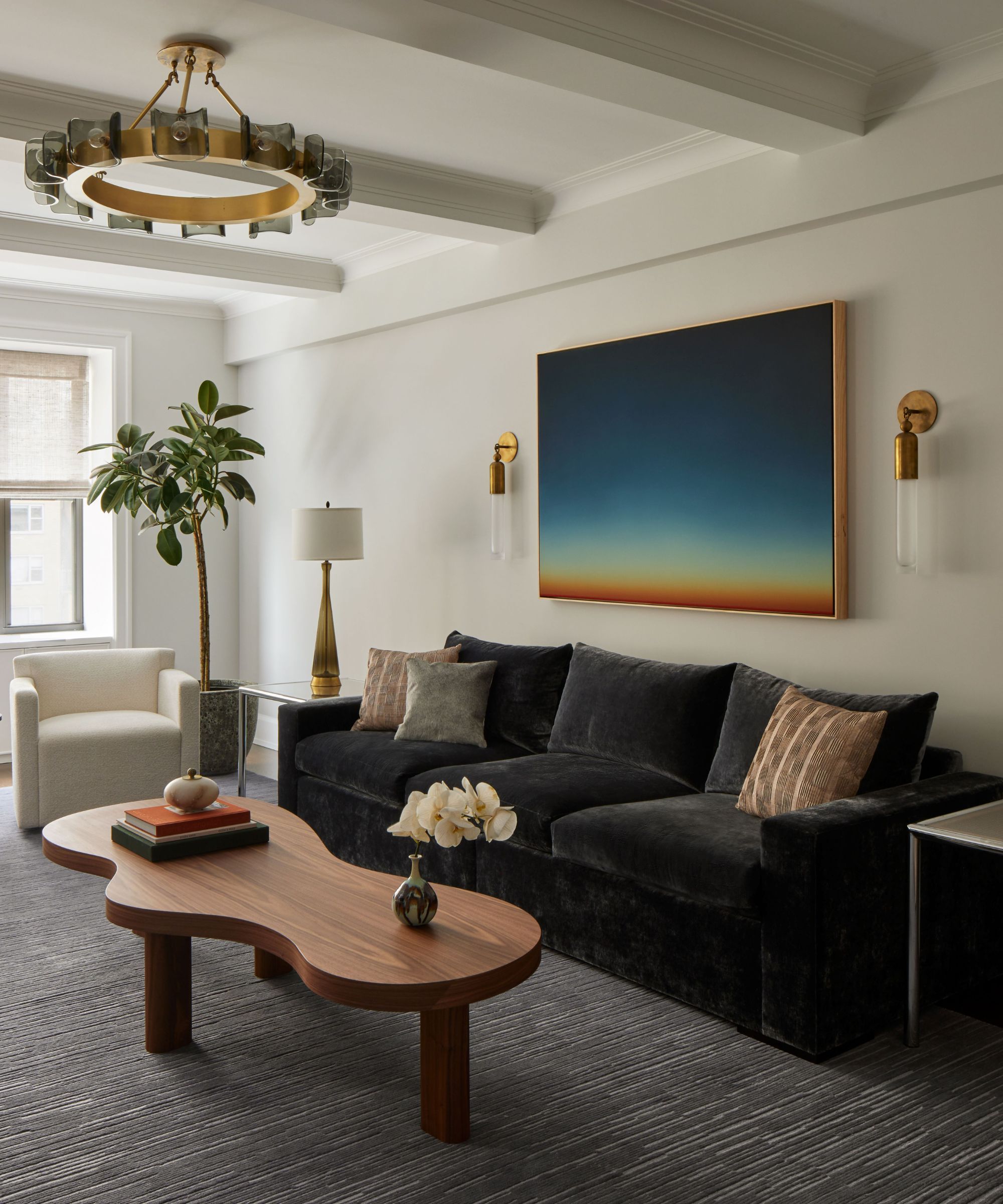
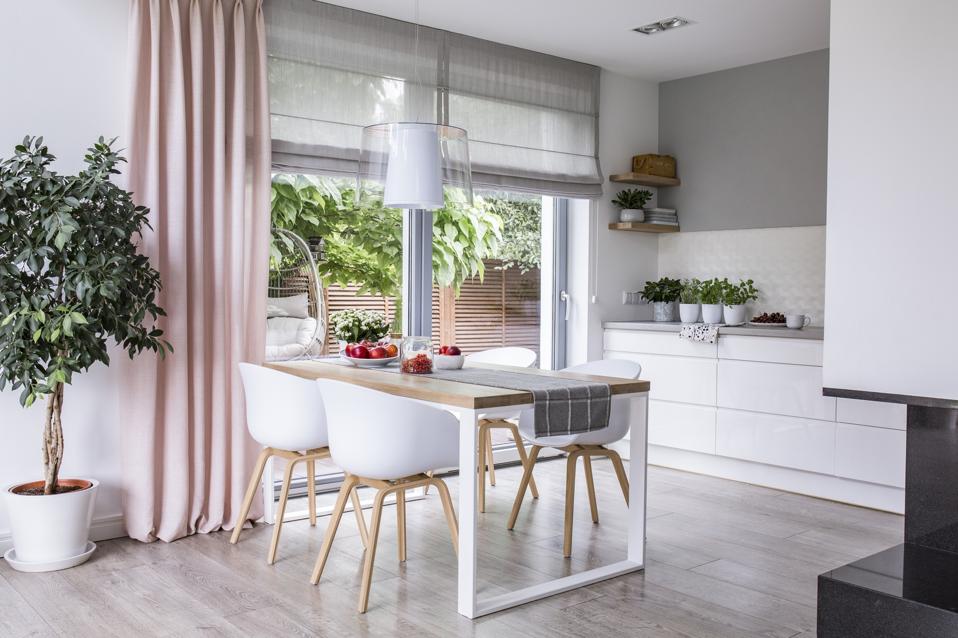
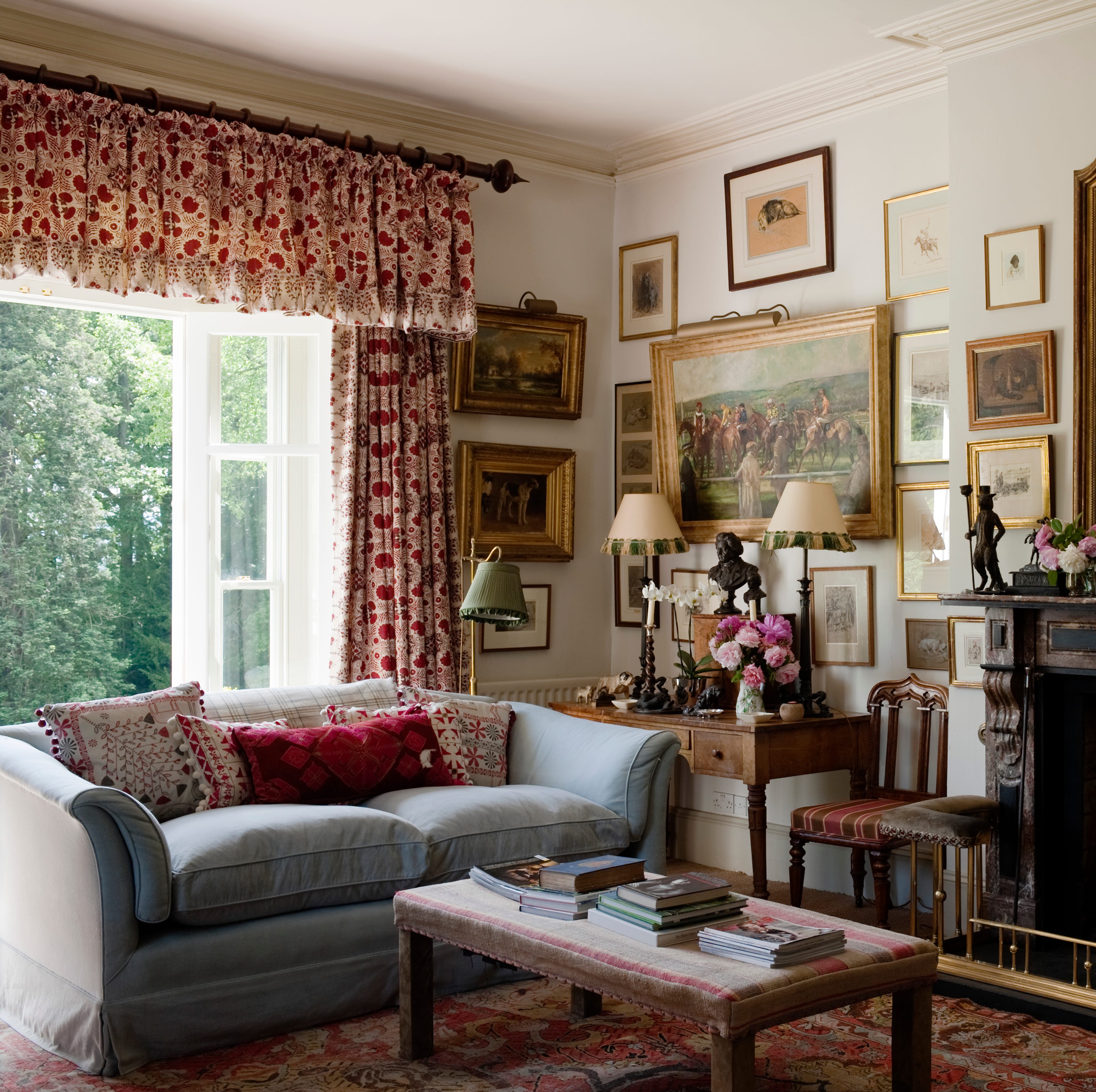
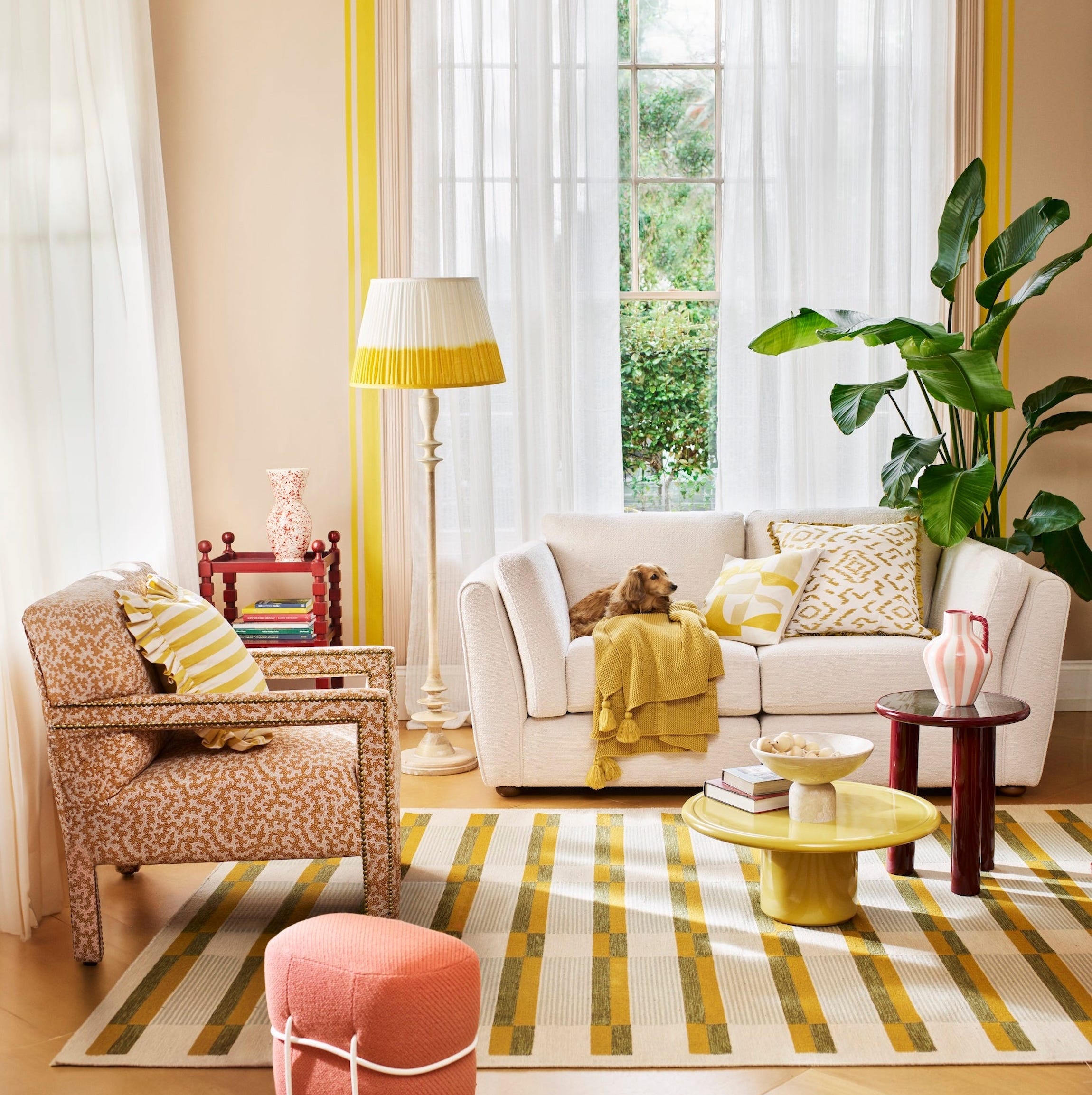
One significant indicator of an outdated living room is the style of lampshades. Lisa Simopoulos notes that lampshade styles quietly evolve, and frilly, pleated designs popular in the 1980s have given way to cleaner silhouettes. She emphasizes that even seemingly minor elements like lampshades can significantly impact a room's overall impression, often making a space look neglected if not updated along with other decor. Similarly, fabric colors and textures are telltale signs of a room's age. Simopoulos explains that modern fabrics often consist of linens or bouclé in soft neutrals, contrasting sharply with the icy gray fabrics prevalent in the 2010s or the heavy golds of the 2000s.
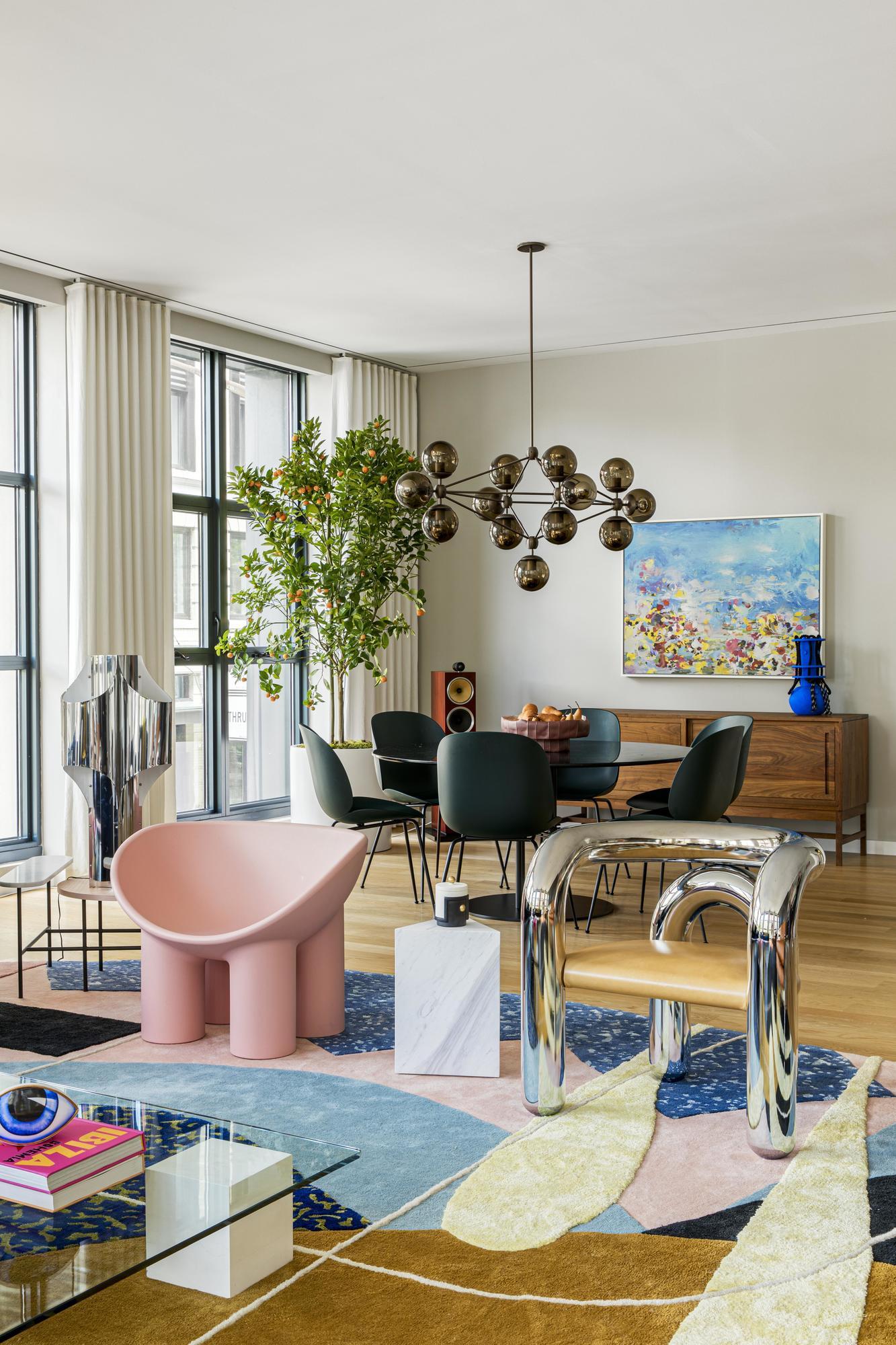
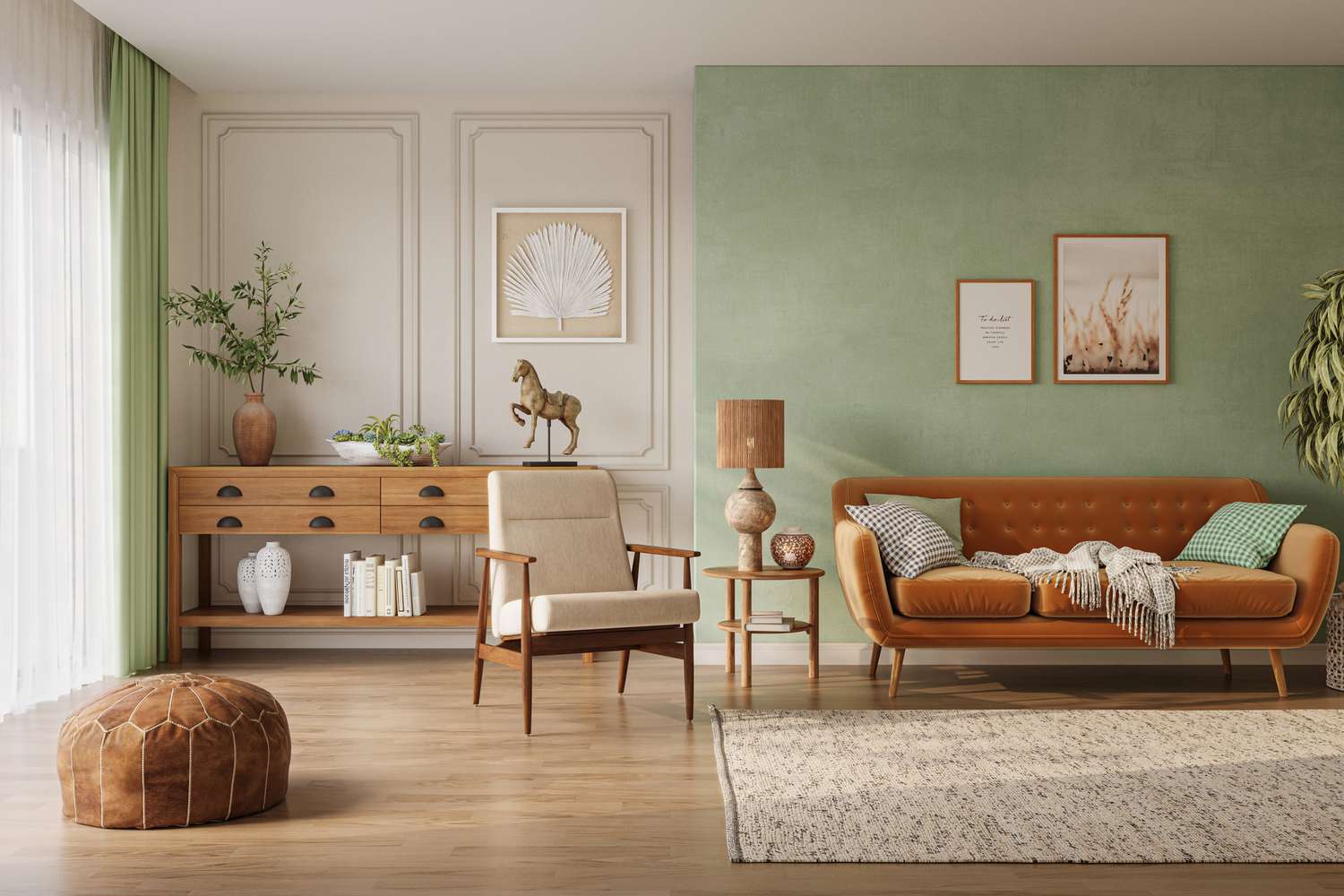
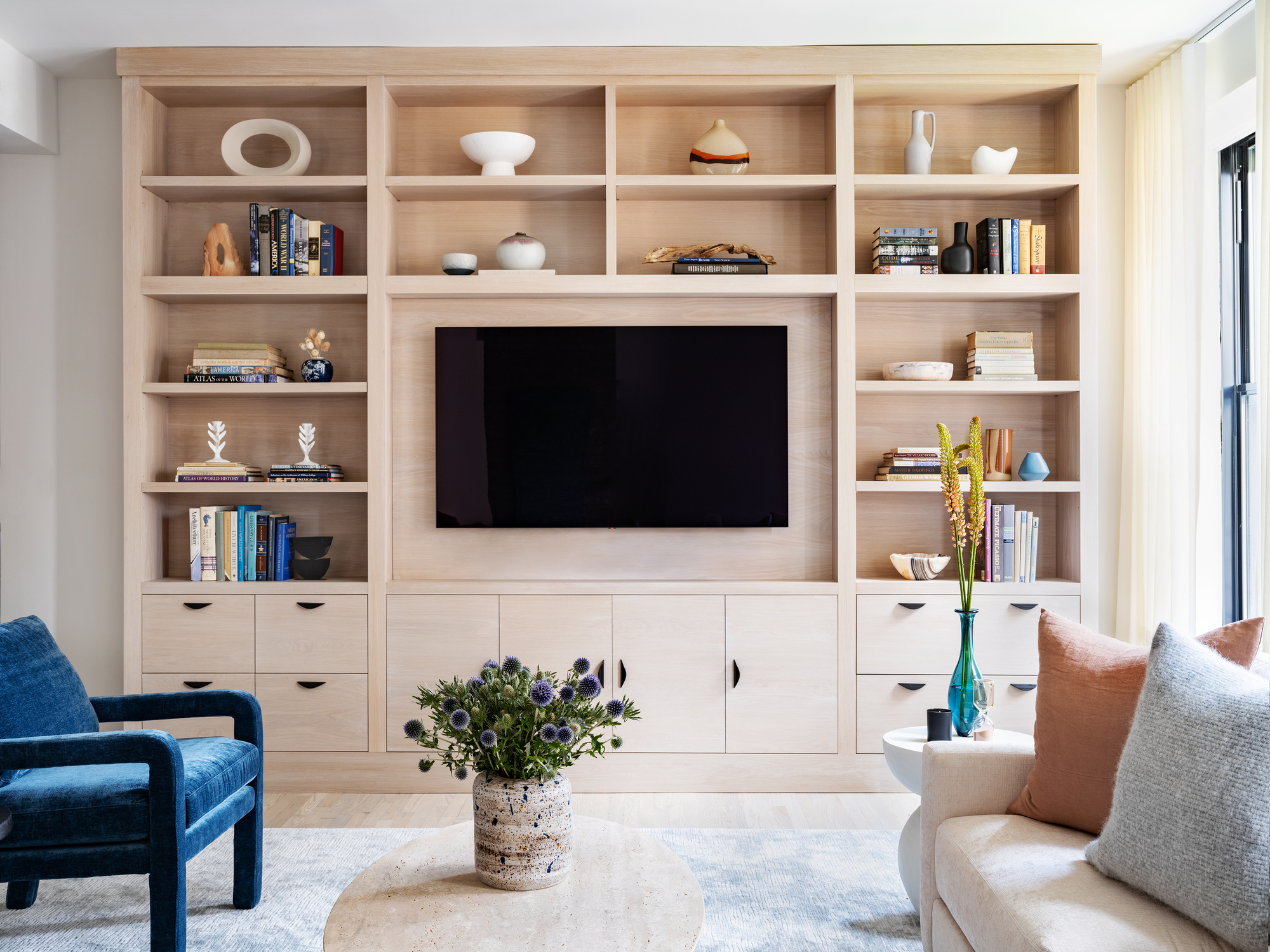
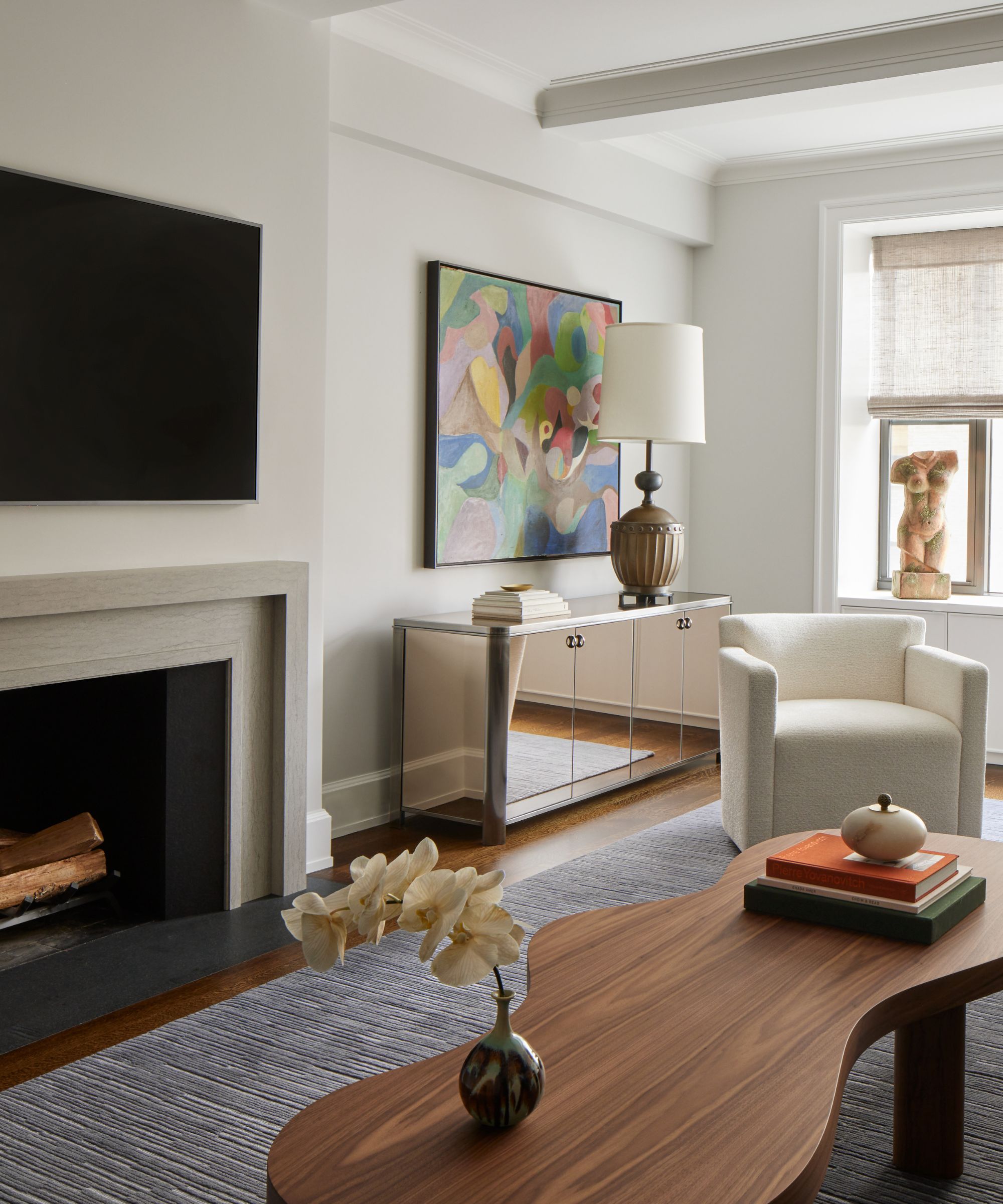
The presence of a large, bulky entertainment center is another clear sign of an outdated living room, according to Jody Jones. With advancements in technology, TVs have become sleeker, and the preference has shifted towards seamlessly integrating entertainment units into the room's design rather than making them a prominent focal point. The practice of buying matching furniture sets is also considered outdated. Jones advises against this, suggesting instead that homeowners mix and match items from various retailers and incorporate diverse materials to achieve a more curated and timeless aesthetic. She advocates for including at least one vintage piece and a variety of fabrics and textures to add depth and layering to the space.
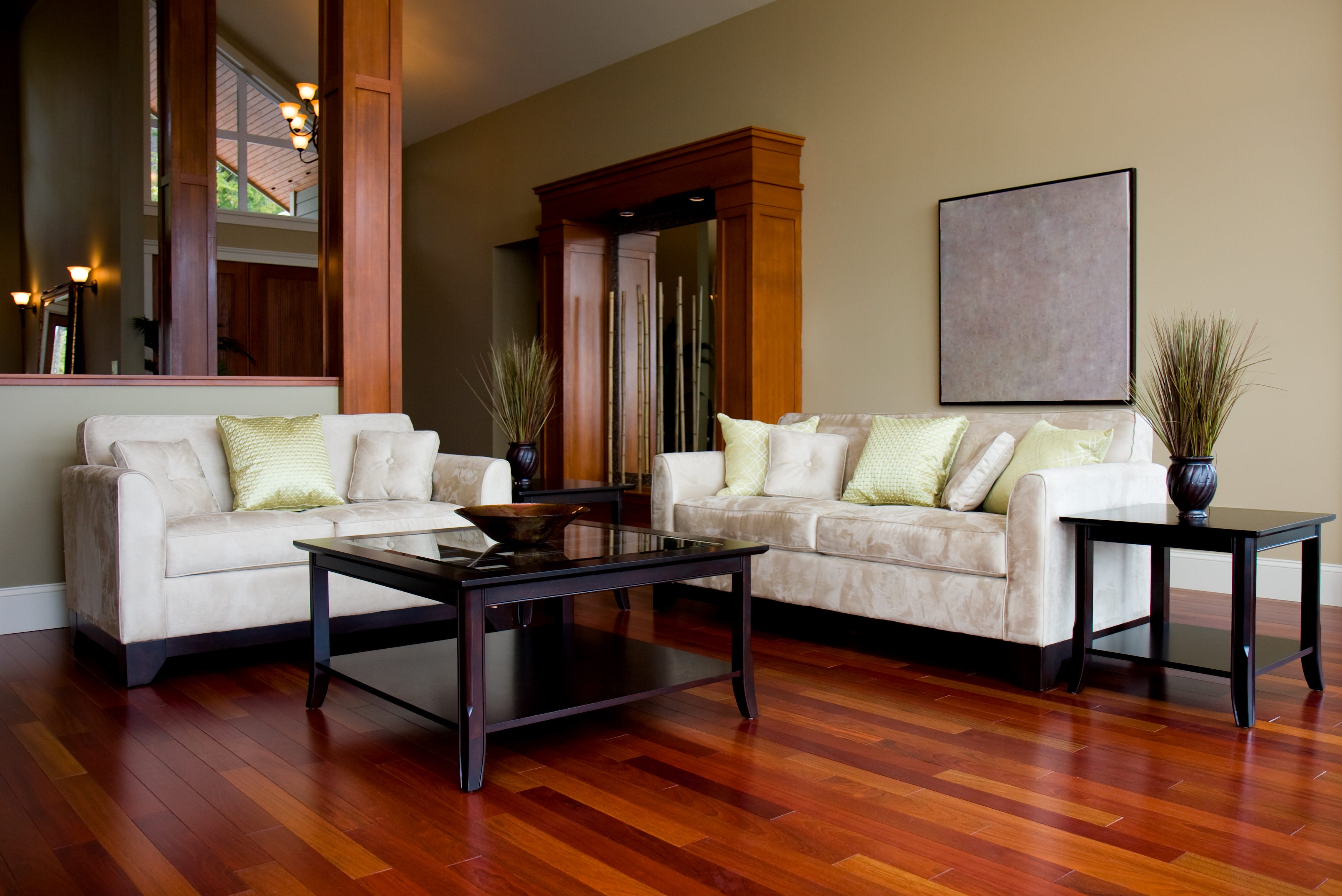
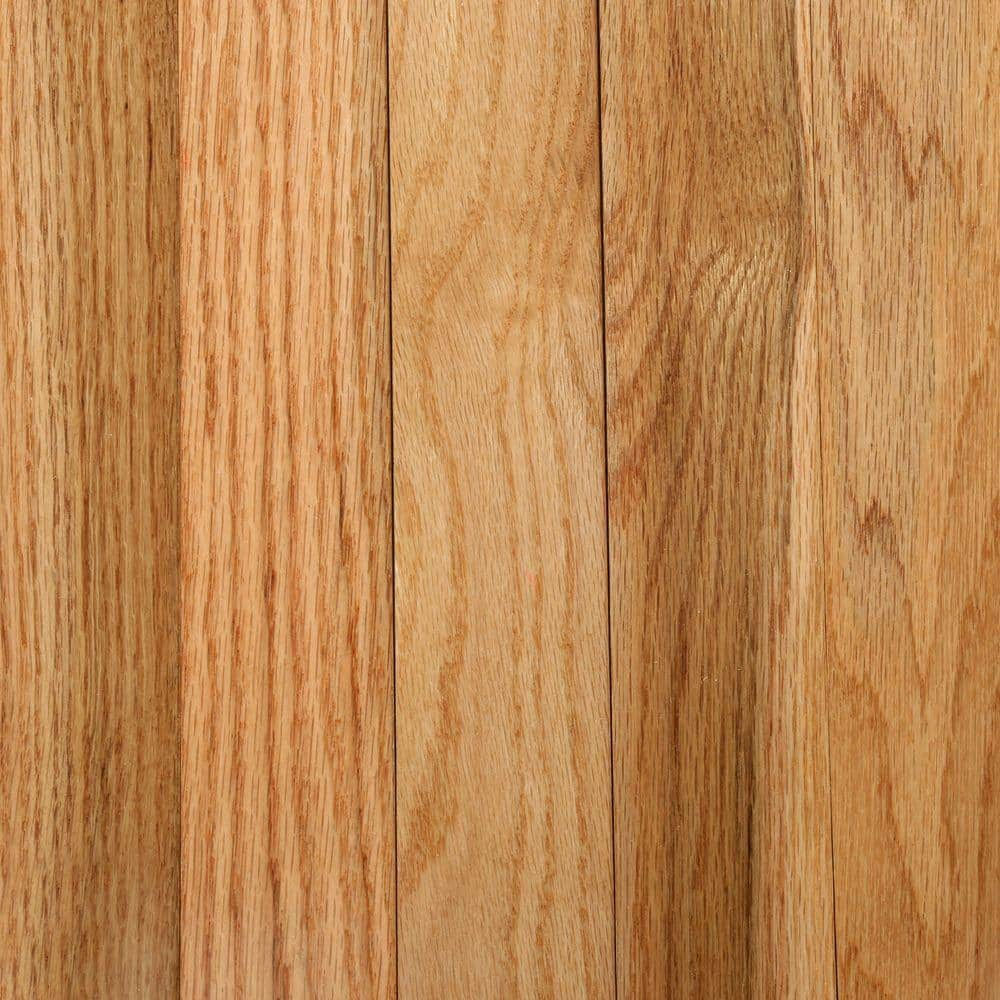
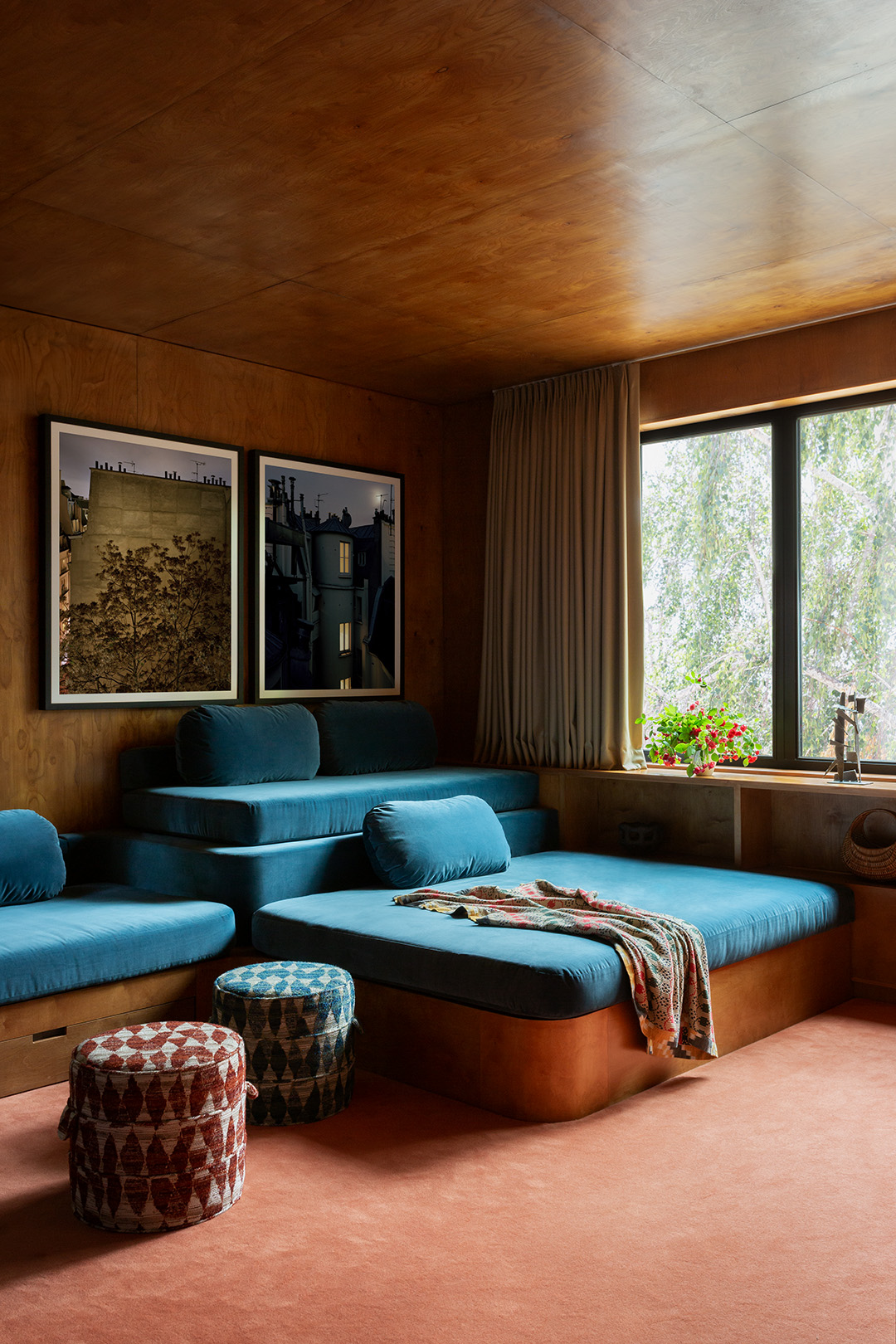
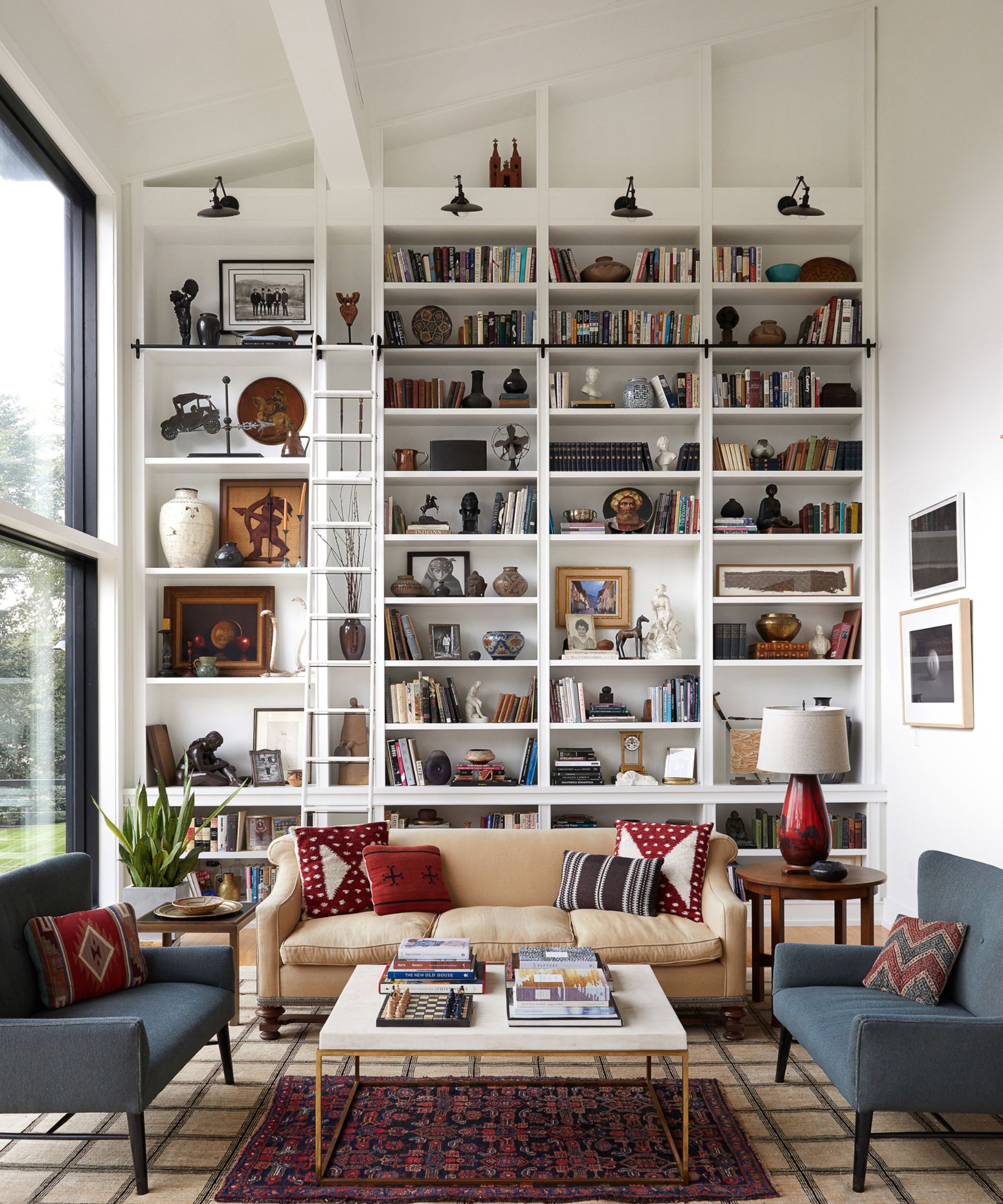
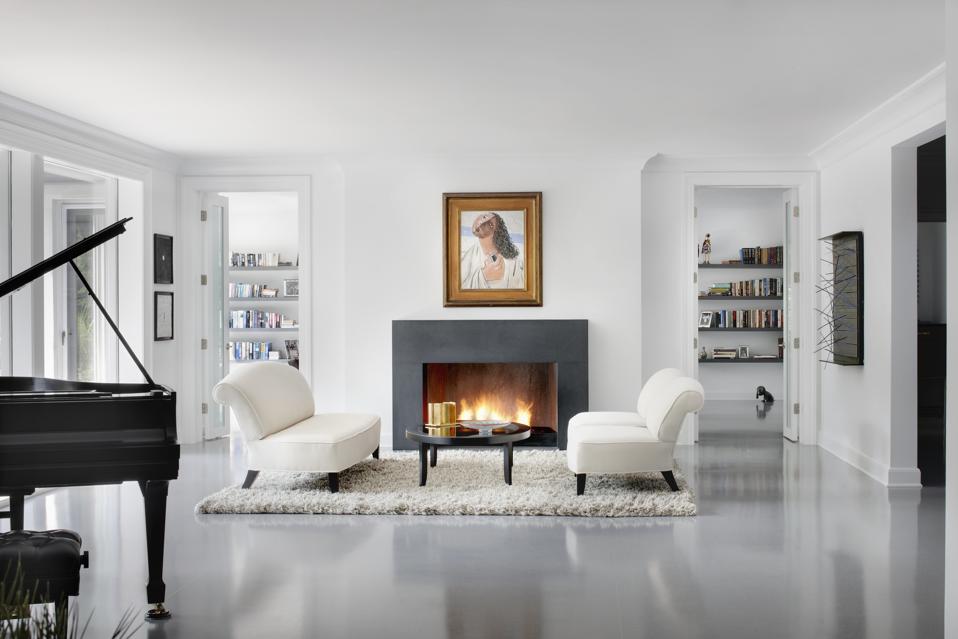
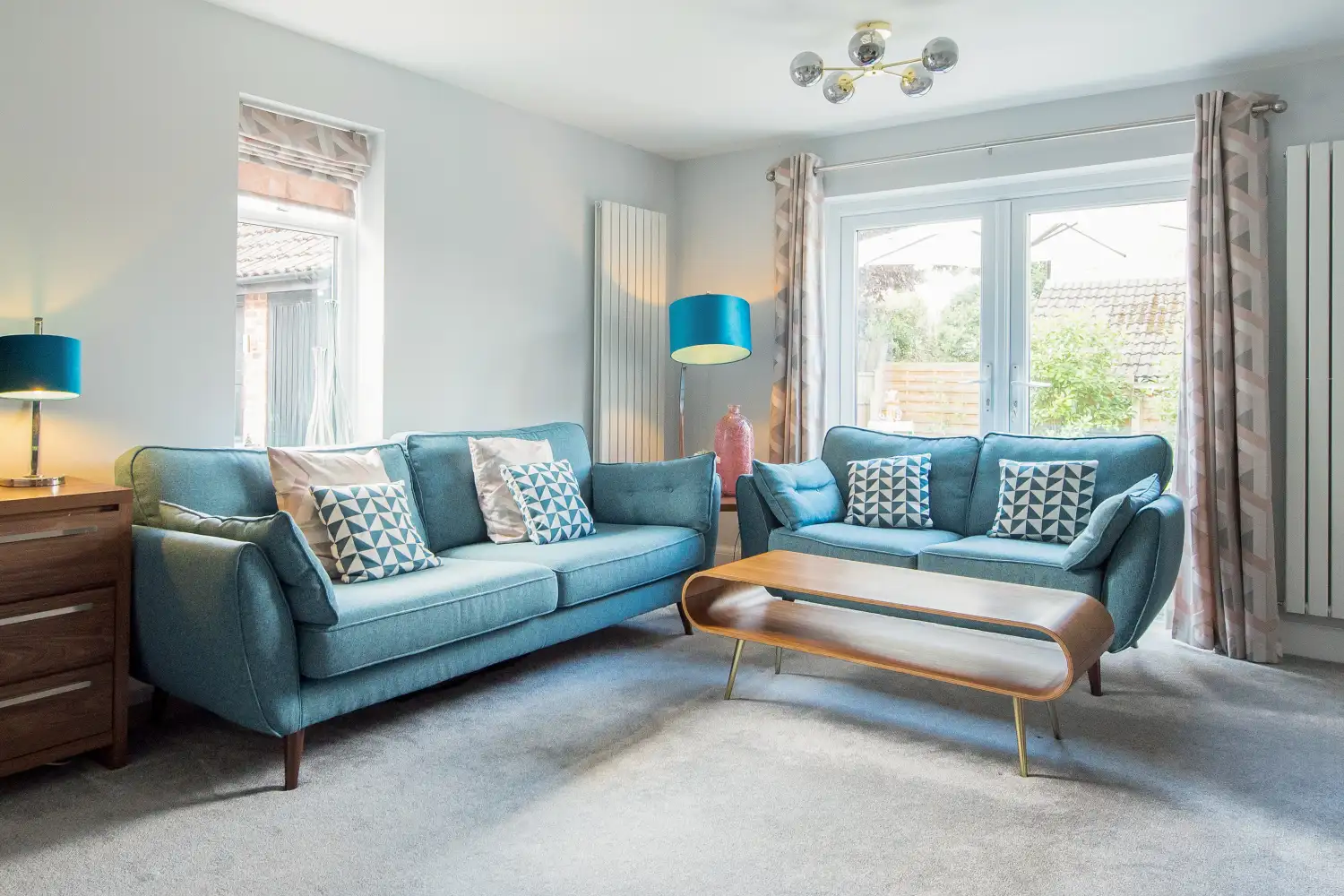
Wall-to-wall carpeting in the living room is a feature that immediately dates a space, as per Jones. Contemporary preferences lean towards hard flooring options such as hardwood, engineered flooring, or luxury vinyl plank. While area rugs are still encouraged for comfort and style, extensive carpeting is no longer favored. Accessories that are tied to a single era also contribute to an outdated look. Tracy Morris points out that a well-designed living room should evolve over time, accumulating layers of texture, art, and lighting. A room filled with mass-produced art or perfectly matching pillows suggests a lack of ongoing refinement and can quickly appear dated. Morris advises homeowners to make subtle, continuous tweaks to their decor to maintain a current feel.
Finally, the lighting scheme and fixtures play a crucial role in a room's perceived age. Simopoulos highlights that lighting temperature acts as a subtle timestamp. The cool white lighting and brushed nickel fixtures popular in the 2010s have been replaced by a preference for warm, natural-looking light and fixtures made from aged brass or mixed metals. These seven features, ranging from subtle design choices to more significant structural elements, provide clear guidance on how to identify and address outdated aspects of a living room to bring it into contemporary style.
#InteriorDesign #LivingRoomDecor #HomeTrends #OutdatedDecor #DesignTips #Furniture #LightingDesign #Flooring #InteriorDesign #LivingRoomDecor #HomeTrends #OutdatedDecor #DesignTips #Furniture #LightingDesign #Flooring
0 ความคิดเห็นรวม
 ยังไม่มีความคิดเห็น
คุณอาจจะชอบอีกด้วย
Interior Designers Reveal 6 Surprising Things Making Your House Look Dated

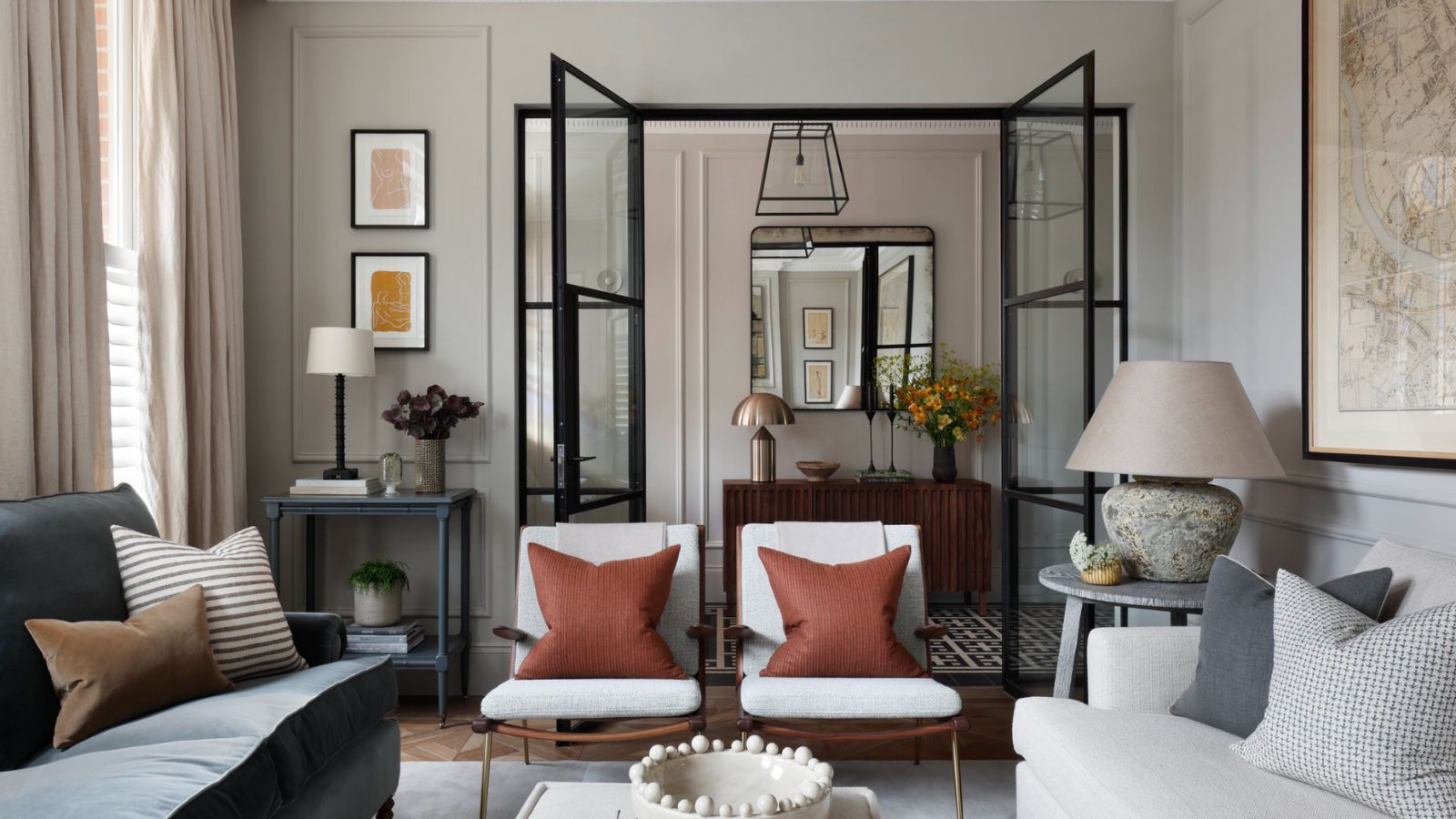
5 dated living room layouts to always avoid and what designers are doing instead for 2025
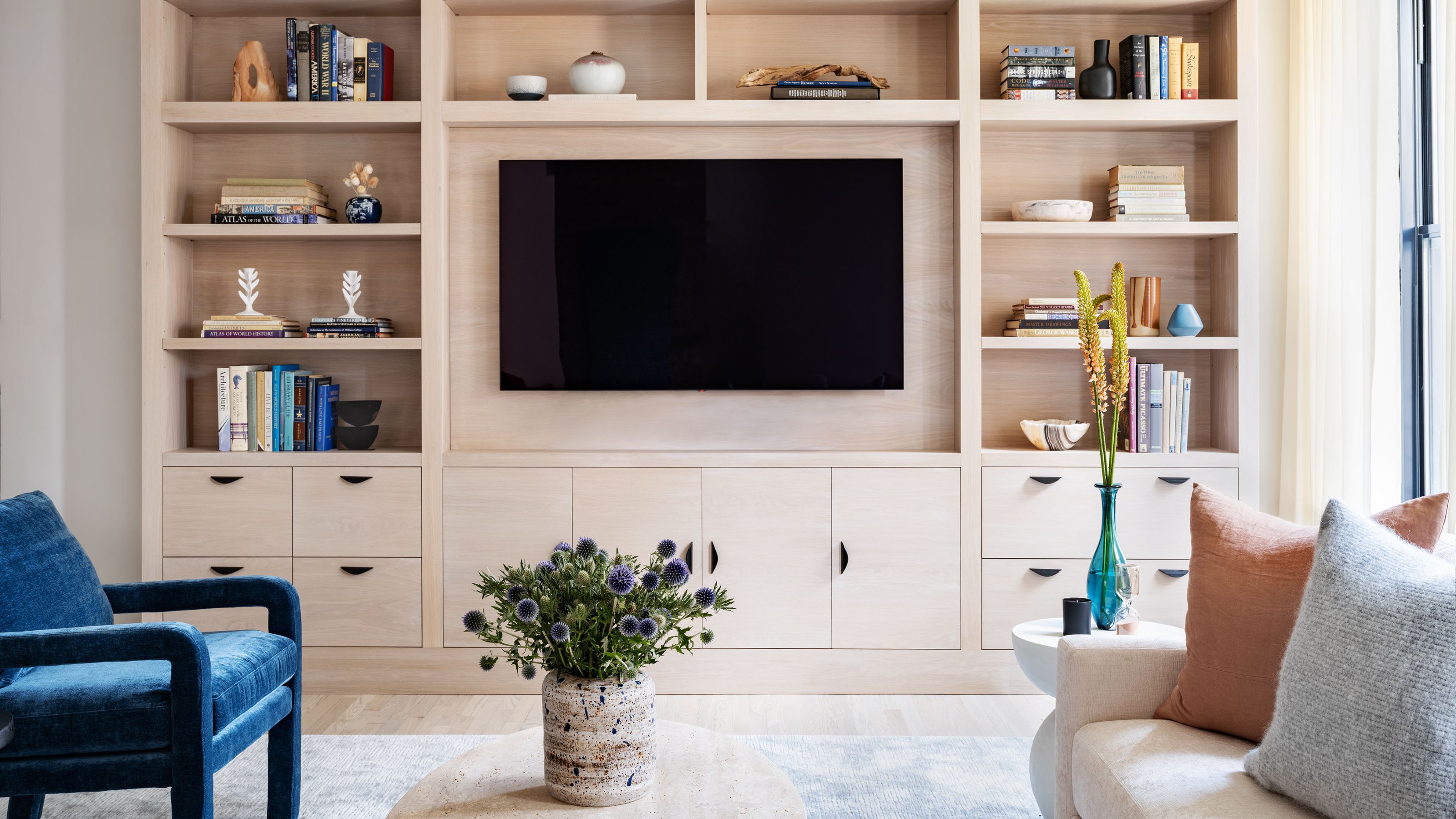
3 Dated Living Room Layouts That Have No Place in 2025 (and How to Fix It If You've Ended Up With One)

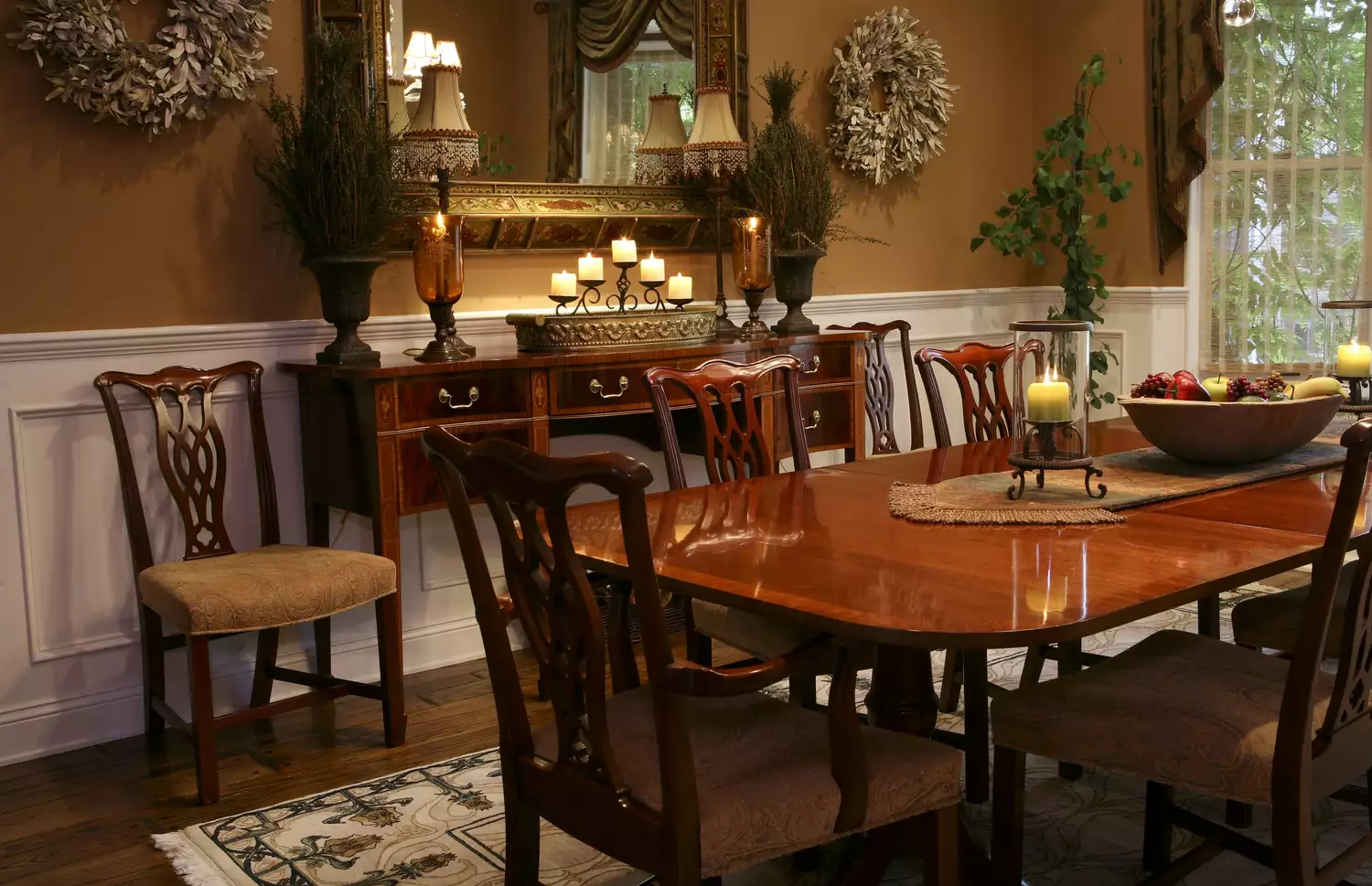
5 Dining Room Features That Are So Outdated, According to Designers
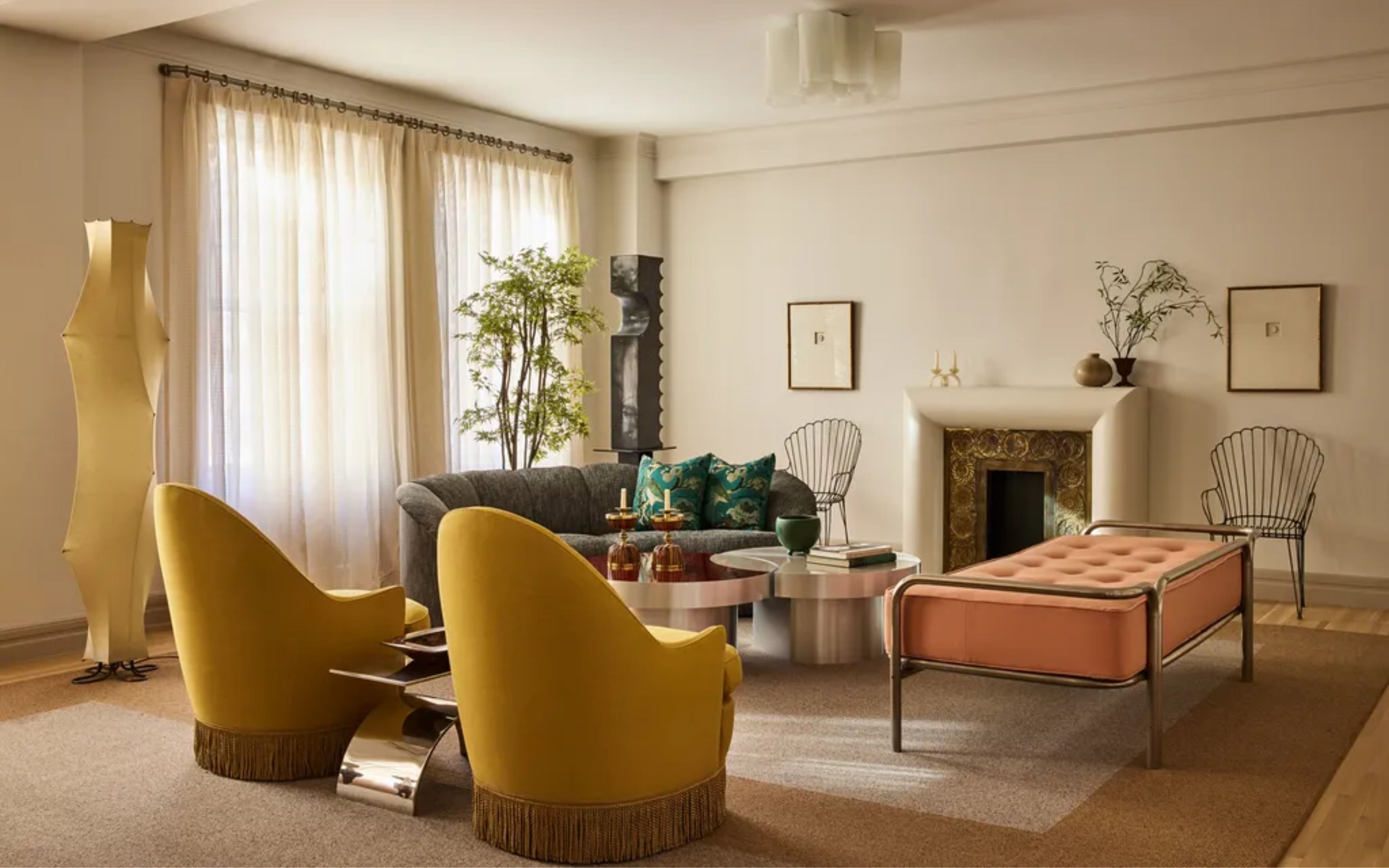
4 Outdated Living Room Trends Designers say you Should Move on From — and What to Replace Them With

7 rooms every old home once had that we have all forgotten about – and which ones are making a comeback

7 Things That Always Make Your Living Room Look Empty, According to Designers
17 GLARING Signs Your Bathroom is Outdated, According to Designers

7 things interior designers never have in small living rooms

7 Things That Immediately Make Your Living Room Look Bad, According to Designers
How to create a balanced living room layout using vintage furniture, according to the pros
Expert reveals the interior design trends that will make your home look dated
9 Things Making Your Living Room Look Dated, According To Designers
7 Vintage Home Decor Features That Designers Want to See EVERYWHERE in 2026

7 Design Mistakes Interior Designers Always Notice

24 Photos Of Early '00s Home Decor Features That've Become Obsolete In Only 20 Short, Short Years

21 "Outdated" Home Design Trends That Are Sooo Much Better Than Modern-Day Trends
5 Living Room Design Mistakes You Didn't Know You Were Making
16 "Outdated" Home Design Trends That Are Wildly Better Than Modern-Day Trends
7 Features Designers Say Make Your Kitchen Look Outdated (Some May Surprise You)