1/3
Redefining textiles
The field of textile technology is undergoing a significant transformation, with new structures, raw materials, and manufacturing processes challenging traditional definitions. Historically, textiles have been understood as materials woven, knit, crocheted, knotted, or felted from yarns derived from cellulose, protein, or petroleum-based synthetic fibers. However, a new generation of consumer textiles is emerging, driven by advancements in digitization, customization, sustainability, performance, and accelerated production timelines.
This evolution is heavily influenced by additive manufacturing models, including 3-D knitting and printing, molding, bonding, and lamination. Concurrently, a diverse range of new raw materials, such as biosynthetics, foam, and composite structures, are contributing to this disruption. The expanding knowledge base initially applied to consumer products is now extending to broader applications and industries. An example of this is the controversy surrounding the skeleton suits worn by Team GB at the 2018 PyeongChang Winter Olympics. These suits, made from a polyurethane derivative and custom-fitted using 3-D laser scans, incorporated aerodynamic ridges. Their innovative design sparked debate about adherence to Olympic rules regarding aerodynamic advantages.
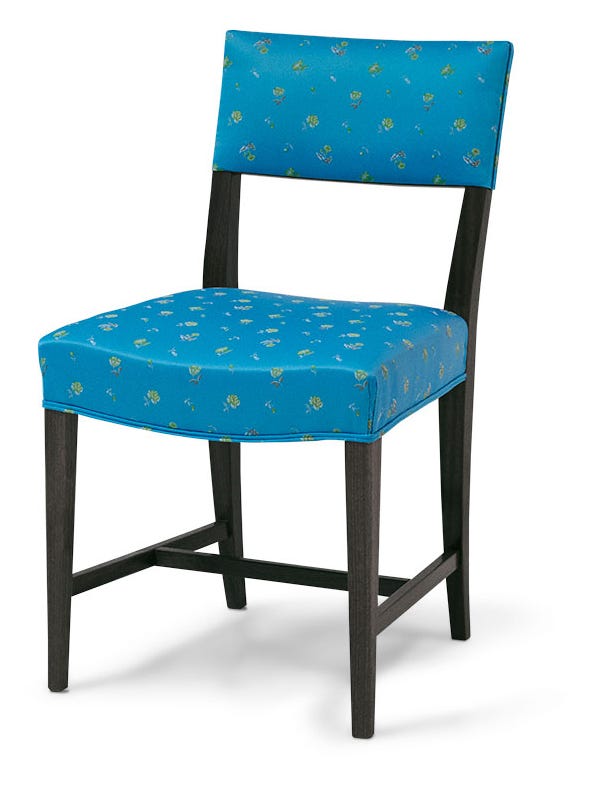
Innovations in knitting technology, exemplified by Nike and adidas's knitted shoe uppers launched in 2012, have revolutionized athletic footwear design. These advancements have streamlined the supply chain and reduced material waste by utilizing flatbed knitting machines for complex, customized dimensional knit structures, eliminating the need for individual sewn pieces. This technology is now finding applications beyond footwear, including architecture and automotive components, with companies like IKEA adopting 3-D knit technology for chairs and Japanese firm Shima Seiki Mfg. Ltd. developing lightweight knit components for auto parts.
Further examples of material innovation include Reebok's Flexweave™, a woven structure designed for lightweight, breathable, and customizable shoe uppers. Flexweave integrates various raw materials, such as chenille yarns for softness and thermoplastic elastomer (TPE) yarns for stability, with potential for incorporating spandex or high-tenacity fibers. This material is being adapted for diverse products, including suits, athletic chairs, gloves, and training masks. Architect Jenny Sabin has also explored 3-D knitting with photoluminescent, solar-active, and recycled yarns to create art installations, such as the Lumen exhibit at MoMA PS1.
Raw material innovation is progressing rapidly, with biosynthetic polymers—derived from renewable resources like sugars, starches, plant oils, and biomass—projected to account for a significant portion of chemical sales. The focus on sustainability makes biosynthetics a promising area of development. Additionally, thermoplastic polyurethane (TPU) from companies like BASF, Huntsman, and Lubrizol Corp. is changing material applications. TPUs are known for their elasticity, durability, and melt-processing capabilities, making them suitable for footwear components and performance textiles. They can be blown into foam, creating lightweight, cushioning, and breathable materials like Lubrizol’s BounCell-X™, a low-density, recyclable foam manufactured using nitrogen gas as a physical blowing agent, resulting in a clean, chemical-residue-free product.
Lubrizol’s Estane® TPU TRX can form abrasion-resistant materials similar to rubber and is compatible with over-molding softer BounCell-X foam components, eliminating the need for solvent-based adhesives. The company’s Esdex® TPU yarns can be integrated into shoe uppers or other textiles and customized for flexibility, comfort, and reinforcement. The “green” aspects of these materials are significant, as they offer thermoforming capabilities for bonding and customization while retaining flexibility, breathability, and antibacterial properties, unlike traditional foams that require cutting and adhesives.
TPU's strength and elastomeric properties are also proving valuable for 3-D printing (3DP). Lubrizol is collaborating with HP to develop Estane TPU polymers for fused deposition printing processes. While 3DP has been hailed as the future of textiles, with footwear brands and high-end designers adopting it, the traditional 3DP process often results in stiff, scratchy, and brittle garments due to the fusion of raw materials, unlike woven or knit textiles where yarns can move. Progress in flexible 3DP materials has been slow until recently.
Designer Danit Peleg has advanced 3DP textiles by utilizing Filament FilaFlex®, a flexible 3DP filament made from TPE. Her work with Andreas Bastian's mesostructured cellular materials, which impart flexibility through geometry rather than material properties, enabled her to create wearable 3DP fabric. Peleg collaborated with Gerber Technology to create digital patterns for her designs, improving their AccuMark® pattern-making and 3-D visualization software. The plastic polymers used in her designs can be recycled at home using desktop extruders from companies like Filabot, allowing for quick recycling and reuse of materials. Bastian also envisions broader applications for his 3DP structures, including architectural facades and composite body panels for boats and automotive bodies, offering enhanced flexibility and complex curvature. These new definitions of “textiles” present both challenges and opportunities for the industry.
#TextileTechnology #AdditiveManufacturing #3DKnitting #3DPrinting #Biosynthetics #ThermoplasticPolyurethane #SustainableMaterials #AthleticFootwear #SmartTextiles #TextileTechnology #AdditiveManufacturing #3DKnitting #3DPrinting #Biosynthetics #ThermoplasticPolyurethane #SustainableMaterials #AthleticFootwear #SmartTextiles
0 ความคิดเห็นรวม
 ยังไม่มีความคิดเห็น
คุณอาจจะชอบอีกด้วย

The definitive textiles primer: Pollack’s fabric expert talks fibers, yarns and more

The 5 fabric trends ruling interiors now, according to the pros

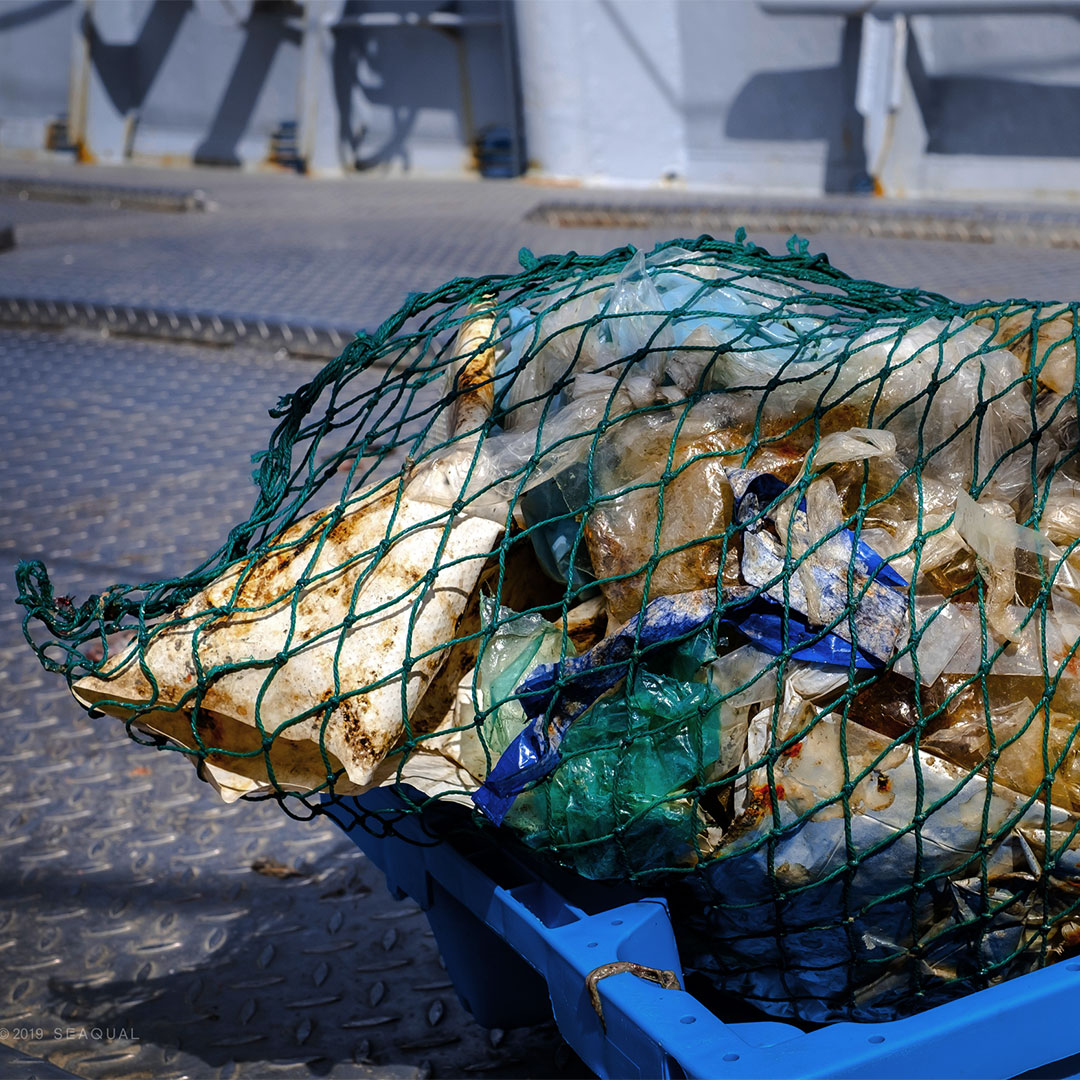
Camira + SEAQUAL Turn Ocean Plastic into Upholstery Fabric

Innovations in Smart Textiles Transforming Home Décor

15 highlights from Heimtextil: spot the textile trends for 2025

Snøhetta and Ege Carpets’ radical approach to textile design

How AI and Automation Are Transforming the Home Textile Industry: A New Era of Efficiency and Innovation
When Hollywood Needs a Historically Accurate Outfit That Looks Just Right, It Turns to Rabbit Goody

Knowing the Ropes Explores the Textile Through a New Lens
RISD profs' tool allows anyone to create custom woven fabrics online


Some of the most innovative uses of fabric in entertainment environments are found inside
Transforming Textile Waste: How Sustainable Design is Shaping Eco-Friendly Home Decor


Simon Kew | Managing Director | Alchemie Technology
This Textile Brand Is Blurring the Lines Between Runways and Interiors

10 reasons to make natural-fiber textiles your go-to fabrics
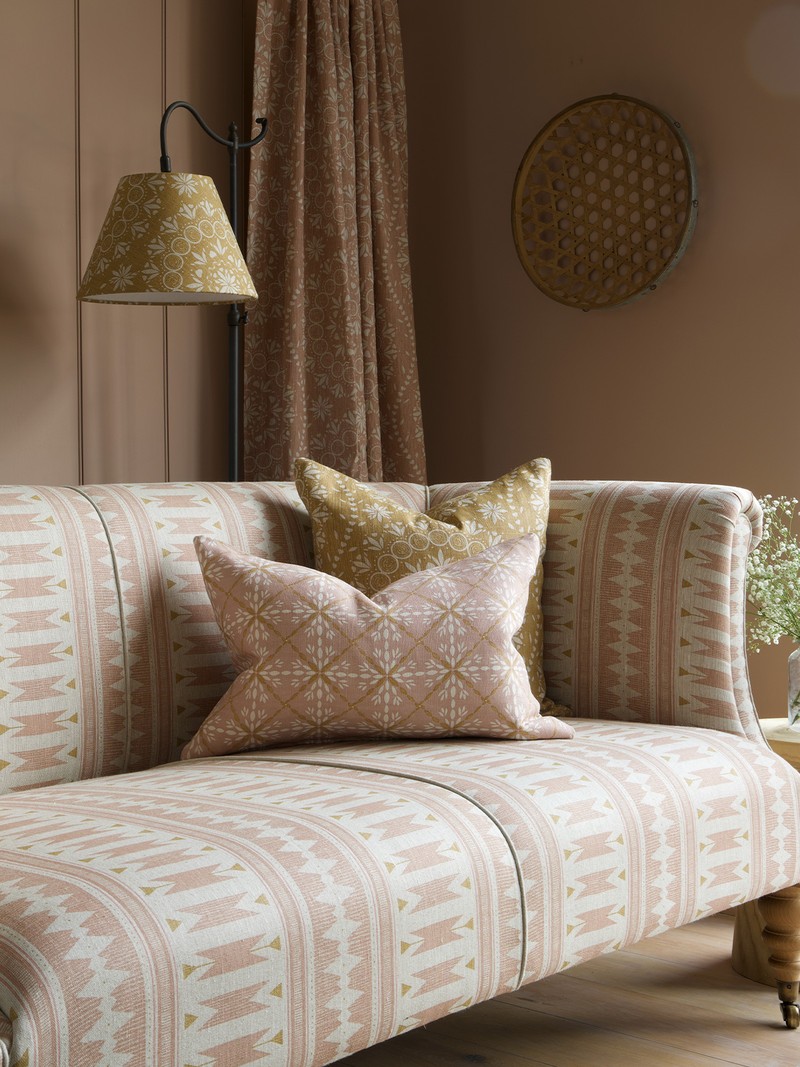
The New Fabric Launches Worth Knowing About
Making the rounds
Ticking Trends: What’s New, Now, Next


BekaertDeslee Showroom Innovation Textiles: A Look into Design, Sustainability & More
From pixels to pillows: Intiaro analyst turns fabric waste into community joy