1/2
Students use eggs as inspiration for inflatable concrete shelters
Two engineering students, Peter Brewin and Will Crawford, who met at the Royal College of Art studying industrial engineering, developed an innovative inflatable concrete shelter for refugee relief. This concept, inspired by the compressive strength of an eggshell, was their entry in a British Cement Association competition to discover new uses for cement. The shelter addresses the critical need for safe, semi-permanent housing for refugees and displaced persons worldwide, a necessity underscored by the 33 million individuals currently in such situations.
The core innovation of their design, which they term "concrete canvas," consists of two key components: a cement-impregnated cloth and inflatable formwork. The structure is packaged with a cement-impregnated fabric bonded to the outer surface of an inflatable plastic liner. To deploy the shelter, the sack is filled with water, which hydrates the cement. After approximately 15 minutes, the sack is cut open to form the ground sheet for the structure. Subsequently, a chemical pack is activated, releasing a controlled volume of gas that inflates the entire structure.
Once inflated, the concrete begins to cure. After the curing process is complete, areas of the plastic skin that are not covered by the fabric are cut open to create doorways and ventilation points. This design allows for rapid deployment and provides a robust, weatherproof shelter that can withstand harsh conditions.
Brewin and Crawford founded Concrete Canvas in Pontypridd, Wales, to further develop, manufacture, and market these new structures. Their primary focus remains on humanitarian applications, aiming to provide these shelters to aid organizations as cheaply as possible. Their personal experience visiting a refugee camp in Uganda during a tropical storm offered firsthand insight into the urgent need for such safe, semi-permanent shelters.
This technology offers a practical and efficient solution for temporary housing in disaster zones and refugee camps, significantly improving living conditions for vulnerable populations. The simplicity of deployment, combined with the durability of concrete, presents a substantial advancement in humanitarian aid infrastructure. The students' commitment to humanitarian causes is central to their business model, prioritizing impact over profit in their sales to aid organizations. Their invention stands as a testament to how innovative material science and engineering can directly address pressing global challenges.
#InflatableShelters #ConcreteCanvas #RefugeeRelief #HumanitarianAid #SustainableConstruction #EngineeringInnovation #EmergencyHousing #InflatableShelters #ConcreteCanvas #RefugeeRelief #HumanitarianAid #SustainableConstruction #EngineeringInnovation #EmergencyHousing
0 ความคิดเห็นรวม
 ยังไม่มีความคิดเห็น
คุณอาจจะชอบอีกด้วย
Students Integrate Nature Into Plant-Based Design Objects

abeer seikaly weaves shelters for disaster relief using patterned fabric
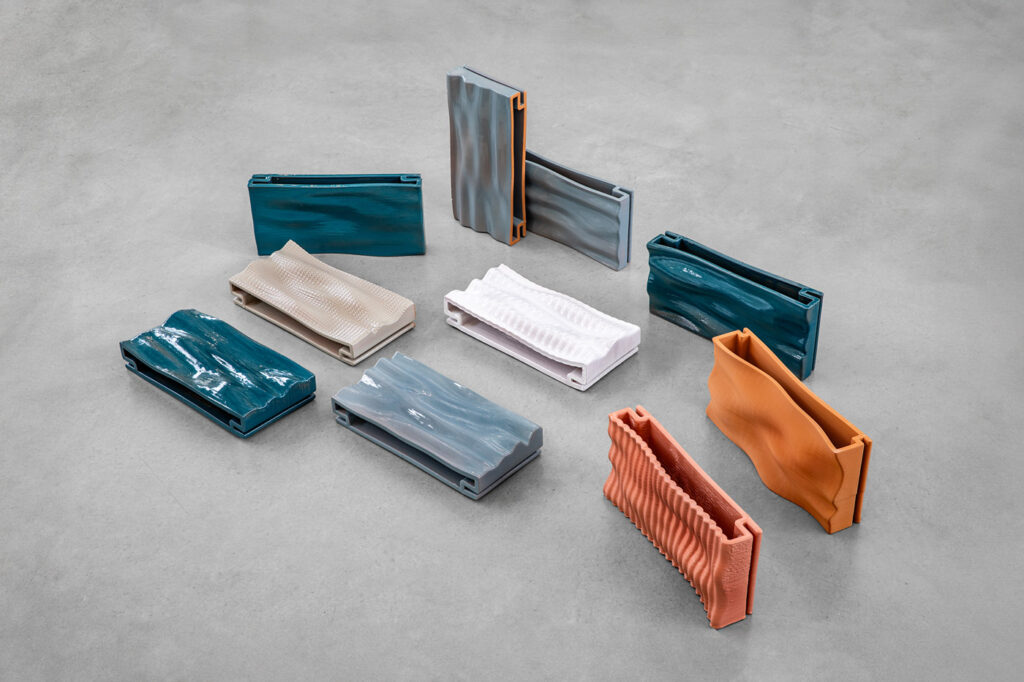
WASP’s Residency Program Results in 3D Printed Ceramic Wall Tiles

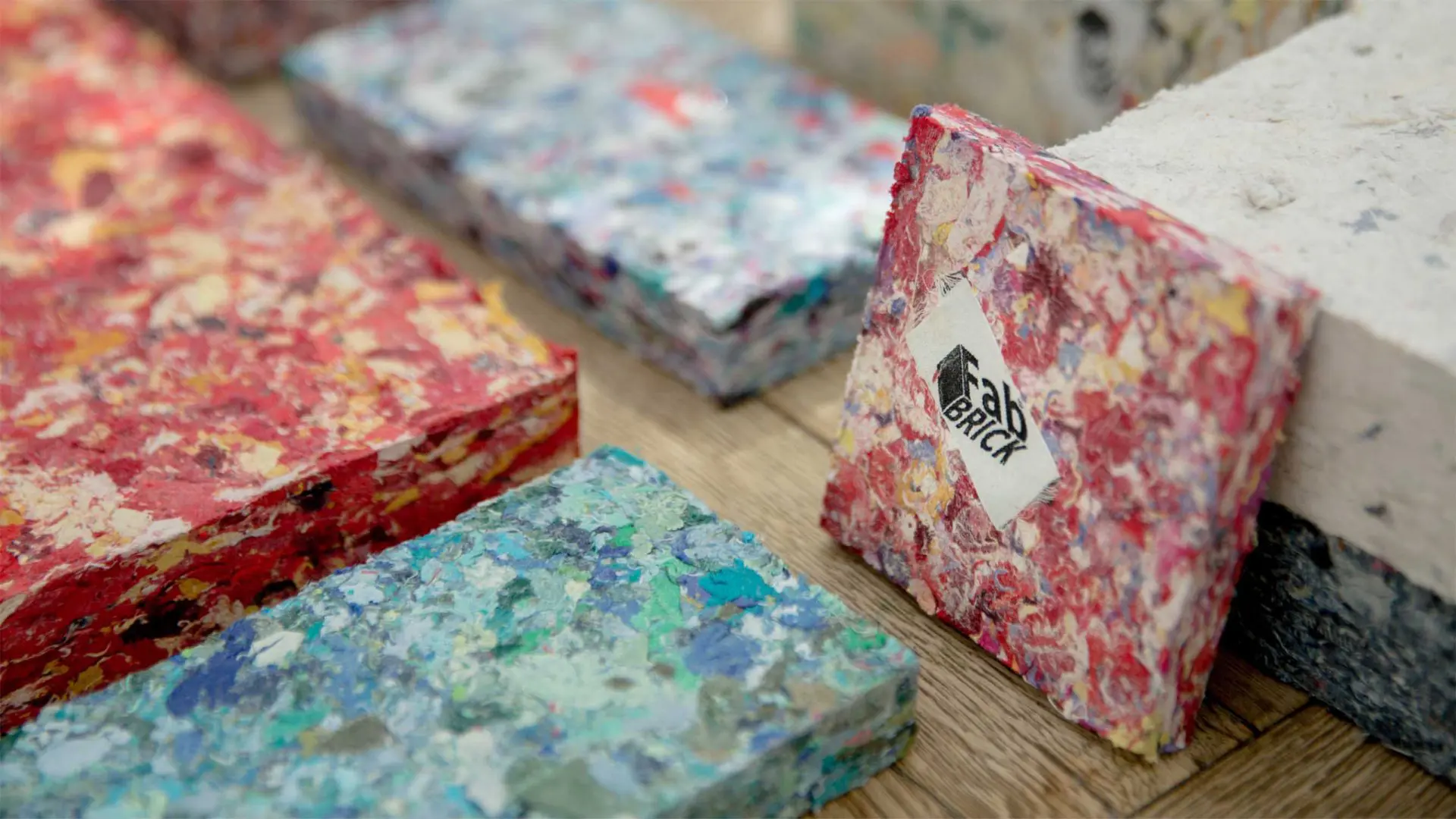
FabBRICK reinvents construction materials with recycled textile waste

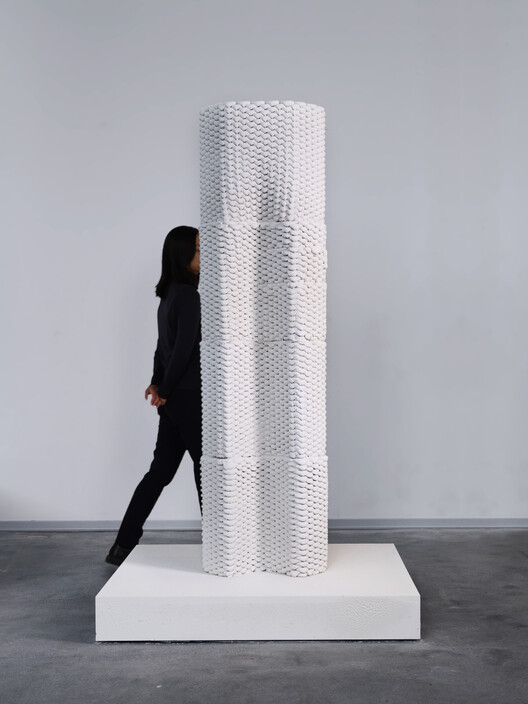
3D Printing Lightweight, Insulated Walls Using Cement-Free Mineral Foam


Lego-like product saving energy in construction

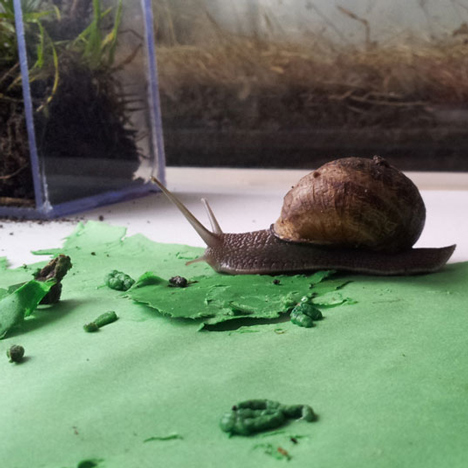
Floor tiles made of coloured snail poo by Lieske Schreuder
re:shell uses discarded eggshells to create modular, biodegradable building bricks
Concrete With 3D Printed Foam Forms

LAU architecture students assemble emergency shelter with plastic crates + ties

Ample Creates Prefab Shelters and Saunas Inspired by Australian Sheds

RCA Product Design Student Invents Stone-Like Material Made from Fish Scales

This DIY Grain Silo Gazebo Is the Perfect Summer Hangout