1/5
The latest and greatest innovations in sustainable building materials
The field of sustainable architecture and design is continually evolving, with new innovations and materials emerging each year. What was once considered specialized is now becoming standard practice, leading to a wider array of sustainable product choices for building specifications. This article explores several key areas of sustainable building materials, highlighting cutting-edge products and their applications.
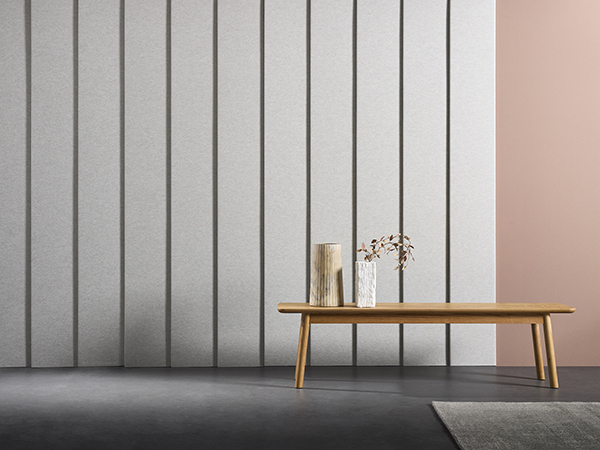
One significant area of innovation is acoustics, particularly in sustainable design. Knauf's Stratopanel, an acoustic ceiling lining, incorporates CLEANEO Technology, which utilizes zeolite (natural volcanic rock) to purify air by reducing odors and airborne pollutants like VOCs. This technology also offers a high Noise Reduction Coefficient (NRC) of 0.9, as demonstrated in projects like Nazareth Catholic College in Adelaide. Another acoustic innovation is Lanes by Autex Acoustics, a carbon-neutral, battened-style acoustic treatment made from at least 60% recycled PET. This modular system provides significant low-frequency sound absorption, blocking up to 85% of reverberated noise, and is suitable for adaptive reuse projects.
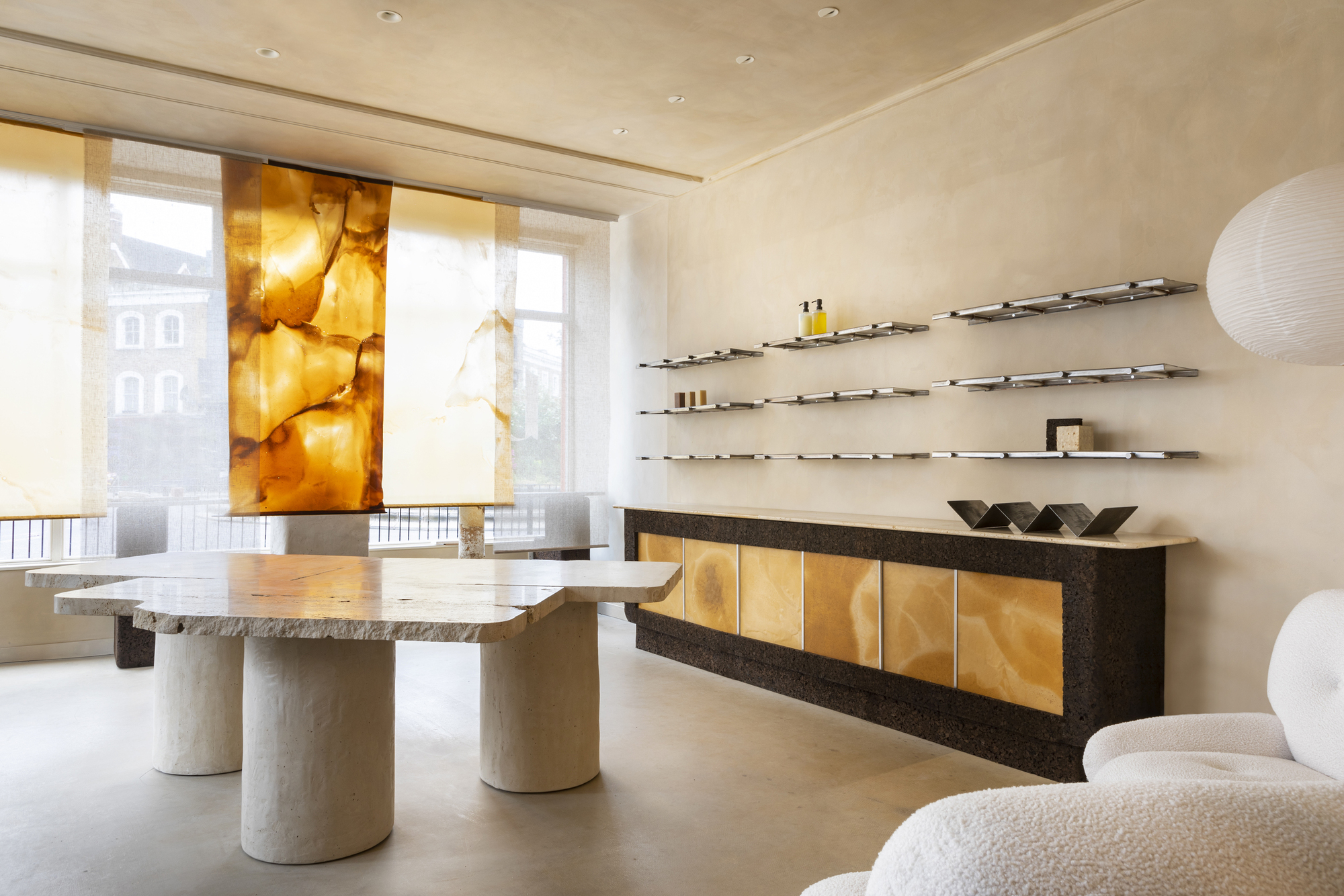
Heat and UV protection are critical for sustainable designs, especially in sunny climates. Verosol's SilverScreen roller blind fabrics offer an effective solution, reflecting up to 85% of solar heat and light. These Global GreenTag certified fabrics have low emissivity and an openness factor as low as 2%, allowing for views while reducing energy consumption by 10-20%. Smart Design Studio has successfully integrated these blinds into their office, operating them with a building management system linked to weather forecasting, allowing for comfort without air conditioning. SilverScreen fabrics have also been used in notable sustainable projects like Sydney's Green Square Library and Barangaroo Tower 3.
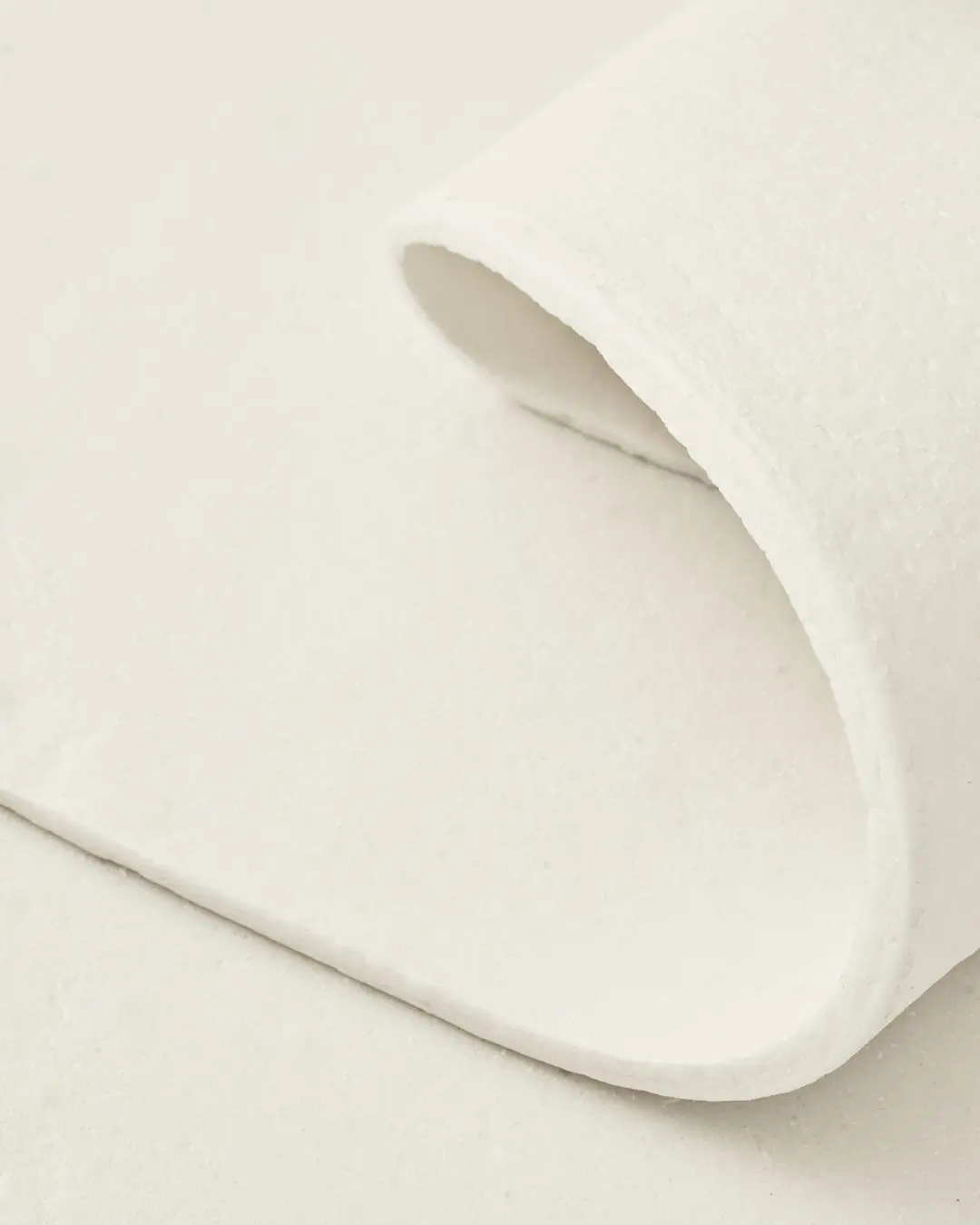
Sustainable flooring options are also advancing. Interface's Embodied Beauty Collection introduces the first carbon-negative carpet tile, achieving cradle-to-gate carbon negativity through CQuest BioX backing, specialty yarns, and tufting processes. This innovative product uses bio-based materials to store carbon, offering durability, function, and style. The company's focus on carbon-negative materials represents a significant step beyond carbon neutrality in flooring.
In materials like stone, concerns about sustainability and health, particularly regarding silica content, are being addressed. Cosentino's Dekton Technical Ultracompact Stone is a cradle-to-grave carbon-neutral and low-silica surface, with recyclability pathways in Europe and Australia. This product is scratch-resistant, impact-resistant, low porosity, and highly resistant to water and stains, making it suitable for both indoor and demanding outdoor applications like facades and commercial floors.
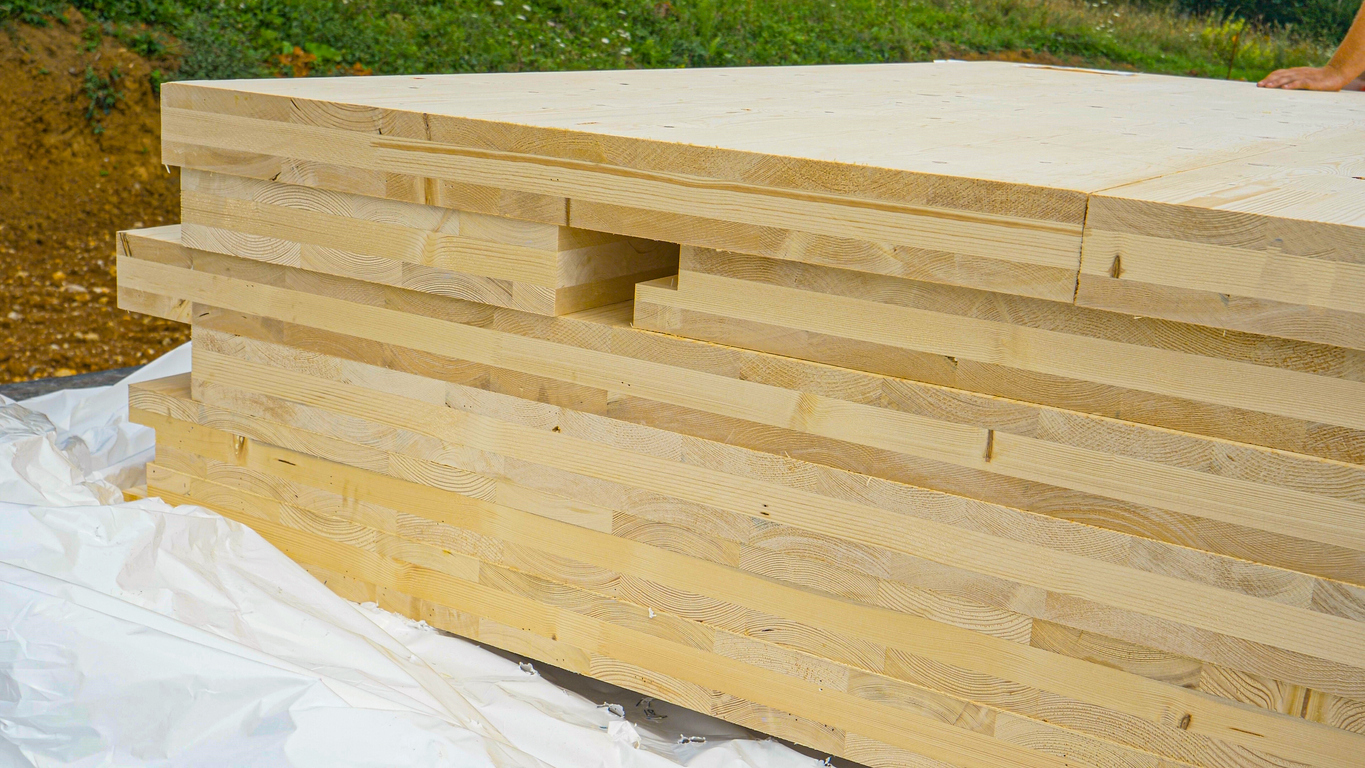
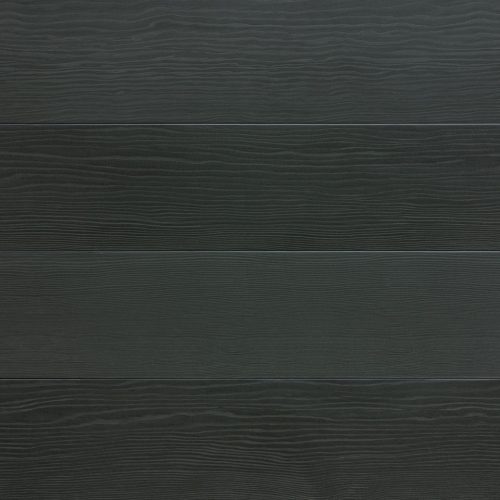
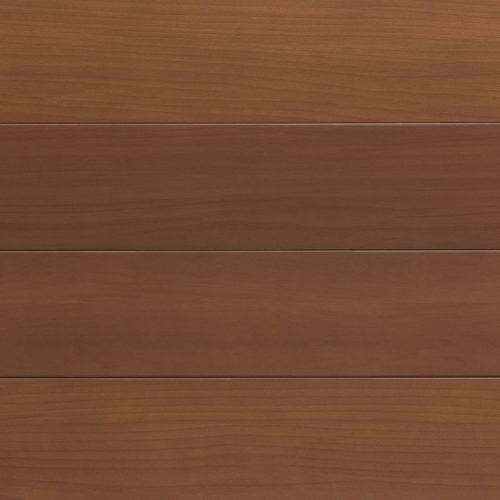
Timber remains a popular and highly sustainable building material due to its durability, insulation properties, and versatility. EGGER offers innovative timber products like Eurodekor panels, which have a negative carbon footprint and 65% recycled content, significantly reducing carbon emissions. Their GreenTec Flooring is a laminate free of PVC, VOCs, and plasticizers, made from 69% renewable content and 55% post-industrial recycled content. These products have been utilized in projects like the Hettich Showroom, demonstrating substantial carbon emission reductions compared to traditional materials. Furthermore, partnerships like Rubner-Theca's combine European timber manufacturing with Australian design expertise to create comprehensive timber systems using Glulam and CLT, enabling faster, safer, and more cost-effective construction of multi-storey buildings.
Aluminium, a durable and 100% recyclable material, is also seeing advancements in sustainability despite its carbon-intensive production. DECO Australia has partnered with Capral Aluminium to supply lower-carbon aluminium building products like LocAl Green, which is sourced from ASI-certified smelters and boasts significantly reduced carbon emissions. DECO Australia's switch to LocAl Green is projected to save 4,400 tonnes of carbon annually. Mitsubishi's ALPOLIC, a fire-safe aluminium composite cladding, offers high durability, resistance to weathering and UV, and requires less energy to produce than solid aluminium while providing superior thermal insulation, reducing a building's energy consumption. Lastly, Siniat Australia's Opt2Act Carbon Neutral Program offers Climate Active certified carbon-neutral plasterboard and metal products, helping projects like the One Sydney Harbour skyscraper complex meet stringent Green Star and BASIX sustainability requirements.
#SustainableBuildingMaterials #AcousticDesign #HeatUVProtection #CarbonNegative #LowSilicaStone #SustainableTimber #RecycledAluminium #CarbonNeutralProducts #GreenBuilding #SustainableBuildingMaterials #AcousticDesign #HeatUVProtection #CarbonNegative #LowSilicaStone #SustainableTimber #RecycledAluminium #CarbonNeutralProducts #GreenBuilding
0 ความคิดเห็นรวม
 ยังไม่มีความคิดเห็น
คุณอาจจะชอบอีกด้วย
10 Innovative Materials Poised to Make Home Building More Sustainable

Inside and out

6 Sustainable Material Trends That Prove It's No Longer Just a Buzzword, but an Exciting Design Opportunity

Eco-friendly materials: the future of residential and commercial construction
Another brick in the wall
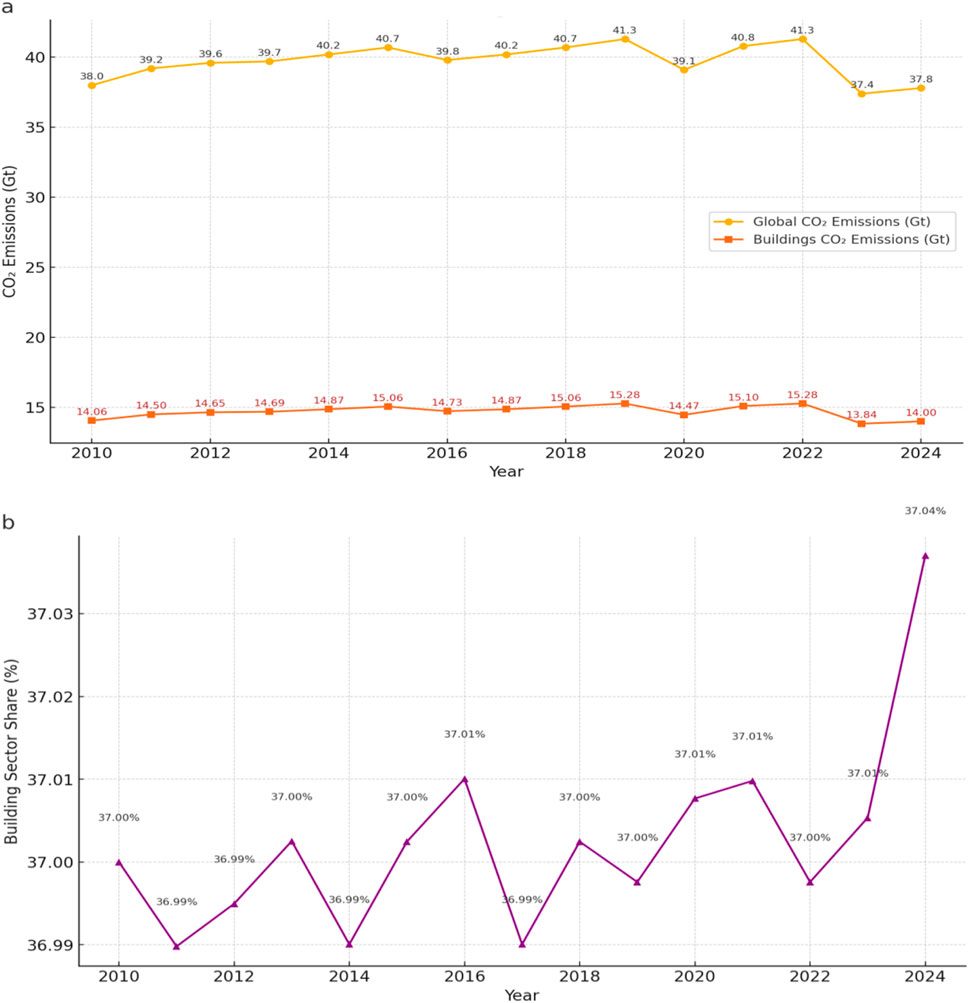
Application of bionic architecture in low-carbon design: a systematic review from nature inspiration to architectural practice

Finding Sustainable Alternatives to Traditional Building Materials
Sustainable Concrete Panel Construction | Spotlight on Nexii and Vero Building Systems

What Sustainable Interior Design Really Means in 2025 — And Why It’s No Longer Just About the Materials
The future of sustainable building materials
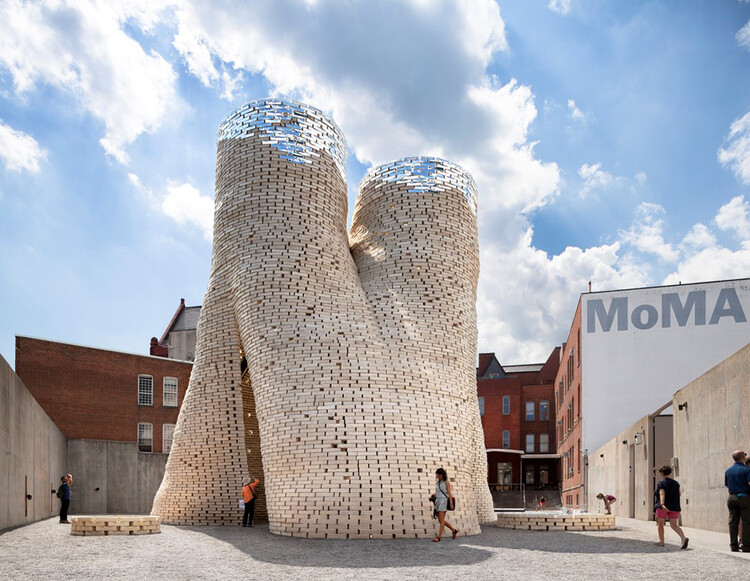
10 Start-ups Creating Innovative and Sustainable Building Materials, from Mycelium Bricks to Water Purifying Tiles

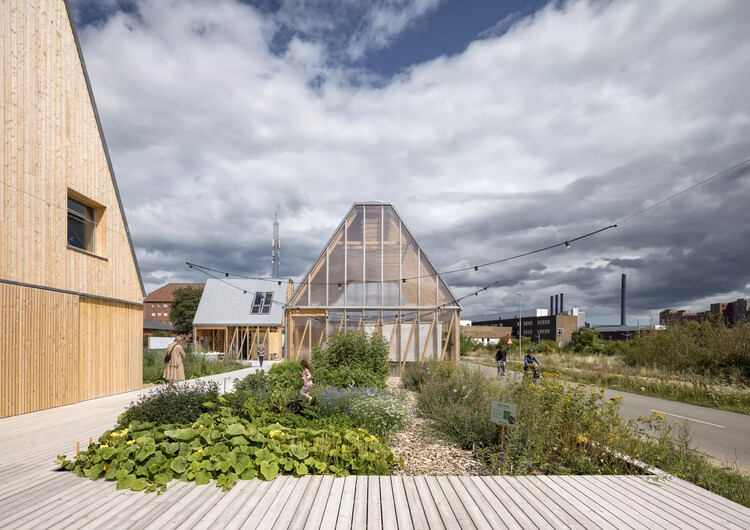
From Prototype to Progress: How Small-Scale Sustainable Housing Models Are Shaping Our Future
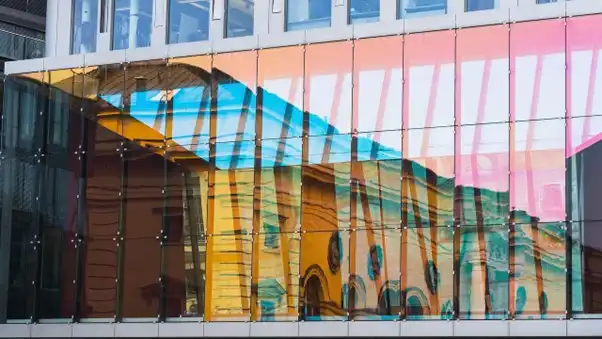
Innovations Driving Sustainable Building and Architecture Forward
Acme Brick
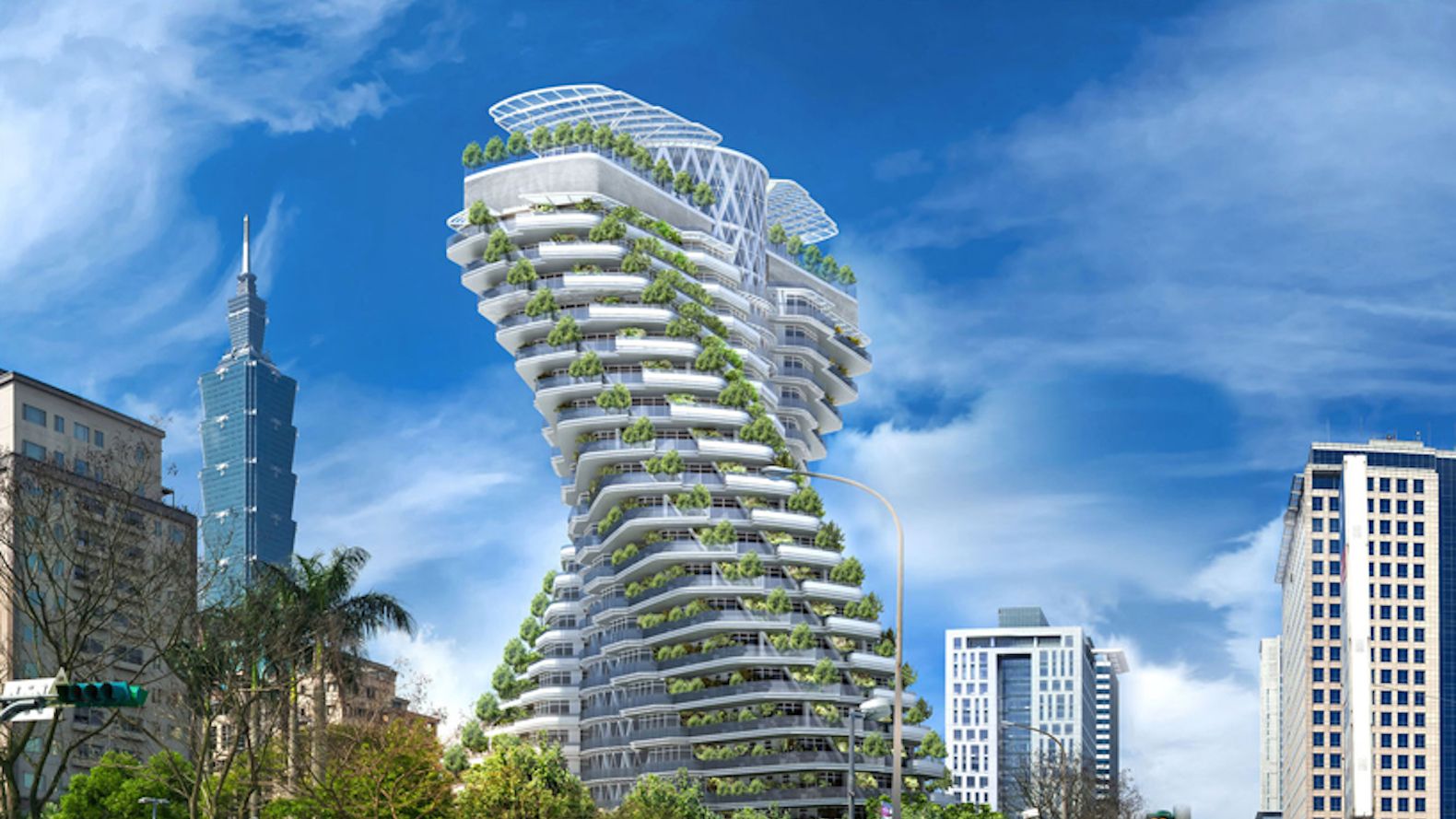
8 Remarkable Buildings That Use Trees as a Design Element

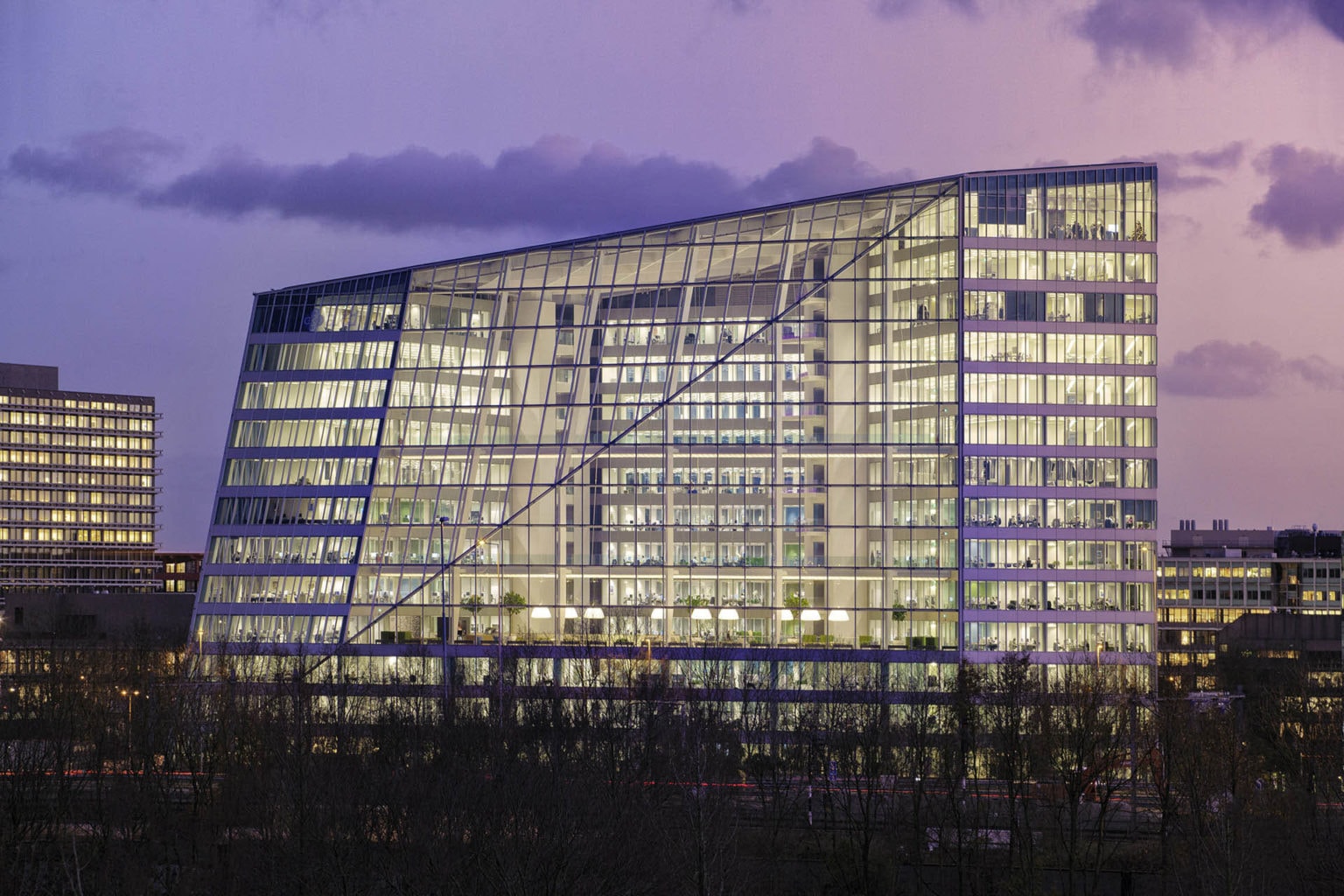
Sustainable Buildings: Pioneering a Green Revolution in Urban Design

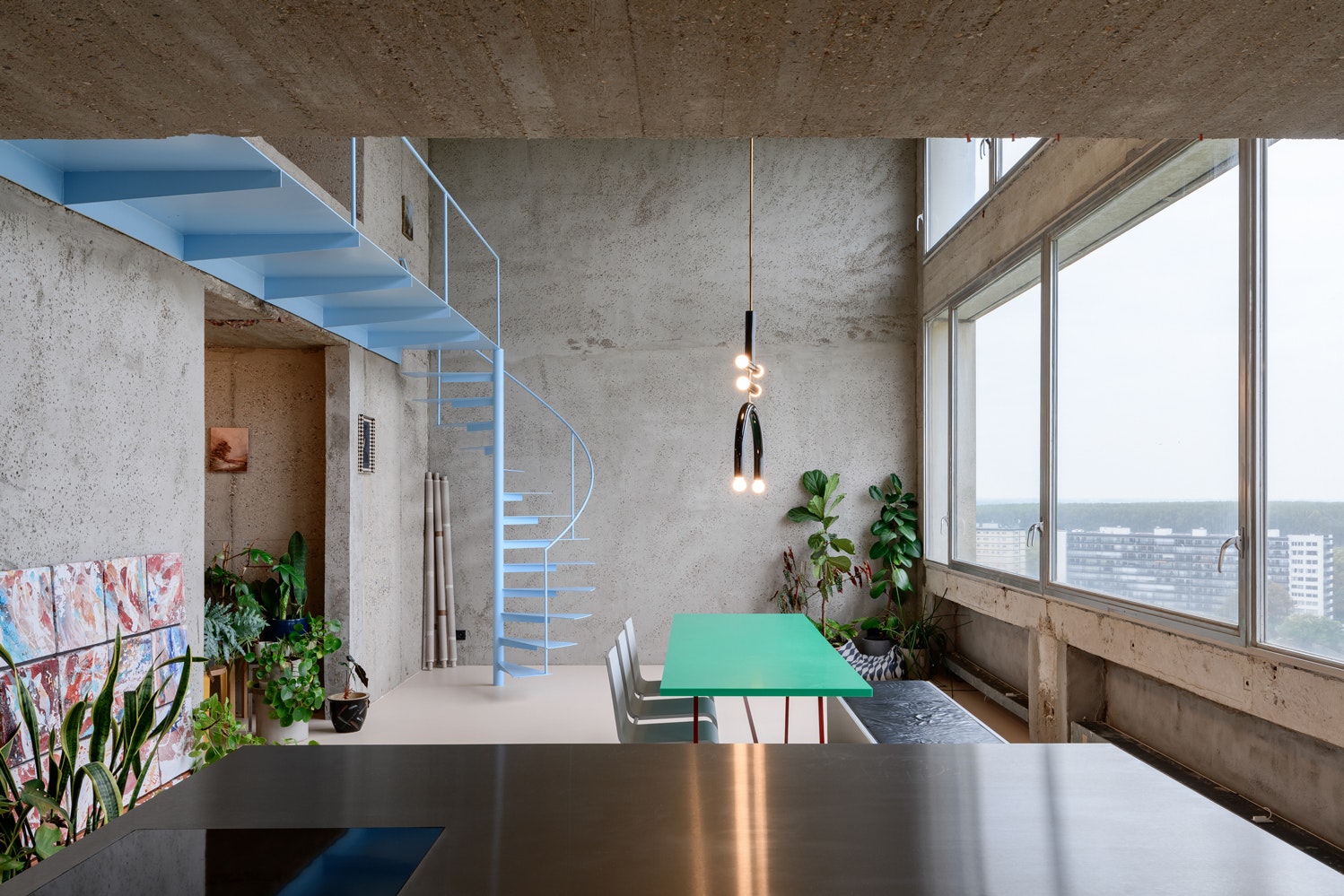
17 Projects That Use “Ugly” Materials in Beautiful Ways

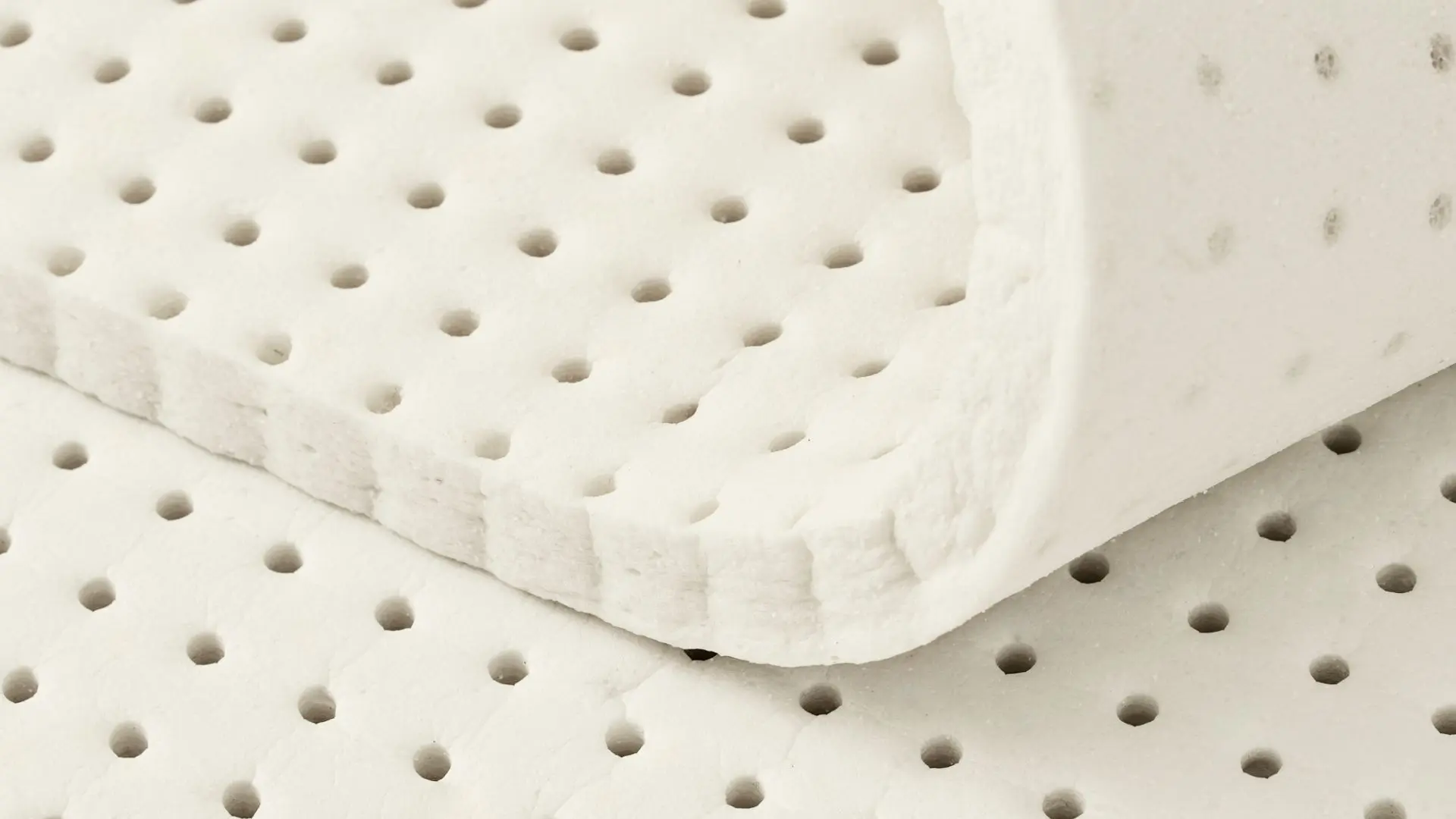
A next-generation material for sustainable padding applications

Rammed Earth Fits Into Urban Architecture’s Sustainable Future
Building with earth could transform sustainable construction – here’s how