1/5
How to design the perfect living room
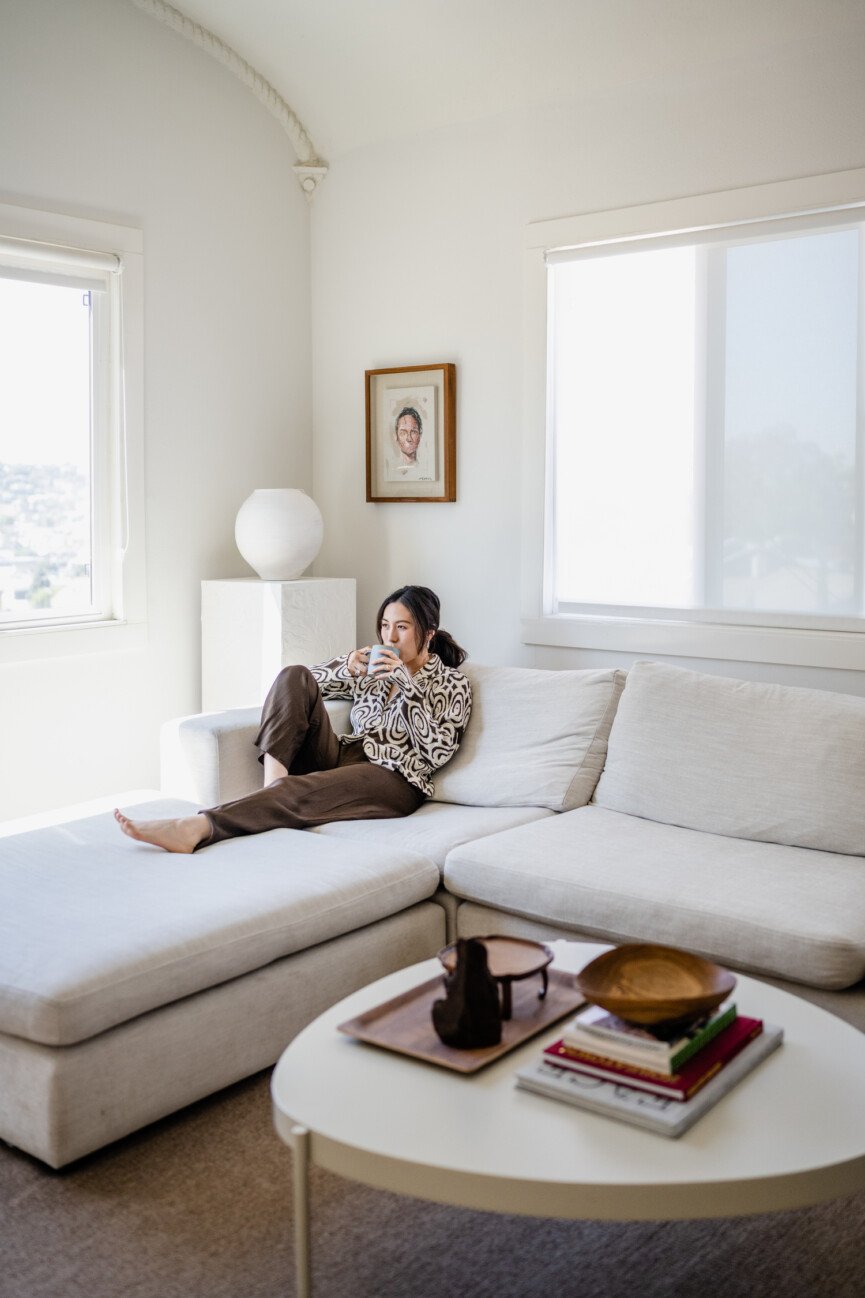
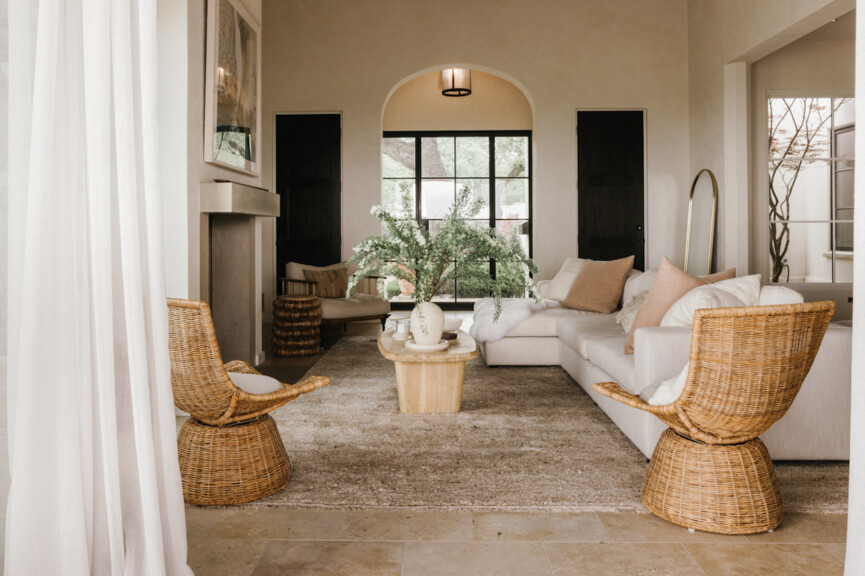
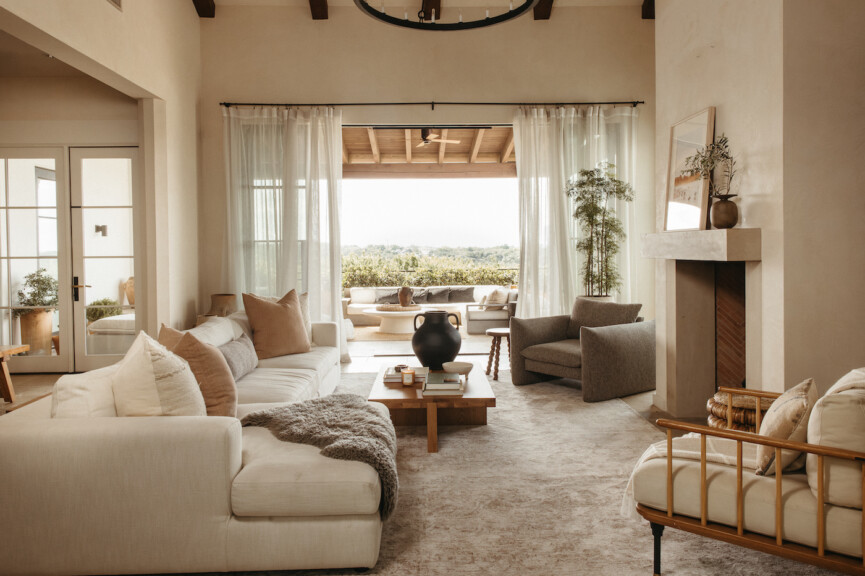
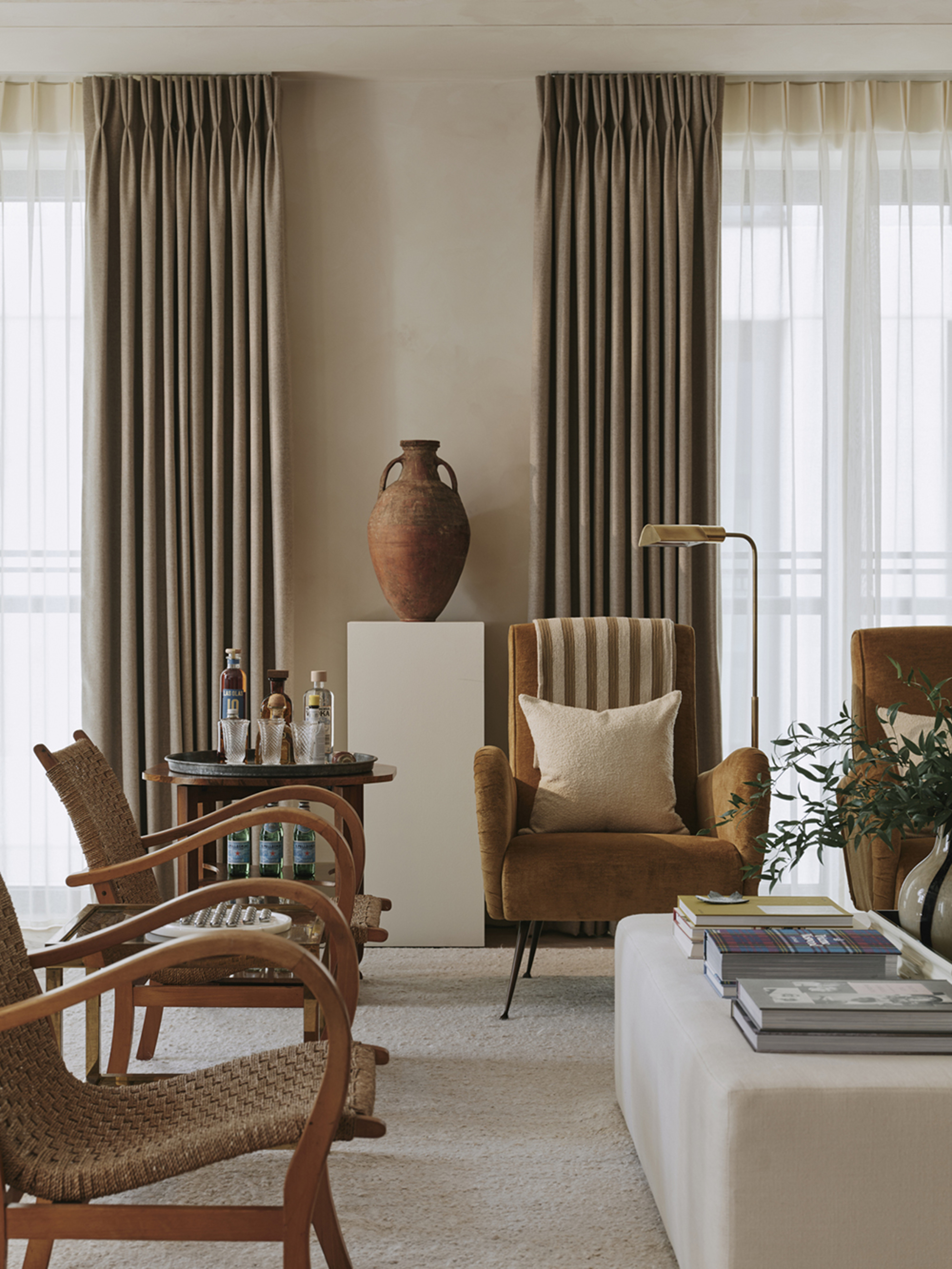
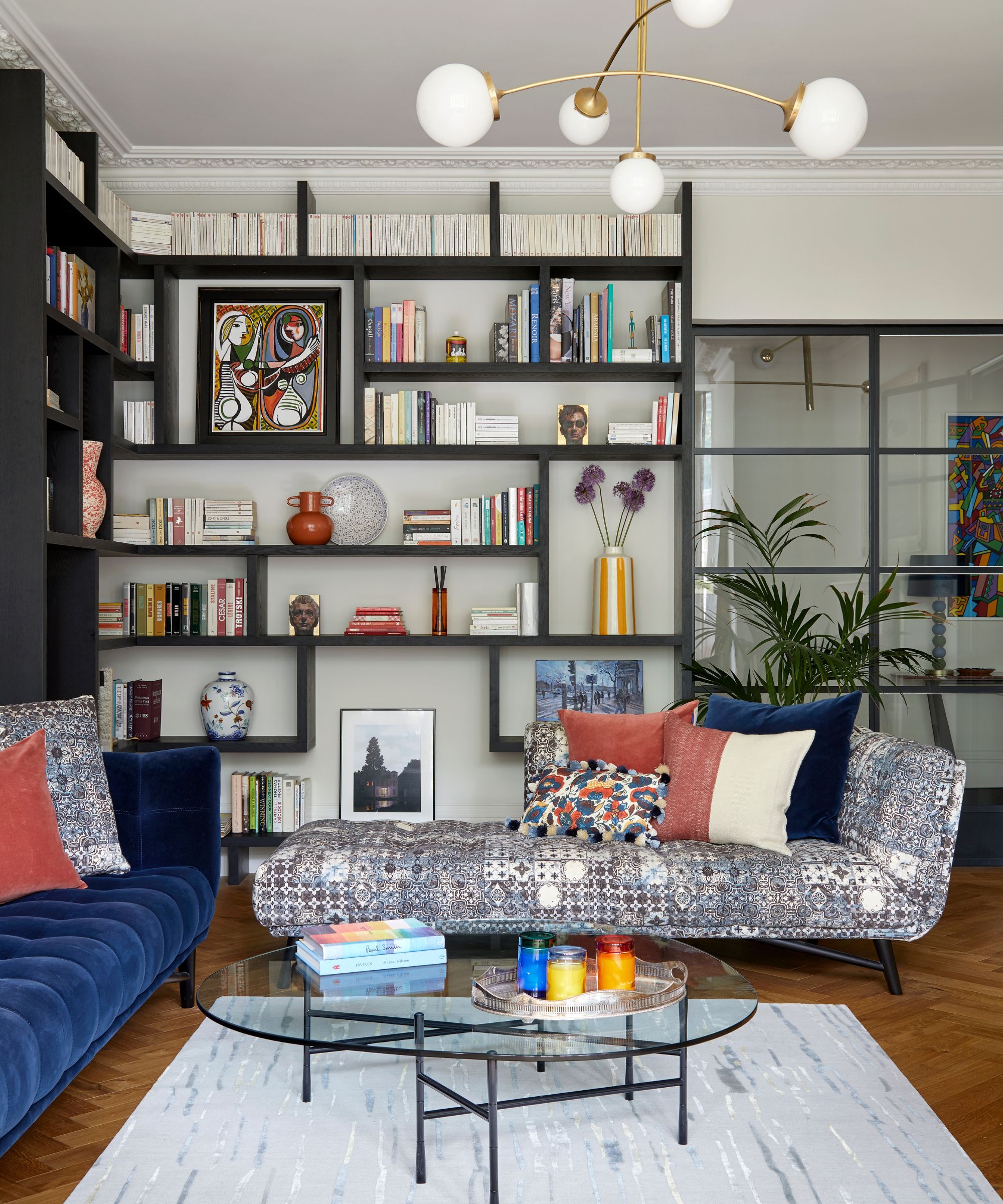
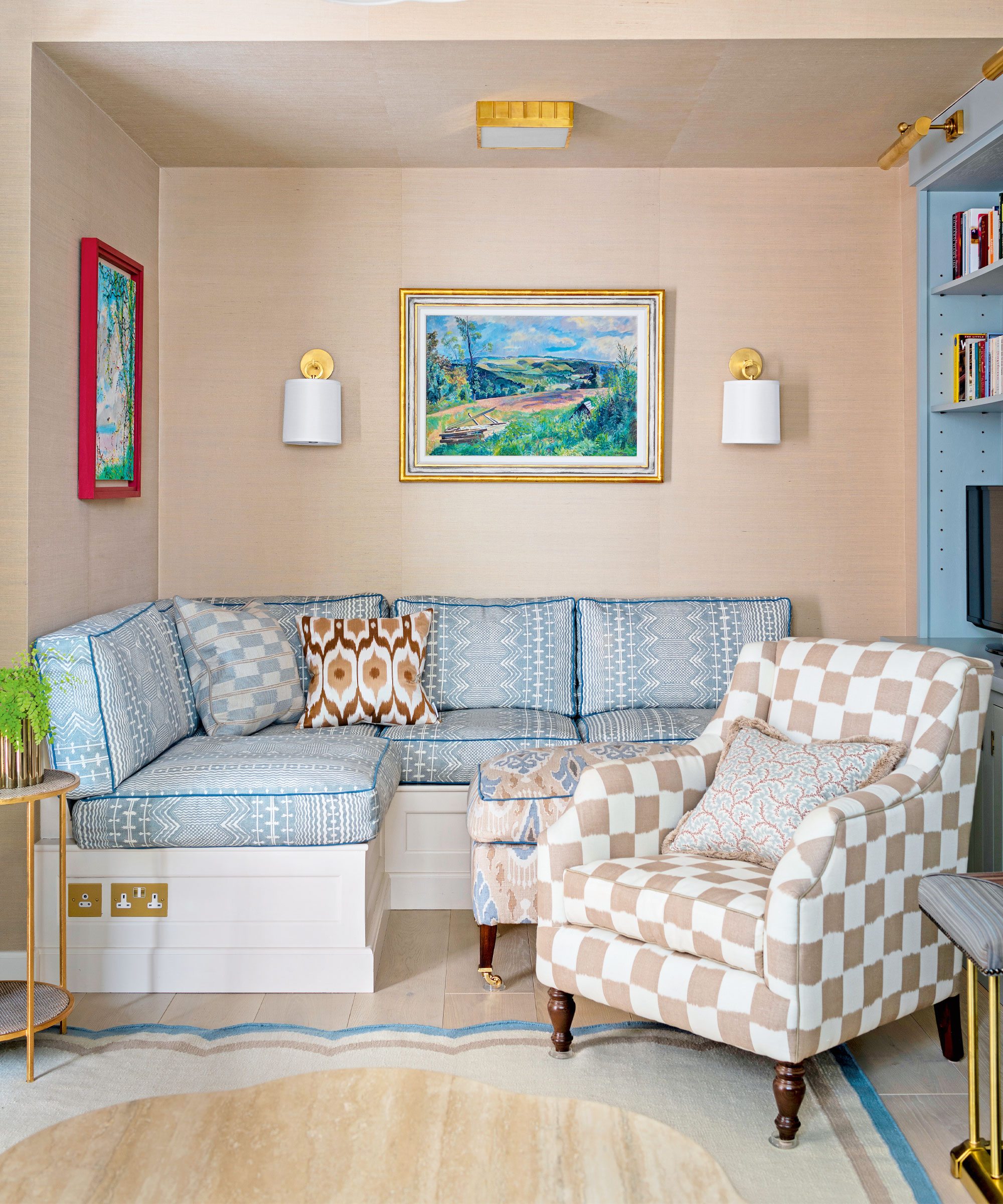
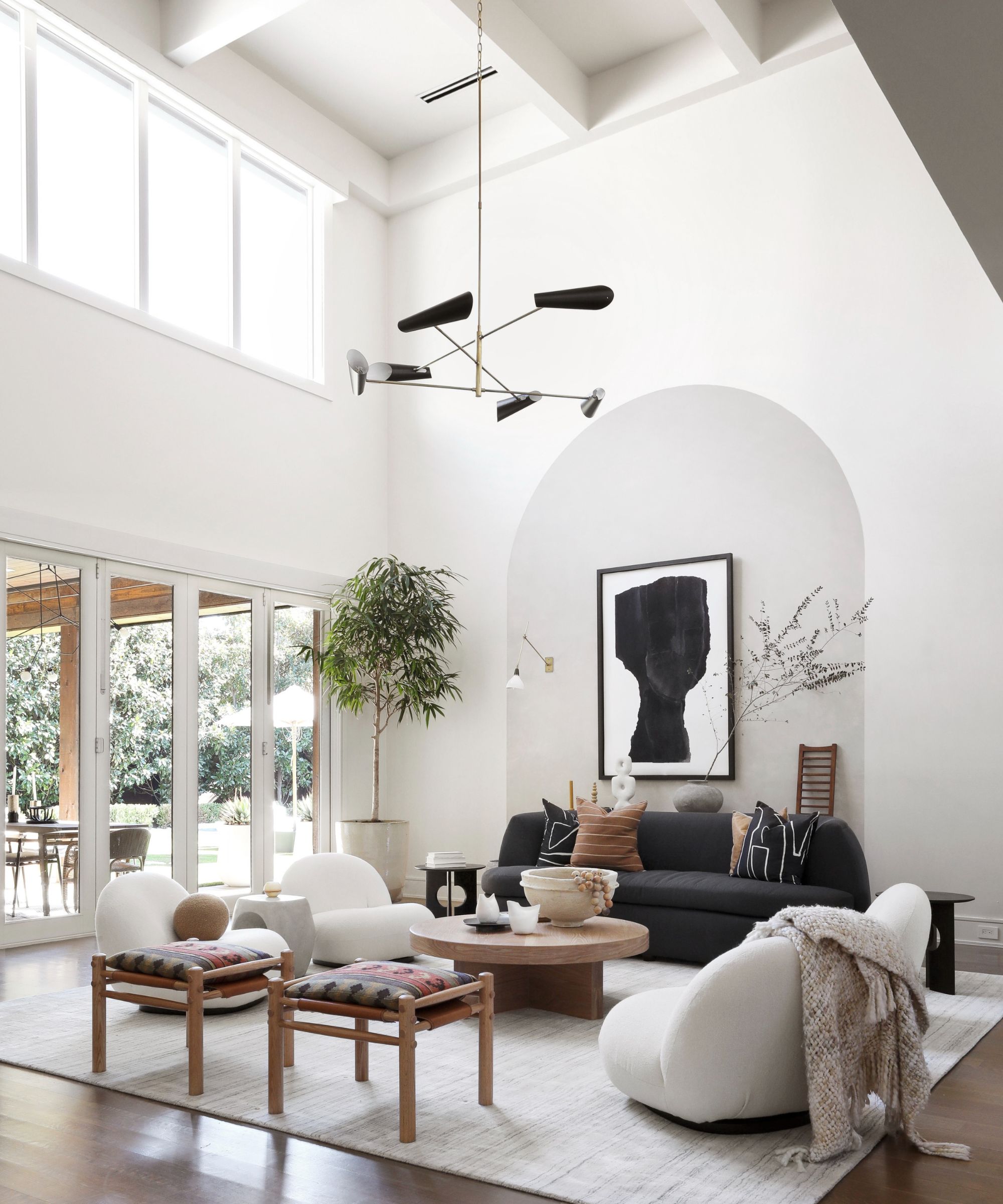
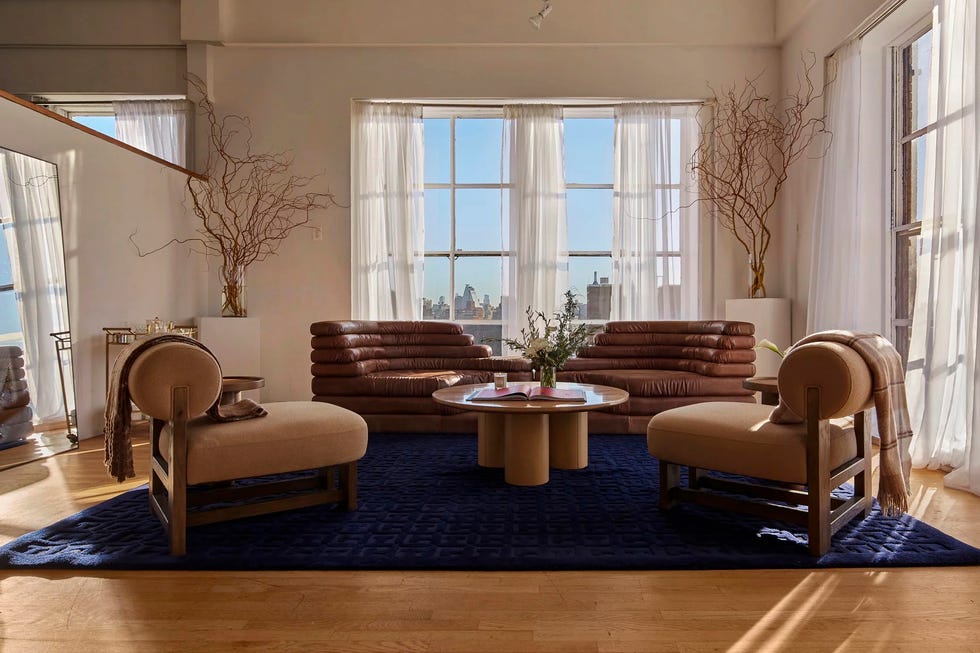
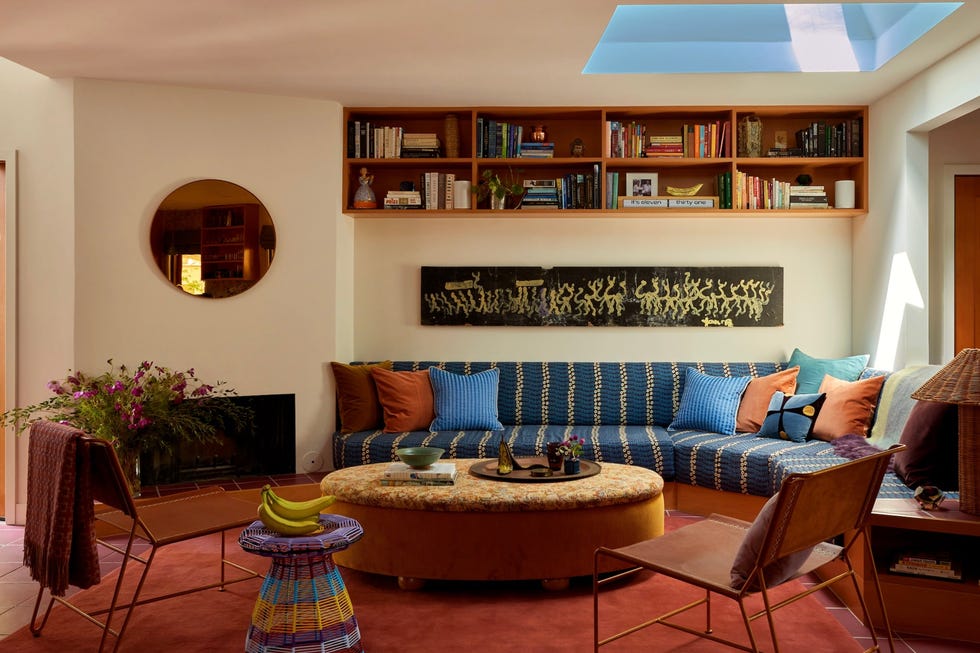
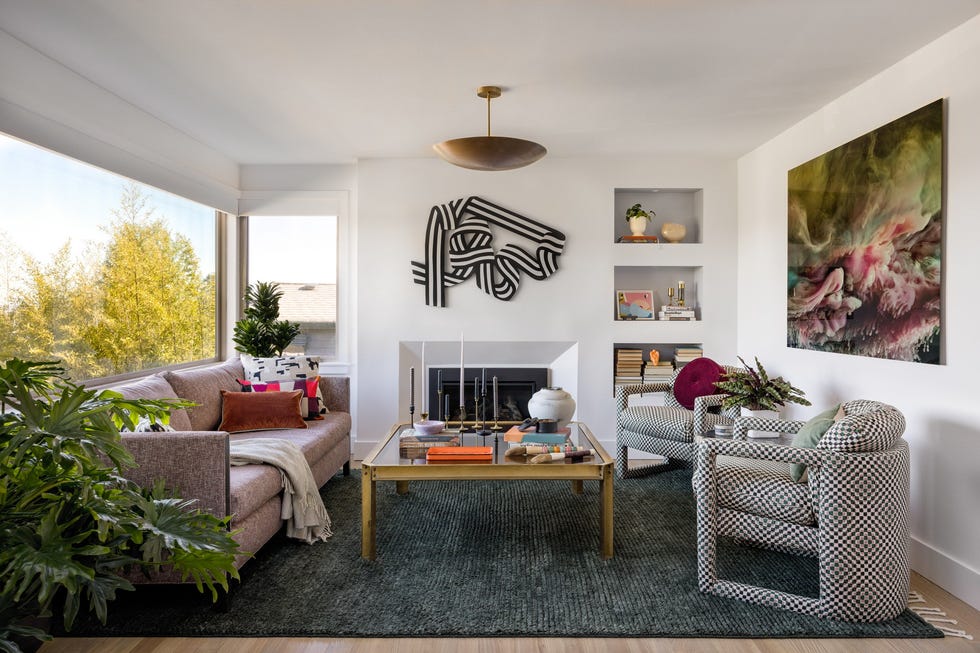
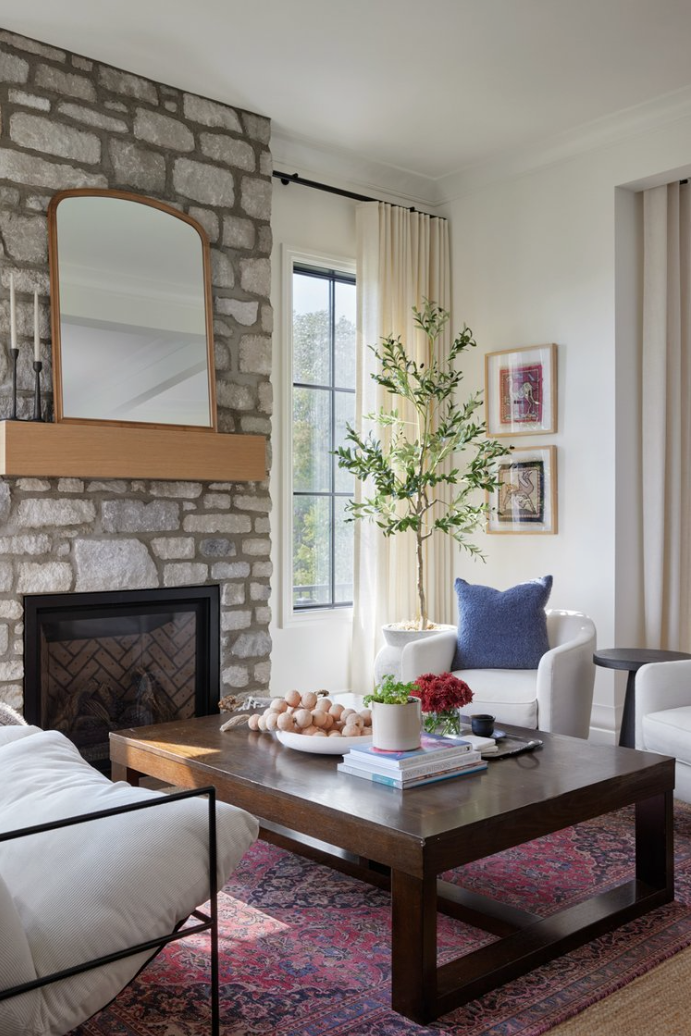
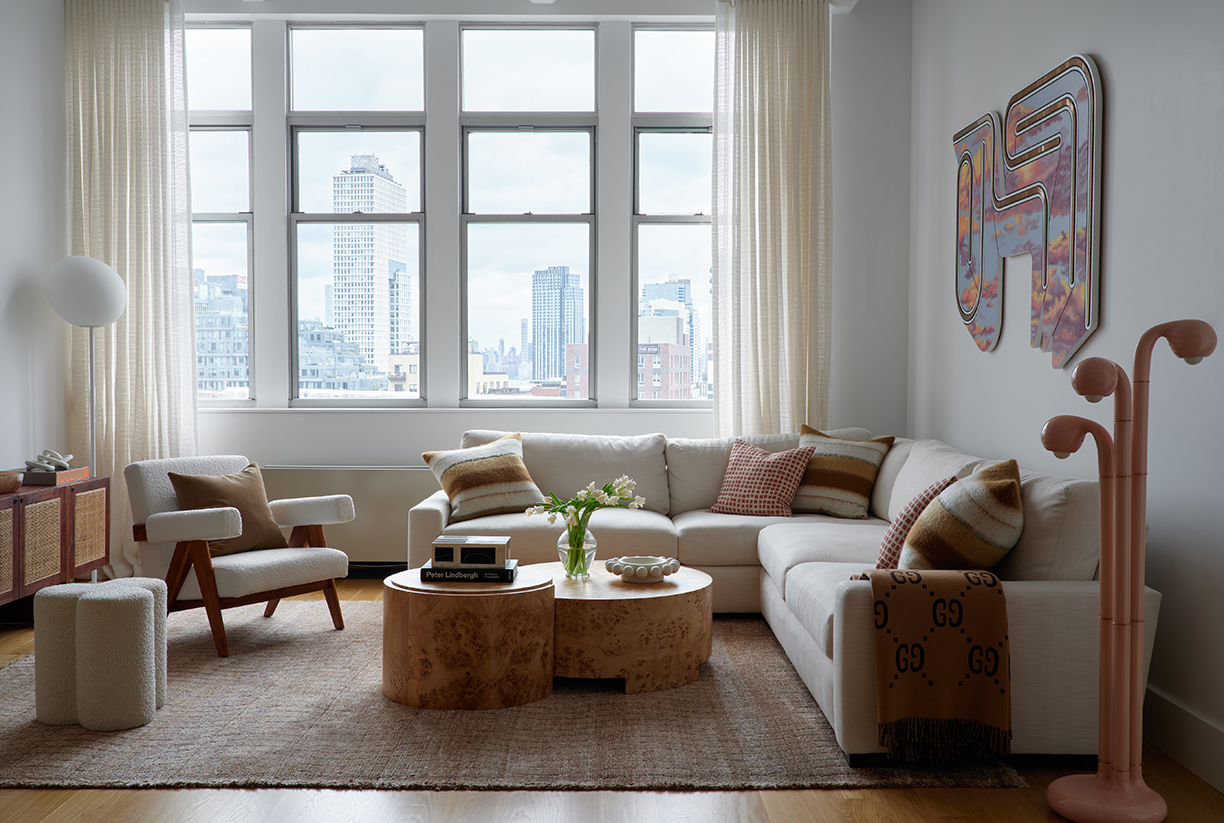
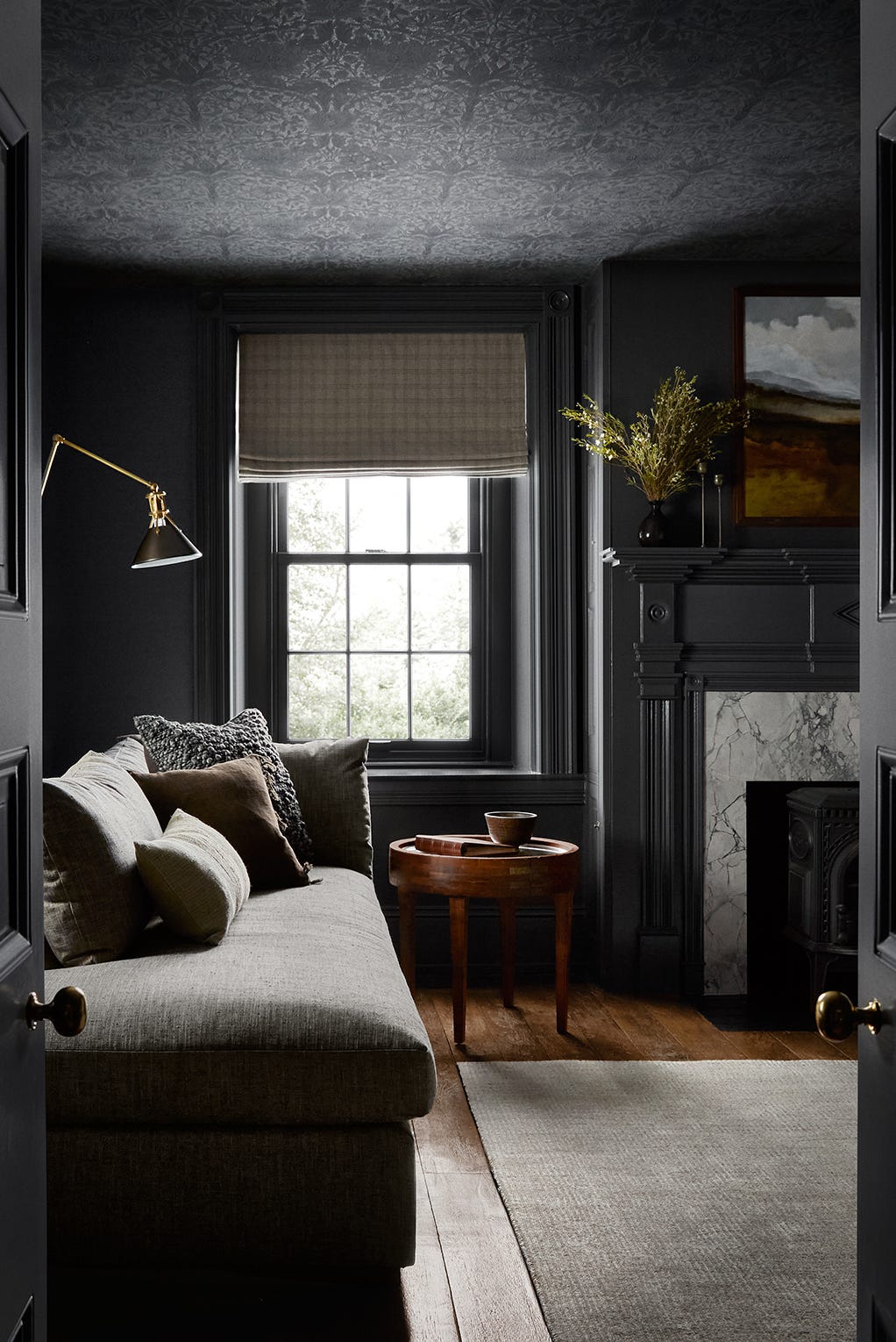
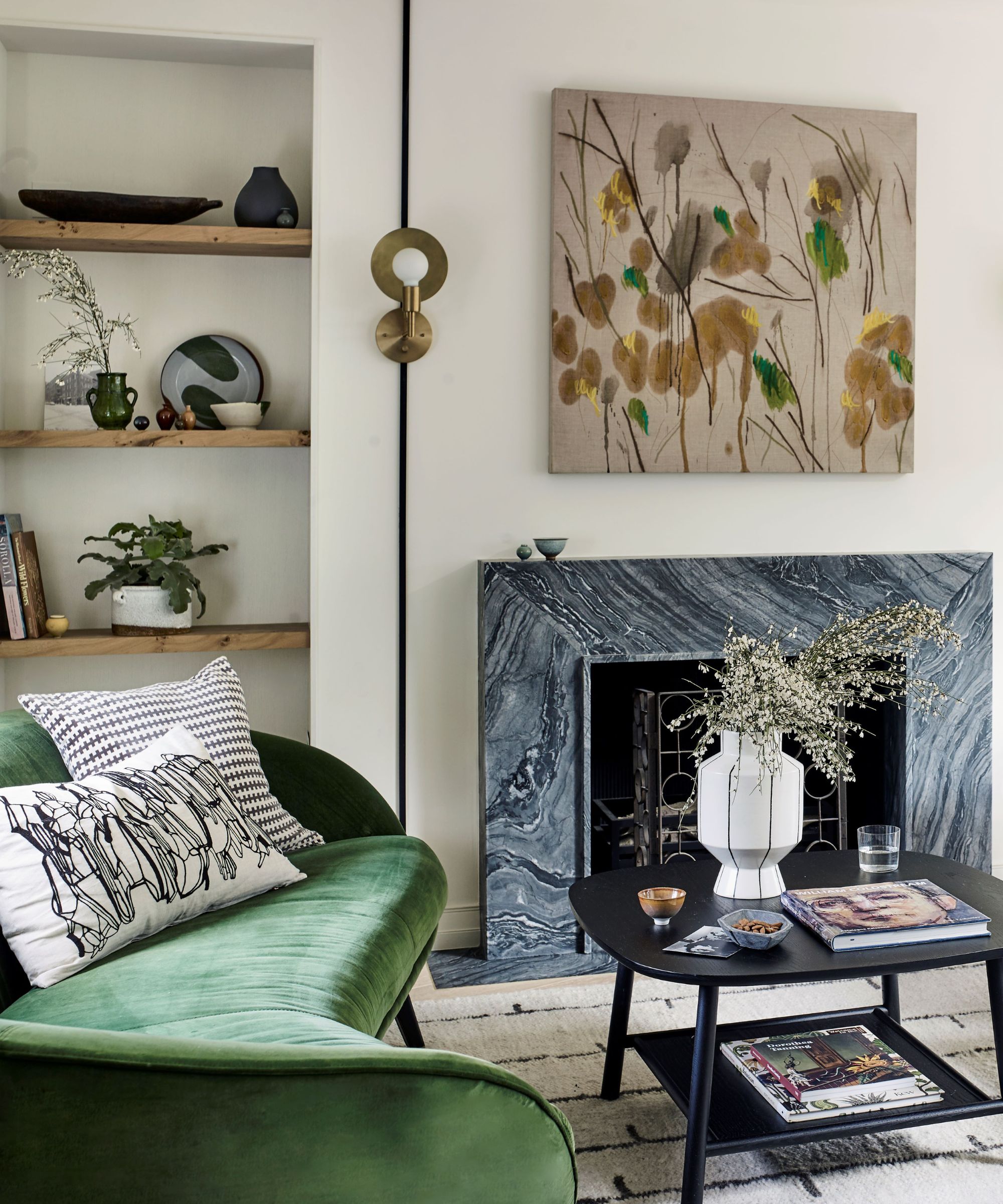
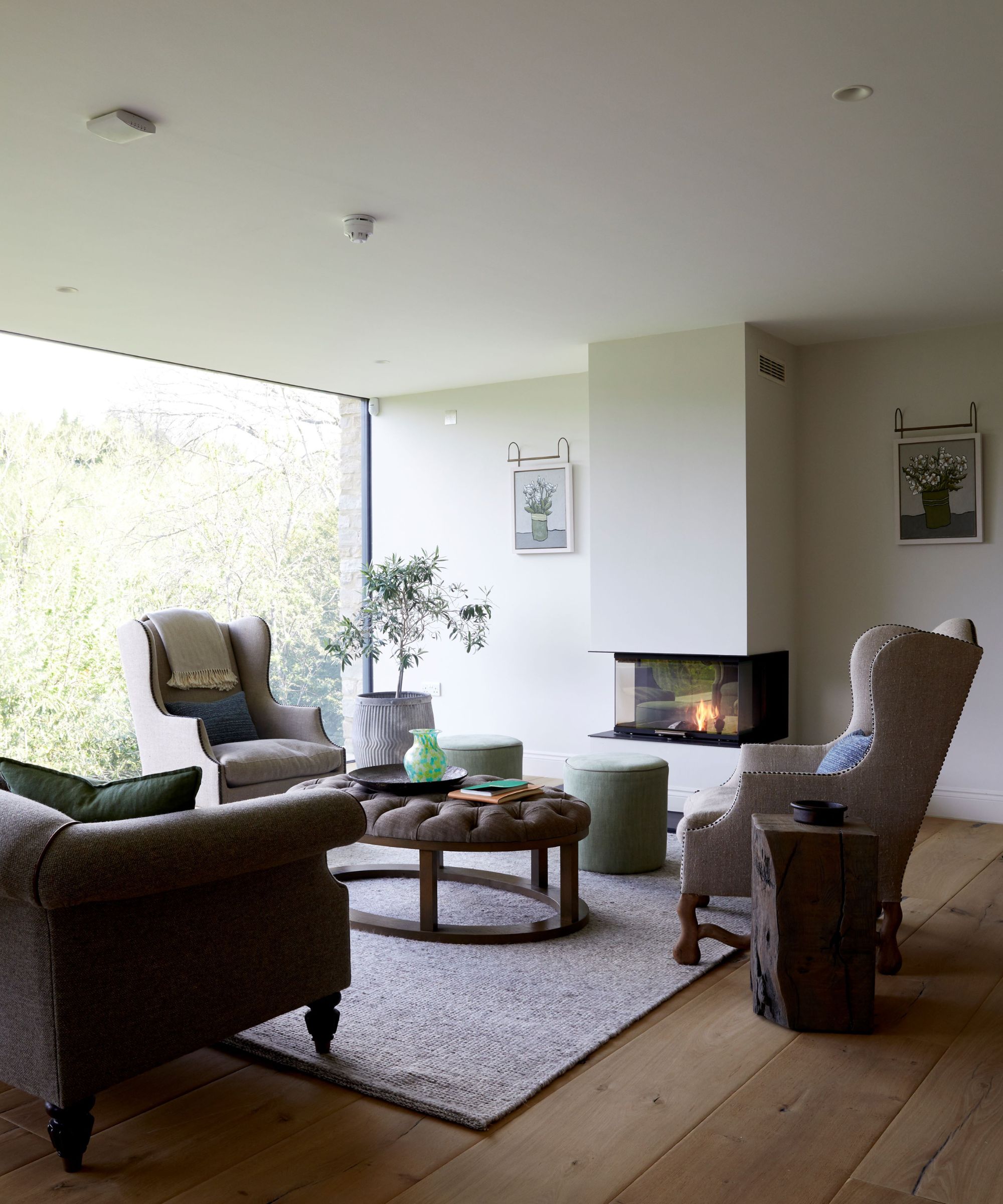
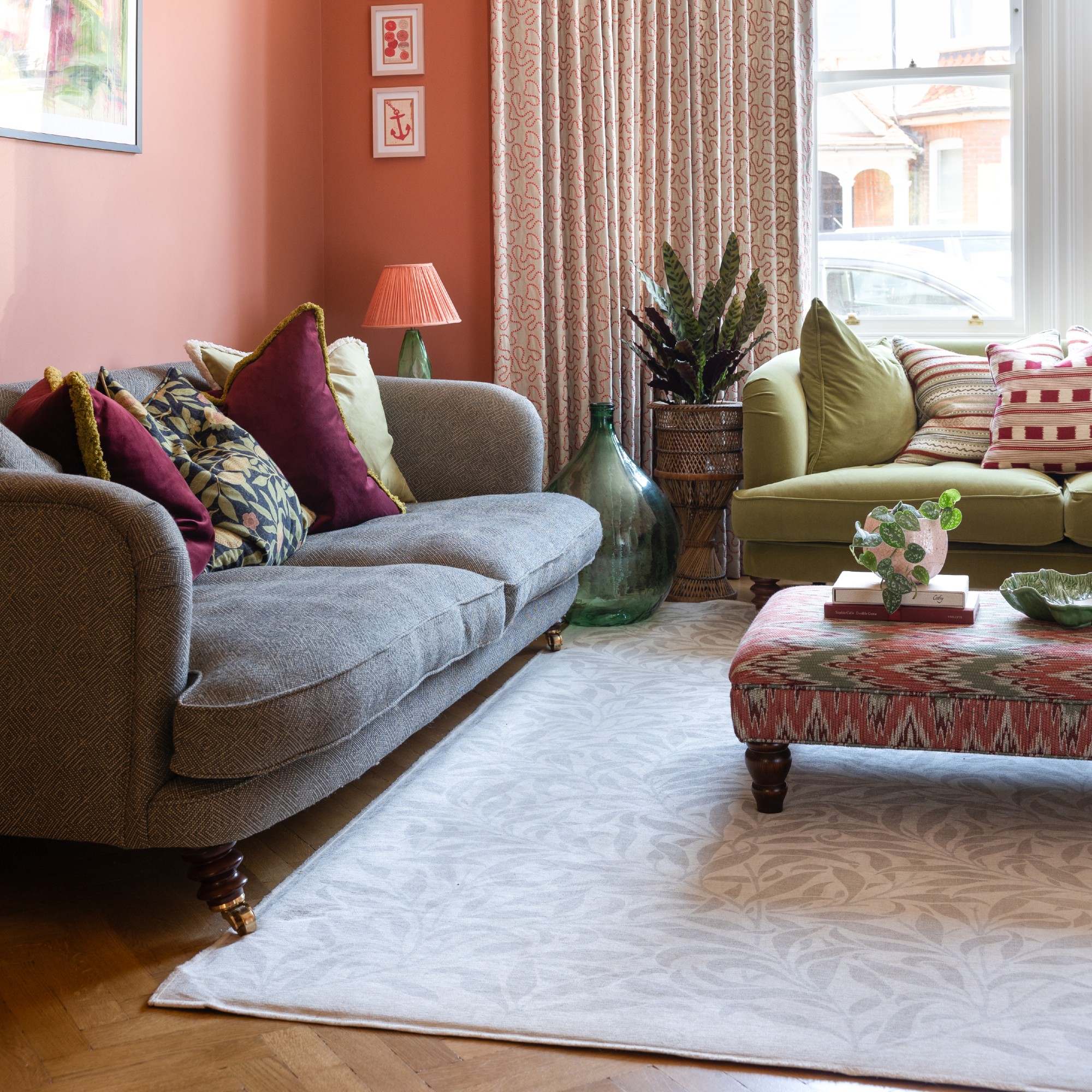
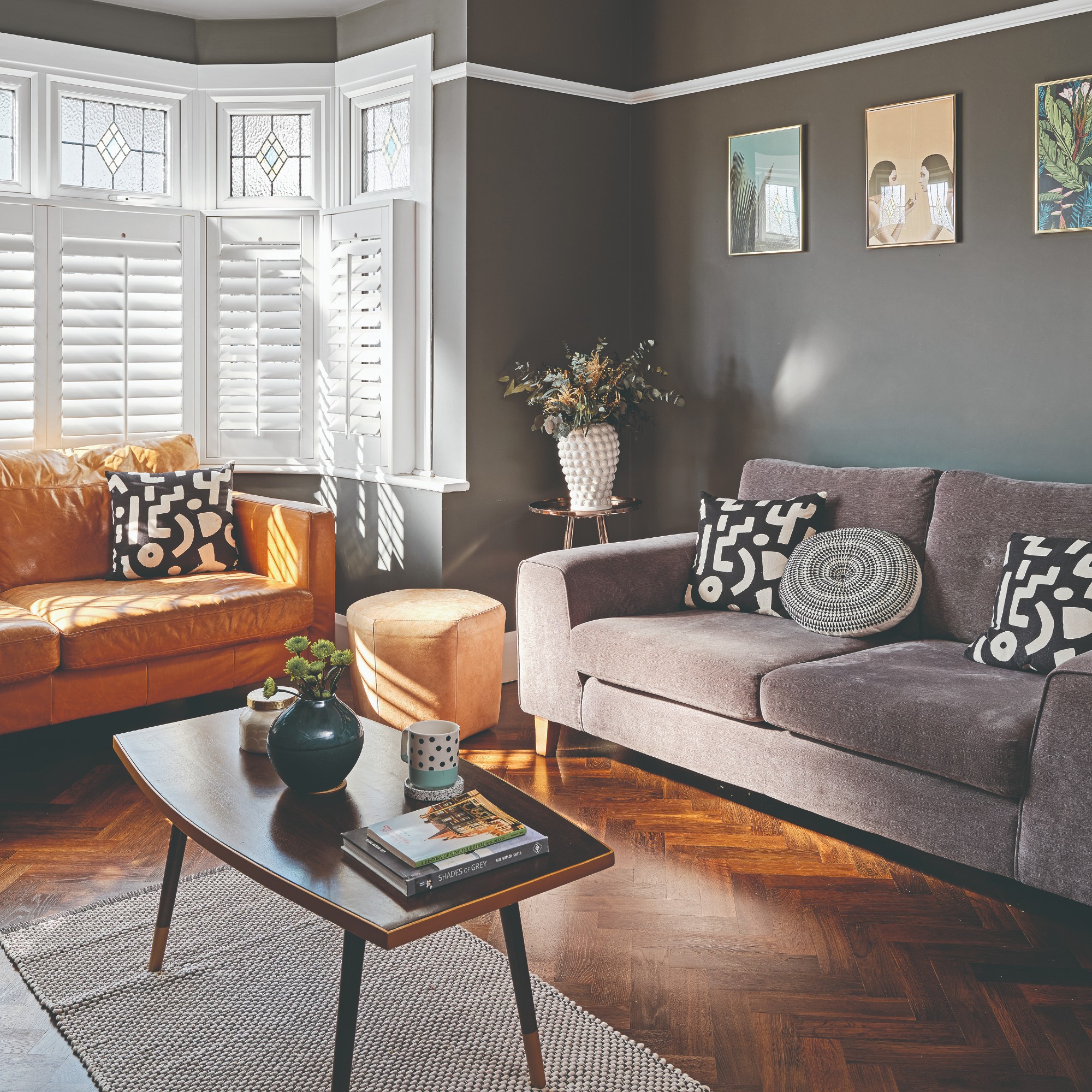
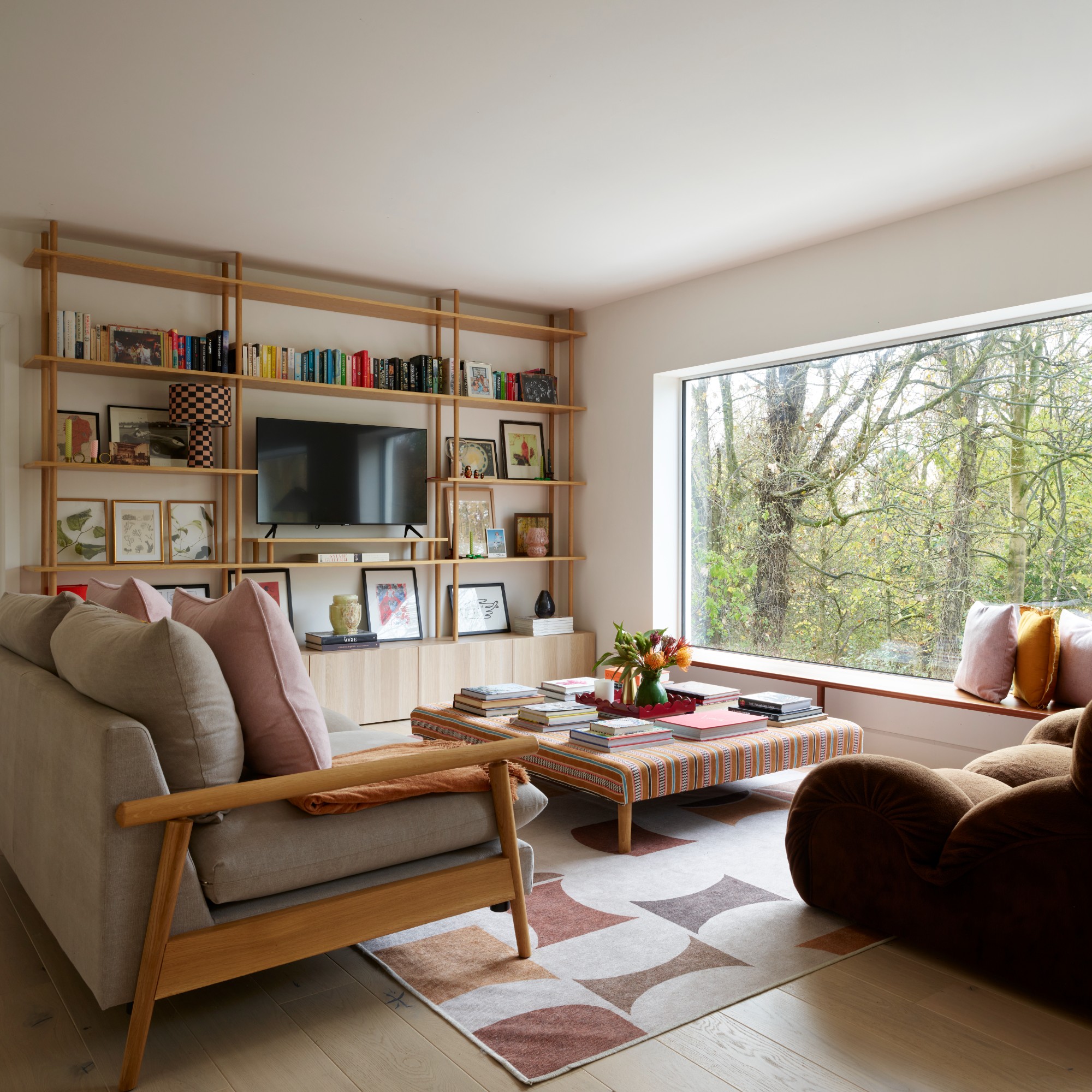
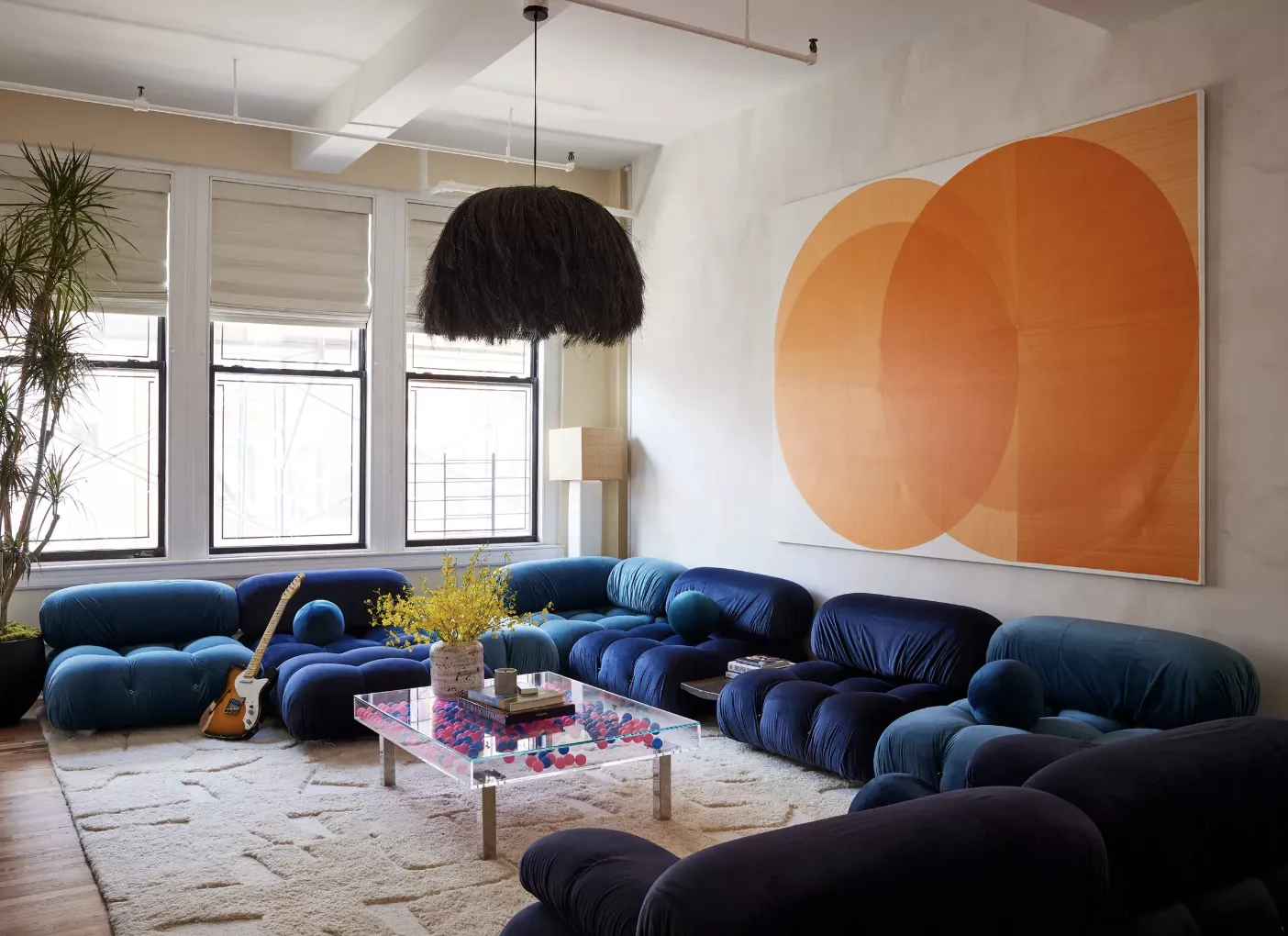
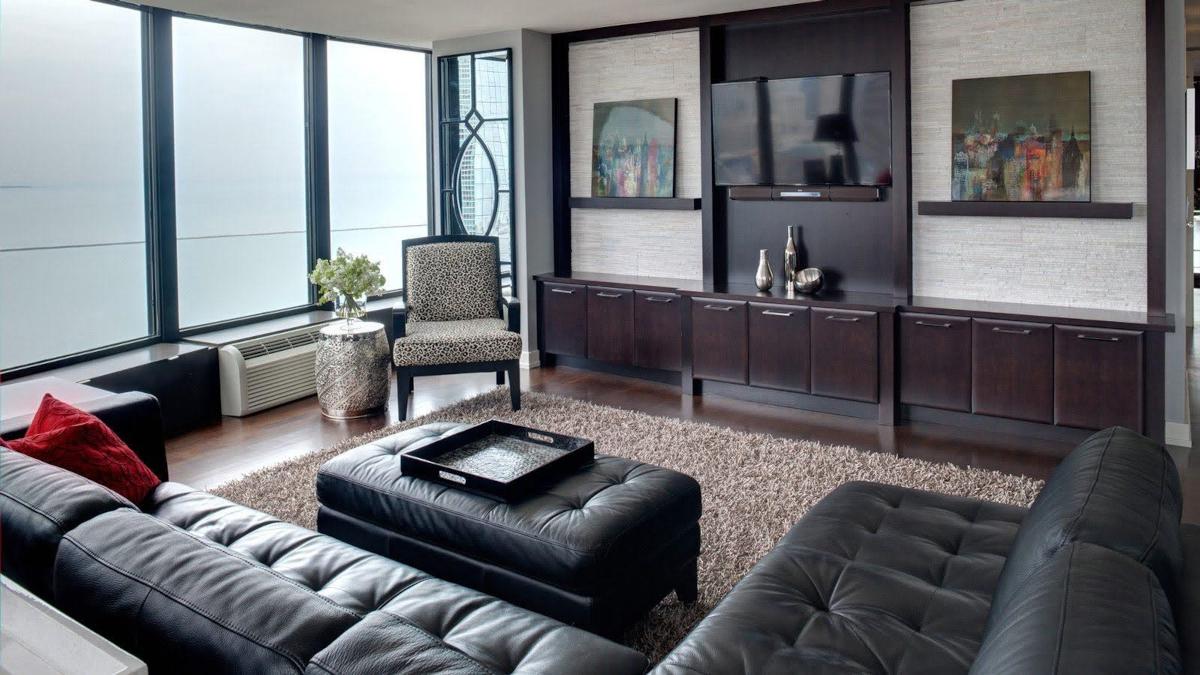
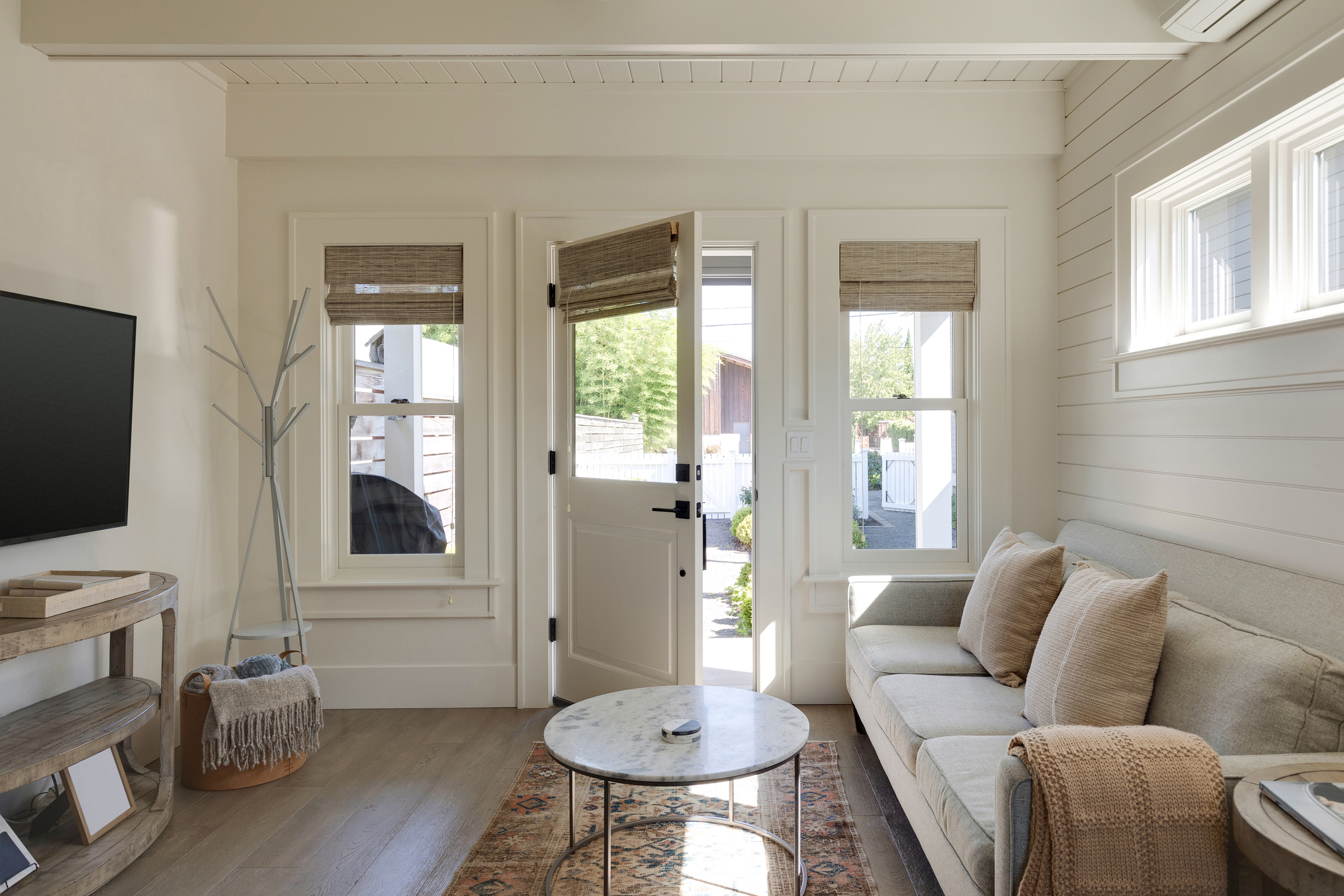
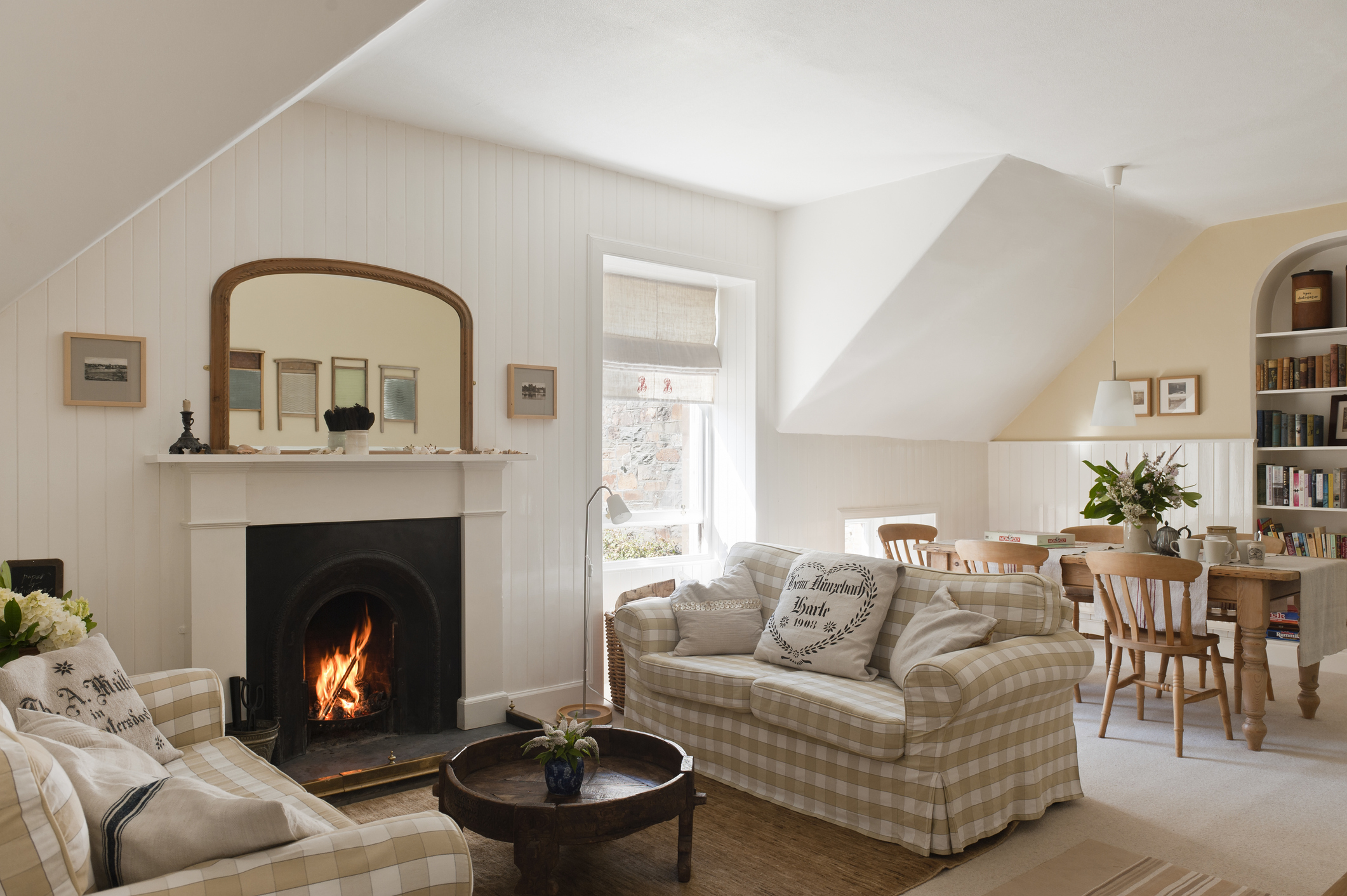
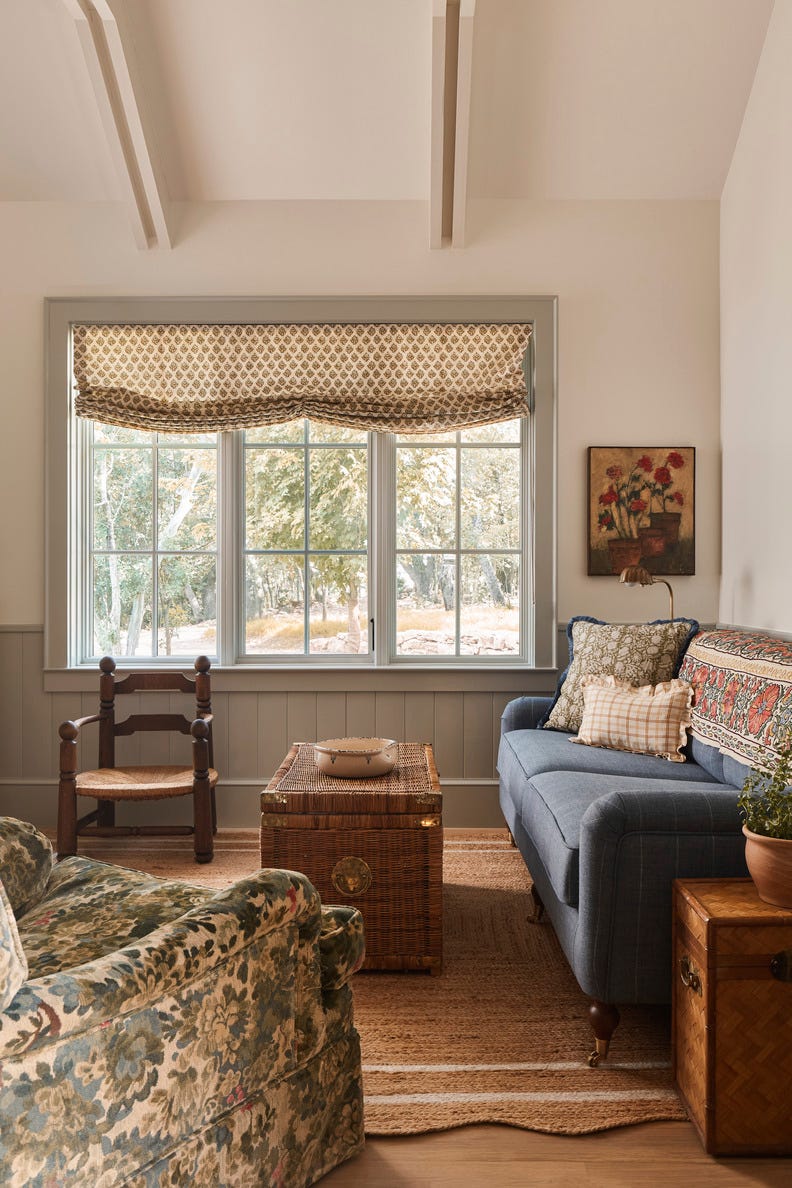
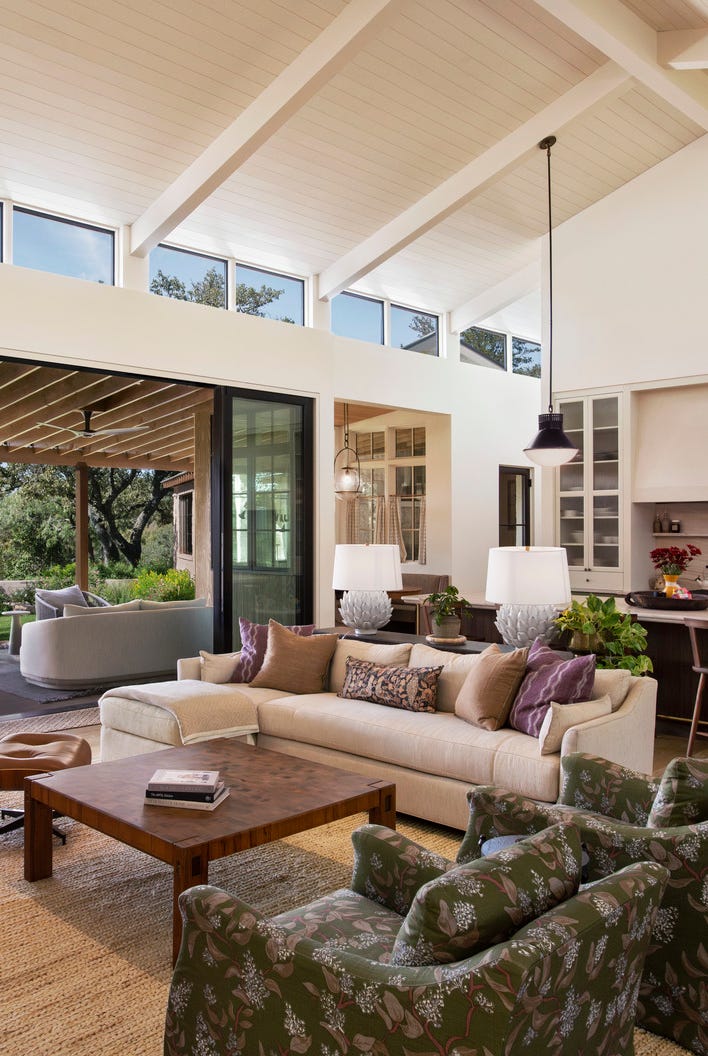
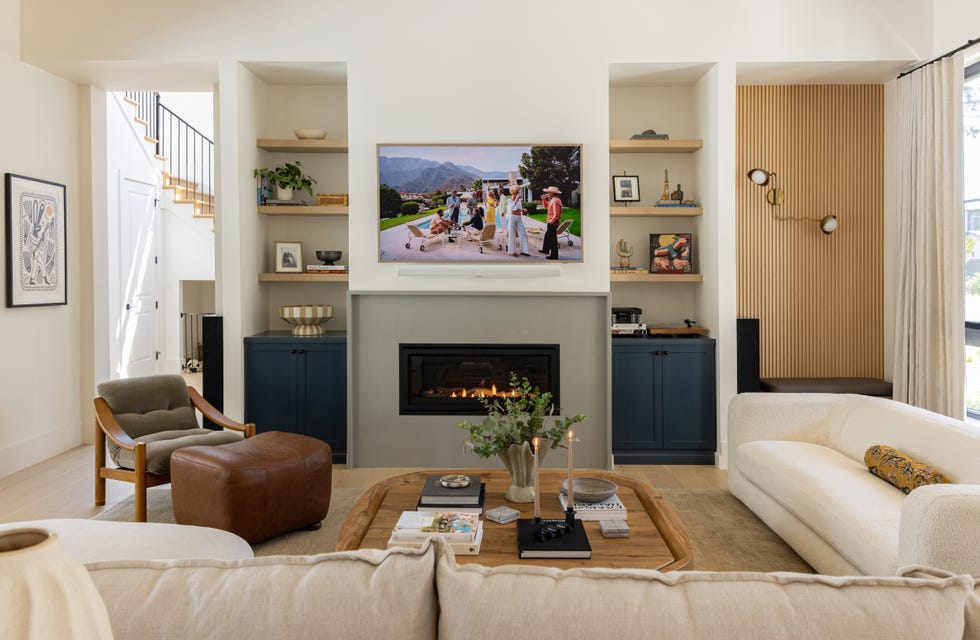
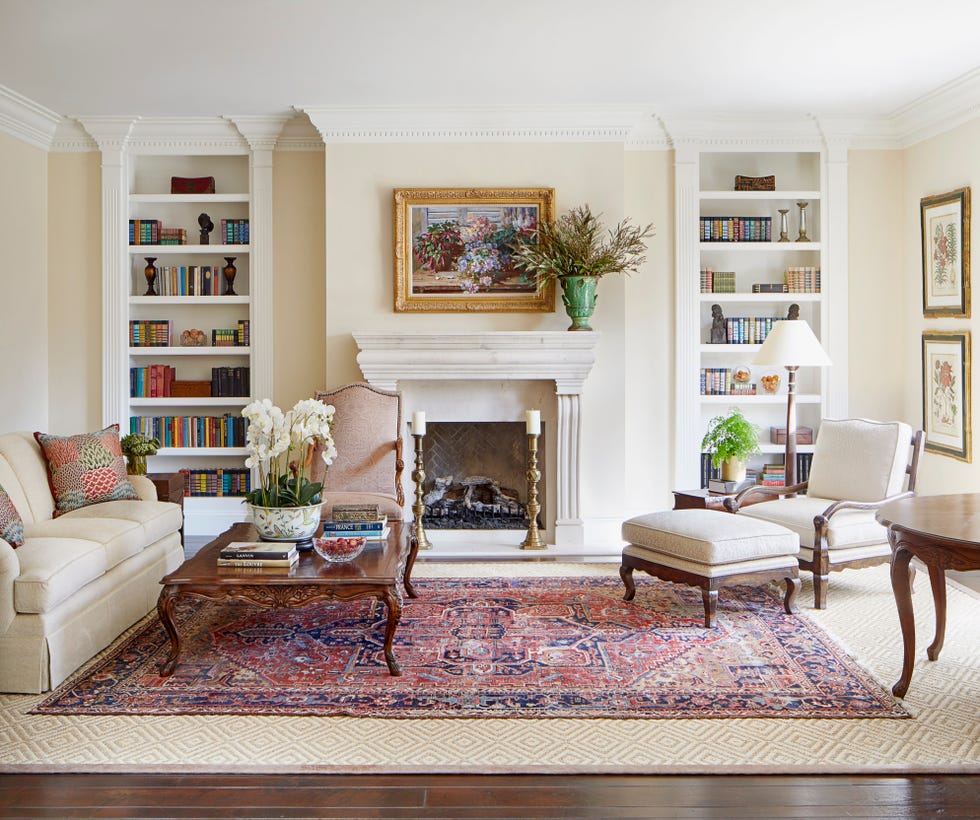
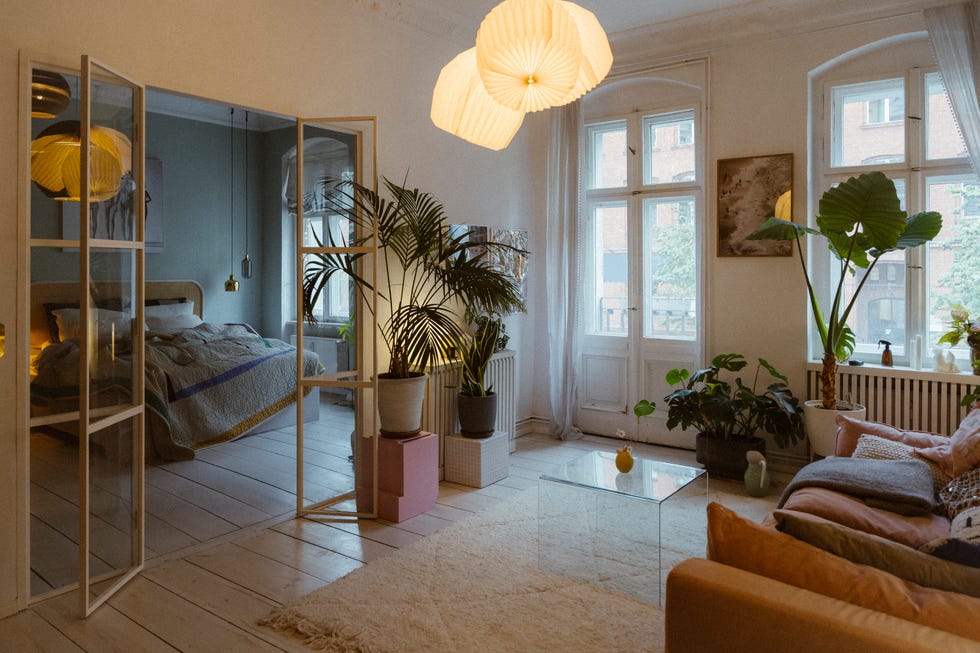
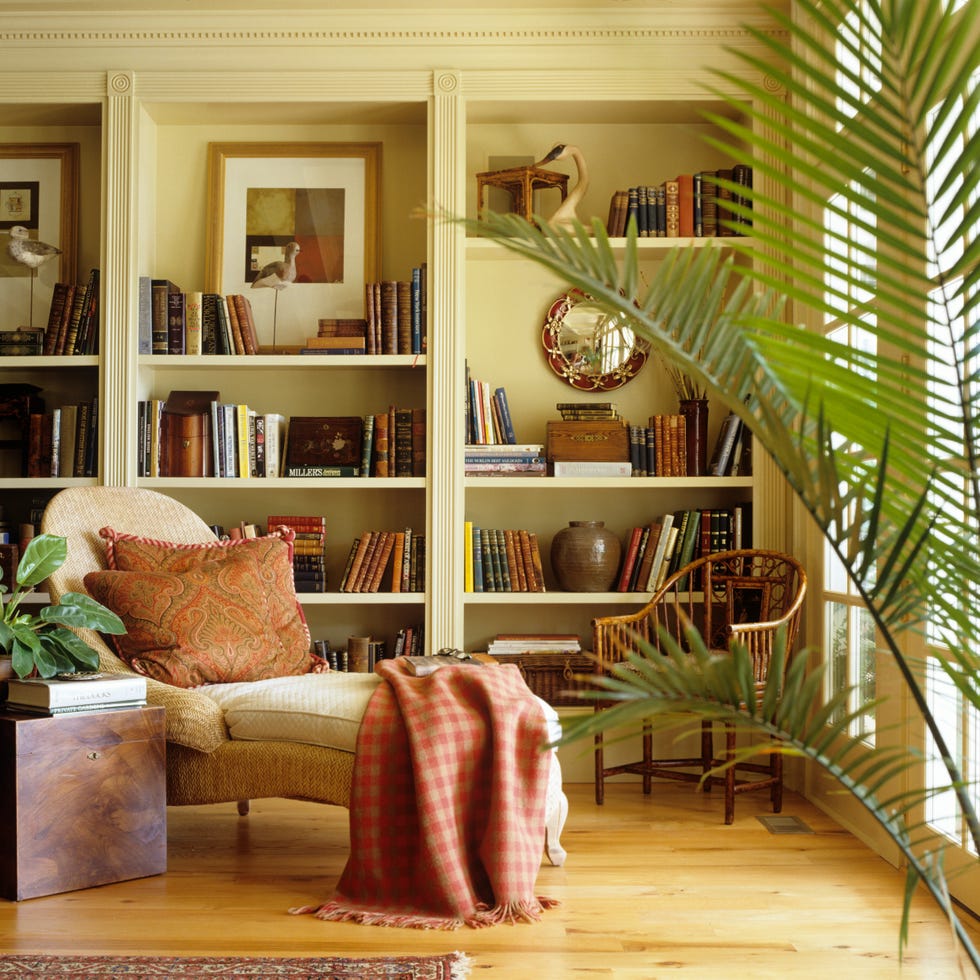
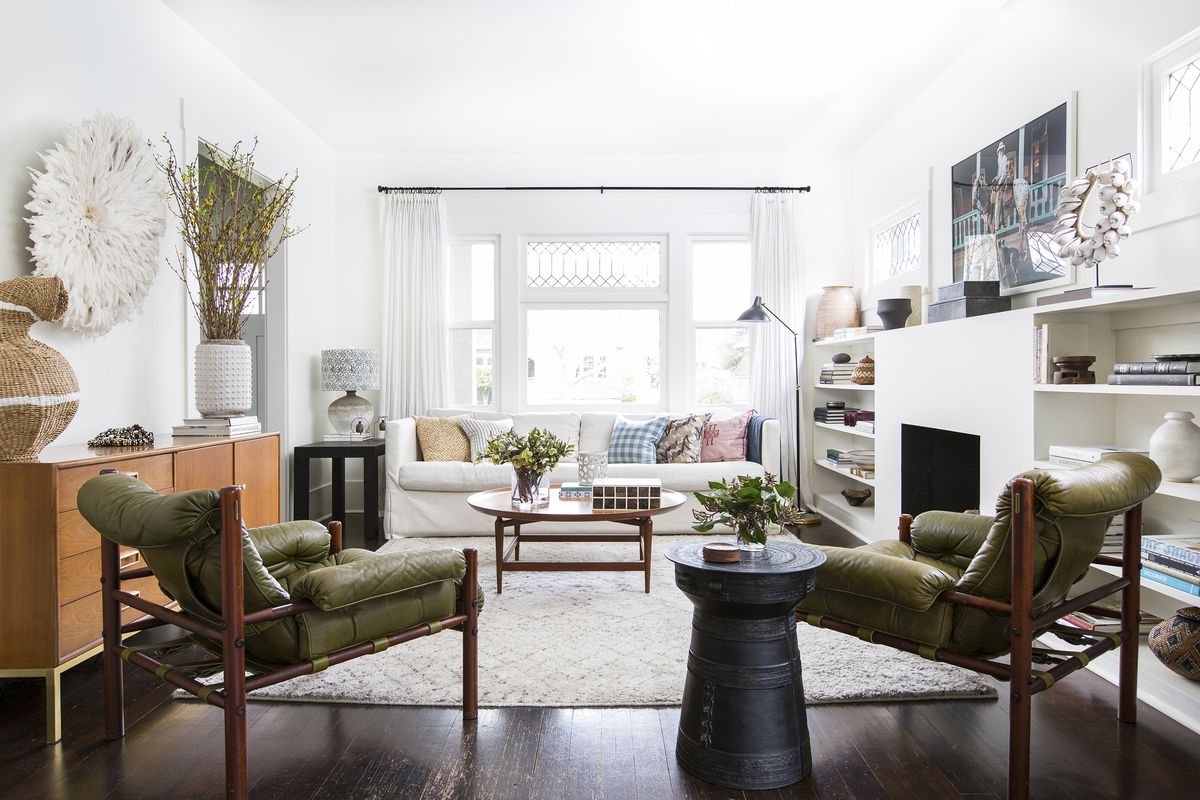
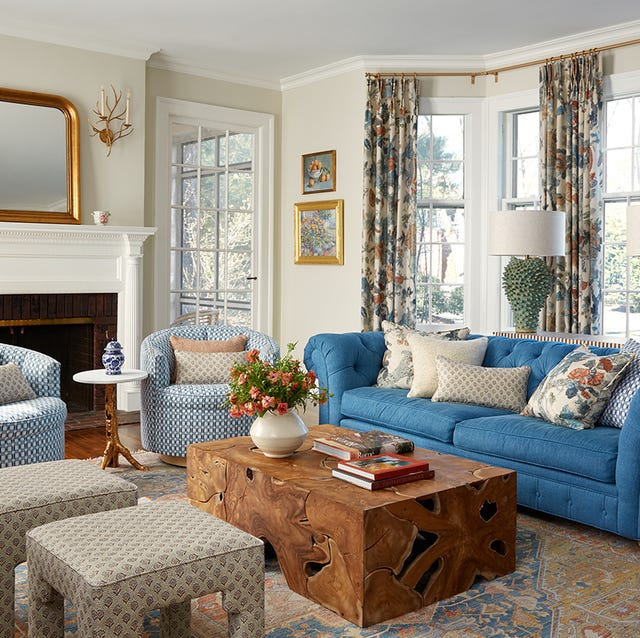
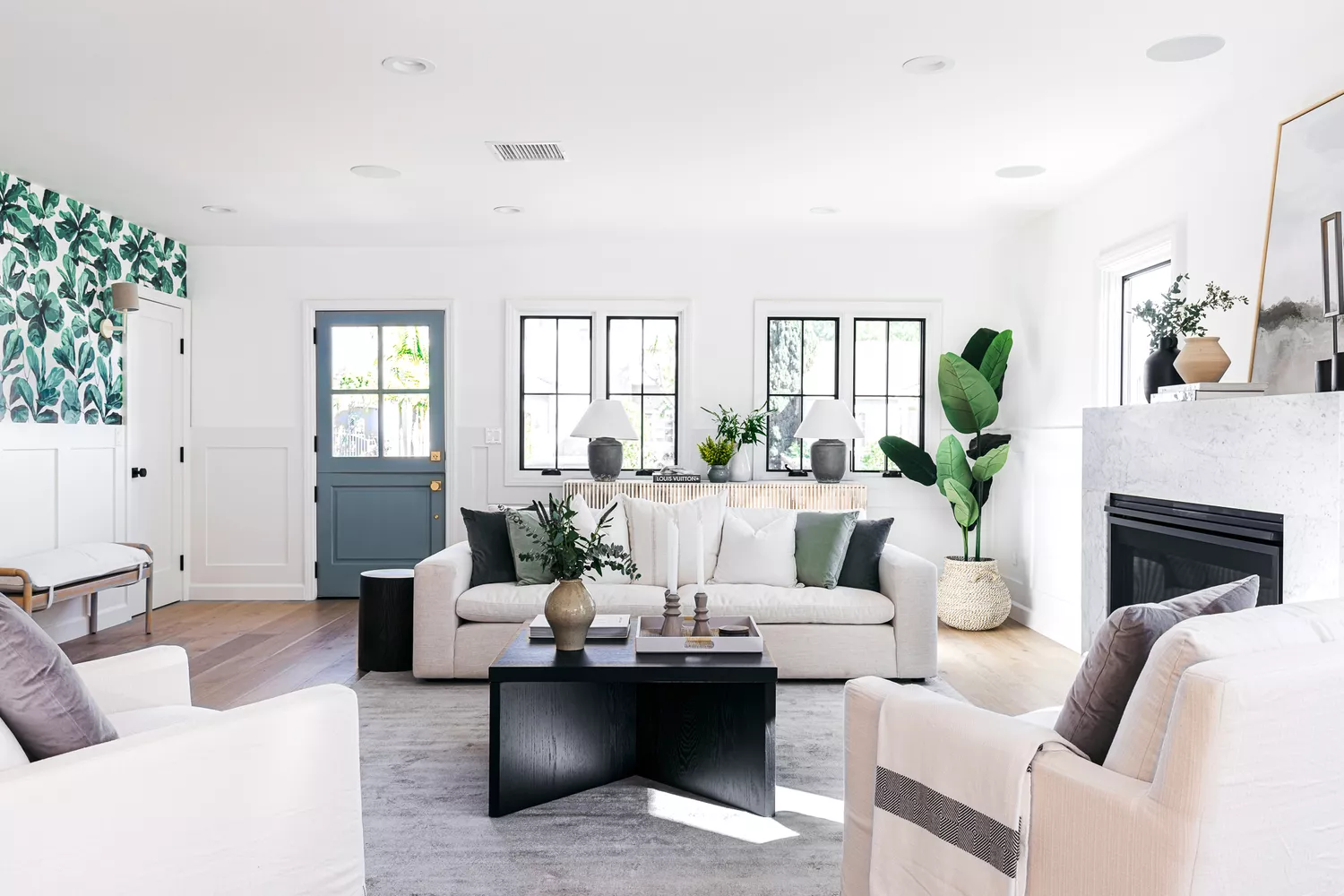
This article outlines a comprehensive guide to designing a living room, moving away from traditional, stuffy parlors to create a versatile space that accommodates various activities. Portland, Oregon, designer Lynne Parker of Lynne Parker Designs provides nine key tips for transforming a living room into an ultimate destination. Parker emphasizes starting with a vision and a plan rather than immediately purchasing decorative items like throw pillows. She highlights the importance of understanding a client's lifestyle to tailor the living room's functionality, considering aspects such as media consumption, work habits, and seating needs for different social gatherings. The design process begins with a functional layout and furniture plan, including the integration of televisions, which Parker notes have become aesthetically pleasing over time.
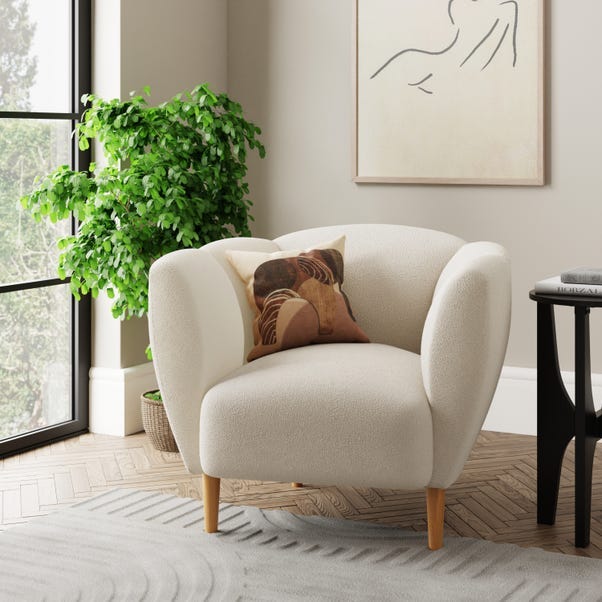
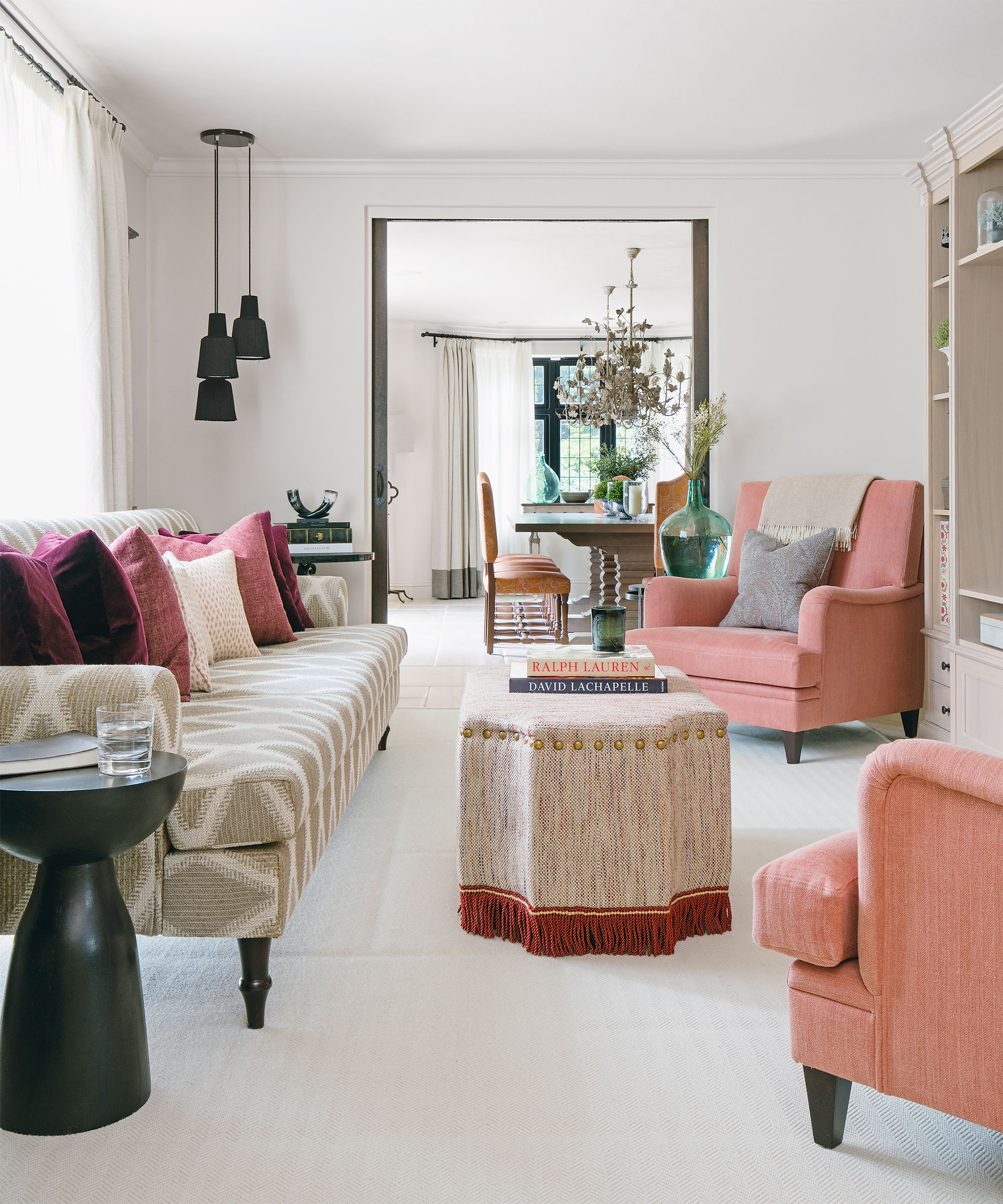
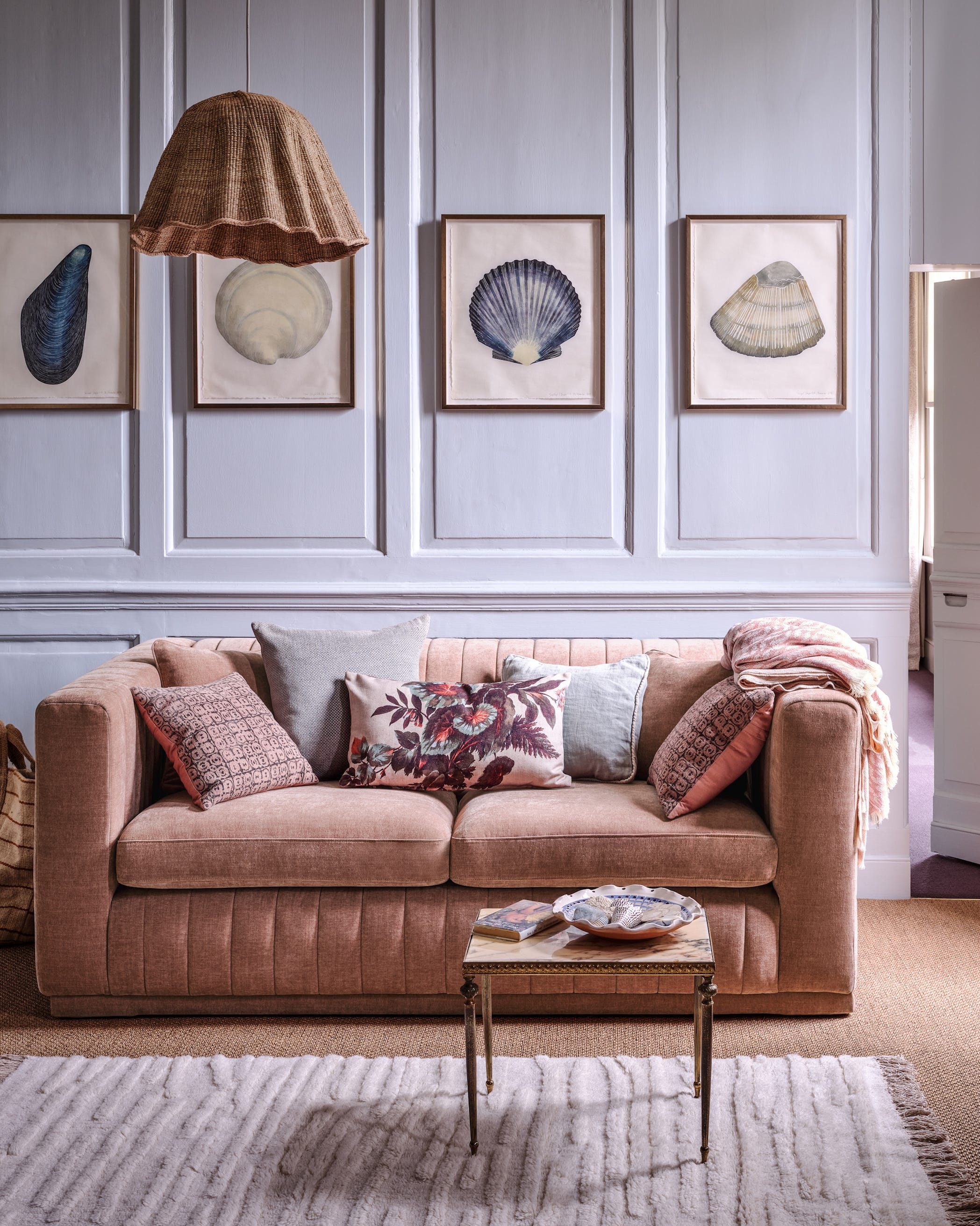
Following the functional assessment, the primary investment suggested is a quality sofa. Parker advises clients to consider their budget, lifestyle (which influences durability requirements and fabric choices), and aesthetic preferences. She details the significance of the "rub" number for fabric durability and encourages "sit tests" for comfort. Parker differentiates between high-quality trade sofas from manufacturers like Lee Industries, Kravet, and Schumacher, and mainstream retail options, which may offer good styles but less longevity. She illustrates price variations using examples from West Elm, Jonathan Adler, and Kravet.
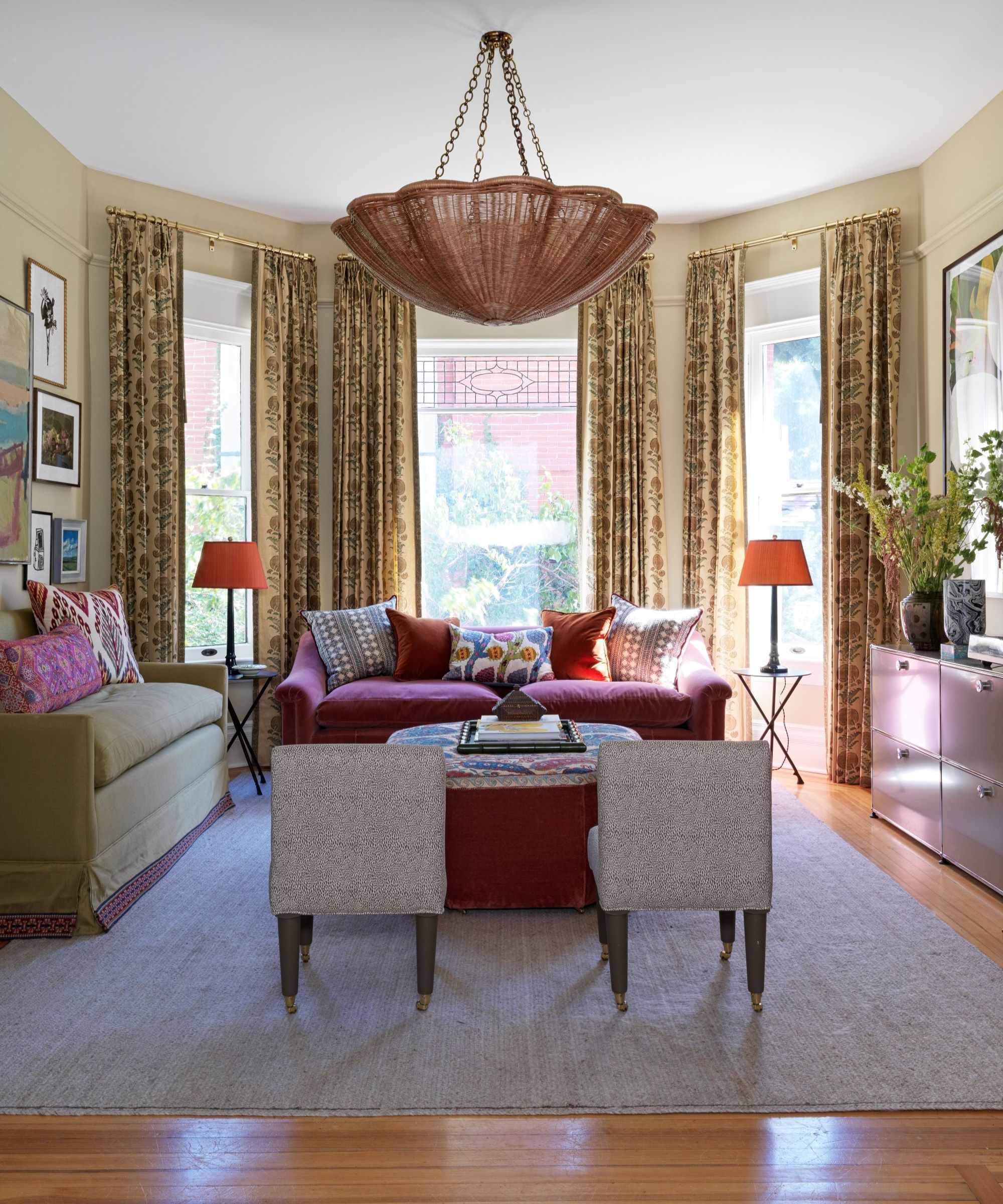
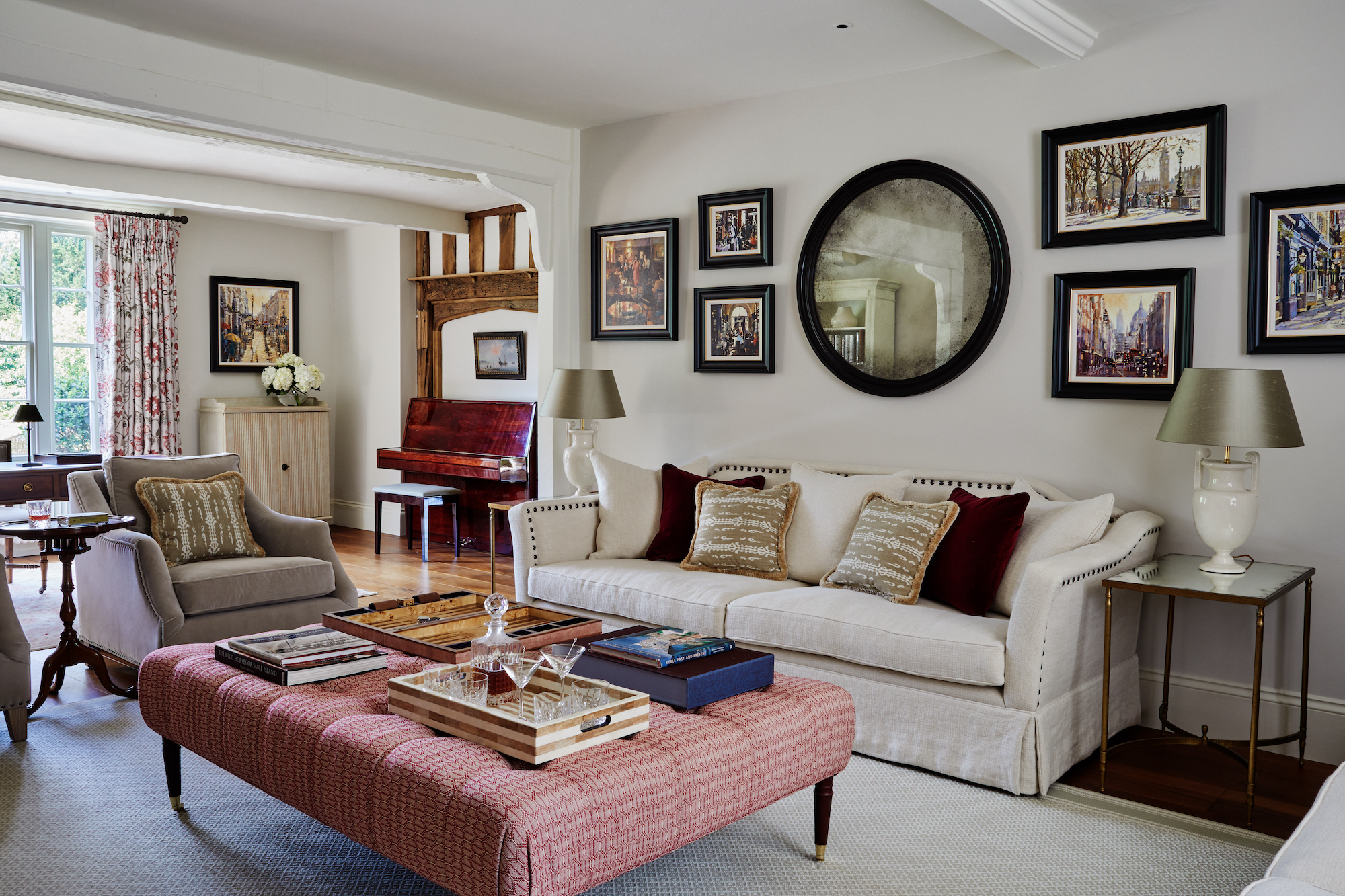
Lighting is presented as a crucial element for punctuating the space and supporting the overall aesthetic. Parker prioritizes natural light, then incorporates high and low artificial lighting using lamps that act as sculptural elements. She recommends investing in beautiful, timeless lamps and mentions favored brands such as YLighting, Robert Abbey, Moooi, and Lindsey Adelman, whose branching chandeliers are likened to art. She also suggests rewiring unique vintage models.
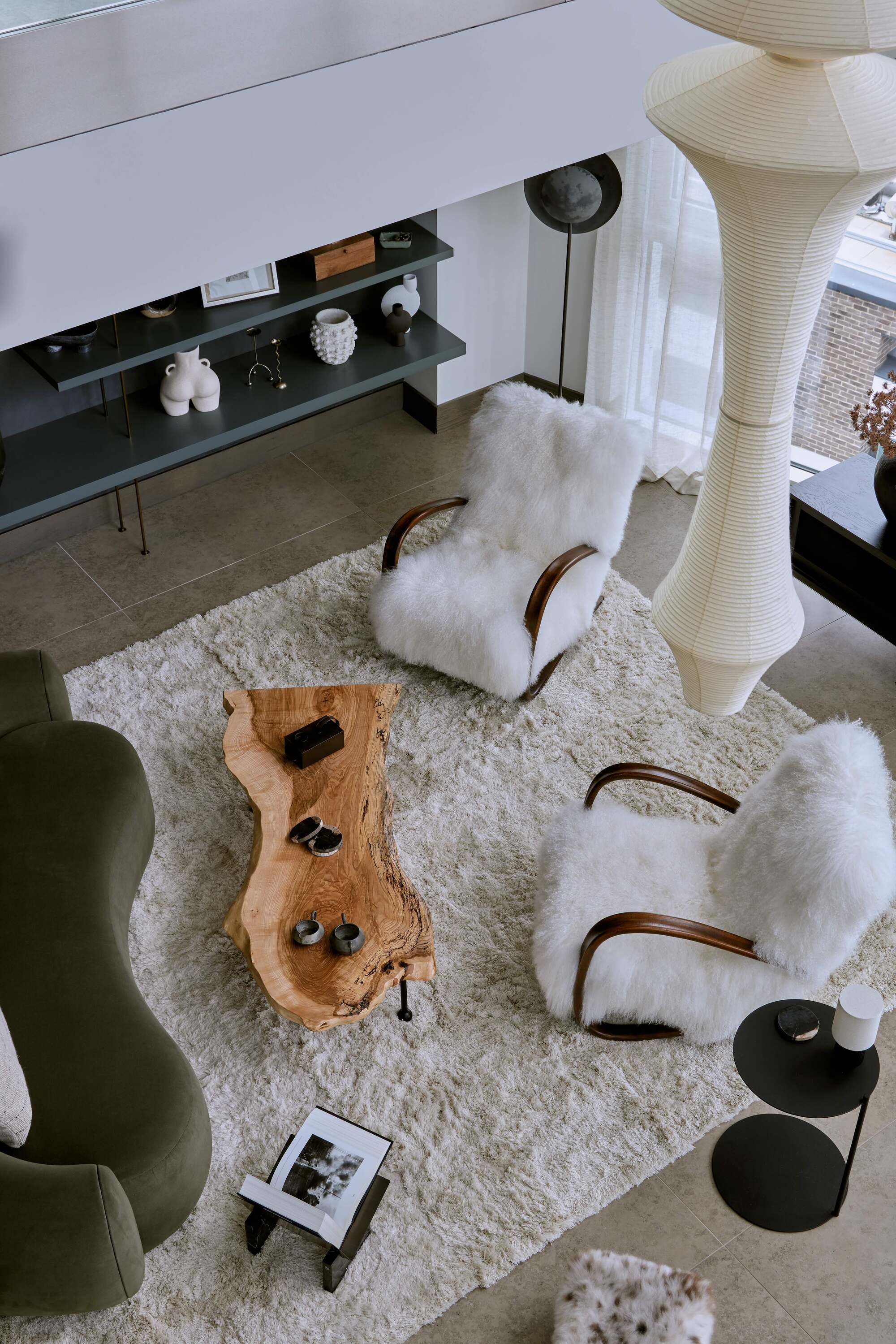
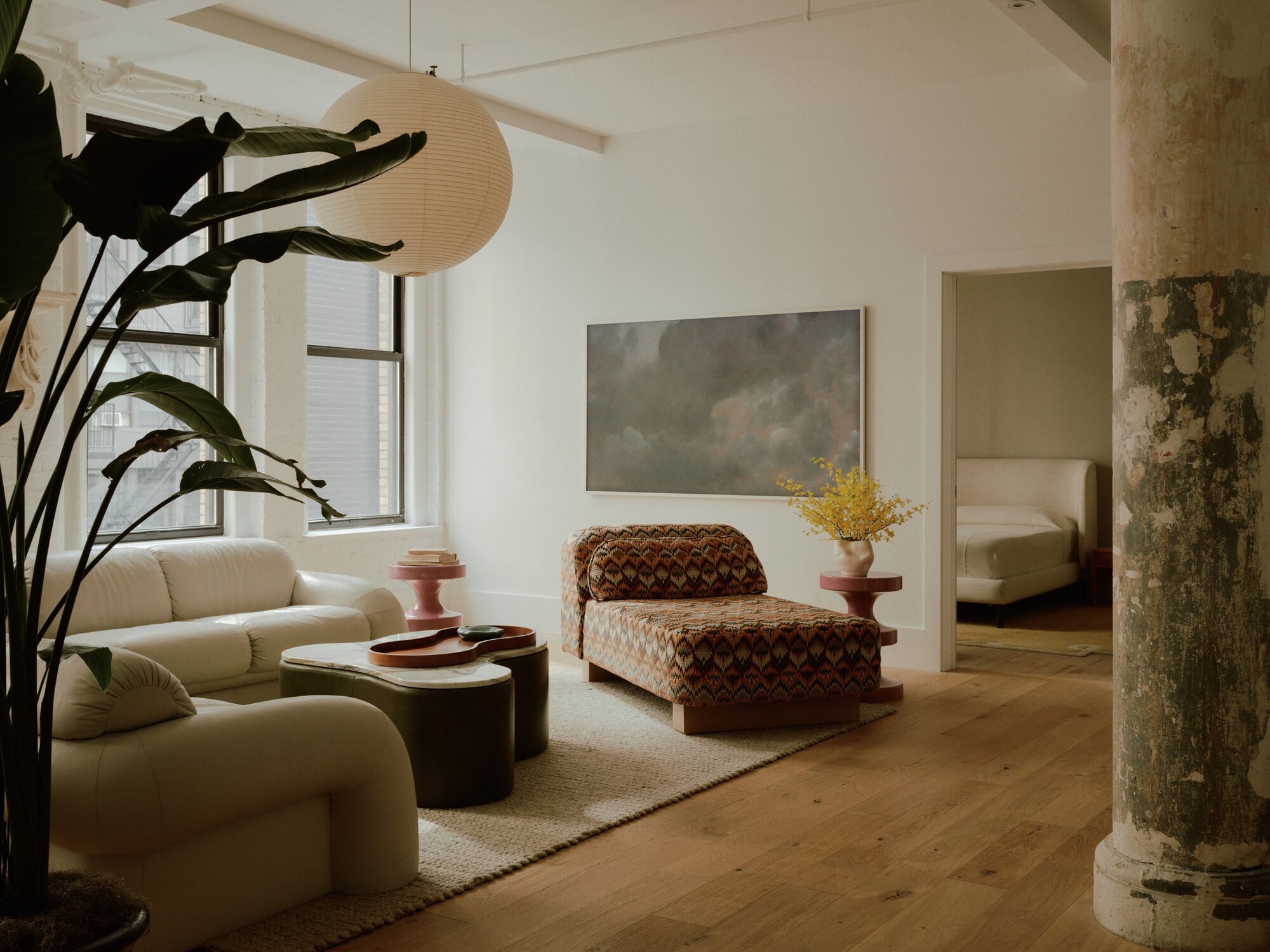
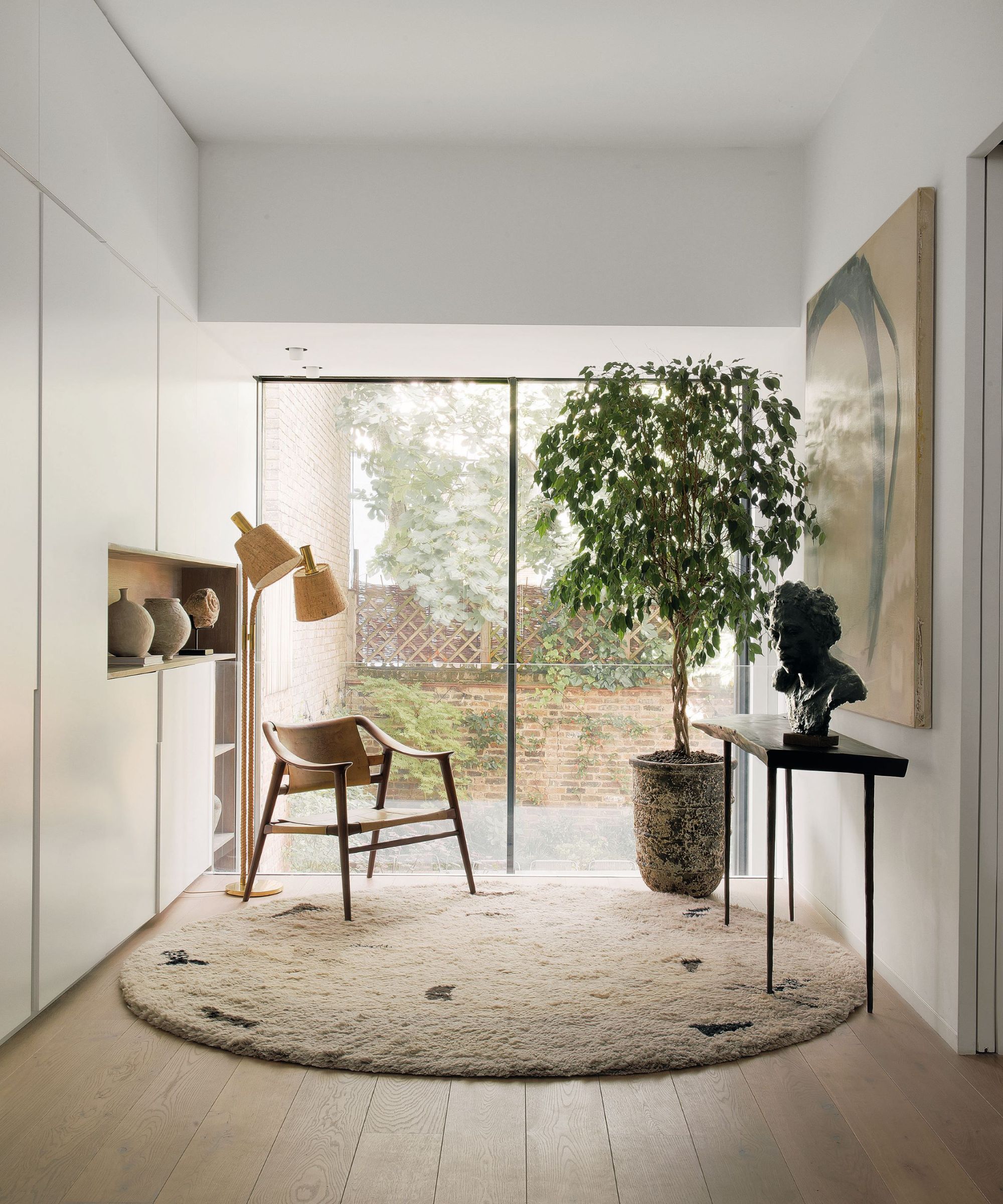
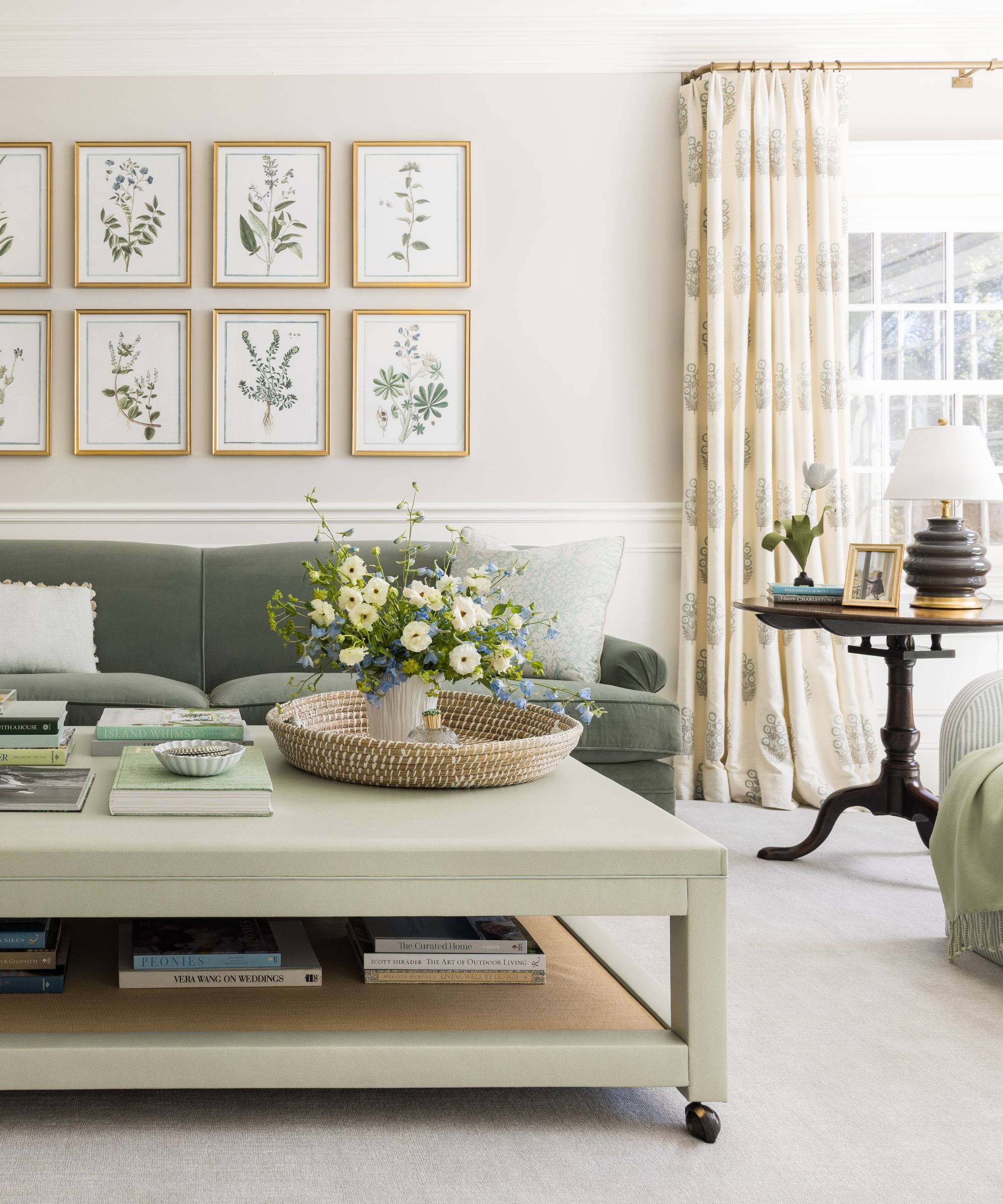
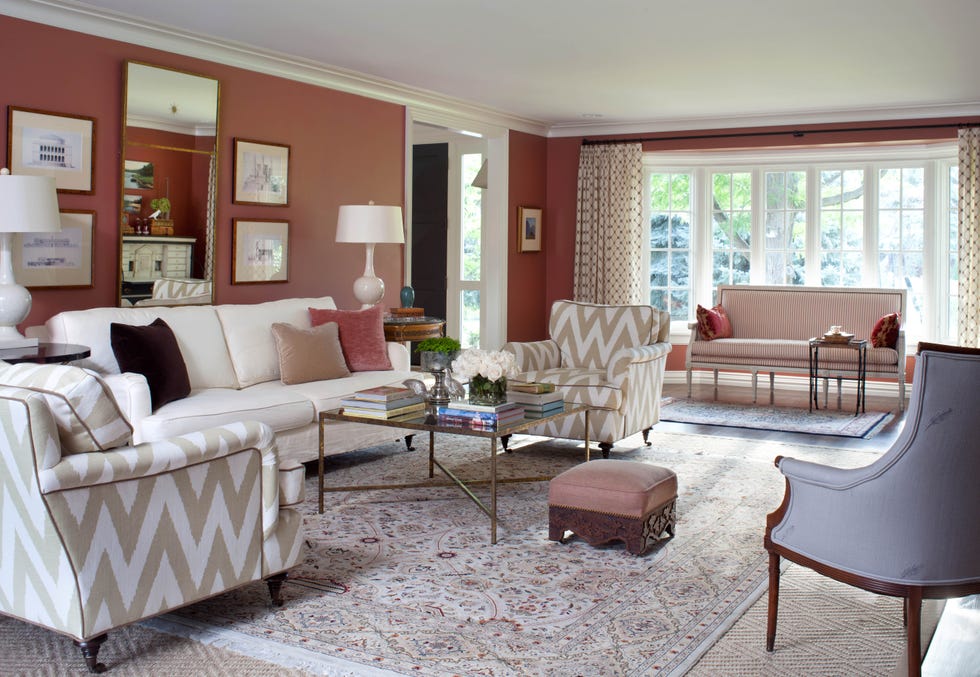
Area rugs are used to define the room, with Parker advising oversized rugs to make the space appear larger. The rug's color, texture, and pattern should harmonize with the overall design rather than making an overly bold statement. Coffee tables are identified as potential focal points due to their contrast with the sofa's mass. Parker suggests selecting iconic, timeless pieces like a Noguchi table and sourcing accent tables from vintage shops, estate sales, or platforms like 1st Dibs.
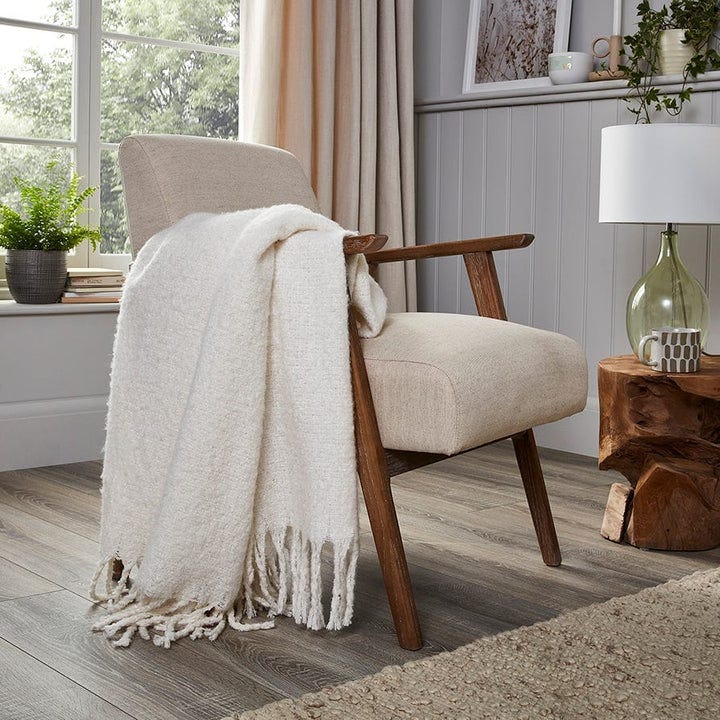
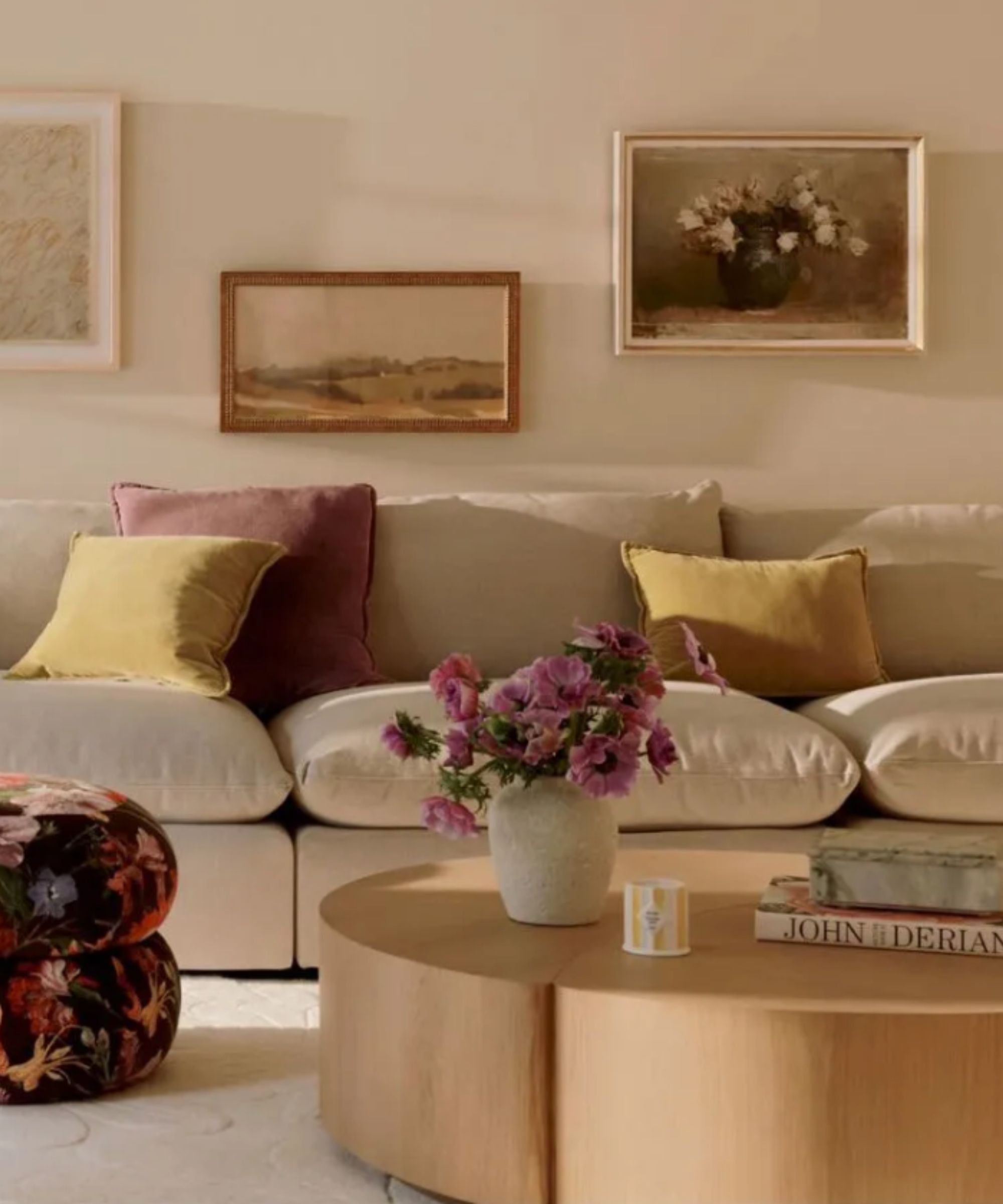
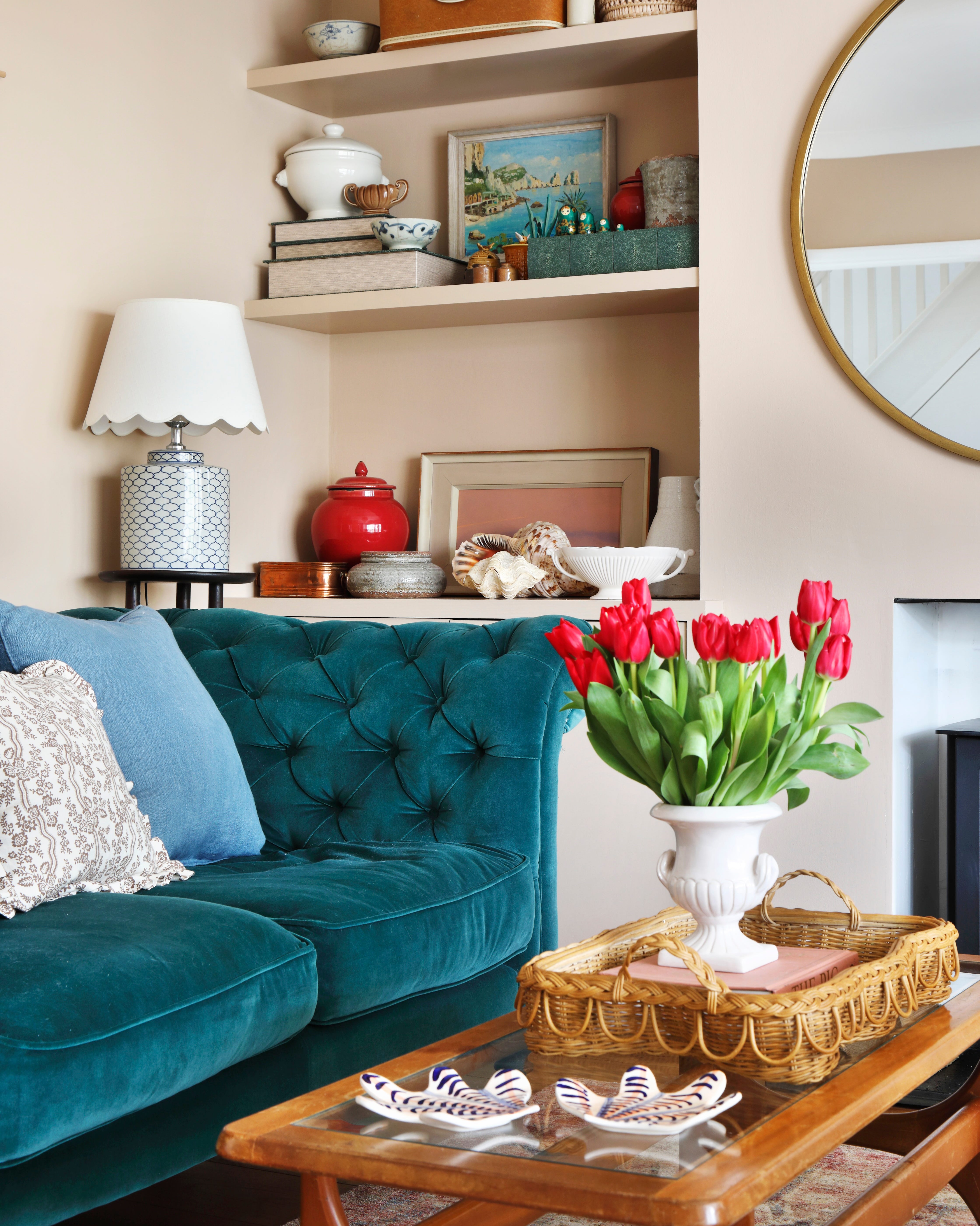
Layering different textures, such as wood, metal, wool, silk, and glass, is essential for creating an inviting atmosphere. Parker stresses that materials should be tactilely pleasing and appropriate for their intended function. Throw blankets and accessories are easy ways to introduce texture, with specific recommendations like the Three Panel Throw from House of Castellon and felt coasters from Canoe. Throw pillows, contrary to the initial advice, are where Parker encourages fun and boldness, suggesting they are not long-term investments and can be sourced from various retailers like Urban Outfitters, Trina Turk, CB2, and Leif, or custom-made.
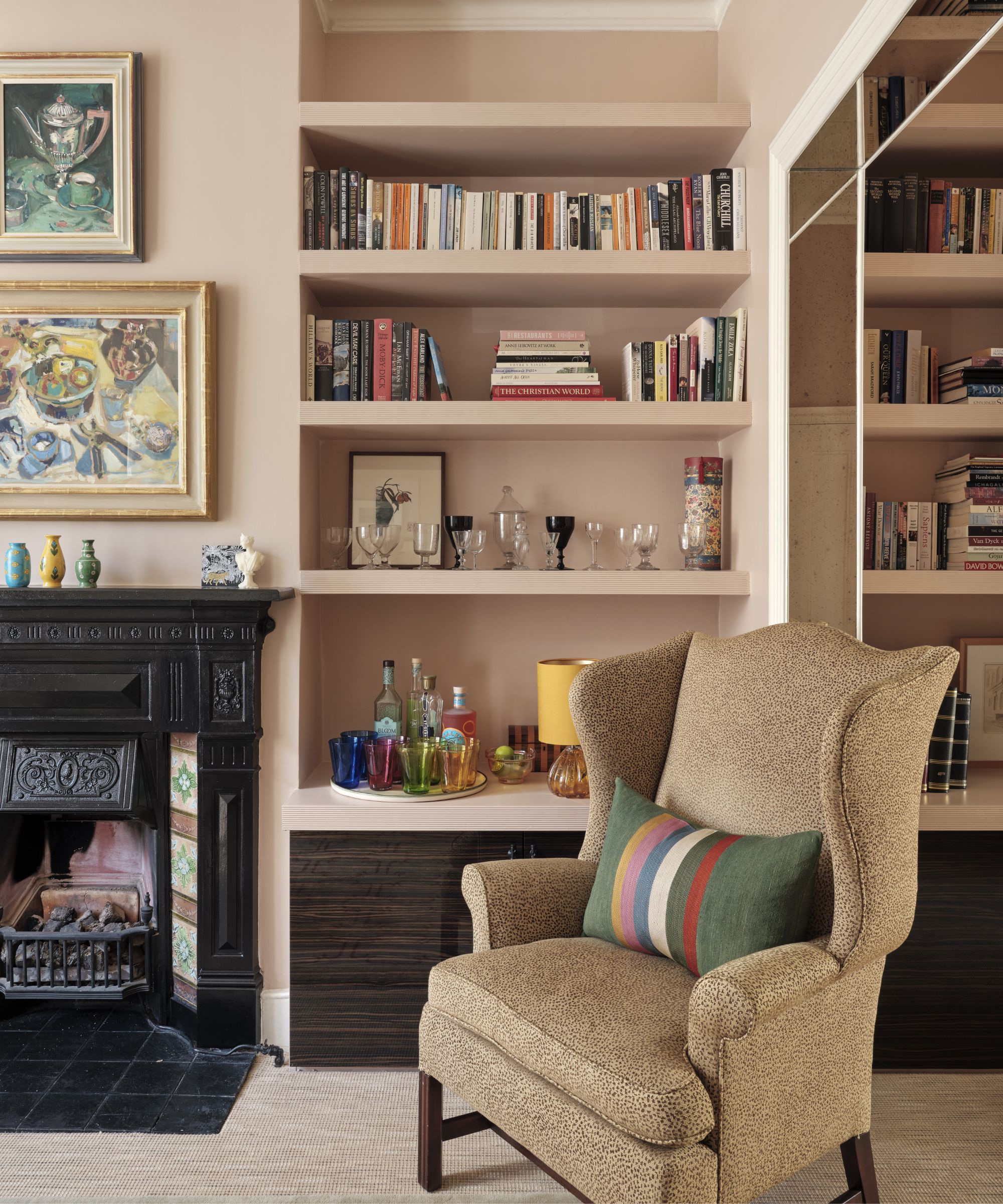
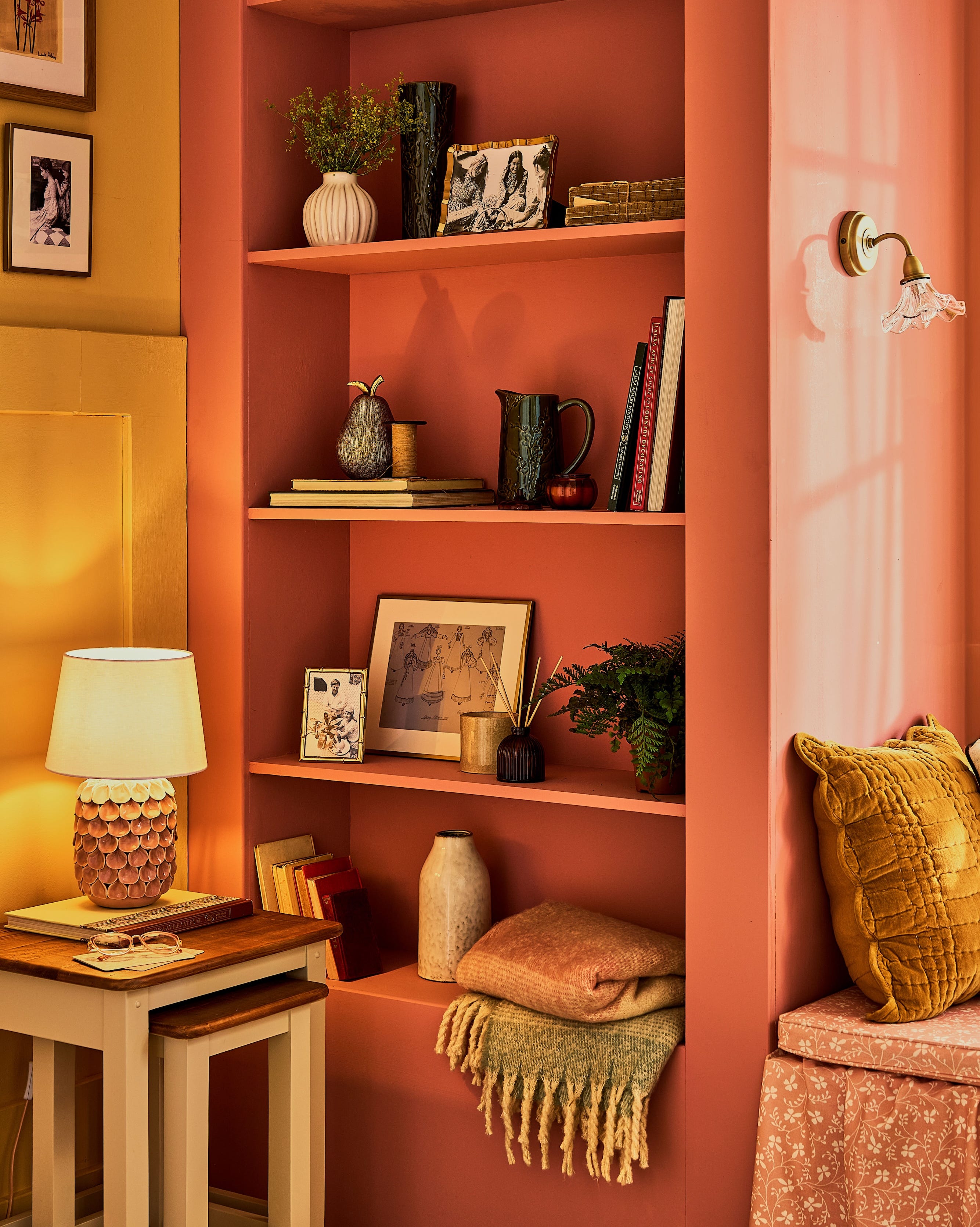
Accessories are viewed as opportunities to personalize the space and tell the homeowner's story, transforming the house into a true home. Parker uses books as an example of personal items that inspire her. The final tip emphasizes purposeful selection, advocating for tidiness and thoughtful curation over clutter. Parker advises taking time to choose items that serve a purpose and evoke happiness, considering that every piece contributes to the overall feeling and expression of one's life.
#InteriorDesign #LivingRoomDesign #HomeDecor #FurnitureSelection #LightingDesign #TextileLayering #SpacePlanning #HomePersonalization #DesignTips #InteriorDesign #LivingRoomDesign #HomeDecor #FurnitureSelection #LightingDesign #TextileLayering #SpacePlanning #HomePersonalization #DesignTips
0 ความคิดเห็นรวม
 ยังไม่มีความคิดเห็น
คุณอาจจะชอบอีกด้วย
How to Fix the Most Common Living Room Layout Mistakes

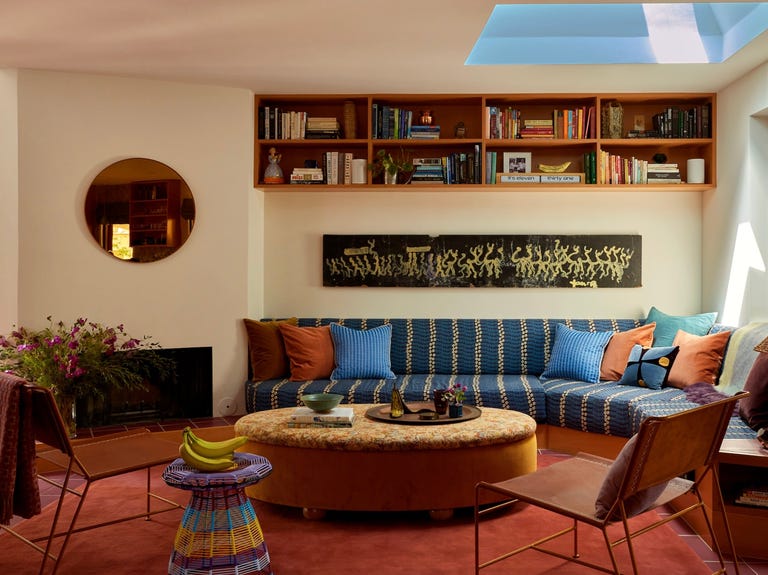
Designers Say This Is the "Perfect" Living Room Seating Arrangement

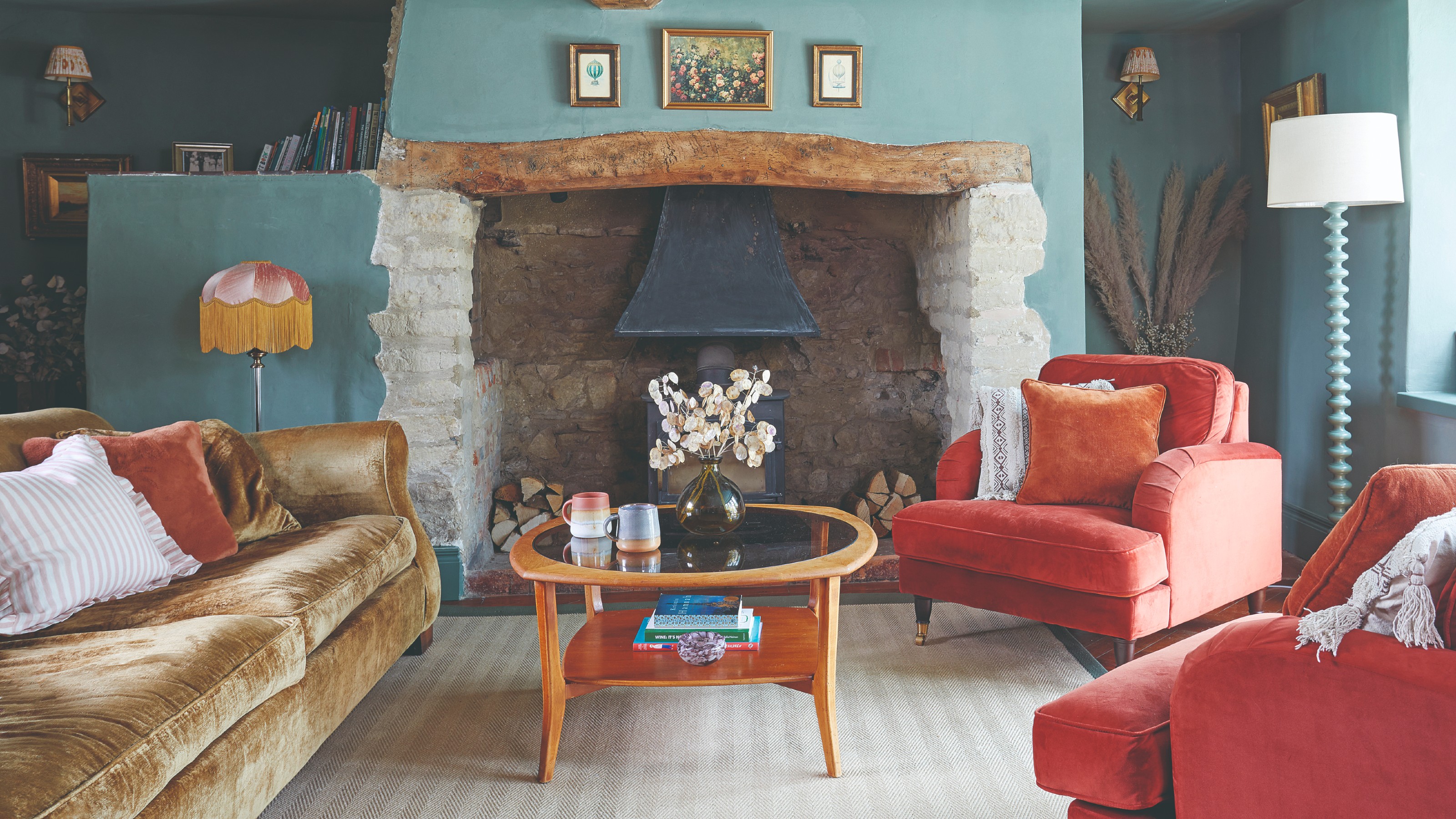
‘It makes your living room feel more connected and comfortable’ – the 4-inch seating rule is the trick interior designers have been using for years
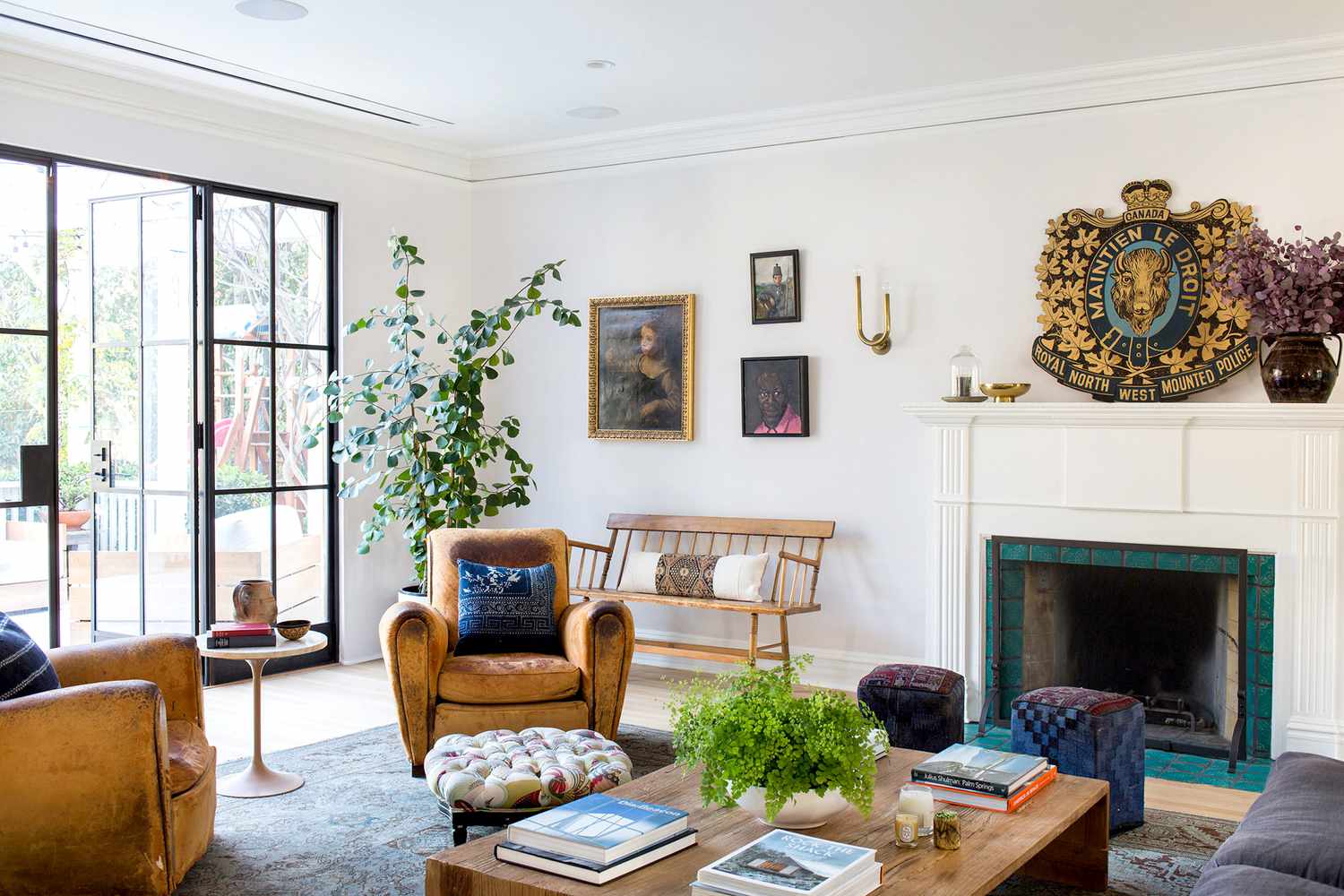
How to Decorate a Living Room From Start to Finish, According to Interior Designers

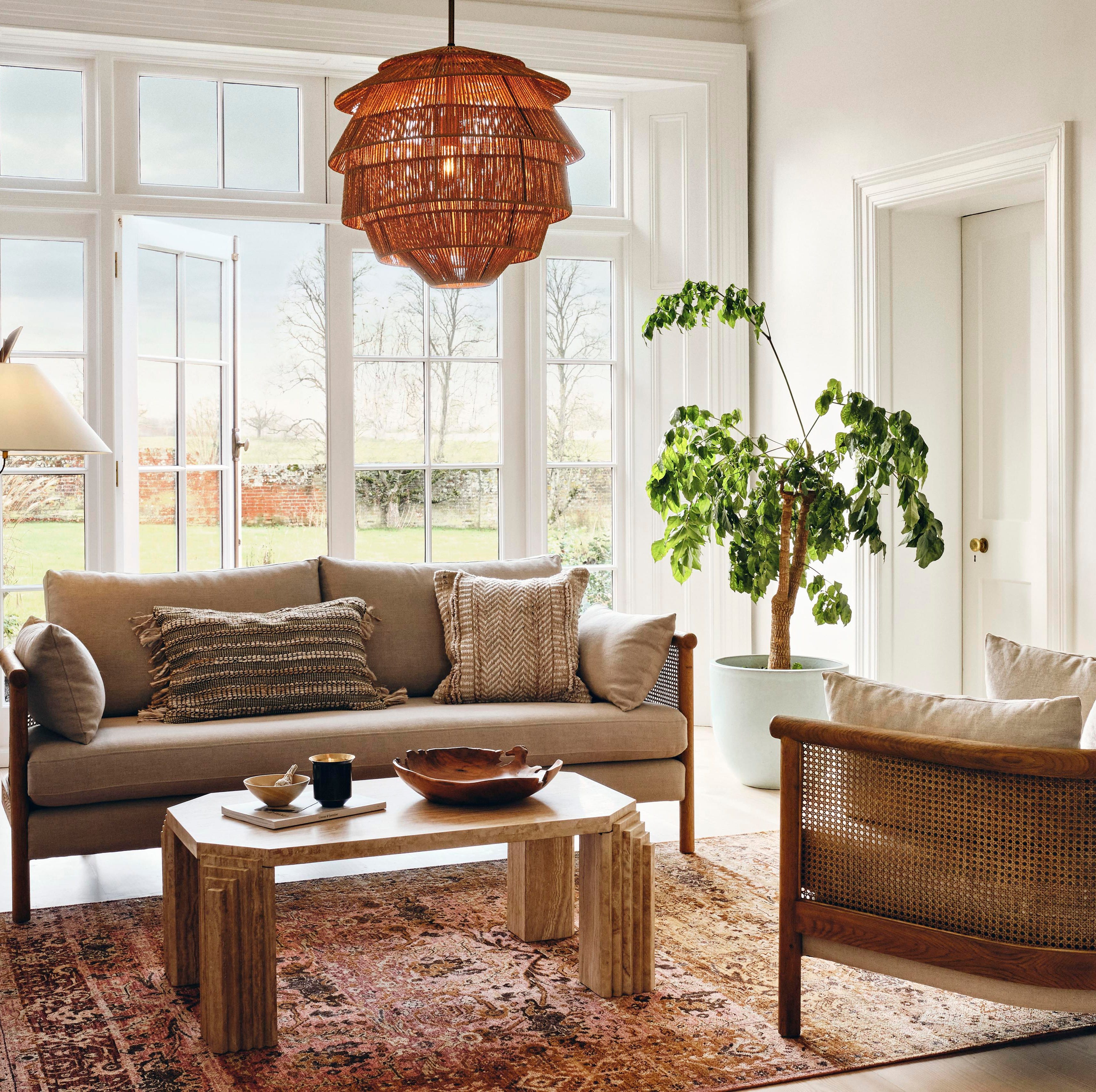
An interior expert reveals how to achieve the perfect living room – and the biggest mistakes made
Stunning Living Room Ideas Interior Designers Always Rely on

77 Living Room Ideas to Design Your Dream Space

Should living room furniture be the same height? Experts give their verdict

5 Genius Ways Interior Designers Know How to Adapt Your Living Room’s Layout When You’re Hosting a Lot of People
6 Golden Rules of Living Room Design for Creating a Cozy Yet Stylish Space, According to Pros

13 Welcoming Living Room Layout Ideas

5 Living Room Design Mistakes You Didn't Know You Were Making
The Designer Tip That Finally Made My Wide Living Room Feel Cozy and Complete
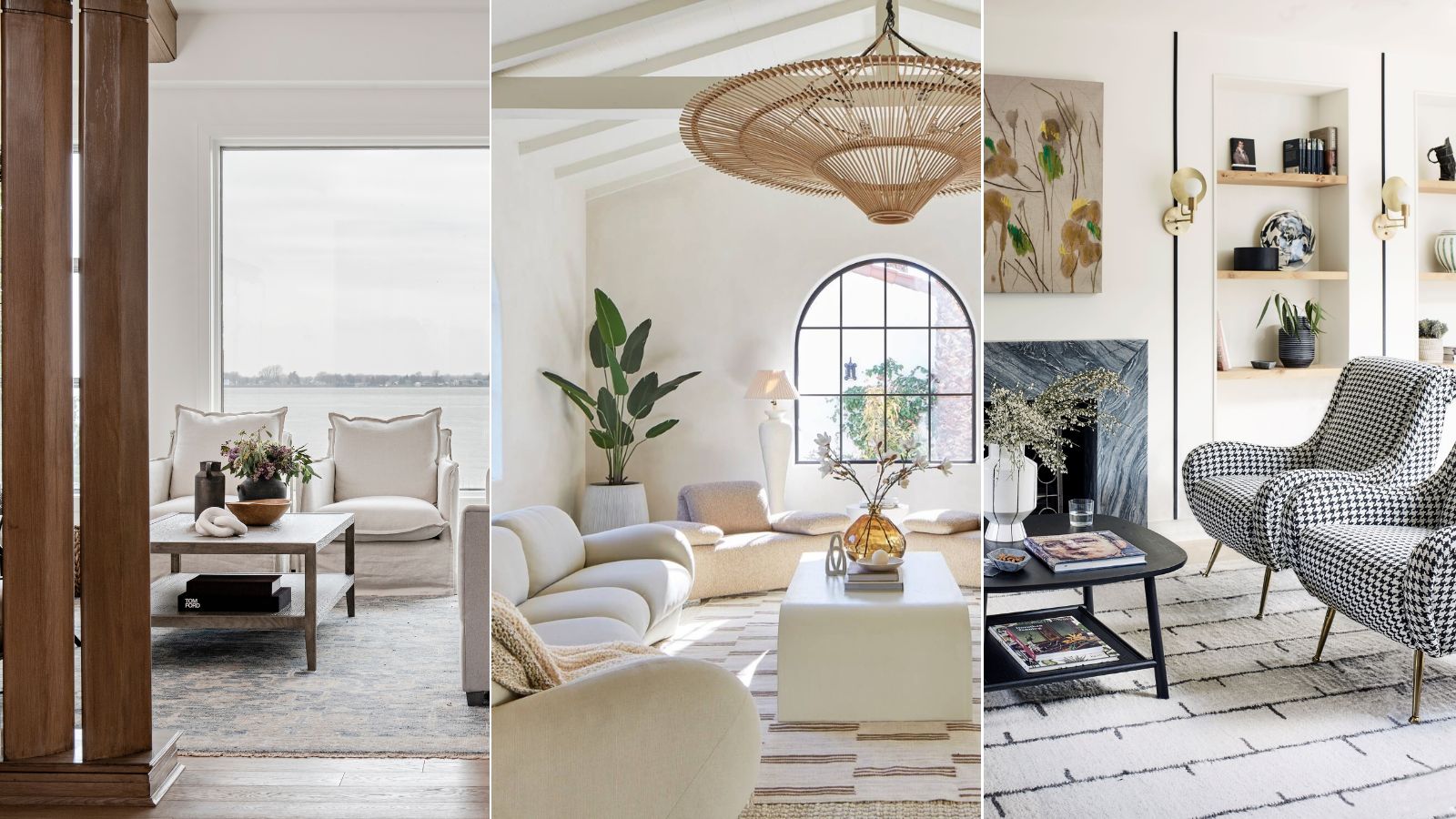
Designers swear these 8 living room layout hacks will instantly elevate your space, no matter what the size
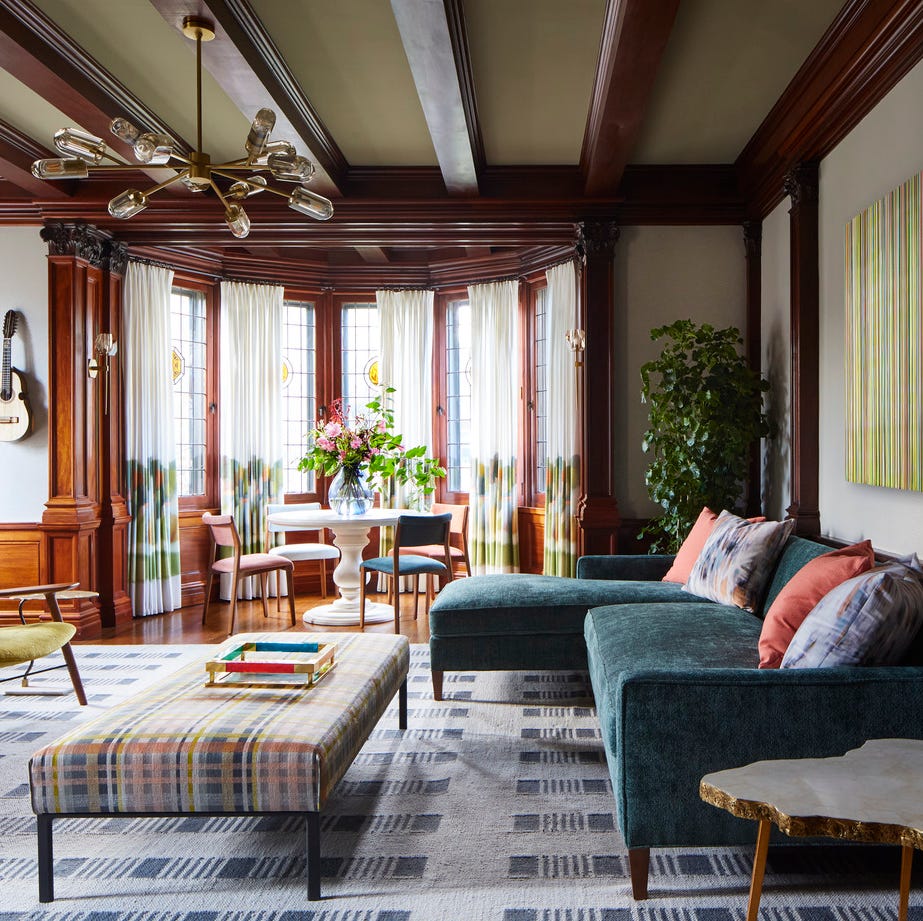
Easy Ways to Transform Your Living Room Into a Space You LOVE
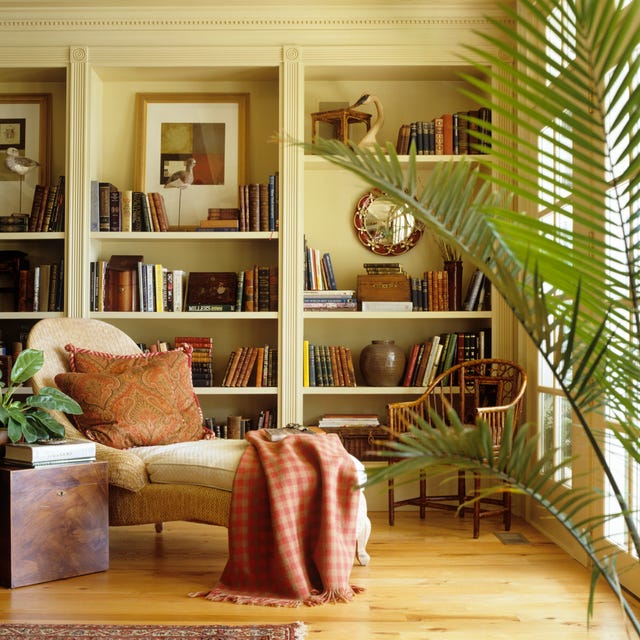
Designers Share 4 Common "Mistakes" You're Making in Your Living Room—and How to Correct Them
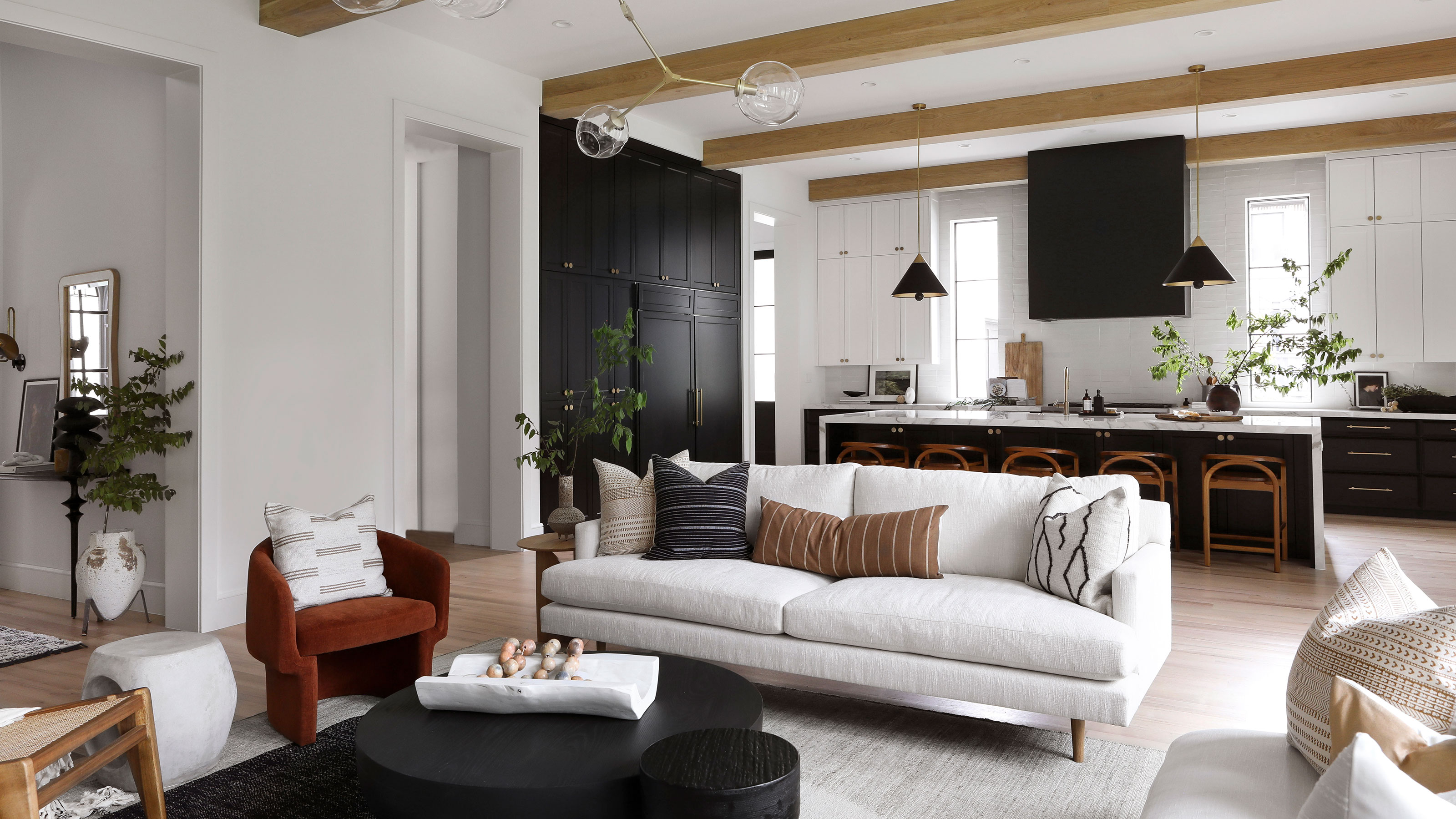
6 failsafe formulas designers always follow when planning a living room
A guide to living room clearances, measurements, and spacing
Designers Cracked the Code on the Perfect Living Room Seating Arrangement
13 Living Room Layout Ideas to Make Any Space Feel Its Best