1/3
World Environment Day: Vernacular architecture and its therapeutic effect on dwellers
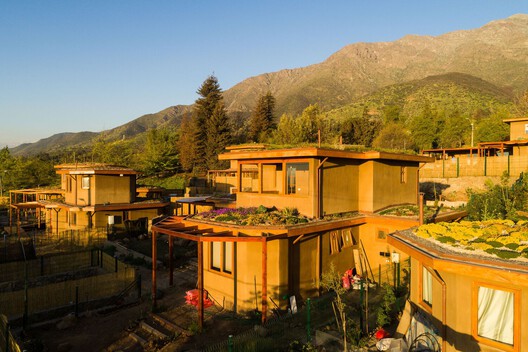
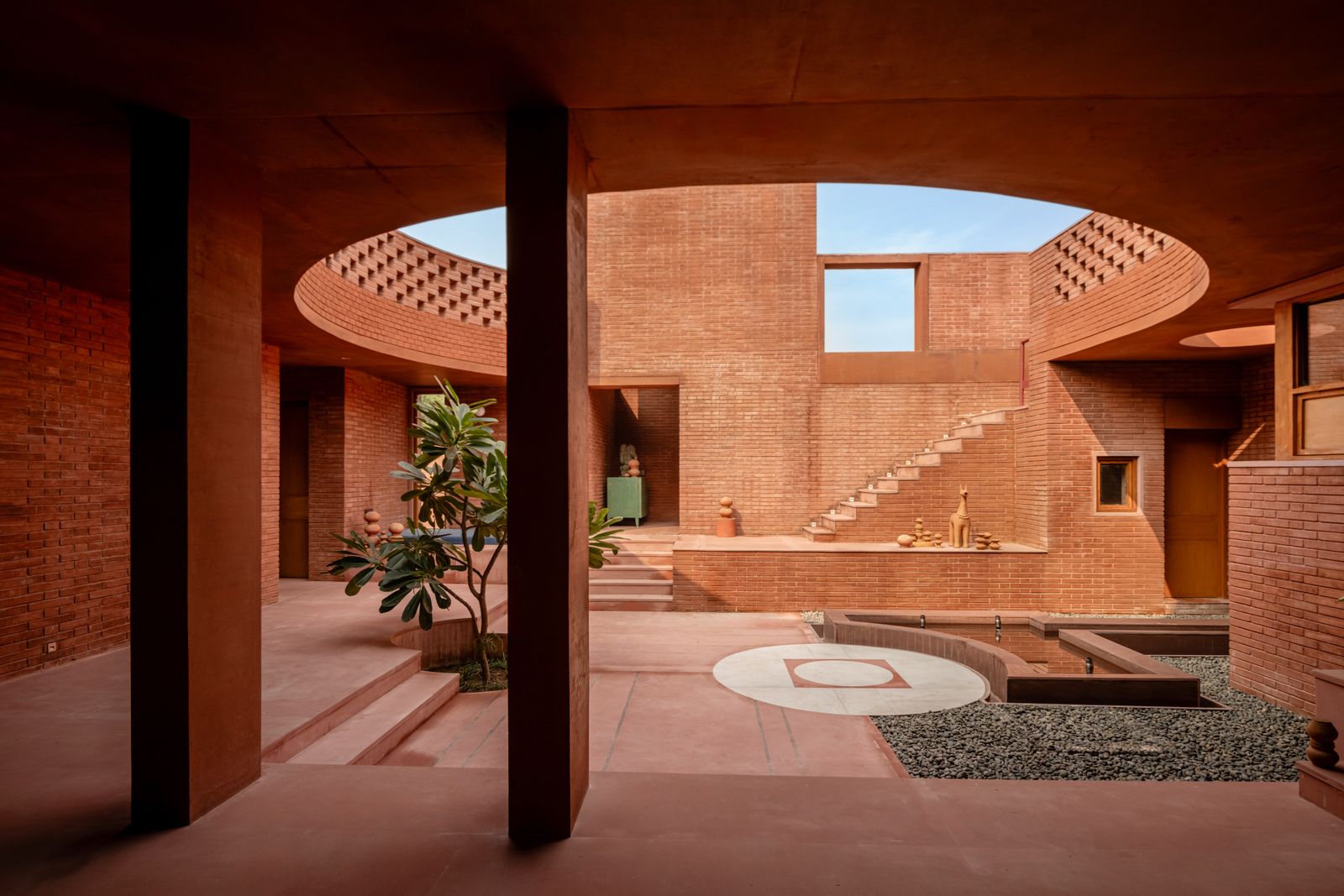
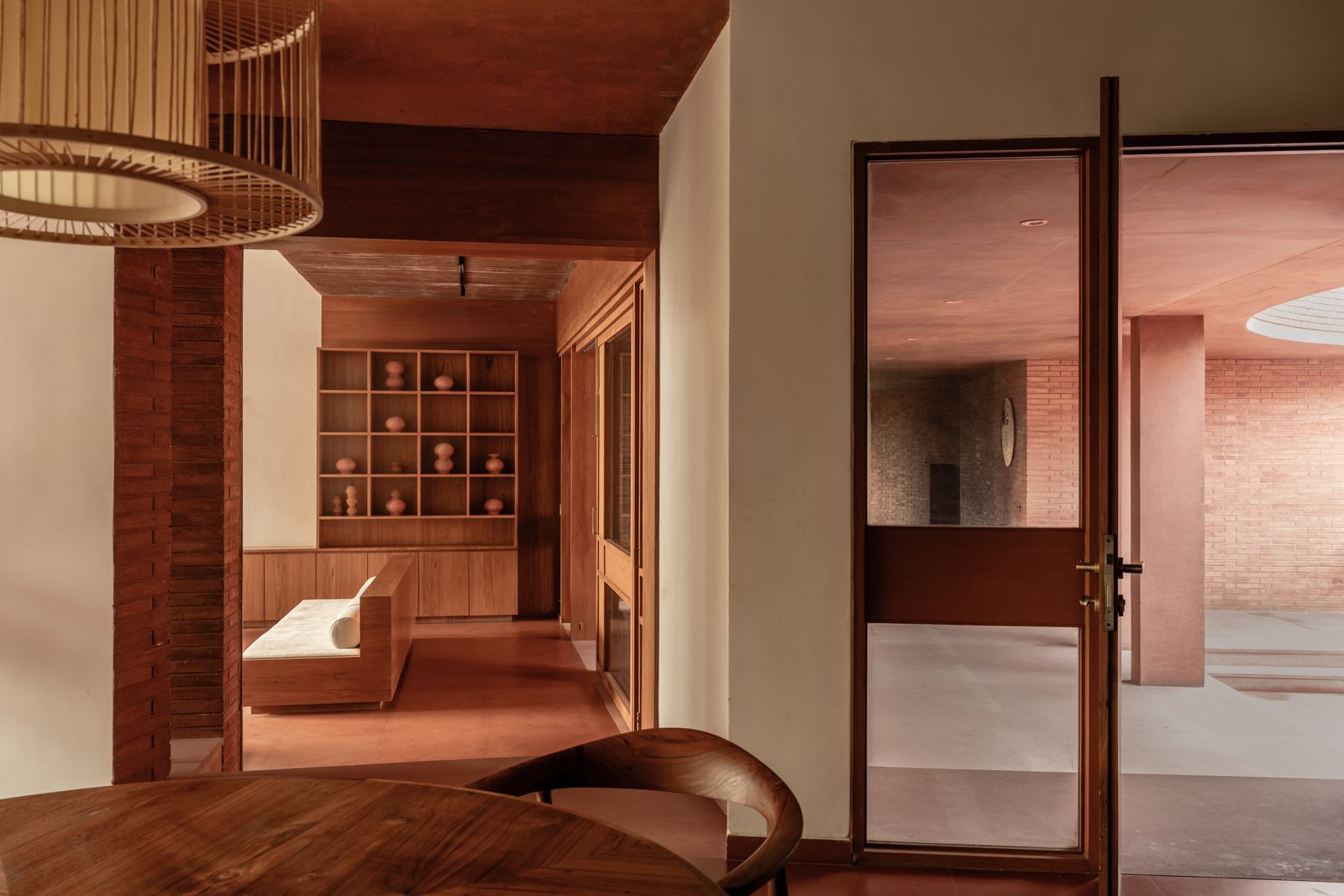
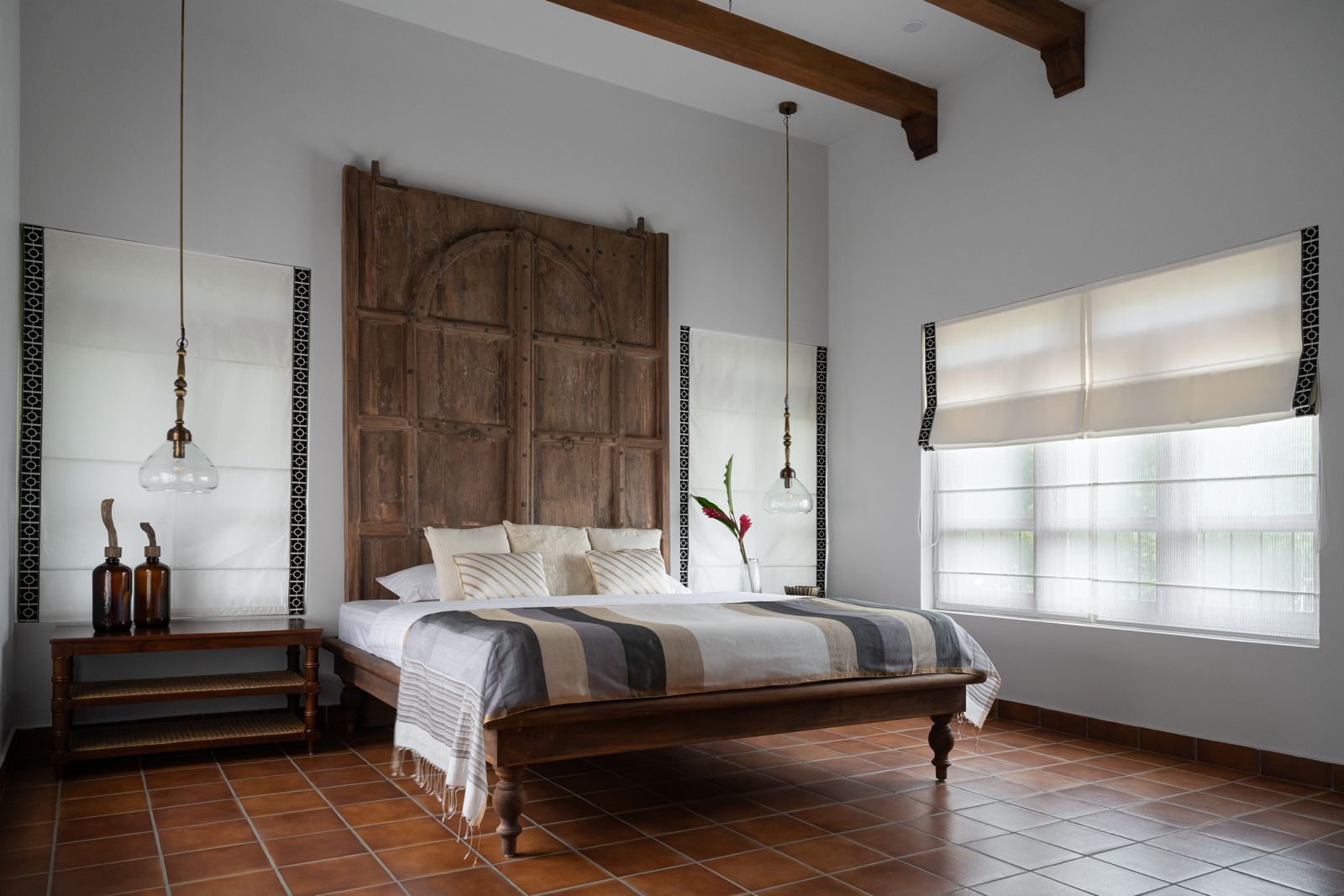
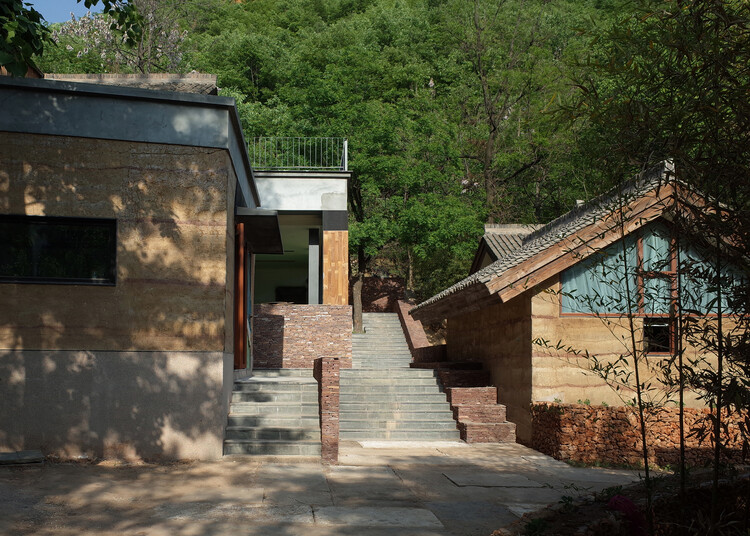
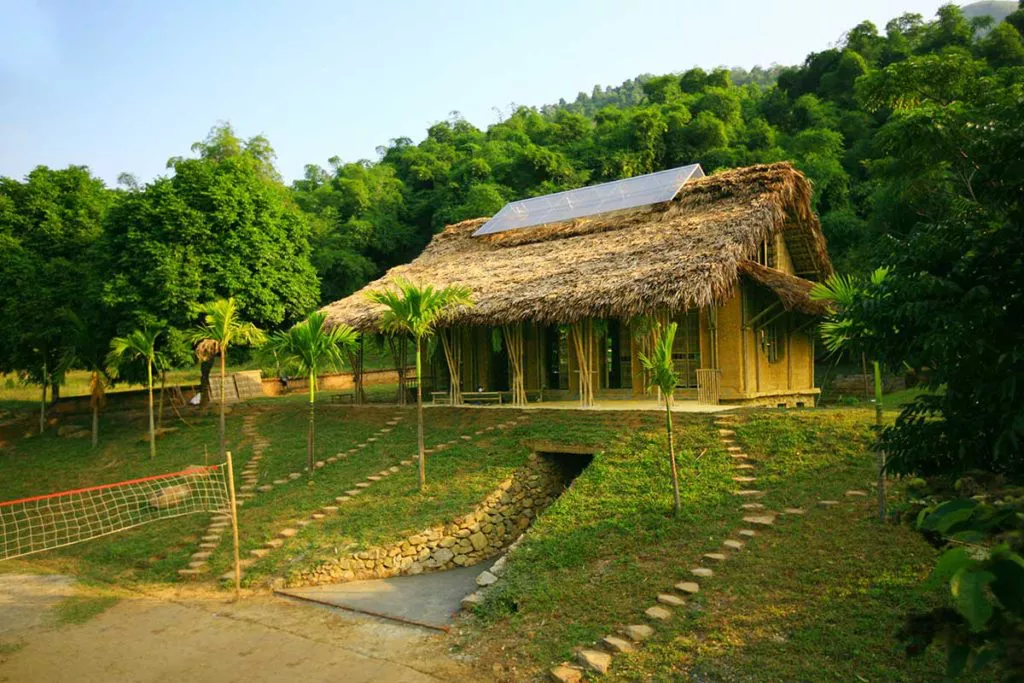
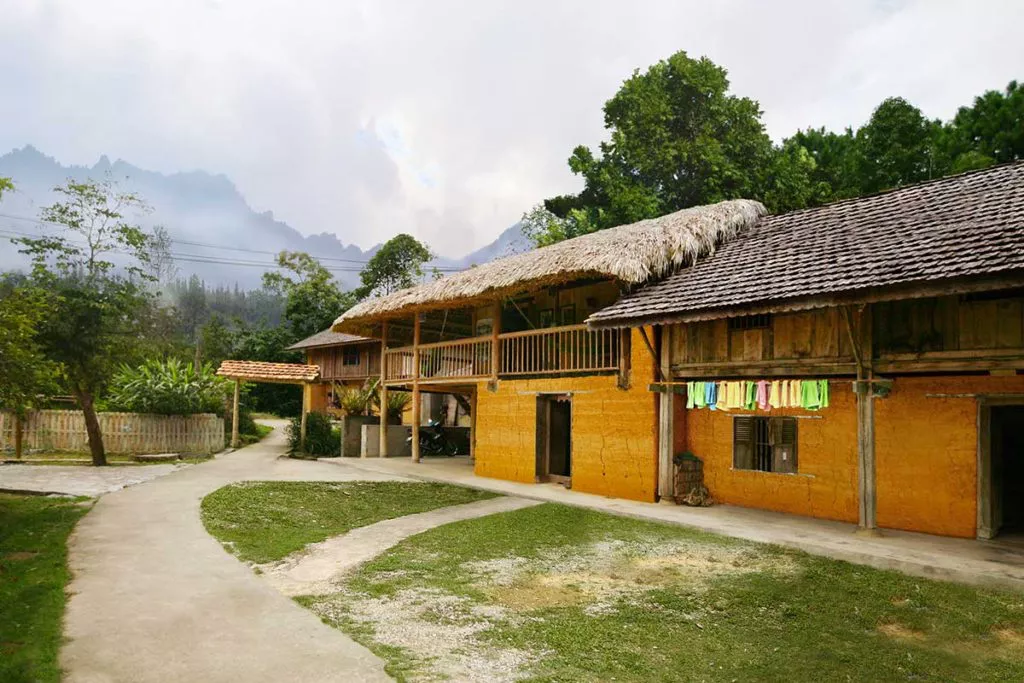
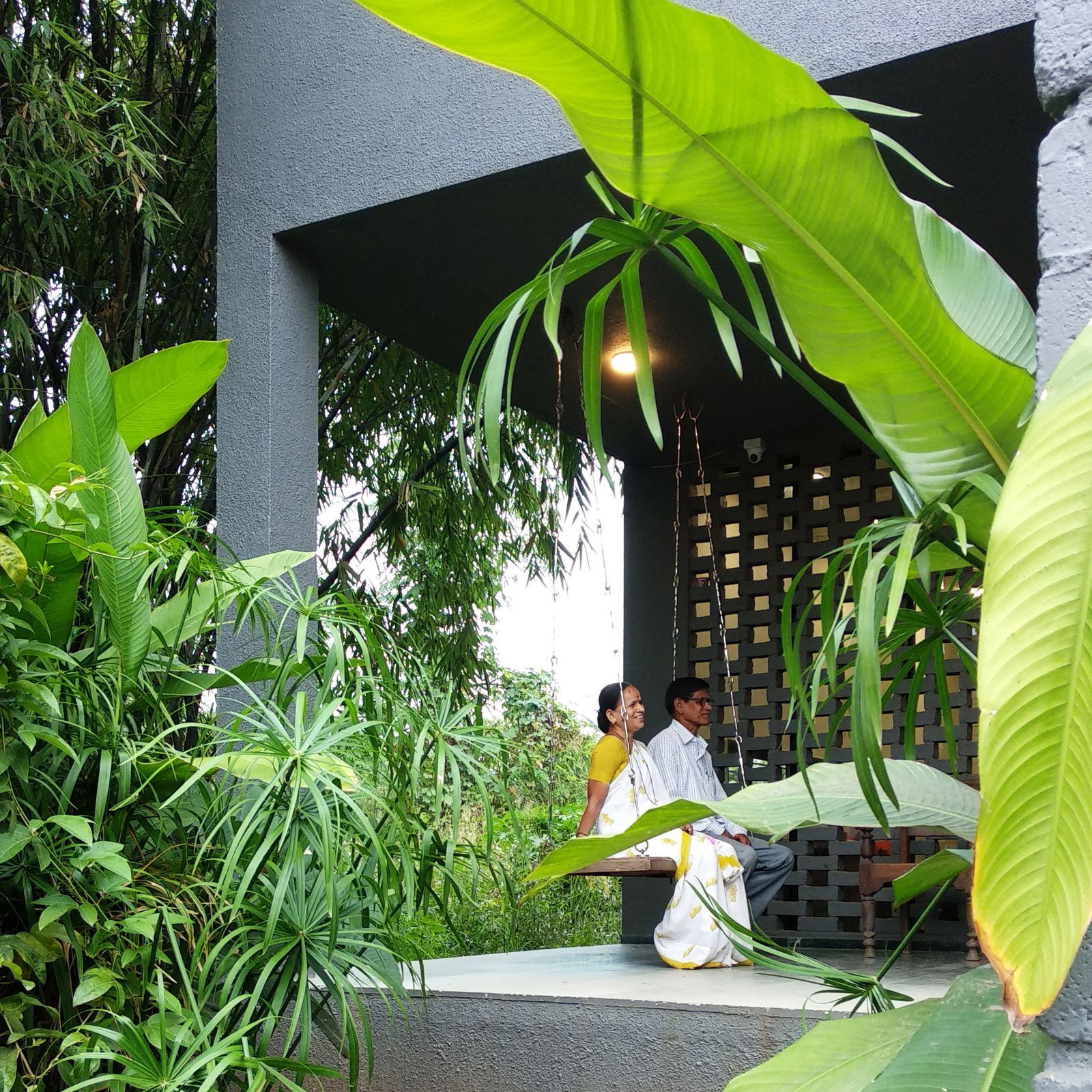
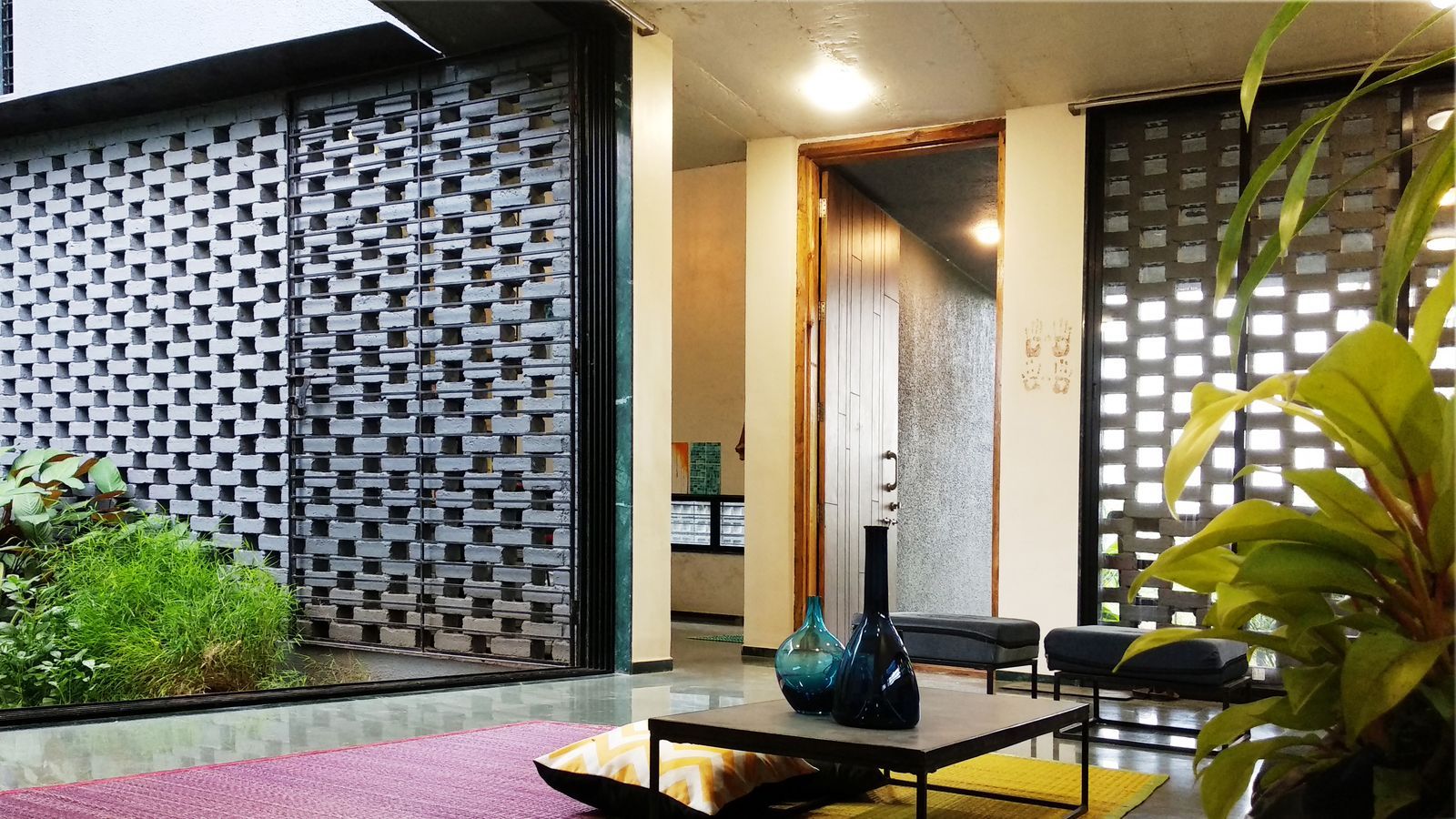
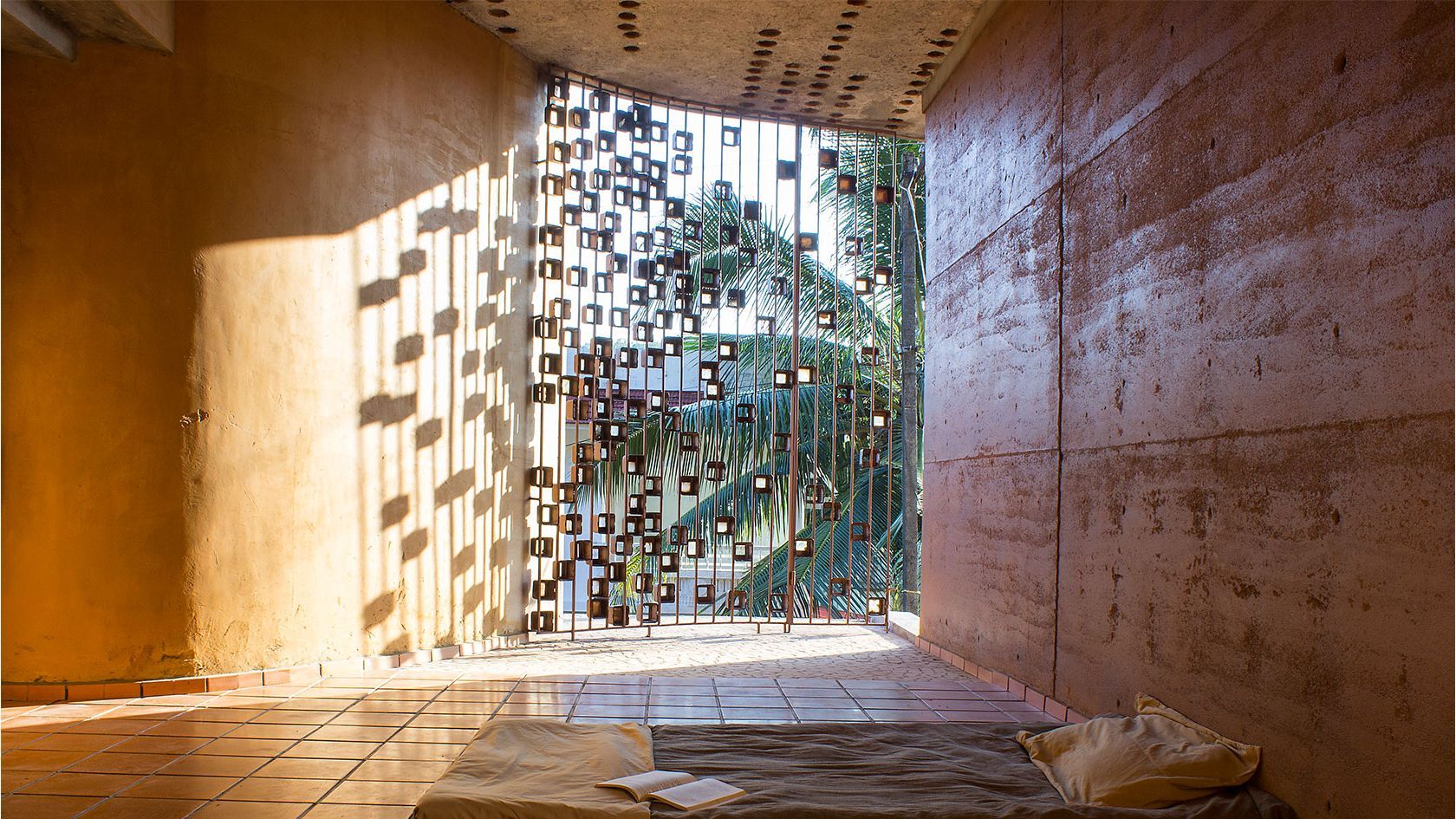
The fundamental characteristics of a building ideally encompass simplicity in form, economic construction, high functionality, and enduring quality. Buildings that align with local traditions, materials, and topography are inherently energy-efficient and sustainable. While architectural expressions vary geographically to suit specific socio-economic contexts, they must always address human needs for protection and security. This principle underpins vernacular architectural techniques, which involve constructing buildings from readily available local materials to offer shelter. Examples include the Bhunga houses of Kutch, bamboo structures in Assam, and the distinctive clay-tiled, pitched roofs of Kerala homes. Traditional courtyards provide natural ventilation, and mud constructions, as seen in Rajasthan, keep interiors cool during hot summers. These architectural forms embody generations of wisdom and contribute to the well-being of their inhabitants.
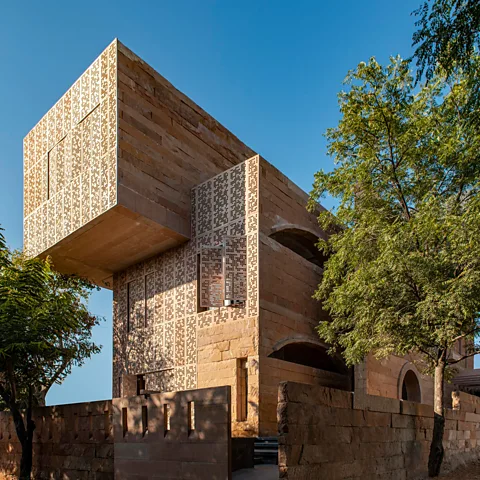
Although modern architecture often overlooks vernacular practices, some architects advocate for the integration of regionalism. Dikshu C Kukreja, managing principal at C P Kukreja Architects, highlights the economic advantages, noting that familiarity with local materials fosters job creation and economic opportunities for craftsmen. He cites the Central University of Kashmir project, where design elements like engravings, sculptural massing, lattice screens, and carved wooden brackets draw inspiration from traditional Kashmiri art and architecture, reflecting the region's cultural language. The adaptation of vernacular techniques to contemporary contexts is essential. Vinu Daniel, founder of Wallmakers, emphasizes the importance of studying and modifying traditional construction methods rather than merely replicating them, referencing the work of Egyptian architect Hassan Fathy, who championed traditional mud construction over Western designs.
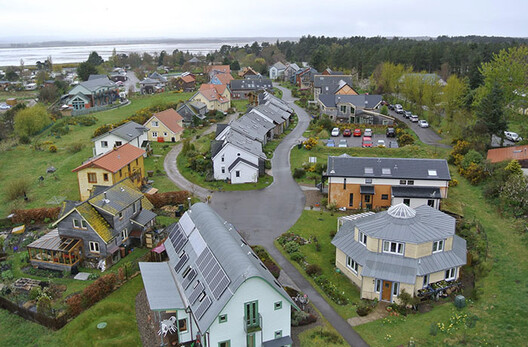
Historically, people lived in harmony with nature and their communities, resulting in architecture that seamlessly integrated with its surroundings. Today, rapid urbanization often leads to architecture that lacks community connectivity. Architect Khushnu Panthaki Hoof, a partner at Vastushilpa Consultants, points out that the anthropological aspects of space-making are often neglected. She stresses that understanding local ethos is crucial, as vernacular architecture is deeply rooted in this understanding, fostering a unique connection with inhabitants' well-being.
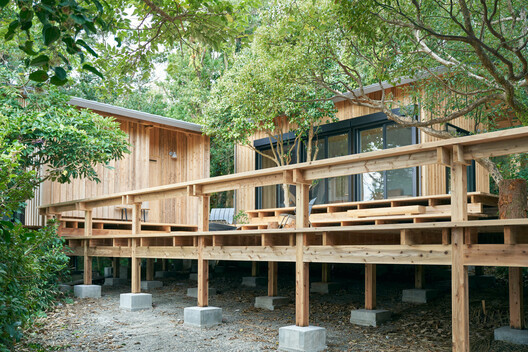
The use of local materials is another significant aspect. Beyond reducing the environmental impact of transportation, living in homes built with natural elements can have positive long-term mental and health benefits. Kukreja explains that local materials often facilitate passive energy measures, leading to reduced carbon emissions. He cites the Biswa Bangla Biswabidyalaya project in West Bengal, where materials are used to allow diffused light indoors without glare, and bamboo on the facade integrates the building with its green surroundings. The lightness of the structures supports an open learning environment for students.
Building sustainably presents an opportunity for innovation. Vinu Daniel recounts how a meeting with architect Laurie Baker, inspired by Gandhi’s teachings, profoundly influenced his approach to architecture, demonstrating how buildings can coexist with nature and minimize waste. Daniel exemplifies this philosophy in his own projects, such as building a house on a former dump yard using his 'Debris Wall' and 'Shuttered Debris Wall' concepts, also known as 'Shobri'. These walls, composed of 80% building-material remains, 15% gravel, 5% cement, and 5% manufactured sand, are not only resource- and cost-efficient but also surprisingly strong and adaptable.
#WorldEnvironmentDay #VernacularArchitecture #SustainableArchitecture #EcoFriendlyDesign #LocalMaterials #TherapeuticDesign #ArchitecturalInnovation #RegionalismInArchitecture #TraditionalConstruction #WorldEnvironmentDay #VernacularArchitecture #SustainableArchitecture #EcoFriendlyDesign #LocalMaterials #TherapeuticDesign #ArchitecturalInnovation #RegionalismInArchitecture #TraditionalConstruction
0 комментариев всего
 Комментариев пока нет
Вам также может понравиться
Densification perfection – Milieu’s modern take on suburban living
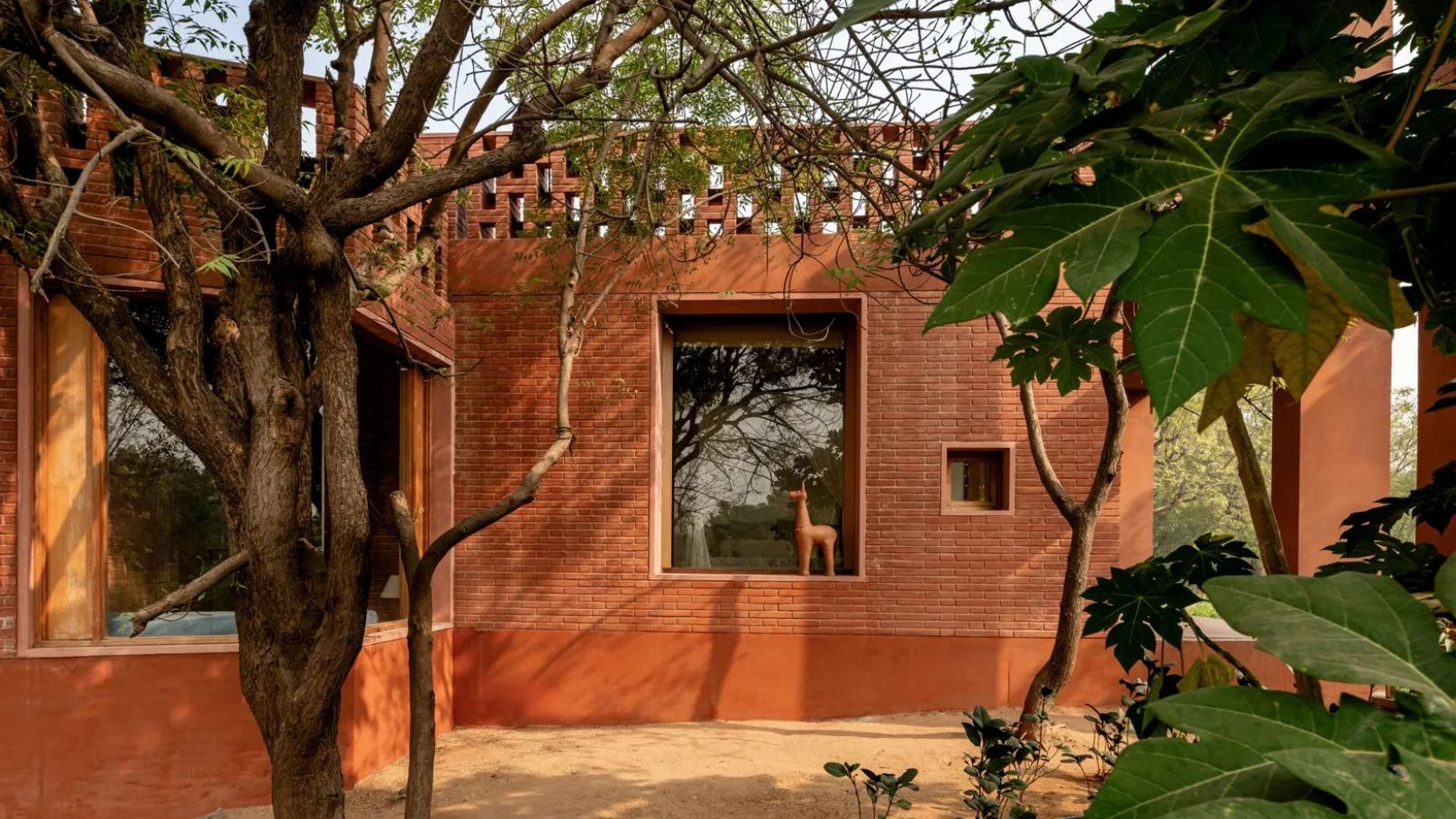
5 cool terracotta homes that champion vernacular design sensibilities
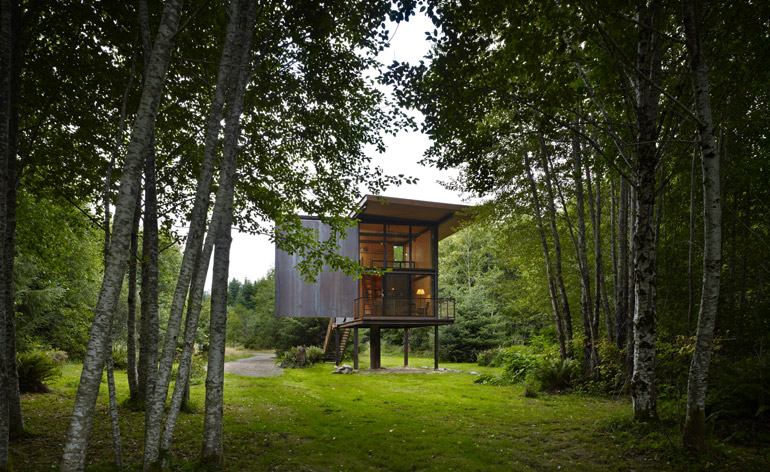
Interactive floor plan: Chilmark Guest House, USA
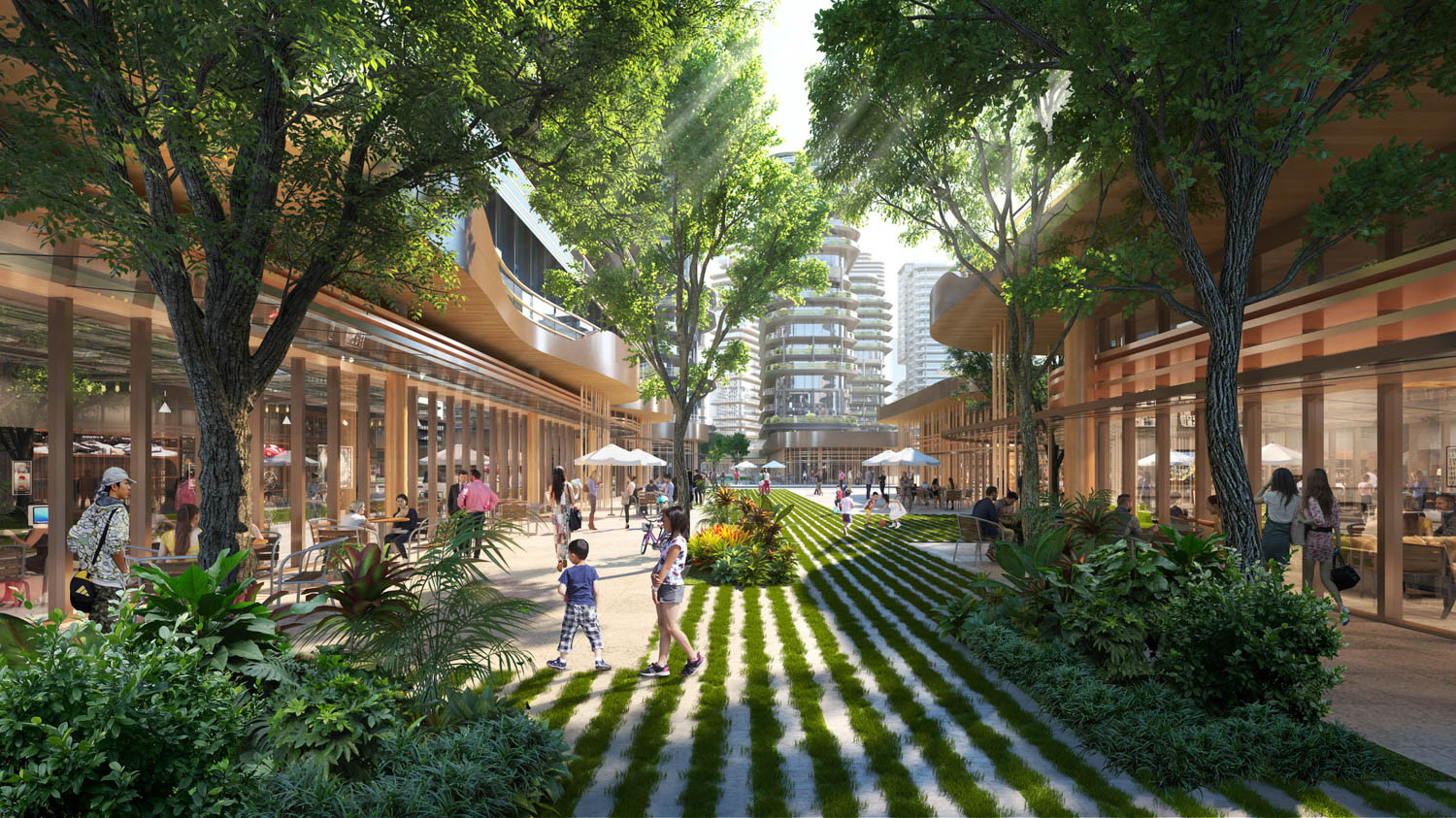
How SOM Is Exploring A New Wellness Blueprint

Welcome to the Great Indoors

This Biophilic Condo Wants to Improve Your Health — By Design
The Four-Seasons Retreats & the Outdoor Living Industry in 2025

Sustainable House Day 2021: Top picks to explore this year
Stand Out with 2026 Home Trends
Biophilic Design Helps Homeowners Connect to Nature
Hearth Village designed by 1+1>2 in Vietnam: an example of how to rethink the rural

20 Homes With Striking Indoor-Outdoor Living Spaces
Two architects debate the best style for a country house
Eight of the world's most remarkable homes
Biophilic-Inspired Design Takes Center Stage: How Bricks Bring Nature In

Courtyards, Gardens, and Terraces for Seniors: Residences that Integrate Community Life into the Natural Environment

Ecovillage Design: Models for Regenerative Urban Neighborhoods
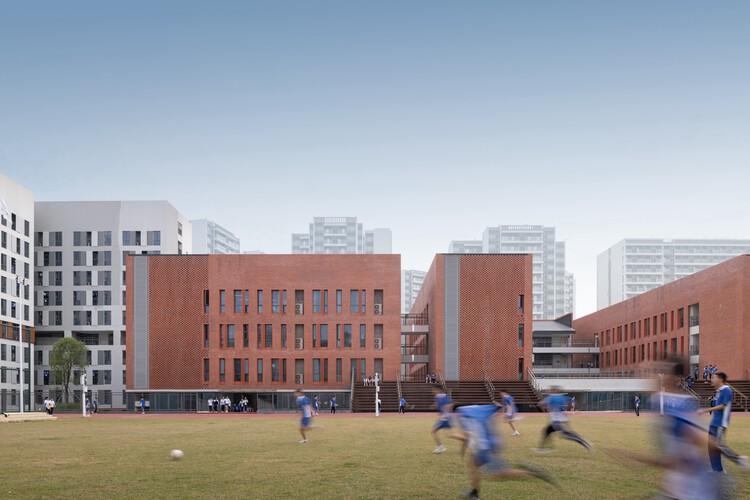
Courtyardism: A Vision for a More Balanced Urban Future in the Greater Bay Area by Wang Weijen Architecture
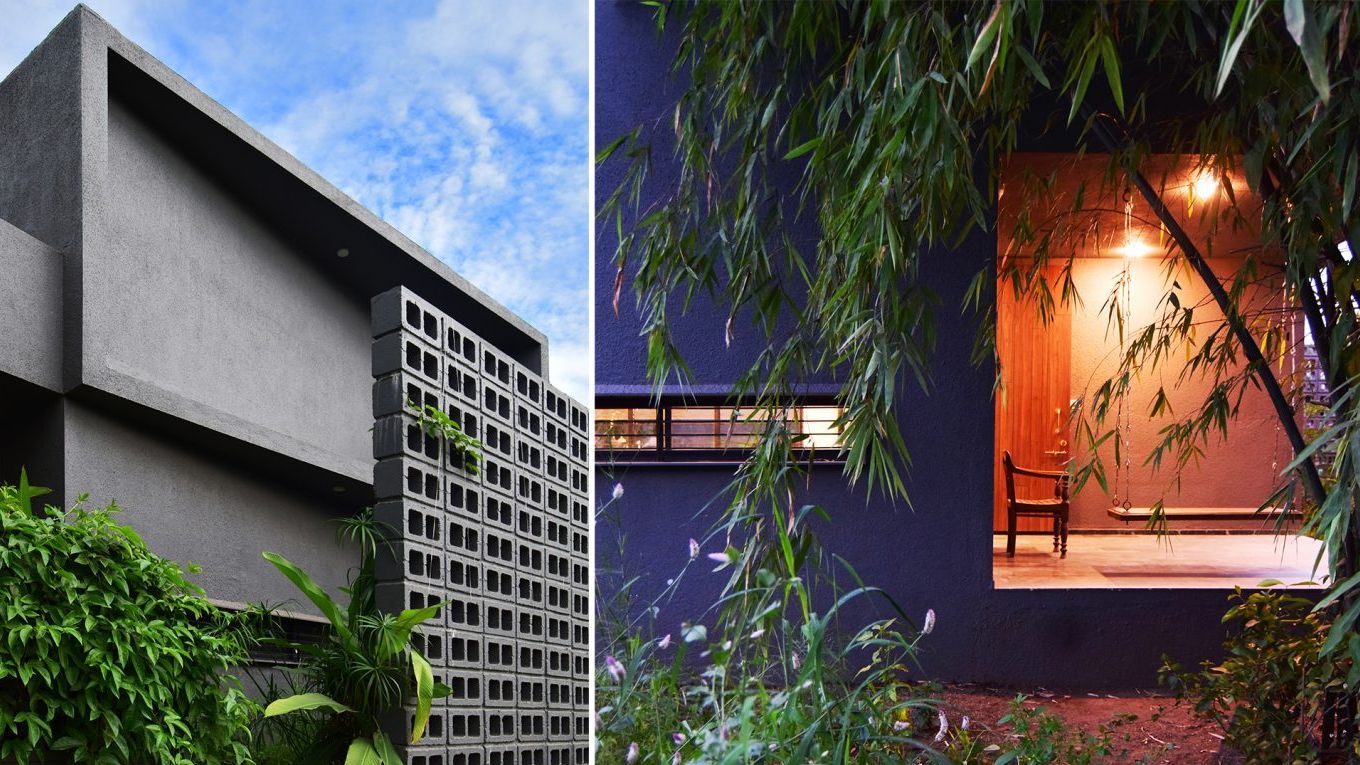
Dakivali: All materials used to build this home were found within 3 kms
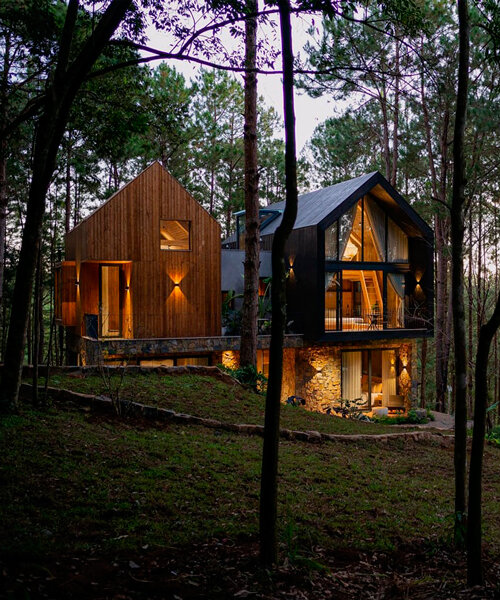
APS concept studio nestles wooden villa into vietnamese countryside