1/2
Will Your Pipes Freeze If You Leave The Heating Off?
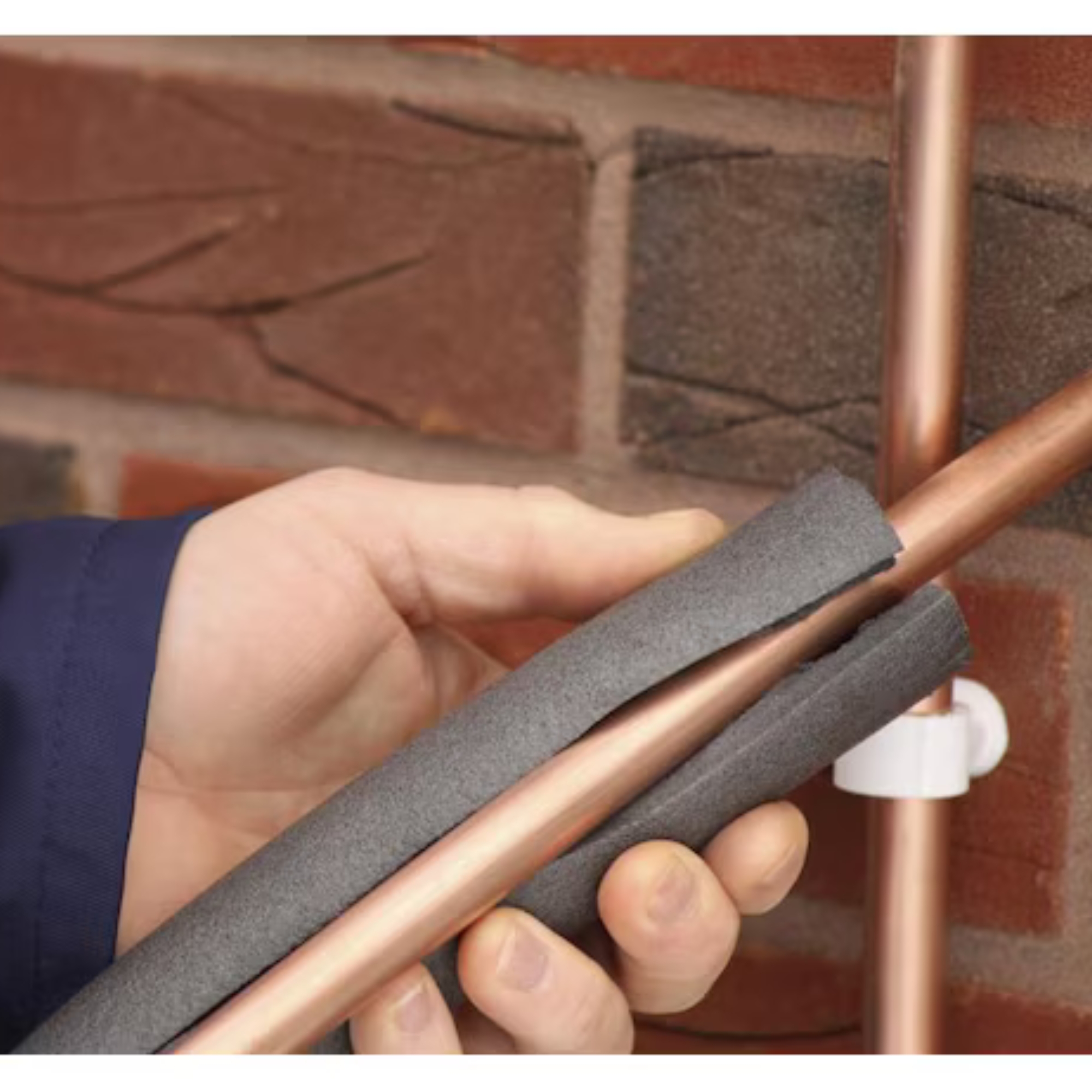
As sub-zero temperatures and snowfall impact the UK, a common household concern is whether leaving the heating off can lead to frozen pipes. Experts were consulted to clarify this issue. Stephen Hankinson, an energy expert at Electric Radiators Direct, explains that pipes can indeed freeze during cold snaps. When water inside pipes freezes, it expands, causing pressure to build up and potentially crack the pipes, leading to bursts. This can result in significant damage and costly repairs. To mitigate this risk, Hankinson advises homeowners to implement a 'tick over' heating schedule, especially when temperatures are expected to drop to or below freezing, or when leaving the house for an extended period.
Scheduling heating is not only an energy and cost-saving measure but also a crucial preventative step against burst pipes. For instance, Hankinson suggests setting the heating to come on for approximately one hour around 7 PM and again at 7 AM. This strategy aims to prevent pipes from freezing during the coldest hours, typically overnight, while still minimizing overall energy consumption and keeping utility bills manageable. This targeted heating approach focuses on critical periods when temperatures are most likely to drop to dangerous levels.
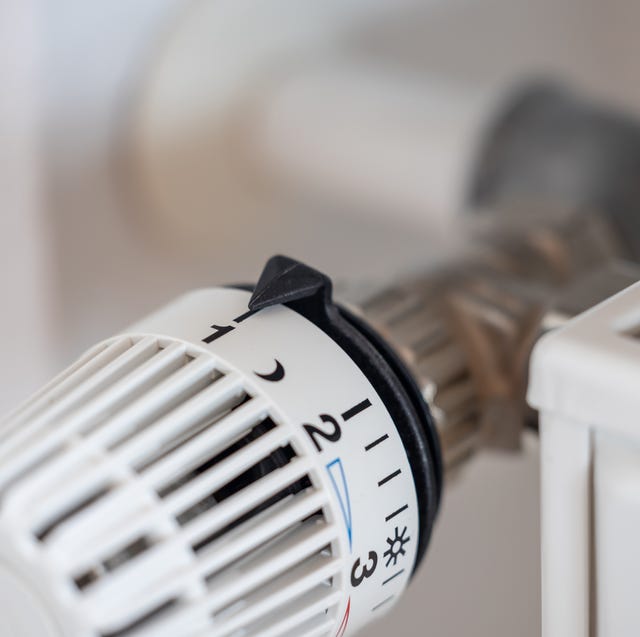
Homeowners looking to save money on heating bills do not need to maintain a high temperature throughout the entire house. Instead, Hankinson recommends setting the thermostat to a lower temperature, such as 15 or 16 degrees Celsius. Even at this reduced temperature, the water in the pipes should remain above freezing point, effectively preventing ice formation and subsequent pipe damage. This allows for a balance between energy conservation and the protection of household infrastructure.
In addition to setting the thermostat to a minimal temperature, implementing a timed heating schedule ensures that the system activates during vulnerable periods, such as early mornings and late evenings, when external temperatures are at their lowest. This proactive measure can safeguard plumbing systems from the adverse effects of extreme cold, thereby preventing potential bursts and the associated inconveniences and expenses. The advice emphasizes the importance of strategic heating rather than continuous high-temperature operation, providing a practical solution for winter preparedness.
#FrozenPipes #WinterPreparedness #HomeHeating #EnergySaving #BurstPipes #ThermostatSettings #ColdWeather #PlumbingMaintenance #FrozenPipes #WinterPreparedness #HomeHeating #EnergySaving #BurstPipes #ThermostatSettings #ColdWeather #PlumbingMaintenance
0 комментариев всего
 Комментариев пока нет
Вам также может понравиться
The perfect temperature to avoid frozen pipes

Homeowner shares crucial tip to avoid costly repairs this winter: 'I need these reminders'

Should you leave an attic open during a freeze? HVAC technicians weigh in
Can Paint Freeze? Here’s What to Know

When to drip faucets – avoid frozen and burst pipes with these expert-approved precautions
Should You Turn Your Heat Down When You're Not Home?
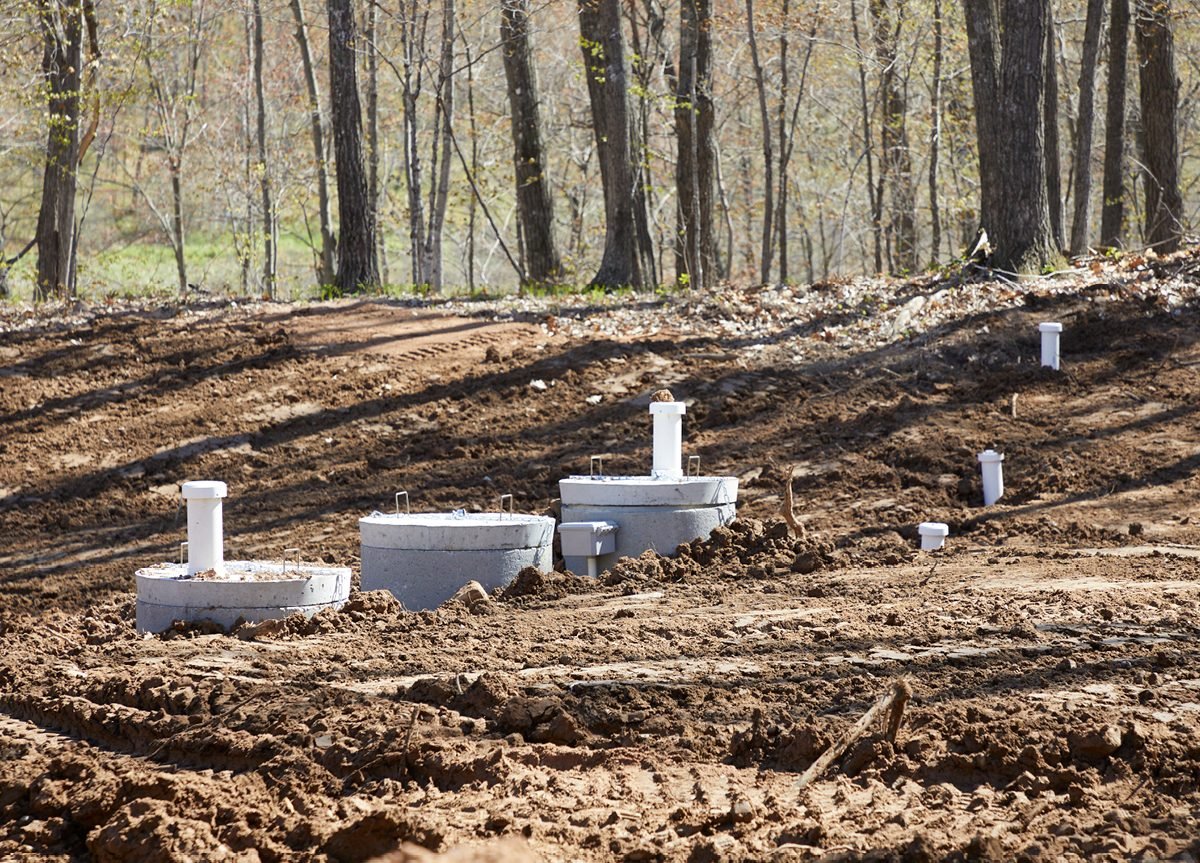
Tips to Prevent Your Septic System from Freezing