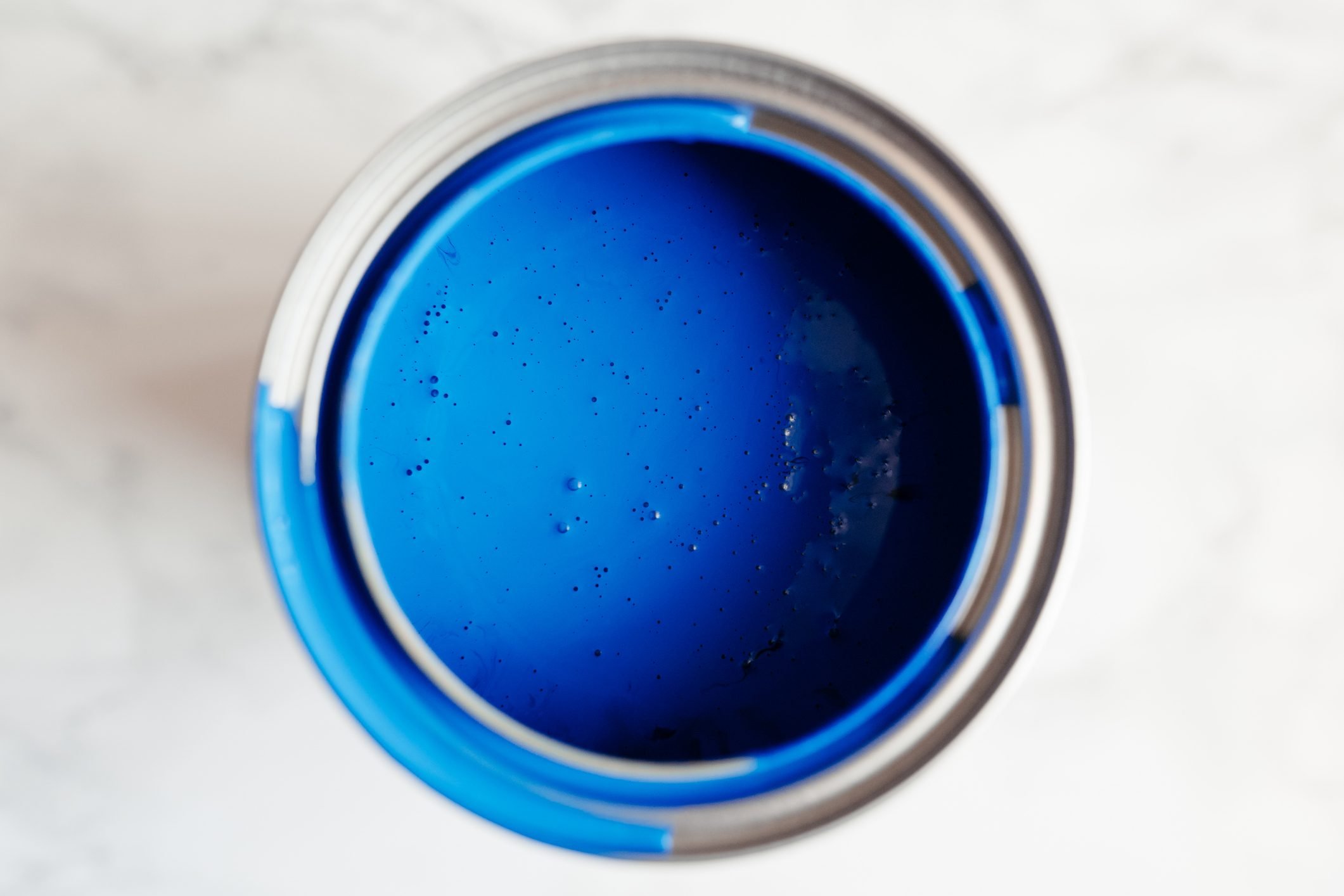
Can Paint Freeze? Here’s What to Know
This article explores the effects of freezing temperatures on household paints, distinguishing between latex and oil-based varieties and offering guidance on storage and usability. It addresses the common concern of paint freezing when left in unheated spaces like garages or sheds during winter months. The main takeaway is that water-based (latex) paints are highly susceptible to freezing due to their water content, whereas oil-based paints, containing alkyd resin and petroleum products, are far more resilient and only freeze under extreme conditions, such as those found in the Alaskan tundra in winter. Water-based paints typically freeze at or below 32°F, though their specific freezing point can be slightly lowered by their chemical composition, similar to how salt affects water's freezing point. Oil-based house paints, unlike some craft oil paints, are formulated to withstand nearly all temperatures experienced in the continental U.S., making freezing an unlikely event for them.
A crucial point highlighted is that frozen paint, particularly water-based, is generally ruined once it freezes. The freezing process denatures the paint, altering its texture and consistency. When thawed, it often becomes clumpy and unusable, akin to milk that has been frozen and then thawed, which separates into watery liquid and solids. The article emphasizes that paint will likely undergo multiple freeze/thaw cycles if left in an unheated environment, further compromising its quality. Therefore, the most effective strategy is prevention.
To prevent paint from freezing, it is strongly recommended to store it in temperature-controlled indoor environments, such as basements or closets, rather than garages or sheds unless these spaces are heated. Professionals interviewed for the article advise ensuring the lid is tightly sealed to prevent evaporation, which can also affect paint quality.
The article cautions against using paint that has frozen. While there's nothing to physically stop someone from attempting to use it, the quality will be severely compromised. Applying thawed, clumpy paint to walls can result in an uneven finish with bubbles and defects, described as akin to applying cottage cheese. If one chooses to try using frozen paint, it should be allowed to warm up slowly to room temperature and then stirred thoroughly. If it appears clumpy or its color and sheen are off, it should be properly disposed of. If, however, the paint appears normal, it might be usable for projects where appearance and durability are not critical, though its performance may still be unpredictable in terms of bonding and color consistency.
Regarding other types of paint and wood stain, oil-based paints are unlikely to freeze but can become viscous and difficult to use in cold conditions. Wood stains can also freeze and spoil, with signs including excessive thickening, jelling, clumping, or skinning on the surface.
#PaintFreezing #LatexPaint #OilBasedPaint #PaintStorage #WinterizingPaint #HomeMaintenance #DIYPainting #WoodStain #PaintFreezing #LatexPaint #OilBasedPaint #PaintStorage #WinterizingPaint #HomeMaintenance #DIYPainting #WoodStain
0 comment in total
 No comments yet
You may also like

Decorating experts debunk 5 painting myths – avoid making these classic mistakes

When Should You Use Oil-Based vs. Water-Based Paint?

Is Your Can Of Paint Still Good? Here’s How To Tell According To Experts
How Long Paint Takes to Dry and Cure


How Long Wall Paint Lasts—and How to Know If Yours Has Gone Bad, According to Painting Pros

How Long Does Primer Take to Dry? Experts Share Their Best Advice

Story from Arizona Painting Company: Avoid these 6 common mistakes when storing leftover paint

What's the Ideal Outdoor Temperature Range for Using Exterior Paint?

Is it an okay temperature to paint outside? Why it might be too cold to decorate your home's exterior right now