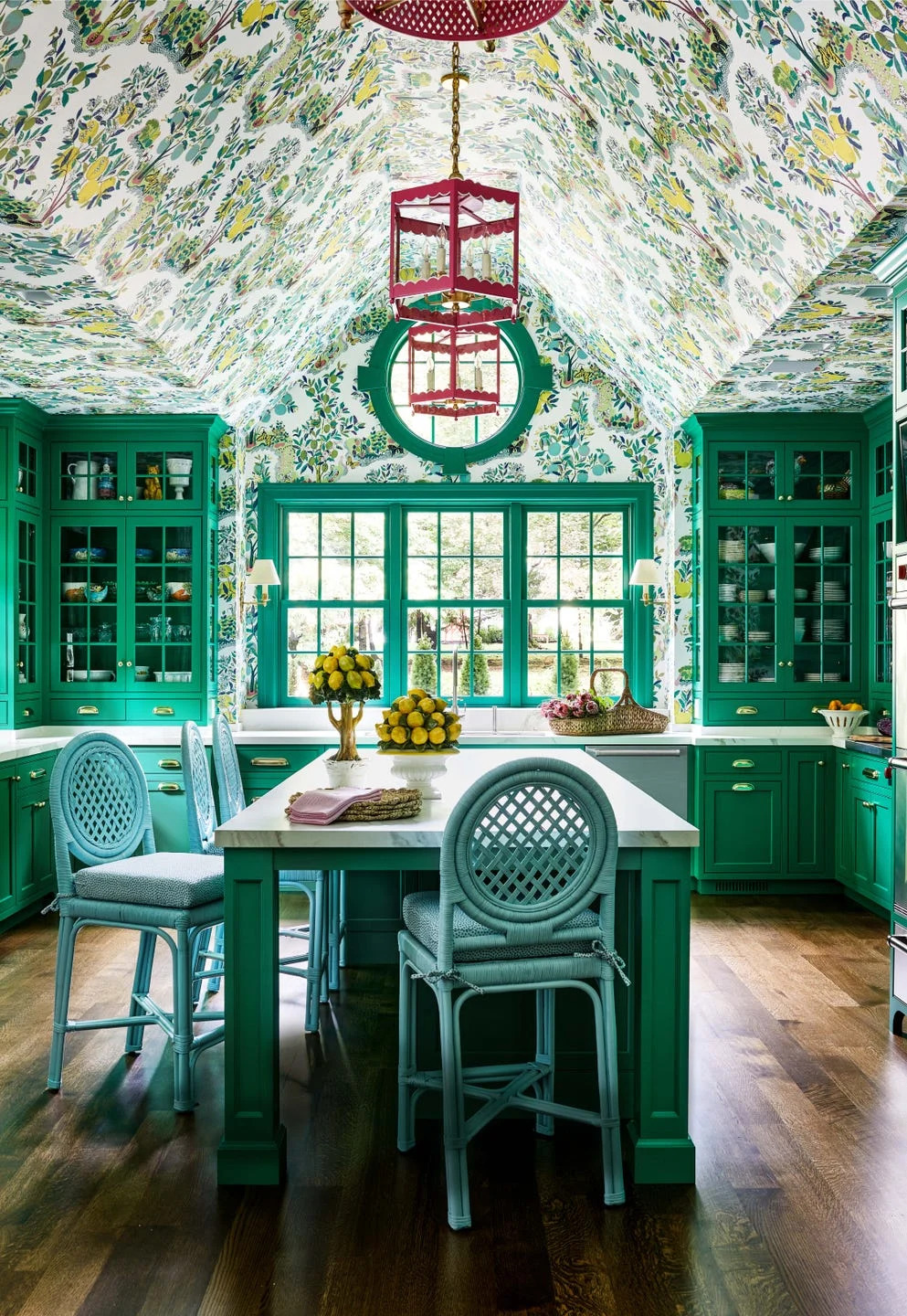
There Are Only Certain Green Paint Colors That Can Bring a Room to Life
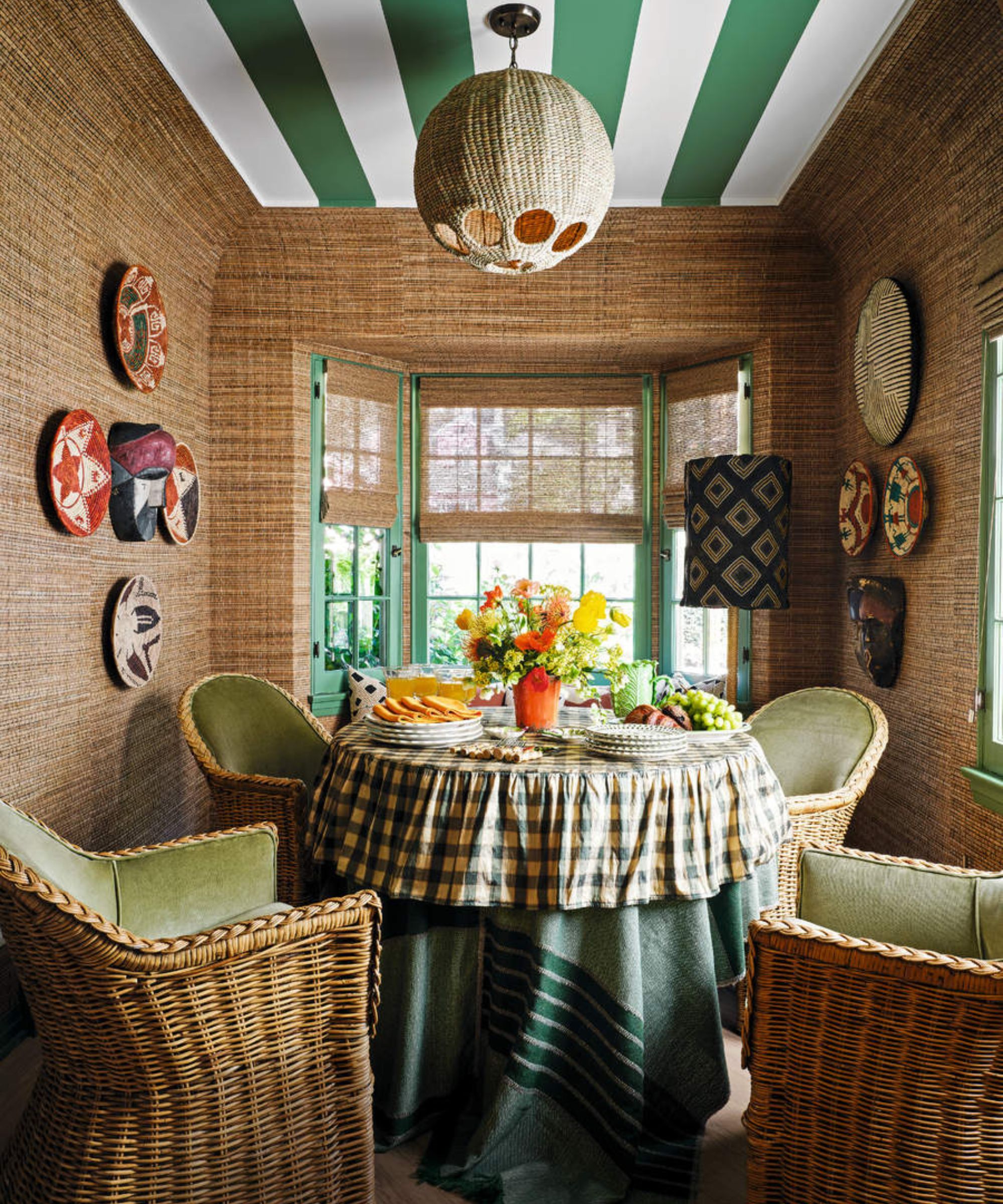
Green paint colors are becoming increasingly popular in interior design, offering versatility for various spaces and design aesthetics. Green is a neutral color that can serve as a backdrop or an accent, adapting to different lighting conditions and surrounding elements. It is often associated with nature, providing a sense of calm and refreshment.
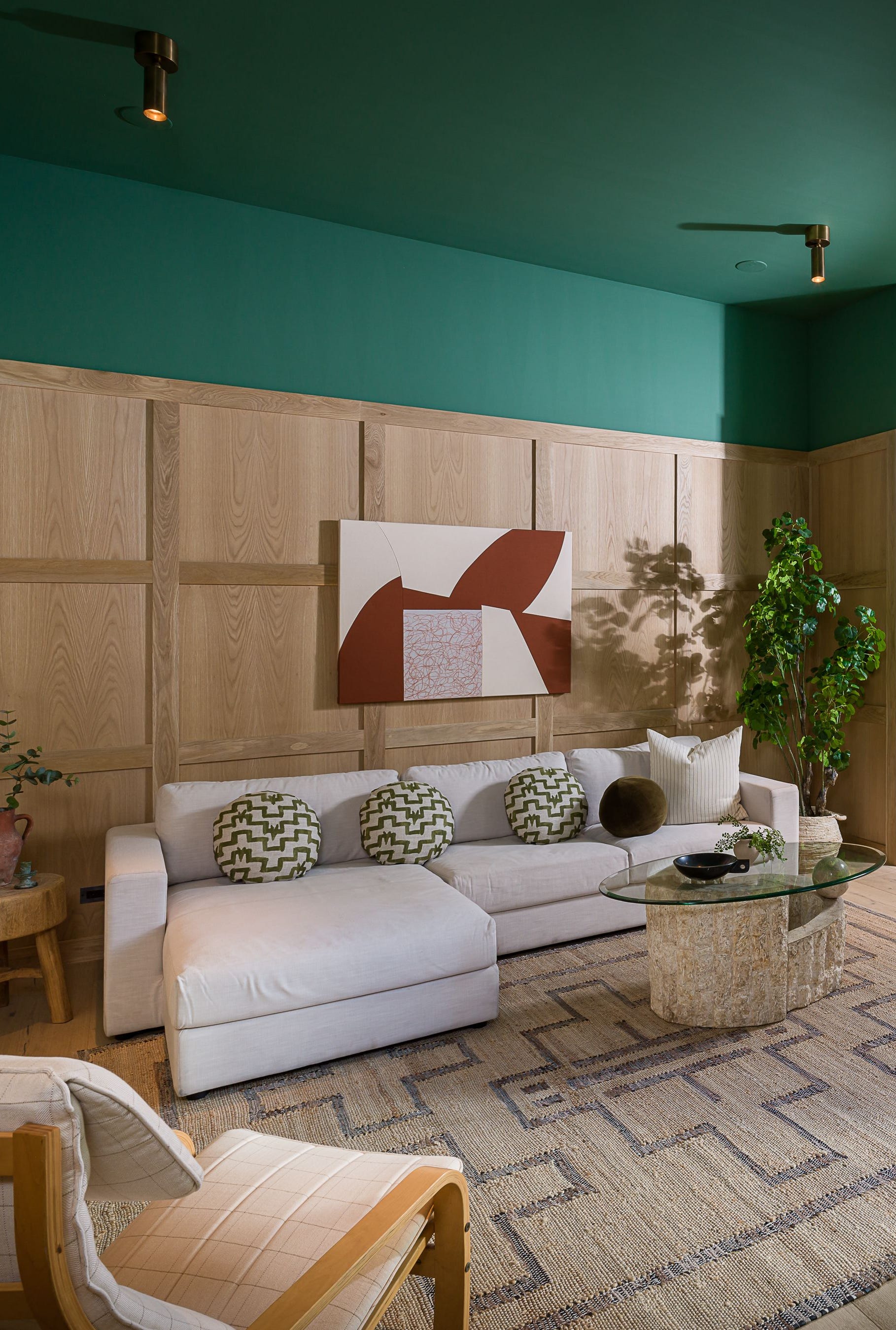
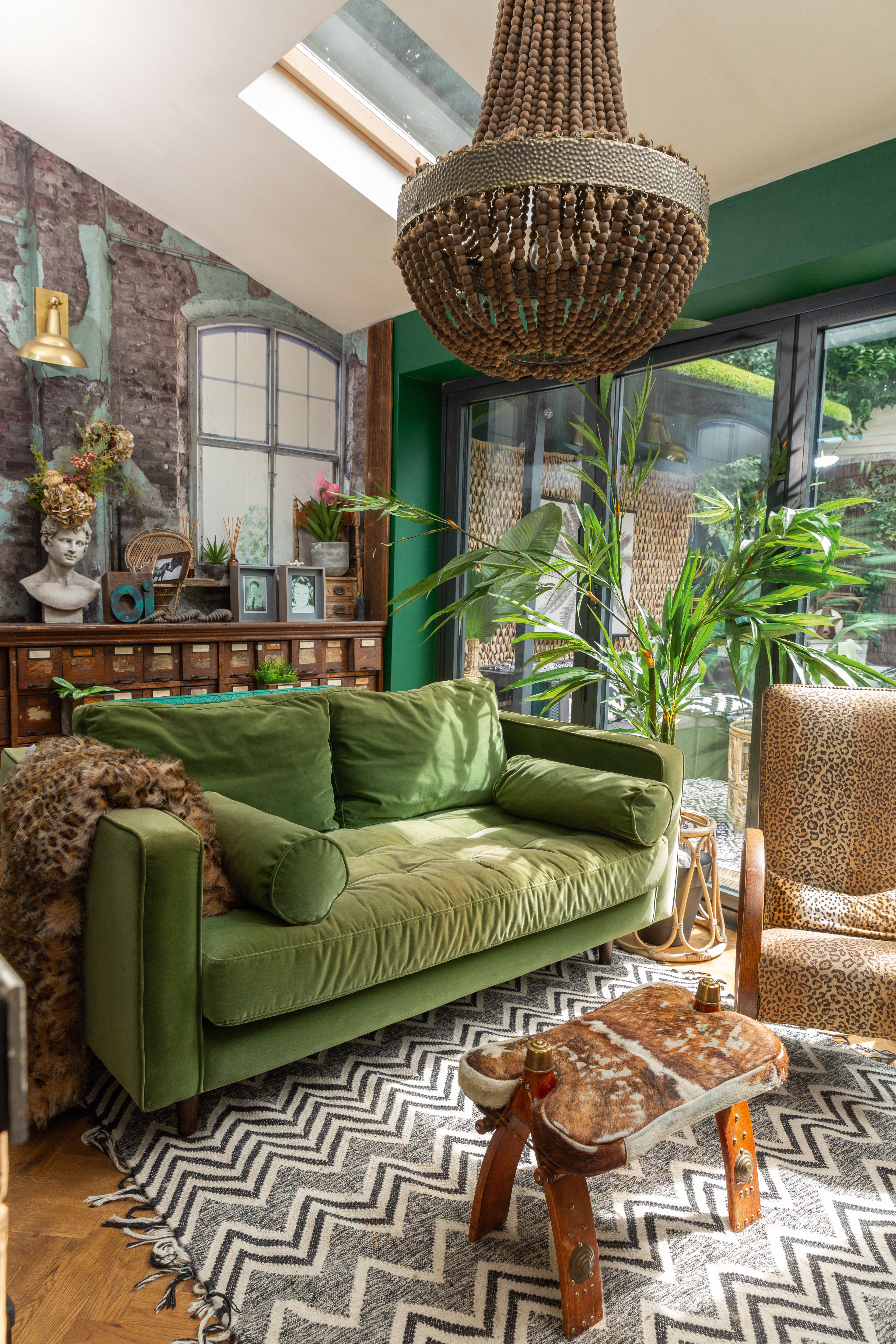
Several factors contribute to the rising popularity of green. As people spend more time indoors, there is a growing desire to incorporate natural elements into their living spaces. Green hues can evoke the feeling of being in nature, promoting a relaxing and harmonious atmosphere. Additionally, green complements a wide range of other colors, making it easy to integrate into existing décor schemes. It pairs well with warm wood tones, cool grays, and vibrant accent colors, allowing for diverse design possibilities.
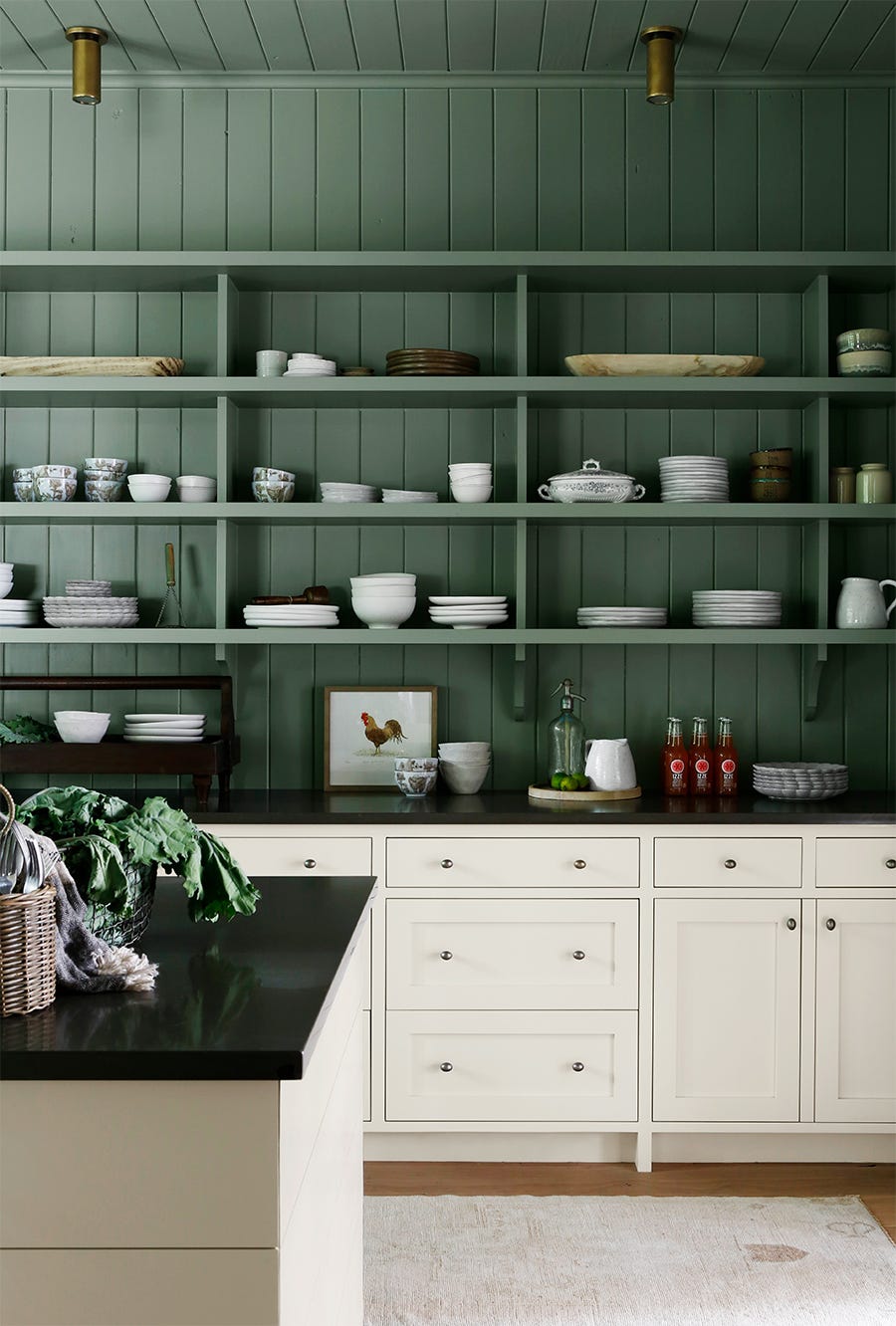
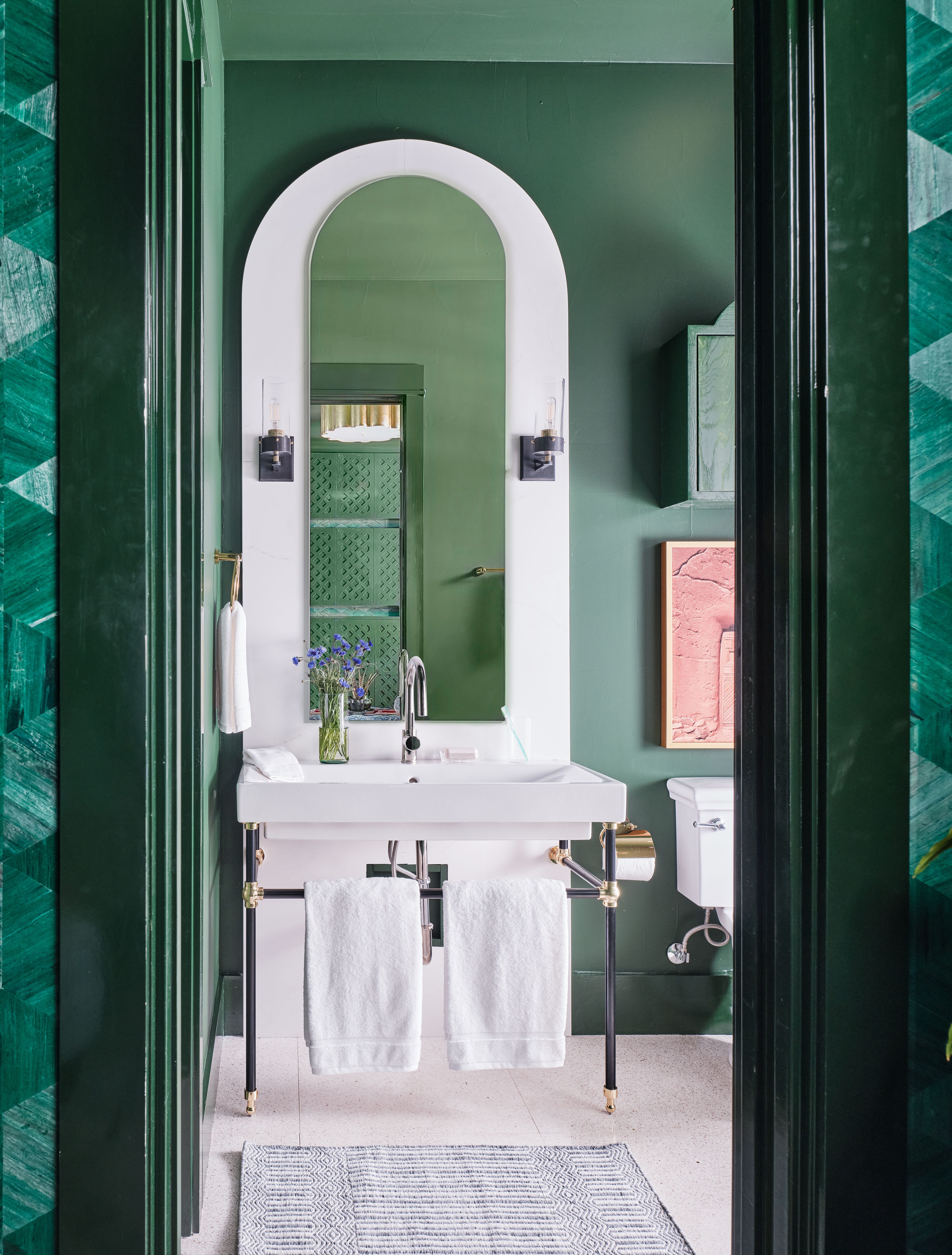
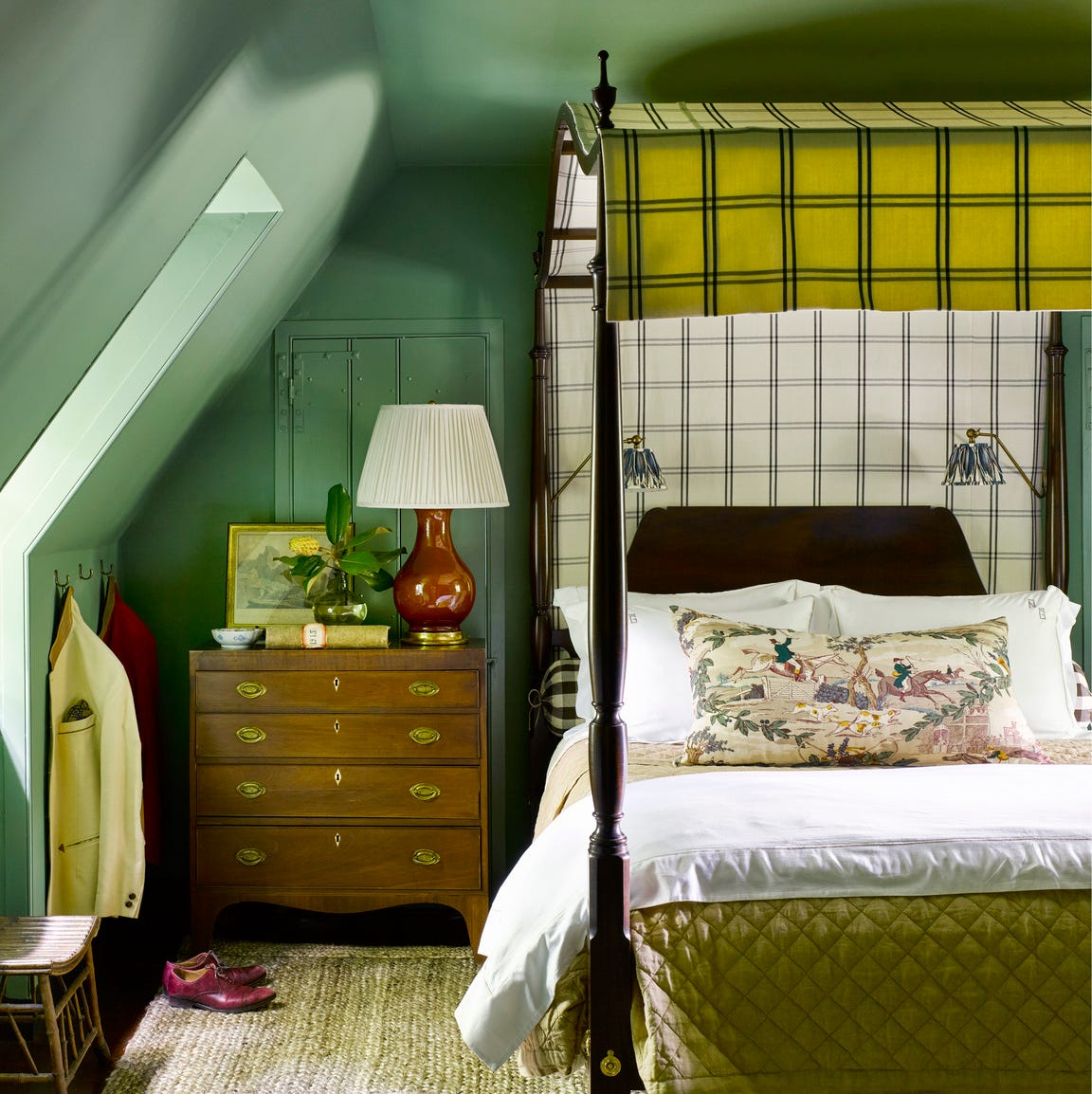
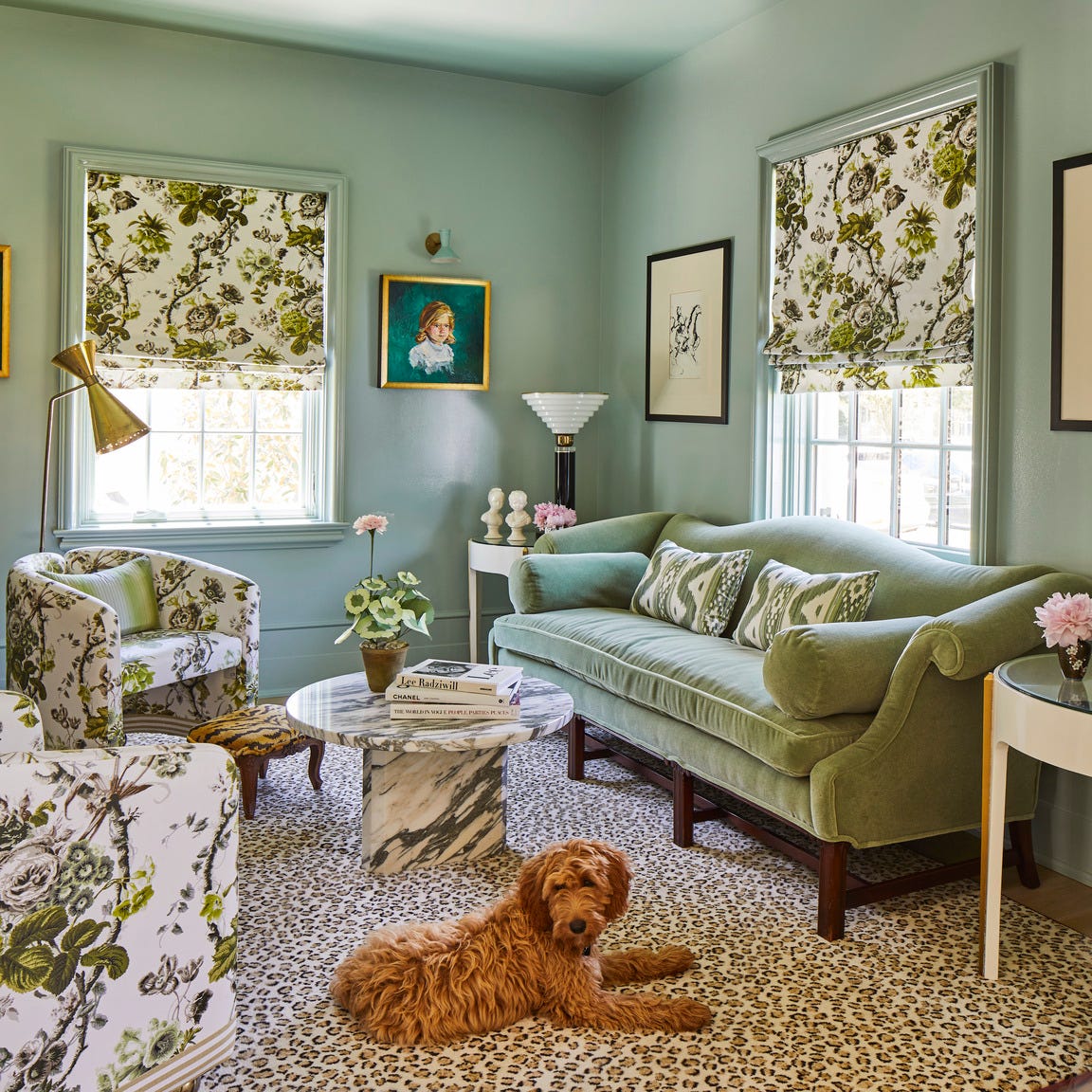
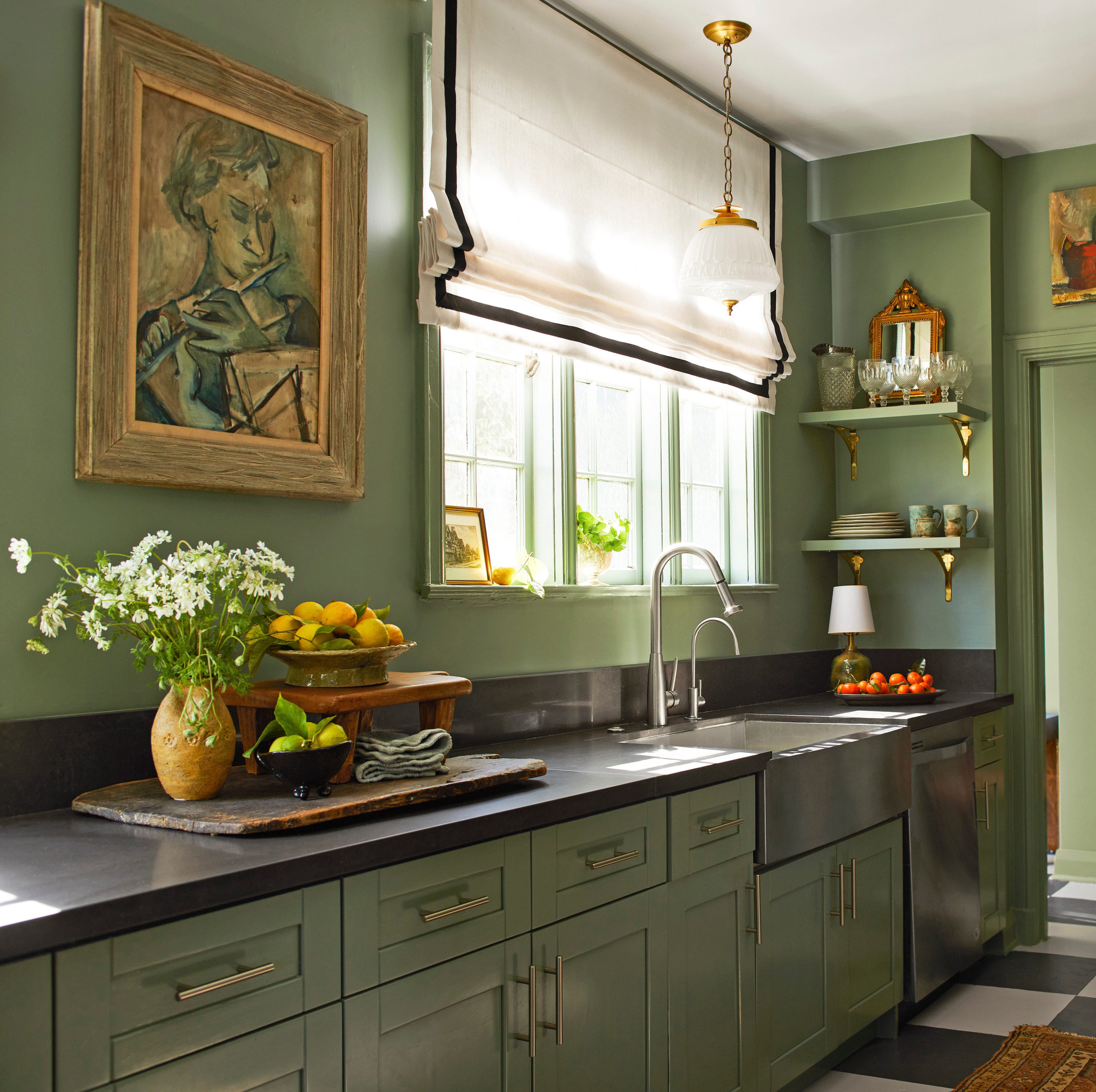
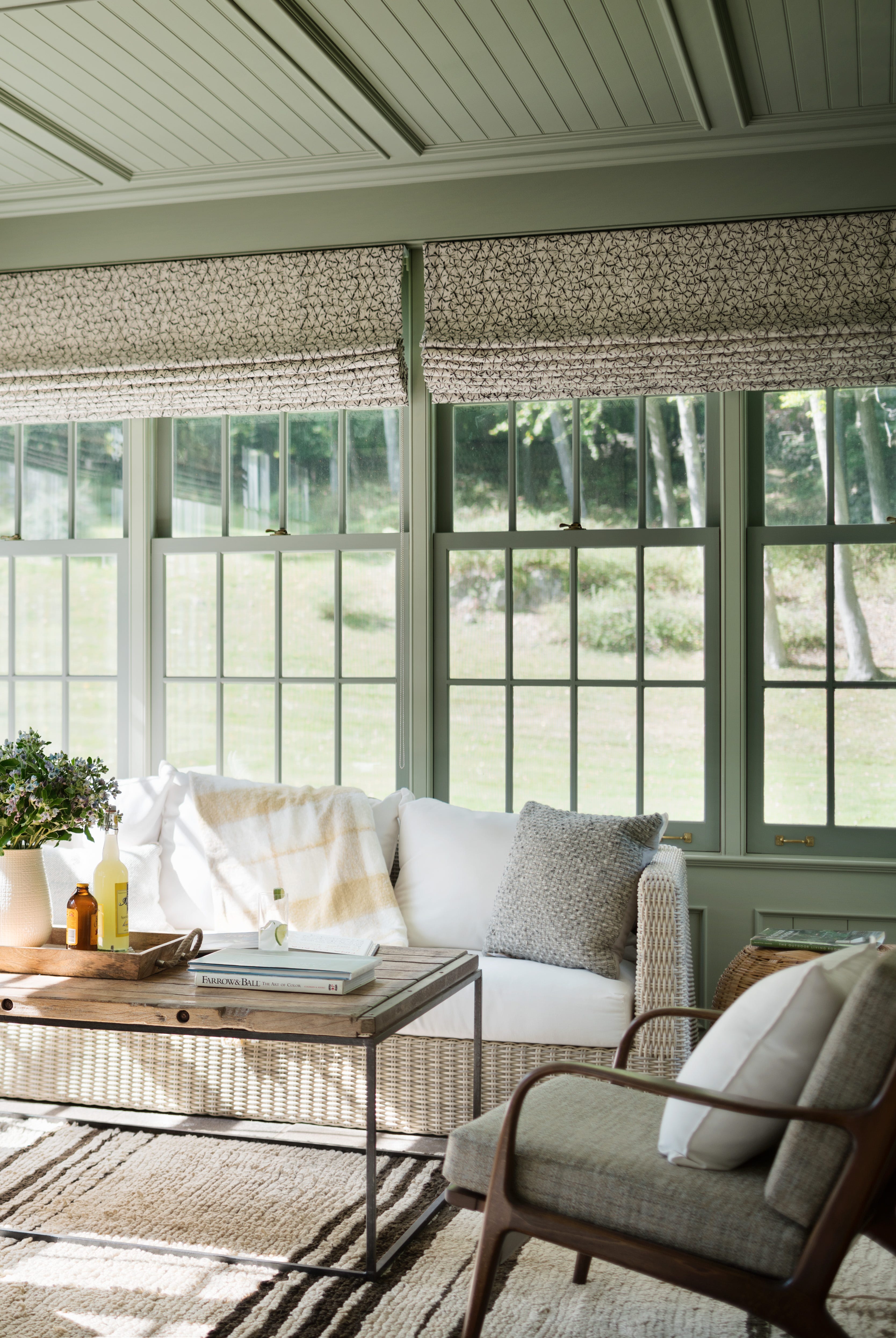
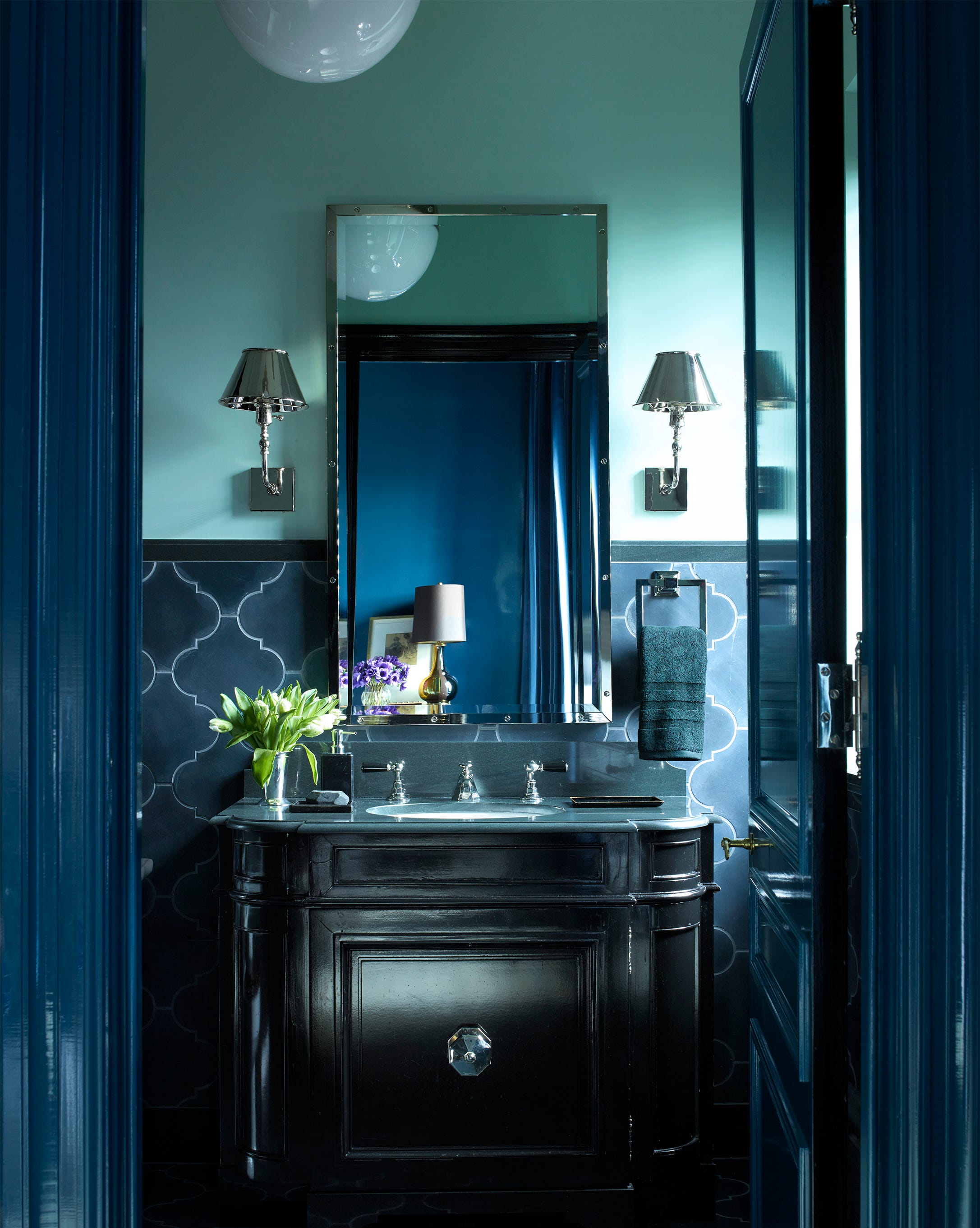
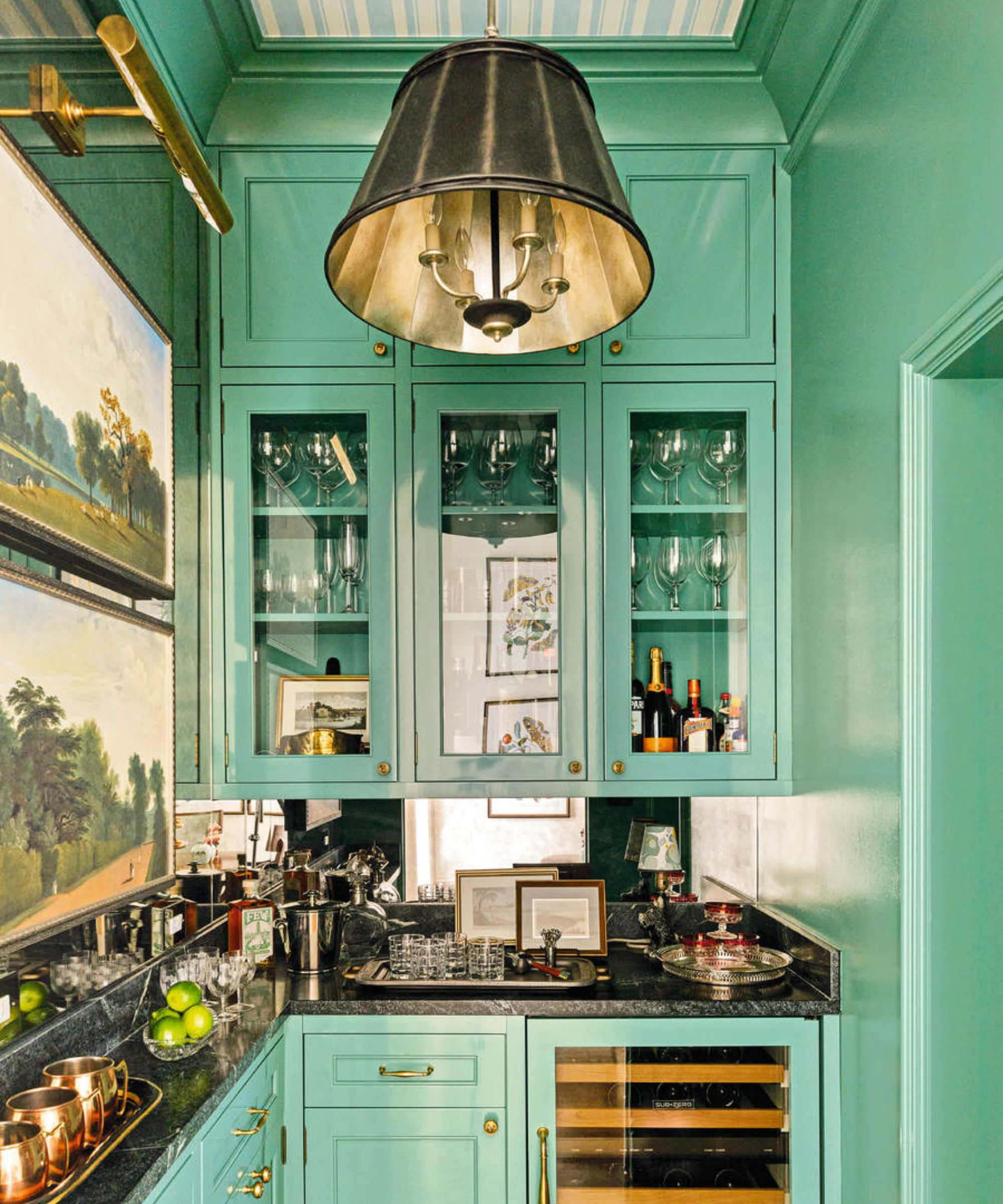
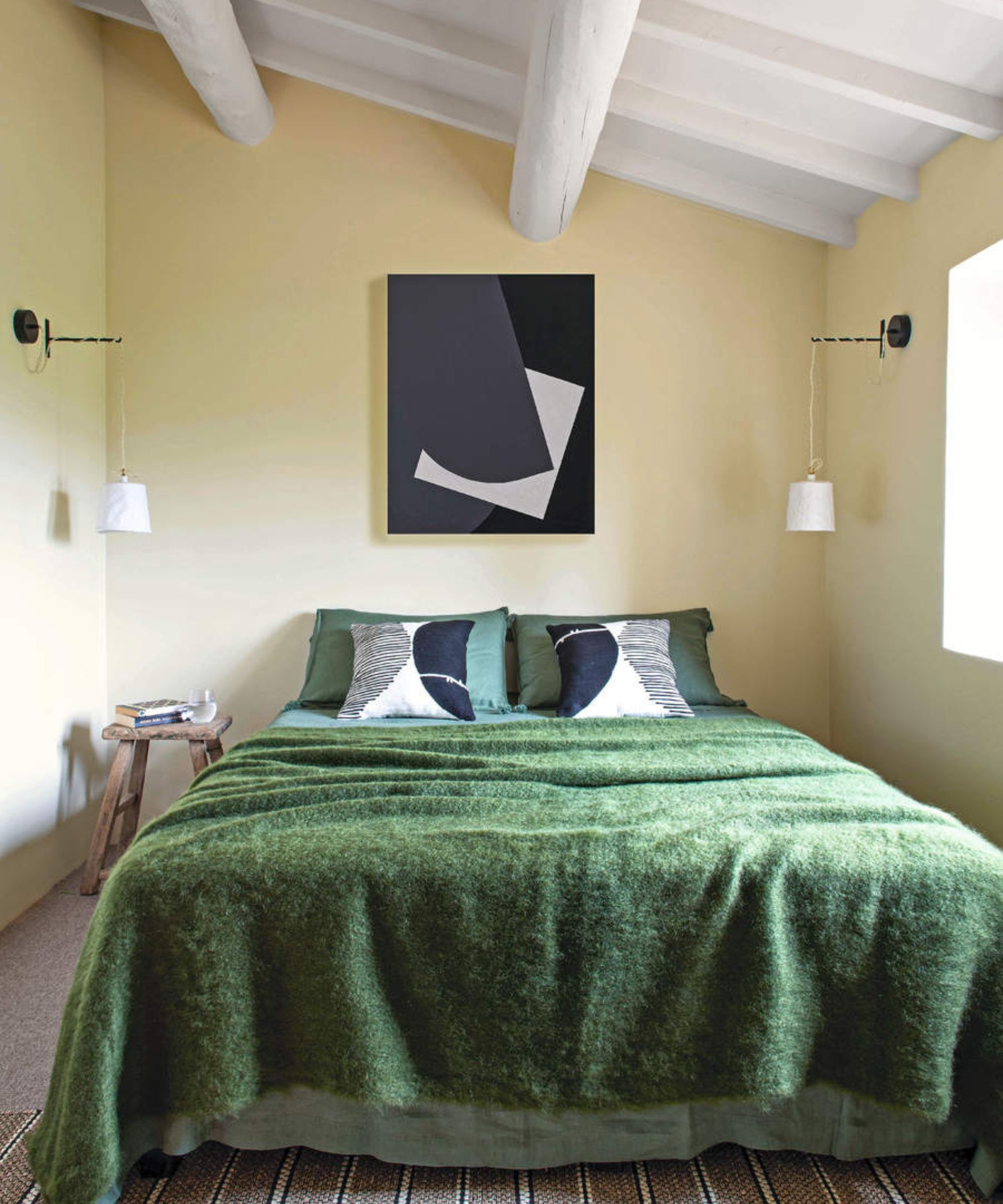
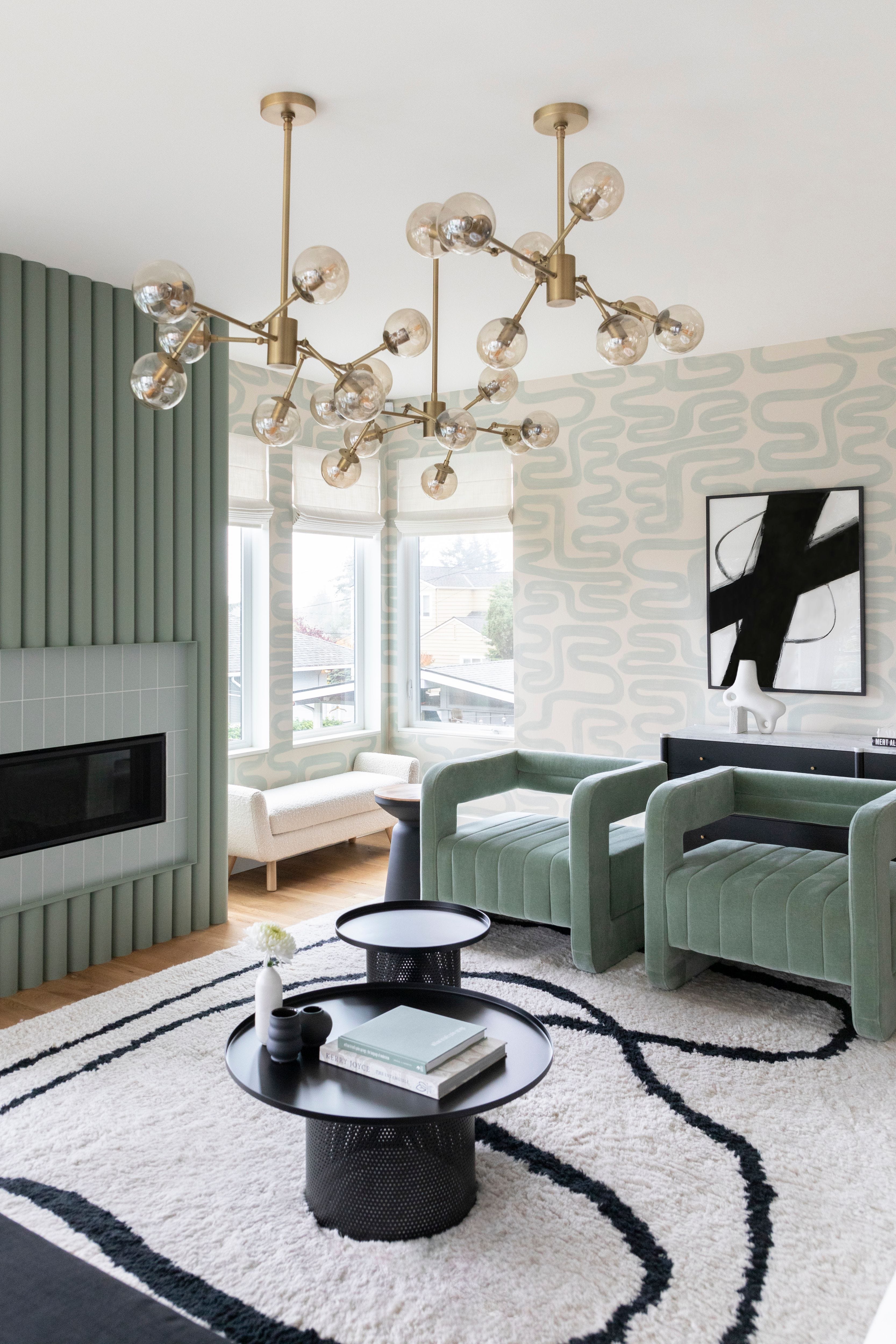
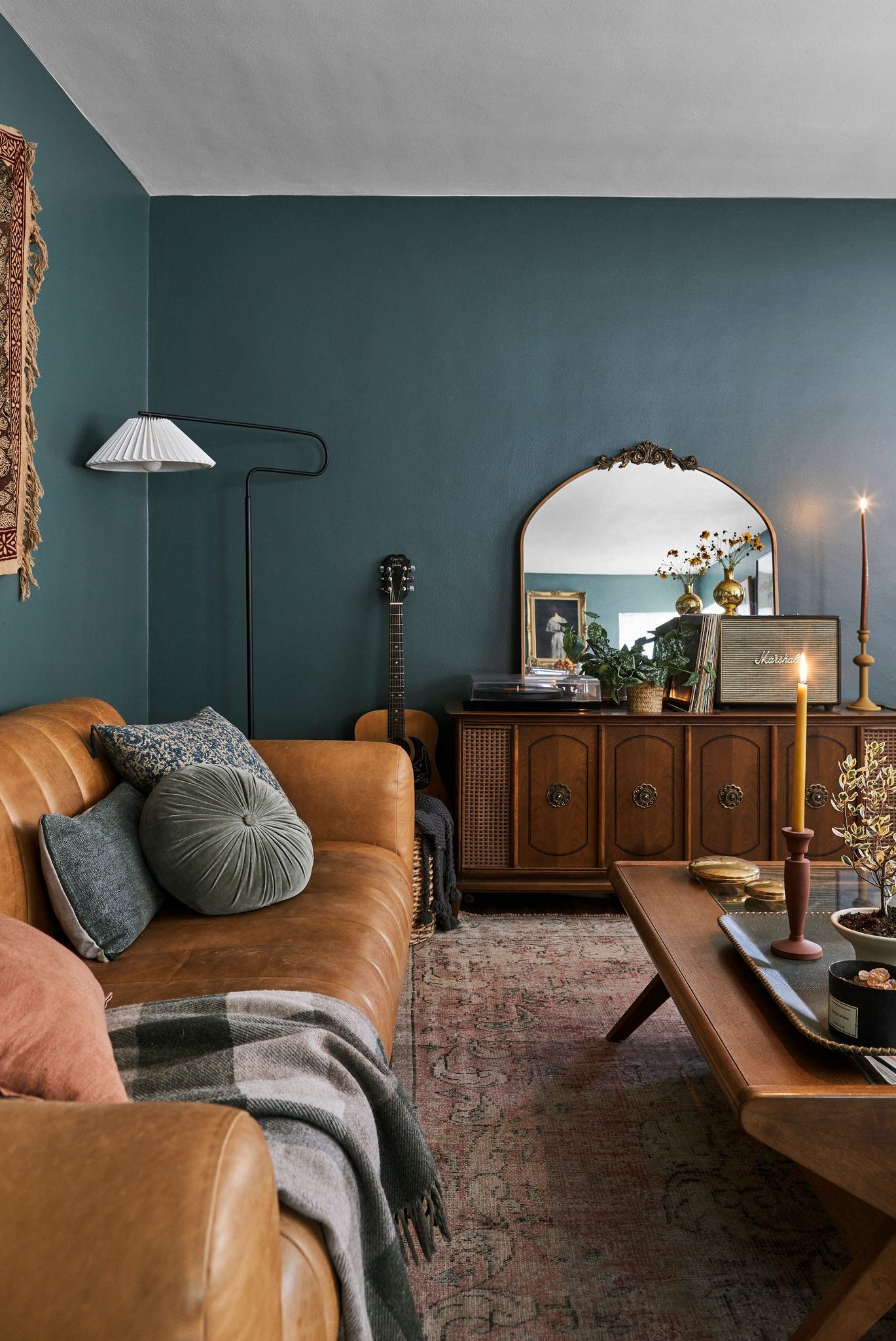
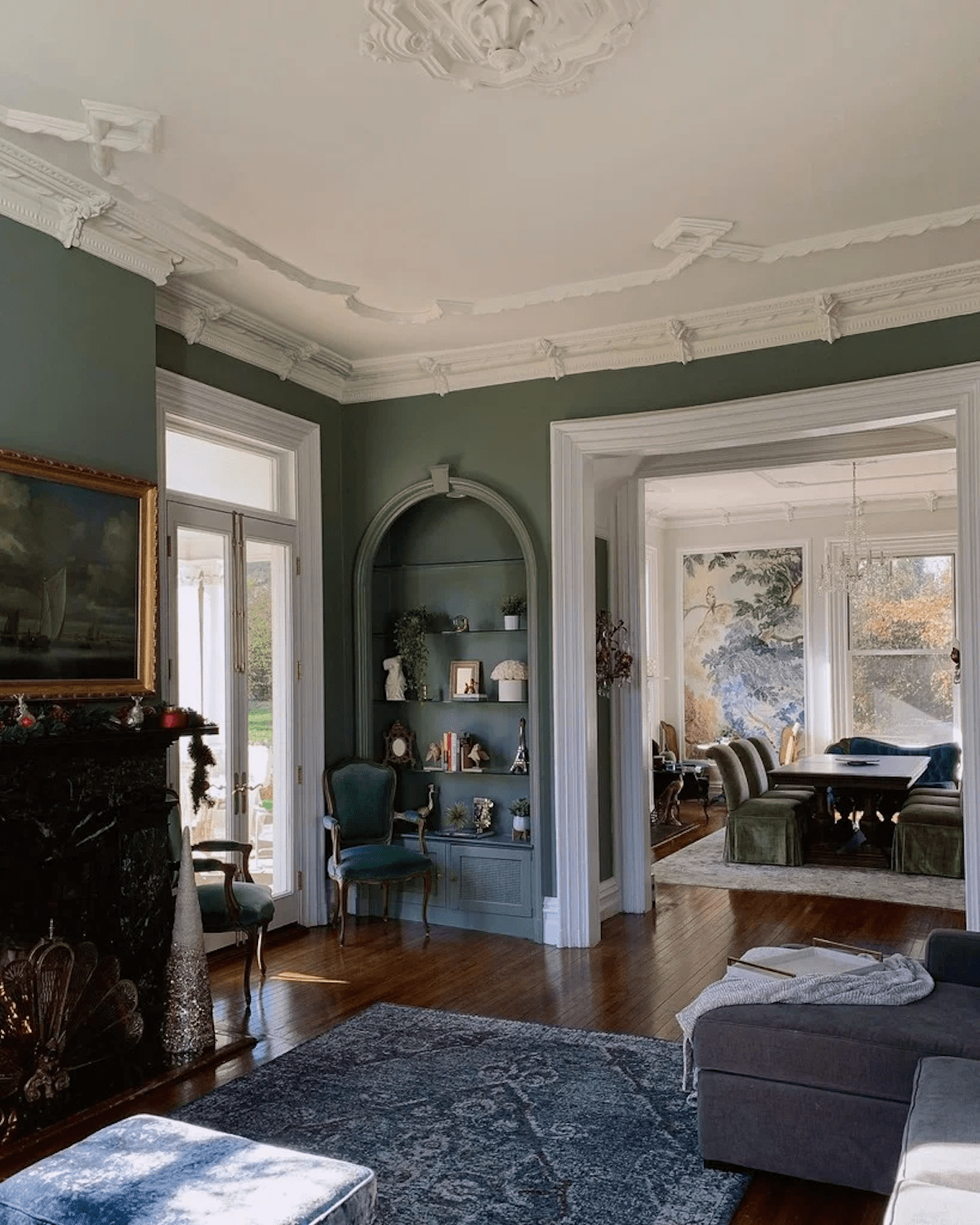
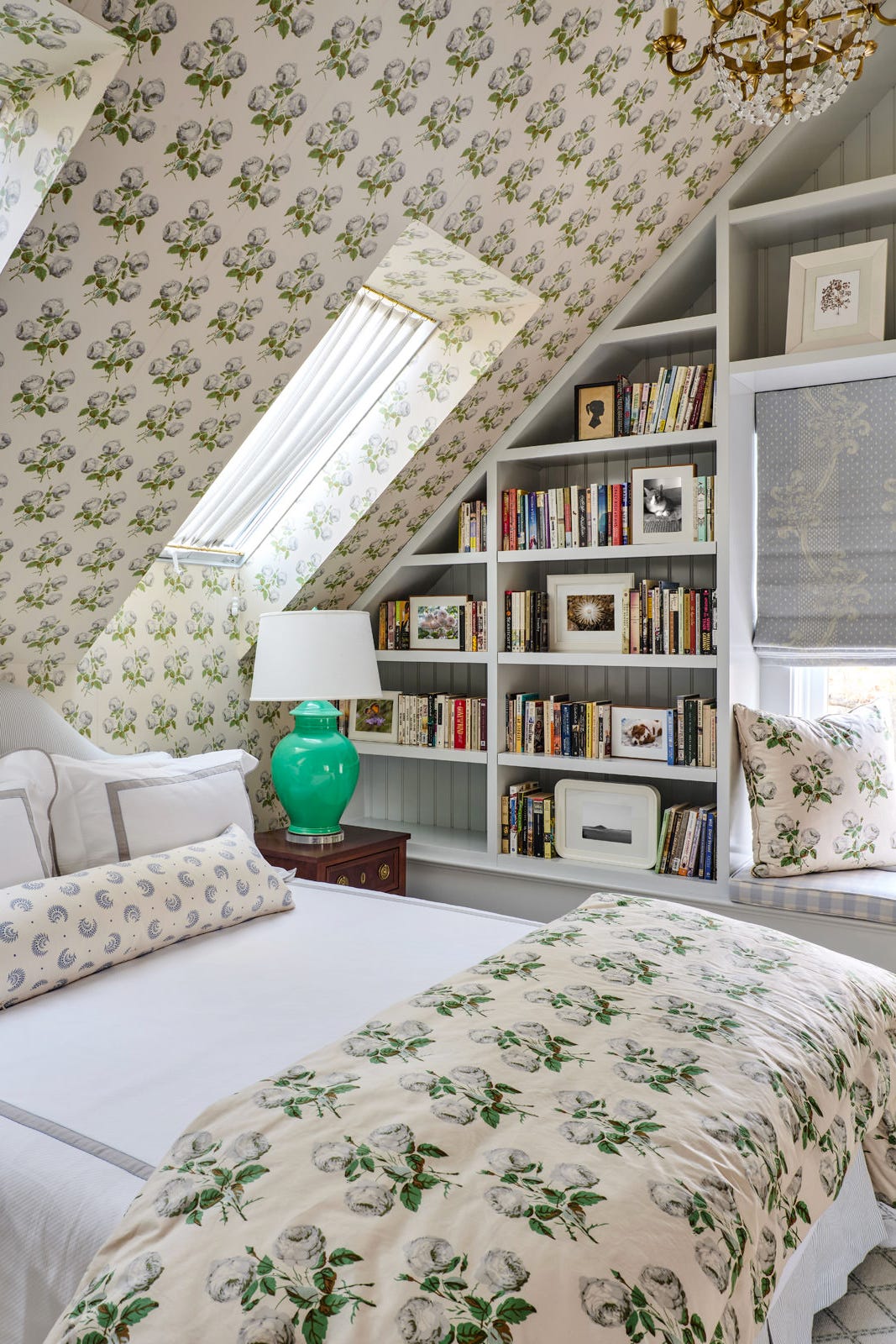
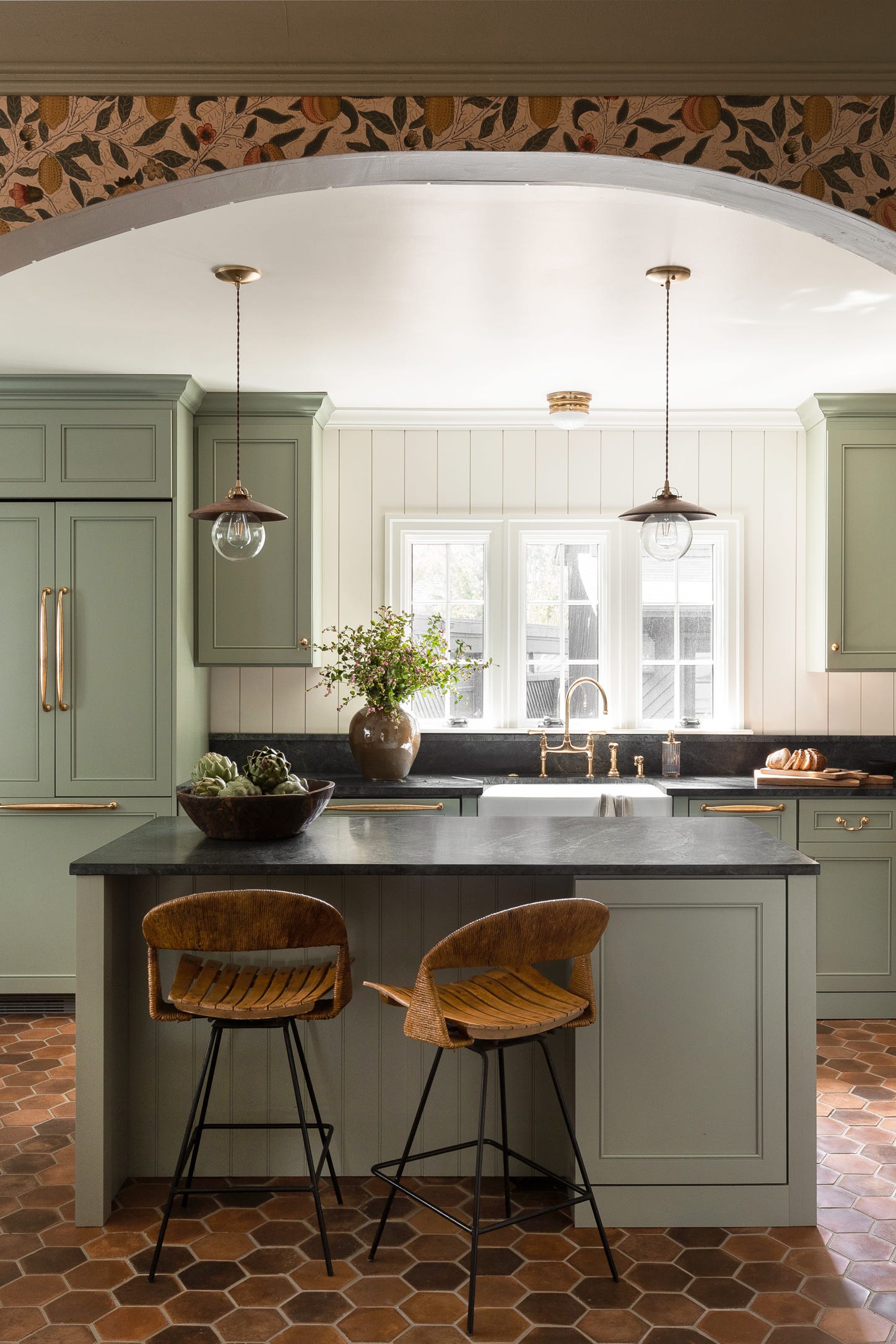
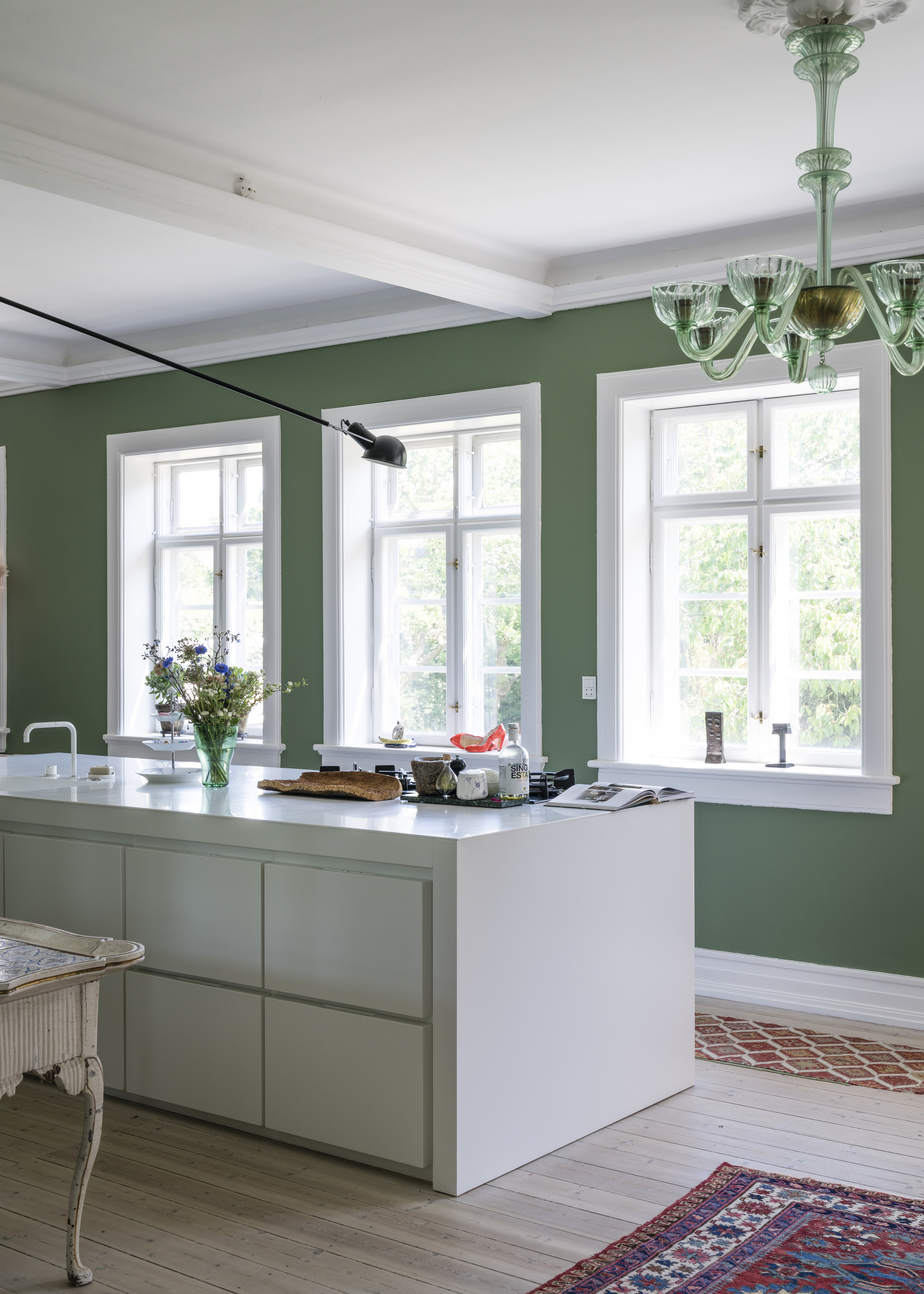
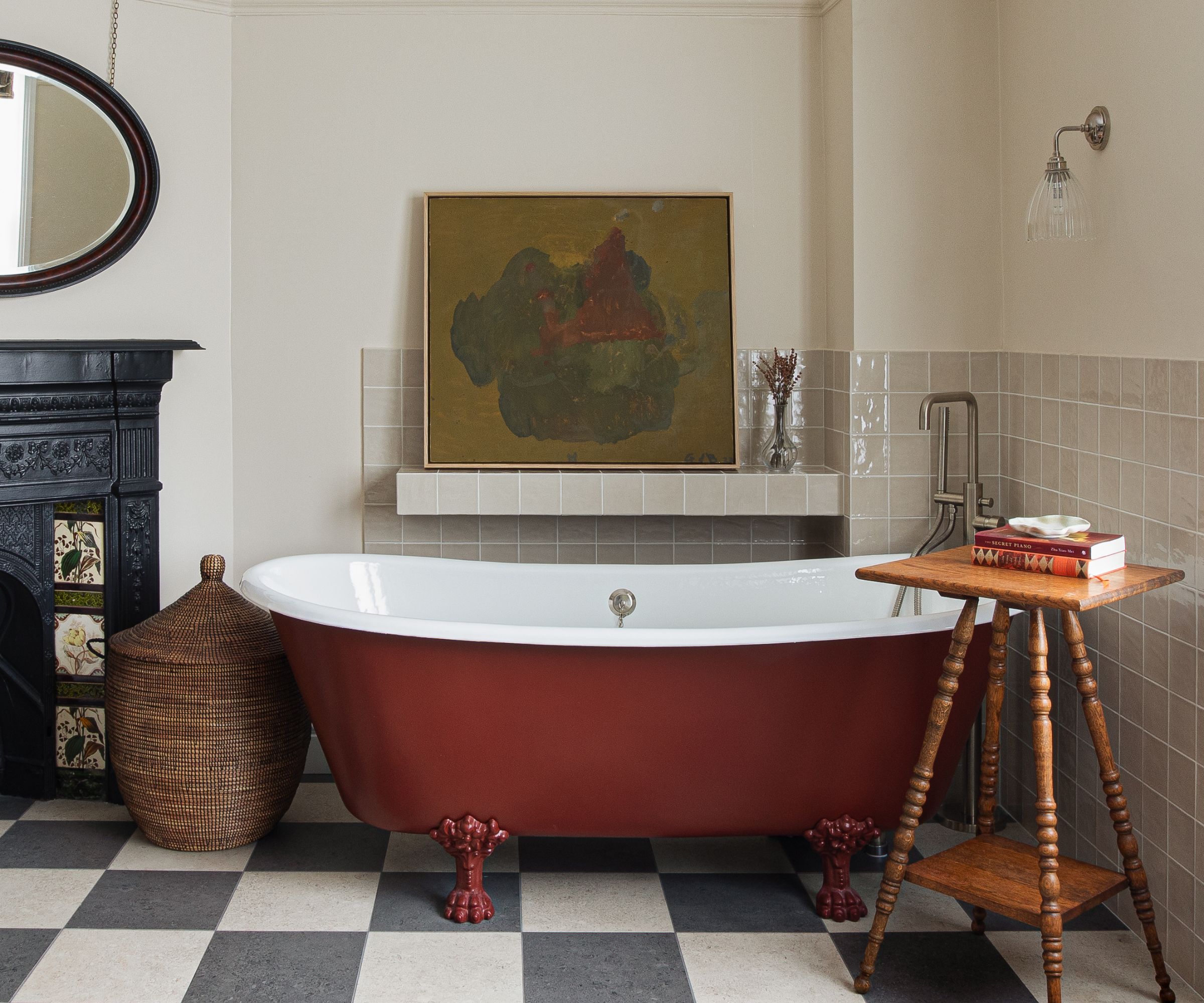
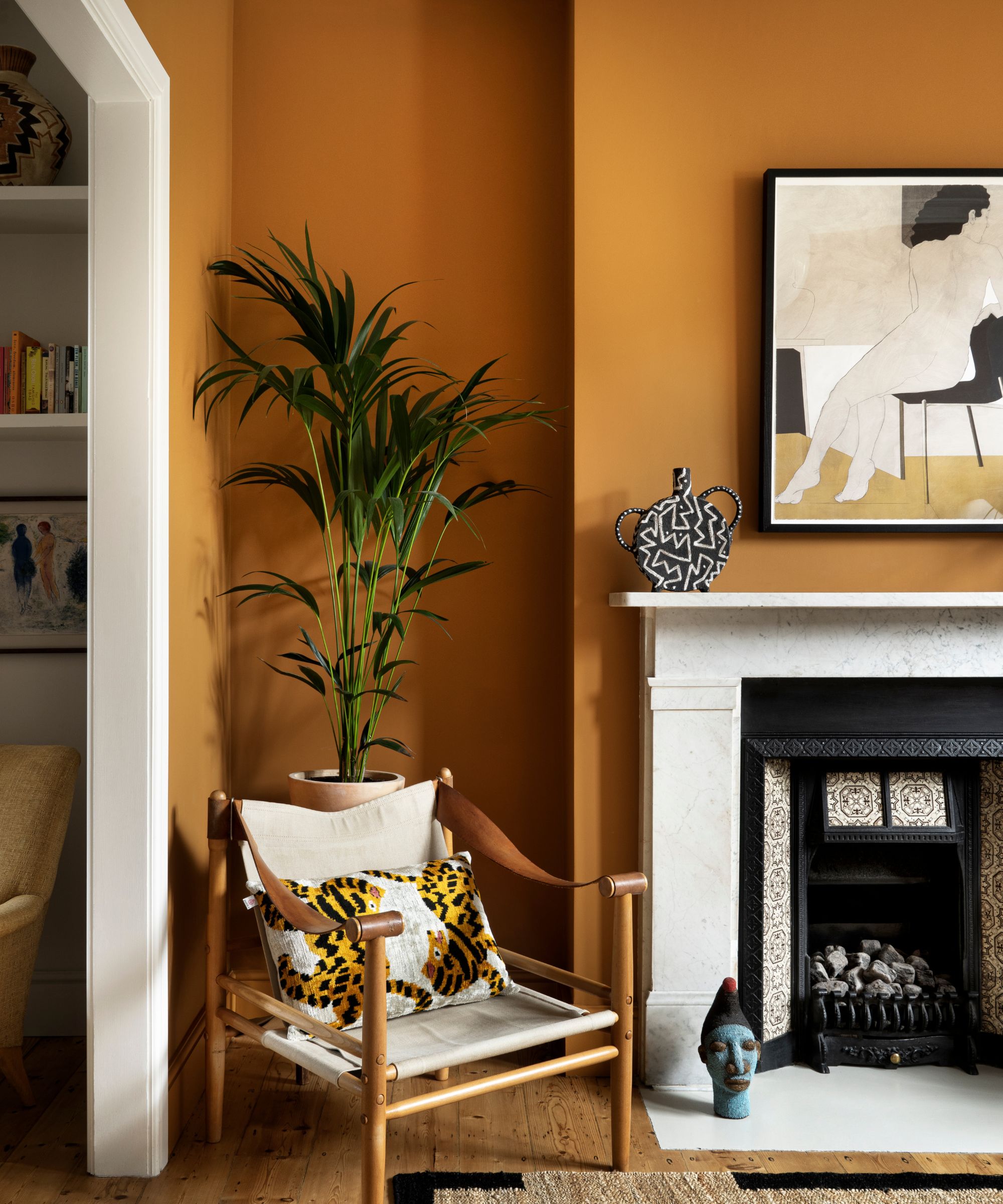
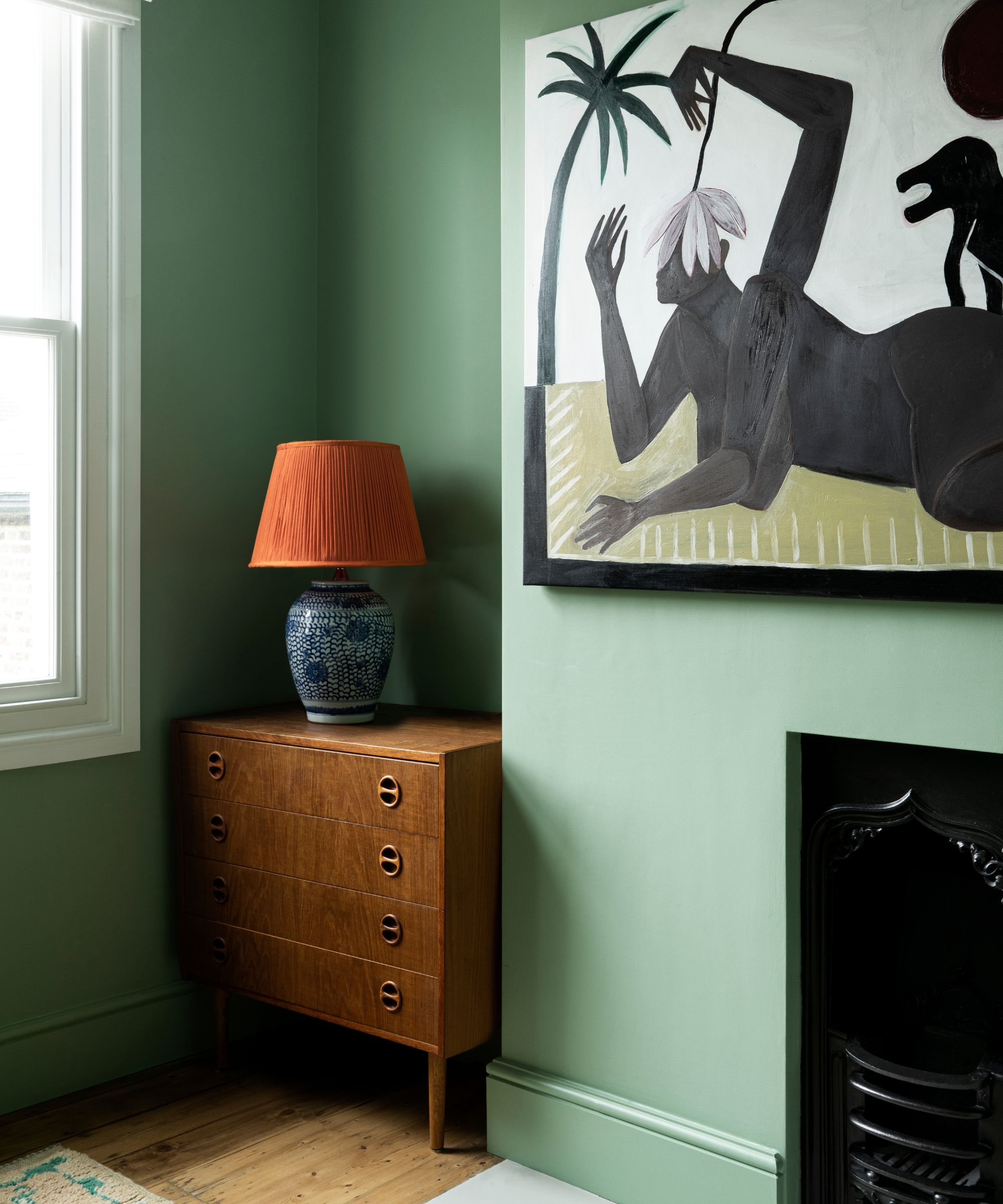
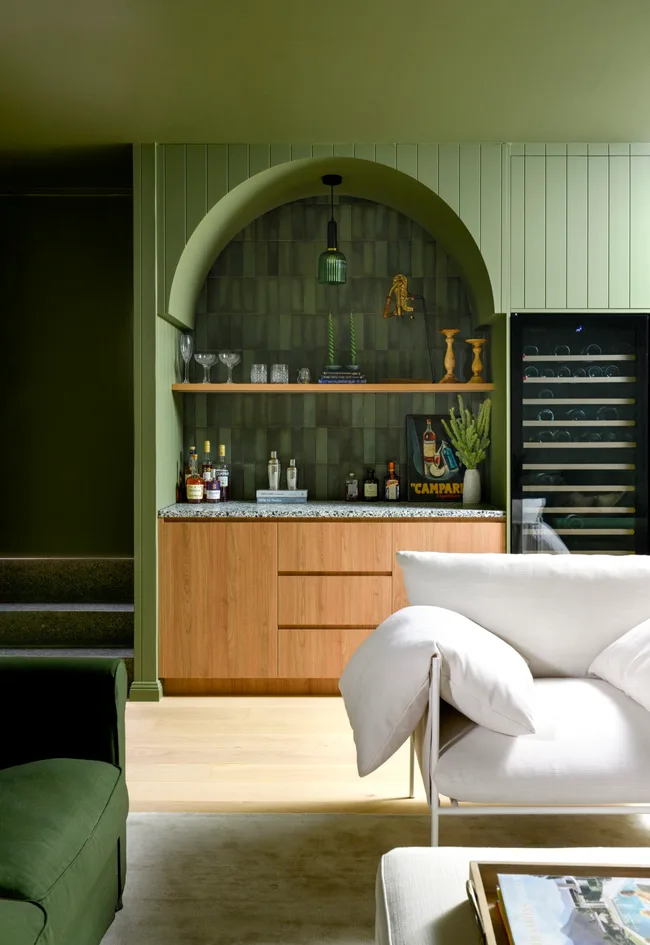
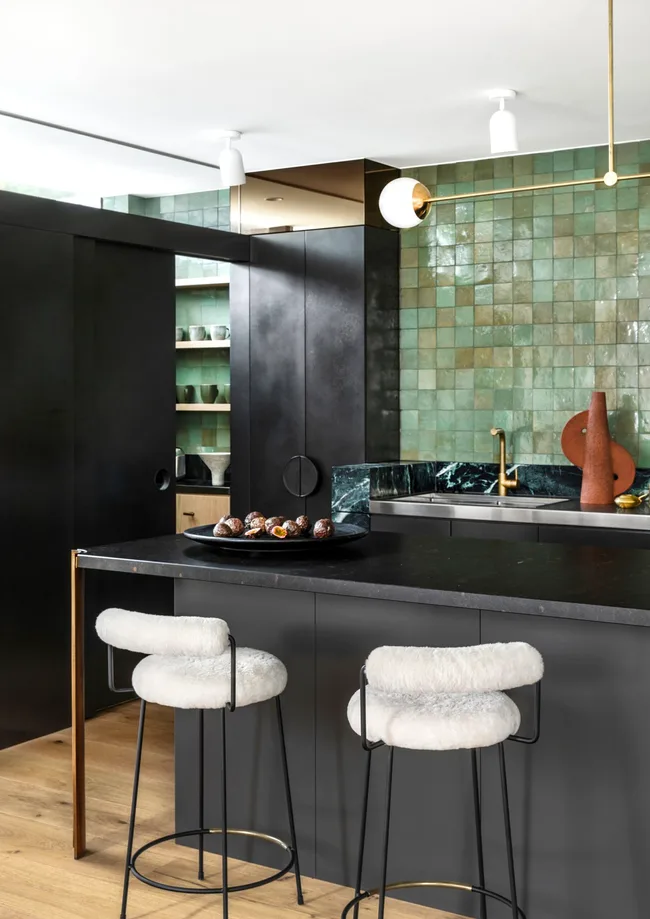
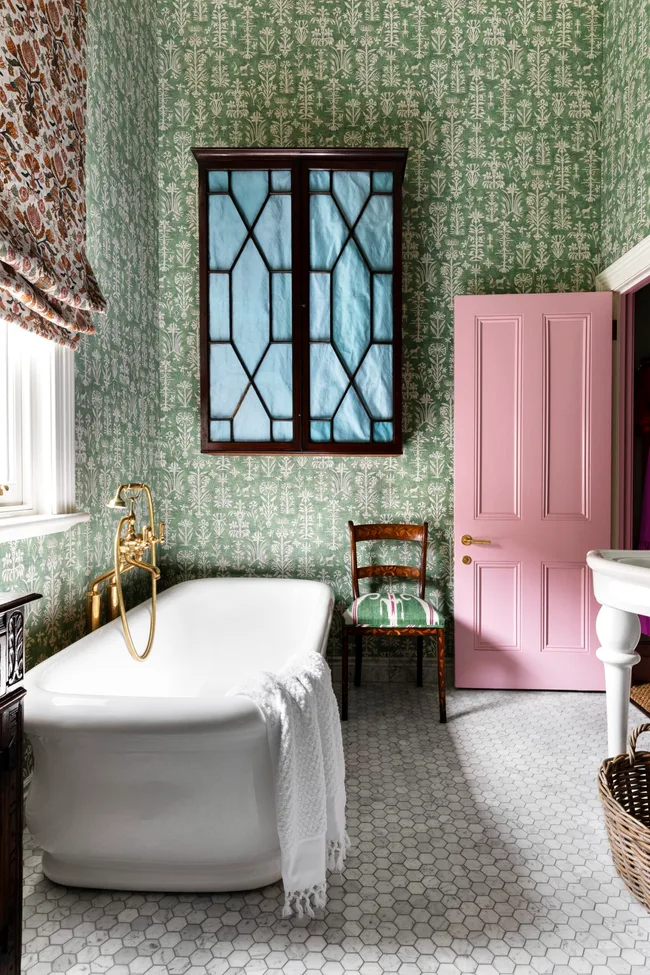
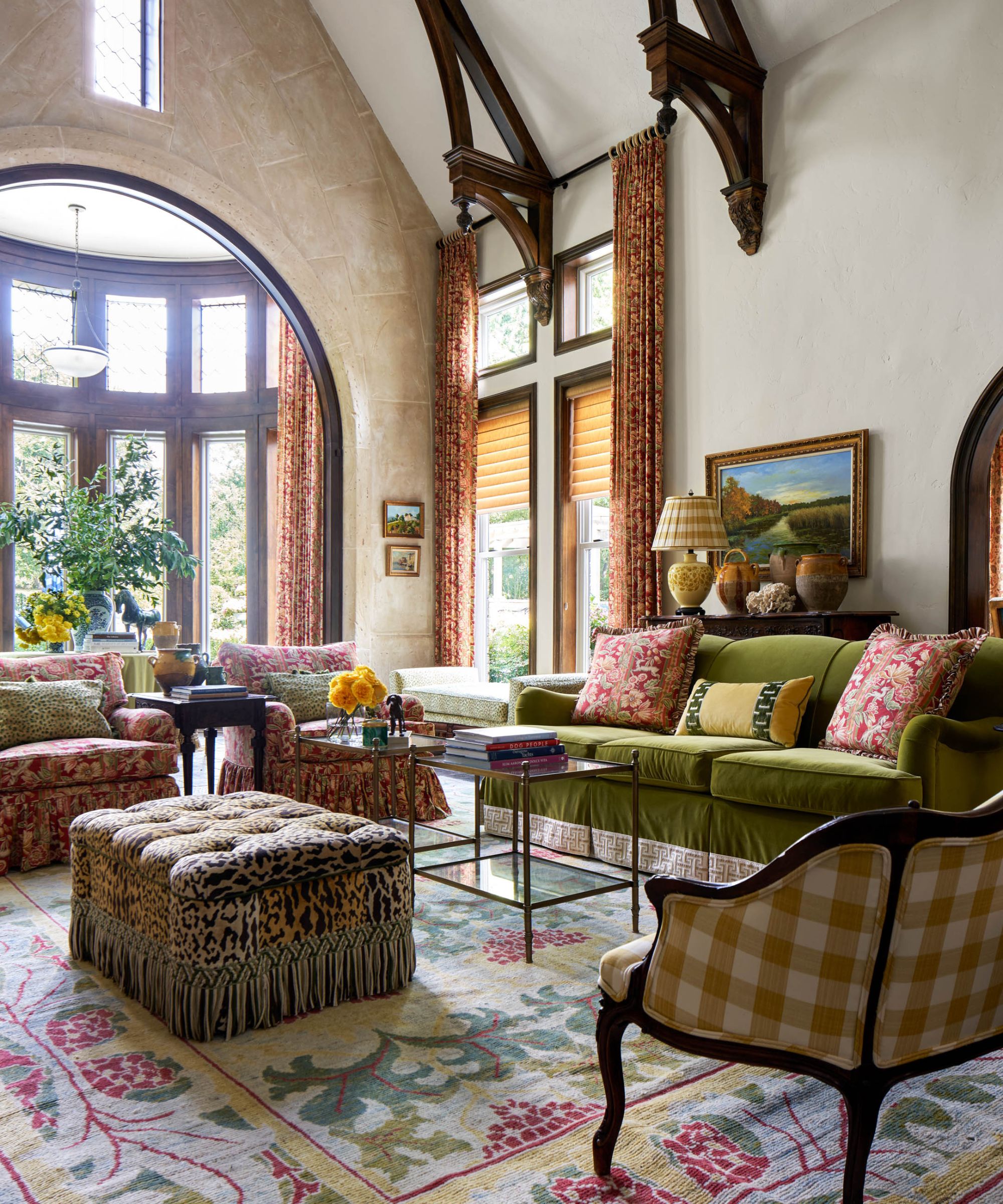
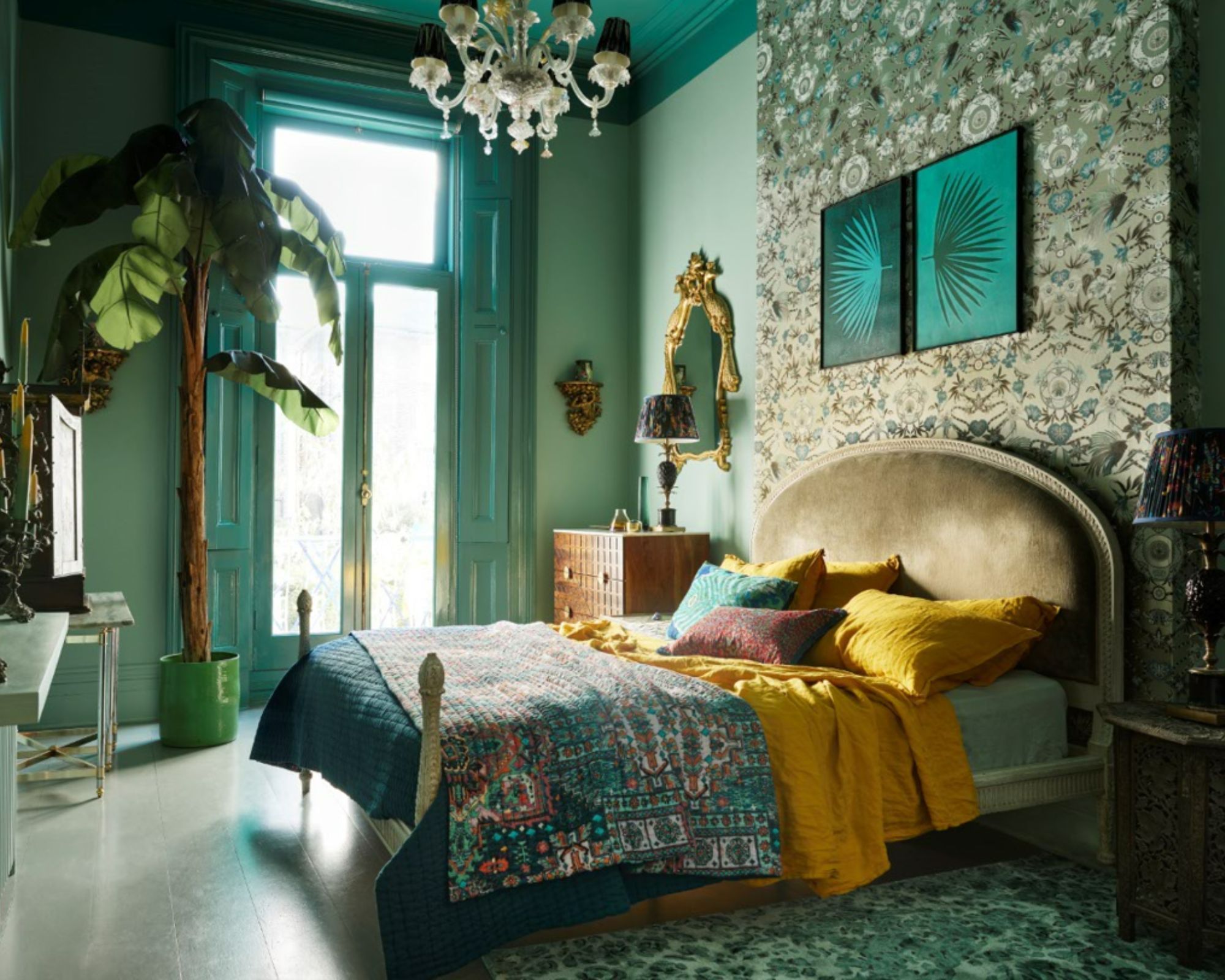
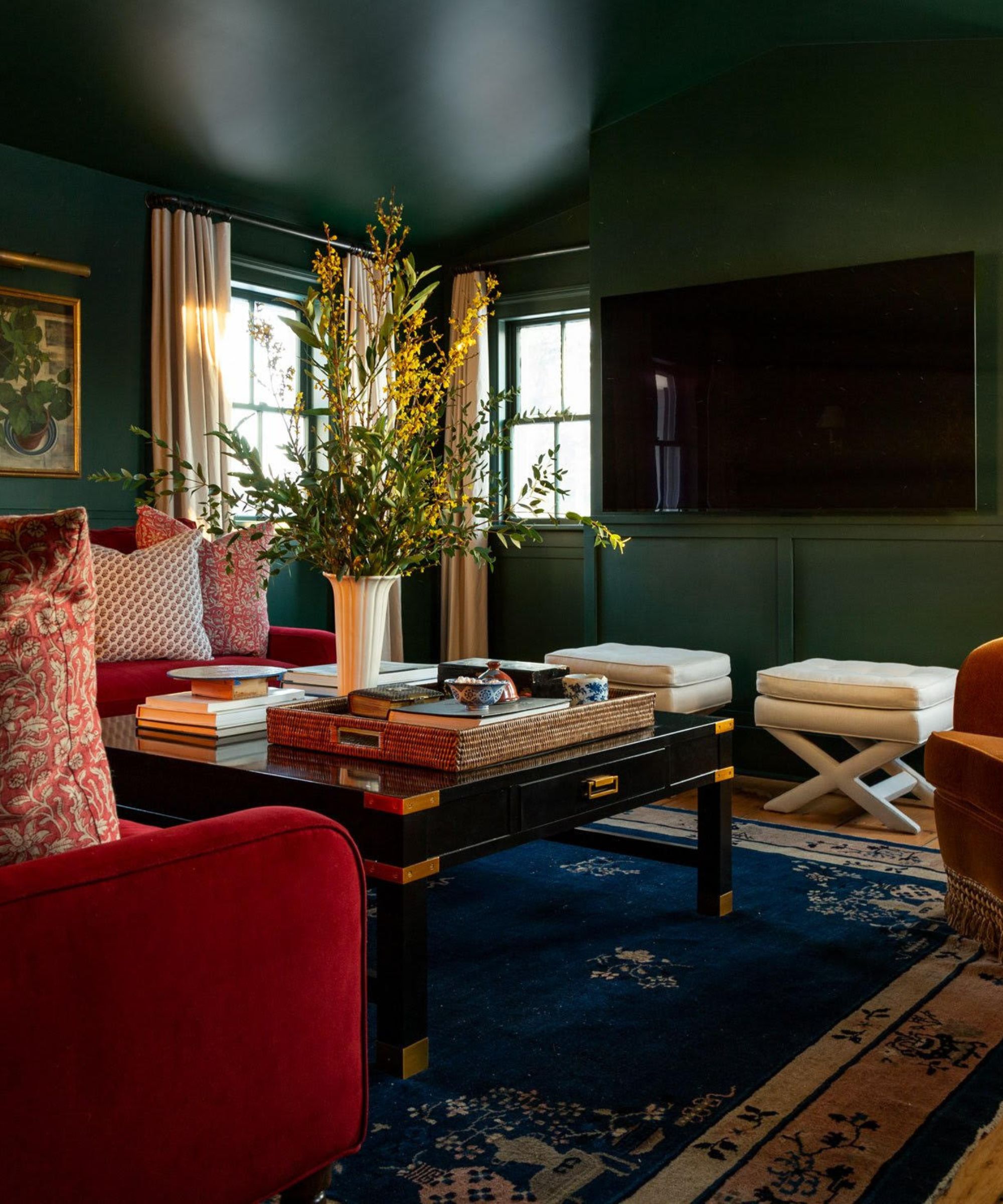
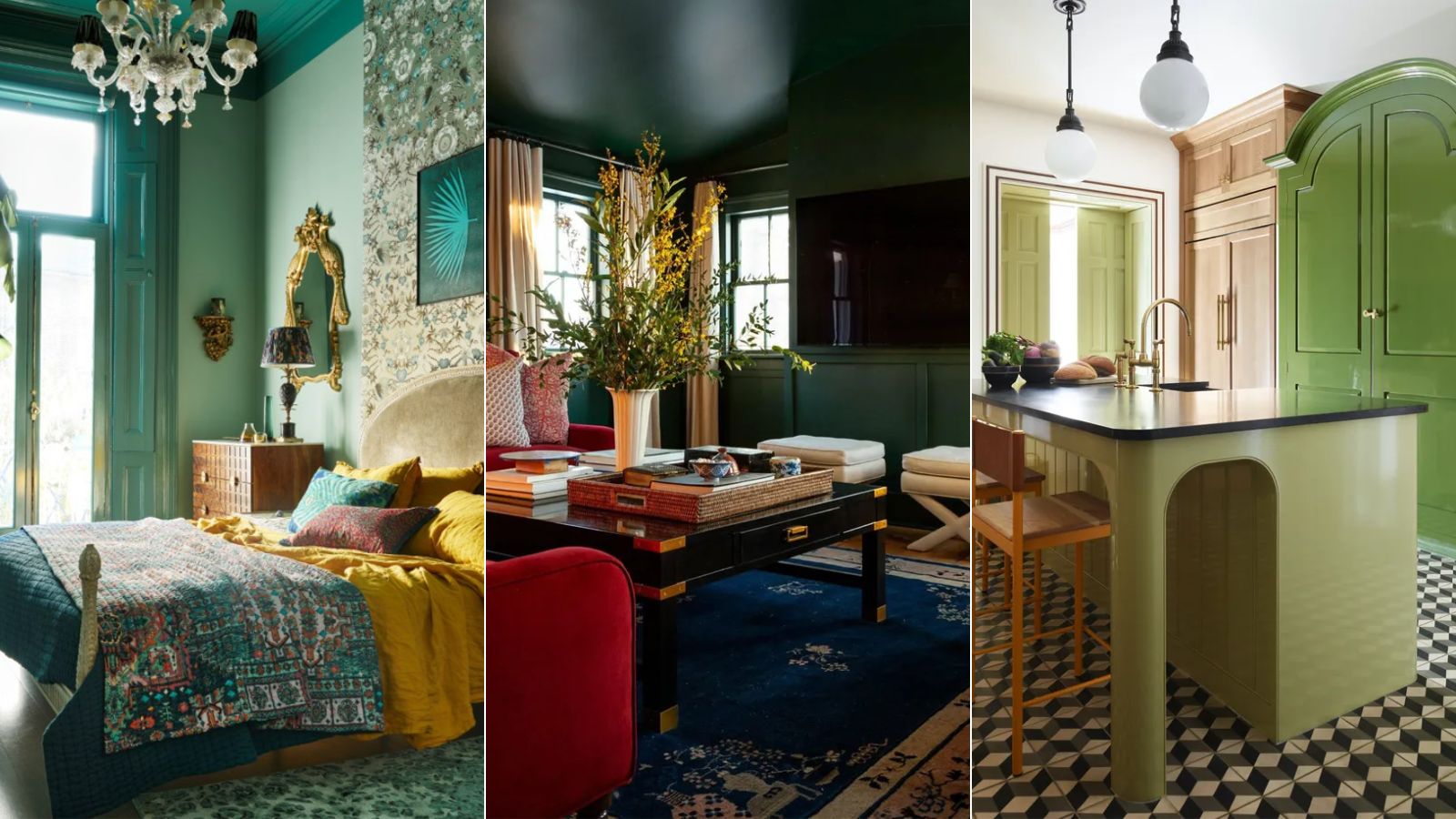
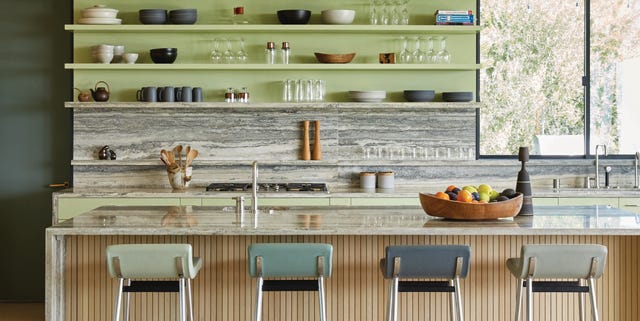
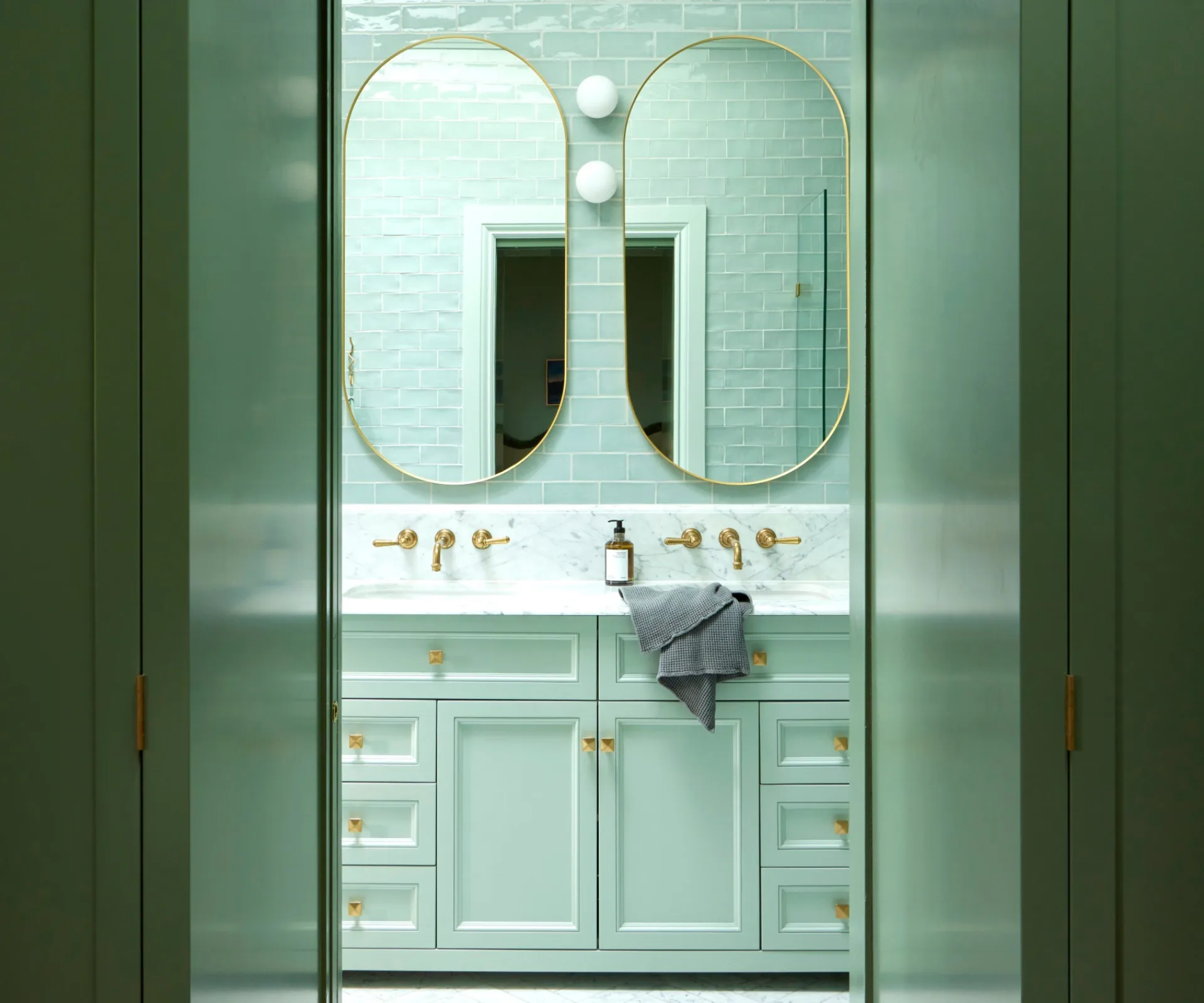
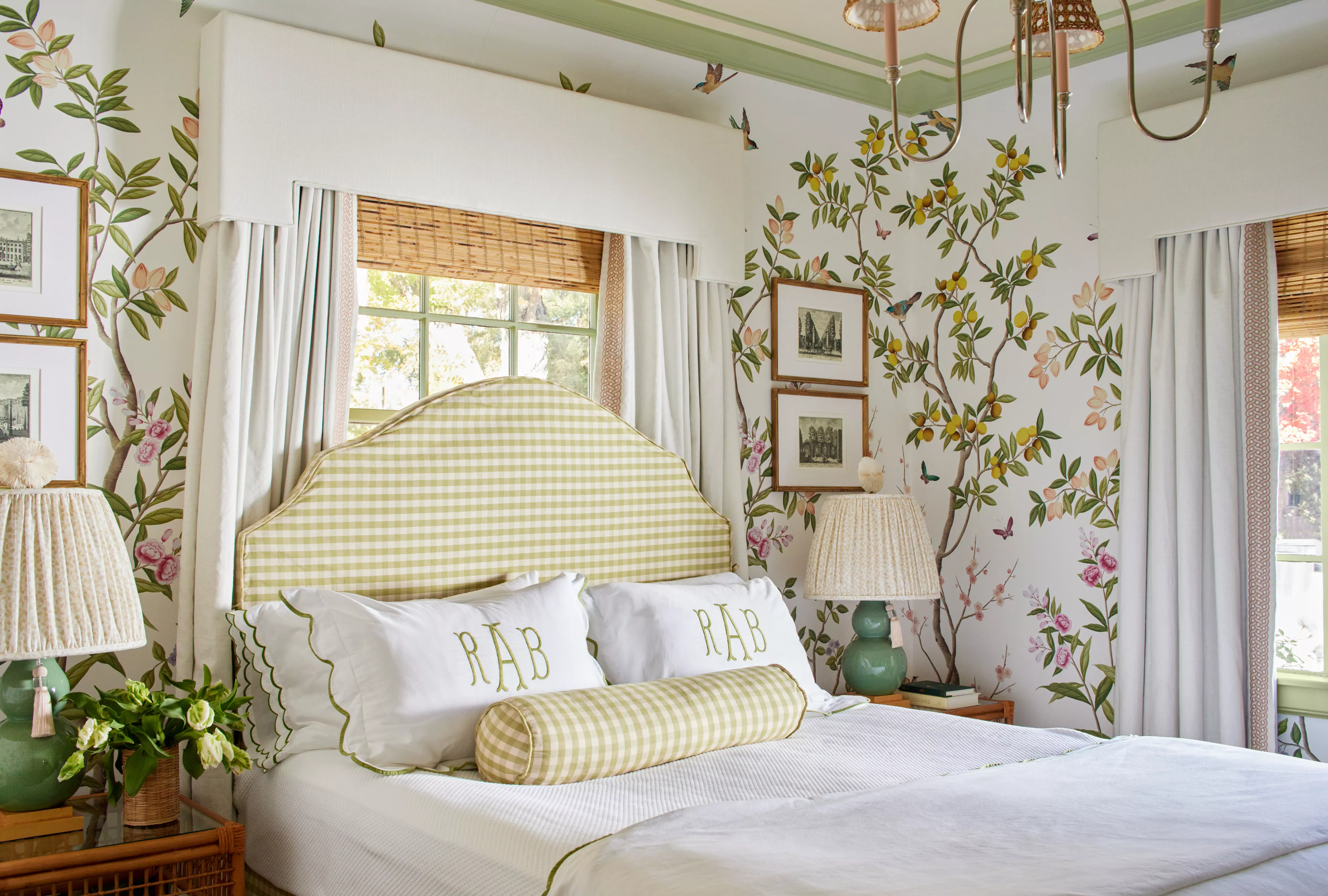
Designers frequently use green paint in various rooms throughout a home. In living rooms, shades like Sage Green or Hollingsworth Green can create a tranquil and inviting environment, fostering relaxation and conversation. For bedrooms, lighter, muted greens contribute to a serene and restful ambiance, ideal for unwinding. Kitchens benefit from green hues that can add a touch of freshness and vitality, especially when combined with natural wood cabinetry or white countertops. Even bathrooms can be transformed with green, providing a spa-like feel with colors such as Pale Oak or French Gray.
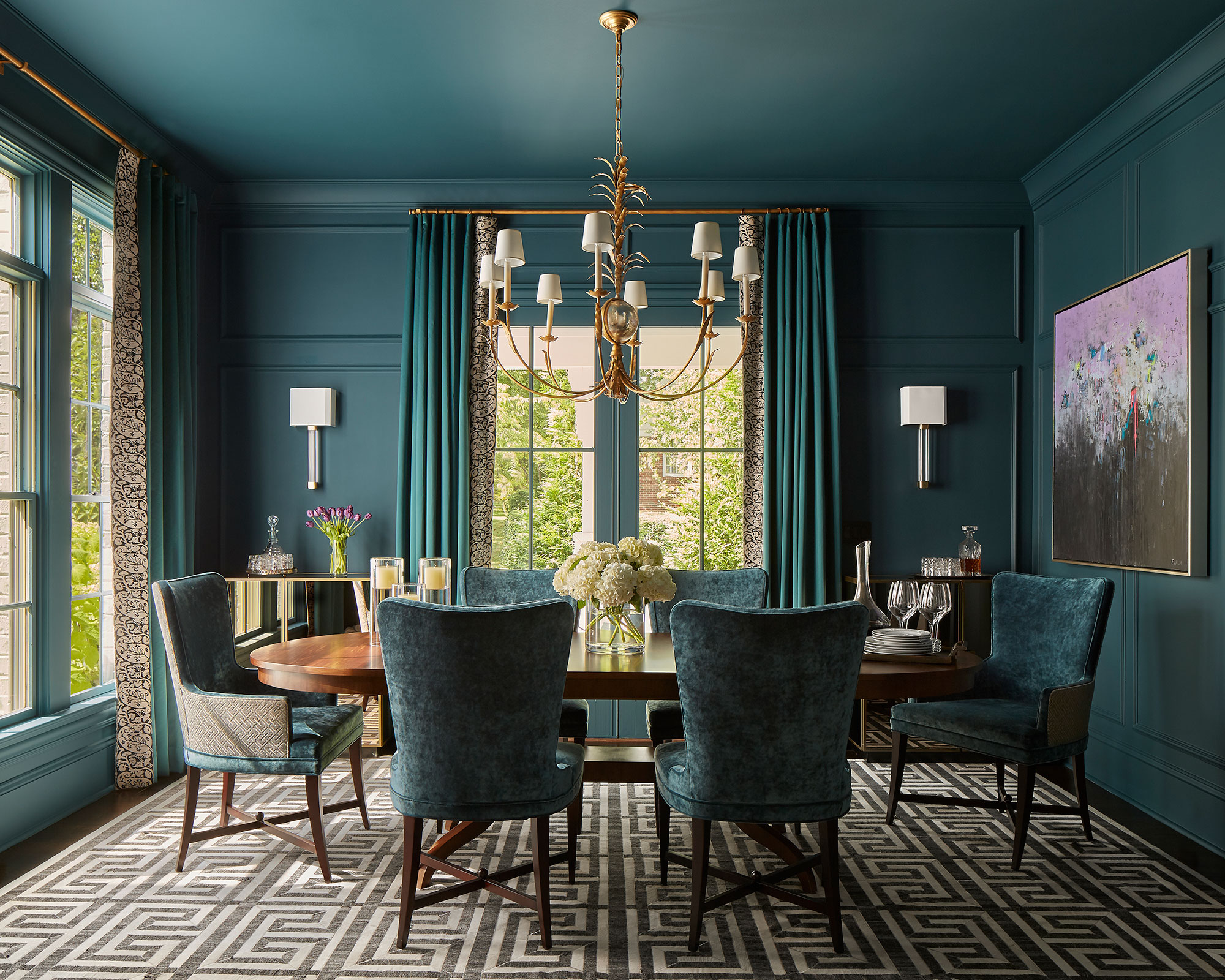
When selecting a green paint, it is crucial to consider the undertones. Green paints can have yellow, blue, or gray undertones, each producing a different effect. Yellow-based greens, like olive or moss, tend to feel warmer and earthier, while blue-based greens, such as teal or emerald, create a cooler, more sophisticated look. Gray-green shades offer a subdued and elegant feel, blending seamlessly with minimalist or contemporary designs. Testing paint samples on the walls in different lighting conditions before making a final decision is highly recommended to ensure the chosen shade harmonizes with the room's natural and artificial light.
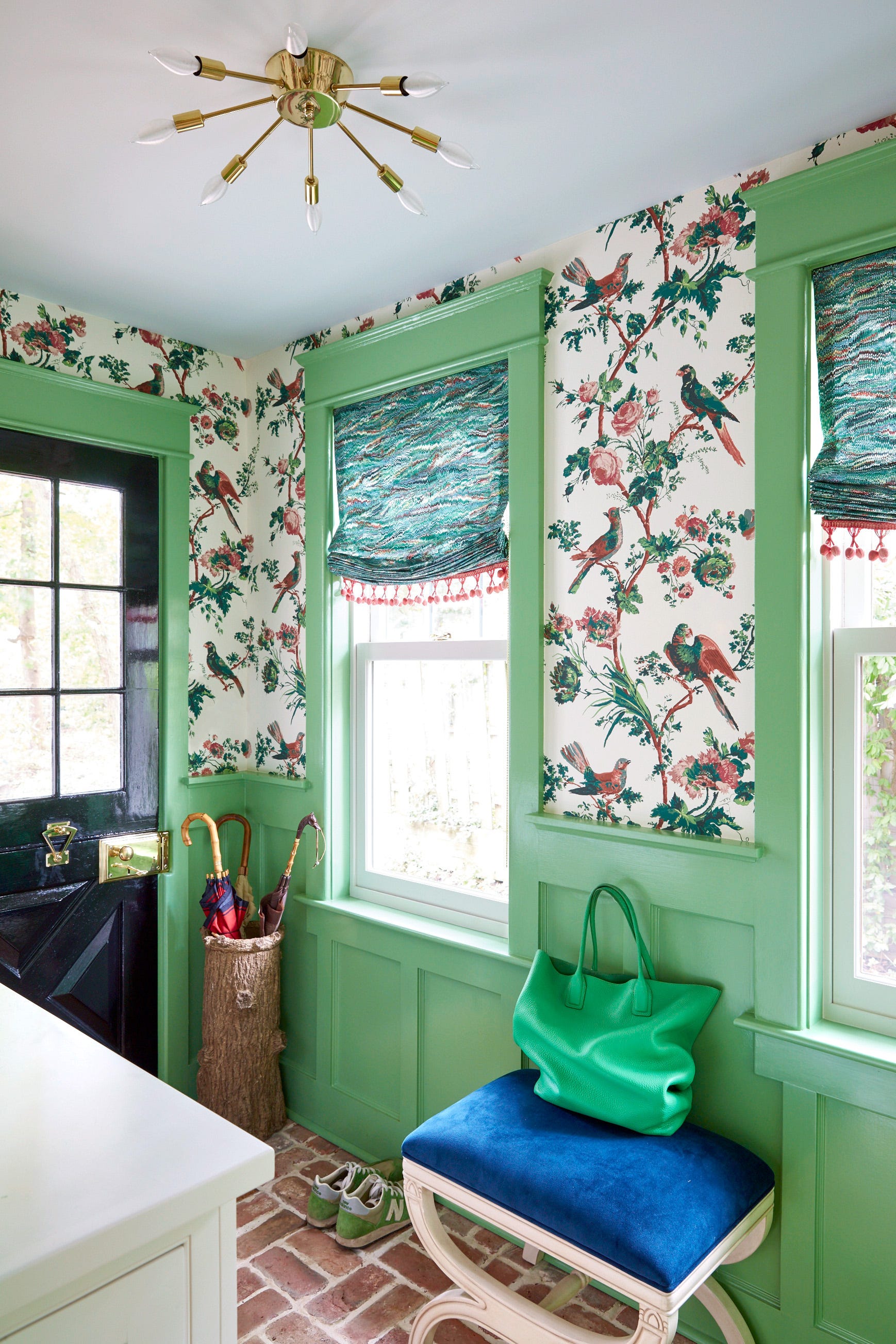
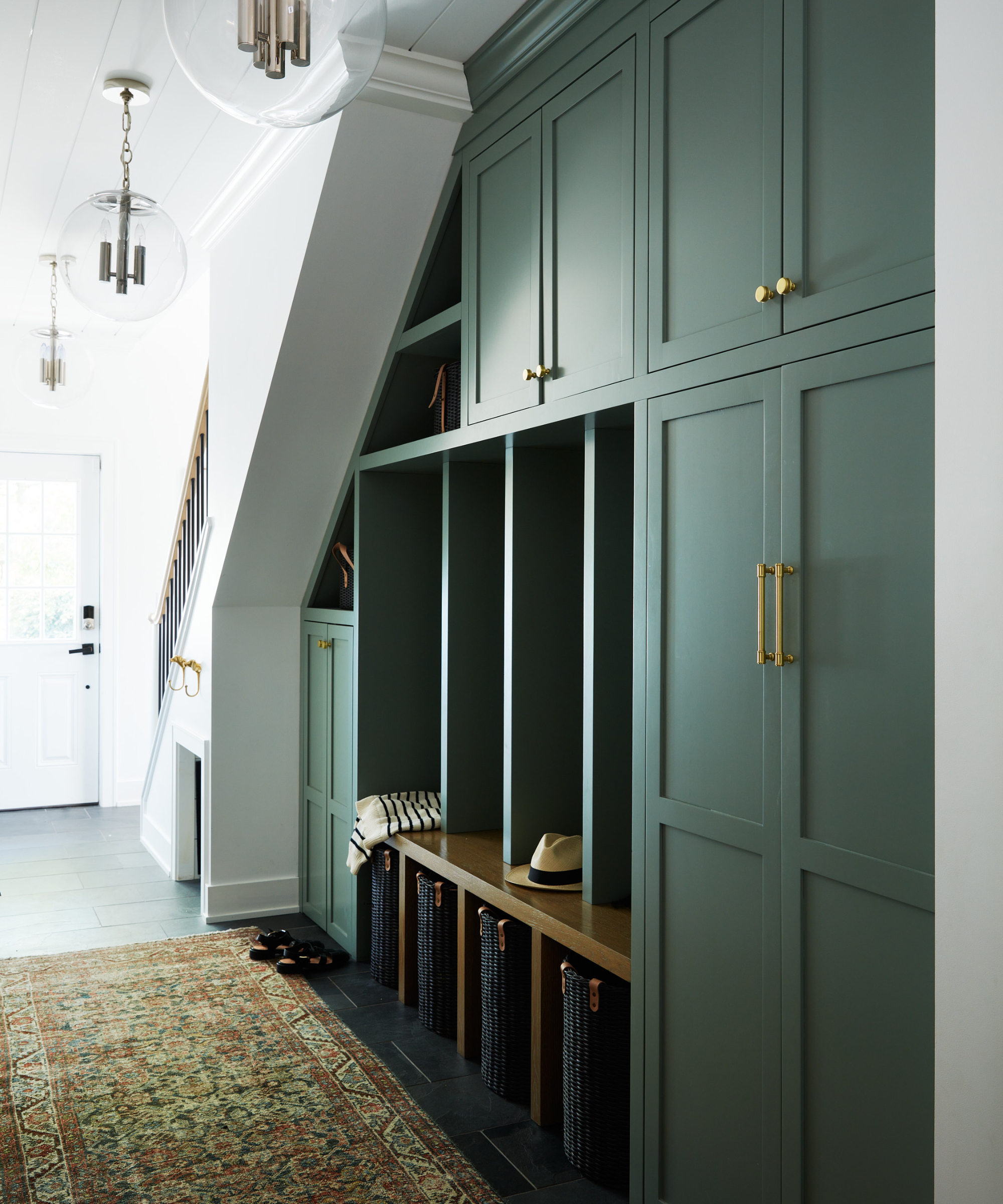
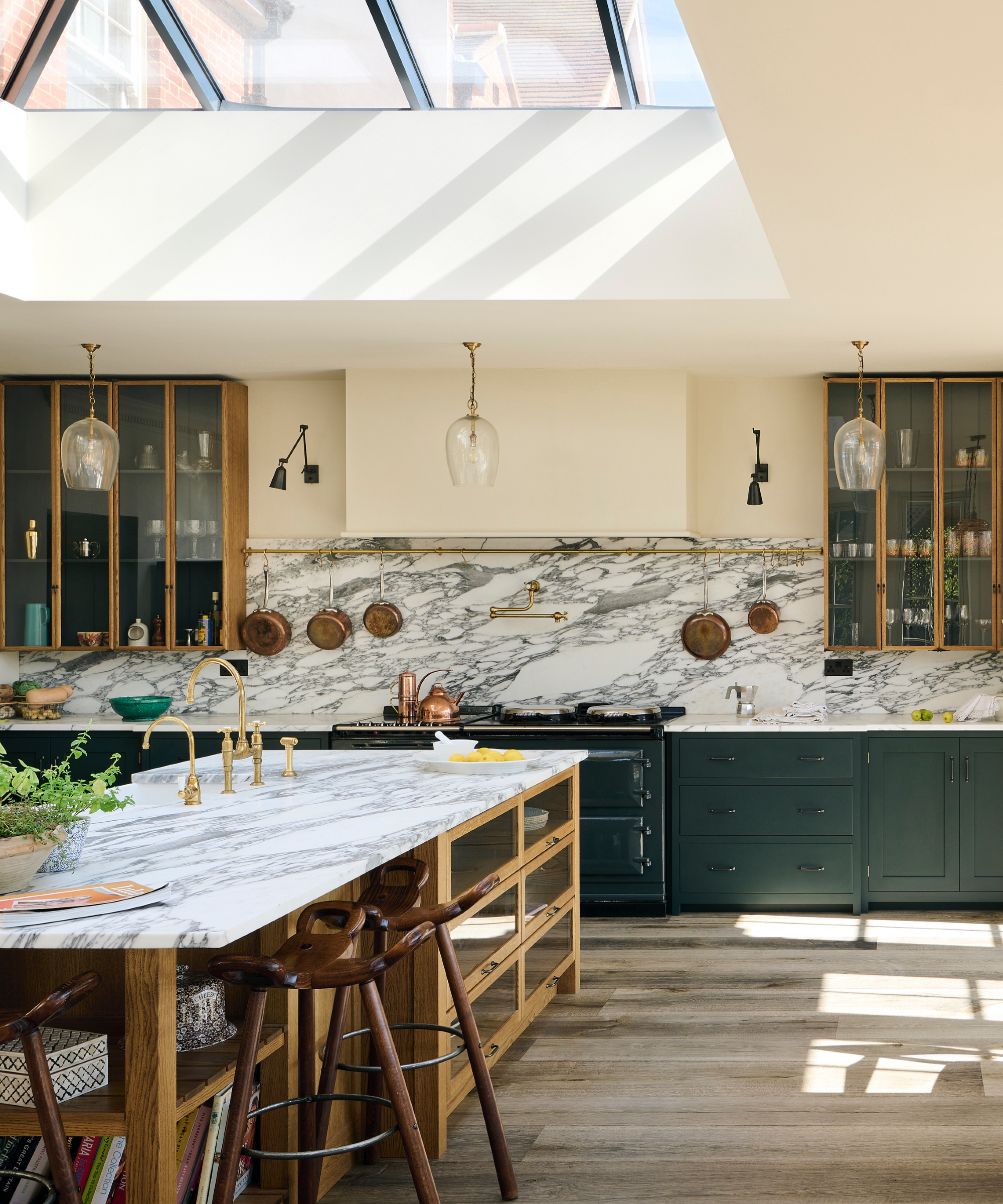
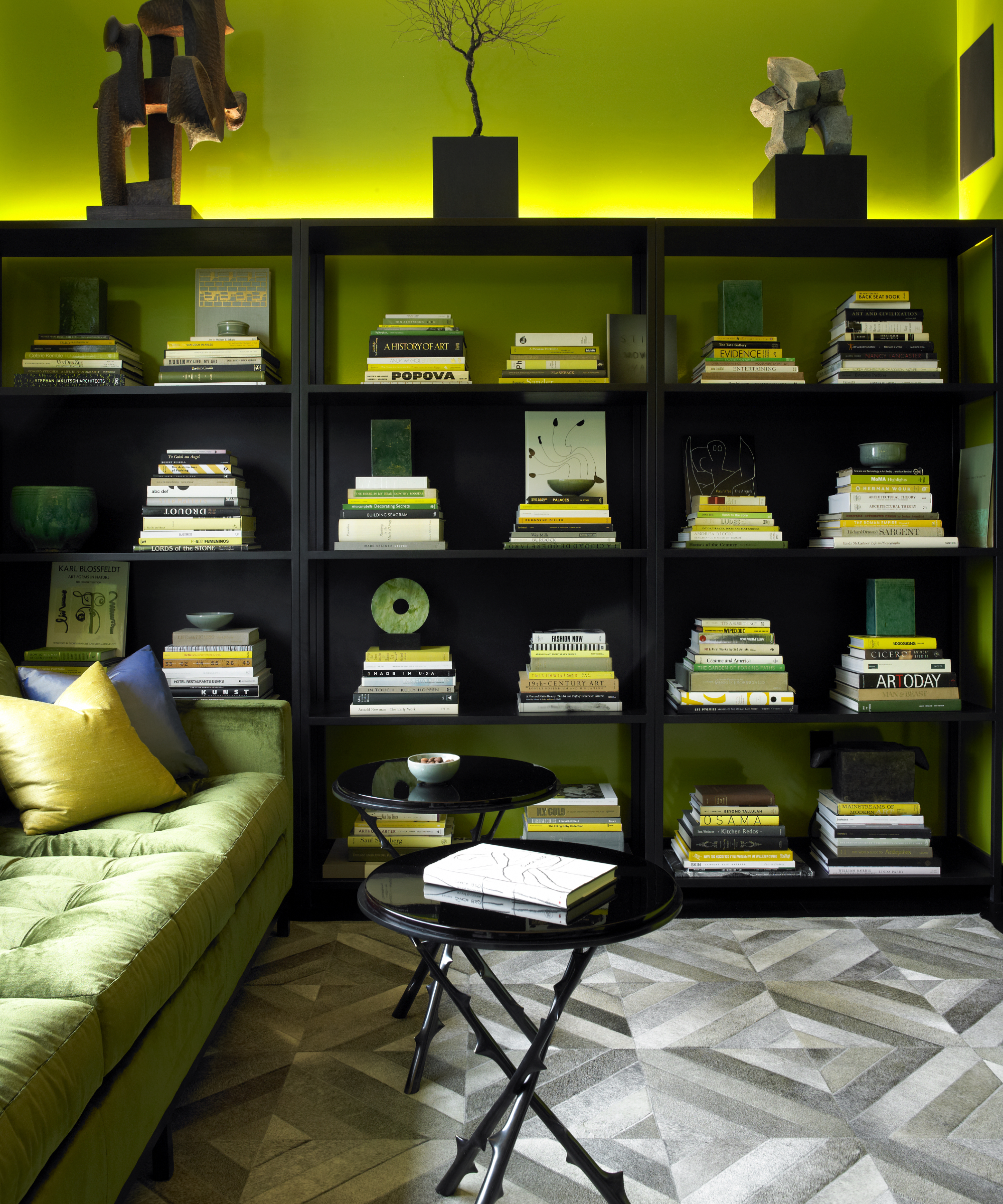
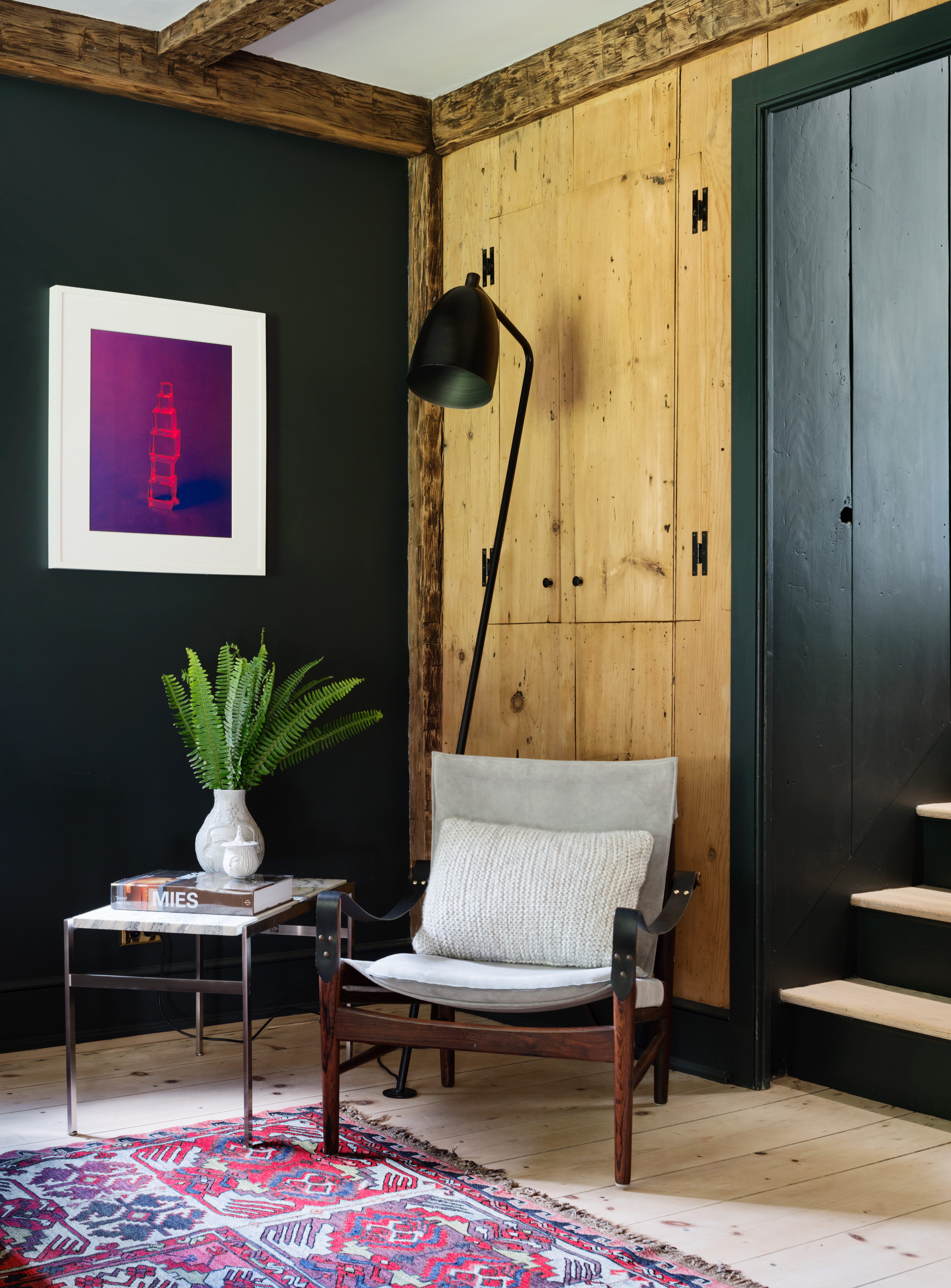
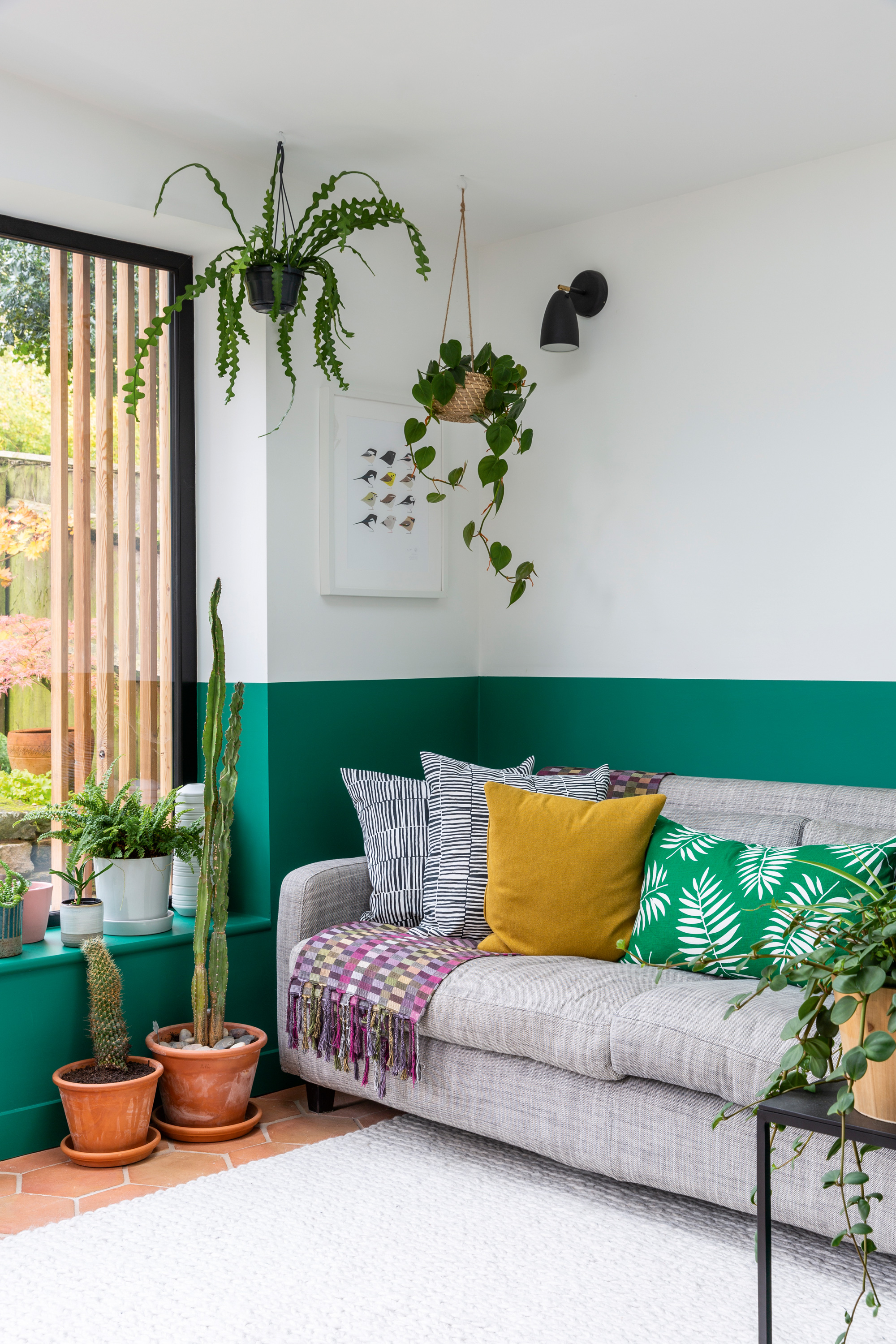
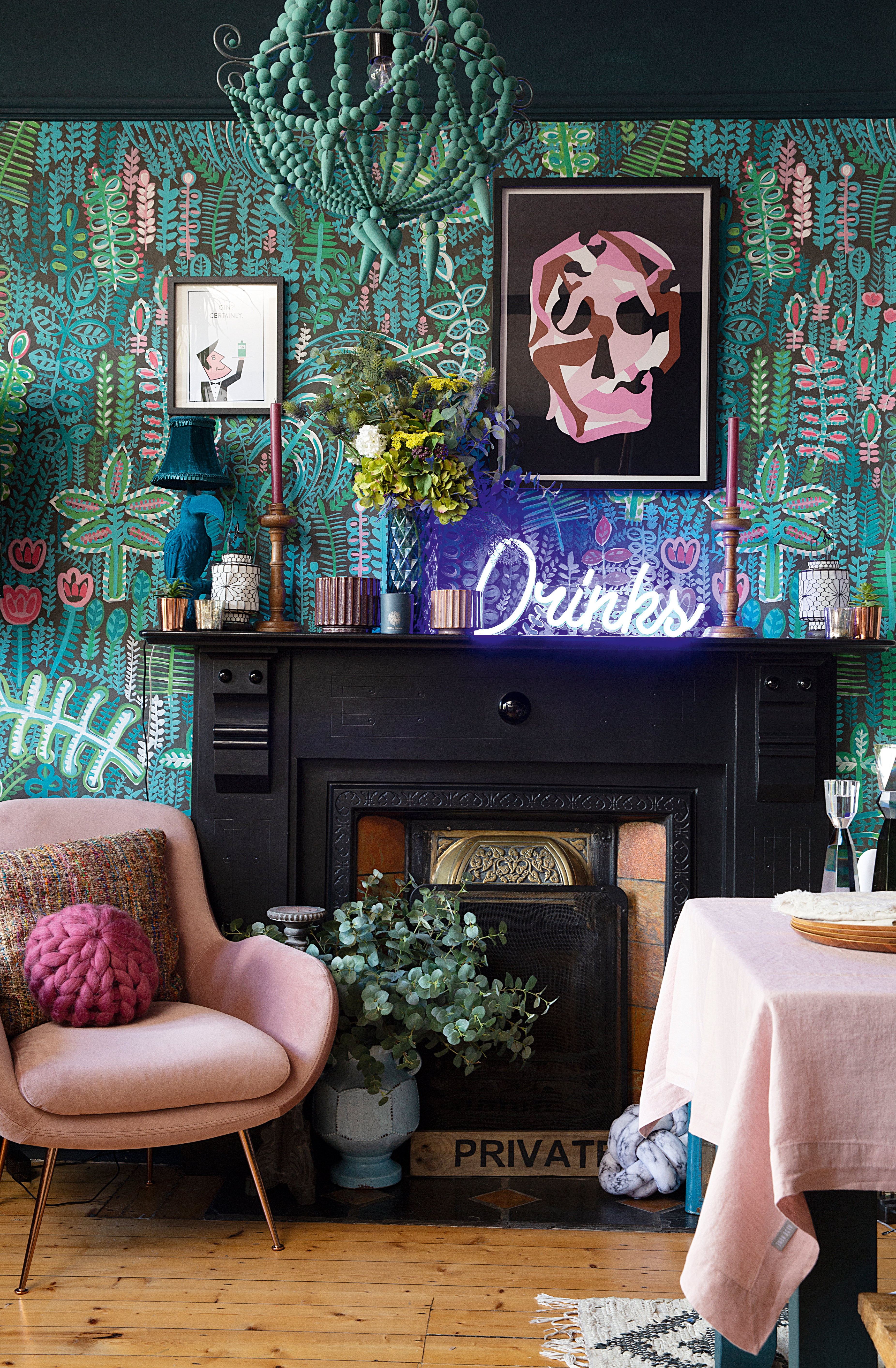
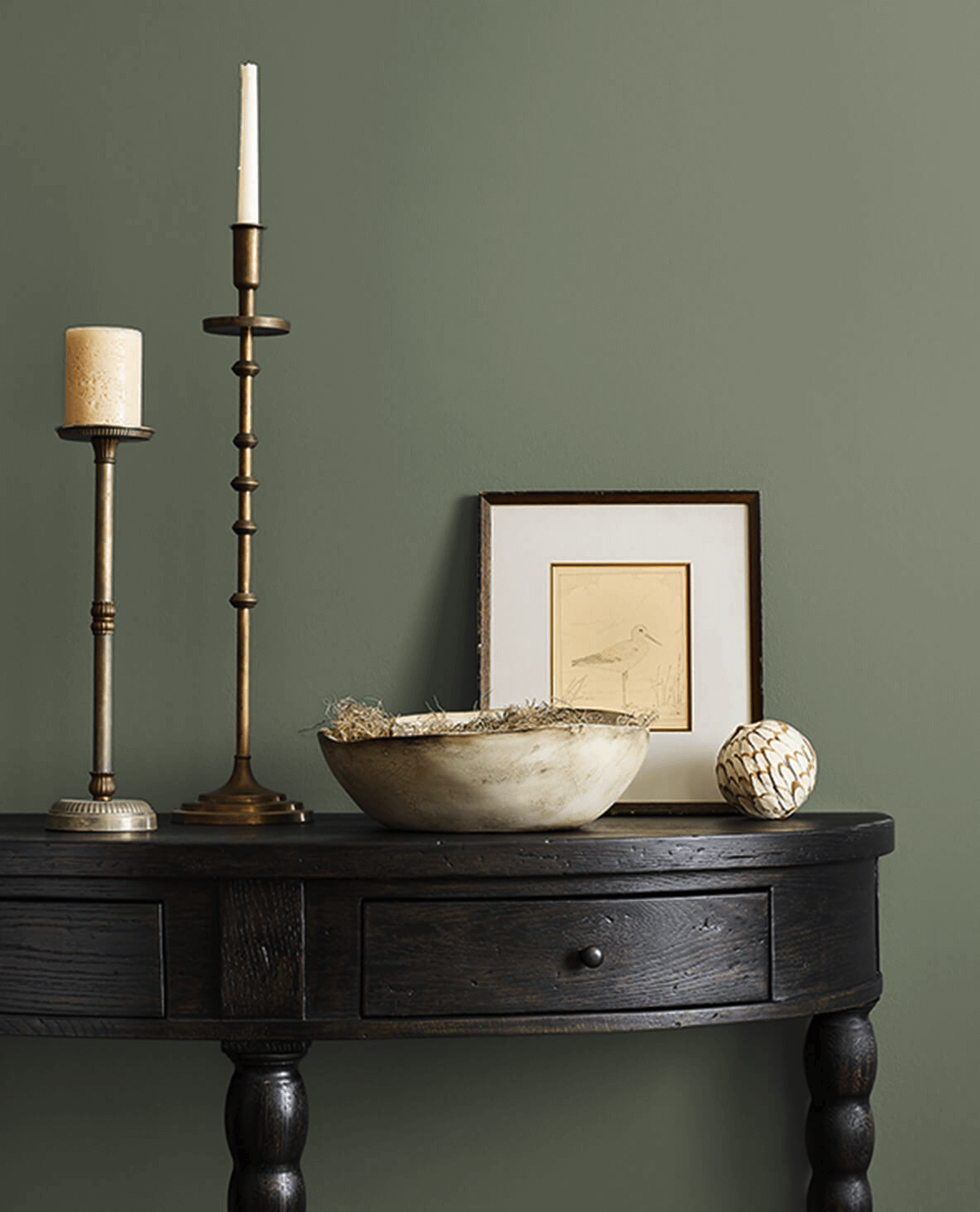
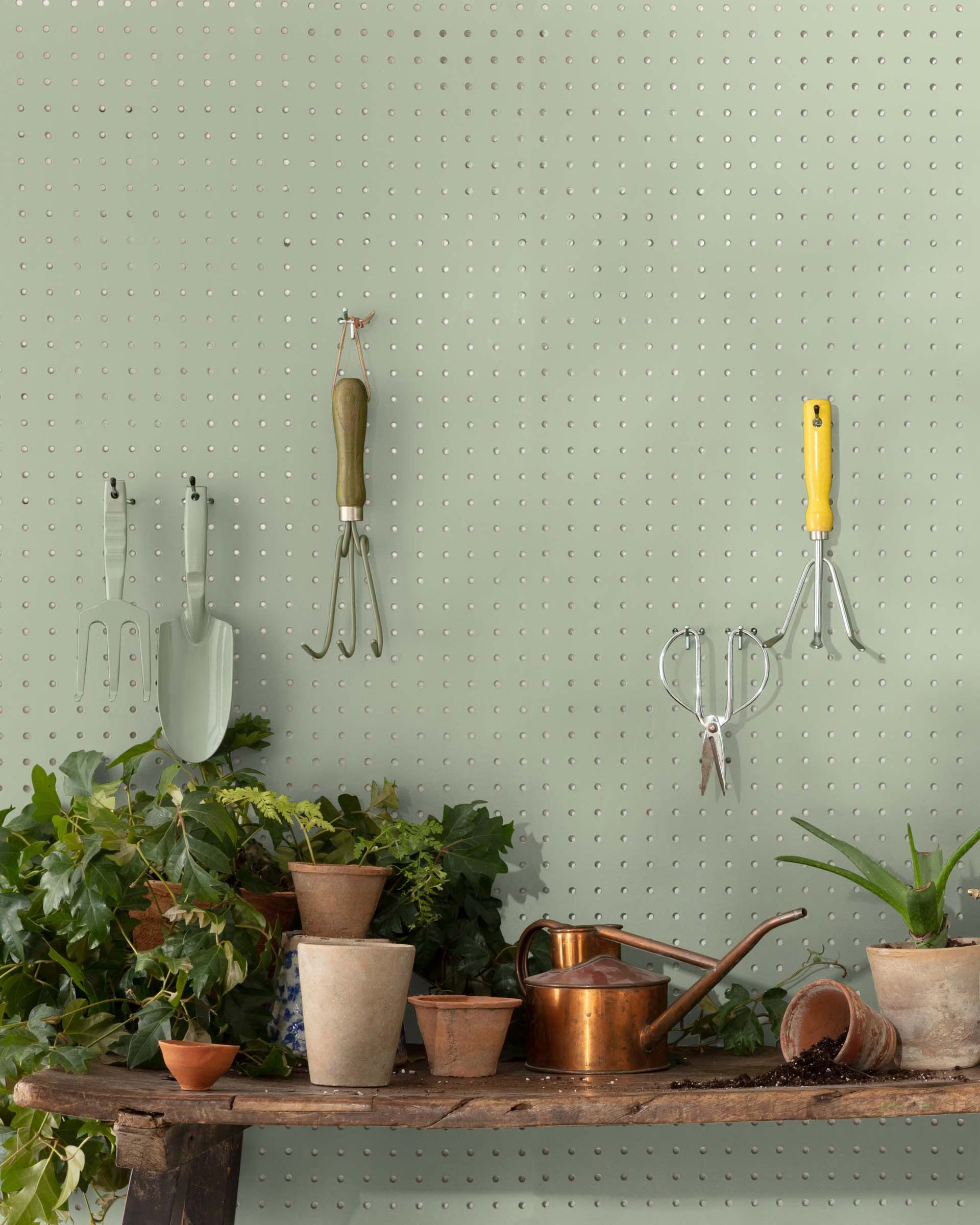
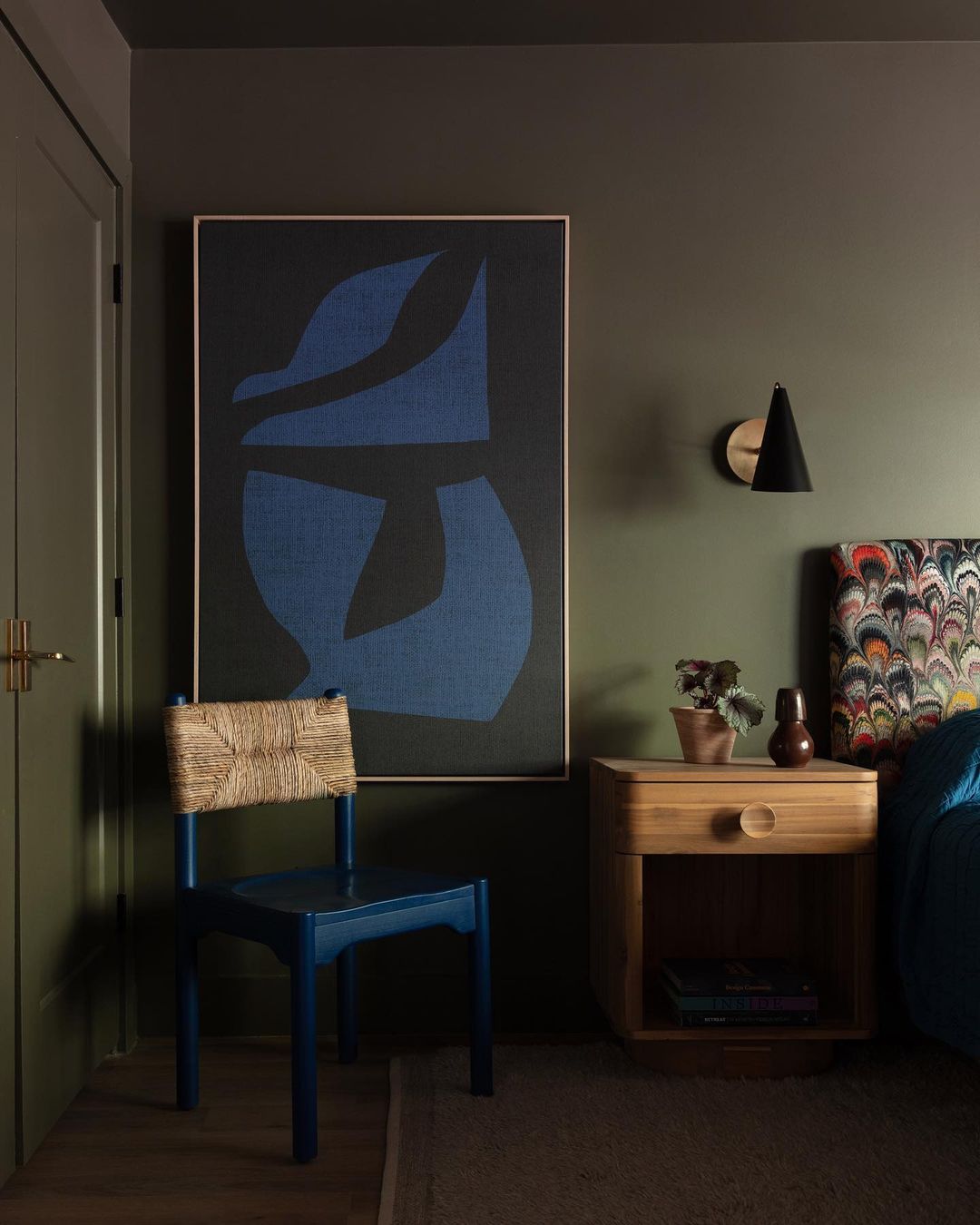
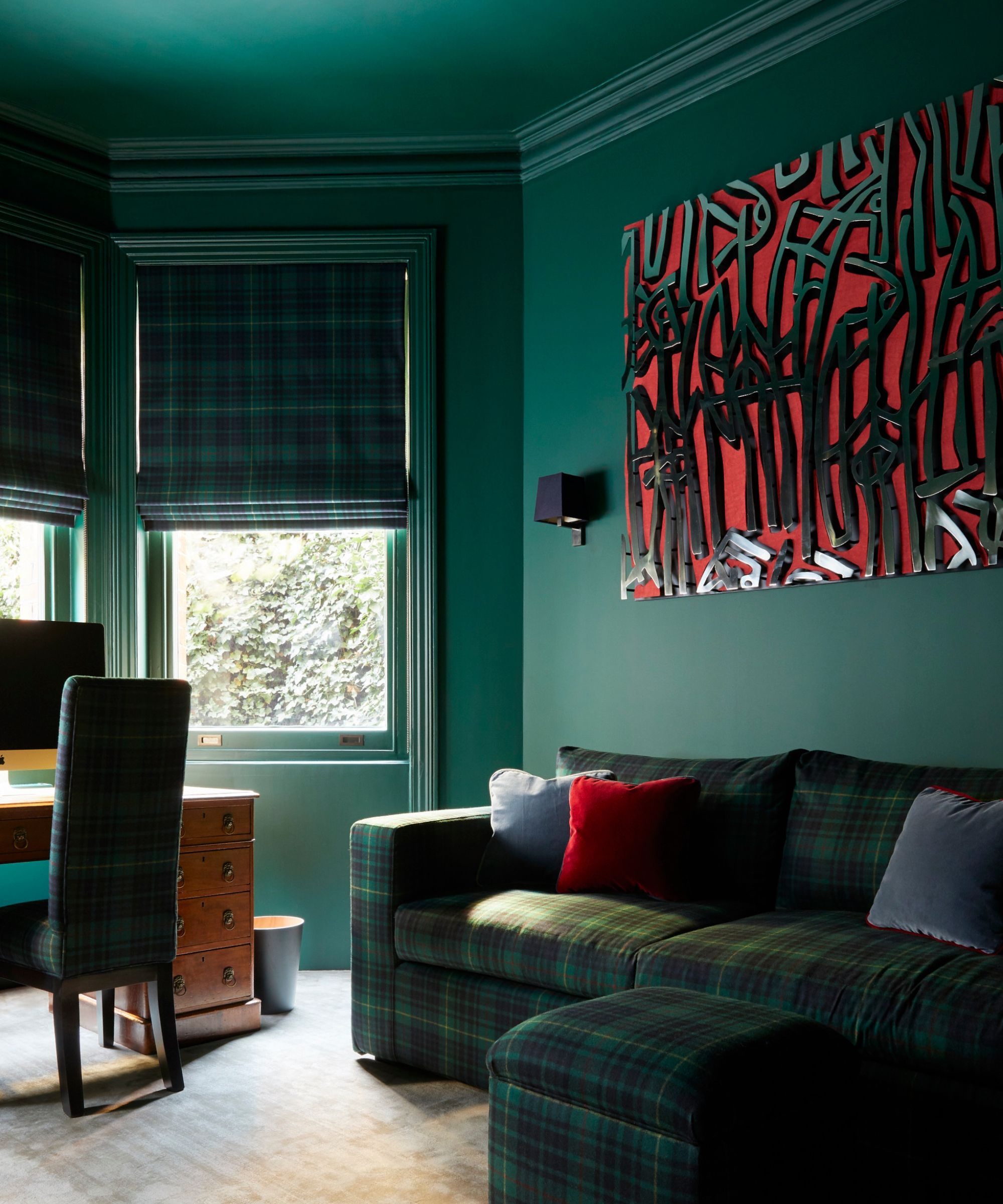
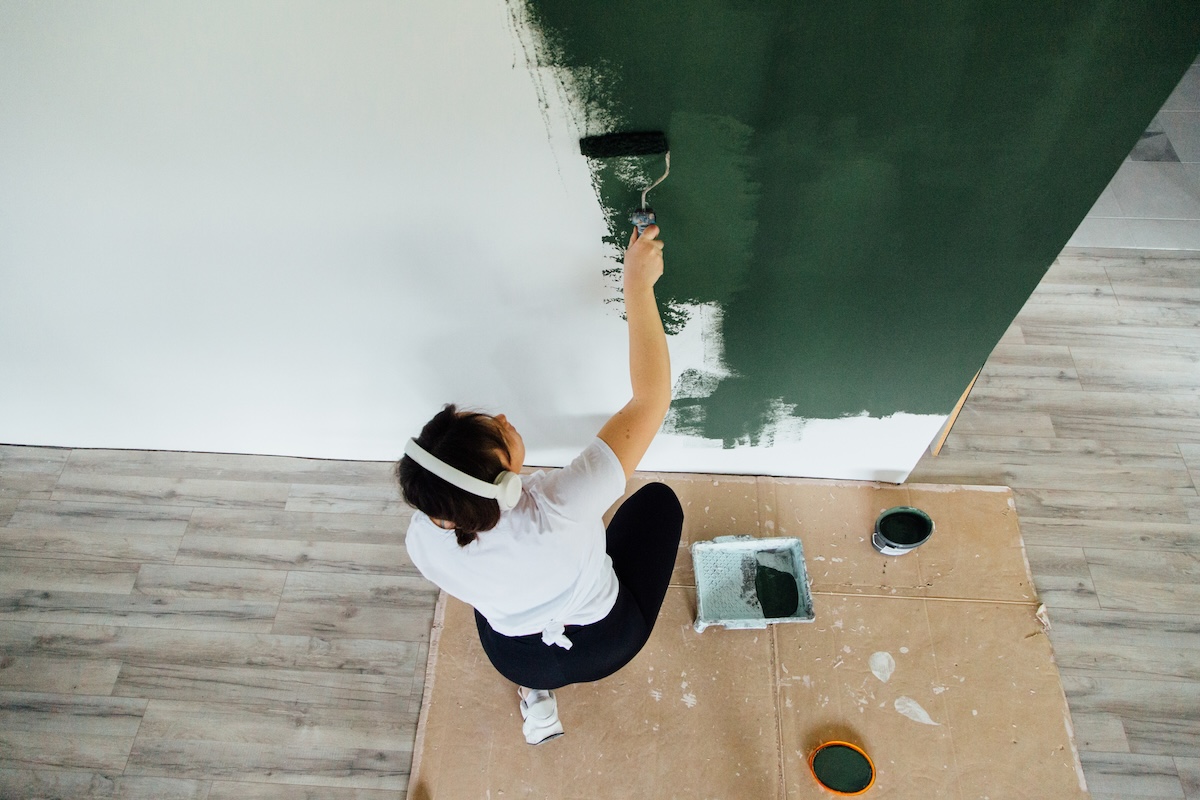
Different shades of green also cater to various aesthetic preferences. Light sage greens are often chosen for their calming and airy qualities, making small spaces feel larger and more open. Darker greens, such as Forest Green or Hunter Green, can add depth and drama to a room, creating a luxurious and intimate atmosphere, particularly effective in accent walls or studies. Vibrant greens, like lime or emerald, introduce a playful and energetic vibe, suitable for creative spaces or children's rooms.
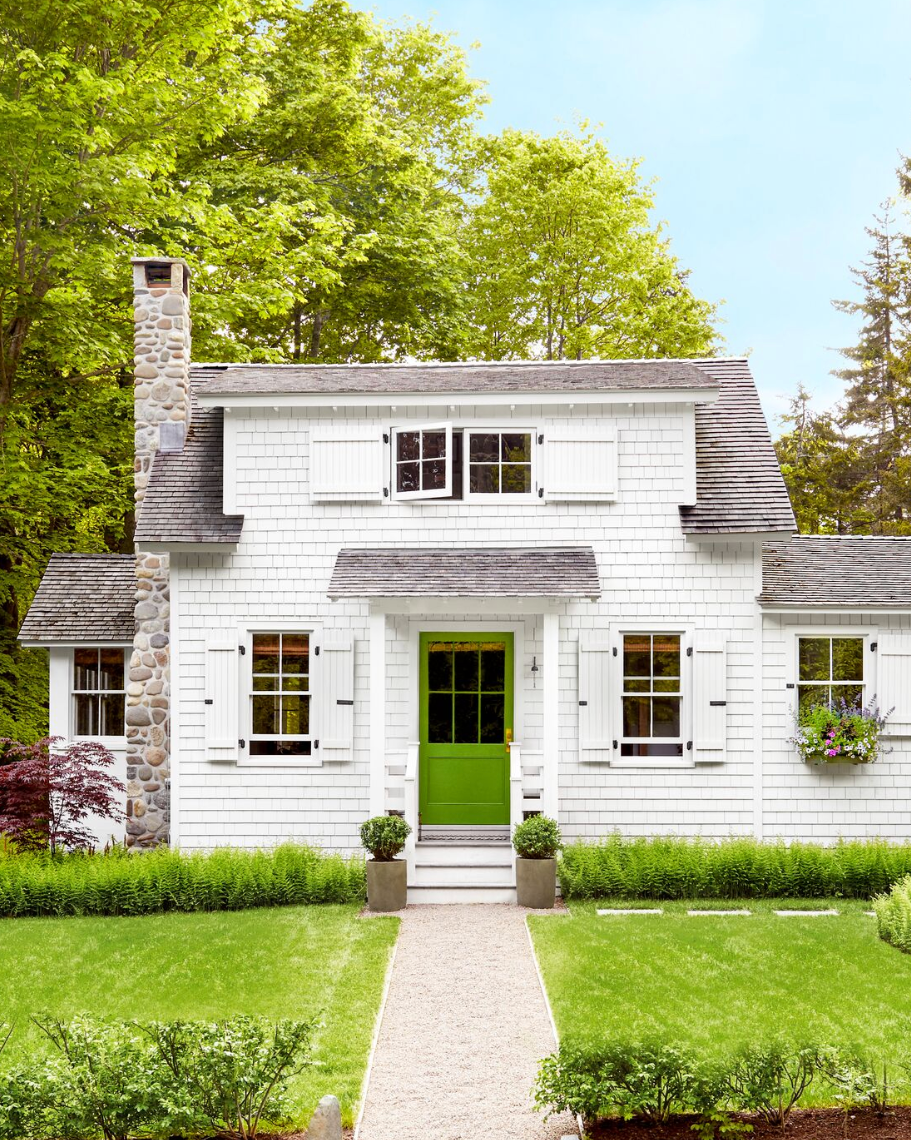
The durability and finish of the paint are also important considerations. Matte or eggshell finishes are common for walls as they help conceal imperfections and provide a soft, non-reflective look. Semi-gloss or high-gloss finishes are often preferred for trim, doors, and cabinetry, offering increased durability and an easy-to-clean surface. The quality of the paint brand can impact its longevity, coverage, and color accuracy, making it worthwhile to invest in reputable brands known for their performance.
#GreenPaintColors #InteriorDesign #HomeDecor #PaintTrends #ColorPsychology #DesignTips #WallPaint #HouseBeautiful #BenjaminMoore #GreenPaintColors #InteriorDesign #HomeDecor #PaintTrends #ColorPsychology #DesignTips #WallPaint #HouseBeautiful #BenjaminMoore
0 комментариев всего
 Комментариев пока нет
Вам также может понравиться
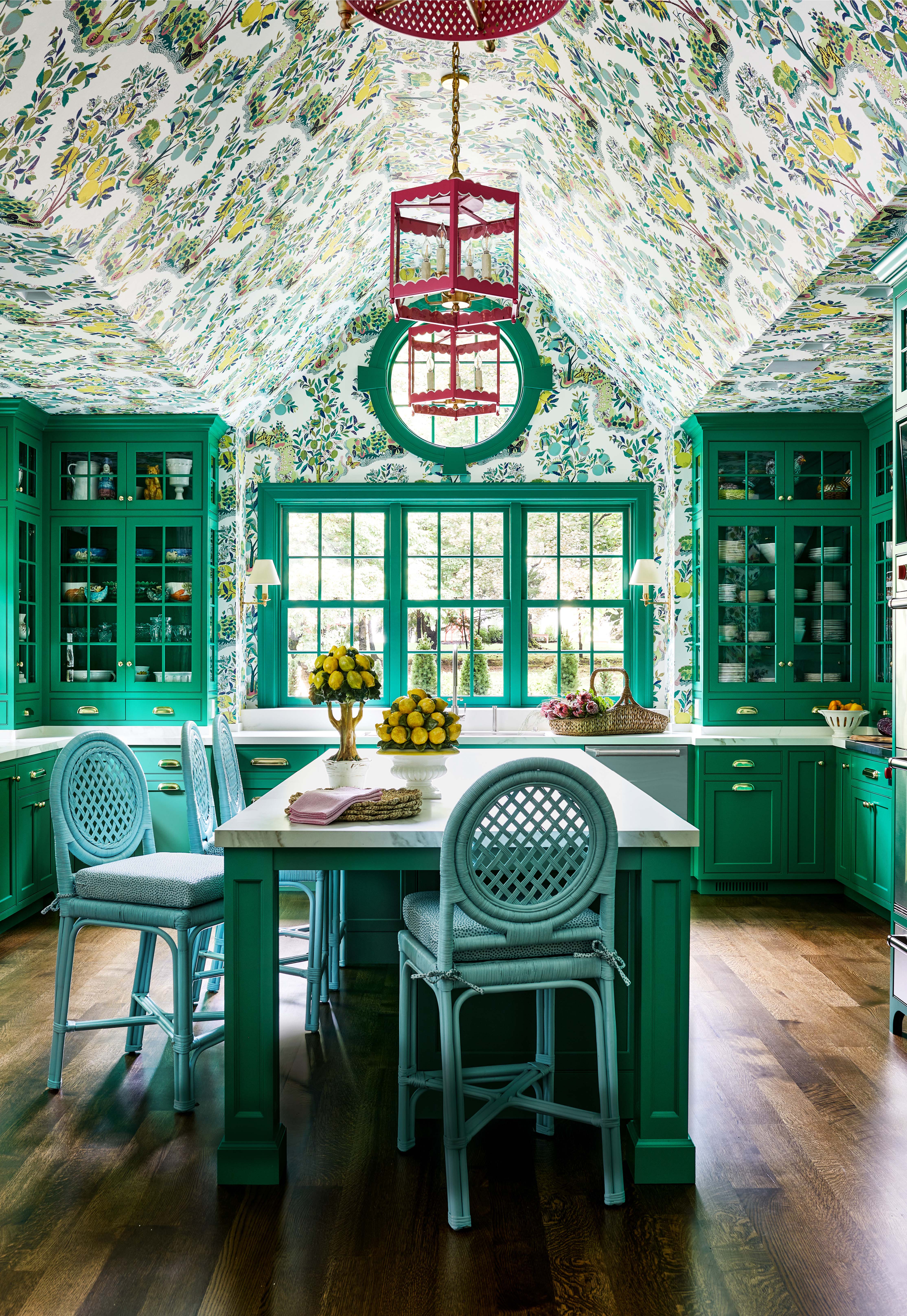
There Are Only Certain Green Paint Colors That Can Bring a Room to Life

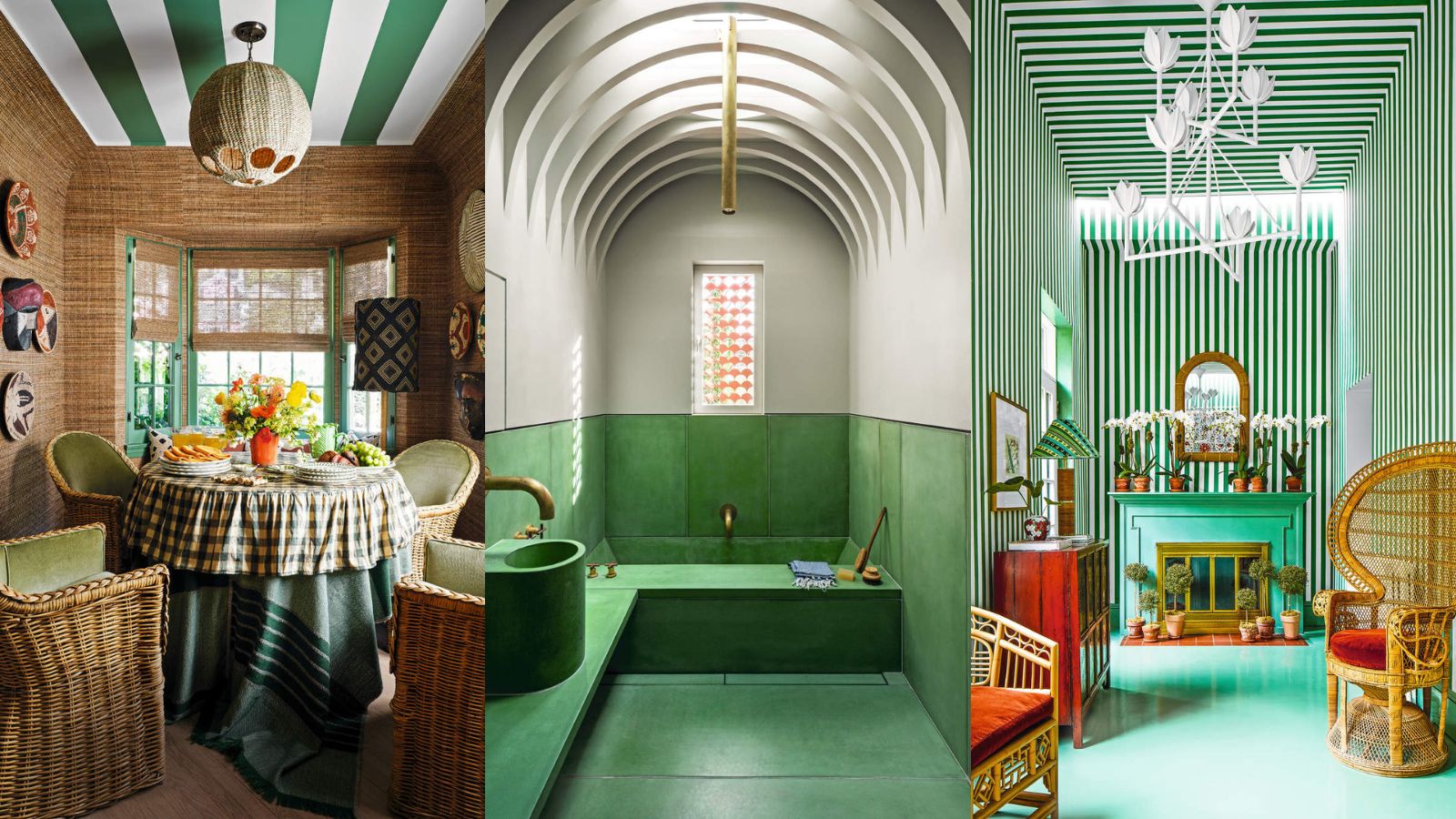
Green is the color of 2023 – these designer-approved ways to use it are bold and beautiful

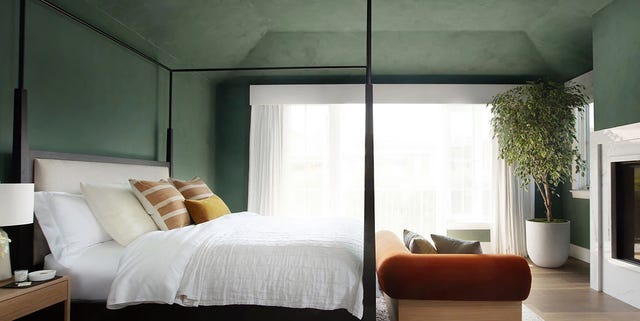
Here's How to Decorate With Green So It Actually Looks Chic
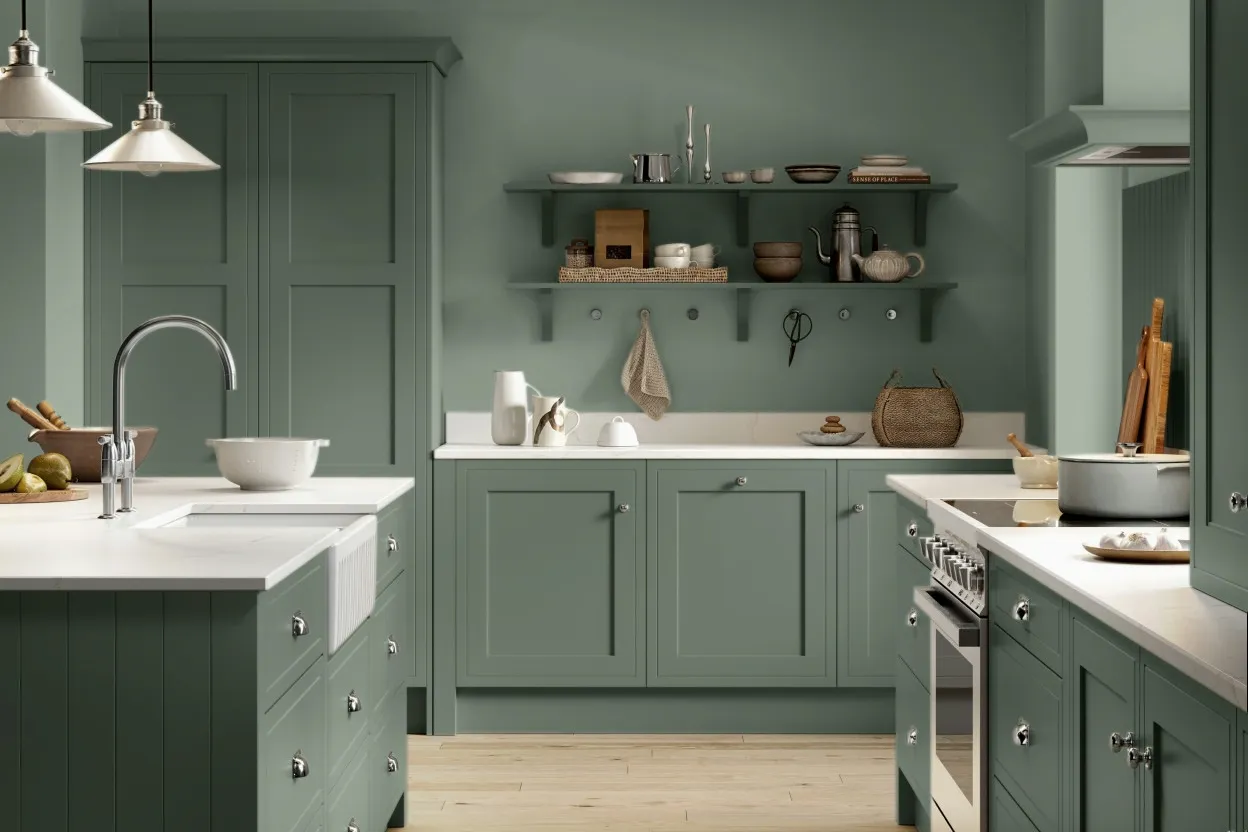
8 Green Paint Colors Interior Designers Swear By for a Bold and Fresh Home

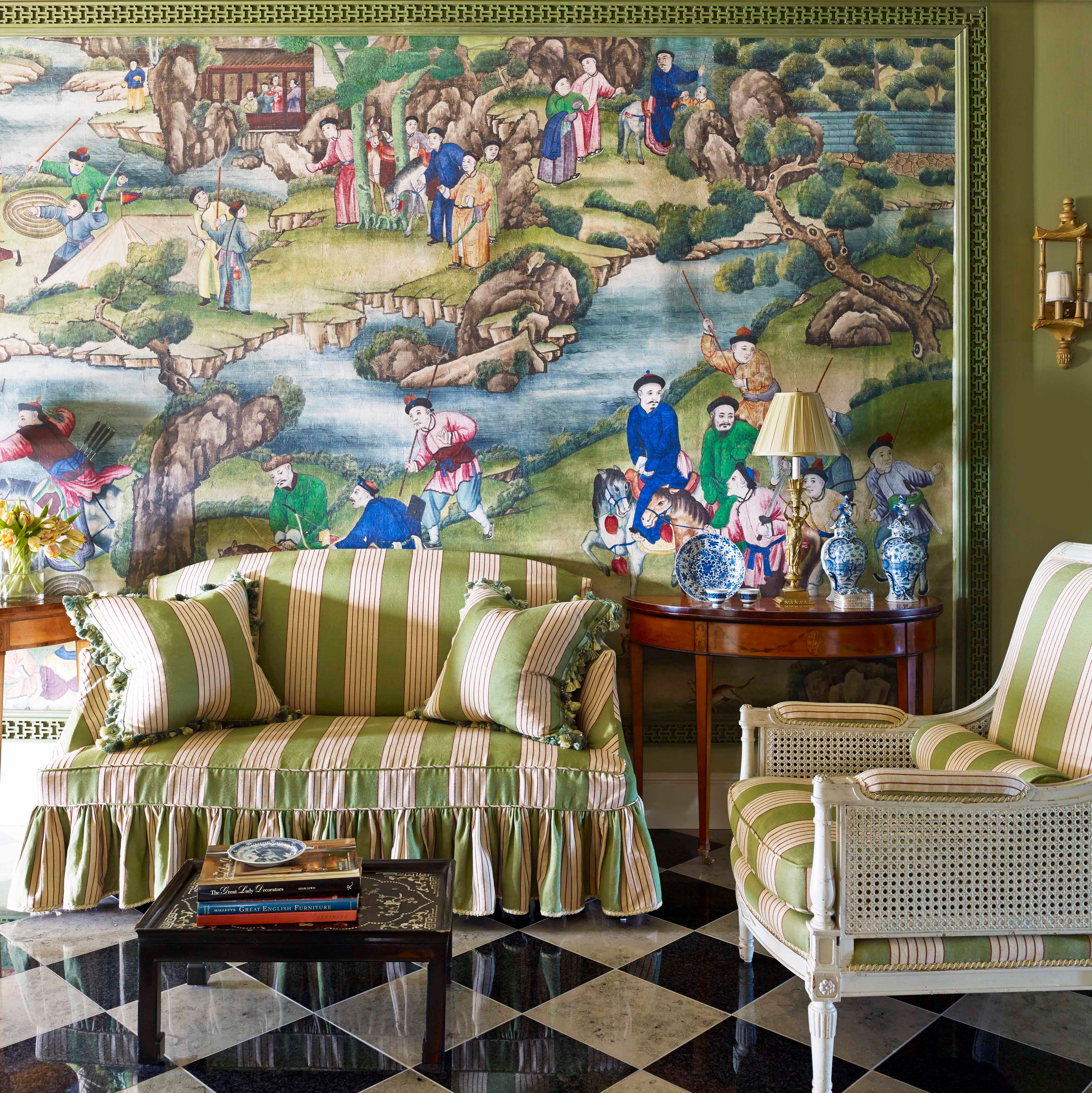
15 Lush Green Paint Colors to Invigorate Any Space

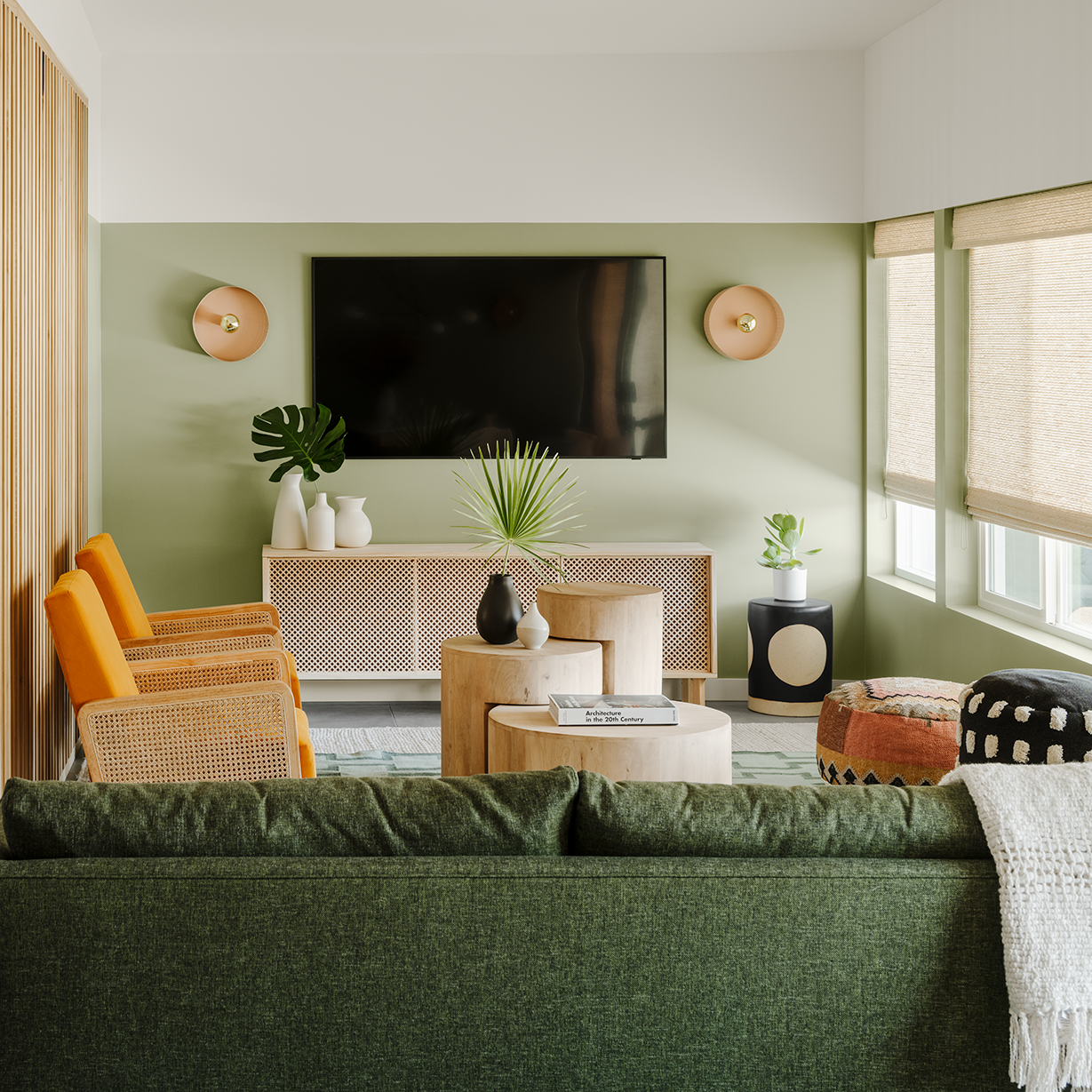
Here's How to Go Green in the Living Room

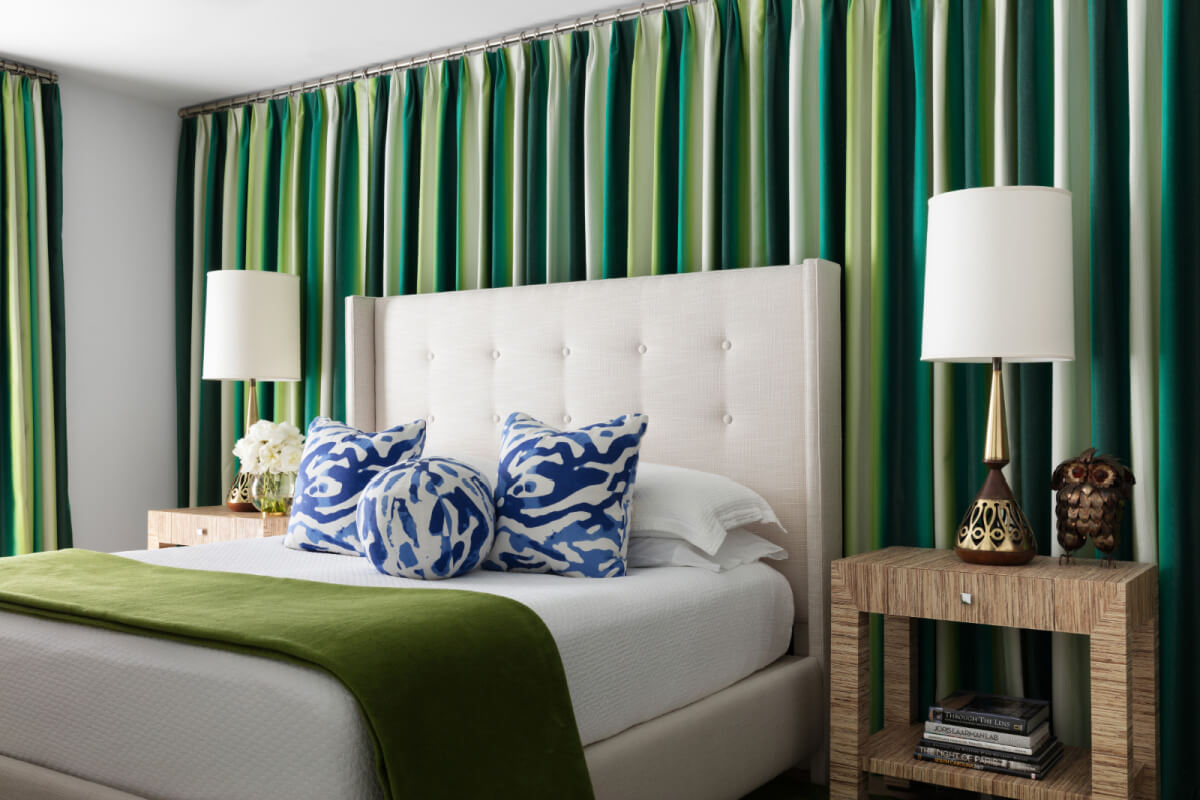
Going Green: Inside This Year’s Color Craze
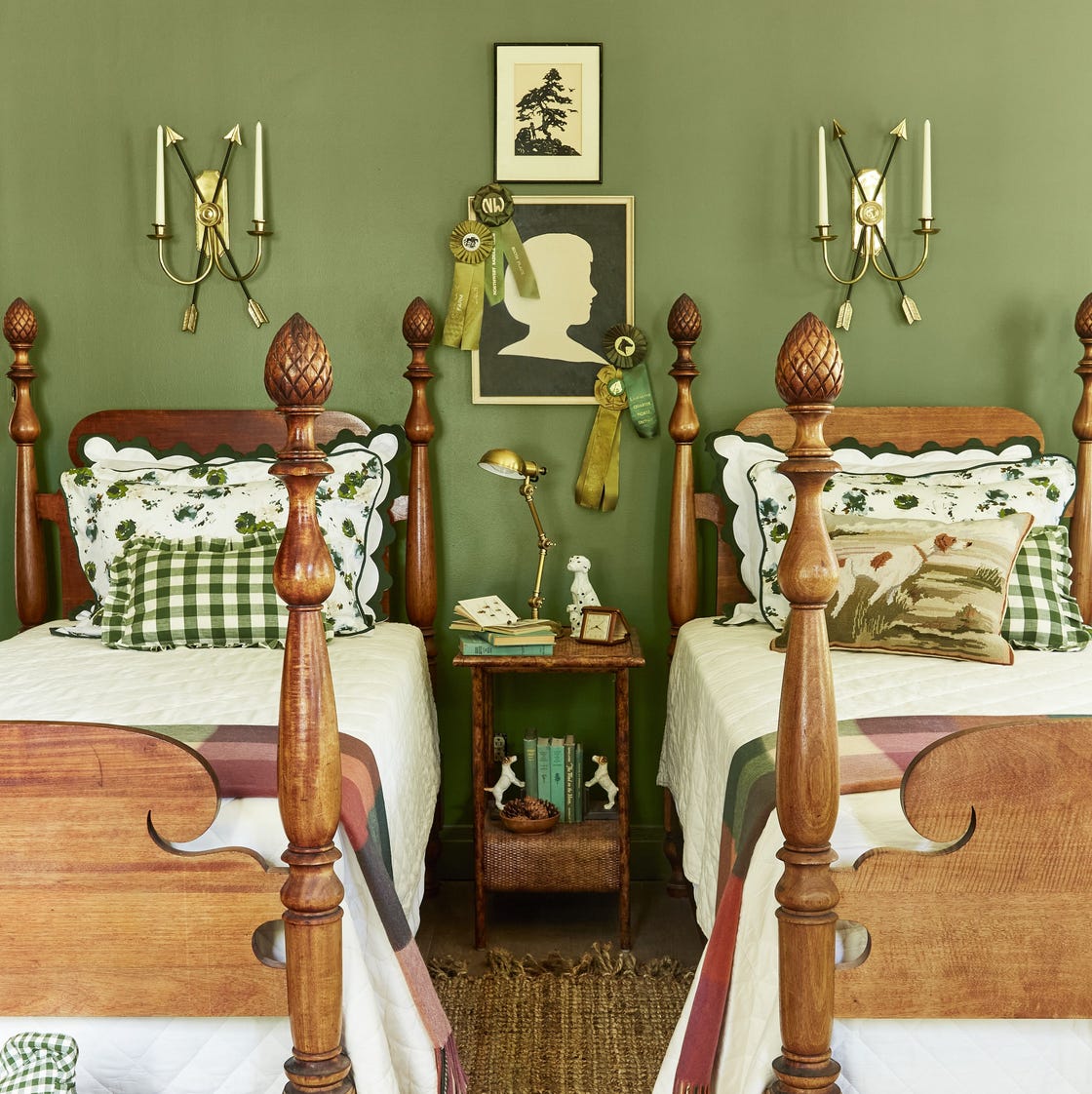
Green Is the Prettiest Color! These Rooms and Decorating Ideas Prove It
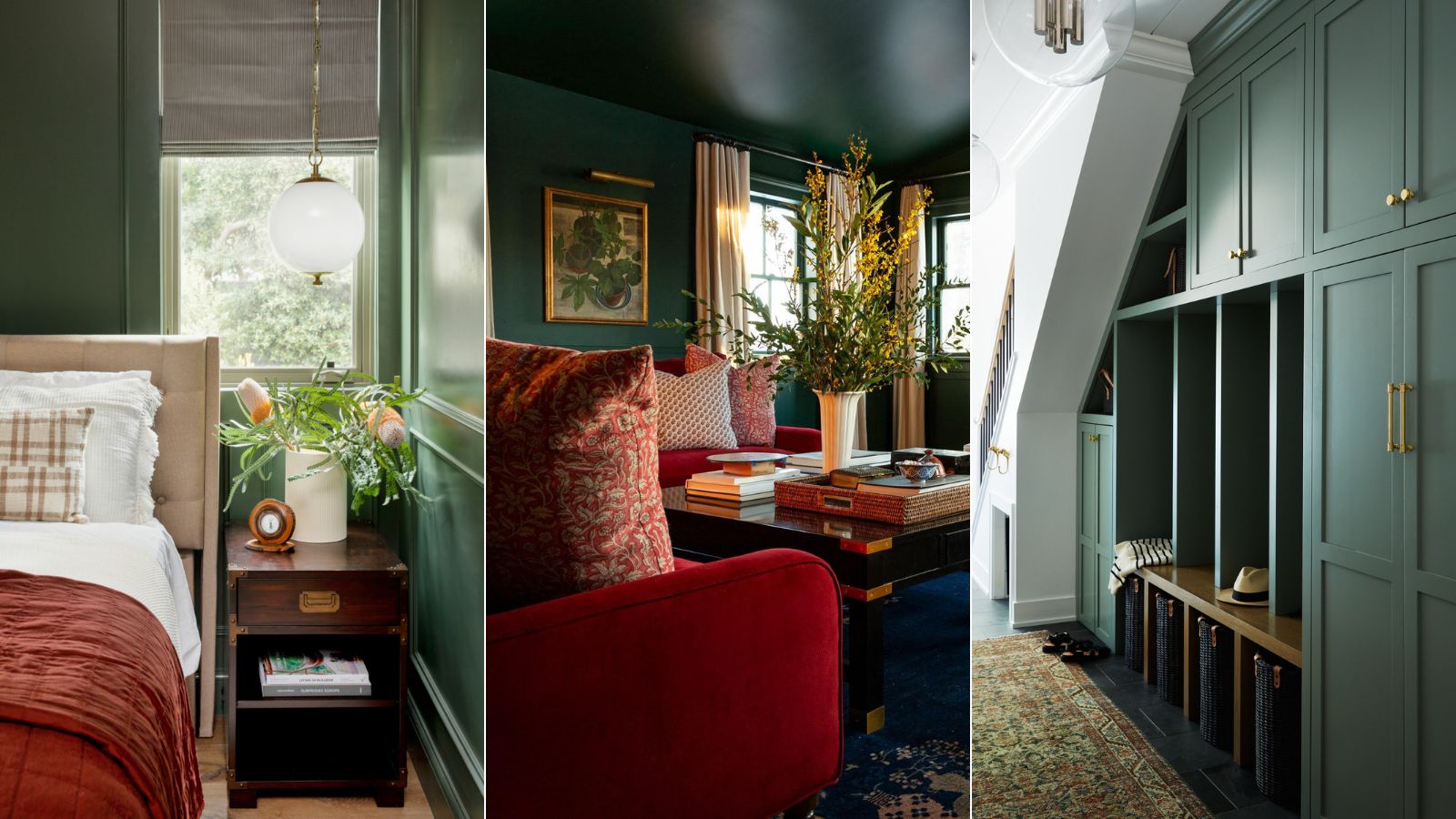
5 best green paints that will always be classics, according to interior designers
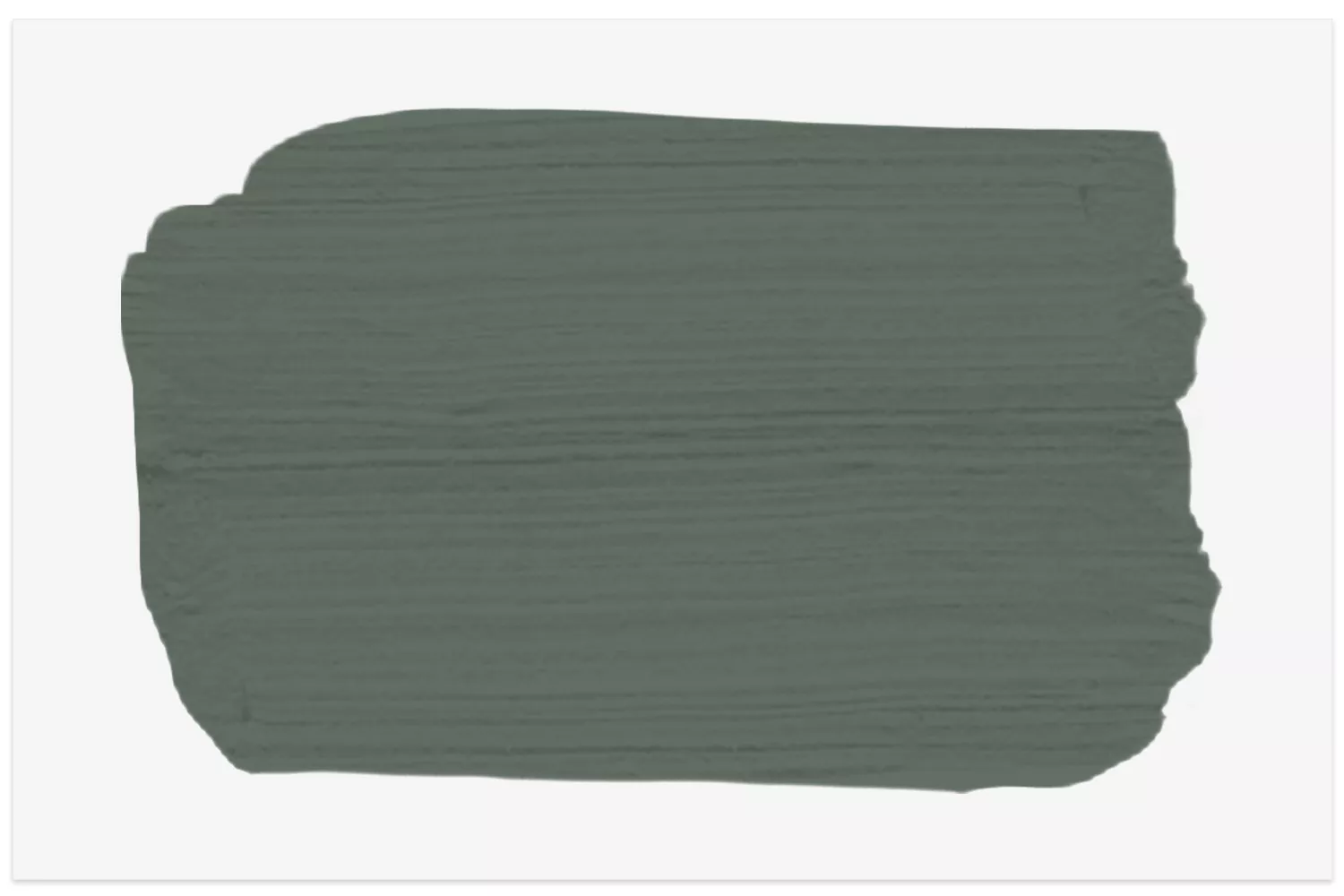
14 Best Green Paint Colors

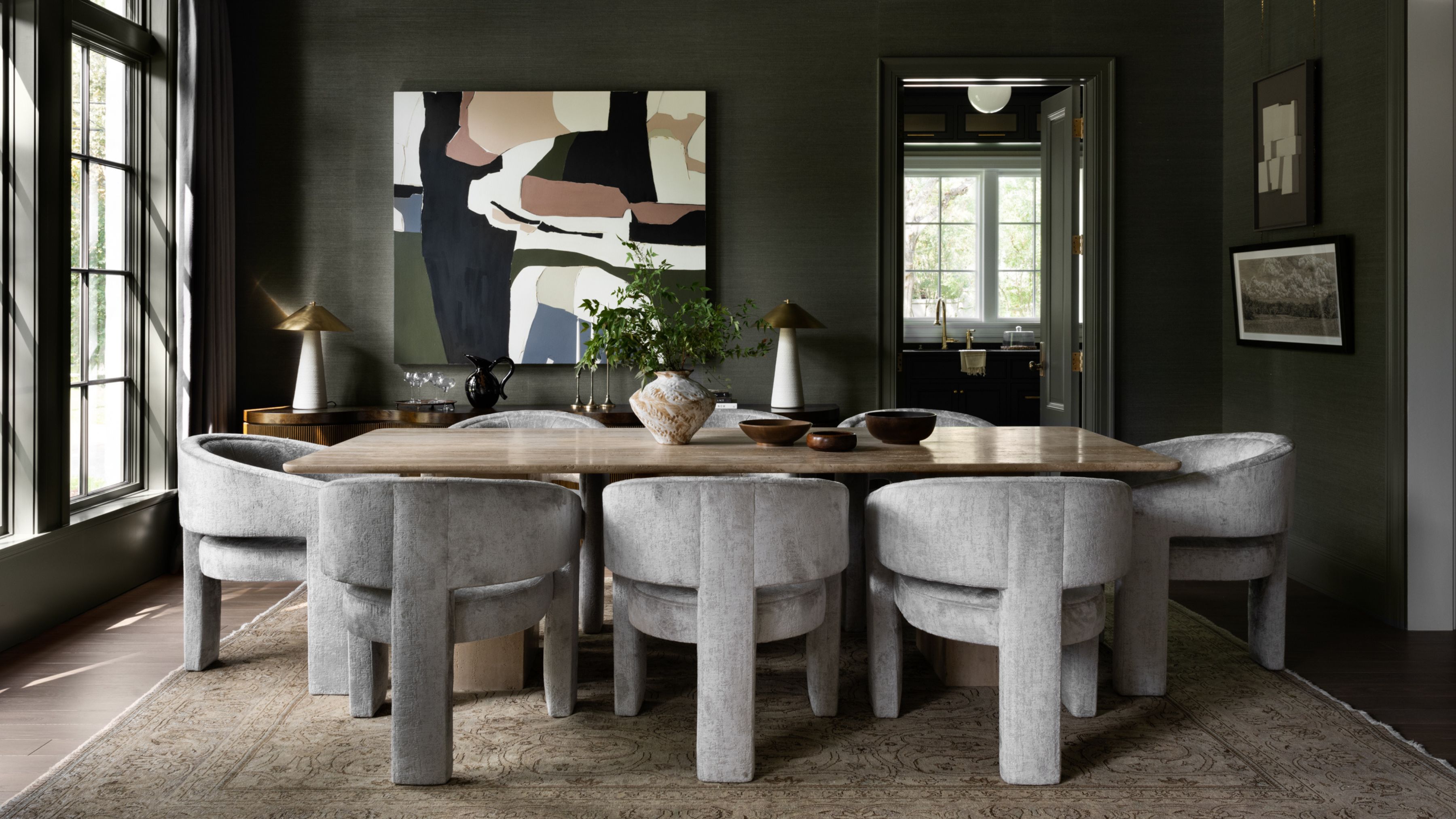
Your Lighting Could be Completely Throwing the Appearance of Your Green Paint — Here is How to Mitigate Its Effects

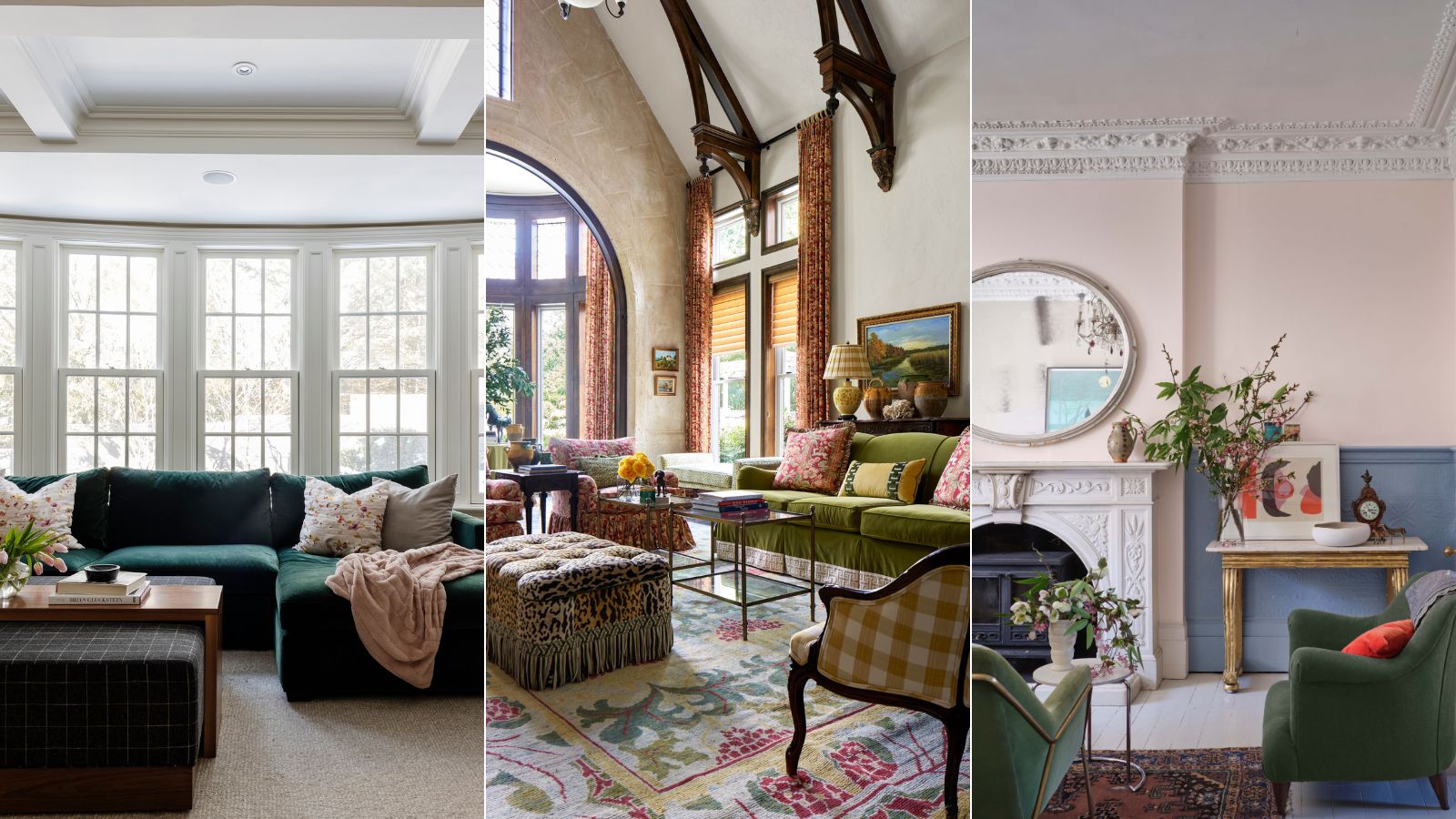
What colors go with a green couch? 6 professionals reveal their perfect color combination
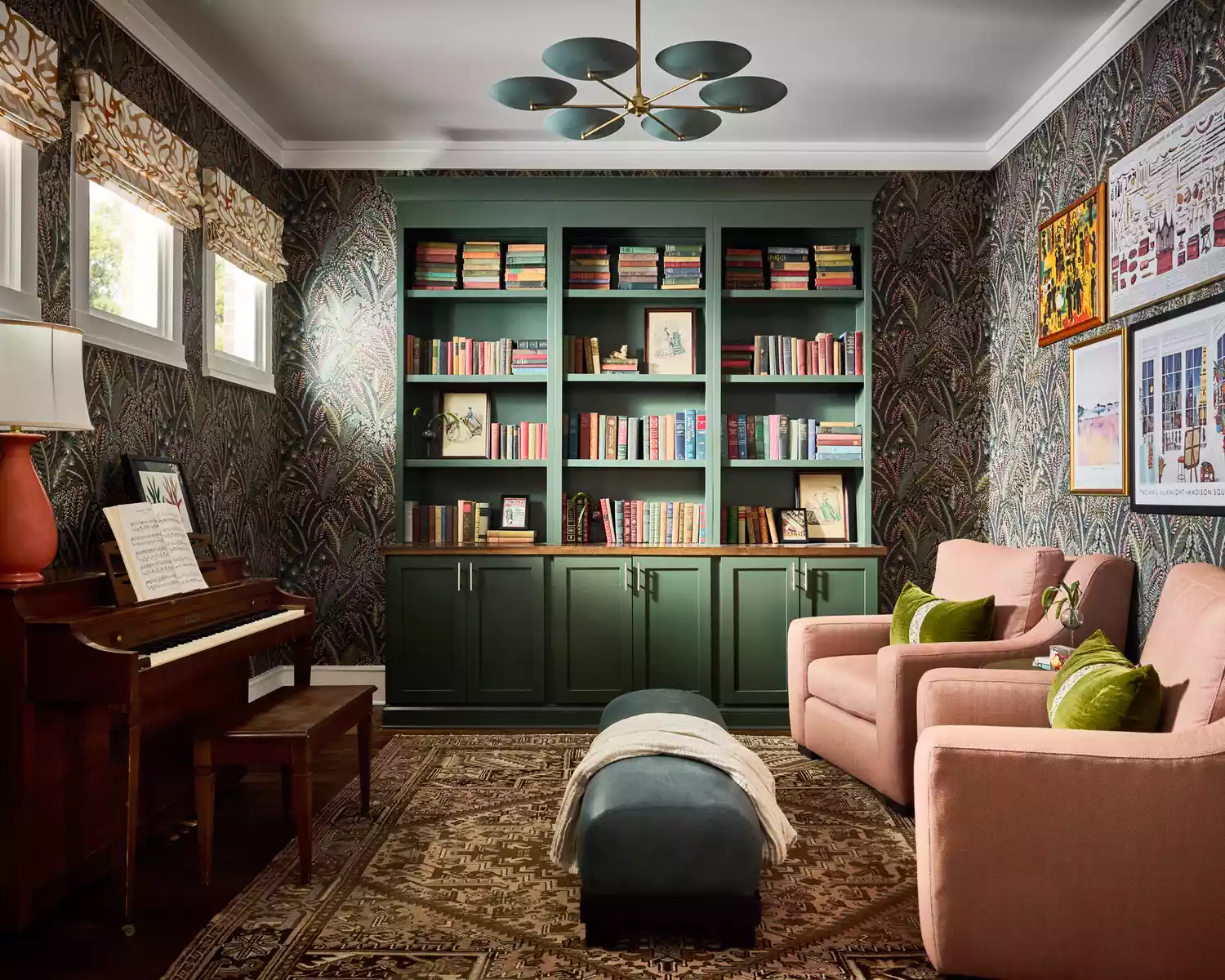
17 Green Paint Colors for Every Room, From Soothing Sage to Electric Emerald
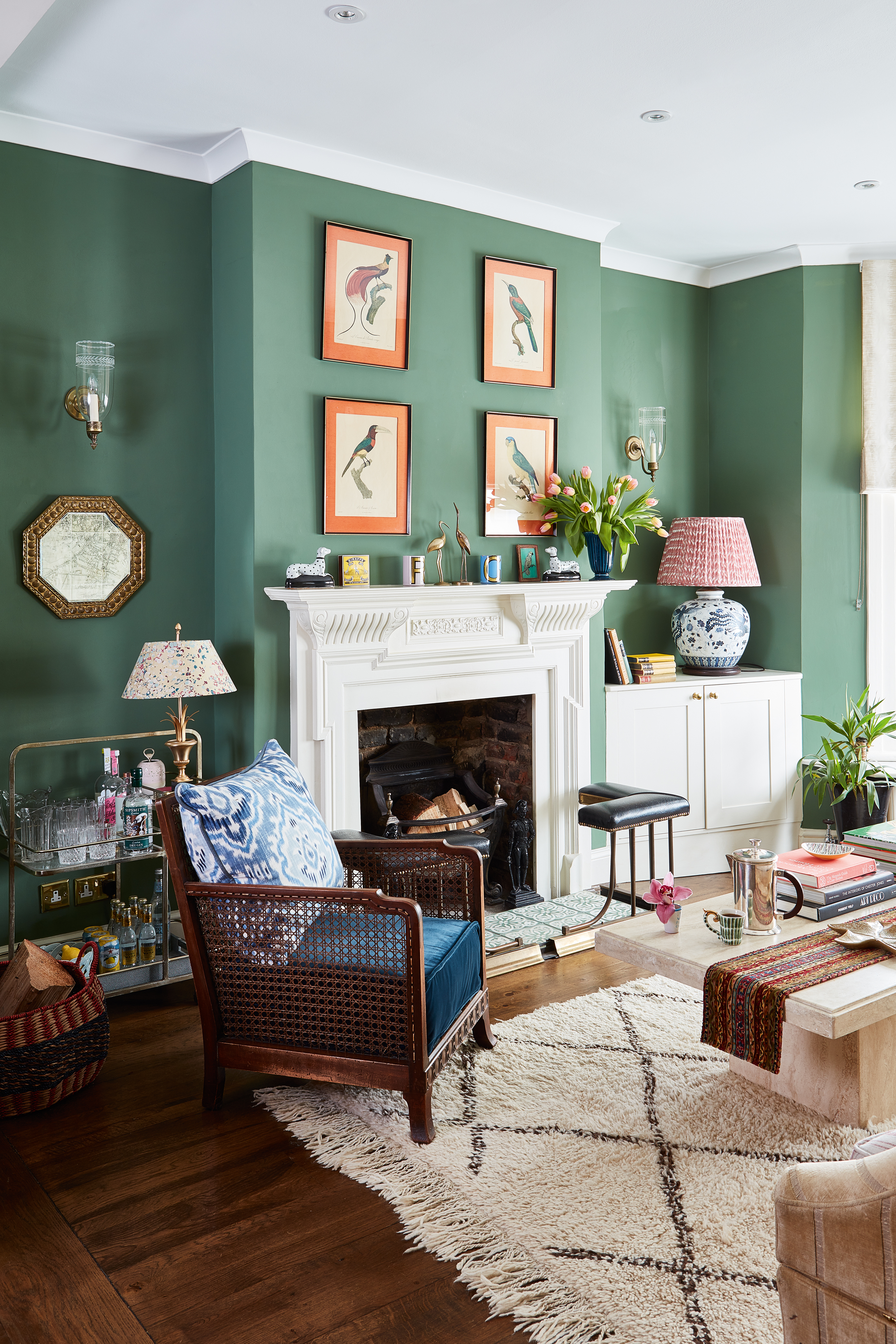
25 green living room ideas that are the perfect spring refresh

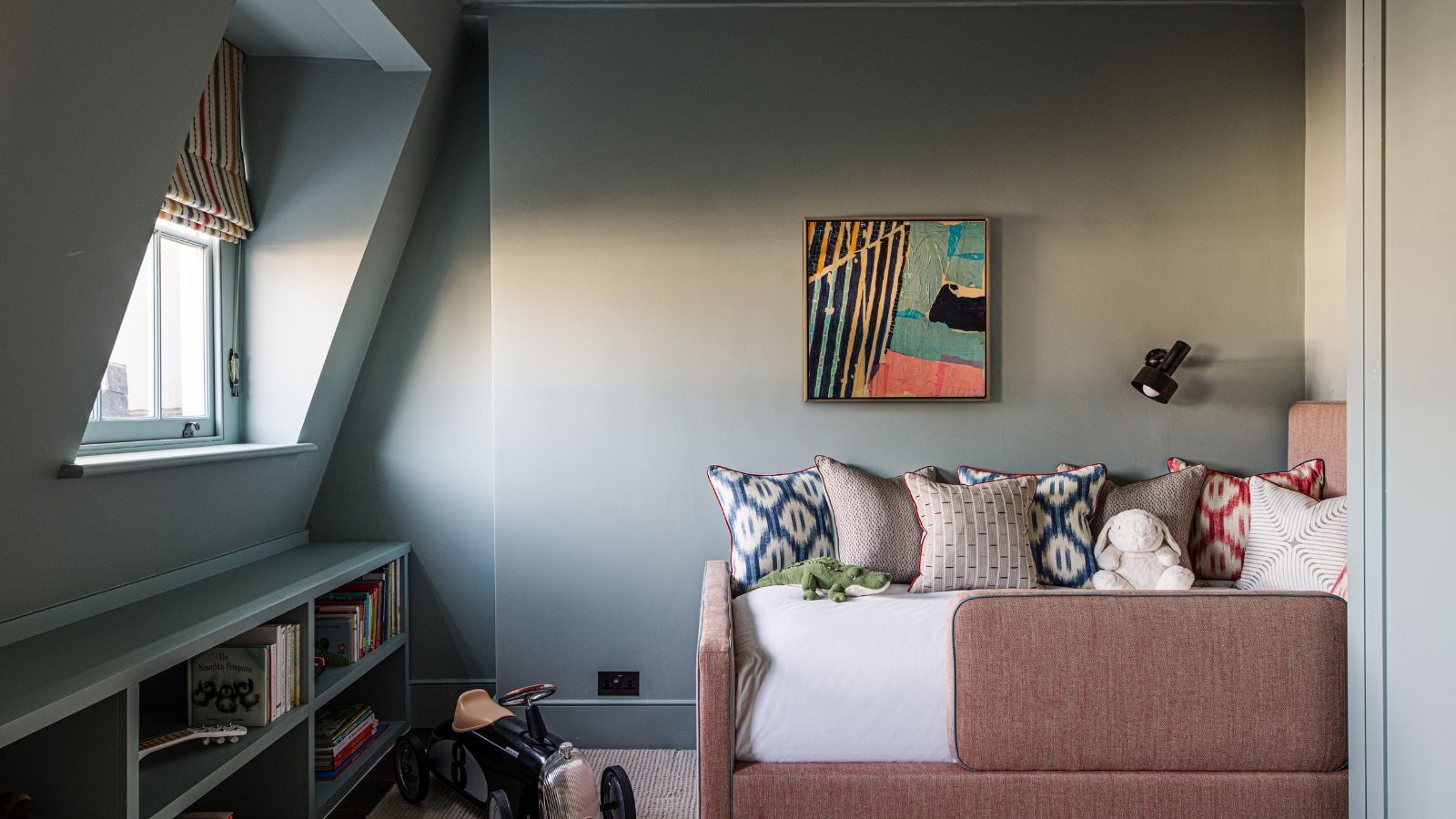
Little Greene paint colors in real homes
What's replacing sage green in 2024? 5 on-trend variations of this nature-derived hue
32 Green Rooms That'll Make You Feel Alive

19 of the Best Green Paint Colors for Any Room in Your Home

15 green interior design ideas that will have you green with envy

51 Green Color Schemes Perfect for Living Rooms, Bedrooms, and More