1/5
The TV as we know it is finally changing — and these designs are leading the charge
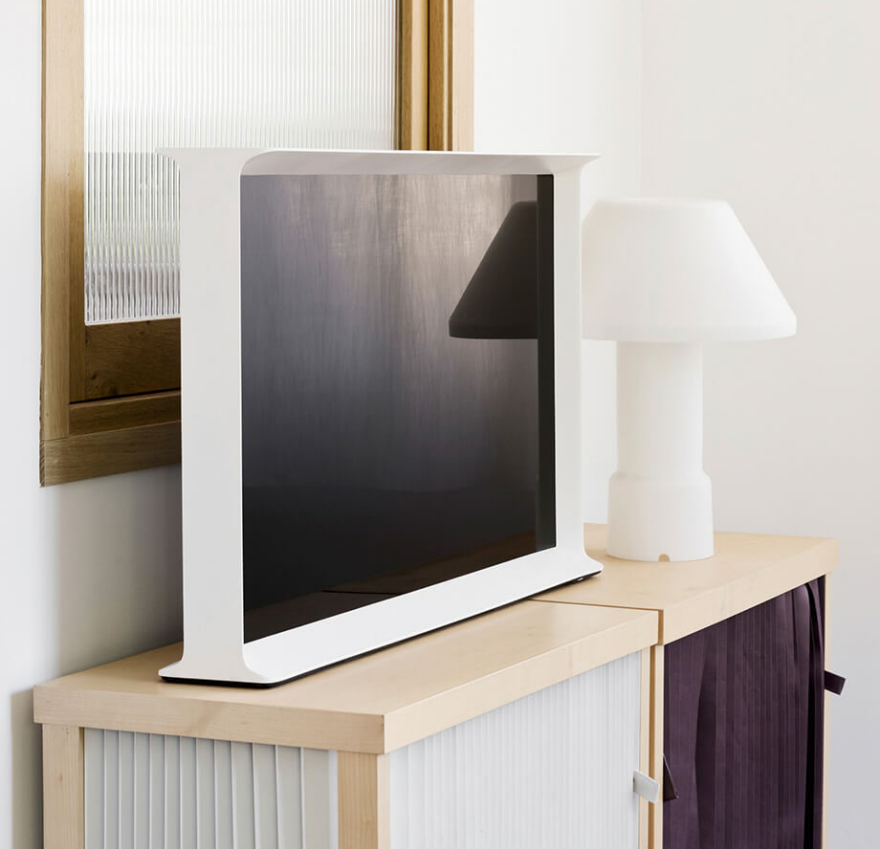
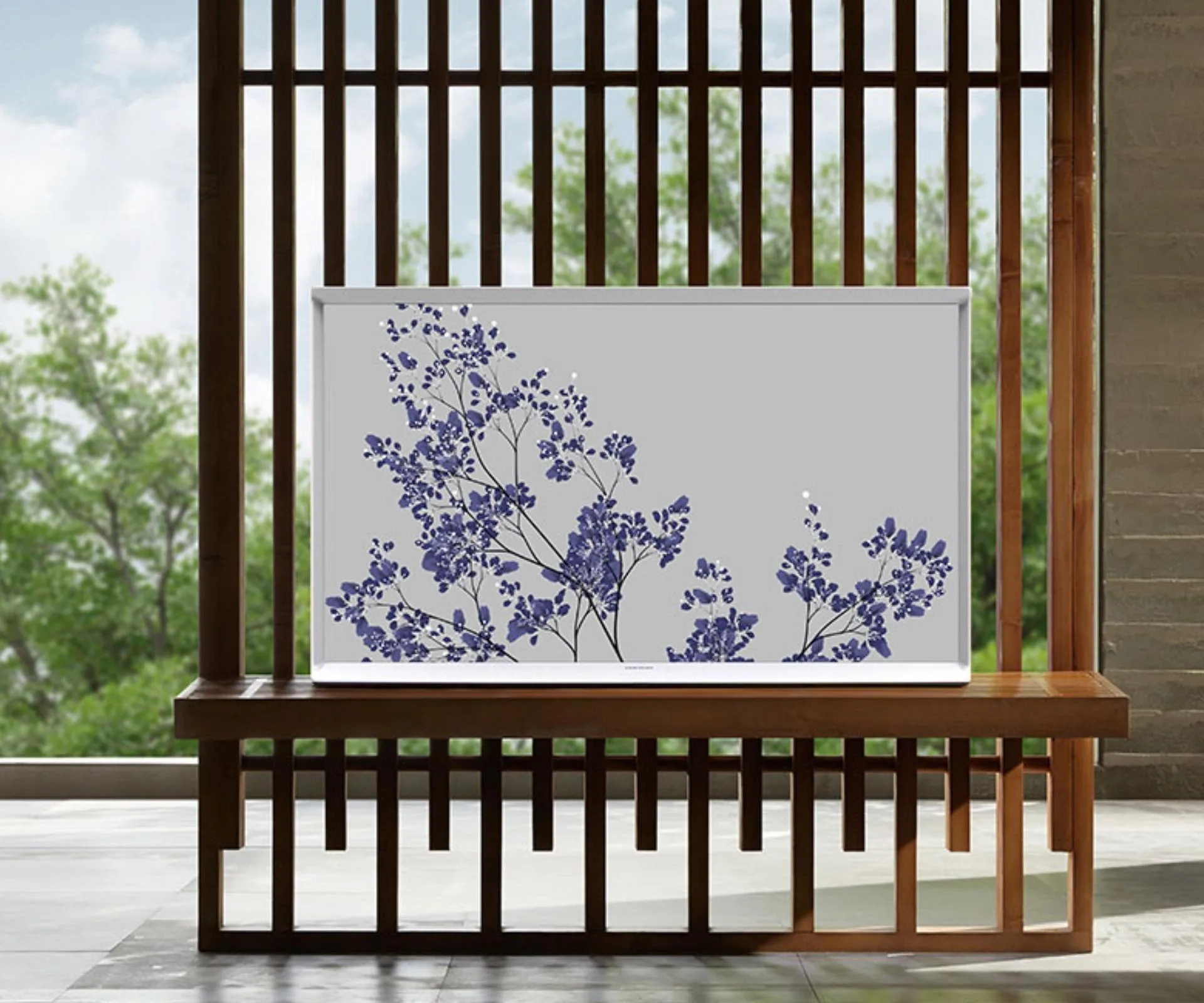
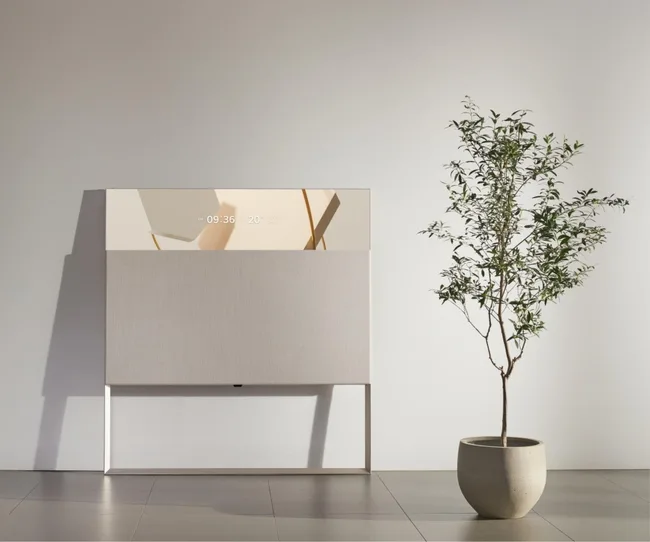
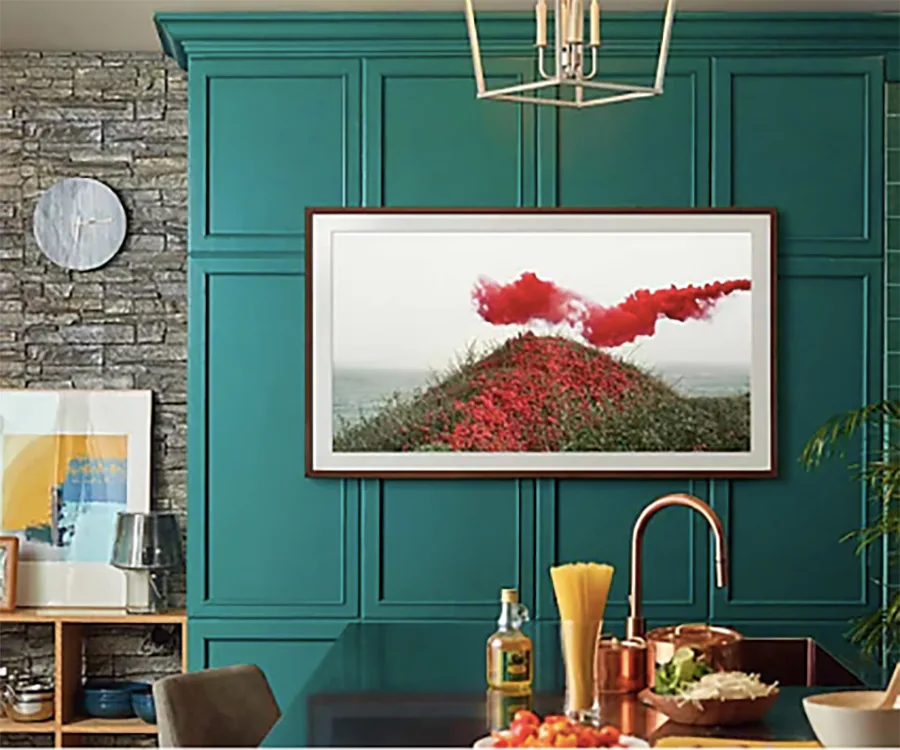
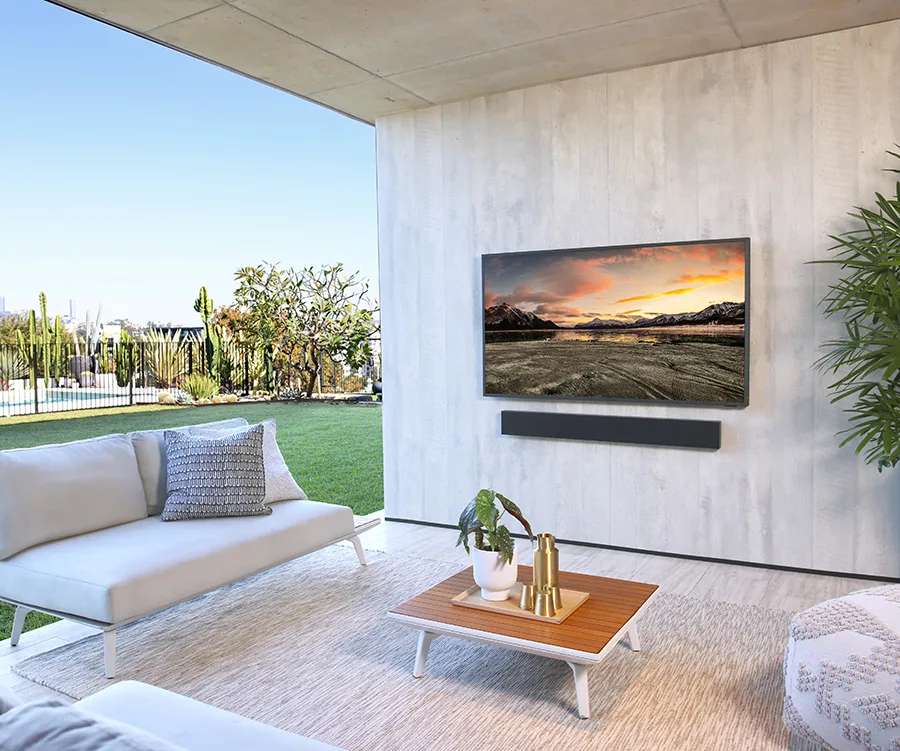
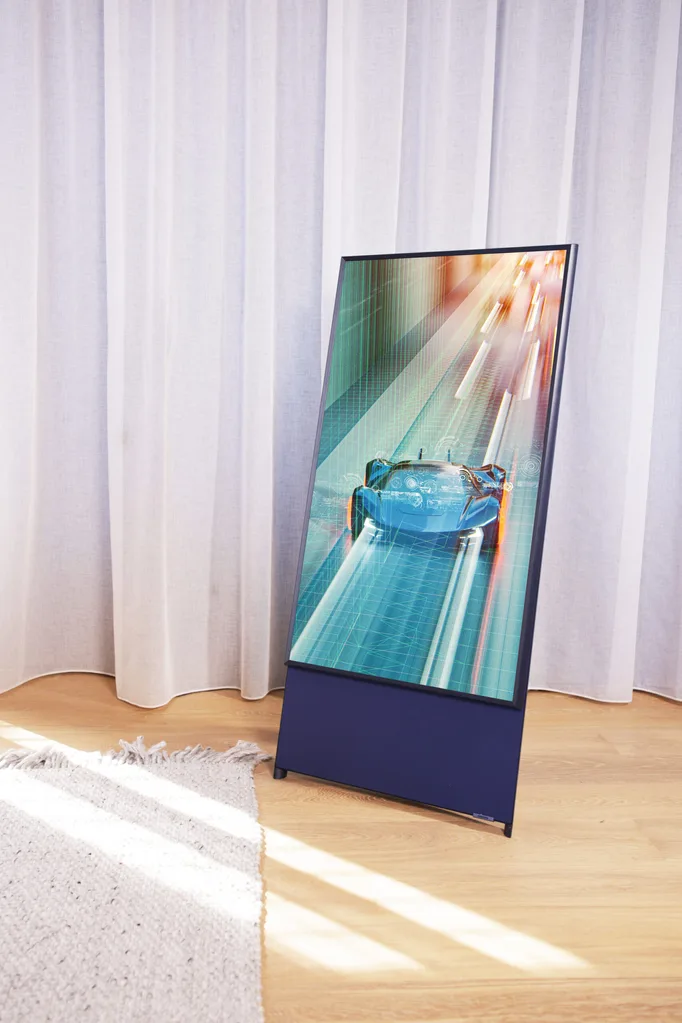
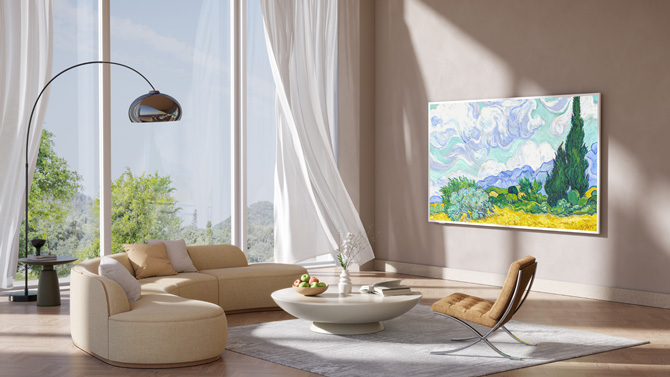
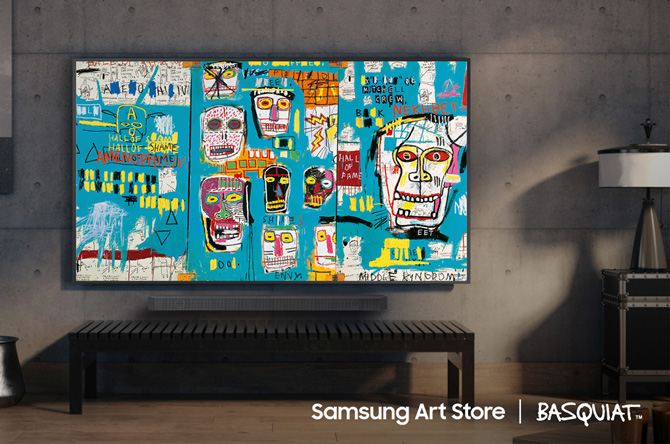
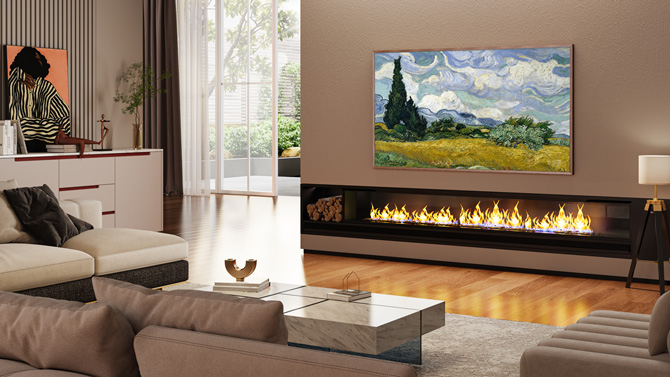
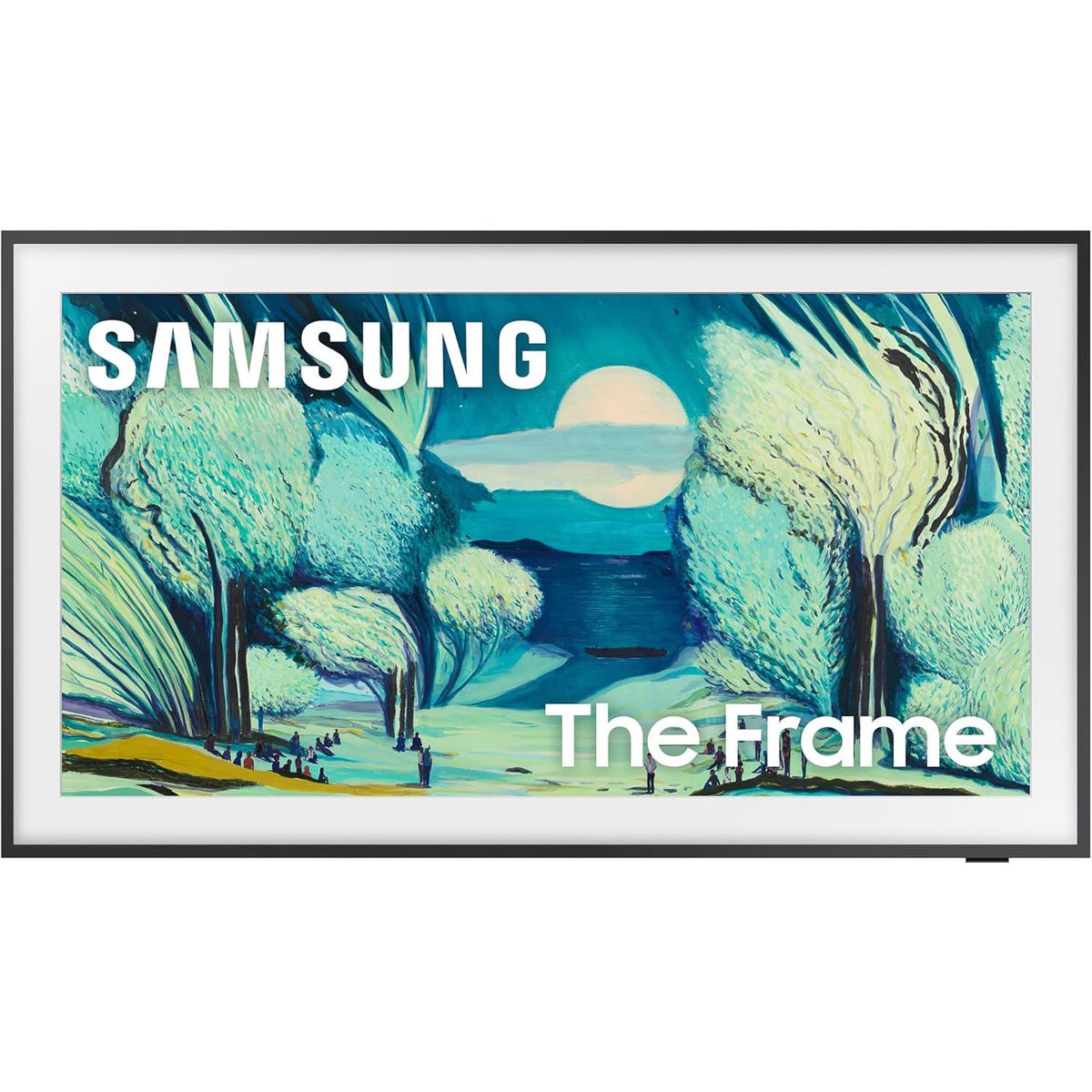
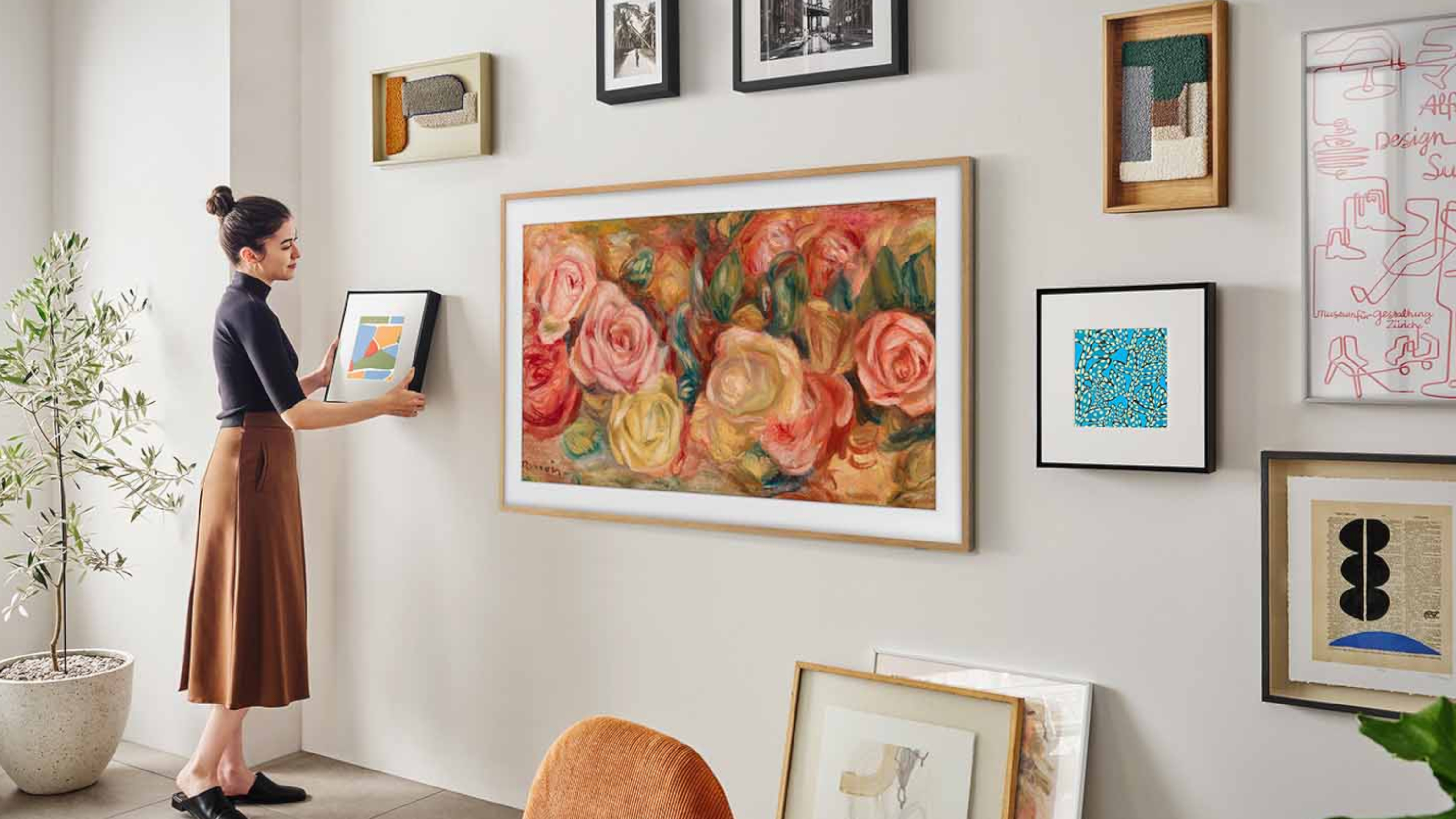
The perception of television sets as mere technological devices is evolving, with a growing emphasis on their integration into home aesthetics. Samsung's 'The Frame' TV exemplifies this shift, offering a design that blends seamlessly into a living space by mimicking framed artwork. This approach, which has been highly successful over nearly a decade, has prompted other major manufacturers like TCL, Hisense, and LG to develop their own 'lifestyle TVs,' signaling a broader trend in the industry.
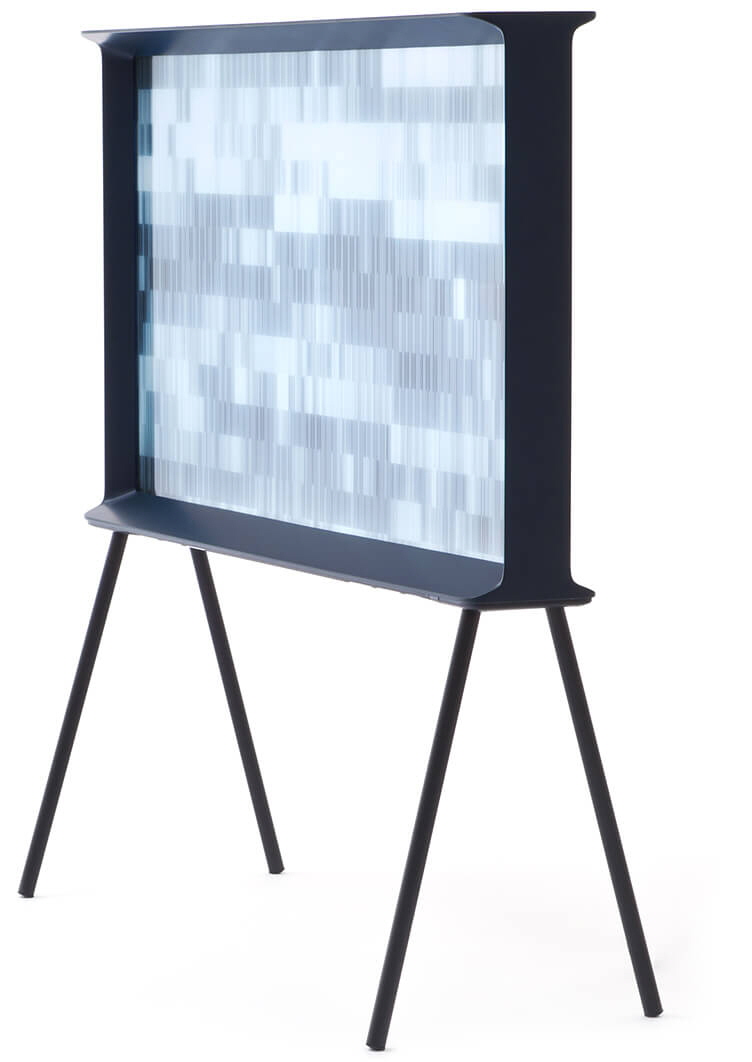
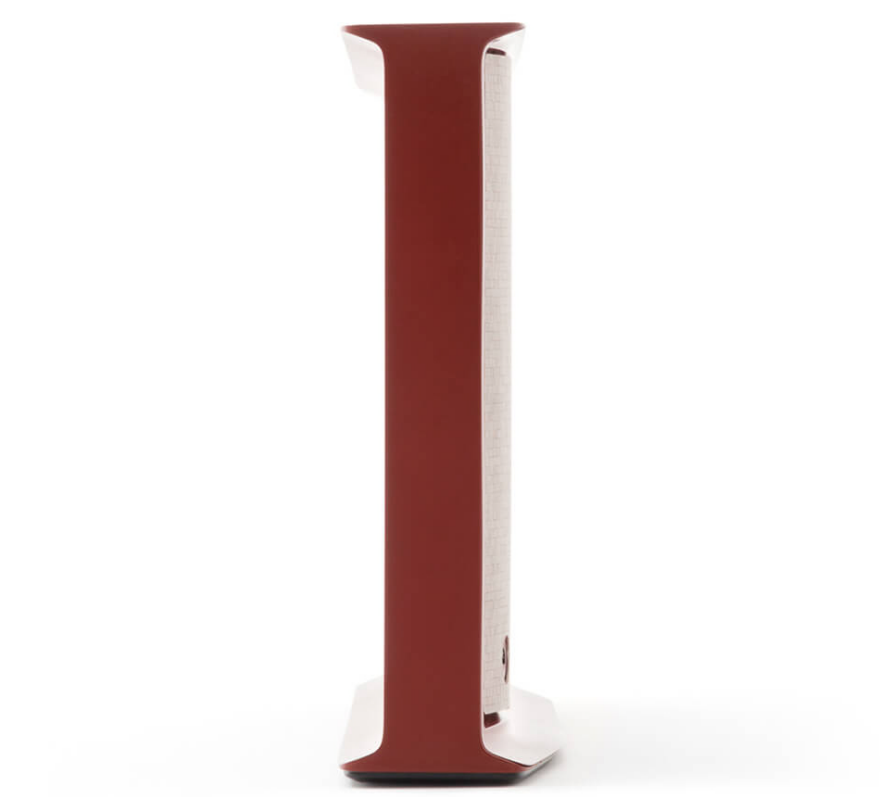
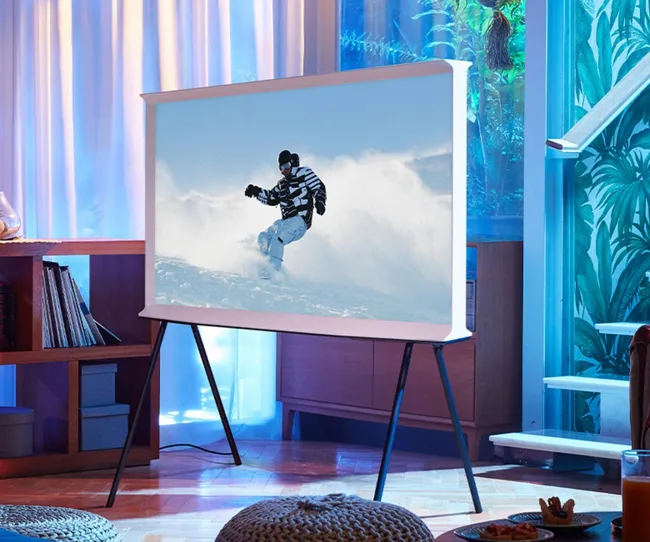
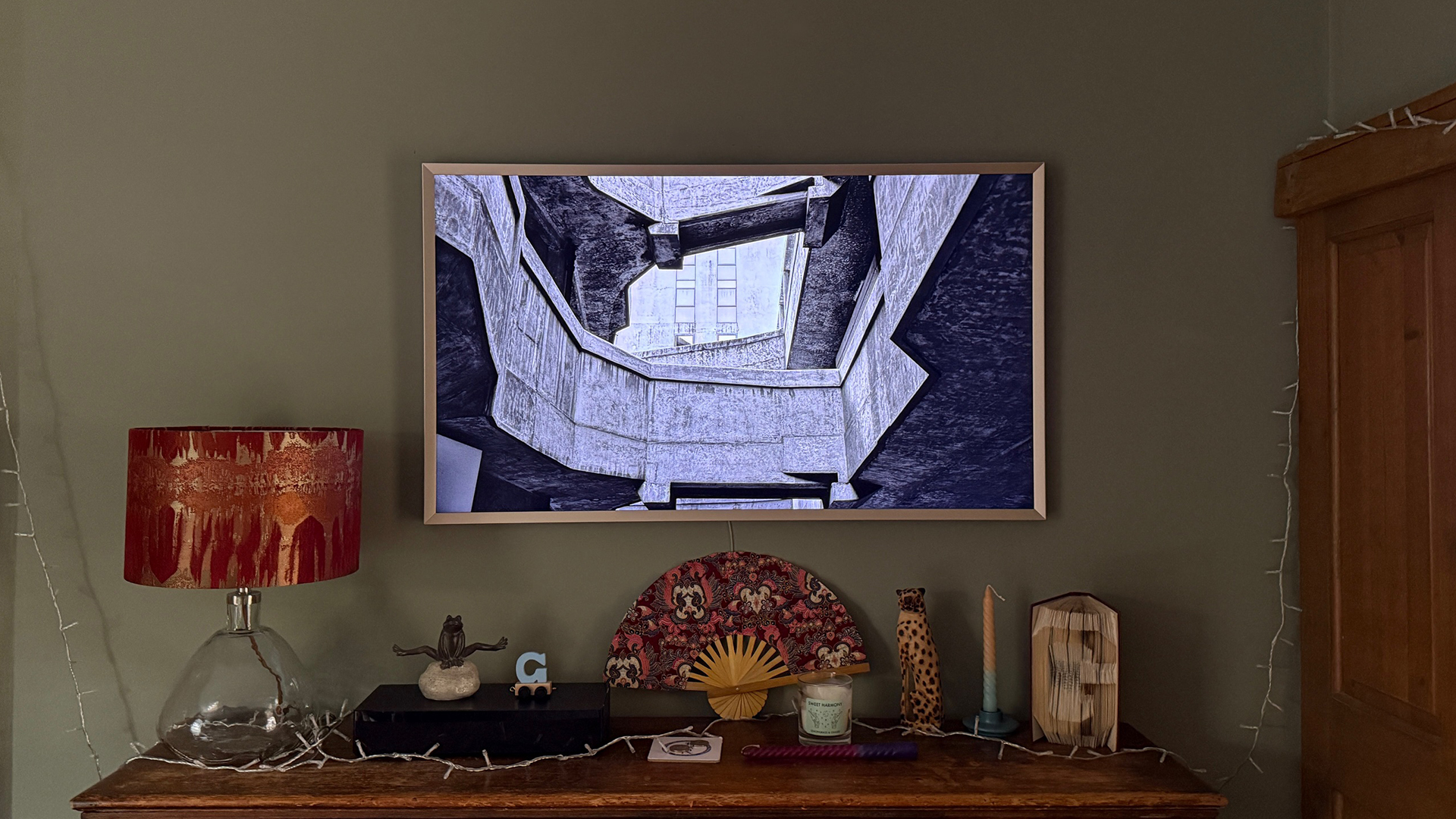
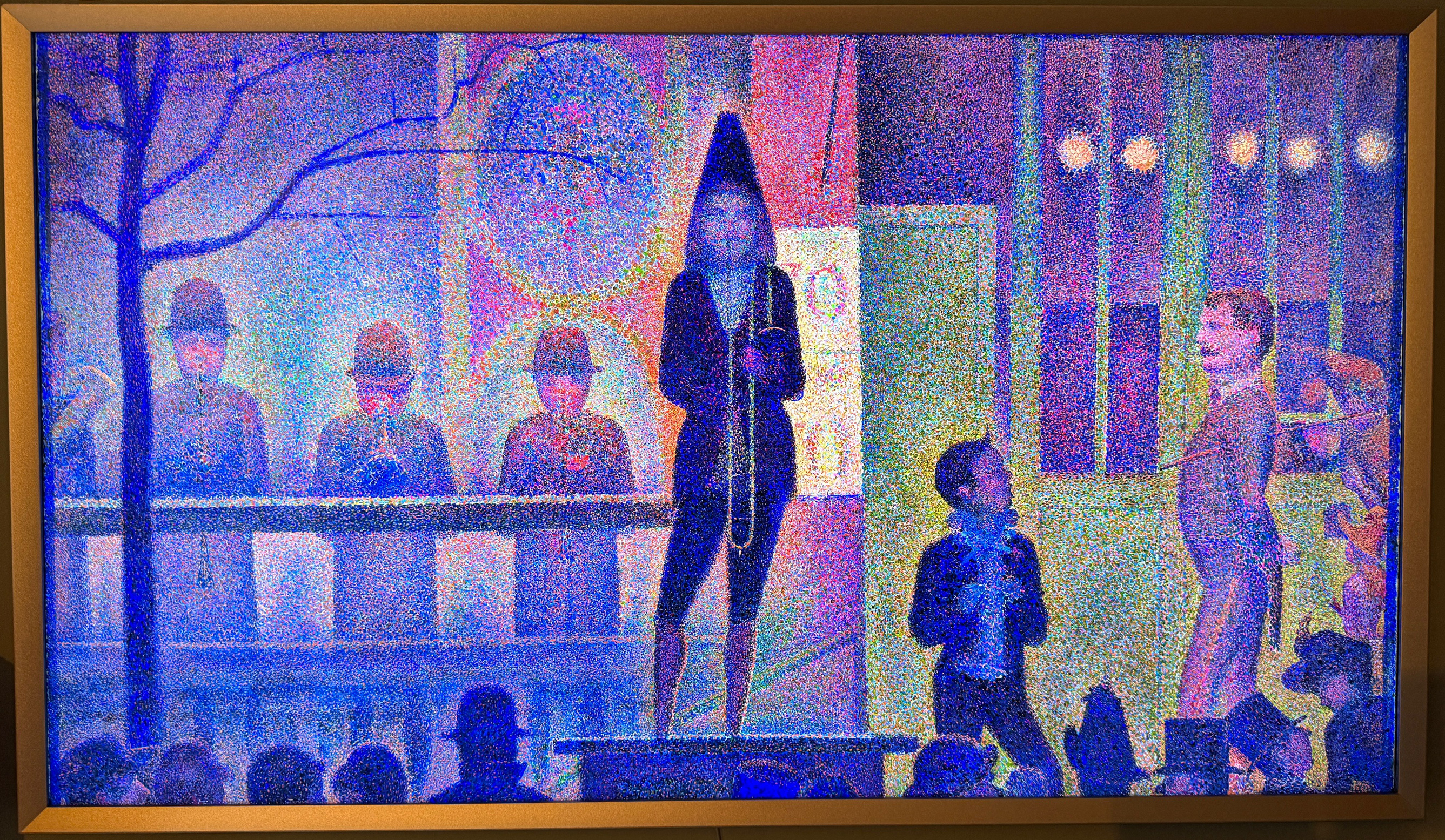
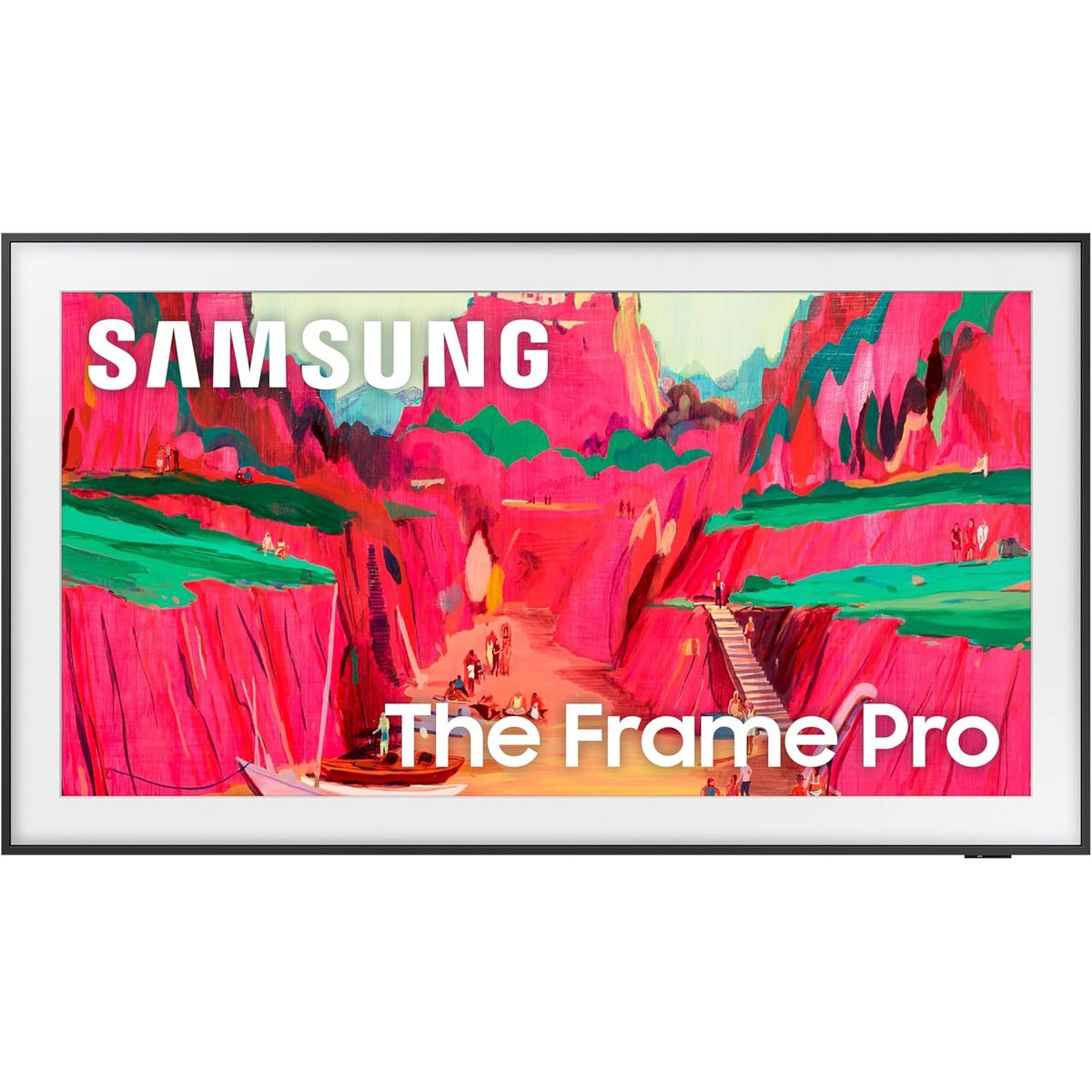
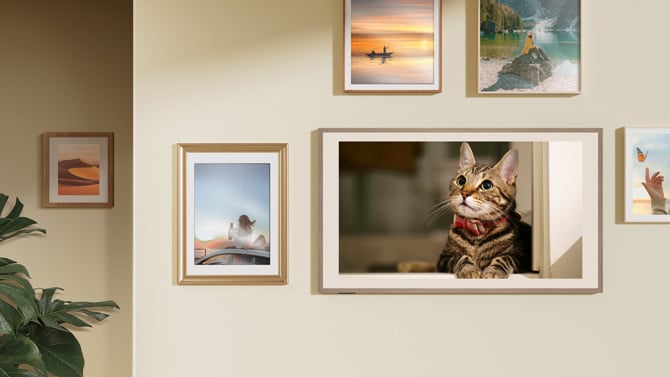
'The Frame' distinguishes itself through several key design features. Instead of conventional black borders, it incorporates interchangeable bezels designed to resemble art frames, available in various colors and textures. Its slim, uniform panel, combined with a specialized Slim Fit Wall Mount, allows it to sit flush against a wall, avoiding the typical protrusion of wall-mounted televisions. To maintain a clean aesthetic, all ports are relocated to a separate 'One Connect Box,' which connects to the display via a thin, light-colored cable, making it visually inconspicuous. Furthermore, newer versions of 'The Frame' feature a matte screen finish, which not only reduces glare but also gives displayed images a soft, painting-like appearance. Optional accessories, such as a tripod-style 'Studio Stand' and customizable shelving units, further enhance its aesthetic integration, while 'Art Mode' transforms the screen into a digital art display when not in use.
While these design elements make 'The Frame' an attractive option for consumers prioritizing home decor, it presents certain limitations for audiophiles and videophiles focused on maximizing picture quality. For instance, the 2024 model's HDR brightness peaks at around 600 nits, which is a modest improvement over its predecessor and significantly less bright than many mid-range and high-end LED TVs, such as the Hisense U8N, which can exceed 3,000 nits. This brightness limitation also impacts its color volume, covering about 68% of the Rec. 2020 color gamut compared to the Hisense U8N's approximately 82%. Additionally, 'The Frame' uses an edge-lit panel, which restricts contrast control, whereas many more affordable TVs now feature Mini-LED backlighting with local dimming. Consequently, it may not deliver the high-contrast and vivid picture quality sought by home theater enthusiasts.
Despite these performance compromises, the success of 'The Frame' has highlighted a market demand for aesthetically pleasing televisions. Competitors such as TCL and Hisense have introduced similar lifestyle TVs, like the TCL Nxtframe TV and the Hisense Canvas TV, which also prioritize design but currently share some of the performance limitations of 'The Frame.' The author advocates for integrating these design philosophies into high-end, high-performing TVs to eliminate the need for consumers to choose between aesthetics and picture quality. Recent developments suggest this trend is gaining momentum: some models in Samsung’s S95D and upcoming S95F OLED series now feature matte finishes, similar to 'The Frame.' The LG G5 OLED is designed without a stand, promoting wall-mounting, and the Panasonic Z95B incorporates fabric-wrapped exteriors. Philips’ Ambilight TV, with its synchronized LED lighting, further illustrates a bold approach to TV design, even if not yet widely available in certain markets. This indicates a growing industry recognition that televisions should enhance, rather than disrupt, the visual harmony of a living space, even when turned off.
#TVDesign #HomeDecor #SmartHome #SamsungTheFrame #LifestyleTVs #HomeElectronics #InteriorDesign #ConsumerTechnology #TVDesign #HomeDecor #SmartHome #SamsungTheFrame #LifestyleTVs #HomeElectronics #InteriorDesign #ConsumerTechnology
0 комментариев всего
 Комментариев пока нет
Вам также может понравиться
Why is Samsung Making TVs Thicker?

The best frame TVs: fantastic TVs that show off your favourite art
I Watch HGTV Every Day — Here Are The 16 Trends I Think Will Be "So Early 2020s" In 5 Years

How YouTube CEO Neal Mohan conquered the living room and positioned creators as ‘the new Hollywood’
8 stylish TVs worthy of a place in your home

Designers Reveal the Surprising Home Trend That's Taking Over Right Now

Clean up your TV setup with the Dreamscreens TV Skirt Flex, now just $24

It’s Time to Say Goodbye to These Outdated Design Trends in 2024

HGTV’s David Bromstad Says This Is the One Design Trend Everyone Should Be Embracing Right Now

The Old School Kitchen TV Trend Is Back, But How Will It Fit Into Your Design?

Ready to Redecorate? 2025’s Top Design Trends Just Dropped

We put the best art frame TVs from Samsung, Hisense, and TCL to the test — here's how they stack up
Designers Reveal the Bold Design Trend That's Taking Over Homes

Designers' Reveal the Biggest Pattern Trends for 2025, and It's Shaping Up to Be a Bold Return to the Classics

5 brands that are transforming the architectural surfaces of your home


Meet the Next Wave of Design Stars Changing the Way We Look at Our Kitchens

The best lifestyle TVs to buy in Australia
Surprise: 1990s Design Trends Are Coming Back
Alternatives to Samsung’s The Frame TV Have Finally Arrived

Kitchen Design is Going 4D — The Future is Now and Sapienstone is Leading the Way With its Sustainable Innovation