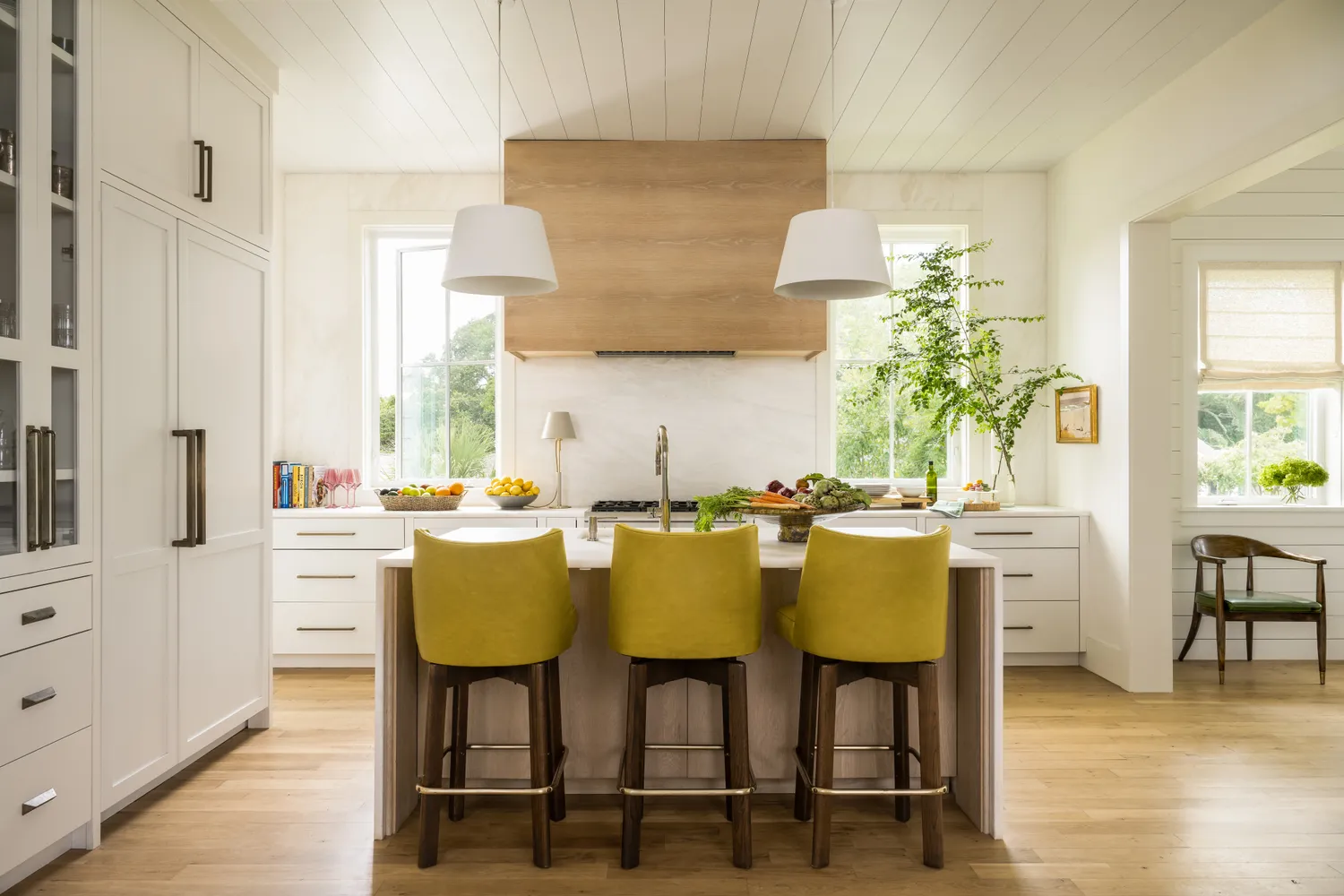
The Secret to More Stylish Home Decor This Summer? It’s Already in Your Yard
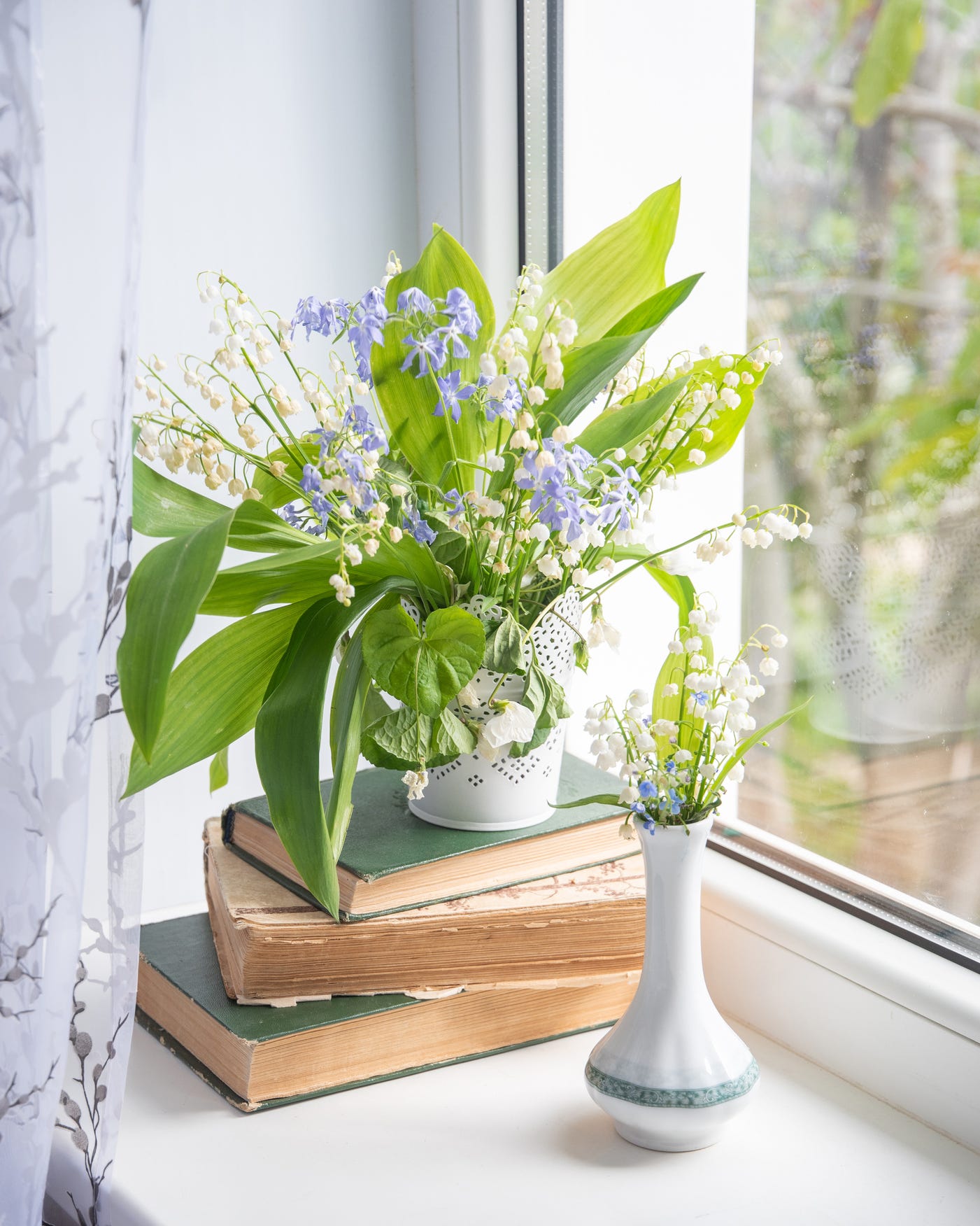
Interior designers are advocating for a natural approach to home decor, encouraging the practice of foraging for elements from one's own backyard to enhance living spaces. This method, particularly popular during summer, brings a sense of authenticity and connection to nature indoors, offering a refreshing alternative to store-bought decorations. Laetitia Laurent, founder of Laure Nell Interiors, highlights how foraging introduces meaning and a desirable imperfection to interiors, noting that often the most striking elements are those with natural twists, lichen, or softness, signifying their genuine origin.
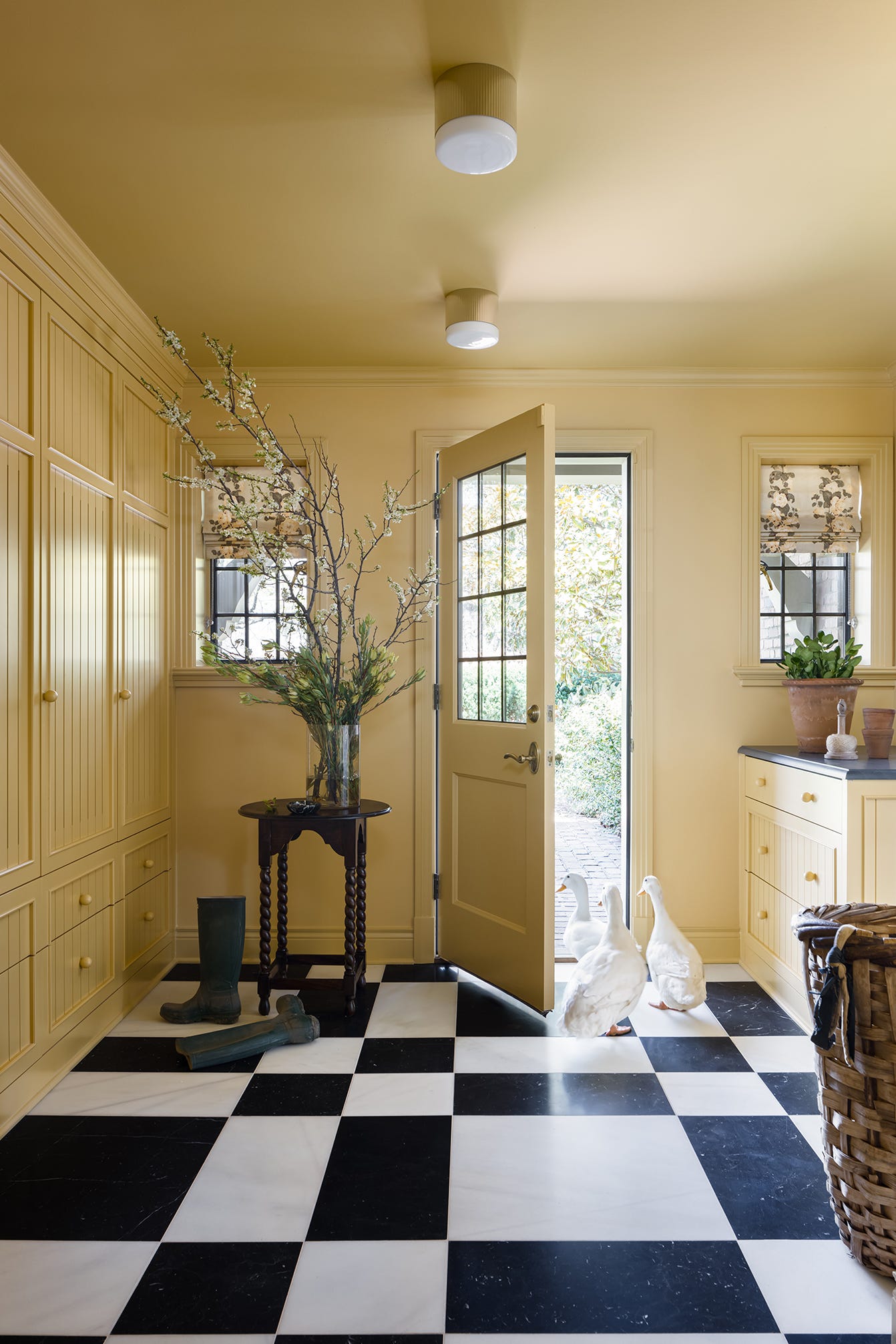
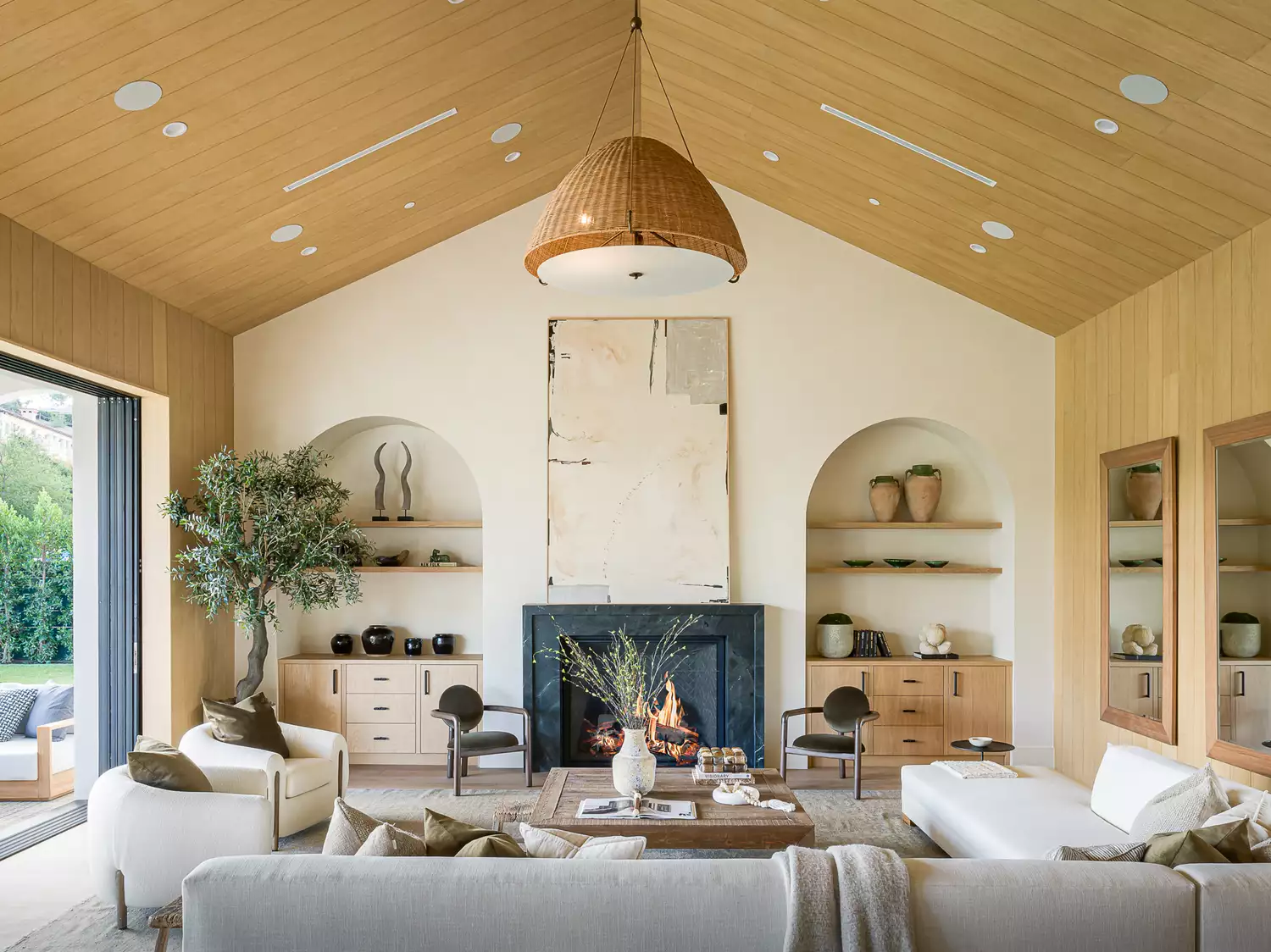
Laurent emphasizes the decorative potential of branches, particularly those with unique character. She suggests that a single sculptural branch, whether from citrus, olive, or a wild species, placed in a large vessel, can create a dramatic and elevated statement. The inherent asymmetry and movement of such branches add vitality that manufactured items often lack, while also contributing height and visual dimension to a room. This approach allows individuals to incorporate elements that reflect their local environment and personal aesthetic.
Dried grasses are another favored foraging item, especially as the weather cools. Laurent points out that dried palm fronds and various wild grasses introduce texture and an organic, sculptural quality to shelves or mantels. These can be artfully arranged in planters, on desks, or coffee tables, bringing a subtle natural elegance to different areas of the home. Their versatility and durability make them a lasting decorative choice.
Carla Royder, founder of Carla Royder Designs & Co, advocates for bold leaves as a decorative element. She specifically recommends magnolia, ferns, or palm fronds, describing them as the "drama queens of the plant world" due to their striking visual impact. Royder suggests various display methods, such as placing a single leaf in a vase or incorporating several into a centerpiece, either alone or alongside evergreens for added visual interest. These bold leaves offer a simple yet impactful way to introduce natural grandeur.
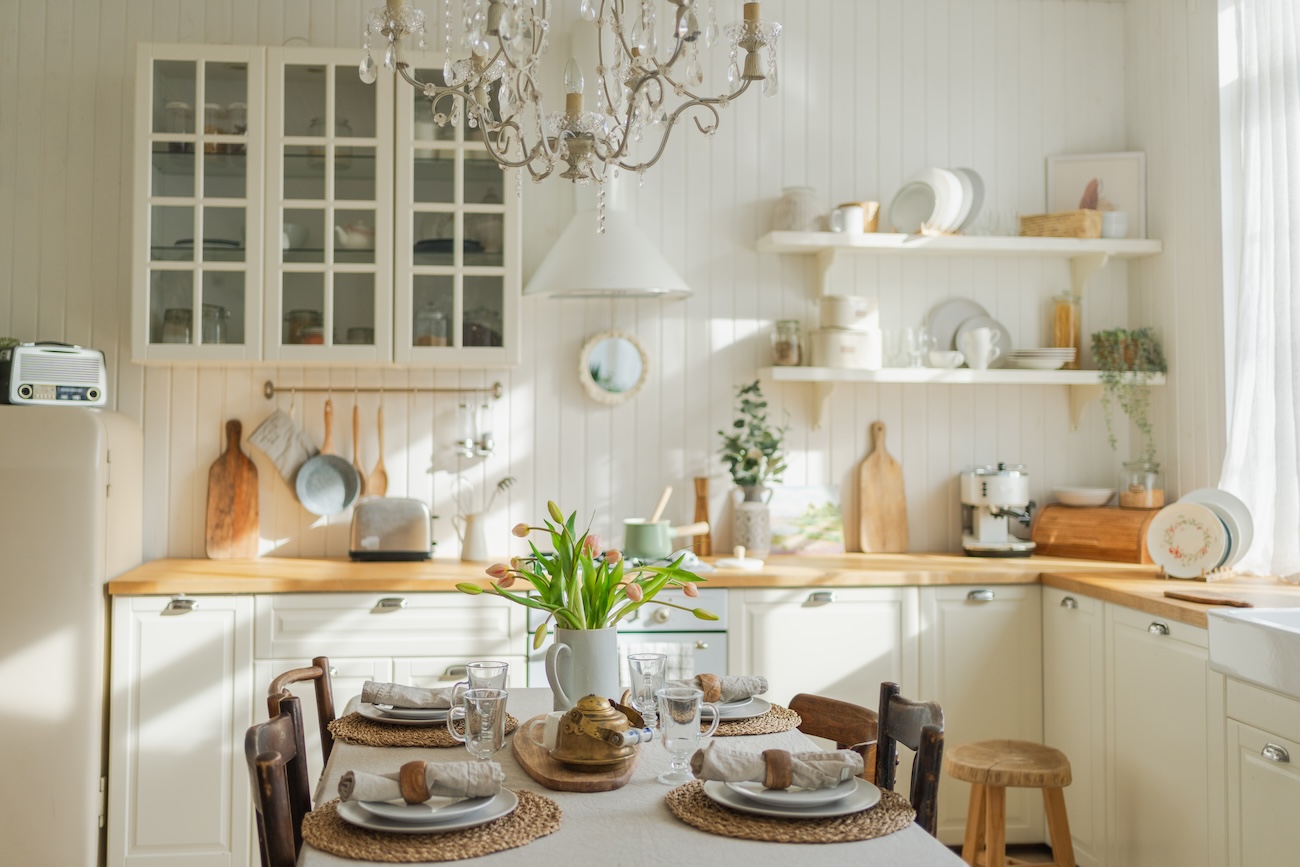
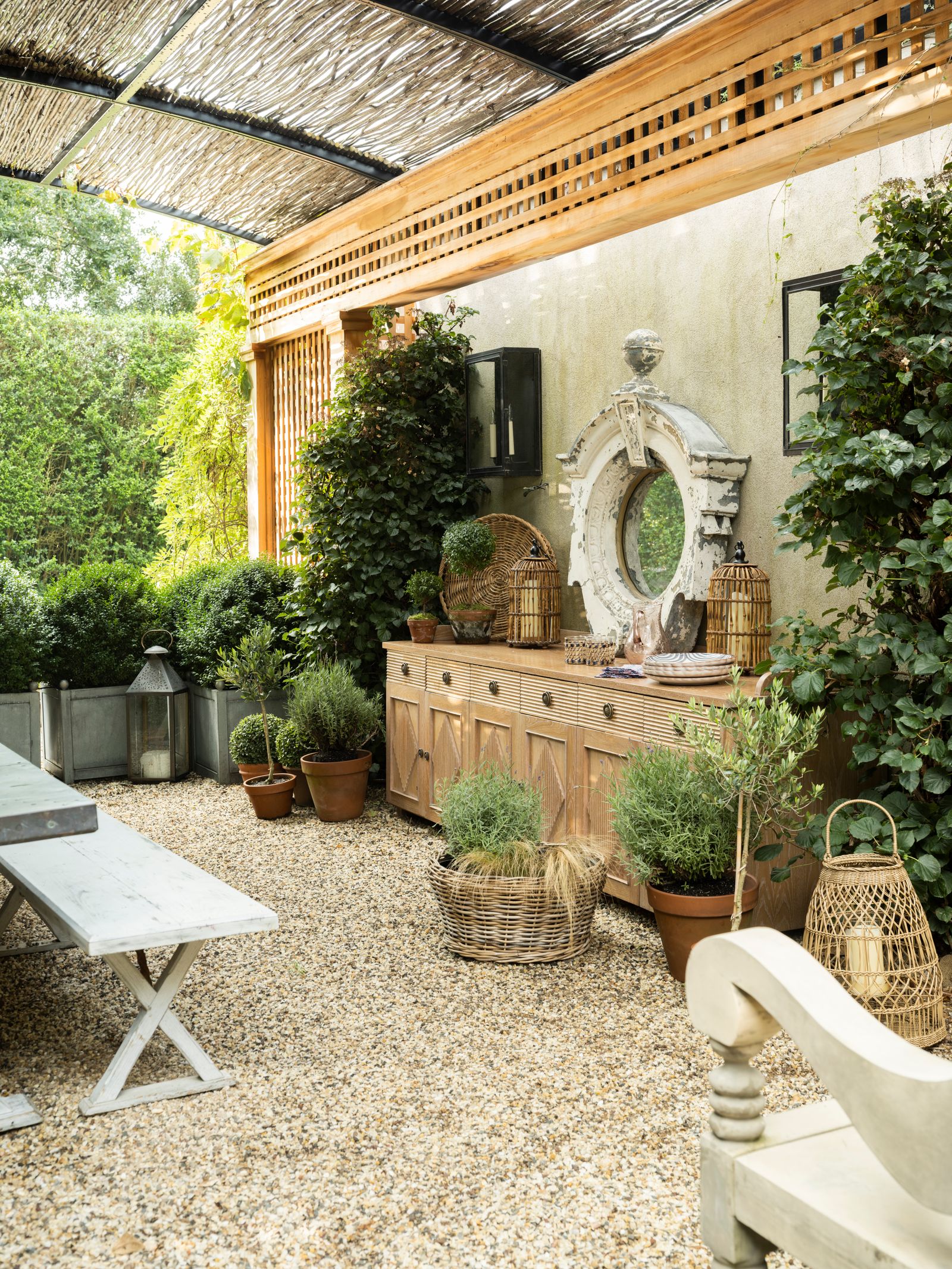
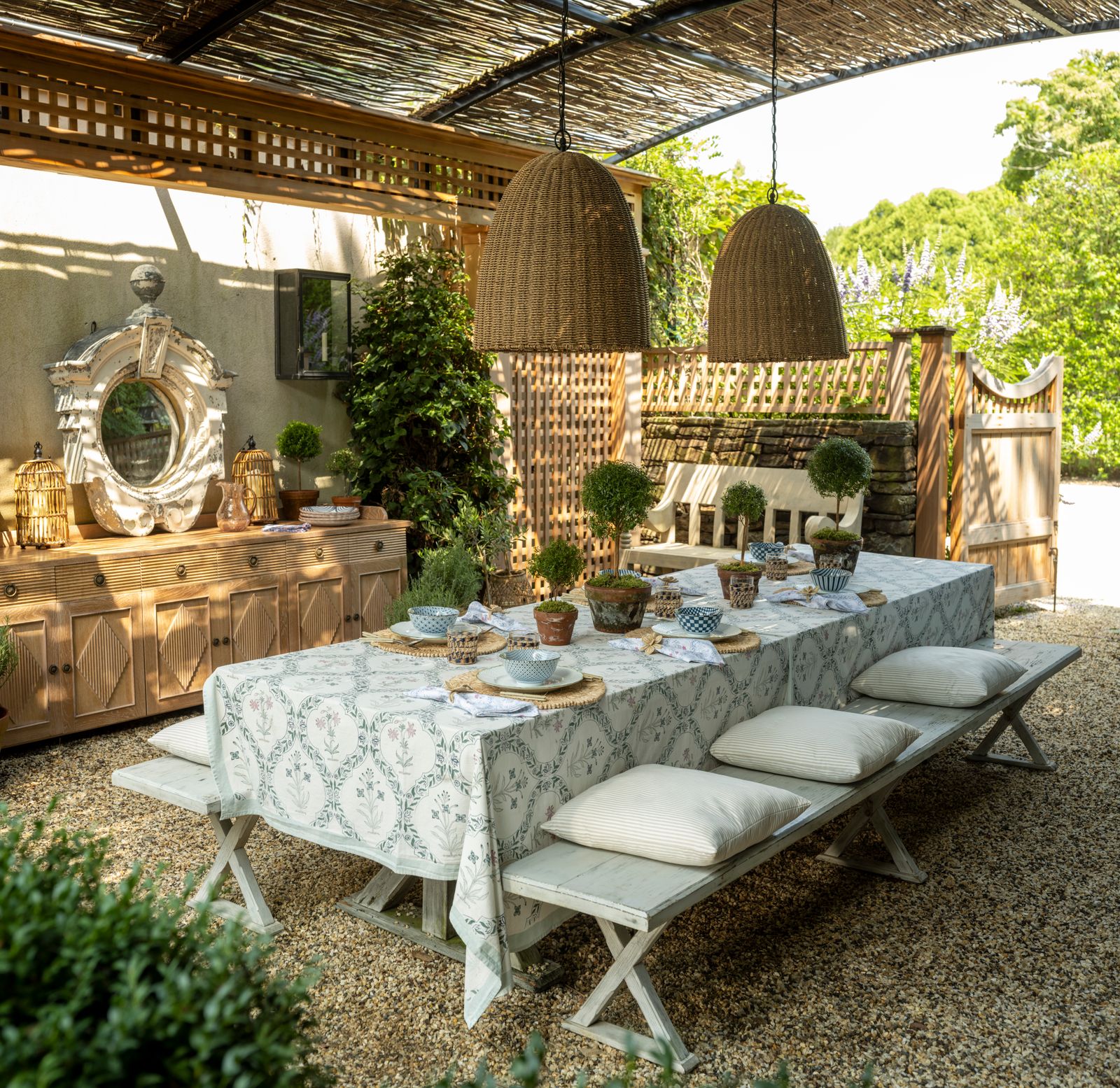
Herbs from a garden provide both aromatic and aesthetic benefits. Laurent, who maintains her own herb garden, uses fresh rosemary or lavender for both cooking and decor. She suggests displaying them as part of a tablescape or on nightstands to impart a sweet and inviting touch. Other herbs like sprigs of thyme or bay leaves can be fashioned into makeshift napkin rings, adding a thoughtful and fragrant detail that guests are likely to appreciate. This use of herbs integrates sensory elements into home design.
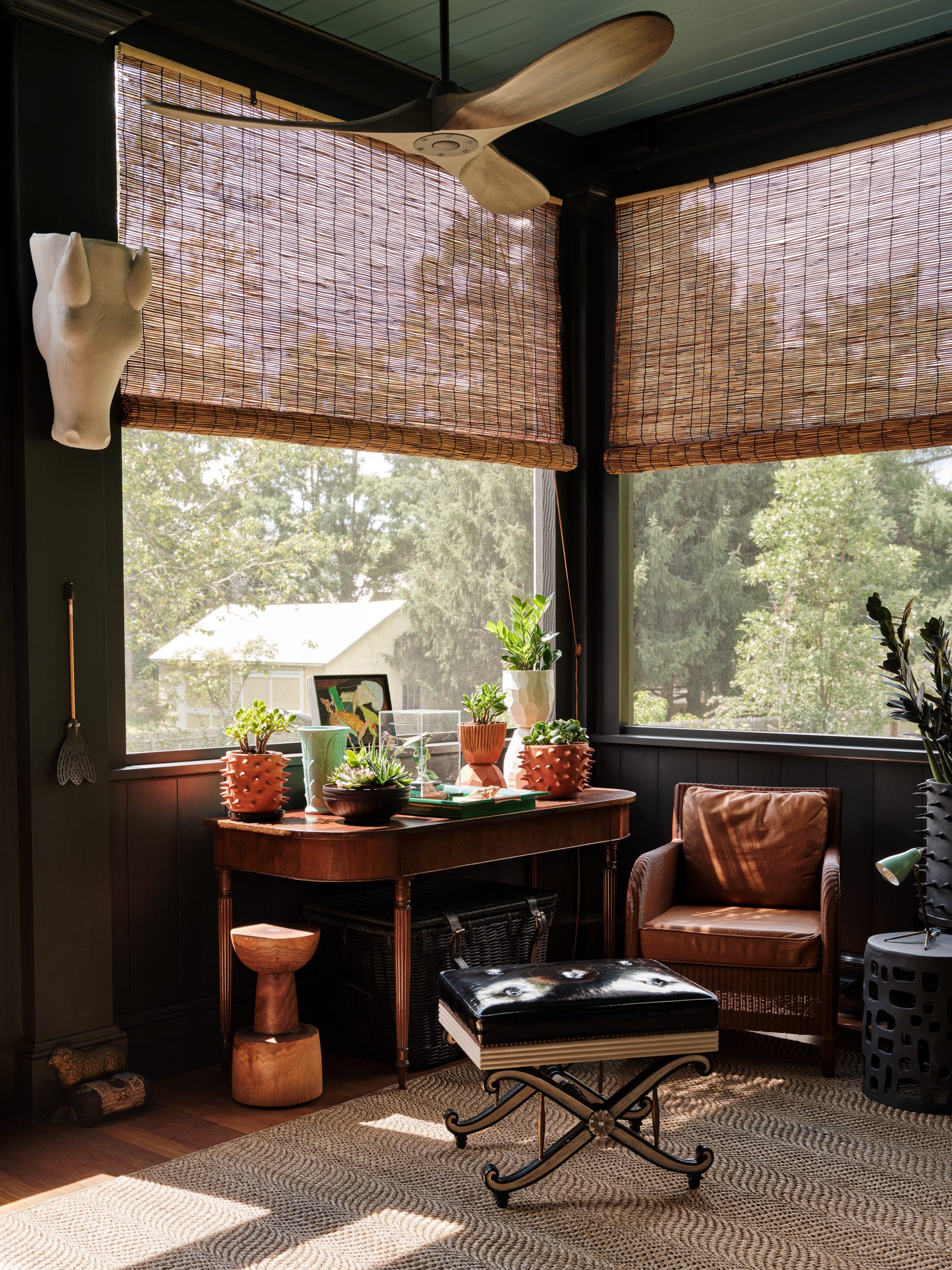
Beyond specific plants, Royder encourages decorating with "wild treasures" found in one's local environment. For those with a rustic aesthetic, items like pinecones and pecans are suitable. For individuals seeking a coastal theme, seashells and river rocks can be incorporated. Each region offers its own unique natural findings, and these foraged pieces hold personal significance, embodying memories or a connection to specific outdoor experiences. This personalization makes foraged decor not only beautiful but also deeply meaningful, transforming a house into a home with unique stories woven into its design. The overall sentiment is that home decor can be made more stylish and authentic by simply looking to the natural elements readily available in one's surroundings.
#HomeDecor #InteriorDesign #Foraging #NaturalElements #SummerDecor #DIYDecor #BotanicalDecor #SustainableLiving #HomeDecor #InteriorDesign #Foraging #NaturalElements #SummerDecor #DIYDecor #BotanicalDecor #SustainableLiving
0 комментариев всего
 Комментариев пока нет
Вам также может понравиться
Amazon Has the Best Summer Home Decor Pieces Right Now
We Combed Design Markets and Shows Around the World to Find the 11 Biggest Interior Trends Right Now

The colour trend taking over our gardens for summer holiday vibes all year round
44 Summer Decor Ideas for a Seasonal Sunny Makeover

8 Summer Home Trends That Will Get Buyers Talking
This Summer’s Hottest Decor Trend Will Never Go Out of Style
Summer can inspire decor all year
5 simple ways to decorate your outdoor space for summer entertaining

Houzz Reveals 8 Emerging Summer Home Design Trends

I’m an Interior Designer, and These Are the 13 Summer Decor Pieces I’m Urging Clients to Buy—From $7

George Home's designer look £40 garden lounge chair sold out twice last year - it's back in stock, but not for long
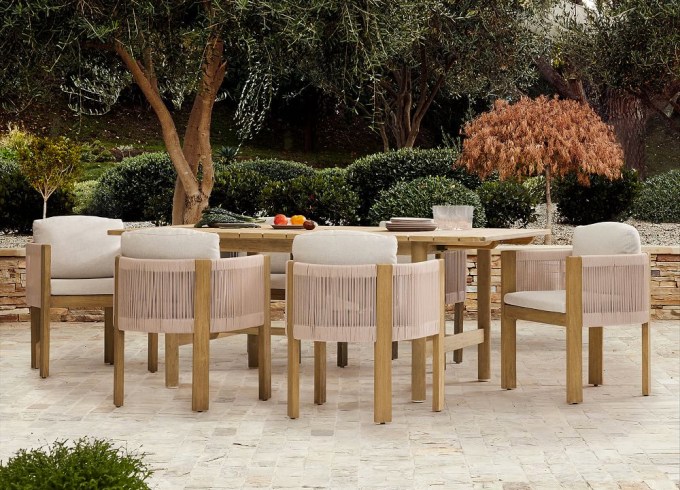
25 Chic Backyard Ideas to Prep Your Space for Summer
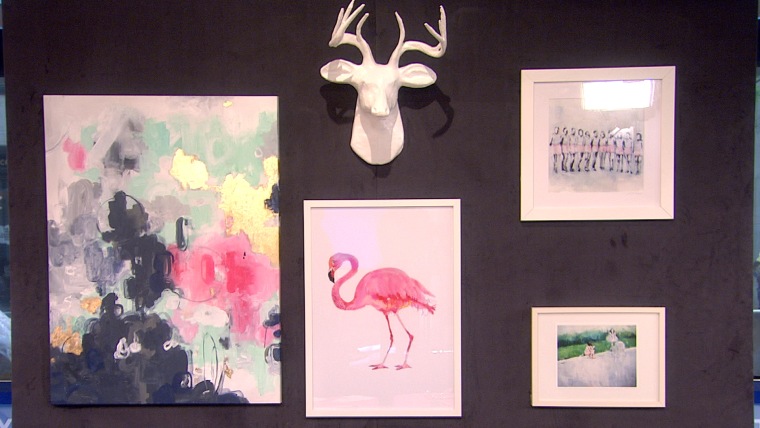
Add summer accents to your home with DIY décor

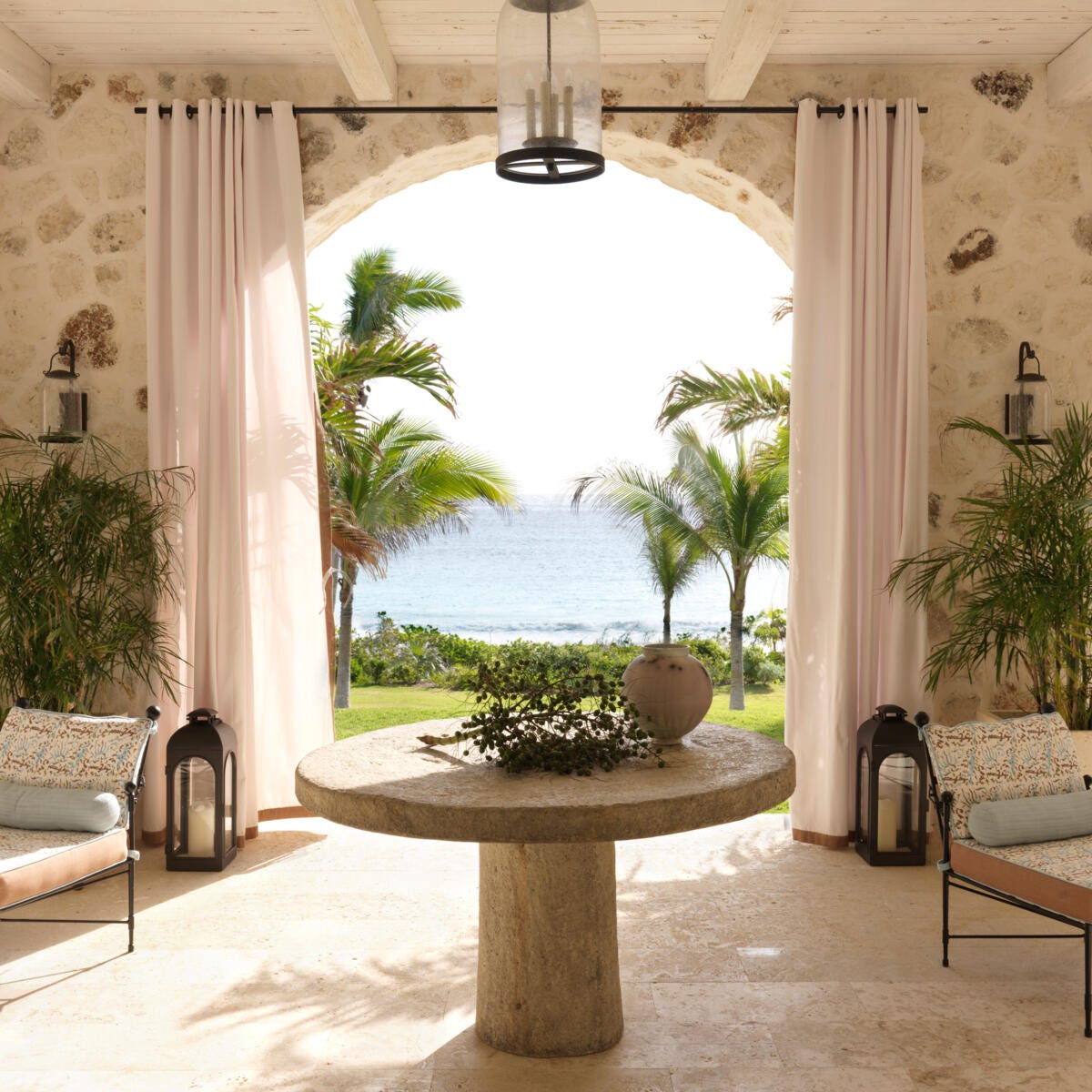
Designers Share the 2025 Summer Trends They’re Actually Seeing
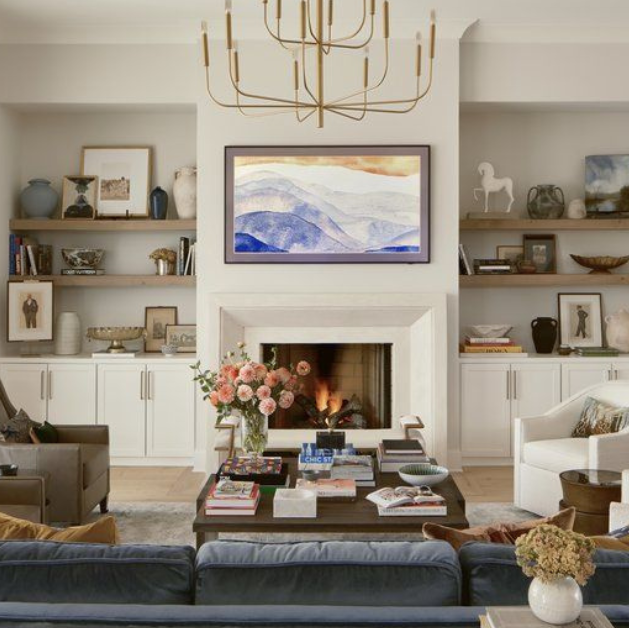
Designers Reveal the Surprising Home Trend That's Taking Over Right Now

7 Colors Designers are Painting Outdoor Furniture in 2024

These Summer Décor Ideas Will Make Your Space Bright and Beautiful

This Is the Coolest Design Feature You Could Have This Summer
How to Get Your Outdoor Space Styled for Summer, No Matter the Size
8 Home Design Trends You'll See Everywhere This Summer, From Beverage Stations to French Country Style