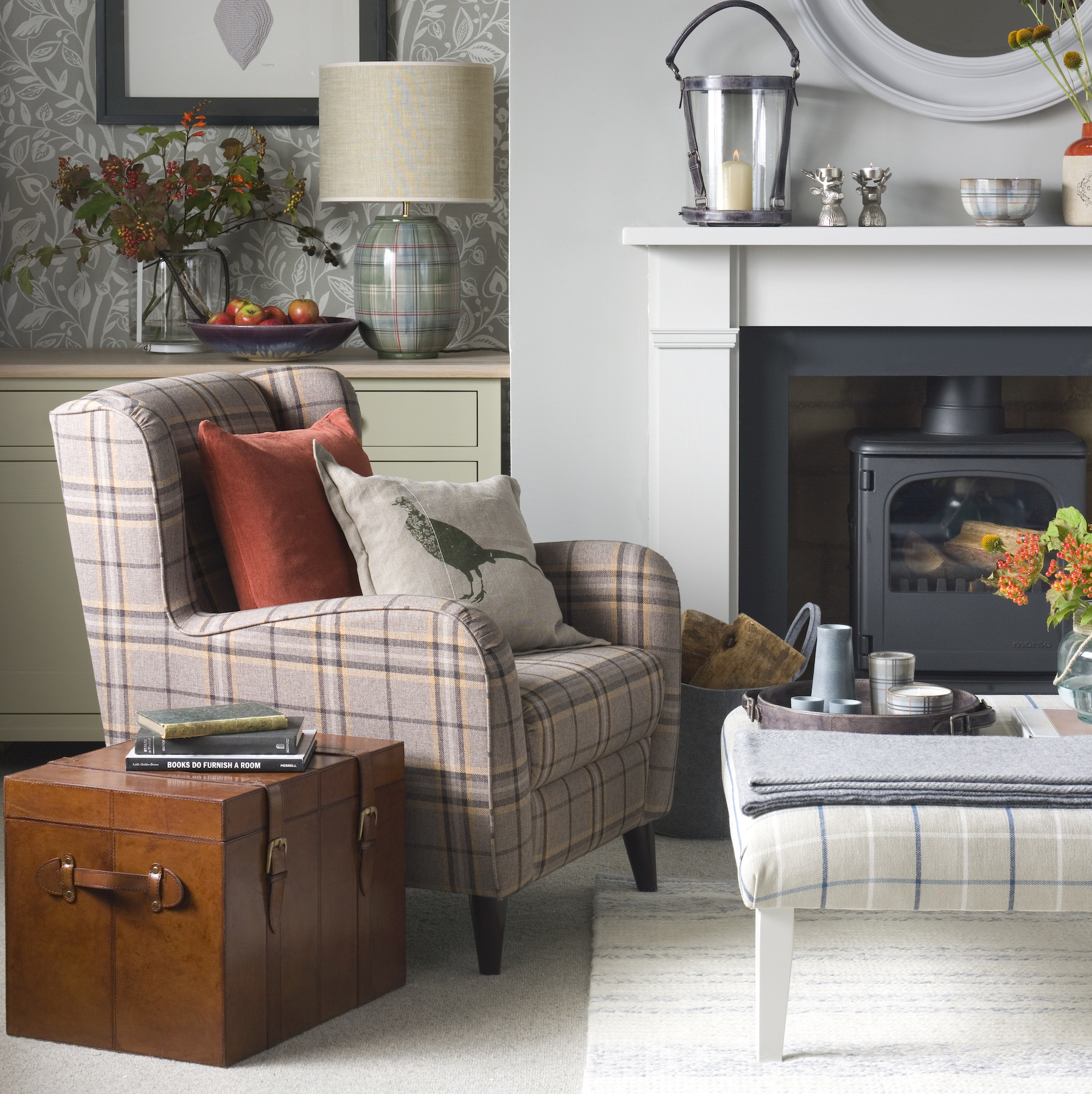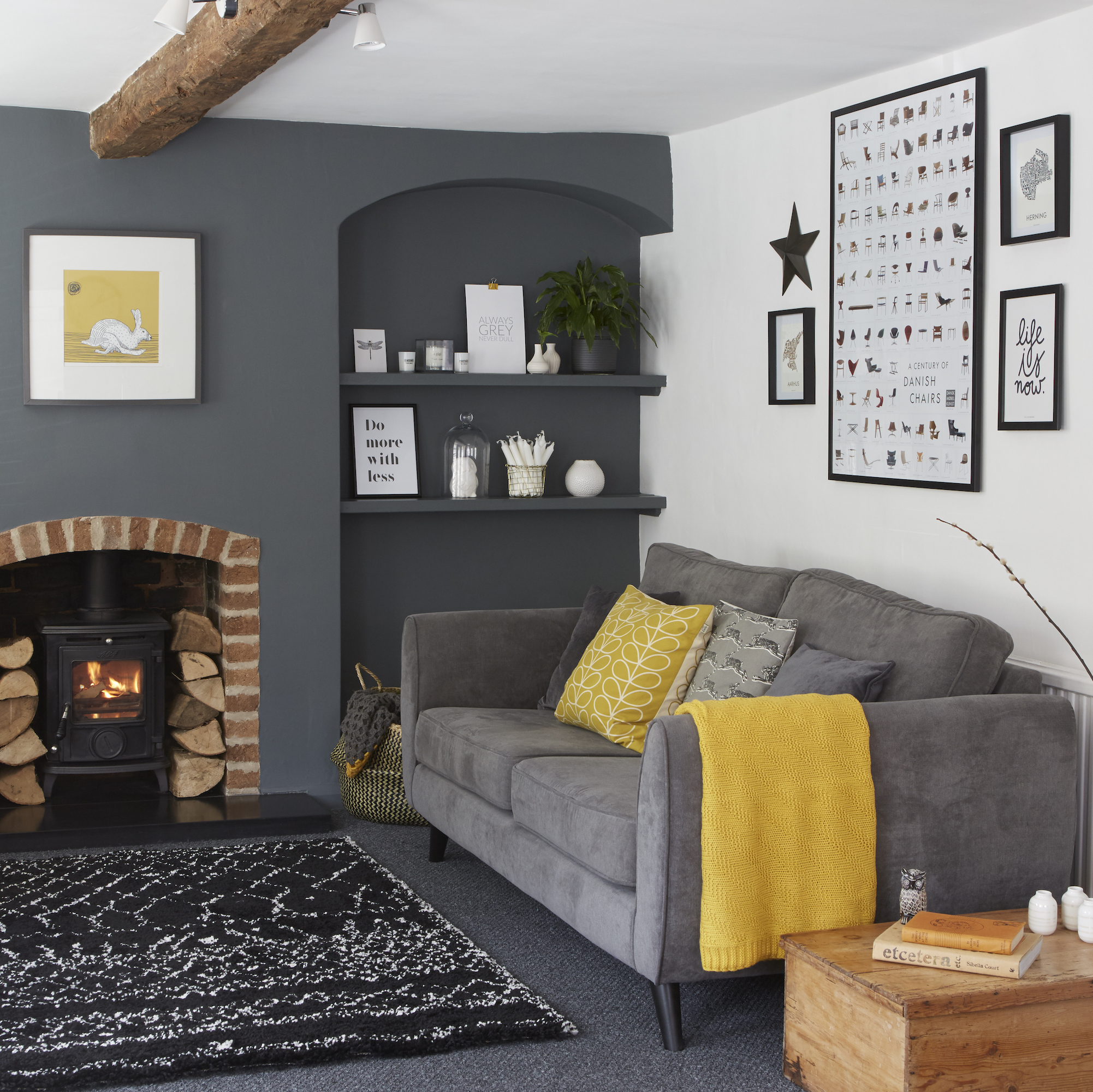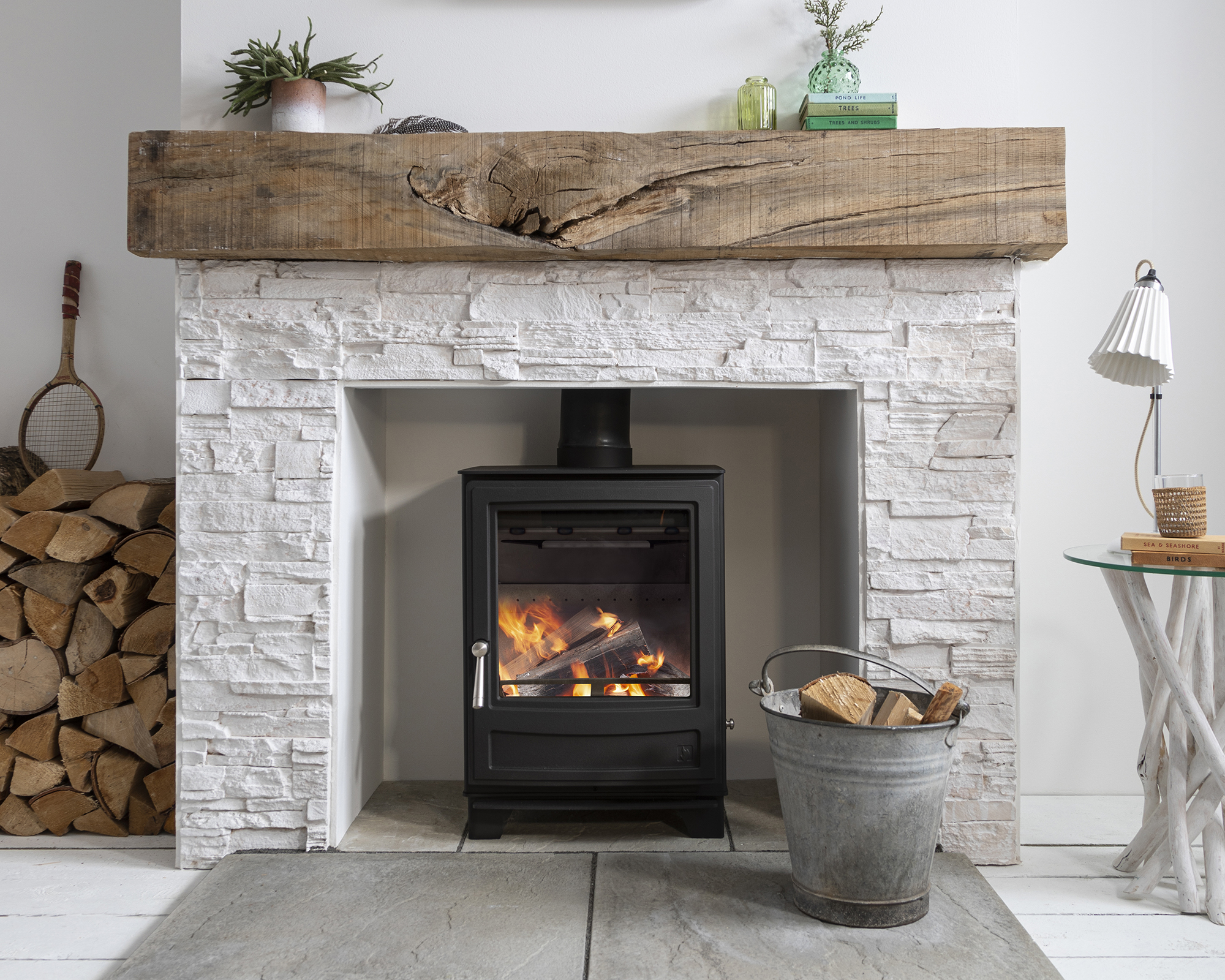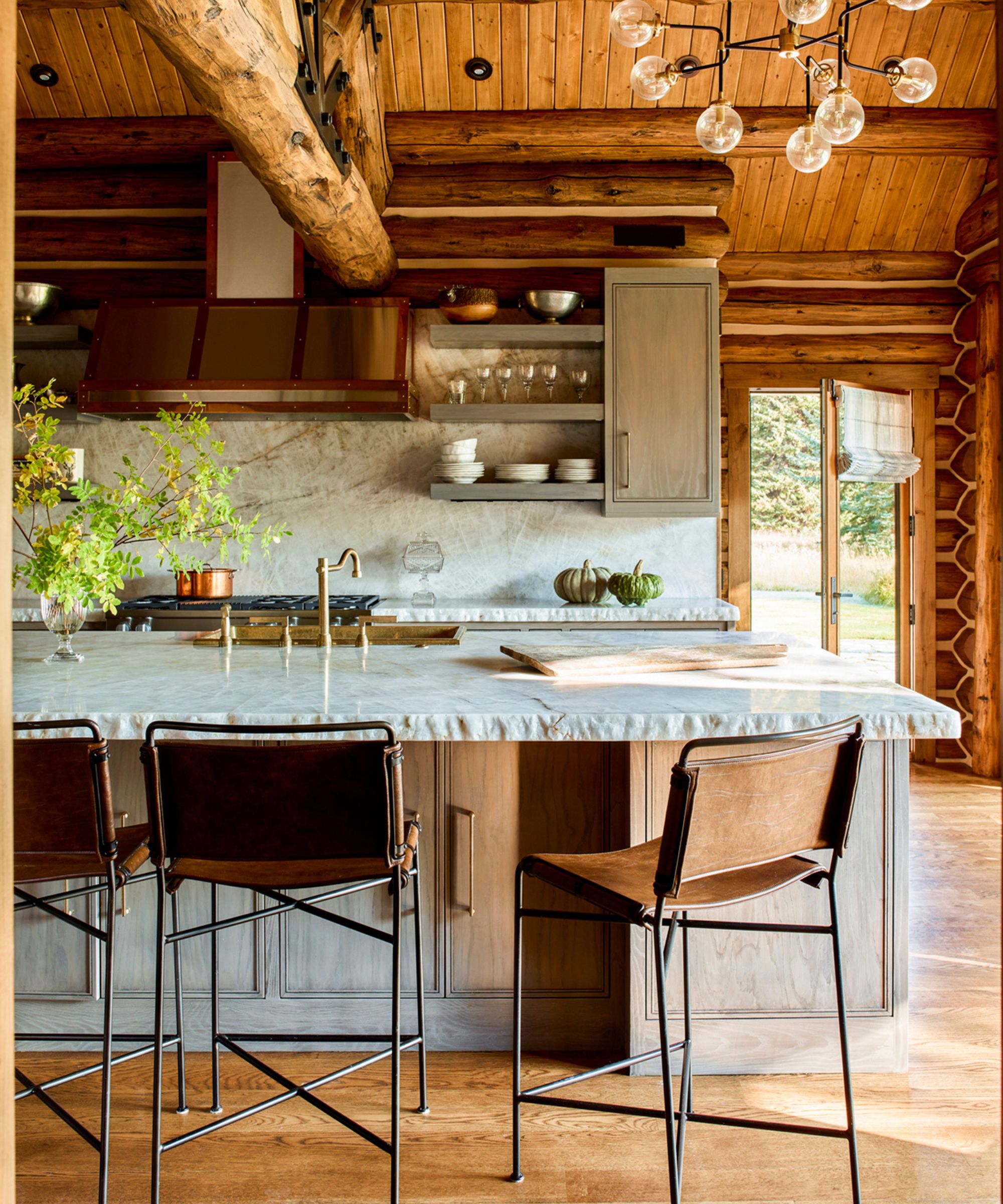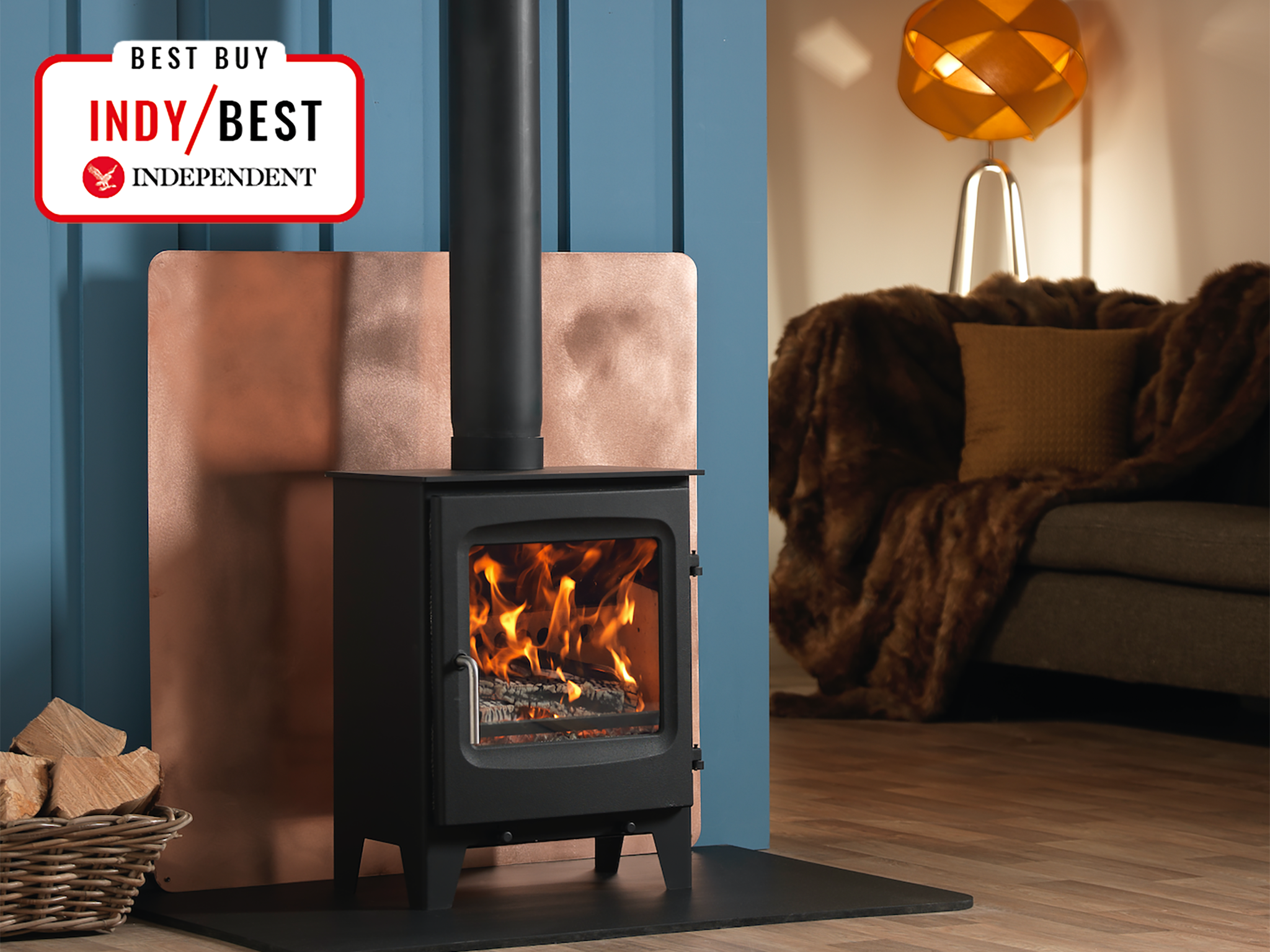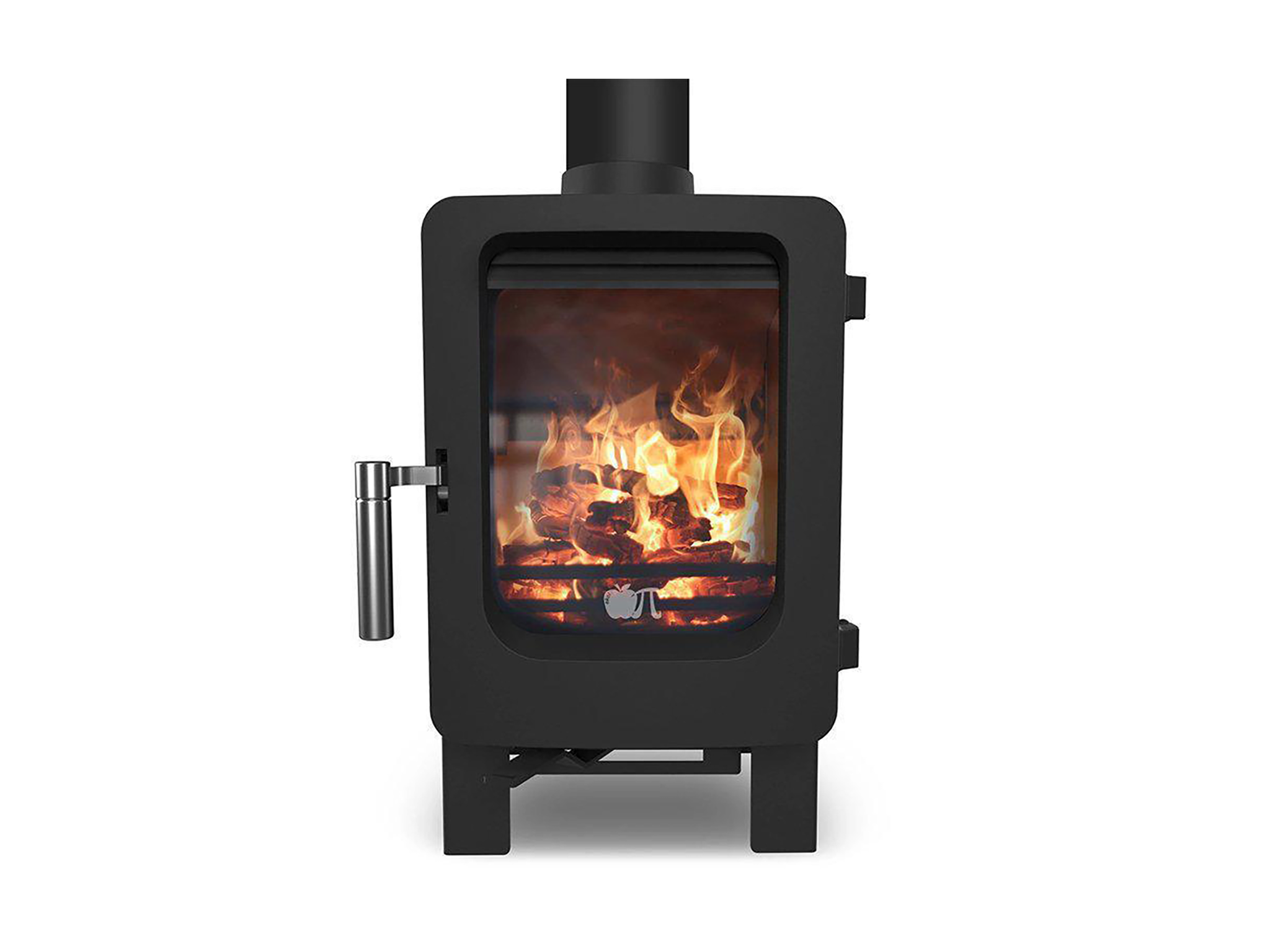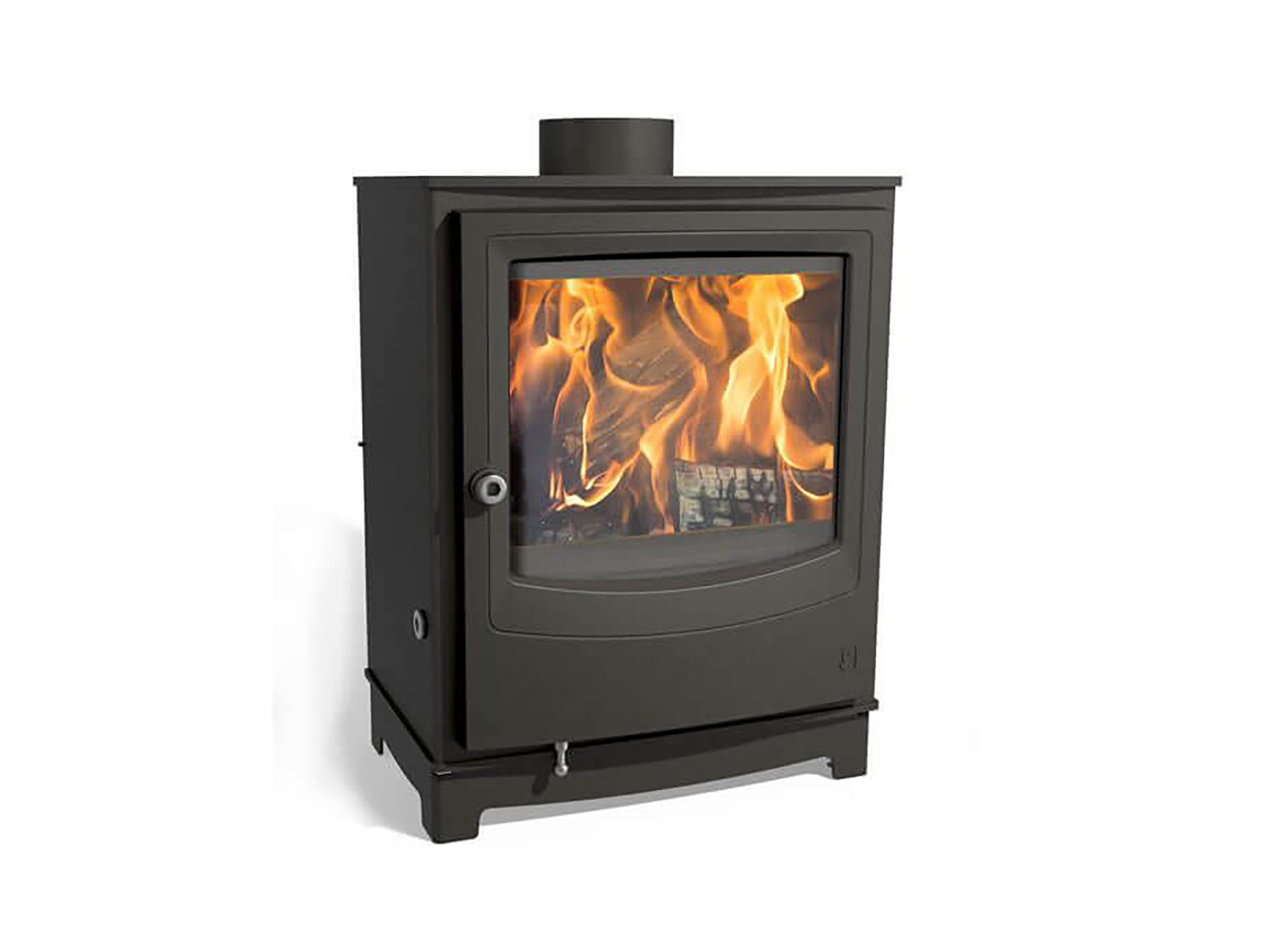
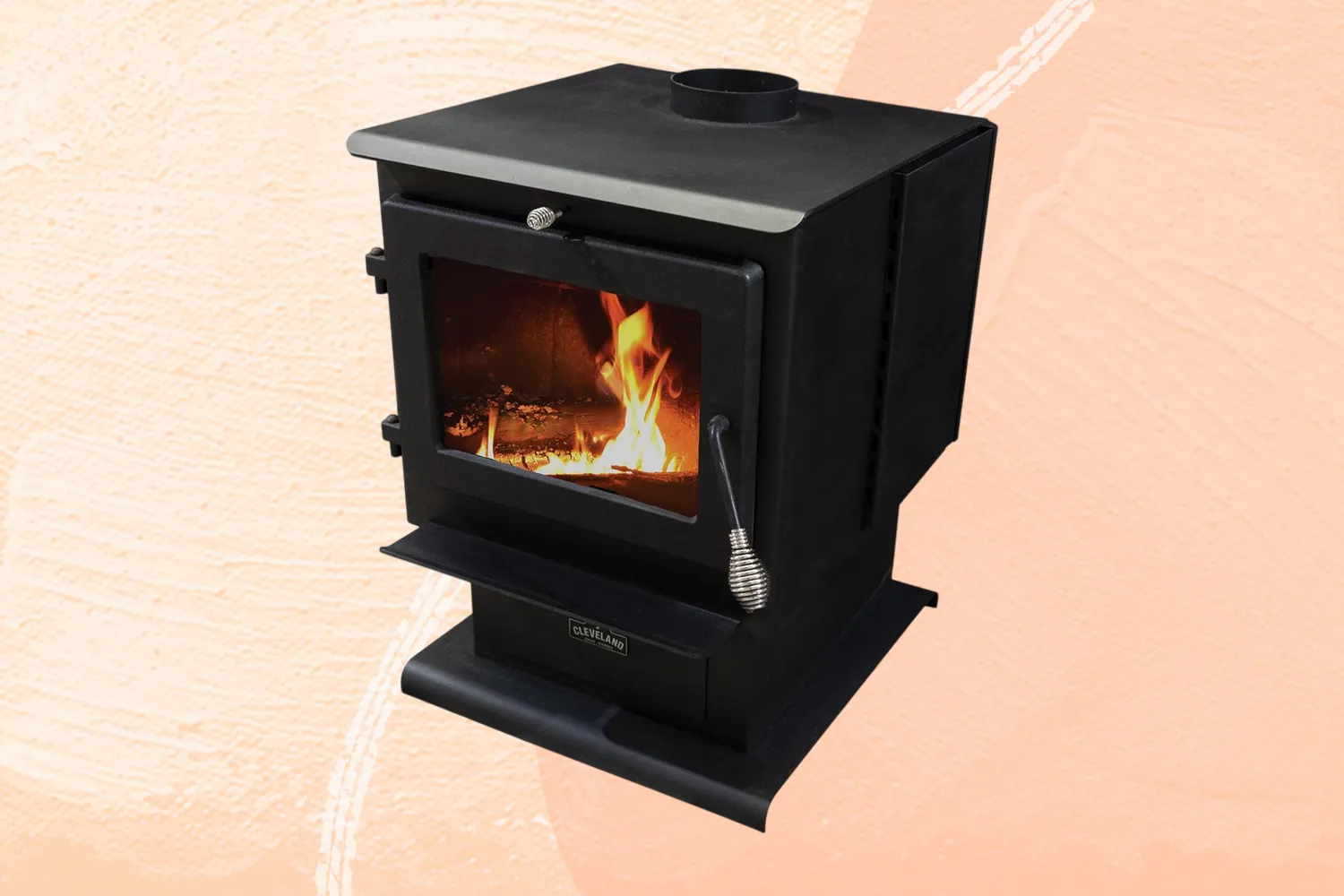
The Best Wood Stoves Can Make Your Home Feel Like a Rustic Cabin—Here Are Our Top 7
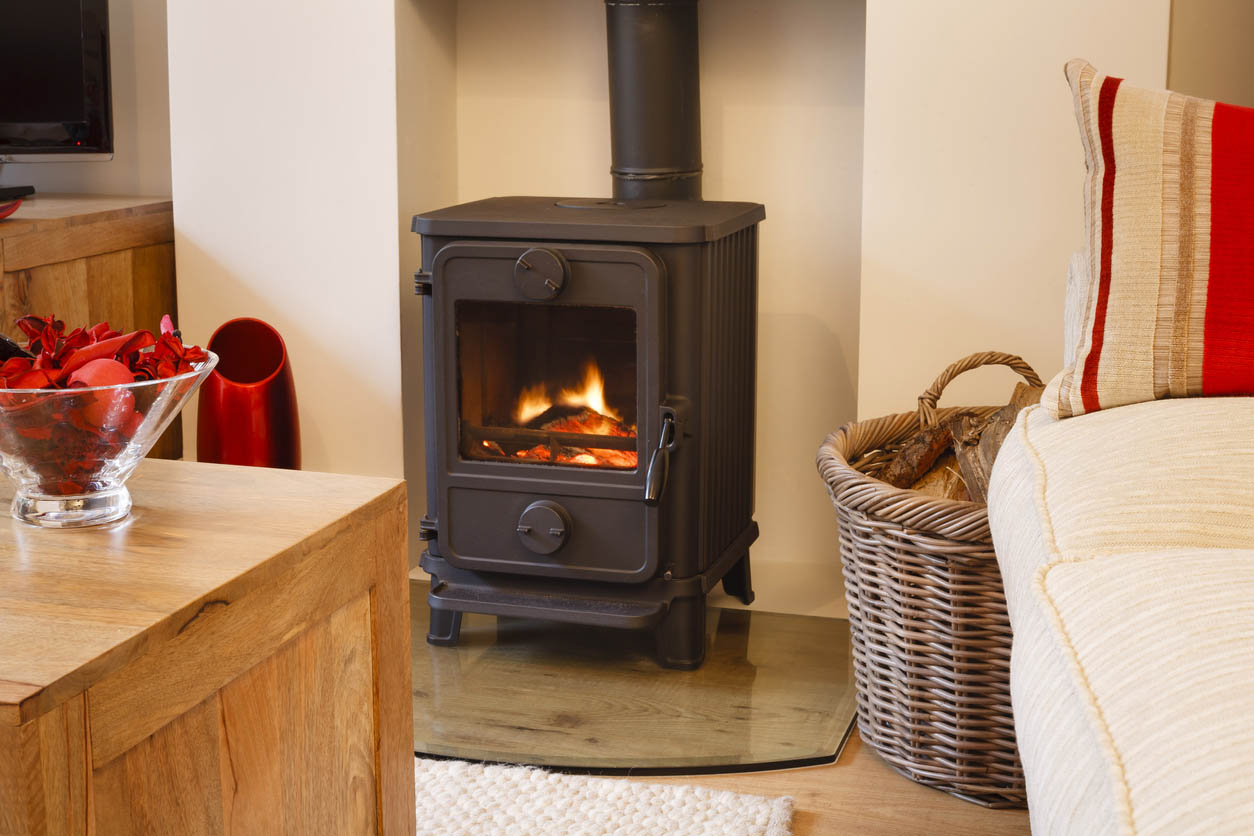
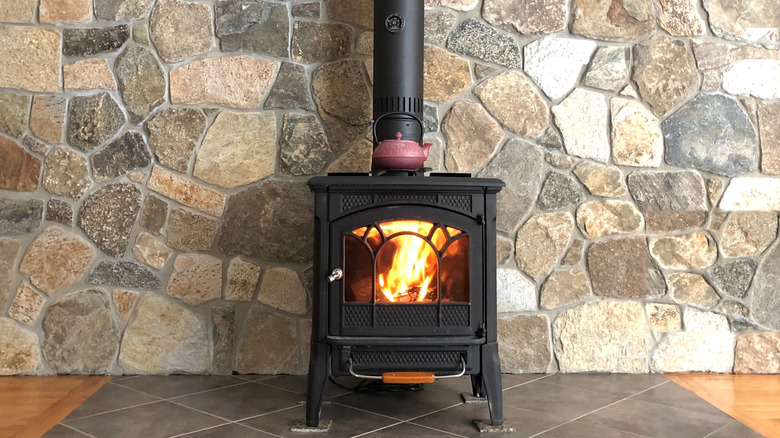
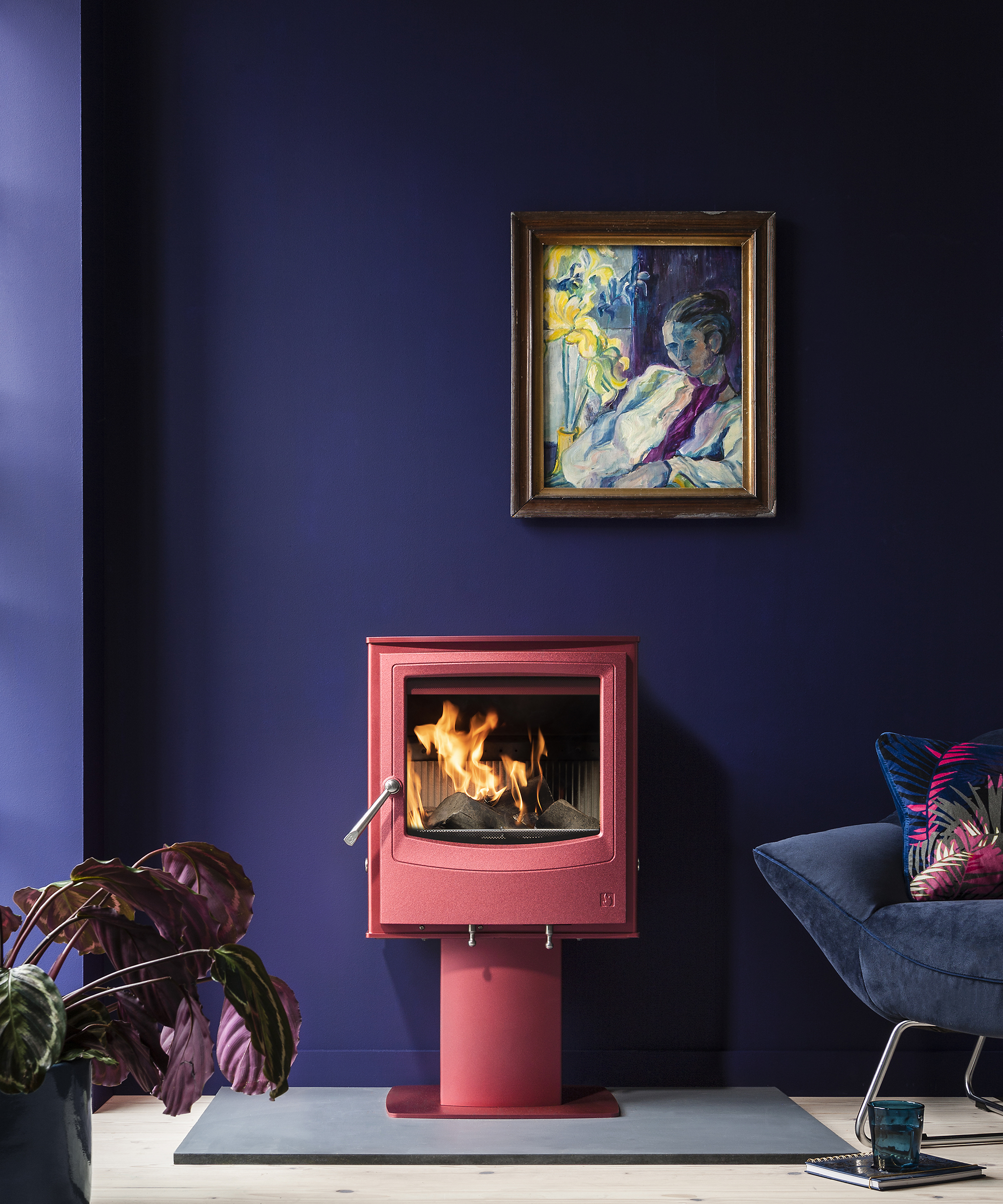
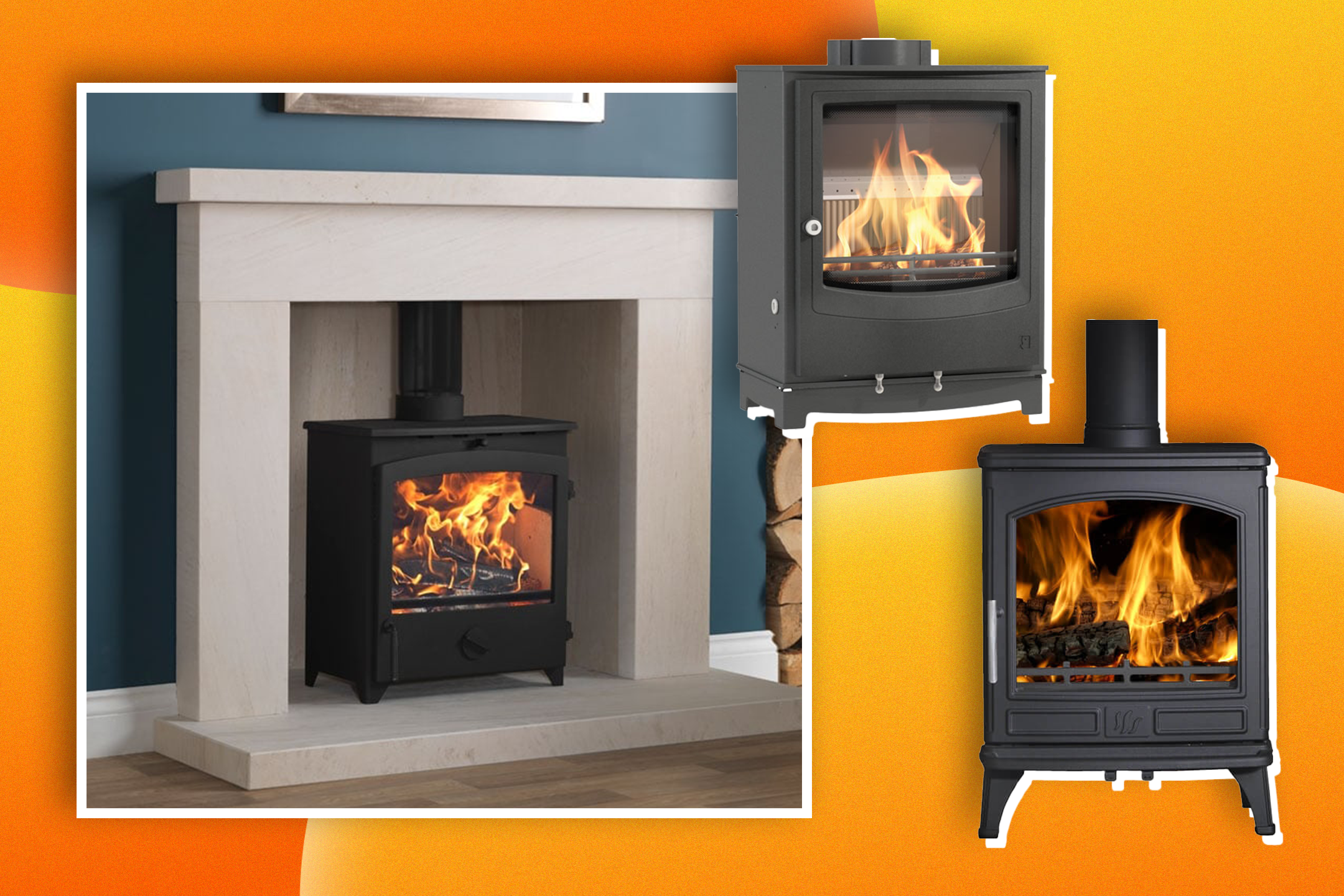
Selecting an appropriate wood stove involves evaluating various factors to ensure efficient and safe heating for a given space. Modern wood stoves, characterized by their closed combustion systems, offer an effective and cleaner heating solution compared to traditional open fireplaces, producing fewer emissions. Before purchasing, it is crucial to understand the installation and ventilation requirements, which can vary significantly between models. The heat output, measured in British Thermal Units (BTUs), is a key metric, as it dictates the size of the area the stove can adequately heat. Generally, 20 to 30 BTUs per square foot are sufficient for well-insulated homes in moderate climates, while poorly insulated homes or those in colder regions may require 30 to 40 BTUs per square foot.
Wood stoves necessitate regular maintenance, primarily the removal of ash, for which specialized ash vacuums can simplify the process. While wood stoves are a popular choice for a rustic aesthetic and effective heating, alternatives such as pellet stoves, electric models, and fireplace inserts offer similar visual appeal with potentially less intensive upkeep. Pellet stoves, for instance, utilize compressed wood pellets, often featuring larger hoppers for extended burn times and remote control capabilities, but can accumulate soot on viewing glass. Electric stoves, while essentially portable heaters, provide adjustable heat and flame settings independently, allowing for ambiance without constant heat, though their flame effects might not always be realistic.
Key features to consider when choosing a wood stove include the durability of the firebox, the size and accessibility of the ash bins, and the presence of airwash systems. Airwash systems are particularly beneficial for maintaining the cleanliness of the viewing glass, which enhances burn quality and reduces mess. The material of the stove also impacts its heating properties; cast iron heats up slowly but retains heat for longer, while steel heats and cools more rapidly. Efficiency ratings, though not always explicitly stated, indicate how effectively a stove converts fuel into heat. Many modern stoves are EPA-certified, signifying high efficiency and lower emissions.
Another important distinction is between catalytic and non-catalytic stoves. Catalytic models generally offer higher energy efficiency and longer burn times, but require the replacement of a combustor every five to seven years. Hybrid furnaces combine both catalytic and non-catalytic systems for maximum efficiency and operational flexibility, albeit at a higher initial cost and maintenance requirement. Installation considerations are paramount; larger, heavier models often require professional installation to comply with local codes and mitigate risks such as fire or carbon monoxide poisoning. Proper external venting, whether from the top or rear of the stove, is essential for safe operation. Additionally, installing smoke and carbon monoxide detectors and scheduling annual inspections by a chimney company are critical safety measures for any wood stove owner.
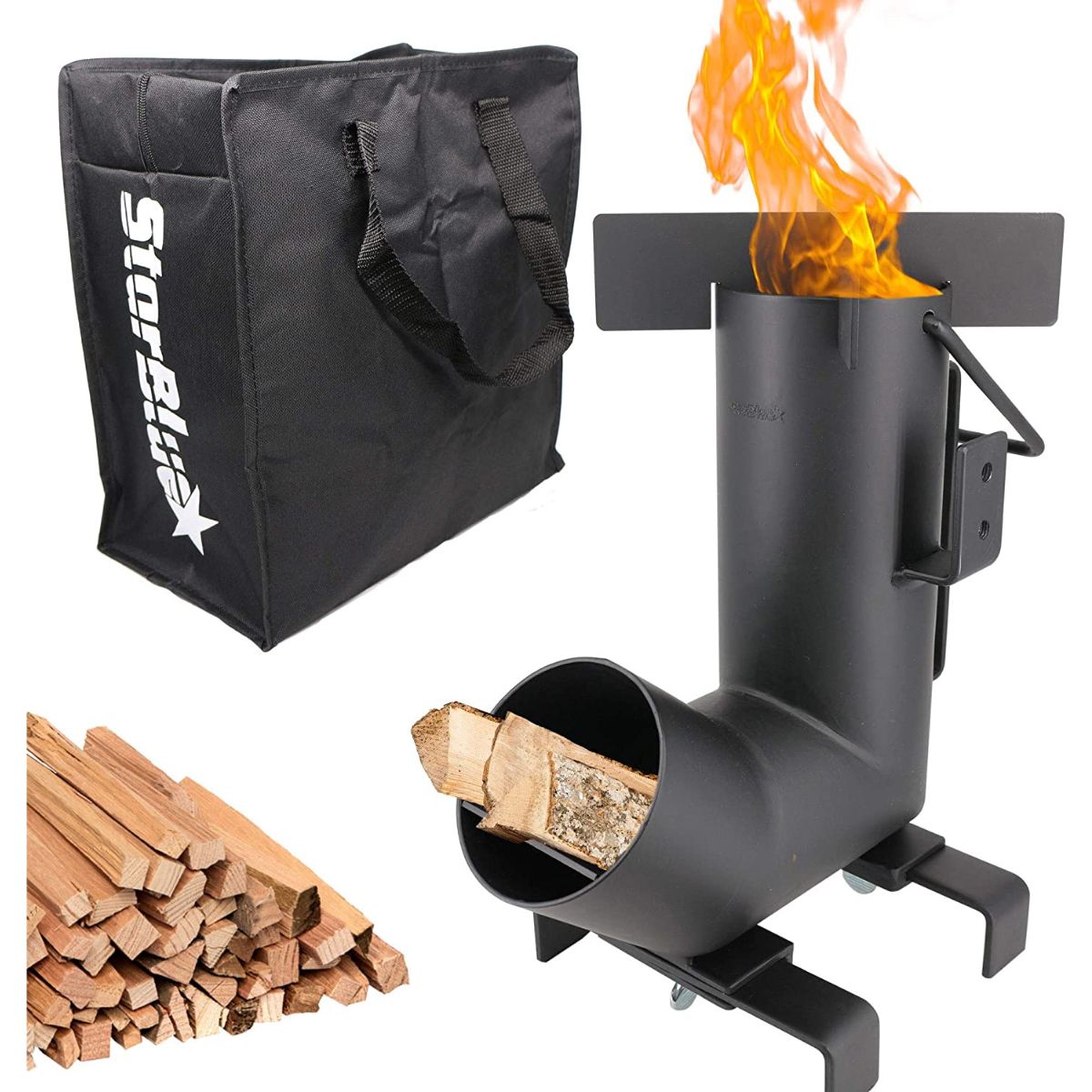
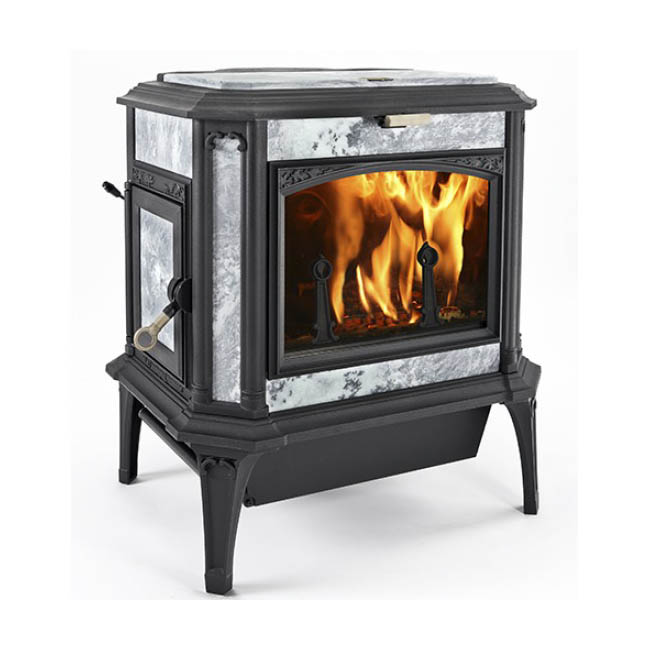
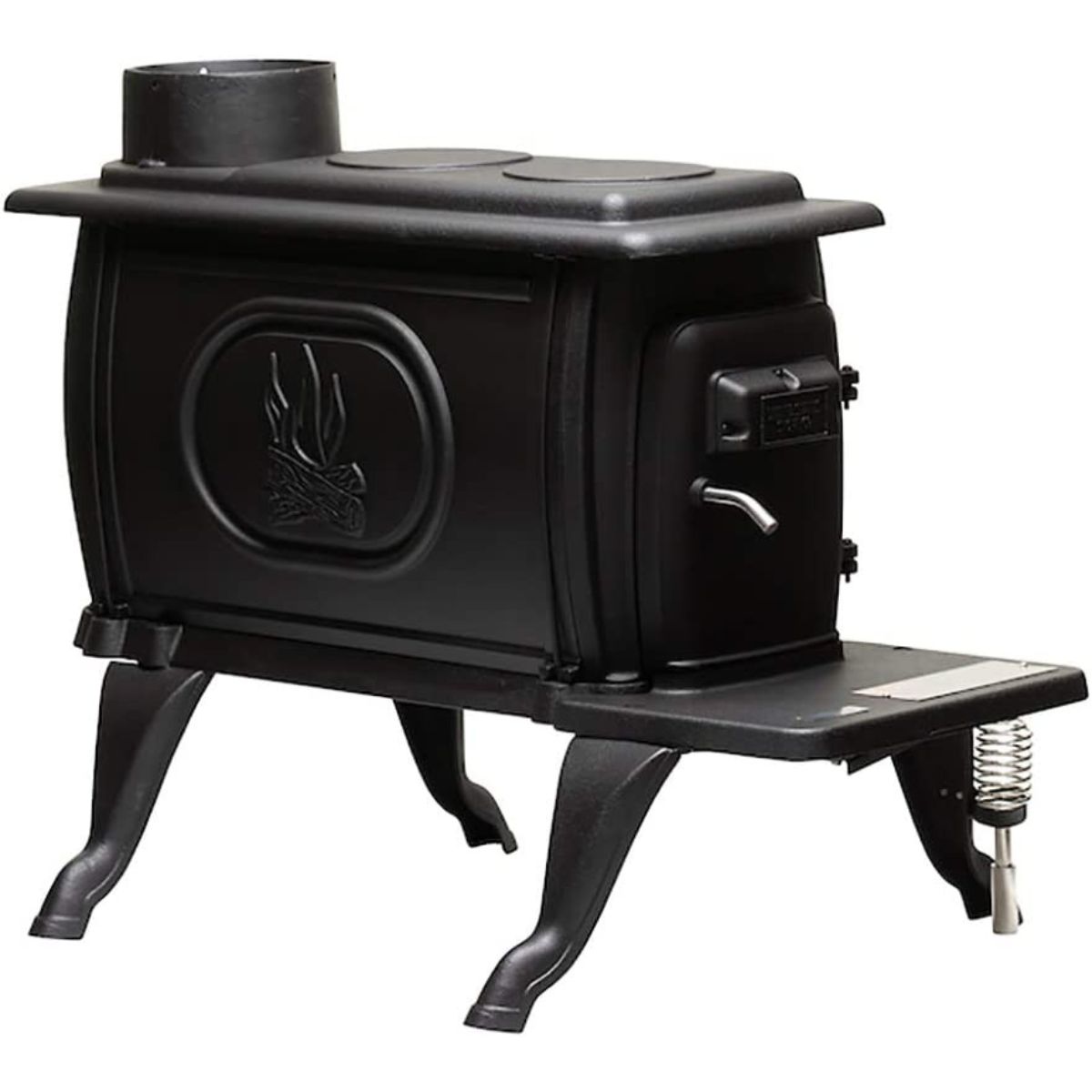
The market offers a range of wood stove options to suit various needs and budgets. For example, mid-sized homes can benefit from models like the Cleveland Iron Works Huron Wood Stove, which heats approximately 2,500 square feet and features a large ash pan. Budget-friendly options, such as the US Stove Rustic Cast Iron Stove, can heat smaller spaces of around 900 square feet and accommodate longer logs, despite lacking a viewing window or ash clean-out drawer. For larger areas, heavy-duty models like the Ashley Hearth Pedestal Wood Burning Stove can heat up to 3,200 square feet. Fireplace inserts, such as the Ashley Hearth Wood Stove Insert, are designed to upgrade existing, inefficient fireplaces, providing improved heating power and a safer burn, often with features like air-wash systems and built-in blowers for heat circulation. These inserts typically require professional installation due to their weight and the need for proper flue connections and electrical hookups.
#WoodStoves #HomeHeating #EnergyEfficiency #HomeImprovement #InteriorDesign #PelletStoves #ElectricStoves #FireplaceInserts #HomeSafety #WoodStoves #HomeHeating #EnergyEfficiency #HomeImprovement #InteriorDesign #PelletStoves #ElectricStoves #FireplaceInserts #HomeSafety
0 комментариев всего
 Комментариев пока нет
Вам также может понравиться
The 8 Best Wood Stoves for Warmth, Efficiency, and Ambiance

19 Ideas To Create A Dreamy Whimsical Woodland Cabin

5 rustic kitchens to inspire your next home makeover

50 Rustic Home Decor Ideas To Fuel Your Daydreams
These 7 wonderful wood kitchen ideas will add "natural warmth and beauty" to your space, say interior pros

13 rustic kitchen ideas to add some countryside charm to your home

31 Rustic Fire Pit Ideas That Make Any Backyard Feel Like a Retreat

25 Kitchens That Make The Case For Rustic Style

3 rustic wooden cabins that radiate warmth and comfort
Open fires v wood-burning stoves: The grate debate
Bring the Outdoors In With These Cozy Cabin Decor Ideas

3 log cabin kitchens filled with charm and rustic inspiration

21 Cabin Kitchen Ideas That Feel Rustic, Warm, and Wonderfully Lived-In

Log storage ideas – stylish ways to display your winter fire wood indoors

Wood burner ideas: 16 hot designs that will warm your heart and your home

11 best log burners that’ll heat rooms of all sizes

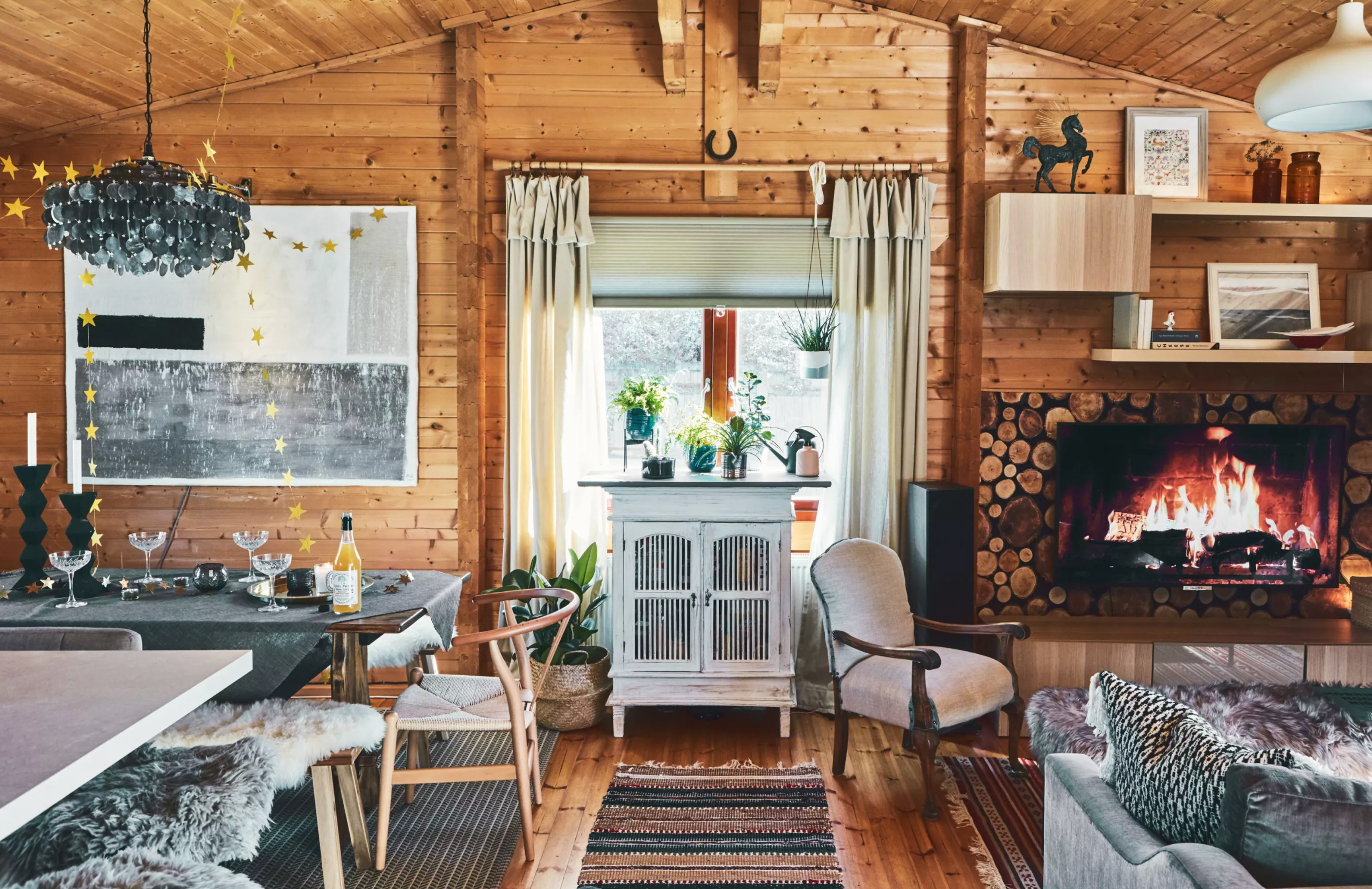
10 cabin decor ideas you can bring into your home even if you don't live in a cabin

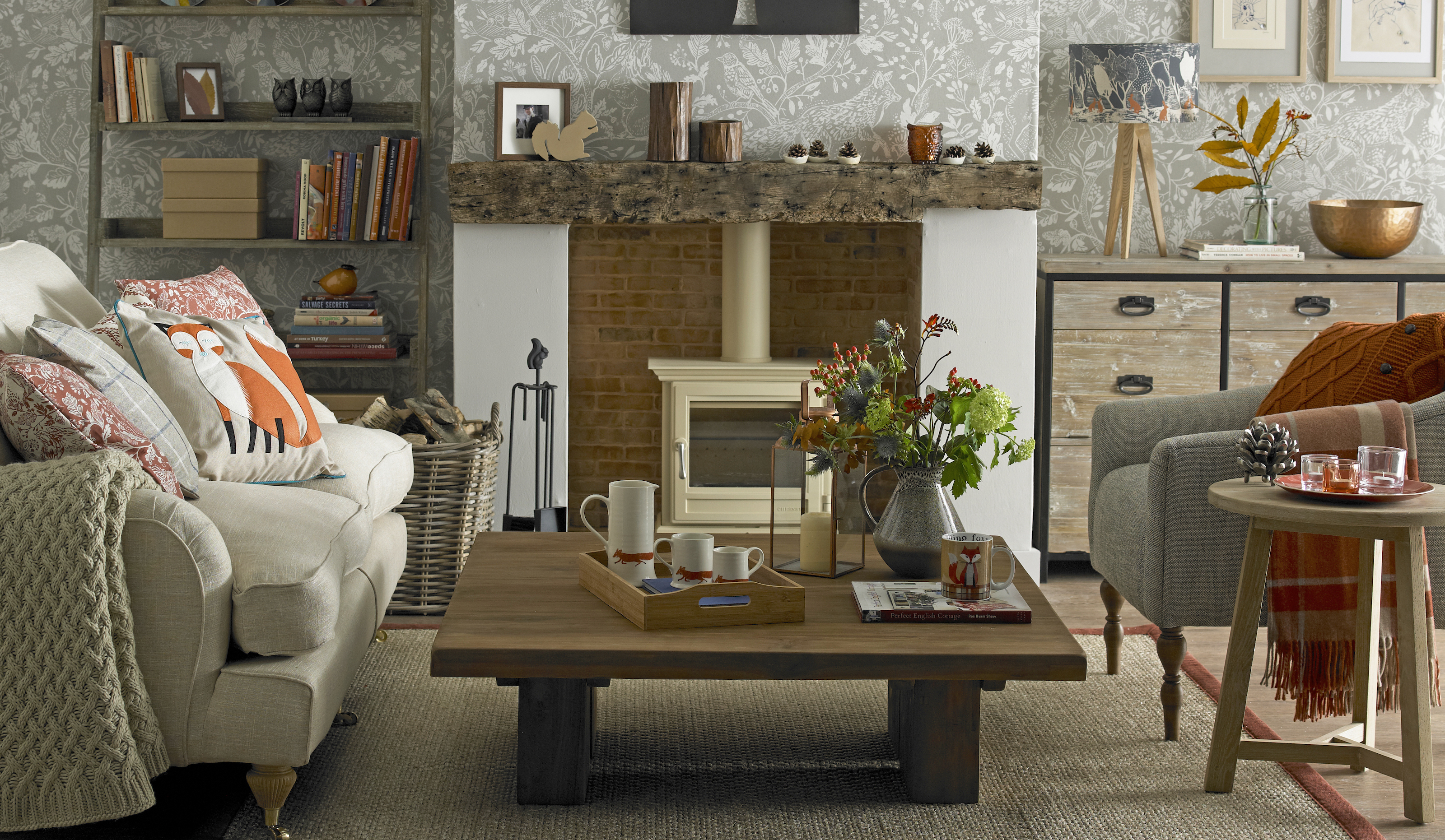
Rustic living room ideas that will add country warmth to any home

70 Fireplace Ideas to Bring the Coziest Vibes to Your Space

Country living room ideas for a perfect rustic retreat in your own home